In This Guide
- The 5 RV Families Compared for Canada
- Class A (Integrated) - Best For Luxury RV Rentals in Canada
- Price Comparison by RV Class for Last Minute RV Rental in Canada
- Class SI (Semi-Integrated) - Best For Mid-Range RV Adventures in Canada
- Class C (Alcove) - Best For Family RV Rentals in Canada
- Class B (Campervan) - Best For Agile Explorers in Canada
- Class TC (Truck Camper) - Best For Off-Grid Canadian Exploration
- Side-by-Side Comparison Table for RV Families in Canada
- Our Recommendation for Last Minute RV Rental Travelers in Canada
- What are the Detailed Budget Breakdowns for RV Travel in Canada?
- Where to Find Comprehensive Guides to Boondocking and Dispersed Camping in Canada?
- What are the Insights for Extended RV Stays in Canada?
- What are the Recommendations for Off-the-Beaten-Path RV Destinations in Canada?
- What In-depth Safety and Preparedness Advice is Needed for RVing in Canada?
- What are the Strategies for Staying Connected as a Digital Nomad RVing in Canada?
- What Specific Guidance is Available for Winter RVing in Canada?
- Where to Find Detailed Information for RVers Traveling with Pets in Canada?
- What You Shouldn't Miss
The 5 RV Families Compared for Canada
RV choice for last-minute rentals in Canada significantly impacts trip flexibility, overall cost, and onboard comfort, which are all crucial considerations for a memorable adventure. Canada's vast and diverse terrain, ranging from coastal highways to rugged mountain passes and expansive prairies, coupled with varied climates, means that the right motorhome can make all the difference to your experience. For live availability and current prices, start with our RV Rental Canada - Complete Guide 2026 guide. When selecting an RV family, your group size and desired amenities are paramount factors that will dictate the optimal choice for your Canadian RV adventure. Whether you're a couple seeking nimble exploration or a family needing ample space, understanding the distinct characteristics of each motorhome class is key, especially when booking a last minute rv rental in Canada. We are true RV specialists, deeply understanding the nuances of different RVs and regions, ready to help you find the perfect fit.Class A (Integrated) - Best For Luxury RV Rentals in Canada
Class A integrated motorhomes, averaging 7.5 meters in length and comfortably sleeping 4 to 6 people (e.g., the Class A - Thor ACE 30, with a length of 9.37m, sleeping 6), are the pinnacle of luxury, spaciousness, and a home-like experience on any Canadian journey. These larger, bus-style RVs offer extensive amenities such as full kitchens, multiple sleeping areas, and often larger bathrooms, making them perfect for longer trips or bigger groups who prioritize comfort and don't mind a larger footprint. Imagine preparing meals in a fully equipped kitchen like the one in a camper for rent example Elite Traveller, which typically includes a refrigerator, stove, and microwave, ensuring you can enjoy RV-friendly recipes playlist while on the road. With an average fuel consumption around 11-12 Liters/100 km (or 20-25 Liters/100 km for larger gas models like the rv rentals utah example Sunrise Escape), their trade-offs include higher fuel costs and less maneuverability on narrower roads or in bustling urban centers, though careful driving makes anything possible. Drive slowly and carefully, and you can drive almost anywhere without issues. No need to stress - just use common sense and pay attention.Price Comparison by RV Class for Last Minute RV Rental in Canada
RV rental pricing in Canada is dynamically flex-rated, meaning rates change daily based on factors like demand, seasonality, and supplier marketing decisions, similar to airline tickets. The table below provides real example prices from Bandana's live search for various RV classes and durations (e.g., 1-week, 2-week, or 1-month rentals), offering insight into typical costs across different motorhome types. For instance, a Class C motorhome like the MH-B, sleeping 6, has an example daily price of $191 CAD. These prices for a last minute rv rental in Canada can fluctuate significantly, so always check live availability and current rates for your specific travel dates and pick-up locations. Remember that while last-minute availability is possible, planning a two-week adventure or longer might offer more competitive rates.Live April Price Comparison — RV Class × Trip Length
| Trip length | Class A | Class B | Class C | Class SI | Class TC |
|---|---|---|---|---|---|
| 1 week 15/04 → 22/04 | [Price_ClassType-A_PickupID-129_DropoffID-129_PickupDate-15/04_DropoffDate-22/04] | [Price_ClassType-B_PickupID-129_DropoffID-129_PickupDate-15/04_DropoffDate-22/04] | [Price_ClassType-C_PickupID-129_DropoffID-129_PickupDate-15/04_DropoffDate-22/04] | [Price_ClassType-SI_PickupID-129_DropoffID-129_PickupDate-15/04_DropoffDate-22/04] | [Price_ClassType-TC_PickupID-129_DropoffID-129_PickupDate-15/04_DropoffDate-22/04] |
| 2 weeks 15/04 → 29/04 | [Price_ClassType-A_PickupID-129_DropoffID-129_PickupDate-15/04_DropoffDate-29/04] | [Price_ClassType-B_PickupID-129_DropoffID-129_PickupDate-15/04_DropoffDate-29/04] | [Price_ClassType-C_PickupID-129_DropoffID-129_PickupDate-15/04_DropoffDate-29/04] | [Price_ClassType-SI_PickupID-129_DropoffID-129_PickupDate-15/04_DropoffDate-29/04] | [Price_ClassType-TC_PickupID-129_DropoffID-129_PickupDate-15/04_DropoffDate-29/04] |
| 1 month 01/04 → 30/04 | [Price_ClassType-A_PickupID-129_DropoffID-129_PickupDate-01/04_DropoffDate-30/04] | [Price_ClassType-B_PickupID-129_DropoffID-129_PickupDate-01/04_DropoffDate-30/04] | [Price_ClassType-C_PickupID-129_DropoffID-129_PickupDate-01/04_DropoffDate-30/04] | [Price_ClassType-SI_PickupID-129_DropoffID-129_PickupDate-01/04_DropoffDate-30/04] | [Price_ClassType-TC_PickupID-129_DropoffID-129_PickupDate-01/04_DropoffDate-30/04] |
Estimates only — flex-rate prices change daily based on availability and season.
Class SI (Semi-Integrated) - Best For Mid-Range RV Adventures in Canada
Class SI semi-integrated motorhomes are best for travelers seeking a balanced blend of comfort, maneuverability, and fuel efficiency for their last minute rv rental in Canada, offering a more streamlined driving experience than larger Class A models. Averaging 6.9 meters in length and comfortably sleeping 3 to 4 people (e.g., the B 2 - Classic, with a length of 6.5m, sleeping 2-4), these RVs are an excellent choice for couples or small families exploring Canada's scenic routes, such as the Icefields Parkway. The integration of the cab into the living space, though not seamless like a Class A, still offers a more spacious feel than a campervan. With typical fuel consumption around 10-11 Liters/100 km and an average load capacity of 72.2 kg, Class SIs offer a good balance for varied Canadian terrains without the bulk of an integrated unit, making them ideal for a two-week adventure. Many models like the Active Compact Select come equipped with a shower and toilet, adding to your comfort on the road.Class C (Alcove) - Best For Family RV Rentals in Canada
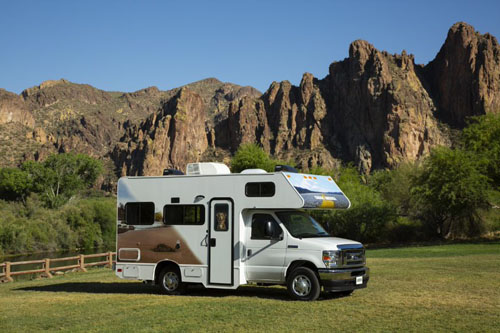
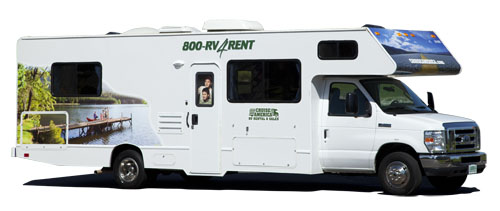
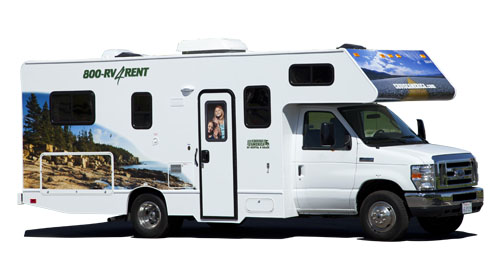
Class C alcove motorhomes are primarily best for families or groups needing extra sleeping capacity and a robust vehicle for exploring Canada's diverse landscapes, offering an excellent combination of space and practicality. Averaging 7.5 meters in length and sleeping up to 6 people (e.g., the 24 Class C Motorhome, which sleeps 5-6 with a bed over the cab and rear double bed), these RVs are a cost-efficient option ideal for last-minute family adventures. The distinctive over-cab bunk (alcove) provides an additional bed, often preferred by children. A typical Class C, like the CA-25 model from our partners, includes a 150-liter refrigerator, a 3-burner gas stove, and a microwave, facilitating easy meal preparation during your trip. With common fuel consumption between 10-12 Liters/100 km, they are well-suited for typical Canadian road conditions and offer a comfortable travel experience for multiple passengers. Consider exploring routes from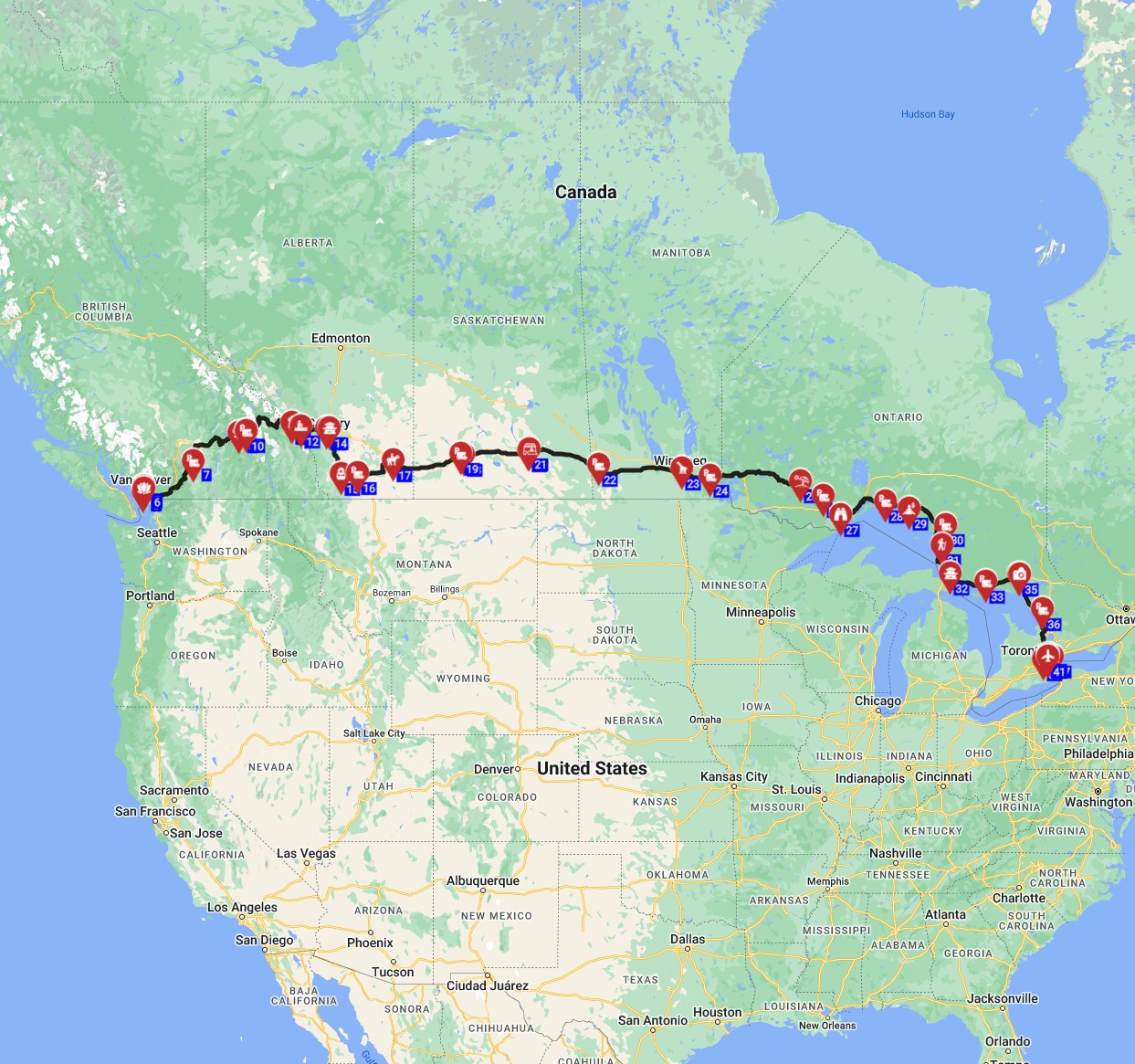
Vancouver to Toronto - Trans Canada West to East
Class B (Campervan) - Best For Agile Explorers in Canada
Class B campervans are best for last-minute RV renters in Canada prioritizing maneuverability, fuel economy, and ease of parking, making them ideal for couples or solo adventurers. Averaging a compact 5.8 meters in length and sleeping 2 to 3 people (e.g., the M2, with a length of 4.89m, sleeping 4, or the DVC, which sleeps 2 comfortably), these vans offer a nimble driving experience, akin to a large SUV, which is perfect for navigating both city streets and winding park roads. Imagine parking your compact campervan easily in Halifax or exploring the scenic coastal roads near Dartmouth. With excellent fuel efficiency, often around 10 Liters/100 km, Class B campervans are favored for spontaneous trips, accessing remote campsites, or blending seamlessly into urban environments while still providing essential amenities like a compact kitchen (often with a 2-burner gas stove and 80-liter refrigerator) and a toilet, though showers might be minimal. The "rv rental denver example Category Van" is a good instance of a campervan providing basic comfort in a small footprint. For more on finding Cheap RV Rental in Canada - Budget Guide 2026 options, campervans are often a great starting point.Class TC (Truck Camper) - Best For Off-Grid Canadian Exploration
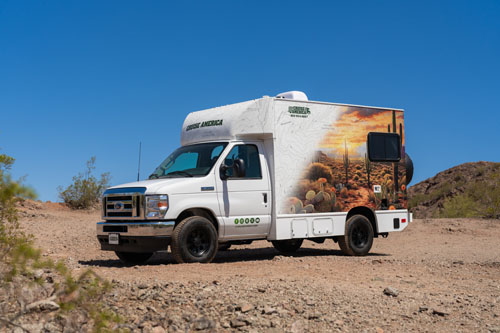
Class TC truck campers are best for adventurous last-minute renters in Canada who desire exceptional off-grid capability, flexibility, and access to more rugged or remote locations, functioning as a robust, self-contained motorhome unit mounted onto a pickup truck chassis. Averaging 5.5 meters in length and typically sleeping 2 to 3 people (e.g., the rv rentals phoenix example T17 Truck Camper, which sleeps 3 with a 2-burner stove and a 85-L refrigerator), these campers offer the unique advantage of the truck's off-road potential, allowing for versatile exploration at your destination after detaching the camper. With fuel consumption ranging from 12-17 Liters/100 km, their sturdy nature makes them ideal for reaching provincial parks, backcountry trails, and hidden gems across Canada, though they offer limited internal load capacity and living space compared to larger motorhomes. The "Patagonia Camper 4x4 double cab" is another excellent example, offering 4 Wheel Drive capabilities. A standard driver's license is sufficient for these units. You'll find great route plans on RV PLANET (rvplan.net) specifically designed for adventurous routes.Side-by-Side Comparison Table for RV Families in Canada
This comparison table provides a quick overview of the key features and ideal use cases for the various motorhome and campervan families available for last minute rv rental in Canada. Reviewing average lengths, sleeping capacities, fuel consumption, and best-fit scenarios helps in quickly identifying the most suitable RV for your specific last-minute trip needs. The table summarizes the distinct advantages of each RV type, from compact campervans to spacious alcove models, enabling informed decision-making for your Canadian adventure.| Family | Avg Length (m) | Sleeps (people) | Fuel Use (L/100 km) | Best Use Case in Canada |
|---|---|---|---|---|
| Class A (Integrated) | 7.5 | 4.4 | 11-12 | Luxury, large groups, long trips, comfortable touring |
| Class SI (Semi-integrated) | 6.9 | 3.8 | 10-11 | Couples/small families, balanced comfort & maneuverability |
| Class C (Alcove) | 7.5 | 5.8 | 10-12 | Families, extra sleeping, cost-efficient road trips |
| Class B (Campervan) | 5.8 | 3.2 | 10 | Couples/solo, maneuverability, fuel economy, urban & remote access |
| Class TC (Truck Camper) | 5.5 | 2.4 | 12-17 | Adventurous couples, off-grid exploration, remote access |
Our Recommendation for Last Minute RV Rental Travelers in Canada
For most last minute rv rental travelers in Canada, a Class C (Alcove) motorhome is our primary recommendation due to its excellent balance of space, family-friendliness, and widespread availability. Class C RVs comfortably accommodate families with an average of 5.8 sleeping places (such as the MHC24, sleeping 6), and offer good amenities like a fully equipped kitchen (including microwave and oven in many models) and bathroom facilities, making spontaneous trips enjoyable without compromising on comfort. As a strong runner-up, a Class B (Campervan) is ideal for couples or solo adventurers seeking maximum flexibility, fuel efficiency (around 10 L/100 km), and ease of parking, particularly for more intimate or nimble last-minute explorations across Canada. Both options offer a good compromise between cost and convenience for those booking on short notice, especially if you plan to travel slowly, averaging 100-150 km per day. Bandana Caravan, as true RV specialists, is here to support you in comparing motorhome prices for Canada and making the best choice.What are the Detailed Budget Breakdowns for RV Travel in Canada?
A detailed budget for RV travel in Canada, especially for last-minute rentals, typically includes costs for the rental itself, fuel, campsite fees (which vary greatly by province and facility), food, permits for national or provincial parks, and miscellaneous expenses. Fuel is a significant cost, with average consumption ranging from 10-17 Liters/100 km depending on the RV class (e.g., a Class A can consume 20-25 Liters/100 km), making it essential to factor in current gas prices and your planned mileage for a week-long trip, two-week adventure, or extended road trip. Campsite fees can range from free (boondocking) to $30-$70+ per night for serviced sites in popular Parks Canada facilities, while permits like the Parks Canada Discovery Pass (around $145.25 for a family/group per year) offer unlimited access to national parks and national marine conservation areas. For month-long trips, consider lower daily rates for longer rentals, but anticipate higher total fuel and food costs; for easy budgeting, remember that on RV PLANET routes, travelers can itemize and track every expense along the way.Where to Find Comprehensive Guides to Boondocking and Dispersed Camping in Canada?
Comprehensive guides to boondocking and dispersed camping in Canada can be found through various online resources, dedicated apps like iOverlander or Campendium, and provincial government websites that detail specific regulations for Crown Land access. Provincial regulations vary significantly; for example, British Columbia offers extensive Crown Land for free camping, while Ontario has more restrictions, often requiring permits for non-residents, so always check local guidelines before settling down. Practicing Leave No Trace principles, understanding local fire bans (especially prevalent in dry summer months), and ensuring you have sufficient fresh water and waste storage are crucial for responsible boondocking, alongside carrying an emergency communication device for remote areas where cell service might be limited. RV PLANET (rvplan.net) also offers valuable information and can help you plan routes that incorporate dispersed camping opportunities.What are the Insights for Extended RV Stays in Canada?
Insights for extended RV stays in Canada for vacationers involve understanding provincial implications, managing mail forwarding, establishing local banking if needed for convenience, and connecting with the vast RV community for resources and support. While Bandana specializes in RV rentals for vacation travel rather than full-time living, for those taking an extended road trip for a month or longer, having mail forwarded via Canada Post's FlexDelivery or a private mail forwarding service is practical. Setting up a local bank account can simplify transactions and avoid foreign exchange fees for long-term visitors. Joining Canadian RV clubs or online forums provides invaluable community resources, tips on seasonal RV parks (which often offer monthly rates), and social connections, enhancing your extended vacation experience. For instance, many campgrounds in British Columbia offer discounted rates for stays longer than two weeks. You can also look into Long-Term RV Rental in Canada - Monthly Rates 2026 for more cost-effective options.What are the Recommendations for Off-the-Beaten-Path RV Destinations in Canada?
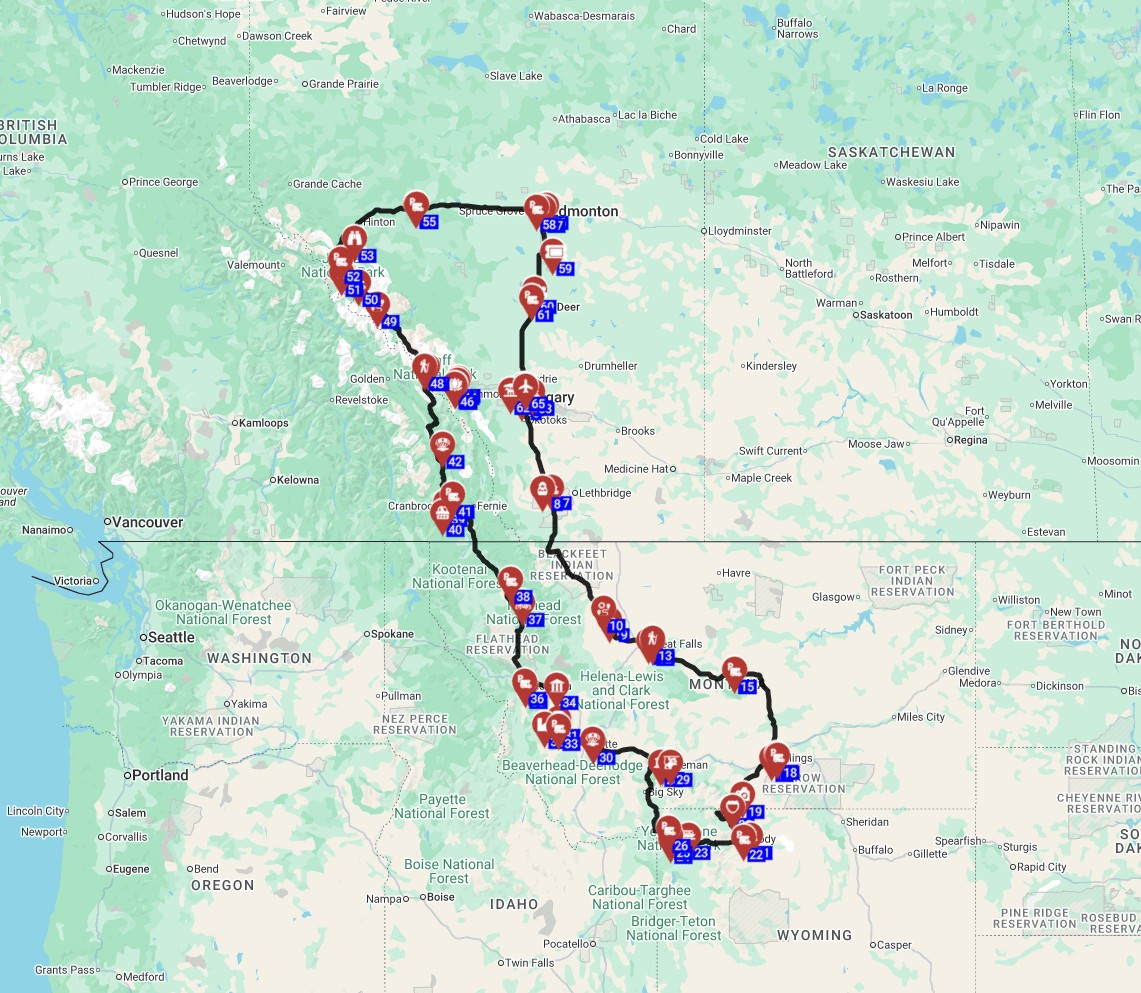
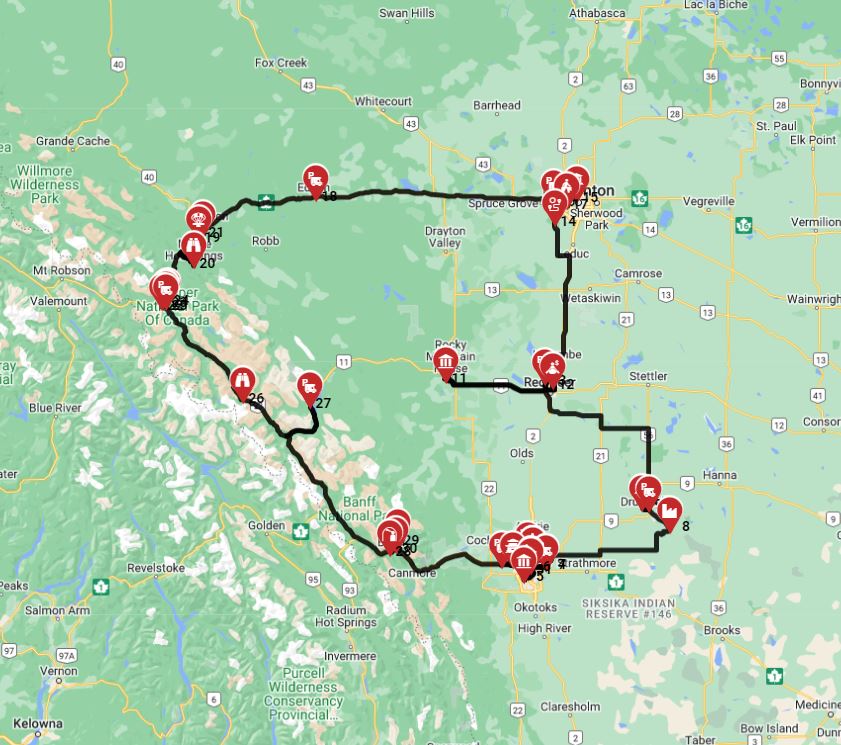
Recommendations for off-the-beaten-path RV destinations in Canada extend beyond popular national parks to include numerous provincial parks, hidden gems, and local cultural experiences that offer unique, crowd-free adventures. For example, instead of just Banff, explore lesser-known provincial parks such as Killarney Provincial Park in Ontario for stunning wilderness and iconic La Cloche Mountains, or Dinosaur Provincial Park in Alberta for a unique badlands experience featuring significant fossil beds. Seek out local cultural experiences in small towns, participate in regional festivals (like the annual Salmon Festival in Campbell River, BC), or visit indigenous cultural centers to gain deeper insights into Canada's rich heritage. Utilizing local tourism boards and apps to uncover hidden waterfalls, quiet lakeshores, and scenic routes often overlooked by larger tour groups will enrich your travels significantly. A 37-day route plan like "Halifax to Whitehorse - Exploring Canada’s Heartland in a Motorhome" on RV PLANET highlights many such attractions across 9199.1 km, including 3 art galleries, 6 museums, and 4 hiking areas.What In-depth Safety and Preparedness Advice is Needed for RVing in Canada?
In-depth safety and preparedness advice for RVing in Canada specifically includes planning for wildlife encounters, understanding remote road survival, preparing for extreme weather, and ensuring communication in dead zones. Always be "bear aware" in national and provincial parks: know how to store food securely (in bear-proof containers or your RV with windows closed), carry bear spray, and secure your campsite to prevent attracting wildlife. For remote roads, carry extra fuel, water, food, and a comprehensive first-aid kit, as cell service can be non-existent for stretches longer than 100 km; consider a satellite messenger or two-way radio for emergencies. Be prepared for rapidly changing weather, from sudden snowfalls in the mountains to intense summer storms, by checking forecasts diligently and having appropriate clothing and emergency gear. Remember that a standard car driver's license is sufficient for all motorhome classes, but an International Driving Permit (IDP) is recommended for visitors from non-English-speaking countries.What are the Strategies for Staying Connected as a Digital Nomad RVing in Canada?
Strategies for staying connected as a digital nomad RVing in Canada, addressing the challenge of connectivity in remote areas, primarily involve utilizing cellular boosters, considering satellite internet solutions like Starlink, and identifying public Wi-Fi hotspots. Cellular boosters amplify weak signals from major Canadian carriers (Bell, Telus, Rogers), extending your usable range by up to 2-3 times, which is crucial for working on the go, especially outside major urban centers like Vancouver, Toronto, or Montreal. Starlink provides reliable high-speed internet access in many remote locations where traditional cellular service is unavailable, albeit with a higher initial cost (around $700 CAD for hardware) and a monthly subscription fee (approx. $170 CAD). Supplement these with pre-downloaded maps, offline work, and leveraging free public Wi-Fi at campgrounds, libraries, or coffee shops when available in more populated areas. Many RVs now come with USB ports for charging devices, such as the V3 campervan model, which facilitates staying connected.What Specific Guidance is Available for Winter RVing in Canada?
Specific guidance for winter RVing in Canada includes specialized vehicle preparation, selecting suitable routes, finding winter camping options, and embracing unique cold-weather activities. Winterizing your RV thoroughly, including insulating water lines, using anti-freeze (often provided by rental suppliers for winter rentals), and ensuring your furnace is in top condition, is paramount for cold-weather travel, especially when temperatures can drop below -20°C. Stick to primary, well-maintained routes, as many secondary roads and mountain passes can close or become hazardous; check provincial road conditions daily, as snowfall can exceed 30 cm in a single storm. Look for campgrounds that offer winterized sites with electrical hookups and heated facilities, as many unserviced sites close. Consider unique Canadian winter activities like ice fishing, snowshoeing, or visiting winter festivals in Quebec City or the Banff region, offering a completely different perspective of the landscape.Where to Find Detailed Information for RVers Traveling with Pets in Canada?
Detailed information for RVers traveling with pets in Canada, covering border regulations for animals, pet-friendly campgrounds and attractions, and considerations for pet safety, is available through government resources and specialized travel guides. For crossing the Canada-U.S. border, ensure all pets have up-to-date vaccinations (especially rabies, with a certificate issued within 30 days of travel) and valid health certificates; consult the Canadian Border Services Agency (CBSA) for the latest requirements to avoid delays. Websites like BringFido or GoPetFriendly provide extensive lists of pet-friendly campgrounds, parks, and attractions across Canada, often including specific rules regarding leash laws and restricted areas (e.g., some national park trails may prohibit pets to protect wildlife). Prioritize pet safety by ensuring adequate ventilation, constant access to water, and protection from extreme temperatures, especially when leaving pets unattended in the RV, and pack a pet-specific first aid kit for any emergencies. Many rental companies offer pet-friendly options, such as the 24' Class C Motorhome.What You Shouldn't Miss
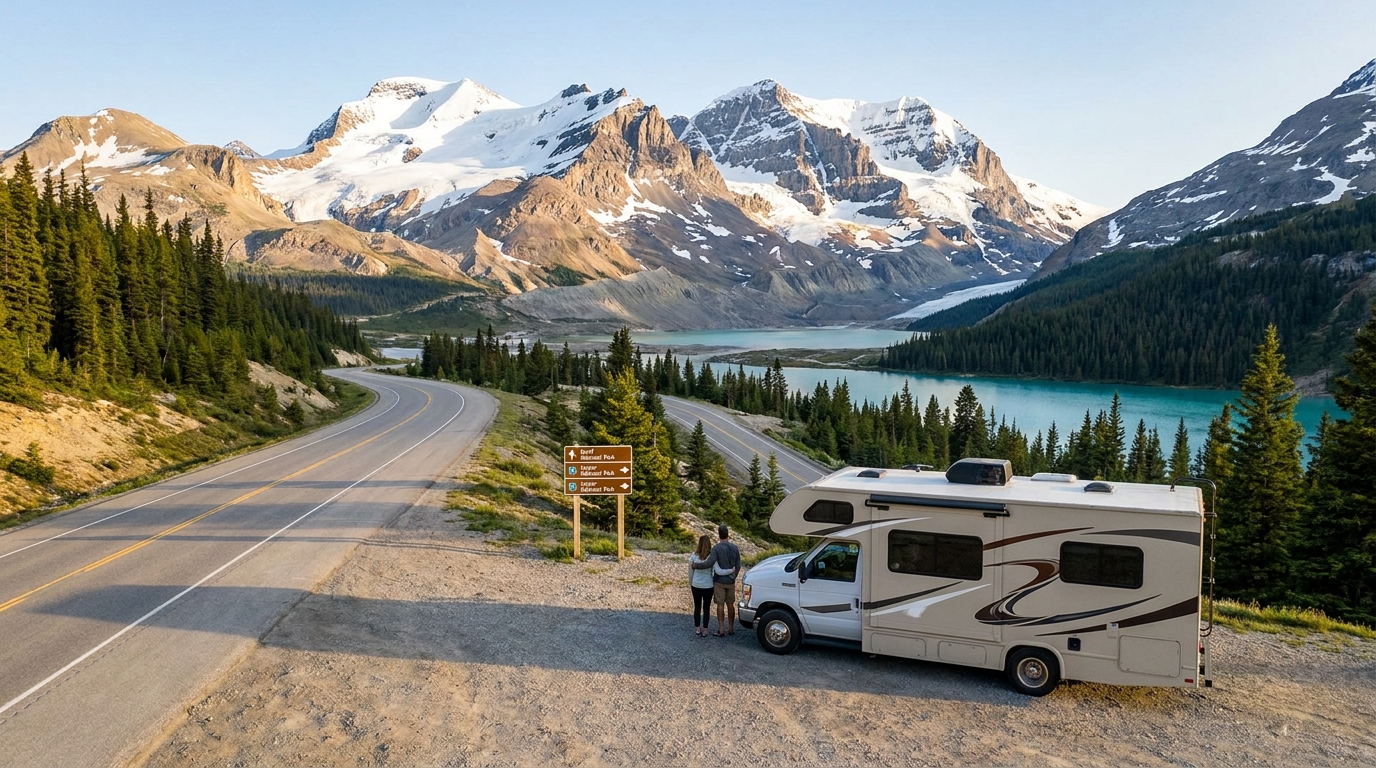
Canada offers an RV adventure like no other, brimming with diverse landscapes and unforgettable experiences. Make sure your itinerary includes these gems:- **The Canadian Rockies:** Drive the Icefields Parkway between Banff and Jasper National Parks, a 232 km (144 mile) stretch offering glaciers, turquoise lakes, and abundant wildlife viewing opportunities. Book your national park pass in advance!
- **The Cabot Trail, Nova Scotia:** This 298 km (185 mile) scenic highway on Cape Breton Island is world-renowned for its coastal views, Gaelic culture, and hiking trails like the Skyline Trail in Cape Breton Highlands National Park.
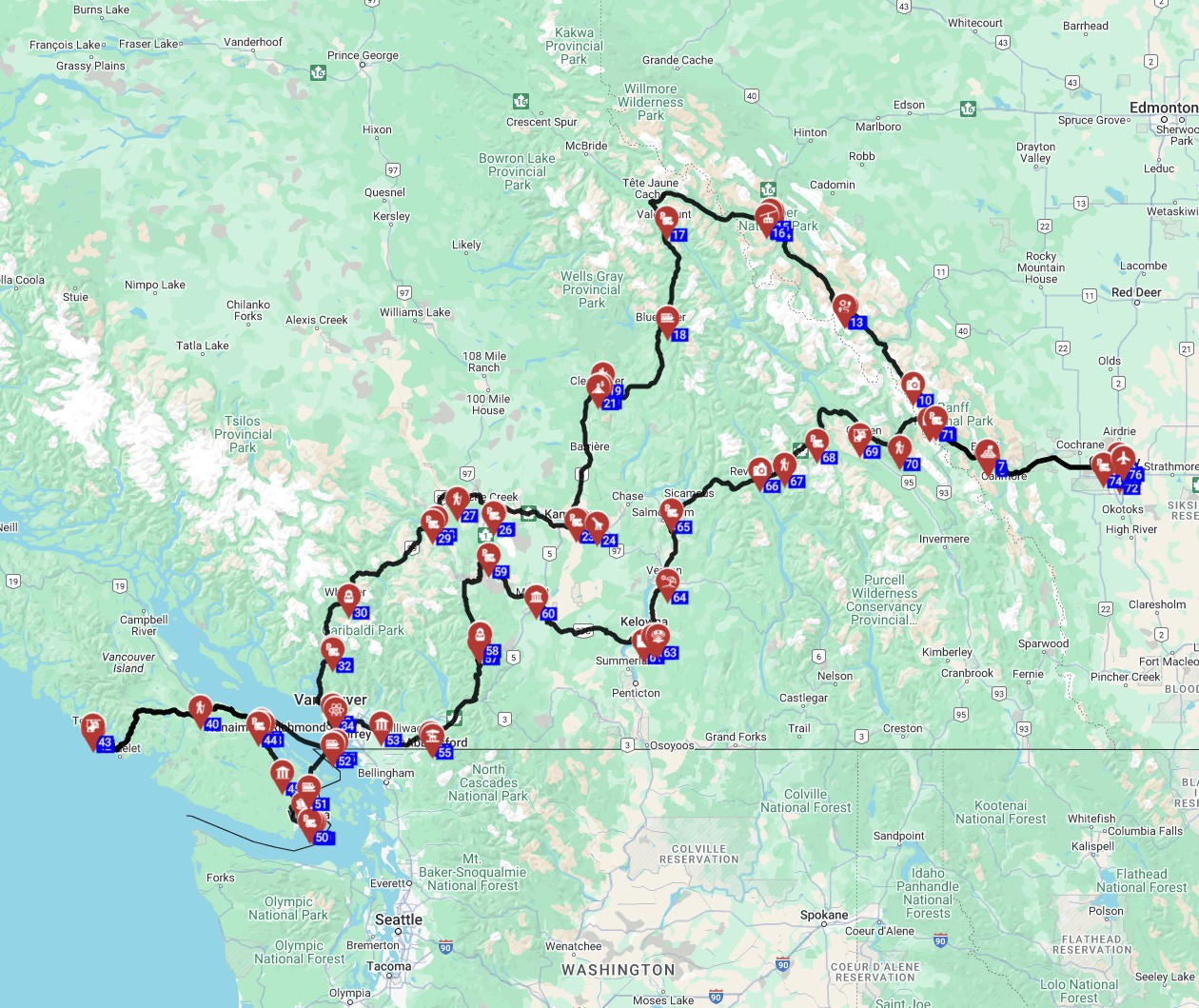
- **Vancouver Island, British Columbia:** Explore the wild West Coast, from the surfing beaches of Tofino to the ancient forests of Cathedral Grove. A visit here can be part of a "
", a 19-day route covering 2659.4 km including 3 bike rentals and a canoe/kayak/rafting activity.
 Vancouver Round Trip - West Canada Cycling Adventure
 - **Quebec City and Montreal, Quebec:** Immerse yourself in the rich history and European charm of these francophone cities. Drive slowly and carefully, and you can drive almost anywhere without issues. No need to stress - just use common sense and pay attention when navigating urban areas.
- **Gros Morne National Park, Newfoundland:** Discover a UNESCO World Heritage site with dramatic fjords, barren mountains, and coastal lowlands, offering spectacular hiking and boat tours.
- **Looking for expert insights from Avi Bandana?** Top 5 Adventures - recommendations from Avi Bandana
Final Thoughts
Embarking on a last-minute RV adventure in Canada is an incredible way to experience its stunning landscapes and vibrant cultures. With a rented motorhome or campervan, you gain the freedom and flexibility to explore at your own pace, whether you're navigating urban centers or venturing into the serene wilderness. Remember, even with spontaneous plans, choosing the right RV class for your group size and desired amenities is paramount for comfort and convenience. Our goal at Bandana is to make your booking process as smooth and transparent as possible, offering full price clarity and expert support every step of the way. We're here to help you compare motorhome prices for Canada and find the ideal vehicle for your journey. So, pack your bags, choose your route, and get ready to create lasting memories on the open roads of Canada. Discover top destinations, planning tips, all in one place!For ideas you can prep on the road, watch our RV-friendly recipes playlist on YouTube.
On the routes offered through RV PLANET routes, you can itemize and track every expense along the way for easy budgeting.