In This Guide
- Can You Drive an RV in Australia? License & Age Rules
- Road Conditions & Terrain in Australia
- RV Size Limits, Bridges & Restricted Zones
- Fuel: Diesel vs. Petrol & Cost per 100 km
- Tolls, Vignettes & Border Rules
- Driving Tips for RV Rental Travelers
- Recommended RV Class for Australia Roads
- Should I Choose a Compact Van Instead of a Large RV in Australia?
- Can I Park Anywhere? Free & Wild Camping Rules in Australia
- Can I Drive an RV Into the City Center? Heights, Tunnels & Local Signage
- How much does it cost to travel around Australia in a motorhome?
- What is the average cost of insuring a motorhome in Australia?
- Can you sleep in a motorhome while driving in Australia?
- What You Shouldn't Miss
- Why Book with Bandana Caravan
- Final Thoughts
- Frequently Asked Questions
Australia is an immense land of contrasts, offering an unrivaled road trip experience for adventurers who choose the freedom of a rented RV. From vibrant coastal cities to the rugged heart of the Outback, a motorhome vacation provides the perfect blend of comfort and exploration. To ensure your journey is smooth and worry-free, understanding the practicalities of RV driving in Australia is key. For live availability and current prices, start with our RV Rental Australia - Complete Guide 2026 guide.
🎬 Video coming soon
Can You Drive an RV in Australia? License & Age Rules
Yes, most international travelers with a valid foreign driver's license can drive an RV in Australia, provided they meet age requirements and their license covers the vehicle class. A standard passenger car license (Class C) is generally sufficient for RVs up to 4.5 tonnes (4,500 kg) Gross Vehicle Mass (GVM), which covers the vast majority of rental motorhomes, including those available through Bandana's extensive fleet. The minimum driver age for RV rentals in Australia is typically 21 years old across most suppliers, with no young driver surcharges or vehicle class restrictions based on age, giving younger adventurers the freedom to hit the road. Foreign drivers need a valid home country license, and it is highly recommended to obtain an International Driving Permit (IDP) or carry a certified English translation if your original license is not in English, ensuring legal compliance across all Australian states and territories.
No special license beyond a standard car license is usually needed for common rental RVs (Class A, Class B, Class C, and even Class TC truck campers), as they typically fall below the 4.5t GVM limit. This means that if you're accustomed to driving a regular car, you'll feel right at home behind the wheel of a rented RV in Australia. Before you embark on your adventure, always double-check the specific requirements with your chosen rental supplier and familiarize yourself with local regulations to avoid any unexpected issues.
Road Conditions & Terrain in Australia
Australia offers a diverse range of road conditions, from excellent sealed highways that crisscross the continent to challenging unsealed gravel and corrugated tracks, especially prevalent in remote and Outback regions. Main arterial roads and national highways are generally well-maintained, providing comfortable driving for larger RVs like a 7.5m Class C motorhome across vast distances. Travelers should anticipate varied terrain, including stunning coastal routes, occasional mountain passes (such as those in the Great Dividing Range), and extensive stretches of flat, open road in the interior.
Many popular tourist destinations and scenic routes, particularly off the main highways, may involve unsealed roads. It is crucial to always check your rental agreement for restrictions on where 2WD vehicles are permitted, as driving on unsealed roads without permission can void your insurance. Vigilance for wildlife, such as kangaroos and emus, is paramount, especially during dawn, dusk, and nighttime hours outside urban areas, as collisions can pose significant hazards. We encourage slow, scenic driving, averaging a maximum of 100-150 km per day, to fully appreciate the landscapes and safely navigate unfamiliar or changing road conditions. This relaxed pace allows you to truly immerse yourself in the local culture, food, and scenery, making your journey an authentic Australian experience.
RV Size Limits, Bridges & Restricted Zones
While most rented RVs can navigate Australia's extensive road network, drivers should be aware of potential height, weight, and length restrictions, particularly in urban areas, national parks, and around older infrastructure. Bandana's popular Class C Alcove motorhomes average 7.5m in length, and Class SI Semi-integrated models average 6.9m; these lengths are generally manageable on Australia's main roads and highways. Care must be taken with vehicle height clearances in city tunnels, multi-story car parks, and some older underpasses, as these often have limits below typical RV heights, sometimes as low as 2.5-3 meters.
Weight limits are primarily designed for heavy commercial vehicles, and most standard rental RVs comfortably fall within these allowances. However, specific national parks or remote access tracks may enforce vehicle size or type restrictions (e.g., 4WD only, no trailers) for environmental protection or due to challenging road conditions. For instance, some popular island destinations like Kangaroo Island or Fraser Island often have strict length and weight limits for ferry services, and associated costs can increase significantly for larger RVs. Always consult local park authorities or ferry operators in advance if your route includes such areas. This level of detail helps you confidently plan your trip, avoiding any surprises.
Fuel: Diesel vs. Petrol & Cost per 100 km
Diesel is the predominant fuel type for many rented RVs in Australia and is widely available, though prices can fluctuate significantly based on location, with remote areas typically having higher costs. The majority of Bandana's rental RVs, including Class SI (consuming 10-11 Liters/100 km), Class C (10-12 Liters/100 km), Class B (8-10 Liters/100 Km), and Class TC (12-17 Liters/100 km), operate on diesel fuel. Petrol (unleaded) is also readily available across the country, primarily for smaller campervans or older vehicle models.
Fuel costs are a significant component of overall travel expenses, especially given Australia's vast distances. Budgeting for approximately AUD 20-40 per 100km for diesel is a reasonable estimate, though this varies with current fuel prices and individual vehicle consumption. When planning your route, especially into remote areas, factor in fuel stops and carry extra fuel if advised, as distances between stations can be considerable. Inquire with your rental provider about potential fuel discount cards, as some rented motorhomes may include these perks to help reduce overall fuel expenditure. On the routes offered through RV PLANET routes, you can itemize and track every expense along the way for easy budgeting.
Tolls, Vignettes & Border Rules
Australia primarily utilizes electronic tolls on motorways, tunnels, and bridges in major cities like Sydney, Melbourne, and Brisbane, rather than a system of vignettes or border tolls between states. There are no vignettes required for driving on Australian roads, and no border tolls or customs checks are enforced when crossing between different states or territories, simplifying interstate travel in your rented campervan. Tolls are exclusively managed electronically, meaning cash payment options at toll booths are virtually non-existent; vehicles are detected by overhead cameras.
Travelers typically manage tolls either by acquiring an e-tag/e-pass from their rental company or directly from a toll provider, or by paying online within a specified period (usually 3 days) after travel to avoid fines. Some Bandana RVs may offer the convenience of pre-purchasing toll passes or include e-tags, which can streamline travel and prevent unexpected penalty charges. While it is possible to plan routes to avoid toll roads, be aware that this can significantly increase travel time and mileage, particularly when navigating dense urban areas. For detailed budgeting that includes these ancillary costs, remember that RV PLANET routes allow you to itemize and track every expense along the way.
Driving Tips for RV Rental Travelers
To ensure a safe and enjoyable RV trip in Australia, travelers should adopt local driving practices, plan routes meticulously, and maintain vigilance, particularly on long-distance journeys and in areas with wildlife. Always remember that traffic drives on the left-hand side of the road in Australia, which is a crucial adjustment for many international drivers. Plan frequent rest stops, ideally every two hours or 100-150 km, to combat driver fatigue, a significant risk on Australia's long, often monotonous roads; this is especially important for families with children.
Exercise extreme caution for wildlife, particularly at dawn and dusk, when kangaroos, emus, and other animals are most active and prone to crossing roads. When venturing into remote or Outback areas, ensure you carry sufficient supplies of water, fuel, food, and other provisions, as services can be sparse and far apart. Before departing for rural or unsealed roads, always check the latest road conditions, closures, and weather warnings, especially during bushfire or cyclone seasons, and for managing extreme heat or floods. For remote travel, consider carrying emergency communication devices such as a satellite phone or EPIRB, as mobile phone reception can be non-existent in many Outback areas. Remember, driving slowly and carefully allows you to drive almost anywhere without issues, so there's no need to stress – just use common sense and pay attention.
Recommended RV Class for Australia Roads
For most Australian road trips, Class SI (Semi-integrated) and Class C (Alcove) motorhomes are highly recommended, striking an optimal balance between comfort, interior space, and suitability for the country's extensive sealed road networks. Imagine yourself exploring the stunning coastline or scenic vineyards in a comfortable rented Class SI motorhome like the "2 Berth Rover," which offers automatic transmission and front air conditioning, ideal for a couple. These versatile RVs average 6.9m in length and consume 10-11 Liters/100 km, providing good maneuverability for couples or small families.
For families seeking more space, a Class C Alcove motorhome, such as the "Euro Deluxe" which averages 7.5m in length and accommodates up to 5.8 people, is an excellent choice. This class provides generous living and sleeping areas without being overly cumbersome to drive on Australia's main roads. If you are looking for an intimate experience for two, a Class B Camper Van, averaging 5.8m in length with an average of 3.2 sleeping places, is superb for maneuverability in urban settings and offers good fuel economy (8-10 Liters/100 Km), though with less internal space and amenities for extended self-sufficiency. For off-road or extensive Outback adventures requiring 4WD capabilities, a Class TC (Truck Camper) like the "4x4 Scout Adventure Truck Camper Gold," averaging 5.5m and consuming 12-17 Liters/100 km, may be more suitable, but these are less common in general rental fleets.
Should I Choose a Compact Van Instead of a Large RV in Australia?
While a compact van offers superior maneuverability and potentially better fuel efficiency, a larger rented RV generally provides significantly greater comfort and self-sufficiency for extensive travel across Australia, where internal space and amenities often outweigh minor driving advantages. A Compact Van (e.g., Bandana's Class B - Camper Van like the "2 Berth Hi Top") is ideal for solo travelers or couples prioritizing agility, easier parking in bustling towns, and slightly better fuel economy, averaging 8-10 Liters/100 Km. These are great for exploring city centers and then parking at nearby campgrounds.
Larger RV options, such as Bandana's Class SI or Class C motorhomes (like a "4 Berth Deluxe"), are better suited for families or longer journeys, providing more expansive living areas, dedicated bathroom facilities, larger fresh water and grey water tanks, and increased storage. This significantly enhances comfort and independence on the road, especially for week-long trips or extended road trips. Australia's main highways and regional roads are generally wide and well-suited for larger vehicles, making maneuverability less of a concern than in older European cities; challenges are typically limited to tight urban parking or specific unsealed tracks. For remote travel and long-term self-sufficiency, larger RVs (or specialized 4WD campers) with greater capacities for water, fuel, and waste management are often more practical and comfortable options. Many families find that the extra space in a Class C motorhome, which can include up to three double beds as seen in a "6 Berth Deluxe", truly makes the journey more enjoyable.
Can I Park Anywhere? Free & Wild Camping Rules in Australia
No, you cannot legally park a rented motorhome anywhere in Australia for overnight stays; designated campgrounds, commercial caravan parks, or officially approved free camping spots must be used, as rules vary significantly by state and local council. Strict regulations exist across Australia prohibiting 'wild camping' or 'freedom camping' in undesignated areas, with penalties for illegal overnight parking often including substantial fines. These rules are in place to protect Australia's unique natural environments and ensure public safety.
Designated free camping sites, including some national park campgrounds, roadside rest areas (where explicitly permitted), and specific council-approved locations, are available but may have time limits and offer basic or no facilities. Commercial caravan parks, like those found in popular tourist hubs, offer extensive amenities such as powered sites, fresh water hookups, hot showers, and laundry facilities, and are widely accessible throughout the country. Being a 'self-contained' vehicle (with an onboard toilet, shower, and greywater/blackwater tanks) is often a requirement for accessing many free camping spots. Always consult local council regulations, observe signage carefully, and utilize resources like RV PLANET (rvplan.net) to find legal and appropriate overnight parking locations before driving to a spot. Remember, you'll find a spot; if not at the first campground, then the next one. It's always a good idea to call ahead before driving, especially during peak seasons.
Can I Drive an RV Into the City Center? Heights, Tunnels & Local Signage
Yes, you can generally drive a rented RV into Australian city centers, but it requires careful attention to height restrictions for parking garages and tunnels, as well as adherence to local signage for specific vehicle types. Major arterial roads providing access into and through Australian cities are typically designed to accommodate large vehicles, including motorhomes up to 7.5m in length. The primary challenge for RVs in city centers is often finding suitable parking, especially for larger models, which may not fit in standard car parks.
Drivers must be highly vigilant for explicit height limits posted for tunnels, underpasses, and multi-story car parks, which are frequently too low (often below 2.5-3 meters) for most RVs. Always pay close attention to local signage, which may indicate restricted access for certain vehicle lengths or weights, or designated routes for heavy vehicles; environmental zones are less common than in some other countries. Drive slowly and carefully, and you can drive almost anywhere without issues. No need to stress - just use common sense and pay attention. Consider parking your RV on the outskirts of major cities at a caravan park or designated large-vehicle parking area and utilizing public transport to explore the inner city attractions. For example, our RV Rental Near Australia Airport - Pickup Pricing 2026 guide can help you plan where to pick up your vehicle and navigate from there.
How much does it cost to travel around Australia in a motorhome?
The cost to travel around Australia in a motorhome varies widely, typically ranging from AUD 150-400 per day, encompassing rental fees, fuel, campsite costs, food, and activities, depending on vehicle choice, travel style, and duration. For example, a 1-week RV trip in Australia for a couple in a Class B campervan might be on the lower end, while a 2-week adventure for a family in a larger Class C motorhome will be towards the higher end. Rental fees themselves can range from AUD 50-200+ per day for the RV, with prices fluctuating significantly based on the class of RV, season, and rental duration.
Fuel is a major expense due to Australia's vast distances. For a Bandana Class C RV consuming 10-12 Liters/100 km, budget approximately AUD 20-40 per 100km, varying with current diesel prices; this can easily amount to AUD 50-150+ per day depending on your travel mileage. Campsite fees vary: national park campgrounds typically cost AUD 10-30 per night, while private caravan parks with more amenities range from AUD 30-80 per night for a powered site. Utilizing legal free camping spots can significantly reduce this. For food and groceries, budget AUD 40-80 per day if you plan to cook most of your meals in the RV, which is usually more cost-effective than dining out. For an array of culinary ideas, check out our RV-friendly recipes playlist. Many national parks have entry fees (e.g., AUD 12-25 per vehicle per day, or multi-park passes are available), and additional activities like tours or attractions will add to your overall budget. Always allocate an additional 10-15% of your total budget for unexpected expenses or emergencies. For a detailed breakdown, our RV Rental in Australia - Prices and Best Deals 2026 provides more insights into budgeting.
What is the average cost of insuring a motorhome in Australia?
The average cost of insuring a motorhome rental in Australia typically ranges from AUD 20 to AUD 50 per day, which is generally presented as an option to reduce or waive the standard insurance excess (deductible). Most RV rentals in Australia include a basic level of third-party insurance, but this often comes with a very high excess, frequently AUD 5000 or more, for which the renter is liable in case of damage. This is where Bandana's optional top-level deductible reimbursement comes into play, offering peace of mind.
Rental companies offer daily fees to reduce this excess, sometimes significantly or even to zero, and this 'excess reduction' cost is what travelers commonly refer to as the insurance premium. You can upgrade to a top-level deductible for extra peace of mind, knowing you're protected against unforeseen costs. Travelers also have the option to purchase separate travel insurance or dedicated RV rental excess insurance from independent third-party providers, which can sometimes offer more comprehensive coverage or be more cost-effective than the rental company's in-house options. It is crucial to carefully review the terms and conditions of any insurance policy, noting specific exclusions such as damage incurred on unsealed roads (if driving there is prohibited by the rental agreement) or water damage.
Can you sleep in a motorhome while driving in Australia?
No, you cannot sleep in a rented motorhome while it is being driven in Australia; however, you are permitted to sleep in a parked motorhome at designated rest areas, caravan parks, or officially approved free camping spots. Australian road rules mandate that all passengers must be properly seated and wearing seatbelts whenever the vehicle is in motion, making it illegal and unsafe for anyone to be sleeping in beds or other areas while driving. Prioritizing safety is paramount on any road trip, especially in a larger vehicle.
Overnight sleeping in a motorhome is only allowed in legally designated areas, such as commercial caravan parks, national park campgrounds, or specific roadside rest areas that explicitly indicate overnight stays are permitted. It is illegal to simply pull over on the side of a main road, in a residential street, or in non-designated public areas and sleep overnight in your motorhome, except in cases of genuine emergency or where local signage expressly allows it. Rules vary by region- always check local regulations and follow local law before parking overnight. For finding campsites and campgrounds during your trip, we recommend using RV PLANET (rvplan.net) - a great resource for locating available spots along your route.
What You Shouldn't Miss
Australia is bursting with incredible experiences perfect for a rented RV adventure. From iconic landmarks to hidden gems, here are some must-do recommendations to inspire your trip:
- Explore the Great Ocean Road, Victoria: Drive one of the world's most scenic coastal routes, stretching over 243 km from Torquay to Allansford. Marvel at the Twelve Apostles, surf at Bells Beach, and discover charming seaside towns.
- Venture to Uluru-Kata Tjuta National Park, Northern Territory: Experience the spiritual heart of Australia. Witness the breathtaking sunrise and sunset over Uluru, explore Kata Tjuta's domes, and learn about Aboriginal culture. You can find this destination as part of the "Cairns to Alice Springs - Northern Horizons: A Journey Through Australia's Heartland" route plan.
- Discover Tropical North Queensland's Rainforests and Reef: From Cairns, explore the ancient Daintree Rainforest, swim in pristine waterholes, and take a boat trip to the Great Barrier Reef. The "Cairns to Alice Springs - Northern Horizons: A Journey Through Australia's Heartland" itinerary, which includes 3 hiking areas and 2 swimming spots, can be a great starting point for this region.
- Immerse Yourself in Sydney's Icons, New South Wales: Park your RV at a nearby caravan park and use public transport to see the Sydney Opera House, Harbour Bridge, and Bondi Beach. Don't miss exploring the Royal Botanic Garden. Our "RV Travel Guide to Australia - Tips and Top Spots 2026" covers more city specific details.
- Experience the Wild West in Perth and the Pinnacles, Western Australia: Enjoy Perth's vibrant city life and then head north to the Nambung National Park to see the surreal Pinnacles desert. This is a highlight of the "Perth to Alice Springs - The Dreamtime Highway: A Journey Through Australia's Heart" route, which covers 5447.3 km and includes 4 natural features.
- Journey through the Flinders Ranges, South Australia: Explore ancient landscapes, dramatic gorges, and abundant wildlife in a region rich with Aboriginal heritage. This area could be a significant highlight on longer routes like "Melbourne to Darwin - Australia’s Heartline Road Trip," which is 5622.8 km and features 5 hiking areas.
Looking for expert insights from Avi Bandana? Top 5 Adventures - recommendations from Avi Bandana
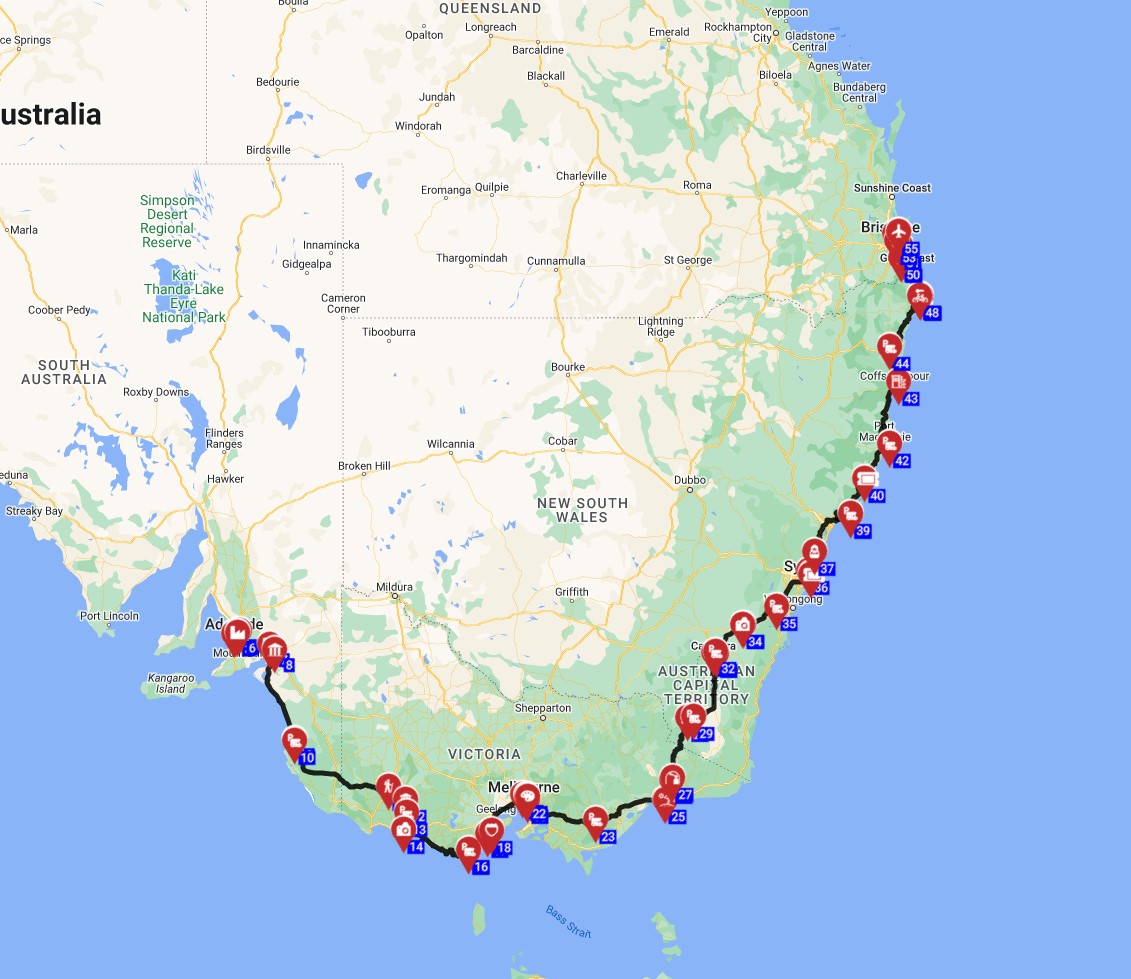
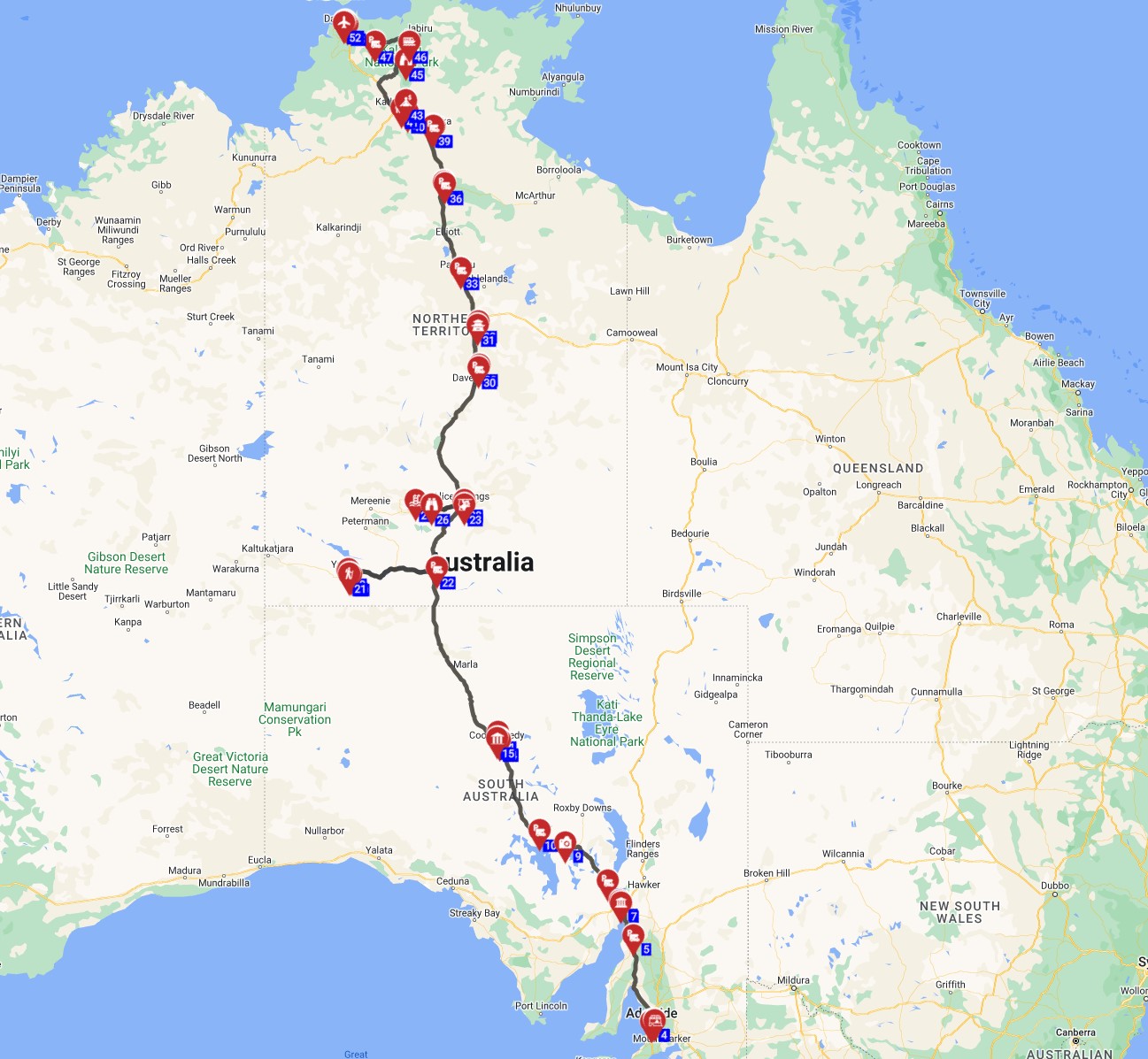
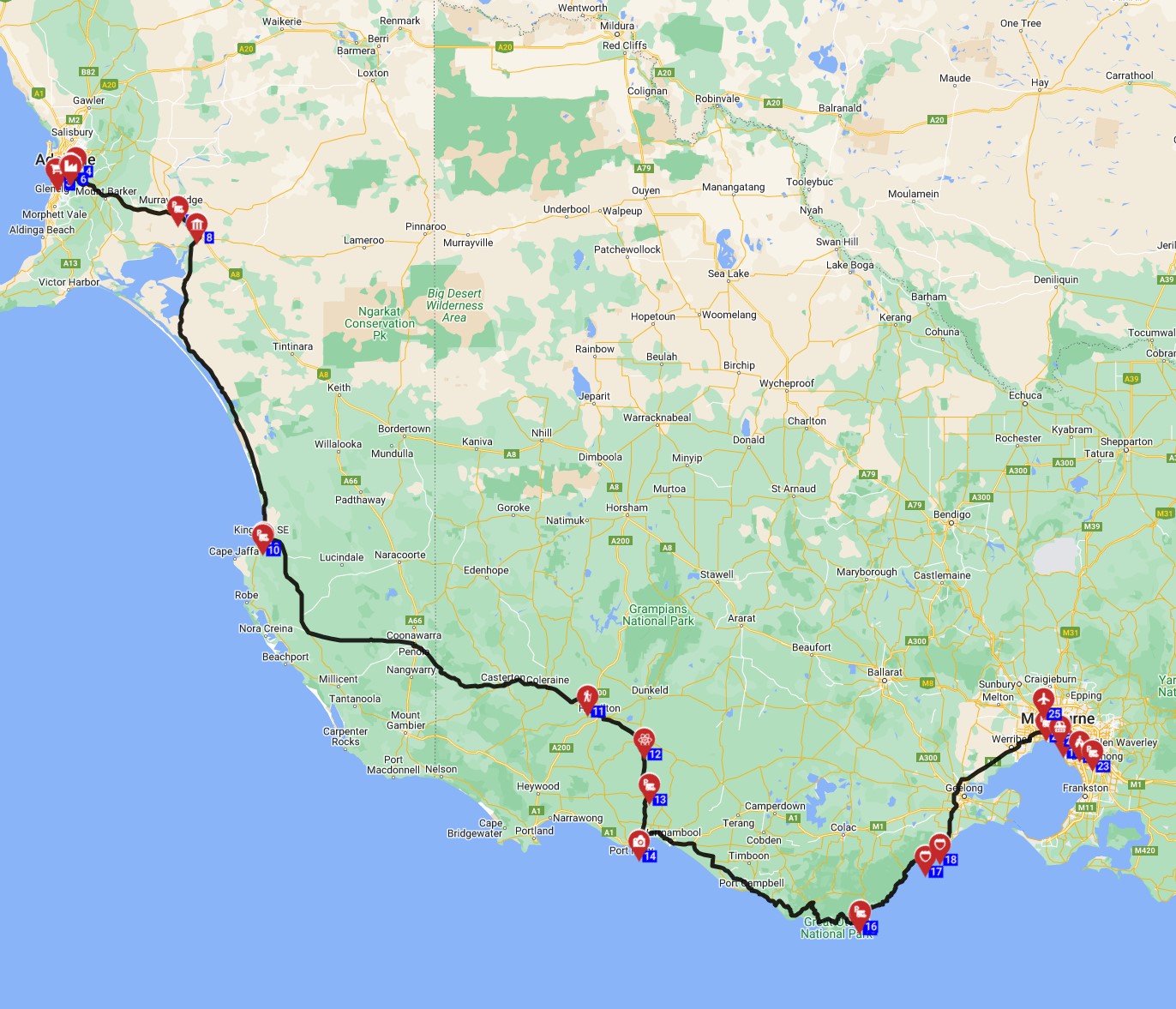
Embark on the epic "Melbourne to Darwin - Australia’s Heartline Road Trip," a 26-day, 5622.8 km journey that reveals the continent's diverse heart. This route plan, meticulously crafted by professionals, includes 2 wildlife shows, 5 hiking areas, and 3 museums, ensuring a rich blend of nature and culture.
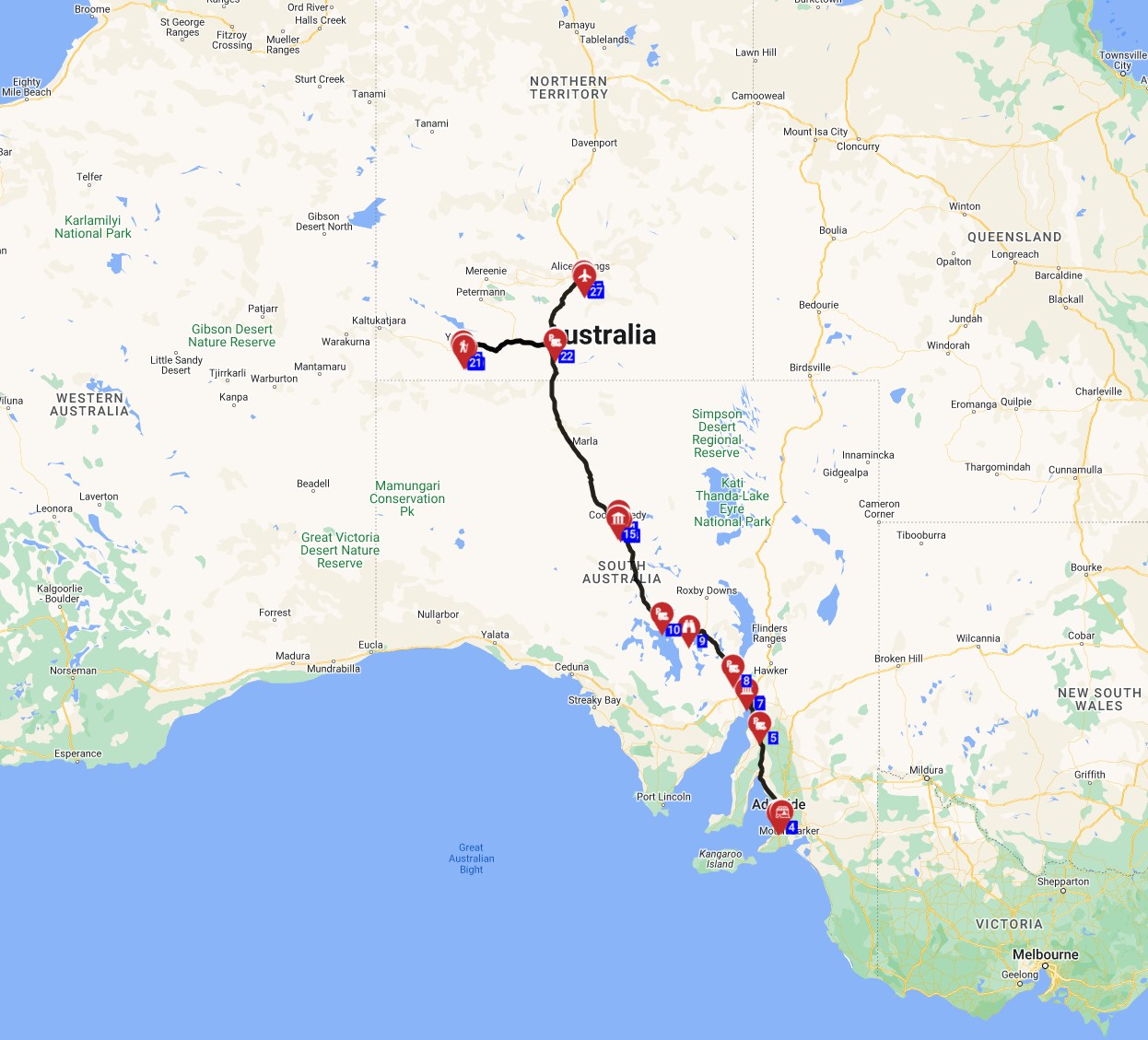
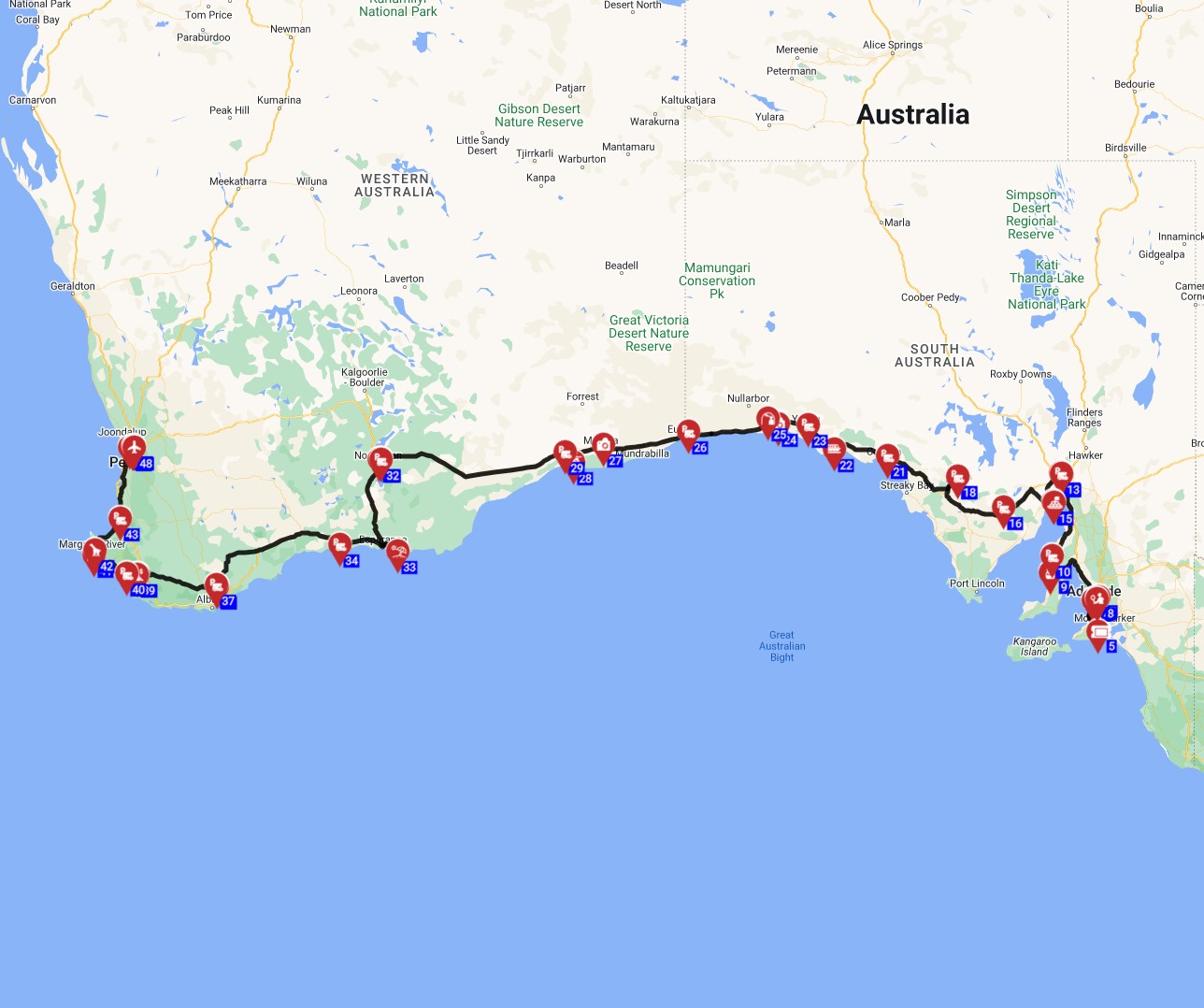
Consider "Perth to Alice Springs - The Dreamtime Highway: A Journey Through Australia's Heart," a 21-day, 5447.3 km odyssey. This route plan guides you through 4 natural features and 5 points of interest, truly living up to its name as a journey through Australia's soul.
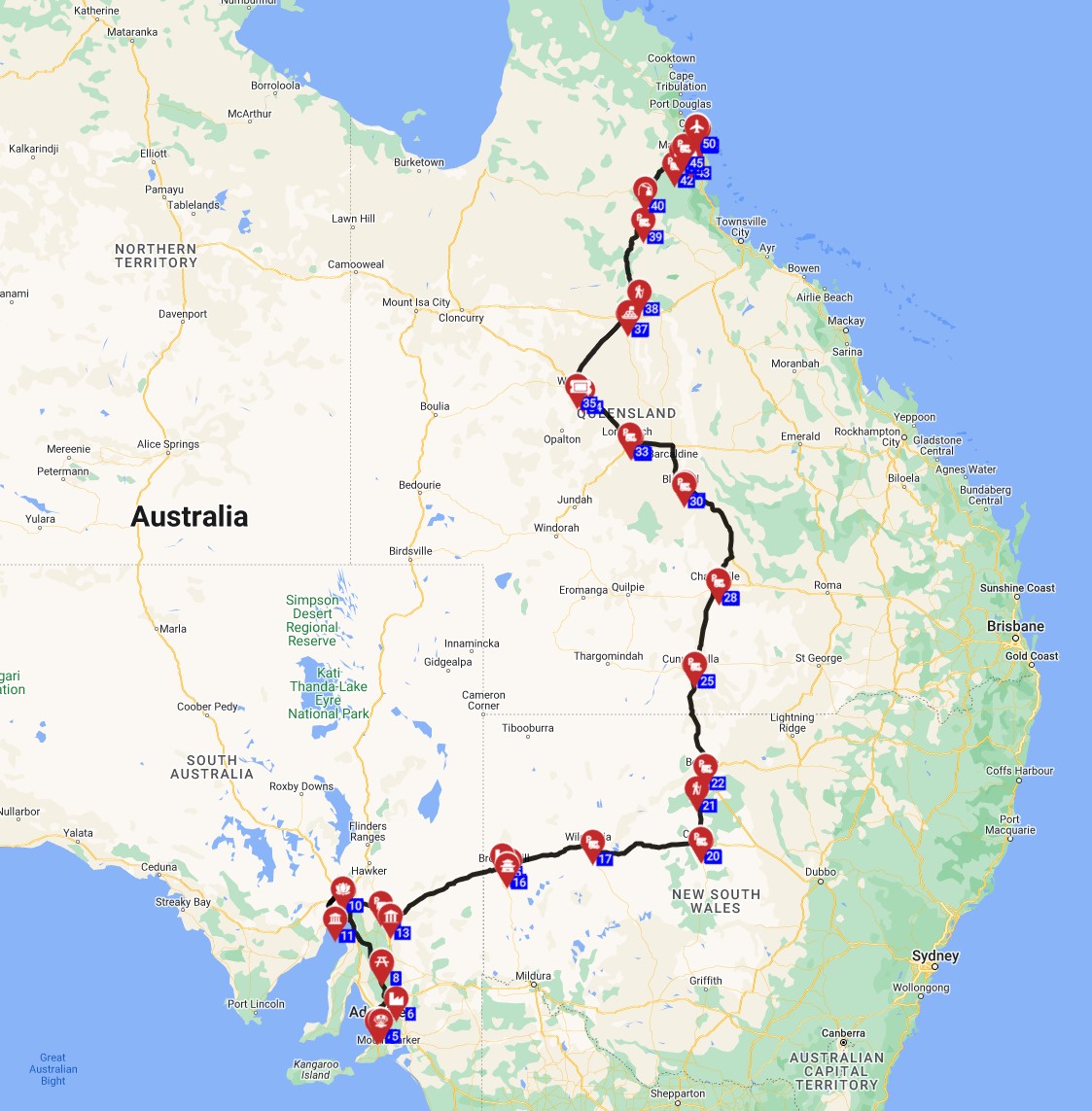
For a northern adventure, the "Cairns to Alice Springs - Northern Horizons: A Journey Through Australia's Heartland" itinerary takes 17 days and covers 4003.6 km. It's packed with experiences, including 3 hiking areas and 2 swimming opportunities, making it perfect for those who love to connect with nature.
Final Thoughts
Embarking on an RV adventure in Australia promises an unparalleled experience, blending the comforts of home with the thrill of discovery. From navigating diverse terrains to understanding local regulations, being well-prepared is your ticket to a seamless journey. We hope this guide has equipped you with the knowledge and confidence to take on the open roads of the Land Down Under.
Remember, whether you're a meticulous planner or a spontaneous traveler, Bandana Caravan is here to support you before, during, and after your booking, ensuring full transparency and peace of mind. So, pack your bags, choose your perfect rented motorhome, and get ready to create unforgettable memories in Australia. Life is now - let your Aussie RV adventure begin!
Discover top destinations, planning tips, all in one place! Compare Motorhome Prices for Australia today.