In This Guide
- Where to Camp in Norway - Top Options
- Campground Types in Norway (National, Private, Wild)
- Featured RV Park or Campground in Norway
- Hookups & Amenities - What to Expect
- Booking Windows & Reservations in Norway
- Nearby Supermarkets & Resupply Points
- Best RV Class for Camping in Norway
- How to Save on Campgrounds in Norway
- How much does it cost to rent an RV in Norway and is it expensive to rent a campervan?
- What is the best time of year to visit Norway by campervan and what is the best month to visit Norway in an RV?
- How long does it take to drive around Norway?
- Do you need an international driving permit for Norway and what kind of insurance is required for RV rentals?
- What are the specific rules for driving an RV on narrow roads, mountain passes, and how do Norway's toll systems work for RVs?
- What essential apps should I download for an RV trip in Norway?
- How does Norway's 'Allemannsretten' apply to RVs, and can you wild camp with a campervan?
- Where can I find affordable groceries in Norway for my RV trip and what local foods should I try?
- How can I minimize my environmental impact while RVing in Norway?
- Is it worth renting a campervan in Norway?
- What You Shouldn't Miss
- Why Book with Bandana Caravan
- Final Thoughts
- Frequently Asked Questions
Discovering the breathtaking landscapes of Norway with a rented RV or campervan offers unparalleled freedom and flexibility. Whether you're a meticulous planner or a spontaneous traveler, finding a last-minute RV rental in Norway and securing camping spots is often more accessible than you might think. For live availability and current prices, start with our RV Rental Norway - Complete Guide 2026 guide.
Where to Camp in Norway - Top Options
Norway offers diverse camping experiences ranging from coastal fjords to dramatic mountain plateaus, providing stunning scenery for last-minute RV travelers. Popular regions like the Lofoten Islands, Geirangerfjord, and the Atlantic Road are renowned for their breathtaking views, though excellent options also exist near major cities. For instance, areas accessible from Oslo or Bergen provide convenient last-minute rental pickups and a wide variety of campgrounds, including both private and municipal sites.
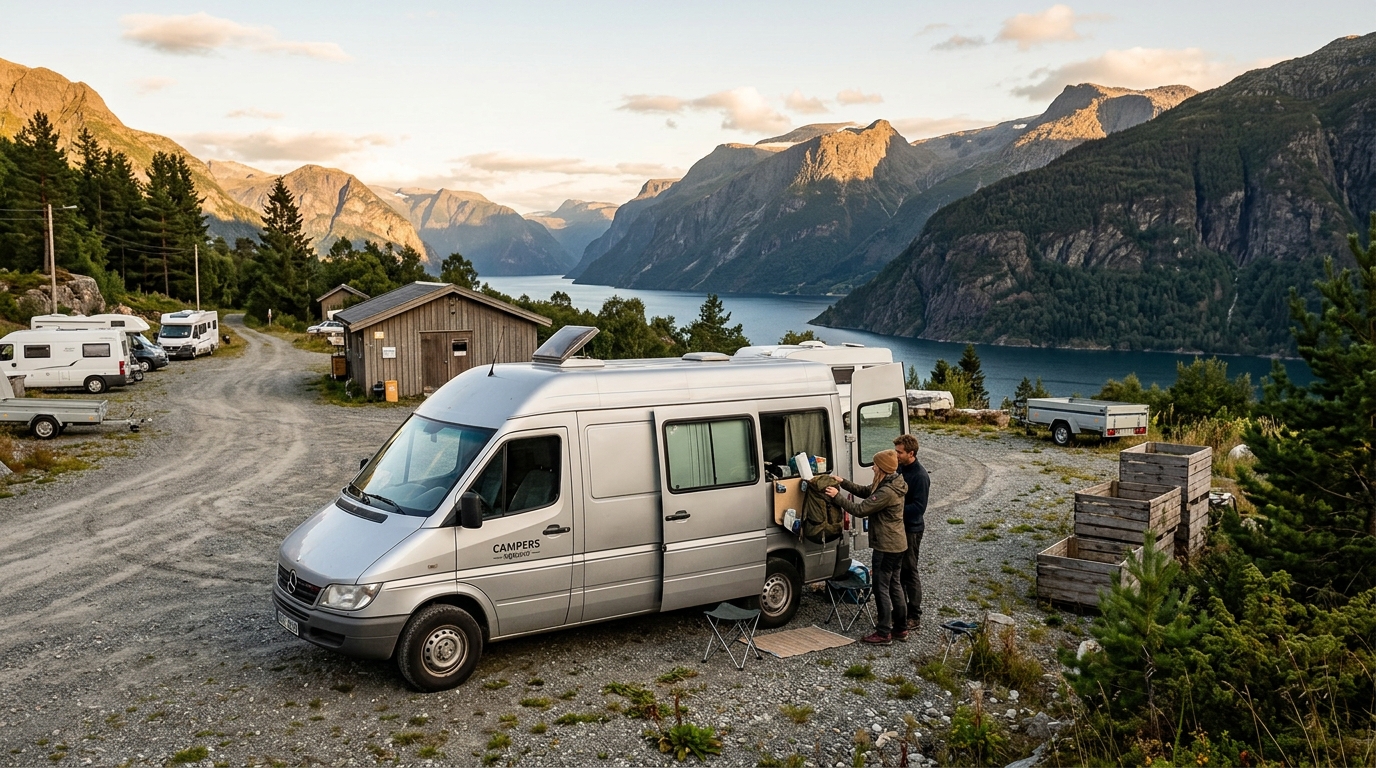
Even for spontaneous trips, you'll find fantastic options near national parks such as Jotunheimen or Hardangervidda. These locations often offer a mix of serviced sites and possibilities for responsible wild camping, allowing you to immerse yourself fully in Norway's pristine nature. Imagine parking your rented motorhome with a view of a majestic fjord, ready to explore hiking trails right from your doorstep. This flexibility is a core benefit of RV travel in Norway, allowing you to adapt your plans as you go.
Many first-time renters, especially families aged 30-45, appreciate the convenience of established campgrounds near popular attractions, which offer amenities and a sense of community. Meanwhile, adventurous couples or friend groups might seek out more secluded spots, taking advantage of Norway's unique right to roam. Remember to travel slowly, aiming for a maximum of 100-150 km per day on average, to truly connect with the culture, food, and scenery that Norway has to offer.
Campground Types in Norway (National, Private, Wild)
Norway provides a diverse range of camping options, encompassing privately-run campgrounds with extensive amenities, more rustic national park sites, and legally permitted wild camping under the unique 'Allemannsretten'. Private campgrounds typically offer full services, including electrical hookups (standard European 16A connections), hot showers (often coin-operated), and laundry facilities, perfect for a comfortable stay. National park sites may be simpler, sometimes offering basic services like toilets and water, but they provide unparalleled access to nature and stunning views.
Wild camping for rented RVs, though more nuanced than for tents, is generally tolerated on uncultivated land that is not near houses. This requires strict adherence to 'leave no trace' principles, ensuring no damage to nature, proper disposal of waste at designated dump stations, and maintaining at least a 150-meter distance from any inhabited buildings. While it's advisable to call ahead for larger private campgrounds during peak season (July-August), many national and municipal sites often have first-come, first-served spots available, making last-minute planning feasible. On the routes offered through RV PLANET routes, you can itemize and track every expense along the way for easy budgeting.
Featured RV Park or Campground in Norway
Norway boasts numerous highly-rated RV parks that offer a blend of stunning natural beauty and modern convenience, ideal for any last-minute campervan rental. A prime example of a Norwegian RV park offers panoramic views, modern facilities, and often direct access to outdoor activities like hiking or fishing.
When selecting a campground, look for sites that are well-maintained and provide essential services such as hot showers, toilets, and reliable waste disposal points for your RV rental. Many top sites in Norway feature additional amenities like shared kitchens, playgrounds for families, and sometimes even cabins for rent, catering to a wide range of traveler needs. For instance, the campsites in the Lofoten Islands often have incredible ocean views and offer local experiences like fishing boat rentals or traditional rorbu (fisherman's cabin) tours. These parks provide a comfortable base from which to explore Norway's unique attractions. You might even find some offering electric vehicle charging, reflecting Norway's strong commitment to sustainable infrastructure.
Hookups & Amenities - What to Expect
Most Norwegian campgrounds offer essential hookups for your rented motorhome, including electricity (standard European 16A connections), fresh water access, and dedicated gray/black water dump stations. This ensures you can enjoy the comforts of your RV rental even when exploring remote areas. Travelers can expect modern and clean facilities such as hot showers, which are often coin-operated (typically 10-20 NOK for a few minutes), and well-maintained toilets at most private and many municipal campgrounds.
Laundry rooms are commonly available, providing convenience for longer trips. While Wi-Fi is usually offered, it might be an additional cost or have limited bandwidth, especially in more rural areas. Many sites feature shared kitchen facilities, which are incredibly useful for preparing meals with fresh local ingredients, saving you money and allowing you to try out new RV-friendly recipes playlist. Some campgrounds even offer on-site convenience stores or cafes, perfect for a quick snack or coffee.
Booking Windows & Reservations in Norway
For last-minute RV rentals in Norway, securing a campsite can be surprisingly flexible, especially outside the peak summer months of July and August. During these busiest weeks, popular private campgrounds and specific spots along famous routes like the Atlantic Road or in the Lofoten Islands can fill quickly, so calling ahead to confirm availability is highly recommended before driving there.
However, many national park campgrounds and smaller municipal sites reserve a significant portion (often 25-30%) of their spots for first-come, first-served arrivals, providing opportunities for spontaneous travelers. You'll find that even if your first choice is full, you can almost certainly find a place to stay at the next campground down the road, as Norway boasts numerous camping options across its vast landscapes. For those who prefer to plan every detail, booking your campervan rental and campsites a few months in advance (e.g., 2-3 months for popular areas) is a good strategy, but don't let it deter a spontaneous week-long trip.
Nearby Supermarkets & Resupply Points
For affordable groceries and essential supplies during your RV trip in Norway, major supermarket chains like Rema 1000, Kiwi, and Coop are widely available in towns and cities throughout the country. These stores typically offer a good selection of fresh produce, pantry staples, and local Norwegian products, allowing you to comfortably cook delicious meals in your RV and save on dining costs. Planning your route to include stops at larger towns will ensure access to a wider variety of goods and potentially better prices, as smaller, rural shops may have limited stock and higher costs.
Fuel stations, often with attached convenience stores, are also plentiful, even in more remote areas, providing easy access to necessities. Don't forget to stock up on fresh fish if you're near a coastal area-it's a Norwegian specialty! The ability to resupply easily makes a longer RV journey, such as a two-week adventure through the fjords, much more comfortable and budget-friendly.
Best RV Class for Camping in Norway
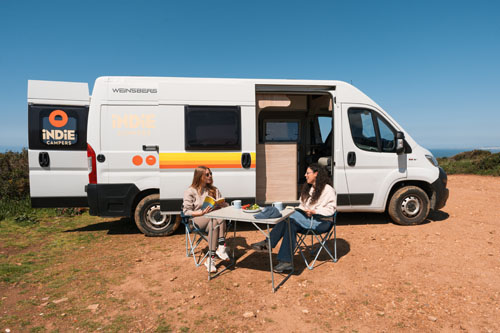
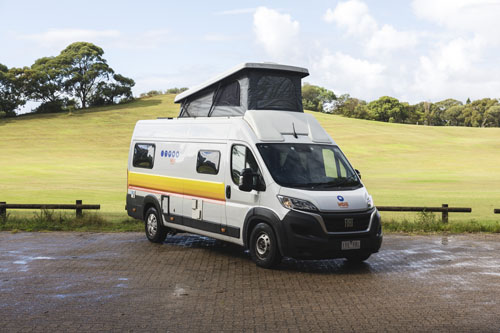
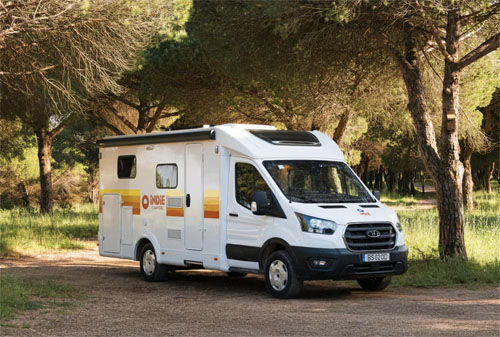
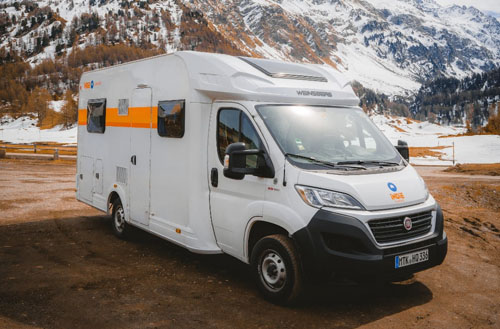
For navigating Norway's often narrow and winding roads, particularly in fjord country and steep mountain passes, a more compact RV class such as a Class B Campervan or a Class SI Semi-integrated motorhome is frequently the ideal choice. These smaller models offer superior agility and maneuverability, making tight turns and ferry boarding much easier. For example, a "Camper Van" like the `V3` from our fleet averages 6.36 meters in length, sleeps 2 people comfortably, and has a 100-liter fresh water tank, making it agile and economical for diverse terrain.
Bandana's fleet typically shows Class B Camper Vans averaging 5.8 meters in length, sleeping 3.2 people, and consuming around 10 Liters/100 km of fuel. Class SI Semi-integrated models, averaging 6.9 meters in length for 3.8 sleepers and 10-11 Liters/100 km fuel consumption, offer a comfortable balance of space and maneuverability, suitable for both wild camping and serviced sites. While larger Class C motorhomes are available and offer more living space, the ease of driving smaller campervans often outweighs the extra room on Norway's unique road infrastructure. Drive slowly and carefully, and you can drive almost anywhere without issues. No need to stress - just use common sense and pay attention.
How to Save on Campgrounds in Norway
To significantly save on Norwegian campgrounds, consider traveling during the shoulder season (late May-June, September-early October) when rates are generally lower than the peak summer months of July and August. During these times, you can often find spots at popular locations more easily and at reduced prices. Another effective strategy is to opt for municipal or regional campgrounds, which often provide more budget-friendly alternatives compared to private resorts with extensive amenities, yet still offer essential facilities.
Additionally, staying for three or more nights at a single location can sometimes unlock weekly rates, which are more economical than booking day-to-day. Responsibly practicing wild camping where permitted, by adhering to 'Allemannsretten' guidelines, can also significantly reduce your accommodation expenses. Remember that fuel is a major cost factor for RV travel in Norway, so planning shorter daily driving distances and utilizing public transport for local excursions can also contribute to overall savings.
How much does it cost to rent an RV in Norway and is it expensive to rent a campervan?
Renting an RV in Norway can be a significant investment, with daily rental rates varying widely based on the RV class, rental season, and duration. For instance, a compact Class B campervan might start from €80-€120 per day in shoulder season, while a larger Class C motorhome for a family could range from €150-€250+ per day during peak season. Prices are dynamic, similar to flight tickets, changing daily based on availability and supplier marketing decisions, so the final price is set at actual booking time.
Overall, Norway is known for its higher cost of living, which extends to travel expenses. A comprehensive cost breakdown for a Norwegian RV trip must include not only rental fees but also substantial fuel costs (diesel typically costs €1.80-€2.00 per liter), frequent ferry fares (which vary by vehicle length and number of passengers), bridge and road tolls (often automated via AutoPASS), and groceries. On the routes offered through RV PLANET routes, travelers can itemize and track every expense along the way for easy budgeting. Despite the initial expense, the unparalleled flexibility and ability to self-cater often make a rented RV a cost-effective way to experience Norway's stunning natural beauty compared to hotels and restaurants.
Consider looking into "Cheap RV Rental in Norway - Budget Guide 2026" for more specific strategies on managing costs.
What is the best time of year to visit Norway by campervan and what is the best month to visit Norway in an RV?
The best time of year to visit Norway by campervan is generally from late May to early September, when daylight hours are extended, temperatures are milder, and most scenic routes and attractions are fully accessible. July and August offer the warmest weather and full accessibility to virtually all areas, including many mountain roads, making them the most popular months for an extended road trip in a rented motorhome.
Visiting in June or September can provide a good balance of pleasant weather, fewer crowds, and potentially lower costs for your RV rental in Norway. However, be prepared for rapidly changing weather conditions and pack layers for varying temperatures and precipitation, as even in summer, conditions can shift quickly in the mountains. For unique experiences like the Northern Lights, consider a "Winter RV Rental in Norway - Pricing Guide 2026" which offers its own set of magical, though more challenging, adventures. The shoulder seasons are ideal for those seeking a tranquil journey, maximizing their time with a rented camper and exploring at a leisurely pace of 100-150 km per day.
How long does it take to drive around Norway?
The time required to drive around Norway extensively depends heavily on your chosen route, desired pace, and how much time you allocate for stops, hikes, and exploring attractions. Due to winding roads, mountainous terrain, and frequent ferry crossings, average driving speeds are generally lower than in other European countries.
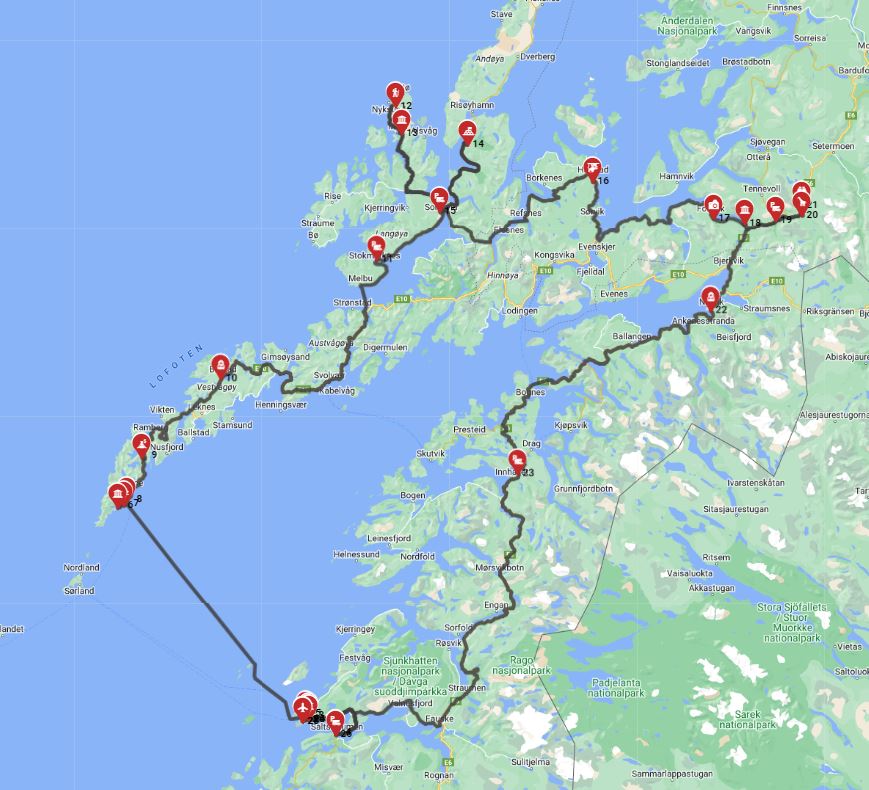
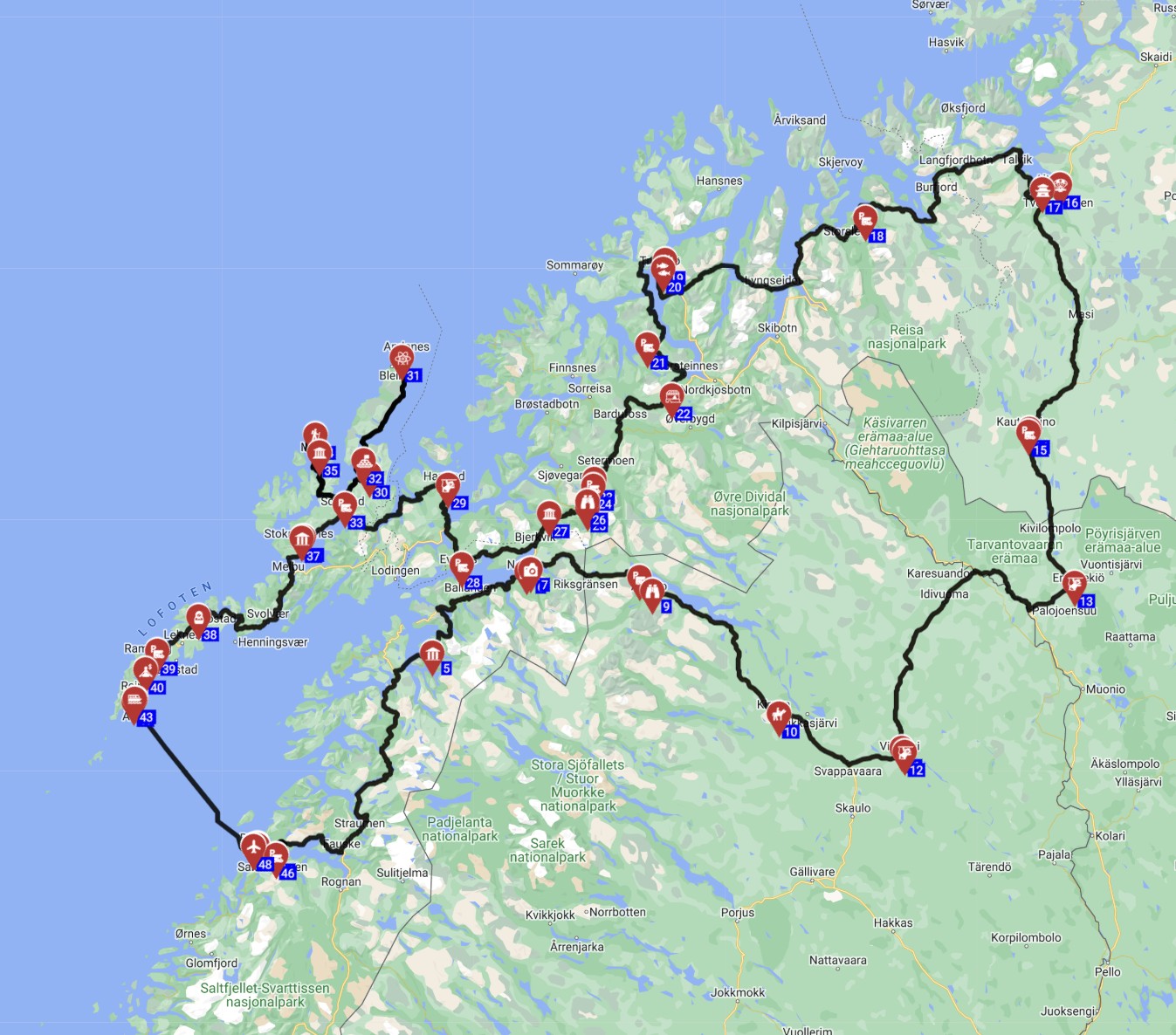
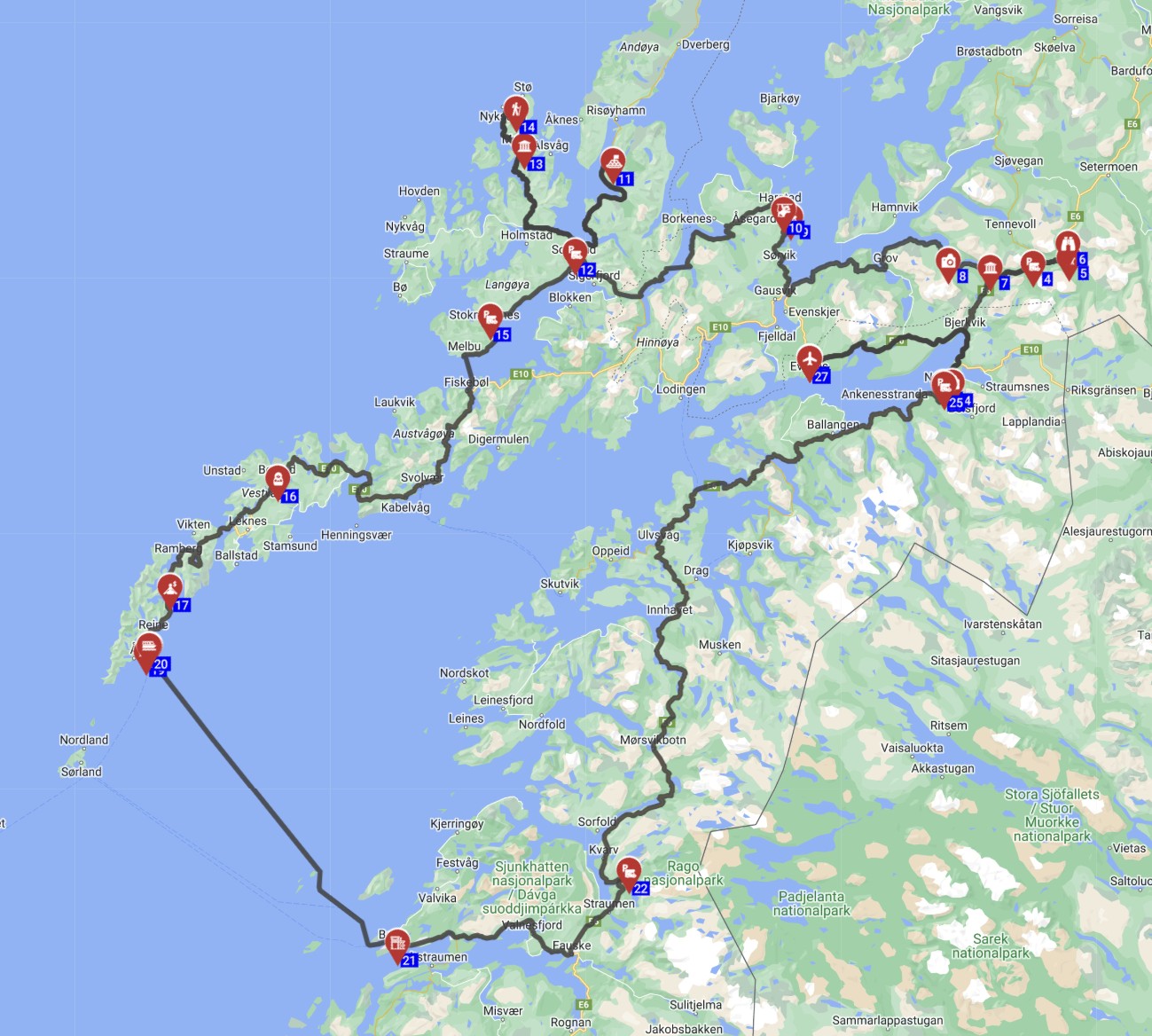
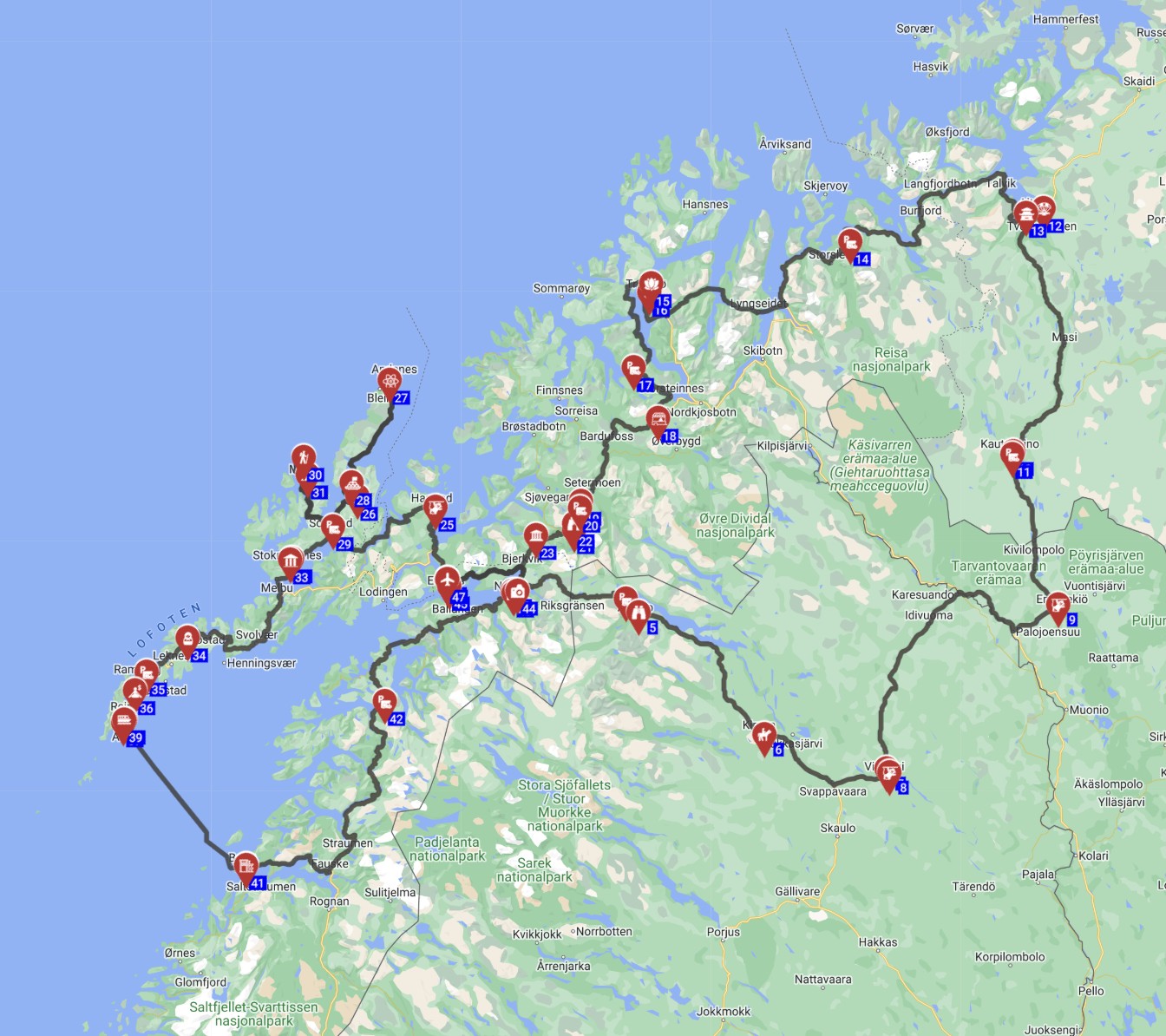
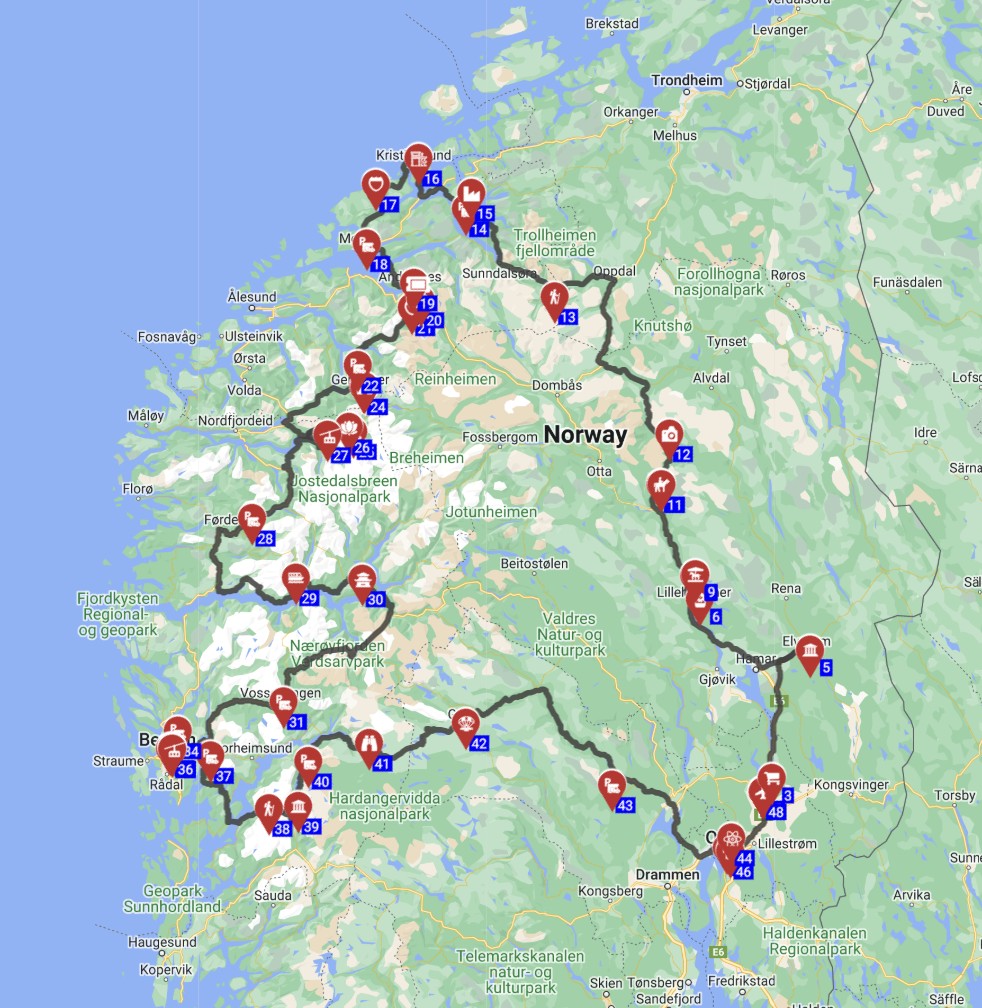
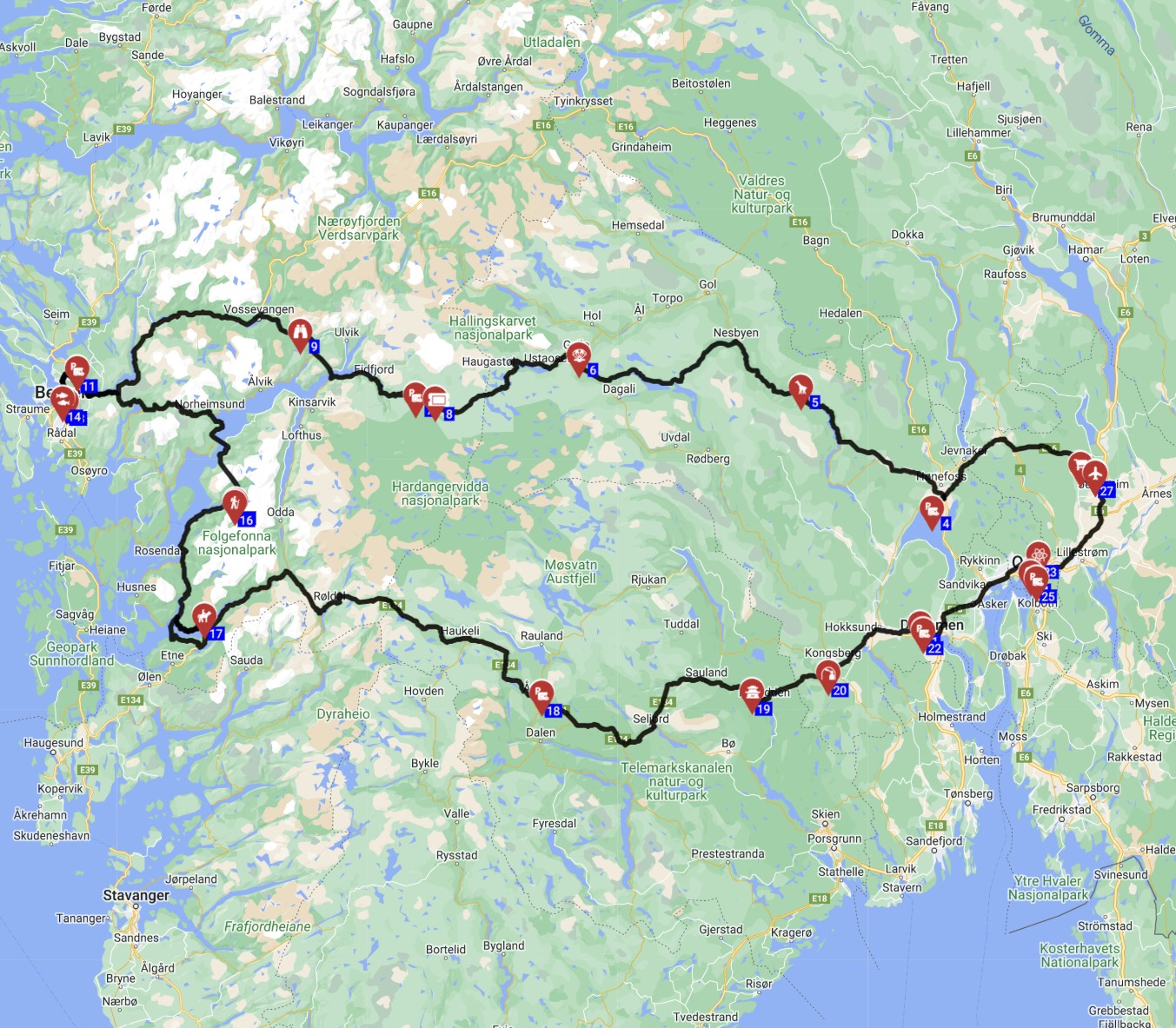
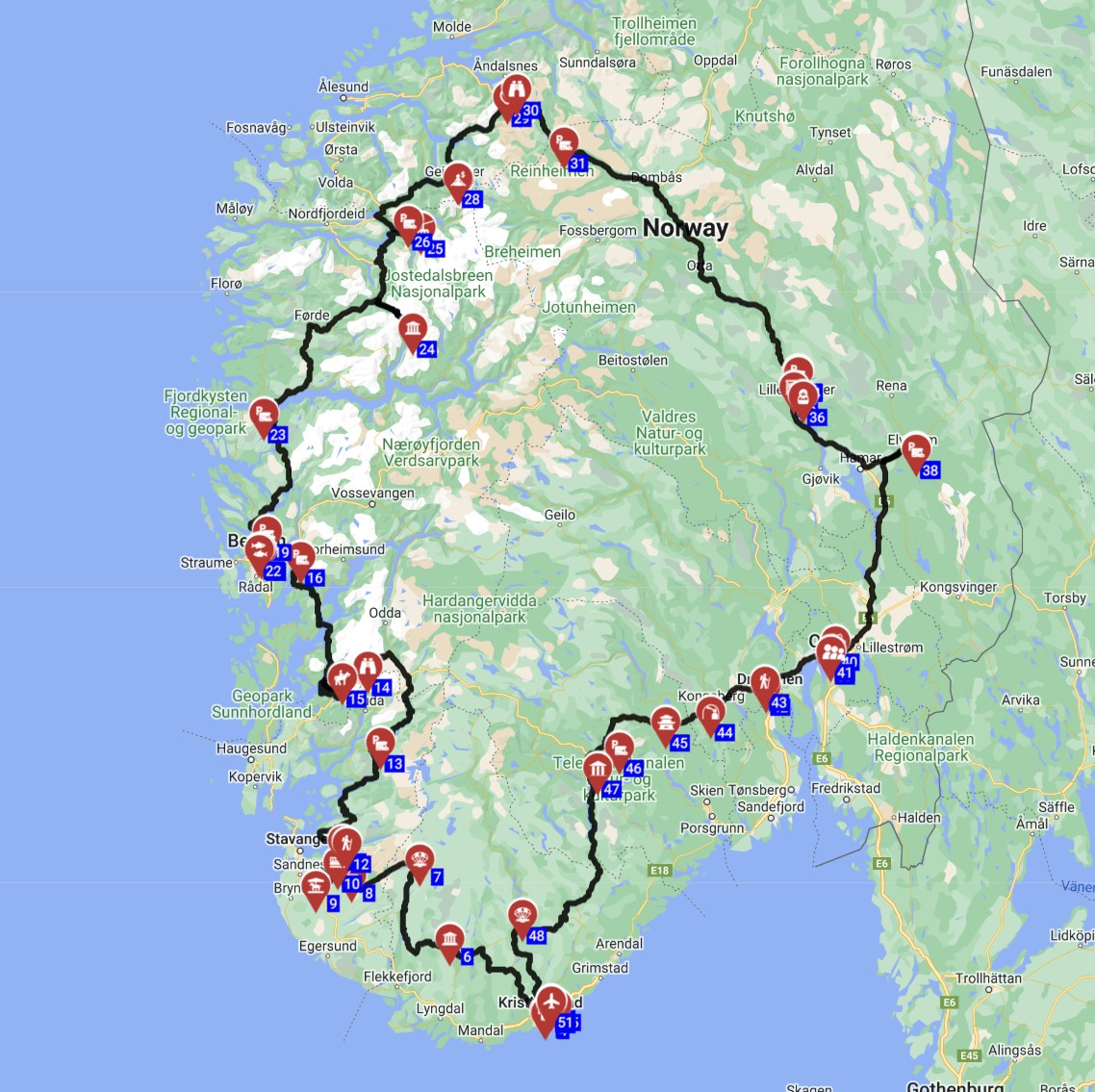
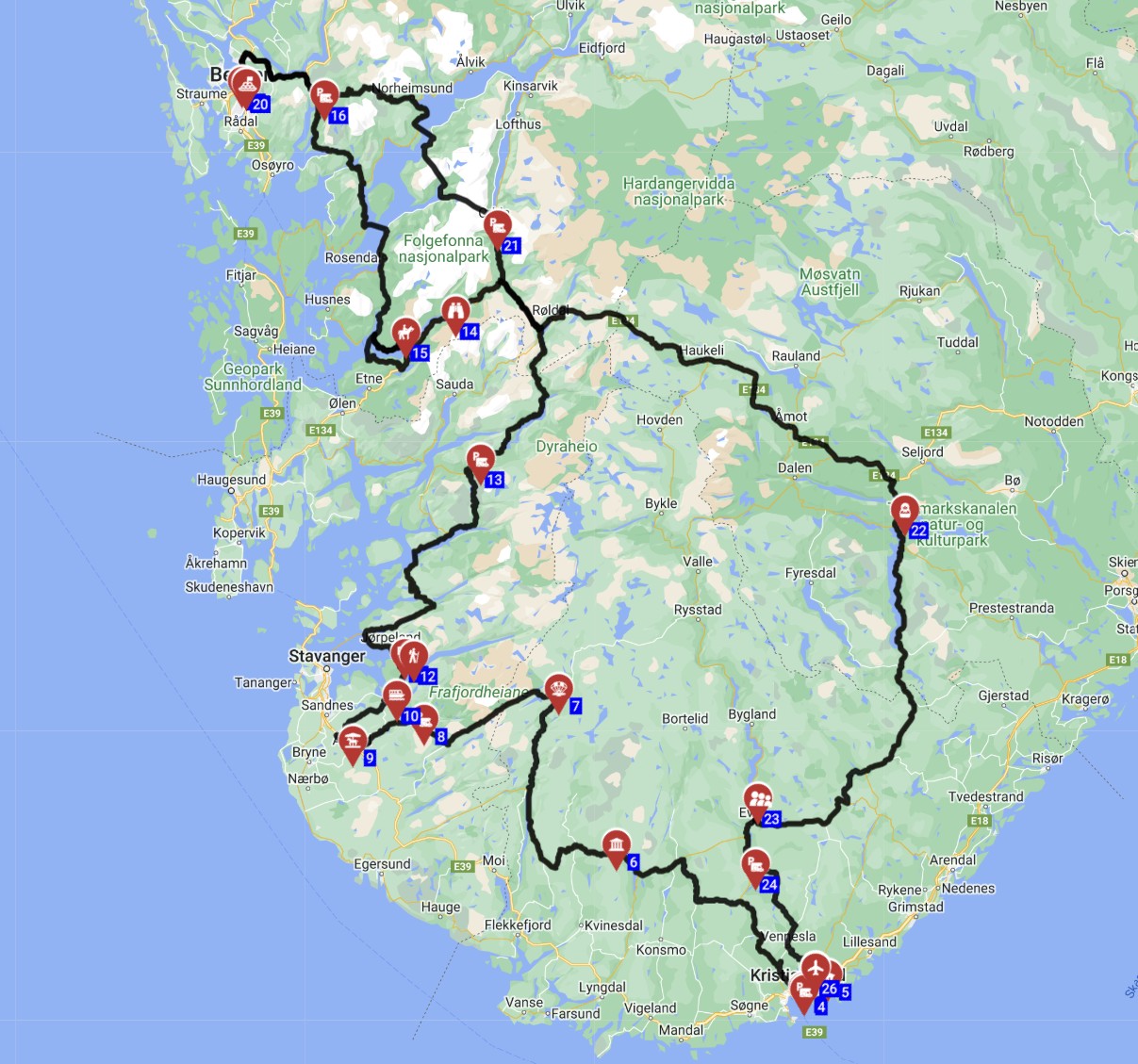
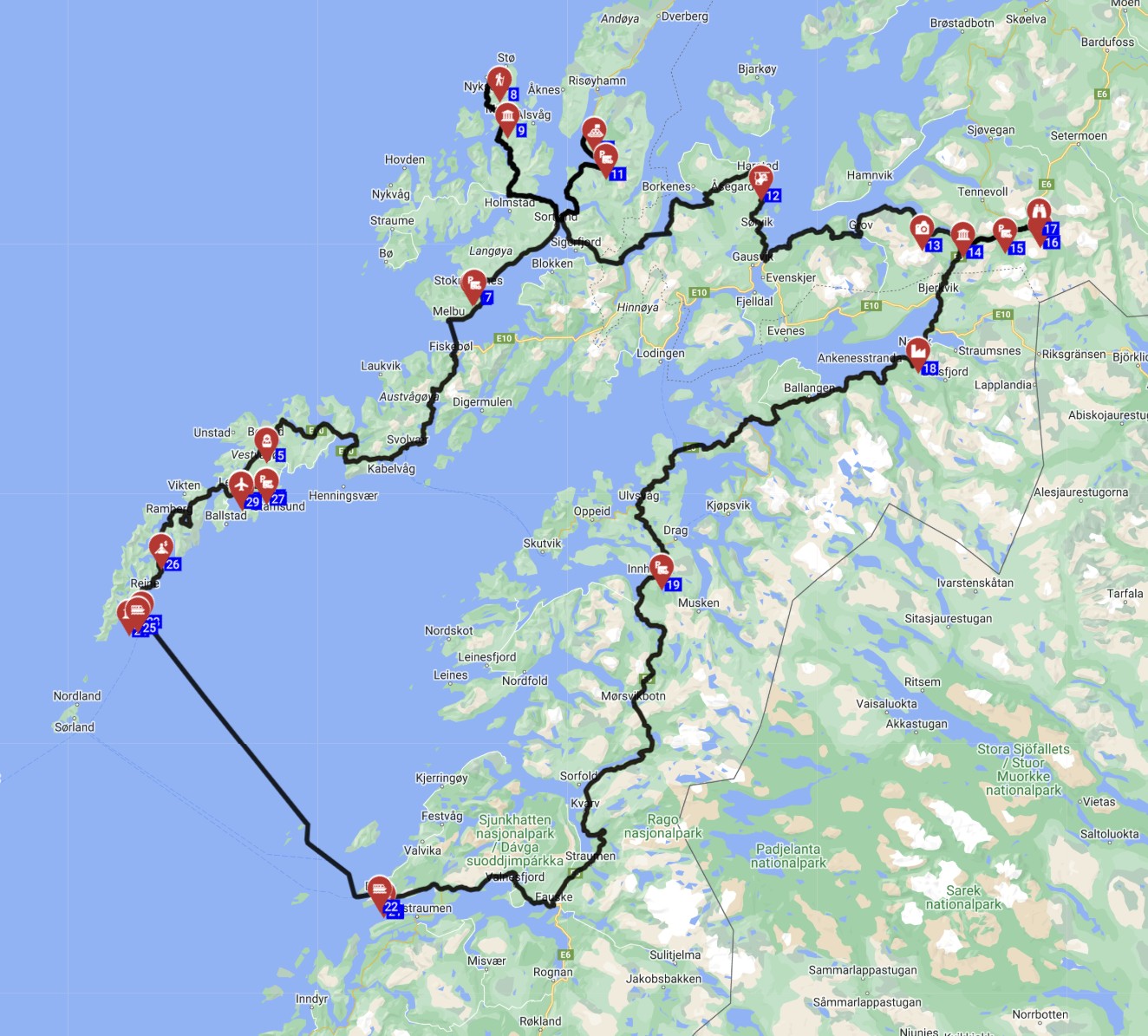
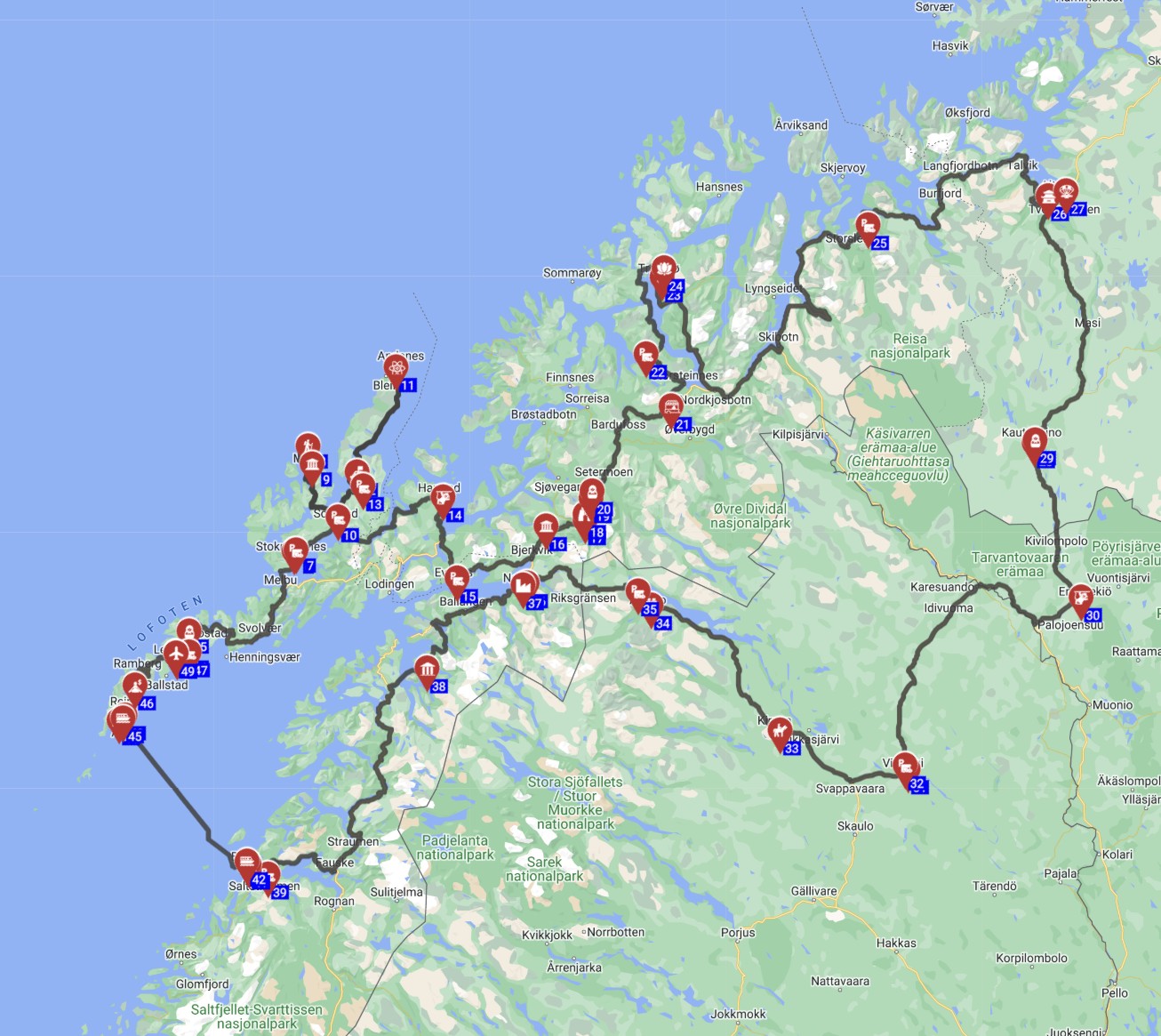
A comprehensive tour covering major fjords, coastal routes, and perhaps venturing north into the Arctic Circle might typically take 2-4 weeks to allow for a relaxed pace and in-depth exploration without feeling rushed. For a more focused week-long trip to a specific region, such as the southern fjords accessible from Bergen, a 7-10 day itinerary is perfectly feasible, allowing enough time to truly experience the local culture and scenery. Remember that slow travel is key to enjoying Norway, so resist the urge to pack too much into a short timeframe with your rented mobile home. An 8-day Bergen Round trip - Norway’s Coastal Wonders, for instance, covers 782.9 km and includes 12 points of interest such as 2 cruise terminals and 2 hiking areas.
Do you need an international driving permit for Norway and what kind of insurance is required for RV rentals?
Drivers from EU/EEA countries generally do not require an International Driving Permit (IDP) for Norway if their domestic license is in a Latin alphabet and includes a photograph. However, an IDP is strongly recommended for non-EU/EEA license holders to provide a translation of your domestic license, ensuring compliance with local regulations and easing interactions with authorities, though it is not strictly mandatory in most cases.
For RV rentals in Norway, comprehensive insurance is typically mandatory and often included in the base rental price. This usually covers Collision Damage Waiver (CDW), theft protection, and third-party liability. It is crucial to thoroughly review the deductible amounts, which can be substantial, and consider purchasing additional coverage or upgrading to a top-level deductible for extra peace of mind. Bandana RV offers full transparency with no hidden fees, allowing you to compare final prices across suppliers and understand your insurance coverage clearly before you book your chosen camper.
What are the specific rules for driving an RV on narrow roads, mountain passes, and how do Norway's toll systems work for RVs?
Driving a rented RV on Norway's frequently narrow roads and steep mountain passes demands careful attention, a readiness to use low gears, engine braking, and constant awareness of oncoming traffic. While you can drive almost anywhere without issues, many popular scenic routes feature single-lane sections with designated passing places, requiring courteous driving and yielding, especially when navigating a larger motorhome. Look out for road signs indicating maximum vehicle dimensions and be aware that some smaller roads might be unsuitable for the largest Class C motorhomes.
Norway's extensive toll system, primarily AutoPASS, operates electronically; rental RVs are typically fitted with a transponder or their license plate is registered for automatic billing. Charges for tolls, and often some ferry crossings, are consolidated and passed to the renter by the rental company, usually with an administrative fee. It's important to understand this system to avoid unexpected costs. For more comprehensive advice on navigating Norwegian roads, check out "RV Driving Deals in Norway - Routes and Savings 2026". Drive slowly and carefully, and you can drive almost anywhere without issues. No need to stress - just use common sense and pay attention.
What essential apps should I download for an RV trip in Norway?
Essential apps for an RV trip in Norway include reliable navigation tools such as Google Maps, with offline maps downloaded for areas with limited connectivity, or specialized RV apps like Park4Night and Campercontact for finding campsites and services. These apps often provide valuable information on amenities, reviews, and even potential wild camping spots suitable for campervans. Downloading a local weather app, such as Yr.no (the Norwegian Meteorological Institute's official app), is crucial for daily planning due to Norway's notoriously unpredictable climate, allowing you to adapt your route and activities on the fly.
For communication, consider connectivity solutions like purchasing a local SIM card upon arrival or renting a portable Wi-Fi hotspot, as campground Wi-Fi can be inconsistent or incur additional charges. Useful apps for checking ferry schedules (e.g., Fjord1, Norled) will significantly aid in route planning, as many scenic drives involve compulsory ferry crossings. Having these digital tools at your fingertips will enhance your spontaneous extended road trip by ensuring smooth navigation, easy camp setup, and preparedness for Norway's diverse conditions.
How does Norway's 'Allemannsretten' apply to RVs, and can you wild camp with a campervan?
Norway's 'Allemannsretten' (Right to Roam) grants public access to uncultivated land, generally permitting wild camping for tents, but its application to motorized vehicles like RVs and campervans is more restricted and nuanced. While direct wild camping for RVs is not explicitly covered by Allemannsretten as it is for hikers, it is often tolerated on uncultivated land that is not private property, cultivated fields, or within 150 meters of an inhabited building, provided you adhere strictly to ethical guidelines and leave no trace.
Responsible wild camping for rented RVs requires careful disposal of all waste, including gray and black water, only at designated dump stations found at most official campgrounds or service points. Avoid sensitive natural areas, respect local flora and fauna, and never leave any litter behind. Always check for local prohibitions or designated overnight parking spots, as some popular areas have specific rules to manage tourism impact. This approach ensures sustainable travel and allows you to enjoy Norway's stunning scenery in a respectful manner, whether for a week-long trip or a longer adventure.
Where can I find affordable groceries in Norway for my RV trip and what local foods should I try?
To find affordable groceries in Norway for your RV trip, prioritize shopping at discount supermarket chains like Rema 1000, Kiwi, and Coop Extra, which offer competitive prices and are widely available in most towns. These stores provide a wide range of fresh produce, dairy products, meats, and pantry staples, making it easy to prepare meals in your rented motorhome's kitchen. Cooking in your RV as much as possible, rather than eating out, is one of the best ways to manage your food budget effectively in Norway.
Beyond daily essentials, take the opportunity to try unique Norwegian foods. Look for local specialties like `brunost` (brown cheese), cured meats (`spekemat`), and especially fresh seafood such as salmon, cod, or king crab if you're traveling along the coast. Farmers' markets or roadside stalls (seasonal) can offer delicious local produce. Planning your grocery stops in larger towns will generally give you better selection and prices. For inspiration on what to cook, check out our RV-friendly recipes playlist, which offers plenty of ideas for meals on the go. This allows you to truly connect to the local food culture.
How can I minimize my environmental impact while RVing in Norway?
Minimizing your environmental impact while RVing in Norway is crucial for preserving its pristine landscapes and involves responsible waste management, conscious driving, and respectful interaction with nature. Always use designated dump stations for grey and black water, which are readily available at most official campgrounds and some petrol stations, to prevent pollution. Dispose of all trash properly in recycling or waste bins, and adhere to strict 'leave no trace' principles, especially when practicing wild camping or stopping at scenic viewpoints.
Drive your rented campervan fuel-efficiently, maintaining steady speeds and avoiding harsh acceleration and braking to reduce emissions and fuel consumption. Stick to marked roads and trails, avoid disturbing wildlife, and always maintain a respectful distance from animals. Supporting local businesses and communities that prioritize sustainable practices also helps. By adopting these habits, your extended road trip through Norway will be both memorable and environmentally responsible, ensuring these natural wonders remain for future generations. This is a core value for Bandana RV, as true RV specialists committed to preserving the beauty of destinations worldwide.
Is it worth renting a campervan in Norway?
Renting a campervan in Norway is profoundly worthwhile for travelers seeking unparalleled flexibility, an immersive connection with nature, and the freedom to explore its stunning landscapes at their own pace. Imagine waking up to a breathtaking fjord view, enjoying breakfast cooked in your campervan's kitchen, and then embarking on a spontaneous hike-all without needing to adhere to hotel check-in times or restaurant schedules.
The ability to cook your own meals, choose unique overnight spots (including responsible wild camping where permitted), and constantly be surrounded by Norway's incredible scenery often outweighs the country's higher costs. For adventurers, nature lovers, and families who prioritize independence and direct access to Norway's majestic fjords, towering mountains, and stunning coastal roads, a campervan provides an unforgettable and deeply rewarding journey. It transforms a mere vacation into an authentic exploration, allowing you to truly feel the place, connect to its culture and the wild beauty that makes Norway so unique. Bandana RV's full transparency and dedicated support ensure you embark on this adventure with peace of mind, knowing what to expect every step of the way.
What You Shouldn't Miss
When you embark on your last-minute RV adventure in Norway, certain experiences are simply non-negotiable for capturing the essence of this incredible country. First, drive the Geirangerfjord and Trollstigen scenic route, two of Norway's most iconic natural and engineering marvels. The winding roads, towering waterfalls, and emerald fjords will leave you speechless. Second, explore the picturesque Lofoten Islands, renowned for their dramatic peaks, white sand beaches, and charming fishing villages, offering unparalleled hiking and photography opportunities.
Third, navigate the Atlantic Ocean Road (Atlanterhavsveien), a thrilling stretch of highway that leaps across small islands and skerries, providing stunning coastal views. Fourth, immerse yourself in the vibrant city life and historical charm of Bergen, exploring its Bryggen wharf and taking the Fløibanen funicular for panoramic views. Fifth, consider a visit to the North Cape (Nordkapp) if your trip extends far north, especially during summer to experience the Midnight Sun, or in winter for a chance to witness the spectacular Northern Lights. Remember that a motorhome rental offers the freedom to linger at these spots as long as you wish, truly embracing slow travel.
Looking for expert insights from Avi Bandana? Top 5 Adventures - recommendations from Avi Bandana
- Fjordland Exploration: Drive the stunning Fjord Route (Fv 55) through Sognefjellet, the highest mountain pass in Northern Europe, offering unparalleled views of glaciers and valleys.
- Lofoten Island Hopping: Spend several days exploring the white beaches, traditional fishing villages, and dramatic mountains of the Lofoten Islands, enjoying fresh seafood daily.
- Arctic Circle Crossing: Head north past the Arctic Circle to experience the Midnight Sun in summer or the Northern Lights in winter, perhaps near Tromsø or Alta.
- Coastal Road Trip (Kystriksveien): Instead of the E6, take the Kystriksveien (Rv17), a 650 km coastal route from Steinkjer to Bodø, featuring 6 ferry crossings and incredible island scenery.
- Historical & Cultural Immersion: Combine nature with culture by visiting stave churches (like Borgund Stave Church), Viking history sites, and local museums to understand Norway's rich heritage.
Final Thoughts
Exploring Norway by rented RV or campervan is an adventure that offers unparalleled freedom and immersion in one of the world's most beautiful countries. Whether you're planning a week-long trip through the fjords or a longer, two-week Arctic exploration, Norway's diverse landscapes and welcoming campgrounds await. The flexibility to choose your own pace, embrace spontaneous detours, and live life on the open road truly makes for an unforgettable journey.
Don't let last-minute planning deter you. With numerous camping options, accessible RV rentals, and the helpful resources like RV PLANET at your disposal, a spontaneous Norwegian road trip is well within reach. Remember our tips for navigating costs, understanding local driving rules, and embracing responsible travel, and you'll be set for an incredible adventure. Life is now - so why not discover the wonders of Norway with a motorhome rental?
Compare Campervan Prices for Norway and start planning your epic Norwegian journey today!