In This Guide
- Where to Camp in New Zealand - Top Options
- Campground Types in New Zealand (National, Private, Wild)
- Featured RV Park or Campground in New Zealand
- Hookups & Amenities - What to Expect
- Booking Windows & Reservations in New Zealand
- Nearby Supermarkets & Resupply Points
- Best RV Class for Camping in New Zealand
- How to Save on Campgrounds in New Zealand
- Can I park my motorhome anywhere in New Zealand?
- How much does it cost to park a campervan in New Zealand?
- Does New Zealand have RV parks?
- Can you free camp anywhere in New Zealand?
- How much does it cost to stay at a campground in New Zealand?
- Can you sleep in a camper anywhere in NZ?
- Is New Zealand RV friendly?
- Do you need a special license to drive an RV in New Zealand?
- How much do campsites cost in New Zealand?
- Is it worth getting a campervan in New Zealand?
- What You Shouldn't Miss
- Why Book with Bandana Caravan
- Final Thoughts
- Frequently Asked Questions
Imagine waking up to the sound of crashing waves on a pristine beach, or the mist rising over a dramatic fjord, all from the comfort of your rented motorhome in New Zealand. This land of breathtaking landscapes is truly an RV traveler's paradise, offering incredible freedom and flexibility. Whether you're a meticulous planner or a spontaneous adventurer, finding available campsites, even last-minute, is part of the exciting journey. For live availability and current prices, start with our RV Rental New Zealand - Complete Guide 2026 guide.
Where to Camp in New Zealand - Top Options
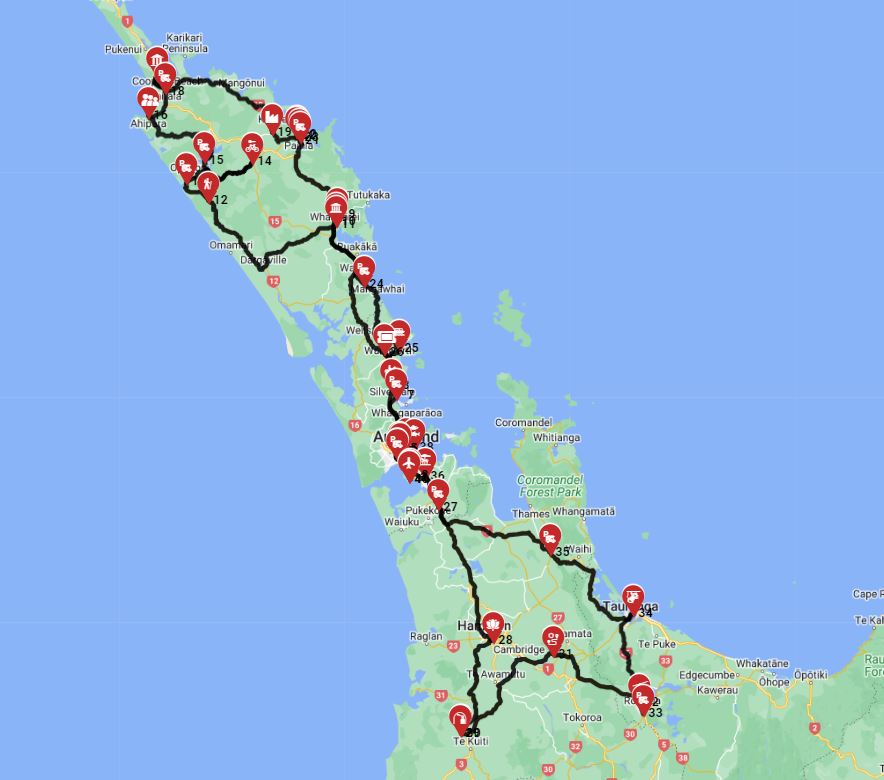
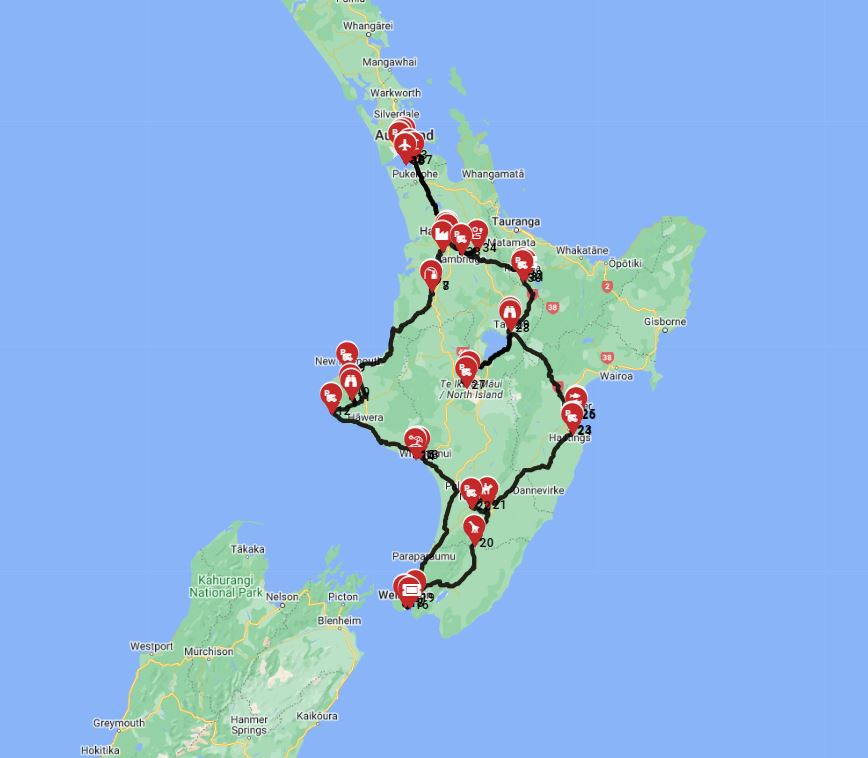
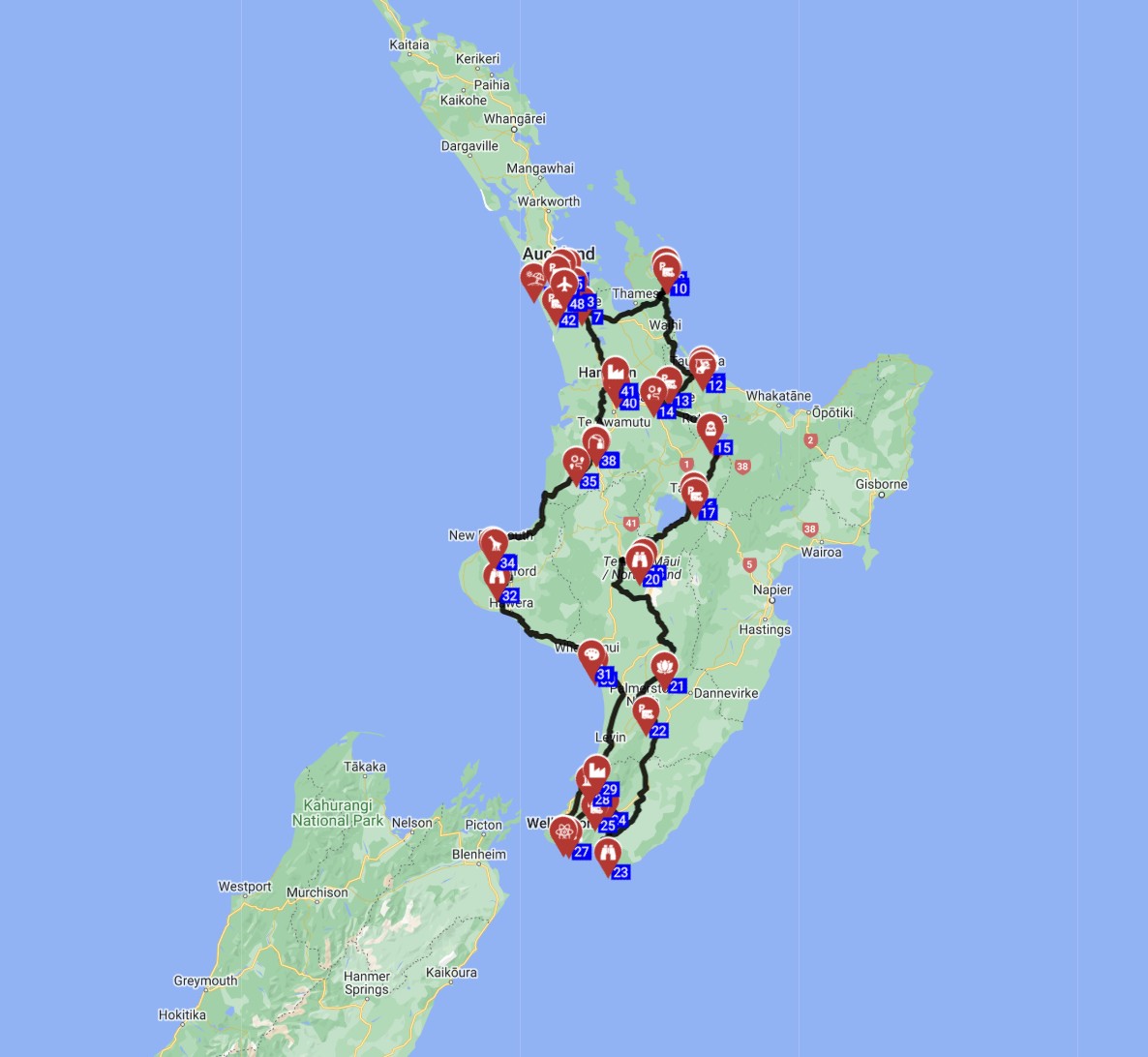
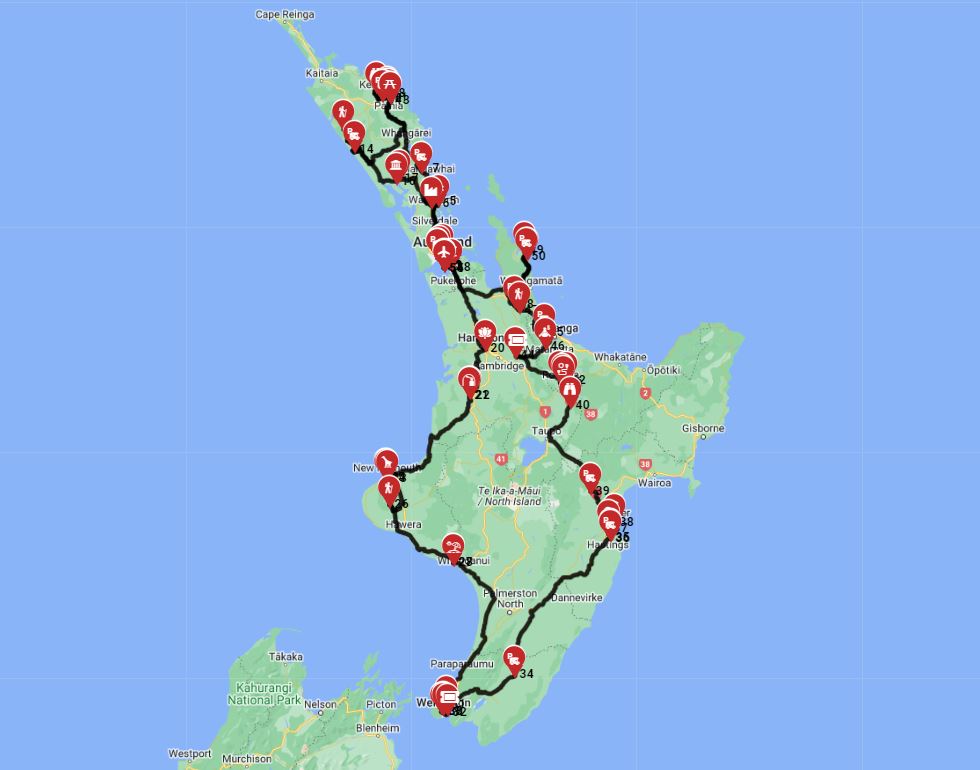
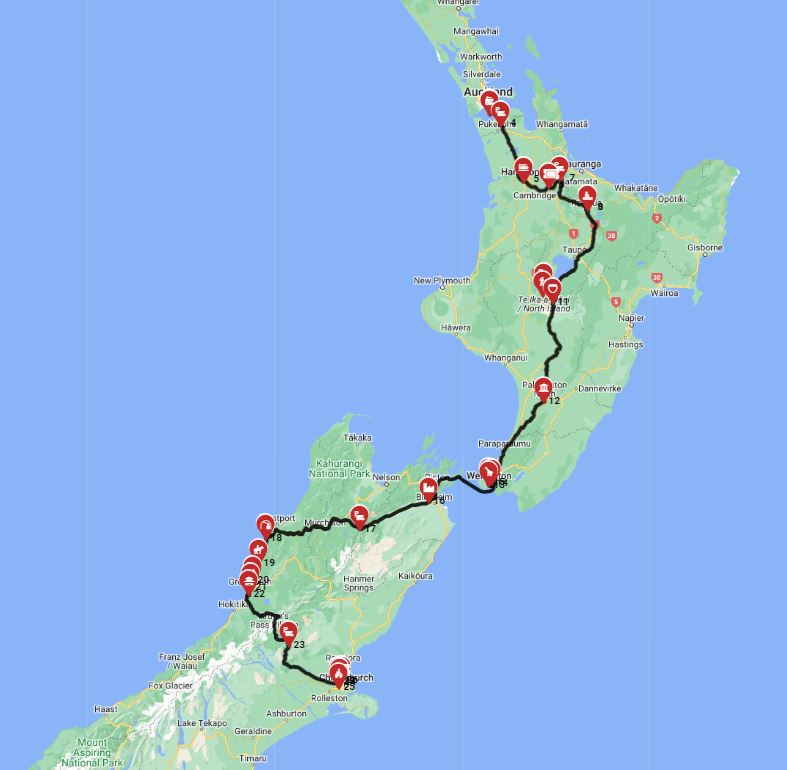
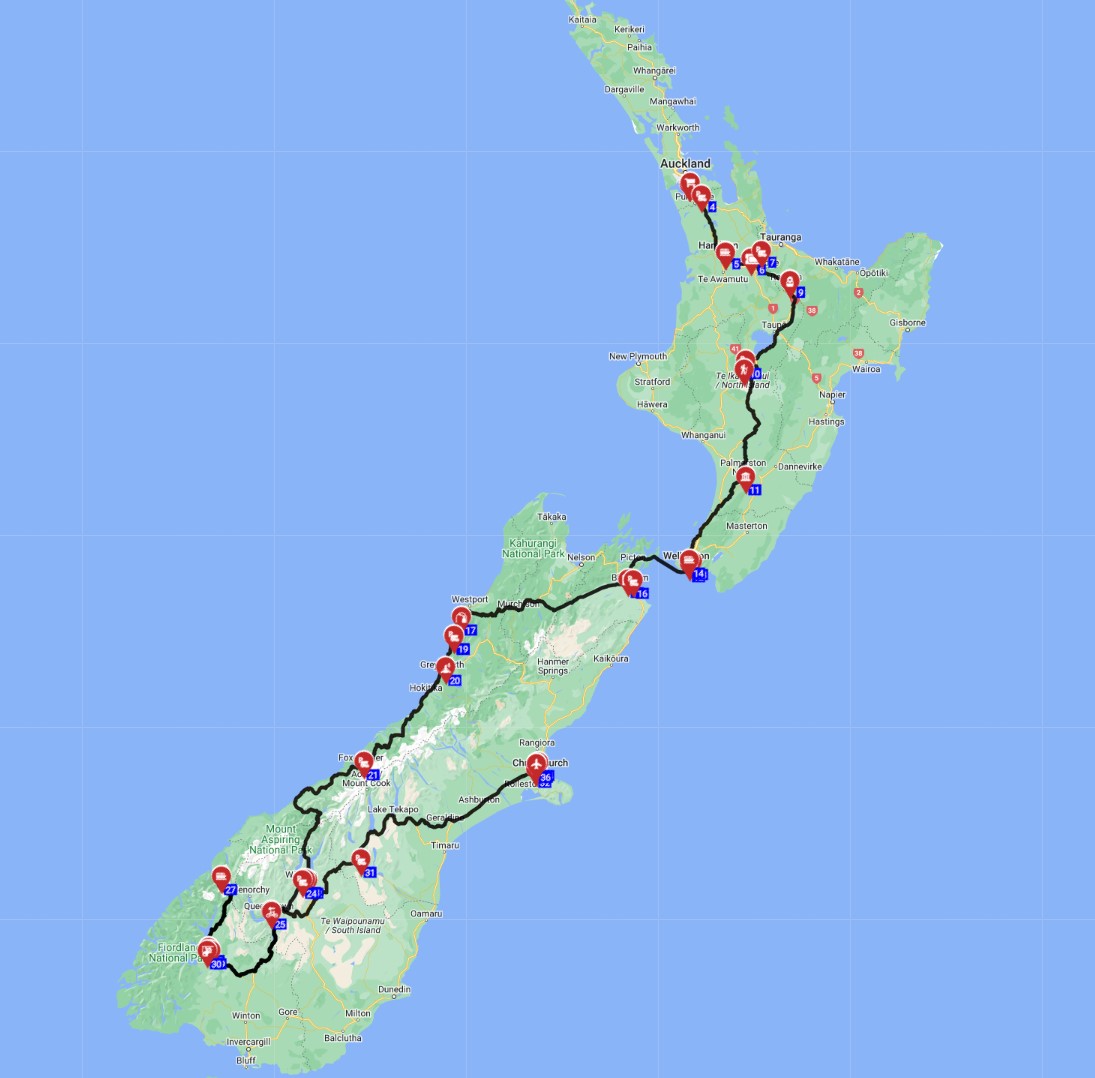
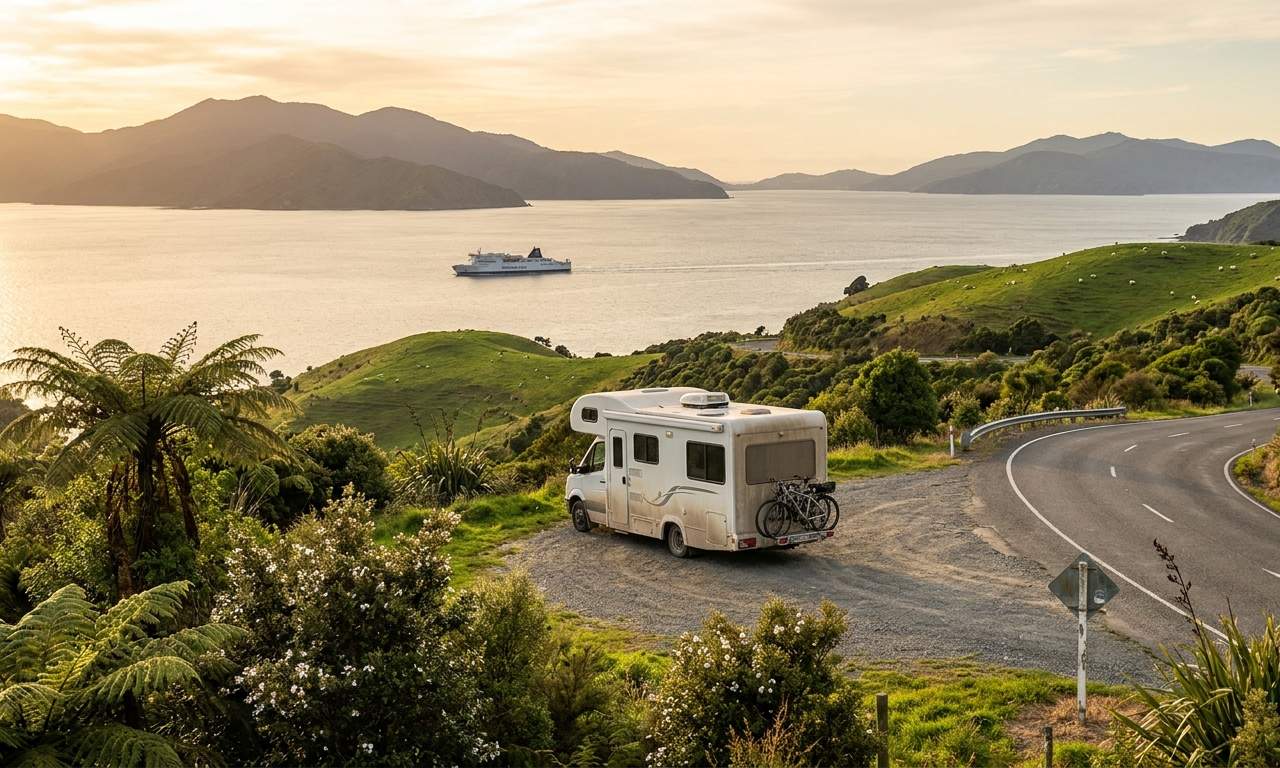
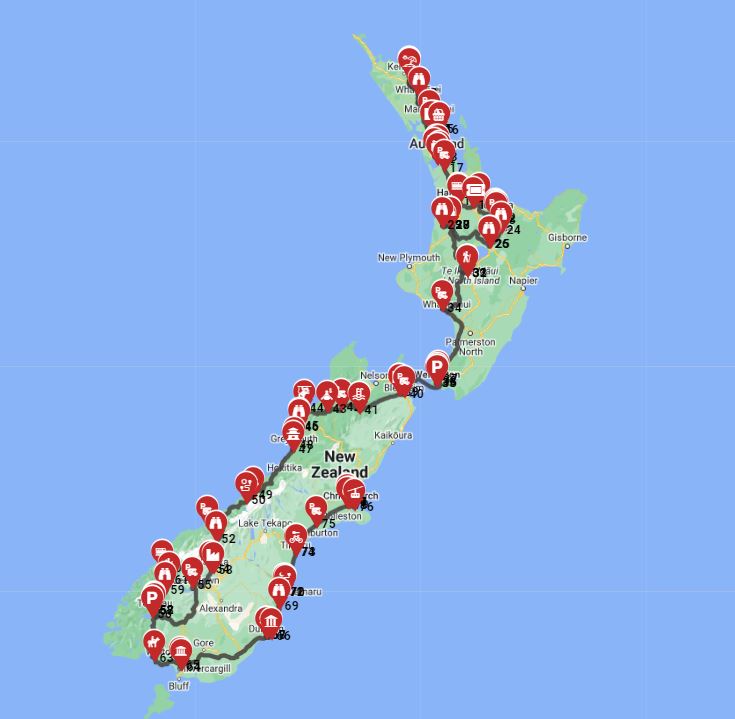
New Zealand offers diverse RV camping options, from picturesque Department of Conservation (DOC) sites in national parks to amenity-rich private holiday parks. Popular regions for RV camping include the scenic Bay of Islands in the North Island, with its 144 islands to explore, the volcanic landscapes around Rotorua, featuring geothermal wonders, and the dramatic fjords and mountains of Fiordland and Queenstown in the South Island. Designated freedom camping areas are also available for Certified Self-Contained vehicles (CSV), providing unique, often remote, overnight spots if you adhere to local regulations and display the proper sticker. Planning your route can be simplified with professional itineraries, for instance, the 25-day
Campground Types in New Zealand (National, Private, Wild)
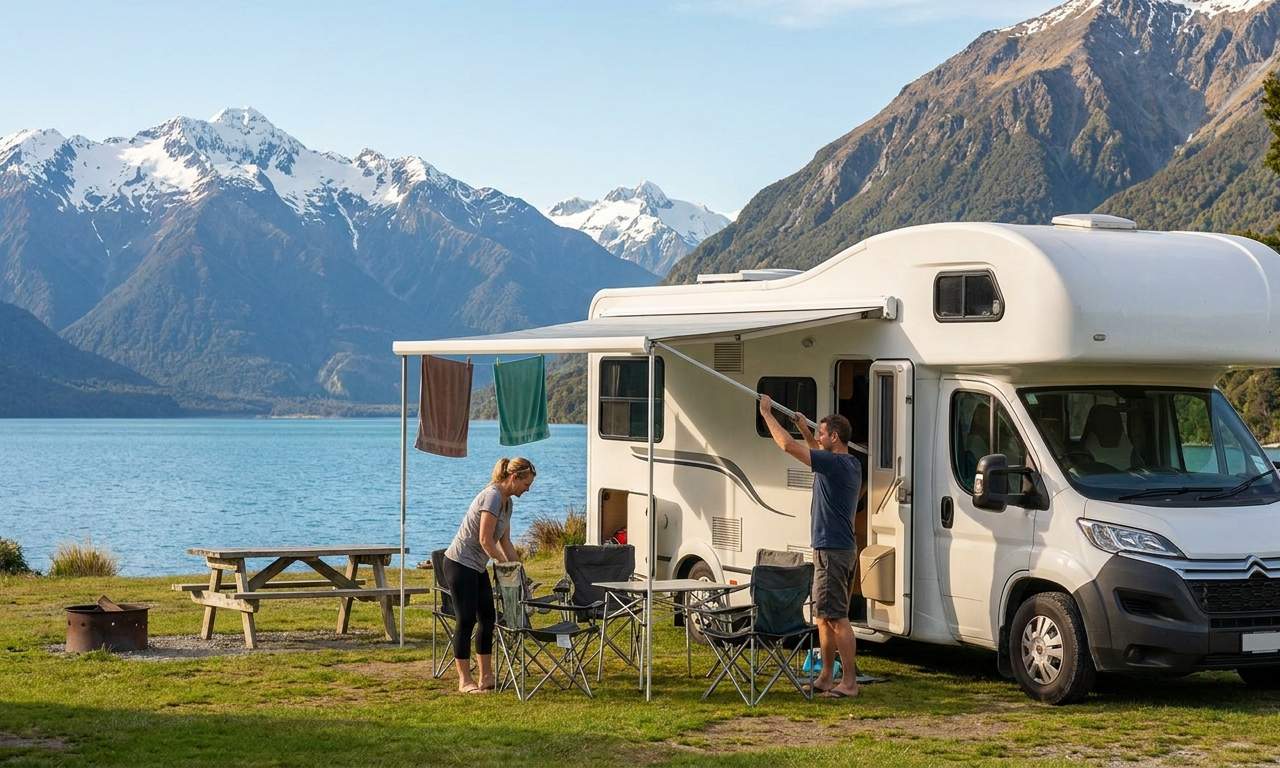
Understanding the different campground types in New Zealand is essential for a smooth RV trip. Department of Conservation (DOC) campsites are managed by the government and often provide stunning natural settings within national parks or reserves, ranging from basic 'standard' sites with long-drop toilets and water to 'serviced' sites with flush toilets, rubbish bins, and sometimes showers, typically costing between NZD $8 and $25 per adult per night. Private Holiday Parks, such as TOP 10 Holiday Parks and Kiwi Holiday Parks, offer the most amenities including powered sites, fresh water, dump stations, hot showers, laundries, communal kitchens, and often Wi-Fi, making them ideal for families seeking comfort. Freedom or Wild Camping is only legal in specific, designated areas for Certified Self-Contained (CSC) vehicles, which must meet strict standards for onboard sanitation and waste containment, evidenced by a blue sticker. Engaging in illegal freedom camping carries heavy fines, often up to NZD $400, reflecting New Zealand's commitment to protecting its pristine environment. On the routes offered through RV PLANET routes, you can itemize and track every expense along the way for easy budgeting.
Featured RV Park or Campground in New Zealand
When choosing an RV park in New Zealand, look for those offering essential amenities like powered sites, fresh water, and waste disposal, often found near popular tourist destinations like Queenstown, Rotorua, or the Coromandel Peninsula. A top-rated campground might offer stunning lakefront views, direct access to hiking trails, or proximity to local attractions, alongside full hookups (electricity, water, grey/black water disposal). Many premier parks also provide extra facilities such as swimming pools, play areas for children, and communal BBQ facilities, enhancing the overall camping experience. Remember that booking ahead, particularly during peak season (December to February), can ensure you secure a spot at these sought-after locations. Even if you are searching last-minute, calling ahead is always a good idea.
Hookups & Amenities - What to Expect
When traveling with a rented motorhome in New Zealand, knowing what hookups and amenities to expect at campgrounds is crucial for a comfortable trip. New Zealand operates on 230-240V, 50Hz, utilizing standard 3-pin plugs similar to Australia and the UK, so ensure you have the correct adapter for any personal electronics. Most private holiday parks offer powered sites, while Department of Conservation (DOC) sites vary, with many being unpowered. Potable fresh water refills are widely available at holiday parks, designated dump stations, and some service stations; always ensure your tank is full before heading into remote areas. Essential for emptying grey water (sinks and showers) and black water (toilet), dump stations are common at private holiday parks, some petrol stations, and publicly designated areas, typically signposted with a 'Dump Station' symbol. Wi-Fi is often available at private holiday parks, sometimes for an additional fee, but connectivity can be limited or non-existent at many remote DOC campsites. Standard laundry and hot shower facilities are present at most private holiday parks (some coin-operated), while basic cold showers or no facilities are common at many DOC sites. To help manage your trip budget, including ancillary costs like hookups and dump fees, consider using RV PLANET routes to itemize and track every expense along the way.
Booking Windows & Reservations in New Zealand
Securing your campsite in New Zealand, especially during peak travel times, requires a balanced approach. For peak travel season (December to February and school holidays), it is highly recommended to book popular Department of Conservation (DOC) campsites and private holiday parks months in advance. However, don't let this deter spontaneous adventurers. Many national and state parks reserve only 25-30% of their spots for advance booking, leaving the majority available on a first-come, first-served basis. During shoulder seasons (October-November, March-April), booking 2-4 weeks ahead for desired spots is advisable, especially in popular tourist areas. While spontaneous travel is possible during off-peak times, calling ahead to confirm availability before driving to a campground is always a wise strategy to avoid disappointment. Remember, you'll find a spot. If not at the first campground, then the next one. For last-minute RV camping in New Zealand, it's about flexibility and quick decision-making; use online resources or call campgrounds directly. Exploring a "RV Rental Deals in New Zealand - Latest Offers 2026" guide can also highlight last-minute deals.
Nearby Supermarkets & Resupply Points
Staying well-stocked on an RV adventure in New Zealand is straightforward, with numerous options for resupply. Major supermarket chains like Countdown, Pak'nSave, and New World are widely available in most towns and cities across New Zealand, making regular grocery shopping effortless for RV travelers. It is advisable to plan larger grocery shops in bigger towns, as smaller rural communities may have limited selections and higher prices. Look out for local farmers' markets for fresh produce, especially in regions known for specific crops or artisanal goods, providing an authentic taste of New Zealand. Don't forget to fill up your fuel tank and freshwater supply whenever you see a suitable station, especially before venturing into more remote regions, ensuring your rented camper is always ready for the next leg of your journey. Imagine preparing delicious meals in your campervan kitchen after stocking up on local ingredients; for inspiration, check out our RV-friendly recipes playlist.
Best RV Class for Camping in New Zealand
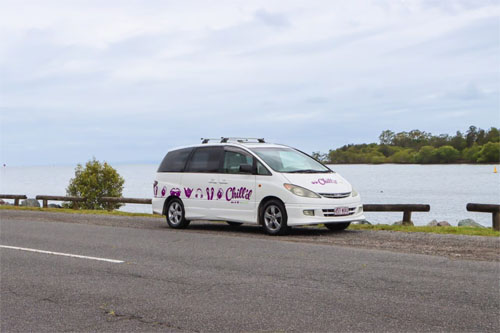
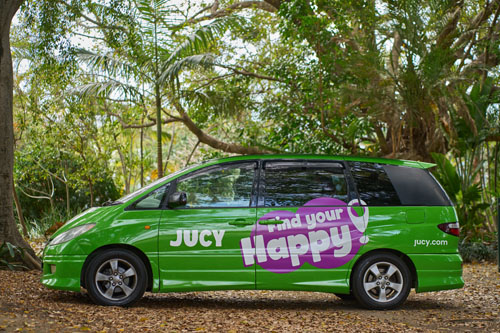
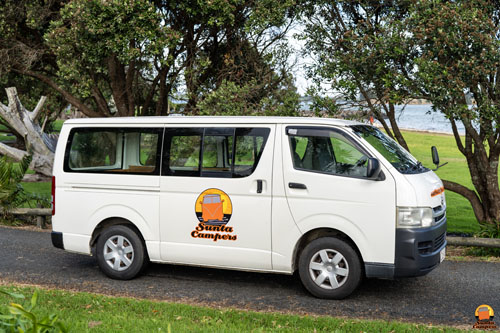
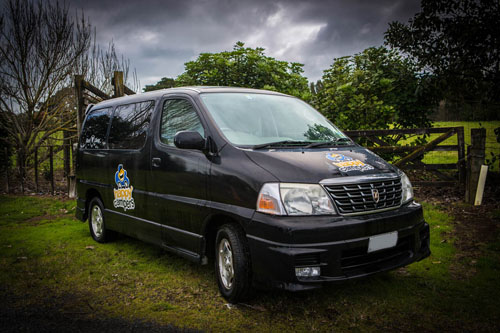
The best RV class for camping in New Zealand largely depends on your travel style, group size, and desired flexibility, with Class B (Camper Van) and Class SI (Semi-integrated) often being the most versatile for navigating the country's unique roads. For example, a Class B - Camper Van, with an average length of 5.8m and typically accommodating 2-3 adults, is ideal for navigating New Zealand's narrow, winding roads and offers easier parking in towns and at attractions. These smaller campervans are well-suited for both holiday parks and designated freedom camping (if certified self-contained), offering a common fuel consumption of around 8-10 Liters/100 km. A Class SI - Semi-integrated motorhome, averaging 6.9m in length and comfortably sleeping 3-4 adults, strikes a balance between interior space and maneuverability, making it a popular choice for families or small groups. They are versatile for various camping options, with Bandana's global fleet typically consuming 10-11 Liters/100 km. Larger RVs like Class C - Alcove (avg 7.5m, 4-6 adults) or Class A - Integrated (avg 7.5m, 4-5 adults) offer more living space, such as a "new zealand motorhome hire example Euro Deluxe" with 3 double beds, but can be more challenging on smaller roads and for parking in urban or remote areas, with typical fuel consumptions of 10-12 Liters/100 km and 8-11 Liters/100 km respectively. Drive slowly and carefully, and you can drive almost anywhere without issues. No need to stress - just use common sense and pay attention.
How to Save on Campgrounds in New Zealand
Saving on campground costs in New Zealand can significantly enhance your travel budget, allowing for more experiences. One of the most effective ways to save is by utilizing campground discount cards, often offered through holiday park chains like TOP 10 or Kiwi Holiday Parks, which can provide 10-15% off nightly rates. Traveling during the shoulder or off-peak seasons (outside of December-February and school holidays) can result in significantly lower nightly rates and fewer crowds. Opting for Department of Conservation (DOC) campsites, which are generally more affordable than private holiday parks at NZD $8-$25 per person, provides a budget-friendly way to camp in stunning natural environments. Legal freedom camping in designated areas for certified self-contained vehicles eliminates accommodation costs entirely, offering free overnight stays. Many private holiday parks also offer discounted weekly rates, making longer stays more economical on a per-night basis. Comparing prices for a "Cheap RV Rental in New Zealand - Budget Guide 2026" can further reduce your overall trip costs.
Can I park my motorhome anywhere in New Zealand?
No, you cannot park your motorhome anywhere in New Zealand for overnight stays, as strict regulations are in place to prevent illegal camping and protect the environment. Overnight parking is generally restricted to designated campgrounds, private holiday parks, and specific approved freedom camping sites for Certified Self-Contained (CSC) vehicles, which must display a visible blue sticker. Parking a motorhome overnight in non-designated areas, particularly in urban zones or sensitive natural environments, is illegal and can result in significant fines of up to NZD $400. Always look for official signage and use reputable camping apps to ensure you are parking legally and responsibly, respecting the local environment and communities.
How much does it cost to park a campervan in New Zealand?
The cost to park a campervan in New Zealand varies significantly, ranging from free for legal freedom camping to over NZD $60 per night for a premium powered site at a private holiday park. Day parking in public lots is often free or metered like regular car parking; the costs apply specifically to overnight stays. Department of Conservation (DOC) campsites typically cost between NZD $8 and $25 per adult per night, offering more basic facilities in stunning natural settings. Private holiday parks provide a range of options, with powered sites usually costing NZD $25 to $60+ per night, depending on location, amenities, and season. You can factor these various costs into your budget planning using RV PLANET routes, which allow you to itemize and track every expense along your journey.
Does New Zealand have RV parks?
Yes, New Zealand has an extensive and well-developed network of RV parks, catering to a wide range of preferences and budgets, making it a highly RV-friendly destination. These include hundreds of private holiday parks offering full amenities, a vast number of Department of Conservation (DOC) campsites located in scenic natural areas, and designated freedom camping zones. The 'RV friendliness' of New Zealand is supported by this comprehensive infrastructure, making it a popular choice for motorhome travel. You can find detailed information on these options in resources like the "RV Rental New Zealand - Complete Guide 2026".
Can you free camp anywhere in New Zealand?
No, you cannot free camp anywhere in New Zealand; freedom camping is strictly regulated and only permitted in designated areas for Certified Self-Contained vehicles (CSV). Your rented RV must display a valid Certified Self-Containment (CSC) warrant, indicating it meets specific standards for onboard toilet, freshwater, and wastewater storage capacity, ensuring no waste is discharged into the environment. Local councils and the Department of Conservation provide maps and apps, such as CamperMate or Rankers Camping NZ, that clearly show legal freedom camping sites, which are often marked with specific signage. Illegal freedom camping is subject to fines of up to NZD $400, reflecting New Zealand's strong emphasis on environmental protection and responsible tourism. It's essential to uphold 'Leave No Trace' principles and respect local Māori culture by always camping legally and mindfully.
How much does it cost to stay at a campground in New Zealand?
The cost to stay at a campground in New Zealand varies widely by type, typically ranging from NZD $8 per person at a basic Department of Conservation (DOC) site to upwards of NZD $60 for a powered site at a premium private holiday park. DOC campsites generally offer the most budget-friendly options, with basic sites starting around NZD $8-$15 per adult per night and serviced sites reaching NZD $20-$25. Private holiday parks typically charge NZD $25-$60+ per night for a powered site (for two adults), with prices fluctuating based on location, facilities, and the season. Regional and council-run campsites often sit in a mid-range, costing between NZD $15-$30 per night, providing a balance of amenities and value. Remember that prices are dynamic, much like flight tickets, changing daily based on availability, seasonality, and supplier marketing decisions, so the final price is set at the actual booking time.
Can you sleep in a camper anywhere in NZ?
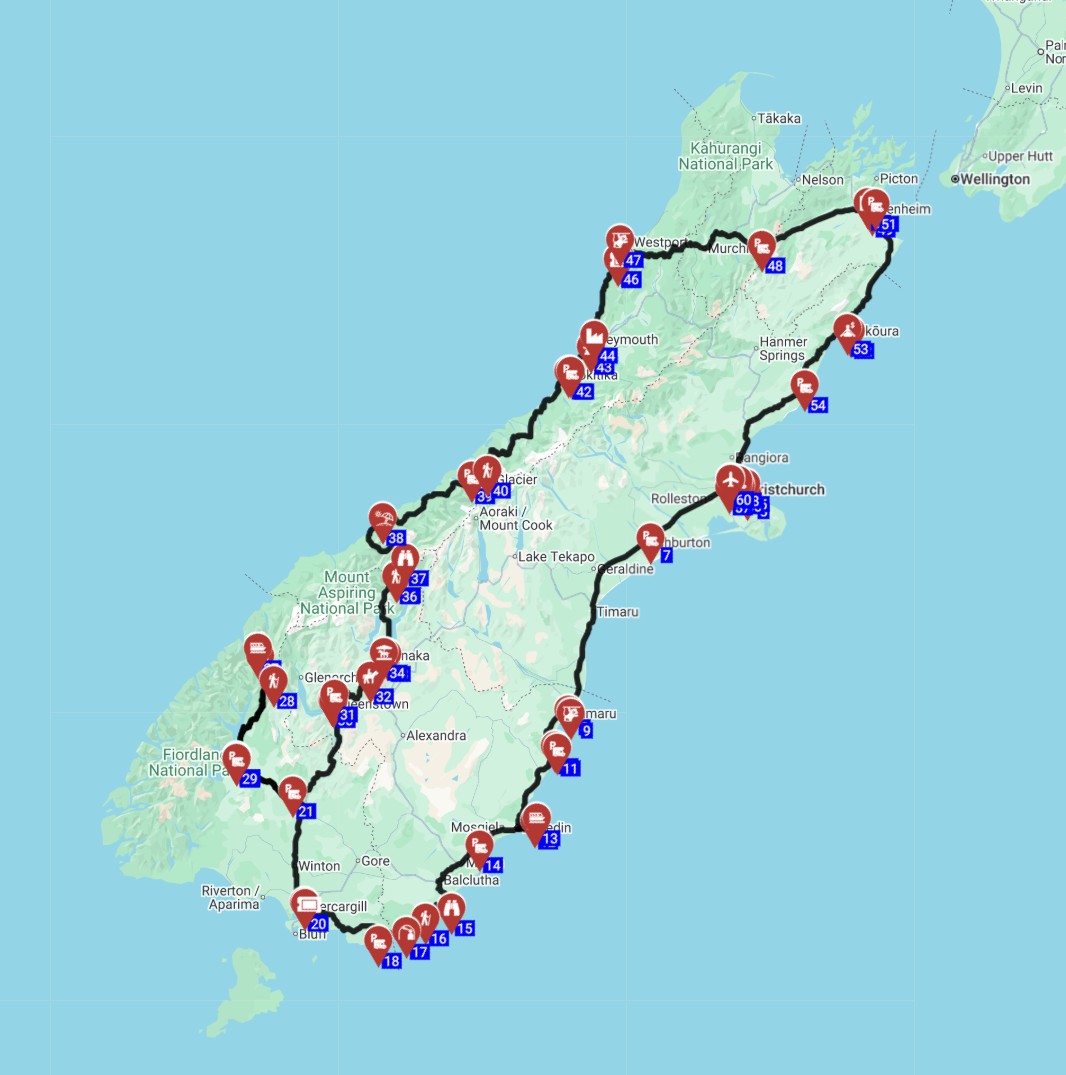
No, you cannot legally sleep in a camper anywhere in New Zealand; overnight stays are strictly limited to designated campgrounds, holiday parks, or approved freedom camping sites for Certified Self-Contained Vehicles (CSV). This regulation is part of New Zealand's efforts to preserve its pristine natural environment and manage tourism responsibly. Always consult local signage, official websites, or apps like CamperMate to confirm legal overnight parking spots, as ignoring these rules can lead to substantial fines. Planning your route and booking your stops is key to enjoying your adventure without unexpected issues. Our "
Is New Zealand RV friendly?
New Zealand is largely RV friendly, boasting an extensive network of campgrounds, dedicated RV services, and breathtaking scenic routes, but travelers should be prepared for specific driving and camping challenges. Advantages include abundant natural beauty, well-maintained main roads, numerous holiday parks and DOC sites, and a welcoming culture for outdoor adventurers. Challenges include many scenic roads, especially in rural and mountainous areas, which can be narrow, winding, and feature single-lane bridges (often requiring you to give way). Parking larger RVs like a 6-berth motorhome in popular towns or at attractions can also be difficult, so choosing a smaller campervan rental like a Class B "Combi Van" with its 5m length can offer greater flexibility. It's crucial to use RV-specific navigation tools to avoid unsuitable routes and to plan for strict freedom camping regulations. A strong emphasis on 'Leave No Trace' principles and respecting local Māori culture is vital for RV travelers to ensure sustainable enjoyment of this stunning country. Remember, drive slowly and carefully, and you can drive almost anywhere without issues.
Do you need a special license to drive an RV in New Zealand?
For most standard RVs available for rent in New Zealand, you typically only need a valid full driver's license from your home country, provided it is in English or accompanied by an approved English translation or International Driving Permit (IDP). Most rental RVs, including Class B, Class SI, and Class C vehicles, fall within the weight limit of 3,500 kg Gross Vehicle Mass (GVM), which can be driven with a standard car license. Your overseas license is valid for up to 12 months from your last entry into New Zealand. Always verify the specific GVM of your chosen rental RV with the rental company and consult the New Zealand Transport Agency (NZTA) guidelines to ensure your license meets the requirements. The minimum rental age for motorhomes in New Zealand is 21 years old, with no young driver surcharges and no vehicle class restrictions based on age, making RV travel accessible for many. This full transparency is one of our brand differentiators; no hidden fees, no surprises.
How much do campsites cost in New Zealand?
Campsite costs in New Zealand vary significantly, ranging from free for legal freedom camping to over NZD $60 per night for a premium holiday park site, with Department of Conservation (DOC) sites offering a valuable mid-range option. DOC sites typically range from NZD $8-$25 per person, while private holiday park powered sites are generally NZD $25-$60+ per night. Prices for all types of campsites are often higher during the peak summer season (December to February) and New Zealand school holidays due to increased demand. Membership with holiday park chains can offer 10-15% discounts, making them a worthwhile investment for extended trips. Remember that prices are dynamic, changing daily based on availability and other factors, so comparing options for "RV Rental in New Zealand - Prices and Best Deals 2026" is key to finding the best value. This is part of our full transparency commitment.
Is it worth getting a campervan in New Zealand?
Yes, getting a campervan in New Zealand is widely considered a highly rewarding experience for travelers seeking unparalleled freedom, flexibility, and direct access to the country's world-renowned natural beauty. Campervans offer the flexibility to change your itinerary on a whim, wake up to stunning scenic views in diverse locations, and combine accommodation and transport costs, often proving more economical for groups or longer trips, such as a two-week adventure or extended road trip. Traveling by a rented RV allows for a more intimate connection with New Zealand's landscapes, fostering a sense of adventure and independence. While the freedom is immense, it's important to factor in strict freedom camping rules, potential challenges of navigating narrow roads with larger vehicles (though smaller campervans like the "Koru Star 2 Freedom (LDV)" are excellent for maneuverability), and the initial learning curve of RV operation. Despite these considerations, the ability to explore 'Aotearoa' (the Land of the Long White Cloud) at your own pace makes a campervan rental an unforgettable way to travel. Our 24/7 support means real people are behind you before, during, and after your booking, ensuring a smooth journey.
What You Shouldn't Miss
Looking for expert insights from Avi Bandana? Top 5 Adventures - recommendations from Avi Bandana:
- **Explore Fiordland National Park:** Cruise Milford Sound or Doubtful Sound, marveling at dramatic waterfalls and towering peaks. Many campsites around Te Anau offer stunning access to this World Heritage area.
- **Hike the Tongariro Alpine Crossing:** One of the world's best day hikes, offering volcanic landscapes and emerald lakes in the North Island. Secure your transport and book nearby campsites well in advance.
- **Discover the Bay of Islands:** Enjoy sailing, swimming with dolphins, or exploring historic sites like Waitangi Treaty Grounds. Numerous holiday parks provide excellent beachfront access.
- **Stargaze in Aoraki Mackenzie International Dark Sky Reserve:** Park your rented motorhome at a designated spot and witness an incredible celestial display, particularly around Lake Tekapo.
- **Experience Queenstown's Thrills:** From bungee jumping to jet boating, Queenstown is the adventure capital. Plenty of well-equipped RV parks are available, offering amenities after an action-packed day.
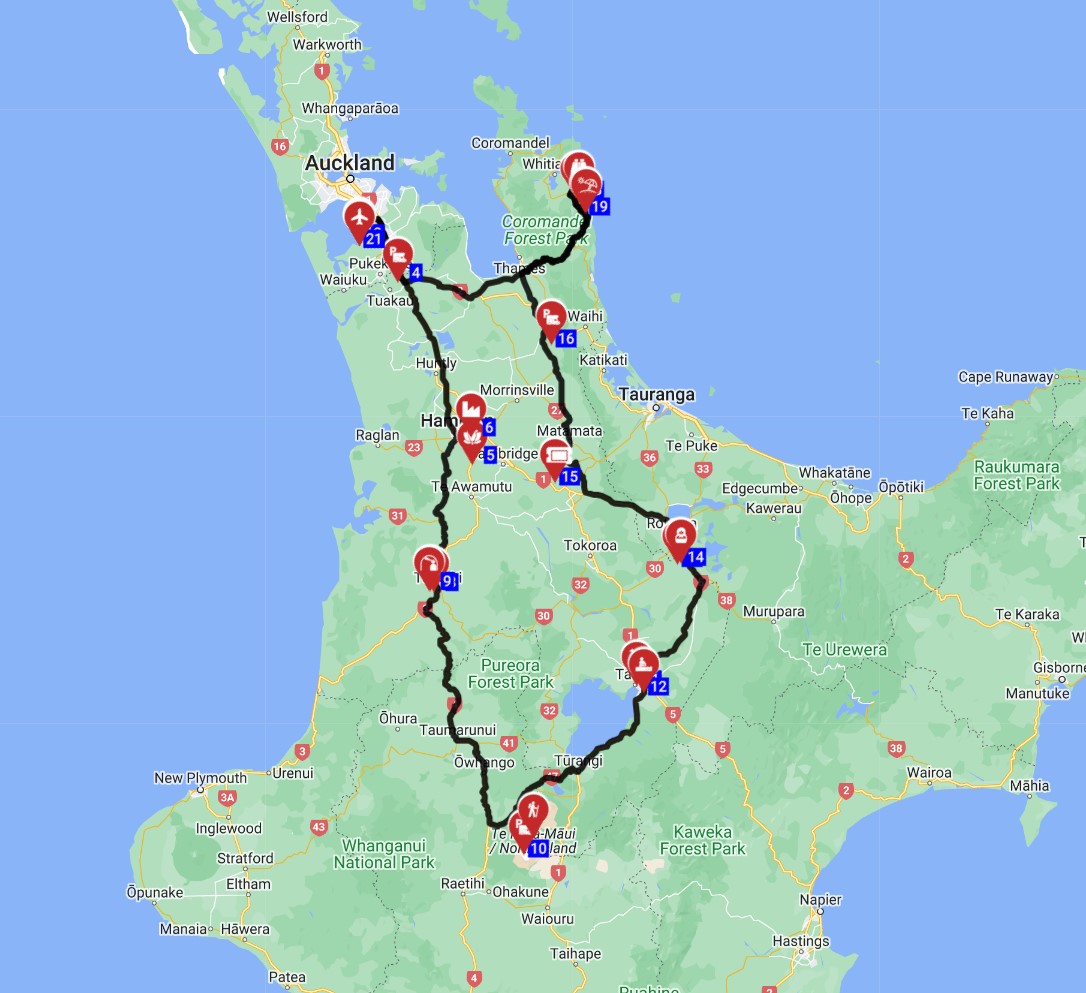
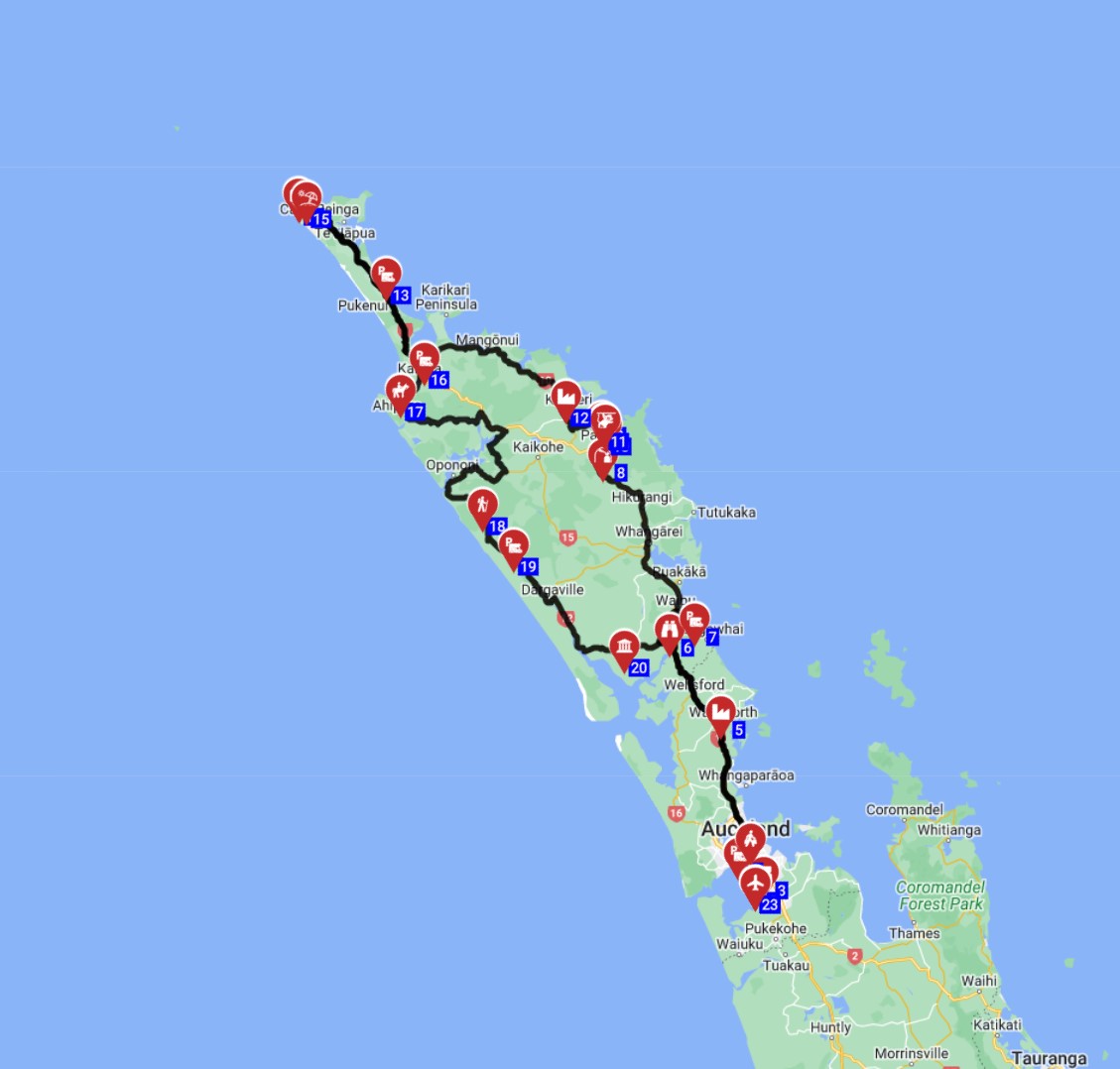
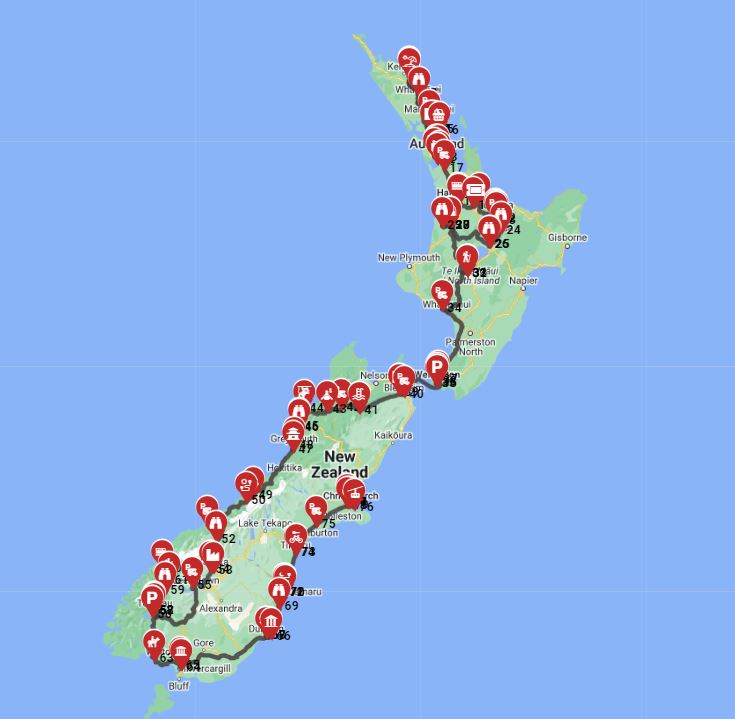
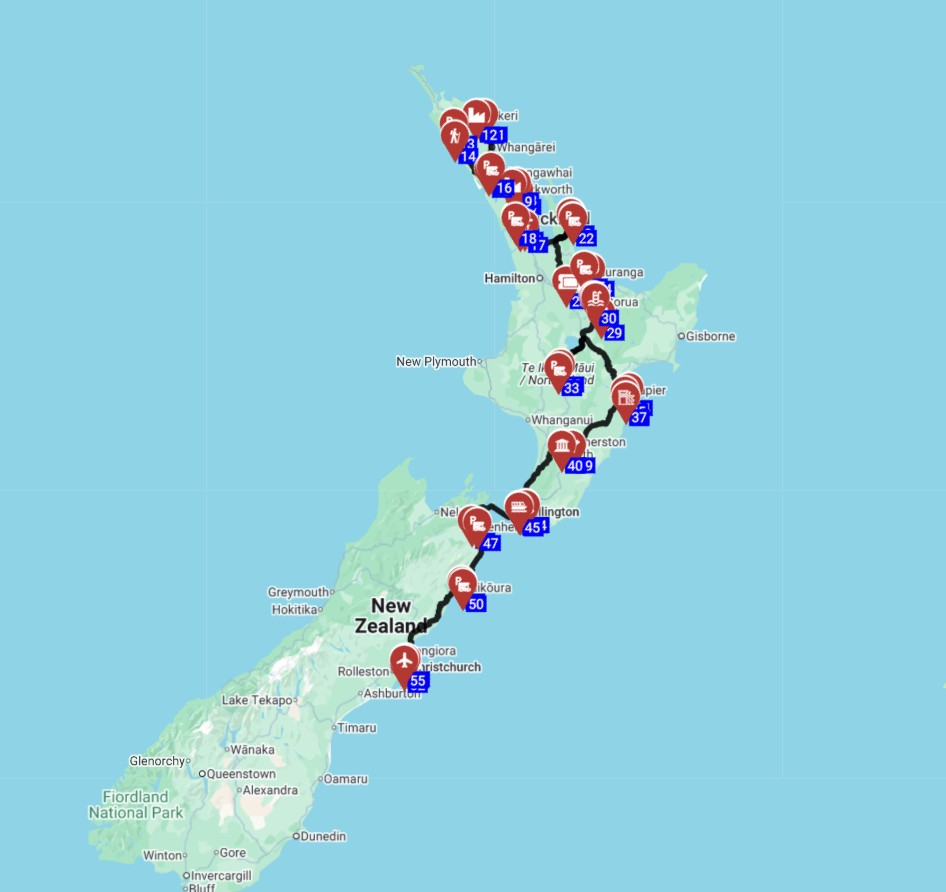
To help you craft your perfect New Zealand RV adventure, explore these expertly pre-planned routes:
Final Thoughts
Embarking on a last-minute RV adventure in New Zealand is an exciting prospect, filled with the promise of breathtaking scenery and unforgettable memories. While popular spots might require a bit of advance planning, the spirit of spontaneous travel is alive and well in Aotearoa. With a wide range of campgrounds, from basic DOC sites to amenity-rich holiday parks, and the option for legal freedom camping for certified self-contained vehicles, you're sure to find a perfect spot to rest your head each night. Remember to embrace slow travel, allowing 100-150 km per day on average, giving yourself time to truly connect with New Zealand's incredible culture, delicious food, and diverse scenery.
We're here to handle the details, so you can focus on living the journey. Our dedicated team is with you from day one until your booking for a rented campervan or motorhome is confirmed, offering personal service and unmatched expertise. So, whether you're eyeing a compact Class B campervan for a romantic escape or a spacious Class C motorhome for a family expedition, New Zealand awaits your discovery.
Get inspired for your next trip! Discover top destinations, planning tips, all in one place, and plan a trip itinerary in advance with minimal effort and maximum enjoyment with Bandana Caravan.