In This Guide
- Where to Camp in France - Top Options
- Campground Types in France (National, Private, Wild)
- Featured RV Park or Campground in France
- Hookups & Amenities - What to Expect
- Booking Windows & Reservations in France
- Nearby Supermarkets & Resupply Points
- Best RV Class for Camping in France
- How to Save on Campgrounds in France
- Do you need to book campsites in France?
- Can you just turn up at a campsite in France?
- Is it easy to find campsites in France?
- How much does it cost to rent an RV for a month in France?
- How much does it cost to RV in Europe?
- What do I need to know about RVing in France?
- What is the best month to RV in France?
Imagine yourself on the route, winding through ancient vineyards or along the sun-kissed Riviera coastline, with the freedom of a rented motorhome in France. The beauty of a last-minute RV camping adventure in France is the blend of spontaneity and the extensive infrastructure ready to welcome you. This guide is designed to help you navigate the fantastic world of RV camping in France, ensuring you find available sites and make the most of your trip. For live availability and current prices, start with our RV Rental France - Complete Guide 2026.
Where to Camp in France - Top Options
France offers a diverse range of camping experiences, from coastal sites to mountain retreats, perfect for a last-minute RV rental. Popular regions include the picturesque Loire Valley with its iconic châteaux, the sun-drenched beaches of the Atlantic Coast, and the fragrant lavender fields of Provence. Municipal campgrounds (Camping Municipal) are prevalent across France, offering basic facilities at affordable prices, typically ranging from €15 to €25 per night in shoulder seasons. The unique 'Aire de Services' system provides designated motorhome service areas for overnight parking and essential services like water and waste disposal, often available spontaneously for €5-€15 or even for free, making it easy to find a spot on the fly. You can find options in cities like Agen, Ajaccio - Corsica, Alencon, Angers, and Annecy, offering a blend of urban access and natural beauty for your extended road trip.
Campground Types in France (National, Private, Wild)
Understanding campground types is crucial for a smooth last-minute RV trip in France, encompassing national, private, and wild camping options. National and regional park campsites offer immersive natural experiences, though booking can be competitive; many national parks, however, reserve 70-75% of their spots for walk-ins, providing a good chance for spontaneous travelers. Private campgrounds (e.g., Camping & Caravaning sites) are widespread, varying from basic sites with essential hookups to luxury resorts with extensive amenities like swimming pools and restaurants, with prices ranging from €20 to €50+ per night. Wild camping, or 'camping sauvage,' is generally prohibited in France outside of designated areas, though 'tolerated' parking overnight in a rented RV (without setting up camp, such as deploying awnings or chairs) is often permitted in non-private, non-restricted areas, especially within the vast 'Aire de Services' network.
Featured RV Park or Campground in France
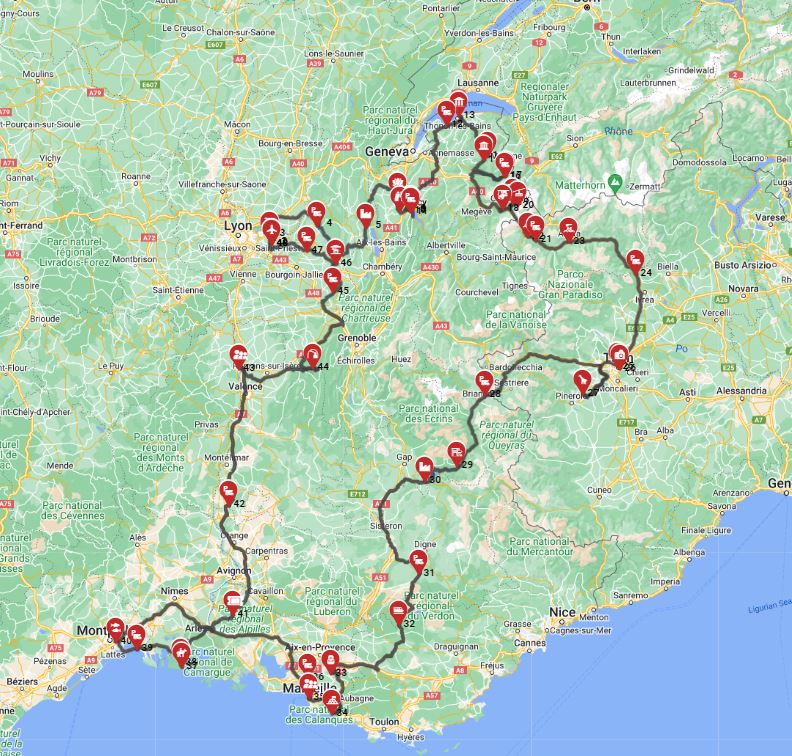
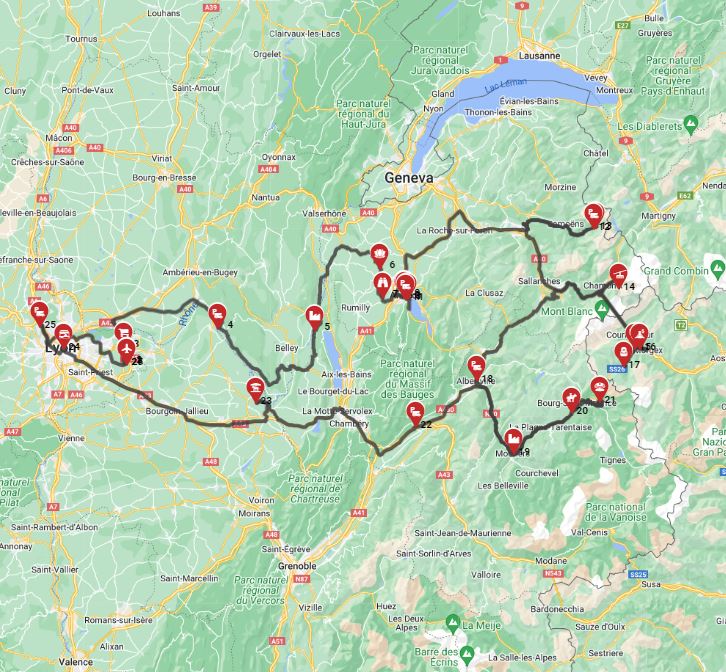
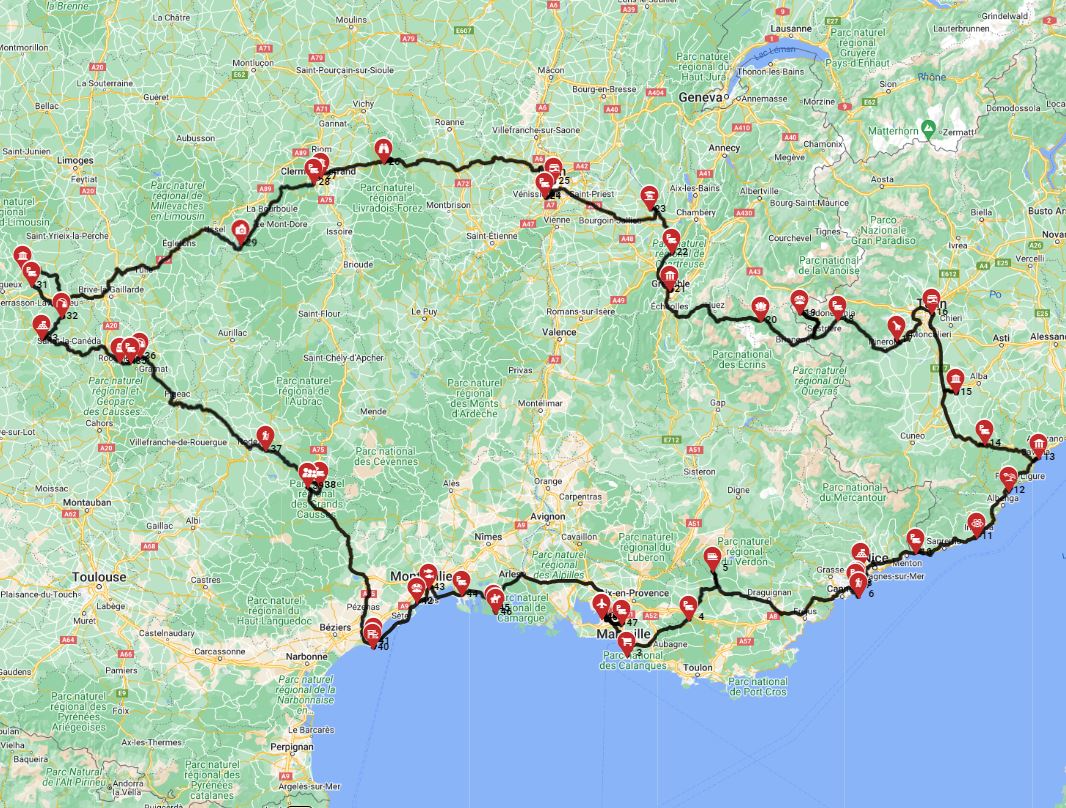
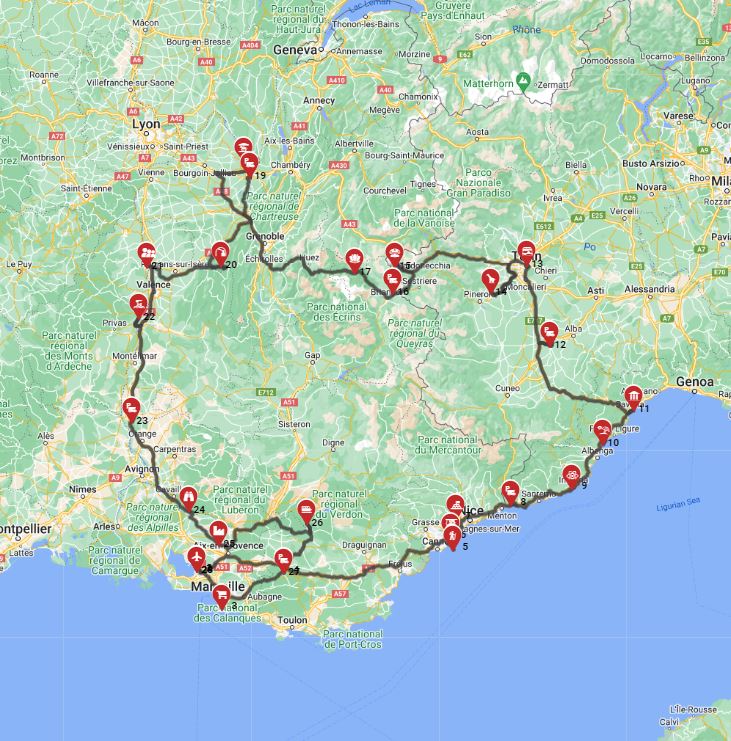
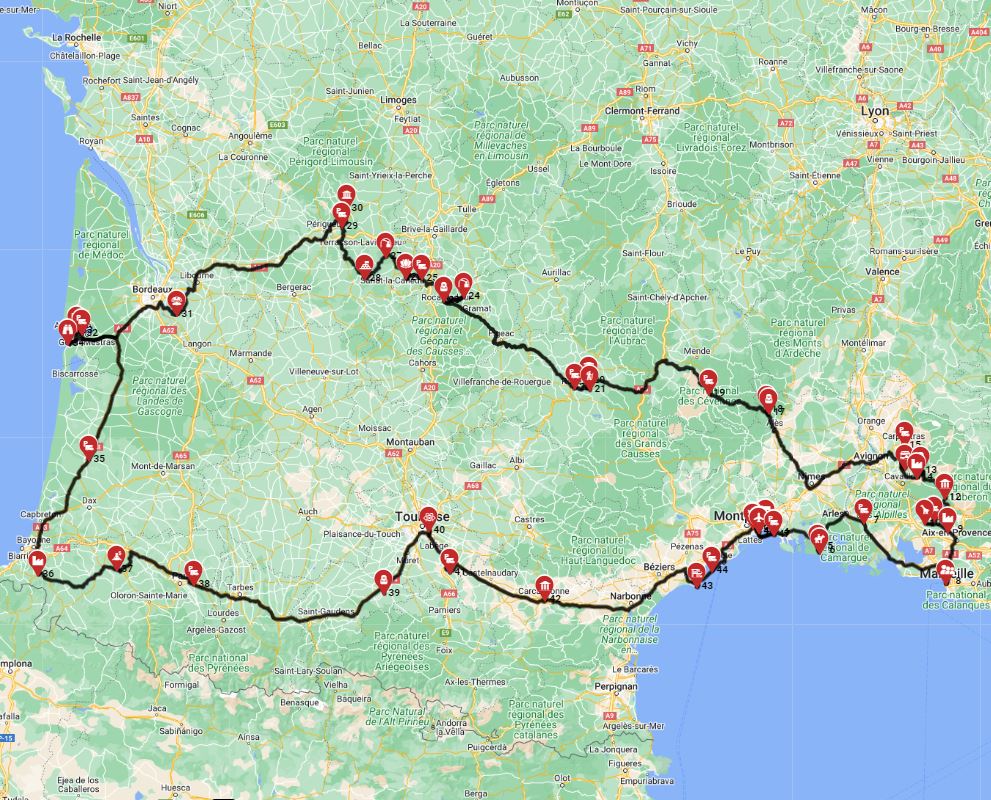
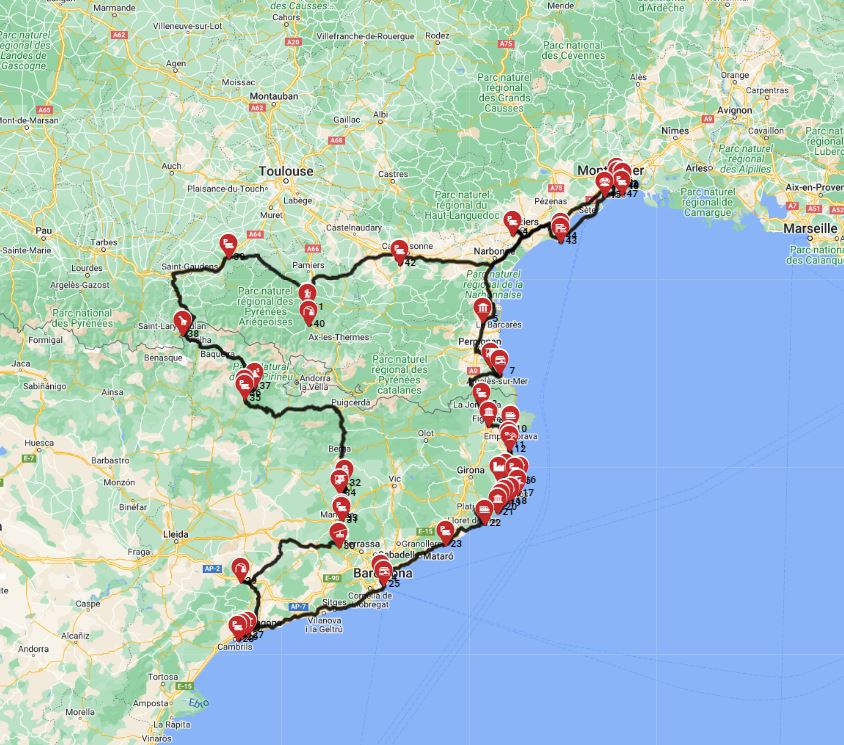
When seeking a featured RV park in France for a last-minute booking, consider larger private campgrounds, especially those with an online presence or part of a national chain like Camping & Caravaning sites, which often have better availability. For example, a well-regarded campground near the Loire Valley might offer 150+ pitches, with a portion specifically for spontaneous arrivals, providing amenities like electric hookups, fresh water, waste disposal, and typically Wi-Fi or laundry facilities. These facilities make it easy to manage your onboard meals; for inspiration, check out our RV-friendly recipes playlist. It's always best practice to check online directories like RV PLANET (rvplan.net) or call ahead a few hours before driving to confirm a spot, particularly if you have a larger motorhome or are visiting a popular destination during peak season.
Hookups & Amenities - What to Expect
Most French campgrounds provide essential hookups and amenities, typically including electricity, fresh water, and waste disposal. Electrical hookups generally operate on a 2-pin CEE standard connector with 16A (amps), though some older sites may offer lower amperage, so bringing an adapter is a smart idea. Fresh water taps and grey/black water dump stations are standard, often included in the pitch price or available at 'Aire de Services' locations for a small fee of €2-€5. Additional amenities like Wi-Fi (often paid or limited, costing €3-€10 per day), laundry facilities (€4-€6 per wash), hot showers, and toilet blocks are common, with private campgrounds offering more extensive options, potentially including swimming pools, restaurants, and recreational areas. Always ensure your rented RV's water tanks are sufficient for your trip, such as the 82-Liter fresh water tank on an Explorer Class C motorhome. On the routes offered through RV PLANET routes, you can itemize and track every expense along the way for easy budgeting.
Booking Windows & Reservations in France
For last-minute RV rentals in France, spontaneous travelers can often find spots, especially outside of peak season, though planning ahead is still beneficial for certain regions. While popular sites and regions like the Côte d'Azur or Brittany in July and August fill up quickly, many campgrounds do not operate on a full reservation system. A common rule for some national park campgrounds is that only 25-30% of spots are reservable, leaving the majority (70-75%) available on a first-come, first-served basis. It's highly recommended to call ahead a few hours before driving to a desired campground to confirm availability, particularly if arriving late in the day. Our goal at Bandana RV is to offer you full transparency in your booking process, ensuring no hidden fees or surprises, so you can focus on finding the perfect last-minute spot.
Nearby Supermarkets & Resupply Points
Resupplying your rented RV in France is convenient, with major supermarket chains widely available for groceries and essentials, even on a last-minute trip. Look for large hypermarkets like Carrefour, Auchan, E.Leclerc, and Intermarché, which are typically found on the outskirts of towns and cities, often with ample parking for motorhomes. Discount supermarkets such as Lidl and Aldi are also numerous, offering budget-friendly options for food and drink, with average grocery costs for a couple ranging from €50-€80 per day. Many towns also feature charming local markets ('marchés') for fresh produce, cheeses, and regional specialties, perfect for experiencing local culture and stocking up your RV kitchen. Remember that for tracking all your trip expenses, from groceries to campsite fees, RV PLANET routes allow you to itemize and track every expense along the way for easy budgeting.
Best RV Class for Camping in France
Choosing the best RV class for camping in France, particularly for last-minute trips, depends on balancing maneuverability with comfort and the type of roads you plan to navigate. Smaller, more agile campervans and compact motorhomes are generally preferable for France's narrow village roads, historic town centers, and challenging city parking, while larger motorhomes offer greater comfort for longer stays or open road cruising. Drive slowly and carefully, and you can drive almost anywhere without issues. No need to stress - just use common sense and pay attention.
Bandana’s partner fleet offers a range of vehicles suitable for various travel styles:
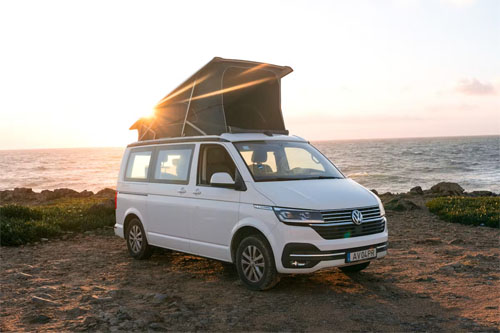
- Class B - Camper Van (The Agile Choice): With an average length of 5.8m and typically sleeping 2-3 people, Bandana's Class B campervans, such as the "Active Standard" or "California Standard Auto" models, are ideal for navigating historic towns, rural routes, and finding last-minute parking. These offer a perfect balance of comfort with agility.
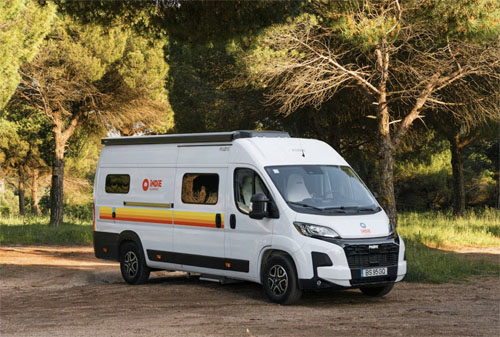
- Class SI - Semi-integrated (The Balanced Option): Averaging 6.9m in length and sleeping 2-4 people, Bandana's semi-integrated RVs, like the "Active Extra" or "Cruz" models, offer a great compromise between spacious living and relatively easy handling for exploring France's diverse landscapes. Vehicles like the "2 Berth Rover" are ideal for a couple, offering a fresh water tank of 85 Liters.
- Class C - Alcove (Family-Friendly Comfort): For larger groups or families, Bandana's Class C alcove RVs average 7.5m in length and often sleep 4-6 people, providing ample space and amenities. Models such as the "Euro Deluxe" or "Conquest" offer a spacious interior, often with a 125 Liter fresh water tank and a 90 Liter fuel tank, though requiring more consideration for narrow roads.
- Class A - Integrated (Luxury & Space): With an average length of 7.5m to over 9m and typically sleeping 4-7 people, Bandana's Class A integrated RVs, like the "Exclusive First" or "Comfort Luxury" models, provide premium comfort and amenities. These are best suited for travelers prioritizing luxury on wider roads and larger campsites, with a focus on extended stays.
We are true RV specialists, not just a travel agency side department, ensuring we understand the nuances of each vehicle for your trip.
How to Save on Campgrounds in France
Saving money on campgrounds in France, even for a last-minute RV rental, is achievable through several smart strategies. Utilizing specific campground discount cards, such as those often offered through rental platforms like Bandana RV, can provide significant savings on pitch fees. Opt for shoulder seasons (May-June, September-October) to benefit from lower rates and fewer crowds compared to the peak summer months of July and August, when prices can be 20-30% higher. Choose municipal or regional campgrounds over private resorts, as they typically offer more competitive pricing for basic facilities, often €15-€25 per night versus €30-€50+. Consider staying 3 or more nights at a single location, as many campgrounds offer weekly or multi-night rates that are more economical than single-night stays. Additionally, look into the numerous free or low-cost 'Aire de Services' for overnight parking, which significantly reduces accommodation costs. For a comprehensive overview of costs, including typical daily rental rates and seasonal variations, check out our guide on RV Rental in France - Prices and Best Deals 2026.
Do you need to book campsites in France?
While not always strictly necessary for a last-minute RV rental in France, booking campsites is highly recommended during peak season (July-August) and for popular coastal or wine regions. During off-peak times or in less touristy areas, especially for smaller RVs like Bandana's Class B Camper Vans (with an average length of 5.8m), you can often find availability by calling ahead on the day of arrival. For guaranteed spots at specific locations, particularly those with desired amenities, advance reservations are advisable, even if just a few days prior. Many national and state park campgrounds reserve only 25-30% of their spots, leaving the rest for first-come-first-serve. You'll find a spot. If not at the first campground, then the next one. Call ahead before driving to confirm availability. For more budget-friendly options, explore our Cheap RV Rental in France - Budget Guide 2026.
Can you just turn up at a campsite in France?
Yes, you can often just turn up at a campsite in France, especially with a last-minute RV rental outside of the busiest summer months. Many campsites, particularly municipal ones, operate on a first-come, first-served basis for a portion of their pitches, accommodating spontaneous arrivals. To maximize your chances, arrive earlier in the day (before late afternoon) and have a backup plan for a second or third nearby campground. Using online camping apps like Park4Night or Campercontact, or simply calling ahead before you drive, is the best way to confirm availability for walk-ins. We encourage slow travel, averaging max 100-150 km per day, which allows for more flexibility in finding available camping spots.
Is it easy to find campsites in France?
It is generally very easy to find campsites in France, even for last-minute RV rentals, due to the country's extensive network of over 8,000 official camping sites and numerous 'Aire de Services.' Digital tools like dedicated camping apps and GPS systems make locating nearby options straightforward, often showing real-time availability and amenities. Road signage often directs RVers to 'Campings' or 'Aire de Services' in many towns and along major routes. The sheer density of options means that even if one site is full, another suitable one is usually within a short drive, often less than 20-30 kilometers away. For finding campsites and campgrounds during your trip, we recommend using RV PLANET (rvplan.net) - a great resource for locating available spots along your route. We make sure you feel supported, handling the details so you can live the journey.
How much does it cost to rent an RV for a month in France?
The cost to rent an RV for a month in France varies significantly based on the RV class, rental season (off-peak vs. peak), booking window (last-minute versus advance), and included features. Expect monthly rental prices for a Class B Camper Van or a smaller Semi-integrated RV to range from approximately €1,500 to €4,000+ during off-peak and peak seasons respectively in 2026. Larger Class C Alcove or Class A Integrated RVs, like those in Bandana's fleet (e.g., an "Explorer" Class C with its 7.1m length), will naturally command higher monthly rates, potentially reaching €5,000-€7,000+ during high season. Additional costs beyond the rental itself include fuel (Bandana's global fleet typically consumes 8-12 Liters/100km depending on RV class and driving style), tolls (which can be substantial on French motorways, often €0.10-€0.15 per kilometer), daily campsite fees (averaging €15-€40 per night), and groceries from local markets or supermarkets. Remember, prices are dynamic, much like flight tickets, and are finalized at the actual booking time. We provide full transparency, so what you see is what you pay.
How much does it cost to RV in Europe?
RVing in Europe encompasses a wide range of costs depending on the countries visited, duration, RV type, and travel style, with France generally offering moderate pricing compared to Nordic countries or Switzerland. Beyond rental fees, expect daily expenses to include fuel, which averages 10-12 Liters/100km for many of Bandana's global fleet RVs, varying by class and terrain. Tolls are a significant factor in countries like France, Italy, and Spain; consider purchasing a Liber-t tag for automatic payment in France, potentially saving time and hassle. Campsite fees across Europe typically range from €15 to €50+ per night, with 'Aire de Services' or designated overnight parking spots often being cheaper or free. Budgeting for groceries (approximately €50-€80 per day for a couple), dining out, and unexpected expenses is crucial for a comprehensive financial plan for your two-week adventure or extended road trip. Our dedicated guide, RV Rental Europe - Complete Guide 2026, offers more detailed budgeting insights.
What do I need to know about RVing in France?
RVing in France requires familiarity with specific regulations, cultural nuances, and logistical considerations to ensure a smooth and enjoyable last-minute trip.
- Legal Requirements: Mandatory safety equipment includes a reflective yellow vest (one for each occupant) and a warning triangle, which must be accessible from inside the vehicle. Drivers from outside the EU/EEA typically need an International Driving Permit (IDP) in addition to their national license. Familiarize yourself with environmental stickers (Crit'Air vignette) required for driving in certain French cities and metropolitan areas; you can order these online in advance. Toll roads are common on French motorways (autoroutes); consider a Liber-t tag for convenience and potentially faster passage. A standard car driver's license is sufficient for all motorhome classes (Class A, Class B, and Class C) in France, with a minimum rental age of 21 and no young driver surcharges.
- Aire de Services: These crucial motorhome service areas are unique to France, with over 5,000 locations. They offer designated spots for waste disposal (grey/black water), fresh water refill, and often overnight parking (sometimes free, sometimes for a small fee, typically €5-€15). Use apps like Park4Night or Campercontact to locate them, and always respect local etiquette by leaving the area clean and organized.
- Navigating Roads: France has excellent motorways, but also charming, narrow roads in villages and mountain passes. Smaller RVs like Bandana's Class B Camper Vans (avg. length 5.8m) or Semi-integrated models (avg. length 6.9m) are often best for navigating tight spaces and urban areas. Drive slowly and carefully, and you can drive almost anywhere without issues. No need to stress - just use common sense and pay attention. Parking in cities can be challenging; utilize designated RV parking or park on the outskirts and use public transport.
- Cultural Nuances & Etiquette: Greet locals with 'Bonjour' (hello) and 'Au revoir' (goodbye). Always ask permission before taking photos of people. Be respectful of quiet hours in campgrounds, especially in the afternoon ('sieste' time) and evening. Learning a few basic French phrases will greatly enhance interactions and demonstrate respect.
- Sustainability: Dispose of waste responsibly at designated points, support local economies by purchasing from local markets and businesses, and minimize your environmental impact by conserving water and energy. Bandana is committed to providing options for responsible and enjoyable RV travel.
🎬 Video coming soon
What is the best month to RV in France?
The best months to RV in France, particularly for a last-minute rental, are the shoulder seasons of May-June and September-October, offering ideal weather and fewer crowds. During these months, temperatures are pleasant (averaging 18-25°C), popular attractions are less congested, and campsite availability is significantly better than in peak summer. July and August offer the warmest weather (averaging 25-30°C) but also the highest prices (up to 30% more), largest crowds, and most limited last-minute availability for both RV rentals and campgrounds. For budget-conscious or spontaneous travelers, the shoulder seasons provide the perfect balance of good conditions and flexibility to explore diverse regions of France, whether you're embarking on a week-long trip or a month-long adventure. Consider also looking into RV Rental Deals in France - Latest Offers 2026 for potential savings during these periods.
What You Shouldn't Miss
- Driving the Alsace Wine Route: Experience the charm of medieval villages like Colmar and Riquewihr with your rented motorhome, stopping at vineyards for tastings (responsibly, of course!). This 170 km route is ideal for slow travel, taking 3-4 days.
- Exploring the Dordogne Valley: Discover prehistoric caves, stunning châteaux, and picturesque riverside towns in your campervan. Park at local municipal campsites and immerse yourself in the region's rich history and gastronomy.
- Beach Hopping in Brittany: Navigate the rugged coastline with its dramatic cliffs and sandy coves. Smaller campervans are perfect for accessing charming fishing villages and finding spots at popular coastal campsites.
- Wandering the Markets of Provence: Use your RV as a base to visit vibrant local markets, picking up fresh ingredients for meals cooked right in your motorhome kitchen. The famous Saturday market in Apt, for instance, spans over 2 kilometers.
- Visiting the Mont Saint-Michel: This iconic tidal island in Normandy offers dedicated RV parking nearby, allowing for easy access to one of France's most breathtaking UNESCO World Heritage sites.
Looking for expert insights from Avi Bandana? Top 5 Adventures - recommendations from Avi Bandana
Final Thoughts
Embarking on a last-minute RV camping adventure in France offers an unparalleled sense of freedom and discovery. Whether you're a seasoned RVer or planning your first week-long trip, France's diverse landscapes and extensive camping infrastructure, including its renowned 'Aire de Services,' make spontaneous travel not just possible, but genuinely enjoyable. From the sun-drenched beaches of the Atlantic Coast to the historic charm of the Loire Valley, every turn of the road brings a new opportunity for cultural immersion and breathtaking scenery.
Remember that careful planning, even for last-minute trips, ensures you make the most of your rented motorhome. Utilizing resources like RV PLANET (rvplan.net) for route planning and campsite discovery, and understanding local nuances, will transform your journey into a seamless and memorable experience. We’re here to support you every step of the way, from comparing prices for Pet-Friendly RV Rental in France - Pricing 2026 to finding the perfect Class C motorhome for your family.
So, pack your bags, choose your ideal campervan or motorhome, and get ready to create unforgettable memories. The open roads of France are calling, and your perfect last-minute RV adventure awaits!
Check France RV Rental Prices Now