For live availability and current prices, start with our RV Rental France - Complete Guide 2026 guide.
In This Guide
- RV Rental Costs in France (2026)
- Seasonal Pricing - Peak vs. Shoulder vs. Off-Season in France
- What's Included vs. What's an Add-On
- Hidden Costs to Budget For in France
- How to Save on RV Rental in France
- Is it worth it to rent an RV in France?
- What documents do I need to rent an RV in France?
- What are the rules for motorhomes in France?
- Can I sleep anywhere in a motorhome in France?
- Where can I park my RV in France?
- How do you empty a motorhome toilet in France?
- What is the best navigation app for RV in France?
- Is it safe to travel in a motorhome in France?
RV Rental Costs in France (2026)
April is generally the cheapest month for RV rental in France, with prices fluctuating based on vehicle class, rental duration, and booking period. Live pricing comparison tools offer real-time rates for various RV types.
The exact cost of renting an RV in France in 2026 depends on factors like the vehicle size (e.g., Class A, B, C), the length of your trip, and the season you choose to travel. For the most accurate and current rates for your specific dates and RV class, it's essential to check live prices. Remember, prices are dynamic flex-rate estimates and can change daily.
Seasonal Pricing - Peak vs. Shoulder vs. Off-Season in France
RV rental prices in France exhibit significant seasonal swings, with peak season experiencing the highest demand and costs. Understanding these patterns can help you secure better deals and plan your trip effectively.
Peak Season (July-August): This period sees the highest prices and demand due to school holidays and favorable weather. Many popular routes and campsites book up well in advance. In peak season, prices change significantly day-to-day — always check specific dates as early as possible.
Shoulder Season (May-June and September-October): The shoulder season offers a sweet spot with pleasant weather, fewer crowds, and more moderate pricing than peak months. May and June provide blossoming landscapes, while September and October offer beautiful autumn colors and harvest festivals. April is a great low-season anchor month to find attractive deals, benefiting from spring conditions before the summer rush.
Off-Season (November-March): This is generally the cheapest time to rent an RV, excluding holiday periods like Christmas and New Year. While some campsites and attractions may have reduced hours or be closed, it's ideal for budget travelers or those seeking a quiet escape, particularly in southern France.
What's Included vs. What's an Add-On
When renting an RV in France, it's crucial to understand what comes standard with your booking and what incurs an additional charge. This varies significantly by rental company and specific RV model.
Basic insurance is always included with your RV rental. To see prices including the most comprehensive coverage, select that option during search — then all relevant insurance options will be shown. Other common inclusions may encompass a basic mileage allowance or necessary safety equipment. However, many amenities are typically offered as add-ons. These often include extended mileage packages, generator usage, comprehensive kitchen kits with utensils and cookware, bedding and linen sets, outdoor furniture, and additional drivers. The exact list depends on the individual RV and rental station, so it's vital to verify during the booking process. For ideas you can prep on the road, watch our RV-friendly recipes playlist on YouTube.
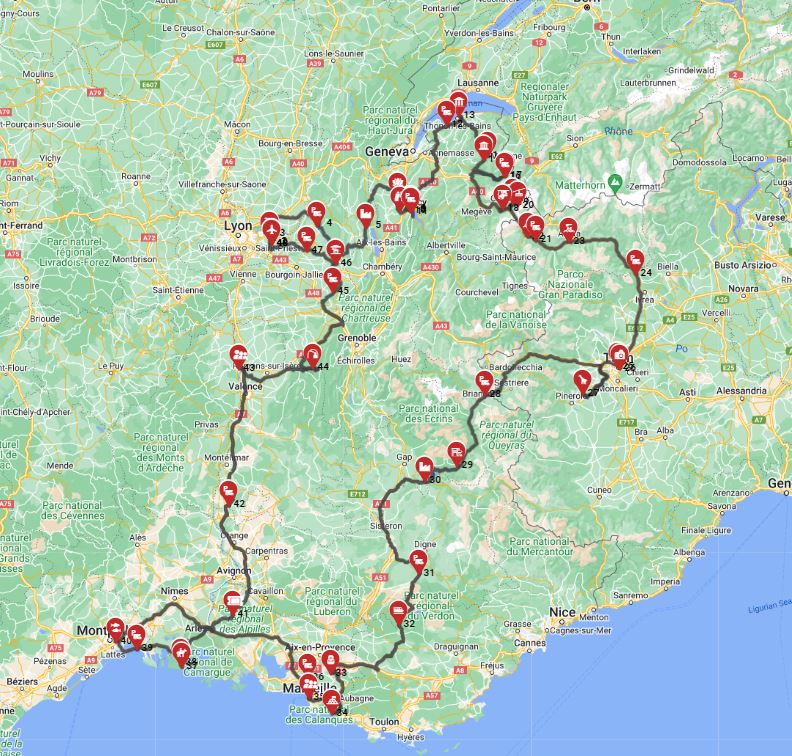
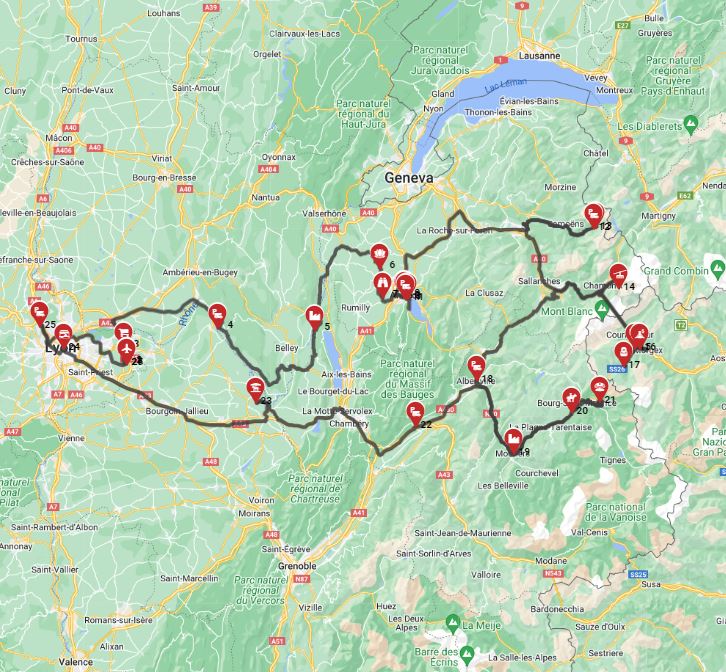
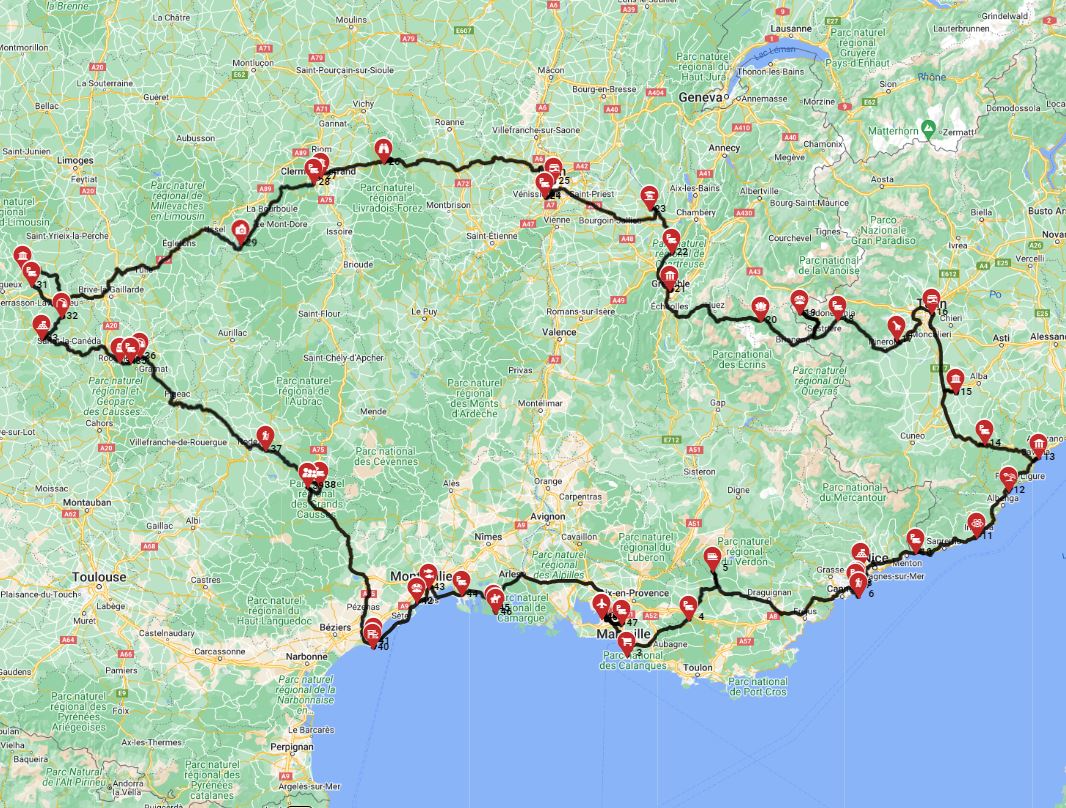
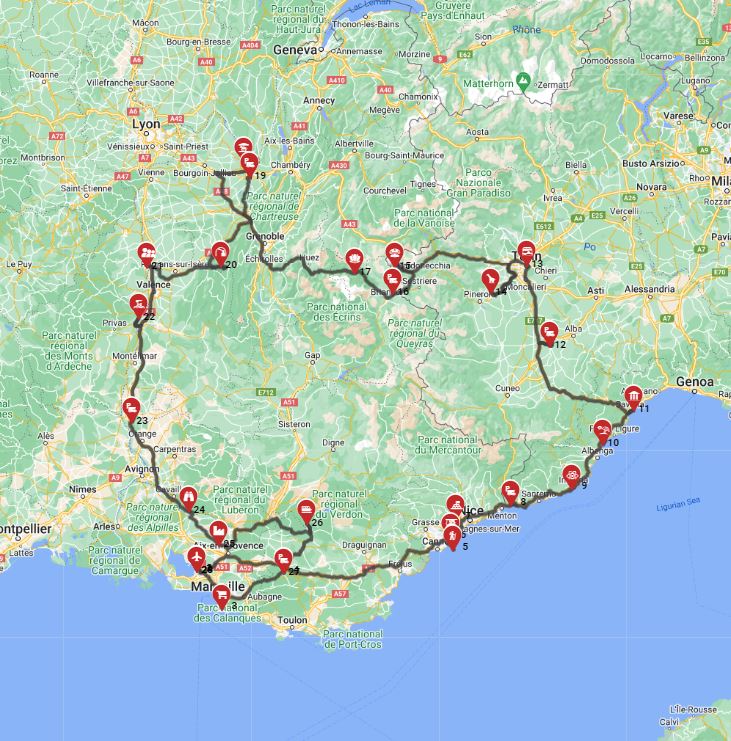
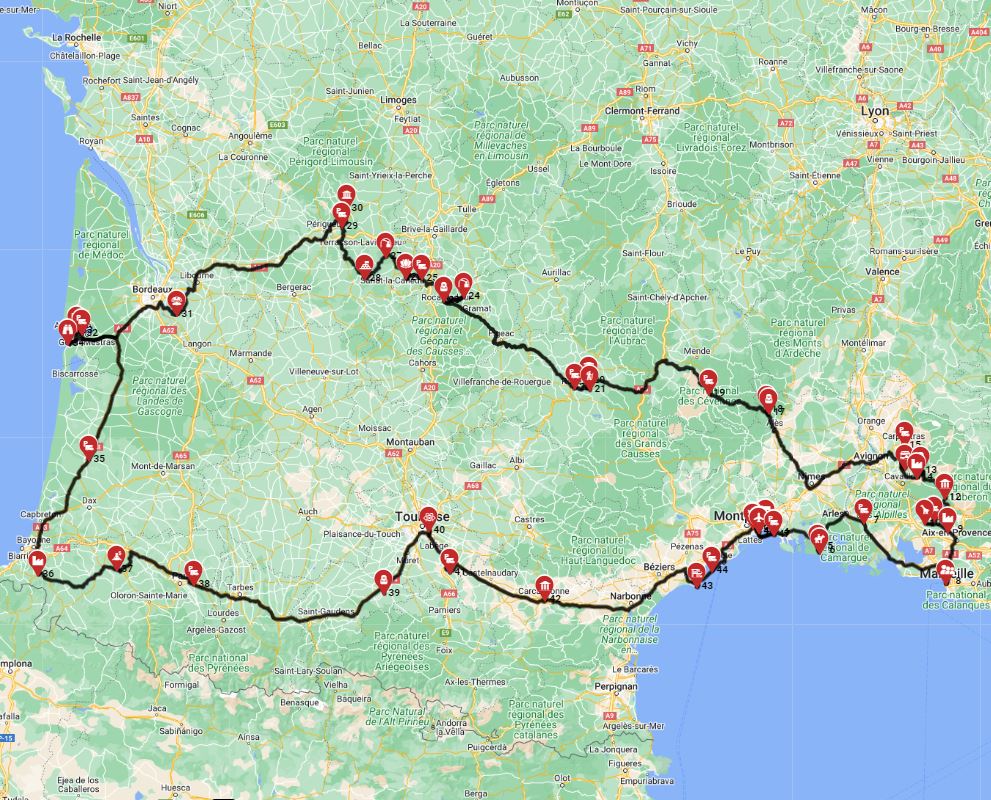
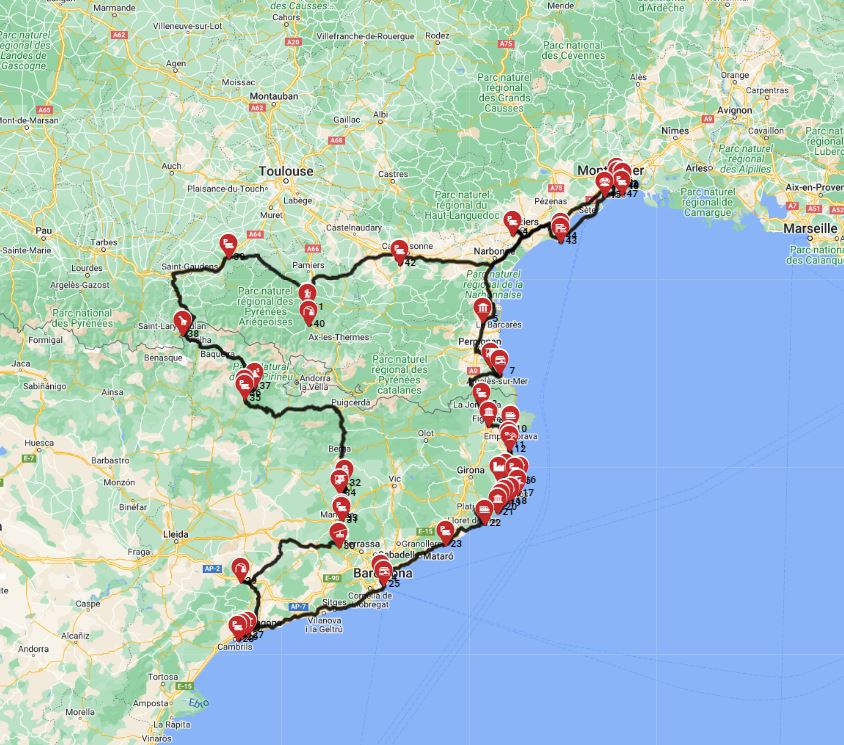
Some platforms, like Bandana, provide convenient comparison toggles for items such as kitchen utensils, tableware, and bedding, allowing you to easily see how different inclusions impact the total cost. Want to check exactly what's included? Click here to compare RV rental deals. On the routes offered through RV PLANET routes, you can itemize and track every expense along the way for easy budgeting.
Hidden Costs to Budget For in France
Beyond the basic rental fee, several hidden costs can impact your RV trip budget in France. Being aware of these and planning for them can prevent unwelcome surprises during your journey.
Tolls: France has an extensive network of péages (toll roads). These charges can quickly add up, especially if you plan to cover long distances. It's wise to inquire if your RV rental company offers options to pre-purchase toll road usage, which can help avoid surprise charges and potential fines. Alternatively, plan routes using smaller, non-toll roads, though this may increase travel time.
Campsite Fees: While wild camping has restrictions, dedicated campsites and 'aires de services' are the primary overnight options. Fees for these vary significantly, from inexpensive or free aires (often with limited facilities) to full-service campgrounds with amenities like electricity, showers, and pools. You can find great options for campsites and campgrounds along your route using RV PLANET routes, which can help you itemize and track every expense along the way for easy budgeting.
Fuel: Fuel will be one of your largest variable expenses. Diesel (Gazole) is common, and prices fluctuate. Some rental companies might offer fuel discount cards or specific fuel policies to discuss at pickup. Always ensure you return the RV with the agreed-upon fuel level to avoid additional charges.
Dump Station Charges & Tourist Taxes: While many 'aires' offer free or low-cost waste disposal, some private sites may charge. Additionally, many French municipalities impose a small 'taxe de séjour' (tourist tax) on overnight stays, including at campsites. These are small individual charges, but accumulate over time.
How to Save on RV Rental in France
Securing the best RV rental deals in France involves strategic planning and flexibility. By adopting smart booking and travel habits, you can significantly reduce your overall trip expenses.
Book in Shoulder Season: The most effective way to save is to travel during the shoulder seasons (May-June or September-October) or even the off-season. Daily rental rates are considerably lower than during the peak summer months, and you'll encounter fewer crowds.
Longer Durations, Better Rates: RV rental companies often offer better daily rates for longer rental periods. If your schedule allows, consider extending your trip to benefit from these reduced per-day costs.
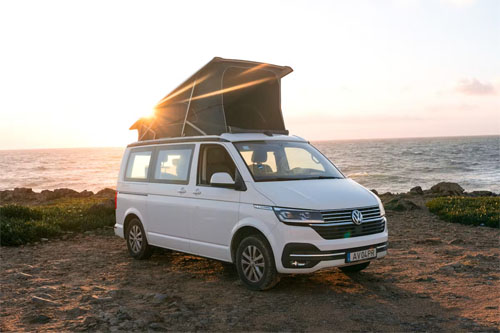
Choose the Right RV Class: Select an RV class that comfortably fits your group without being excessively large. For instance, a compact campervan like the "Volkswagen California Ocean" is ideal for couples, offering maneuverability and efficiency, while larger families might opt for a Class C motorhome designed for up to 6 people. Smaller RVs generally have lower rental costs and are more fuel-efficient, reducing your operational expenses, especially when navigating narrower French roads.
Pre-Pay Tolls and Use Discount Cards: Inquire about pre-paying tolls or purchasing specific passes through your rental provider to avoid higher on-the-spot charges. Additionally, leverage campground discount cards, often available through rental companies or membership programs, to save on overnight stays. Monitoring flex-rate drops, especially outside of peak season, can also yield unexpected savings if you have flexible travel dates.
Is it worth it to rent an RV in France?
Renting an RV in France is often considered highly worthwhile for travelers seeking flexibility, cost efficiency, and a unique way to experience the country. The freedom to create your own itinerary, linger in picturesque villages, or spontaneously change plans is a significant advantage over traditional travel methods.
For families or groups, an RV can be more economical than booking multiple hotel rooms and paying for frequent restaurant meals, particularly when factoring in the ability to self-cater. Furthermore, RV travel facilitates a deeper cultural immersion, allowing you to venture beyond major cities into regional markets, interact more directly with locals, and discover areas less accessible by public transport while practicing respectful local etiquette. For live availability and current prices, start with our RV Rental France - Complete Guide 2026 guide.
While there are considerations for navigating smaller roads and managing logistics, the overall consensus is that an RV adventure provides an unforgettable and enriching French experience. We're true RV specialists, not a travel agency side department, and we're here to ensure your booking process is seamless.
What documents do I need to rent an RV in France?
To rent and drive an RV in France, several crucial documents are required to ensure a smooth and legal journey. Firstly, you will need a valid driver's license from your country of residence. For non-EU citizens, an International Driving Permit (IDP) is highly recommended, and often mandatory, as it translates your license into multiple languages and is recognized internationally.
It's also critical to check the specific driving license classes required for the RV you plan to rent. Standard B licenses (for vehicles up to 3,500 kg GVWR) are usually sufficient for most campervans and smaller motorhomes. However, for larger or heavier RVs (over 3,500 kg), you might need a C1 or C license, depending on the Gross Vehicle Weight Rating (GVWR). Always verify the RV's weight and your license class before booking.
Beyond your driving documents, a valid passport or national ID card, your rental voucher, and a major credit card for the security deposit are essential. If you're traveling with pets, ensure you have all necessary pet passports, vaccination records, and any other required health certificates for entry into France and the EU. If you're planning a longer trip, consider our guide on Driving an RV in France - Complete Guide 2026 for more in-depth information.
What are the rules for motorhomes in France?
Navigating France in a motorhome requires adherence to specific rules and regulations to ensure a compliant and enjoyable trip. Generally, motorhomes must follow all standard French road rules, including speed limits, which can be lower for vehicles over 3,500 kg or with trailers. Seatbelt laws are strictly enforced for all passengers, and certain safety items like a reflective vest and warning triangle are compulsory to carry.
Regarding parking and overnight stays, while the rules for motorhomes (camping-cars) are relatively permissive compared to some countries, wild camping is largely restricted, especially in protected areas, coastal zones, and private land without permission. Instead, France provides an extensive network of 'aires de services' – dedicated motorhome stopovers for servicing and often overnight parking, and traditional campsites. These are the primary legal options for overnight stays. You can explore more about RV driving in France by checking our comprehensive Driving an RV in France - Complete Guide 2026.
RV drivers must also be acutely aware of their vehicle's dimensions. France, particularly its historic villages and older cities, features many narrow roads, low bridges, and restricted access zones. Utilizing RV-specific navigation apps that account for vehicle height and weight is highly recommended to avoid challenges like tight turns, urban parking issues, or accidental encounters with low clearances. Planning your route to avoid steep mountain passes with a large vehicle is also a good strategy.
Can I sleep anywhere in a motorhome in France?
No, you generally cannot sleep anywhere in a motorhome in France, as wild camping is largely restricted or prohibited in most areas. While the laws can be nuanced and local ordinances vary, camping outside of designated areas, particularly on private land without permission, in national parks, or along sensitive coastal zones, is illegal and can result in fines. The concept of 'aire de bivouac' (bivouac spot) refers more to temporary, respectful overnight stops rather than full-fledged camping.
Instead, France offers an extensive and well-developed system of 'aires de services' specifically designed for motorhomes. These can be free or paid, publicly or privately managed, and provide varying levels of services, from just parking to water, waste disposal, and electricity hookups. They are the most common and legally compliant option for overnight parking outside of traditional campgrounds.
To ensure you are legally parked and have access to necessary facilities, it's recommended to plan your stops at official campsites or designated 'aires de services.' Respecting local etiquette, such as not overstaying, keeping the area clean, and minimizing noise, is essential when utilizing these facilities. For insights into cost-effective travel, check out our Budget RV Driving in France - Save on Fuel 2026 guide.
Where can I park my RV in France?
Parking an RV in France is primarily facilitated through a diverse network of dedicated facilities and regulated spaces. The most common and reliable options are the numerous 'aires de services' (motorhome service areas), which are specifically designed to accommodate RVs for both short stops and overnight parking. These aires range from basic, free spots with limited services to larger, paid sites offering electricity, fresh water refills, and grey/black water disposal points.
Beyond aires, many towns and villages across France have designated parking areas for motorhomes, often indicated by specific signage. While these might allow daytime parking, overnight stays can be restricted, so always look for signs explicitly permitting 'camping-car' overnight parking. Traditional commercial campsites are also abundant, offering a wider range of amenities, security, and the ability to book in advance, which is particularly advisable during peak season.
For security and peace of mind, especially when parking in cities or less-trafficked areas, always choose well-lit spots, ensure your RV is securely locked, and avoid leaving valuables in plain sight. Utilize apps or guidebooks dedicated to motorhome travel in France to locate suitable parking and service points efficiently. Our RV Driving Deals in France - Routes and Savings 2026 can help you plan these stops.
How do you empty a motorhome toilet in France?
Emptying a motorhome toilet (black water) and grey water tank in France is a routine task handled at designated 'vidange' (drainage) points. These essential facilities are widely available across the country, primarily at 'aires de services' and within most official campsites. Never dispose of grey or black water directly into drains, on the roadside, or in natural environments, as this is illegal and harmful to the environment.
At a typical 'aire de services,' you'll find clearly marked stations for both black and grey water disposal. For black water, use the dedicated emptying point (often a specific grate or toilet bowl) and flush thoroughly. Grey water (from sinks and showers) is usually drained by driving over a larger grid on the ground. Simultaneously, many of these stations also provide fresh water refills, sometimes for a small fee or via a token system. It is important to avoid cross-contamination by using separate hoses for fresh water and rinsing waste.
France also places a strong emphasis on recycling, known as 'tri sélectif.' Many campsites and aires will have separate bins for different types of waste (e.g., glass, plastic, paper), and adhering to these recycling protocols is an important part of respecting local customs and environmental guidelines. For more practical tips, consult our Luxury RV Driving in France - Scenic Routes 2026 guide.
What is the best navigation app for RV in France?
For RV travel in France, the best navigation apps go beyond standard GPS by factoring in your vehicle's specific dimensions, such as height, width, and weight, to avoid unsuitable roads, low bridges, or restricted urban areas. Standard car navigation systems may not provide these critical warnings, potentially leading to challenging or dangerous situations, particularly on France's diverse road network.
Popular choices include specialized apps like **Campercontact** and **Park4night**, which not only offer navigation but also an extensive database of 'aires de services', campsites, and other motorhome-friendly spots, complete with user reviews and facility details. **CoPilot RV** is another strong contender, specifically designed for larger vehicles, allowing you to input your RV's specs for tailored route planning. Traditional apps like Google Maps can be useful for general orientation, but should be used with caution and always cross-referenced with RV-specific tools. If you're planning a specific route, our One-Way RV Driving in France - Route Planner 2026 can assist.
Reliable connectivity is also key for effective navigation. Consider purchasing a local SIM card with a generous data plan or exploring portable Wi-Fi solutions to ensure you have real-time traffic updates, access to online maps, and the ability to search for emergency services or points of interest throughout your journey.
Is it safe to travel in a motorhome in France?
Traveling in a motorhome in France is generally considered safe, offering a secure and enjoyable way to explore the country. However, like any form of travel, it requires common-sense precautions and awareness of your surroundings to mitigate potential risks, particularly concerning vehicle security and personal safety.
To enhance security for your RV, always ensure all doors and windows are locked, especially when leaving the vehicle unattended or overnight. Consider using additional security measures like steering wheel locks, alarms, or tracking devices. When parking, especially in cities or remote locations, opt for well-lit areas, designated RV parking, or official campsites known for their security. Avoid leaving valuables in plain sight and secure bicycles or other outdoor gear. For those who prefer meticulously planned journeys, our Week-Long RV Driving Tour in France 2026 offers a structured itinerary.
Familiarize yourself with local emergency numbers (112 for all emergencies) and the location of nearby hospitals or police stations along your route. Carrying essential safety equipment, such as a first-aid kit, fire extinguisher, reflective vests, and a warning triangle, is also mandated by French law and contributes to overall safety. Staying informed about local news and adhering to safe driving practices will ensure a secure and pleasant motorhome adventure in France.
What You Shouldn't Miss
- Drive the scenic Route des Grandes Alpes, experiencing breathtaking mountain vistas and charming alpine villages.
- Explore the historic Normandy coast, from the D-Day landing beaches to the Mont Saint-Michel.
- Indulge in the culinary delights of the Loire Valley, visiting vineyards and châteaux.
- Discover the lavender fields of Provence in bloom during the summer months.
- Navigate the picturesque villages of the Alsace region with their unique architecture and traditions.
- Experience the vibrant culture and cuisine of the French Riviera, from Nice to the principality of Monaco.
Final Thoughts
Renting an RV in France opens up a world of possibilities, allowing you to explore at your own pace and immerse yourself in the beauty and culture of this incredible country. From charming villages to stunning coastlines and majestic mountains, your French RV adventure awaits.
At Bandana Caravan, we're passionate about making your RV travel dreams a reality. With our transparent pricing, extensive range of vehicles, and unwavering commitment to customer support, you can embark on your journey with confidence. Get inspired for your next trip! Discover top destinations, planning tips, all in one place!
Plan a trip itinerary in advance with minimal effort and maximum enjoyment. We handle the details, you live the journey – with personal service from day one until your booking is confirmed. Compare motorhome prices for France and start planning your unforgettable French road trip today!