In This Guide
- Top 5 Tips for RV Rental in New Zealand
- Before You Book - Class, Dates, Insurance
- Pre-Trip Prep - Packing Checklist for New Zealand
- On the Road - Driving, Fueling, Navigation
- At the Campground - Setup, Hookups & Etiquette
- RV Rental-Specific Tips for New Zealand
- Common Mistakes to Avoid in New Zealand
- How much does it cost to rent a RV in New Zealand?
- What is the 333 rule for campervan?
- What is the best camper rental in New Zealand?
- Is it worth it to rent a campervan in New Zealand?
- Is it easy to drive a motorhome in New Zealand?
- Do and don'ts New Zealand?
- How much money would I need for 2 weeks in New Zealand?
- Is it easy to campervan around New Zealand?
- What are the drawbacks of renting an RV?
New Zealand is an adventurer's dream, a landscape of stunning contrasts, and there’s no better way to explore its breathtaking beauty than with a rented motorhome or campervan. Imagine waking up to a fresh ocean breeze, making breakfast with a view of snow-capped mountains, or simply pulling over to admire a majestic fjord. This kind of freedom is what RV travel in New Zealand is all about.
Here at Bandana RV, we've been helping tens of thousands of travelers discover the magic of RV adventures since 2001. We genuinely understand what it takes to plan an unforgettable journey. For live availability and current prices, start with our RV Rental New Zealand - Complete Guide 2026 guide.
Top 5 Tips for RV Rental in New Zealand
Navigating your first RV rental in New Zealand can be seamless with a few key considerations. Firstly, booking your vehicle well in advance, especially for the peak season from December to February, is crucial to secure your preferred motorhome and potentially lock in better rates, as prices are dynamic and change daily based on availability.
Secondly, understanding New Zealand's diverse terrain and choosing a rented RV size that feels comfortable to drive on winding roads and through mountainous areas is vital for a stress-free experience. While compact campervans like a "rv rental denver example Category Van" are agile for couples, larger Class C motorhomes such as the "rv rentals example Comfort Class" offer more space and amenities for families, but require more deliberate navigation. Drive slowly and carefully, and you can drive almost anywhere without issues. No need to stress - just use common sense and pay attention.
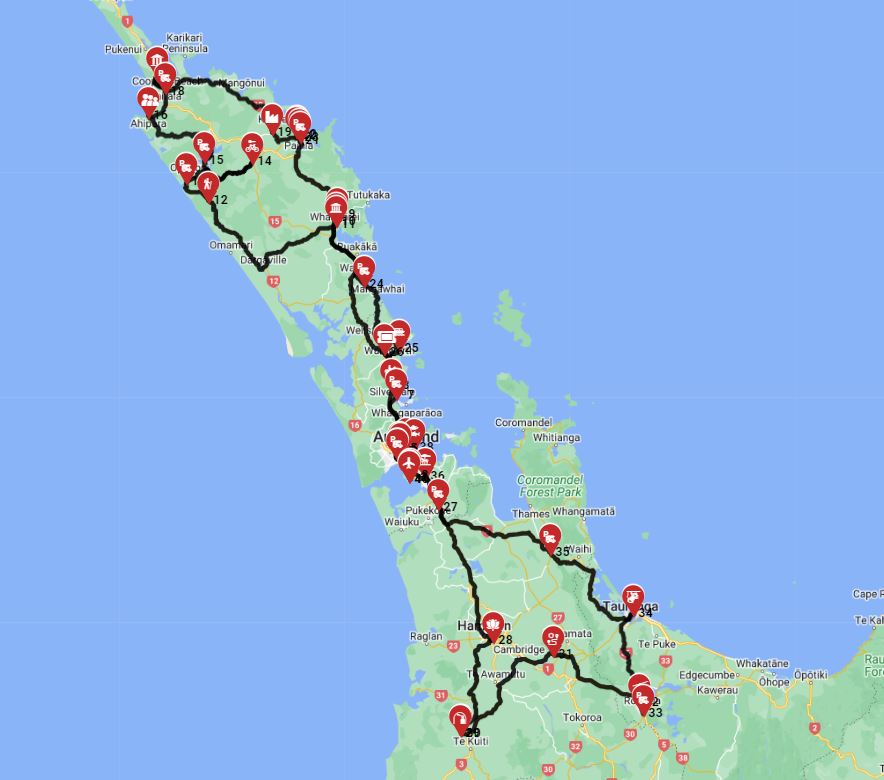
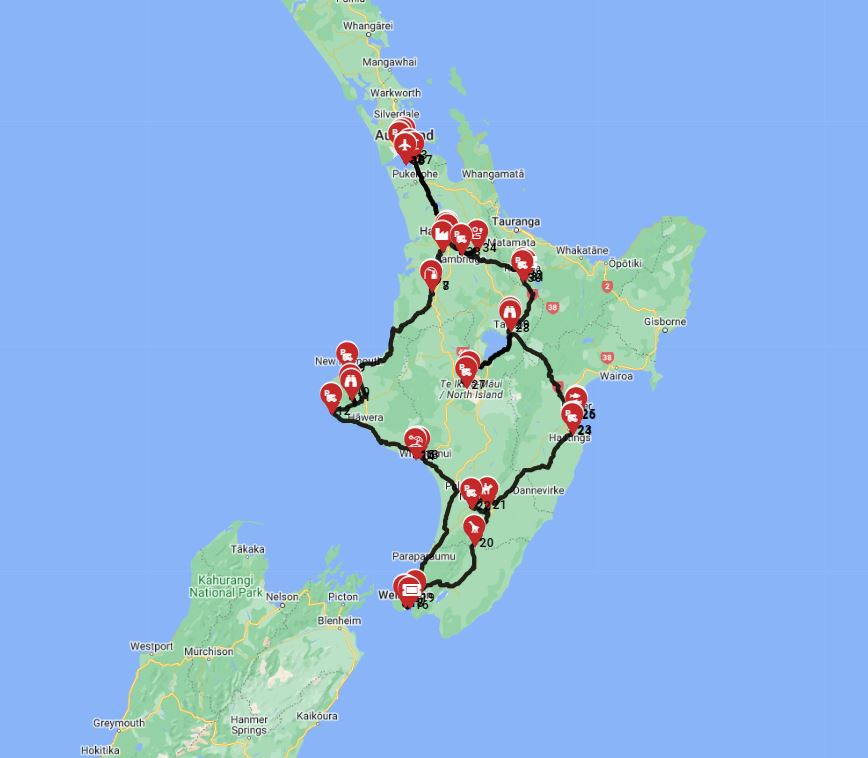
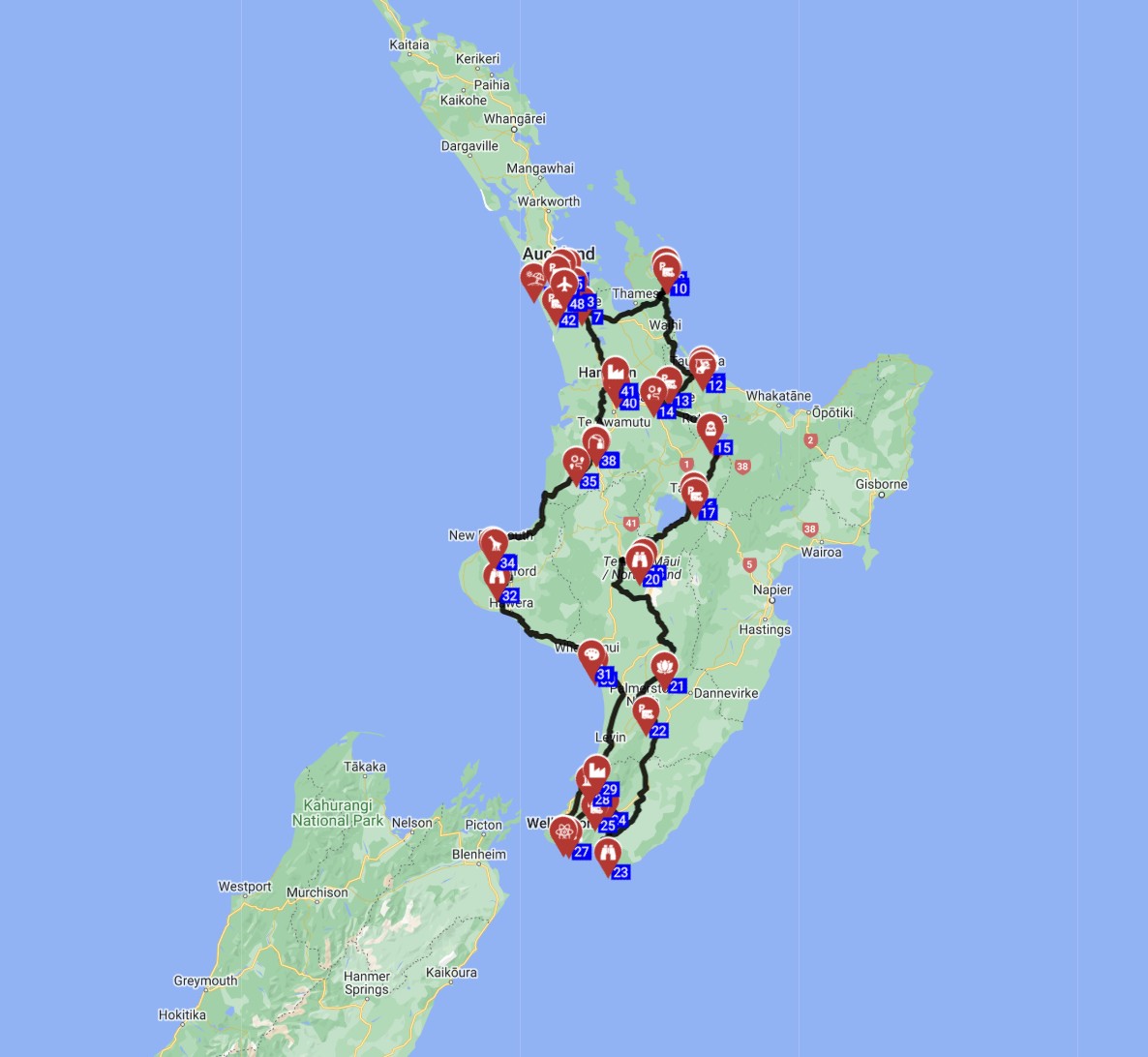
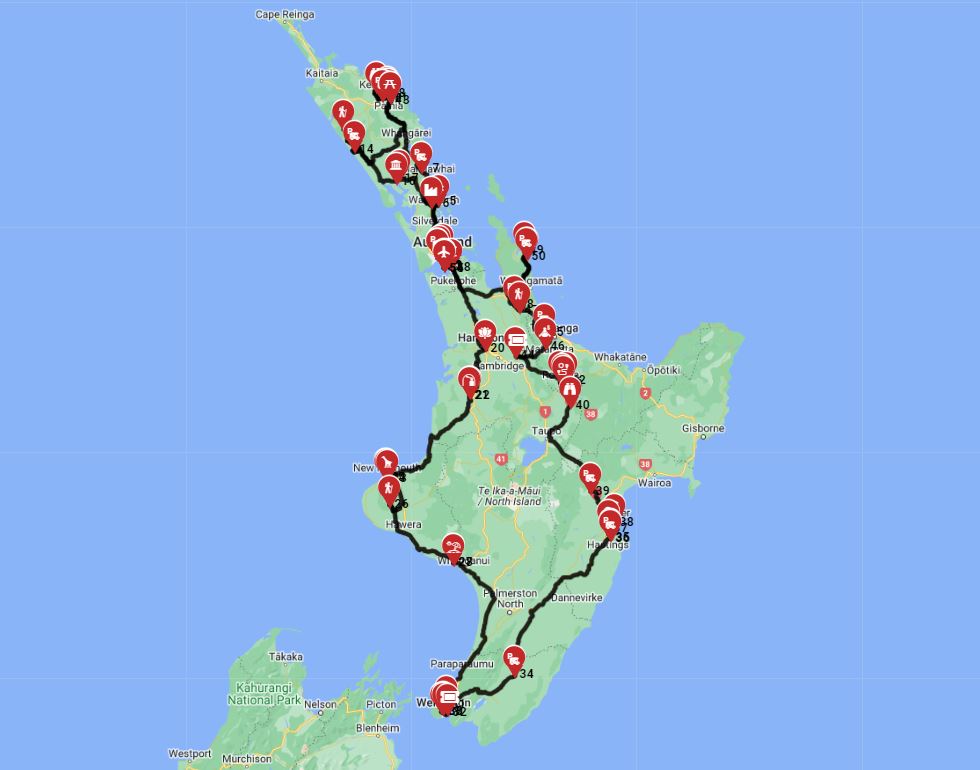
Thirdly, budget realistically by factoring in all costs beyond just the rental fee, including fuel, campsite fees, insurance, and activities. On RV PLANET routes, you can itemize and track every expense along the way for easy budgeting. Fourth, familiarize yourself with New Zealand's specific 'freedom camping' rules and ensure your rented vehicle is certified self-contained if you plan to utilize designated free sites, as non-compliance can lead to significant fines. On the routes offered through RV PLANET routes, you can itemize and track every expense along the way for easy budgeting.
Finally, allow ample time in your itinerary, aiming for no more than 100-150 km per day on average, as driving distances often take longer than anticipated due to winding road conditions and the irresistible urge to stop for scenic photo opportunities.
Before You Book - Class, Dates, Insurance
Before confirming your RV adventure in New Zealand, thoroughly consider your vehicle class, travel dates, and insurance options to ensure a smooth journey. Choosing your RV class should be based on your group size, comfort preferences, and driving experience; smaller campervans are ideal for couples seeking agility, while larger motorhomes offer more amenities for families but require careful navigation.
Locking in your dates strategically can impact both availability and price. While booking 6-12 months ahead is recommended for high season (summer, December-February) or specific Luxury RV Rental in New Zealand - Premium Prices 2026 vehicle types, shoulder seasons (spring/autumn) offer a pleasant balance of good weather and potentially lower prices, though winter can yield the best deals for those prepared for colder conditions.
When it comes to insurance, basic coverage is always included with your rental. For enhanced peace of mind, consider upgrading to a top-level deductible, an optional upgrade that can significantly reduce your financial exposure in case of an accident. You can explore various insurance options directly during the search process to see prices including comprehensive coverage, ensuring full transparency with no hidden fees or surprises.
Pre-Trip Prep - Packing Checklist for New Zealand
Effective pre-trip preparation and a smart packing checklist are essential for a comfortable and enjoyable RV rental journey through New Zealand. When it comes to clothing, versatile layers are paramount; merino wool is an excellent choice for warmth and breathability, and a waterproof and windproof jacket is a non-negotiable for New Zealand's rapidly changing weather.
Beyond the kitchen essentials typically supplied with a rented motorhome or campervan, consider bringing reusable shopping bags, a portable coffee maker or French press, basic spices, and a small bottle of cooking oil. A headlamp or torch will prove invaluable for evening cooking or exploring after dusk. For those interested in preparing delicious meals on the go, check out our RV-friendly recipes playlist.
Safety and comfort items should include a first-aid kit with any personal medications, high-SPF sunscreen, and insect repellent. A portable power bank for charging devices and a camera with extra memory cards will ensure you capture every moment. For day excursions away from your RV rental, a small daypack is indispensable. Most importantly, ensure all your documents, including your valid driver's license (an International Driving Permit is recommended for non-English speakers but not mandatory), passport, travel insurance details, and all reservation confirmations for your RV and campsites, are readily accessible. Downloading offline maps like Google Maps or the CamperMate app is crucial, as mobile connectivity can be limited in New Zealand's remote national parks and valleys. Lastly, consider getting an NZ SIM card upon arrival for reliable mobile data in populated areas.
On the Road - Driving, Fueling, Navigation
Mastering the intricacies of driving, fueling, and navigation is key to an enjoyable RV rental road trip in New Zealand. Drivers must remember to always drive on the left side of the road and be prepared for narrow, winding roads, especially on mountain passes and rural routes. One-lane bridges are a common feature, particularly on the South Island, and it is crucial to understand and adhere to the 'Give Way' signage to avoid issues. Larger RVs, like a "rv rentals utah example Sunrise Escape" which can be up to 7.6m long, require extra caution and attention, particularly on gravel roads leading to remote campsites and when maneuvering in busy town centers.
Fueling your rented RV effectively means understanding that diesel is generally cheaper than petrol, and many larger motorhomes operate on diesel. It is important to confirm with your rental provider whether Road User Charges (RUC) for diesel vehicles are included in your rental cost. Plan your refills carefully, as fuel stations can be sparse in remote regions.
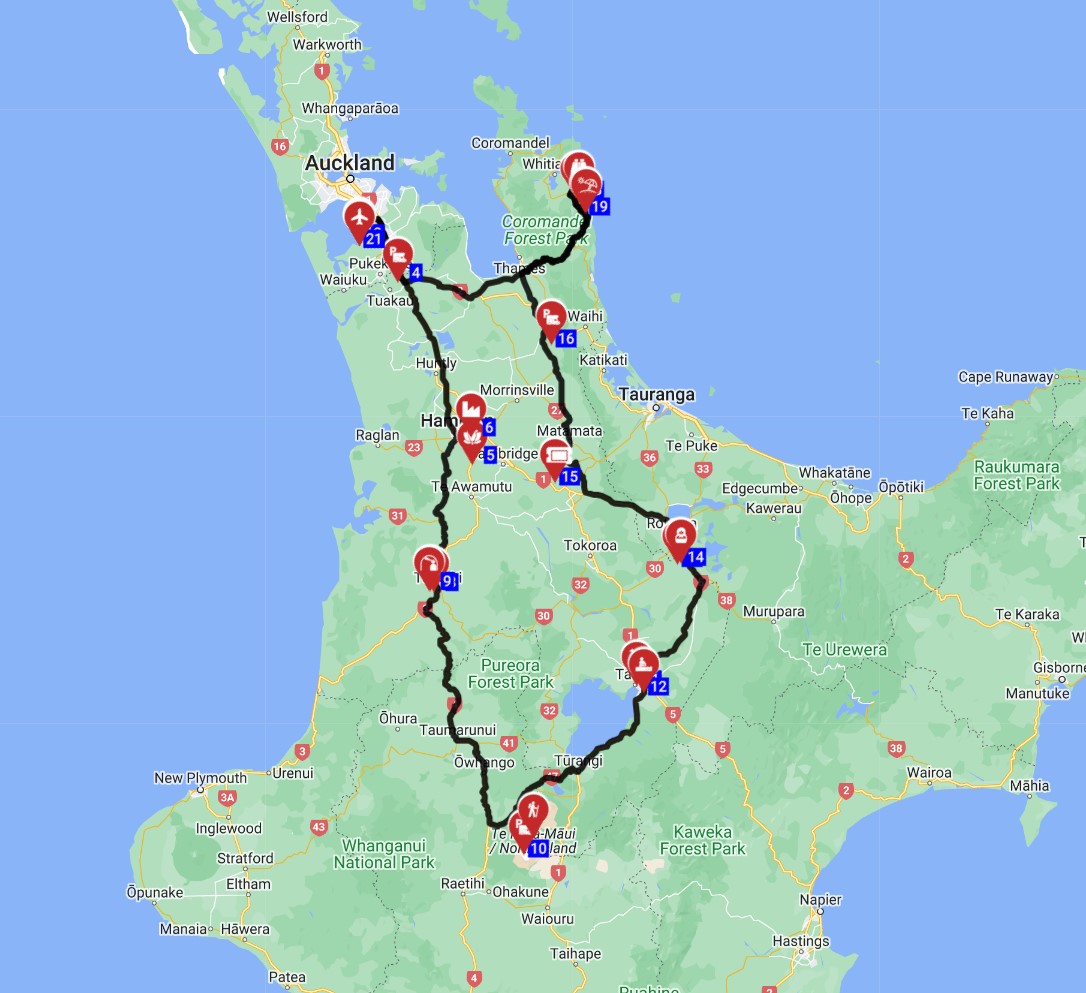
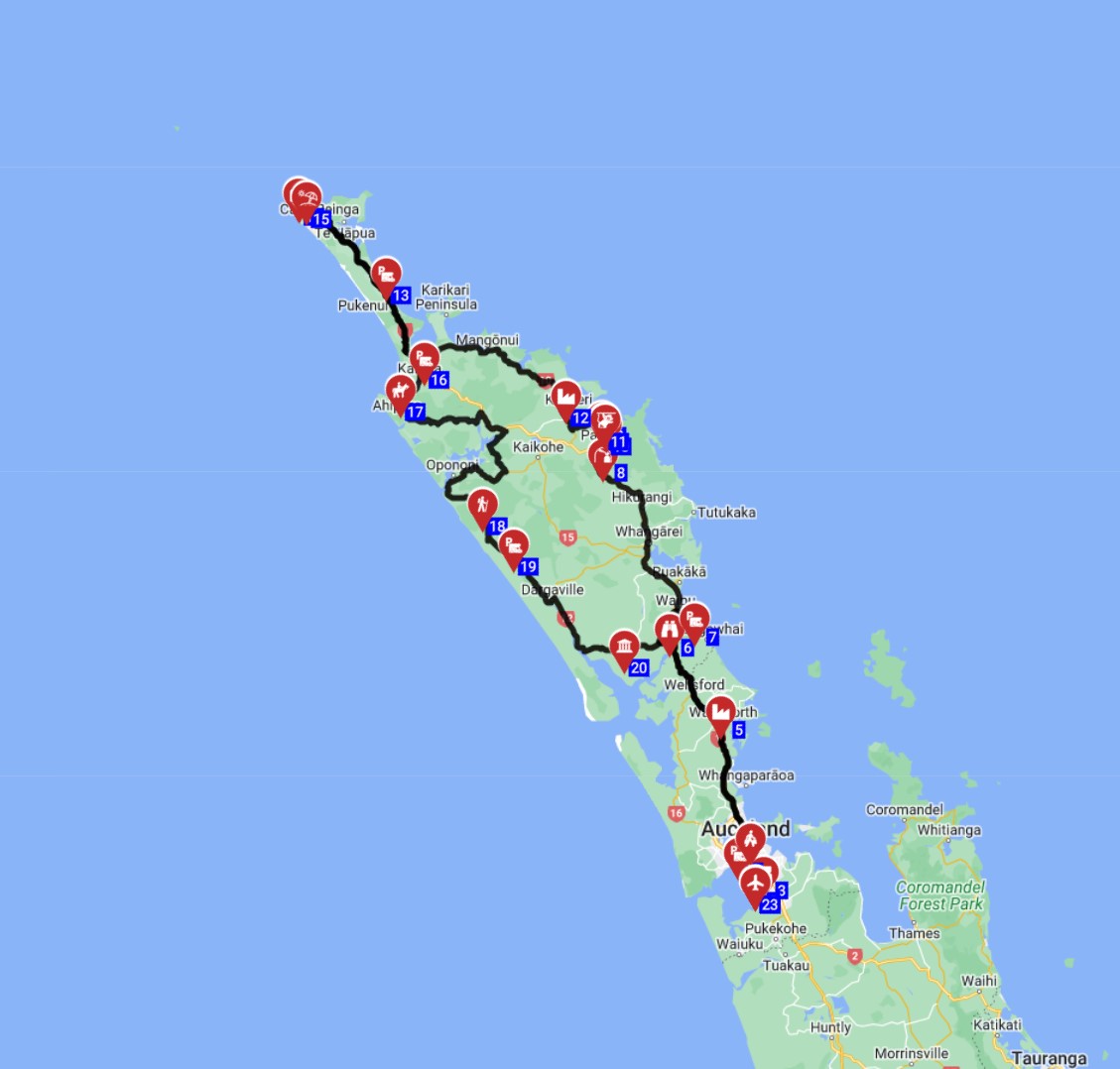
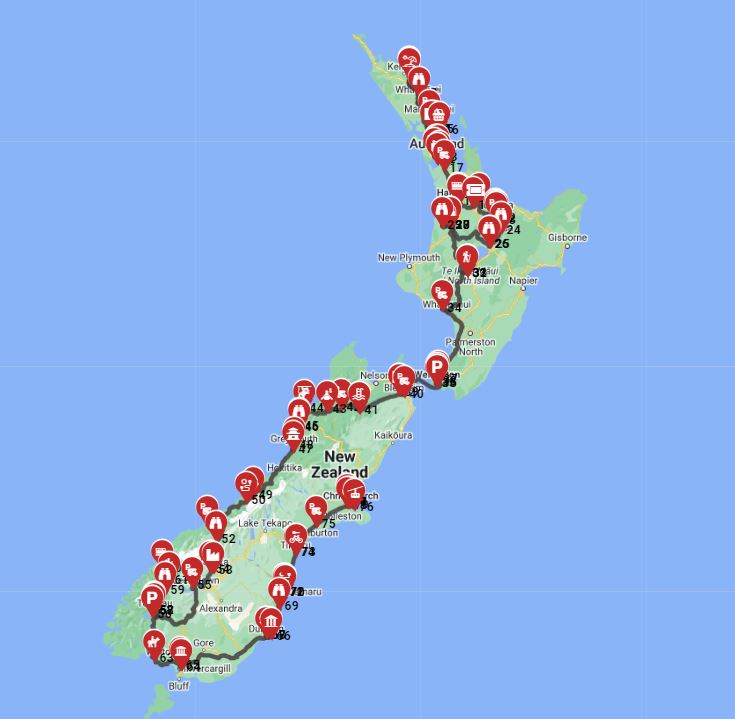
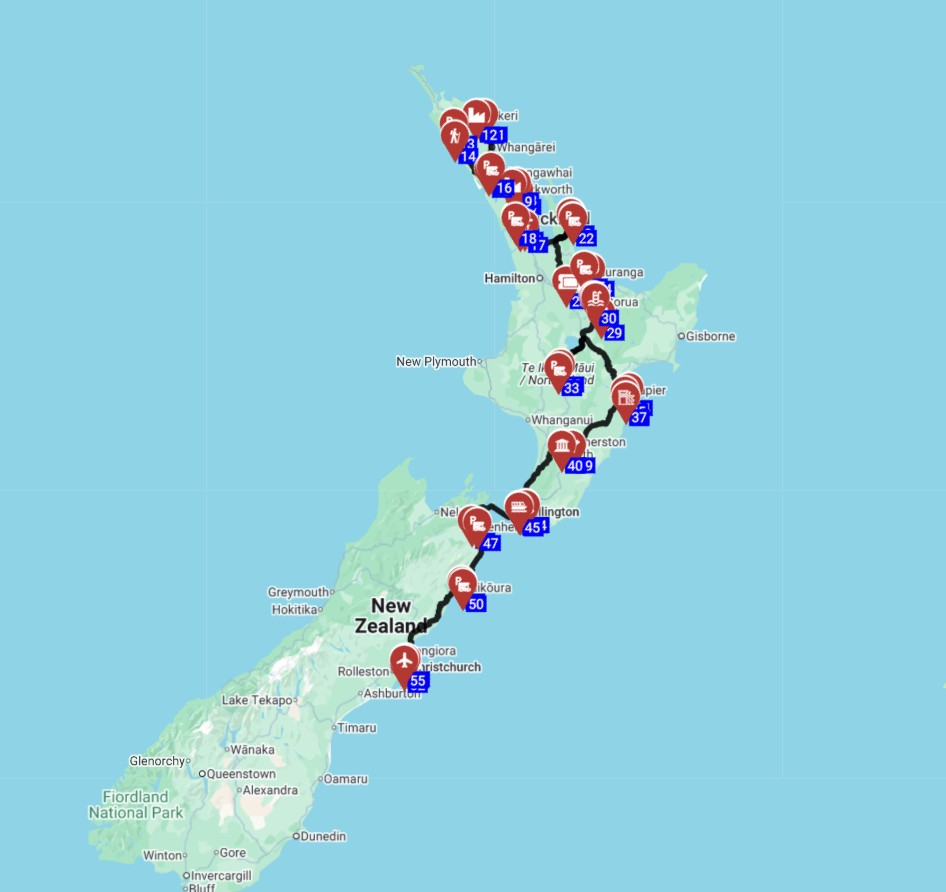
For navigation, rely on a combination of offline GPS maps, such as Google Maps or Maps.me, and RV-specific apps like CamperMate or Rankers, which are excellent for locating campgrounds, dump stations, and points of interest. Mobile connectivity in New Zealand can be inconsistent in national parks and isolated valleys, so downloading maps and route plans, such as those found on RV PLANET (rvplan.net), in advance is highly recommended.
At the Campground - Setup, Hookups & Etiquette
Setting up your rented RV at a campground in New Zealand involves a few simple steps to ensure comfort and compliance with local etiquette. Upon arrival, select a level spot for your campervan or motorhome. The typical connection sequence begins with your power lead to the campground's electrical hookup (if available), followed by your freshwater hose to a potable water tap, and finally, positioning your wastewater hose into a drain or collection tank.
Understanding hookups is straightforward: power hookups provide 240V electricity for your internal outlets and charging, while freshwater hookups ensure a continuous supply of clean drinking water. Wastewater (greywater from sinks and showers) and sewage (blackwater from the toilet) must be properly disposed of at designated dump stations, which are readily available at most holiday parks and many Department of Conservation (DOC) sites.
Campground etiquette is essential for a harmonious travel experience. Observe quiet hours, typically from 10 PM to 7 AM, to show respect for your fellow travelers. Maintain a tidy campsite, dispose of all rubbish in provided bins, and minimize generator use. It's also vital to be mindful of water usage, particularly in conservation areas, to preserve New Zealand's precious natural resources.
RV Rental-Specific Tips for New Zealand
Tailoring your RV rental choice and travel style to your group's needs ensures a more enjoyable New Zealand adventure. For families, selecting a larger motorhome with multiple sleeping areas, such as a "new zealand motorhome hire example Cheapa 6 Berth" with 3 double beds, and ample storage is recommended. Planning shorter driving days with frequent stops at playgrounds or attractions, and considering a vehicle with an external awning for shaded play areas, can make a significant difference.
Seniors might prefer an RV with automatic transmission and power steering for easier driving on New Zealand's varied roads. Models offering comfortable access, like a lower step-in height, and a fixed bed for convenience, are often ideal. Prioritizing comprehensive insurance coverage also provides extra peace of mind for longer trips.
Budget travelers will find value in smaller, older campervans or sleepervans. Maximizing freedom camping opportunities (with a certified self-contained vehicle) and utilizing Department of Conservation (DOC) campsites are key cost-saving strategies. Cooking your own meals extensively and purchasing groceries in larger towns can significantly reduce expenses. This approach aligns well with our Cheap RV Rental in New Zealand - Budget Guide 2026.
Luxury seekers should explore premium motorhome brands offering amenities like onboard showers, toilets, full kitchens, and advanced entertainment systems. Pre-booking powered sites at holiday parks often provides maximum comfort and access to facilities. For those looking for top-tier options, consider our Luxury RV Rental in New Zealand - Premium Prices 2026 guide.
Adventure enthusiasts should investigate 4WD campervans, such as a "2 Person 4WD Camper" or a "campervan hire new zealand example Adventure", if planning to access more remote tracks or specific unsealed roads, always checking rental terms for road restrictions. Ensuring adequate storage for gear like bikes, kayaks, or hiking equipment will prepare you for New Zealand's thrilling outdoor activities.
Common Mistakes to Avoid in New Zealand
Avoiding common pitfalls can elevate your RV rental experience in New Zealand from good to truly exceptional. One frequent mistake is underestimating driving times; instead, use online route planners like Google Maps or AA New Zealand's travel time calculator, adding at least 25-30% extra time for scenic stops, photo opportunities, and slower speeds on winding roads.
Ignoring freedom camping rules is another common oversight that can lead to fines up to NZD $400; instead, download apps like CamperMate or consult the official Department of Conservation (DOC) website to find legal, self-contained camping spots and understand local bylaws. Overpacking is often a first-timer's error; instead, pack versatile layers and plan to utilize campground laundry facilities, as RVs have limited storage, and heavy loads increase fuel consumption and impact vehicle handling.
Not pre-booking campsites, especially during peak season or in popular areas like around Queenstown, can result in disappointment; instead, secure powered sites at holiday parks or DOC campsites in advance to guarantee a spot and often better rates. Disregarding weather warnings is a serious mistake in New Zealand, where conditions can change rapidly, potentially leading to road closures due to snow, ice, or heavy rain; always check forecasts daily, particularly for mountain passes or coastal areas. Lastly, not thoroughly considering all insurance options is a common oversight; instead, review your rental's insurance policy and consider additional excess reduction or comprehensive coverage to mitigate unexpected costs from accidents or damage, traveling with peace of mind thanks to our top-level deductible reimbursement options.
How much does a motorhome rental cost in New Zealand?
RV rental costs in New Zealand vary widely based on vehicle type, season, duration, and included amenities, generally ranging from NZD $70 to $400+ per day. Smaller campervans, often with basic features and manual transmissions, typically fall into the lower end of this range, while a luxurious "Euro Deluxe" Class C motorhome offering 3 double beds, an automatic transmission, and roof air conditioning would be at the higher end.
Budget for additional expenses beyond the rental itself, as these can significantly impact your total trip cost. Fuel is a major expense for longer journeys, often costing NZD $100+ per day depending on travel distance and your RV's fuel efficiency, especially for larger Class C motorhomes with fuel tanks around 75-90 liters. Campground fees can range from NZD $10-$60 per night for powered sites at holiday parks or basic Department of Conservation (DOC) campsites. Insurance upgrades, like opting for a top-level deductible for extra peace of mind, also add to the overall expense.
Be aware of potential hidden fees which can include one-way rental charges (covered in our One-Way RV Rental in New Zealand - Price Guide 2026), Road User Charges (RUC) for diesel vehicles, additional driver fees, and cleaning surcharges if the vehicle is not returned in the agreed-upon condition. Furthermore, factor in groceries, which can be more expensive in remote areas, and a budget for activities, which range from free hikes to more costly guided tours.
What is the 333 rule for campervan?
The "333 rule" for campervans is a common guideline for responsible freedom camping in New Zealand, suggesting that travelers stay a maximum of three nights in one spot, remain at least three kilometers from the nearest town, and ensure their rented campervan is fully self-contained for at least three days. This guideline aims to promote sustainable travel and respect local communities and environments.
It's important to note that this rule is a general recommendation and not a universal legal requirement across all regions; always consult local council bylaws and posted signage for specific freedom camping regulations at your chosen location. A 'self-contained' vehicle typically means it possesses an onboard toilet, a wastewater (grey water) tank, a freshwater tank, and a rubbish bin, all certified to hold enough capacity for at least three days per person.
To find designated self-contained camping spots and convenient dump stations for waste disposal, travelers can utilize popular RV-specific apps like CamperMate or refer to resources from local councils and the Department of Conservation (DOC). Adhering to these rules helps preserve New Zealand's pristine environment for all to enjoy.
What is the best camper rental in New Zealand?
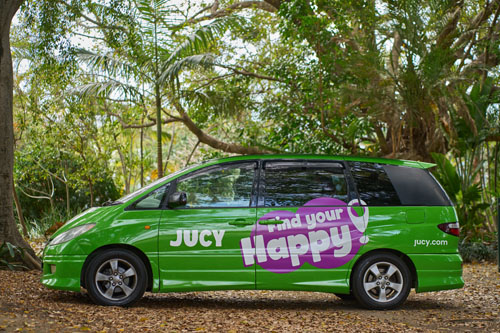
The "best" camper rental in New Zealand ultimately depends on individual travel preferences, budget, group size, and desired amenities, with popular and reputable suppliers available through Bandana including Apollo, Britz, and many others. For adventurous couples, a compact campervan like a "Juliette 2-3" from a supplier such as Jucy might be ideal due to its agility and lower cost, though these often have manual transmissions.
Families or groups seeking more space and comfort might prefer a Class C motorhome, like an "Adventurer" from Apollo or a "Kiwi 6 Berth" from Britz, which typically offers 3 double beds, an automatic transmission, and amenities such as a refrigerator with freezer, shower, and toilet. These larger vehicles provide ample living space, important for a comfortable two-week adventure or extended road trip.
When comparing options, consider factors beyond just the daily rate, such as customer service reviews, included insurance options, specific age restrictions (the minimum rental age is 21 with no young driver surcharges across all motorhome classes), and the number of pickup and drop-off depots, especially if you plan a One-Way RV Rental in New Zealand - Price Guide 2026 route. Bandana, with its direct partnerships with 50+ leading RV suppliers worldwide, including Britz and Apollo, ensures a wide selection and full price transparency to help you find your perfect match. To compare motorhome prices for New Zealand, use our platform to easily filter by supplier, vehicle size, and features, ensuring you find the ideal rental for your journey.
Is it worth it to rent a campervan in New Zealand?
Renting a campervan or motorhome in New Zealand is generally considered exceptionally worthwhile for travelers seeking unparalleled flexibility, potential cost savings on accommodation, and an immersive way to experience the country's diverse and stunning landscapes at their own pace. The freedom to spontaneously change your itinerary, pull over at breathtaking viewpoints, and access remote Department of Conservation (DOC) campsites truly enhances the overall travel experience, allowing for slow travel with maximum 100-150 km per day.
For groups or those planning a week-long trip or longer, an RV rental can be a cost-effective option by combining transport and accommodation expenses. The ability to cook your own meals in a fully equipped kitchen, perhaps in a "Condo" campervan with a gas stove and 80-liter fridge, further contributes to budget management and allows for dietary flexibility. This is particularly valuable when grocery shopping in smaller towns or preparing meals from local markets.
However, the perceived worthiness does depend on your comfort with compact living spaces, driving a larger vehicle on winding roads, and managing daily logistics such as waste disposal, water refills, and campsite bookings. If you appreciate self-sufficiency and the freedom to explore off the beaten path, a rented campervan in New Zealand offers an unforgettable journey into nature and culture.
Is it easy to drive a motorhome in New Zealand?
Driving a rented motorhome or campervan in New Zealand is generally manageable, but it requires careful attention and adaptation due to unique road characteristics. New Zealand roads are often narrower and more winding than those in many other countries, particularly on mountain passes like the Lindis Pass or coastal highways, demanding slower speeds and increased vigilance.
A distinctive feature of rural New Zealand are its numerous one-lane bridges, especially prevalent on the South Island, where over 100 exist. It is crucial to understand and follow the 'Give Way' signage to ensure safe passage. Gravel roads are also common in some areas, particularly when accessing remote campsites or attractions; always check your rental agreement for clauses regarding driving on unsealed roads, and proceed slowly to prevent damage to your "4x4 Camper B - TYR" or other vehicle.
Parking for larger RVs can be challenging in bustling city centers or popular tourist spots like Queenstown or Rotorua, often necessitating careful planning or utilizing designated oversized vehicle parking areas. Despite these considerations, driving slowly and carefully allows you to navigate almost anywhere without issues. No need to stress - just use common sense and pay attention. Standard car driver's licenses are sufficient for all motorhome classes, though an International Driving Permit (IDP) is recommended for visitors from non-English speaking countries.
🎬 Video coming soon
Do and don'ts New Zealand?
When traveling through New Zealand with a rented RV, "Do" embrace the vibrant Māori culture, respect the pristine environment by always packing out rubbish, drive on the left side of the road, and diligently plan for the country's famously variable weather; "Don't" litter, rush your itinerary, or disregard local customs. Learning a few Māori phrases like 'Kia Ora' (hello) and 'Ka Kite' (goodbye) can foster positive interactions and engage you more deeply with the local culture. Drive slower than posted speed limits on winding roads, especially in a larger motorhome like a "Class C - Alcove" model, and take frequent breaks to admire the scenery.
Never leave any rubbish behind in natural areas; always use designated bins or carry it out, adhering to the Leave No Trace principles. Don't assume mobile coverage will be universal, particularly in remote areas of national parks, and plan for potential communication blackouts by downloading offline maps. Avoid driving when tired or after consuming alcohol, as road safety is paramount on New Zealand's unique roads. In terms of environmental etiquette, do use responsible waste disposal facilities (dump stations), conserve water and electricity within your rented camper, and always stick to marked tracks to protect native flora and fauna.
Culturally, do ask permission before taking photos of people or sacred Māori sites (tapu), and educate yourself about the Treaty of Waitangi and its profound significance. For emergency preparedness, do carry a basic emergency kit, inform someone of your travel plans if venturing into remote areas, and know that 111 is the national emergency number for police, fire, or ambulance services. Remember, slow travel, averaging 100-150 km per day, allows you to truly feel the place, connect to its culture, food, and scenery.
How much money would I need for 2 weeks in New Zealand?
A two-week RV rental trip to New Zealand can range from NZD $2,500 to $6,000+ for a couple, covering rental costs, fuel, groceries, campground fees, activities, and insurance, depending significantly on your travel style and choice of rented vehicle. For the RV rental itself, expect to spend NZD $1,000 - $3,000+, with prices influenced by seasonality (peak season is December-February) and the size of your chosen motorhome, like a compact "2 Berth Sandpiper" versus a larger "4 Berth Adventurer".
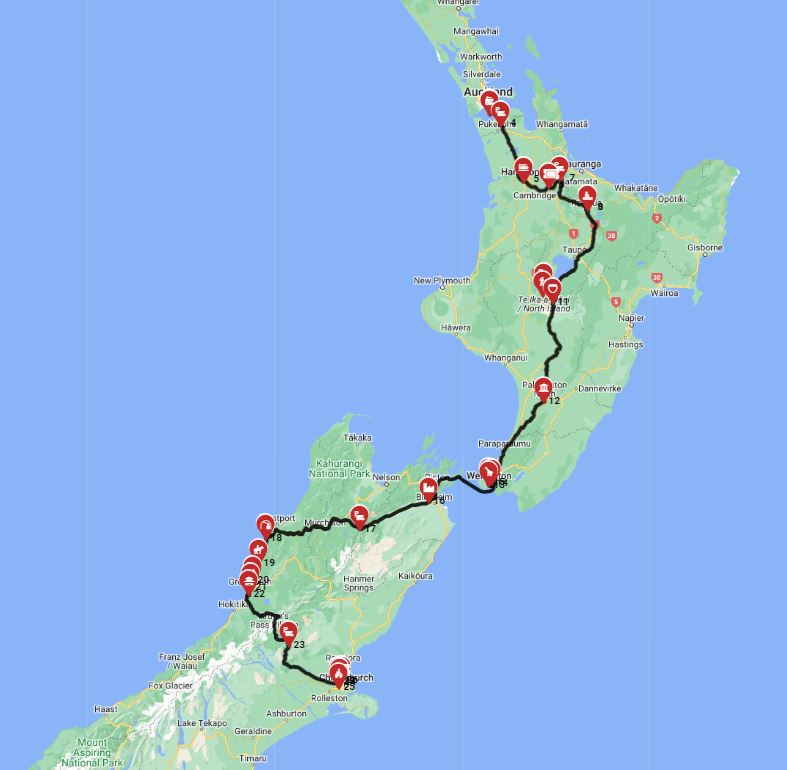
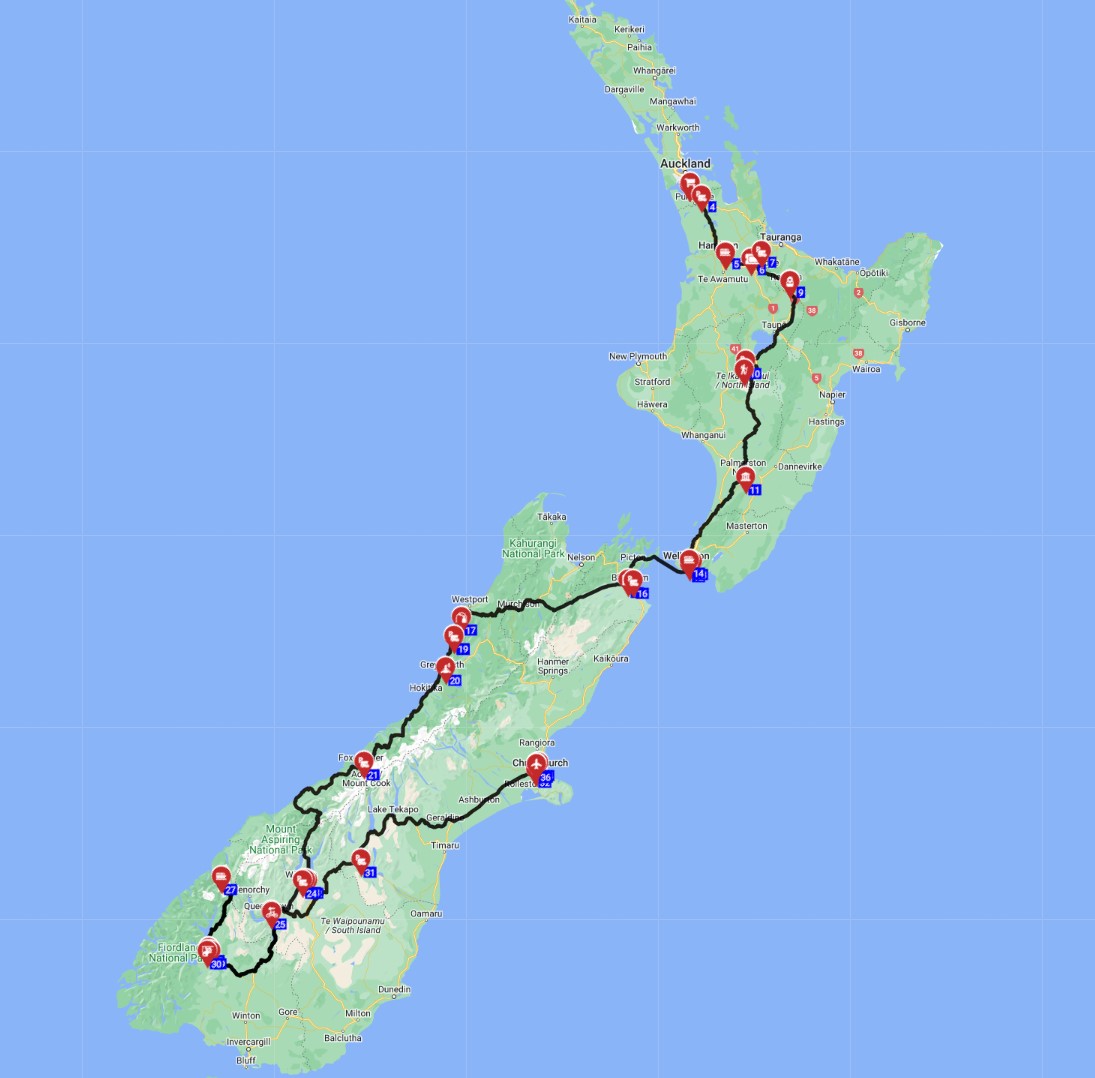
Fuel is a significant variable expense; budget NZD $500 - $1,000+ for two weeks, depending on your itinerary's length (e.g., the 2,647 km
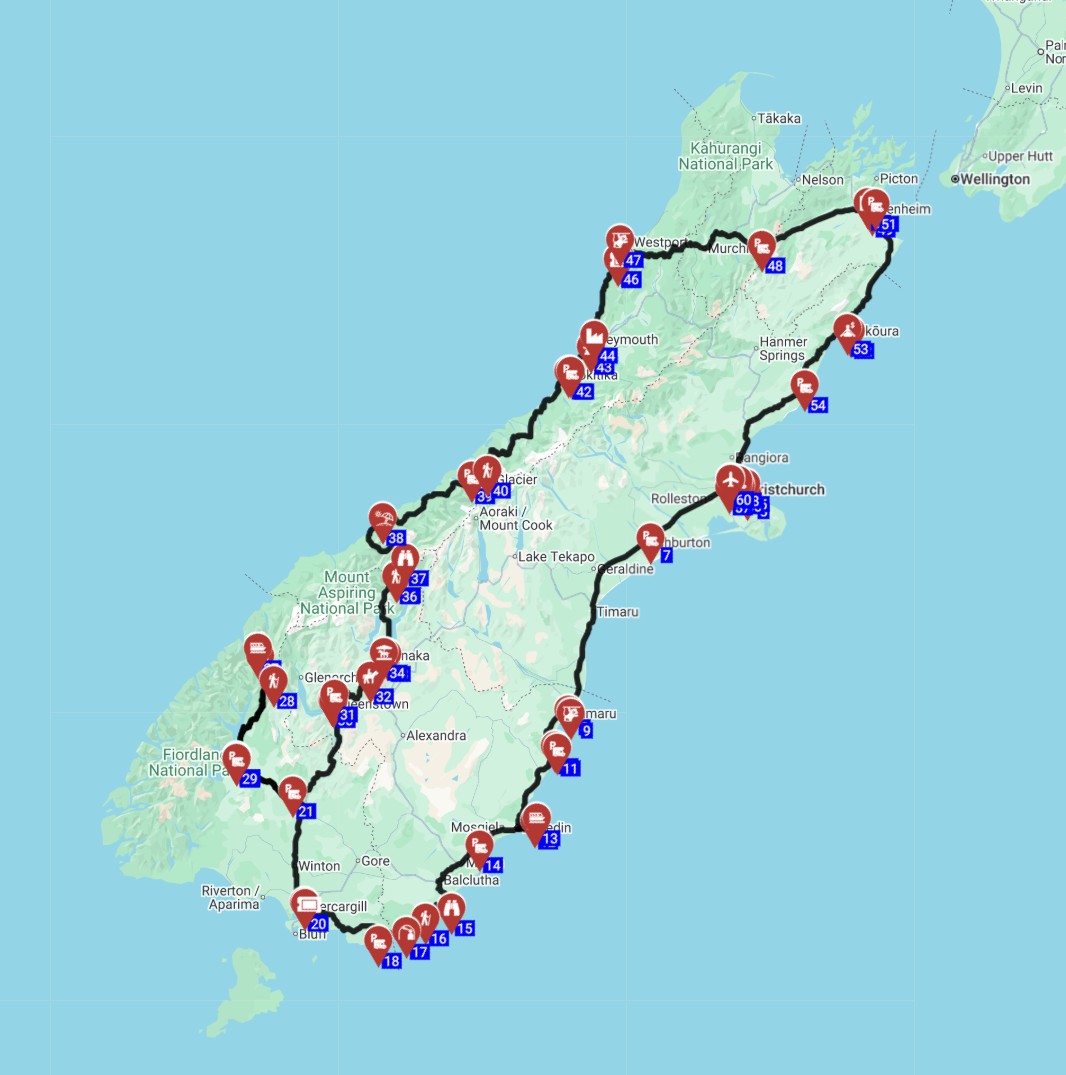
Activities are highly variable; budget anywhere from NZD $500 - $1,500+ for experiences ranging from free hikes to paid attractions like Milford Sound cruises (NZD $100-$200 per person), bungy jumping (NZD $200+), or Hobbiton tours (NZD $89). Finally, factor in an additional NZD $100 - $400 for comprehensive insurance or excess reduction over two weeks to travel with peace of mind. Remember, prices are dynamic, so the final cost is set at actual booking time.
Is it easy to campervan around New Zealand?
Campervanning around New Zealand is widely regarded as a convenient and enjoyable way to explore the country, supported by excellent infrastructure including numerous campgrounds, dump stations, and stunning scenic routes. The country boasts a well-developed network of holiday parks, often offering powered sites, hot showers, communal kitchens for cooking delicious RV-friendly recipes playlist, and laundry facilities, making day-to-day RV living straightforward and comfortable. Many of these parks even offer WiFi access.
Beyond commercial parks, the Department of Conservation (DOC) maintains over 200 basic campsites in incredibly scenic and often remote locations, ideal for those seeking a closer-to-nature experience at a lower cost. Water refills are generally accessible at holiday parks, designated service stations, and some public facilities, and waste management facilities (dump stations for grey and black water) are abundant and clearly marked, making proper disposal easy.
Grocery shopping is feasible even in smaller towns, though larger supermarkets in cities offer more variety and better prices, helping manage your overall RV Rental in New Zealand - Prices and Best Deals 2026 budget. While mobile connectivity is generally good in populated areas, it can be patchy in remote national parks, so planning and downloading offline maps are always wise. Overall, New Zealand's RV-friendly environment makes a campervan adventure accessible and immensely rewarding for first-time renters and seasoned travelers alike.
What are the drawbacks of renting an RV?
While RV rentals offer incredible freedom, some potential drawbacks include limited living space, potential mechanical issues, weather dependency, the need for careful planning of routes and campsites, and an overall cost that can sometimes exceed traditional accommodation options. Smaller campervans, such as an "rv rental denver example Category Van" at 5.99m long, can feel cramped for longer trips or during extended periods of bad weather, potentially impacting personal space and luggage storage, especially for groups of 4-6 people.
Weather dependency is a significant factor in New Zealand, where heavy rain, strong winds, or even snow in alpine regions can significantly affect driving conditions, limit outdoor activities, and make living in a compact space less comfortable. Although rental companies like those partnered with Bandana generally offer reliable roadside assistance, any vehicle can encounter breakdowns or minor mechanical problems, causing unexpected delays and stress during your journey.
Planning fatigue can also be a drawback, as continually managing fuel stops, water refills, waste disposal, and finding appropriate campsites for your "Condo" campervan or larger motorhome can become tiring for some travelers. Lastly, while RV travel can be cost-effective, the combined expenses of rental fees, optional insurance upgrades, fuel, and campsite fees can sometimes be comparable to, or even exceed, budget-friendly car rental and motel stays, especially for solo travelers or shorter week-long trips. It is important to weigh these factors against the unique advantages of RV travel when deciding if it's the right choice for your New Zealand adventure.
What You Shouldn't Miss
- **Explore Fiordland National Park:** Cruise through the majestic Milford Sound, a fiord carved by glaciers and often called the "Eighth Wonder of the World." The sheer scale of the cliffs and waterfalls is truly humbling.
- **Hike in Tongariro National Park:** Discover the otherworldly volcanic landscapes of the North Island with a walk on the Tongariro Alpine Crossing, widely considered one of the best day hikes globally.
- **Indulge in Queenstown's Adventure Capital:** From bungy jumping to jet boating, Queenstown offers an adrenaline rush for every taste, alongside stunning lake and mountain views perfect for your RV.
- **Discover the Glaciers of the West Coast:** Drive your rented motorhome along the scenic West Coast of the South Island to witness the Franz Josef and Fox Glaciers descending into temperate rainforest.
- **Relax in Rotorua's Geothermal Hotspots:** Experience the unique Māori culture and dramatic geothermal activity, including bubbling mud pools and geysers, then unwind in a natural hot spring.
Looking for expert insights from Avi Bandana? Top 5 Adventures - recommendations from Avi Bandana.
Final Thoughts
Embarking on an RV rental adventure in New Zealand offers a unique blend of freedom, breathtaking scenery, and cultural immersion. From the moment you pick up your campervan or motorhome, you're not just renting a vehicle; you're unlocking a mobile home base to explore a country that consistently surprises and delights. Remember to embrace the local pace, travel slowly, and allow the magic of New Zealand to unfold around you.
With careful planning around vehicle choice, understanding local regulations like the '333 rule', and budgeting for all aspects of your trip, your first-time RV experience in Aotearoa will be nothing short of spectacular. We're here to support you every step of the way, providing transparent pricing, a wide selection of vehicles from trusted suppliers, and expert advice to ensure your journey is seamless and joyful. Life is now - go discover the wonders of New Zealand!
Ready to plan your unforgettable journey? Discover top destinations, planning tips, all in one place!
Compare Motorhome Prices for New Zealand