In This Guide
- The 5 RV Families Compared for Australia
- Class A (Integrated) - Best For
- Price Comparison by RV Class in Australia
- Class SI (Semi-integrated) - Best For
- Class C (Alcove) - Best For
- Class B (Campervan) - Best For
- Class TC (Truck Camper) - Best For
- Side-by-Side Comparison Table
- Our Recommendation for rv rental Travelers in Australia
- What is the best RV rental company?
- How much does it cost to rent an RV in Australia?
- What is the difference between Maui and Apollo?
- What is the best RV in Australia?
- What is the most reliable brand of motorhome in Australia?
- What is the 333 rule for campervan?
- What is the most affordable RV to buy?
- What is the best value for money caravan in Australia?
Embarking on an RV adventure in Australia offers unparalleled freedom, allowing you to explore vast landscapes from stunning coastlines to the rugged Outback. For first-time renters, understanding the different types of RVs and comparing suppliers is crucial for a smooth and enjoyable trip. Bandana RV specializes exclusively in RV travel, providing unmatched personal experience and attention to the smallest details to help you find the perfect rental caravan for your Australian journey.
For live availability and current prices, start with our RV Rental Australia - Complete Guide 2026 guide, which provides comprehensive insights into planning your ultimate Australian motorhome adventure.
The 5 RV Families Compared for Australia
Choosing the right rental motorhome in Australia depends heavily on your planned route, the climate you expect, and the size of your travel group, ensuring optimal comfort and suitability for varied Australian terrains. Australia's diverse environments, from tropical north to temperate south, demand careful consideration of vehicle capabilities.Imagine yourself cruising along the iconic Great Ocean Road in a comfortable campervan, or traversing the dusty tracks of the Flinders Ranges in a robust Class TC Truck Camper. Each RV class offers a unique set of advantages tailored to different types of adventures across Australia. Understanding these differences is key to making an informed decision.
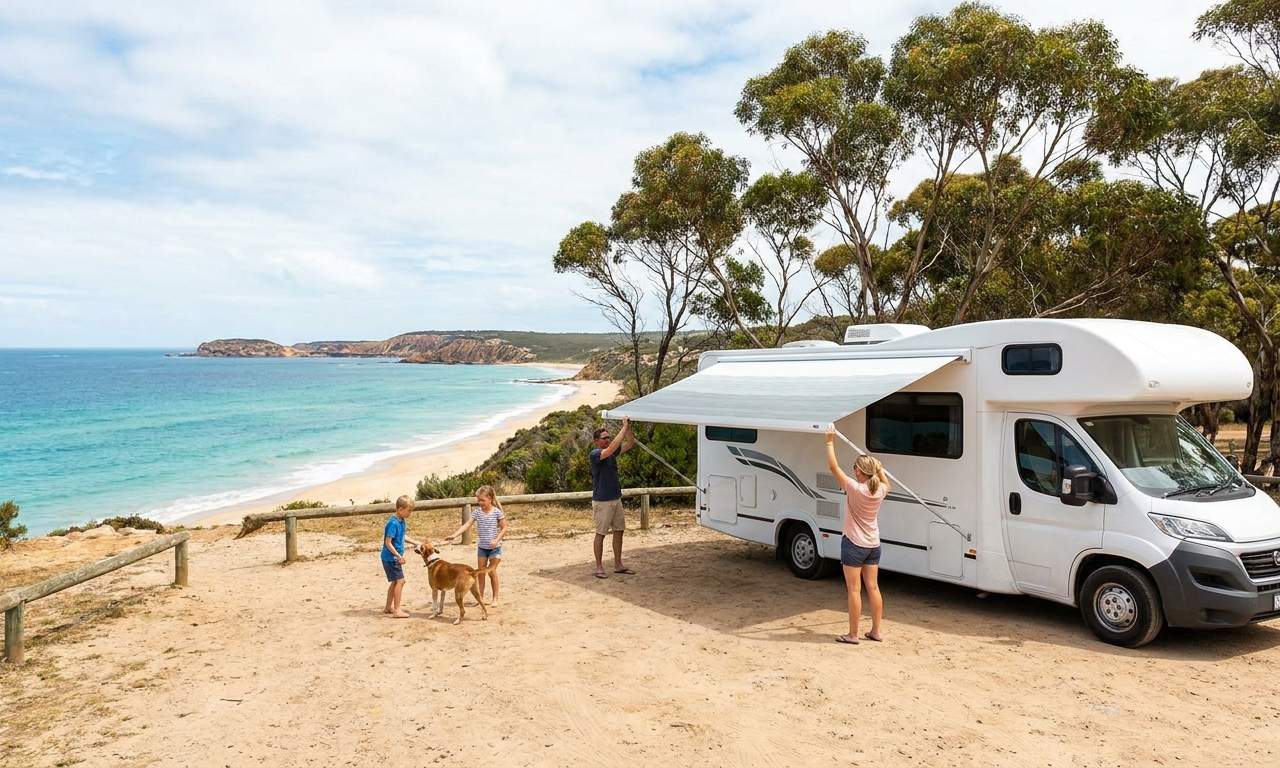
Terrain suitability for RVs in Australia
The varied terrain of Australia, from paved highways to unsealed tracks, greatly impacts which RV is most suitable. For instance, a Class A motorhome is perfect for extended trips on well-maintained roads, while a Class TC Truck Camper is designed for the rougher, unsealed roads of the Outback. Always check road conditions before heading into remote areas, and remember that many rental agreements have restrictions on unsealed road travel.Climate considerations for RVs in Australia
Australia's climate ranges from scorching desert heat to cooler southern winters, making climate control and water capacity essential considerations for your RV rental. Vehicles with efficient air conditioning systems and larger fresh water tanks are invaluable for summer travel, particularly in central and northern regions. For winter trips in the south, good heating systems are a plus, though most modern RVs offer comfortable climate solutions.Trip length impact on RV choice in Australia
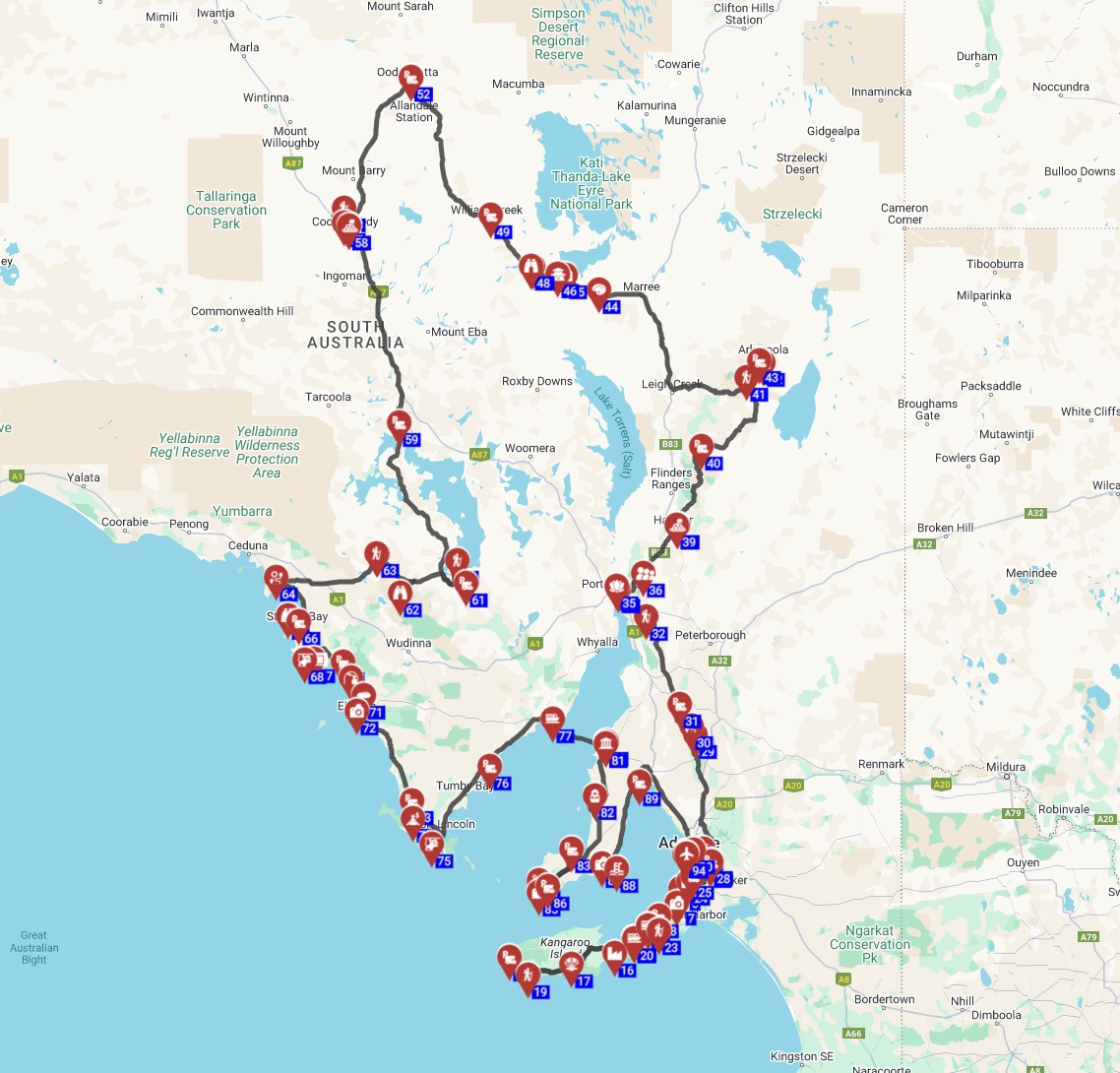
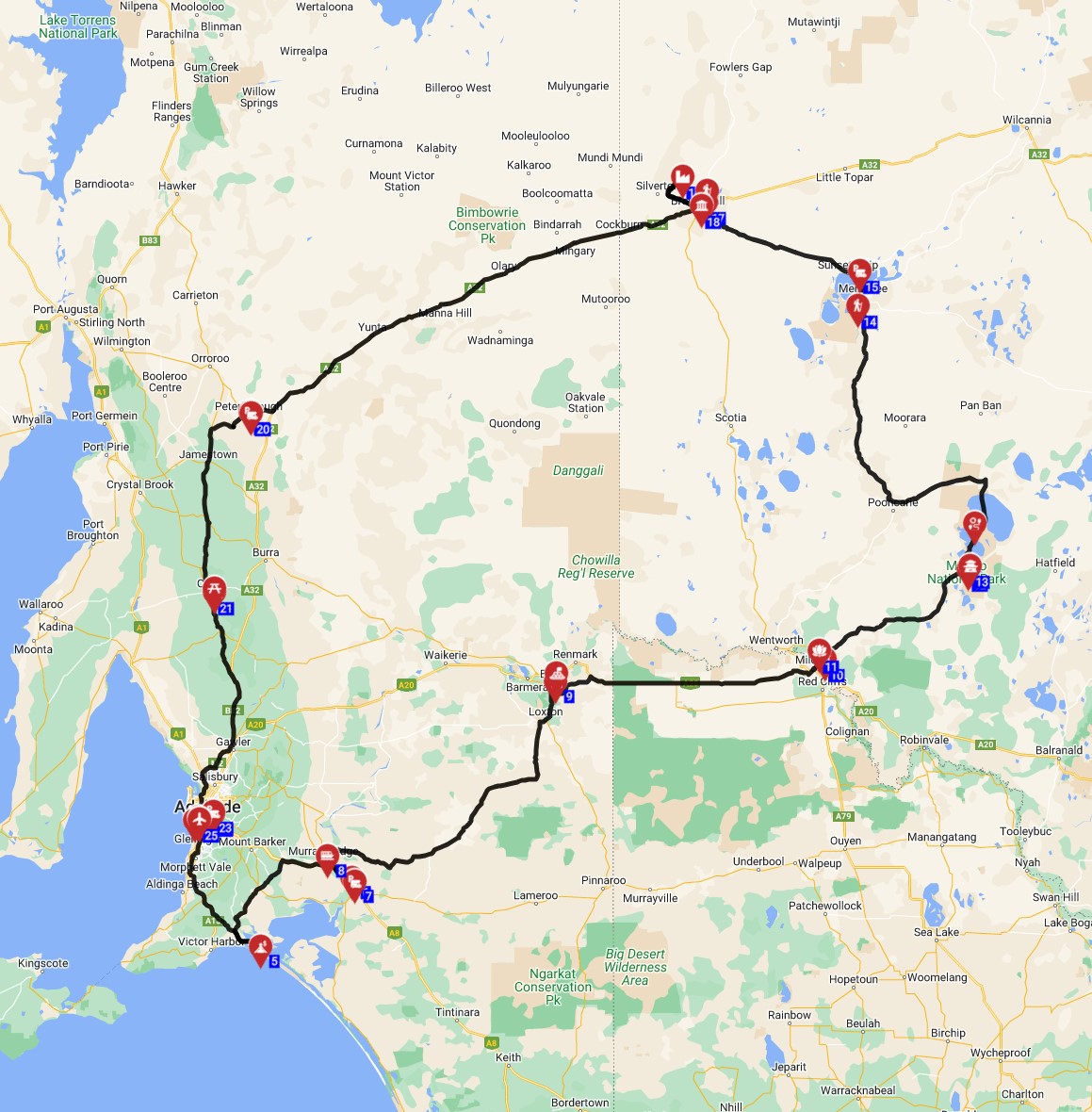
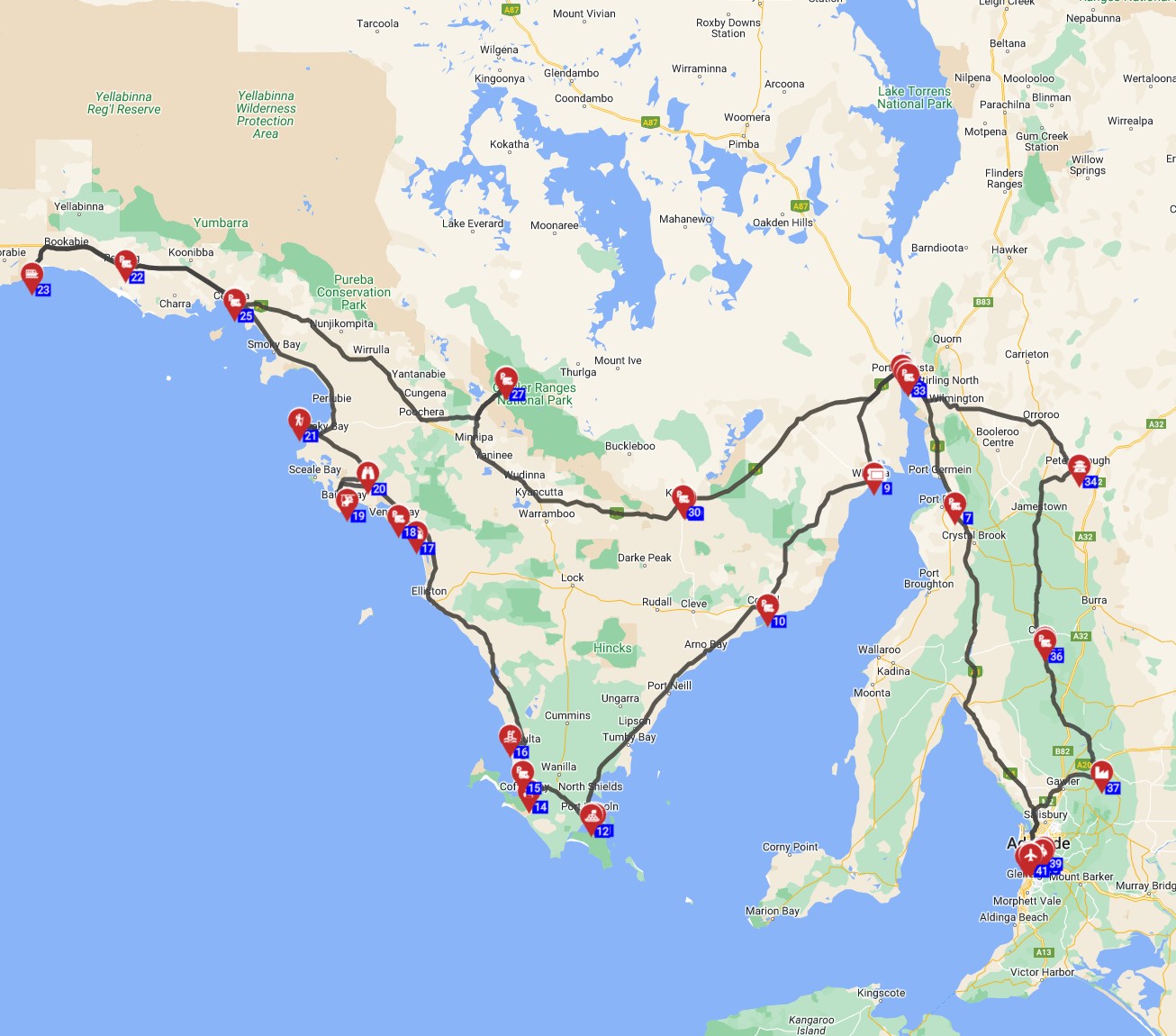
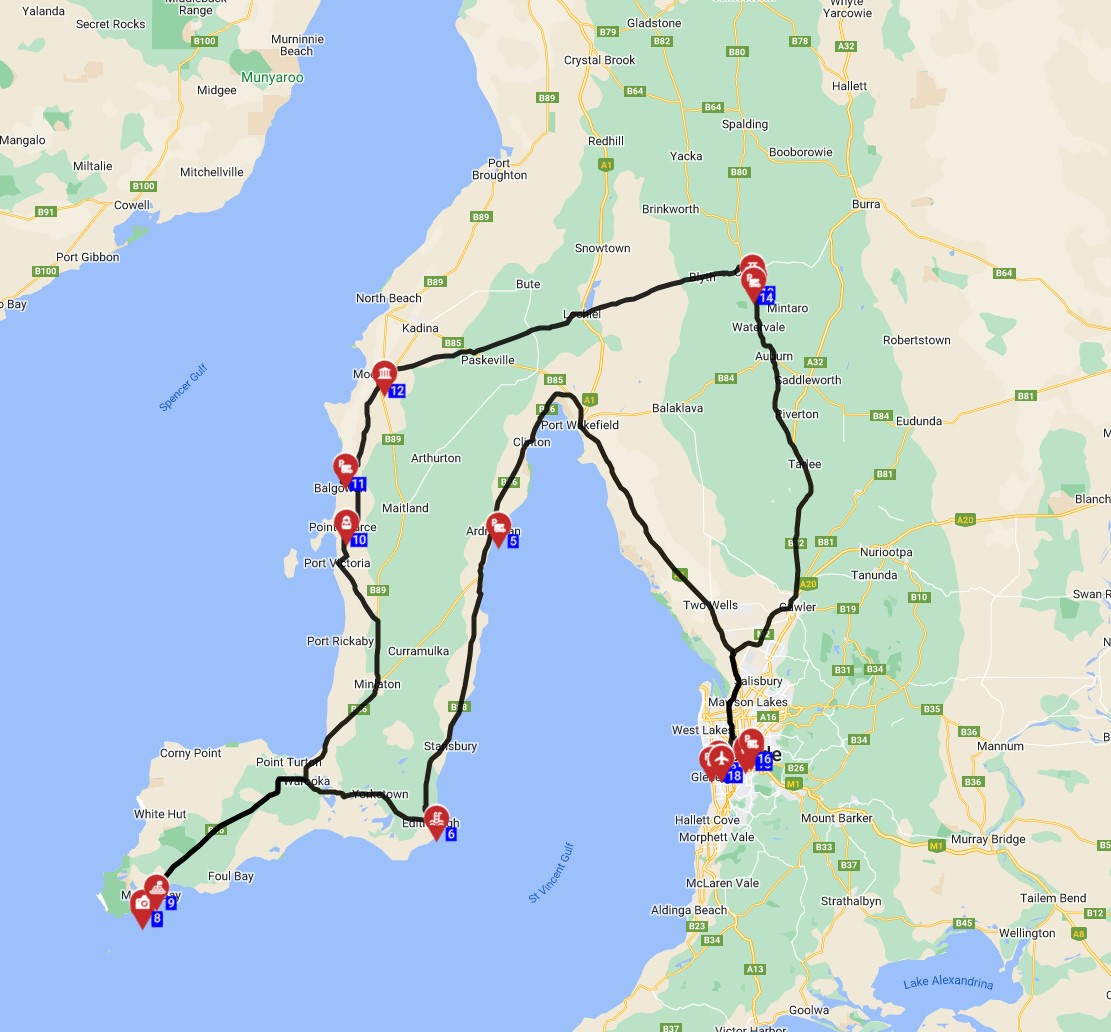
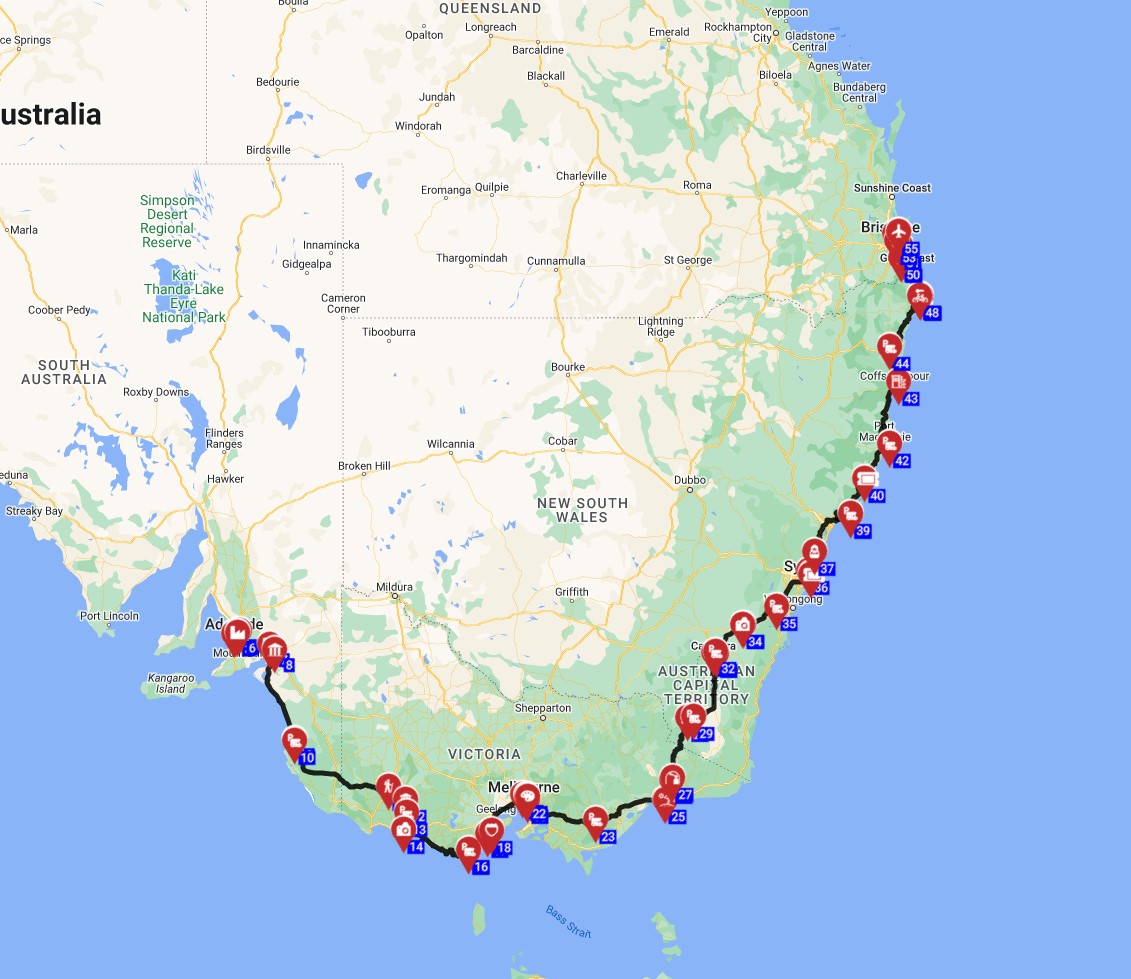
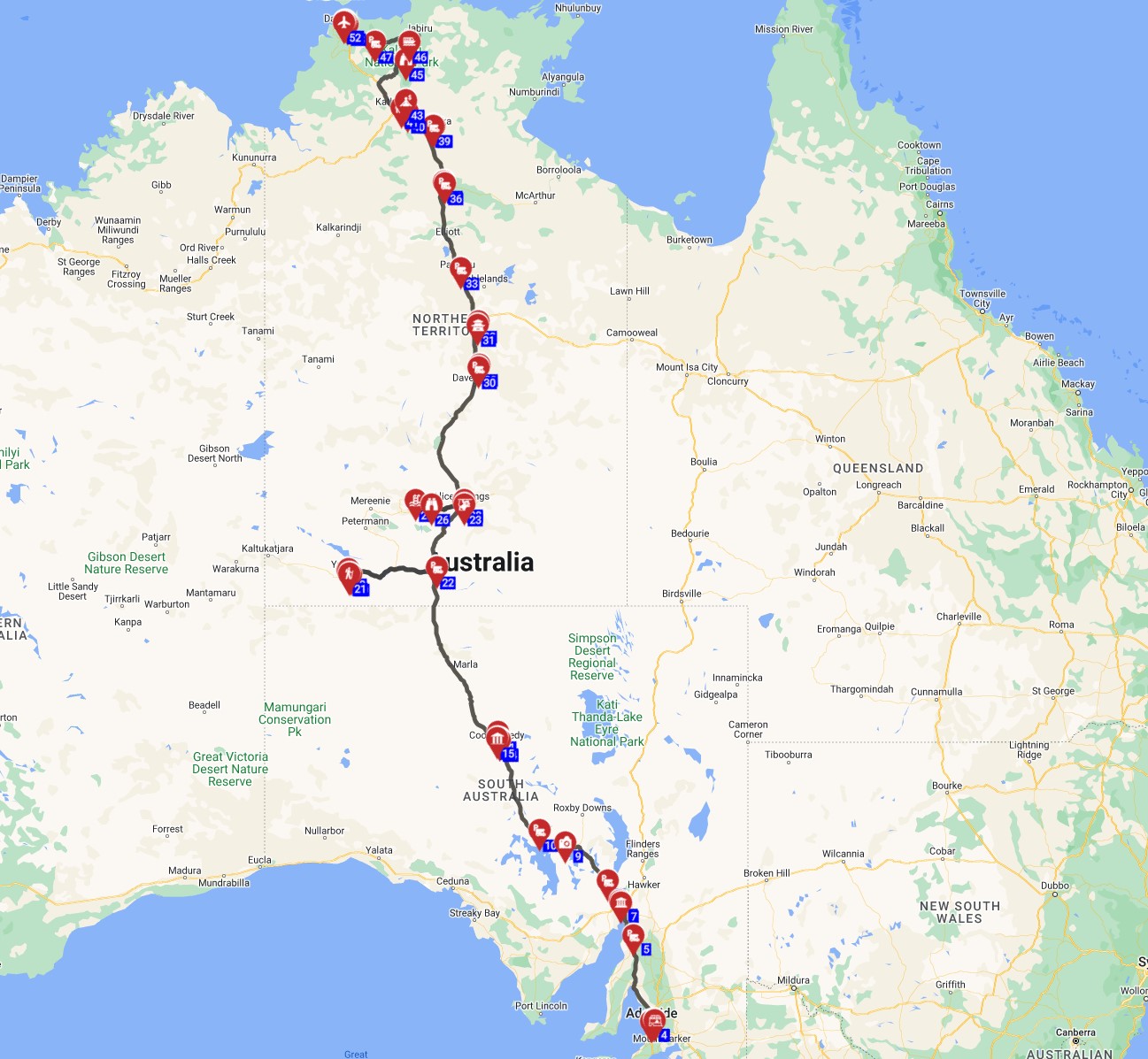
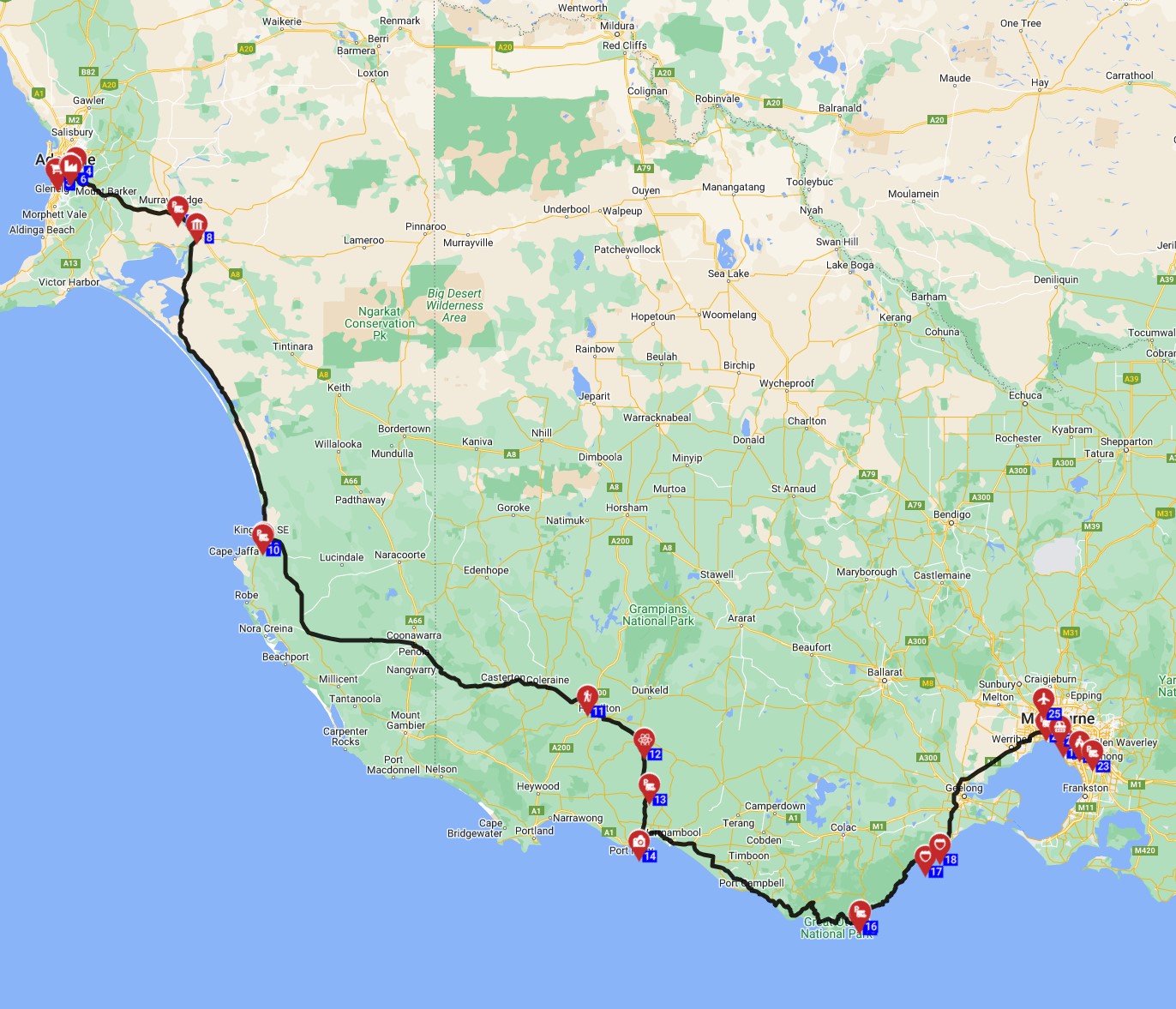
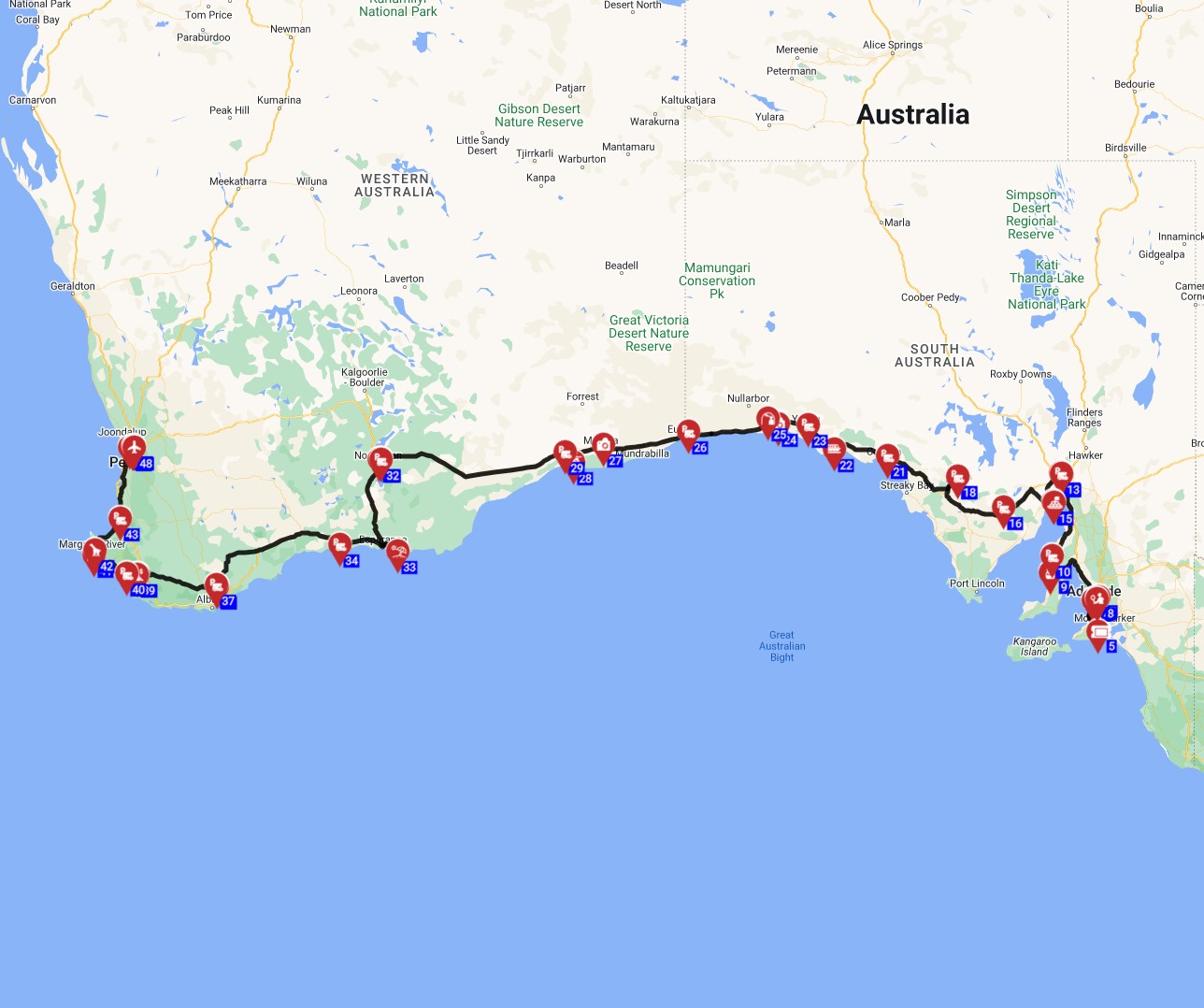
The duration of your RV trip in Australia influences the level of comfort and amenities you might desire. For a week-long trip, a smaller campervan or a compact Class B might suffice. However, for a two-week adventure or longer, a more spacious Class C or Class A motorhome with additional storage and living areas can significantly enhance your experience. Longer trips also benefit from greater self-sufficiency in terms of water, waste, and cooking facilities. For inspiration on longer trips, you can explore RV PLANET routes, where professional itineraries like the "Melbourne to Darwin - Australia’s Heartline Road Trip" (26 days, 5622.800000000002 km) detail every expense and stop.Group size match for RVs in Australia
The size of your travel party, whether a couple or a large family, directly impacts the ideal RV class for your Australia trip. Smaller groups or solo travelers might prefer the agility and fuel efficiency of a campervan, while families of 4-6 or friend groups will appreciate the multiple sleeping areas and amenities of a Class C or larger motorhome.Connectivity and emergency preparedness in remote Australian areas
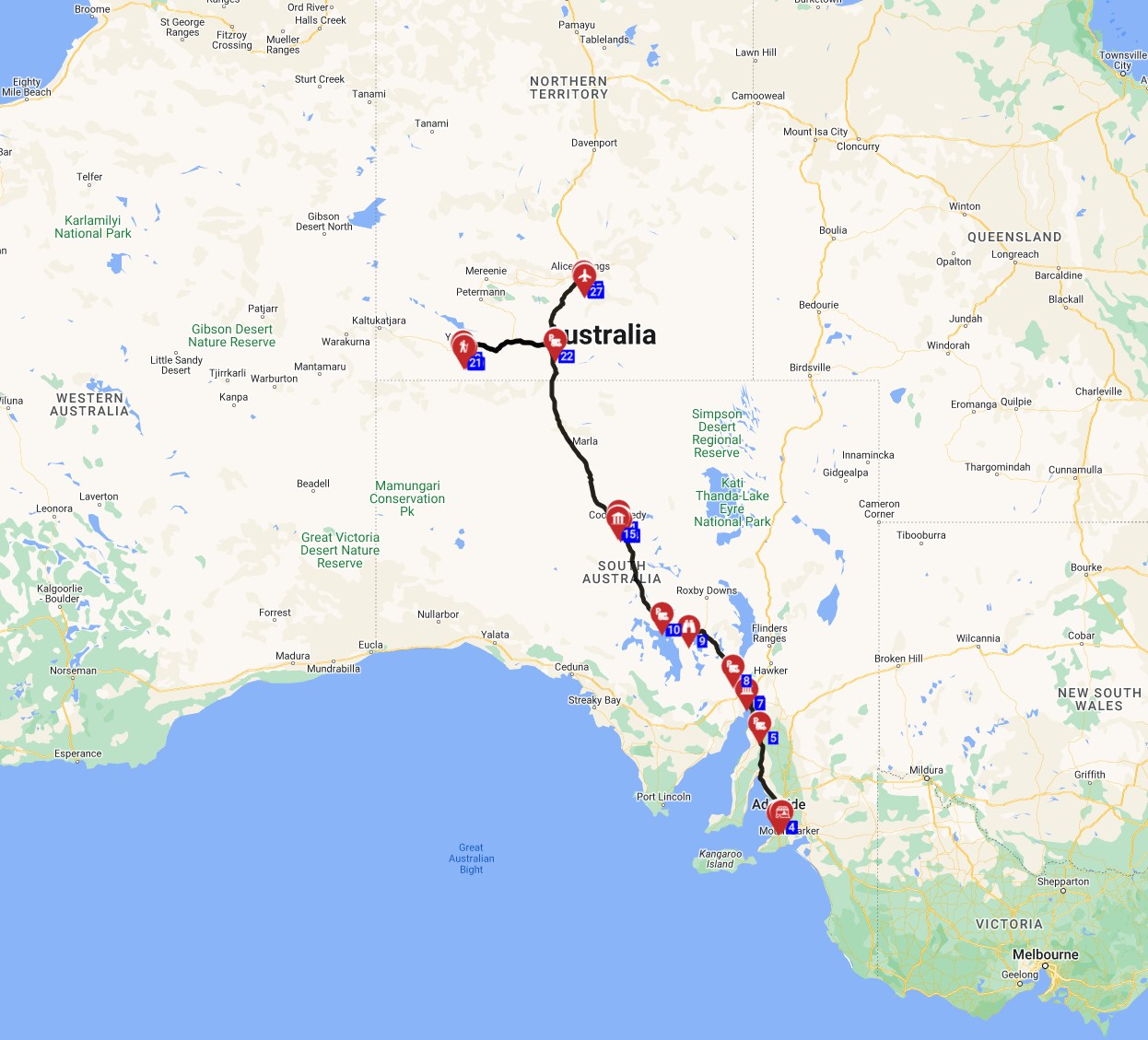
Connectivity in remote Australian areas can be challenging, with mobile phone service often unavailable outside major towns. For safety and communication, especially on routes like "Perth to Alice Springs - The Dreamtime Highway: A Journey Through Australia's Heart" (21 days, 5447.299999999999 km), consider renting a satellite phone or carrying a Personal Locator Beacon (PLB). Many RV parks and some national parks offer Wi-Fi, but relying solely on it for navigation or urgent communication in remote regions is not advisable. Always inform someone of your planned route and expected return time when venturing into isolated areas.Class A (Integrated) - Best For
Class A motorhomes are best for luxury, extended trips, and larger groups seeking premium amenities and maximum comfort across Australia's sealed road networks, offering a spacious "home-away-from-home" experience. These large vehicles are built on heavy-duty truck or bus chassis, providing a smooth ride and superior on-board facilities for the discerning traveler.A typical Class A motorhome in Bandana's fleet measures around 7.5 meters in length and can comfortably sleep an average of 4-6 people, with some models like the `motorhome hire usa example AF-34 Premier W` accommodating even more. Fuel consumption for these larger rigs usually ranges between 11-12 liters per 100 km, reflecting their size and robust engines. They feature expansive living areas, generous storage capacity for luggage and gear, and often include full-size kitchens and bathrooms.
While offering unparalleled comfort, Class A motorhomes are less suited for off-road adventures or navigating narrow city streets due to their size. However, for exploring major highways, coastal routes, and national parks accessible via sealed roads, they provide an exceptional travel experience. Drive slowly and carefully, and you can drive almost anywhere without issues. No need to stress - just use common sense and pay attention.
Price Comparison by RV Class in Australia
RV rental pricing in Australia is dynamic, reflecting demand, seasonality, and availability, with prices updating daily; for personalized, real-time numbers, use the search box at the top of the page. This means that prices can fluctuate significantly depending on when you book and when you plan to travel, much like flight tickets.Peak season for RV travel in Australia typically runs from December to February (summer) and during school holidays, driving up demand and prices. Conversely, off-peak seasons, such as late autumn (May-June) and early spring (September-October), often present more affordable rates. Booking an RV rental in Australia well in advance, generally 3-6 months, can also secure better pricing and a wider selection of vehicles. We always recommend flexible dates for finding the cheapest RV rental in Australia. Consider shoulder seasons or weekdays for the best deals.
The total cost of your trip extends beyond just the daily rental rate. You'll need to budget for fuel, which can be a significant expense given Australia's vast distances, campground fees (ranging from AUD $20-$70 per night for powered sites), national park entry fees (typically AUD $10-$30 per vehicle), and groceries for cooking in your RV. Many Bandana RV partners offer competitive mileage packages that can be added during the booking process. Also, ensure you factor in an optional top-level deductible reimbursement for extra peace of mind, which is an upgrade available at booking. On the routes offered through RV PLANET routes, you can itemize and track every expense along the way for easy budgeting.
Live April Price Comparison — RV Class × Trip Length
| Trip length | Class A | Class B | Class C | Class SI | Class TC |
|---|---|---|---|---|---|
| 1 week 15/04 → 22/04 | Check prices | 881.60 € EUR | 3,006.00 € EUR | 1,016.00 € EUR | Check prices |
| 2 weeks 15/04 → 29/04 | Check prices | 1,548.00 € EUR | 6,012.00 € EUR | 1,800.00 € EUR | Check prices |
| 1 month 01/04 → 30/04 | Check prices | 2,976.00 € EUR | 7,417.74 € EUR | 3,480.00 € EUR | Check prices |
Estimates only — flex-rate prices change daily based on availability and season.
Class SI (Semi-integrated) - Best For
Class SI (Semi-integrated) motorhomes are ideal for couples and small families seeking comfort and a good balance of space and maneuverability, making them versatile for exploring Australia's major highways and regional towns. These vehicles integrate the driver's cabin with the living area, but often retain the original chassis cab, distinguishing them from the fully integrated Class A.Typically, a semi-integrated motorhome in Bandana's network is around 6.9 meters long and sleeps an average of 3-4 people. With a fuel consumption rate of approximately 10-11 liters per 100 km, they offer better fuel efficiency than larger Class A models while still providing ample amenities. These models often feature a comfortable dining area, a well-equipped kitchen perfect for preparing RV-friendly recipes playlist, and a compact bathroom, making them suitable for longer road trips across Australia.
Their more compact size compared to Class A motorhomes makes them easier to drive and park, particularly in towns and at national park access points. They strike an excellent balance between spacious living and ease of handling, a key factor for those venturing beyond major cities. For example, a `2 Berth Tamar` or a `B 2 - Classic` offers excellent features for this class. Remember that driving slowly and carefully allows you to navigate almost anywhere without issues, regardless of RV size.
Class C (Alcove) - Best For
Class C (Alcove) motorhomes are excellent for families due to their dedicated sleeping area above the cab, offering a cost-effective solution for larger groups or families needing multiple beds for extended travel on Australian sealed road conditions. These vehicles are built on a cutaway chassis, providing a familiar driving experience akin to a large van or truck.With an average length of 7.5 meters, Class C motorhomes in the Bandana fleet typically sleep 5-6 people, and sometimes more, as seen in models like the `6 Berth Discovery` or `MH-C`. Their fuel consumption is comparable to Class A, around 10-12 liters per 100 km. The distinctive alcove over the cab usually houses a comfortable double bed, supplementing other sleeping arrangements within the living space. This layout is particularly popular for families with children, providing distinct sleeping zones.
Class C motorhomes offer abundant storage capacity for luggage and gear, making them highly suitable for longer trips where you might need to carry more supplies. They are robust and stable on Australia's major roads, allowing easy access to popular tourist attractions and many national parks. Driving one of these mobile homes is straightforward, just requiring a little extra attention due to their length and height.
Class B (Campervan) - Best For
Class B campervans are highly maneuverable and easy to park, similar to a large car, making them an excellent choice for solo travelers or couples exploring both urban areas and smaller roads leading to remote beaches or parks in Australia. These compact RVs offer a self-contained travel experience with essential amenities in a more nimble package.A typical Class B campervan, such as a `2 Berth Hi Top` or an `Acer`, is approximately 5.8 meters long and sleeps an average of 2-3 people. They boast excellent fuel economy, often achieving around 10 liters per 100 km, which is budget-friendly for extended touring across Australia. Despite their smaller footprint, they are equipped with basic cooking facilities, a compact dining area, and often a portable or integrated toilet and shower.
Their compact size allows for easy navigation through city traffic and parking in standard parking spaces, which is a significant advantage in popular destinations like Sydney or Melbourne. They are also versatile for reaching more secluded spots that larger motorhomes might struggle with, like certain coastal access roads or smaller national park campgrounds. They are a fantastic choice for those who value flexibility and efficiency on their journey. For example, our `Active Pop Top` campervan is a great option, featuring a 90 liter fresh water tank and a 90 liter waste water tank, perfect for couples with young children who appreciate autonomy.
Class TC (Truck Camper) - Best For
Class TC (Truck Camper) vehicles are exceptional for adventurous couples prioritizing rugged exploration and off-road access, making them ideal for delving into the Australian Outback and remote areas. These campers are designed to be mounted onto the bed of a 4WD truck, combining robust vehicle capability with self-contained living.Typically around 5.5 meters in total length (including the truck), a truck camper like the `Patagonia Camper 4x4 double cab` or `4x4 Scout Adventure Truck Camper Gold` usually sleeps 2-3 people, providing a cozy but durable base for remote travel. While their fuel consumption is higher, often between 12-17 liters per 100 km due to the 4WD truck base, this is a trade-off for their unparalleled access to unsealed roads and challenging terrains. A key advantage is the ability to detach the camper unit, allowing the 4WD truck to be used independently for day trips, scouting, or accessing areas unsuitable for the full RV setup.
For destinations like the Kimberley region or national parks with extensive unsealed tracks, a truck camper offers the necessary ground clearance and robust construction. Travelers using these vehicles should be prepared for higher operating costs but gain immense freedom to explore Australia's more isolated wonders. Always check the rental company's terms regarding travel on unsealed roads, as some restrictions may apply even for 4WD vehicles.
Side-by-Side Comparison Table
Understanding the key characteristics of each RV class side-by-side helps identify the best fit for your Australian travel plans, from luxury touring to rugged adventure. This comparison highlights typical features and uses, offering a quick reference for first-time renters.| Family | Avg Length (m) | Sleeps | Fuel Use (L/100km) | Best Use Case in Australia |
|---|---|---|---|---|
| Class A (Integrated) | 7.5 | 4-6 | 11-12 | Luxury, extended trips, larger groups seeking premium amenities. |
| Class SI (Semi-integrated) | 6.9 | 3-4 | 10-11 | Balanced comfort and maneuverability for couples/small families. |
| Class C (Alcove) | 7.5 | 5-6 | 10-12 | Family-friendly, cost-effective for larger groups on main routes. |
| Class B (Campervan) | 5.8 | 2-3 | 10 | Maneuverability, fuel efficiency for solo/couples, urban/regional. |
| Class TC (Truck Camper) | 5.5 | 2-3 | 12-17 | Off-grid, rugged terrain, adventurous couples, flexibility. |
This table offers a general overview; specific models within each class might vary slightly. When comparing campervan rental options in Australia, remember that Bandana RV partners directly with over 50 leading RV suppliers worldwide, including popular names like Apollo and Britz, to offer you a wide selection.
Our Recommendation for rv rental Travelers in Australia
Our primary recommendation for most RV rental travelers in Australia is a Class C Alcove motorhome, as it offers an ideal balance of space, sleeping areas, and robust design suitable for popular routes across the continent. These vehicles, like a `6 Berth Deluxe` or `4 Berth Seeker`, provide ample living space for families (typically 4-6 people) and groups, making longer trips comfortable and enjoyable.For couples or small families, the runner-up is a Class SI Semi-integrated motorhome. Models such as the `2 Berth Rover` provide a comfortable, fuel-efficient experience with good maneuverability for diverse Australian landscapes, from coastal drives to regional exploration. They offer a more streamlined profile than a Class C, while still providing essential amenities.
Travelers seeking hardcore off-grid adventures, especially in the Outback, should consider Class TC Truck Campers for their exceptional ruggedness and 4WD capability. For those prioritizing urban and regional flexibility, a Class B Campervan offers unmatched ease of driving and parking, allowing you to seamlessly integrate into city life before heading to a secluded beach. Remember to travel slowly, averaging a maximum of 100-150 km per day, to truly feel the place, connect to the culture, the food, and the scenery.
What is the best RV rental company?
No single "best" RV rental company exists in Australia; the ideal choice depends entirely on your specific needs, budget, and desired vehicle type, with major players like Apollo, Maui, Britz, and Jucy offering diverse fleets across Australia with varying service levels. Bandana RV streamlines this process by comparing final prices across 50+ suppliers, ensuring you see what you pay, with no surprise fees at pickup.When selecting a supplier, consider factors like fleet diversity (e.g., availability of Class A, Class B, Class C motorhomes, and campervans), vehicle age, and maintenance standards. Look for providers with strong customer service, extensive roadside assistance networks, and clear emergency communication support, which are particularly crucial when traveling through Australia's remote regions. Comparing insurance options and excess reduction packages, which are optional upgrades, can also significantly impact your overall cost and peace of mind.
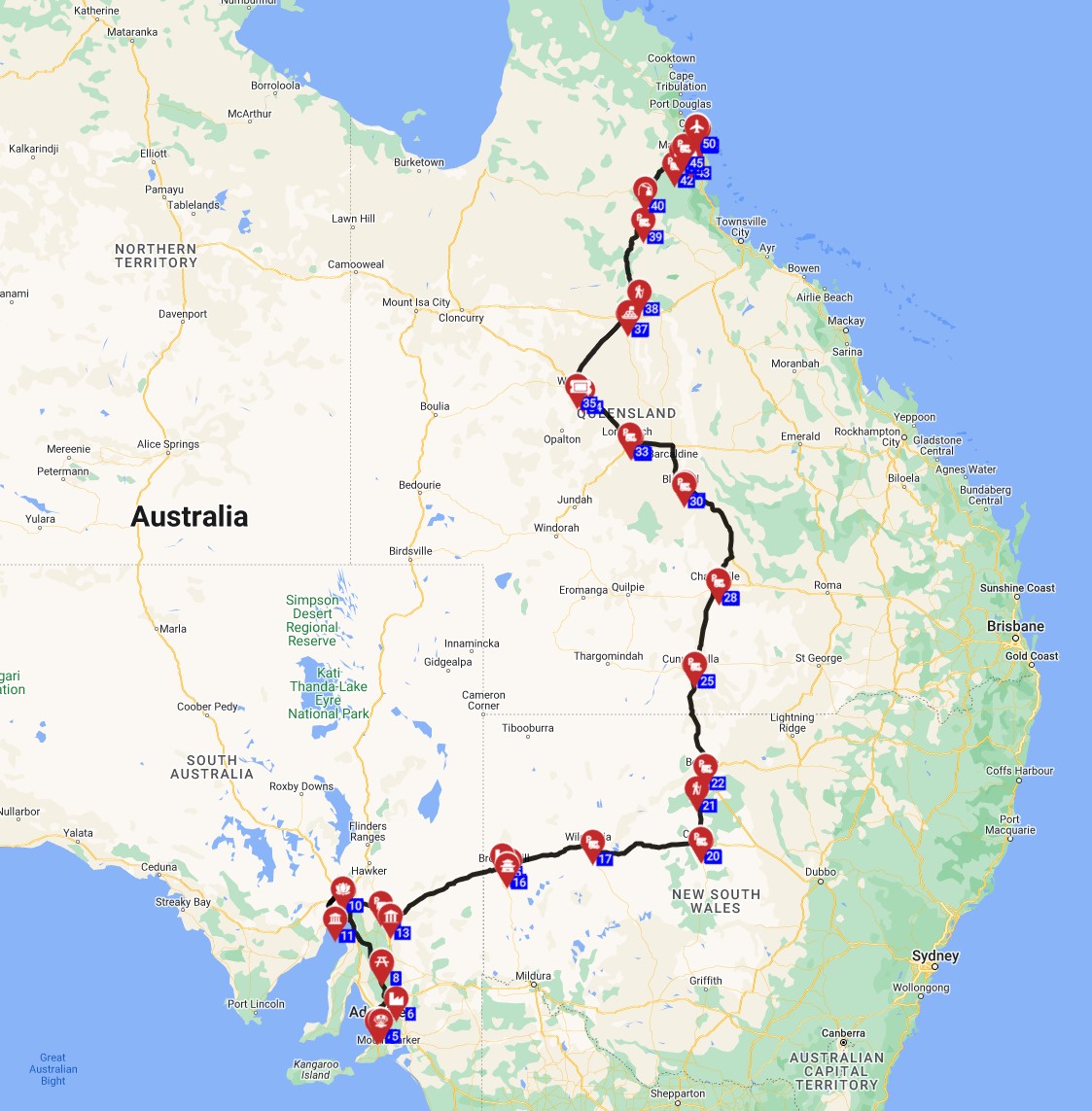
Another important aspect is checking pickup and drop-off locations for one-way rental convenience, especially if you plan an epic journey like the "Cairns to Alice Springs - Northern Horizons: A Journey Through Australia's Heartland" (17 days, 4003.6 km), which includes 1 Heritage site and 3 hiking areas. Our true RV specialists have been helping tens of thousands of travelers since 2001, offering unparalleled expertise to guide your decision.
How much does it cost to rent an RV in Australia?
RV rental costs in Australia typically range from AUD $50 for a basic campervan in the off-season to over $300 per day for a premium motorhome during peak periods, requiring a comprehensive budget that accounts for additional expenses like fuel, national park fees, campsite charges, and food. Rental rates are highly dynamic, changing daily based on availability, seasonality, and supplier marketing decisions.Key factors influencing rental rates include seasonality (peak season like December-February is most expensive), vehicle class (Class A integrated motorhomes cost more than Class B campervans), rental duration (longer rentals often have lower daily rates), and booking lead time. For example, a `Combi Van` might be on the lower end of the spectrum, while a `Jayco Grandiose` would be higher. Fuel is a significant ongoing cost for any RV trip in Australia, especially when covering vast distances; budget for 10-17 liters/100km depending on your chosen vehicle. Australia’s fuel prices can fluctuate, so monitor them. For finding campsites and campgrounds during your trip, we recommend using RV PLANET (rvplan.net) - a great resource for locating available spots along your route, many of which are included in our 1,300+ pre-planned routes.
Additional costs to factor in include national park entry fees (per vehicle or per person), private caravan park charges (often AUD $30-70/night for a powered site), and potential off-grid expenses like water refills or waste disposal. Always read the terms and conditions carefully to identify any potential "hidden" fees such as excess reduction insurance, one-way fees, linen hire, or extra equipment rentals, though Bandana prides itself on full transparency with no hidden fees.
On RV PLANET routes, travelers can itemize and track every expense along the way for easy budgeting. This tool helps ensure no ancillary costs, from tolls to propane refills, take you by surprise.
What is the difference between Maui and Apollo?
Maui and Apollo are both major RV rental providers in Australia operating under the same parent company (THL), but Maui generally targets a more premium market with newer, often luxury-class vehicles and higher price points, while Apollo offers a broader, more budget-friendly range of models that may be slightly older but provide excellent value for money. This distinction helps travelers choose based on their budget and desired comfort level for their RV rental in Australia.Maui's fleet typically consists of high-spec, modern vehicles suitable for discerning travelers seeking superior comfort and advanced amenities. You might find more luxurious features and a greater emphasis on newer models in their offerings. For example, a high-end `Euro Deluxe` might be more commonly associated with Maui's fleet quality.
Apollo, conversely, provides a wider selection, including more economical options, making it accessible for a broader range of budgets and travel styles. Their vehicles, while possibly older, are well-maintained and offer reliable performance. Both brands offer extensive networks for pickup/drop-off across Australia, which is convenient for One-Way RV Driving in Australia - Route Planner 2026. However, the specific vehicle models and included features (e.g., kitchenware, bedding) can vary significantly, so always compare what's included before booking.
What is the best RV in Australia?
The "best" RV for your Australian trip is highly personalized, dependent on factors like the number of travelers, planned itinerary (coastal roads vs. rugged outback), desired amenities, and overall budget, making the ideal choice a perfect match between your needs and a specific vehicle's features for Australian conditions. For live availability and current prices, compare Motorhome Prices for Australia to find your ideal match.For rugged outback exploration and unsealed roads, a 4WD Class TC Truck Camper with high ground clearance and robust build, such as the `4x4 Scout Adventure Truck Camper Silver`, is often superior. These are designed to handle the challenging conditions off the main highways. Families touring major sealed routes will find Class C Alcove motorhomes, like a `Jayco Conquest Royale 6`, offer the best combination of space, sleeping capacity, and amenities for a comfortable adventure.
When choosing, consider vehicle features crucial for Australian conditions: sufficient fresh water tank capacity (e.g., 80-150 liters for longer stays), reliable battery life for off-grid camping, and adequate ventilation to cope with intense heat, especially in summer. For coastal drives and urban flexibility, a Class B Campervan provides unmatched maneuverability and fuel efficiency, allowing for quick stops and easy parking. Driving slowly and carefully, you can navigate almost anywhere in Australia without issues, regardless of your chosen RV's size.
What is the most reliable brand of motorhome in Australia?
While Jayco, Avida, and Winnebago (often licensed for local manufacturing) are widely recognized brands for their presence and service networks in Australia, the overall reliability of a rental motorhome largely depends on the rental company's rigorous maintenance standards and the specific vehicle's age and history, rather than just the brand name. Bandana RV partners with suppliers who maintain diverse and reliable fleets.When selecting your rental, focus on the rental provider's reputation for vehicle upkeep and responsive customer support. This is especially vital when traveling through remote areas of Australia, where immediate assistance can be critical. Inquire about their roadside assistance program and options for emergency communication, such as satellite phone rentals, for enhanced safety during off-grid travel. Newer models from reputable rental companies generally incorporate modern technology and robust engineering, potentially reducing the likelihood of unexpected mechanical issues during your trip.
Reading recent renter reviews on platforms like Bandana RV can offer valuable insights into the actual reliability and service experience with specific rental fleets, such as those from Apollo or Britz. Many of our trusted partners ensure that their vehicles, regardless of the original manufacturer, meet high standards of safety and dependability for your peace of mind. We help you compare final prices across 50+ suppliers so you don't have to.
🎬 Video coming soon
What is the 333 rule for campervan?
The "333 rule" for campervan travel in Australia is a widely recommended guideline for safe and enjoyable touring, advising drivers to aim to travel no more than 300 kilometers per day, arrive at their campsite by 3 PM, and stay for a minimum of 3 nights at each location to truly immerse themselves and avoid driving fatigue. This guideline encourages slow travel, which is our preferred style, allowing you to connect to the culture, food, and scenery.Driving no more than 300 km daily helps prevent driver fatigue, which is crucial for Australia's vast distances, and allows ample time to enjoy scenic stops and spontaneous discoveries. Arriving at your campsite by 3 PM ensures you can secure a spot, especially in popular national parks or private caravan parks, set up your RV, and relax before dusk. This timing also minimizes the risks associated with driving at dawn and dusk, when wildlife activity (like kangaroos crossing roads) is highest.
Staying a minimum of 3 nights in a location allows for deeper exploration of an area, reduces the stress of constant packing and unpacking, and encourages cultural immersion. Adhering to this rule also provides time to understand and comply with specific local regulations, such as national park permits or designated camping areas, which vary across Australia. You'll find a spot. If not at the first campground, then the next one. Call ahead before driving to confirm availability.
What is the most affordable RV to buy?
While the question targets purchasing, for renting an RV in Australia, the most affordable options are consistently Class B Campervans due to their smaller size, lower daily rental rates, and superior fuel economy compared to larger motorhomes. Bandana RV focuses exclusively on RV rentals, making vacation travel accessible.Class B Campervans, such as a `Chubby Camper` or `HiTop Campervan`, offer the lowest entry point into RV travel, often being the most budget-friendly rental option. Their compact dimensions and lighter weight translate directly to reduced fuel costs, a critical factor for total affordability over long Australian journeys. You can typically expect around 10 liters per 100 km, making them economical for your Australian adventure.
To further enhance affordability for your RV rental in Australia, consider booking during off-peak seasons (e.g., winter outside school holidays in the south) which can significantly reduce rental costs across all RV classes. Also, flexibility with your travel dates and pickup locations can often lead to more competitive pricing. Many reputable rental fleets also offer slightly older models that provide excellent value while still being well-maintained and reliable for your trip.
What is the best value for money caravan in Australia?
For RV renters in Australia, the "best value for money" is often found in mid-range Class SI (Semi-integrated) or Class C (Alcove) motorhomes, which provide a compelling balance of comfortable living space, essential amenities, and reasonable fuel consumption without the premium cost of a Class A, making them versatile for diverse itineraries. These rental campervans offer excellent features for families and couples.Value for money extends beyond just the daily rental rate; it encompasses factors like fuel efficiency, the amenities included (e.g., kitchenware, bedding), and the vehicle's suitability for your intended travel style. Class SI and C motorhomes generally offer enough space for families of 2+2 or small groups without being overly difficult to drive or park in urban centers or at popular attractions. Drive slowly and carefully, and you can drive almost anywhere without issues. No need to stress - just use common sense and pay attention.
Look for vehicles with sufficient fresh water tank capacity (e.g., 100-150 liters) and potentially solar charging capabilities for extended stays in free camps, which can significantly reduce reliance on paid caravan parks and save on ancillary costs. The ability to comfortably access unique local experiences and regional events with a versatile RV adds significant value to your Australian journey, allowing you to immerse yourself fully. You can upgrade to a top-level deductible for extra peace of mind and minimize financial risk on your adventure.
What You Shouldn't Miss
- **Cruising the Great Ocean Road:** Drive one of the world's most scenic coastal routes, experiencing breathtaking views of the Twelve Apostles and charming seaside towns.
- **Exploring Uluru-Kata Tjuta National Park:** Witness the majestic Uluru and Kata Tjuta at sunrise or sunset, deeply connecting with the ancient Indigenous culture of the Red Centre.
- **Snorkeling the Great Barrier Reef:** Discover the vibrant underwater world of the largest coral reef system on Earth, a truly unforgettable experience from Cairns.
- **Discovering Tasmania's Wilderness:** Take an extended road trip through Tasmania's pristine national parks, enjoying hiking, wildlife spotting, and fresh local produce.
- **Visiting the Blue Mountains:** Just west of Sydney, explore dramatic cliffs, eucalyptus forests, waterfalls, and quaint villages, with numerous hiking trails.
- **Looking for expert insights from Avi Bandana?** Top 5 Adventures - recommendations from Avi Bandana
Final Thoughts
Australia truly is a continent best explored by RV, offering endless possibilities for adventure and discovery. Whether you dream of a luxurious journey in a Class A motorhome, a family-friendly excursion in a Class C, or a rugged Outback expedition in a truck camper, there's a perfect rental RV waiting for you. Remember that careful planning, especially regarding vehicle choice and route, will ensure your trip is as seamless and memorable as possible.At Bandana RV, we're here to support you every step of the way, from comparing prices and understanding vehicle specifications to coordinating your booking. Our commitment to full transparency and genuine support means you can embark on your Australian RV adventure with confidence. Get inspired for your next trip and plan a trip itinerary in advance with minimal effort and maximum enjoyment!
Your Australian road trip awaits, filled with incredible landscapes, unique wildlife, and unforgettable experiences. So, pack your bags, choose your ideal RV, and hit the open road – the wonders of Australia are calling!