In This Guide
- Best Australia RV Itinerary for rv rental — Overview
- 7-Day Classic Route in Australia
- 14-Day Extended Journey in Australia
- Recommended RVPlan Trip for Australia
- Must-See Stops Along the Way (Avi Bandana Picks)
- Daily Driving Distances & Drive Times in Australia
- Best RV Class for This Itinerary — Couple & Family Picks
- What is the best month to go to Australia?
- How many days are enough for an Australia trip?
- What is the most beautiful road trip in Australia?
- What are the top 3 tourist attractions in Australia?
- What is the best RV in Australia?
- Can you park an RV anywhere in Australia?
- What is the 333 rule for campervan?
- What not to do in Australia as an American?
Best Australia RV Itinerary for rv rental — Overview
A typical Australian RV road trip spans vast distances, often thousands of kilometers, offering diverse landscapes from pristine coastlines to the rugged Outback. Embarking on a rented motorhome adventure in Australia provides unparalleled freedom, allowing you to immerse yourself in the country's breathtaking natural beauty and vibrant culture. For live availability and current prices, start with our RV Rental Australia - Complete Guide 2026 guide, which lays out the essentials for your journey. Recommended durations for a rented campervan in Australia start at a minimum of 7 days for a focused regional exploration, extending to 3-4 weeks for a comprehensive cross-country journey like the epic 'Broome to Sydney' route. The best season for an RV rental in Australia generally depends on the specific region you plan to visit. Shoulder seasons, particularly spring (September to November) and autumn (March to May), often offer the most mild and pleasant weather conditions across many areas, helping you avoid the intense summer heat of the north and center, and the southern winter chill. Whether you’re looking for "Budget RV Driving in Australia - Save on Fuel 2026" or more luxurious options, choosing the right time and pace is key.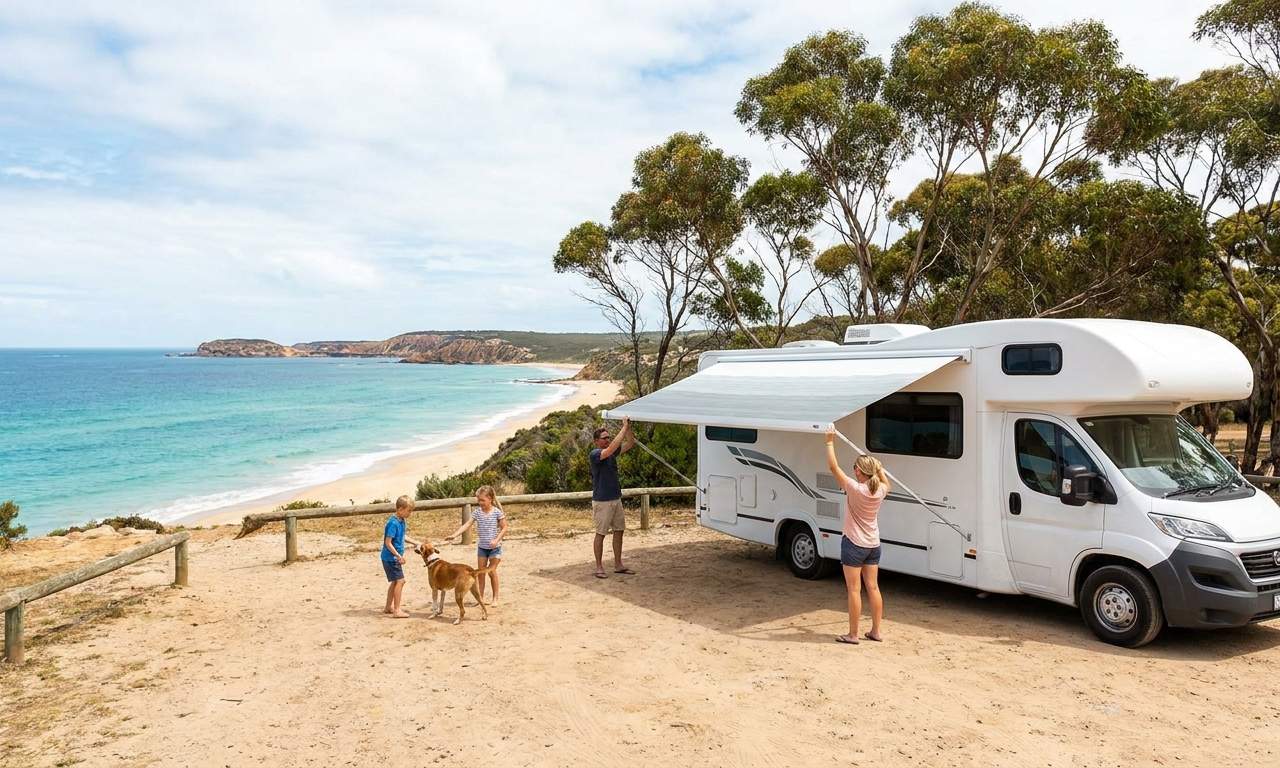
7-Day Classic Route in Australia
A compact yet diverse 7-day RV itinerary in Australia can offer a fantastic introduction to some of its most iconic landscapes, such as the famous Great Ocean Road, minimizing driving time to maximize exploration. This suggested route, starting and ending in Melbourne, covers approximately 800 km (500 miles) and combines stunning coastal scenery with historical towns and unique wildlife encounters. When planning your trip, remember to travel slowly, as Avi Bandana recommends, covering a maximum of 100-150 km per day on average, to truly connect with the place and its surroundings. * **Day 1: Melbourne → Apollo Bay (Great Ocean Road) (~190 km / 118 miles):** Pick up your rented RV in Melbourne and head west along the iconic Great Ocean Road, stopping at charming coastal towns like Torquay and Lorne. Highlights include Bells Beach and spotting koalas at Kennett River. Spend your first night at a caravan park in Apollo Bay. * **Day 2: Apollo Bay → Port Campbell (~90 km / 56 miles):** Continue along the Great Ocean Road, encountering its most famous landmarks such as the Twelve Apostles, Loch Ard Gorge, and Gibson Steps. Secure a spot at a caravan park near Port Campbell for the night. * **Day 3: Port Campbell → Grampians National Park (Halls Gap) (~150 km / 93 miles):** Head inland to the stunning Grampians National Park. Explore magnificent sights like Mackenzie Falls, Reeds Lookout, and The Balconies. Find a comfortable caravan park in Halls Gap for your overnight stay. * **Day 4: Grampians National Park → Ballarat (~100 km / 62 miles):** Devote more time to exploring the Grampians' trails before driving to Ballarat, a historic gold rush city. Don't miss Sovereign Hill, an immersive outdoor museum, or a peaceful stroll around Lake Wendouree. Park your mobile home at a Ballarat caravan park. * **Day 5: Ballarat → Mornington Peninsula (~150 km / 93 miles):** Drive to the beautiful Mornington Peninsula, known for its pristine beaches and wineries. Enjoy highlights like the Peninsula Hot Springs, wine tasting, and exploring charming coastal villages such as Portsea. Stay at a caravan park on the Peninsula. * **Day 6: Mornington Peninsula → Phillip Island (~70 km / 43 miles):** Take the ferry to Phillip Island for its unique wildlife experiences. Witness the renowned Penguin Parade, visit the Koala Conservation Centre, and explore Churchill Island Heritage Farm. An overnight stay at a Phillip Island caravan park is recommended. * **Day 7: Phillip Island → Melbourne (~140 km / 87 miles):** Enjoy a final morning on Phillip Island, perhaps visiting a local market or enjoying a scenic walk, before returning to Melbourne to drop off your rented motorhome, concluding a diverse week of coastal beauty, wildlife, and history. This itinerary focuses on manageable daily distances for a relaxed trip, and for finding campsites and campgrounds during your trip, we recommend using RV PLANET (rvplan.net) - a great resource for locating available spots along your route.14-Day Extended Journey in Australia
An extended 14-day RV adventure in Australia allows for deeper exploration of diverse regions, connecting major cities with stunning natural wonders along the East Coast. This itinerary is designed to keep daily driving distances reasonable, averaging around 150-200 km, ensuring ample time for sightseeing and relaxation rather than rushing. This longer journey builds upon regional explorations, giving you a comprehensive taste of the country's charm. * **Days 1-3: Sydney to Hunter Valley & Blue Mountains (Region 1):** Begin your rented RV journey in Sydney, spending a day exploring the city's iconic landmarks. Then, drive to the Hunter Valley for world-class wine tasting and gourmet food experiences. Conclude this segment with a visit to the Blue Mountains for stunning scenery, dramatic cliffs, and invigorating hiking trails. This covers approximately 200 km (124 miles) total over 2 days of driving. Overnight stays are recommended at local caravan parks. * **Days 4-6: Blue Mountains to Mid-North Coast (Region 2):** From the Blue Mountains, drive north towards Australia's Mid-North Coast, pausing at picturesque towns like Port Macquarie or Coffs Harbour. Enjoy pristine beaches, scenic coastal walks, and perhaps try a surfing lesson. This segment covers approximately 500 km (310 miles) over 3 days, averaging around 160 km/day. * **Days 7-9: Mid-North Coast to Byron Bay & Gold Coast (Region 3):** Continue your journey north to the iconic Byron Bay, soaking in its bohemian vibe, visiting the famous lighthouse, and enjoying its excellent surfing spots. Afterwards, venture to the Gold Coast, renowned for its exhilarating theme parks and vibrant nightlife. This section involves around 300 km (186 miles) over 3 days, averaging approximately 100 km/day. * **Days 10-12: Gold Coast to Brisbane & Sunshine Coast (Region 4):** Explore the Gold Coast further or head directly to Brisbane, Queensland's bustling capital, for cultural experiences, riverside dining, and relaxing city parks. Extend your trip to the stunning Sunshine Coast to admire the Glass House Mountains and relax on Mooloolaba Beach. This segment involves around 150 km (93 miles) average over 3 days, focusing on local exploration. * **Days 13-14: Sunshine Coast Exploration & Return (Region 4):** Spend additional time on the Sunshine Coast, perhaps visiting the famous Noosa Heads or Australia Zoo, before beginning your return journey towards a major drop-off point like Brisbane Airport. This final leg includes around 100 km (62 miles) average per day for local exploration. For detailed planning, consider checking out "Family RV Rental in Australia - Pricing Guide 2026" to ensure this route fits your family's budget and interests.Recommended RVPlan Trip for Australia
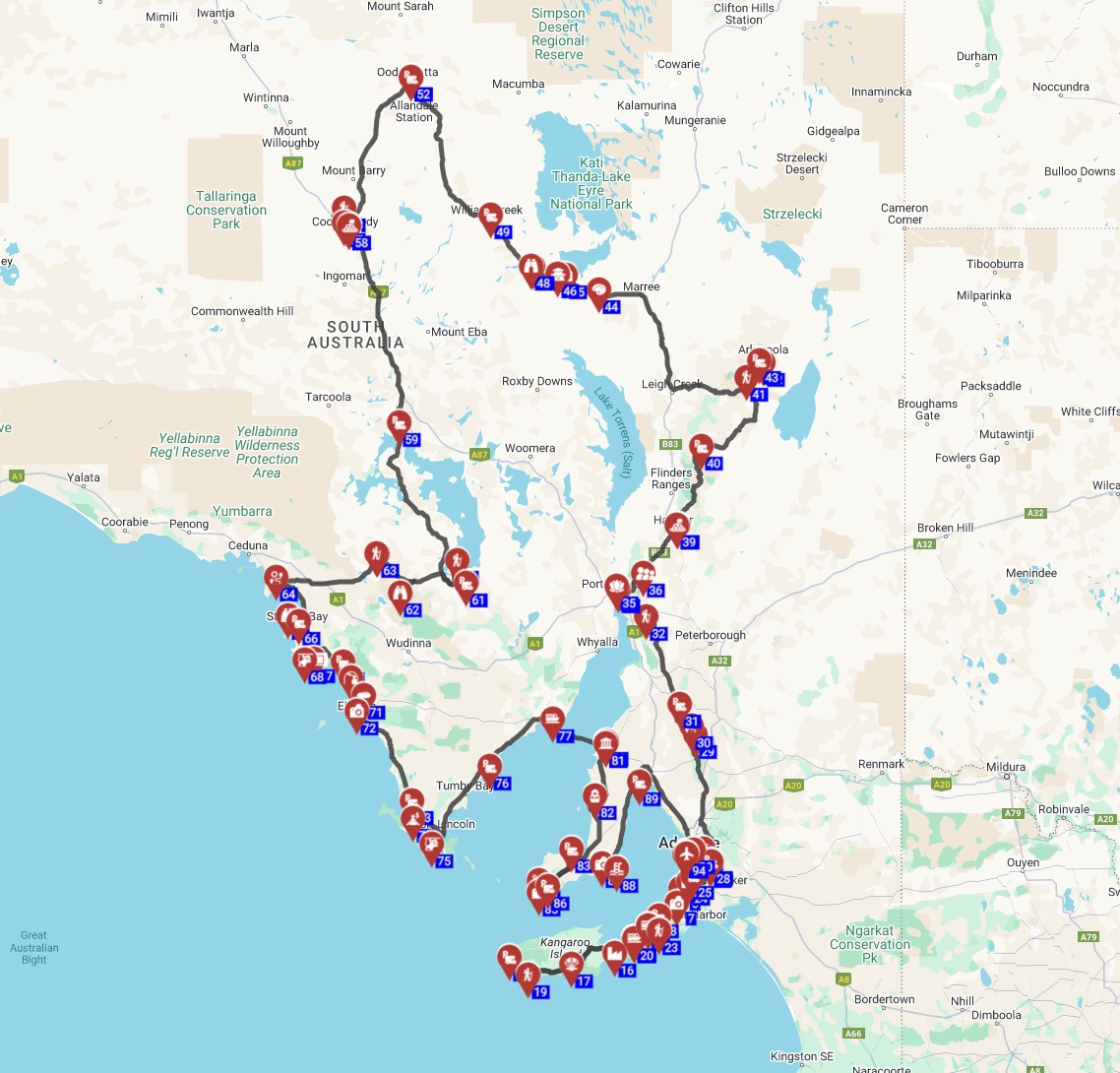
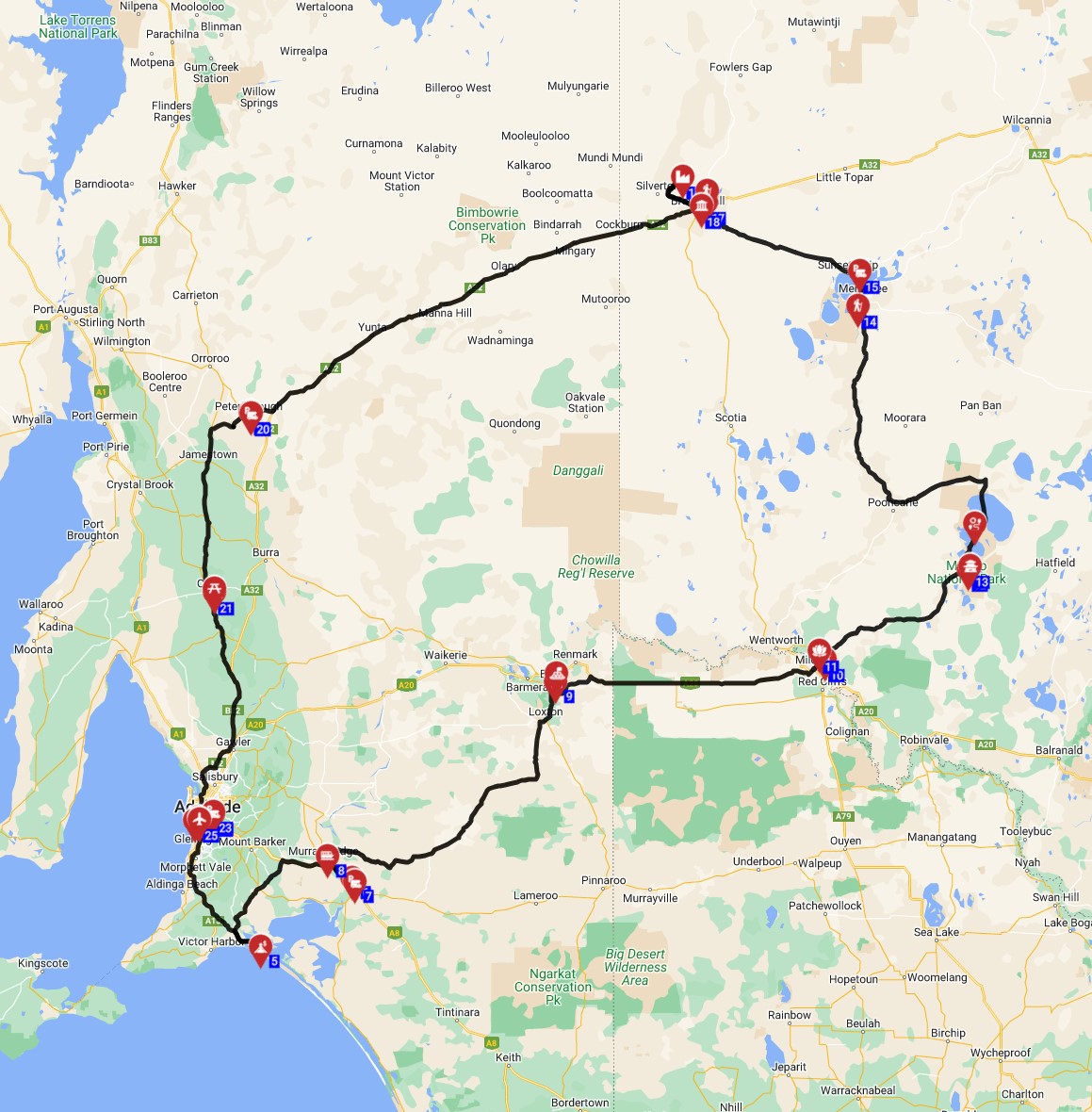
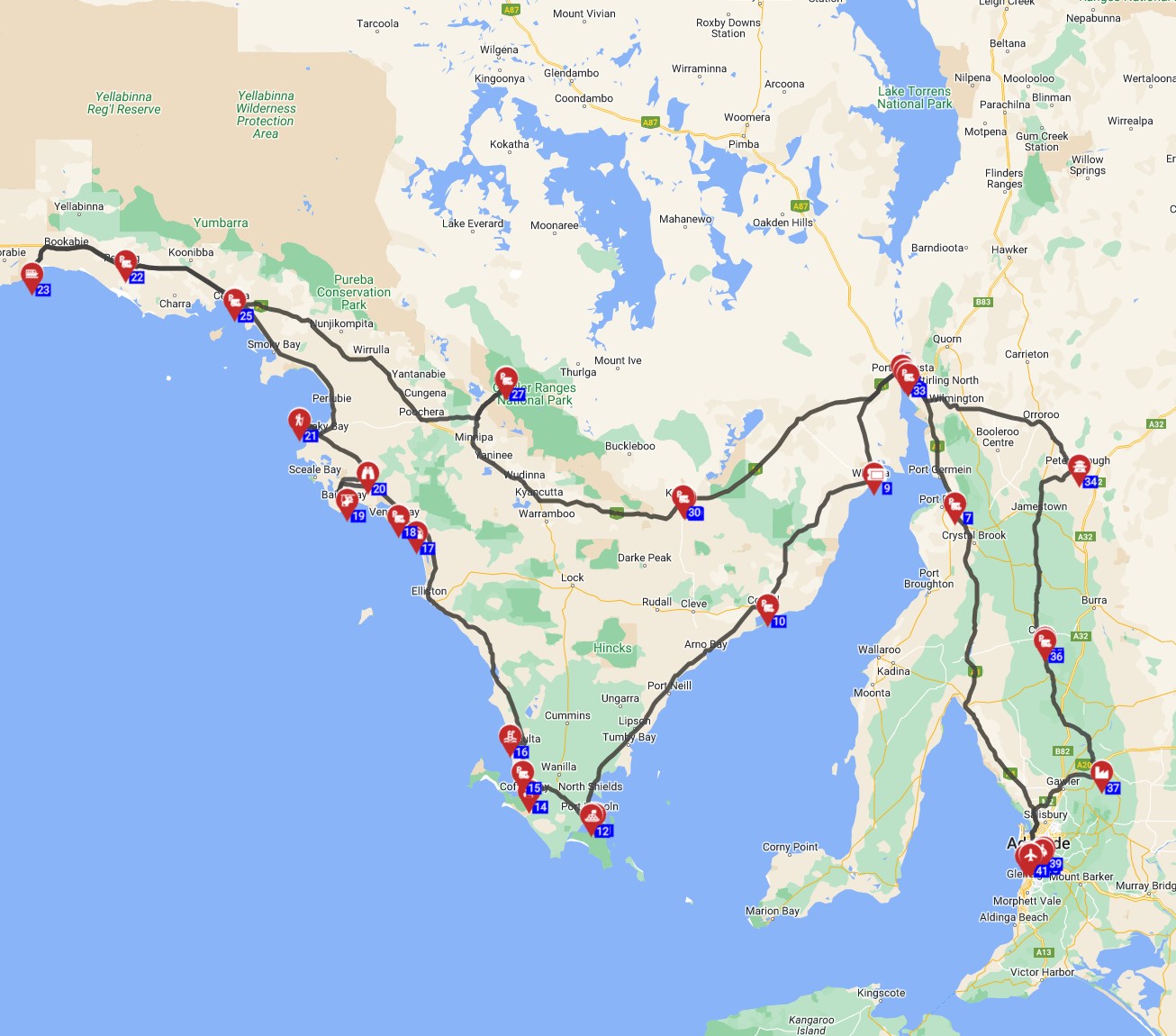
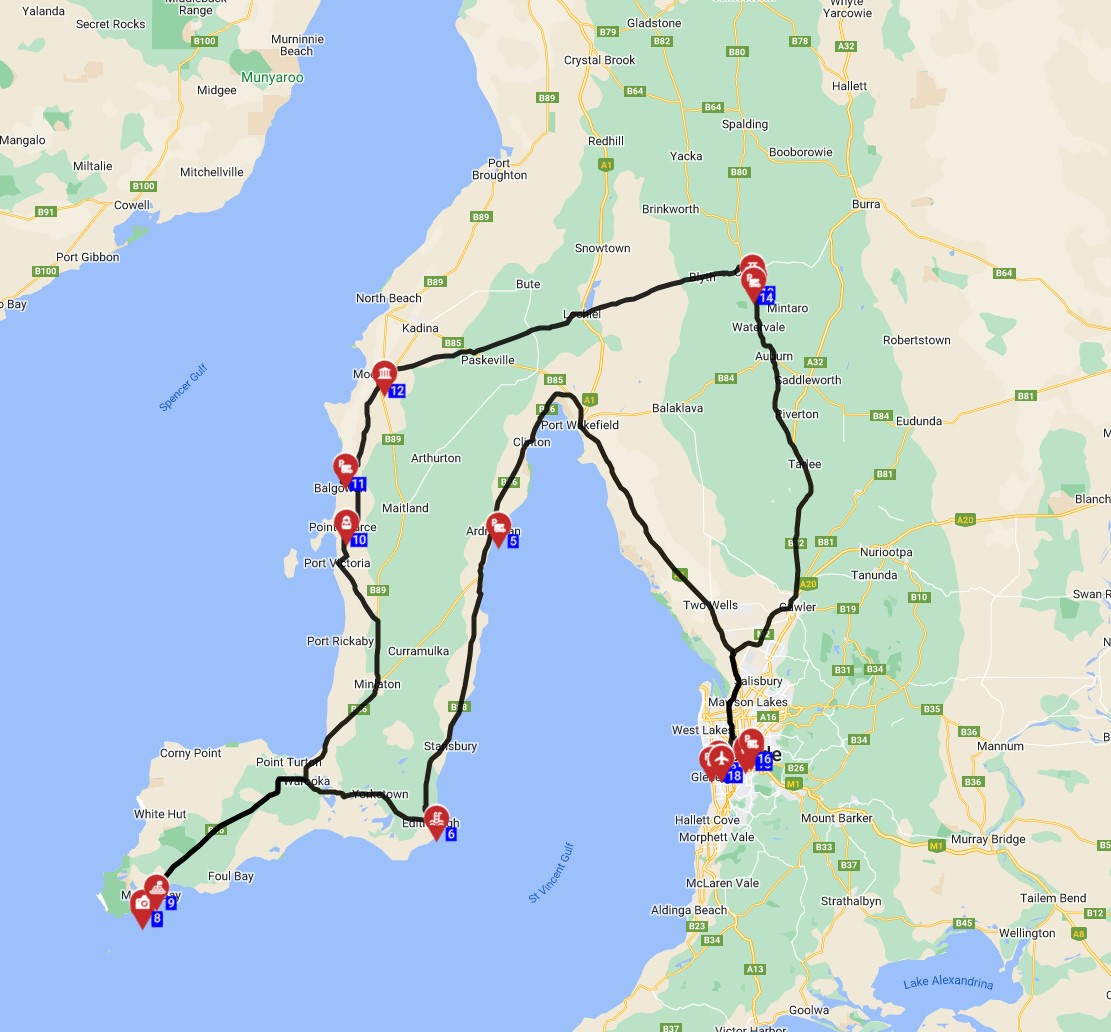
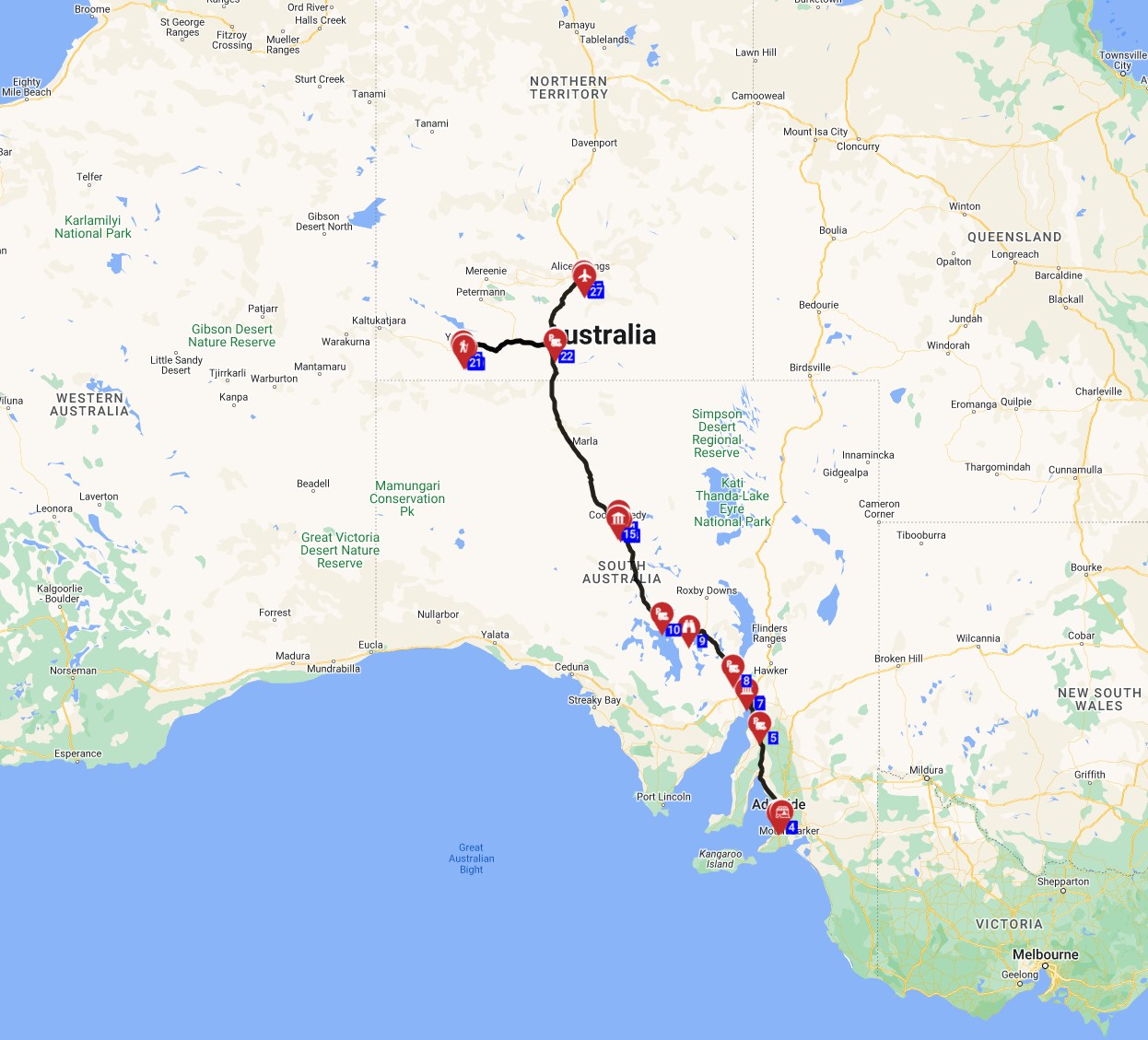
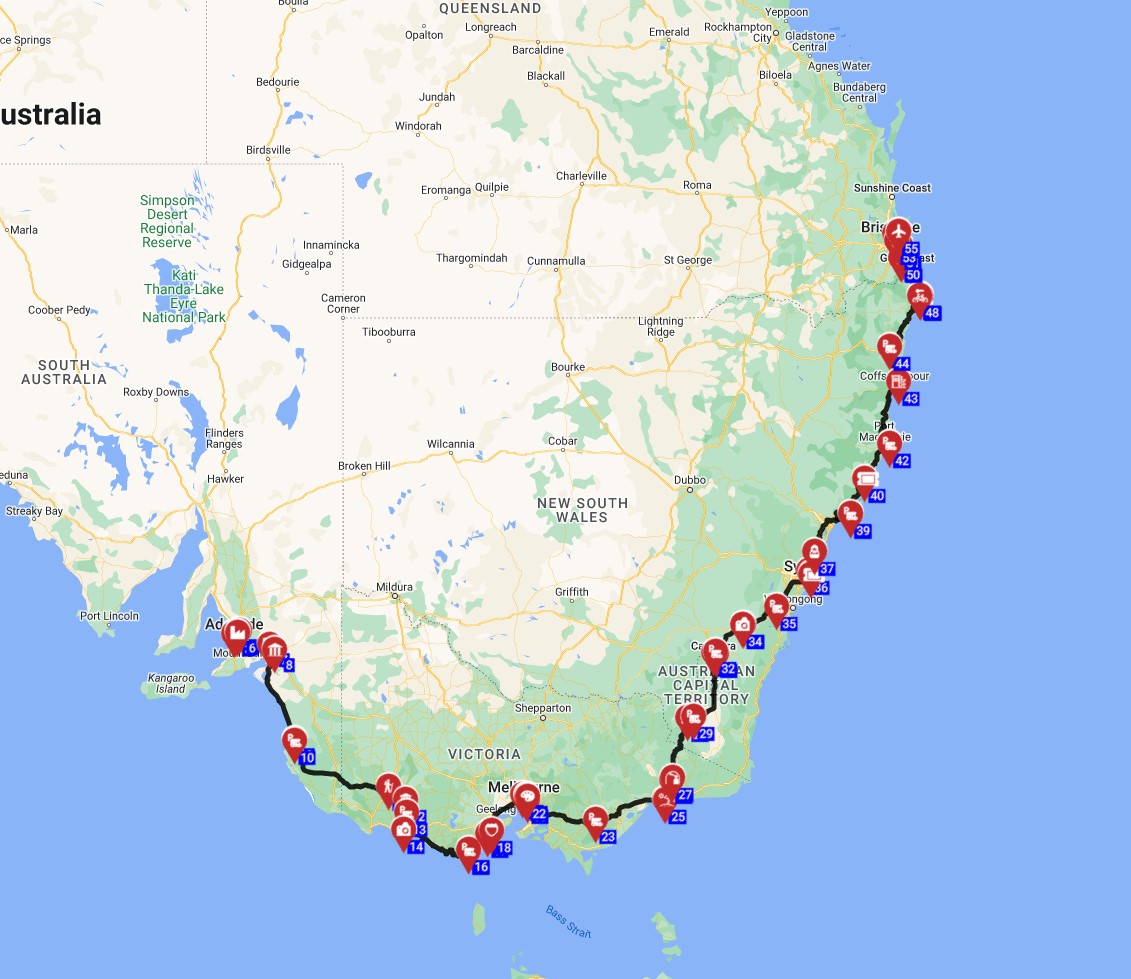
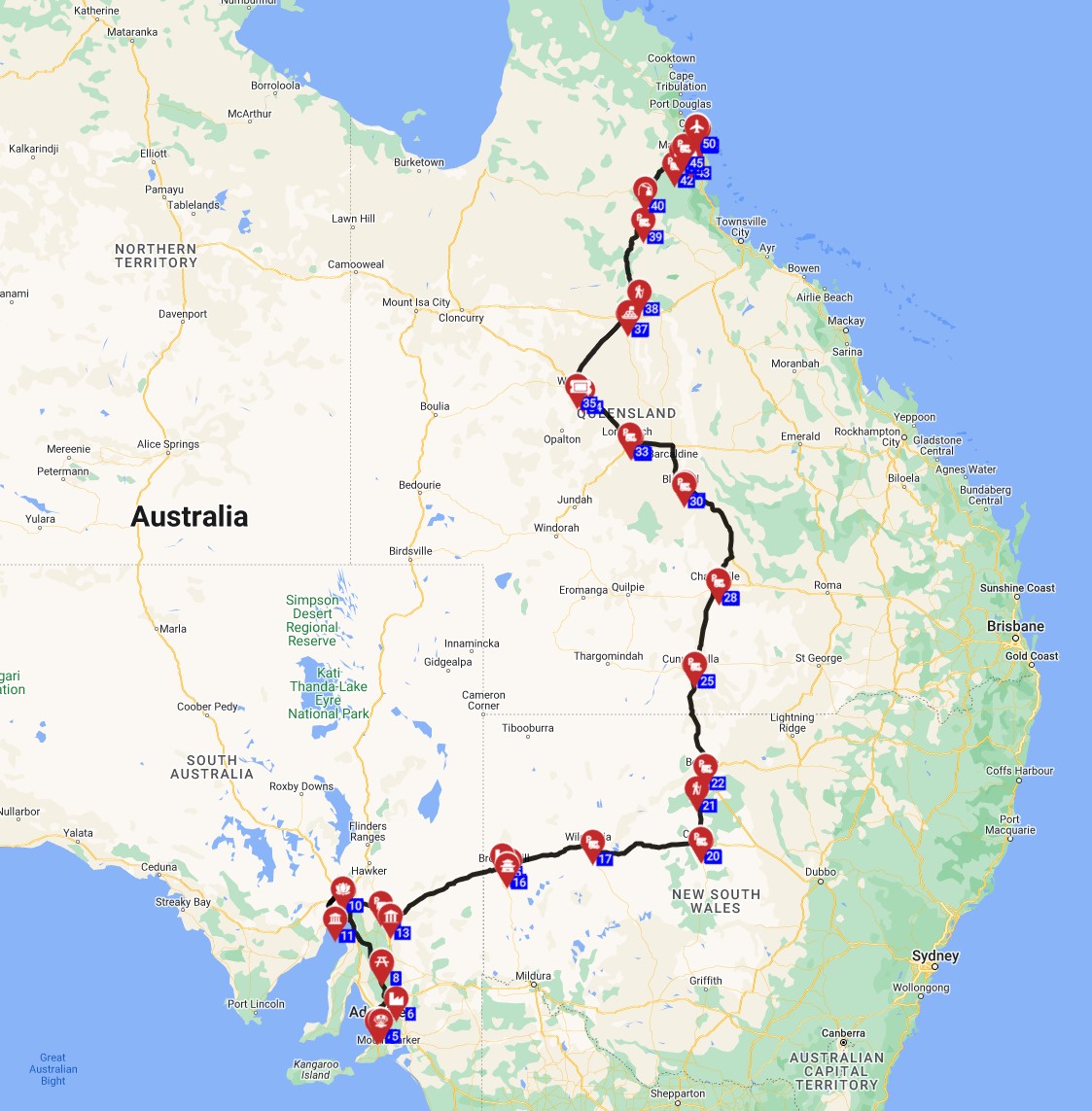
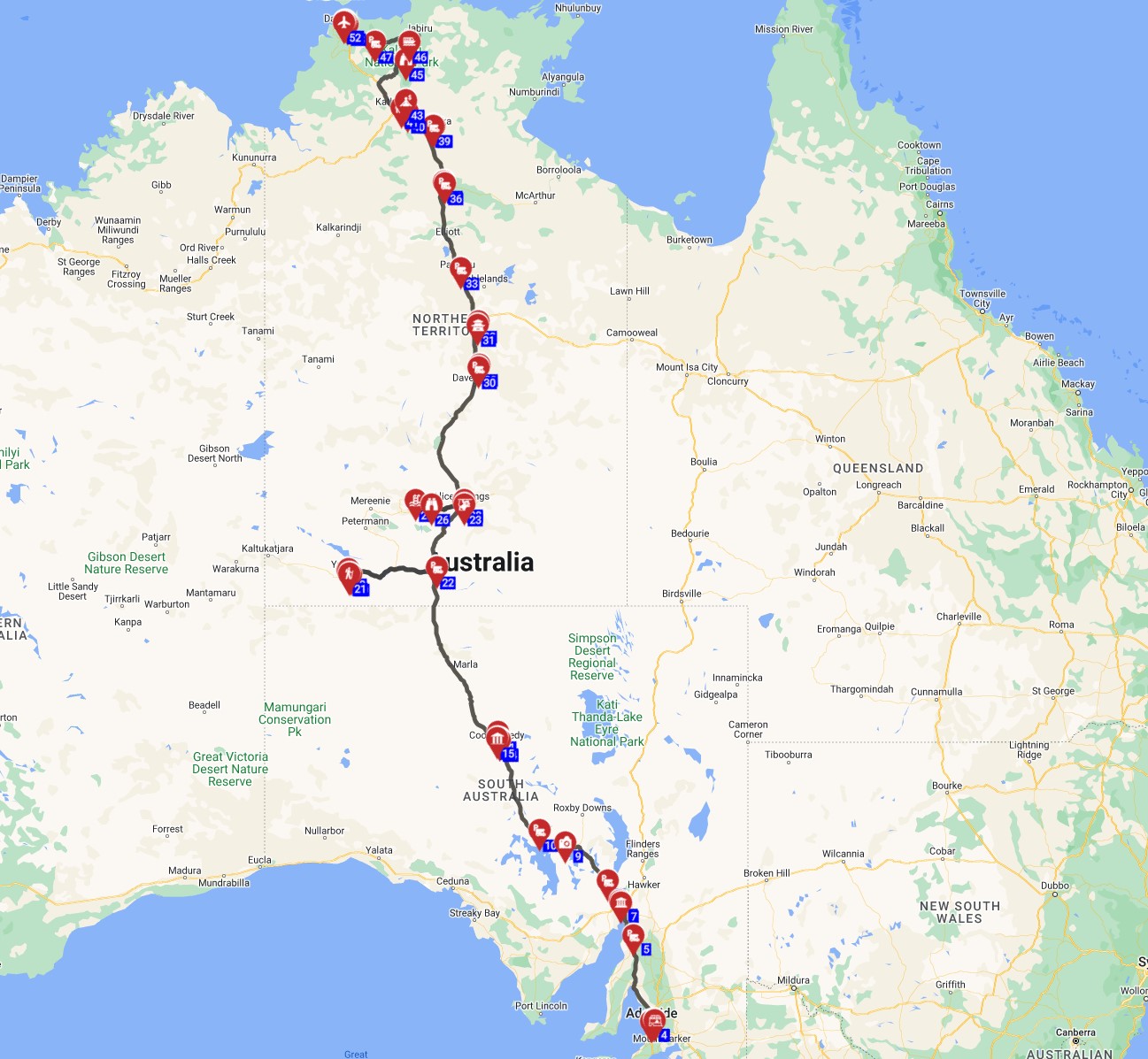
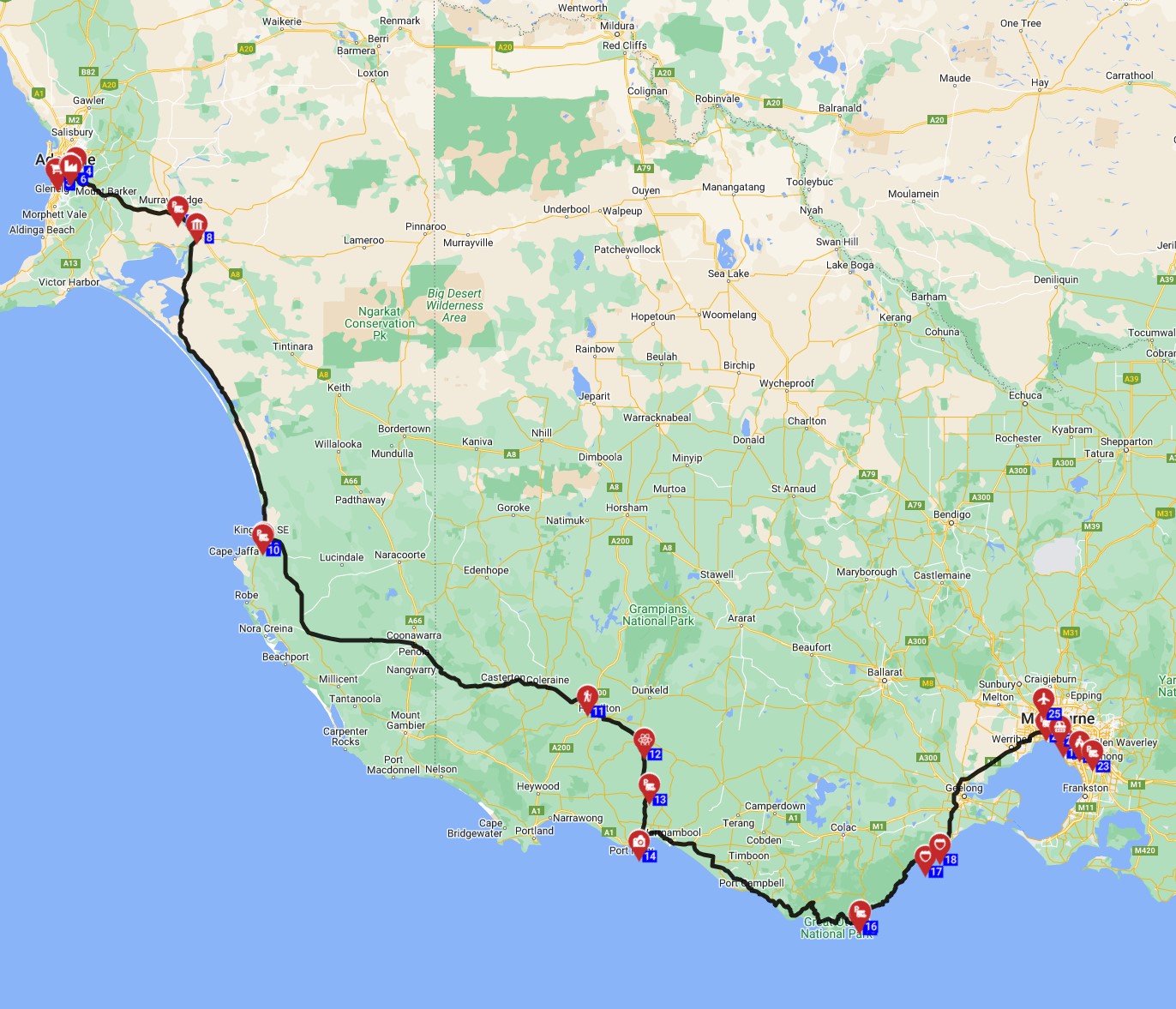
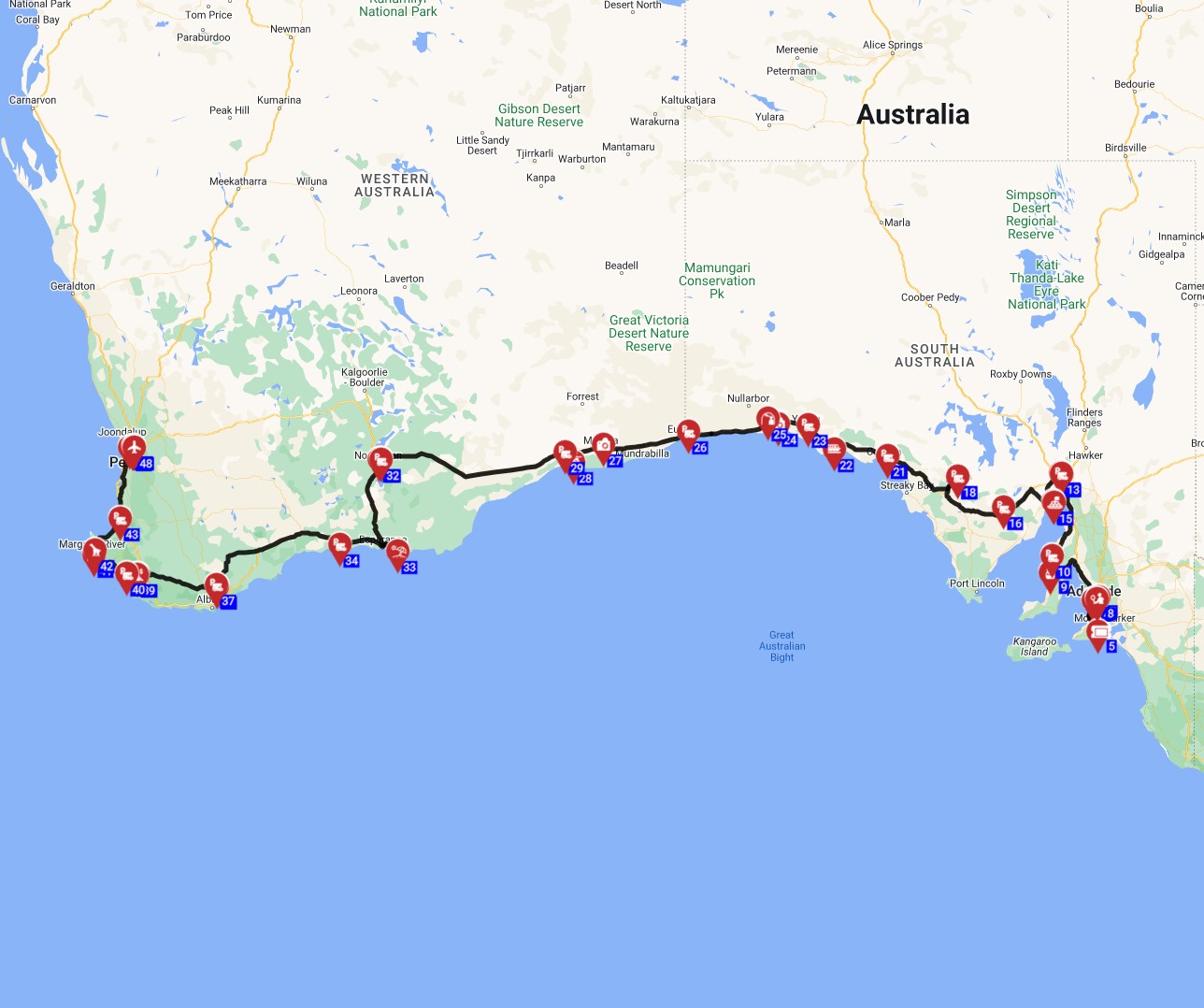
For an extensive and meticulously planned Australian RV adventure, Bandana Caravan offers access to professionally crafted itineraries through our sister company, RV PLANET. One such incredible journey is the '
Broome to Sydney - Across the Heart of Australia Road Trip
Must-See Stops Along the Way (Avi Bandana Picks)
Looking for expert insights from Avi Bandana? Top 5 Adventures - recommendations from Avi Bandana are woven into the very fabric of memorable RV journeys across Australia. Avi's personal picks for an authentic Australian RV journey often include experiences that delve into the country's unique heritage, local industries, and culinary traditions, as highlighted in the Broome to Sydney RVPlan trip. * **Traditional Visit:** Don't miss the awe-inspiring Purnululu National Park and its Bungle Bungle Range for its unique geological formations, a true natural wonder. Alternatively, immerse yourself in Aboriginal heritage at the Warradjan Aboriginal Cultural Centre within Kakadu National Park. The Australian Stockman’s Hall of Fame & Outback Heritage Centre offers a deep dive into the nation's pioneering spirit. * **Local Industry:** Discover Australia's prehistoric past at the Riversleigh Fossil Centre and the Australian Age of Dinosaurs, providing fascinating insights into the country's ancient ecosystems. * **Traditional Restaurant / Fine Dining:** Indulge in fresh seafood with breathtaking views at the Sydney Cove Oyster Bar, a perfect spot to savor Australia's coastal culinary delights while enjoying the city lights. When exploring new places with your rental RV, always seek out local eateries for an authentic taste of the region. * **Traditional Market:** Seek out local markets along your route, like those indicated in the RVPlan itineraries, to experience regional produce, unique crafts, and the vibrant community spirit. This is a wonderful way to pick up ingredients for delicious RV-friendly recipes. You can find inspiration on our RV-friendly recipes playlist for meals you can prepare in your campervan kitchen.Daily Driving Distances & Drive Times in Australia
Avi Bandana recommends a maximum of 100 miles or 150 km per day on average when driving a rented RV in Australia, to ensure travelers can fully enjoy the journey and avoid rushing through destinations. Australia's vastness means driving distances can be considerable, and it's easy to underestimate travel times, especially on less-traveled roads. Prioritizing slow travel allows for spontaneous stops, unhurried exploration, and proper rest, greatly enhancing the overall road trip experience. Rushing can lead to missing hidden gems and feeling exhausted rather than refreshed. For example, a drive from Sydney to the Blue Mountains covers approximately 100 km (62 miles) and takes about 1.5 to 2 hours, offering ample time to explore the destination upon arrival. Similarly, traveling from Melbourne to Apollo Bay along the Great Ocean Road is around 190 km (118 miles) and typically takes 2.5 to 3 hours, emphasizing the importance of not exceeding recommended daily limits for comfortable travel and extensive sightseeing. Always factor in extra time for fuel stops, photo opportunities, and simply soaking in the incredible scenery that unfolds from your motorhome window.Best RV Class for This Itinerary — Couple & Family Picks
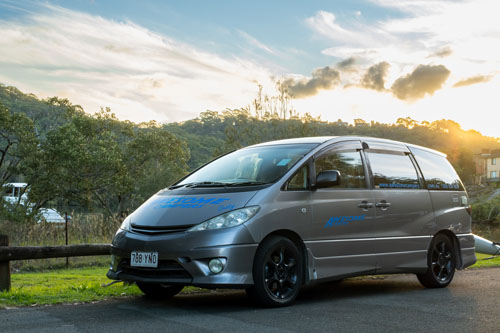
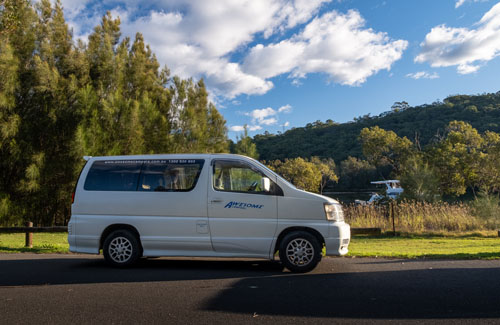
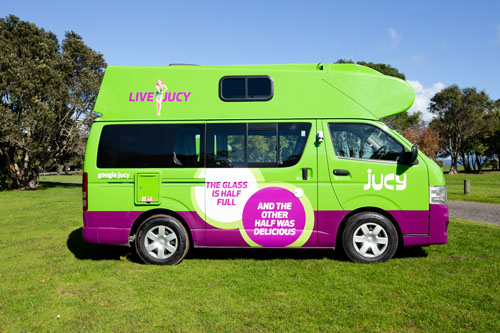
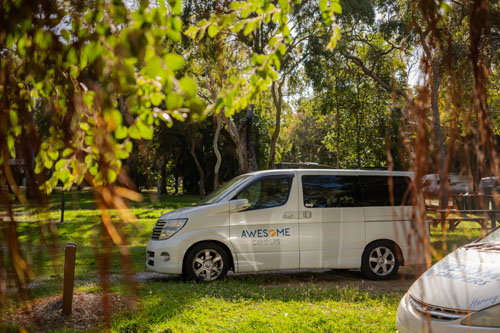
Choosing the right RV class significantly enhances your Australian road trip, as our diverse fleet at Bandana Caravan offers options perfectly suited for both couples and families, ensuring comfort and convenience for any itinerary. The "best" rental campervan ultimately depends on your group size, budget, and desired level of amenities. **For Couples: Class B - Camper Van** A Class B Camper Van is ideal for couples or solo travelers seeking agility, ease of driving, and fuel efficiency on their Australian adventure. Our global fleet average for Class B vehicles is approximately 5.8 meters in length, offering comfortable sleeping for around 3.2 individuals and seating for 2.7 adults, with common fuel consumption typically between 8-10 Liters/100 km. These compact rental RVs, like the "Active Pop Top" (5.99m length, 4 sleeping places, manual transmission), provide the freedom to navigate smaller roads and urban areas more easily while still offering essential amenities like a gas stove, refrigerator, and an enclosed chemical toilet for a comfortable journey, making them perfect for duo travelers exploring Australia's diverse landscapes. **For Families: Class C - Alcove** For families, a Class C Alcove motorhome provides the necessary space and comfort for a memorable Australian road trip. Our global fleet average for Class C vehicles is about 7.5 meters in length, with an average of 5.8 sleeping places and capacity for 4.4 adults, making them well-suited for families with children. Fuel consumption typically ranges from 10-12 Liters/100 km. The distinct alcove over the cab provides an additional sleeping area, offering more privacy and room for everyone. With greater storage and living space, a Class C, such as the "24 Class C Motorhome" (7.46m length, 5 sleeping places, 166L fresh water tank), ensures a relaxed experience for families on extended journeys. To remove the headache of planning, Bandana Caravan also offers a 'Rent&Plan' service, combining your RV rental with a ready-made itinerary crafted by travel experts, granting full access to advanced trip-planning software at a 25% planning discount when using rvplan.net. Our true RV specialists are here to guide you through every step.What is the best month to go to Australia?
The best month to go to Australia for an RV trip largely depends on the specific regions you plan to visit, as the continent experiences diverse climates across its vast expanse. Australia’s enormous size means that you can almost always find a perfect climate somewhere for your motorhome adventure. **Spring (September to November)** and **Autumn (March to May)** are generally considered the best shoulder seasons across much of Australia, offering mild temperatures for pleasant touring in southern states (like Victoria and New South Wales) and avoiding the intense heat or wet season in the north. These periods also often mean fewer crowds and potentially more availability for your preferred rental campervan. **For Northern Australia (e.g., Queensland, Northern Territory, top of Western Australia)**, the dry season from **May to October** is ideal, characterized by warm days, cooler nights, and lower humidity, perfect for exploring tropical areas and the Outback without the risk of cyclones or extreme heat. Heavy rainfall during the wet season (November to April) can lead to road closures and make travel challenging, so plan your "RV Driving Deals in Australia - Routes and Savings 2026" with the climate in mind. **For Southern Australia (e.g., Victoria, Tasmania, South Australia)**, the warmer months from **November to April** are most popular, though spring and autumn offer comfortable temperatures for outdoor activities and fewer crowds, with summer bringing hot weather and potential bushfire risks. Conversely, southern regions can be quite cold and wet in winter (June to August), impacting some outdoor activities.How many days are enough for an Australia trip?
The ideal duration for an Australia RV trip varies significantly based on how much you wish to see and your desired pace, but generally, a minimum of 7-10 days is needed for a regional exploration, while 3-4 weeks allows for a more comprehensive journey. For a single region, such as a coastal drive along the Great Ocean Road or an exploration of Tasmania, 7-10 days provides enough time to cover highlights without excessive rushing. This timeframe aligns with Avi Bandana's recommendation of a maximum of 100 miles or 150 km per day, allowing for a relaxed pace. To explore two distinct regions, like the East Coast (Sydney to Brisbane) or a combination of a major city and a natural park, 14-21 days offers a more relaxed pace and deeper immersion, allowing for diverse experiences like city tours, national park hikes, and beach relaxation. For a truly epic cross-country adventure, such as the '
Broome to Sydney - Across the Heart of Australia Road Trip
What is the most beautiful road trip in Australia?
While beauty is subjective and Australia offers a myriad of stunning landscapes, several contenders consistently vie for the title of its most beautiful road trip, each presenting distinct and breathtaking scenery for your rented motorhome adventure. The **Great Ocean Road in Victoria** is widely renowned for its dramatic coastal scenery, featuring iconic landmarks like the Twelve Apostles, lush rainforests, and charming seaside towns, making it a classic and accessible RV journey. **The Kimberley in Western Australia** offers rugged, remote beauty with ancient gorges, pristine coastline, and stunning red rock landscapes. This region is perfect for adventurers seeking an off-the-beaten-path experience, though often requiring careful planning for your rental motorhome. Another spectacular option is **The Grand Pacific Drive in New South Wales**, which combines stunning coastal views, lush rainforests, and charming towns, highlighted by the magnificent Sea Cliff Bridge, providing a winding journey just south of Sydney. Consider exploring "RV Travel Guide to Australia - Tips and Top Spots 2026" for more inspiring routes. Other notable beautiful road trips include Tasmania's scenic loops, offering temperate rainforests and rugged coastlines; the Red Centre Way, showcasing Uluru and Kata Tjuta's spiritual heartland; and the coastal drive from Cairns to Cape Tribulation, where two UNESCO World Heritage sites (the Great Barrier Reef and the Daintree Rainforest) meet. Each of these routes provides unique Australian vistas and experiences for RV travelers.What are the top 3 tourist attractions in Australia?
Australia's top three tourist attractions, drawing millions of visitors from around the globe, are consistently recognized as the Sydney Opera House, the Great Barrier Reef, and Uluru (Ayers Rock), each offering unique and iconic experiences. These landmarks represent the diverse natural beauty and cultural richness available to travelers with a rented campervan. **The Sydney Opera House (New South Wales)** is an architectural masterpiece and a UNESCO World Heritage site, famous for its distinctive sail-like shells and vibrant cultural performances, all set against the picturesque backdrop of Sydney Harbour. **The Great Barrier Reef (Queensland)**, also a UNESCO World Heritage site, is the world's largest coral reef system, so vast it's visible from space, offering unparalleled opportunities for snorkeling, diving, and observing diverse marine life. Finally, **Uluru (Ayers Rock) (Northern Territory)**, a massive sandstone monolith revered by Indigenous Australians, stands as a spiritual heart of the Red Centre, providing spectacular sunrise and sunset views and profound cultural significance. Beyond these, other major attractions like the Gold Coast's beautiful beaches, wildlife encounters on Kangaroo Island, and the ancient landscapes of Kakadu National Park further showcase Australia's vast natural and cultural heritage, all accessible with your rental motorhome.What is the best RV in Australia?
The "best" RV in Australia for your trip depends entirely on your specific travel needs, group size, budget, and planned itinerary, as Bandana Caravan offers a range of motorhomes and campervans to suit every adventure. For couples or solo travelers prioritizing maneuverability and fuel efficiency, a Class B Camper Van (averaging 5.8m in length with seating for 2.7 adults in Bandana's fleet) is often considered ideal. These compact rented RVs, like the "campervan hire new zealand example Chaser" (4.7m length, 4 sleeping places, 80L fresh water tank), offer basic amenities in a compact footprint suitable for diverse road conditions and easy city navigation. Families or groups seeking more living space, dedicated sleeping areas, and enhanced comfort for longer journeys often prefer a Class C Alcove motorhome (averaging 7.5m in length with seating for 4.4 adults in Bandana's fleet). These rental motorhomes typically provide multiple beds and ample storage, making them well-suited for families with children. For those planning to venture off sealed roads into more rugged terrain, a 4WD campervan or truck camper might be the 'best' option, offering the robustness and clearance needed for unpaved tracks, though these are less common in standard rental fleets. Consider factors like the number of passengers, desired amenities (kitchen, bathroom), your comfort with driving a larger vehicle, and your budget when selecting the RV that is best for your Australian adventure, referring to the 'Best RV Class for This Itinerary' section for specific recommendations and exploring "Luxury RV Rental in Australia - Premium Prices 2026" for higher-end options.Can you park an RV anywhere in Australia?
No, you cannot park a rented RV just anywhere in Australia; wild camping is largely prohibited or highly regulated, with designated campgrounds, caravan parks, and specific free camping areas being the legal and recommended options. Australia has strict rules regarding where RVs and campervans can park overnight, and generally, parking on public land (like roadsides, beaches, or national parks) outside of designated camping areas is illegal and can result in significant fines. When traveling, drive slowly and carefully, and you can drive almost anywhere without issues. No need to stress - just use common sense and pay attention to local signage. **Designated Caravan Parks** are the most common and convenient option, widely available across the country. These parks offer essential amenities like power, fresh water, dump points, showers, and laundry facilities in exchange for a fee. **Free camping** (also known as 'bush camping' or 'rest areas') is permitted in some specific locations, often managed by local councils or found along major highways. However, these sites typically have limited facilities and may have restrictions on stay duration or vehicle type. It is crucial to check local government regulations and signage in advance for any area you plan to visit, as rules can vary significantly between states, territories, and even individual municipalities. Using apps like Wikicamps or consulting local visitor centers can help ensure you find a legal spot. Remember, many national and state parks reserve only 25-30% of spots; the rest are first-come-first-serve, so you'll find a spot. If not at the first campground, then the next one, but call ahead before driving.What is the 333 rule for campervan?
The '333 rule' for campervans in Australia is an informal but widely accepted guideline for responsible free camping, emphasizing minimal environmental impact and respect for local regulations when traveling with your rented motorhome. This rule provides a helpful framework for campers to ensure they are being considerate of both the environment and local communities. The rule typically refers to: **3 nights maximum** in one spot, helping prevent overuse and degradation of a single location; **3 vehicles maximum** at any given free camping location, to minimize congestion and maintain a peaceful environment; and ensuring you are **3 kilometers from any town or dwelling**, to respect residents' privacy and reduce noise or light pollution. While not a universal legal requirement, adhering to the 333 rule is considered best practice for RVers engaging in free camping, demonstrating respect for the land and helping to preserve the privilege of accessible bush camping spots for everyone. In addition to the 333 rule, responsible free camping in Australia always requires that your campervan is self-contained (meaning it has its own toilet, shower, and wastewater tanks) to minimize environmental impact and that you leave no trace of your stay, taking all rubbish with you. This ensures that the natural beauty remains for future travelers.What not to do in Australia as an American?
As an American traveler experiencing Australia in a rented RV, it's important to be aware of certain cultural nuances, safety precautions, and practical differences to ensure a smooth and enjoyable trip. Bandana Caravan wants you to have the best experience, free from surprises. **Do Not Forget to Drive on the Left:** Australia drives on the left-hand side of the road, which is a major adjustment for American drivers. Always remember to 'Look Right First' and be mindful of roundabouts, taking extra caution until you're accustomed to the traffic flow. Drive slowly and carefully, and you can drive almost anywhere without issues. No need to stress - just use common sense and pay attention. **Do Not Underestimate Distances and Conditions:** Australia is vast, and distances between towns, particularly in rural areas, can be immense. Avoid planning overly ambitious daily drives; adhere to Avi Bandana's recommended maximum of 100-150 km per day. Fuel stops can be sparse in remote areas, and unsealed Outback tracks might require a 4WD vehicle, so plan accordingly and carry extra water and fuel if venturing off main roads. **Do Not Disrespect Wildlife:** While iconic, Australian wildlife can be dangerous. Do not approach or feed wild animals, especially crocodiles, snakes, and large kangaroos, which can be unpredictable. Be particularly vigilant for kangaroos and other animals on roads at dawn and dusk, as they pose a significant driving hazard. **Do Not Ignore Sun Safety:** The Australian sun is intensely strong. Always wear a broad-brimmed hat, sunglasses, and high SPF sunscreen, even on cloudy days, and seek shade during the hottest parts of the day to prevent severe sunburn and heatstroke. **Do Not Disregard Local Laws/Customs:** This includes adhering strictly to camping regulations (no wild camping in prohibited areas), refraining from littering, and respecting Indigenous sites and culture. Understand that tipping is not generally expected for good service in Australia as it is in the US, though it's always appreciated for exceptional service. For budgeting, remember that on RV PLANET routes, you can itemize and track every expense along the way for easy budgeting, covering everything from fuel to campground fees.What You Shouldn't Miss
- **Witness the Penguin Parade on Phillip Island:** See hundreds of little penguins waddle ashore at sunset, a truly magical wildlife experience (Victoria).
- **Drive the iconic Great Ocean Road:** Marvel at the Twelve Apostles and other dramatic coastal rock formations, stopping at charming seaside towns along the way (Victoria).
- **Explore the ancient wonders of Kakadu National Park:** Discover stunning Aboriginal rock art, diverse wildlife, and breathtaking waterfalls, ideally during the dry season (Northern Territory).
- **Swim with whale sharks at Ningaloo Reef:** Experience this once-in-a-lifetime encounter in the crystal-clear waters of Western Australia (seasonal: March to August).
- **Hike in the majestic Grampians National Park:** Explore dramatic sandstone peaks, scenic lookouts, and powerful waterfalls, offering incredible natural beauty (Victoria).
- **Indulge in Sydney's Harbour life:** Take a ferry, walk across the Harbour Bridge, and enjoy world-class dining with views of the Opera House, best experienced at sunset.
Final Thoughts
Embarking on an RV rental adventure in Australia is an experience unlike any other, offering unparalleled freedom and flexibility to explore diverse landscapes at your own pace. From the stunning coastal drives to the rugged heart of the Outback, a rented motorhome serves as your comfortable home on wheels, bringing you closer to nature and culture. We handle the details, you live the journey - our personal service is with you from day one until your booking is confirmed, ensuring everything runs smoothly. Remember, the key to a truly unforgettable Australian road trip is planning wisely and embracing slow travel. Take your time, soak in the sights, and connect with the incredible experiences Australia has to offer. Discover top destinations, planning tips, all in one place! Whether you're a couple seeking a nimble campervan or a family needing a spacious motorhome, Bandana Caravan is your trusted partner. Plan a trip itinerary in advance with minimal effort and maximum enjoyment, and get ready for the adventure of a lifetime.On the routes offered through RV PLANET routes, you can itemize and track every expense along the way for easy budgeting.