In This Guide
- Can You Drive an RV in Australia? License & Age Rules
- Road Conditions & Terrain in Australia
- RV Size Limits, Bridges & Restricted Zones
- Fuel: Diesel vs. Petrol & Cost per 100 km
- Tolls, Vignettes & Border Rules
- Driving Tips for rv rental Travelers
- Recommended RV Class for Australia Roads
- Should I Choose a Compact Van Instead of a Large RV in Australia?
- Can I Park Anywhere? Free & Wild Camping Rules in Australia
- Can I Drive an RV Into the City Center? Heights, Tunnels & Local Signage
- Can you sleep in a motorhome while driving in Australia?
- Can you legally drive in Australia with a US license?
- How much does it cost to travel around Australia in a motorhome?
- What is the average cost of insuring a motorhome in Australia?
- What You Shouldn't Miss
- Why Book with Bandana Caravan
- Final Thoughts
- Frequently Asked Questions
Australia, with its vast landscapes, stunning coastlines, and unique wildlife, is a dream destination for a road trip, and an RV rental makes it an unforgettable adventure. Imagine waking up to the sound of kookaburras, enjoying breakfast cooked in your own rented campervan, and setting off to explore pristine beaches, ancient rainforests, or the iconic Outback. At Bandana RV, we’re passionate about helping you discover this incredible country on your own terms.
Planning your journey through Australia requires a bit of insight, especially when it comes to understanding local driving rules, road conditions, and how to best manage your budget. This guide will provide you with all the essential information to confidently navigate Australia's diverse terrain and ensure your RV experience is as smooth and enjoyable as possible. For live availability and current prices, start with our RV Rental Australia - Complete Guide 2026 guide.
Can You Drive an RV in Australia? License & Age Rules
In Australia, most standard rental RVs, including all campervans and motorhomes up to 4.5 tonnes Gross Vehicle Mass (GVM), can be driven with a regular car license from your home country. This means you won't need any special commercial driver's license or additional permits for the majority of rental vehicles you'll encounter. Drivers must generally be at least 21 years old for most rental companies, ensuring a consistent age requirement across the fleet. While an International Driving Permit (IDP) is recommended for visitors from non-English-speaking countries as it translates your existing license, it is not strictly mandatory in many cases if your home country license is in English. A heavy vehicle license is only required for RVs exceeding 4.5 tonnes GVM, which are typically larger, specialized vehicles rarely found in standard rental fleets.
At Bandana, we partner with top global suppliers like Apollo and Britz to ensure that our customers have clear and transparent information about licensing. We're here to support you before your booking by comparing final prices across 50+ suppliers, so you have all the facts upfront. Our experience, built since our founding in 2001, means we genuinely know RV travel and want to help you enjoy every detail of your trip.
Road Conditions & Terrain in Australia
Australia offers a diverse range of road conditions, spanning from impeccably maintained sealed highways along the popular coastal routes to challenging unsealed roads found deep in the Outback. Most major RV routes, such as those connecting capital cities like Sydney, Melbourne, and Brisbane, or heading to iconic tourist destinations, provide smooth and comfortable driving on sealed surfaces. When you venture into more remote areas, especially many national parks and regional tracks, you might encounter gravel, dirt, or corrugated roads. For these, it's essential to understand that standard 2WD rented RVs may have restrictions in their rental agreements regarding unsealed road usage. Always check your specific terms and consider a 4WD camper if extensive off-highway exploration is part of your plan, like the "Patagonia Camper 4x4 double cab" model. You'll need to allow ample time for travel, particularly in the vast regional expanses, and always be prepared for changing conditions, including sudden weather shifts and potential wildlife on roads.
RV Size Limits, Bridges & Restricted Zones
Australia's infrastructure generally accommodates large RVs on its extensive main road networks, but drivers must remain mindful of height, length, and weight restrictions, particularly in congested urban areas or specific national park entrances. While low bridges are less prevalent than in some older European countries, always observe signage for clearance, especially when entering older city centers, navigating under railway overpasses, or accessing underground car parks. For example, larger Class C Alcove motorhomes, which average around 7.5m in length, or Class A Integrated RVs, also typically around 7.5m, require particular attention to these signs. Access to certain remote areas or islands, such as Fraser Island or specific parts of Tasmania, might be restricted exclusively to 4WD vehicles or may necessitate ferry bookings that have strict length and weight limitations for vehicles like a rented motorhome or campervan. Always check ahead when planning to visit such unique destinations, consulting local tourism boards or your rental agreement.
Fuel: Diesel vs. Petrol & Cost per 100 km
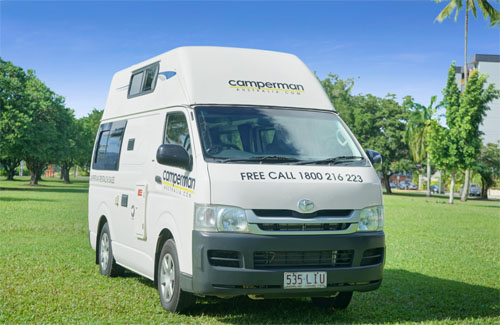
Most rental RVs in Australia primarily operate on diesel fuel, which offers superior efficiency for longer journeys and is readily available across the country, though smaller campervans may run on petrol. Bandana's global fleet averages suggest that Class SI - Semi-integrated RVs typically consume 10-11 Liters/100 km, while Class C - Alcove models consume a slightly higher 10-12 Liters/100 km. Smaller Class B Camper Vans, like the "2 Berth Hi Top", are often more fuel-efficient, with Bandana's fleet typically seeing 8-10 Liters/100 km, making them a budget-friendly choice. Fuel costs in Australia fluctuate and are generally higher in remote areas; budgeting for AUD $1.80 to $2.50 per liter is a reasonable estimate for planning purposes. This means a 100 km journey in a standard motorhome could cost roughly AUD $18-25 in fuel alone. For detailed budget planning, RV PLANET routes allow you to itemize and track every expense, including fuel, along your journey for easy budgeting. On the routes offered through RV PLANET routes, you can itemize and track every expense along the way for easy budgeting.
Some rental companies may offer minor fuel discount cards, which can provide small savings at participating service stations. When cooking meals in your rented motorhome to save on dining costs, explore our RV-friendly recipes playlist for easy meal ideas on the road.
Tolls, Vignettes & Border Rules
Australia primarily utilizes electronic tolls on its motorways, particularly concentrated around major metropolitan areas such as Sydney, Melbourne, and Brisbane, without the need for physical toll booths. Unlike some European countries, vignettes are not used in Australia; instead, tolls are charged per passage, usually managed electronically via e-tags or temporary passes. Many rental RVs come equipped with an e-tag or offer options to pre-purchase a toll pass through the rental company, which typically debits charges post-rental, saving you from unexpected fines. There are no internal border rules, customs checks, or special permits required when driving between Australian states or territories, allowing for seamless interstate travel. It is crucial to confirm your specific rental company's toll payment system at pickup to avoid any unexpected fees or penalties during your extended road trip.
Driving Tips for rv rental Travelers
Driving on Australia's diverse roads requires a few key considerations to ensure a safe and enjoyable journey. Firstly, always remember that Australians drive on the left side of the road, which is crucial for international visitors. Secondly, be especially vigilant for wildlife, particularly kangaroos, emus, and other animals, which are highly active at dawn, dusk, and night outside urban areas. Planning remote journeys into the Outback demands carrying extra water, fuel, and supplies, informing someone of your itinerary, and checking road conditions before departure. For long distances, especially with families including pre-teens, plan stops every 2-3 hours to combat driver fatigue and allow everyone to stretch their legs. Finally, respecting the environment is paramount: adhere to 'Leave No Trace' principles, dispose of all waste responsibly at designated points, and only use designated dump points for RV waste to protect Australia’s pristine natural beauty.
We always recommend slow travel in Australia, aiming for a maximum of 100-150 km per day on average. This pace allows you to truly immerse yourself in the place, connect to the local culture, savor the food, and appreciate the stunning scenery that Australia offers.
Recommended RV Class for Australia Roads
For the majority of Australian road trips, particularly those sticking to sealed highways and major tourist routes, a Class SI - Semi-integrated motorhome or a Class C - Alcove motorhome is highly recommended for its blend of comfort and versatility. Class SI Semi-integrated RVs, typically around 6.9m in length and accommodating 3-4 adults, offer a good balance of interior space and maneuverability, making them suitable for couples or small families. Class C Alcove RVs, averaging 7.5m in length and designed for 4-5 adults, provide even more sleeping capacity and living space, ideal for larger families or groups seeking models like the "4 Berth Adventurer" or "6 Berth Discovery." For adventurers planning to explore more remote, unsealed tracks where permitted by rental terms, a Class TC - Truck Camper (average 5.5m length) or a specifically designed 4WD campervan like a "4x4 Camper B - THOR" might be more suitable due to their robust build and higher ground clearance. Compact Class B Camper Vans (average 5.8m length), such as the "2 Berth Hi Top", are excellent for couples or solo travelers prioritizing fuel efficiency and easier parking in urban settings.
🎬 Video coming soon
Should I Choose a Compact Van Instead of a Large RV in Australia?
While compact vans, such as Class B Camper Vans, undeniably offer better fuel efficiency (e.g., typically 8-10 Liters/100 km) and easier parking in tighter city spots, there is generally no major issue driving almost any size RV on Australia's expansive main roads. For extended travel across vast distances, the enhanced comfort and greater indoor living space of a larger motorhome often outweigh the marginal maneuverability gains of a compact van, especially during long stretches between towns. A compact van truly shines in very specific scenarios, like navigating the narrow lanes of smaller towns or fitting into very tight campground spaces, but most Australian infrastructure is designed to be RV-friendly. If you're traveling with a family or prioritize more amenities like a bathroom, a larger kitchen area, or multiple comfortable sleeping arrangements, opting for a Class SI or Class C motorhome often provides a better overall trade-off for comfort and enjoyment. Consider your itinerary carefully: a compact van suits quick trips and urban exploration, whereas a larger RV is better suited for extended touring and more self-sufficient travel in diverse regions like the Outback.
Can I Park Anywhere? Free & Wild Camping Rules in Australia
No, you cannot generally park and sleep anywhere in a rented motorhome in Australia; free camping or wild camping is largely restricted and requires strict adherence to specific regulations. Overnight parking is typically permitted only in designated areas, which include well-equipped caravan parks, national park campgrounds, certain state forests, and specified roadside rest areas that often indicate overnight stays are allowed. Many towns have actively implemented 'RV friendly' initiatives, providing designated free or low-cost overnight parking spots for self-contained RVs, which can often be found listed on local council websites or through popular apps like WikiCamps Australia. Unauthorised camping on public or private land can result in significant fines and environmental regulations strictly prohibit littering or inappropriate waste disposal. Rules vary considerably by region and even by local council jurisdiction, so always check local regulations and follow the law before parking overnight, and consistently use designated dump points for all grey and black water disposal.
Can I Drive an RV Into the City Center? Heights, Tunnels & Local Signage
Yes, you can drive slowly and carefully, and you can drive almost anywhere without issues. No need to stress - just use common sense and pay attention. You can almost always drive a rented RV into city centers in Australia, but it is crucial to pay close attention to local signage, especially for height and weight restrictions. Larger RVs, such as Class C Alcove models (average 7.5m length) like the "Jayco Conquest Royale 6", will need to watch carefully for low bridges, tunnel height limits, and restrictions in multi-story car parks. Major Australian cities are generally well-equipped with arterial roads that comfortably accommodate larger vehicles, though smaller, older streets in historic precincts might be more challenging for extended RVs. Always observe signage for environmental zones (which are less common for RVs in Australia compared to Europe) and be aware of residents-only parking restrictions. Parking an RV directly in the busiest city centers can certainly be challenging due to its size and limited availability, so consider parking on the outskirts and utilizing public transport for city exploration, especially in vibrant hubs like Melbourne or Sydney.
Can you sleep in a motorhome while driving in Australia?
No, sleeping in a motorhome while it is actively being driven in Australia is illegal and extremely dangerous. All passengers, including those in the living area of a rented motorhome, must be seated and wearing seatbelts while the vehicle is in motion, strictly prohibiting anyone from lying down or moving about. Even with automatic RVs, all occupants must be properly restrained, and the driver must remain alert and solely focused on the road ahead. For safety and legal compliance, any resting or sleeping should only occur when the motorhome is legally parked in a designated safe area, such as a caravan park or approved rest stop, with the engine turned off.
Can you legally drive in Australia with a US license?
Yes, US citizens can legally drive in Australia with their valid US driver's license for up to three months in most states and territories, provided the license is in English. If your US license is not in English, an International Driving Permit (IDP) or an official English translation is legally required alongside your original license. For longer stays beyond three months, specific requirements vary by state; some may necessitate applying for a local Australian license or obtaining a specific long-term permit. It is always advisable to carry an IDP with your US license, as it serves as a universally recognized document and simplifies communication with authorities and rental agencies, ensuring a smoother journey with your rented camper.
How much does it cost to travel around Australia in a motorhome?
The cost of traveling around Australia in a rented motorhome varies significantly based on factors like rental duration, RV class, time of year, fuel consumption, and personal spending habits. Rental costs for an RV can range from AUD $80-$150 per day for a compact campervan like the "2 Berth Hi Top" to AUD $200-$400+ per day for a larger, luxury motorhome, with peak season prices naturally being higher. Fuel expenses are a major component; based on Bandana's fleet averages of 8-12 Liters/100 km and current fuel prices, expect AUD $18-30 per 100 km, easily adding hundreds to thousands over an extended trip. Accommodation at caravan parks typically costs AUD $30-$60 per night for a powered site, though carefully chosen free camping options can reduce this. Additional costs include groceries (especially when utilizing your RV kitchen), activities, national park fees, insurance, and potential one-way rental fees, making a comprehensive trip budget anywhere from AUD $2,000 to $10,000+ per month, depending heavily on your travel style and route. Prices are dynamic like flight tickets – they change daily based on availability, seasonality, and supplier marketing decisions, with the final price set at actual booking time.
What is the average cost of insuring a motorhome in Australia?
When renting an RV in Australia, basic insurance is typically included in the rental cost, but this usually comes with a very high excess (deductible) ranging from AUD $5,000 to $8,000 or more. The average cost to reduce this excess through a rental company's additional insurance options, often referred to as 'excess reduction' or 'all-inclusive' packages, can add AUD $30-$70 per day to your rental. Many savvy travelers opt for third-party travel insurance policies that specifically cover RV rental excesses, which can be a more cost-effective choice for longer trips, potentially costing AUD $100-$300 for a multi-week adventure. Factors influencing insurance costs include the value of the RV, the driver's age, the chosen excess level, and specific areas of Australia you plan to visit (e.g., remote area surcharges). Always thoroughly review your rental agreement and insurance policy details to fully understand what is covered, what exclusions apply, and your liability in case of an accident or damage. Remember, you can upgrade to a top-level deductible for extra peace of mind.
What You Shouldn't Miss
Australia is a land of endless wonders, and with a rented motorhome, you're set to explore its most incredible corners. Here are some must-do experiences:
- Drive the Great Ocean Road, Victoria: This iconic 243 km coastal route is a classic, offering breathtaking views of the Twelve Apostles, lush rainforest, and charming seaside towns. It's perfect for a week-long trip, allowing plenty of time for scenic stops and beach walks.
- Explore the Red Centre: Venture into the heart of Australia to witness the majesty of Uluru-Kata Tjuta National Park. Imagine experiencing sunrise and sunset over Uluru from your rented RV. While remote, major routes are well-maintained for standard motorhomes.
- Discover Tropical North Queensland: From Cairns, explore the Daintree Rainforest and the Great Barrier Reef. This region offers numerous campgrounds near both natural wonders.
- Experience Western Australia's Coast: Take an extended road trip from Perth north to Kalbarri, Monkey Mia, and Coral Bay. Expect stunning beaches, unique marine life, and incredible national parks with ample RV-friendly facilities.
- Journey through Tasmania's Wilderness: This island state offers rugged mountains, pristine beaches, and rich history. A two-week adventure allows you to circumnavigate the island, visiting Cradle Mountain-Lake St Clair National Park and Freycinet National Park.
Looking for expert insights from Avi Bandana? Top 5 Adventures - recommendations from Avi Bandana
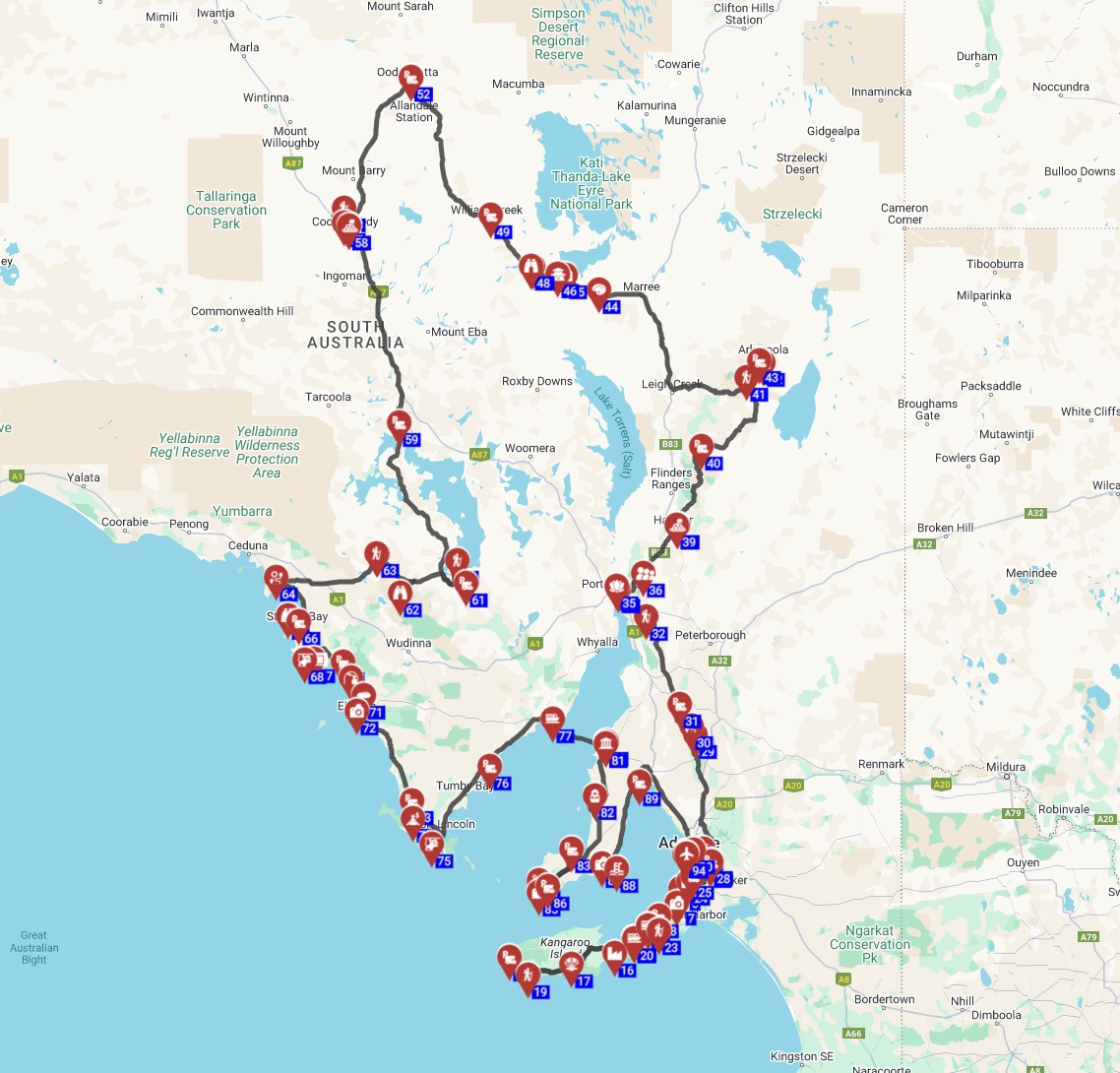
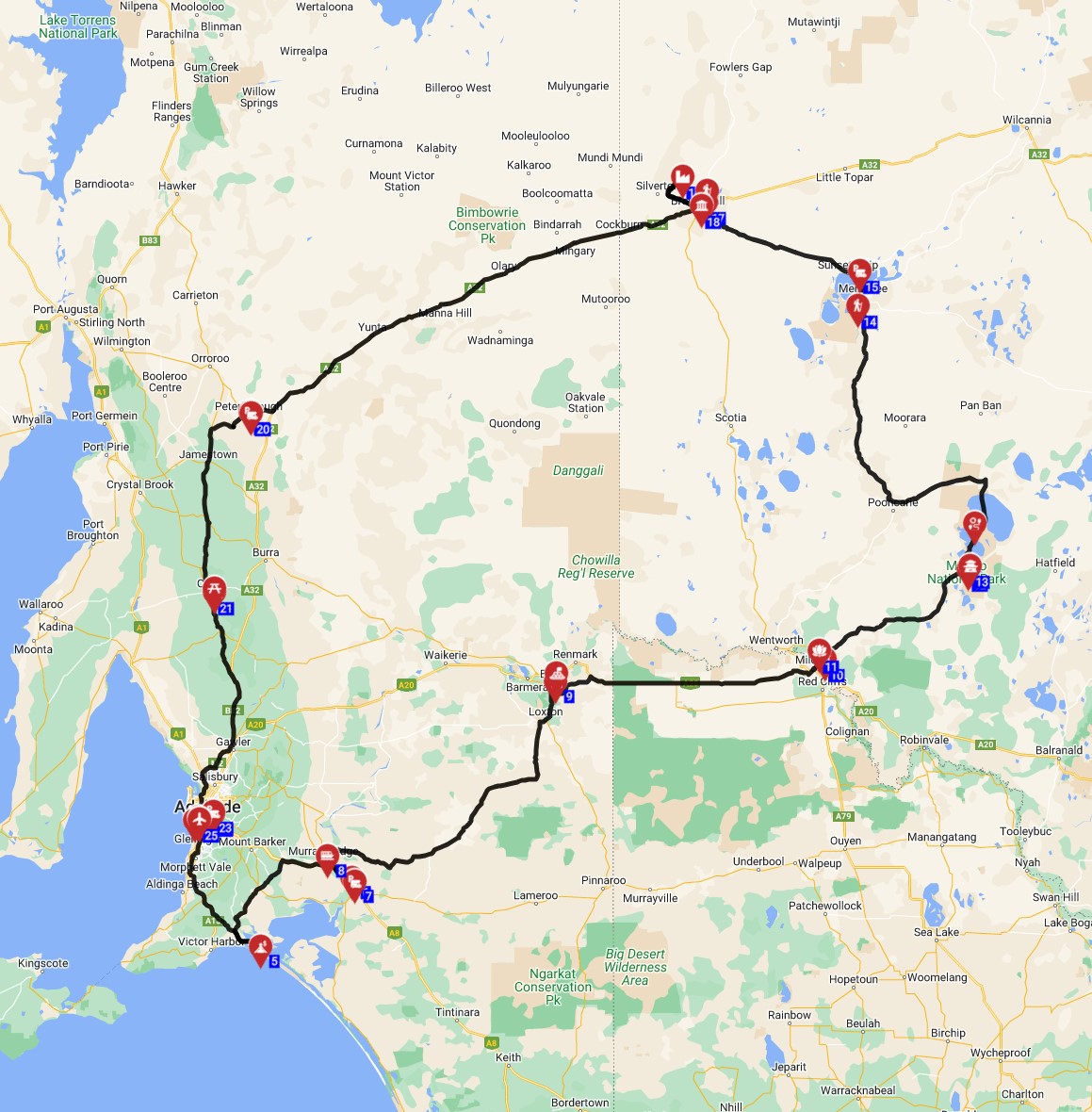
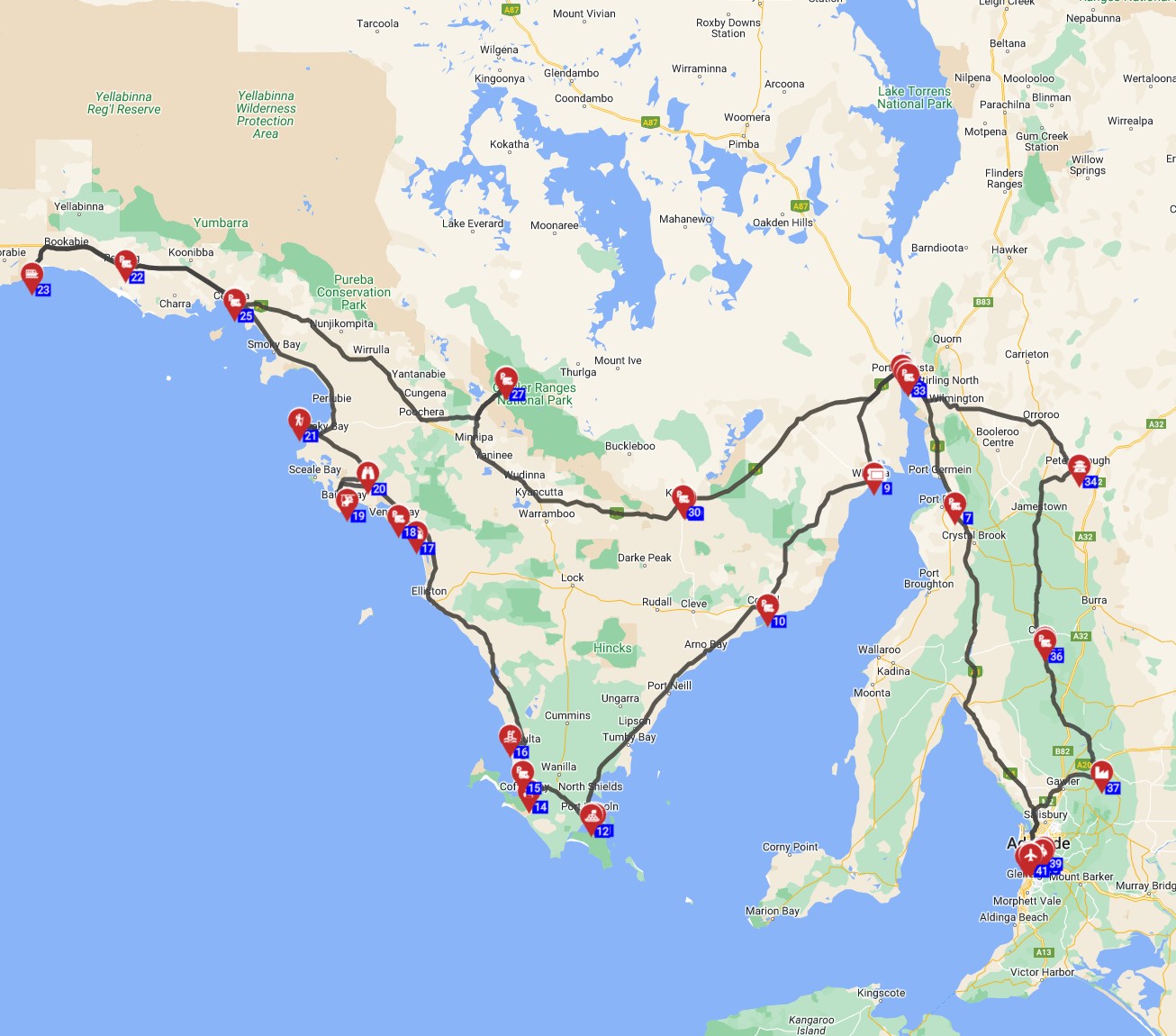
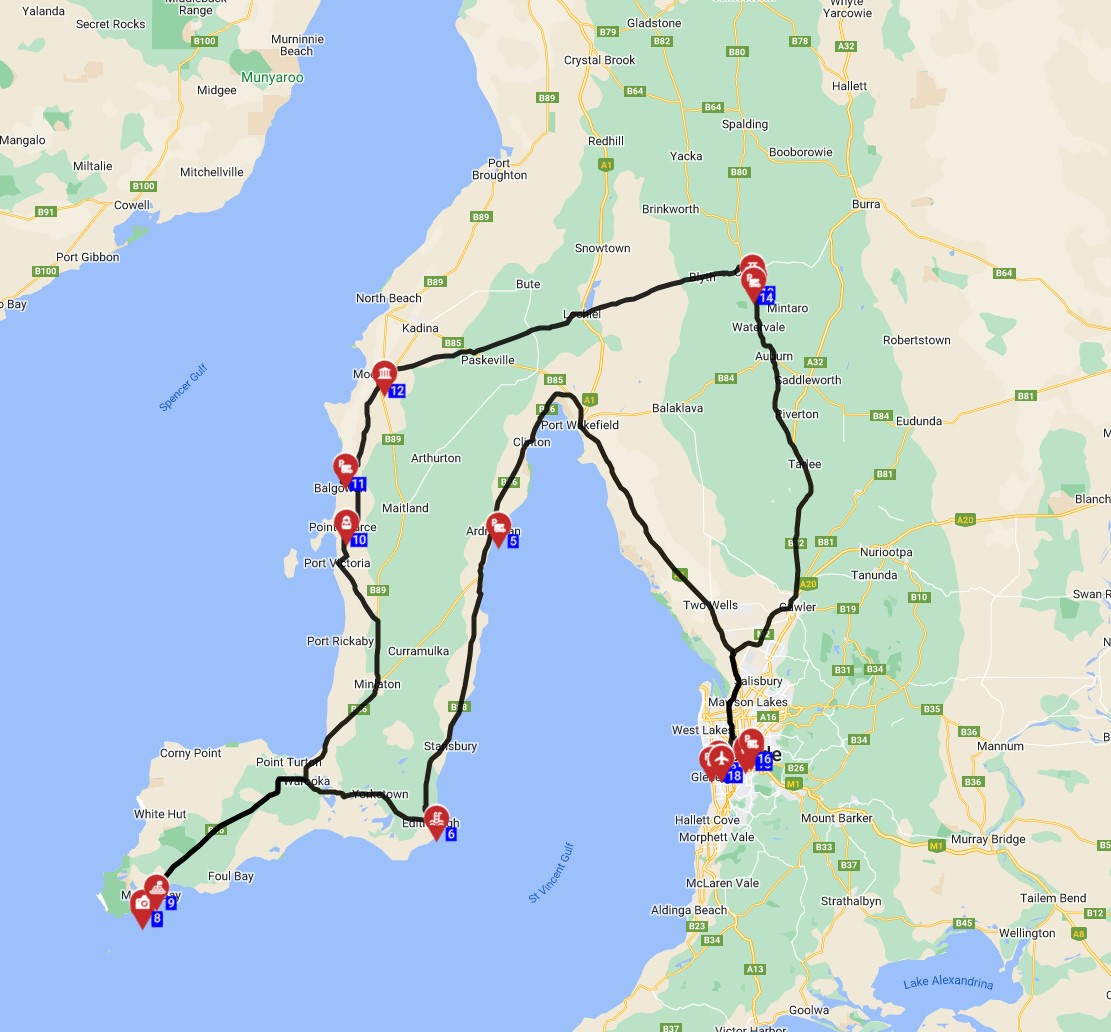
For those seeking meticulously planned routes and the invaluable wisdom of an RV travel veteran, our sister company RV PLANET offers professionally curated itineraries. These aren't just maps; they're comprehensive plans designed by specialists who know Australia inside and out.
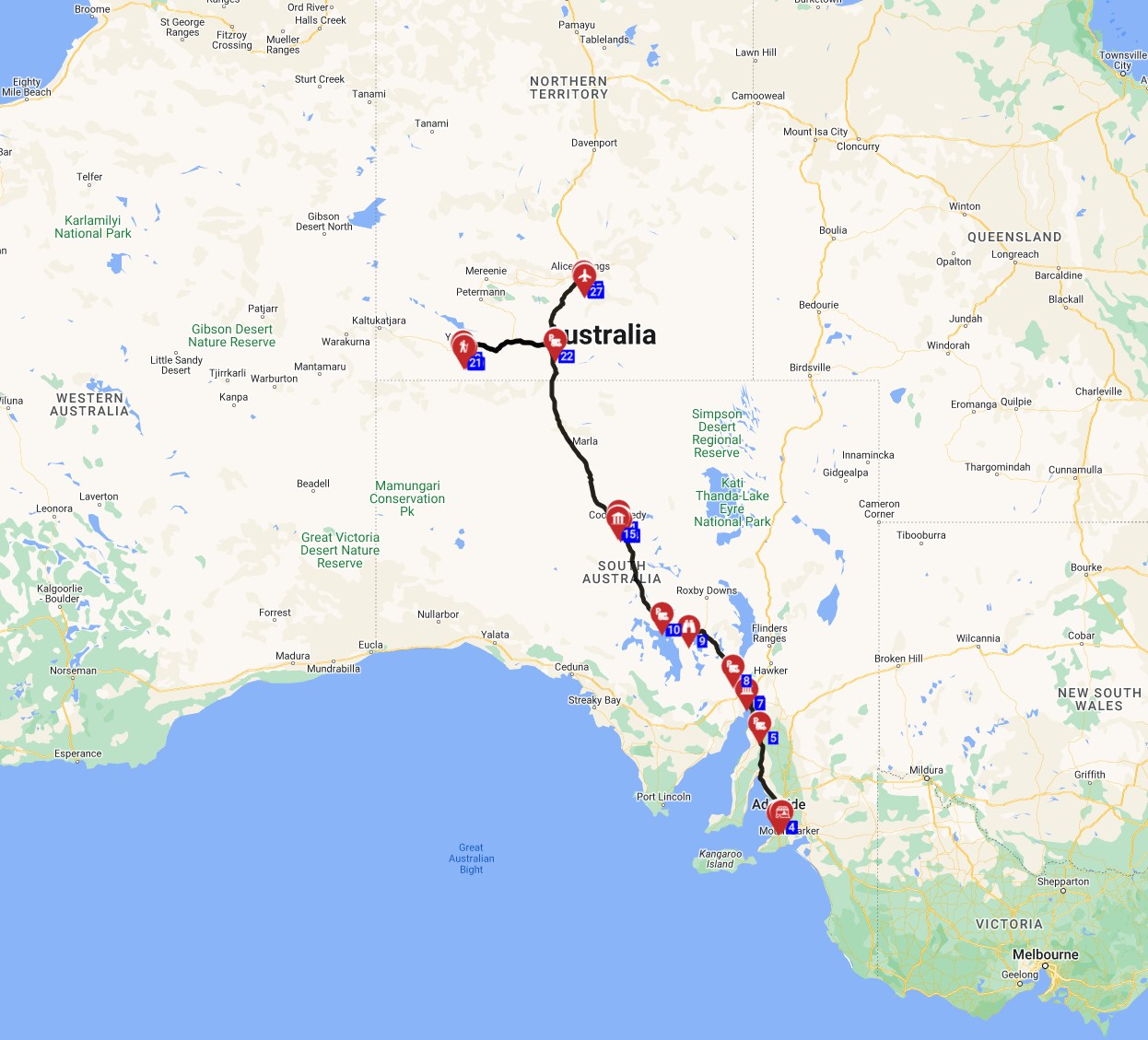
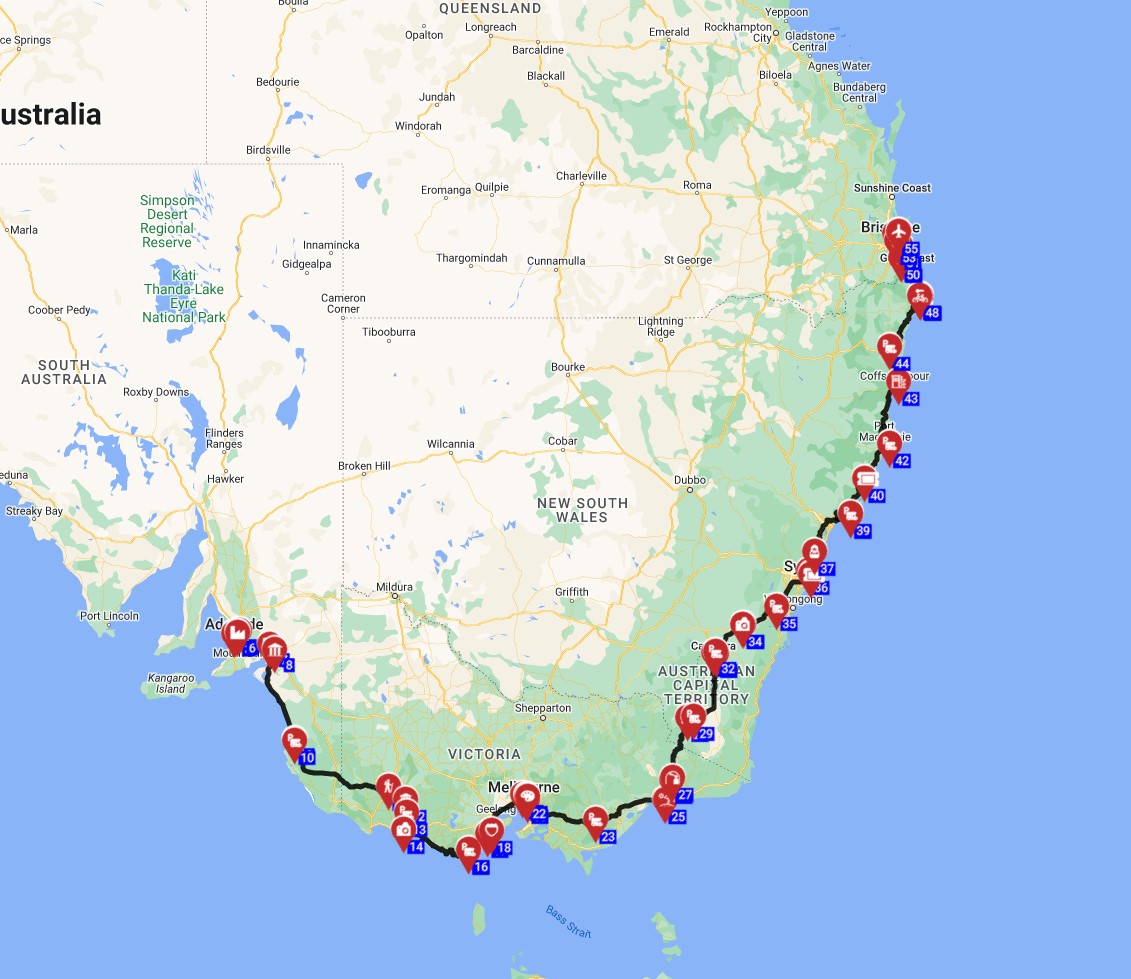
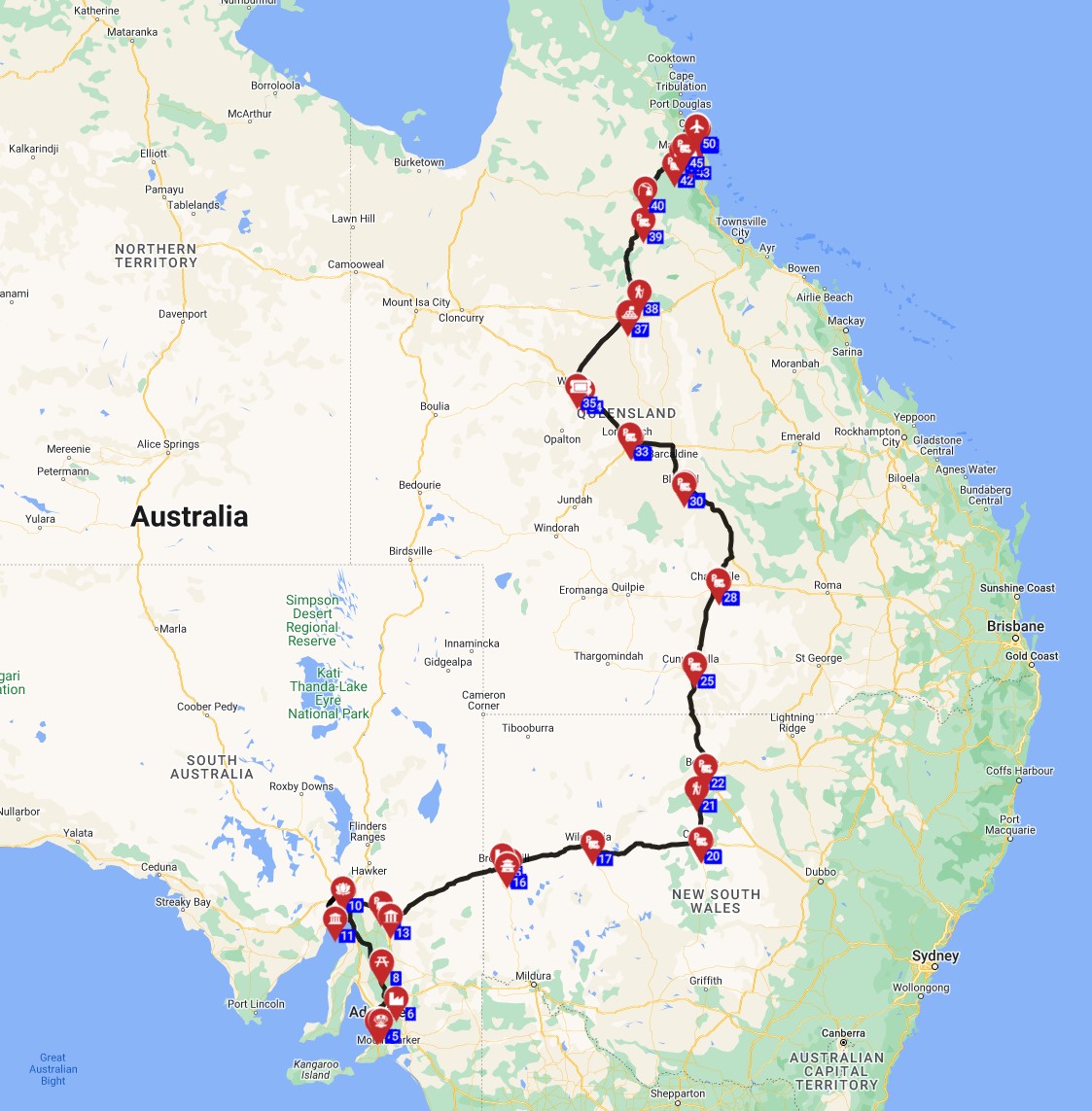
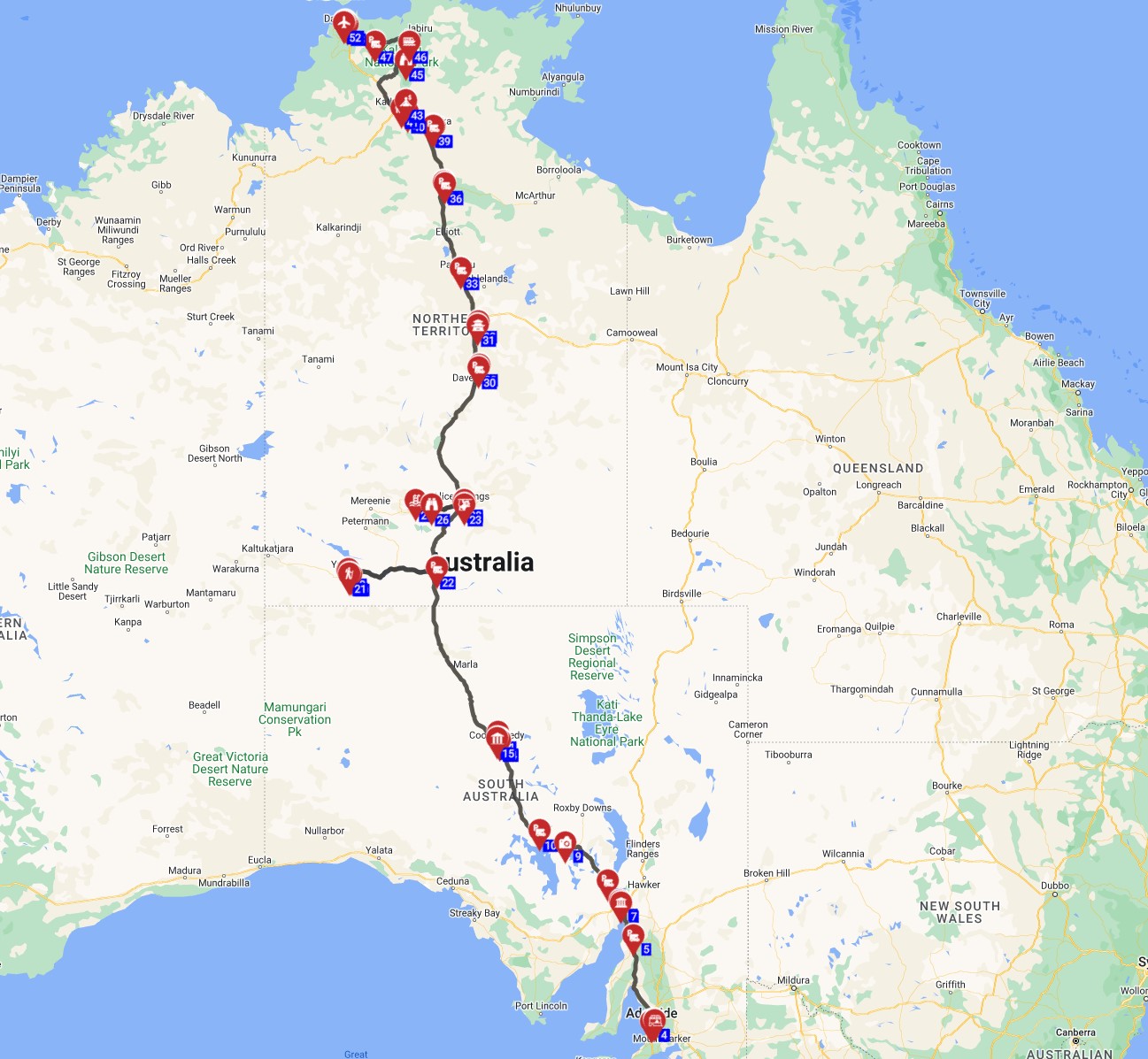
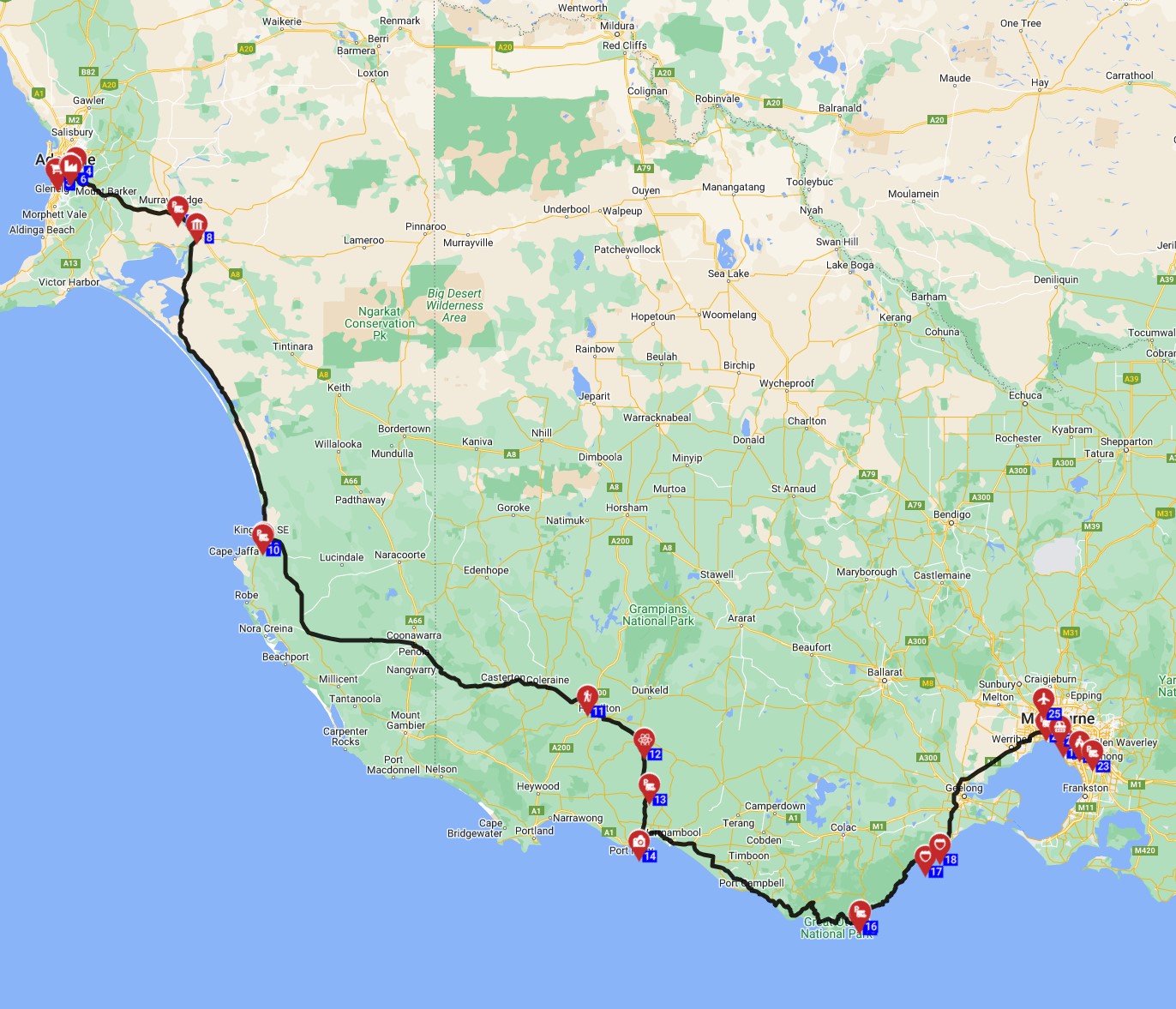
This 26-day, 5622.8 km journey from Melbourne to Darwin includes 5 hiking areas, 4 natural features, 3 museums, and 2 wildlife watching opportunities, offering a deep dive into Australia's diverse landscapes and cultures.
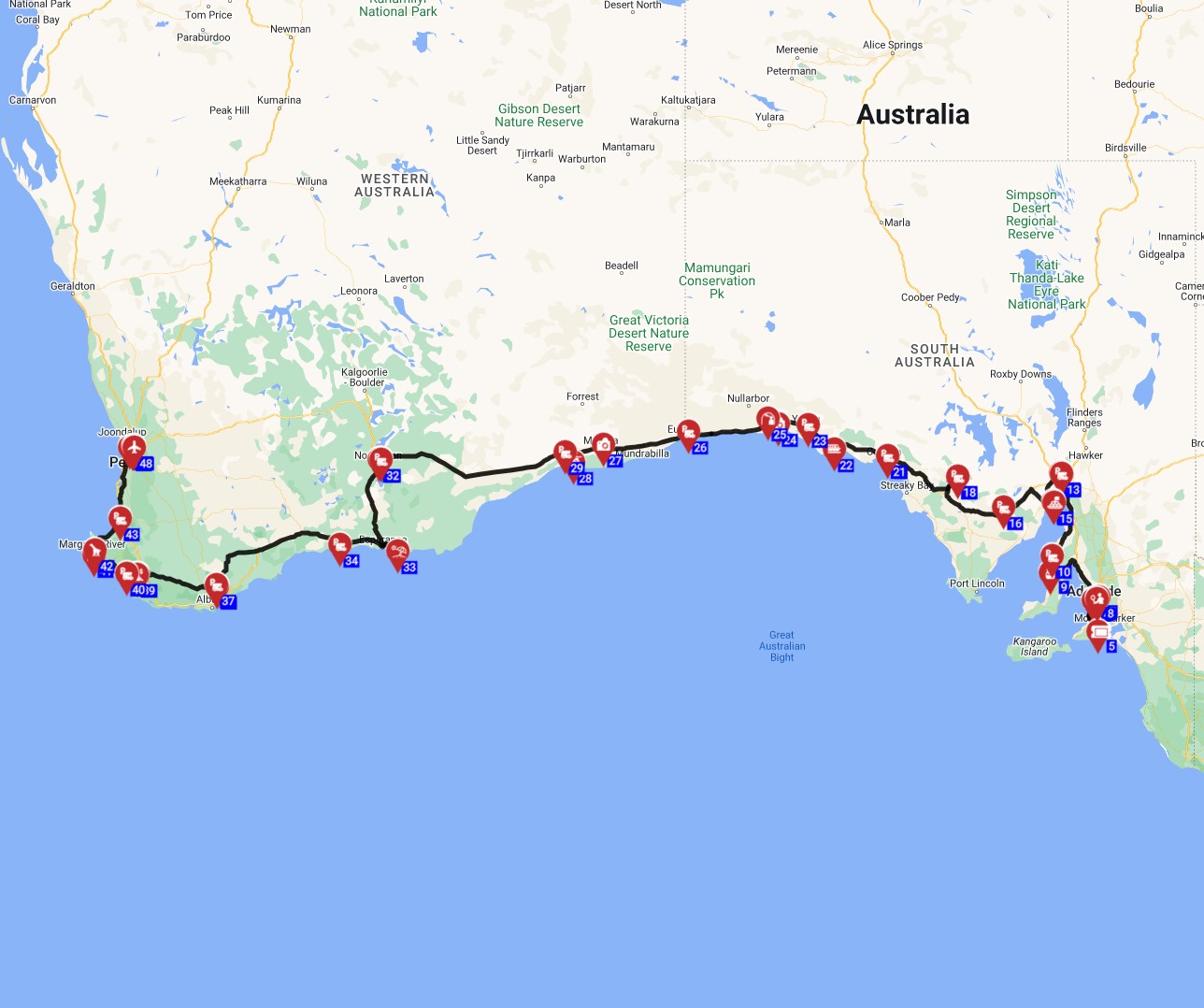
Spanning 21 days and 5447.3 km, this route from Perth to Alice Springs includes 5 points of interest, 3 tourist attractions, and 2 wildlife shows, providing an immersive experience of Australia's Western and Central regions.
This 17-day, 4003.6 km adventure from Cairns to Alice Springs encompasses 3 hiking areas, 2 tourist attractions, and 2 swimming spots, leading you through Northern Australia's vibrant ecosystems and into the arid heartland.
Final Thoughts
An RV adventure through Australia offers unparalleled freedom and the chance to forge incredible memories with your family or friends. From navigating vast stretches of highway to discovering hidden gems off the beaten path, Australia is a continent waiting to be explored from the comfort of your own rented motorhome. With a little planning and the right insights, you'll find it an accessible and rewarding way to travel.
At Bandana RV, we're here to make that journey as straightforward and enjoyable as possible. We’re true RV specialists, dedicated to ensuring you have a fantastic experience without any hidden surprises. So, start dreaming, start planning, and get ready for the adventure of a lifetime across Australia!
Get inspired for your next trip! Discover top destinations, planning tips, all in one place!
Compare Motorhome Prices for Australia today and embark on your ultimate Australian road trip.