In This Guide
- Where to Camp in New Zealand - Top Options
- Campground Types in New Zealand (National, Private, Wild)
- Featured RV Park or Campground in New Zealand
- Hookups & Amenities - What to Expect
- Booking Windows & Reservations in New Zealand
- Nearby Supermarkets & Resupply Points
- Best RV Class for Camping in New Zealand
- How to Save on Campgrounds in New Zealand
- Can I park my motorhome anywhere in New Zealand?
- How much does it cost to park a campervan in New Zealand?
- Does New Zealand have RV parks?
- Can you free camp anywhere in New Zealand?
- How much does it cost to stay at a campground in New Zealand?
- Can you sleep in a camper anywhere in NZ?
- Is New Zealand RV friendly?
- Do you need a special license to drive an RV in New Zealand?
- How much do campsites cost in New Zealand?
- Is it worth getting a campervan in New Zealand?
- What You Shouldn't Miss
New Zealand is a dream destination for a rented RV adventure, offering an incredible diversity of landscapes, from geothermal wonders to majestic fjords. As true RV specialists, we at Bandana RV have helped tens of thousands of travelers explore the world by RV since our founding in 2001, and New Zealand remains a top choice for its stunning scenery and welcoming outdoor culture. For live availability and current prices, start with our RV Rental New Zealand - Complete Guide 2026 guide, where you'll find everything you need to plan your ultimate trip with full transparency and no hidden fees.
Where to Camp in New Zealand - Top Options
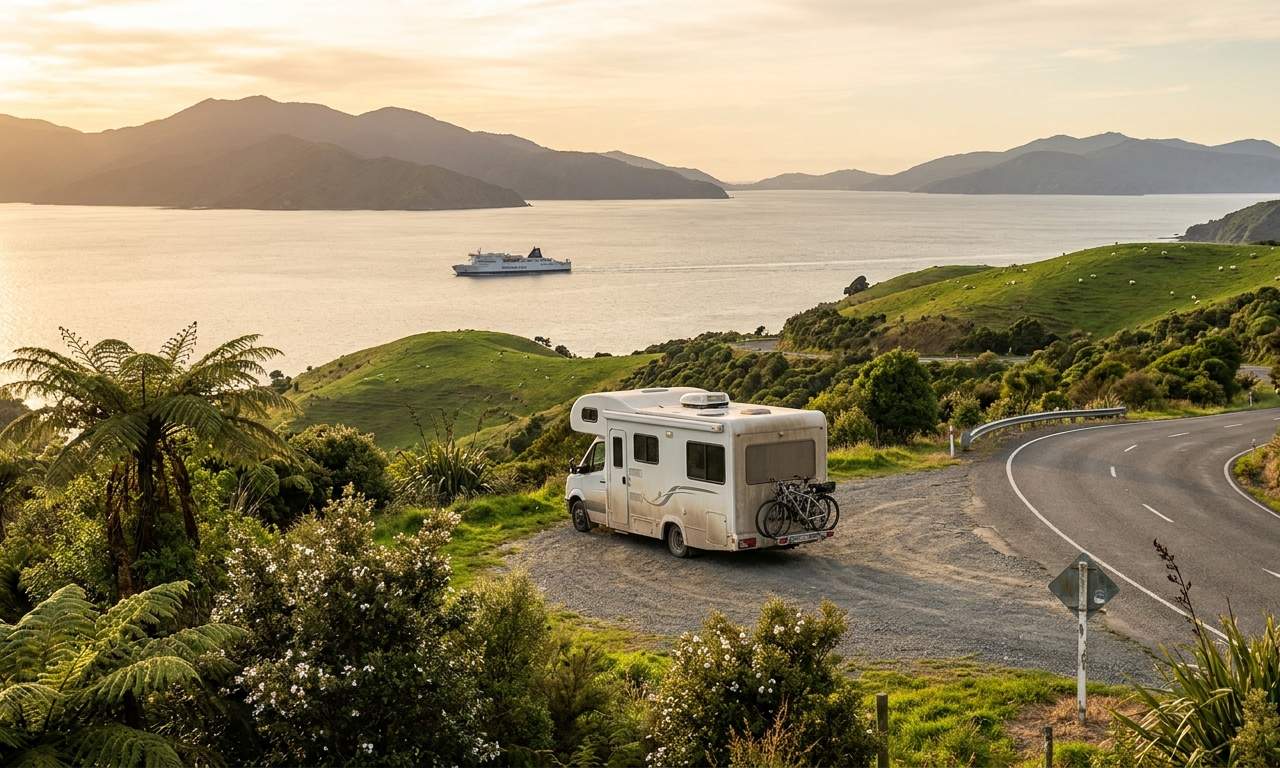
New Zealand offers diverse camping experiences from scenic Department of Conservation (DOC) sites to full-service private holiday parks, ensuring a perfect spot for every type of RV traveler. Popular regions for RV camping include the stunning Marlborough Sounds, the serene beauty of Lake Taupō, and the dramatic landscapes of Fiordland National Park, where the sounds of nature provide the ultimate backdrop for your adventure. Coastal areas like Coromandel Peninsula and the West Coast provide stunning beachside options, while Rotorua offers rich cultural experiences alongside natural hot springs, all easily accessible with a rented motorhome.
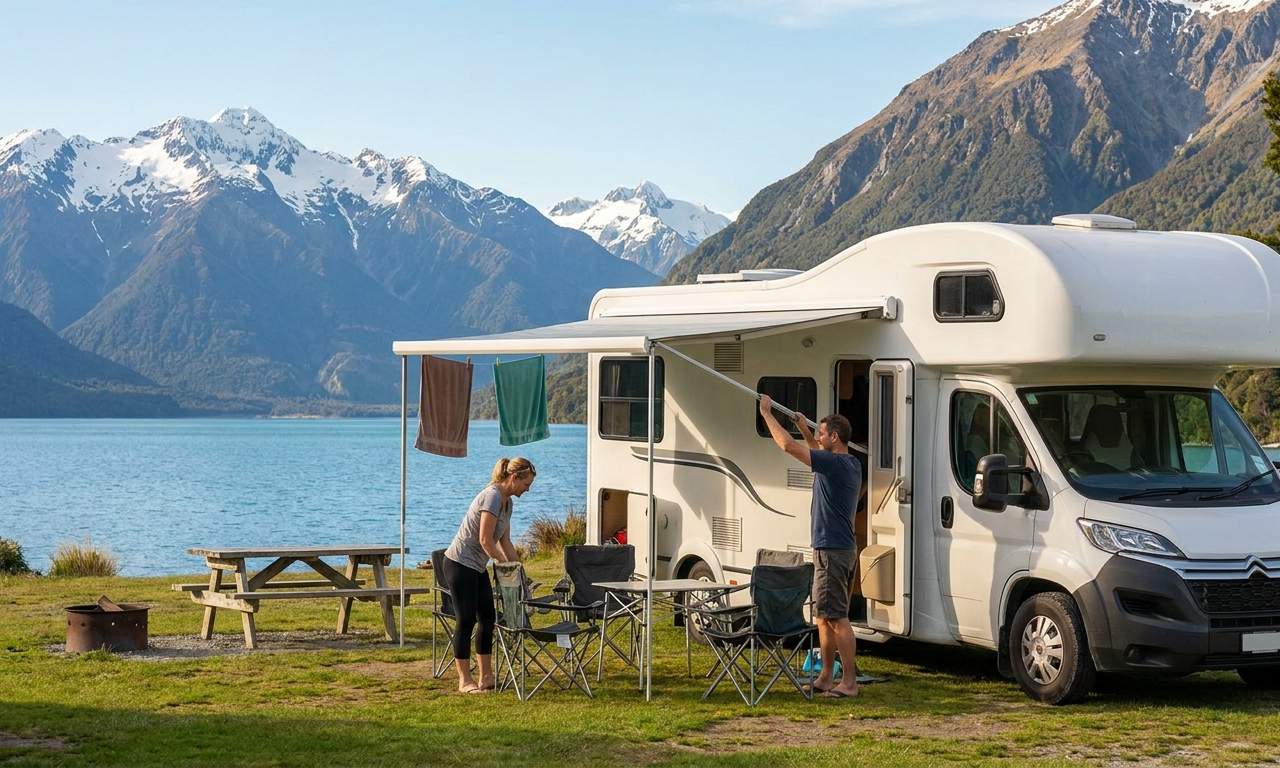
Imagine parking your Class C motorhome, like the "24' Class C Motorhome" with its comfortable double beds and fresh water tank of 166 liters, right beside a tranquil lake, ready to prepare a delicious meal. Our partners include leading RV suppliers like Apollo and Britz, providing a wide range of options to compare for your trip. For those considering an even broader adventure, our RV Rental Australia - Complete Guide 2026 offers comprehensive insights into exploring New Zealand's neighbor.
Campground Types in New Zealand (National, Private, Wild)
New Zealand's camping landscape is primarily divided into Department of Conservation (DOC) campsites, private holiday parks, and designated 'freedom camping' areas, each offering a unique experience for your rented campervan. DOC sites, often found in national parks and reserves, range from basic, low-cost options with minimal facilities for around NZ$8-NZ$15 per person per night, to serviced sites with toilets, water, and sometimes cold showers for NZ$15-NZ$25 per person. Private holiday parks, such as Top 10 Holiday Parks and Kiwi Holiday Parks, offer comprehensive amenities like powered sites, fully equipped kitchens (perfect for trying out our RV-friendly recipes playlist!), laundries, playgrounds, and sometimes even pools. Freedom camping is legally permitted only in specific designated areas for certified self-contained vehicles, adhering strictly to local council bylaws, ensuring environmental protection and a peaceful experience for all.
Understanding these different options is key to planning your road trip, whether you prefer the rustic charm of a DOC site or the full comforts of a holiday park. Remember to always check local regulations for freedom camping, as rules can vary by region and are strictly enforced to protect New Zealand's pristine environment.
Featured RV Park or Campground in New Zealand
While specific featured parks vary by region and availability, an ideal New Zealand RV park provides a harmonious balance of stunning natural scenery and essential amenities for your mobile home adventure. Look for parks offering powered sites (typically 240-volt AC power with a three-pin plug), clean shower and toilet facilities, communal kitchens, and laundry services, ensuring your comfort throughout your journey. Many top-tier parks also feature amenities like Wi-Fi, convenient dump stations for wastewater, playgrounds for families, and proximity to local attractions or towns for resupply, making them perfect base camps. These amenities allow you to travel slowly, averaging 100-150 km per day, and truly immerse yourself in the local culture and breathtaking scenery. On the routes offered through RV PLANET routes, you can itemize and track every expense along the way for easy budgeting.
Consider locations like Queenstown Holiday Park & Motels for its spectacular lake views and comprehensive services, or a Top 10 Holiday Park in a scenic region for reliable comfort. For finding campsites and campgrounds during your trip, we recommend using RV PLANET (rvplan.net) - a great resource for locating available spots along your route, ensuring you always have a place to stay.
Hookups & Amenities - What to Expect
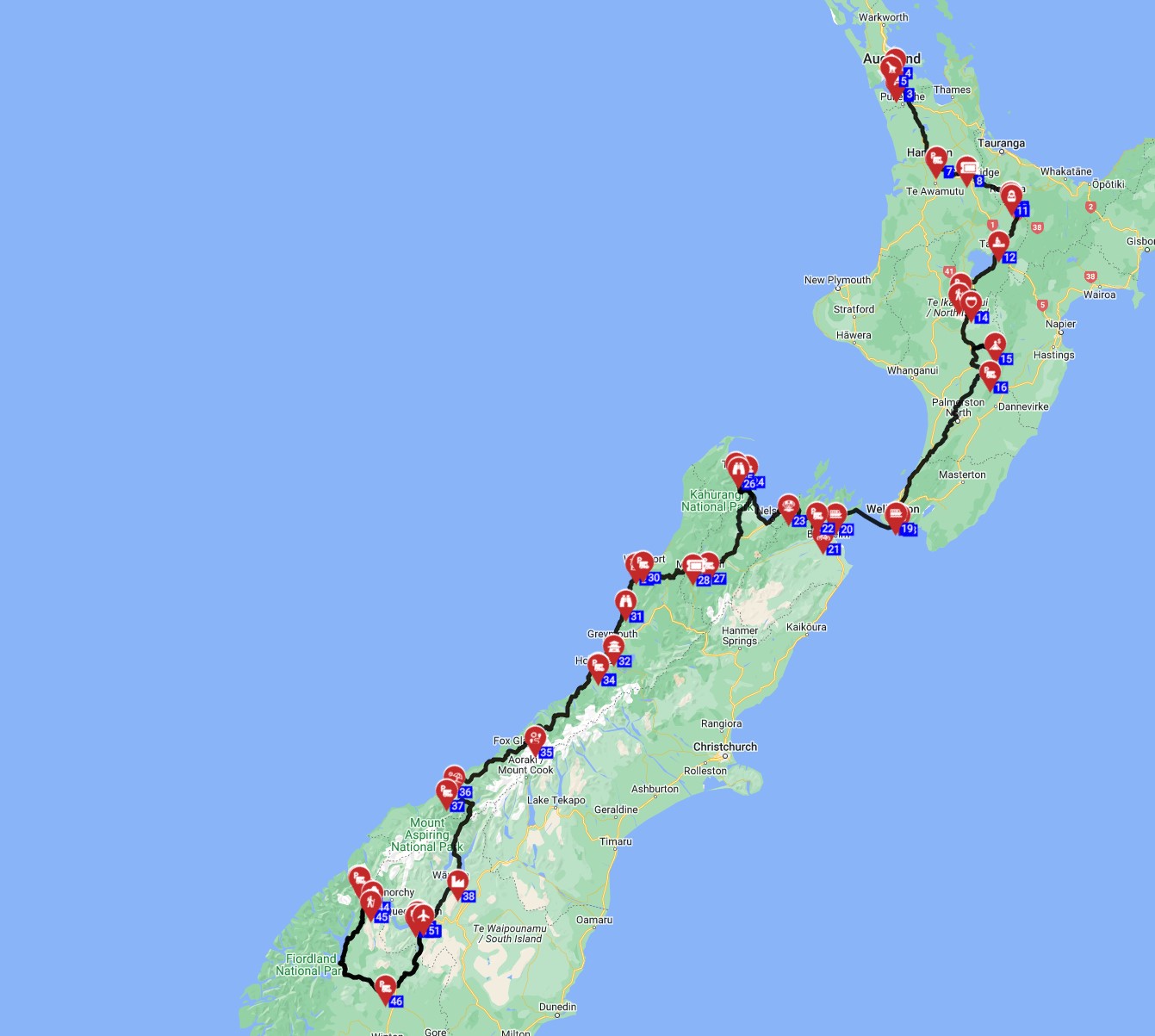
Most commercial RV parks and many serviced DOC campgrounds in New Zealand offer essential hookups, including electricity, fresh water, and waste dump stations, catering to the needs of modern motorhomes. Electrical hookups typically provide 240-volt AC power with a three-pin plug (Type I), so international visitors may need an adapter for their personal appliances. Beyond direct hookups, expect amenities like communal kitchens, hot showers (sometimes coin-operated), and laundry facilities, enhancing comfort. Many sites also provide picnic tables, BBQ areas, and play areas for children, which are especially helpful for families enjoying their rented RV vacation, allowing for relaxation and outdoor enjoyment.
Some premium holiday parks, like those often frequented on routes such as the "
Booking Windows & Reservations in New Zealand
For popular campgrounds in New Zealand, especially Department of Conservation (DOC) Great Walk sites and private holiday parks during the peak summer season (December-February), booking your RV sites well in advance is highly recommended. Many pre-planners secure their spots 3-6 months ahead to guarantee their preferred locations. While some DOC campgrounds release only a portion (typically 25-30%) of their sites for advance reservations, leaving the majority for first-come, first-served arrivals, spontaneous travelers can often find spots by calling ahead the same day or arriving early in the morning. Booking is crucial for guaranteed spots at top destinations, but with a flexible attitude, you'll find a spot; if not at the first campground, then the next one. Always call ahead before driving long distances.
During shoulder seasons (spring: September-November and autumn: March-May), booking windows are more forgiving, allowing for greater spontaneity in your travel plans and potentially lower rates for your rented motorhome. Regardless of your planning style, our 24/7 support is there to assist you before and during your booking process, ensuring a smooth start to your New Zealand adventure.
Nearby Supermarkets & Resupply Points
New Zealand boasts a robust network of major supermarket chains, including Countdown, Pak'nSave, and New World, making resupply for RV travelers relatively straightforward. These supermarkets are typically found in most towns and cities along popular tourist routes, ensuring convenient access to fresh groceries and essential supplies for your rented campervan. Smaller general stores and dairies are also prevalent in more remote areas, though they may have higher prices and more limited selections. Planning your route with an eye on these larger towns will help ensure you can stock up on essentials, allowing you to prepare delicious meals right in your RV's kitchen.
For comprehensive trip budgeting, including tracking fuel, campground fees, and groceries, remember that RV PLANET routes allow travelers to itemize and track every expense along the way for easy budgeting. This helps avoid surprises and keeps your adventure within budget, reflecting Bandana's commitment to full transparency.
Best RV Class for Camping in New Zealand
For diverse camping in New Zealand, including both serviced sites and approved freedom camping spots, Class SI - Semi-integrated or Class B - Camper Van models are often ideal due to their balance of maneuverability and self-containment capabilities. Bandana's global fleet averages for a Class B - Camper Van indicate a typical length of 5.8 meters and sleeping for 3.2 people, making them easy to drive on narrower, winding roads and generally more fuel-efficient (around 10 Liters/100 km). Class SI - Semi-integrated RVs, averaging 6.9 meters in length and sleeping 3.8 people from Bandana's global fleet, offer more living space and amenities, such as a shower and toilet, while still being manageable for many New Zealand roads.
Larger Class C - Alcove or Class A - Integrated RVs (averaging 7.5 meters or more, like the "Euro Deluxe" which has 3 double beds and can accommodate a big family or group of friends) provide ample space for families or larger groups but can be more challenging on very winding roads or in tight parking situations, making them better suited for dedicated RV parks with larger sites. To compare options for different budgets and sizes, explore our guides like Luxury RV Rental in New Zealand - Premium Prices 2026 or Cheap RV Rental in New Zealand - Budget Guide 2026. Drive slowly and carefully, and you can drive almost anywhere without issues. No need to stress - just use common sense and pay attention.
How to Save on Campgrounds in New Zealand
Utilizing campground discount cards, often provided by RV rental companies like Bandana or available for purchase from holiday park chains, is a primary way to reduce accommodation costs in New Zealand. Choosing Department of Conservation (DOC) basic and standard campsites, which are significantly cheaper than private holiday parks (often NZ$8-NZ$25 per person per night compared to NZ$25-NZ$60+), can substantially lower your overnight expenses. Traveling during the shoulder seasons (spring: September-November; autumn: March-May) often brings lower rates and fewer crowds compared to the peak summer months. Look for weekly rates at private holiday parks if staying for three or more nights, and consider approved freedom camping for no-cost overnight stays when your vehicle is certified self-contained, ensuring you adhere to local bylaws.
Remember that planning is key to saving money. By using resources like RV PLANET (rvplan.net) to map out your route and identify cost-effective camping options, you can enjoy a fantastic and affordable RV rental adventure. Bandana is dedicated to helping you find the easiest, safest, and most affordable way to rent an RV, comparing final prices across 50+ suppliers so you don't have to.
Can I park my motorhome anywhere in New Zealand?
No, you cannot park your motorhome anywhere in New Zealand; parking regulations are strict, especially concerning overnight stays and 'freedom camping.' Overnight parking (freedom camping) is generally restricted to designated areas approved by local councils, and your vehicle must be certified self-contained, meaning it has a toilet, fresh water tank, wastewater tank, and a rubbish bin for at least three days of use. Parking a motorhome in a non-designated area, or without a self-contained certification where required, can result in significant fines, often up to NZ$400. Always look for signs indicating whether freedom camping is permitted, restricted, or prohibited, and respect local bylaws to avoid penalties and ensure a pleasant experience for everyone.
It's vital to be informed about these rules before you set out in your rented campervan. Many mobile apps and websites offer up-to-date information on designated freedom camping spots and holiday parks across both the North and South Islands. Responsible camping helps preserve New Zealand's natural beauty for all.
How much does it cost to park a campervan in New Zealand?
The cost to park a campervan in New Zealand varies significantly, ranging from free at designated freedom camping spots for certified self-contained vehicles to upwards of NZ$80 per night for a full-service private holiday park. Department of Conservation (DOC) campsites typically range from NZ$8 to NZ$25 per person per night for basic to serviced sites, offering a budget-friendly option in stunning natural settings. Private holiday parks, offering comprehensive amenities like powered sites, hot showers, and Wi-Fi, usually cost between NZ$25 to NZ$60 per night for two people, depending on location, season, and the level of facilities. Freedom camping in approved areas, as long as your rented RV is self-contained, incurs no direct parking fee, providing the ultimate budget option.
Prices are dynamic like flight tickets, changing daily based on availability, seasonality, and supplier marketing decisions, so the final price is set at the actual booking time. Exploring options through RV Rental Deals in New Zealand - Latest Offers 2026 can help you find cost-effective solutions for your overnight stays.
Does New Zealand have RV parks?
Yes, New Zealand has an extensive network of RV parks, commonly referred to as holiday parks or motor camps, catering specifically to campervans and motorhomes, making it a truly RV-friendly destination. These parks range from basic facilities offered by Department of Conservation (DOC) sites to full-service commercial holiday parks found in popular tourist destinations and towns such as Auckland, Christchurch, and Queenstown. Holiday parks typically provide essential amenities like powered sites for your Class B Campervan, fresh water hookups, waste dump stations, laundry facilities, communal kitchens, hot showers, and often Wi-Fi (sometimes with a fee). Beyond private holiday parks, there are also numerous basic campsites managed by the DOC, located within national parks and scenic reserves, offering a more rustic and immersive camping experience in pristine natural environments.
This wide array of options ensures that whether you're seeking a secluded spot in nature or a family-friendly park with all the comforts, you'll find it for your rented camper in New Zealand. Our true RV specialists have personal experience with these types of facilities and are always ready to help you navigate your choices.
Can you free camp anywhere in New Zealand?
No, you cannot free camp anywhere in New Zealand; freedom camping is strictly regulated and only permitted in specific designated areas for certified self-contained vehicles. New Zealand law requires any vehicle used for freedom camping to display a 'self-contained' sticker, indicating it meets standards for onboard fresh water (at least 12L per person per day for three days), wastewater (at least 12L per person per day for three days), toilet facilities, and a rubbish bin with a lid. Local councils have their own bylaws, and while some areas allow freedom camping, others strictly prohibit it; checking local signage or using reliable camping apps is crucial before settling down for the night. Camping illegally can result in immediate fines of NZ$200, or up to NZ$400 if your vehicle is not certified self-contained where required, so always err on the side of caution.
Respecting these rules is not only about avoiding fines but also about preserving the stunning natural environment that makes New Zealand such an incredible destination for rented RV travel. When you plan your trip with Bandana, you benefit from our full transparency and expert guidance, ensuring you understand all local regulations.
How much does it cost to stay at a campground in New Zealand?
Staying at a campground in New Zealand can cost anywhere from NZ$0 for approved freedom camping (if your rented campervan is certified self-contained) to over NZ$80 per night for a premium powered site at a private holiday park. Department of Conservation (DOC) campsites vary, with basic sites (minimal facilities, often just a toilet) often costing NZ$8-NZ$15 per adult per night, and serviced sites (with toilets, water, and sometimes cold showers) ranging from NZ$15-NZ$25 per person. Private holiday parks, which offer more extensive amenities like powered sites, full kitchens, and sometimes pools, typically charge NZ$25 to NZ$60 per night for two people on a powered site. The price is significantly influenced by factors such as the campground's location (e.g., popular tourist hubs like Queenstown are pricier), the season (peak summer is highest), and the specific amenities included, such as Wi-Fi or dump stations.
It’s always a good idea to factor these variable costs into your overall RV PLANET routes to ensure you stay within your travel budget. Remember, prices for rental motorhomes and campsites are dynamic and can change daily.
Can you sleep in a camper anywhere in NZ?
No, you cannot legally sleep in a camper anywhere in New Zealand; regulations strictly govern where overnight stays are permitted, primarily limiting them to designated campgrounds or approved freedom camping sites. Sleeping in a rented camper outside of designated areas, particularly in urban areas, on private property without permission, or at non-designated roadside locations, is generally illegal and subject to fines, often between NZ$200 and NZ$400. For legal overnight stays, your camper must either be parked in a paid campground (a DOC site or a private holiday park) or in a designated freedom camping area if it is a certified self-contained vehicle. Always refer to local council bylaws and prominent signage, or use official camping apps to confirm legal overnight parking spots to avoid penalties and ensure a respectful trip.
These rules are in place to protect New Zealand's environment and maintain a positive experience for all visitors and locals alike. Plan a week-long trip or longer, and enjoy the freedom of your mobile home responsibly.
Is New Zealand RV friendly?
Yes, New Zealand is generally very RV friendly, offering stunning landscapes, dedicated infrastructure, and a culture that embraces motorhome travel, though road conditions and regulations require awareness. The country boasts a comprehensive network of RV-specific infrastructure, including numerous holiday parks, DOC campsites (over 400 nationwide), dump stations, and fresh water refill points, making life on the road convenient for your rented RV. Roads are generally well-maintained, but they can be narrow, winding, and steep, especially in mountainous regions like the Southern Alps, requiring careful driving for larger vehicles. Drive slowly and carefully, and you can drive almost anywhere without issues. No need to stress - just use common sense and pay attention. Local attitudes towards RV travelers are largely welcoming, provided visitors respect 'freedom camping' regulations and maintain a 'leave no trace' philosophy.
With a rented motorhome from one of Bandana's 50+ leading RV suppliers, you gain the flexibility to explore at your own pace, connecting deeply with New Zealand's natural beauty and vibrant culture. Whether you choose a Class B Camper Van like the "2 Berth Hi Top" or a Class C Alcove for more space, New Zealand offers an unforgettable RV experience.
Do you need a special license to drive an RV in New Zealand?
No, typically you do not need a special license to drive most RVs or motorhomes in New Zealand, provided the vehicle's Gross Laden Weight (GLW) is under 3,500 kg, which covers almost all rental campervans and motorhomes up to a large Class C. For international visitors, a valid driver's license from your home country, along with an International Driving Permit (IDP) or an approved translation if your license is not in English, is usually sufficient. An IDP is recommended for visitors from non-English-speaking countries but is not mandatory in most cases, acting as a certified translation. Most standard rental RVs in New Zealand, including Class B, Class C, and Class SI models, fall within the weight limit drivable on a standard car license, and the minimum rental age is 21, with no young driver surcharges or vehicle class restrictions based on age. Always check the specific GLW of your rental RV and confirm licensing requirements with your rental company, such as El Monte, Apollo, or Britz.
Bandana offers full transparency on all booking requirements, including licensing, ensuring you have no surprises when picking up your rented motorhome. Our team of true RV specialists knows the ins and outs of travel in New Zealand and can help you with any questions.
How much do campsites cost in New Zealand?
Campsite costs in New Zealand range widely, from NZ$0 for approved freedom camping (for certified self-contained vehicles) to over NZ$80 per night for premium private holiday park sites, depending on location and amenities. Department of Conservation (DOC) campsites generally cost between NZ$8 and NZ$25 per person per night, with basic sites offering minimal facilities and serviced sites providing toilets, water, and sometimes showers. Private holiday parks, which offer more extensive amenities such as powered sites (for your "4 Berth Deluxe" motorhome, for instance), full kitchens, laundries, and sometimes recreational facilities, typically charge NZ$25 to NZ$60 per night for two adults. The price is significantly influenced by factors such as the location (e.g., popular tourist hubs are pricier), the season (peak summer is the most expensive), and the specific amenities included. Prices for these are dynamic, so the final price is always set at the actual booking time.
For finding campsites and campgrounds during your trip, we recommend using RV PLANET (rvplan.net) - a great resource for locating available spots along your route and managing your ancillary trip costs. This ensures you can budget effectively and enjoy your adventure without worrying about unexpected expenses.
Is it worth getting a campervan in New Zealand?
Yes, getting a campervan in New Zealand is generally considered highly worthwhile for travelers seeking flexibility, immersive natural experiences, and a unique way to explore the country at their own pace. A rented RV offers unparalleled freedom to change your itinerary on a whim, stop at breathtaking scenic viewpoints for a coffee break, and access remote natural areas that might be less accessible by other transport methods. While potentially more expensive upfront than car rentals for some, a campervan can save significantly on accommodation costs by enabling stays at cheaper DOC sites or approved freedom camping spots. The unique experience of waking up to stunning landscapes, self-catering meals in your motorhome, and having your 'home' with you makes it an unforgettable way to connect with New Zealand's beauty, despite considerations like fuel costs (e.g., Bandana's Class C averages 10-12 Liters/100 km) and stricter freedom camping rules.
Many travelers find the value in the journey itself, the ability to cook their own meals, and the sheer independence that RV travel provides. For more insights on costs, check out RV Rental in New Zealand - Prices and Best Deals 2026.
What You Shouldn't Miss
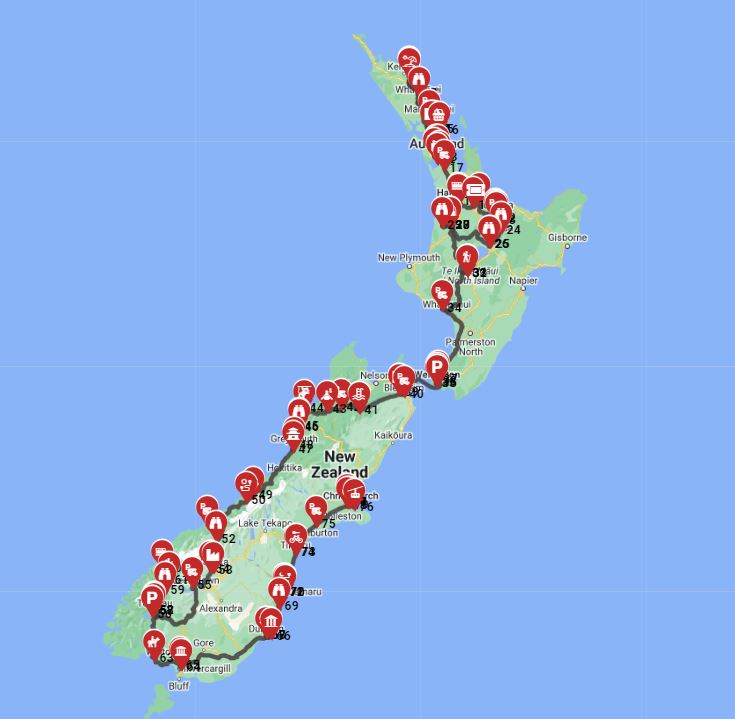
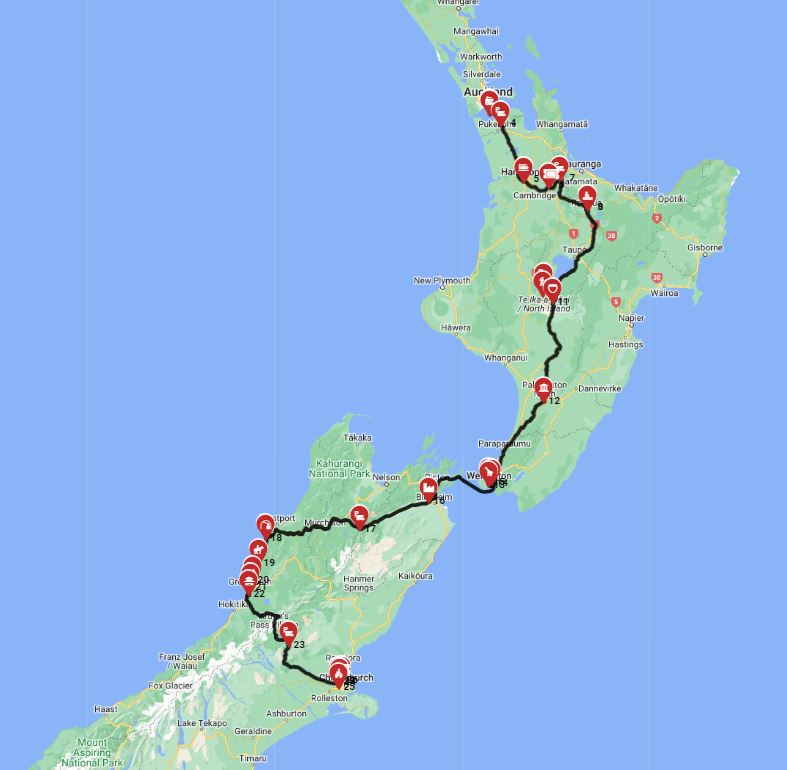
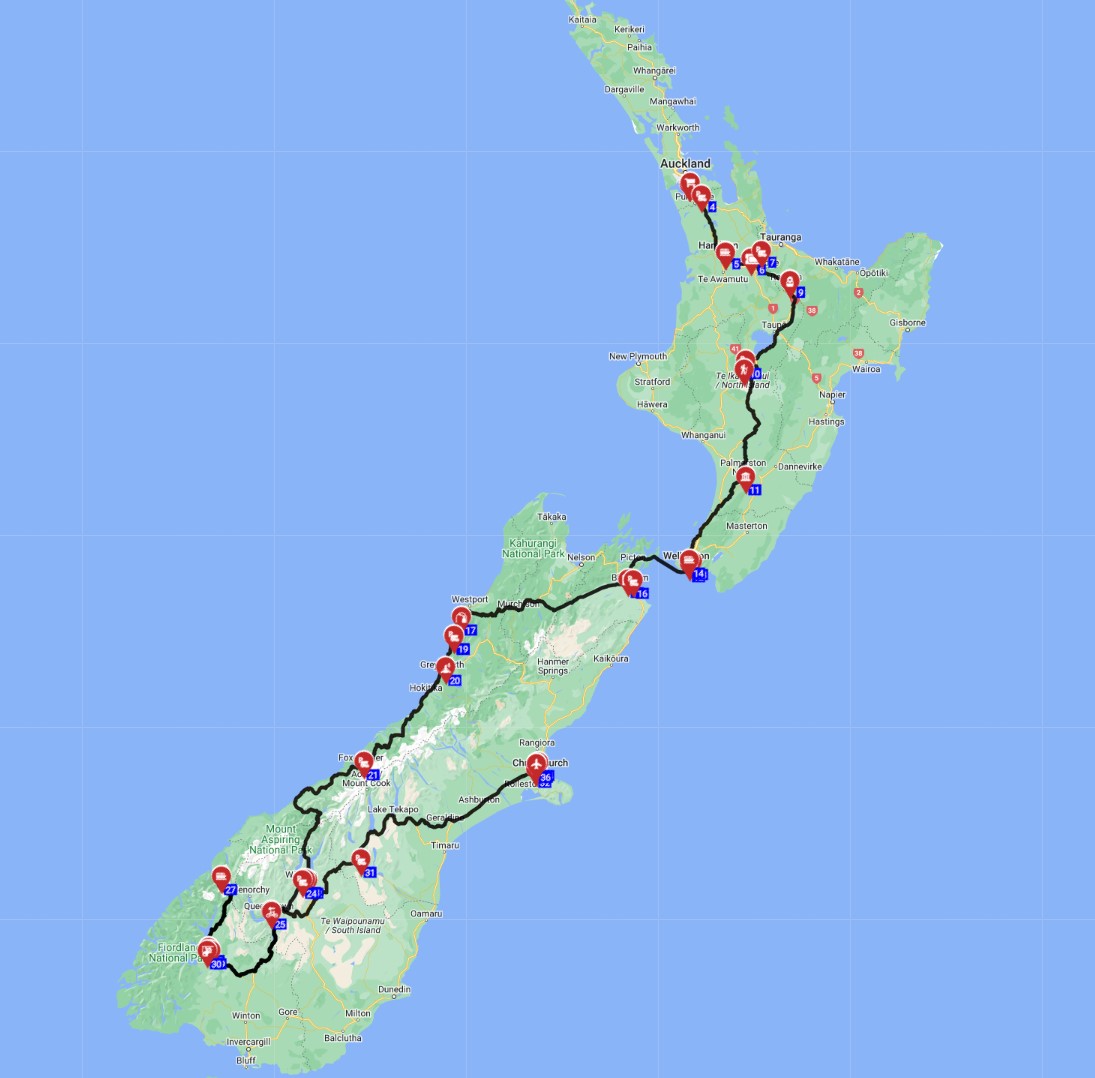
- **Explore Fiordland National Park:** Cruise Milford Sound or Doubtful Sound, two of New Zealand's most iconic natural features. These are stops on the "
" itinerary, which includes 3 Cruise Terminal / Sailing experiences and 5 hiking areas.
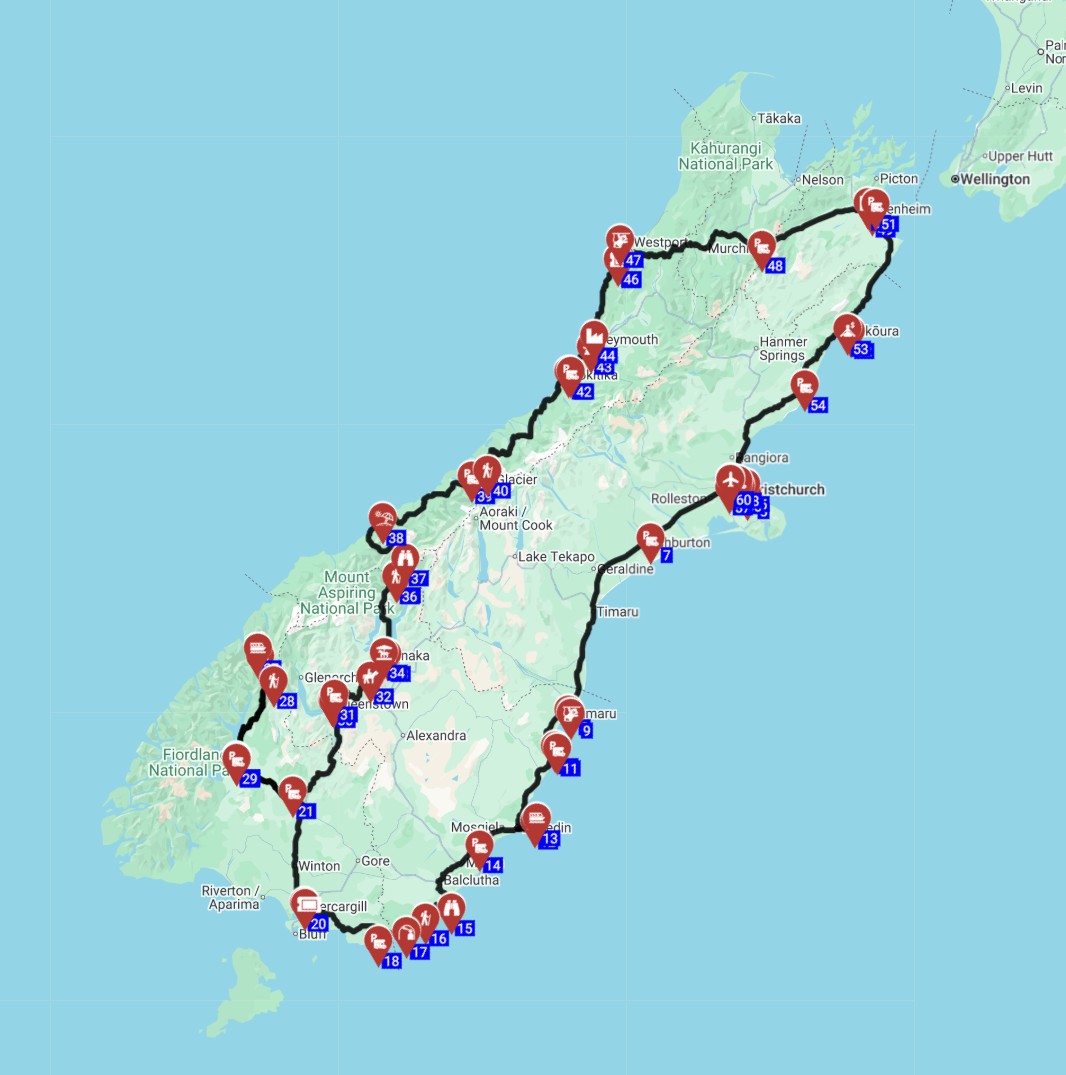 Christchurch Roundtrip - Around the South Island
 - **Discover Rotorua's Geothermal Wonders:** Witness bubbling mud pools, geysers, and vibrant Maori culture. The "
" route includes 1 Spa / Terme and 1 Traditional Visit, perfectly capturing this experience.
Auckland to Queenstown - The Great Kiwi Road Trip
- **Hike the Tongariro Alpine Crossing:** One of the world's best day hikes, offering dramatic volcanic landscapes. While challenging, the views are worth it.
- **Visit Abel Tasman National Park:** Enjoy golden beaches, turquoise waters, and lush coastal forests. A perfect spot for canoeing/kayaking, featured in the "
" route.
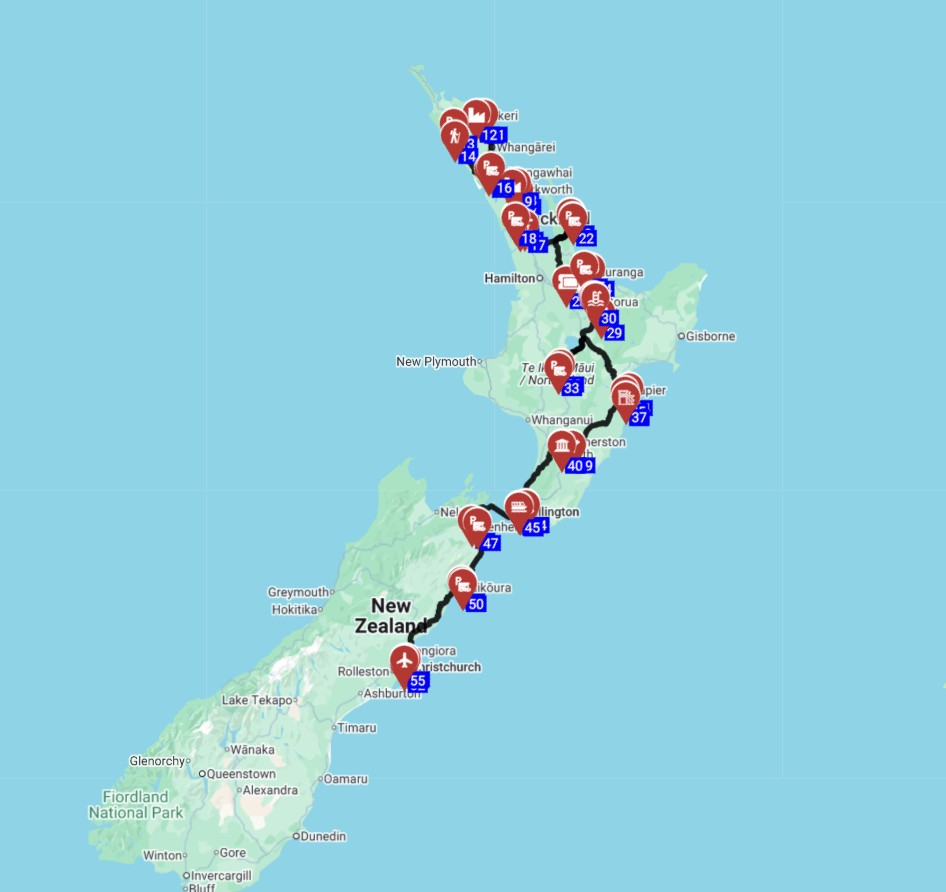
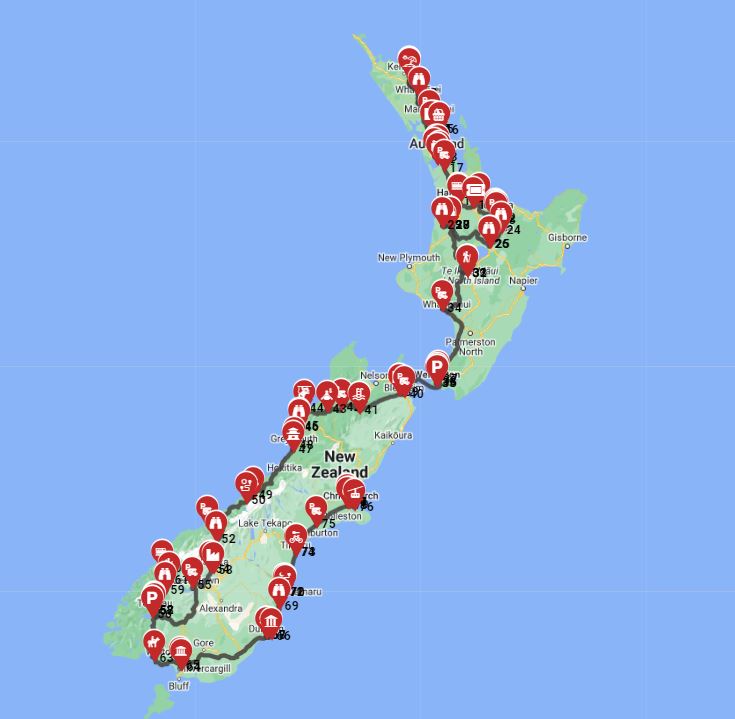 Auckland to Christchurch - Comprehensive New Zealand
 - **Queenstown Adventure Capital:** Experience thrilling activities from bungee jumping and white-water rafting to scenic gondola rides. The "
" includes 1 Extreme Activity and 2 Tourist Attractions.
Auckland to Queenstown - The Great Kiwi Road Trip
- **Stargaze in a Dark Sky Reserve:** Head to Aoraki Mackenzie International Dark Sky Reserve for unparalleled views of the Southern Hemisphere's night sky, a highlight for any campervan traveler.
Looking for expert insights from Avi Bandana? Top 5 Adventures - recommendations from Avi Bandana.
Final Thoughts
Embarking on a first-time RV camping trip in New Zealand is an incredible way to experience the country's unparalleled natural beauty and vibrant culture. With a reliable rented motorhome or campervan, you unlock the freedom to explore at your own pace, discover hidden gems, and create memories that will last a lifetime. Remember to embrace the spirit of slow travel, dedicating ample time to each destination rather than rushing through the stunning landscapes. Maximize your enjoyment by driving slowly, no more than 100-150 km per day on average, allowing yourself to truly feel the place, connect to the culture, the food, and the scenery.
The key to a successful New Zealand RV adventure lies in understanding the local camping rules, especially regarding freedom camping and self-contained vehicles, and planning your itinerary with a mix of diverse campgrounds. Bandana RV is here to support you every step of the way, offering a transparent booking process and expert advice from true RV specialists. Get inspired for your next trip and discover top destinations, planning tips, all in one place!
So, pack your bags, choose your perfect rented RV from our wide selection of Class B, Class C, or Class A motorhomes, and get ready for an unforgettable journey through the Land of the Long White Cloud. New Zealand is waiting to be explored, and a campervan is your ticket to adventure. Plan a trip itinerary in advance with minimal effort and maximum enjoyment, knowing you have Bandana by your side.
🎬 Video coming soon