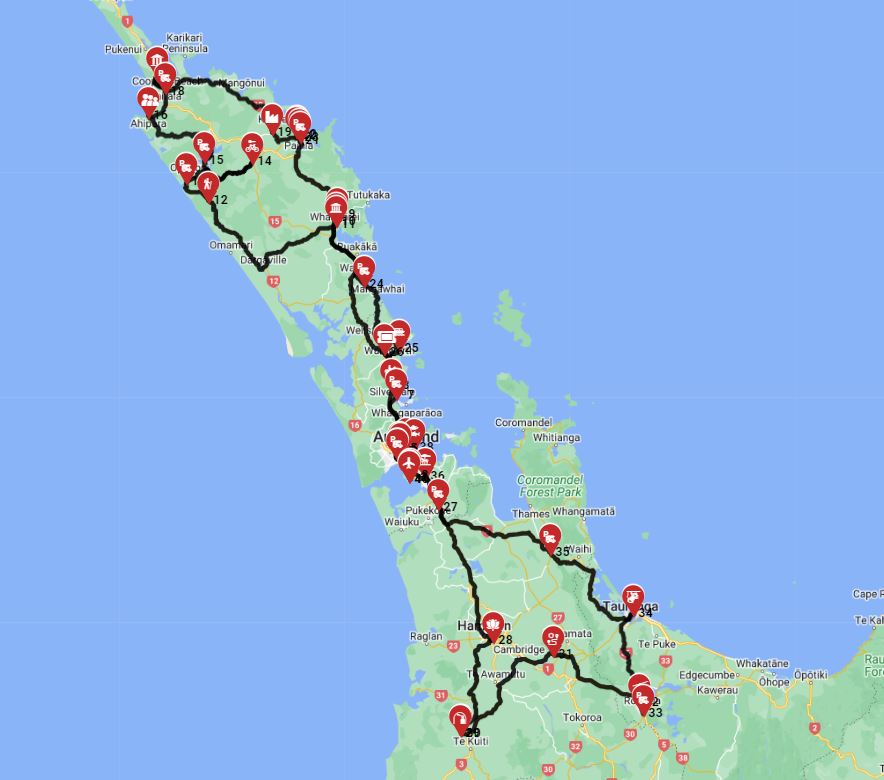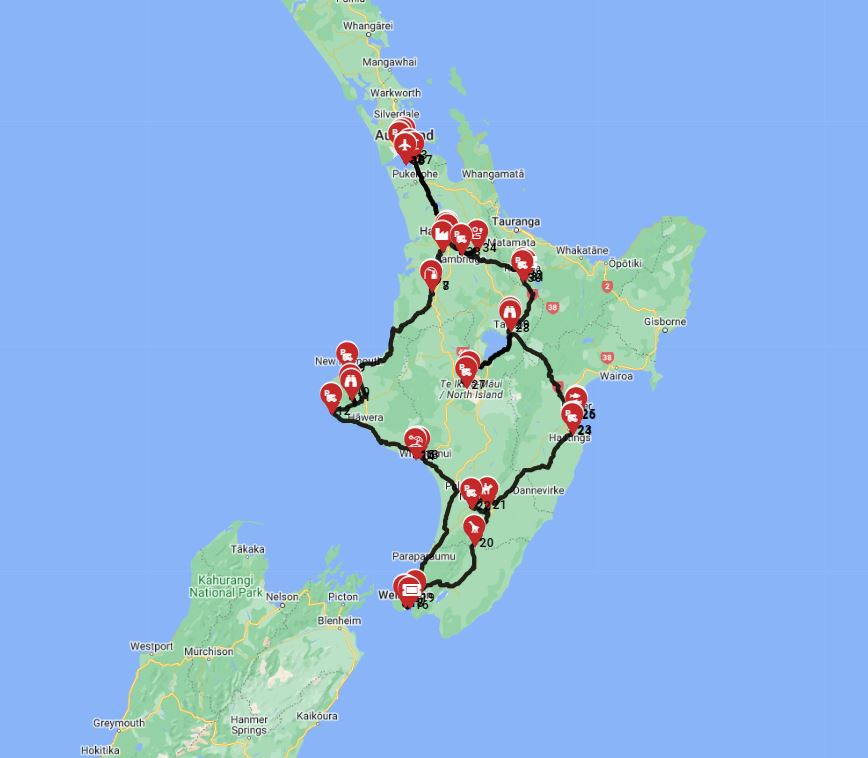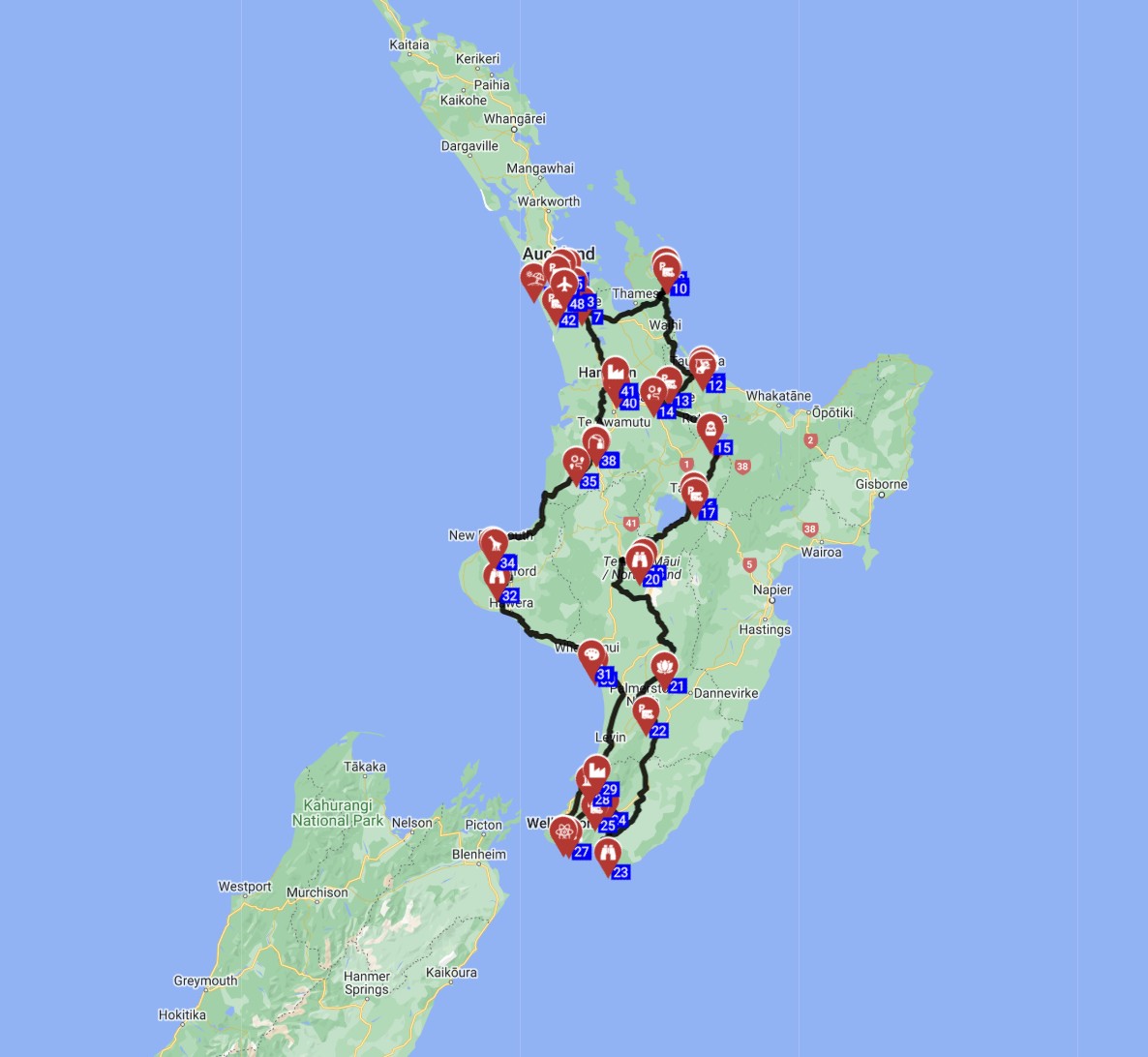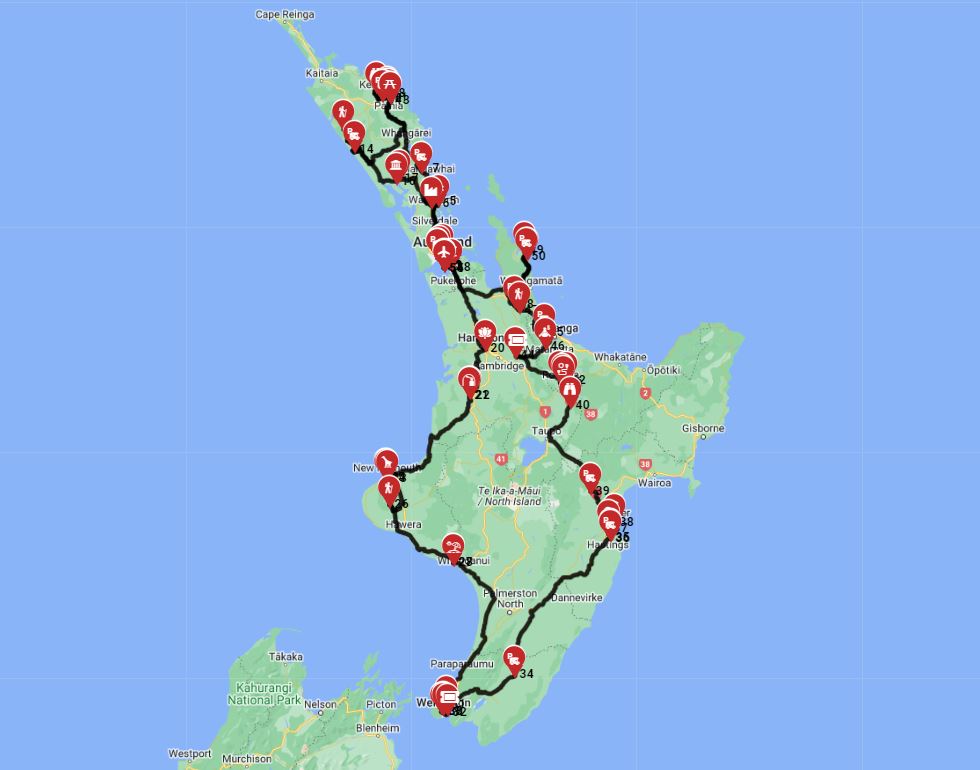
In This Guide
- Top 5 Tips for RV Rental in New Zealand
- Before You Book - Class, Dates, Insurance
- Pre-Trip Prep - Packing Checklist for New Zealand
- On the Road - Driving, Fueling, Navigation
- At the Campground - Setup, Hookups & Etiquette
- RV rental-Specific Tips for New Zealand
- Common Mistakes to Avoid in New Zealand
- How much does it cost to rent an RV in New Zealand?
- What is the 333 rule for campervan?
- What is the best camper rental in New Zealand?
- Is it worth it to rent a campervan in New Zealand?
- Is it easy to drive a motorhome in New Zealand?
- Do and don'ts New Zealand?
- How much money would I need for 2 weeks in New Zealand?
- Is it easy to campervan around New Zealand?
- What are the drawbacks of renting an RV?
New Zealand, with its breathtaking landscapes and welcoming spirit, is an unparalleled destination for a family RV adventure. Traveling with a rented motorhome or campervan offers families the ultimate flexibility to explore the country's stunning natural features, from the geothermal wonders of Rotorua to the majestic fjords of Milford Sound. For live availability and current prices, start with our RV Rental New Zealand - Complete Guide 2026 guide.
Imagine waking up to a different panoramic view every morning, with the kids already fed and ready for the day's exploration, all from the comfort of your mobile home. At Bandana Caravan, we're true RV specialists, with over 20 years of experience helping tens of thousands of travelers discover the world by RV. We provide full transparency, so there are no hidden fees or surprises, ensuring your family trip focuses on joy, not unexpected costs.
Top 5 Tips for RV Rental in New Zealand
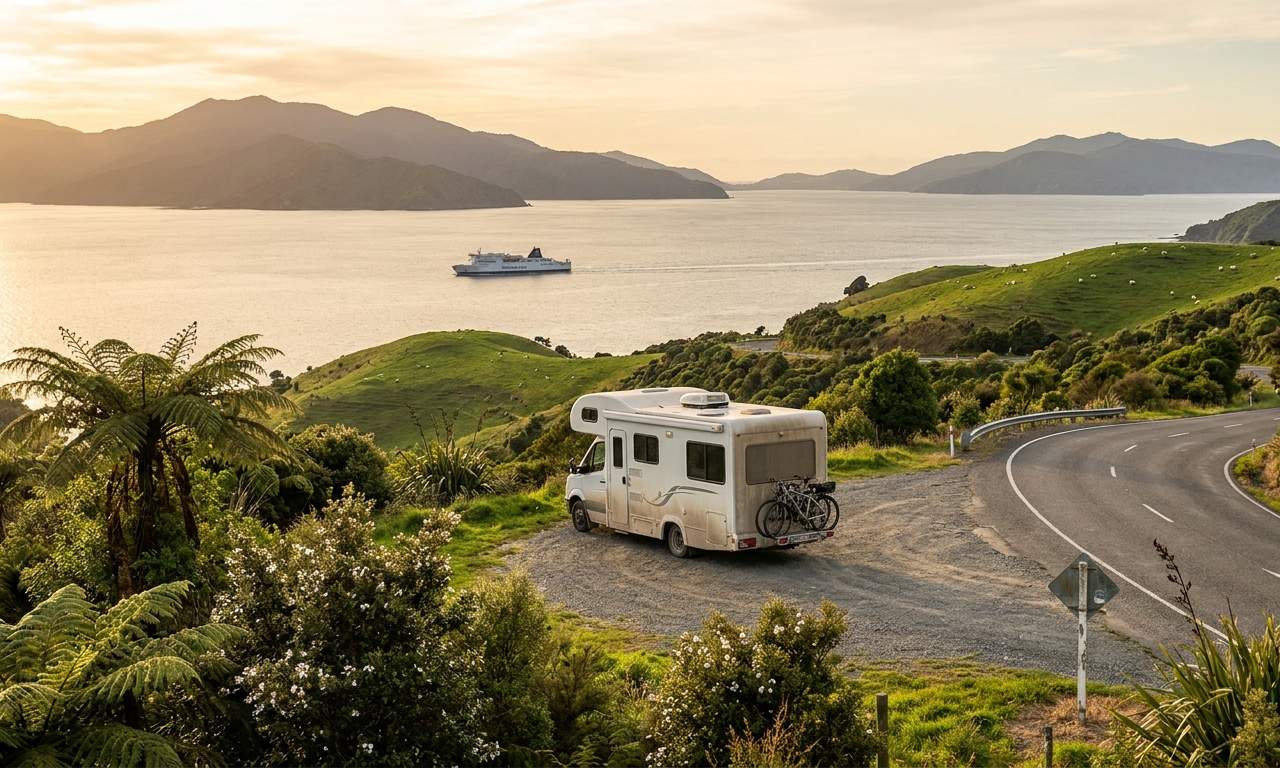
Securing your preferred RV in New Zealand, particularly for models ideal for families of 2+2 such as the "4 Berth Adventurer" with its large 190-liter refrigerator, requires booking well in advance, especially for the peak summer months of December-February. Understanding your insurance options is also paramount, as basic coverage is always included, but upgrading to a top-level deductible offers enhanced peace of mind against unexpected incidents like windshield or tire damage. Additionally, familiarizing yourself with New Zealand's unique road rules, including driving on the left-hand side and navigating common one-lane bridges, will significantly enhance safety and enjoyment. It's wise to plan your itinerary with flexibility, allowing extra time for spontaneous stops at stunning scenic viewpoints and unexpected attractions, ensuring you travel slowly-max 100-150 km per day-to truly connect with the culture and scenery. Finally, embracing sustainable travel practices by diligently using designated dump stations, conserving onboard water from your 85-liter fresh water tank, and strictly adhering to freedom camping regulations is crucial for preserving New Zealand's pristine environment. On the routes offered through RV PLANET routes, you can itemize and track every expense along the way for easy budgeting.
Before You Book - Class, Dates, Insurance
Before confirming your RV rental, carefully consider the RV class, preferred dates, and comprehensive insurance options to ensure a smooth trip in New Zealand. Choosing an RV size that comfortably accommodates your family's needs and aligns with your driving confidence is key; for instance, a compact Class B campervan like the "Hi5 Camper" might be easier to maneuver on winding roads, while a larger 6-berth Class C motorhome such as the "Euro Deluxe" offers more living space and amenities like a full kitchen and spacious shower, ideal for a big family. Booking 6-12 months ahead for New Zealand's summer season (December-February) is highly recommended due to high demand, although shoulder seasons like spring (September-November) or autumn (March-May) often provide a pleasant balance of good weather and potentially better rates, with average low-season rentals starting from NZD $80 per day. When evaluating insurance, remember that basic coverage is always included, but you can upgrade to a top-level deductible for extra peace of mind, covering potential damages to the windshield, tires, or undercarriage, and it's essential to check the excess amount and what is specifically covered. If your family plans to explore freedom camping sites, ensure your chosen rental vehicle is "self-contained" certified, a legal requirement in many areas, typically meaning it has an onboard toilet, wastewater, and rubbish facilities, like the "Koru Star 4 Freedom" with its 100-liter fresh water tank.
Pre-Trip Prep - Packing Checklist for New Zealand
A well-prepared packing list ensures comfort and convenience for your family RV rental in New Zealand, catering to the country's diverse weather and outdoor activities. Remember to pack versatile, layered clothing, including thermals, a fleece, and a waterproof or windproof outer shell, even for summer trips, as temperatures can shift quickly; comfortable walking or hiking shoes are also essential for exploring national parks and scenic trails. For onboard cooking and meal preparation, bring reusable water bottles, coffee cups, and shopping bags to minimize waste, along with basic non-perishable food items like tea, coffee, oil, and spices to save money and enjoy meals in your rented motorhome or campervan. For inspiration on what to cook, check out our RV-friendly recipes playlist. To enhance safety and comfort, a comprehensive first-aid kit with insect repellent and sunscreen is crucial, along with a headlamp or flashlight for evening activities and portable power banks for charging electronics since cell service can be intermittent in remote areas. Don't forget travel adapters for NZ outlets, and always have offline maps downloaded (such as Google Maps or Maps.me) as a backup. Finally, ensure all necessary documents are accessible, including your valid car driver's license, an International Driving Permit (recommended but not mandatory for visitors from non-English speaking countries), passports, visas if applicable, rental booking confirmations, and travel insurance details, along with some local currency for small purchases.
-
Clothing:
- Layered clothing (thermals, fleece, waterproof/windproof outer shell)
- Comfortable walking shoes/hiking boots
- Swimsuit and quick-dry towel
- Warm hat, gloves, and sunglasses
-
Kitchen & Food:
- Reusable water bottle and coffee cup
- Reusable shopping bags
- Basic non-perishable food items (tea, coffee, oil, spices)
- Small cooler/chilly bin (if not provided)
-
Safety & Comfort:
- First-aid kit (with insect repellent and sunscreen)
- Headlamp or flashlight
- Portable power bank for electronics
- Small daypack for hikes
- Travel adapters for NZ outlets
- Offline maps (e.g., Google Maps downloaded, Maps.me)
- Entertainment (books, games, downloaded movies)
-
Documents & Essentials:
- Valid driver's license (with international driving permit if required)
- Passport and visa (if applicable)
- Rental booking confirmations
- Travel insurance details
- Credit/debit cards and some local currency
On the Road - Driving, Fueling, Navigation
Navigating New Zealand's roads in a rented motorhome requires attentive driving, especially given the country's unique road characteristics. Remember to always drive on the left-hand side of the road, a crucial point of awareness, particularly when pulling out from side roads or navigating roundabouts. Road conditions vary significantly across New Zealand, from well-maintained multi-lane highways to narrow, winding coastal roads and occasional unsealed gravel tracks, so it's vital to adhere to posted speed limits and adjust your driving for the conditions, especially in wet weather or on unsealed surfaces. A distinctive feature you'll encounter are one-lane bridges, prevalent in many rural areas; always watch for signage that clearly indicates who has the right-of-way, typically denoted by prominent yellow arrows, and proceed slowly and carefully. Fueling your RV also requires planning; diesel is generally cheaper than petrol, but be aware that diesel vehicles often incur a Road User Charge (RUC), which your rental company may bill separately, and it's always wise to plan fuel stops in advance, as stations can be sparse in remote, scenic regions. While GPS is an invaluable tool for navigation, always carry a physical map or downloaded offline maps as a backup, as cell service can be intermittent in certain mountainous and remote areas, ensuring you're never left without guidance on your grand New Zealand adventure. Drive slowly and carefully, and you can drive almost anywhere without issues. No need to stress - just use common sense and pay attention.
At the Campground - Setup, Hookups & Etiquette
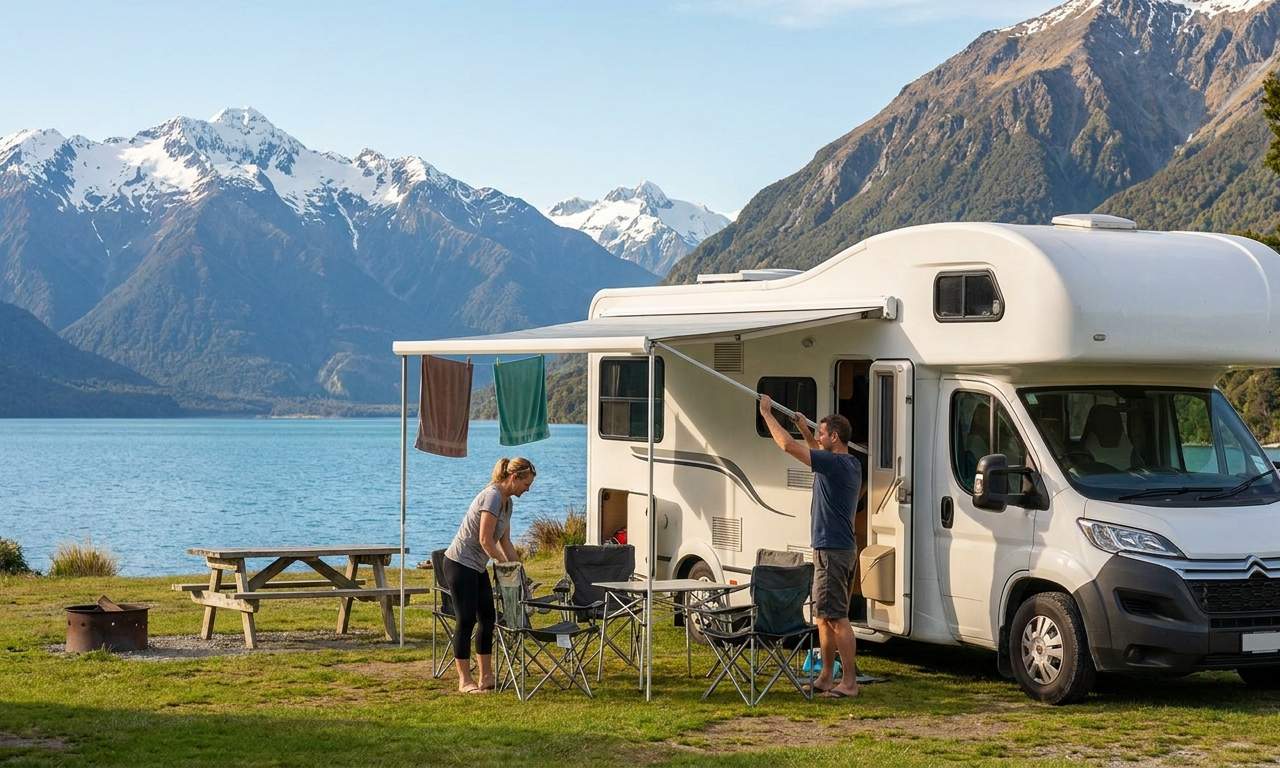
Setting up your rented RV at a New Zealand campground involves a few straightforward steps and adherence to local etiquette, ensuring a comfortable and respectful stay. Upon arrival, select a level site to guarantee optimal comfort and proper functioning of your onboard appliances, utilizing leveling blocks if necessary to achieve a stable position. For power, connect the power cable to your RV's inlet first, then securely attach it to the campground's electrical pedestal, reversing the process when it's time to disconnect and move on. When refilling your fresh water tank, connect your potable water hose to the RV's inlet and then to the designated campground tap, remembering to monitor your tank levels to avoid overfilling or running dry. Proper waste disposal is a key part of responsible RV travel: locate the 'dump station' at the campground, connect your waste hose to the black water tank outlet first, empty it completely, and then rinse before proceeding with the grey water, which helps clean the hose; always wear gloves and use only designated facilities to protect the environment. Finally, uphold good campground etiquette by observing quiet hours (typically from 10 PM to 7 AM), keeping your campsite tidy, disposing of all rubbish in provided bins, and being considerate of your neighbors' privacy and space, contributing to a pleasant experience for everyone.
RV rental-Specific Tips for New Zealand
Tailoring your RV rental choice and travel style to your group's specific needs can significantly enhance your New Zealand adventure. For families with kids, opting for a motorhome with adequate sleeping and living space, such as a 4-berth or 6-berth Class C like the "Euro Deluxe" (which features 3 double beds), is essential; look for models with child seat anchor points and flexible dining areas. When planning routes with children, incorporate shorter driving legs and frequent stops at playgrounds or family-friendly attractions to keep everyone happy. For seniors, prioritizing comfort and ease of use is paramount; consider RVs with automatic transmission, lower step-in heights, and easily accessible controls, and booking powered sites consistently can simplify daily routines and access to amenities. Budget travelers will find value in 'self-contained' certified campervans, like the "Paradise Family 5" or "Crib", which allow access to free freedom camping sites, substantially reducing accommodation costs. These travelers can also maximize savings by cooking most meals in their RV's kitchen with its 80L refrigerator and using apps like CamperMate to locate free or low-cost amenities. For those seeking a more luxurious experience, explore premium motorhomes that offer enhanced amenities like larger bathrooms, full kitchens, efficient heating, and often more powerful engines for tackling New Zealand's varied terrain with ease; consider adding optional extras such as outdoor furniture or bike racks to elevate your trip. Regardless of your travel style, RV PLANET routes can help you itemize and track every expense for easy budgeting.
Common Mistakes to Avoid in New Zealand
Avoiding common pitfalls will ensure a smoother and more enjoyable RV rental experience in New Zealand for your family. A frequent mistake is underestimating driving times; always add at least 20-30% to estimated GPS travel times, especially on winding scenic routes or when factoring in comfort breaks for children, as New Zealand's roads can be more challenging than expected. Failing to book popular campgrounds, particularly Department of Conservation (DOC) sites and Great Walk huts, several months in advance during peak season, can lead to disappointment, so plan ahead. Ignoring critical road signs for narrow roads, sharp bends, and passing lanes is dangerous; pay close attention as they provide essential safety information for varying conditions. Engaging in illegal freedom camping will incur substantial fines and harm the environment; instead, only freedom camp in designated areas with a certified self-contained vehicle, strictly adhering to local council and DOC rules. Overlooking fuel costs can significantly impact your budget; factor in substantial fuel expenses, especially for longer trips or larger vehicles, and strategically plan where to refuel, as stations can be infrequent in remote areas. Finally, resist the urge to overpack; RV storage is finite, and most campgrounds offer laundry facilities, so pack versatile, layered clothing and only essential items to maintain comfortable living space within your rented motorhome.
How much does it cost to rent an RV in New Zealand?
The daily cost to rent an RV in New Zealand typically ranges from NZD $80 to $400+, significantly influenced by vehicle size, travel season, rental duration, and specific supplier promotions. Smaller campervans (2-berth), such as a "Crib" or "Juliette 2-3," might start at NZD $80-150/day in the low season (May-September), while larger, luxury motorhomes (4-6 berth) like an "Euro Deluxe" or "MHC30" can easily exceed NZD $250-400+/day during peak summer (December-February). Beyond the base rental fee, budget for potential hidden fees including one-way rental charges (e.g., NZD $150-500 for Auckland to Christchurch), additional driver fees, GPS rental, linen packs, and Road User Charges (RUC) for diesel vehicles, which are often billed post-rental. Fuel is a major variable expense; with fluctuating petrol and diesel prices, budgeting NZD $80-150 per day for fuel is a reasonable estimate, depending on your daily travel distances. Campground fees range from NZD $0 for designated freedom camping spots (for self-contained vehicles) to NZD $25-60+ per night for powered sites at commercial holiday parks, which offer amenities like showers, kitchens, and laundry facilities. To explore all your pricing options, including "Cheap RV Rental in New Zealand - Budget Guide 2026" and "RV Rental in New Zealand - Prices and Best Deals 2026", Bandana Caravan provides full transparency with no hidden fees or surprises.
What is the 333 rule for campervan?
The '333 rule' for campervans in New Zealand is an informal yet widely adopted guideline for responsible freedom camping, although it's not a strict legal requirement, it actively promotes sustainable practices. This guideline suggests that campers should stay a maximum of 3 nights in any single freedom camping spot, travel at least 3 kilometers between consecutive stops, and always commit to leaving the site cleaner than they found it. While an unofficial code of conduct, the 333 rule aims to minimize environmental impact and prevent overcrowding at popular scenic locations, which is especially important given New Zealand's pristine natural beauty. Official freedom camping regulations, strictly enforced by local councils and the Department of Conservation (DOC), mandate that vehicles must be 'self-contained' and certified, meaning they are equipped with an onboard toilet, wastewater tank, and rubbish facilities, such as the "Koru Star 4 Freedom" model with its 100-liter fresh water tank. Always consult local signage and use trusted resources like the CamperMate app to confirm you are legally permitted to freedom camp in a specific area, as substantial fines can be imposed for illegal camping. Crucially, proper waste disposal at designated dump stations, readily available in most towns and larger campgrounds, is paramount for adhering to these responsible camping principles and protecting New Zealand's environment.
What is the best camper rental in New Zealand?
Determining the 'best' camper rental in New Zealand ultimately hinges on your individual family's travel needs, budget, and desired comfort level, with several reputable suppliers offering distinct vehicle types and service levels. Popular options include Apollo and Britz, both Bandana partners that offer a wide range of vehicles suitable for various travel styles. For example, the "Euro Deluxe" is a popular Class C motorhome for families, offering 3 double beds and ample space. For couples or smaller families, a model like the "2 Berth Sandpiper" provides comfort with a 140/190cm double bed and full amenities. When comparing options, consider the vehicle age, specific included amenities like shower and toilet facilities, kitchen features such as a 190-liter refrigerator, comprehensive insurance options, and the provider's customer service reputation. For instance, the "Luxury RV Rental in New Zealand - Premium Prices 2026" page offers insights into higher-end models, while "Cheap RV Rental in New Zealand - Budget Guide 2026" focuses on more economical choices. Bandana Caravan streamlines this comparison process, allowing you to easily view and contrast final prices across a network of 50+ leading RV suppliers worldwide, including Apollo and Britz, ensuring full price transparency without hidden fees. We are true RV specialists, dedicated to helping you find the perfect rented motorhome or campervan for your adventure.
Consider the following types of RVs for your New Zealand family trip:
- **Campervans (Class B):** Compact and agile, ideal for couples or small families (2-4 people). Easy to drive and park. Example: Chaser (4.7m length, 4 sleeping places, 70L fuel tank, 80L fresh water tank).
- **Motorhomes (Class C):** Larger, offering more amenities and space for families (4-6 people). Often includes full kitchen and bathroom. Example: 24 Class C Motorhome (7.46m length, 5 sleeping places, 166L fresh water tank, 208L fuel tank). This "24' Class C Motorhome" features upgraded Queen mattresses and flat-screen TV.
Is it worth it to rent a campervan in New Zealand?
Renting a campervan or motorhome in New Zealand is widely regarded as a highly worthwhile investment for travelers seeking unparalleled flexibility, immersive natural experiences, and the freedom to explore remote areas at their own pace. The primary advantages include the ability to change your itinerary spontaneously, wake up to breathtaking views from countless scenic campsites, and access numerous national parks and secluded beaches that might be difficult to reach with traditional accommodation. It also offers potential cost savings on accommodation, particularly if utilizing freedom camping sites with a self-contained vehicle, and provides an authentic, memorable road-trip adventure experience, creating lasting family memories. However, there are also considerations: upfront rental costs can be higher than combining a car rental with budget hotels, and larger vehicles might present challenges on New Zealand's often narrow and winding roads, particularly in mountainous regions. You'll also be responsible for managing onboard utilities, including emptying waste tanks and refilling fresh water, which requires finding designated dump stations. Despite these drawbacks, for those who embrace self-sufficiency and the journey itself, the unique blend of transport and accommodation that a rented RV offers in New Zealand is exceptionally rewarding. Our "RV Travel Guide to New Zealand - Tips and Top Spots 2026" provides more detailed insights to help you decide.
Is it easy to drive a motorhome in New Zealand?
Driving a motorhome in New Zealand is generally manageable for most drivers, but it certainly demands careful attention due to the country's varied terrain, often narrow roads, and specific rules of the road. New Zealand operates on the left-hand side, so drivers from right-hand traffic countries will need to adjust. The roads, particularly in mountainous and coastal regions, can be narrow, winding, and feature numerous tight corners, necessitating reduced speeds and extra caution. You'll also frequently encounter one-lane bridges where larger vehicles like a Class C motorhome, measuring around 7.1 meters long for a 4-berth model like the "cruise america rv rental example Explorer", require extra vigilance to yield to oncoming traffic. Motorhomes are more susceptible to crosswinds than standard cars, especially on open roads or over bridges, and require a longer braking distance due to their increased weight. While generally straightforward, first-time RV drivers might find it beneficial to start with a smaller campervan to acclimate to local driving conditions before considering a larger motorhome. Drive slowly and carefully, and you can drive almost anywhere without issues. No need to stress - just use common sense and pay attention.
🎬 Video coming soon
The "RV Rental Australia - Complete Guide 2026" also covers some excellent general tips that apply to left-hand drive countries, should you be planning a larger regional adventure.
Do and don'ts New Zealand?
When traveling in New Zealand, adhering to specific 'do's and 'don'ts' ensures a respectful and enjoyable experience, particularly regarding local culture and environmental preservation. Firstly, do actively respect Māori culture by learning basic phrases like 'Kia Ora' (hello), acknowledging sacred sites (tapu), and engaging respectfully with local communities; these small gestures go a long way. Do prioritize protecting the pristine environment by always packing out all your rubbish, diligently using designated waste facilities for your RV's grey and black water tanks, and sticking to marked tracks during hikes to prevent erosion. Always do drive cautiously, paying close attention to road signs, and be prepared for New Zealand's highly variable weather conditions, which can change rapidly. Conversely, don't ever litter or dump wastewater illegally from your rented campervan, as this incurs hefty fines and severely harms the natural environment. Also, don't approach or feed wildlife; observe native birds and marine life from a respectful distance to ensure their safety and natural behavior. Finally, don't take photos of people without their explicit permission, especially in cultural settings, as a sign of respect for their privacy and traditions. These guidelines help preserve the country's unique character for everyone, including future visitors inspired by our "RV Rental Deals in New Zealand - Latest Offers 2026".
How much money would I need for 2 weeks in New Zealand?
For a two-week RV trip in New Zealand, a realistic budget for two people typically ranges from NZD $3,000 to $6,000+, covering major expenses like RV rental, fuel, food, activities, and campground fees, although this can vary significantly based on your travel style and preferences. The RV rental itself will likely be the largest expense, potentially costing NZD $1,000 - $3,000 for a 14-day period, depending on the vehicle type (e.g., a compact 2-berth campervan versus a spacious 6-berth motorhome with multiple beds) and the travel season. Fuel costs are significant; budget an estimated NZD $800 - $1,500 for two weeks, considering average distances of around 100-150 km per day and current fuel prices. For food, self-catering in your RV's kitchen can save substantial money; estimate NZD $400 - $700 for groceries for two weeks, with additional costs if you plan to dine out frequently at local restaurants. Campground fees will total approximately NZD $200 - $600 for 14 nights, depending on your mix of free Department of Conservation (DOC) sites and commercial holiday parks with powered hookups. Activities are highly variable but can range from NZD $500 to $2,000+ for popular excursions like Milford Sound cruises, Hobbiton tours, bungee jumping, or whale watching. These figures are estimates; solo travelers might spend less on food, while larger families will incur higher costs for rentals and activities. For budgeting your ancillary trip costs beyond the rental, our RV PLANET routes allow you to itemize and track every expense along the way.
Is it easy to campervan around New Zealand?
Campervanning around New Zealand is generally very easy and incredibly rewarding, supported by excellent infrastructure for RVs, consistently breathtaking scenery, and a wide variety of campgrounds. The country boasts a comprehensive network of commercial holiday parks offering amenities like powered sites, showers, and kitchens, alongside numerous Department of Conservation (DOC) campsites that provide basic facilities or free freedom camping spots (for certified self-contained vehicles). Facilities for managing your RV, such as dump stations for wastewater and freshwater refill points, are widely available, especially in towns and at larger campgrounds, simplifying daily logistics. New Zealand's relatively compact size allows for significant exploration of its diverse landscapes, from beaches to mountains, all accessible by road within an extended road trip of two weeks or more. While main routes are well-maintained, be prepared for some rural roads that can be narrow and winding, and it's always advisable to download offline maps, as cell service can be spotty in certain remote and mountainous regions. Overall, the ease of travel, coupled with stunning views at every turn, makes a New Zealand campervan adventure highly accessible and profoundly enjoyable for all types of travelers, including those taking a "One-Way RV Rental in New Zealand - Price Guide 2026".
What are the drawbacks of renting an RV?
While RV rental in New Zealand offers incredible freedom, there are a few drawbacks to consider before embarking on your adventure. The initial costs can be higher compared to simply renting a car and booking budget accommodation, especially for larger motorhome models during peak season, and these costs are compounded by additional expenses like fuel, insurance excess, and campground fees. Navigating larger vehicles, such as a Class C motorhome like the "Adak Argonaut 23 - Gold" (a large RV ideal for families of 2+2), on New Zealand's often narrow, winding roads and finding suitable parking in smaller towns can be more demanding than driving a standard car. Renters also assume the responsibilities of vehicle maintenance, such as managing onboard utilities like emptying grey and black water tanks and refilling fresh water, which necessitates locating designated dump stations. Furthermore, while RVs offer significant travel freedom, popular campsites, particularly those managed by DOC, frequently require advance booking, especially during high season, potentially limiting spontaneity. Lastly, the daily tasks of setting up camp, packing down, and performing routine RV maintenance can consume valuable travel time, which is an important consideration when planning your overall itinerary. Despite these considerations, for many, the unparalleled experience outweighs the minor inconveniences, making it a dream vacation.
What You Shouldn't Miss
New Zealand is a treasure trove of experiences waiting to be discovered, and with your rented motorhome, you're perfectly positioned to explore it all!
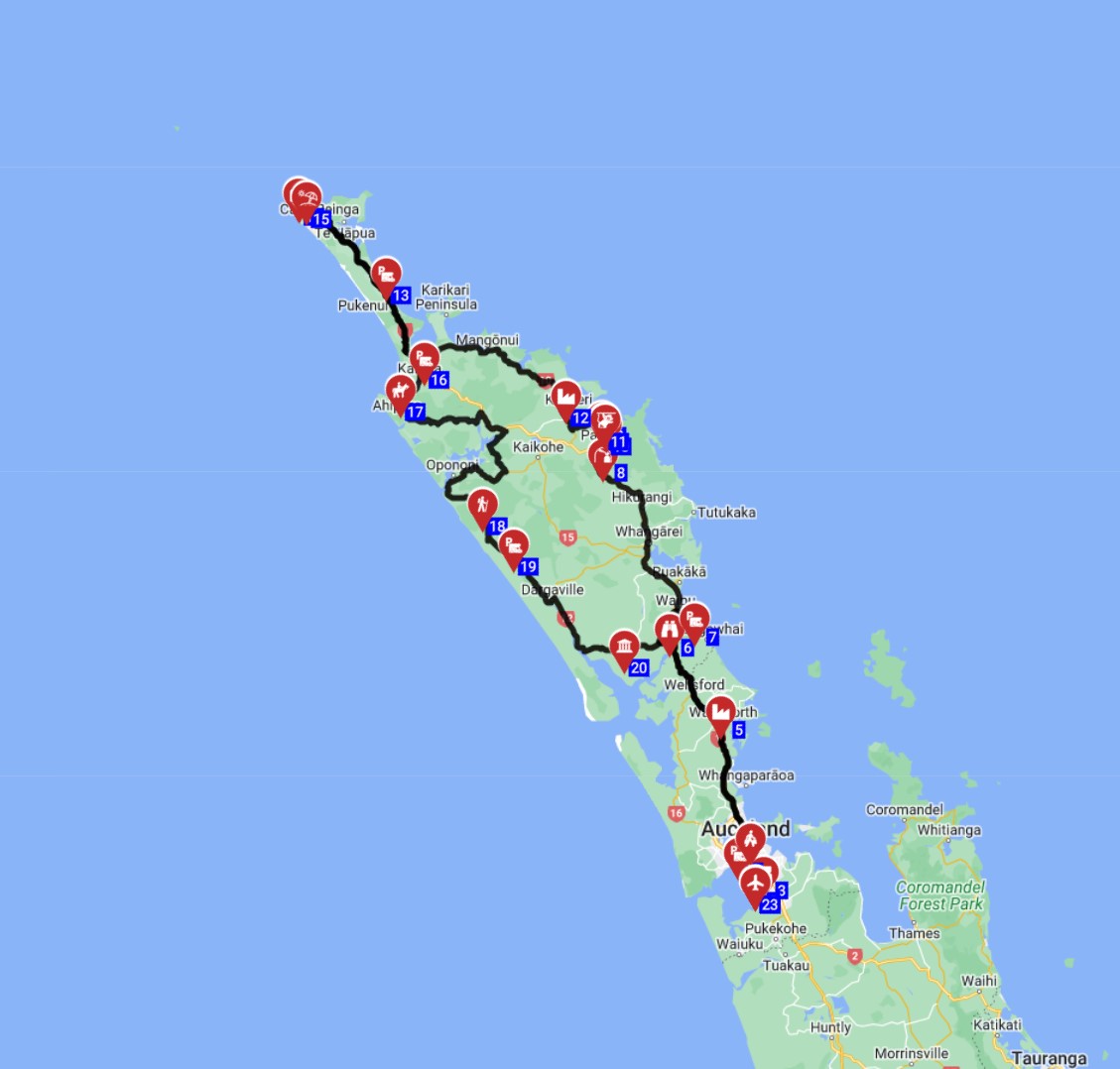
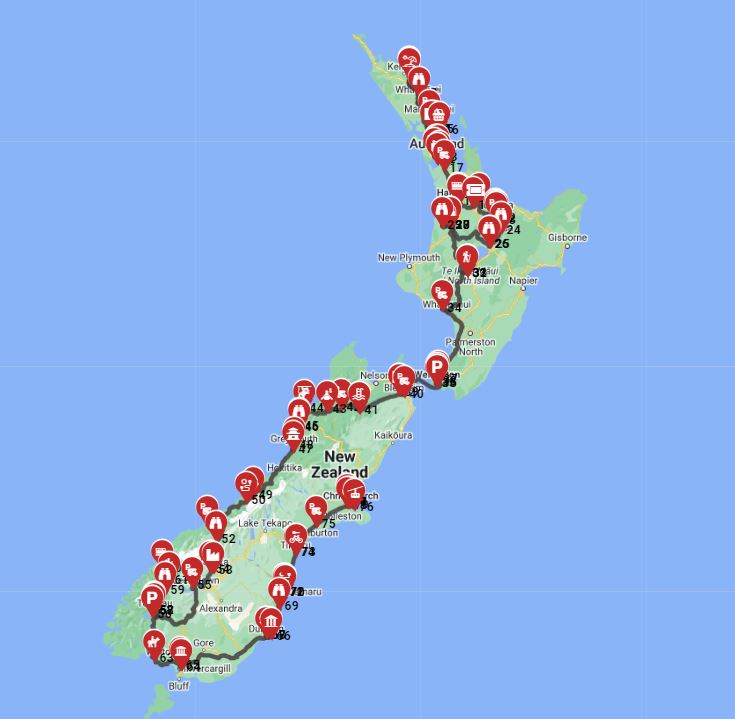
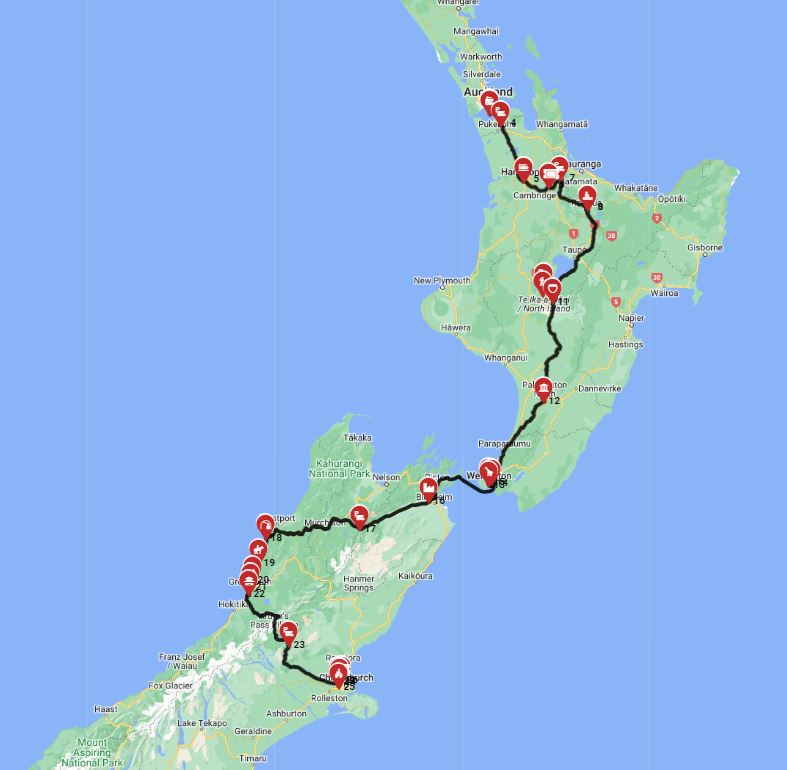
- Explore Milford Sound: Take a cruise through the majestic Milford Sound, a fiord that Captain Cook himself deemed too dangerous to enter. With route plans like the "
" (18 days, 2830.2 km), you'll find plenty of opportunities for scenic stops and wildlife watching along the way to this natural wonder.
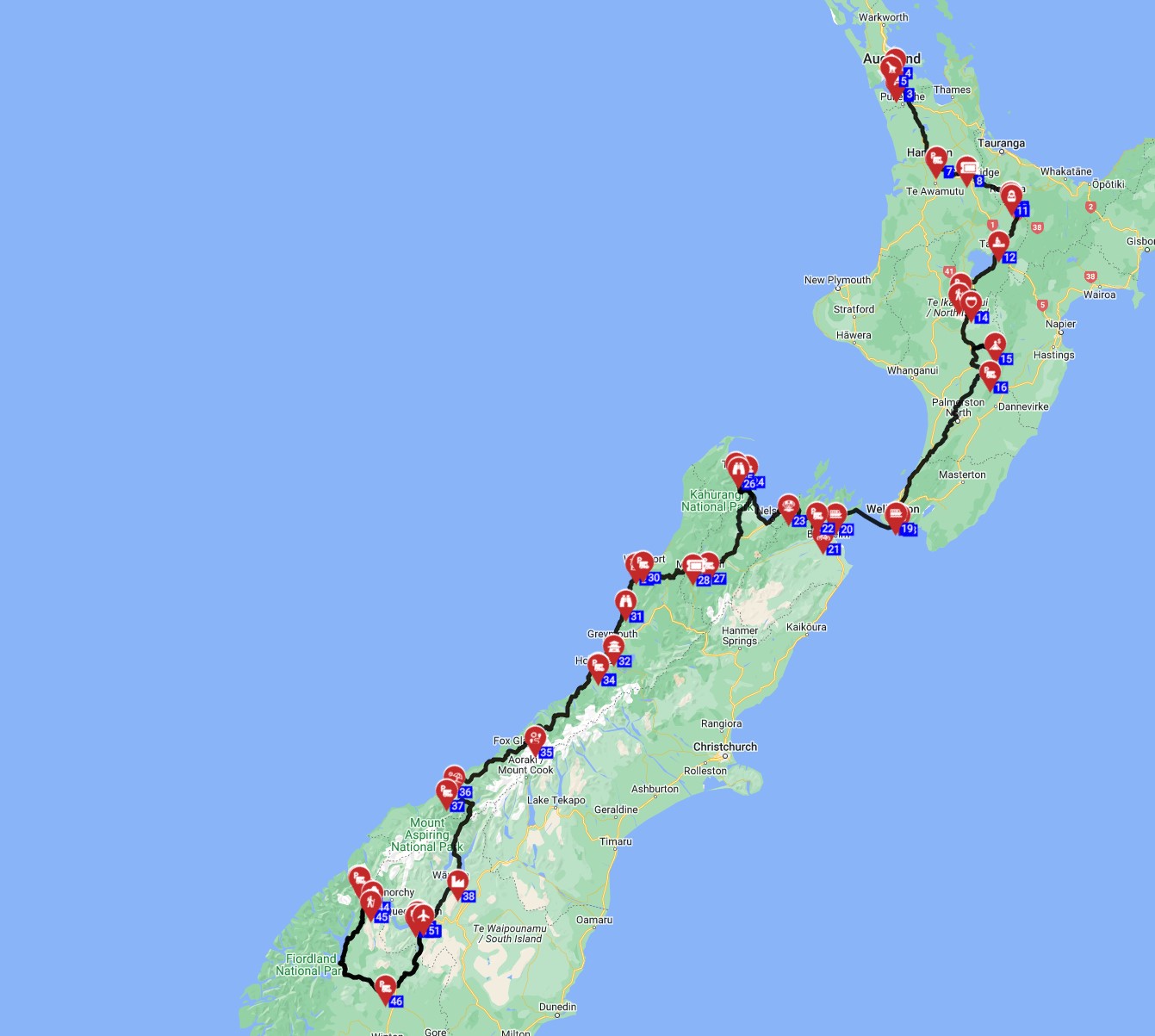 Auckland to Queenstown - The Great Kiwi Road Trip
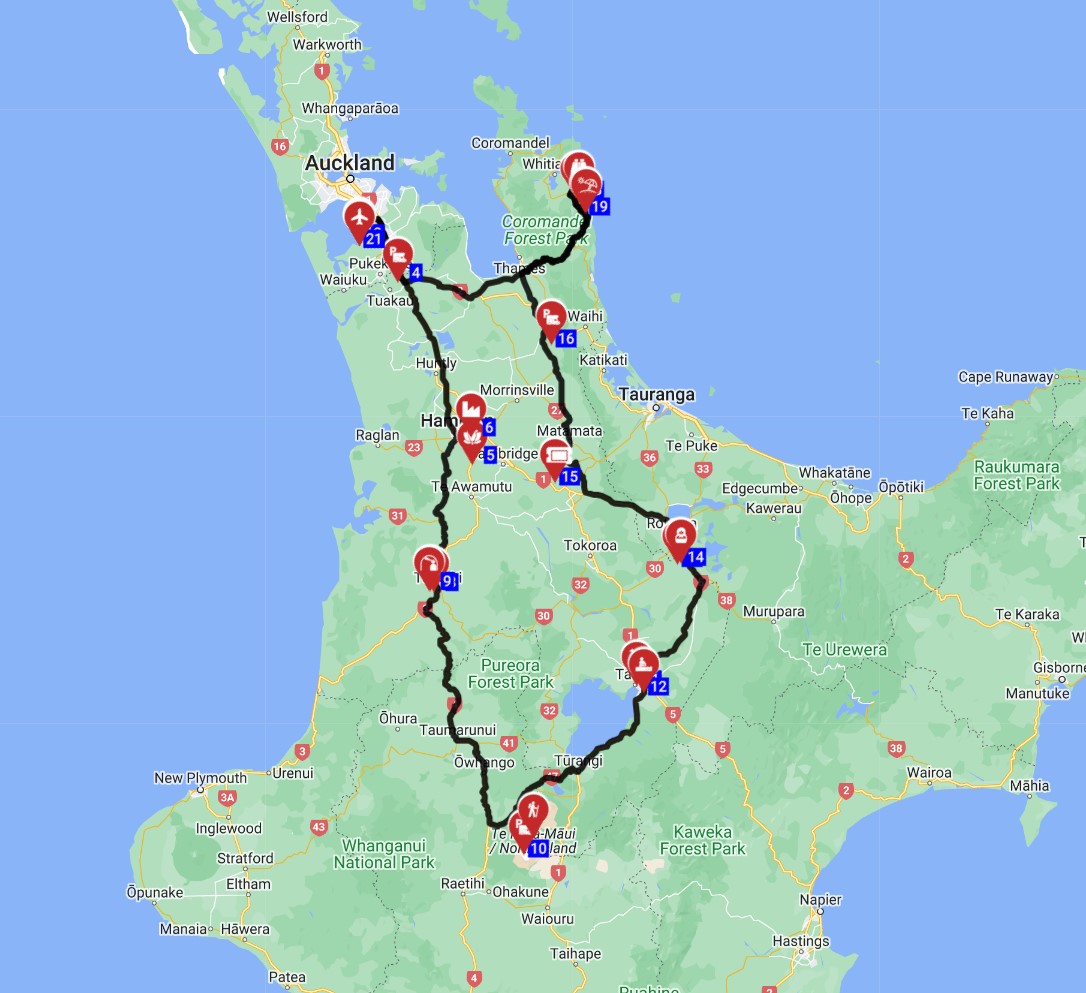
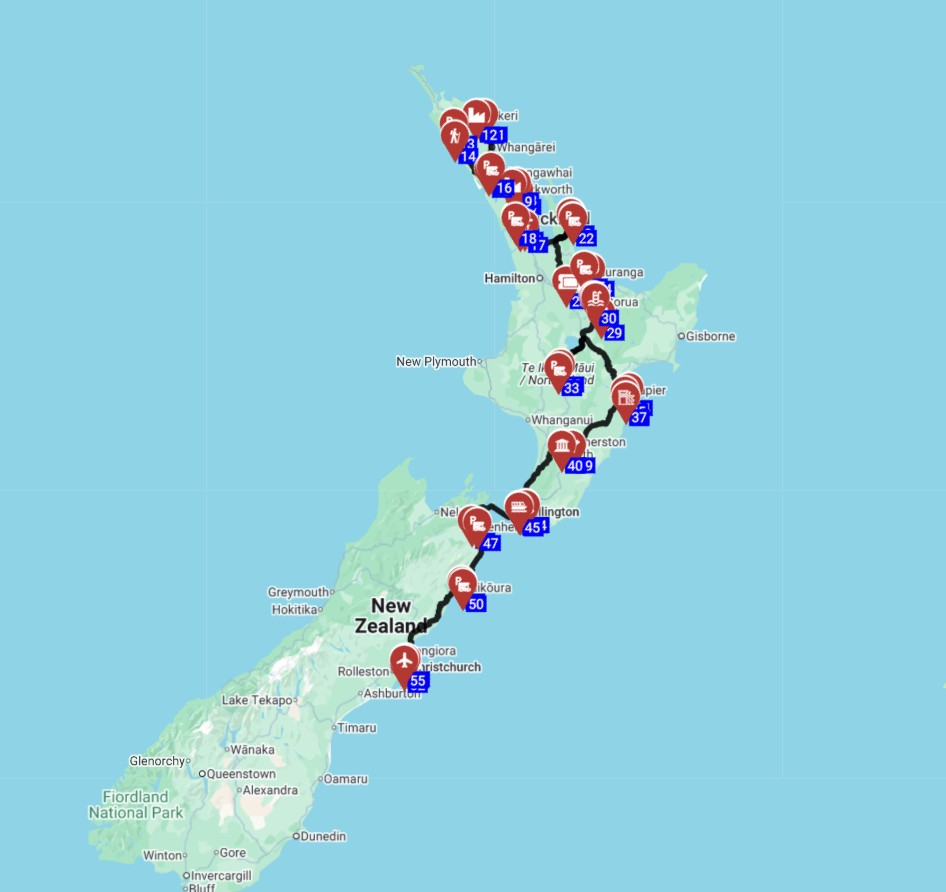
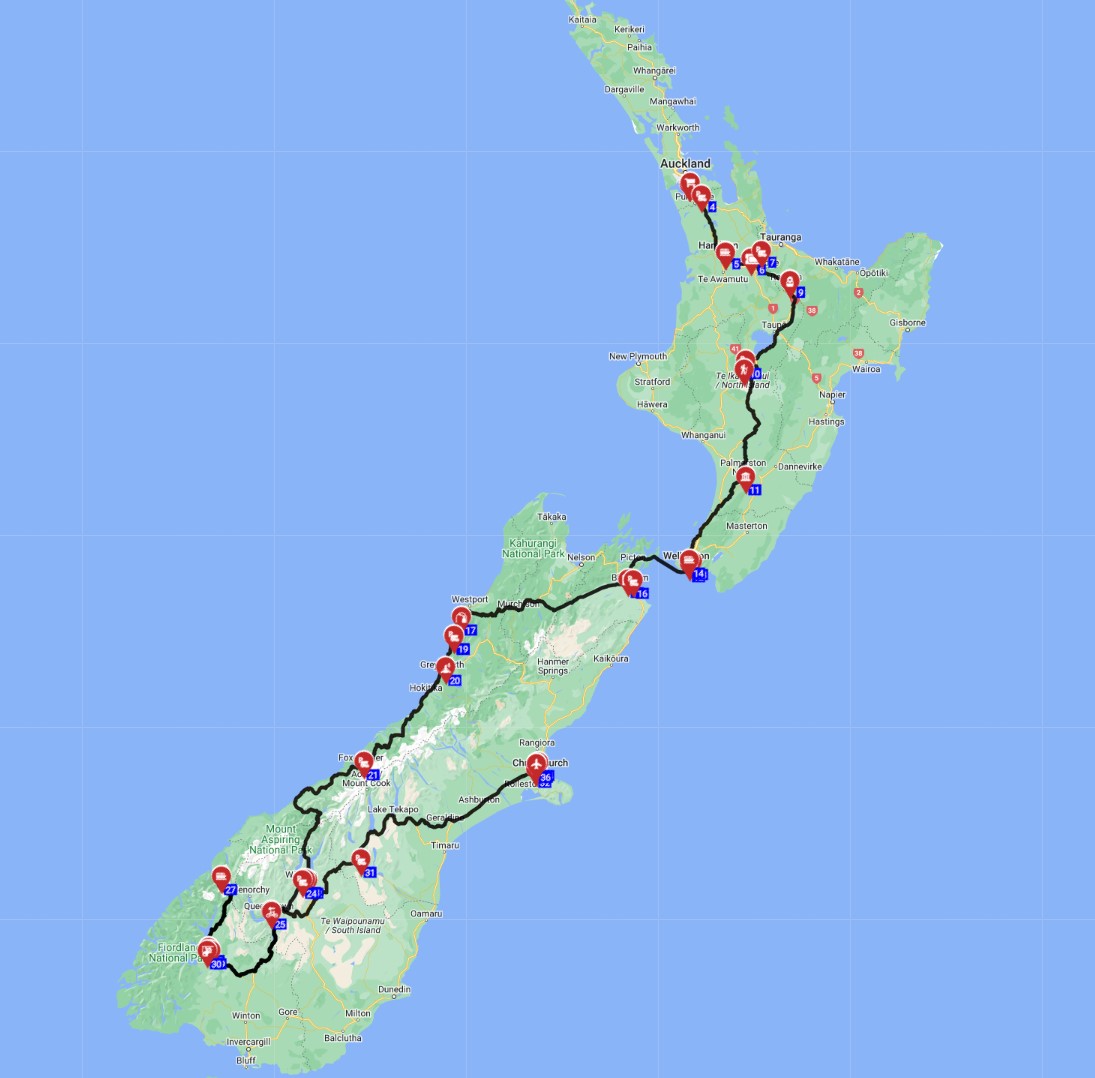
 - Hike in Tongariro National Park: Embark on one of the country's Great Walks, like the Tongariro Alpine Crossing, or explore shorter hiking areas suited for families. With 4 hiking areas included in the "
" itinerary, there's no shortage of options.
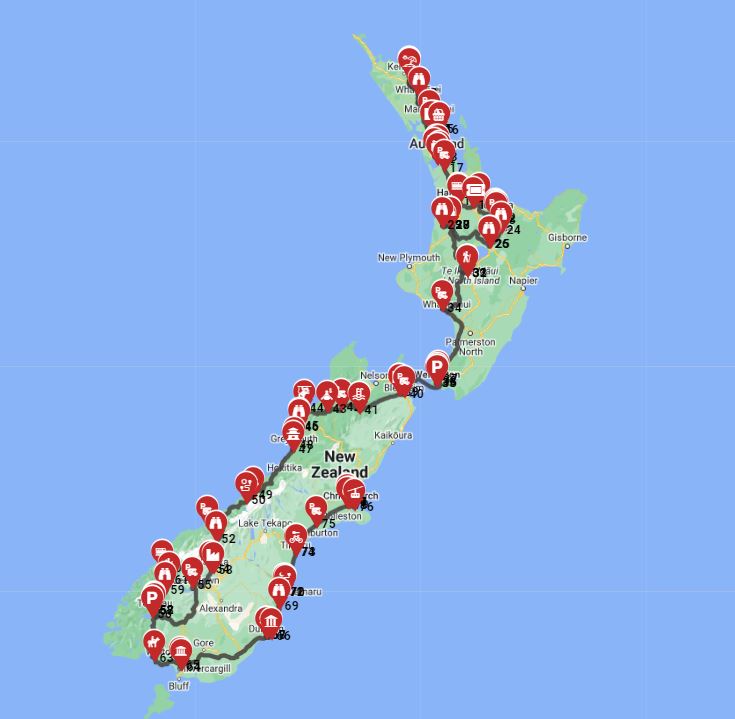 Auckland to Christchurch - Comprehensive New Zealand
 - Discover Geothermal Wonders at Rotorua: Immerse yourselves in Māori culture and witness bubbling mud pools and geysers. Many motorhome parks offer great bases for exploring Rotorua's unique natural features.
- Visit Queenstown, the Adventure Capital: From bungee jumping to jet boating, Queenstown offers extreme activities for thrill-seekers, but also serene cruises and scenic gondola rides for all ages.
- Stargaze in the Aoraki Mackenzie Dark Sky Reserve: Park your campervan under the clearest skies on Earth and marvel at the Milky Way. This UNESCO Dark Sky Reserve provides an unforgettable celestial show.
- Enjoy Coastal Drives in Coromandel Peninsula: Dig your own hot tub at Hot Water Beach or explore Cathedral Cove. No part of New Zealand is more than 128 km from the coast, ensuring constant beach access.
Looking for expert insights from Avi Bandana? Top 5 Adventures - recommendations from Avi Bandana.
Final Thoughts
New Zealand truly offers an unforgettable backdrop for a family RV rental adventure, allowing you to discover stunning landscapes at your own pace. With a rented motorhome or campervan, your family gains the freedom to explore remote beaches, majestic mountains, and vibrant cultural sites, creating cherished memories together. Remember, the journey is just as important as the destination; travel slowly, averaging no more than 100-150 km per day, allowing ample time to connect with the local culture, savor delicious food, and immerse yourselves in the breathtaking scenery.
We believe in full transparency and unwavering support, so you can embark on your New Zealand road trip with complete peace of mind. Whether you're planning a week-long trip or an extended adventure, Bandana Caravan is here to ensure every detail is covered, offering you clear pricing and expert advice every step of the way.
Get inspired for your next trip! Discover top destinations, planning tips, all in one place with Bandana Caravan. We're excited to help you find the perfect RV for your family's incredible New Zealand journey.