What is the 4-4-4 rule for RVing?
The 4-4-4 rule is a relaxed travel guideline suggesting you drive no more than 400 miles (about 640 km) per day, arrive at your campground by 4:00 PM, and stay for at least four nights. For families renting a motorhome in Miami, this approach is pure gold. Arriving by 4:00 PM is crucial for avoiding the intense afternoon heat and the notorious South Florida rush-hour traffic, making campground setup a breezy, stress-free experience. Imagine pulling into your spot with hours of daylight to spare, giving you time to hook up, get the A/C running, and relax before dinner.
Staying for four nights transforms your trip from a rushed tour into a true vacation. It allows your family to fully immerse yourselves in the region, establishing a comfortable home base to explore the vast Everglades or take a day trip down to the Florida Keys without the constant hassle of packing and unpacking. This rhythm of slow travel, which we always recommend, lets you connect with the vibrant culture, food, and scenery of Southern Florida. It’s perfect for any size of rented motorhome, as it ensures you have plenty of time and daylight to navigate your site with ease.
What is the 3-3-3 rule for road trips?
The 3-3-3 rule is an even more relaxed guideline for RV travel, advising you to drive no more than 300 miles (about 480 km), arrive by 3:00 PM, and stay for a minimum of three nights. Adopting this rule for your Miami family RV adventure can be a game-changer, especially when dealing with the region's unique climate. Arriving by 3:00 PM allows you to secure your campsite, connect to shore power, and get the air conditioning running to stabilize the interior temperature well before the peak evening humidity sets in. It’s a simple trick that makes a world of difference in comfort.
The shorter driving stints are also a wise choice when navigating Florida’s toll-heavy highways like the Turnpike and the often-congested I-95 corridor. This rule is all about maximizing family sanity—less time behind the wheel means more time enjoying Miami’s beautiful coastal parks, swimming in the ocean, or simply unwinding at the campground. It’s about creating lasting memories, not just covering miles. Get inspired for your next trip by planning a journey that prioritizes experience over distance!
Choosing the Right Rig for Miami - Navigating Low Canopies and Historic Streets
While any rented motorhome can be a fantastic way to see Miami, it's wise to be aware of your vehicle's dimensions when exploring some of the city's charming historic neighborhoods. When you drive slowly and carefully, you can navigate almost anywhere without issues. However, specific areas like Coral Gables and Old Cutler Road are famous for their stunning, low-hanging Banyan tree canopies. Before heading down these scenic routes, it's a good idea to confirm your rental RV's height to ensure you have enough clearance. No need to stress—just use common sense and pay attention to your surroundings.
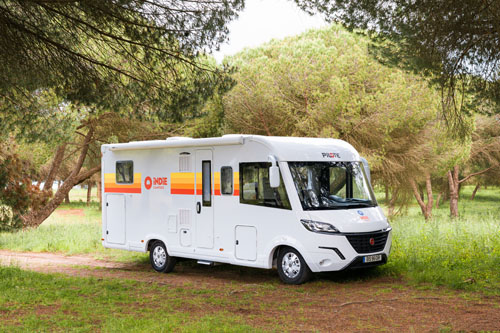
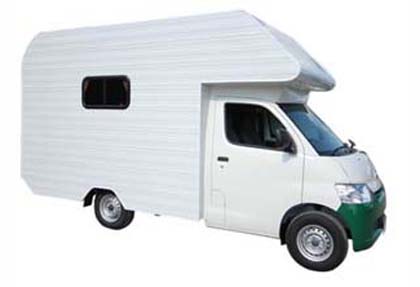
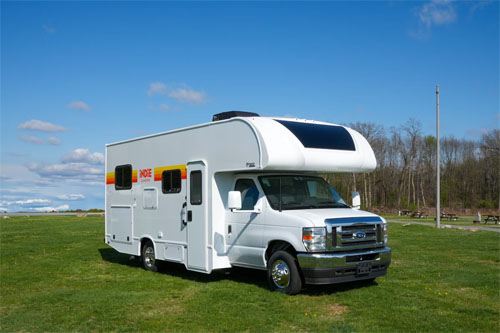
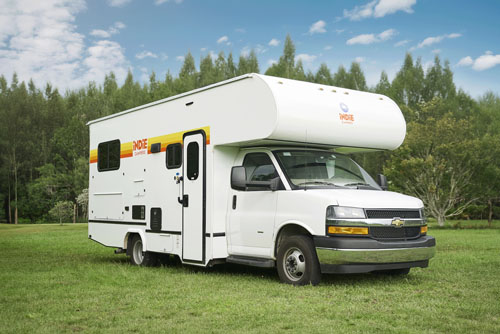
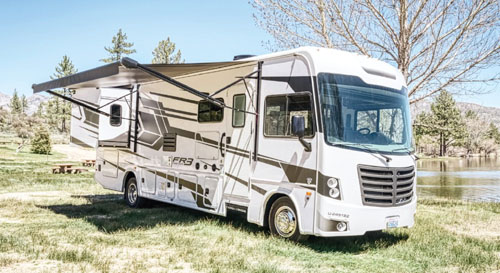
For families who plan on spending a lot of time in the heart of the city, like the Art Deco District or downtown, a more compact campervan or Class B rental can offer a bit more agility in tighter spaces. But don't let that deter you from choosing a larger Class A or Class C motorhome if you need the space! The key is to use a "basecamp" strategy: park your spacious rig at a comfortable campground like Larry and Penny Thompson Park and use rideshares or public transport to dive into the city's core. This way, you get the best of both worlds—a comfortable home on wheels and easy access to every urban attraction.
Debunking the Walmart Myth - Overnight Parking Legals in Miami-Dade
Contrary to a popular RV myth, nearly all Walmart stores in Miami-Dade County strictly prohibit overnight parking for motorhomes due to local municipal codes. Most cities and towns in the Greater Miami area have ordinances that ban oversized vehicles from parking overnight in commercial lots or on public streets. Attempting to "dry camp" in a parking lot can lead to heavy fines or even having your rental RV towed, which is an expensive and stressful way to disrupt your vacation.
Your best bet is to plan ahead and secure spots at established campgrounds. Places like Larry and Penny Thompson Park or Oleta River State Park offer fantastic amenities and a safe, welcoming environment. While some planners love to book everything months in advance, spontaneous travelers can also find options. Many parks only reserve 25-30% of their spots, leaving the rest for first-come, first-served arrivals. You'll find a spot. If not at the first campground, then the next one. For finding campsites and campgrounds during your trip, we recommend using RV PLANET (rvplan.net)—a great resource for locating available spots along your route.
Tolls and Bridges - SunPass Requirements for Multi-Axle RVs
Miami and most of Florida use an "All-Electronic Tolling" system, meaning there are no cash booths on major highways. To handle this, you'll need a SunPass transponder in your rented RV. It's vital to ensure the SunPass is set up for the specific number of axles on your vehicle, as charges vary. Most rental suppliers, like our partners cruise america and El Monte, will have this sorted for you, but it's always smart to confirm how tolls are handled when you pick up your motorhome. Relying on "Toll-By-Plate" can result in high administrative surcharges added to your bill, so a pre-arranged pass is the most cost-effective solution.
As you explore, be mindful of causeways like the Rickenbacker (to Key Biscayne) and the Venetian, which may have weight or height restrictions. For a smoother journey in a larger rented motorhome, sticking to the Florida Turnpike is often the best strategy, as it helps you avoid the tight turns and stop-and-go traffic common on surface roads like US-1. Planning your route in advance helps you travel with peace of mind.
Managing Miami Heat and Salt Air Maintenance
Miami's tropical climate, with its high heat and humidity, is part of its charm, and managing it in a rented RV is simple with a little preparation. Consistent air conditioning is key to comfort, so when you book a campground, be sure it offers reliable shore power hookups. During the summer, afternoon thunderstorms can sometimes cause brief power flickers, so having some battery power in reserve is always a good idea. This isn't something to worry about, just a practical part of traveling in the tropics!
The beautiful coastal drives along scenic roads like the A1A bring you close to the salty Atlantic air. While it's wonderful for the soul, it can be corrosive to a vehicle over time. A simple, proactive step is to give your rented motorhome a good rinse at a truck or RV wash, paying attention to the undercarriage, after spending a few days by the coast. This helps keep all the connections clean and in great shape. Keeping your windows closed and letting the A/C work its magic will also prevent moisture from building up inside, ensuring your mobile home stays fresh and comfortable throughout your trip.
What You Shouldn't Miss
Looking for expert insights from Avi Bandana? Discover top destinations, planning tips, all in one place! We recommend checking out his Top 5 Adventures for even more ideas.
- Explore the Everglades: Park your rented RV at a nearby campground and take an airboat tour to see alligators and crocodiles in their natural habitat—the only place on earth they coexist.
- Drive the Overseas Highway to Key West: This iconic drive is a must-do. Take it slow, stopping at Bahia Honda State Park for stunning beaches and John Pennekamp Coral Reef State Park for snorkeling.
- Discover the Coral Castle: This mystifying stone structure in Homestead is a quirky and fascinating piece of Florida history that will leave your family wondering, "How did he do it?"
- Experience Little Havana: Use the "basecamp" strategy. Park your motorhome and take a rideshare to Calle Ocho to immerse yourselves in Cuban culture, from the food and music to the hand-rolled cigars.
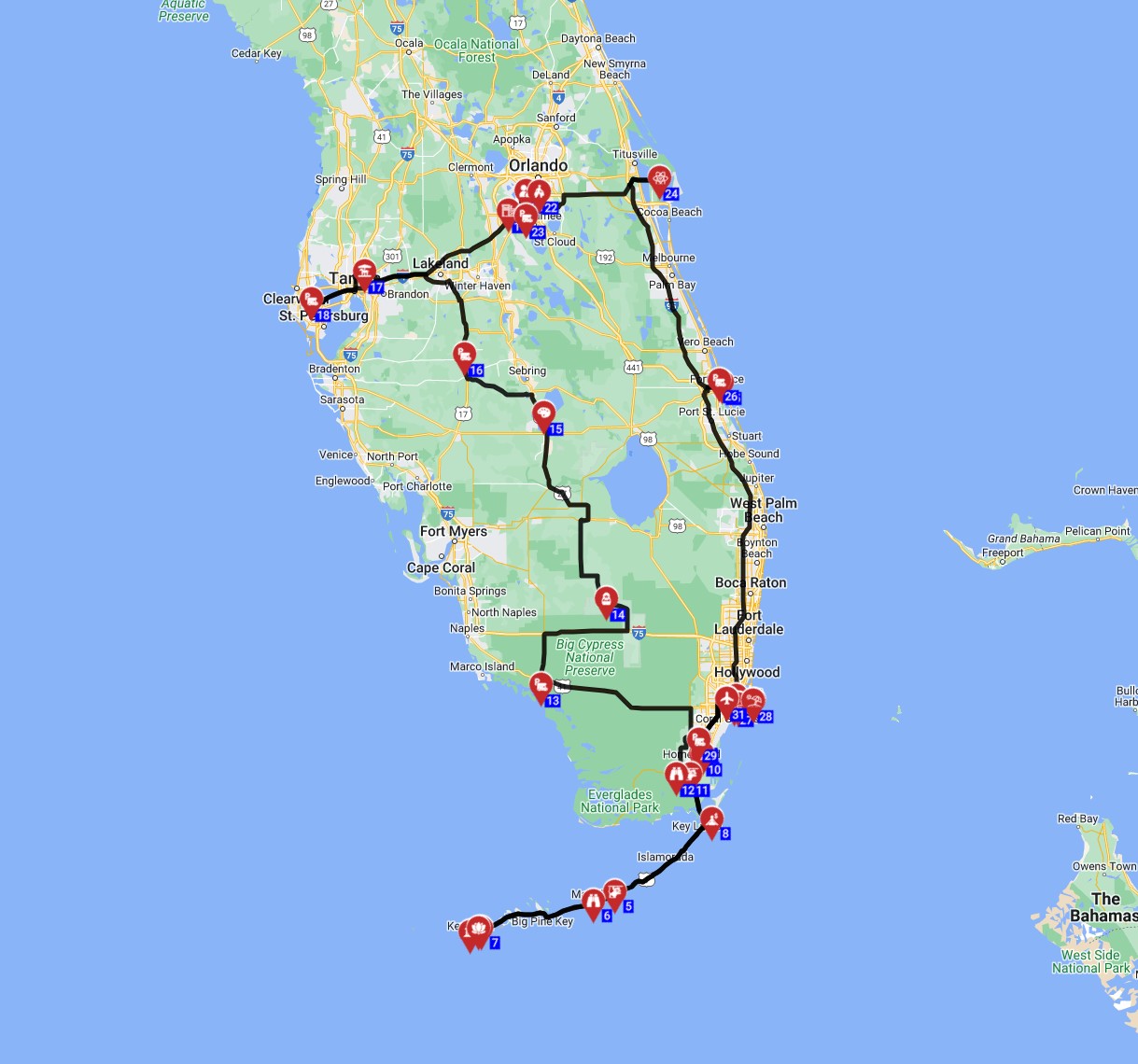
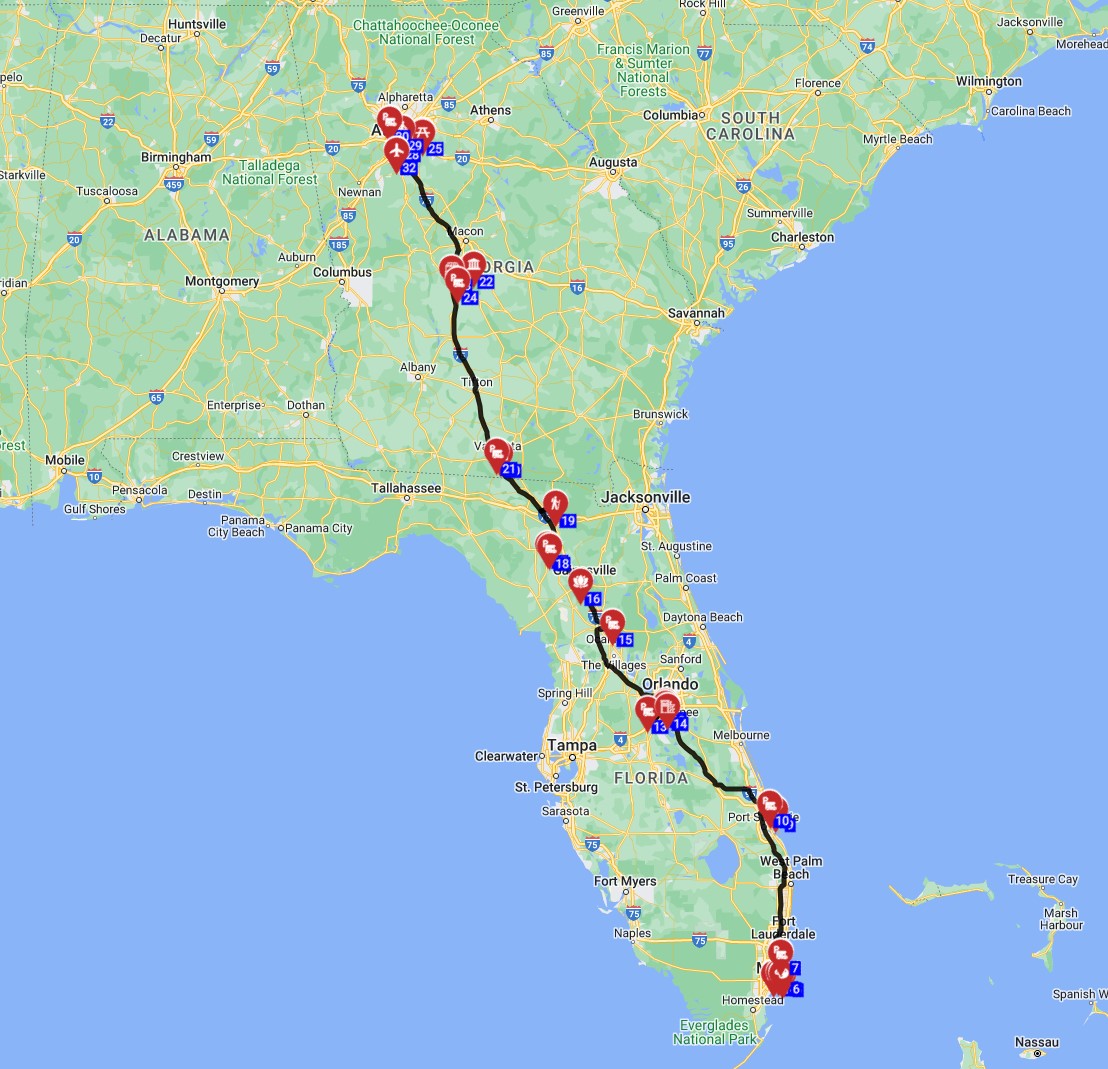
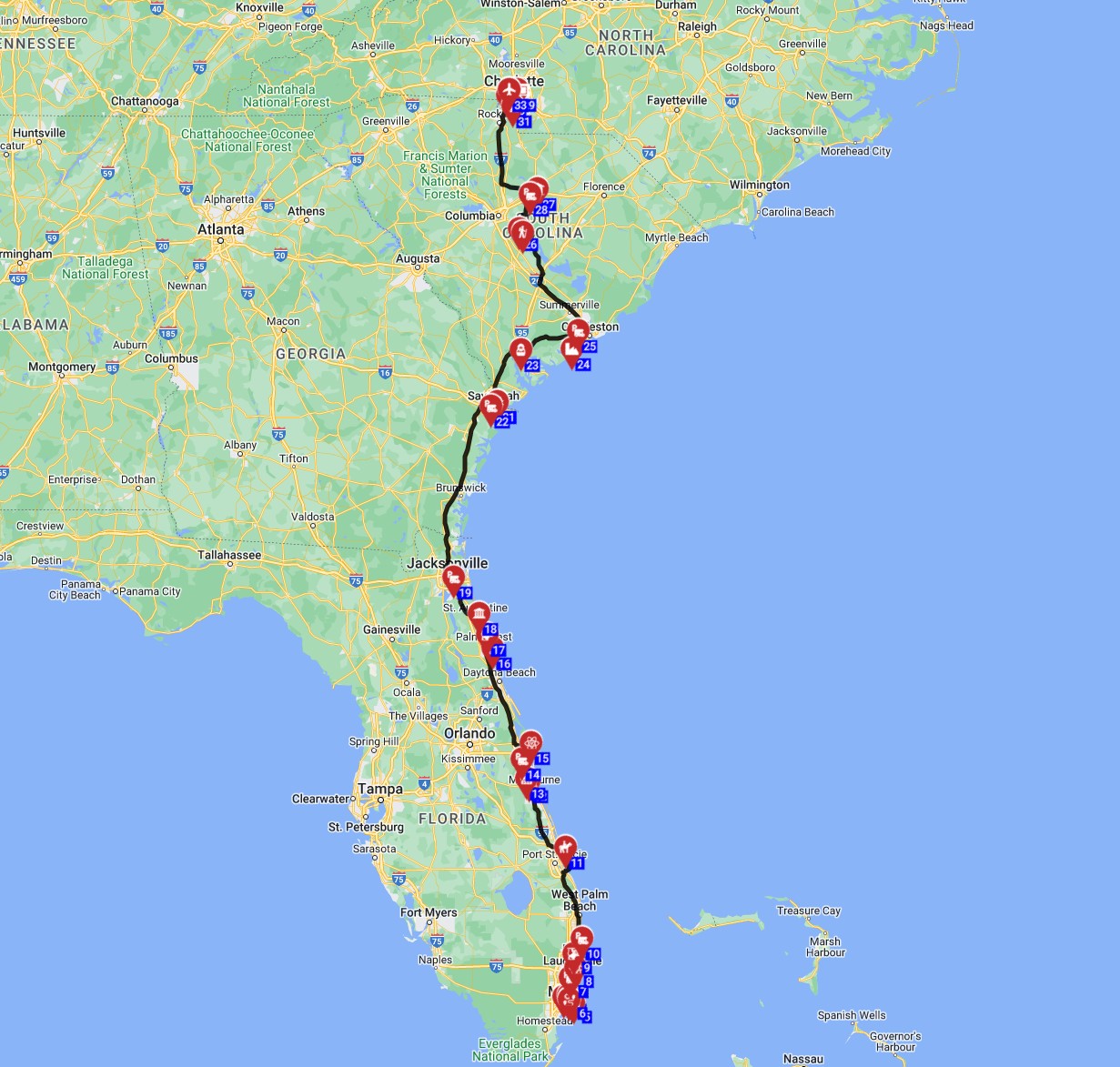
- Take a Southern Florida Loop: For a perfectly planned adventure, consider a pre-planned route. The 7-day "
" from our sister site, RV PLANET, is a fantastic option. It includes stops at a zoo, beaches, and hiking areas, all mapped out for you.
 Miami Roundtrip - Southern Florida up to Key West
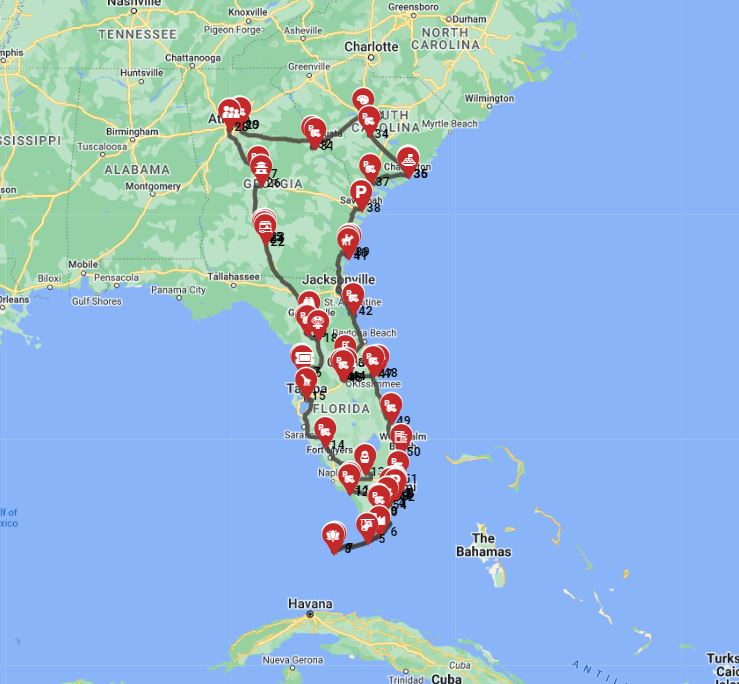
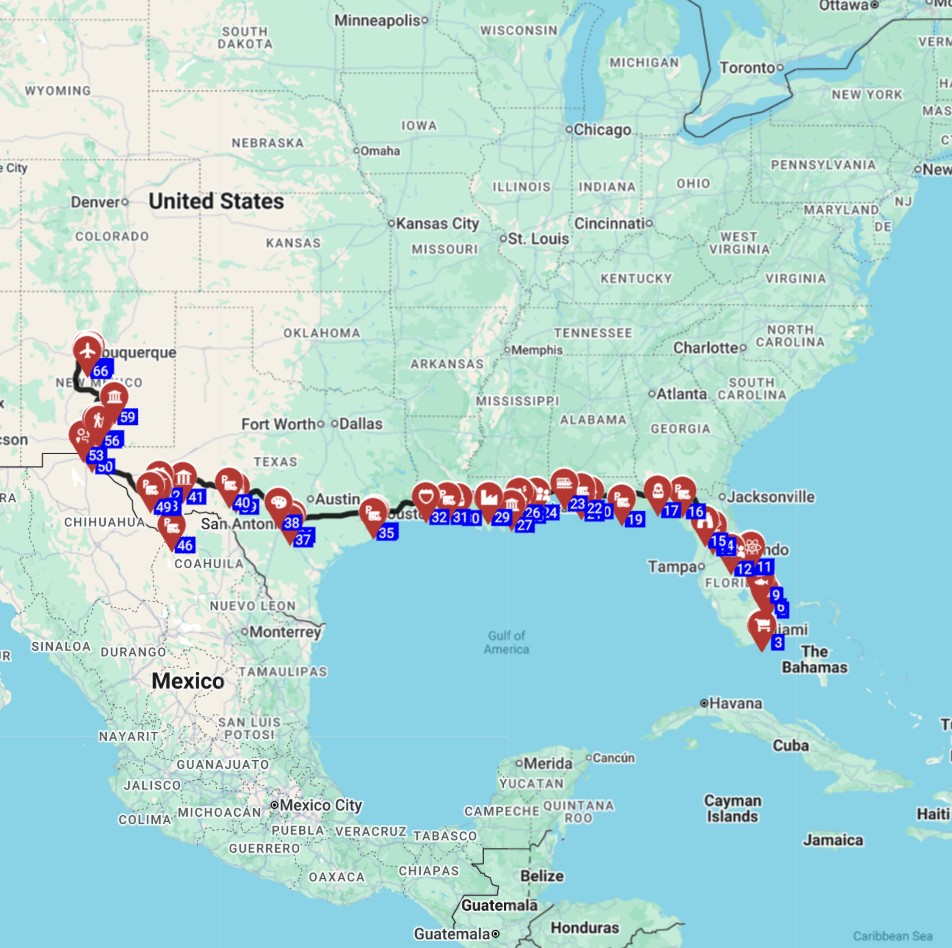
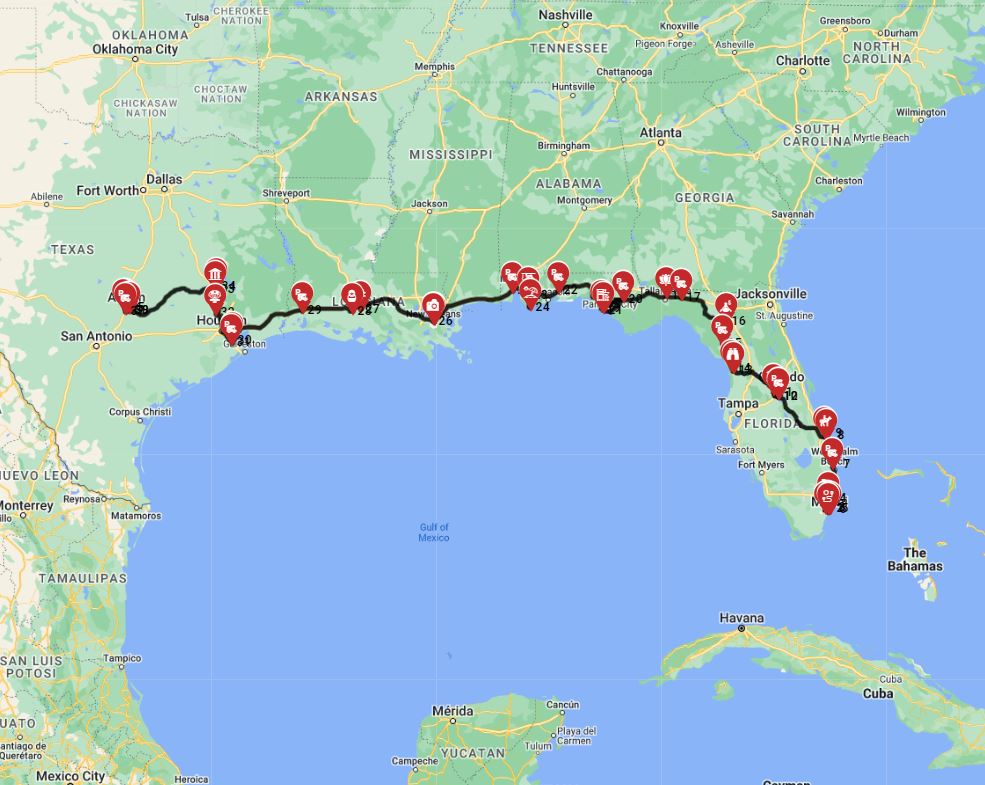
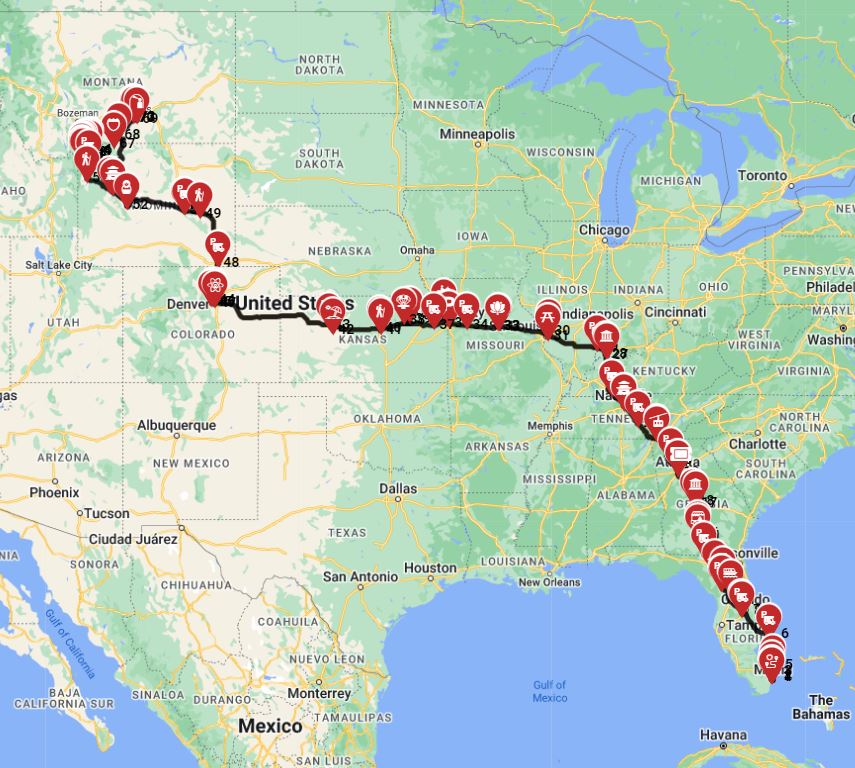
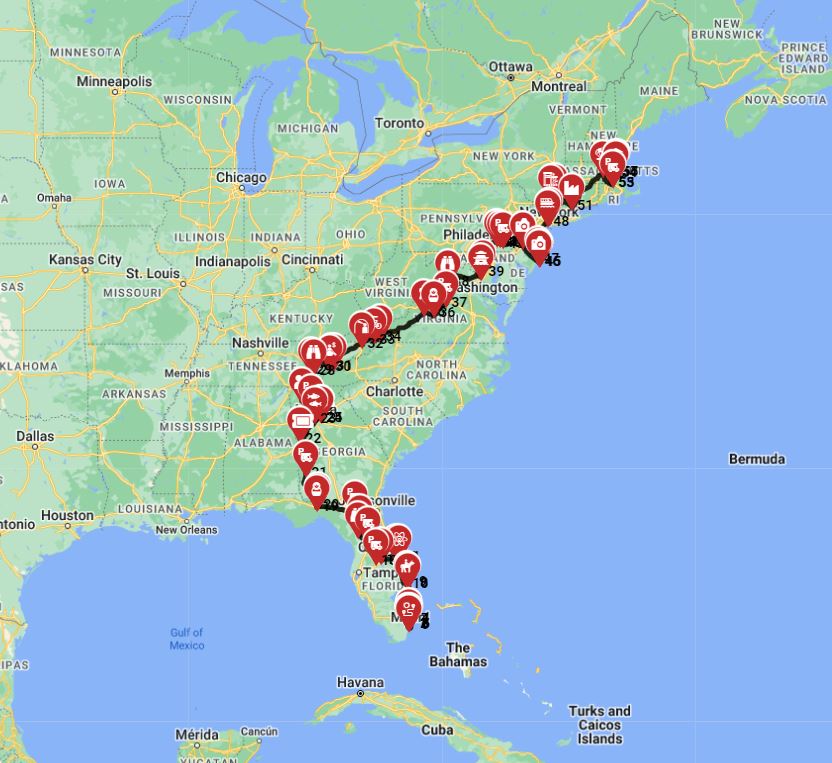
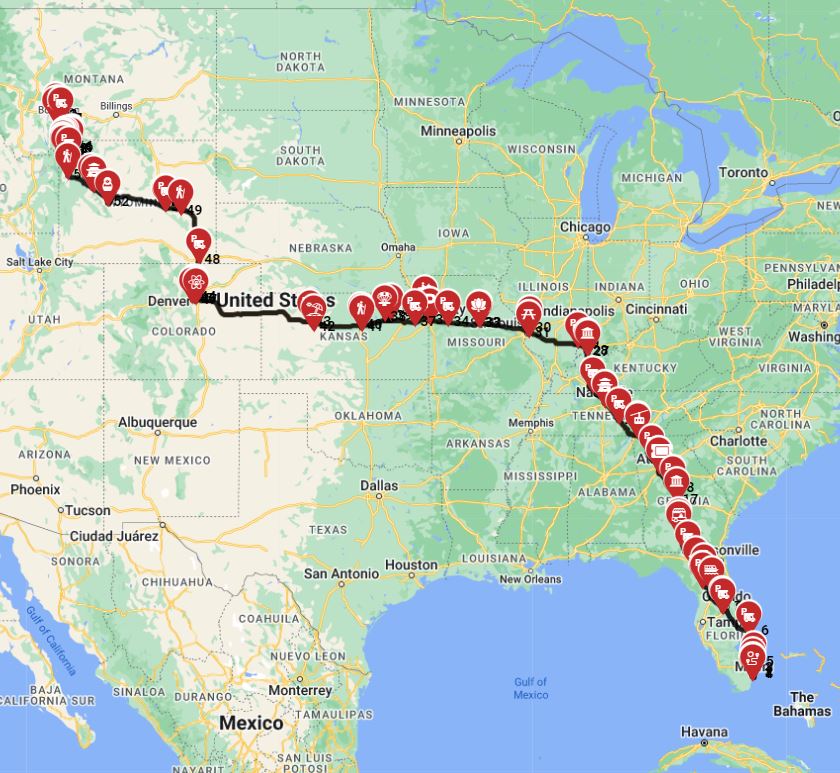
For those with more time, a one-way motorhome rental opens up epic possibilities, like the Miami to New York journey, a 28-day exploration of the entire East Coast.
Final Thoughts
Imagine your family waking up to the sounds of nature in the Everglades, spending an afternoon exploring the vibrant streets of Little Havana, and watching the sunset over the Seven Mile Bridge, all from the comfort of your home on wheels. A rented motorhome gives you the ultimate freedom to experience the magic of Miami and Southern Florida at your own pace. It's a mobile headquarters for adventure, a cozy retreat after a long day of exploring, and a ticket to creating unforgettable memories.
At Bandana, we're passionate about helping you find that perfect experience. As true RV specialists, we're here to make the process simple and transparent, so you can focus on what really matters: the journey ahead. Ready to start planning your sun-soaked Florida escape? Let's find the perfect ride for your family.
Find Family RV Rentals in MiamiFrequently Asked Questions
How much does a motorhome rental cost in Miami?
The cost of a motorhome rental in Miami is dynamic, changing with season, availability, and vehicle size. Generally, you can expect daily rates for a family-sized Class C motorhome to range from $150 to $350 USD.
What is the minimum driver age for family rv rental in Miami?
The minimum age to rent a motorhome is typically 21 years old. However, some suppliers may require drivers to be 25 or older, especially for larger Class A motorhomes, so it's always best to check the specific policy.
Can I pick up a family rv in Miami and return it in a different city?
Yes, one-way rentals are available with most suppliers, offering incredible flexibility for cross-country trips. A one-way drop-off fee may apply depending on the route and distance, which will be clearly shown during booking.
What is the best time of year to rent an RV in Miami?
The most popular time is from November to April, when the weather is mild, sunny, and less humid. Traveling in the summer offers a different, truly tropical experience and can sometimes mean better availability on rental vehicles.
Do I need a special license to drive a rented motorhome in Miami?
For most rental motorhomes, including Class C and many Class A models, a standard valid driver's license from your home country is all that's required. An International Driving Permit is recommended as a helpful translation.
Where can I find campsites and campgrounds near Miami?
For finding campsites during your trip, we recommend using RV PLANET (rvplan.net). It’s a fantastic resource for searching and locating available spots in state parks, national parks, and private campgrounds along your route.