In This Guide
- The 5 RV Families Compared for Australia
- Class A (Integrated) - Best For
- Price Comparison by RV Class in Australia
- Class SI (Semi-Integrated) - Best For
- Class C (Alcove) - Best For
- Class B (Campervan) - Best For
- Class TC (Truck Camper) - Best For
- Side-by-Side Comparison Table
- Our Recommendation for rv rental Travelers in Australia
- What is the best RV rental company?
- How much does it cost to rent an RV in Australia?
- What is the difference between Maui and Apollo?
- What is the best RV in Australia?
- What is the most reliable brand of motorhome in Australia?
- What is the 333 rule for campervan?
- What is the most affordable RV to buy?
- What is the best value for money caravan in Australia?
- Australian RV Rental Essentials: Rules, Road Conditions, and Local Tips
- Top Cities for RV Rental in Australia
- What You Shouldn't Miss
- Why Book with Bandana Caravan
- Final Thoughts
- Frequently Asked Questions
Australia, with its vast landscapes, stunning coastlines, and unique wildlife, offers an unparalleled adventure for those who choose to explore it with a rented RV. Imagine waking up to the sound of kookaburras, brewing your morning coffee in your mobile home, and stepping out to a breathtaking view of the outback or a pristine beach. This incredible country invites you to travel at your own pace, creating memories that will last a lifetime.
Choosing the right motorhome for your Australian journey is key to maximizing your comfort and enjoyment. Different RV types are suited for various trip styles, group sizes, and budgets, from compact campervans perfect for solo travelers to spacious Class A motorhomes ideal for larger families. For live availability and current prices, start with our RV Rental Australia - Complete Guide 2026 guide.
The 5 RV Families Compared for Australia
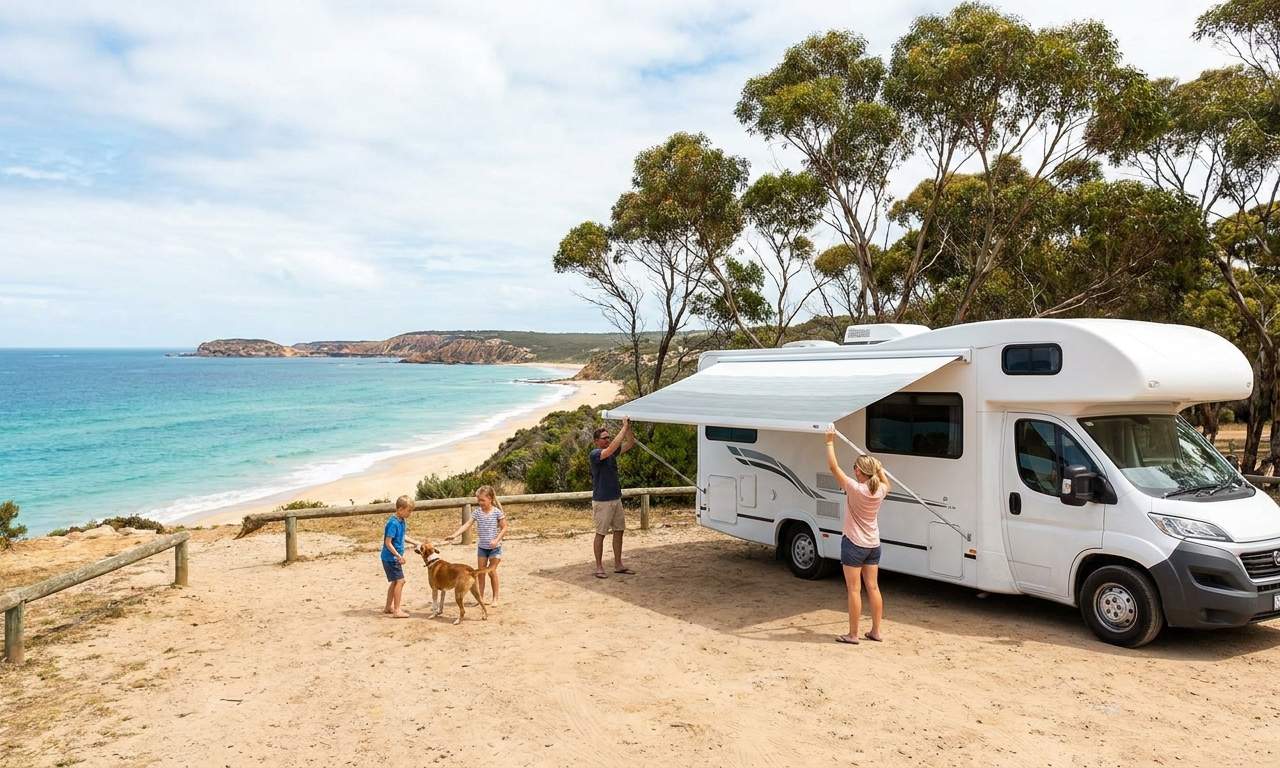
RV family choice is crucial for adapting to Australia's diverse landscapes and climates, ensuring your rented vehicle is perfectly suited for your adventure. Considering vehicle size is essential for maneuverability on different road types, from bustling city streets to the more remote national park access roads. We always say, drive slowly and carefully, and you can drive almost anywhere without issues. No need to stress - just use common sense and pay attention. Ultimately, matching the RV class to your group size, trip duration, and budget will ensure optimal comfort and cost-efficiency for your family RV rental comparison in Australia. Our platform, Bandana Caravan, makes this comparison process transparent and straightforward, giving you all the details upfront.
When selecting your ideal rented RV, it's helpful to consider the typical passenger capacity and average fuel efficiency. For example, a 2-berth campervan might offer around 10L/100km fuel economy, while a 6-berth Class C motorhome could average 10-12L/100km. These figures are crucial for budgeting your ancillary trip costs, including fuel, which can be a significant expense across Australia's vast distances. On RV PLANET routes, you can itemize and track every expense along the way for easy budgeting. On the routes offered through RV PLANET routes, you can itemize and track every expense along the way for easy budgeting.
Class A (Integrated) - Best For
Class A integrated motorhomes, averaging 7.5 meters in length and comfortably sleeping 4-6 people, are best suited for luxury travel and larger groups exploring Australia's major sealed roads. Bandana’s global fleet data typically indicates these vehicles consume 11-12 liters per 100 km, making fuel a consideration for long distances. They are ideal for extended road trips where maximum comfort, expansive living space, and comprehensive amenities like full kitchens and spacious bathrooms are top priorities. While they offer a premium experience, trade-offs include higher rental costs, reduced maneuverability in urban areas, and potential restrictions on certain unsealed or smaller roads within national parks.
These luxurious rented motorhomes are essentially mobile apartments, offering features like large panoramic windows, ample storage, and often multiple slide-outs for even more interior space when parked. They provide a comfortable base for families or groups who plan to spend significant time inside their vehicle, enjoying the journey as much as the destinations. For instance, a Class A motorhome would be perfect for a two-week adventure touring the scenic routes between major Australian cities, offering enough room for everyone to relax after a day of exploring.
Price Comparison by RV Class in Australia
RV rental pricing operates on a dynamic flex-rate system influenced by demand, season, and availability, meaning prices can vary significantly throughout the year in Australia. For example, a compact campervan might start at AUD $80 per day in the low season, while a premium Class C motorhome could easily exceed AUD $300 per day during peak holiday periods. The table below provides real example prices from Bandana's live search for various RV classes and rental durations, giving you a clear picture of potential costs.
It's important to remember that these prices are estimates and update daily; for the most current rates, use the live search box at the top of the page. This transparent pricing approach is one of our key differentiators at Bandana Caravan: what you see is what you get, with no hidden fees or surprises.
Live April Price Comparison — RV Class × Trip Length
| Trip length | Class A | Class B | Class C | Class SI | Class TC |
|---|---|---|---|---|---|
| 1 week 15/04 → 22/04 | Check prices | 881.60 € EUR | 3,006.00 € EUR | 1,016.00 € EUR | Check prices |
| 2 weeks 15/04 → 29/04 | Check prices | 1,548.00 € EUR | 6,012.00 € EUR | 1,800.00 € EUR | Check prices |
| 1 month 01/04 → 30/04 | Check prices | 2,976.00 € EUR | 7,417.74 € EUR | 3,480.00 € EUR | Check prices |
Estimates only — flex-rate prices change daily based on availability and season.
When looking for the cheapest RV rental, being flexible with your travel dates and opting for off-peak seasons (like autumn or spring) can often yield significant savings. Keep an eye out for "RV Rental Deals in Australia - Latest Offers 2026" which can provide excellent value. Also consider booking longer trips; for example, "Weekly RV Rental in Australia - Pricing 2026" typically offers a lower daily rate than shorter rentals. Whether you are searching for Melbourne RV rental or Sydney motorhome hire, prices fluctuate, so comparing options from various suppliers like Apollo and Britz is essential.
Class SI (Semi-Integrated) - Best For
Class SI semi-integrated motorhomes, with an average length of 6.9 meters and sleeping 3-4 people, offer a balanced choice for couples or small families seeking comfort without the bulk of a Class A. Bandana’s global fleet data typically shows these vehicles consuming 10-11 liters per 100 km, offering better fuel efficiency than larger models. These rented motorhomes provide a good compromise between interior space and ease of driving, making them versatile for general touring across Australia's diverse landscapes. They are particularly well-suited for extended trips where a comfortable living area, a functional kitchen for preparing delicious RV-friendly recipes playlist, and a private bathroom are desired, alongside reasonable fuel efficiency and maneuverability.
You can imagine yourself navigating the Great Ocean Road or exploring national parks with ease in a Class SI motorhome. It provides enough room for a small family to spread out and enjoy the journey, yet it's compact enough to feel less intimidating to drive than a larger Class A. Many popular rental suppliers in Australia, such as Apollo and Britz, offer a wide range of semi-integrated models, ensuring you'll find an option that fits your needs. Remember, a standard car driver's license is sufficient for operating these vehicles, making them accessible to most travelers.
Class C (Alcove) - Best For
Class C alcove motorhomes, often around 7.5 meters long and sleeping 4-6 people, are ideal for families with children or larger groups due to their characteristic bed over the cab, providing extra sleeping space. Bandana's global fleet typically shows these rented vehicles consuming 10-12 liters per 100 km, offering a practical balance of space and operational cost. They offer excellent sleeping capacity and relatively spacious interiors at a generally more cost-efficient price point than Class A models, making them a popular choice for family adventures on Australia's sealed road network. Their robust build suits extended journeys, providing necessary amenities for a comfortable road trip experience, from cooking meals to relaxing after a day of exploration.
These motorhomes are often a favorite for families because of their practicality and comfort. Think of a scenario where you've spent the day exploring a stunning national park; returning to your Class C means everyone has their own comfortable spot to unwind. Like other motorhomes, a standard car driver's license is all you need to drive a rented Class C in Australia. There are no special licenses or additional permits required, making the transition to RV travel simple and accessible.
Class B (Campervan) - Best For
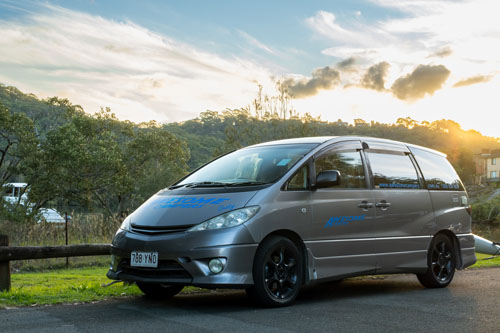
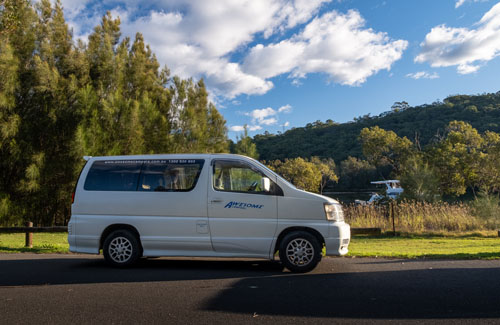
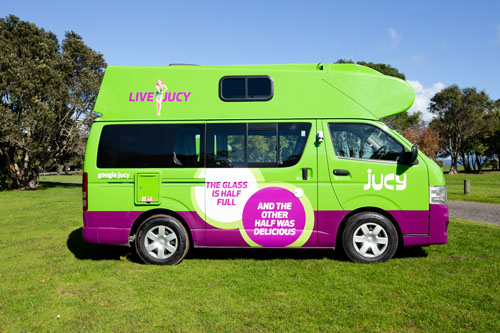
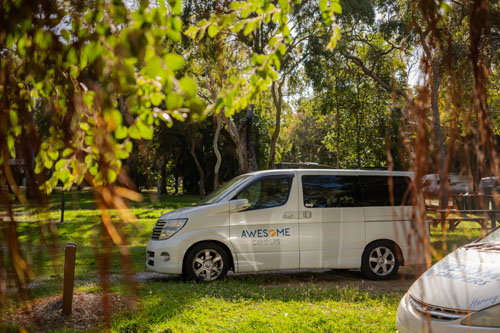
Class B campervans, averaging 5.8 meters in length and sleeping 2-3 people, are perfect for solo travelers, couples, or small groups prioritizing maneuverability and fuel economy in Australia. Bandana’s global fleet typically shows these vehicles consuming around 10 liters per 100 km, making them the most economical choice for fuel efficiency. Their compact size allows for easier navigation through cities and access to more diverse campsites, including some national parks where larger RVs may be restricted. These rented campervans are best suited for shorter trips or adventurers who value flexibility and a 'get up and go' travel style, making them a cost-effective option for exploring Australia's highlights.
Imagine effortlessly parking your rented campervan at a bustling city beach or finding a cozy spot in a smaller, more secluded campground. This flexibility is a significant advantage, particularly when you want to immerse yourself in local culture and food in various towns. Brands like Jucy and Apollo offer a variety of reliable Class B campervans. The minimum rental age for these agile vehicles, and all motorhome classes, is 21 years old, with no young driver surcharges to worry about.
Class TC (Truck Camper) - Best For
While Bandana RV primarily offers self-contained motorhome and campervan rentals for ultimate travel flexibility, a complete overview of RV types often includes categories like truck campers. Class TC truck campers, with an average length of 5.5 meters and sleeping 2-3 people, are often chosen by adventurers seeking off-grid capabilities and flexibility in Australia's more rugged terrains. Bandana's global fleet data indicates these vehicles typically consume 12-17 liters per 100 km, reflecting their robust nature and 4x4 capabilities.
Their detachable design, often mounted on 4x4 trucks, allows for exploration on unsealed roads and remote tracks, providing unparalleled access to Australia's challenging and breathtaking outback. They are ideal for couples or solo travelers who prioritize deep exploration over luxury, offering the unique advantage of separating the living unit from the vehicle for versatile base-camp style travel. This class is particularly suited for those wanting to venture beyond standard tourist routes and truly experience the wild side of Australia, where reliable 4WD is often a necessity.
Side-by-Side Comparison Table
This table provides a concise overview of the key characteristics for each RV class, aiding in your selection process for an Australian adventure. Factors like average length affect maneuverability, while sleeping capacity directly relates to your group size. Fuel consumption is a critical element for budgeting your journey across Australia’s vast distances.
| Family | Avg Length (m) | Sleeps | Fuel Use (L/100km) | Best Use Case in Australia |
|---|---|---|---|---|
| Class A - Integrated | 7.5 | 4.4 | 11-12 | Luxury touring, large groups, long trips on sealed roads |
| Class SI - Semi-integrated | 6.9 | 3.8 | 10-11 | Couples/small families, balanced comfort and maneuverability |
| Class C - Alcove | 7.5 | 5.8 | 10-12 | Families with children, groups needing space, cost-efficient family travel |
| Class B - Camper Van | 5.8 | 3.2 | ~10 | Solo/couples, budget-conscious, maneuverability, shorter trips |
| Class TC - Truck Camper | 5.5 | 2.4 | 12-17 | Off-grid adventures, unsealed roads, rugged exploration |
Choosing the right RV for your trip is all about balancing comfort, budget, and the kind of adventure you envision. This comparison helps you make an informed decision, ensuring your rented motorhome is the perfect companion for your Australian exploration.
Our Recommendation for rv rental Travelers in Australia
For most RV rental travelers in Australia seeking a balance of comfort, versatility, and reasonable running costs, the Class SI (Semi-integrated) motorhome stands out as the primary recommendation. Its average length of 6.9 meters and capacity to sleep nearly four people make it manageable on diverse Australian roads while offering sufficient living space and amenities for a comfortable journey. This makes it a smart choice for couples or small families embarking on an extended road trip. It offers a smooth driving experience on sealed roads and generally better fuel economy than larger Class A models, ensuring your Australian adventure remains both enjoyable and cost-effective.
The runner-up recommendation, particularly for families or groups on a tighter budget, is the Class C (Alcove) motorhome. While similar in length to Class A models, its superior sleeping capacity (averaging 5.8 people) and cost-efficiency provide excellent value for extended family trips across the continent, especially when sticking to Australia's extensive network of sealed roads. Both of these rented RV types provide adequate amenities for a fulfilling road trip, giving you a home on wheels to truly connect with the culture, the food, and the scenery.
What is the best RV rental company?
The 'best' RV rental company in Australia depends on specific traveler needs, budget, and trip style, with top contenders often including established names like Apollo, Maui, Britz, and Jucy, each offering different vehicle types and service levels. Bandana Caravan partners directly with over 50 leading RV suppliers worldwide, including many prominent brands in Australia like Apollo and Britz, allowing you to compare options side-by-side with full transparency. Key factors to consider include fleet age, the range of vehicle types offered, insurance options, included mileage, customer service reputation, and the availability of convenient pick-up and drop-off locations, such as those covered in "RV Rental Near Australia Airport - Pickup Pricing 2026".
At Bandana, we pride ourselves on being true RV specialists, not just a travel agency side department. We know RV travel inside and out, and our platform is designed to help you easily navigate the vast options. We believe in full transparency; you’ll see the complete price breakdown with no hidden fees or surprises, which is crucial when planning your trip. Our focus is exclusively on RV travel, ensuring unmatched personal experience and attention to the smallest details for your journey.
How much does it cost to rent an RV in Australia?
The cost to rent an RV in Australia typically ranges from AUD $80 per day for a basic campervan in the off-season to over AUD $400 per day for a luxury motorhome during peak periods, with significant variations based on vehicle class, rental duration, season, pick-up location, and inclusions. Budgeting for a rented RV in Australia should account for the base rental rate, comprehensive insurance options, fuel (a major expense due to vast distances and global fleet average consumption, e.g., 10-17 L/100km), campsite fees (AUD $30-70/night), and potential additional costs like one-way fees, extra equipment, and national park permits. For a detailed cost breakdown, refer to "RV Rental in Australia - Prices and Best Deals 2026".
Travel during Australia's shoulder seasons (spring and autumn) often presents the best balance of favorable weather and more affordable rental rates, helping manage overall trip expenses. Prices are dynamic, similar to flight tickets, changing daily based on availability and supplier marketing decisions, so the final price is always set at the actual booking time. When planning your route, remember that RV PLANET routes allow you to itemize and track every expense along the way, making budgeting for your adventure simple and transparent.
What is the difference between Maui and Apollo?
Maui and Apollo are both prominent RV rental companies in Australia, operating under the same parent group, but they generally target different market segments. Maui typically targets the premium market, offering newer, more luxurious vehicles with higher-end amenities and models often under two years old. This results in a more contemporary and comfortable experience, usually at a higher price point with additional premium inclusions. For example, a Maui motorhome might feature a state-of-the-art entertainment system and more refined interior finishes, ideal for a couple or small family seeking an upscale experience.
Apollo, conversely, offers a broader range of well-maintained vehicles, including models up to 5 years old or more, catering to a wider budget spectrum. Their diverse fleet makes them a popular choice for families and groups looking for a reliable and cost-efficient option for their Australian road trip, without compromising on essential amenities. Both brands maintain comprehensive support networks across Australia, ensuring assistance is available when needed. When comparing, consider your desired level of luxury versus budget, as both suppliers are Bandana partners and offer quality rented RVs for different travel styles.
What is the best RV in Australia?
The 'best' RV in Australia is subjective and depends entirely on a traveler's specific needs, trip duration, group size, and desired comfort level, with options ranging from compact Class B campervans ideal for couples to spacious Class A motorhomes suited for large families exploring diverse Australian landscapes. For urban exploration and nimble travel, a Class B campervan, averaging 5.8 meters, offers excellent maneuverability and fuel efficiency, making it perfect for navigating cities like Sydney or Melbourne. Families requiring more sleeping capacity and living space on sealed roads often find Class C alcove motorhomes, averaging 7.5 meters and sleeping up to 6, to be the most practical choice.
Adventurous travelers planning to tackle unsealed roads and remote areas might consider a Class TC truck camper, typically around 5.5 meters with 4x4 capability, for its rugged versatility. Those seeking ultimate luxury and space on major routes might prefer a Class A integrated motorhome for its extensive amenities. When choosing, consider not just the daily rental cost, but also factors like fuel consumption, which can impact your total ancillary trip costs, especially for longer journeys across the continent. There's truly an RV for every Australian adventure, and our expert team can help you compare them transparently.
What is the most reliable brand of motorhome in Australia?
Reliability in Australian motorhomes often comes from established manufacturers and well-maintained rental fleets, with brands like Jayco, Winnebago, Avida, and Sunliner being frequently cited for their robust construction and suitability for diverse Australian conditions. When renting an RV, the reliability of the vehicle often hinges more on the maintenance standards of the rental company itself and the integrity of the base chassis, such as Fiat Ducato, Mercedes-Benz Sprinter, or Ford Transit. Reputable Bandana partners like Apollo and Britz consistently uphold high maintenance standards for their fleets.
Rental companies typically offer modern fleets with regular servicing and comprehensive roadside assistance, which are critical factors for ensuring a reliable journey across Australia's vast distances and varying climates. Before you confirm your booking, we encourage you to review supplier details on our platform, where you'll find information on fleet age and maintenance policies, contributing to your peace of mind. Investing in a top-level deductible reimbursement, an optional upgrade, can also add an extra layer of peace of mind against unexpected incidents, ensuring your Australian road trip remains stress-free.
What is the 333 rule for campervan?
The '333 rule' for campervan travel is a popular guideline suggesting you drive no more than 300 kilometers per day, stay at least 3 nights in each location, and stop driving by 3 PM, promoting a relaxed pace and allowing ample time for setup, relaxation, and exploring each destination in Australia. This rule is particularly beneficial in Australia for promoting safety by reducing driver fatigue over long distances, preventing rushed travel, and ensuring campers can secure a campsite before dark, especially crucial when encountering wildlife that becomes more active at dusk. Adopting the 333 rule enhances the immersive experience, allowing travelers to truly appreciate local attractions, manage provisions, and navigate Australia's unique road conditions more effectively without feeling pressured by strict schedules.
Embracing slow travel is something we wholeheartedly recommend at Bandana Caravan. Travel slowly, max 100-150 km per day on average. Take time to feel the place, connect to the culture, the food, and the scenery. This approach also allows for more spontaneous discoveries and helps you fully enjoy the flexibility that a rented RV provides, rather than rushing through beautiful landscapes. For finding campsites and campgrounds during your trip, we recommend using RV PLANET (rvplan.net) - a great resource for locating available spots along your route, often with user reviews to help you choose the perfect spot for a multi-night stay.
What is the most affordable RV to buy?
While this article focuses on RV rentals in Australia, typically the most affordable RVs to *buy* are older, smaller campervans or pop-top caravans, which require less upfront investment but may incur higher maintenance costs. For those seeking the most affordable *rental* option for their Australian adventure, Class B campervans, averaging 5.8m and consuming approximately 10L/100km, consistently offer the lowest daily rates. Their compact size, fuel efficiency, and ease of driving make them ideal for budget-conscious travelers who prioritize mobility and efficiency over extensive interior space and luxury amenities.
Renting is an excellent way to experience RV travel without the significant commitment and costs of ownership. Bandana RV specializes exclusively in RV rentals, providing a transparent comparison platform to help you find the best deal for your vacation. We partner with reputable suppliers to ensure you get a well-maintained vehicle at a competitive price. For example, comparing options for a "Long-Term RV Rental in Australia - Monthly Rates 2026" can reveal significant savings compared to shorter bookings.
What is the best value for money caravan in Australia?
For those interested in *renting* an RV for value in Australia, Class B campervans or Class SI semi-integrated motorhomes often provide the best balance of cost-efficiency, fuel economy, and comfort for their size, though it's important to clarify that Bandana RV primarily offers self-contained motorhomes and campervans, not towable caravans. Within the motorhome rental context, Class B campervans are excellent for solo travelers or couples due to their low fuel consumption and rental price, offering great value for money for agile travel on a budget. These vehicles (e.g., a "hire campervan example Paradise S/T" model often ideal for a couple) are nimble and easy to manage.
Class SI semi-integrated motorhomes provide a step up in comfort and space for small families without the higher fuel and rental costs of larger units, presenting a strong value proposition for longer trips requiring more amenities. When considering 'value for money' for a rental, it's crucial to weigh the daily rate against fuel costs, desired amenities, and the vehicle's suitability for your intended Australian itinerary. Our platform helps you compare these options transparently, ensuring you find a rented motorhome that delivers on both value and experience.
Australian RV Rental Essentials: Rules, Road Conditions, and Local Tips
Navigating Australia with a rented RV requires understanding some key local regulations and conditions to ensure a smooth and safe trip. Australia drives on the left-hand side of the road, and speed limits are strictly enforced, typically 50 km/h in urban areas, 100 km/h on major highways, and up to 110 km/h in some regional areas. Standard car driver's licenses are sufficient for all motorhome classes in Australia, with an International Driving Permit (IDP) recommended for visitors from non-English speaking countries, though often not mandatory. Emergency numbers for police, fire, and ambulance are 000 nationwide.
Fuel types are primarily Unleaded Petrol (ULP) and Diesel. Always check your vehicle's requirement before refueling, especially in remote areas where fuel stations can be few and far between. For communication, a local SIM card (from providers like Telstra, Optus, or Vodafone) is highly recommended; Telstra generally offers the best coverage in regional and remote areas. While many national and state parks offer designated campgrounds, only 25-30% of spots are reservable in advance, with the rest available first-come, first-served. Reassure yourself: you'll find a spot. If not at the first campground, then the next one. Always call ahead before driving to a remote campground.
Toll roads exist around major cities like Sydney, Melbourne, and Brisbane, and operate electronically; rented RVs often come with an e-tag, or you may need to register online. Wild camping or "free camping" rules vary significantly by state and local council, often prohibited in populated areas, but permitted in designated rest stops or certain remote locations. Always look for clear signage or consult local information centers and use resources like RV PLANET (rvplan.net) to find legal and suitable overnight parking. We strongly recommend slow travel, averaging no more than 100-150 km per day, allowing you to truly connect to Australia's incredible scenery and avoid driver fatigue over vast distances.
Top Cities for RV Rental in Australia
Australia boasts several excellent cities for picking up your rented RV, offering diverse starting points for your adventure. These locations serve as major hubs with multiple suppliers and a wide range of vehicle classes, including options seen in "RV Travel Guide to Australia - Tips and Top Spots 2026".
- Sydney: As Australia's largest city, Sydney provides easy access to coastal drives, the Blue Mountains, and is a great starting point for journeys north towards Queensland or south towards Melbourne. Its international airport makes it a convenient arrival city for international travelers seeking to pick up a motorhome rental.
- Melbourne: Known for its vibrant arts scene and proximity to the Great Ocean Road, Melbourne is an ideal starting point for exploring Victoria's stunning natural attractions and the southern coast. Many suppliers offer flexible pickup and drop-off options here.
- Brisbane: Gateway to the Sunshine Coast, Gold Coast, and the lush hinterland, Brisbane is perfect for those planning a Queensland adventure, including trips to Fraser Island or further north. It is a key location for those looking for an "RV Rental Deals in Australia - Latest Offers 2026".
- Perth: Located on the west coast, Perth is the entry point for exploring Western Australia's vast landscapes, including the Margaret River wine region and the Pinnacles Desert. A trip from Perth often involves significant distances, highlighting the importance of a comfortable rented motorhome.
- Adelaide: This city offers access to South Australia's renowned wine regions, the Flinders Ranges, and Kangaroo Island, providing a more relaxed starting point for a different kind of Australian road trip.
- Cairns: For those dreaming of the Great Barrier Reef and tropical rainforests, Cairns in Far North Queensland is the perfect launchpad for a northern adventure with your rented campervan or motorhome.
- Alice Springs: Situated in the heart of Australia, Alice Springs is the iconic starting point for exploring the Red Centre, including Uluru and Kings Canyon, making it a dream destination for many RV travelers seeking the authentic outback experience.
Each of these cities provides a unique gateway to different facets of Australia, ensuring your rented RV adventure can start exactly where your dreams begin.
What You Shouldn't Miss
Australia is a continent of wonders, and traveling by rented RV allows you to uncover its most cherished secrets. Here are some experiences you absolutely shouldn't miss on your RV adventure:
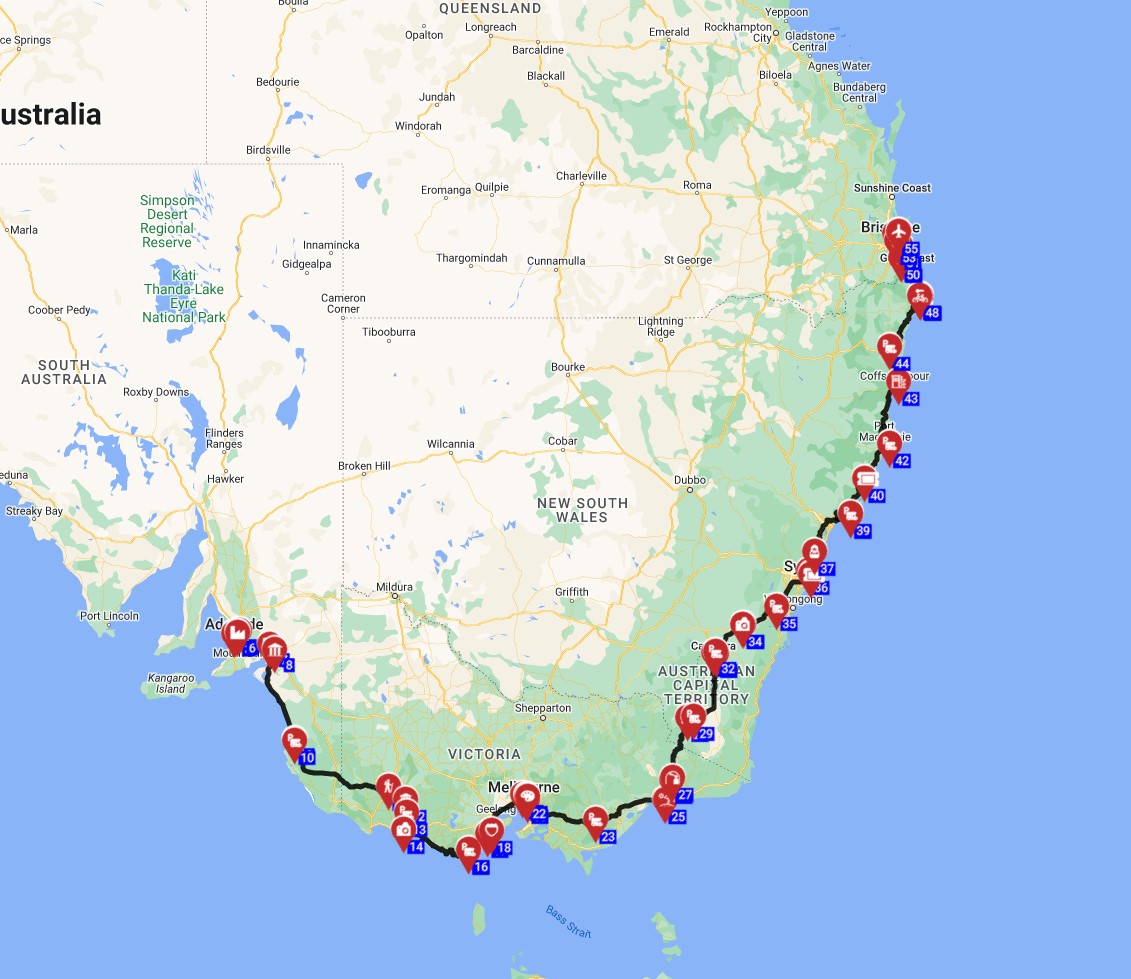
- Drive the Great Ocean Road (Victoria): This iconic 243 km (151 mile) stretch offers breathtaking coastal views, the Twelve Apostles rock formations, and charming seaside towns. It's a classic scenic route for a rented campervan.
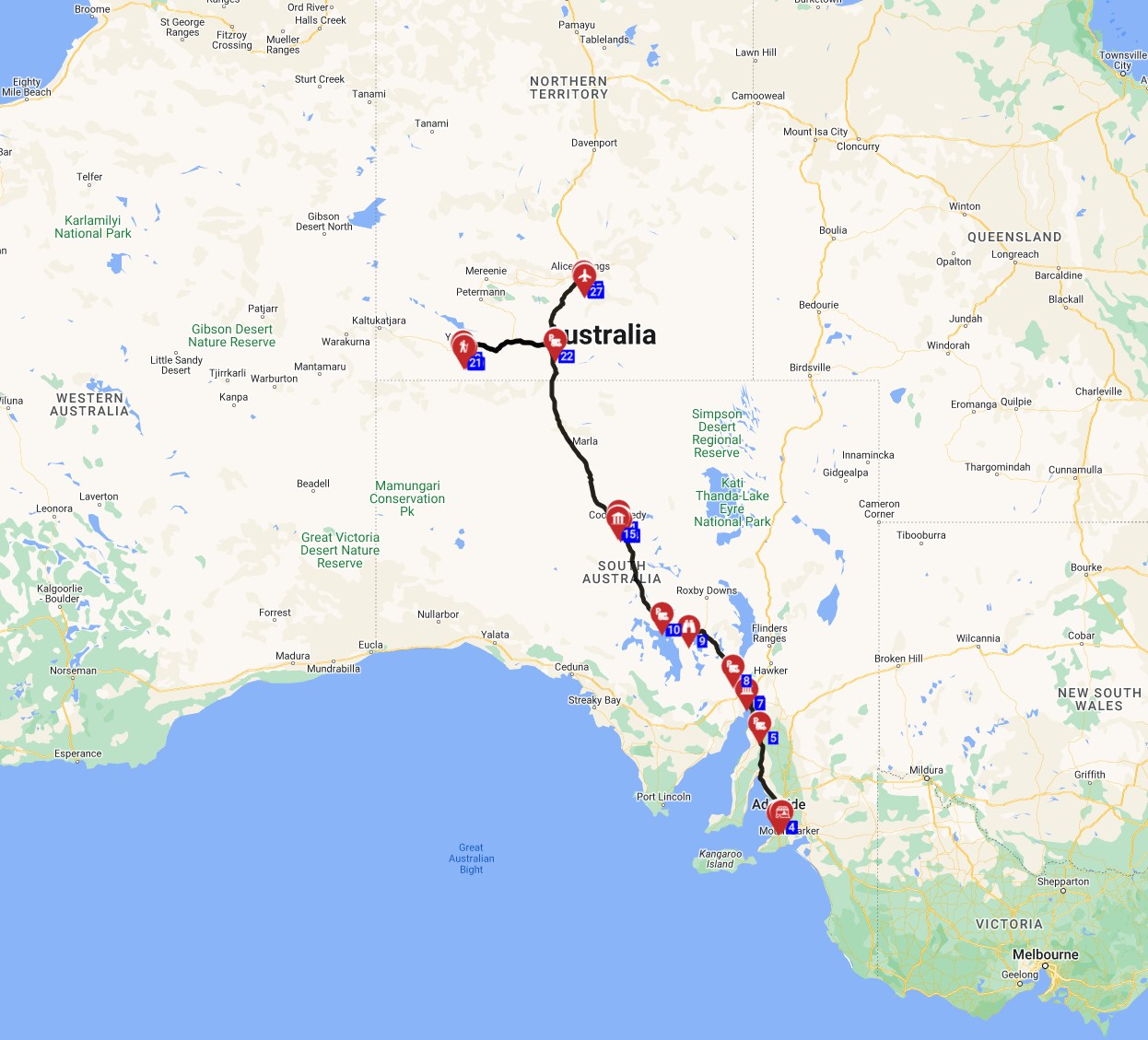
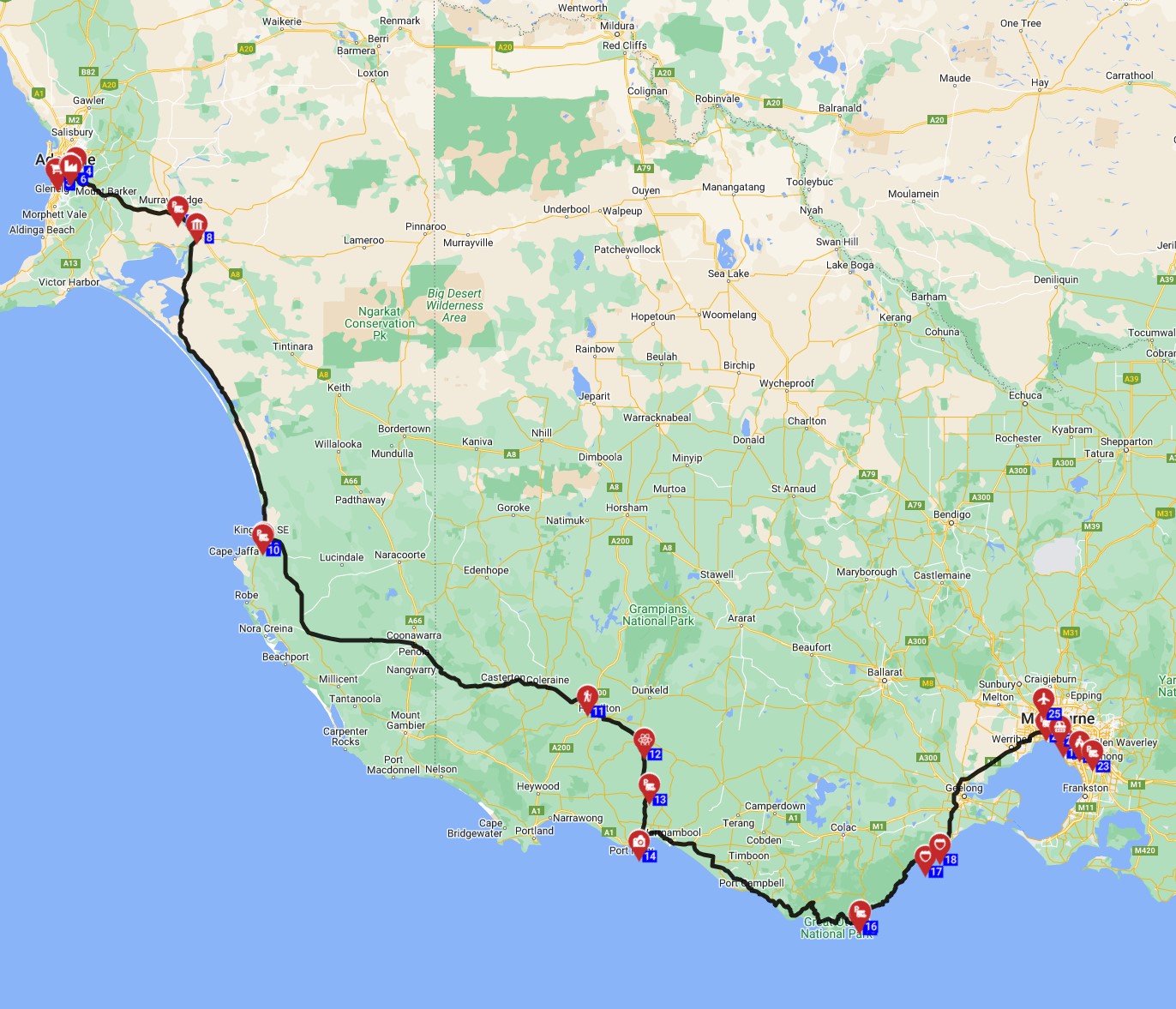
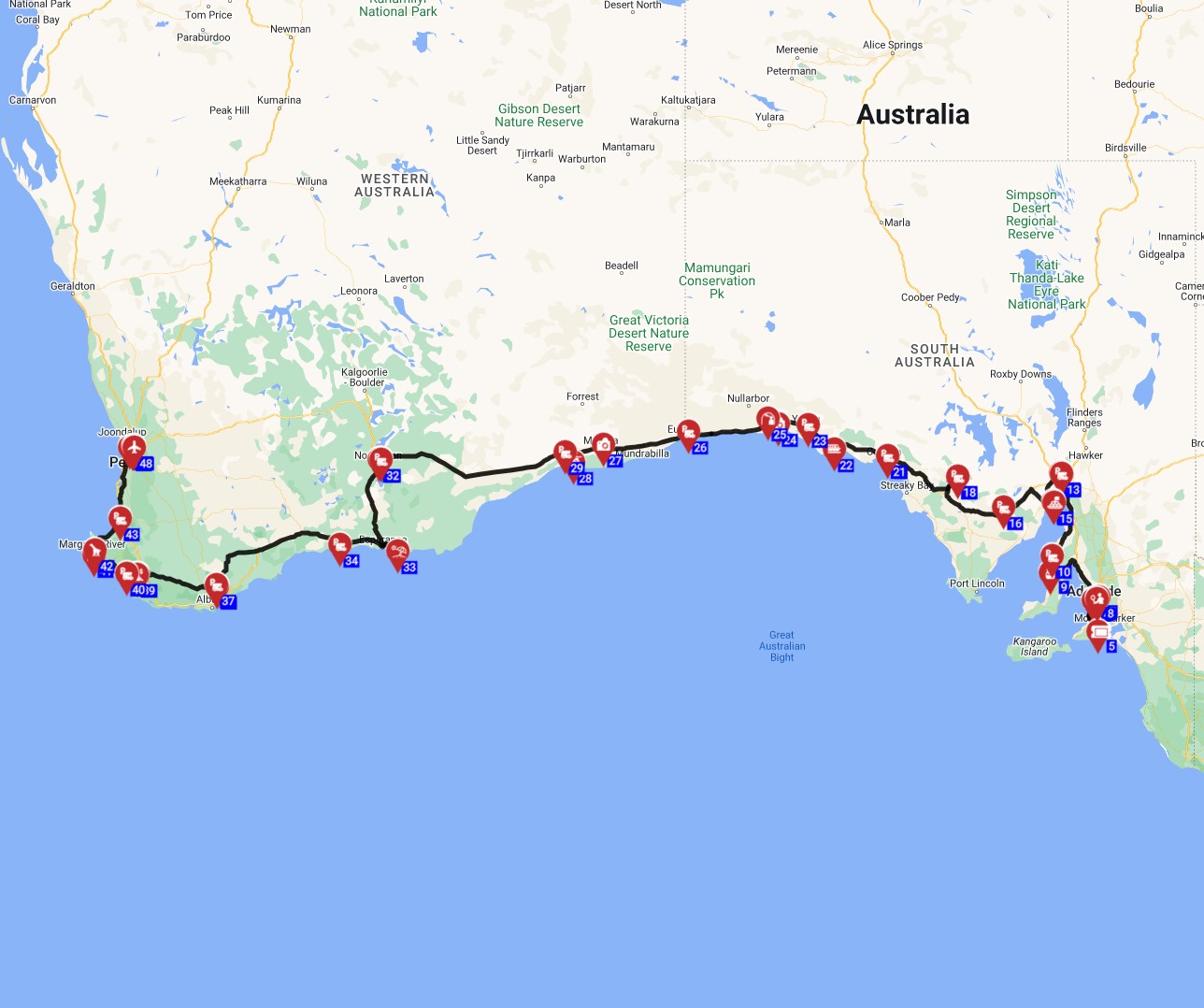
- Explore Uluru-Kata Tjuta National Park (Northern Territory): Witness the spiritual heart of Australia, Uluru, and the majestic domes of Kata Tjuta. This is a bucket-list destination, often the highlight of longer outback routes such as the "Perth to Alice Springs - The Dreamtime Highway: A Journey Through Australia's Heart" route, which covers 5447.3 km over 21 days and includes 3 museums and 4 natural features.
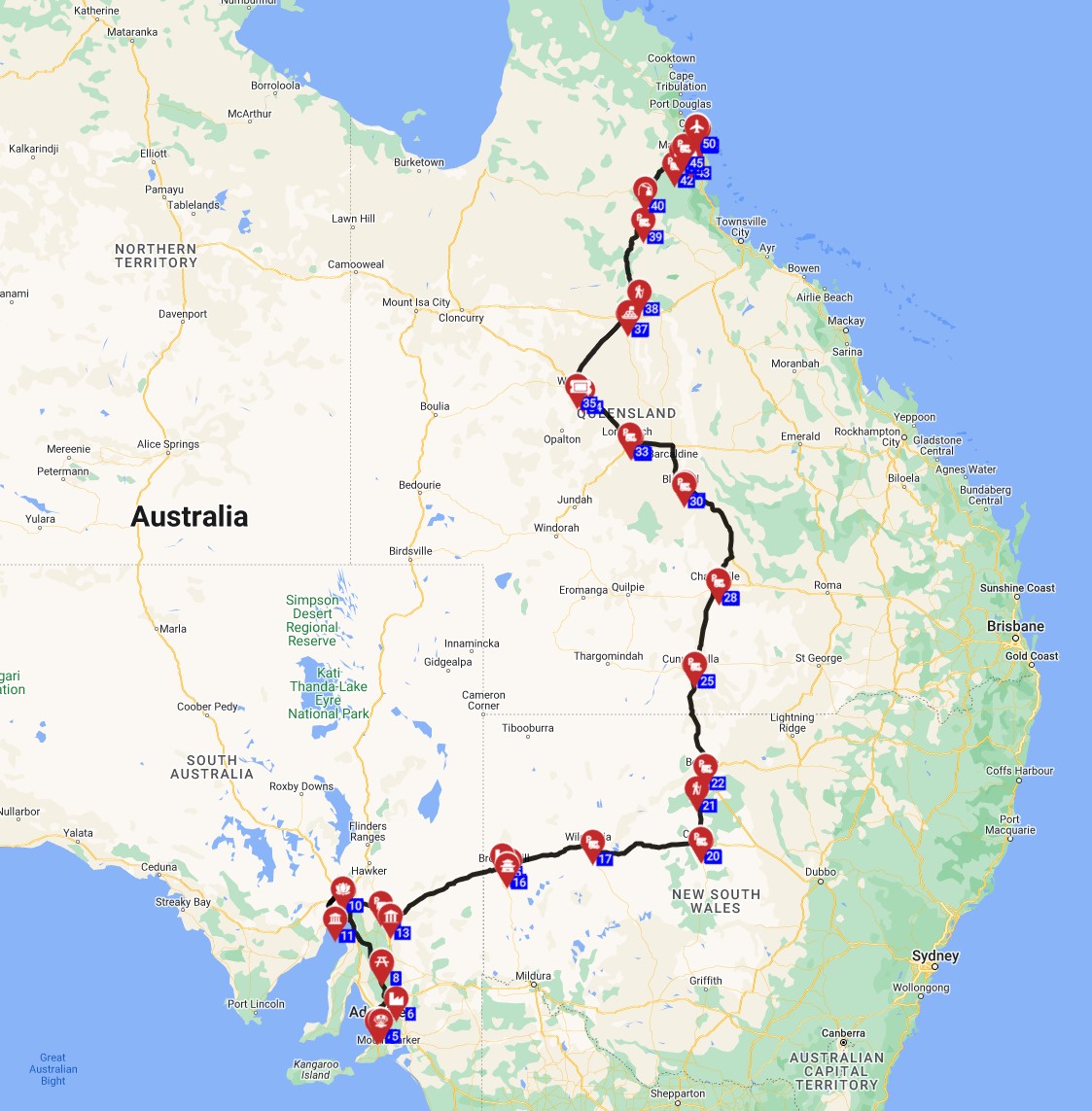
- Discover the Daintree Rainforest (Queensland): Immerse yourself in the world's oldest tropical rainforest, home to incredible biodiversity and stunning landscapes. Combine this with coastal exploration from Cairns, as seen in the "Cairns to Alice Springs - Northern Horizons: A Journey Through Australia's Heartland" itinerary, a 17-day, 4003.6 km journey with 3 hiking areas and 2 natural features.
- Relax on Whitehaven Beach (Whitsunday Islands, Queensland): Accessible via ferry from Airlie Beach, this pure white silica sand beach is consistently ranked among the world's best. It's a perfect detour for those taking an extended road trip.
- Explore the diverse offerings of Tasmania: The compact island state of Tasmania is ideal for an extended road trip with a rented motorhome, offering stunning national parks, historic sites, and gourmet food trails.
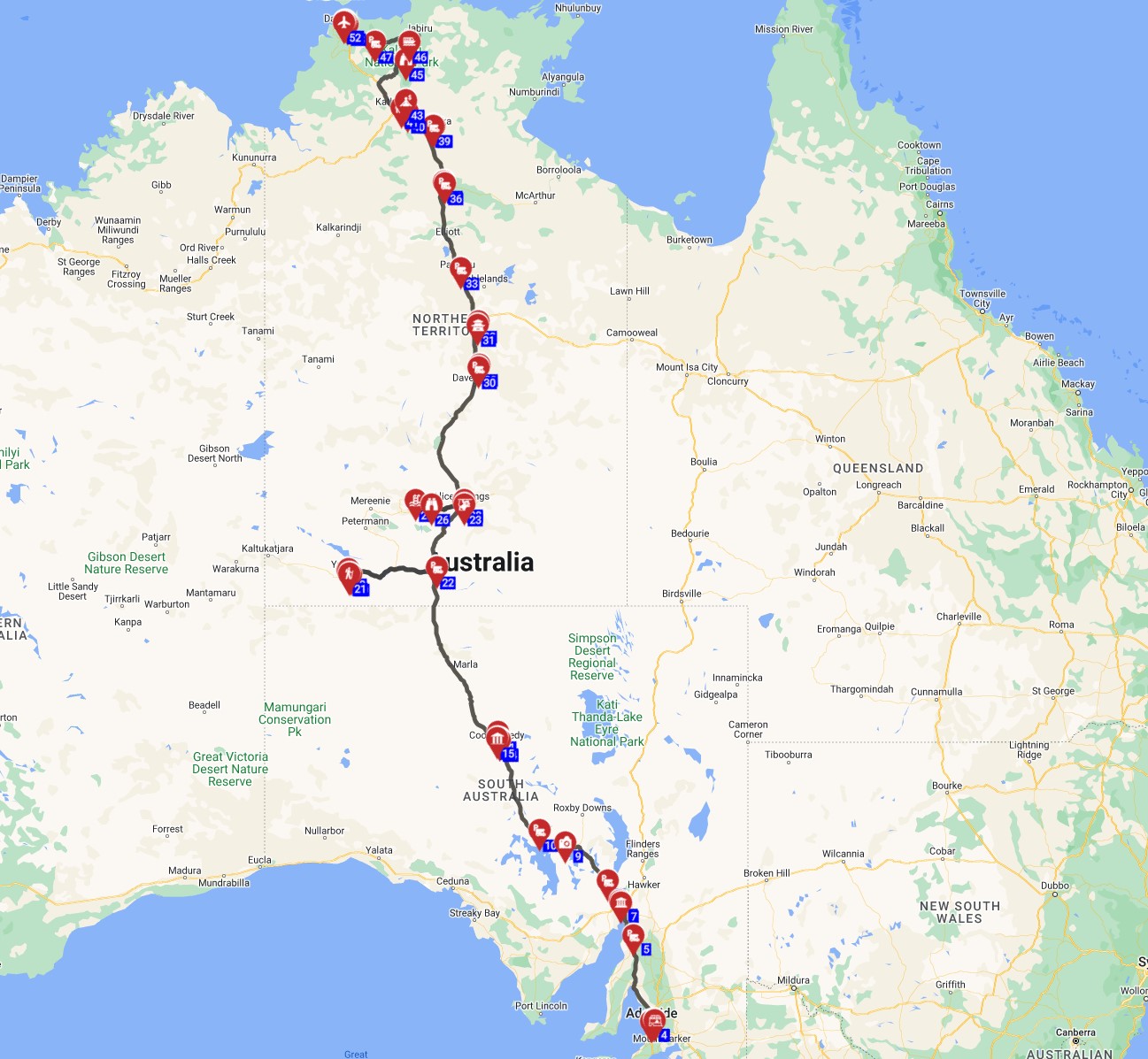
- Journey through the Australian Outback: Experience the vastness and solitude of the Red Centre, stopping at remote towns and iconic landmarks. The "Melbourne to Darwin - Australia’s Heartline Road Trip" route, a 26-day, 5622.8 km adventure, highlights the scale of such a journey with 5 hiking areas and 5 points of interest.
Looking for expert insights from Avi Bandana? Top 5 Adventures - recommendations from Avi Bandana
🎬 Video coming soon
Final Thoughts
Choosing the right rented RV for your Australian adventure is the first step towards an unforgettable journey. Whether you opt for the maneuverability of a campervan, the family-friendly space of a Class C motorhome, or the comfort of a semi-integrated model, Australia offers incredible diverse landscapes waiting to be explored at your own pace. With Bandana Caravan, you get full transparency, expert support, and access to a wide range of top-quality vehicles from trusted suppliers.
Remember to embrace the spirit of slow travel, allowing yourself the freedom to truly experience each destination, from vibrant cities to remote outback wonders. Don't stress about the details; we're here to support you before, during, and after your booking, ensuring a seamless and enjoyable planning process. Get inspired for your next trip and plan a trip itinerary in advance with minimal effort and maximum enjoyment!
So, pack your bags, choose your perfect mobile home, and get ready for the Australian road trip of a lifetime. The open road awaits!
Find RV Rentals in Australia