In This Guide
- Can You Drive an RV in New Zealand? License & Age Rules
- Road Conditions & Terrain in New Zealand
- RV Size Limits, Bridges & Restricted Zones
- Fuel: Diesel vs. Petrol & Cost per 100 km
- Tolls, Vignettes & Border Rules
- Driving Tips for rv rental Travelers
- Recommended RV Class for New Zealand Roads
- Should I Choose a Compact Van Instead of a Large RV in New Zealand?
- Can I Park Anywhere? Free & Wild Camping Rules in New Zealand
- Can I Drive an RV Into the City Center? Heights, Tunnels & Local Signage
- What is the 4 second rule in New Zealand?
- Is it difficult for Americans to drive in New Zealand?
- How hard is it to drive a motorhome in New Zealand?
- What is the 333 rule for campervan?
- Who insures motorhomes in NZ?
- How much does it normally cost to insure an RV?
New Zealand, with its breathtaking landscapes of dramatic fjords, volcanic plateaus, golden beaches, and majestic mountains, is undeniably one of the world's most incredible destinations for a rented RV adventure. Driving a rental motorhome or campervan here offers an unparalleled sense of freedom, allowing you to immerse yourself in the natural beauty at your own pace. For live availability and current prices, start with our RV Rental New Zealand - Complete Guide 2026 guide.
At Bandana RV, we specialize in helping travelers like you discover the magic of RVing in New Zealand. We believe in full transparency, which means no hidden fees and no surprises when you book with us. Our goal is to make your planning seamless, so you can focus on the unforgettable journey ahead. We are true RV specialists, not just a side department of a generic travel agency, and our dedicated team is here to support you before, during, and after your booking, ensuring a smooth and enjoyable experience.
Can You Drive an RV in New Zealand? License & Age Rules
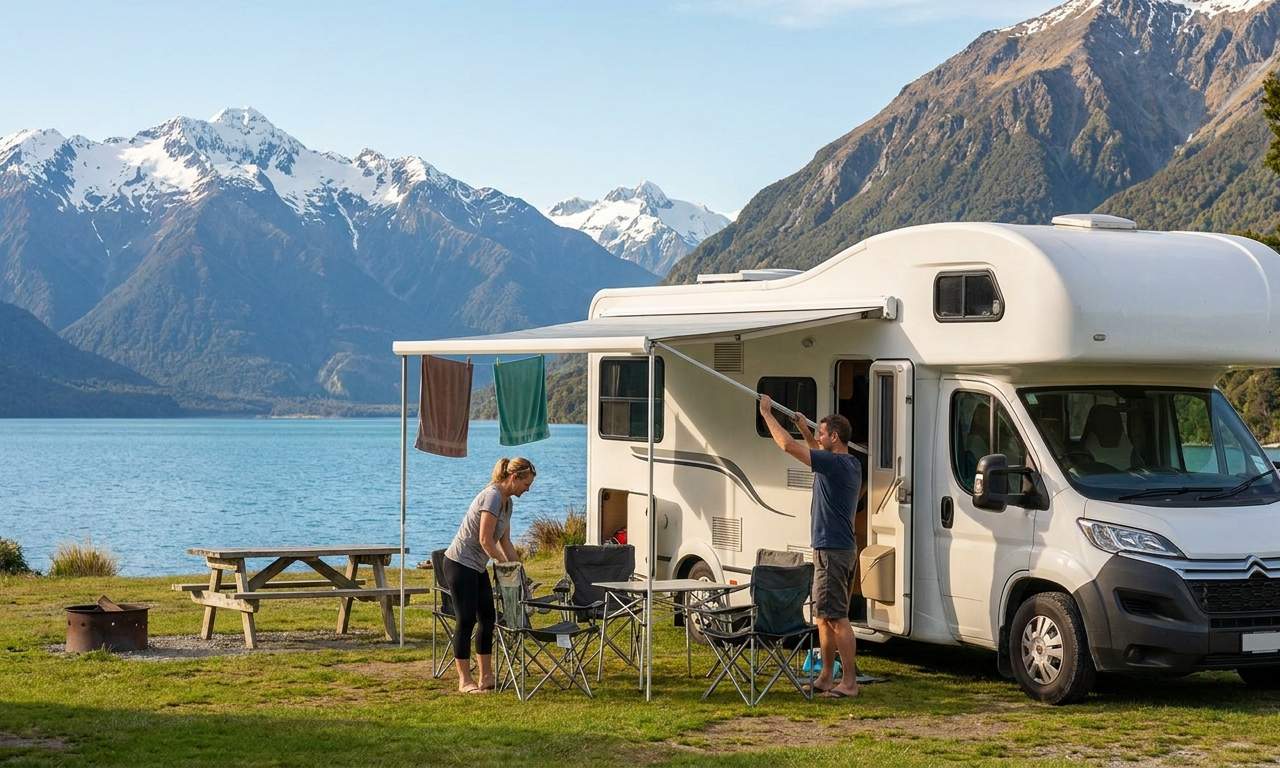
Most rental RVs in New Zealand under 3,500 kg Gross Laden Weight can be driven with a standard car driver's license. This applies to virtually all Class B campervans, Class C alcove motorhomes, and Class A integrated motorhomes available for rent.
Foreign visitors can drive in New Zealand for up to 12 months with a valid overseas license. This license must be in English or accompanied by an accurate English translation or an International Driving Permit (IDP). It is mandatory to carry your license or IDP while driving at all times, so keep it handy. The typical minimum driver age for RV rentals in New Zealand is 21, and we're pleased to confirm that Bandana RV does not impose young driver surcharges or vehicle class restrictions based on age, making it accessible for a wider range of adventurers.
Road Conditions & Terrain in New Zealand
New Zealand's roads are generally well-maintained and offer stunning views, but they are often narrower, more winding, and more mountainous than what many international drivers are accustomed to. You should prepare for varied road surfaces, including paved highways, gravel roads, and numerous one-lane bridges, especially when venturing into scenic and rural areas.
Driving a rented RV necessitates extra caution due to the varying terrain, sharp bends, and the potential for rapid weather changes across both the North and South Islands. Adopting a slower, more deliberate driving pace is key to safely and fully experiencing the country's spectacular landscapes. We always recommend slow travel, averaging no more than 100-150 km per day, allowing plenty of time to feel the place, connect with the culture, the food, and the scenery.
RV Size Limits, Bridges & Restricted Zones
While New Zealand does not typically impose national height or weight restrictions that impact common rental RVs, drivers must always remain vigilant for local signage. It's crucial to pay close attention to signs indicating low bridges, tunnels (like the 'Mighty Campervan Driving Through a Rock Arch Tunnel'), and weight limits on smaller, older bridges, especially in older towns or remote regions.
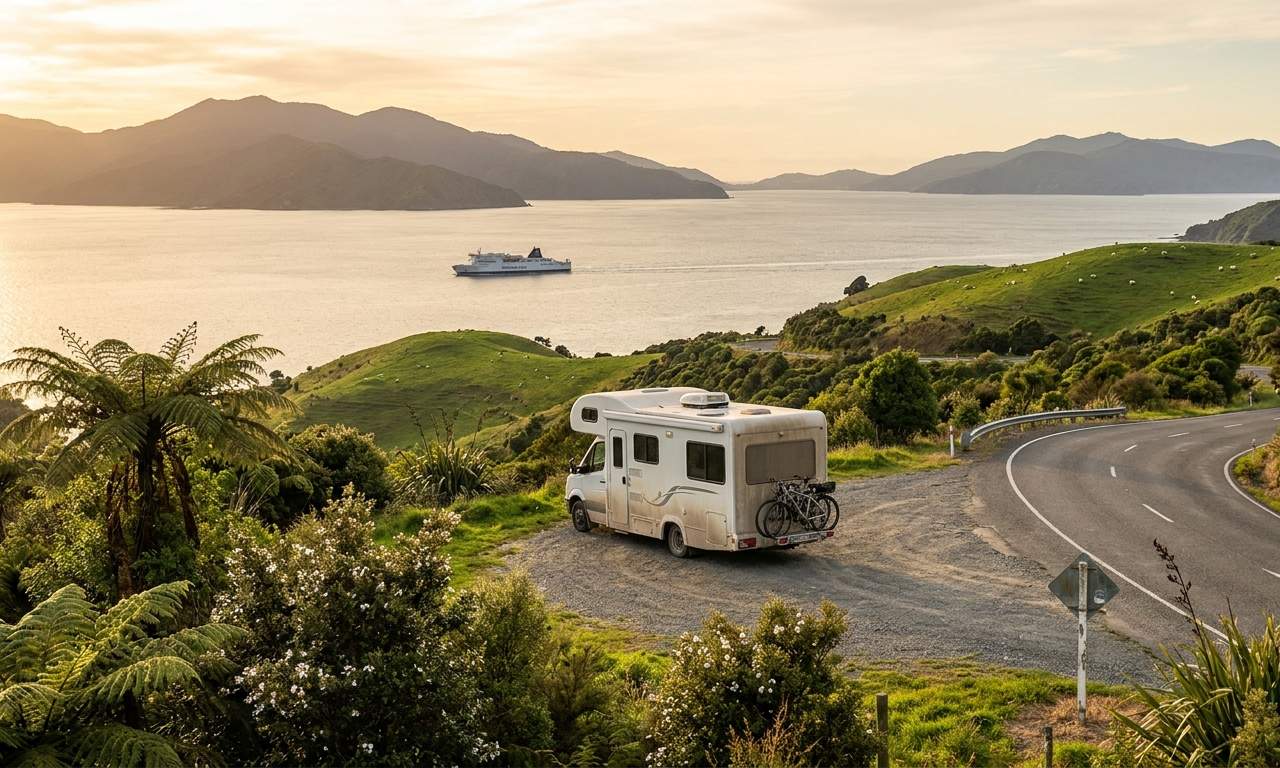
For inter-island travel, ferries such as the Interislander service between the North and South Islands have specific length and height requirements for vehicles, making advance booking absolutely essential for larger motorhomes. Environmental zones are rare, but specific national parks or routes may have restrictions on vehicle types or sizes. Always check local park regulations and plan your Rent a Motorhome in New Zealand - Prices and Best Deals 2026 trip accordingly.
Fuel: Diesel vs. Petrol & Cost per 100 km
Most rental RVs in New Zealand operate on diesel fuel, which is readily available nationwide at petrol stations, though some smaller campervans might use petrol. Common fuel consumption for a Class SI - Semi-integrated RV from our global fleet is 10-11 Liters/100 km, for a Class C - Alcove it's 10-12 Liters/100 km, and for a Class B - Camper Van it's often 8-10 Liters/100 km.
Diesel vehicles in New Zealand are subject to a Road User Charge (RUC), which is typically included in your rental rate or managed by the rental company, removing a potential surprise. You should budget approximately NZD $20-30 per 100 km for overall fuel costs, depending on current prices and your specific rental RV's efficiency. For easy budgeting and tracking all trip expenses including fuel, tolls, and campground fees, we recommend utilizing the tools and RV PLANET routes, where you can itemize every cost along the way. On the routes offered through RV PLANET routes, you can itemize and track every expense along the way for easy budgeting.
Tolls, Vignettes & Border Rules
New Zealand has a limited number of electronic toll roads, primarily situated around Auckland, including the Northern Gateway Toll Road, Tauranga Eastern Link, and Takitimu Drive Toll Road. Unlike some European countries, there are no country-wide vignettes or internal border crossing rules to consider within New Zealand, as it is an island nation.
Since tolls are electronic and lack physical booths, it is essential to pay them online after use or at designated service stations. Alternatively, many rental companies offer the option to pre-purchase toll passes or include toll management services as part of your rental, which can help you avoid potential fines and streamline your travel. Always clarify this with your supplier when arranging your Luxury RV Rental in New Zealand - Premium Prices 2026.
Driving Tips for rv rental Travelers
Always remember that New Zealand traffic drives on the left-hand side of the road, and vehicles are right-hand drive, which requires adaptation for many international visitors. Allow ample travel time for journeys, as New Zealand's winding, narrow, and often mountainous roads mean distances typically take longer to cover than expected. Be vigilant for the numerous one-lane bridges common in rural areas; observe yield signs and always give way to oncoming traffic or larger vehicles already on the bridge.
For families enjoying a week-long trip or extended road trip, implement a 'stops every 2 hours' rule to combat driver fatigue, especially on challenging routes. When driving on gravel roads, reduce your speed significantly, increase your following distance to prevent stone chips, and expect reduced traction. These practical steps will ensure a safer and more relaxed journey. You can also explore RV-friendly recipes playlist to prepare quick and healthy meals in your RV kitchen to minimize stops.
🎬 Video coming soon
Recommended RV Class for New Zealand Roads
For most travelers, a Class SI - Semi-integrated or Class C - Alcove motorhome is generally recommended for navigating New Zealand's diverse road conditions, offering a comfortable blend of living space and maneuverability. Class SI motorhomes, with an average length of 6.9 meters, provide a good balance for narrower roads while still offering ample amenities. For families, Class C - Alcove RVs, averaging 7.5 meters in length and accommodating an average of 5.8 sleeping places, are a popular choice as they offer more interior room and remain perfectly navigable on main touring routes. Options like the "24' Class C Motorhome" (sleeping 5, length 7.46m) or "4 Berth Adventurer" (sleeping 4, length 7.4m) are excellent examples.
Smaller Class B - Camper Vans (average length 5.8 meters), such as the "2 Berth Hi Top" or "Chaser" (length 4.7m), are ideal for couples or solo travelers prioritizing maximum maneuverability and easier access to tighter spots. Ultimately, the best choice for your journey can be found by comparing RV Rental Deals in New Zealand - Latest Offers 2026 to suit your group size and comfort preferences.
Should I Choose a Compact Van Instead of a Large RV in New Zealand?
While compact vans certainly offer superior maneuverability and parking ease, there is generally no issue driving any RV size in New Zealand on most major touring routes, meaning comfort and indoor space often matter more than slight maneuverability differences. Drivers can confidently navigate almost anywhere without issues by driving slowly and carefully, using common sense and paying attention.
A compact van genuinely helps when navigating very tight historic city centers, specific narrow mountain passes, or finding parking in crowded tourist spots. However, for many, the added comfort, indoor space, and comprehensive amenities of a larger RV (such as a Class SI - Semi-integrated or Class C - Alcove) provide a more enjoyable and practical travel experience, especially for a two-week adventure or longer trips with families. If your itinerary primarily focuses on main highways and established scenic routes, the benefits of a larger rental motorhome often outweigh the minor advantages of a compact van.
Can I Park Anywhere? Free & Wild Camping Rules in New Zealand
No, you cannot park a motorhome anywhere in New Zealand; strict freedom camping regulations are rigorously enforced to protect the environment and ensure public safety. Freedom camping is legally permitted only in specifically designated areas or on public land where it is not explicitly prohibited by local bylaws. To qualify for legal freedom camping, your rental RV must be 'self-contained,' meaning it is certified to have a toilet, wastewater tank, freshwater tank, and rubbish bin with sufficient capacity for its occupants for at least three days. Non-self-contained vehicles are legally required to stay at commercial campgrounds or official holiday parks.
Fines for illegal freedom camping can be significant, potentially up to NZD $400, so always consult local council websites and Department of Conservation (DOC) guidelines before parking overnight. Rules vary significantly by region-it's crucial to check local regulations and follow local law before parking overnight to avoid penalties and protect New Zealand's pristine environment. Remember, Bandana doesn't help find campsites during your rental, but for finding campsites and campgrounds during your trip, we recommend using rvplan.net, a great resource for locating available spots along your route.
Can I Drive an RV Into the City Center? Heights, Tunnels & Local Signage
Yes, you can almost always drive an RV into New Zealand's city centers. Drivers must, however, be mindful of specific infrastructure limitations and local signage that might affect larger vehicles. Always pay close attention to signs indicating height limits, especially for underground parking garages, tunnels, and low bridges which can be found in older parts of cities.
While nationwide environmental zones are not prevalent, certain residential streets or areas might have restrictions such as 'residents-only' parking, so be aware of local signs. Finding suitable and affordable parking for larger vehicles can be more challenging in central business districts, but with a bit of planning and patience, it's entirely manageable. No need to stress - just use common sense and pay attention when navigating urban areas.
What is the 4 second rule in New Zealand?
The '4-second rule' in New Zealand is a recommended guideline for maintaining a safe following distance, advising drivers to keep a minimum of four seconds behind the vehicle ahead. This rule is particularly important when driving a rented RV, as it provides ample time to react and stop safely, accounting for the longer braking distances and reduced agility of larger vehicles.
To apply the rule, choose a stationary object on the roadside, such as a road sign or telephone pole. Once the vehicle in front passes it, count "one thousand and one, one thousand and two, one thousand and three, one thousand and four." If your vehicle reaches the object before completing the count, you are following too closely and should increase your distance. This recommended following distance should be increased further in adverse driving conditions such as rain, on gravel roads, or when driving a heavier vehicle.
Is it difficult for Americans to drive in New Zealand?
Driving in New Zealand can present a notable learning curve for Americans primarily due to the fundamental difference of driving on the left-hand side of the road and operating right-hand drive vehicles. Beyond the traffic direction, New Zealand's roads are often narrower, more winding, and may include more unsealed sections and one-lane bridges compared to typical roads in the United States.
Americans accustomed to multi-lane highways and larger vehicles might find navigating New Zealand's smaller, mountainous roads in a motorhome more challenging. However, with patience, practice, and strict adherence to local rules and speed limits, most American drivers adapt successfully. Many rental RVs in New Zealand offer automatic transmissions, which can significantly ease the transition, allowing you to focus on the road and the stunning scenery.
How hard is it to drive a motorhome in New Zealand?
Driving a motorhome in New Zealand presents moderate challenges, mainly due to the country's varied terrain, often narrow and winding roads, and the requirement to adapt to driving on the left-hand side. While larger RVs demand increased attention to clearances, braking distances, and cornering, the overall difficulty depends significantly on the driver's prior experience with large vehicles and their comfort level adapting to left-hand traffic.
Smaller campervans or Class B vehicles, such as the "Combi Van" (length 5m), are generally easier to maneuver, particularly on tight roads or in urban environments, compared to larger Class A or Class C motorhomes like the "C-30" (length 9.1m). New Zealand's scenic routes naturally encourage slower driving speeds, which can actually make the experience of driving a motorhome less stressful than on faster-paced highways, allowing drivers to better enjoy the journey and scenery.
What is the 333 rule for campervan?
The '333 rule' for campervans in New Zealand is an informal set of guidelines for responsible and sustainable freedom camping, encouraging travelers to: stay at least 3 meters away from roads, rivers, and property boundaries; stay a maximum of 3 nights in any single location; and travel at least 3 kilometers between campsites. This guideline promotes environmental protection, fair access for all travelers, and minimizes concentrated impact on specific areas.
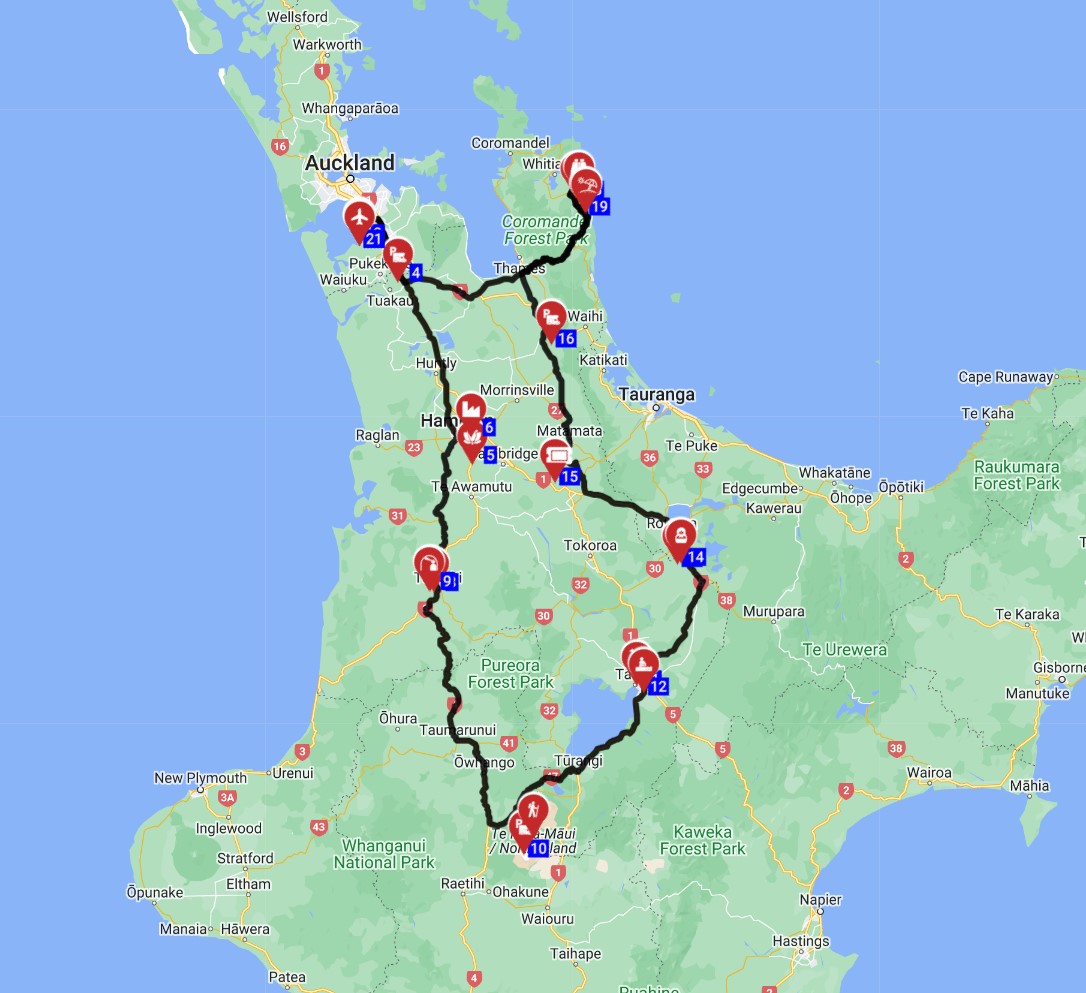
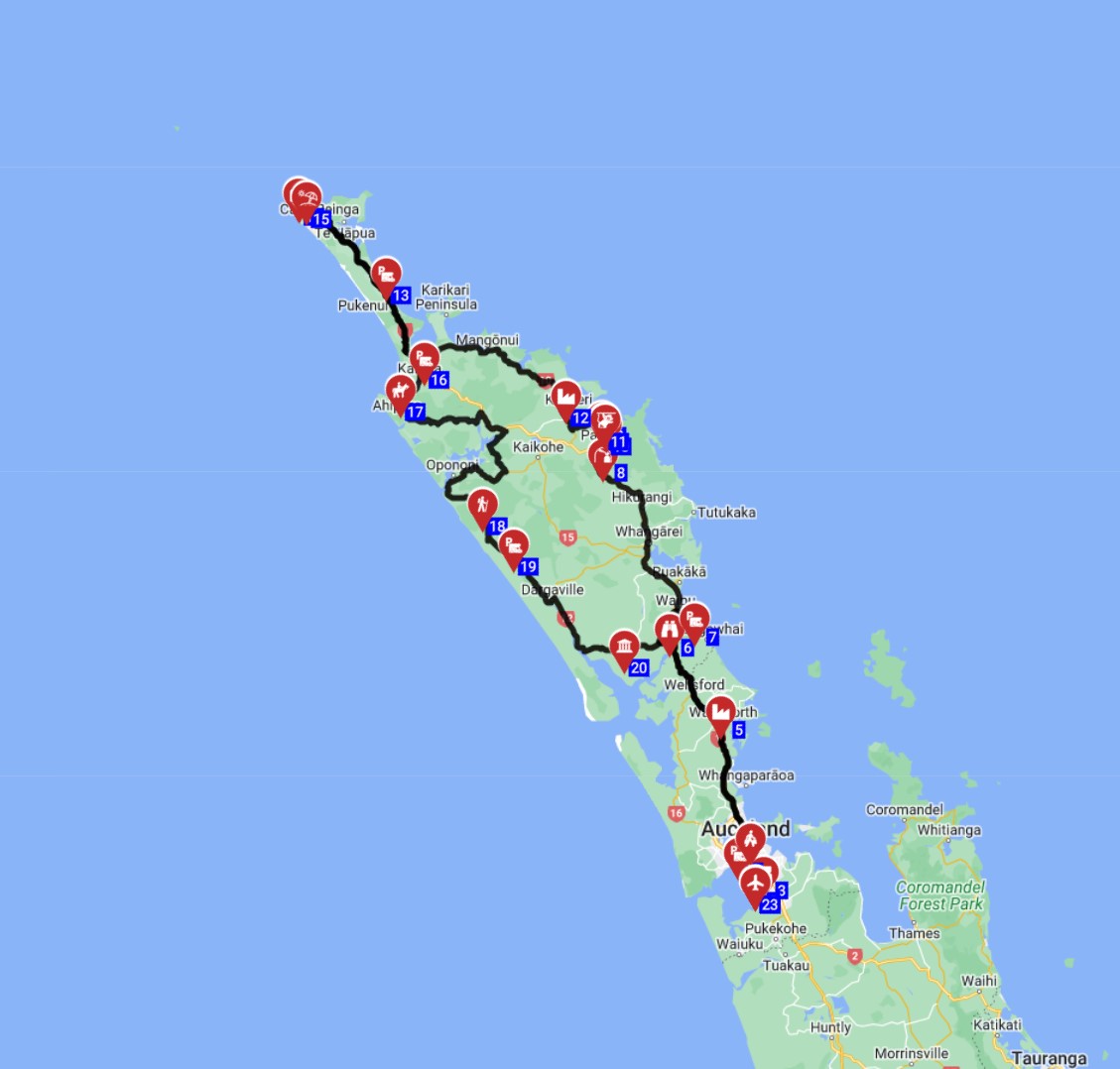
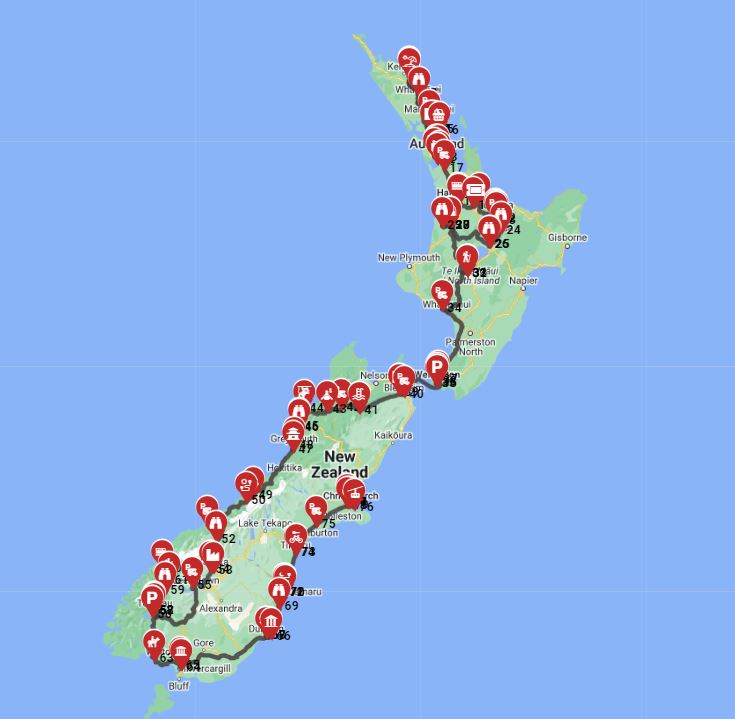
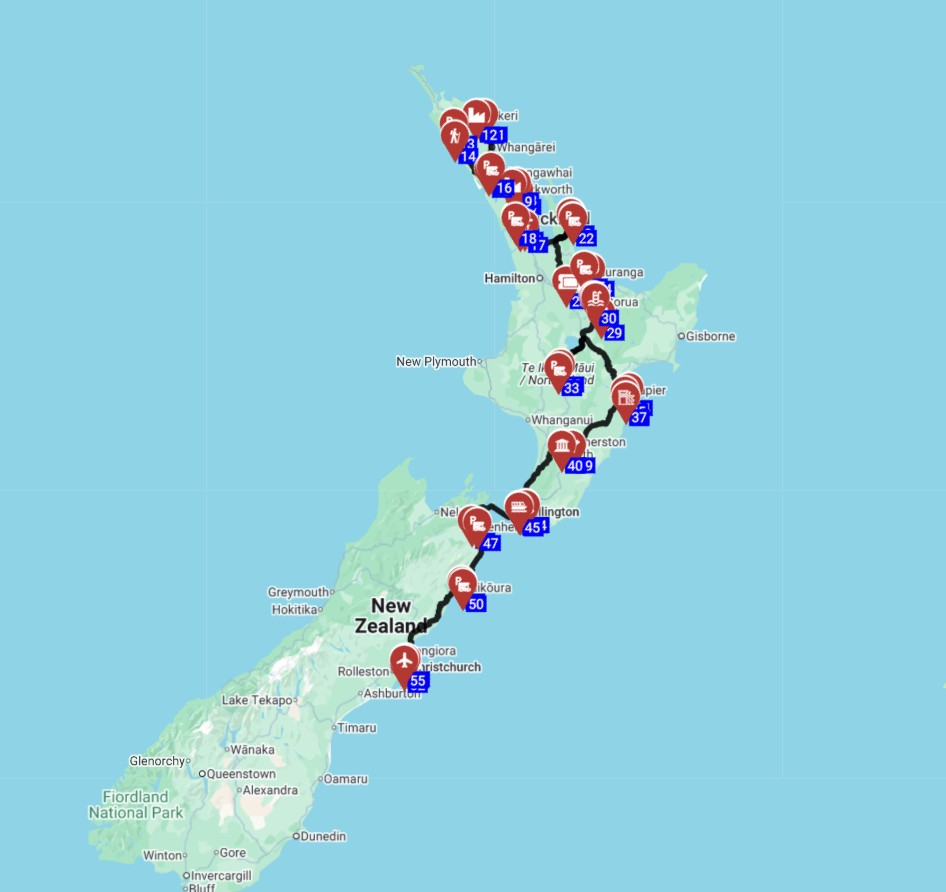
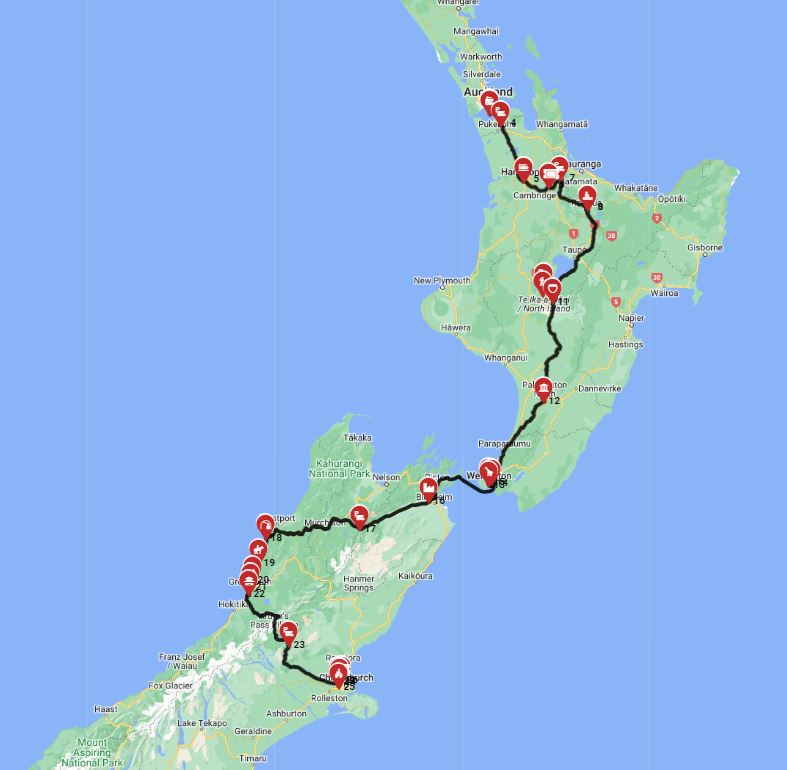
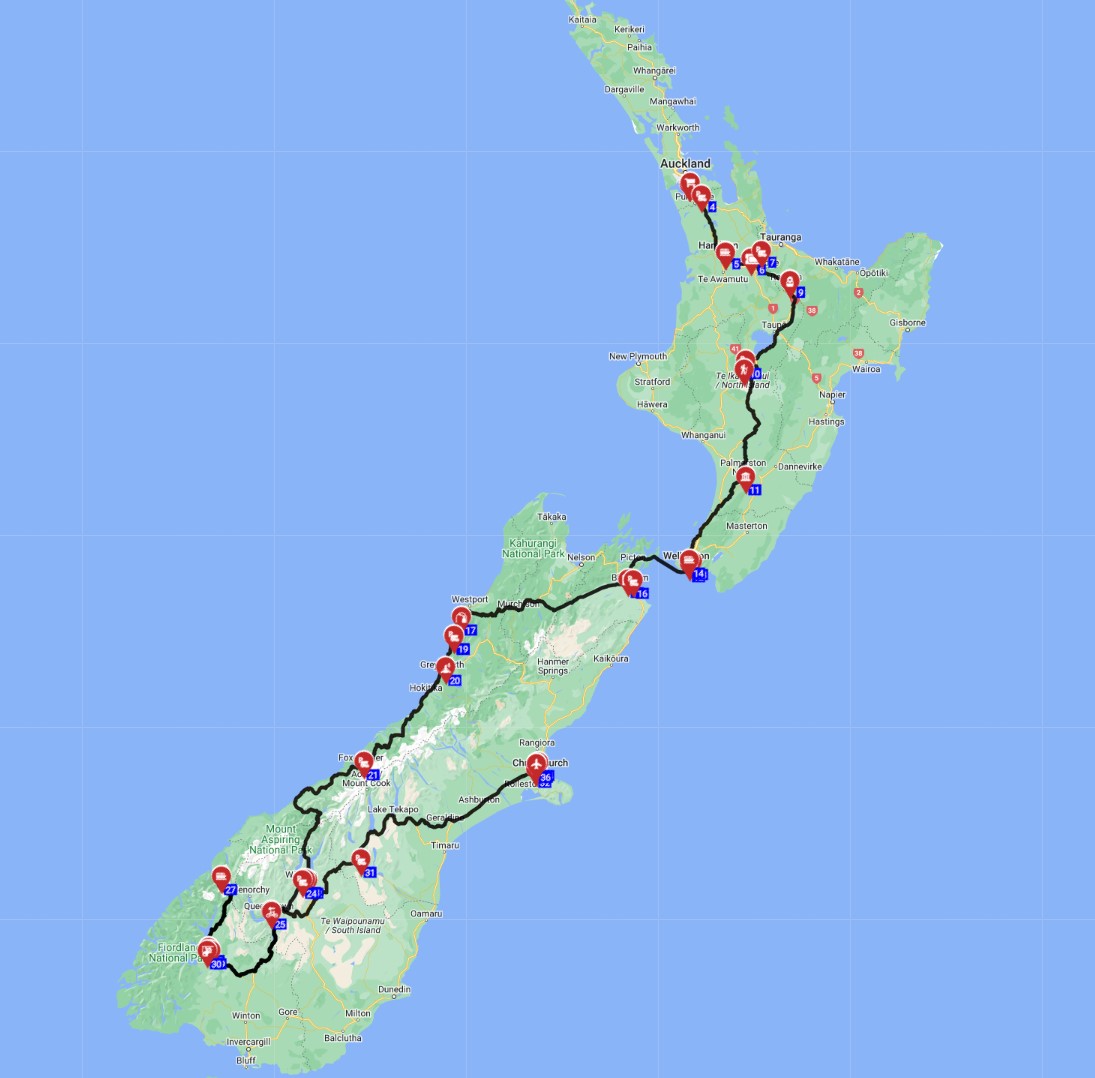
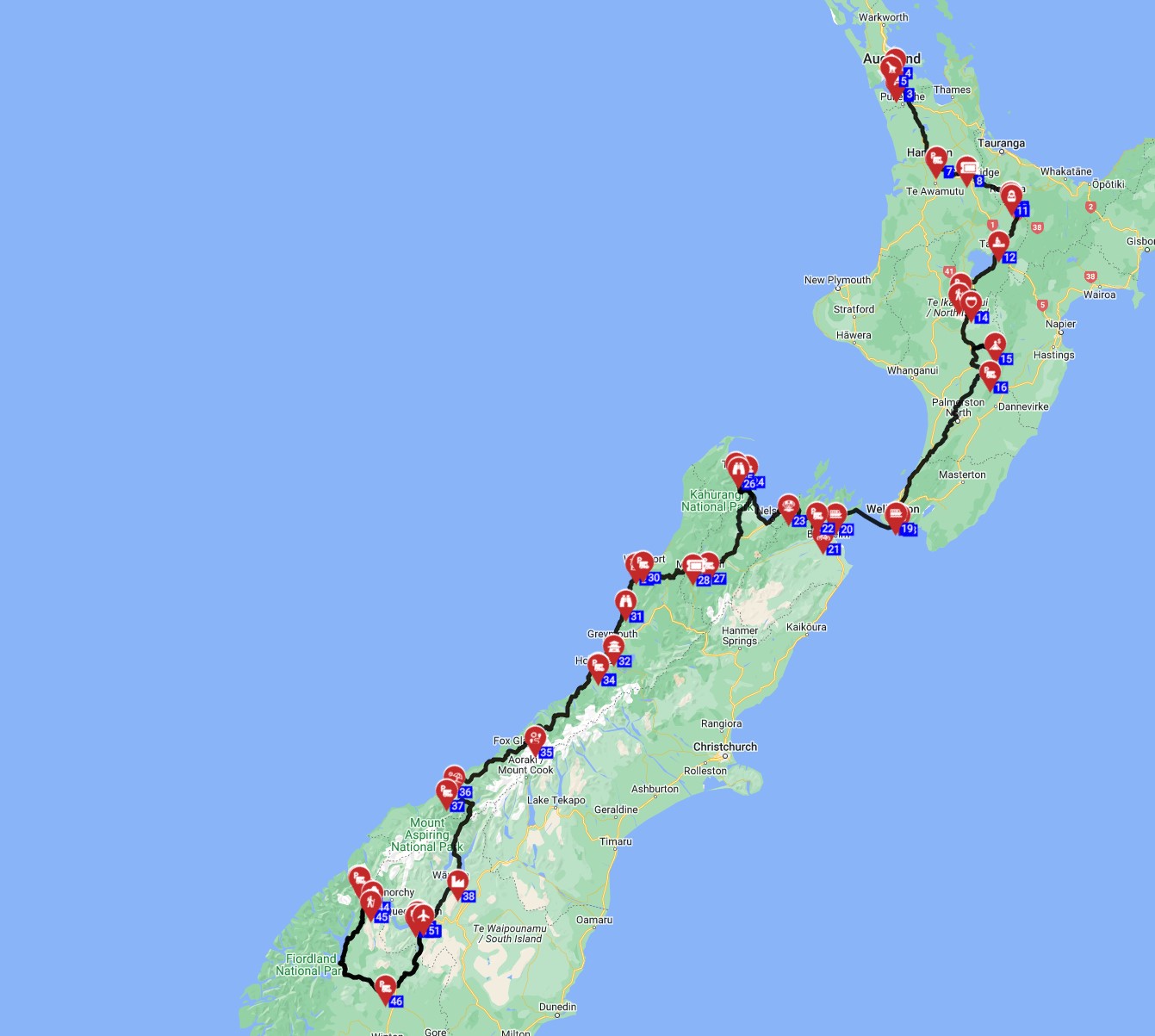
While not always a strict legal requirement, adhering to the 333 rule demonstrates respect for New Zealand's pristine environment, local communities, and fellow visitors. Following these principles helps align RV travel with 'Leave No Trace' ethics, ensuring the beauty of New Zealand remains unspoiled for future generations. These principles are especially useful when exploring remote regions included in many RV PLANET routes, such as the 18-day "
Who insures motorhomes in NZ?
For rental motorhomes in New Zealand, insurance is primarily arranged through the rental company itself, typically included in the rental agreement with various options for reducing the excess (deductible). The most comprehensive protection for a rented campervan or motorhome usually comes directly from your rental company's own insurance offerings, which Bandana RV can help you compare across our 50+ leading global suppliers, including trusted partners like Apollo and Britz.
While major New Zealand insurance providers such as AA Insurance, Tower, AMI, and Vero offer comprehensive policies for privately owned vehicles, these are generally not applicable to rental vehicles. Foreign travelers might find that their personal travel insurance policies offer limited coverage for rental vehicle excess. It is crucial for all renters to thoroughly review the terms and conditions of their rental agreement to understand the extent of coverage and any remaining liabilities. You can also upgrade to a top-level deductible for extra peace of mind, ensuring a worry-free journey.
How much does it normally cost to insure an RV?
The cost of insuring a rental RV in New Zealand is usually incorporated into the overall rental price, with additional daily charges applying if you choose to reduce your insurance excess (deductible). Standard rental insurance typically includes a high excess, often ranging from NZD $5,000 to $7,500. This can be significantly lowered, sometimes down to $0-$500, by paying an extra daily fee, usually between NZD $30-$70, depending on the supplier and vehicle type. These prices are dynamic and change daily based on availability, seasonality, and supplier marketing decisions, with the final price set at the actual booking time.
Factors influencing the cost of insurance or excess reduction include the RV's value, the duration of the rental, the driver's age, and their driving record, as well as the specific level of coverage selected. At Bandana RV, we compare final prices across suppliers, so what you see is what you pay, with no surprise fees at pickup, including clear breakdowns of insurance options. For an extended road trip, these daily costs can add up, so it's wise to budget carefully.
What You Shouldn't Miss
- Milford Sound Cruise: Experience the awe-inspiring fiord, often called the "Eighth Wonder of the World," with its cascading waterfalls and sheer cliffs, a highlight of the South Island.
- Explore Queenstown: Known as the adventure capital, Queenstown offers bungee jumping, jet boating, and stunning lake views, providing endless thrills for families and adventure seekers.
- Hike in Aoraki / Mount Cook National Park: Discover New Zealand's highest peak and its surrounding glaciers and alpine landscapes with numerous accessible hiking trails.
- Visit Rotorua's Geothermal Wonderland: Immerse yourself in Māori culture and witness bubbling mud pools, geysers, and vibrant thermal terraces on the North Island.
- Relax in Abel Tasman National Park: Enjoy golden beaches, turquoise waters, and coastal tracks, perfect for kayaking or a leisurely stroll.
- Stargaze in the Aoraki Mackenzie Dark Sky Reserve: Camp under one of the clearest night skies on Earth, offering unparalleled views of the Milky Way and Southern Cross.
Looking for expert insights from Avi Bandana? Top 5 Adventures - recommendations from Avi Bandana
Final Thoughts
Embarking on a family RV driving trip in New Zealand is an adventure that promises unparalleled freedom, breathtaking scenery, and cherished memories. With a comprehensive understanding of the local driving rules, road conditions, and camping regulations, you're well-equipped to navigate this stunning country safely and confidently. Remember that careful planning, a slower pace, and an open mind will lead to the most rewarding experiences.
At Bandana RV, we're here to ensure your journey is as seamless and enjoyable as possible. We handle the details, so you can live the journey, comparing final prices across 50+ suppliers to find your perfect rental RV. So, pack your bags, choose your ideal motorhome, and get ready to discover the magic of New Zealand on an epic road trip.
Get inspired for your next trip and discover top destinations, planning tips, all in one place! Plan a trip itinerary in advance with minimal effort and maximum enjoyment by starting your search today.
Compare Motorhome Prices for New Zealand now and start planning your ultimate family RV adventure!