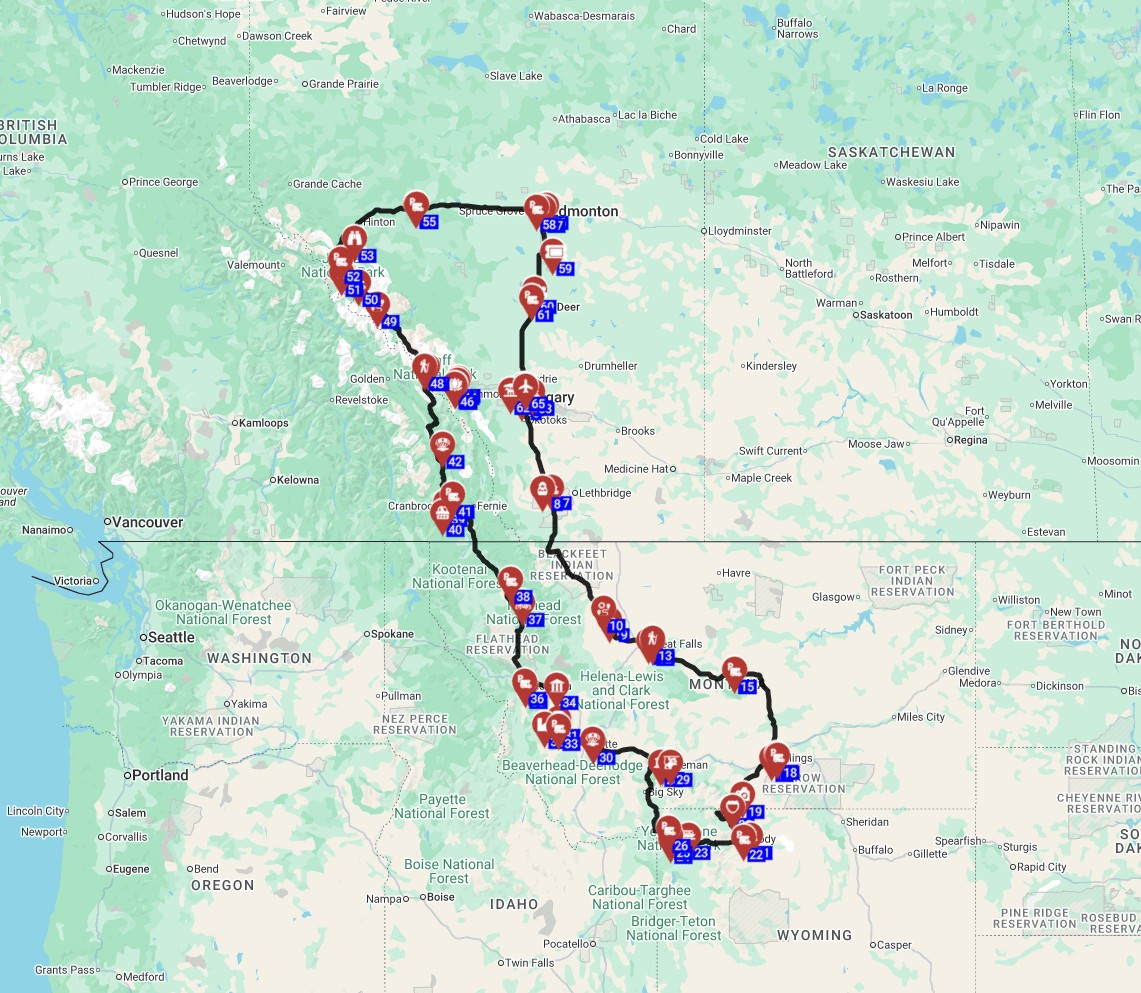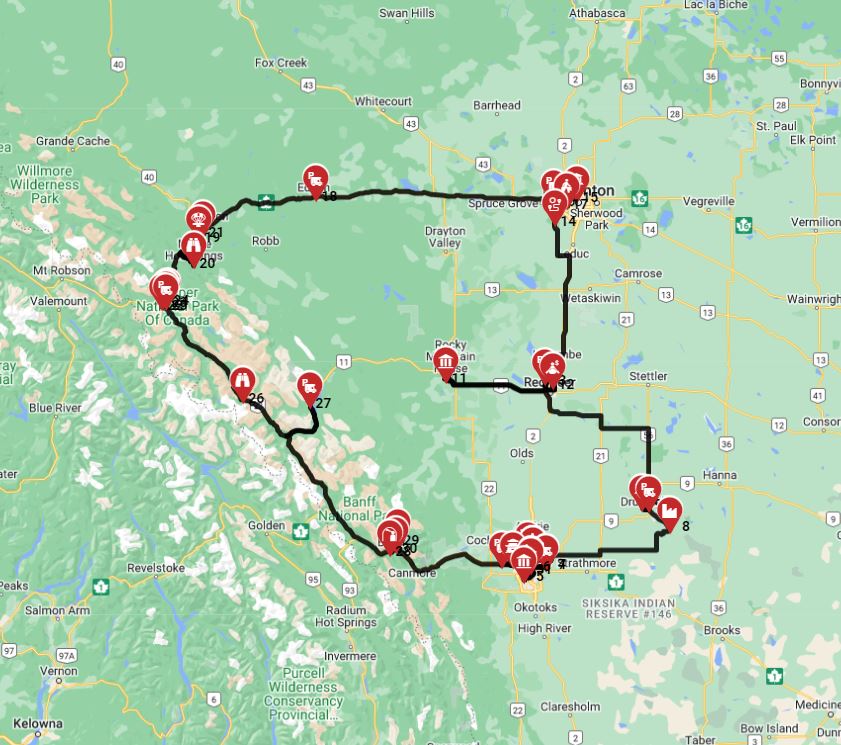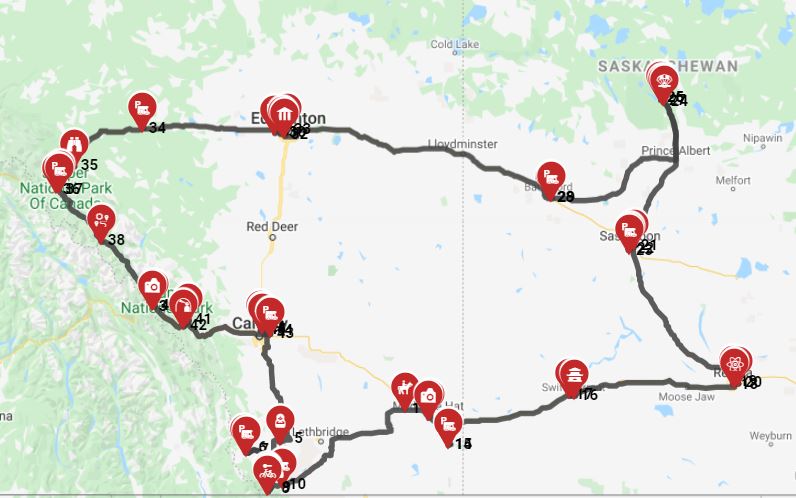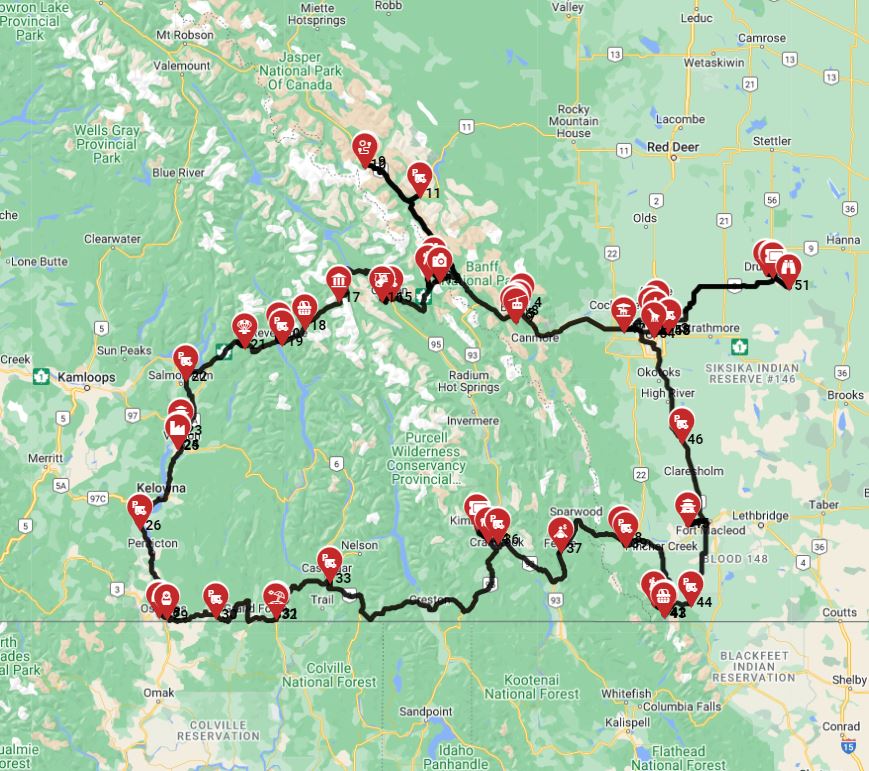
In This Guide
- Can You Drive an RV in Canada? License & Age Rules
- Road Conditions & Terrain in Canada
- RV Size Limits, Bridges & Restricted Zones
- Fuel: Diesel vs. Petrol & Cost per 100 km
- Tolls, Vignettes & Border Rules
- Driving Tips for family rv rental Travelers
- Recommended RV Class for Canada Roads
- Should I Choose a Compact Van Instead of a Large RV in Canada?
- Can I Park Anywhere? Free & Wild Camping Rules in Canada
- Can I Drive an RV Into the City Center? Heights, Tunnels & Local Signage
- How do I rent an RV in Canada?
- Where can I rent an RV in Canada?
- What is the best RV to rent in Canada for a family?
- What is the average cost to rent an RV in Canada?
- How much does it cost to rent an RV in Canada per day?
- How much does an RV cost for a month in Canada?
- What is the cheapest way to RV in Canada?
- Is it worth renting an RV in Canada?
- How much is an RV trip to Banff?
- How much does it cost to rent an RV in Vancouver?
- Wildlife Safety for RVers in Canada
- Traveling with Pets in a Canadian RV Rental
- Connecting on the Road: Cell Service & Wi-Fi in Canada
- Embracing Cultural & Indigenous Experiences in Canada
- What You Shouldn't Miss
- Why Book with Bandana Caravan
- Final Thoughts
- Frequently Asked Questions
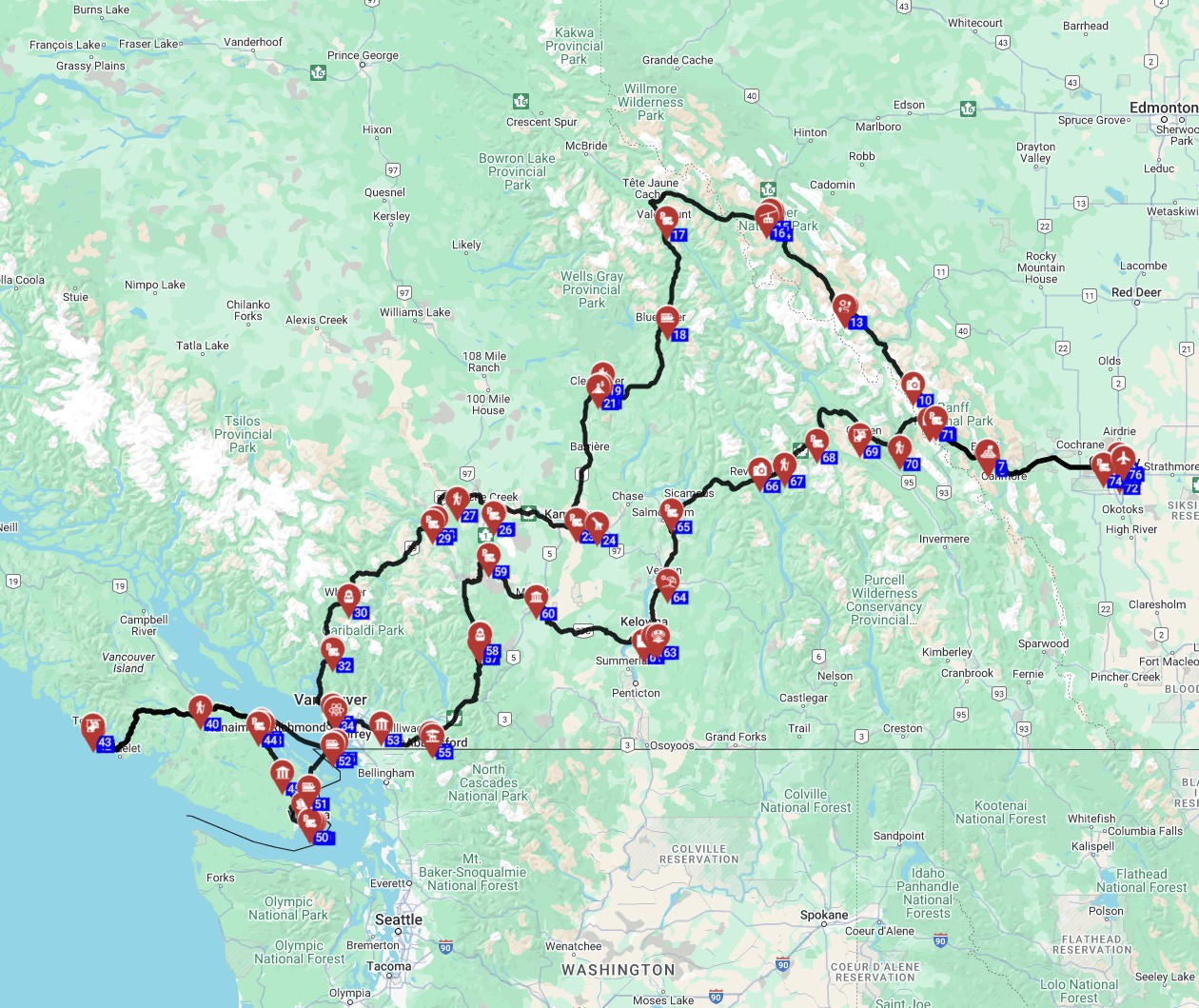
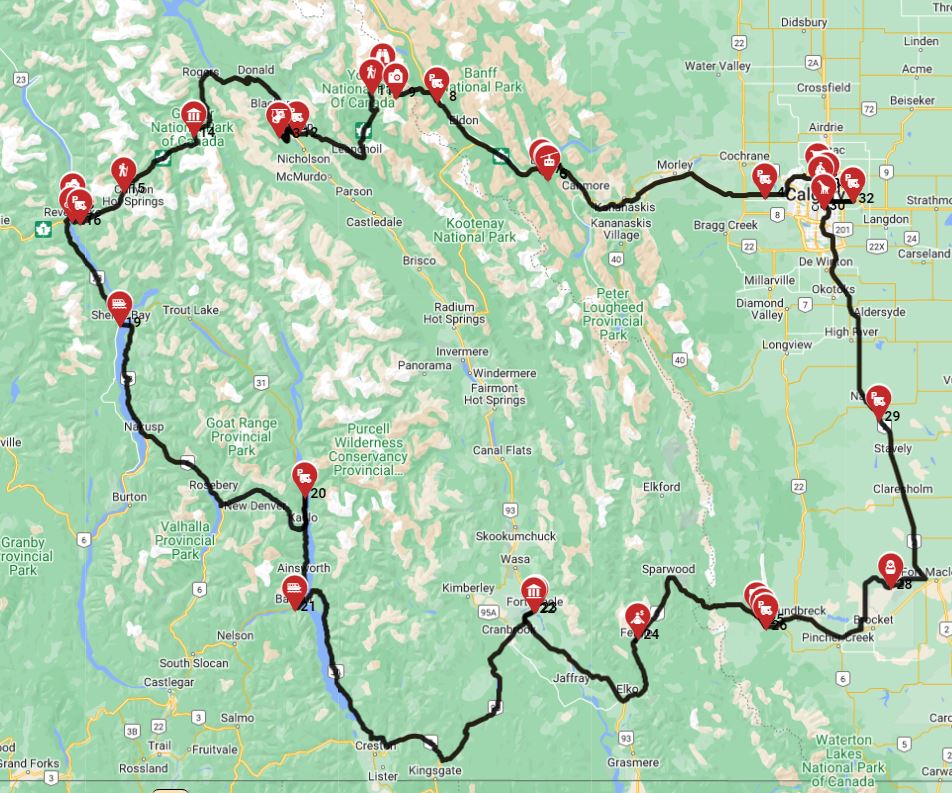
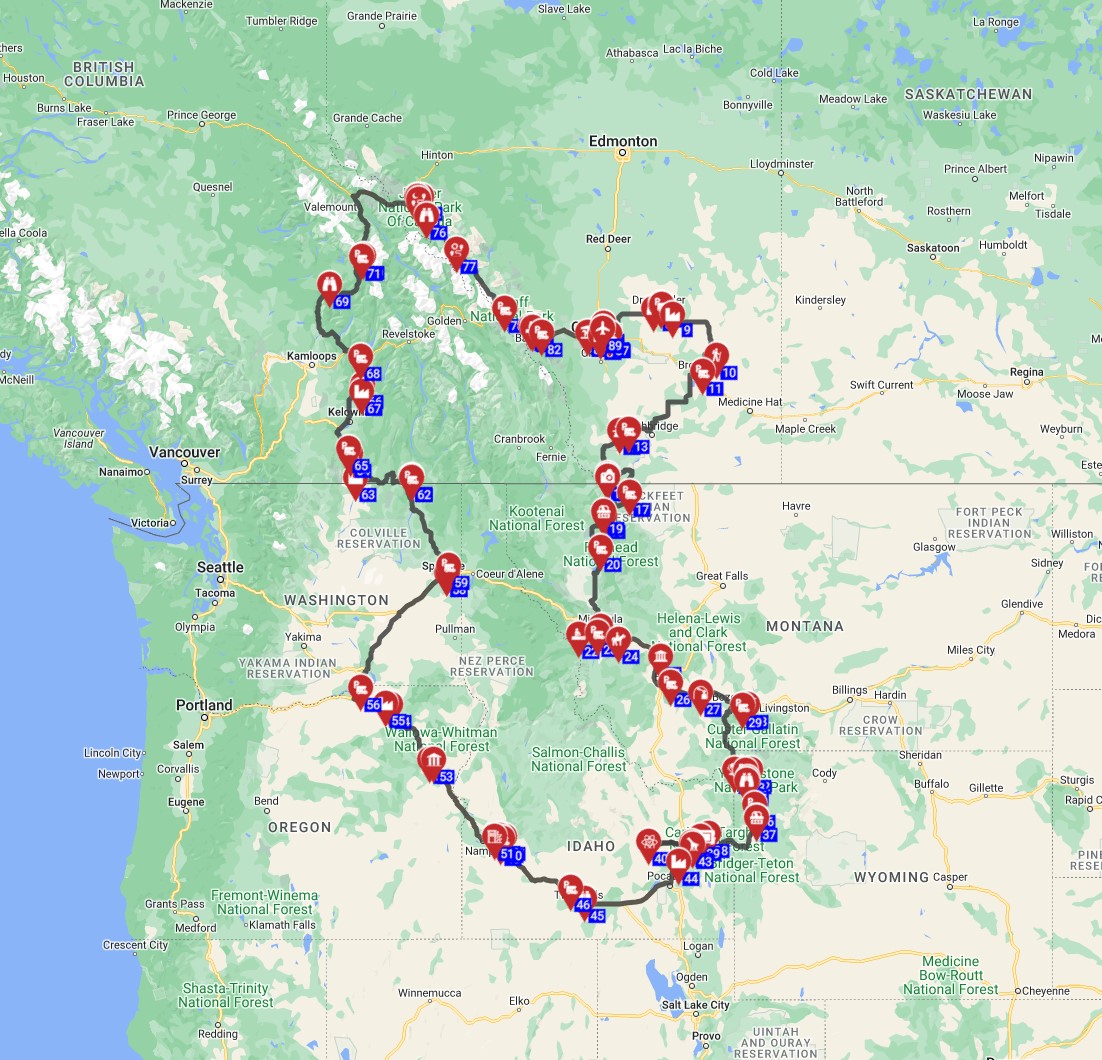
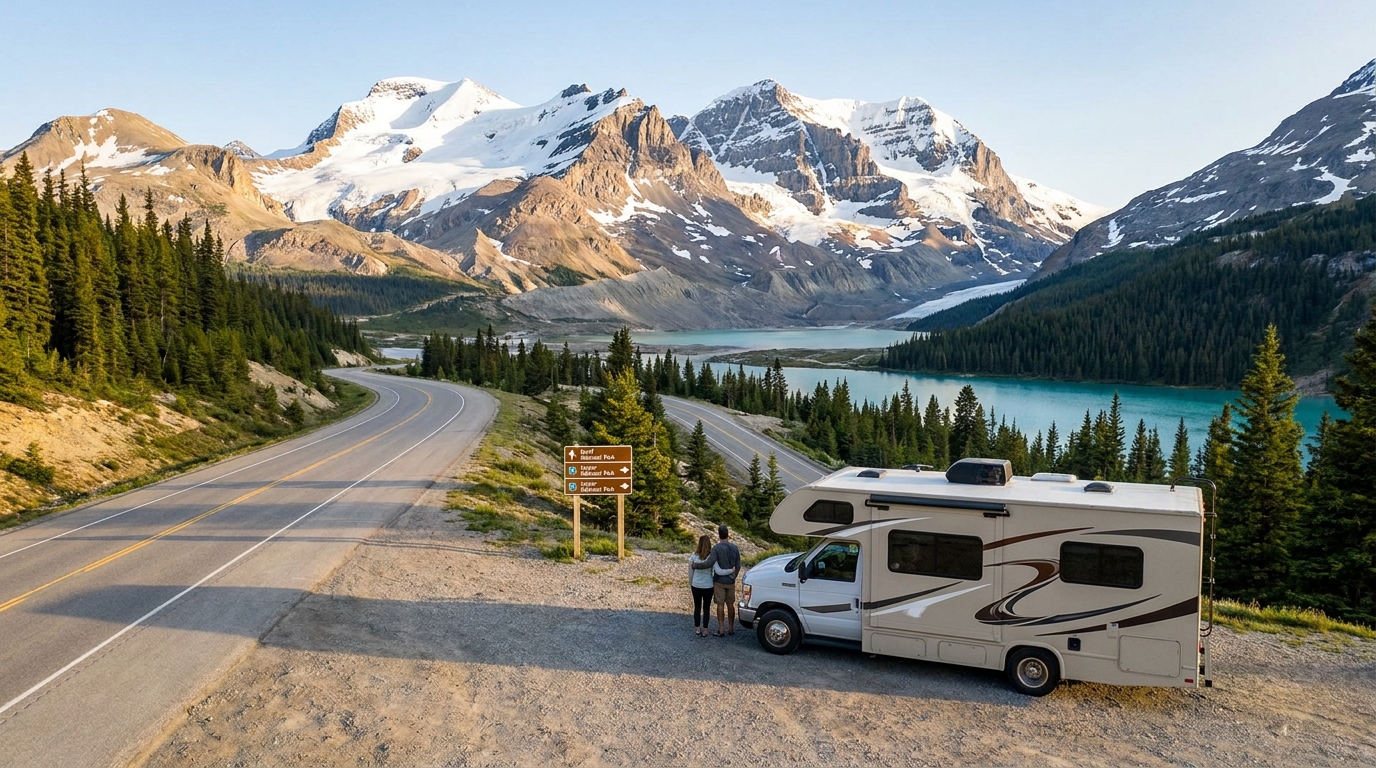
Imagine yourself and your family exploring the majestic landscapes of Canada, from the serene coasts of British Columbia to the vibrant cities of Ontario, all from the comfort of your rented motorhome. An RV adventure across Canada offers unparalleled freedom and a chance to create unforgettable memories. This comprehensive guide will help you navigate the ins and outs of family RV driving in Canada, ensuring your trip is safe, enjoyable, and filled with wonder. For live availability and current prices, start with our RV Rental Canada - Complete Guide 2026 guide.
Can You Drive an RV in Canada? License & Age Rules
Most recreational vehicles (RVs) in Canada, including Class B, Class C, and even many Class A motorhomes, can be driven with a standard provincial or territorial Class 5 (or equivalent) driver's license, provided they do not exceed 11,000 kg (24,250 lbs) gross vehicle weight. This means you likely won't need a special license for your family RV rental. A minimum driver age, typically 21 years old, is often required by RV rental companies for insurance purposes, irrespective of provincial licensing age, though some larger Class A motorhomes might require the driver to be 25. Foreign drivers require a valid driver's license from their home country; an International Driving Permit (IDP) is highly recommended for translation, though not strictly mandatory if your license is in English or French. The specific weight threshold for higher license categories varies by province, but RVs commonly available for rental usually fall under the standard license class, simplifying your planning for a family RV trip in Canada.Road Conditions & Terrain in Canada
Canada boasts a vast network of well-maintained highways, but RVers should be prepared for diverse road conditions, including mountainous terrain, long stretches of rural highway, and potential gravel roads, especially when accessing provincial parks or remote areas. The Trans-Canada Highway offers excellent quality for cross-country travel, while routes like those through the Rockies (e.g., Icefields Parkway) demand cautious driving due to elevation changes and winding roads. Expect to encounter unpaved or gravel roads on certain scenic detours or when exploring off-the-beaten-path destinations; these can impact fuel efficiency and require slower speeds. Driving a rented RV in Canada encourages a slower pace, allowing families to fully appreciate the country's diverse landscapes, from coastal routes around Halifax and Vancouver to prairie expanses and northern wilderness towards Whitehorse.RV Size Limits, Bridges & Restricted Zones
Most Canadian roads accommodate standard RV sizes, but drivers must be aware of potential height and weight restrictions, particularly on older infrastructure, bridges, tunnels, and within some national and provincial parks. Bridge heights are generally well-marked, and major highways rarely pose issues for typical rental RVs; however, always pay attention to signage, especially on secondary roads or when entering smaller towns like Abbotsford or Gibsons. Some national parks may have restrictions on RV length for certain scenic routes or campgrounds, often for conservation or safety reasons (e.g., specific areas of Banff and Jasper National Parks). Environmental zones, while less common than in Europe, can exist in specific urban centers or protected areas, potentially limiting access for older or larger vehicles; always check local regulations for your route when planning your family RV trip in Canada.Fuel: Diesel vs. Petrol & Cost per 100 km
Most family RV rentals in Canada operate on petrol (gasoline), though some larger Class A motorhomes or converted campervans may run on diesel, with both fuel types widely available across the country. Based on Bandana's global fleet averages, a Class C Alcove RV typically consumes 10-12 Liters/100 km, a Class SI Semi-integrated 10-11 Liters/100 km, and a Class B Camper Van 8-10 Liters/100 km, with costs varying significantly by province and current market prices. To estimate fuel costs for a family trip, multiply your planned distance by the average consumption rate and the current fuel price per liter in Canadian dollars, remembering that prices fluctuate daily and are generally higher in remote areas or provinces with higher fuel taxes. For planning your budget for fuel and other ancillary costs, remember that RV PLANET routes allow you to itemize and track every expense along the way.Tolls, Vignettes & Border Rules
Canada generally does not have widespread national highway tolls or vignette systems like some European countries, making most major routes free to travel. However, specific bridges, tunnels (e.g., Confederation Bridge to Prince Edward Island, which is CAD $50.25 for a two-axle RV), or limited express lanes in major urban centers (e.g., Ontario's 407 ETR) may charge tolls, which are typically collected electronically or at manned booths. When traveling to or from the United States with an RV rental, be prepared for border crossing procedures, including passport checks for all occupants, potential vehicle inspections, and declarations for any goods, ensuring all required documents (registration, rental agreement) are readily accessible. It is advisable to consult "RV Rental USA - Complete Guide 2026" for details on border crossing from the Canadian side. Some RV rental companies, like those available through Bandana, may offer options to pre-purchase toll passes for specific regions, which can streamline travel and help avoid unexpected fines.Driving Tips for family rv rental Travelers
Driving a rented motorhome through Canada is an incredible experience, and a few tips can make it even smoother. Plan frequent stops (every 2-3 hours) for family comfort, especially with children, utilizing Canada's numerous rest stops, provincial parks, and scenic viewpoints. Always maintain a safe following distance, particularly with a larger RV, and be mindful of braking distances, which are longer than for a standard car. Travel slowly, aiming for a maximum of 100-150 km per day on average. This allows you to truly feel the place, connect to the culture, the food, and the scenery without rushing. Factor in extra travel time for mountain passes, winding roads, and potential wildlife encounters, which are common across Canadian landscapes. Consider pre-paying tolls if offered by your rental company to simplify budgeting and avoid delays, especially around busy urban areas like Toronto or Montreal or specific bridges. Ensure all passengers wear seatbelts while the RV is in motion, and secure all loose items inside before driving to prevent shifting during transit.Recommended RV Class for Canada Roads
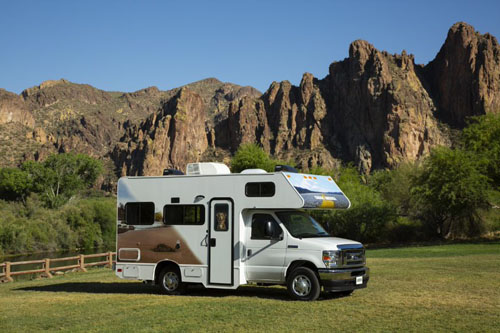
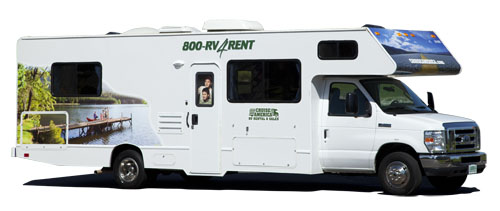
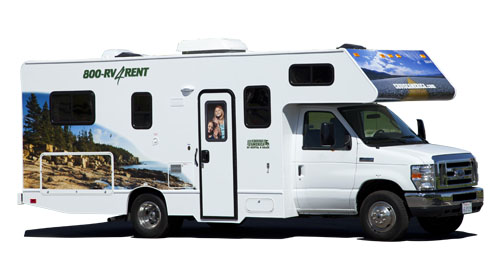
For most Canadian road trips, a Class C Alcove or Class SI Semi-integrated motorhome offers an ideal balance of comfort, space, and maneuverability, being well-suited for diverse road conditions. Class C Alcove RVs, with an average length of 7.5 meters and sleeping capacity for approximately 5.8 people from Bandana's global fleet, provide ample space for families, robust construction for longer journeys, and excellent storage, perfect for a family of 2+2 looking for an "rv rentals example Comfort Class". Semi-integrated Class SI RVs, averaging 6.9 meters in length and sleeping 3.8 people, offer a more streamlined profile and slightly better fuel efficiency, making them a comfortable option for smaller families or couples. Both Class C and Class SI vehicles handle mountain passes and typical Canadian highways with ease, and their standard ground clearance is generally sufficient for paved and well-maintained gravel roads.🎬 Video coming soon
Should I Choose a Compact Van Instead of a Large RV in Canada?
Choosing between a compact van (Class B) and a larger RV (Class C or A) in Canada depends on your family's comfort needs and travel style, as most Canadian roads are designed to accommodate a range of vehicle sizes. A compact van, such as Bandana's Class B Camper Vans averaging 5.8 meters in length, offers easier maneuverability and parking in urban centers like Vancouver or Halifax, along with better fuel economy (8-10 Liters/100 km from global fleet data). Consider models like the "rental denver example Category Van" for a compact option. However, for family RV rental, the enhanced indoor space, separate sleeping areas, and larger amenities (kitchen, bathroom) of a Class C or Semi-integrated RV often provide superior comfort and convenience, especially on longer trips or during inclement weather. You can cook delightful meals in a spacious RV kitchen-diner, perhaps using some ideas from our RV-friendly recipes playlist. While a compact van might be beneficial for exceptionally narrow mountain passes or remote, unpaved roads (like sections of the Dempster Highway), the vast majority of popular Canadian routes are perfectly navigable by larger RVs, making comfort the primary differentiator for families.Can I Park Anywhere? Free & Wild Camping Rules in Canada
Free or wild camping (boondocking) in Canada is generally permitted on vast tracts of Crown land, particularly in provinces like British Columbia, Alberta, and Ontario, but strict regulations apply, and availability varies significantly. Specific rules for boondocking, including duration limits, environmental protection guidelines (e.g., Leave No Trace principles), and prohibitions on certain activities (like open fires during fire bans), are dictated by provincial and territorial authorities. Always check local bylaws, especially near urban areas like Toronto, Montreal, or Calgary. Many municipalities and urban areas prohibit overnight RV parking on public streets or in store parking lots; always look for 'No Overnight Parking' signs or inquire with local businesses. Resources like iOverlander or provincial land use maps can help identify legal free camping spots, but it is crucial to always check local regulations and follow local law before parking overnight, as rules vary widely by region. You'll find spots, and if not at the first campground, then the next one, so calling ahead is always a good idea. For finding campsites and campgrounds during your trip, we recommend using RV PLANET (rvplan.net) - a great resource for locating available spots along your route.Can I Drive an RV Into the City Center? Heights, Tunnels & Local Signage
Yes, you can almost always drive a rented RV into Canadian city centers, though caution is advised regarding specific height restrictions, low tunnels, and local parking regulations. Drive slowly and carefully, and you can drive almost anywhere without issues. No need to stress - just use common sense and pay attention. Major Canadian cities like Toronto, Montreal, and Vancouver are generally RV-friendly on main arteries, but drivers must pay close attention to local signage, which will indicate any specific height limits for underpasses, bridges, or parking garages. While rare, some historic or very compact city centers might have narrow streets that are challenging for larger RVs; however, these are typically well-marked. It's recommended to research parking options in advance when visiting city centers, as dedicated RV parking can be limited, and environmental zones or residents-only streets could restrict access.How do I rent an RV in Canada?
Renting an RV in Canada typically involves selecting a reputable rental company, choosing an RV class that fits your family's needs, booking online or through an agent, and understanding the rental agreement terms. Begin by researching rental providers like Bandana, comparing available RV classes such as Class C Alcoves or Class B Camper Vans based on your group size and desired amenities. Key steps include providing driver's license details (including an IDP if applicable for foreign drivers), selecting optional insurance coverage (such as upgrading to a top-level deductible for extra peace of mind), and reviewing specific terms for mileage, pet policies, and return conditions. It's advisable to book well in advance, especially for peak season (summer), to ensure availability and potentially secure better rates. If you're looking for deals, consult our "RV Rental Deals in Canada - Latest Offers 2026" guide.Where can I rent an RV in Canada?
RV rentals in Canada are widely available in major cities and popular tourist hubs across the country, with significant rental hubs in Vancouver, Calgary, Toronto, Montreal, and Halifax. Large rental companies like El Monte, Cruise America, Apollo, and Britz, and smaller local outfits operate near international airports and close to popular travel destinations, offering convenient pick-up and drop-off points for your family's adventure. For exploring Western Canada, major centers like Vancouver and Calgary serve as excellent starting points, offering access to the Rockies and Pacific coast. When planning your trip, consider renting from a location that aligns with your desired itinerary to minimize initial driving time and maximize scenic exploration. Keep in mind that one-way rentals are available and can be ideal for covering vast distances, though a drop-off fee will apply. For options in specific areas, search for Abbotsford, Belingham, Bolton, Burlington, Churchville, Coquitlam, Dartmouth, Delta, and Gibsons RV rentals.What is the best RV to rent in Canada for a family?
For family RV rentals in Canada, a Class C Alcove motorhome is widely considered the best option, offering a comfortable blend of sleeping capacity, living space, and practical amenities suitable for diverse Canadian adventures. Bandana's global fleet data shows Class C Alcove RVs average 7.5 meters in length and comfortably sleep 5.8 people, making them ideal for families with children, providing distinct sleeping areas and an over-cab bed. These vehicles often feature comfortable layouts similar to our "MHC24" or "MHC28" models, providing ample space for up to 6 or 7 travelers. Alternatively, a Class SI Semi-integrated RV, with an average length of 6.9 meters and 3.8 sleeping places, is excellent for smaller families seeking a more streamlined profile without sacrificing comfort. These RV types are well-equipped with kitchens, bathrooms, and dining areas, providing the necessary comforts for an extended family road trip through Canada's varied landscapes.What is the average cost to rent an RV in Canada?
The average cost to rent an RV in Canada can range from approximately CAD $100 to $400+ per night, heavily influenced by factors such as RV class, rental season, duration of rental, and included amenities. For example, a compact "Active Classic" campervan may start at the lower end, while a spacious "Nexus Triumph 29T" motorhome for a large family would be on the higher end. Budgeting for an RV rental should include the base daily or weekly rate, additional fees for mileage, insurance, preparation fees, and optional add-ons like kitchen kits or linen packages. Peak season (June to September) sees higher prices due to increased demand, while shoulder seasons (spring and fall) often offer more competitive rates. To get a precise average cost, it's crucial to obtain quotes from multiple providers for your specific travel dates and preferred RV type, as what you see is what you pay with Bandana, ensuring full transparency and no surprise fees at pickup. For detailed pricing insights, refer to "RV Rental in Canada - Prices and Best Deals 2026".How much does it cost to rent an RV in Canada per day?
Daily RV rental costs in Canada typically range from CAD $100 for a compact Class B campervan during off-peak season to upwards of CAD $350-$450 for a large Class C or Class A motorhome in summer. These per-day figures usually represent the base rental rate, excluding additional costs such as fuel (e.g., a Class C uses 10-12 Liters/100 km), campground fees, mileage packages, and insurance. Smaller, more fuel-efficient models like Bandana's Class B Camper Vans (average 5.8m, 8-10 L/100 km) will generally have lower daily base rates compared to larger family-friendly Class C (average 7.5m, 10-12 L/100 km) or Class A RVs. To accurately budget, consider the total daily cost including all fees and an estimate for daily fuel and campground expenses rather than just the base rental price. Remember, prices are dynamic, much like flight tickets, and change daily based on availability, seasonality, and supplier marketing decisions. For strategies to find more affordable options, check out "Cheap RV Rental in Canada - Budget Guide 2026".How much does an RV cost for a month in Canada?
Renting an RV for a month in Canada can range from CAD $3,000 to over $10,000, depending on the RV class, time of year, and included mileage, with long-term rentals often benefiting from discounted weekly or monthly rates. Monthly rentals offer significant savings compared to daily rates, making them an attractive option for extended family vacations, allowing for deeper exploration of Canada's vast regions. For insights on extended stays, explore "Long-Term RV Rental in Canada - Monthly Rates 2026". Consider factors like insurance implications for longer trips, the cost of winterizing an RV if traveling during colder months, and potential discounts for extended mileage packages. For long-term budgeting, factor in ongoing expenses such as fuel, varied campground fees (from free Crown land to high-cost resorts), and managing exchange rates if you're an international traveler.What is the cheapest way to RV in Canada?
The cheapest way to RV in Canada involves a combination of strategic booking, choosing a fuel-efficient RV, utilizing free camping options, and careful budgeting for food and activities. Booking during the shoulder seasons (spring or fall) or well in advance, and opting for smaller, more fuel-efficient RVs like a Class B Camper Van (8-10 Liters/100 km) such as a "Highball" or "Juliette 2-3", can significantly reduce rental and fuel costs. Leverage free camping opportunities on designated Crown land across provinces, and seek out genuinely affordable provincial and national park campgrounds over private, amenity-rich resorts. Cooking most meals in your RV, taking advantage of grocery stores, and planning routes to minimize excessive driving can further optimize your budget, while managing exchange rates effectively if coming from outside Canada. Always compare final prices across suppliers-what you see is what you pay, with no surprise fees at pickup when you book with Bandana.Is it worth renting an RV in Canada?
Renting an RV in Canada is highly worth it for families seeking flexibility, immersive natural experiences, and the freedom to explore diverse landscapes at their own pace. An RV allows families to travel with all their comforts, eliminate the constant packing and unpacking, and spontaneously adapt their itinerary based on weather, interests, or discovery of hidden gems. Beyond the stunning scenery of the Rockies, an RV trip enables unique cultural and Indigenous experiences, wildlife viewing opportunities, and access to remote wilderness areas not easily reached by conventional travel. The value extends to cost savings on accommodations and dining compared to traditional hotels and restaurants, offering a memorable and intimate way for families to connect with Canada's natural beauty and each other. The transformative value proposition of an RV trip in Canada is the profound freedom and personal discovery it offers, making it a truly unforgettable experience.How much is an RV trip to Banff?
The cost of an RV trip to Banff National Park varies significantly but typically ranges from CAD $200-$600 per day, encompassing RV rental, park passes, campground fees, fuel, and supplies. A daily breakdown for a Banff RV trip includes the RV rental (e.g., $150-$350+ depending on RV class and season, for a "C-MEDIUM" motorhome), a national park pass (approx. $21/day for a family), campground fees within Banff ($30-$80/night), and fuel costs. For a week-long trip, anticipate total costs of CAD $1,400 to $4,200+, excluding food and activities, with premium campsites or larger RVs pushing the higher end of the spectrum. Booking Banff campgrounds well in advance is essential due to high demand, especially during summer, and consider the fuel consumption for driving through mountainous terrain (e.g., 10-12 Liters/100 km for a Class C). Many national and state parks reserve only 25-30% of spots; the rest are first-come-first-serve, so you'll find a spot if you're flexible.How much does it cost to rent an RV in Vancouver?
Renting an RV in Vancouver typically costs between CAD $120 and $450 per day, influenced by the RV type, rental duration, and the time of year, with prices peaking in summer. For instance, a compact Class B Camper Van might start around $120-$200/day during the shoulder season, while a family-sized Class C ("Explorer") or Class A motorhome could cost $250-$450+/day in July or August. These costs generally include the base rental rate but exclude additional charges such as mileage fees, insurance, local taxes, and optional add-ons like kitchen kits or pre-paid cleaning. Vancouver serves as a popular gateway to the Canadian Rockies and the Pacific Northwest, making it a competitive market where early booking can often secure better rates and wider RV selection. Last-minute availability for family RV rentals in Vancouver does exist, but prices will be dynamic.Wildlife Safety for RVers in Canada
RVers in Canada must be prepared for potential encounters with iconic Canadian wildlife, including bears (black and grizzly), moose, and cougars, especially when camping or hiking in national and provincial parks. Always practice 'bear smart' principles: store all food, garbage, and scented items inside your RV or in bear-proof containers, and never feed wildlife. Carry bear spray and know how to use it safely; educate your family on proper responses to wildlife encounters, such as making noise to avoid startling animals and knowing how to act during a bear encounter (e.g., playing dead for grizzlies, fighting back against black bears). Maintain a safe distance from all animals, use binoculars for viewing, and ensure pets are leashed to prevent conflicts; be aware of common wildlife crossing zones when driving, especially at dusk and dawn. Remote travel preparedness is key to mitigating specific Canadian risks, ensuring your family RV trip remains safe and enjoyable.Traveling with Pets in a Canadian RV Rental
Bringing pets on a Canadian RV rental trip requires careful planning, including understanding specific health certificate requirements for border crossings (if applicable) and identifying pet-friendly accommodations. Many RV rental companies, including Bandana partners, offer pet-friendly vehicles, often for an additional fee, but it's crucial to confirm their specific pet policies, including size or breed restrictions. Research pet-friendly parks, attractions, and campgrounds in advance, as rules vary widely; national parks typically require pets to be leashed and restrict them from certain trails for wildlife safety. Always carry proof of vaccinations and any necessary health certificates, and know the locations of emergency veterinary clinics along your route, especially in remote areas. This is part of being prepared for your ultimate pet travel companion experience in Canada.Connecting on the Road: Cell Service & Wi-Fi in Canada
While major Canadian cities like Toronto, Montreal, Vancouver, and well-traveled routes generally have reliable cell service (from providers like Bell, Rogers, Telus), RVers should expect significant coverage gaps in remote areas, national parks, and some mountainous regions. For families needing to stay connected, consider a pre-paid SIM card from a major Canadian carrier, a satellite communication device for emergencies in very remote areas, or a mobile Wi-Fi hotspot for improved connectivity. Many private campgrounds, some provincial parks, and most urban areas offer Wi-Fi, often for a fee, but speeds can vary widely; embrace the opportunity for a digital detox in truly wild areas. Download offline maps, entertainment, and essential travel information before heading into areas with limited or no connectivity, ensuring a smooth family RV experience in Canada.Embracing Cultural & Indigenous Experiences in Canada
An RV trip through Canada offers unparalleled opportunities for families to respectfully engage with local cultures and explore authentic Indigenous tourism experiences, enriching their travel beyond typical sightseeing. Look for Indigenous cultural centers, guided tours, and festivals (often listed on provincial tourism websites) that offer insights into First Nations, Inuit, and Métis traditions, art, and history. Engage respectfully by visiting local community markets, trying regional food trails (e.g., Quebec's cheese routes, BC's wine regions), and participating in local events, being mindful of local customs and protocols. These experiences provide a deeper understanding of Canada's diverse heritage, fostering appreciation and connection with the land and its original peoples, making your family RV adventure truly unique. This focus on cultural connection is a key aspect of traveling slowly, allowing you to absorb the environment and its stories.What You Shouldn't Miss
- Explore the Canadian Rockies: Drive the Icefields Parkway between Banff and Jasper National Parks, marveling at glaciers, turquoise lakes, and abundant wildlife.
- Discover the East Coast Charm: Tour the Maritimes-Nova Scotia (Halifax), Prince Edward Island, and New Brunswick-for coastal beauty, seafood, and historic towns.
- Venture into Yukon's Wilderness: Tackle a section of the Dempster Highway for a true Arctic adventure, experiencing vast, untamed landscapes.
- Experience Urban Oases: Visit vibrant cities like Vancouver, Montreal, and Toronto, enjoying their unique cultures, food, and attractions.
- Witness Niagara Falls: Park your RV at a nearby campground and explore one of the world's most spectacular natural wonders.
Looking for expert insights from Avi Bandana? Top 5 Adventures - recommendations from Avi Bandana
Avi Bandana, a seasoned RV traveler and founder of Bandana Caravan, recommends taking at least two weeks to explore a region thoroughly. "Don't just drive through; stop, hike, talk to locals, and truly immerse yourself," he advises. His personal favorite is a month-long journey through the Canadian Prairies, "where the skies are immense, and the hospitality is even bigger."
Why Book with Bandana Caravan
Full Transparency, No Surprises
We believe in honest pricing. With Bandana, the price you see is the final price you pay. No hidden fees, no last-minute surprises, just straightforward booking.
Rent&Plan: Your Route, Pre-Planned
Take the stress out of planning with Rent&Plan. Our professionals create pre-planned routes, like the "

True RV Specialists
We're not a side department of a generic travel agency. Bandana RV has been dedicated to RV rentals since 2001, accumulating over 23 years of specialized experience. We genuinely know RV travel and are here to help you discover it.
Peace of Mind on Every Journey
Travel confidently knowing you can upgrade to a top-level deductible reimbursement for added security. Our partnerships with 50+ leading RV suppliers worldwide, including El Monte, Cruise America, Apollo, and Britz, ensure you have reliable options wherever your Canadian adventure takes you.
Since our founding in 2001, we've helped tens of thousands of travelers explore the world by RV, with bookings available in 30+ currencies with full price transparency and no conversion commissions. Our sister company, RV PLANET (rvplan.net), offers 1,300+ pre-planned routes across 5 continents, demonstrating our deep local expertise and support across 50+ countries.
Final Thoughts
An RV adventure in Canada is more than just a vacation; it's an opportunity for your family to truly connect with nature, culture, and each other. With the freedom of your own rented motorhome or campervan, you can set your own pace, explore hidden gems, and experience the vast beauty of this incredible country on your terms. We are with you before, during, and after your booking, providing the support and transparency you need for a worry-free trip.Whether you're a meticulous planner or a spontaneous traveler, Canada offers endless possibilities for RV exploration. Embrace the open road, the majestic scenery, and the unique cultural tapestry that awaits. Get inspired for your next trip and discover top destinations, planning tips, all in one place!
Start comparing family RV rental prices for Canada today, and prepare for an adventure that promises lasting memories and a deeper appreciation for the great outdoors.
On the routes offered through RV PLANET routes, you can itemize and track every expense along the way for easy budgeting.