In This Guide
- Where to Camp in New Zealand - Top Options
- Campground Types in New Zealand (National, Private, Wild)
- Featured RV Park or Campground in New Zealand
- Hookups & Amenities - What to Expect
- Booking Windows & Reservations in New Zealand
- Nearby Supermarkets & Resupply Points
- Best RV Class for Camping in New Zealand
- How to Save on Campgrounds in New Zealand
- Can I park my motorhome anywhere in New Zealand?
- How much does it cost to park a campervan in New Zealand?
- Does New Zealand have RV parks?
- Can you free camp anywhere in New Zealand?
- How much does it cost to stay at a campground in New Zealand?
- Can you sleep in a camper anywhere in NZ?
- Is New Zealand RV friendly?
- Do you need a special license to drive an RV in New Zealand?
- Is it worth getting a campervan in New Zealand?
- What You Shouldn't Miss
- Why Book with Bandana Caravan
- Final Thoughts
- Frequently Asked Questions
Imagine waking up to the sound of crashing waves on a pristine beach, or the crisp mountain air outside your window, with no hotel checkout times looming over your family's adventure. That's the magic of family RV camping in New Zealand, where every day unfolds at your own pace. With a rented motorhome, you have a mobile home base that offers unparalleled freedom to explore the Land of the Long White Cloud, from its vibrant cities to its dramatic national parks. Bandana Caravan is here to make your journey seamless, offering full price transparency and dedicated support from the moment you start planning until your booking is confirmed. For live availability and current prices, start with our RV Rental New Zealand - Complete Guide 2026 guide.
Where to Camp in New Zealand - Top Options
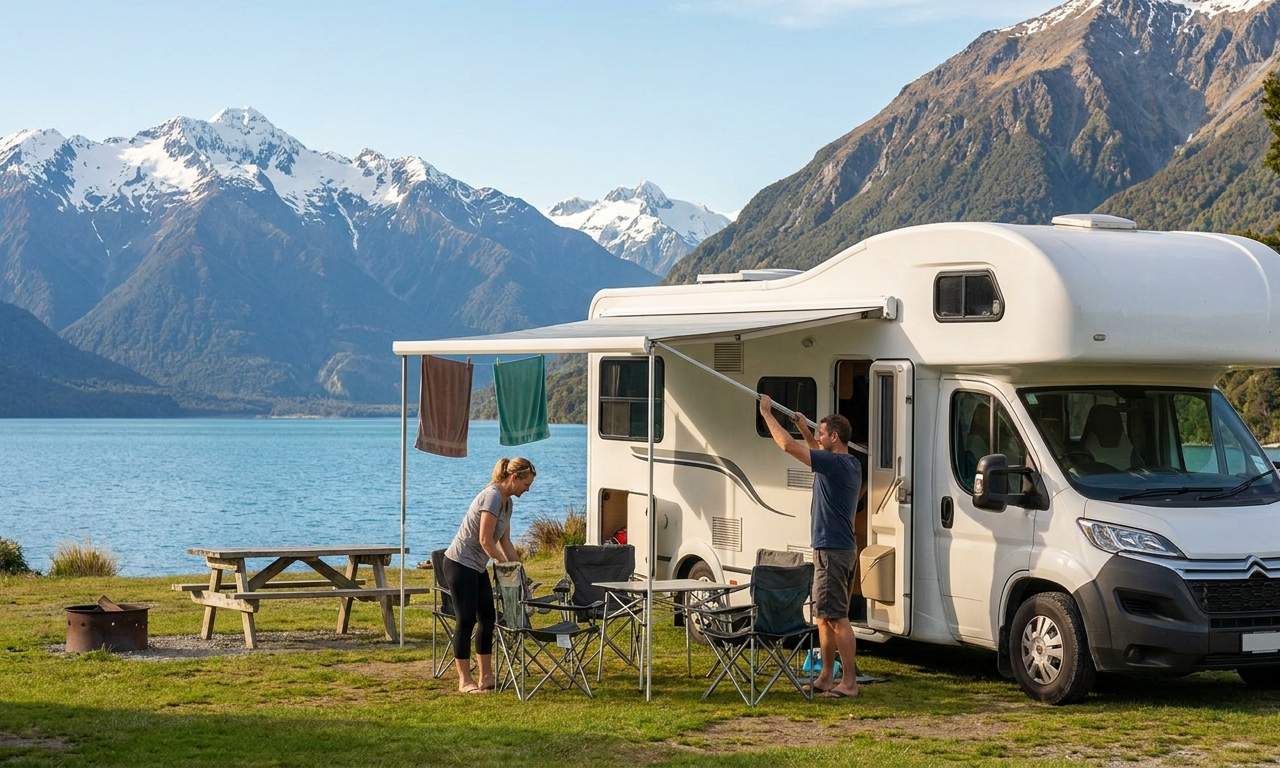
New Zealand offers diverse camping experiences from coastal sites to alpine retreats, ensuring a perfect spot for every family. Popular regions for camping include the breathtaking Fiordland National Park, the adventure hub of Queenstown Lakes, the stunning Coromandel Peninsula, and the subtropical Bay of Islands. To help you find and research over 2,000 campsites across the country, useful apps like CamperMate and Rankers are highly recommended, providing real-time information on facilities and availability. For those seeking unique natural settings, consider staying at regional parks and Department of Conservation (DOC) sites, which often offer basic amenities in truly spectacular locations. Traveling in a rented RV opens up these incredible opportunities for family connection and exploration.
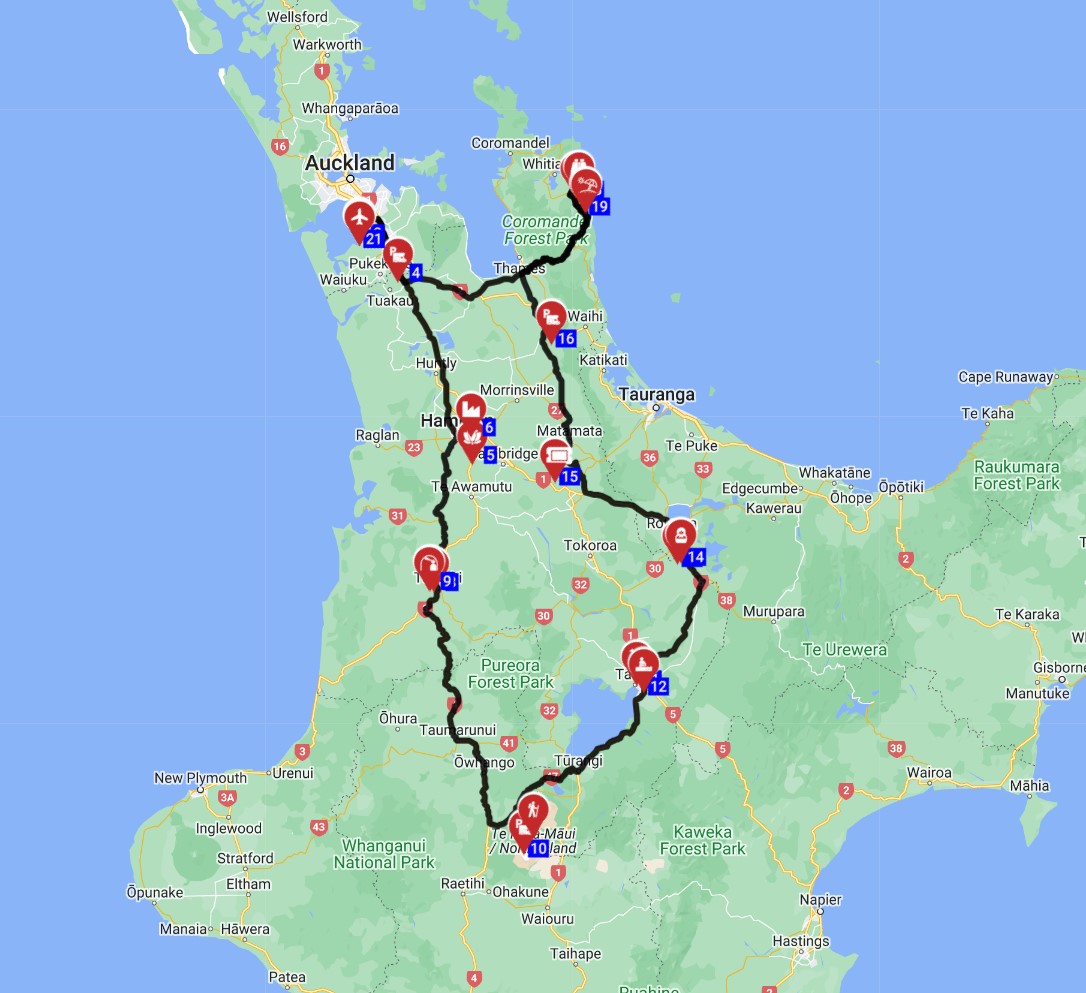
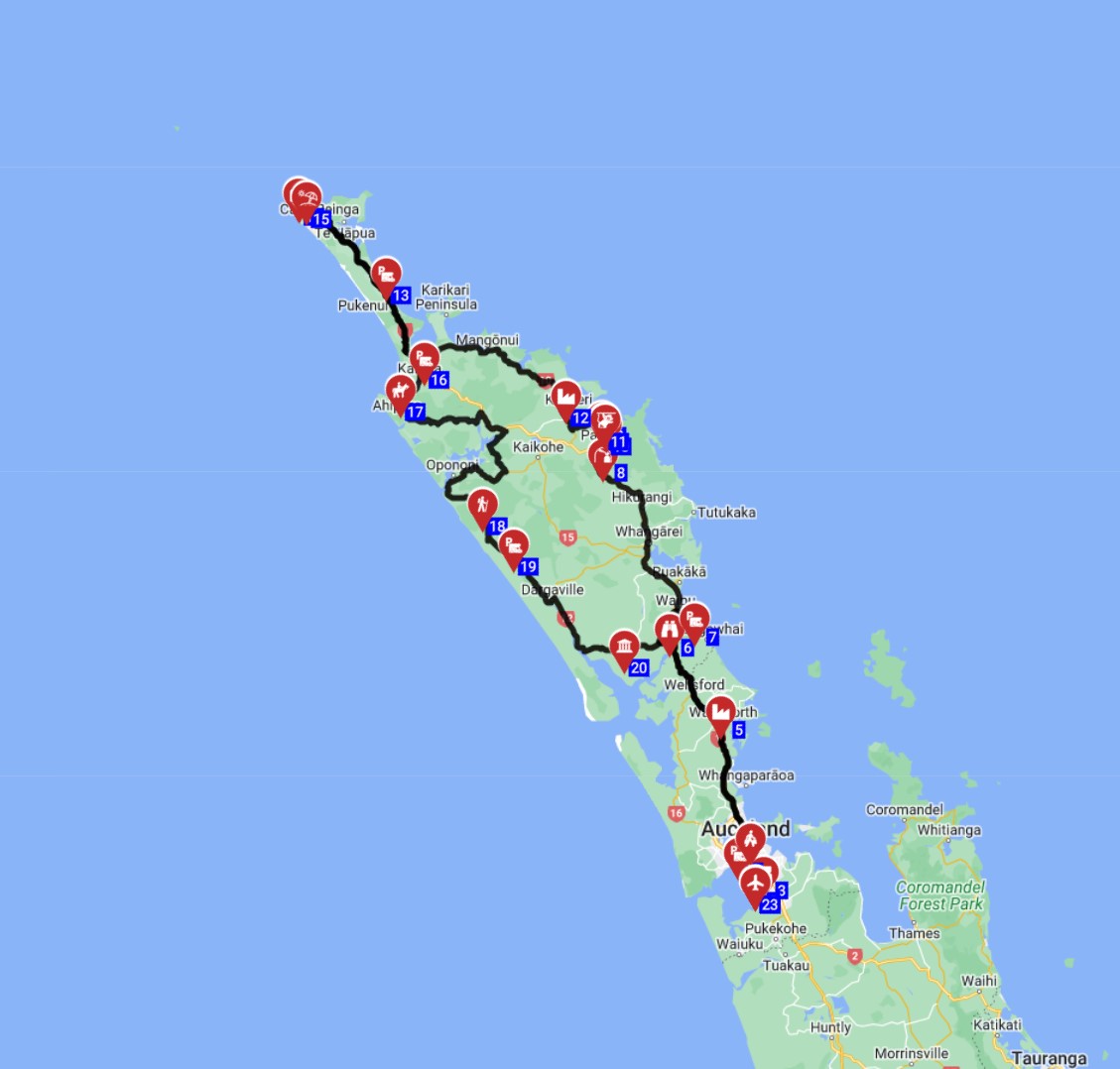
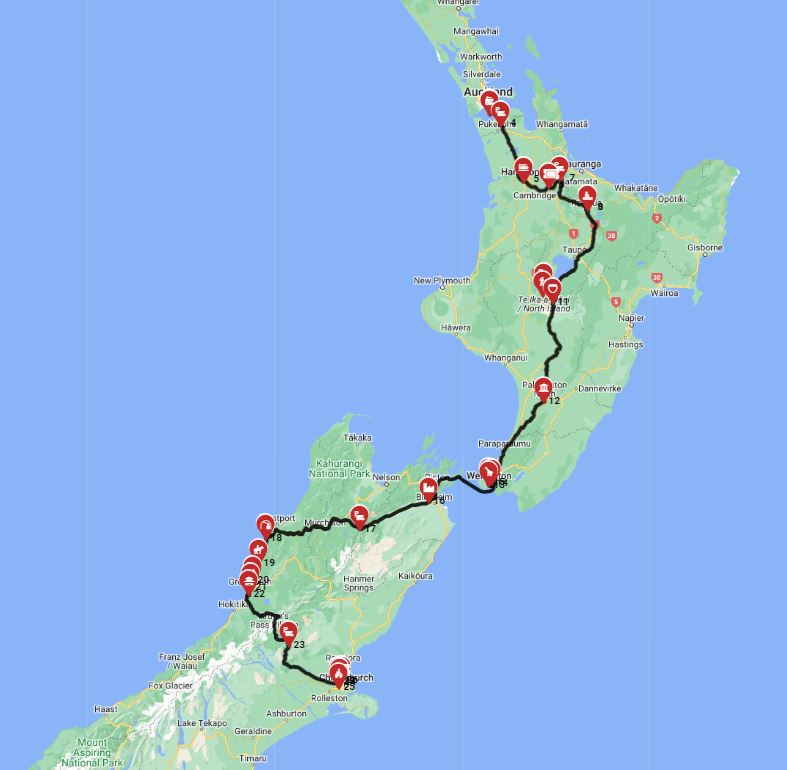
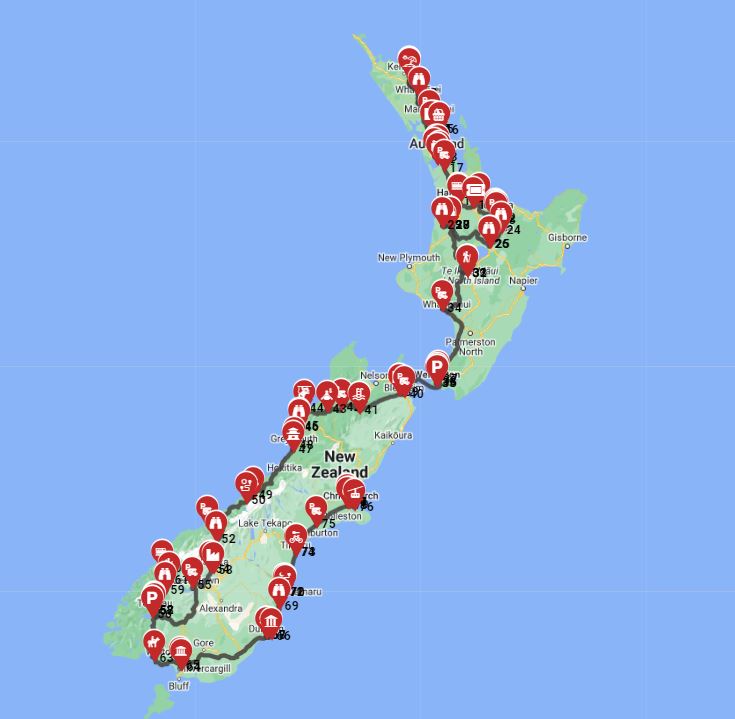
Planning an extended journey from the North to the South Island? Consider the "
Campground Types in New Zealand (National, Private, Wild)
New Zealand features three primary campground types: Department of Conservation (DOC) campsites, private holiday parks, and designated freedom camping areas. DOC sites, often located within national parks and conservation areas, range from basic (minimal or no facilities, costing NZD $8-15 per person per night) to serviced (offering toilets, water, and sometimes showers). Private holiday parks, on the other hand, provide extensive amenities like powered sites, full kitchens, hot showers, laundromats, and often recreational facilities, typically costing NZD $30-80+ per night for two people. Freedom camping, or 'wild camping,' is legally restricted to specific designated areas and only permitted for certified 'self-contained' vehicles, which must have onboard facilities for fresh water, grey water, and black water storage for at least three days. It is critical to always adhere to 'Leave No Trace' principles and local regulations to preserve New Zealand's pristine environment, as incorrect waste disposal can incur significant fines.
Featured RV Park or Campground in New Zealand
When planning a rental RV trip in New Zealand, look for holiday parks that offer a range of facilities to suit your family's travel style. An ideal featured RV park provides essential amenities such as reliable powered sites, clean shower and toilet blocks, a communal kitchen (perfect for preparing RV-friendly recipes playlist on the go), and convenient laundry facilities. Many top-rated parks also feature amenities like Wi-Fi access, playground areas for children, and sometimes even swimming pools or spa facilities, adding extra comfort and entertainment to your stay. Prioritize parks with good access to local attractions and those that are well-regarded for their cleanliness and friendly staff, ensuring a pleasant and worry-free experience for everyone on board your rented motorhome.
Hookups & Amenities - What to Expect
RV parks and private campgrounds in New Zealand typically offer a range of hookups and amenities, making your rented motorhome experience comfortable and convenient. Most powered sites provide a standard 240V, 15-amp power connection (NZ/AU plug type), so ensure your RV or adapter is compatible. Fresh water taps are commonly available at powered sites or easily accessible within campgrounds, along with grey and black water dump stations for proper waste disposal. It is crucial to use these dump stations correctly, as incorrect disposal can incur significant fines and negatively impact the pristine environment. Common amenities often include communal kitchens, hot showers, and laundromats. While Wi-Fi is often available, it might be a paid service or have usage limits, especially in more remote areas. Remember, basic DOC sites may only offer a long-drop toilet and water from a tank, so be prepared for varying levels of facilities. On the routes offered through RV PLANET routes, you can itemize and track every expense along the way for easy budgeting.
Booking Windows & Reservations in New Zealand
For popular RV parks in New Zealand, especially during the peak summer season (December-February) and school holidays, booking campsites several months in advance is highly recommended, as it can save you up to 25% on nightly rates. The Department of Conservation (DOC) campgrounds often release a limited percentage of sites (around 25-30%) for online reservations, with the remainder available on a first-come, first-served basis, particularly for remote or less accessible sites. Spontaneous travelers can often find same-day or next-day availability at many private holiday parks or less popular DOC sites, especially during the shoulder seasons (spring and autumn). If you're touring New Zealand in a rented RV, remember: you'll find a spot. If not at the first campground, then the next one. Always call ahead to your intended campground before driving there, particularly if traveling spontaneously or to remote areas, to confirm availability.
Exploring options for longer trips, such as a two-week adventure, makes planning ahead even more beneficial. Comparing options for "RV Rental Deals in New Zealand - Latest Offers 2026" can further enhance your trip's value.
Nearby Supermarkets & Resupply Points
Resupplying your rented RV in New Zealand is convenient, with major supermarket chains like Countdown, Pak'nSave, and New World found in most towns and cities across both the North and South Islands. These supermarkets offer a full range of groceries, fresh produce, and essential supplies, often including accessible parking for larger motorhomes. For more remote areas or smaller towns, local Four Square stores or general stores provide basic necessities, though typically at a slightly higher price. Planning your route with resupply stops in mind ensures you can keep your fridge stocked and enjoy fresh meals throughout your journey. To help you manage all your daily costs, including groceries and fuel, RV PLANET routes allow you to itemize and track every expense along the way for easy budgeting.
Best RV Class for Camping in New Zealand
The best rental RV class for camping in New Zealand depends on your travel style, group size, and desired comfort level. Class B Camper Vans, averaging 5.8 meters in length and sleeping 3.2 people in Bandana's global fleet, are ideal for couples or small families seeking maneuverability and efficiency for accessing diverse campsites, including some basic DOC sites. If you need a bit more space, Class SI Semi-integrated motorhomes, typically 6.9 meters long and accommodating 3.8 sleepers from Bandana's global fleet, offer increased living space and amenities, suitable for longer trips and a mix of powered and unpowered camping. For larger families or groups, Class C Alcove models (such as the "6 Berth Discovery" which has a 125 Liter fresh water tank, or a "4 Berth Adventurer" model) provide greater comfort and space, averaging 7.5 meters and 5.8 sleepers. While these larger models offer more amenities like a 190 liter refrigerator in a "4 Berth Adventurer", their size can be more challenging on some narrower, winding New Zealand roads or in smaller, more remote campsites. Regardless of your choice, a rented motorhome like a "cruise america rv rental example Explorer" (7.1 meters long, sleeps 4) provides a comfortable base for your adventures.
For those interested in premium options and specific vehicle features, exploring "Luxury RV Rental in New Zealand - Premium Prices 2026" can provide a detailed look at higher-end choices.
How to Save on Campgrounds in New Zealand
Saving on campgrounds in New Zealand is achievable with a few smart strategies, allowing you to allocate more of your budget to experiences. First, look for rental RV suppliers that offer campground discount cards or passes, which can significantly reduce nightly rates at participating holiday parks and campgrounds across the country. Opting for the shoulder seasons (spring and autumn) instead of the peak summer months (December-February) can result in lower rates and fewer crowds at popular campsites. Additionally, choosing municipal or regional council-run campgrounds, which often provide basic amenities at a lower cost (e.g., NZD $20-35 per night for a powered site), can be more budget-friendly than private resorts. Many campgrounds also offer weekly rates that provide a discount for stays of three or more nights, which can be beneficial for those planning longer stops in one area with their rented caravan.
🎬 Video coming soon
Can I park my motorhome anywhere in New Zealand?
No, you cannot park your motorhome anywhere in New Zealand; strict regulations govern where RVs can be parked or camped overnight, particularly concerning 'freedom camping' and private land. Overnight parking is generally restricted to designated campgrounds, holiday parks, and approved freedom camping sites, which are clearly signposted with specific rules. Parking on private property without permission is trespassing, and unauthorized overnight parking in public areas can result in significant fines (up to NZD $200 for freedom camping infringements). Vehicles used for freedom camping must be certified 'self-contained,' meaning they have onboard facilities for fresh water, grey water, and black water storage for at least three days to prevent waste discharge, protecting New Zealand's pristine environment.
How much does it cost to park a campervan in New Zealand?
The cost to park a campervan in New Zealand varies significantly, ranging from free at designated freedom camping spots to NZD $20-80+ per night for powered sites at private holiday parks. Department of Conservation (DOC) campsites typically cost NZD $8-15 per person per night for basic sites, while serviced DOC sites with more facilities may be slightly higher, around NZD $15-25. Private holiday parks and RV parks generally charge per site, usually between NZD $20-50 for unpowered sites and NZD $30-80+ for powered sites for two people, with extra charges for additional occupants. Beyond parking fees for your rented mobile home, consider the overall trip costs including RV rental, fuel (Bandana's Class C Alcove RVs typically consume 10-12 Liters/100 km and hold a 75 Liter fuel tank), food, activities, and comprehensive insurance to get a full financial picture. You might find more detailed breakdowns in "RV Rental in New Zealand - Prices and Best Deals 2026".
Does New Zealand have RV parks?
Yes, New Zealand has an extensive and well-developed network of RV parks, holiday parks, and Department of Conservation (DOC) campsites specifically designed for campervans and motorhomes. These parks range from basic DOC sites in scenic, remote locations (over 200 available) to luxurious private holiday parks with extensive amenities such as powered sites, full kitchens, hot showers, and recreational facilities. Many RV parks are strategically located near popular tourist attractions, towns, and scenic routes, making them convenient bases for exploring different regions with your rented RV. Dedicated apps like CamperMate and Rankers provide comprehensive listings and reviews for thousands of RV parks and campsites across both the North and South Islands, making it easy to plan your overnight stays.
Can you free camp anywhere in New Zealand?
No, you cannot free camp anywhere in New Zealand; strict regulations, primarily governed by the Freedom Camping Act 2026, dictate where and how freedom camping is permitted. Freedom camping is only allowed in specifically designated areas, often clearly signposted, and typically requires your rented vehicle to be certified 'self-contained' to ensure no waste is left behind. This certification means your motorhome has onboard facilities for fresh water, grey water, and black water storage for at least three days. Many local councils have bylaws restricting freedom camping in certain areas, particularly in urban centers or environmentally sensitive zones, with penalties for non-compliance including fines up to NZD $200. Always check local signage, official council websites, or use apps like CamperMate to identify legal freedom camping spots and understand any specific rules for that location, upholding 'Leave No Trace' principles to protect New Zealand's environment.
How much does it cost to stay at a campground in New Zealand?
The cost to stay at a campground in New Zealand typically ranges from NZD $8-15 per person per night for basic Department of Conservation (DOC) sites to NZD $20-80+ per powered site for two people at private holiday parks. Basic DOC sites, often found in national parks and conservation areas, offer minimal facilities like long-drop toilets and are the most budget-friendly option, usually charged per person. Mid-range campgrounds, including some DOC serviced sites and smaller private parks, might cost NZD $15-30 per person or NZD $30-50 per site for basic amenities like flush toilets and cold showers. Premium private holiday parks, which are perfect for a family trip in a rented motorhome, offer extensive facilities like hot showers, full kitchens, laundry, and powered sites, with prices ranging from NZD $50-80+ per night for two people, plus additional charges for extra guests or specific amenities. For one-way options, checking "One-Way RV Rental in New Zealand - Price Guide 2026" can also inform your budget.
Can you sleep in a camper anywhere in NZ?
No, you cannot legally sleep in a camper anywhere in NZ outside of designated campgrounds, holiday parks, or specifically approved freedom camping areas. New Zealand has clear regulations, including the Freedom Camping Act 2026 and local council bylaws, that prohibit unauthorized overnight stays in public places like roadsides, car parks, or residential streets. To legally freedom camp, your rented campervan or motorhome must typically be a certified 'self-contained' vehicle, equipped with a toilet, wastewater tank, and rubbish facilities, ensuring responsible waste management for at least three days. Ignoring these regulations can lead to substantial fines, public disapproval, and contribute to environmental damage, making it crucial to use official resources like CamperMate or council websites to find legal overnight spots and enjoy your adventure responsibly.
Is New Zealand RV friendly?
Yes, New Zealand is generally very RV-friendly, offering excellent infrastructure, diverse camping options, and stunning scenery that makes it an ideal destination for motorhome travel. The country boasts a well-maintained road network, numerous dedicated RV parks, holiday parks, and Department of Conservation (DOC) campsites, plus clearly marked dump stations for waste disposal. While New Zealand provides an exceptional RV experience with unparalleled flexibility to explore its natural beauty, visitors must adhere to strict 'freedom camping' regulations and environmental etiquette to ensure a responsible and enjoyable trip. Be mindful of the variable road conditions, which can include winding mountain passes and unsealed roads. Drive slowly and carefully, and you can drive almost anywhere without issues. No need to stress - just use common sense and pay attention. Ensure your rental RV choice, such as a Class B Camper Van (e.g., "2 Berth Hi Top" with automatic transmission) or a Class SI Semi-integrated like the "2 Berth Rover", is suited to your planned routes for nimble navigation, particularly on smaller roads. Overall, you’ll find the country embraces RVers with open arms and spectacular views.
Do you need a special license to drive an RV in New Zealand?
For most standard RVs available for rent in New Zealand, including popular Class B Camper Vans (averaging 5.8 meters) and Class SI Semi-integrated models (averaging 6.9 meters) from Bandana's global fleet, a valid overseas driver's license (or an International Driving Permit) that permits you to drive a vehicle of up to 3,500 kg (Class 1 or equivalent) is sufficient. Your foreign driver's license must be in English or accompanied by an accurate English translation or an International Driving Permit (IDP) if it's not from an English-speaking country. Drivers must be at least 21 years old and have held their license for a minimum of one year. There are no young driver surcharges and no vehicle class restrictions based on age for Bandana's rentals. For larger, heavier RVs exceeding 3,500 kg, you would need a specific heavy vehicle license (Class 2 or higher), though these are rarely required for standard rental motorhomes.
Is it worth getting a campervan in New Zealand?
Yes, renting a campervan in New Zealand is widely considered a highly rewarding and often the best way to explore the country, offering unparalleled flexibility, scenic routes, and direct access to stunning natural landscapes. The benefits include the freedom to change your itinerary spontaneously, cook your own meals, and wake up to incredible views in diverse locations, from coastal beaches to alpine valleys. However, consider potential downsides such as the overall cost (including rental, fuel where Bandana's Class C Alcove consume 10-12 Liters/100 km, and campsite fees), and the need to diligently adhere to strict freedom camping regulations to avoid fines. For many, the ability to immerse themselves in New Zealand's unique environment, coupled with the comfort and convenience of a mobile home, far outweighs these considerations, making it a highly 'worthwhile' investment in a memorable travel experience. For those looking for a thorough planning resource, check out "RV Travel Guide to New Zealand - Tips and Top Spots 2026".
What You Shouldn't Miss
New Zealand is a treasure trove of breathtaking landscapes and unique experiences, perfect for a family RV adventure. Here are some top picks that you shouldn't miss:
- Fiordland National Park: Cruise through Milford Sound or Doubtful Sound, marveling at towering waterfalls and pristine wilderness. The hiking trails here are incredibly rewarding, offering a deep connection to nature.
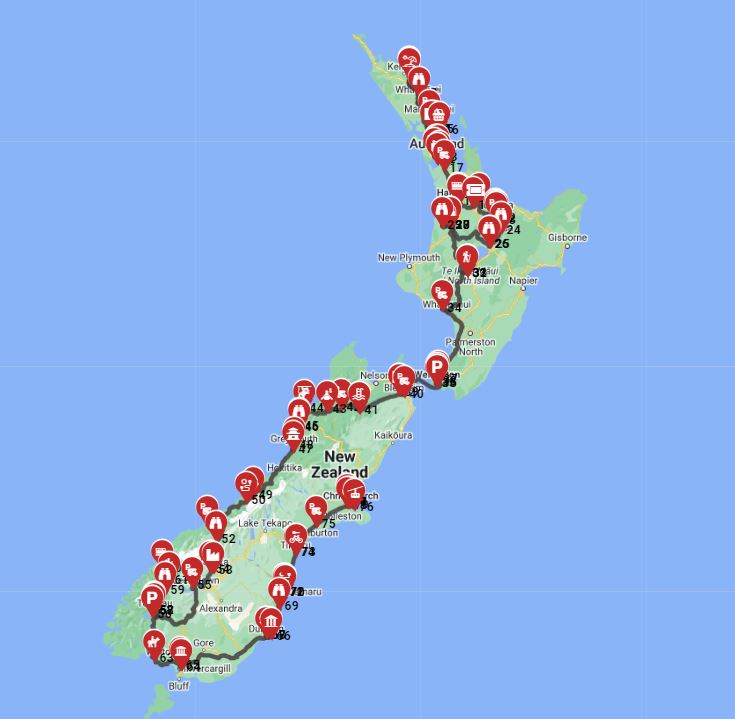
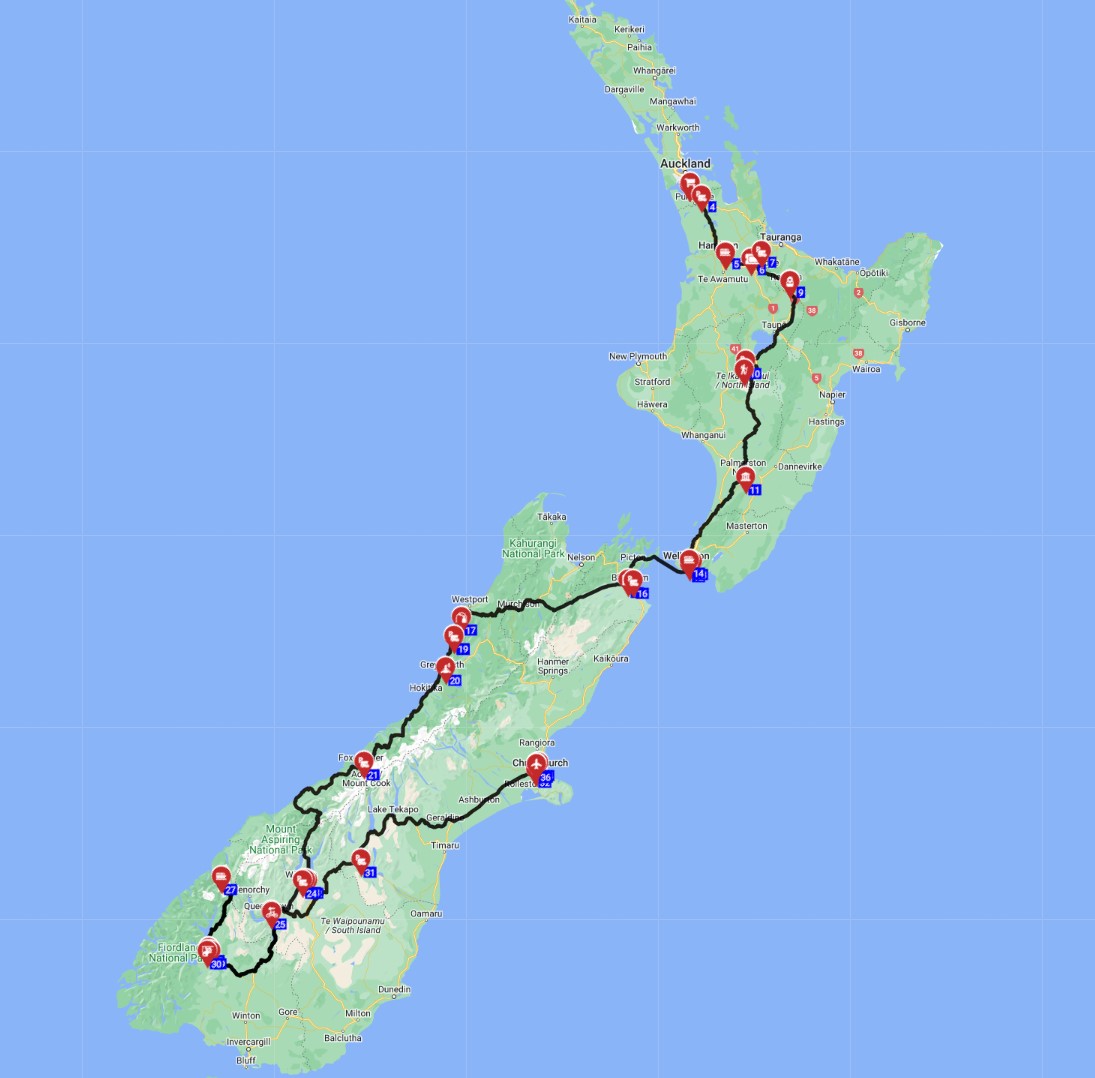
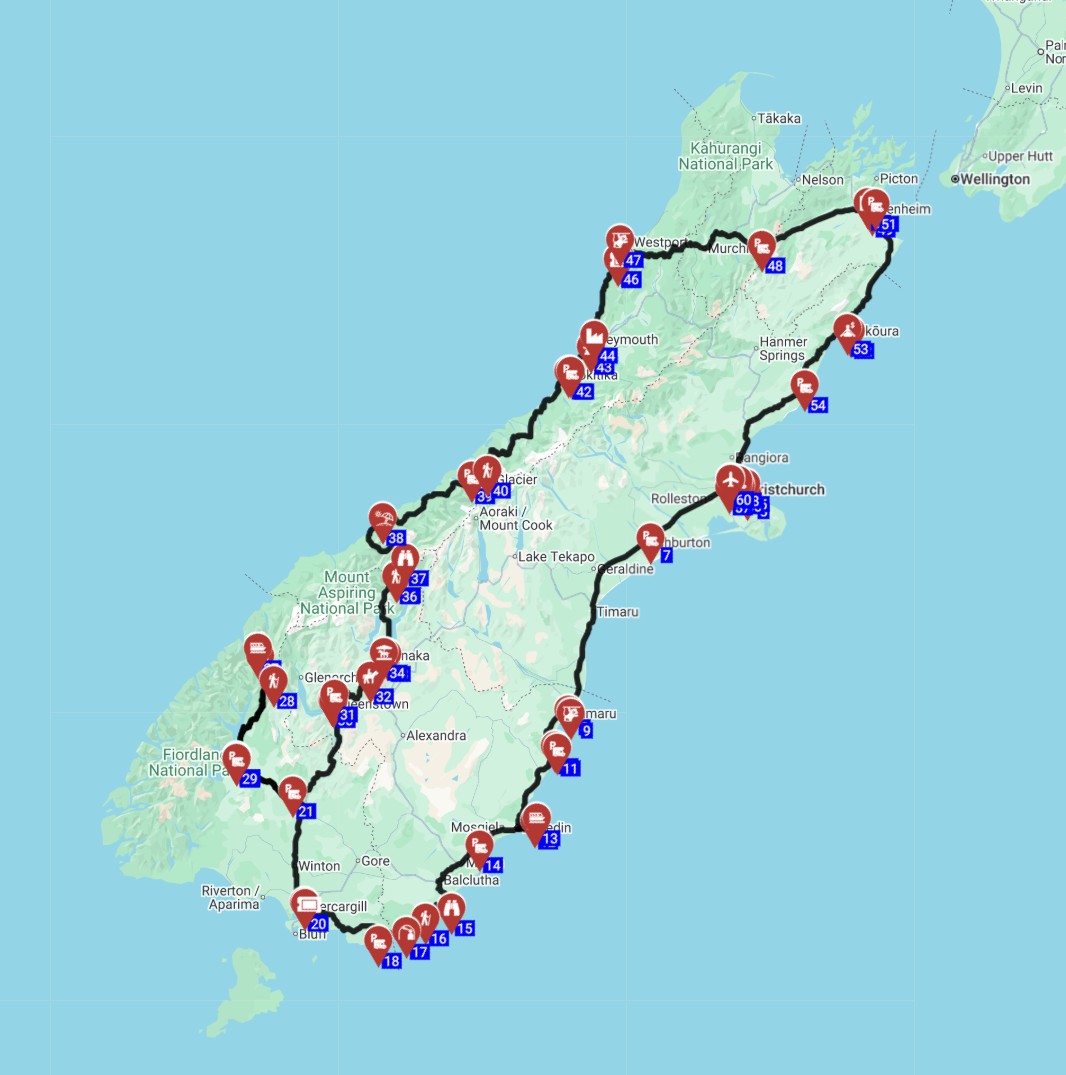
- Queenstown - Adventure Capital: While here, consider the
, an 18-day, 2647.3 km journey that includes 1 amusement park, 4 animal shows, 5 hiking areas, and 3 museums. It’s an unforgettable base for adrenaline-pumping activities or serene lake cruises.
 Christchurch Roundtrip - Around the South Island
 - Rotorua's Geothermal Wonders: Immerse yourselves in Maori culture and witness the dramatic geothermal activity, including geysers and bubbling mud pools. There are also beautiful botanical gardens and spa experiences for relaxation.
- Bay of Islands: Head north for subtropical beaches, historic sites, and incredible sailing or wildlife watching opportunities. Explore Russell, New Zealand's first capital, and enjoy a day tour to observe local marine life.
- Glacier Country (Franz Josef & Fox Glaciers): Witness these accessible glaciers with guided hikes or scenic helicopter flights. The region also offers stunning natural features and hiking areas.
Looking for expert insights from Avi Bandana? Top 5 Adventures - recommendations from Avi Bandana:
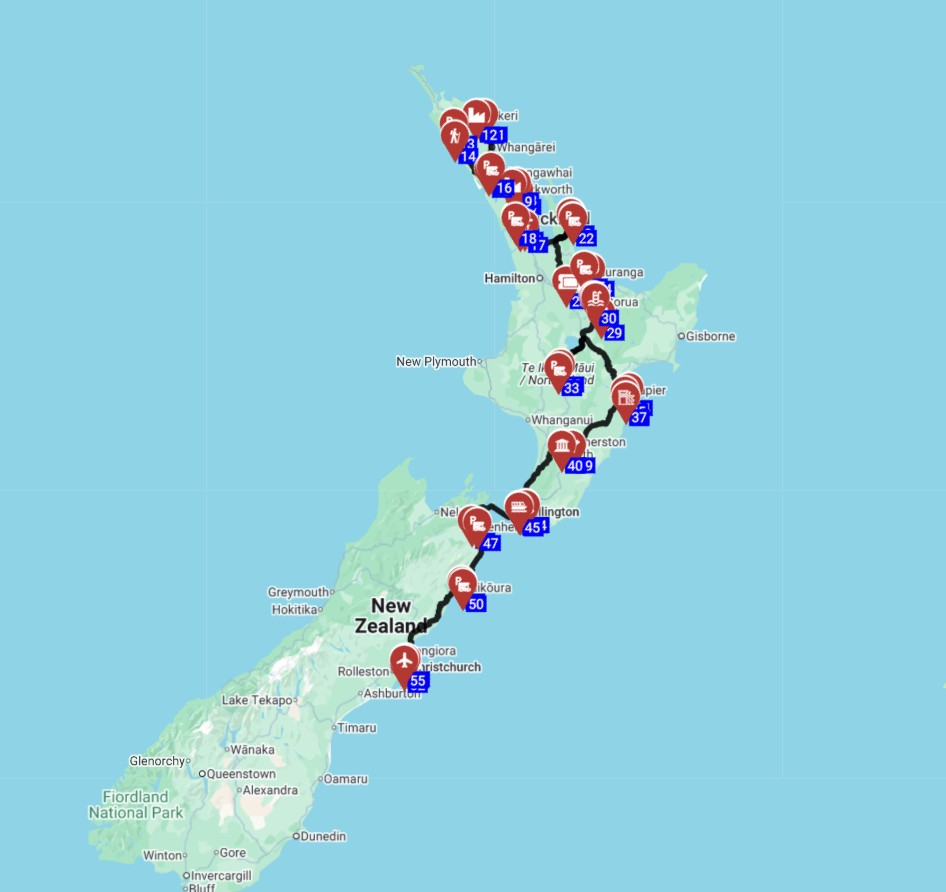
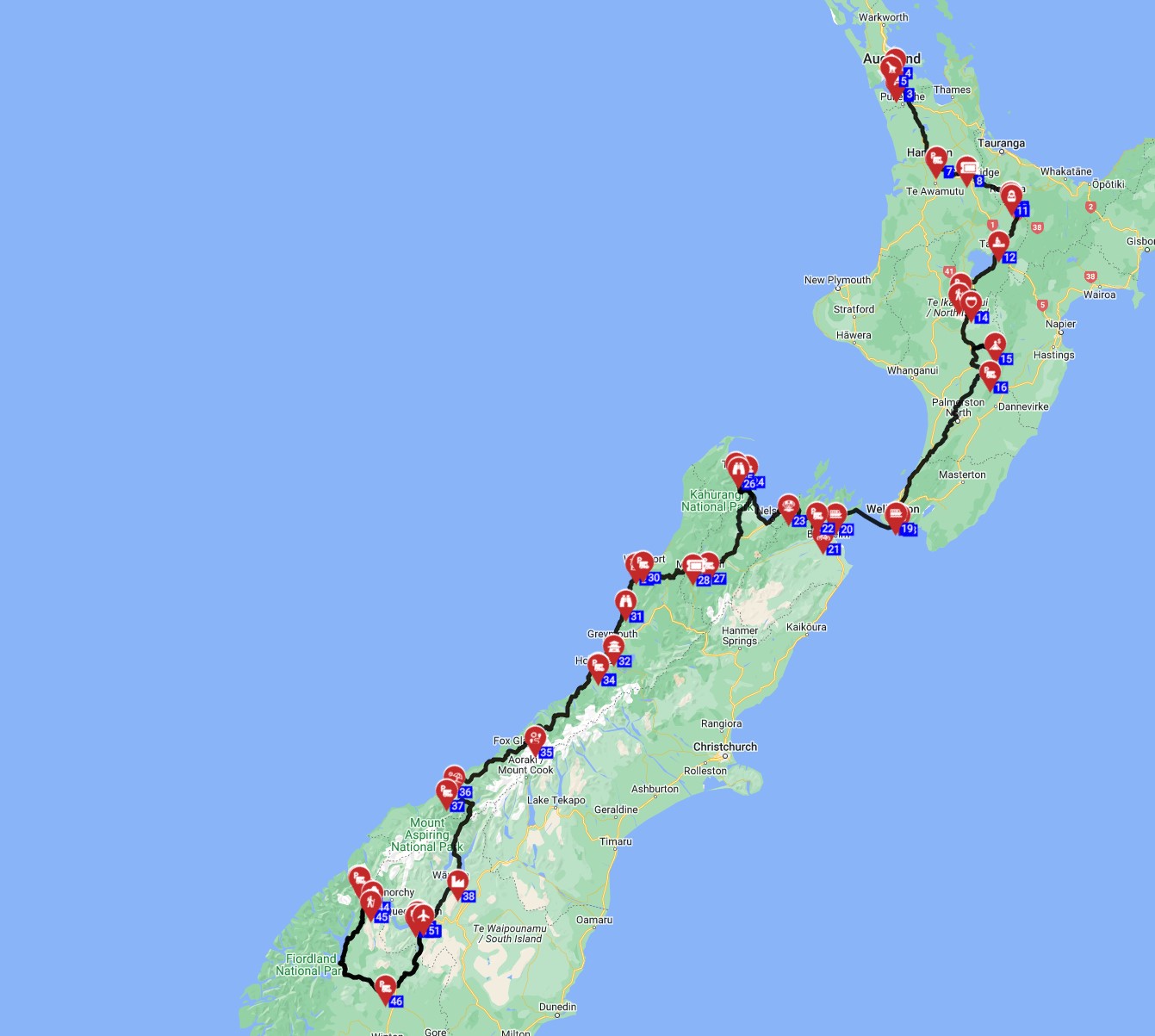
If you're starting your journey from the North Island and heading south, the "
Final Thoughts
Embarking on a family RV camping trip in New Zealand is more than just a vacation; it's an opportunity to create cherished memories, discover breathtaking landscapes at your own pace, and bond over shared adventures. From the golden beaches of the North Island to the majestic fjords of the South, a rented motorhome gives you the freedom to explore every corner of this incredible country. Remember to travel slowly, averaging a maximum of 100-150 km per day, allowing yourselves to truly feel the place, connect to the unique Maori culture, savor the delicious local food, and immerse yourselves in the stunning scenery.
Bandana Caravan is here to support you every step of the way, providing honest information, transparent pricing, and expert guidance. Whether you're a meticulous planner or a spontaneous adventurer, we're dedicated to making your New Zealand RV rental experience truly unforgettable. So, pack your bags, choose your perfect family motorhome, and get ready for the adventure of a lifetime. Life is now - go explore!
Get inspired for your next trip! Discover top destinations, planning tips, all in one place! Plan a trip itinerary in advance with minimal effort and maximum enjoyment. Find RV Rentals in New Zealand.