In This Guide
- Where to Camp in Australia - Top Options
- Campground Types in Australia (National, Private, Wild)
- Featured RV Park or Campground in Australia
- Hookups & Amenities - What to Expect
- Booking Windows & Reservations in Australia
- Nearby Supermarkets & Resupply Points
- Best RV Class for Camping in Australia
- How to Save on Campgrounds in Australia
- Can you park an RV anywhere in Australia
- What are RV parks called in Australia
- Where can you park overnight for free in Australia
- What is the average caravan park fee in Australia
- How much do campsites cost in Australia
- How can I book campsites in Australia
- What is ghost camping in Australia
- What You Shouldn't Miss
- Why Book with Bandana Caravan
- Final Thoughts
- Frequently Asked Questions
Australia, a land of breathtaking contrasts and endless horizons, beckons families and adventurers alike to explore its vast landscapes in a rented RV. Imagine waking up to the sound of kookaburras, enjoying breakfast with ocean views, or drifting off under a canopy of stars in the ancient outback. With a motorhome rental in Australia, you're not just booking a vehicle; you're unlocking a mobile home base for an unforgettable family adventure, complete with the freedom to discover hidden gems at your own pace. At Bandana RV, we specialize in helping you navigate this incredible country, ensuring you find the perfect campervan or motorhome for your journey, with full transparency and dedicated support. For live availability and current prices, start with our RV Rental Australia - Complete Guide 2026 guide.
Where to Camp in Australia - Top Options
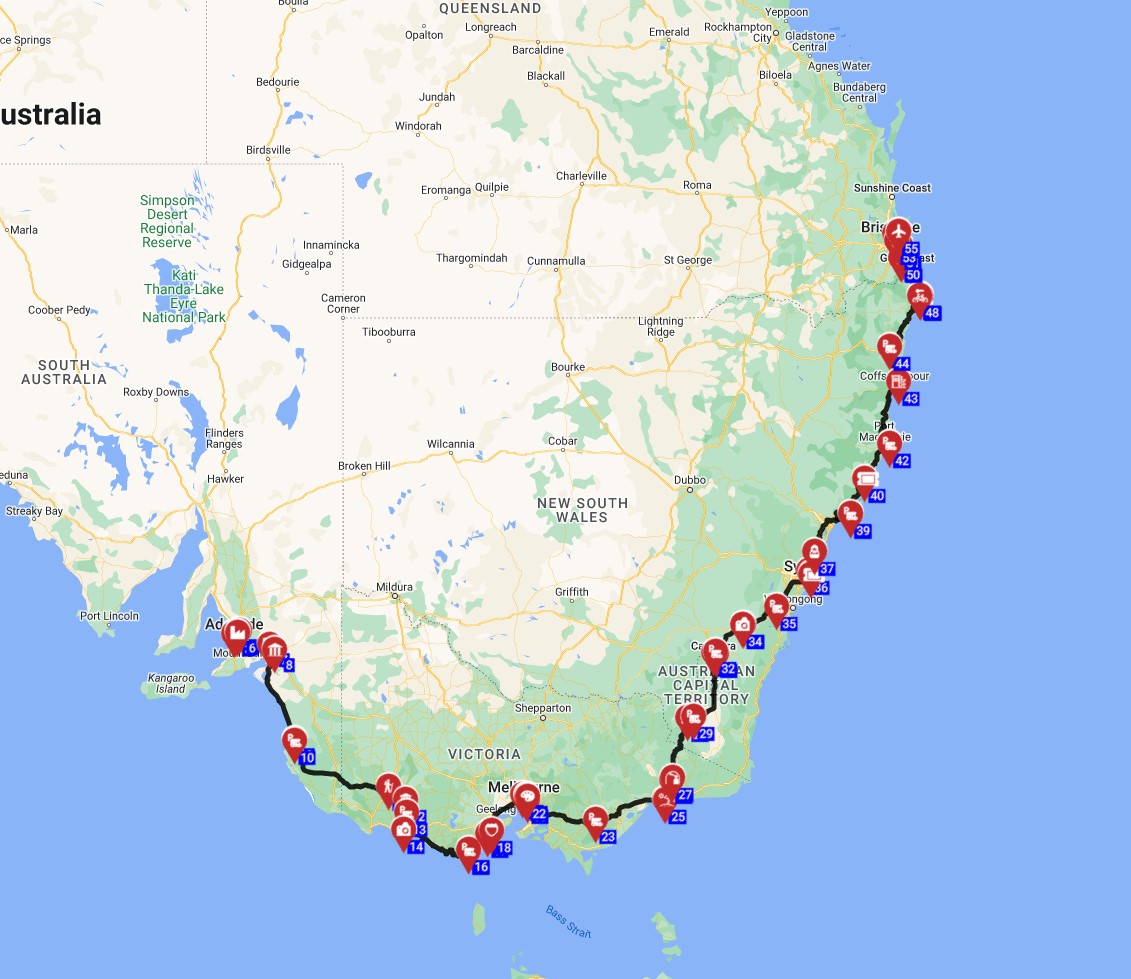
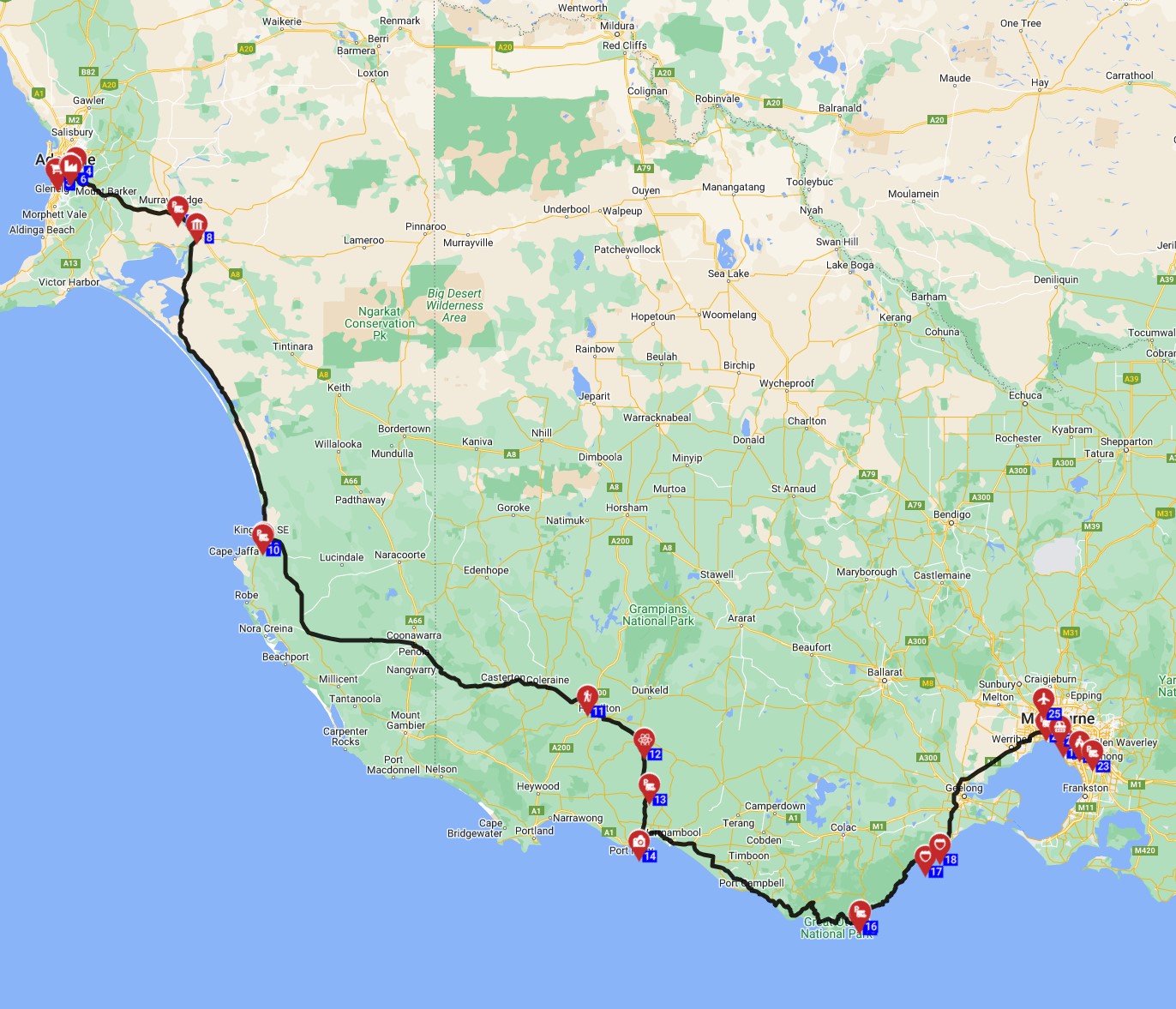
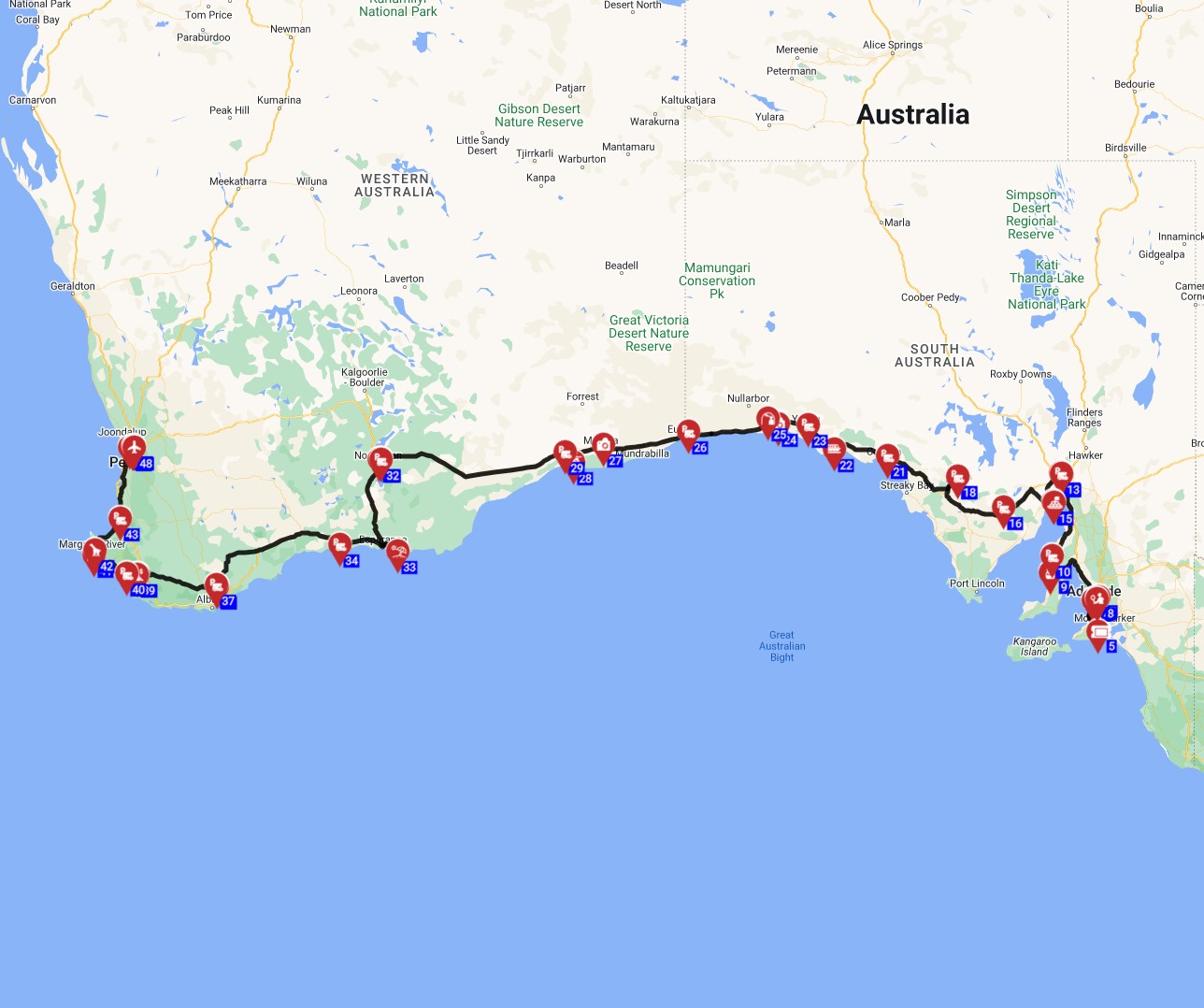
Australia offers diverse camping experiences from coastal holidays to rugged outback adventures, providing abundant choices for RV travelers. Popular regions for RV camping include the stunning coastal routes of Queensland, stretching from Cairns to Brisbane, which offer access to the Great Barrier Reef and lush rainforests. You might also consider the iconic Great Ocean Road in Victoria, renowned for its dramatic cliffs and surf beaches, or the stunning natural parks of Western Australia, including coastal havens and vast desert landscapes.
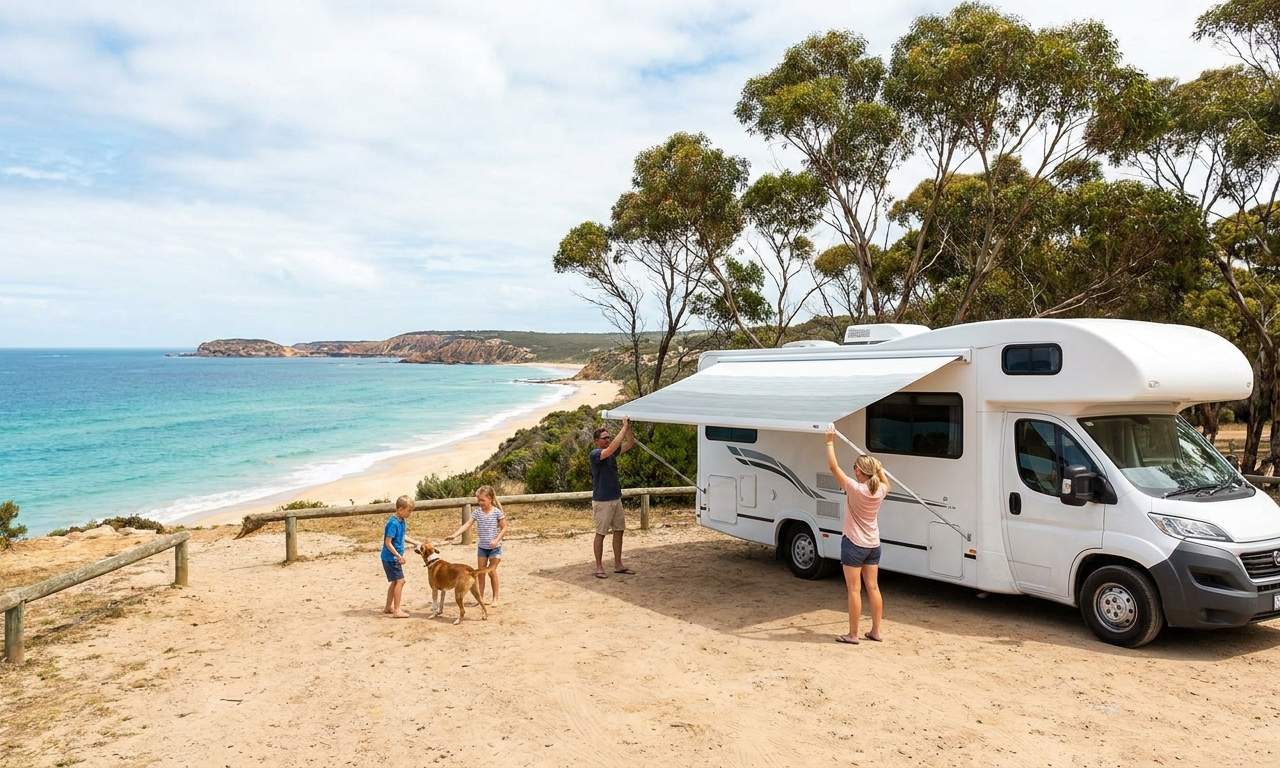
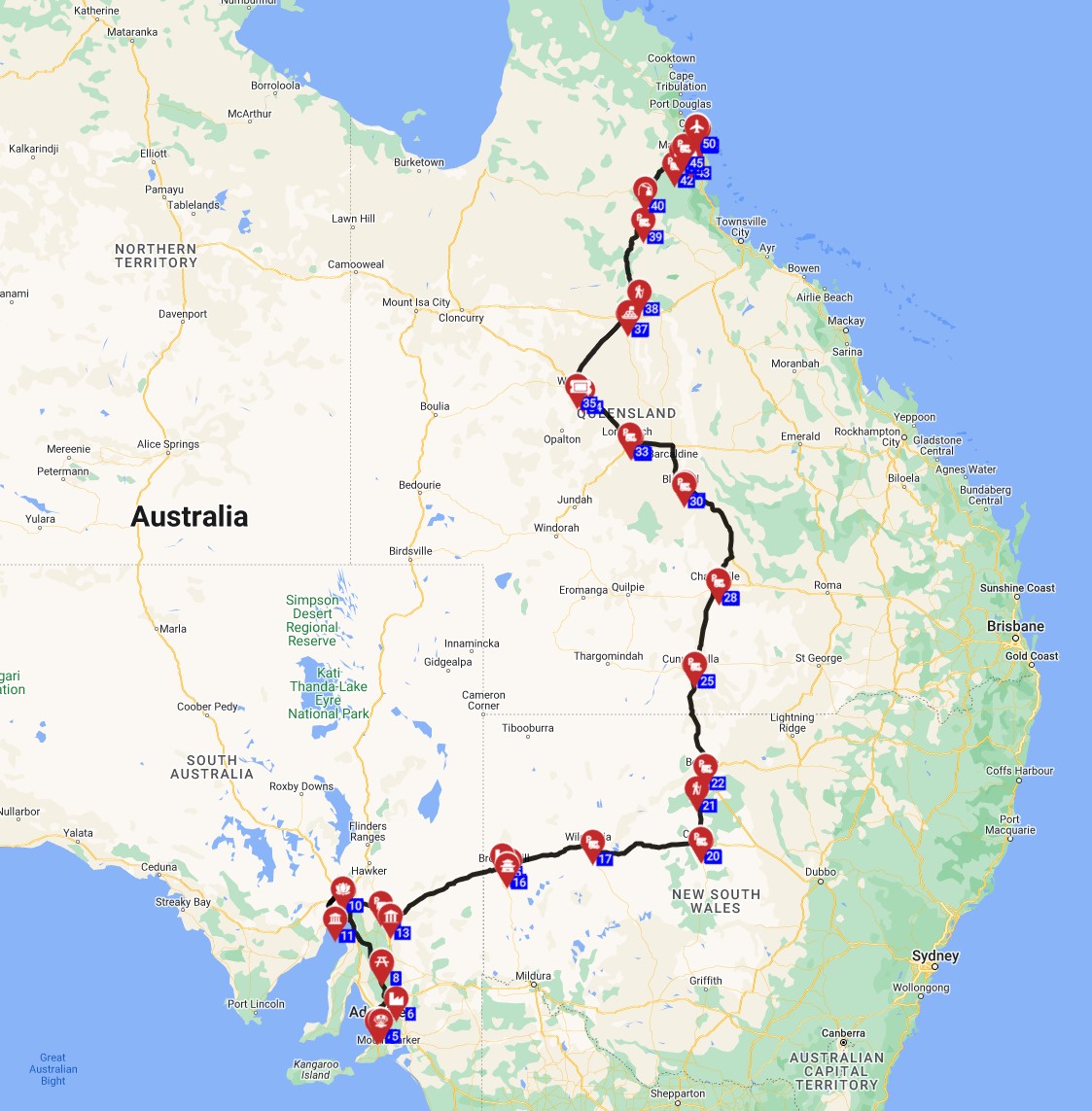
For a blend of nature and convenience, look for campgrounds within easy reach of regional towns, providing access to supplies and unique local experiences. Major cities like Sydney, Melbourne, and Perth also boast easily accessible campgrounds with full amenities, often located near beautiful beaches or popular scenic attractions. Planning an RV adventure can seem daunting, but with a reliable partner and a clear itinerary, you'll feel confident on the road. For instance, an excellent route to immerse your family in Australia's heartland is the "Cairns to Alice Springs - Northern Horizons: A Journey Through Australia's Heartland" route, which spans 17 days and covers 4,003.6 km, featuring 3 hiking areas and 2 swimming spots perfect for kids.
We are true RV specialists, not just a travel agency side department, and our expertise comes from years of hands-on experience and a genuine passion for motorhome travel, ensuring we recommend the best spots for family RV camping in Australia.
Campground Types in Australia (National, Private, Wild)
Australia's camping options broadly fall into National Park campgrounds, private caravan parks, and designated free/wild camping zones, each offering distinct experiences for your RV rental adventure. National Park campgrounds, managed by state and territory parks services, provide a balance of basic facilities like toilets and BBQ areas with immersive nature, usually requiring a booking and a fee of AUD $10 to $35 per night.
Private caravan parks, also known as holiday parks, are the most amenity-rich choice, providing extensive facilities such as powered sites, dump points, hot showers, laundromats, swimming pools, and often playgrounds, catering specifically to families and those seeking comfort. These parks are ideal for families with kids as they offer security and entertainment. Freedom camping, or wild camping, is legally permitted in specific designated areas, often remote or managed by local councils, but it is strictly regulated in many popular tourist areas. It requires strict adherence to 'Leave No Trace' principles and profound respect for Indigenous lands, to ensure you leave no impact on Australia's pristine environment.
Featured RV Park or Campground in Australia
While specific names of highly-rated RV parks in Australia vary by region, a typical top-tier park would offer a comprehensive range of amenities suitable for various motorhome classes and family needs. Look for parks that provide spacious powered sites, modern amenities blocks with hot showers and toilets, laundry facilities, a camp kitchen (perfect for preparing RV-friendly recipes playlist), and often a swimming pool or BBQ areas. Many popular parks are strategically located near major attractions, beaches, or national park entrances, serving as excellent bases for exploration.
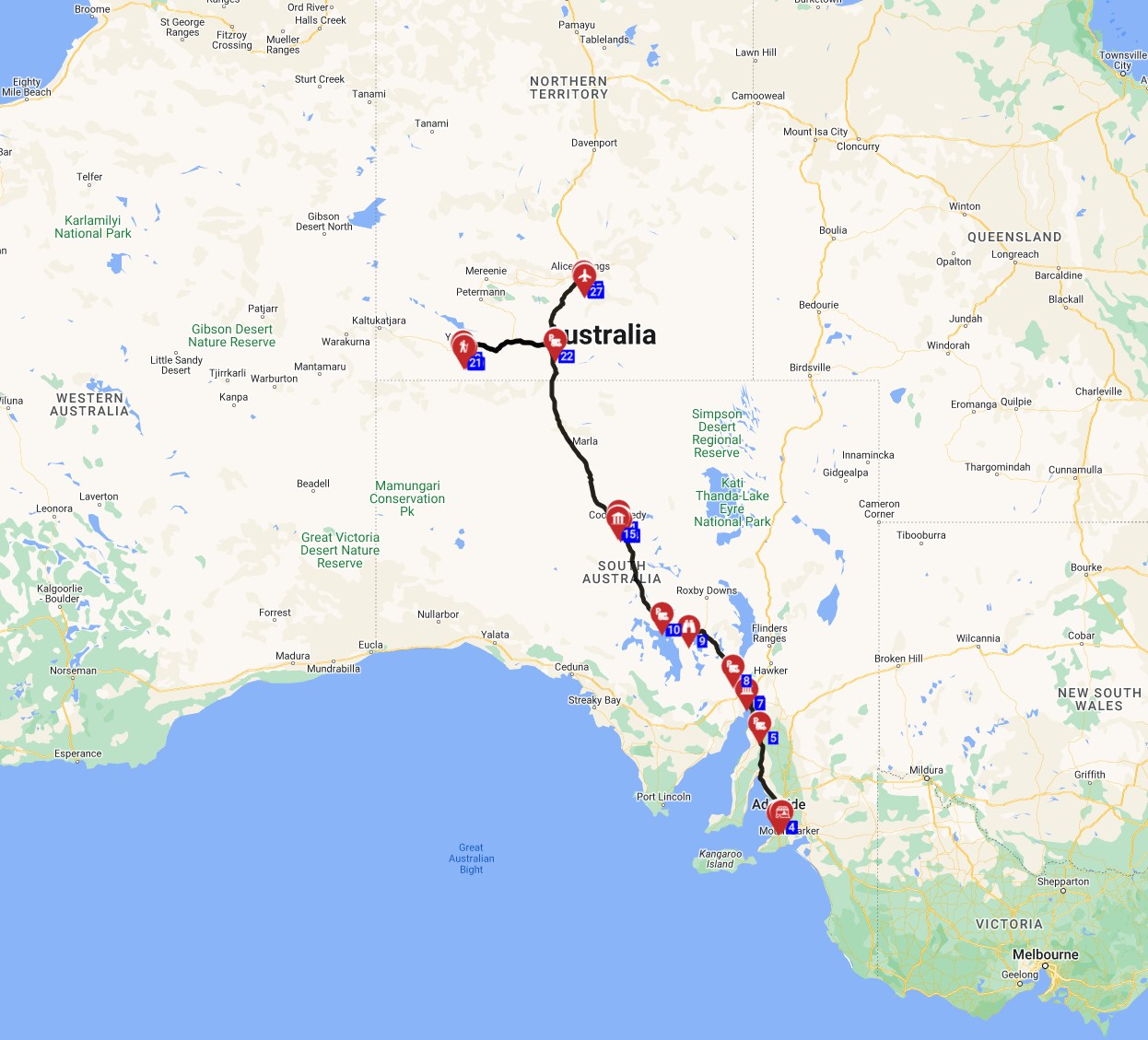
For example, a family-friendly park near the iconic coastline of Queensland might offer direct beach access, facilitating tours to nearby attractions like the Great Barrier Reef. These types of caravan parks often have dedicated activities for children, making them ideal for family RV camping in Australia. For example, the 5,447.3 km "Perth to Alice Springs - The Dreamtime Highway: A Journey Through Australia's Heart" route includes 3 museums and 2 animals shows / wildlife watch stops, often located near such well-equipped parks.
Hookups & Amenities - What to Expect
Most commercial caravan parks in Australia offer a comprehensive range of hookups and amenities, including powered sites, fresh water access, and dump points, ensuring a comfortable stay for your rented motorhome. Electric hookups typically provide 240-volt power with three-pin Australian sockets, which may require an adapter if your RV uses a different standard, so it's always good to check. Fresh water connections are common at powered sites for convenient refilling, while dump points (sullage points) for grey and black water are widely available at caravan parks and many public rest areas, which is vital for waste management during your travels.
Expect amenities like hot showers, flush toilets, coin-operated laundries, camp kitchens, and often Wi-Fi (which can be unreliable or an extra cost) at private parks, offering all the comforts of home. In contrast, national park campgrounds might offer more basic facilities, such as composting toilets and bore water, for a more rustic experience. Bandana RV compares final prices across 50+ suppliers so you don't have to, ensuring you know what amenities are included in your rental package, with no hidden fees or surprises. On the routes offered through RV PLANET routes, you can itemize and track every expense along the way for easy budgeting.
Booking Windows & Reservations in Australia
For popular destinations and peak seasons in Australia, booking RV campsites well in advance is highly recommended to secure your preferred spot, especially during school holidays, public holidays, and the dry season in northern Australia. Pre-planners should aim to book 3-6 months ahead for popular private caravan parks and national park campgrounds, as spots fill quickly, potentially saving up to 25% on peak-season rates. However, spontaneous travelers can often find availability in shoulder seasons (spring and autumn) or by being flexible with their locations, though calling ahead before driving to a specific campground is always advised to confirm vacancies.
Many national park campgrounds operate on a system where only 25%-30% of spots are reservable, with the remainder available on a first-come, first-served basis; while this offers some flexibility, it can be a gamble during busy periods. You will almost certainly find a place to stay - if not at the first campground, then often the next nearby option - by being prepared to try alternatives or utilizing resources like Wikicamps Australia to check real-time availability. Whether you prefer a week-long RV rental in Australia or a long-term RV rental in Australia - monthly rates, planning ahead is always beneficial. Remember, Bandana helps travelers before, during, and after their booking, so you're never alone in your planning process.
Nearby Supermarkets & Resupply Points
Resupplying your rented RV in Australia is generally straightforward, with major supermarket chains widely available in towns and cities across the country. Look for prominent chains such as Woolworths, Coles, and IGA, which offer a full range of groceries, fresh produce, and other necessities to stock your RV kitchen. Regional towns and even smaller communities will often have an IGA or a local general store, though selection may be more limited and prices slightly higher.
For fresh produce, particularly when crossing state borders into fruit fly exclusion zones, plan your purchases carefully to avoid biosecurity issues, and consider stopping at local farmers' markets for fresh, regional goods. Cooking meals in your motorhome is a fantastic way to save money and enjoy fresh ingredients; discover new ideas with our RV-friendly recipes playlist. To help manage all your travel expenses, including groceries and fuel, RV PLANET routes allow you to itemize and track every expense along the way for easy budgeting, giving you full transparency over your trip costs.
Best RV Class for Camping in Australia
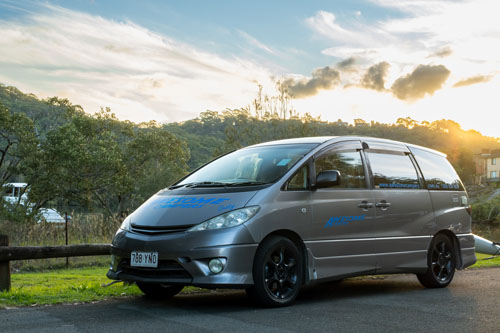
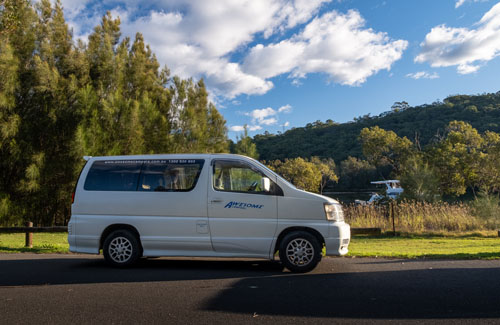
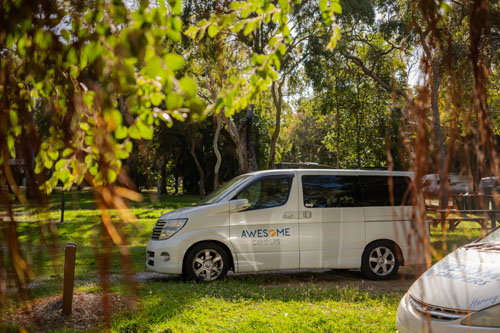
The best RV class for camping in Australia depends heavily on your desired itinerary, the type of terrain you plan to cover, and your comfort preferences, ranging from compact campervans for agility to larger motorhomes for extended stays. For those seeking a balance of comfort and maneuverability on Australia's sealed roads, Bandana's Class SI - Semi-integrated motorhomes, with an average length of 6.9 meters and sleeping 3.8 people, offer good versatility for both powered sites and some off-grid camping.
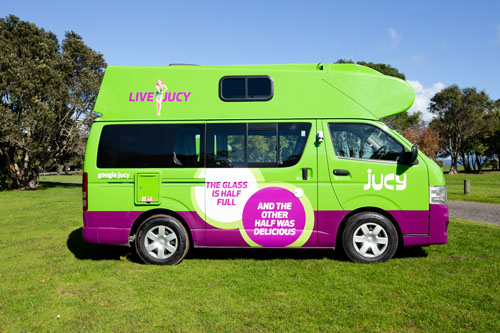
Class B - Camper Vans, averaging 5.8 meters in length and sleeping around 3.2 people, are excellent for navigating tighter spots, urban areas, and offering more freedom for designated free camping, with typical fuel consumption around 10 Liters / 100 Km. These are perfect if you're looking for a cheaper weekly RV rental in Australia. Larger Class C - Alcove motorhomes, averaging 7.5 meters and sleeping nearly 6 people, are ideal for families or groups seeking more space and amenities, typically suited for caravan parks with full hookups. For remote outback adventures and tackling unsealed roads, a 4WD campervan or truck camper (like Bandana's Class TC - Truck Camper, averaging 5.5 meters and sleeping 2.4 people) might be necessary, as 2WD vehicles are often restricted from certain rugged tracks, which is a critical consideration for specific terrain and desired adventure. Regardless of size, drive slowly and carefully, and you can drive almost anywhere without issues. No need to stress - just use common sense and pay attention.
How to Save on Campgrounds in Australia
Utilizing campground discount cards, often offered through RV rental providers or directly from major holiday park chains, is a primary way to save on accommodation costs at participating caravan parks across Australia. Consider travelling during the shoulder seasons (spring and autumn) when demand and prices are lower compared to peak summer (December-February) and winter holiday periods, offering a more relaxed experience with better deals on RV Rental in Australia - Prices and Best Deals 2026. Opt for municipal or regional council-run campgrounds over private resorts, as they often provide essential amenities at a more budget-friendly rate, typically costing AUD $10-$35 per night.
Many caravan parks offer discounted weekly rates, so planning to stay 3 or more nights in one location can lead to significant savings compared to single-night bookings. For groups, sharing a powered site in a larger RV, where permitted, can also reduce individual costs. For those seeking RV Rental Deals in Australia - Latest Offers 2026, flexibility with your travel dates and locations can often uncover better pricing. Bandana RV offers a 25% planning discount when you utilize rvplan.net for your pre-planned routes, helping you save on your overall trip budget from the very start.
Can you park an RV anywhere in Australia
No, you cannot park an RV anywhere in Australia; regulations vary significantly by state, territory, and local council, making it crucial to understand and adhere to local laws to avoid fines. Parking overnight or 'freedom camping' is generally restricted to designated areas, private property with permission, or specific rest stops, and is strictly prohibited in most urban areas, national parks (outside of designated campgrounds), and private land without explicit consent. Australia has strict biosecurity laws, particularly when crossing state borders, meaning certain fresh produce, plants, and even honey may be prohibited to prevent the spread of pests and diseases; always check state-specific regulations before travel.
Unique Australian driving laws include awareness of road trains (very long trucks), floodways (sections of road designed to be submerged), and extensive signage for animal crossings, requiring careful driving, especially in remote areas. Drive slowly and carefully, and you can drive almost anywhere without issues. No need to stress - just use common sense and pay attention to road conditions. Always be prepared for vast distances and varying road conditions, from sealed highways to unsealed tracks; ensure your RV is suitable for the intended terrain, as 2WD campervans have limitations, and 4WD camper requirements for outback roads are essential for safety and access. Consider utilizing resources from our RV Travel Guide to Australia - Tips and Top Spots 2026 to prepare.
🎬 Video coming soon
What are RV parks called in Australia
In Australia, RV parks are most commonly referred to as 'caravan parks' or 'holiday parks,' offering a range of facilities for motorhomes, campervans, and caravans. These terms encompass a wide variety of establishments, from basic sites with minimal amenities to resort-style parks featuring swimming pools, playgrounds, and even restaurants, making them highly suitable for family RV camping in Australia. While 'RV park' is understood, 'caravan park' is the more traditional and frequently used local terminology. National and state parks also provide designated 'campgrounds' that accommodate RVs, often with fewer amenities but offering a more immersive natural experience and typically lower fees.
Where can you park overnight for free in Australia
You can park overnight for free in Australia at designated free camping areas, rest stops, and some community-run sites, but these locations are often limited and require careful planning. Many free sites are managed by local councils or state road authorities (such as those marked '24-hour rest areas' on major highways) and may have time limits or basic facilities like toilets and picnic tables, ensuring a legal and safe stopover. Utilize resources like the Wikicamps Australia app, which crowdsources information on free and low-cost camping spots, detailing available amenities, user reviews, and accessibility. This is a great tool for those seeking a cheaper overnight RV experience without booking a full caravan park.
When engaging in free camping, it is paramount to practice 'Leave No Trace' principles: take all rubbish with you, respect wildlife, use designated toilet facilities (or carry a portable toilet), and minimize your environmental impact, especially on sensitive Indigenous lands. Be aware that cell service can be non-existent in remote free camping areas, so plan for offline maps and consider emergency communication strategies like satellite phones or UHF radios for safety, which is a critical aspect of remote RV travel in Australia. Planning one-way RV rentals in Australia can also impact your choice of overnight parking options, so always research your route.
What is the average caravan park fee in Australia
The average caravan park fee in Australia for a powered site can range from AUD $30 to $60 per night, varying significantly based on location, season, and the level of amenities offered. Coastal and popular tourist destinations, especially during peak holiday periods like school holidays, will typically fall at the higher end of this range, with some premium parks charging AUD $70+ per night for their extensive facilities. Rural or less amenity-rich parks might offer sites for around AUD $25-$40 per night, providing a more budget-friendly option for those looking to save on their RV Rental in Australia - Prices and Best Deals 2026.
These fees typically cover a powered site, access to amenities blocks (showers, toilets), and often communal kitchens, but may not include additional costs like Wi-Fi or laundry facilities. Always review what's included before booking to ensure full transparency of costs. For example, a "2 Berth Sandpiper" motorhome rental, designed for 2 people, will likely incur a lower site fee than a larger "6 Berth Discovery" for families of 6, both offered by Bandana RV.
How much do campsites cost in Australia
Campsites in Australia, particularly those in National Parks or state-managed areas, generally cost between AUD $10 to $35 per night, depending on the park, facilities, and booking system. These fees are usually for unpowered sites, often with basic amenities like pit toilets and picnic tables, and are paid per site, not per person, making them economical for groups. Some national parks may also require a park entry fee in addition to the camping fee, which can be purchased as a day pass or an annual pass for repeated visits.
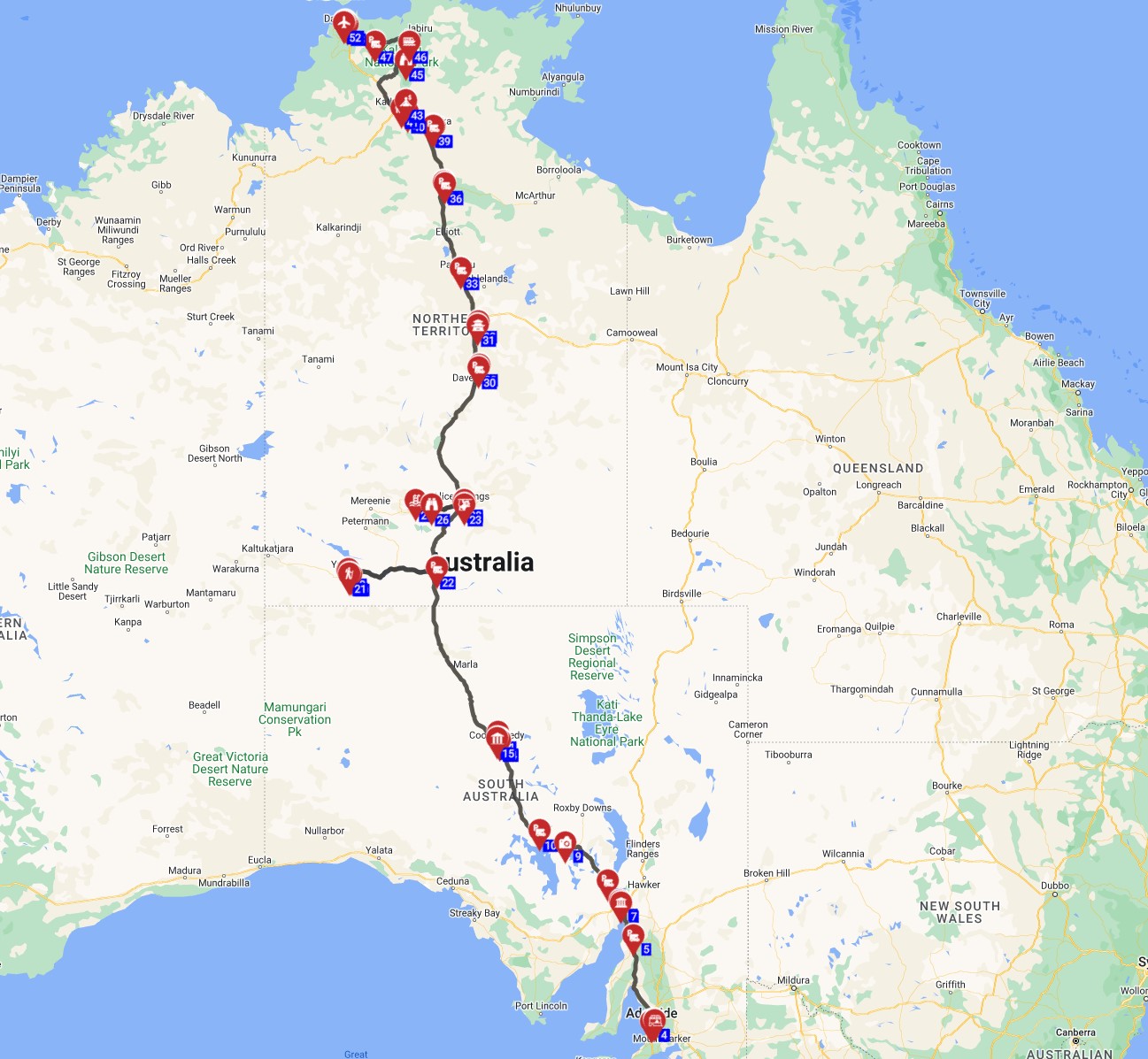
For a comprehensive cost breakdown beyond just campsite fees, budget for fuel (which can be more expensive in remote areas), specific permits for certain wilderness areas, optional RV insurance upgrades (Bandana offers top-level deductible reimbursement for peace of mind), potential breakdown services, and activity costs for tours or attractions. RV PLANET can help you plan your budget, with pre-planned routes like the 26-day, 5,622 km "Melbourne to Darwin - Australia’s Heartline Road Trip" including estimated ancillary costs.
How can I book campsites in Australia
You can book campsites in Australia primarily through online booking portals, direct contact with caravan parks, or via dedicated camping apps, offering multiple convenient options for your RV rental journey. For national and state park campgrounds, bookings are typically made via the relevant state or territory's park service website (e.g., NSW National Parks and Wildlife Service, Parks Victoria, Queensland Parks and Wildlife Service), where you can view availability and pay fees. Private caravan parks usually have their own websites for direct bookings, or you can use aggregation sites like Big4, Discovery Parks, or Hipcamp to find and reserve spots.
Apps such as Wikicamps Australia are invaluable resources, providing maps, information, reviews, and often direct links or contact details for booking a wide array of campsites, including free and low-cost options. Remember, while Bandana RV helps you find the perfect motorhome rental, we recommend using dedicated resources like RV PLANET (rvplan.net) for finding campsites and campgrounds during your trip, as we do not provide that service directly. This ensures you have the most up-to-date information for your chosen route.
What is ghost camping in Australia
Ghost camping in Australia refers to the practice of setting up camp in an undesignated or unauthorized area, typically without permission or paying a fee, often attempting to remain undetected. This practice is illegal in most areas, including national parks, protected areas, and private land without consent, and can result in significant fines from local councils or park authorities. While the term is sometimes used to describe unauthorized 'freedom camping,' it's crucial to distinguish between designated free camping areas (which are legal and often well-documented on apps like Wikicamps) and truly 'ghost camping' (which is not and should be avoided).
Engaging in ghost camping can also pose environmental risks due to improper waste disposal and lack of facilities, undermining environmental responsibility and Leave No Trace principles essential for preserving Australia's natural beauty and respecting Indigenous lands. As responsible RV travelers, always seek out legal and designated camping spots to ensure a safe and respectful experience for all. Bandana RV promotes safe and responsible travel practices, supported by our 24/7 support for pre-booking, booking, and post-booking coordination, making sure you are well-prepared before you hit the road.
What You Shouldn't Miss
- **Explore the Great Ocean Road**: Drive one of the world's most scenic coastal routes in Victoria, stopping at the Twelve Apostles and charming seaside towns.
- **Snorkel the Great Barrier Reef**: From Cairns or Port Douglas, embark on a tour to experience the vibrant underwater world of the largest coral reef system.
- **Discover Uluru (Ayers Rock)**: Journey to the spiritual heart of Australia in the Northern Territory, witnessing the incredible sunrise and sunset over this sacred Indigenous landmark.
- **Wander through Kakadu National Park**: Experience ancient Indigenous rock art, diverse wildlife, and stunning waterfalls in this World Heritage-listed park in the Top End.
- **Relax on Whitehaven Beach, Whitsundays**: Take a scenic flight or boat trip to this pristine Queensland beach, famous for its pure white silica sand and turquoise waters.
- **Meet Wildlife on Kangaroo Island**: Encounter kangaroos, koalas, seals, and diverse birdlife in a natural, unspoiled setting in South Australia.
Looking for expert insights from Avi Bandana? Top 5 Adventures - recommendations from Avi Bandana.
Final Thoughts
Embarking on a family RV camping adventure in Australia is an experience unlike any other, offering freedom, flexibility, and a unique way to connect with this incredible country's diverse landscapes and cultures. From coastal wonders to outback marvels, a rented motorhome or campervan provides the perfect base for creating lasting memories with your loved ones. Remember to travel slowly, averaging a maximum of 100-150 km per day, to truly feel the place, savor the local food, and immerse yourselves in the stunning scenery.
At Bandana RV, we're here to support you every step of the way, from comparing prices across suppliers to offering robust pre-planned route options. We believe that God is in the small details, and taking care of them is what makes the big difference in your trip. So pack your bags, choose your ideal motorhome, and get ready for the adventure of a lifetime!
Discover top destinations, planning tips, all in one place! Explore our options and compare Motorhome Prices for Australia today.