In This Guide
- Can You Drive an RV in Australia? License & Age Rules
- Road Conditions & Terrain in Australia
- RV Size Limits, Bridges & Restricted Zones
- Fuel: Diesel vs. Petrol & Cost per 100 km
- Tolls, Vignettes & Border Rules
- Driving Tips for RV Rental Travelers
- Recommended RV Class for Australia Roads
- Should I Choose a Compact Van Instead of a Large RV in Australia?
- Can I Park Anywhere? Free & Wild Camping Rules in Australia
- Can I Drive an RV Into the City Center? Heights, Tunnels & Local Signage
- Can you sleep in a motorhome while driving in Australia?
- Are RVs allowed in Australia?
- How much does it cost to travel around Australia in a motorhome?
- What is the average cost of insuring a motorhome in Australia?
- Top Cities for RV Rental in Australia
Australia, a land of breathtaking landscapes and endless horizons, is perfectly suited for exploration by a rented RV or campervan. For live availability and current prices, start with our RV Rental Australia - Complete Guide 2026 guide. Imagine waking up to the sounds of native birds, brewing your coffee in your mobile home's kitchen, and setting off to discover pristine beaches, ancient rainforests, or the vast, striking Outback. At Bandana RV, we're true RV specialists, with over 23 years of experience helping tens of thousands of travelers like you plan unforgettable journeys across 50+ countries. We pride ourselves on full transparency, ensuring no hidden fees or surprises throughout your booking process, from comparing options to hitting the road.
Can You Drive an RV in Australia? License & Age Rules
Most rental RVs in Australia, with a Gross Vehicle Mass (GVM) under 4.5 tonnes, can be driven with a standard car license, equivalent to a Class C license in Australia. This means that for the vast majority of motorhomes and campervans available for rent, your existing domestic driver's license is sufficient. International visitors, including those from the US, must carry a valid domestic driver's license alongside an International Driving Permit (IDP) or an official English translation of their license, which is recommended for smooth travel through different states. The minimum driver age for RV rentals in Australia is typically 21 years old across our suppliers like Apollo and Britz, allowing younger adventurers to hit the road without age-related vehicle class restrictions or surcharges. For specialized, rarely offered RVs exceeding 4.5 tonnes GVM, a higher license category (e.g., Light Rigid or Medium Rigid) would be required, but these are generally not part of tourist rental fleets. We believe in making RV travel accessible and straightforward for everyone, ensuring you have the correct information before you book.
Road Conditions & Terrain in Australia
Australia offers diverse road conditions, ranging from well-maintained sealed highways connecting major cities to unsealed gravel and dirt roads, particularly in rural and Outback regions. The National Highway network is generally excellent for rented RV travel, featuring multiple lanes in urban areas and good surfaces, but drivers must remain vigilant for wildlife, especially at dawn and dusk. Exploring beyond sealed roads, such as in the remote Outback, may present corrugated surfaces, which require careful driving, reduced speeds, and sometimes a 4WD-capable vehicle for optimal comfort and safety, though many main routes are accessible by 2WD. Drive slowly and carefully, and you can drive almost anywhere without issues. No need to stress - just use common sense and pay attention. Drivers should also be aware of 'road trains' (multi-trailer trucks) in regional areas; these require ample space and cautious overtaking, so patience is key. Always check for local road closures due to weather events like bushfires or floods before embarking on your journey, using local news and government websites as reliable sources.RV Size Limits, Bridges & Restricted Zones
Australia's road network generally accommodates various rented RV sizes, but drivers must be mindful of specific height and length restrictions, especially when navigating urban infrastructure, national parks, and ferry services. Typical road legal height limits for heavy vehicles are around 4.3 meters, though most rental motorhomes like the Class C "Adventurer" (a large RV model perfect for families) usually fall well below this; however, always watch for specific signage at tunnels, underpasses, and multi-story car parks in cities like Sydney and Melbourne. Some remote national park tracks or private roads may impose length or weight restrictions, and ferry services to islands like Tasmania often require precise vehicle dimensions at the time of booking. Environmental zones based on emissions are not common in Australia like in Europe, but certain ecologically sensitive areas or islands (e.g., Fraser Island) may restrict vehicle types to 4WD only or require special permits, so always plan ahead and verify access.Fuel: Diesel vs. Petrol & Cost per 100 km
Most rental RVs in Bandana's global fleet, particularly larger motorhomes, primarily run on diesel fuel, which is widely available across Australia and generally offers better fuel economy for heavier vehicles. Class SI (Semi-integrated) motorhomes typically consume 10-11 Liters/100 km, while Class C (Alcove) models average 10-12 Liters/100 km; smaller Class B (Camper Van) models generally achieve 8-10 Liters/100 km. Based on these averages and current fuel prices, the cost per 100 km for an RV in Australia can range approximately from AUD $18 to $25, varying with fuel price fluctuations and driving conditions. Fuel availability is excellent in major towns and along main highways, but planning is crucial for remote areas where distances between service stations can be significant. When considering all ancillary trip costs beyond the RV rental itself, such as fuel, campground fees, and groceries, remember that RV PLANET routes allow you to itemize and track every expense for easy budgeting.Tolls, Vignettes & Border Rules
Australia predominantly uses electronic tolling systems on select motorways, tunnels, and bridges in major metropolitan areas such as Sydney, Melbourne, and Brisbane, rather than a vignette system found in some other countries. Tolls are typically paid automatically via an e-tag or transponder fitted to the vehicle, or by registering the license plate online, often within 48-72 hours of travel, to avoid late fees and fines. It's wise to inquire with your rental supplier if their RVs come equipped with an e-tag for automatic toll processing, simplifying your journey through these charged routes. As an island continent, Australia has no land borders with neighboring countries, meaning there are no international border crossings or associated rules to consider during your RV journey, allowing for seamless travel within the country. This makes planning a multi-state adventure, perhaps from Queensland to Victoria, much simpler compared to cross-border European trips.Driving Tips for RV Rental Travelers
Successful RV travel in Australia requires adapting to local driving conditions and meticulous planning, with essential tips including managing vast distances, staying vigilant for wildlife, and checking road conditions. Australia is a left-hand drive country, so always remember to drive on the left side of the road.- Plan Your Route Carefully: Australia's distances are immense; plan realistic daily driving legs, especially if traveling with family, to allow for frequent stops and rest. We always recommend slow travel, aiming for a maximum of 100-150 km per day on average, to truly connect with the culture, food, and scenery. For comprehensive itineraries, explore RV PLANET's pre-planned routes.
- Be Aware of Wildlife: Drive cautiously, particularly at dawn and dusk outside urban areas, as kangaroos, emus, and other animals pose significant road hazards. These encounters can cause serious damage to a rented motorhome if you're not careful.
- Understand Road Trains: In regional and Outback areas, give way to long road trains; they require vast distances to stop and overtake, so be patient and signal clearly. It’s part of the authentic Australian driving experience.
- Carry Supplies & Stay Informed: Always carry ample water and ensure sufficient fuel, especially on remote routes. Regularly check local weather, bushfire alerts, and road closure updates through official channels like state road authorities.
- Connectivity in Remote Areas: Be prepared for limited mobile phone service in remote regions; consider satellite communication devices for emergencies in isolated locations. While major cities have excellent coverage, venturing off the beaten path requires extra preparation.
Recommended RV Class for Australia Roads
For general touring on Australia's diverse road network, Class SI (Semi-integrated) and Class C (Alcove) motorhomes from Bandana's global fleet are highly recommended, balancing comfort, space, and manageable driving. A popular choice is a Class C motorhome like the "Explorer," which typically features a 2.5 Liter Turbo diesel engine, automatic transmission, and amenities like a 90-liter refrigerator and hot and cold water shower, making it ideal for a comfortable journey.🎬 Video coming soon
- Class SI - Semi-integrated Motorhomes: Averaging 6.9 meters in length and typically accommodating 3-4 people, these RVs offer a good compromise between interior amenities and ease of driving on sealed highways. They often include a functional kitchen area, perfect for preparing meals on the go.
- Class C - Alcove Motorhomes: With an average length of 7.5 meters and sleeping up to 6 people, Class C RVs provide ample living and sleeping space, making them ideal for families or groups on longer road trips across Australia's main routes. Models like the "4 Berth Deluxe" often come with roof air condition and TV for added comfort.
Should I Choose a Compact Van Instead of a Large RV in Australia?
While a compact van offers superior maneuverability and fuel efficiency, the vast majority of Australia's main roads and tourist routes are well-suited for larger RVs, where increased comfort and living space often provide a more enjoyable travel experience. Compact vans (like Bandana's Class B Camper Vans, averaging 5.8m in length with 8-10 Liters/100 km fuel consumption) are easier to park in urban centers and navigate narrow roads, making them ideal for city-focused trips or solo travelers/couples. You might consider a "Category Van" for an easy-to-handle option for a couple. Larger RVs (such as Class C Alcove models, averaging 7.5m with 10-12 Liters/100 km fuel consumption) provide more headroom, dedicated sleeping areas, integrated bathrooms, and full kitchens, significantly enhancing comfort for extended trips and families. For most Australian road trips covering significant distances and various attractions, the benefits of extra living space, storage, and amenities in a larger RV typically outweigh the minor advantages of a compact van, unless your itinerary heavily involves tight parking in dense city centers or strictly limited access areas. The choice really comes down to your group size and how much time you plan to spend inside your rental home-on-wheels versus exploring outside.Can I Park Anywhere? Free & Wild Camping Rules in Australia
While Australia offers opportunities for free and wild camping, regulations vary significantly by state and territory, requiring careful research and adherence to local laws before parking overnight. Designated free campsites, often found at rest areas, 'RV friendly towns', or in some state forests, permit overnight stays, frequently with time limits (e.g., 24-72 hours). It's important to remember that camping on private land without explicit permission from the landowner is illegal, and 'no camping' signs must always be obeyed in public areas, including beaches and roadside pull-offs. National Parks generally prohibit wild camping outside of designated, often fee-based, campgrounds; always check specific park regulations before planning an overnight stay to avoid fines. Rules vary by region, so always check local regulations and follow local law before parking overnight, and adhere to 'Leave No Trace' principles to protect Australia's fragile ecosystems. For finding campsites and campgrounds during your trip, we recommend using RV PLANET (rvplan.net) - a great resource for locating available spots along your route.Can I Drive an RV Into the City Center? Heights, Tunnels & Local Signage
Yes, it is generally possible to drive an RV into most Australian city centers; however, drivers must pay close attention to local signage, particularly for height restrictions in car parks and tunnels, and for specific traffic regulations. The primary challenge for RVs in city centers is often finding suitable parking, as multi-story car parks usually have height and length restrictions. Street parking can be limited or subject to residents-only permits, especially in bustling areas like Melbourne's CBD. Always be vigilant for signs indicating low bridges, tunnels, or underpasses with height limits, which are common in older city areas; planning your route using a GPS system that allows for vehicle dimensions can be incredibly helpful. Drive slowly and carefully, and you can drive almost anywhere without issues. No need to stress - just use common sense and pay attention. For convenience, many travelers choose to park their RV at an outer-city campground or designated RV parking area and use public transport (buses, trains, trams) to explore the dense city center.Can you sleep in a motorhome while driving in Australia?
No, it is illegal and highly unsafe to sleep in a motorhome while the vehicle is actively being driven in Australia. Australian road safety laws mandate that all occupants of a moving vehicle must be seated in an approved seat and correctly restrained by a seatbelt or child restraint. Sleeping while driving poses severe risks, as it means an occupant is not alert and properly positioned in the event of sudden braking or a collision, greatly increasing the risk of serious injury. Designated rest stops, campgrounds, or overnight parking areas should always be used for sleeping or resting, ensuring the vehicle is safely stopped and secured before anyone unbuckles.Are RVs allowed in Australia?
Yes, Recreational Vehicles (RVs), including motorhomes, campervans, and caravans, are widely allowed and are a hugely popular mode of travel across Australia's extensive road network. Australia has a well-developed infrastructure to support RV travel, including numerous campgrounds, caravan parks, and designated free camping spots throughout the country. Both locally owned and rental RVs are common, catering to a range of travel styles from compact campervans for adventurous couples to large, luxurious motorhomes for families. While most major and secondary roads are RV-friendly, certain remote or sensitive areas, particularly some national park tracks, may have restrictions on vehicle type, sometimes requiring 4WD, so it's always wise to check park-specific regulations. Many travelers find a week-long trip in a rented motorhome to be the perfect way to experience the continent.How much does it cost to travel around Australia in a motorhome?
The cost to travel around Australia in a motorhome varies significantly based on factors such as rental duration, RV class, fuel consumption, campground fees, food expenses, and chosen activities, typically ranging from AUD $150 to $400+ per day. RV rental costs themselves are dynamic, much like flight tickets, changing daily based on availability, seasonality, and supplier marketing decisions. Daily rental rates can range from AUD $50 for a basic campervan in low season to over $250 for a large, modern motorhome in peak season, with additional costs for insurance excess reduction and optional extras. For the most current prices, check our "RV Rental in Australia - Prices and Best Deals 2026" and "RV Rental Deals in Australia - Latest Offers 2026" guides.- Fuel: This is a major expense, with RVs typically consuming 8-17 Liters/100 km; expect to spend AUD $20-$40 per 100 km depending on vehicle and fuel prices, which fluctuate regionally.
- Campground Fees: These vary from free designated rest areas to powered sites in holiday parks costing AUD $30-$70+ per night, with national park campgrounds often falling in between.
- Food & Activities: Budgeting for self-catering can save money, with grocery costs similar to major cities; entrance fees to attractions, tours, and dining out will add to daily expenses. Cooking in your rented RV can be a fantastic way to save on dining costs and enjoy fresh, local produce. If you're looking for inspiration for your onboard meals, be sure to check out our RV-friendly recipes playlist for delicious and easy meal ideas.
What is the average cost of insuring a motorhome in Australia?
For rental motorhomes in Australia, the cost of insurance is typically integrated into the rental agreement, rather than purchased as a separate policy by the renter, and usually includes a basic level of cover with a high excess (deductible). Rental companies offer optional 'excess reduction' packages or waivers, which are daily fees (e.g., AUD $30-$70 per day, varying by provider and RV class) that significantly lower your financial liability in case of an accident or damage. The exact cost of the insurance component depends on factors such as the value of the rented RV, the driver's age and driving history, and the rental duration. At Bandana RV, you can upgrade to a top-level deductible reimbursement for extra peace of mind, ensuring that you're protected against unexpected costs. It is highly recommended to consider an excess reduction option or confirm your personal travel insurance covers rental vehicle excess, as standard excesses can be several thousand dollars, making peace of mind invaluable.What You Shouldn't Miss
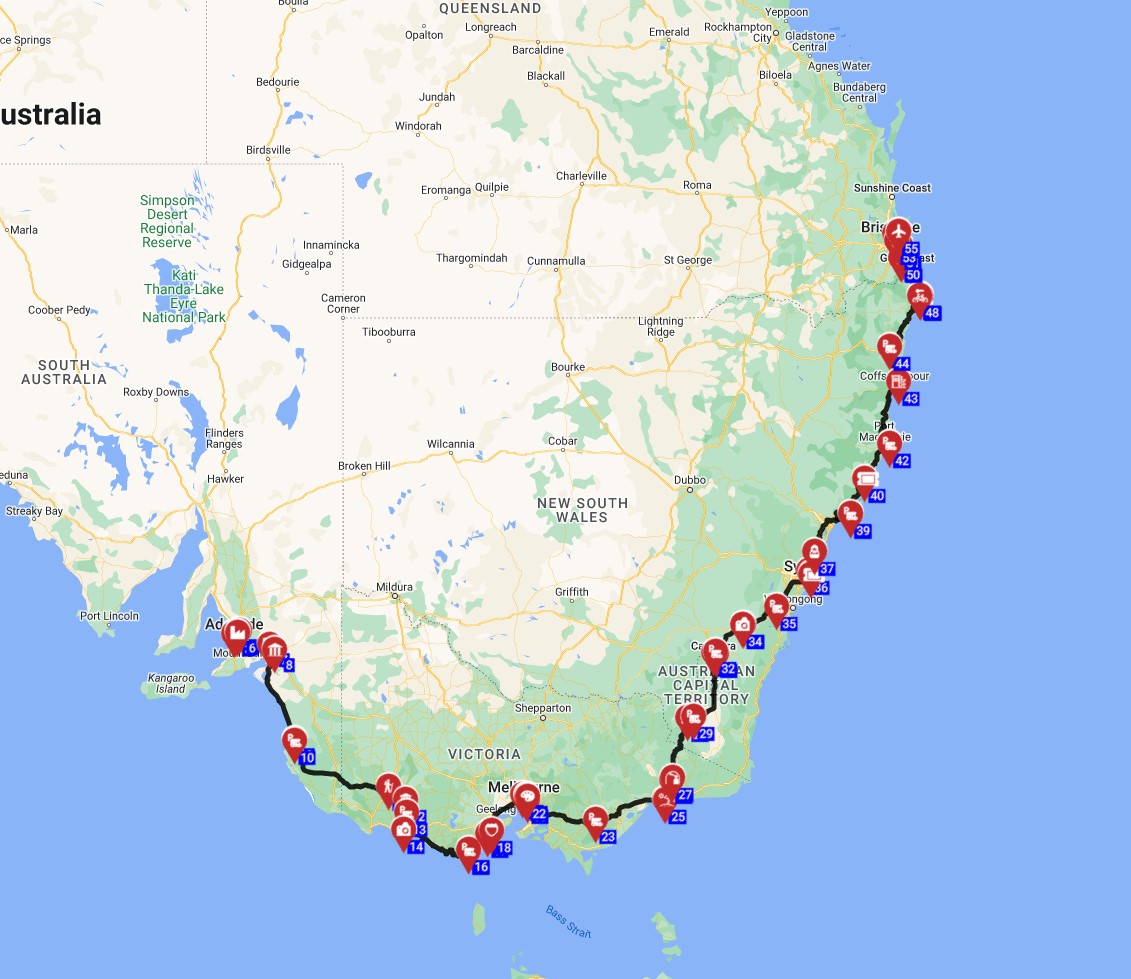
Looking for expert insights from Avi Bandana? Top 5 Adventures - recommendations from Avi Bandana- Explore the Great Ocean Road (Victoria): Drive Australia's iconic coastal route, stretching over 243 kilometers, offering breathtaking ocean views, the Twelve Apostles, and charming seaside towns. It's a perfect 3-5 day RV journey.
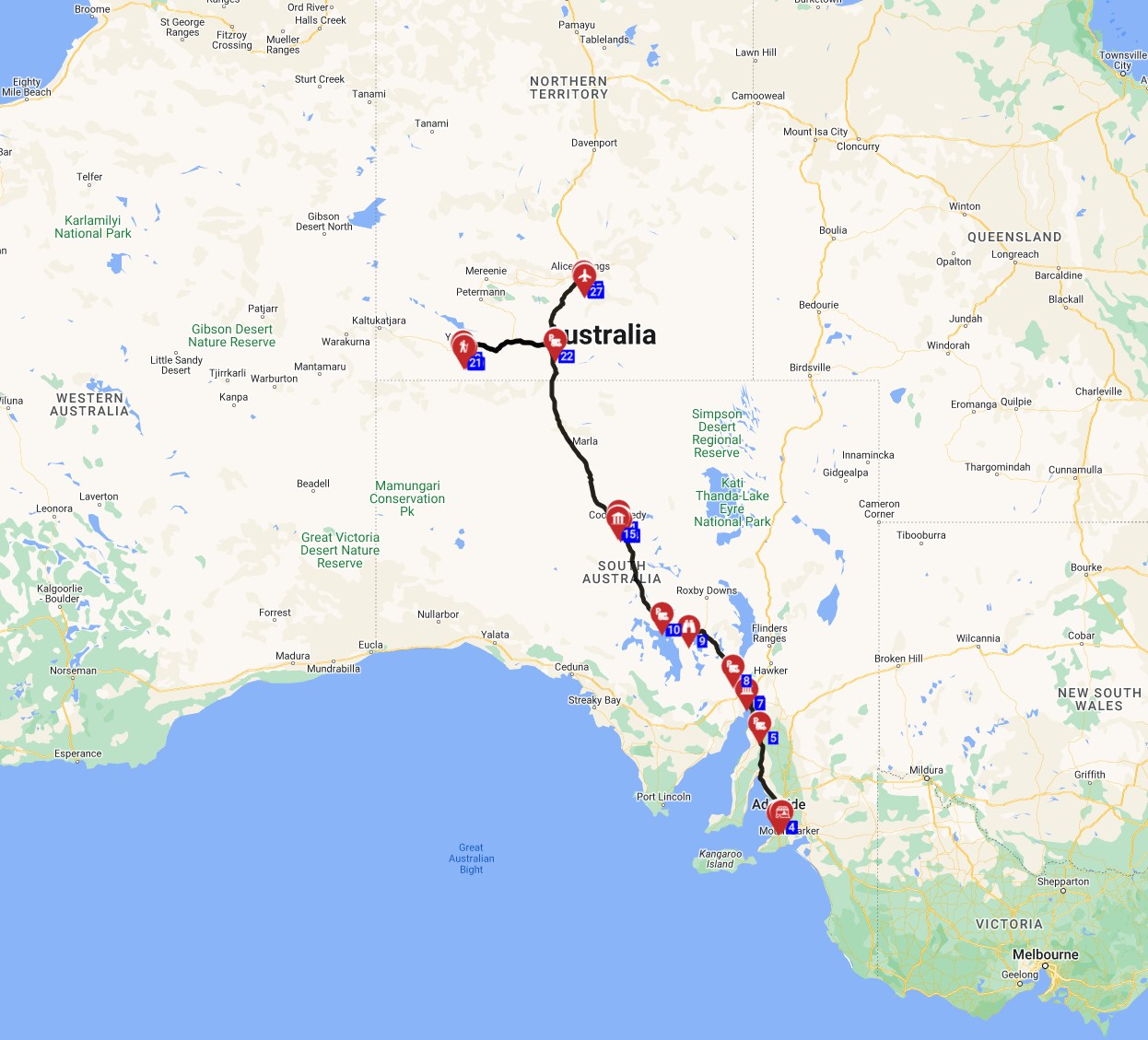
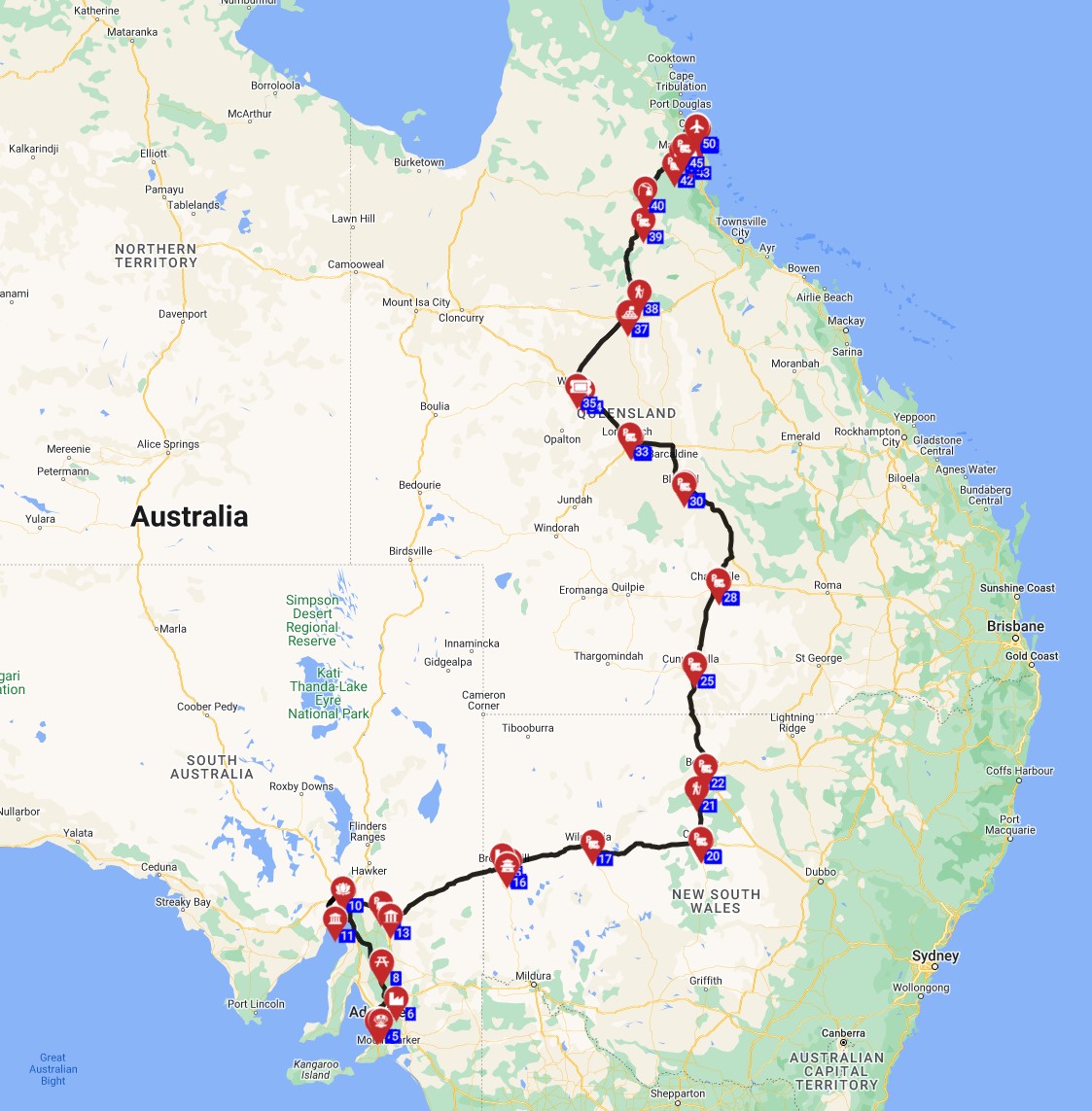
- Discover Uluru and the Red Centre (Northern Territory): Experience the spiritual heart of Australia with a visit to Uluru-Kata Tjuta National Park. The "Cairns to Alice Springs - Northern Horizons: A Journey Through Australia's Heartland" route plan, a 17-day, 4003.6 km journey, is an excellent way to see this, including 2 caves and 3 hiking areas.
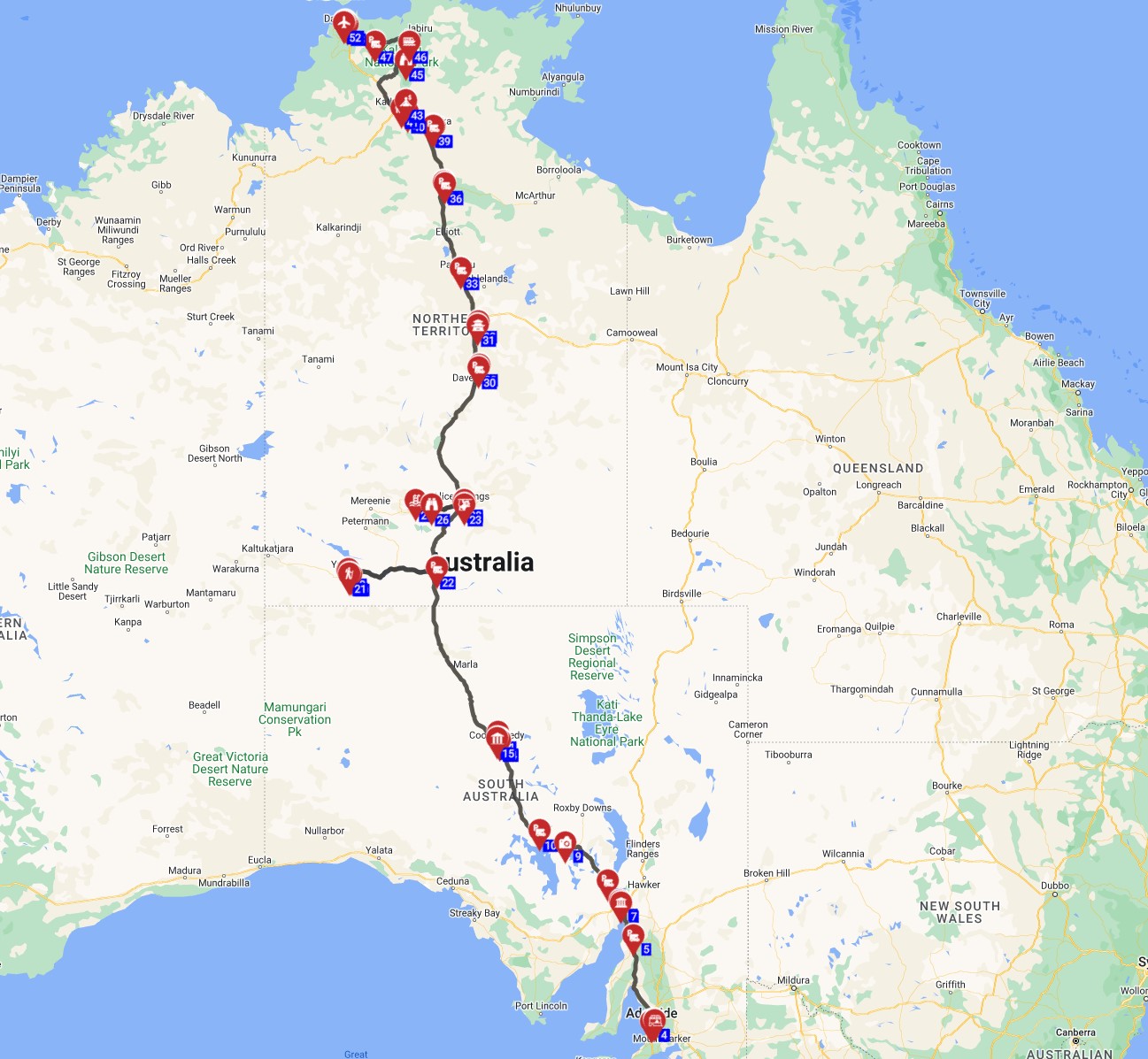
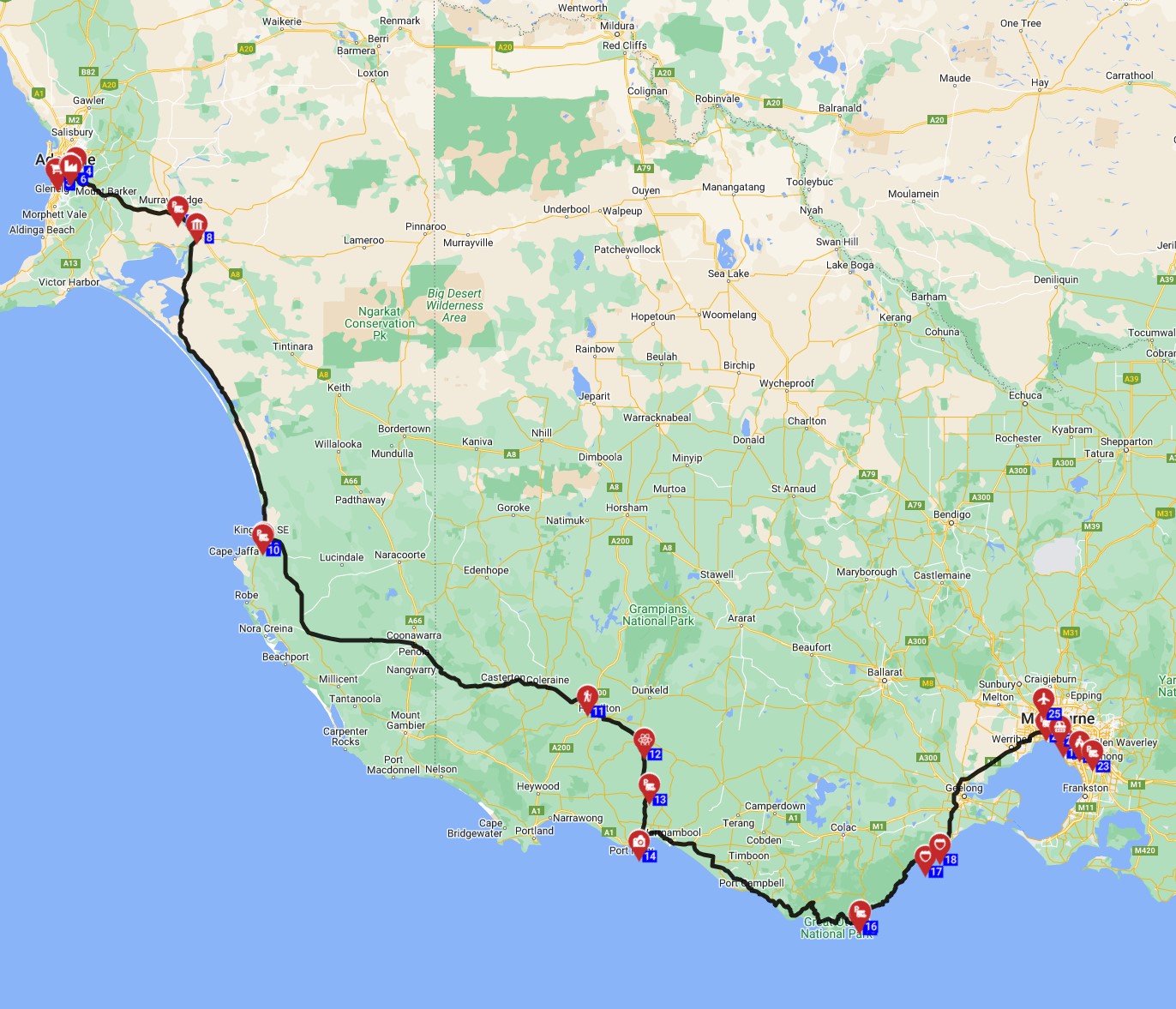
- Journey from Melbourne to Darwin (Various States): Embark on an epic cross-country adventure. The "Melbourne to Darwin - Australia’s Heartline Road Trip" covers 5622.8 km over 26 days, taking you through diverse landscapes with 5 hiking areas, 3 museums, and 2 wildlife encounters.
- Experience Western Australia's Coast: Take a rented campervan from Perth north to Ningaloo Reef. This stunning coastline offers incredible snorkeling, unique rock formations, and abundant wildlife.
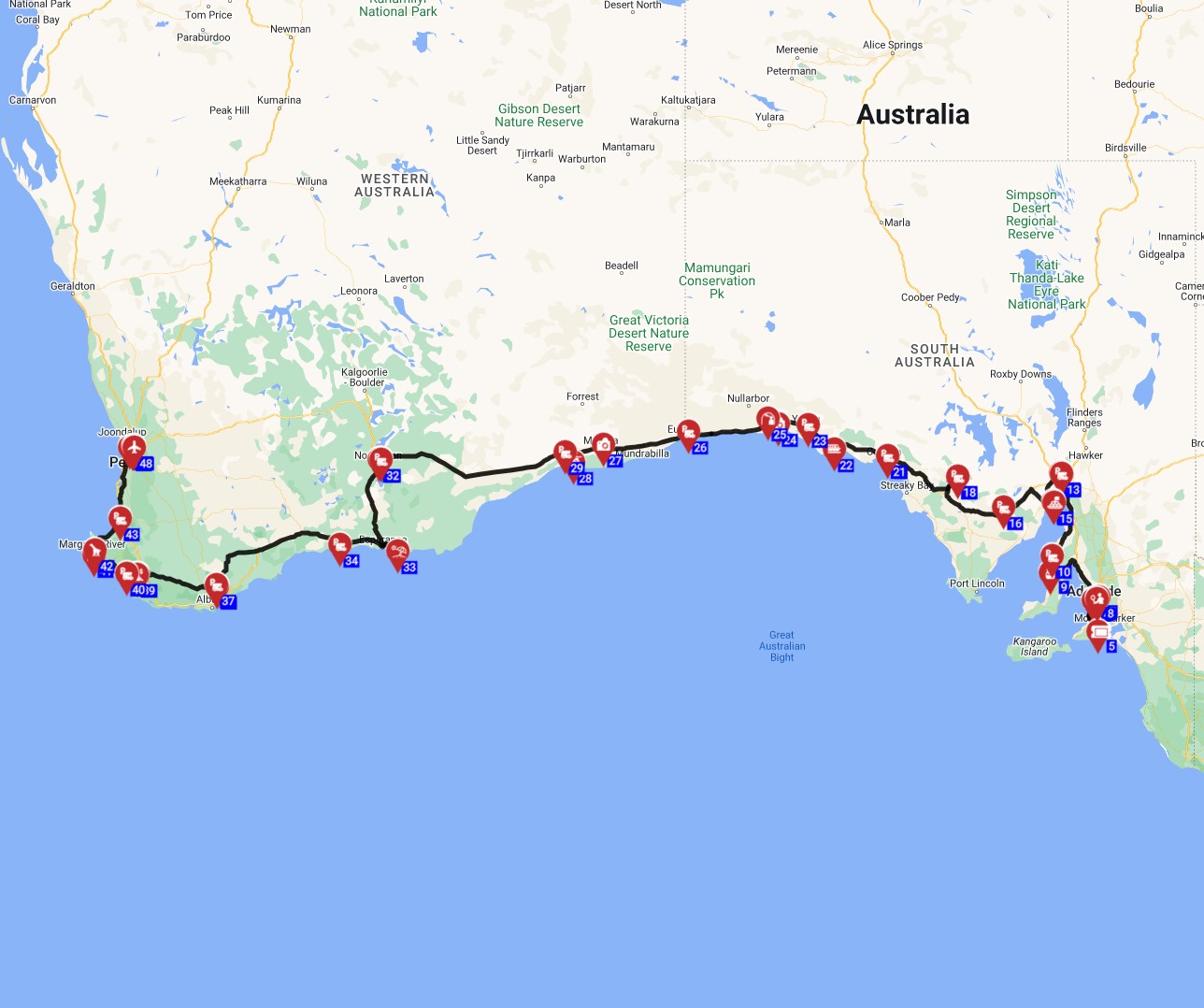
- Traverse the Nullarbor Plain (South Australia/Western Australia): For the truly adventurous, drive across the legendary Nullarbor Plain. The "Perth to Alice Springs - The Dreamtime Highway: A Journey Through Australia's Heart" route plan is a 21-day, 5447.3 km trip that includes 3 museums and 4 natural features, offering a deep dive into Australia's vastness.
Top Cities for RV Rental in Australia
Australia offers numerous fantastic starting points for your motorhome adventure, with major cities providing comprehensive rental facilities. You can easily find options for a Class B Campervan or a larger Class C motorhome like the "Euro Deluxe" (a spacious 6-berth model). For detailed pricing information, explore our "RV Rental Near Australia Airport - Pickup Pricing 2026" guide.- Sydney, New South Wales: As Australia's largest city, Sydney offers abundant pick-up locations and serves as an ideal gateway to coastal drives along the Pacific Coast or inland towards the Blue Mountains. Many travelers look for "One-Way RV Rental in Australia - Price Guide 2026" to start here and finish elsewhere.
- Melbourne, Victoria: Renowned for its vibrant culture and proximity to the stunning Great Ocean Road, Melbourne is a popular choice for renting an RV and exploring Victoria's diverse landscapes.
- Brisbane, Queensland: A perfect launchpad for adventures up the Queensland coast to the Great Barrier Reef or out to the Outback, Brisbane offers a sunny start to your trip.
- Cairns, Queensland: Gateway to the Daintree Rainforest and the northern parts of the Great Barrier Reef, Cairns is excellent for tropical RV exploration.
- Perth, Western Australia: On the opposite coast, Perth provides access to the vast and dramatic landscapes of Western Australia, including the Margaret River wine region and the Pinnacles Desert.
- Adelaide, South Australia: Ideal for wine country tours in the Barossa Valley or journeys across the Nullarbor Plain, Adelaide offers a more relaxed starting point.
- Hobart, Tasmania: If you're looking to explore the rugged beauty of Tasmania, Hobart is the primary pick-up location for your island RV adventure.
- Darwin, Northern Territory: The gateway to Kakadu National Park and Litchfield National Park, Darwin is the perfect starting point for an Outback exploration during the dry season.
Final Thoughts
Australia truly is a continent made for RV travel. With its diverse landscapes, welcoming RV infrastructure, and the freedom a rented motorhome provides, you're set for an unforgettable adventure. Whether you dream of a week-long trip along the coast or an extended journey into the heart of the Outback, proper planning and the right vehicle will make all the difference. Remember to embrace slow travel, allowing yourself time to savor every moment and truly connect with the incredible places you visit.At Bandana RV, we're here to make your Australian RV rental experience as seamless and enjoyable as possible. With our transparent pricing, extensive supplier network, and dedicated support, you can book with confidence and focus on the excitement of your upcoming road trip. Don't just dream about it; make it happen!
On the routes offered through RV PLANET routes, you can itemize and track every expense along the way for easy budgeting.