In This Guide
- Can You Drive an RV in Canada? License & Age Rules
- Road Conditions & Terrain in Canada
- RV Size Limits, Bridges & Restricted Zones in Canada
- Fuel: Diesel vs. Petrol & Cost per 100 km in Canada
- Tolls, Vignettes & Border Rules for Canadian RV Travel
- Driving Tips for Airport RV Rental Travelers in Canada
- Recommended RV Class for Canada Roads
- Should I Choose a Compact Van Instead of a Large RV in Canada?
- Can I Park Anywhere? Free & Wild Camping Rules in Canada
- Can I Drive an RV Into the City Center? Heights, Tunnels & Local Signage
- What is the best time of year to RV in Canada?
- Can you use an RV in Canada in winter?
- What documents do I need to drive an RV in Canada?
- What is the best route for an RV trip in Canada?
- Mobile Connectivity for RVers in Canada
- Respectful Travel and Indigenous Cultural Interaction in Canada
- Traveling with Pets in an RV in Canada
- Is RVing popular in Canada?
- Is it hard to drive an RV in Canada?
- How much does it cost to rent an RV in Canada?
- How much money do I need for an RV trip in Canada?
- What is the cheapest way to RV in Canada?
- RV Maintenance and Repair Access in Canada
- Can I sleep in my RV anywhere in Canada?
- Where can I rent an RV in Canada?
- What is the best RV rental company in Canada?
- What You Shouldn't Miss
- Why Book with Bandana Caravan
- Final Thoughts
- Frequently Asked Questions
🎬 Video coming soon
Can You Drive an RV in Canada? License & Age Rules
Most standard motorhomes (RVs) in Canada can be driven with a regular Class 5 (or equivalent) driver's license, provided the vehicle's Gross Vehicle Weight Rating (GVWR) is under 11,000 kg (24,250 lbs). This means that for the vast majority of rental campervans and motorhomes, your standard car license is sufficient. For foreign drivers, a valid driver's license from your home country is required; an International Driving Permit (IDP) is highly recommended for licenses not in English or French to avoid potential communication issues with law enforcement and ensure smooth processing. The minimum driver age for RV rentals in Canada is typically 21 years old, and importantly, there are no young driver surcharges or vehicle class restrictions based on age, giving younger adventurers the freedom to choose their ideal mobile home.Road Conditions & Terrain in Canada
Canada boasts a vast network of well-maintained highways, but road conditions can vary significantly by region and season, ranging from smooth interprovincial routes to winding mountain passes and gravel roads in more remote areas. You can expect incredibly diverse terrain, including the flat prairies, the rugged Canadian Rockies, dense forests, and breathtaking coastal routes. Driving a rented RV in Canada often encourages slower, scenic travel, allowing for a deeper appreciation of the country's immense natural beauty and plenty of time to adapt to varied road surfaces. In urban areas like Toronto, Vancouver, or Montreal, you'll encounter multi-lane highways and city traffic, while smaller towns and rural roads offer quieter, more serene experiences. It's all part of the adventure!RV Size Limits, Bridges & Restricted Zones in Canada
While specific RV size limits are generally generous on Canadian highways, drivers should always be aware of posted height and weight restrictions, particularly for older bridges, tunnels, and certain ferry routes. Most Canadian highways do not have specific RV length restrictions beyond what is safe and manageable, but it's crucial to check local signage in towns or national parks for narrower roads or specific vehicle restrictions. Low bridges and tunnels are less common on major routes but can appear in older city centers or on secondary roads, so always pay attention to posted height clearances. Environmental zones, while not as prevalent as in some European countries, may exist in specific protected areas or urban centers; researching your route on rvplan.net for any such restrictions is always a good idea. Our Rent&Plan service can also help you identify suitable routes.Fuel: Diesel vs. Petrol & Cost per 100 km in Canada
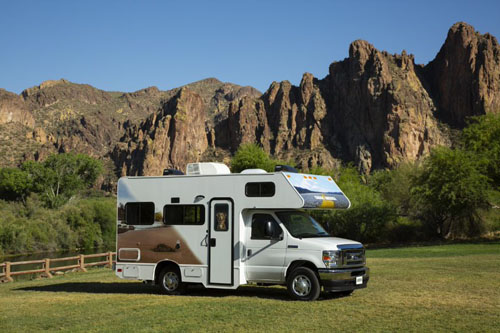
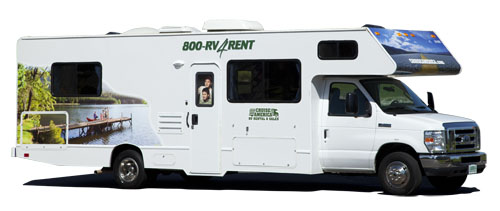
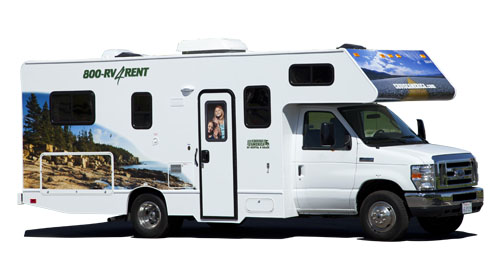
Rented RVs in Canada typically use either petrol (gasoline) or diesel, with diesel often being more fuel-efficient but potentially higher in cost per liter in some regions. For Bandana’s global fleet, Class SI - Semi-integrated RVs like the "2 Berth Tamar" typically consume 10-11 Liters/100 km, while Class C - Alcove RVs such as the "cruise america rv rental example Explorer" average 10-12 Liters/100 km. Smaller Class B - Camper Vans, like the "2 Berth Hi Top", usually achieve 8-10 Liters/100 km, and Class A - Integrated models consume 8-12 Liters/100 km. Fuel availability is excellent on major highways, though it can become sparse in very remote areas, especially in Canada's North, so planning fuel stops using your RV PLANET routes is essential. Fuel prices generally range from CAD $1.50 to $2.00 per liter for gasoline. When planning your budget, remember that you can itemize and track every expense along the way for easy budgeting with RV PLANET routes.Tolls, Vignettes & Border Rules for Canadian RV Travel
Canada primarily uses electronic toll systems on specific highways and bridges, rather than a country-wide vignette system, with tolls most common in Ontario (e.g., Highway 407 ETR) and parts of Quebec. Travelers should be aware that tolls exist and checking your route for toll segments on rvplan.net is advisable. Crossing the Canada-US border in an RV requires a valid passport for all occupants, vehicle registration (provided by your rental company), and proof of insurance, with customs officials checking for restricted goods and confirming travel intentions. Some Bandana partner suppliers may offer the option to pre-purchase toll passes or electronic transponders, simplifying toll payment and avoiding potential fines for missed tolls. For more detailed information on trip costs, including potential tolls, check out "RV Rental in Canada - Prices and Best Deals 2026".Driving Tips for Airport RV Rental Travelers in Canada
Planning your RV route with realistic driving times is essential, accounting for the vast distances in Canada and prioritizing scenic drives over speed; a good guideline is to travel slowly, averaging a maximum of 100-150 km per day. Take frequent breaks, especially if traveling with family, aiming for stops every 2-3 hours to stretch, explore, and refresh. Utilize pre-paid toll options or transponders if available through your rental to streamline travel and avoid unexpected costs or fines. Always be mindful of wildlife, particularly in rural and forested areas, and drive defensively, especially at dawn and dusk. Monitor your fuel levels carefully in remote regions, as gas stations can be few and far between. Remember, even with a larger motorhome, you can drive slowly and carefully, and you can drive almost anywhere without issues. No need to stress - just use common sense and pay attention.Recommended RV Class for Canada Roads
Class B - Camper Vans and Class SI - Semi-integrated RVs are highly recommended for Canadian roads due to their excellent balance of maneuverability, comfort, and fuel efficiency. Bandana's Class B Camper Vans, with an average length of 5.8 meters (like a "2 Berth Hi Top") and consuming 8-10 Liters/100 km, offer superb versatility for both city exploration and navigating national park roads. Class SI - Semi-integrated RVs, averaging 6.9 meters in length (like a "2 Berth Rover") and 10-11 Liters/100 km fuel consumption, provide more living space and amenities while remaining manageable on diverse Canadian terrain. Class C - Alcove RVs, averaging 7.5 meters and 10-12 Liters/100 km (such as the "24' Class C Motorhome"), are also an excellent choice, particularly for families, offering ample sleeping places (average 5.8 people) and comfort for longer trips.Should I Choose a Compact Van Instead of a Large RV in Canada?
While a compact van offers slightly easier maneuverability in tight city centers or very narrow mountain passes, most RV sizes, including larger Class C and Class A models, are perfectly suitable for Canada's extensive highway network. The primary trade-off is often comfort and indoor living space versus marginal gains in agility; for extended trips across Canada, the extra amenities and room of a larger RV usually outweigh the challenges. Compact vans (Class B - Camper Vans), like the "Active Pop Top Select", are ideal for couples or solo travelers prioritizing ease of parking and fuel economy, especially if planning to spend more time in urban environments or heavily trafficked tourist areas. Larger RVs, such as the "32' Class C Motorhome" with 3 double beds, are better suited for families or groups seeking ample space for sleeping, cooking, and relaxation, allowing for a more comfortable and self-sufficient journey through Canada's vast landscapes.Can I Park Anywhere? Free & Wild Camping Rules in Canada
Free and wild camping (often called 'boondocking' or 'dispersed camping') is permitted in many areas of Canada, particularly on Crown Land, though rules vary significantly by province, territory, and municipality. On Crown Land, which constitutes vast tracts of public land, free camping is generally allowed for up to 21 days in one spot unless otherwise posted, provided you leave no trace and adhere to local fire bans. Provincial and National Parks strictly regulate camping to designated campgrounds, where fees apply and reservations are often required, especially during peak seasons. Overnight parking in private parking lots (e.g., Walmart, casinos) may be tolerated if you ask permission, but it is not a guaranteed right. Always check local regulations and follow local law before parking overnight, particularly respecting private property and protected areas. For finding campsites and campgrounds during your trip, we recommend using RV PLANET (rvplan.net) - a great resource for locating available spots along your route.Can I Drive an RV Into the City Center? Heights, Tunnels & Local Signage
Yes, you can almost always drive a rented RV into city centers in Canada, though it often requires careful attention to local signage, height restrictions, and parking availability. While specific height limits for tunnels or low bridges in Canadian city centers are not universally published, drivers must always be vigilant for posted clearances on entrance signs, especially in older urban areas. Pay close attention to local signage regarding vehicle weight restrictions, residents-only streets, and restricted environmental zones that might apply to larger vehicles. Parking an RV in a city center can be challenging; consider utilizing park-and-ride options or parking on the outskirts and using public transit to explore downtown areas. Drive slowly and carefully, and you can drive almost anywhere without issues. No need to stress - just use common sense and pay attention.What is the best time of year to RV in Canada?
The best time of year to RV in Canada is typically late spring (May-June) and early fall (September-October) for pleasant weather, fewer crowds, and stunning seasonal beauty. Late spring offers blooming landscapes and manageable temperatures, while early fall is renowned for spectacular fall foliage, especially in Eastern Canada and the Maritimes. Summer (July-August) provides the warmest weather and longest daylight hours, ideal for outdoor activities, but also coincides with peak tourist season, requiring advanced bookings for campgrounds and attractions. For specific regional experiences, consider whale watching on the BC coast in summer, Northern Lights viewing in the Yukon from late August to April, or autumn colors in Quebec and the Maritimes in September and October. If you're looking for flexible booking, check "Last-Minute RV Rental in Canada - What to Expect 2026".Can you use an RV in Canada in winter?
Yes, you can use a rented RV in Canada in winter, but it requires a winterized RV equipped for cold weather, careful route planning, and an understanding of challenging driving conditions. Many RVs are not fully insulated for extreme cold, so look for rentals specifically advertised as 'winterized' or suitable for four-season camping, featuring insulated tanks and heated pipes. Winter RVing offers unique experiences like snow sports and quiet national parks, but road closures, limited campground access, and severe weather can impact travel. Always be prepared for snow, ice, and potential road closures, especially in mountainous regions or northern territories, and ensure your RV has appropriate tires and emergency supplies.What documents do I need to drive an RV in Canada?
To drive a rented RV in Canada, you primarily need a valid driver's license from your home country, proof of your RV rental agreement, and appropriate insurance coverage. Foreign drivers should carry an International Driving Permit (IDP) alongside their national license if their license is not in English or French, as it serves as an official translation that clarifies your driving privileges. It is crucial to have copies of your rental contract, vehicle registration (provided by the rental company), and proof of liability insurance, which is mandatory in Canada. All travelers, including children, must carry valid passports for identification, especially when crossing the Canada-US border. For those curious about the financial side, our "Cheap RV Rental in Canada - Budget Guide 2026" offers useful insights.What is the best route for an RV trip in Canada?
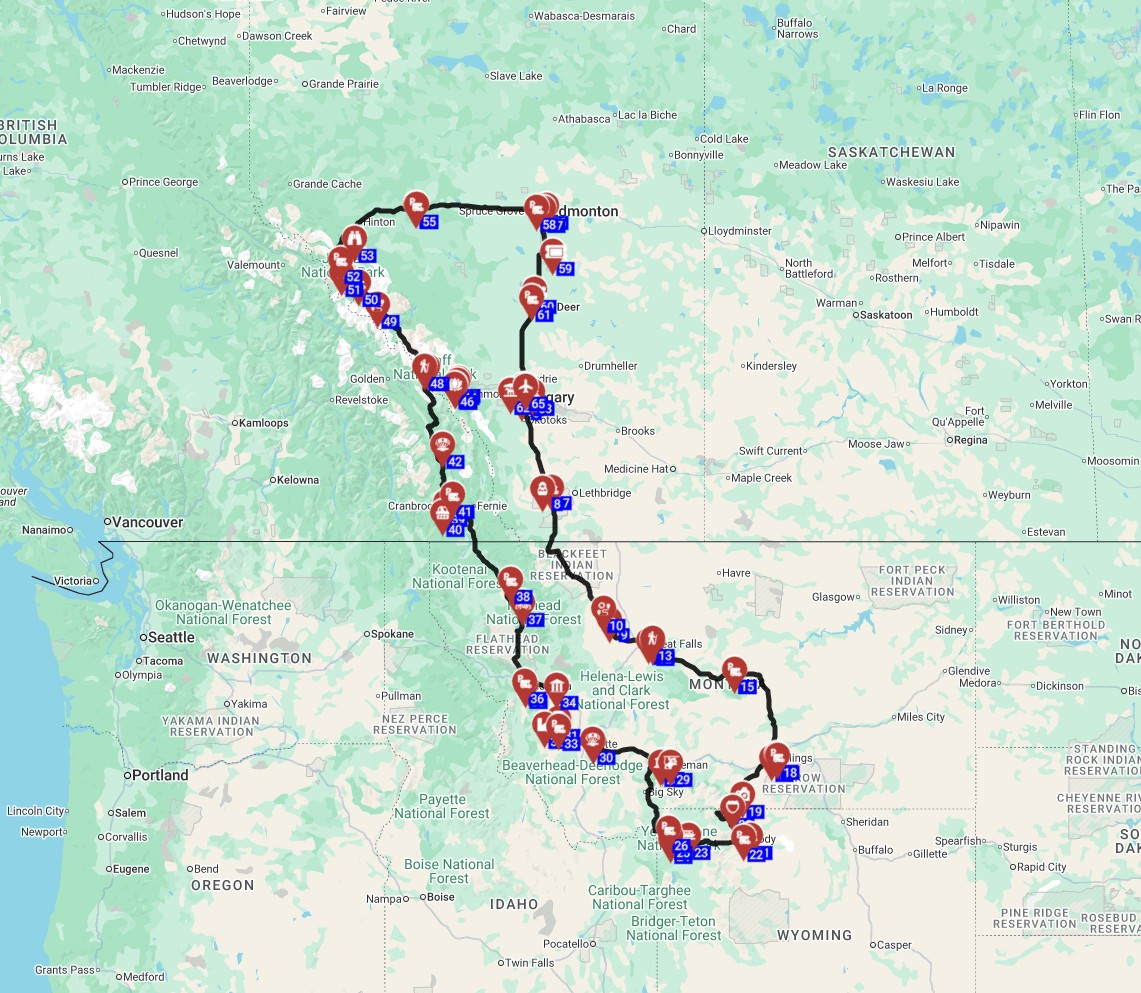
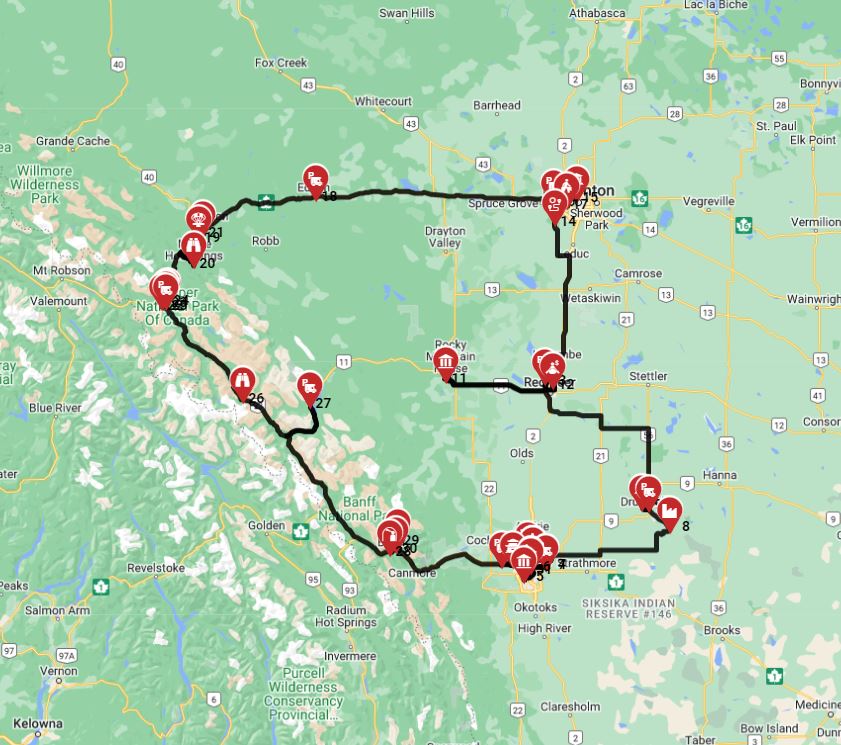
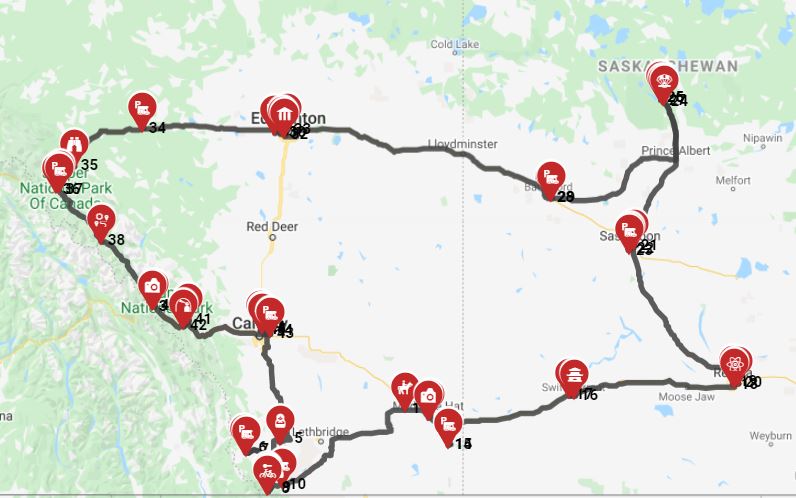
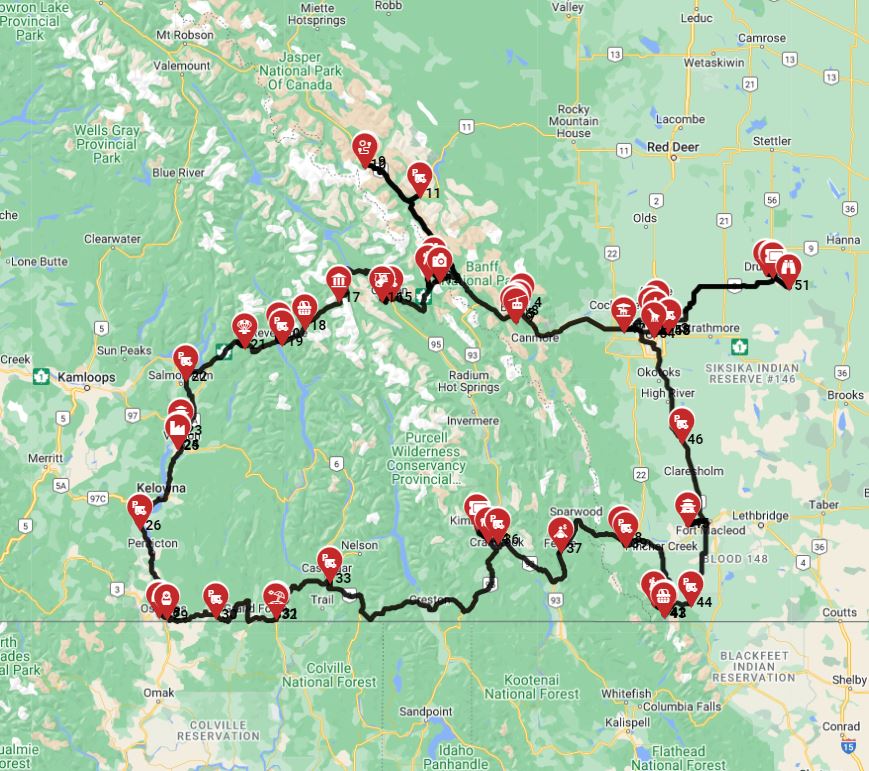
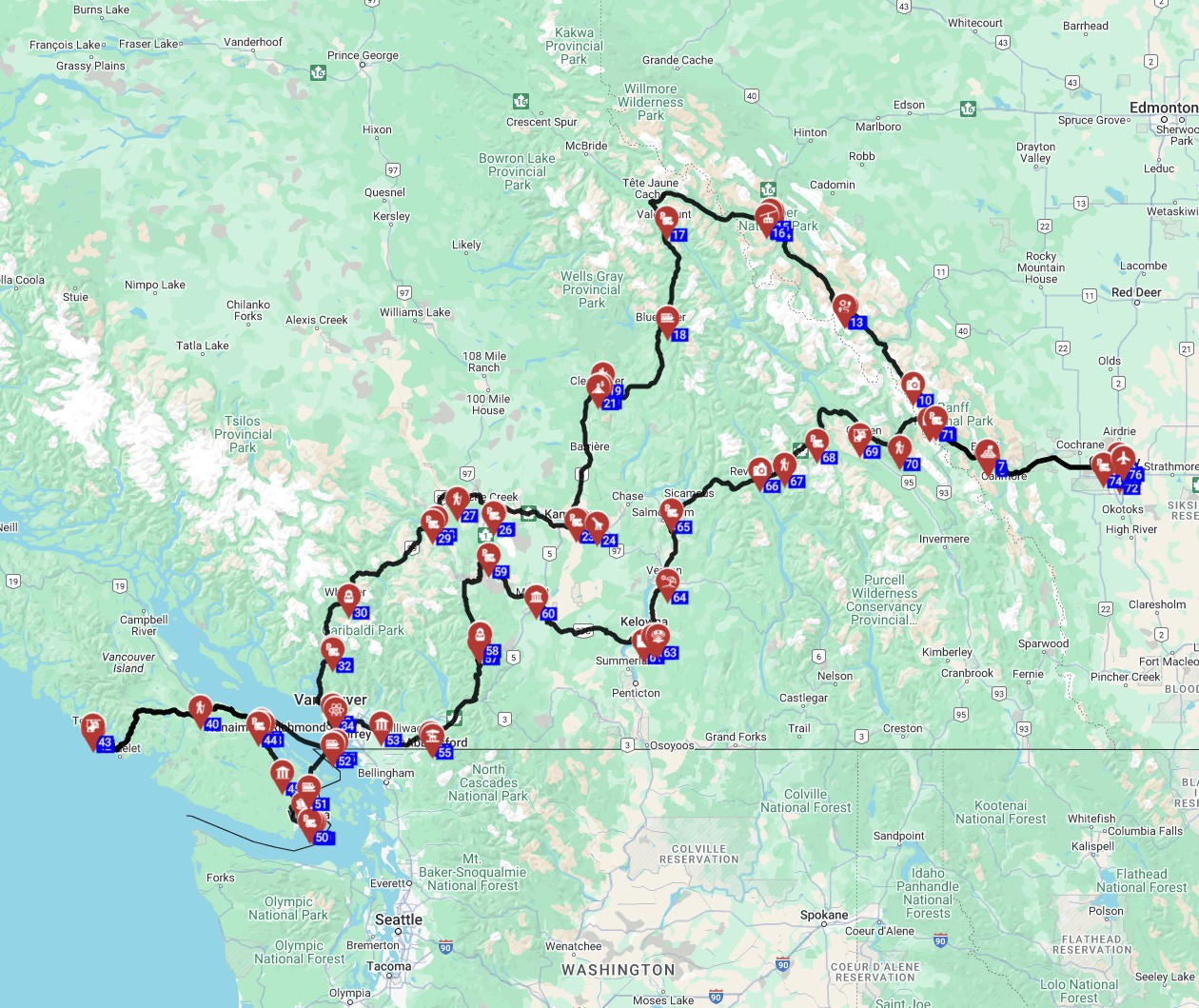
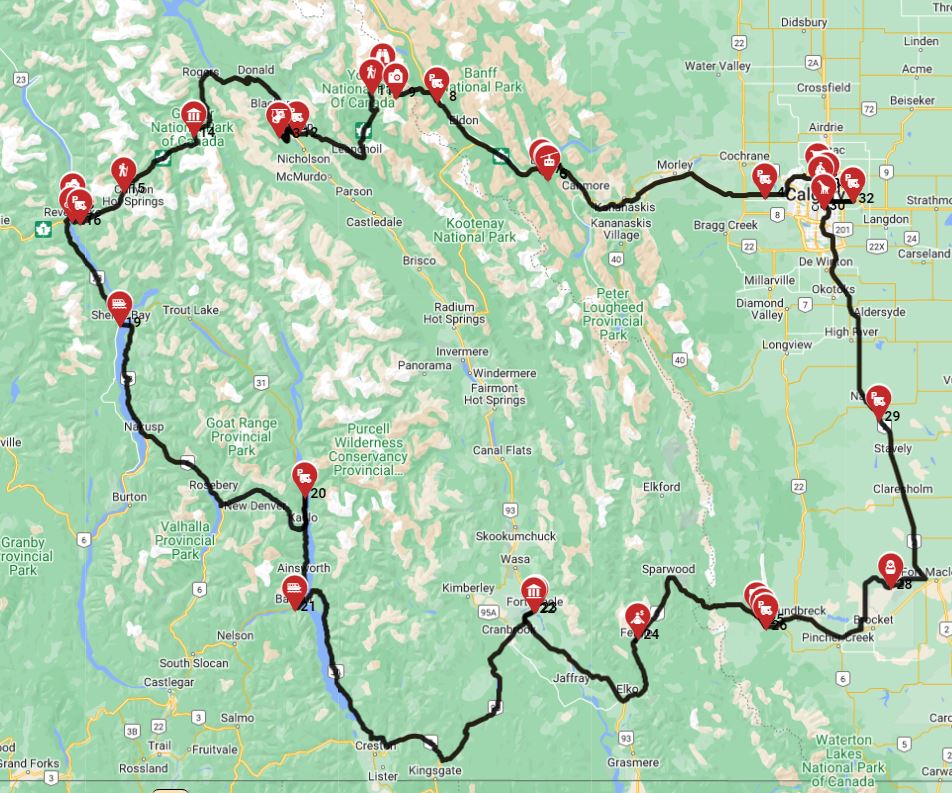
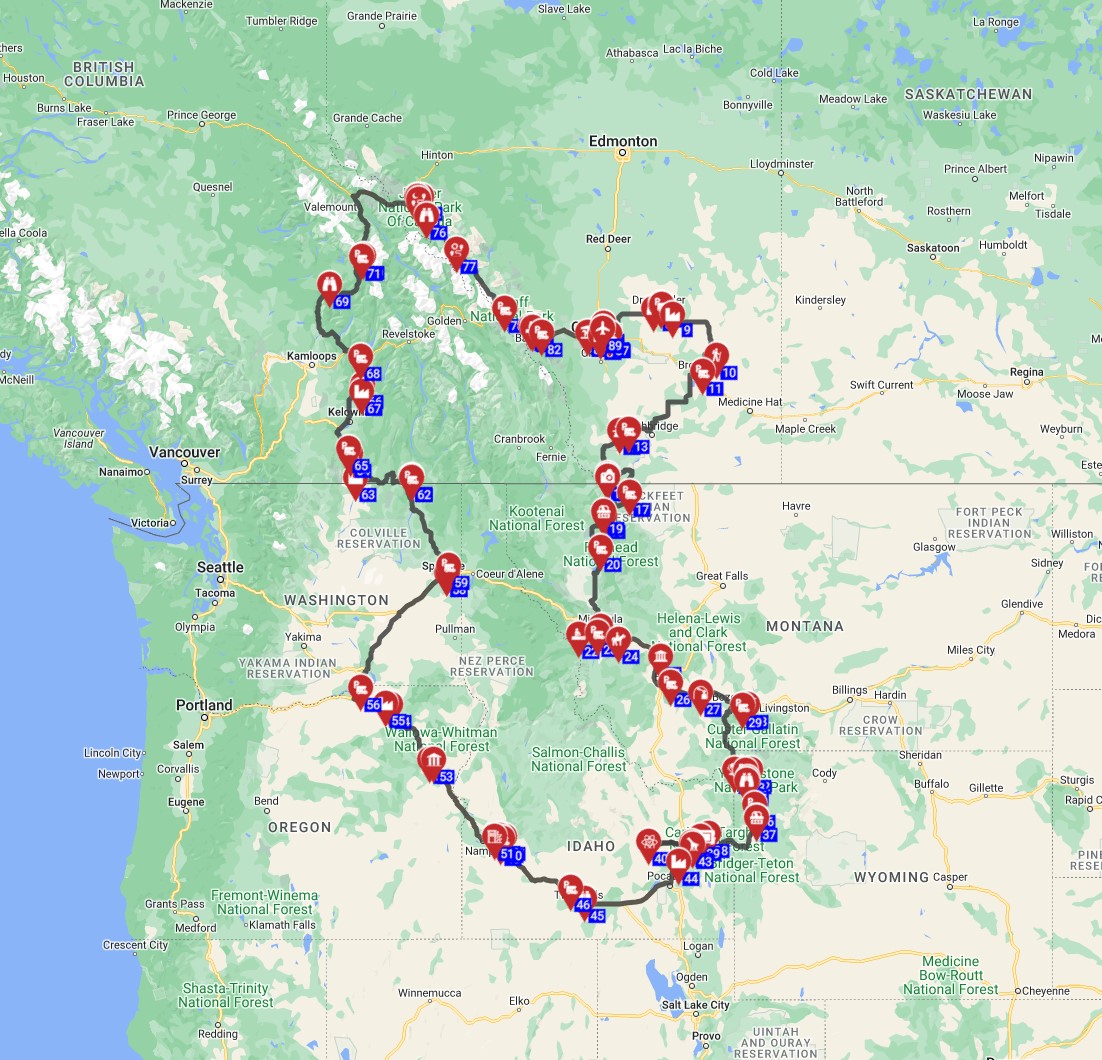
The "best" RV route in Canada depends heavily on traveler interests and the duration of your trip, but popular choices include the iconic Icefields Parkway in the Canadian Rockies, the Cabot Trail in Nova Scotia, or an epic journey across the Trans-Canada Highway. For a classic adventure, consider the Canada Prairies and Rockies RV Route, offering majestic mountain scenery, vast plains, and vibrant cities. Western Canada and the Pacific Northwest offer a diverse itinerary, encompassing coastal beauty, rainforests, and mountain ranges, perfect for a two-week adventure. For unique cultural immersion and less-traveled paths, explore regions like the Gaspé Peninsula in Quebec, the remote beauty of the Yukon and Northwest Territories, or the scenic drives through the Maritimes for charming coastal towns. RV PLANET (rvplan.net) offers numerous pre-planned routes, making planning effortless. The "Halifax to Whitehorse - Exploring Canada’s Heartland in a Motorhome" route, spanning 37 days and 9199.1 km, is an incredible journey. It includes stops at 3 art galleries, 6 museums, and 4 natural features, providing deep dives into culture and nature. This route showcases Canada's immense heartland and highlights 3 historical sites and 4 hiking areas. For cycling enthusiasts, the "
Vancouver Round Trip - West Canada Cycling Adventure
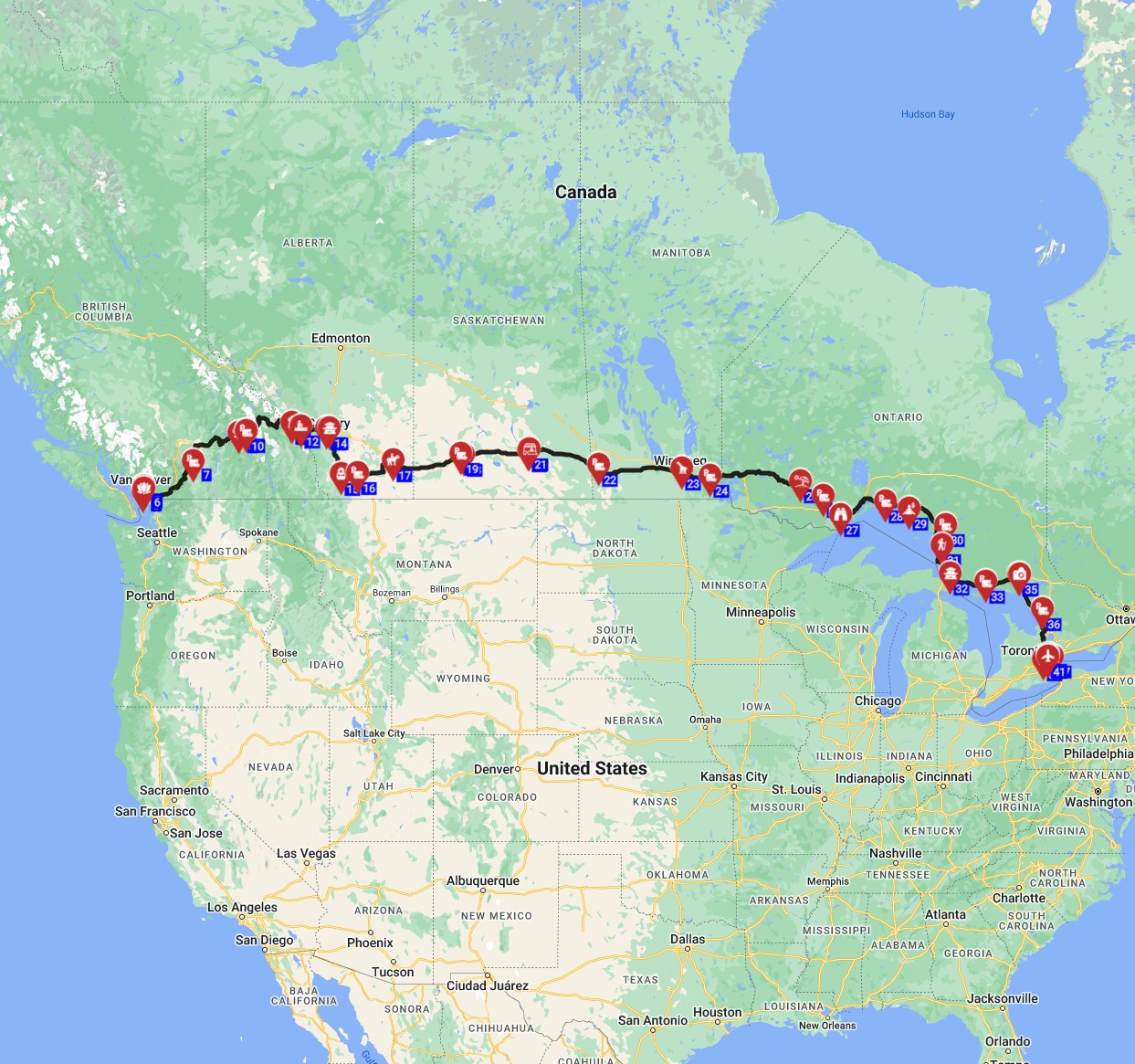
Vancouver to Toronto - Trans Canada West to East
Mobile Connectivity for RVers in Canada
Mobile connectivity for RVers in Canada can vary significantly, with reliable cell service available in urban areas and along major highways, but coverage becoming sparse or non-existent in remote national parks and northern regions. Canada's primary cellular providers (Rogers, Bell, Telus) offer extensive networks, but signal strength and availability can diminish rapidly outside populated zones. To ensure connectivity in more remote areas, consider supplementary options like satellite internet devices or cellular boosters that can amplify weak signals. Pre-purchasing a Canadian SIM card with a data plan upon arrival is a cost-effective solution for short-term visitors, ensuring access to maps, communication, and online resources for your entire family or group of friends.Respectful Travel and Indigenous Cultural Interaction in Canada
Engaging respectfully with Indigenous cultures in Canada involves educating oneself on local history, acknowledging traditional territories, and supporting Indigenous-owned businesses and experiences. When visiting Indigenous communities or cultural sites, always seek permission if entering private lands, follow local customs, and be mindful of photography policies. Consider visiting Indigenous cultural centers, museums, or attending events and festivals to learn directly from First Nations, Inuit, and Métis peoples. Supporting local Indigenous artisans and businesses, which contributes directly to community economic development and cultural preservation, is a wonderful way to honor their rich heritage during your rented motorhome journey. Our goal is to make RV travel accessible and joyful for everyone, including fostering respectful cultural exchanges.Traveling with Pets in an RV in Canada
Traveling with pets in a rented RV in Canada requires planning for specific park rules, vet access, and pet-friendly attractions beyond just border crossing requirements. While pets are generally allowed in most Canadian National and Provincial Parks, they are often restricted from certain trails, beaches, or buildings; always check specific park regulations before you go. Ensure your pet's vaccinations are up-to-date and carry their health records; research veterinary clinics along your route for emergency care. Look for pet-friendly campgrounds, restaurants with patios, and attractions that welcome furry companions to ensure a comfortable trip for everyone, including those with a "24' Class C Motorhome - Pet Friendly" rental.Is RVing popular in Canada?
Yes, RVing is extremely popular in Canada, driven by the country's vast natural landscapes, numerous national and provincial parks, and a strong culture of outdoor recreation. The popularity of RV travel means that campgrounds, especially in sought-after destinations like the Canadian Rockies, often book out months in advance during peak season. This popularity ensures a robust infrastructure for RVers, including numerous campgrounds, service centers, and rental options across the country. The increasing demand has also led to a wider variety of RV rental options, catering to different budgets and travel styles, whether you prefer a compact campervan for two or a spacious Class C motorhome for a family.Is it hard to drive an RV in Canada?
Driving a rented RV in Canada is generally not hard, especially on major highways, but it requires more caution and awareness than driving a standard car due to the vehicle's size and weight. The key challenges include navigating longer braking distances, wider turns, and being mindful of height and weight restrictions, particularly in older towns or specific park areas. Canada's road infrastructure is well-suited for RV travel, with wide lanes and clear signage on most primary routes, minimizing difficulty. Practicing maneuvers in an empty parking lot before hitting the road, and taking your time to adapt to the RV's dimensions, can significantly ease the driving experience. Drive slowly and carefully, and you can drive almost anywhere without issues. No need to stress - just use common sense and pay attention. You can also explore our "One-Way RV Rental in Canada - Price Guide 2026" if you plan to drive between different cities.How much does it cost to rent an RV in Canada?
The cost to rent an RV in Canada varies widely based on the RV class, rental duration, season, and booking lead time, typically ranging from CAD $100 to CAD $400+ per night. Smaller Class B Camper Vans (like the "Active Compact Select") tend to be on the lower end, while larger Class C Alcove or Class A Integrated RVs (such as the "Comfort Space Select") command higher prices, especially those with 3 double beds or slide-outs. Peak season (July-August) rates are significantly higher than off-season (spring/fall) or winter rates, and booking well in advance can secure better deals. Beyond the daily rental fee, factor in additional costs such as optional insurance upgrades, mileage charges, preparation fees, provincial taxes, and optional extras like kitchen kits or linens. For detailed pricing structures, refer to our "RV Rental in Canada - Prices and Best Deals 2026" guide.How much money do I need for an RV trip in Canada?
A comprehensive RV trip budget for Canada should account for rental costs, fuel, campground fees, food, activities, and a contingency fund, typically ranging from CAD $200-$600+ per day depending on travel style. Fuel costs are a significant expense, with Bandana's Class C RVs consuming 10-12 Liters/100 km; calculate based on your planned mileage and current fuel prices. Campground fees range from CAD $25-$70 per night for serviced sites in National or Provincial Parks, while private campgrounds can be higher; dispersed camping on Crown Land can significantly reduce this. Allocate funds for groceries (local food pricing can vary), national park passes (e.g., Parks Canada Discovery Pass), and activity costs like tours, whale watching, or specific attraction entry fees. Remember, on the RV PLANET routes, travelers can itemize and track every expense along the way for easy budgeting. Cooking meals in your RV kitchen can help manage costs significantly, and our RV-friendly recipes playlist offers great ideas.What is the cheapest way to RV in Canada?
The cheapest way to RV in Canada involves optimizing for off-season travel, choosing smaller, more fuel-efficient RVs, utilizing free camping opportunities, and preparing your own meals. Booking an RV during the shoulder seasons (May-June, September-October) or even winter can yield significantly lower rental rates compared to peak summer months. Opt for a Class B Camper Van (Bandana's fleet averages 8-10 Liters/100 km fuel consumption), like the "Active Original", to save on both rental and fuel costs. Maximizing boondocking on Crown Land and cooking most of your meals in your RV kitchenette instead of dining out will substantially reduce daily expenses. For budget-specific insights, consult our "Cheap RV Rental in Canada - Budget Guide 2026".RV Maintenance and Repair Access in Canada
Access to RV maintenance and repair services in Canada is generally good in and around urban centers and along major touring routes, but becomes limited in remote areas. Before your trip, familiarize yourself with your rental RV's basic functions and troubleshooting tips, and ensure you have roadside assistance coverage. Major towns and cities across Canada will have specialized RV repair shops or dealerships, as well as general auto repair shops capable of handling common vehicle issues. For long journeys through remote regions like Northern Canada, plan stops in larger communities for vehicle checks and always carry essential tools and emergency supplies. Bandana RV offers 24/7 support for emergencies during your booking process and can help coordinate with suppliers for roadside assistance during your trip.Can I sleep in my RV anywhere in Canada?
No, you cannot sleep in your RV just anywhere in Canada; legal overnight parking is restricted to designated campgrounds, some private parking lots with permission, and certain areas of Crown Land. Sleeping in a rented RV on private property requires explicit permission from the landowner, and municipal bylaws often prohibit overnight parking on city streets or in public parks. While informal overnight stops in large retail parking lots (e.g., Walmart) are sometimes tolerated, it's not a guaranteed right and should only be done with prior consent. Always prioritize safety and legality by using official campgrounds or verifying permissible dispersed camping areas on Crown Land, being aware that rules vary by region and municipality. Keep in mind that many national/state parks reserve only 25-30% of spots for pre-booking, with the rest being first-come-first-serve. You'll find a spot; if not at the first campground, then the next one. Call ahead before driving.Where can I rent an RV in Canada?
RV rentals in Canada are available from major cities with international airports, offering convenient pick-up points for travelers flying into the country. Key rental hubs include Vancouver, Calgary, Toronto, Montreal, Halifax, Edmonton, Abbotsford, Coquitlam, Dartmouth, and Delta, which provide access to diverse regions like Western Canada, the Canadian Rockies, and Eastern Canada. Many rental companies, like Bandana partner suppliers El Monte, Cruise America, Apollo, and Britz, offer a range of RV classes, including Class SI - Semi-integrated, Class C - Alcove, Class B - Camper Van, and Class A - Integrated. It is advisable to book your RV rental well in advance, especially for peak season travel, to secure your preferred RV type and pick-up location. For a wider perspective, consider our "RV Rental USA - Complete Guide 2026".What is the best RV rental company in Canada?
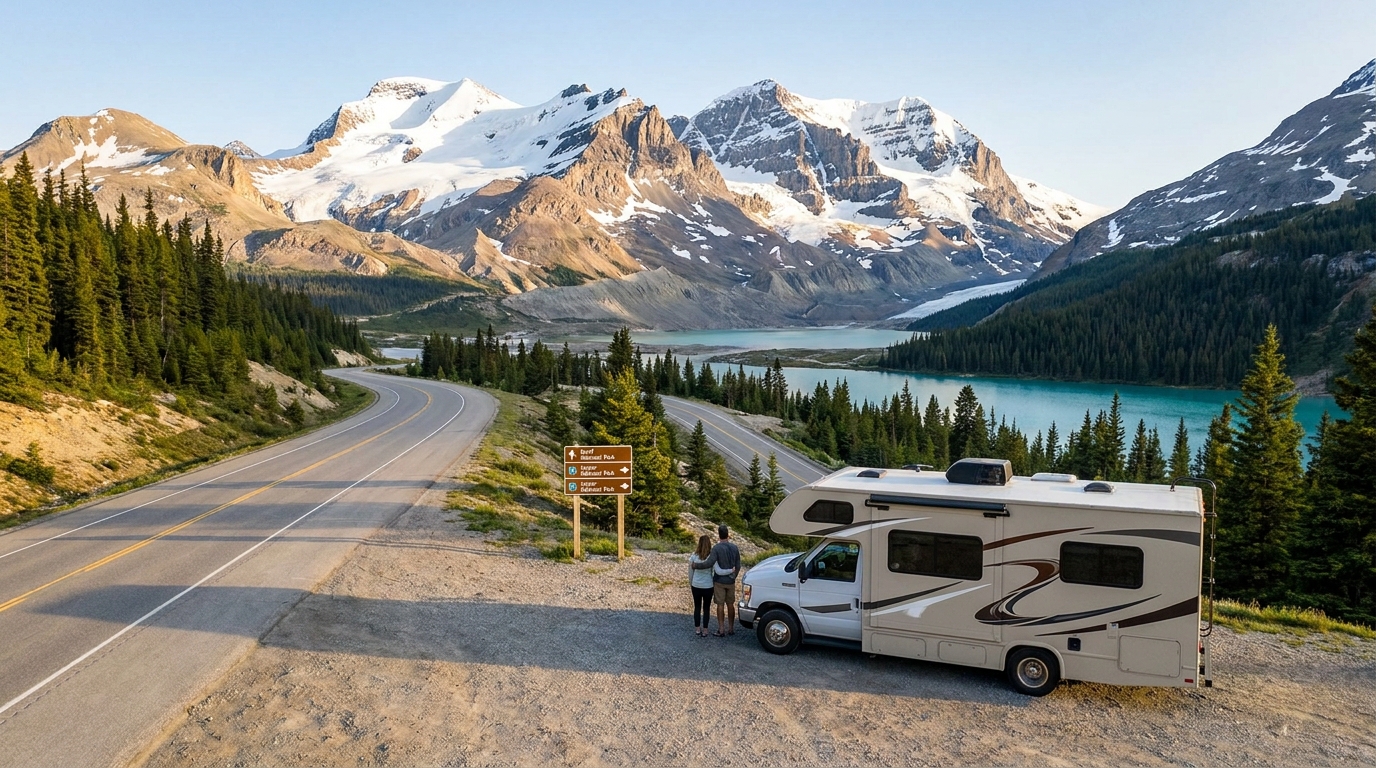
Determining the "best" RV rental company in Canada depends on individual traveler needs, budget, and desired RV class, but reputable companies offer diverse fleets and service options. Leading rental providers available through Bandana, such as El Monte, Cruise America, Apollo, and Britz, offer a wide selection of RVs from various classes, including Class C Alcove motorhomes (like those seen by lakes in Canada), semi-integrated models, and camper vans. When choosing a company, consider factors such as fleet age and maintenance, inclusion of mileage and insurance, customer service reviews, and the availability of desired amenities. Look for transparent pricing, comprehensive support services, and convenient pick-up/drop-off locations near major airports to ensure a smooth rental experience. We compare final prices across 50+ suppliers so you don't have to, ensuring full transparency with no hidden fees or surprises.What You Shouldn't Miss
- Drive the Icefields Parkway: This 232-kilometer stretch between Banff and Jasper National Parks offers breathtaking glaciers, turquoise lakes, and abundant wildlife viewing opportunities.
- Explore the Cabot Trail: A scenic 298-kilometer highway loop in Nova Scotia's Cape Breton Island, renowned for its coastal views, highland scenery, and charming villages.
- Visit Old Quebec City: Wander through North America's only walled city, a UNESCO World Heritage site, and immerse yourself in its European charm and history.
- Discover the Pacific Rim National Park Reserve: On Vancouver Island, this park offers ancient rainforests, rugged coastlines, and incredible surfing and hiking.
- Experience the Northern Lights: Head to the Yukon or Northwest Territories in late summer or winter for a chance to witness the spectacular Aurora Borealis from your rented camper.
- Taste local Canadian flavors: From poutine in Quebec to fresh seafood in the Maritimes, maple syrup everywhere, and Nanaimo bars in British Columbia – indulge in the diverse culinary scene.
Looking for expert insights from Avi Bandana? Top 5 Adventures - recommendations from Avi Bandana.
Final Thoughts
Embarking on an RV adventure in Canada is an experience like no other, offering the freedom to immerse yourself in vast natural beauty and diverse cultures. With a rented motorhome or campervan, you truly hold the keys to a flexible and unforgettable journey. Whether you're a meticulous planner or a spontaneous explorer, Canada's open roads and welcoming landscapes await. Remember, we're here to support you before, during, and after your booking, ensuring every detail is covered so you can focus on the joy of discovery. Ready to hit the road and explore Canada's incredible routes? Imagine waking up to a different scenic view each morning, with all the comforts of home at your fingertips.On the routes offered through RV PLANET routes, you can itemize and track every expense along the way for easy budgeting.