In This Guide
- The 4 RV Families Compared for Australia
- Class A (Integrated) — Best For
- Class SI (Semi-Integrated) — Best For
- Class C (Alcove) — Best For
- Class B (Campervan) — Best For
- Side-by-Side Comparison Table
- Our Recommendation for RV Rental Travelers in Australia
- What is the best RV rental company?
- How much does it cost to rent an RV in Australia?
- What is the difference between Maui and Apollo?
- What is the best RV in Australia?
- What is the most reliable brand of motorhome in Australia?
- What is the 333 rule for campervan?
- Practical Road Trip Advice for RV Rental in Australia
- Top Cities for RV Rental in Australia
Australia offers an unparalleled landscape for exploration via a rented RV, from stunning coastlines to ancient outback. Discovering this vast continent in a motorhome provides the ultimate freedom and flexibility to truly immerse yourself in its diverse natural beauty and vibrant culture. Whether you dream of waking up to a beach sunrise or stargazing in the heart of the desert, an RV rental makes it possible.
For live availability and current prices, start with our RV Rental Australia - Complete Guide 2026 guide. We are true RV specialists, dedicated exclusively to motorhome travel, ensuring you receive expert advice and a seamless booking experience from start to finish.
The 4 RV Families Compared for Australia
Choosing the right RV family is crucial for an Australian adventure, significantly impacting comfort, accessibility to different terrains, fuel efficiency, and your overall trip cost. Australia's diverse landscapes, from sealed coastal roads to major inland highways, necessitate careful consideration of vehicle type. Your group size, desired amenities, and the length of your journey will ultimately dictate the ideal motorhome or campervan class for your rental experience. We exclusively offer motorhomes and campervans, ensuring a perfect fit for any Australian road trip style.
We work with over 50 leading RV suppliers worldwide, including trusted names like Apollo and Britz, to provide you with a wide selection. When you compare final prices across suppliers with Bandana, what you see is what you pay, with no surprise fees at pickup. This full transparency means you can confidently plan your budget, knowing there are no hidden costs. On the routes offered through RV PLANET routes, you can itemize and track every expense along the way for easy budgeting.
Class A (Integrated) - Best For
Class A integrated motorhomes are best suited for large families or groups seeking maximum comfort, space, and luxury during their Australian road trip, particularly on well-maintained sealed roads. Bandana's fleet typically features Class A motorhomes with an average length of 7.5 meters, comfortably sleeping around 4.4 people, and offering a generous average load capacity of 209.5 kg. These premium vehicles, commonly consuming 11-12 Liters/100 km, prioritize extensive amenities, such as full-sized kitchens and spacious living areas, ideal for an extended family vacation. Trade-offs include higher rental costs and reduced maneuverability in urban areas or tight campsites, but they provide an unparalleled home-on-wheels experience for those who value comfort above all.
Class SI (Semi-Integrated) - Best For
Class SI semi-integrated motorhomes are ideal for couples or small families desiring a balance of comfort, maneuverability, and moderate fuel efficiency for exploring Australia's coastal routes and major attractions. Bandana's fleet generally comprises Class SI vehicles averaging 6.9 meters in length, sleeping approximately 3.8 people, and offering an average load capacity of 72.2 kg. With common fuel consumption around 10-11 Liters/100 km, they provide a more nimble driving experience than larger Class A motorhomes, while still offering essential amenities and comfortable living spaces. These are a versatile choice for those who want more space than a campervan but less bulk than an integrated RV, excelling on sealed roads and established campgrounds across Australia.
Class C (Alcove) - Best For
Class C alcove motorhomes are perfect for families with children or larger groups traveling through Australia, offering ample sleeping capacity and practical living spaces at a generally more cost-effective rental price point. Bandana's fleet typically features Class C motorhomes with an average length of 7.5 meters, prominently designed with an over-cab sleeping area for 5.8 people, and an average load capacity of 42.4 kg. These vehicles, commonly consuming 10-12 Liters/100 km, combine familiar driving dynamics (often built on a van or truck chassis) with dedicated sleeping and living zones, making them excellent for extended family trips on sealed Australian roads. Their robust build suits varied road conditions found on main tourist routes, balancing space, utility, and rental budget effectively.
🎬 Video coming soon
Class B (Campervan) - Best For
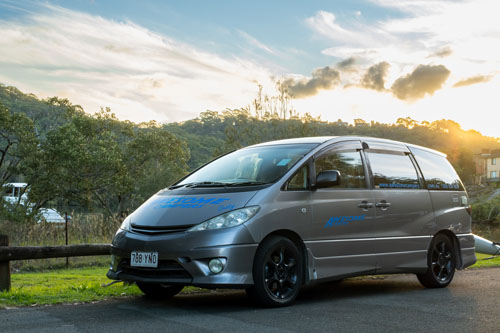
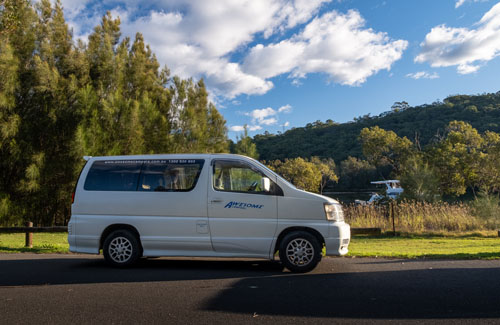
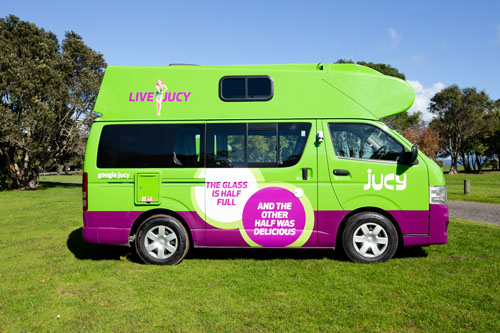
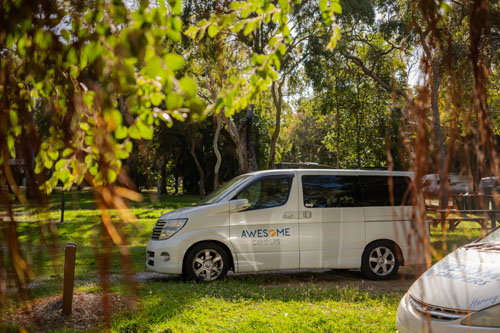
Class B campervans are best for solo travelers, couples, or small groups seeking maximum maneuverability, fuel economy, and flexibility while exploring Australia's cities, national parks (where permitted), and scenic drives. Bandana's fleet typically has Class B campervans with an average length of 5.8 meters, sleeping approximately 3.2 people, and an average load capacity of 37 kg. These compact RVs, which commonly consume 8-10 Liters/100 km, offer essential living facilities within a footprint similar to a large van, making them easy to drive, park, and navigate through tighter spaces. They are an excellent choice for budget-conscious travelers prioritizing flexibility and covering significant distances across Australia's varied landscapes, especially on sealed roads, without the need for extensive campground hookups for every night.
Side-by-Side Comparison Table
This table provides a quick overview of the key characteristics and ideal use cases for each RV family available for rent in Australia through Bandana.
| Family | Avg Length (m) | Sleeps (Avg) | Fuel Use (L/100km) | Best Use Case in Australia |
|---|---|---|---|---|
| Class A (Integrated) | 7.5 | 4.4 | 11-12 | Large groups/families, luxury, sealed major routes |
| Class SI (Semi-Integrated) | 6.9 | 3.8 | 10-11 | Couples/small families, balanced comfort & maneuverability, sealed roads |
| Class C (Alcove) | 7.5 | 5.8 | 10-12 | Families with kids, practical, cost-efficient, sealed major routes |
| Class B (Campervan) | 5.8 | 3.2 | 8-10 | Solo/couples, maneuverability, fuel economy, city/coast |
Our Recommendation for RV Rental Travelers in Australia
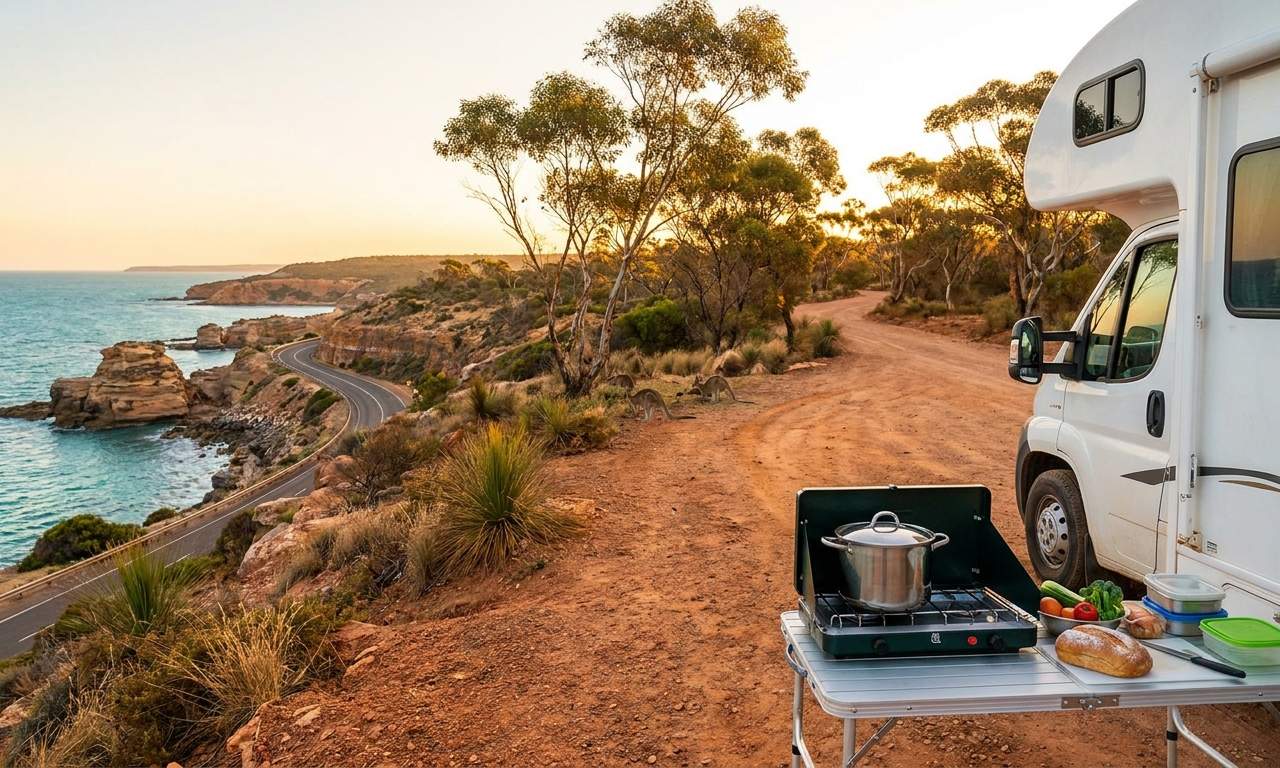
For most RV rental travelers exploring Australia, we primarily recommend a **Class C (Alcove) motorhome**. This class offers the best balance of sleeping capacity (averaging 5.8 people), comfort, and cost-effectiveness for families or groups, making it versatile for touring Australia's popular coastal and inland routes on sealed roads. Imagine preparing family meals in your fully equipped kitchen (check out our RV-friendly recipes playlist for inspiration) and enjoying them with stunning views right outside your door.
Our runner-up recommendation is a **Class SI (Semi-integrated) motorhome** for couples or smaller families. Its balanced size (avg. 6.9m length) and better maneuverability than a Class C, combined with good amenities and fuel efficiency (10-11 L/100km), make it ideal for exploring Australia comfortably without the bulk of a larger vehicle. It's perfectly suited for those who prioritize a slightly more compact driving experience while retaining interior comfort.
What is the best RV rental company?
The 'best' RV rental company in Australia often depends on your specific needs, budget, and desired level of service, but top-rated providers consistently include Apollo, Maui, and Britz, each offering distinct advantages. Apollo is renowned for its wide fleet selection, catering to various budgets from basic campervans to luxury motorhomes, with comprehensive support for travelers. Maui specializes in premium, modern vehicles, ideal for those seeking a more upscale experience with well-appointed interiors and additional comforts. Britz, a sister brand to Maui and Apollo, focuses on adventure-ready campers and motorhomes, often appealing to younger travelers or those looking for a robust, practical option for extensive touring. When choosing, consider factors such as fleet age, included insurance, roadside assistance, customer reviews, and one-way rental options. We partner directly with these 50+ leading suppliers worldwide to bring you transparent comparisons and the best deals.
How much does it cost to rent an RV in Australia?
The cost to rent an RV in Australia varies significantly based on factors like RV class, rental duration, time of year (seasonality), pickup location, and additional inclusions such as insurance, mileage packages, and extras. On average, a smaller Class B campervan might range from AUD$80-AUD$200 per day, while a larger Class C or SI motorhome can cost AUD$150-AUD$350 per day, and luxury Class A units can exceed AUD$400+ per day. Ancillary costs, beyond the daily rental fee, include fuel (Class C average 10-12 L/100km), comprehensive insurance (often an extra daily charge), national park permits, camping ground fees (AUD$20-AUD$60 per night), and activity costs. For easy budgeting and tracking every expense along the way, we recommend checking out RV PLANET routes. Booking well in advance, especially for peak seasons (December–February), can often secure better rates, and always inquire about one-way rental fees if you plan to drop off at a different city, which typically range from AUD$150-AUD$500. Our RV Rental in Australia - Prices and Best Deals 2026 guide offers more in-depth pricing details.
Price Comparison by RV Class in Australia
Because RV rental pricing is dynamic and flex-rate, the table below pulls real example prices for a 7-day rental from Bandana's live search for various RV classes and durations. These prices are estimates and can change daily based on demand, availability, and seasonality; for the most accurate and up-to-date figures, please use the search box at the top of the page to find your perfect Cheap RV Rental Comparison in Australia - Best Value 2026.
| RV Class | Low Season (per day) | Mid Season (per day) | Peak Season (per day) |
|---|---|---|---|
| Class B (Campervan) | AUD$80 - $150 | AUD$120 - $220 | AUD$180 - $300+ |
| Class SI (Semi-Integrated) | AUD$150 - $250 | AUD$200 - $350 | AUD$300 - $450+ |
| Class C (Alcove) | AUD$170 - $280 | AUD$230 - $400 | AUD$350 - $550+ |
| Class A (Integrated) | AUD$250 - $400 | AUD$350 - $550 | AUD$500 - $700+ |
For more specific offers, check out our RV Rental Deals in Australia - Latest Offers 2026 guide.
What is the difference between Maui and Apollo?
Maui and Apollo, both part of the same parent company, differ primarily in their target market and vehicle offerings, with Maui focusing on premium, newer vehicles for discerning travelers and Apollo providing a broader range of options, including more budget-friendly and older models. Maui typically offers a fleet of modern, often less than 2-year-old motorhomes that come with higher specifications, better amenities, and a more luxurious travel experience, ideal for couples or small groups seeking superior comfort. Apollo, conversely, provides a more extensive and diverse fleet, including older models and a variety of campervans and motorhomes, catering to a wider demographic from budget-conscious adventurers to families, offering greater flexibility in price and vehicle type. While both provide reliable service and extensive networks across Australia, Maui's emphasis is on comfort and style, whereas Apollo's strength lies in its extensive selection and accessibility across Australia.
What is the best RV in Australia?
The 'best' RV in Australia is subjective and depends entirely on your travel itinerary, group size, budget, and desired level of adventure, but generally, the ideal choice balances comfort with practicality for the chosen terrain. For coastal tours and major routes with families, a Class C (Alcove) offers ample space and sleeping options, averaging 7.5 meters in length and sleeping around 5.8 people. This class, like the "Euro Deluxe" or "Adventurer" models, provides full amenities for comfortable travel. For solo or couple travelers prioritizing fuel economy and maneuverability in cities and on scenic drives, a Class B (Campervan), averaging 5.8 meters in length, is often the top choice, with models like "HiTop" or "Kuga Campervan" providing a compact yet functional mobile base. If you are looking for specific guidance, our team of RV specialists can help you find the perfect match.
What is the most reliable brand of motorhome in Australia?
Reliability in motorhomes often comes down to the chassis manufacturer and the quality of the fit-out, with brands like Fiat Ducato, Mercedes-Benz Sprinter, and Ford Transit being common and highly regarded chassis choices for motorhomes and campervans in Australia. When renting, the reliability of the rental company itself, including its maintenance schedule and roadside assistance, is often more critical than the specific brand of the motorhome conversion. Reputable rental companies like Apollo, Maui, and Britz invest heavily in maintaining their fleets to ensure reliability, offering 24/7 support (pre-booking, booking, and post-booking coordination) and top-level deductible reimbursement across Australia for peace of mind. Look for newer vehicles (often found with Maui) and check recent customer reviews concerning vehicle breakdowns and the efficiency of assistance to gauge overall rental reliability.
What is the 333 rule for campervan?
The '333 rule' for campervan or RV travel is a widely adopted safety and planning guideline advising travelers to drive no more than **300 kilometers per day**, aim to stop driving by **3 PM**, and stay at least **3 nights** in attractive locations, although specific applications can vary. This rule is particularly pertinent in Australia due to its vast distances, potential for wildlife encounters (especially at dusk/dawn), and the importance of pacing to avoid driver fatigue. Sticking to 300km (approximately 3-4 hours of driving) prevents over-exertion, allowing ample time for scenic stops and unexpected detours, and mitigating risks like hitting kangaroos or other animals that are more active around twilight. The '3 PM stop' ensures arrival at campsites during daylight, making setup easier and safer, while '3 nights' encourages deeper exploration of regions, reducing constant packing and unpacking, enhancing the overall enjoyment of your Australian RV adventure. We always recommend slow travel, averaging a maximum of 100-150 km per day, to truly feel the place, connect to the culture, the food, and the scenery.
Practical Road Trip Advice for RV Rental in Australia
Embarking on an RV adventure in Australia requires some practical know-how to ensure a smooth and enjoyable trip. Australia drives on the left side of the road, and speed limits are typically 100-110 km/h on highways and 50-60 km/h in urban areas. Toll roads, particularly around major cities like Sydney, Melbourne, and Brisbane, often operate electronically, requiring an e-tag or temporary pass purchased in advance or shortly after travel to avoid fines. Drive slowly and carefully, and you can drive almost anywhere without issues. No need to stress - just use common sense and pay attention.
National and state parks across Australia often require entry permits or fees, which can be purchased online or at park entrances. Many parks also offer a significant portion (25-30%) of their campsites on a first-come, first-served basis, so don't be discouraged if online reservations are full. Always call ahead before driving long distances to confirm availability. For finding campsites and campgrounds during your trip, we recommend using RV PLANET (rvplan.net) - a great resource for locating available spots along your route.
Fuel stations can be sparse in remote regions, so planning your route and refuelling stops, especially for diesel motorhomes, is essential. Emergency numbers for Australia are 000 for police, fire, and ambulance. For connectivity, major cities and popular tourist areas have good mobile coverage from Telstra, Optus, and Vodafone, but coverage can drop significantly in the Outback. Consider downloading offline maps and bringing a satellite phone for truly remote excursions.
Top Cities for RV Rental in Australia
Australia boasts several excellent starting points for your motorhome adventure, each offering unique attractions and gateway access to diverse regions. Here are some of the top cities for RV rental in Australia:
- Sydney, New South Wales: The iconic harbor city is a popular pickup point, offering easy access to coastal drives, the Blue Mountains, and the wine regions of the Hunter Valley.
- Melbourne, Victoria: Known for its cultural scene, Melbourne is the perfect start for exploring the Great Ocean Road, the Yarra Valley, and the stunning coastline of Victoria.
- Brisbane, Queensland: Gateway to the Sunshine Coast, Gold Coast, and the lush hinterland, Brisbane offers a fantastic beginning for tropical adventures and beach hopping.
- Cairns, Queensland: The tropical north's hub, Cairns is your starting line for exploring the Great Barrier Reef, Daintree Rainforest, and scenic drives up the Cape York Peninsula.
- Perth, Western Australia: On the vast west coast, Perth allows access to Margaret River's wineries, the Pinnacles Desert, and the wild beauty of Western Australia's coastline.
- Adelaide, South Australia: Ideal for wine lovers and nature enthusiasts, Adelaide provides access to the Barossa Valley, Kangaroo Island, and the Flinders Ranges.
- Alice Springs, Northern Territory: The heart of the Red Centre, Alice Springs is the starting point for iconic outback journeys to Uluru-Kata Tjuta National Park and Kings Canyon.
- Darwin, Northern Territory: The tropical capital of the Top End, Darwin is excellent for exploring Kakadu and Litchfield National Parks, offering unique wildlife and Indigenous culture.
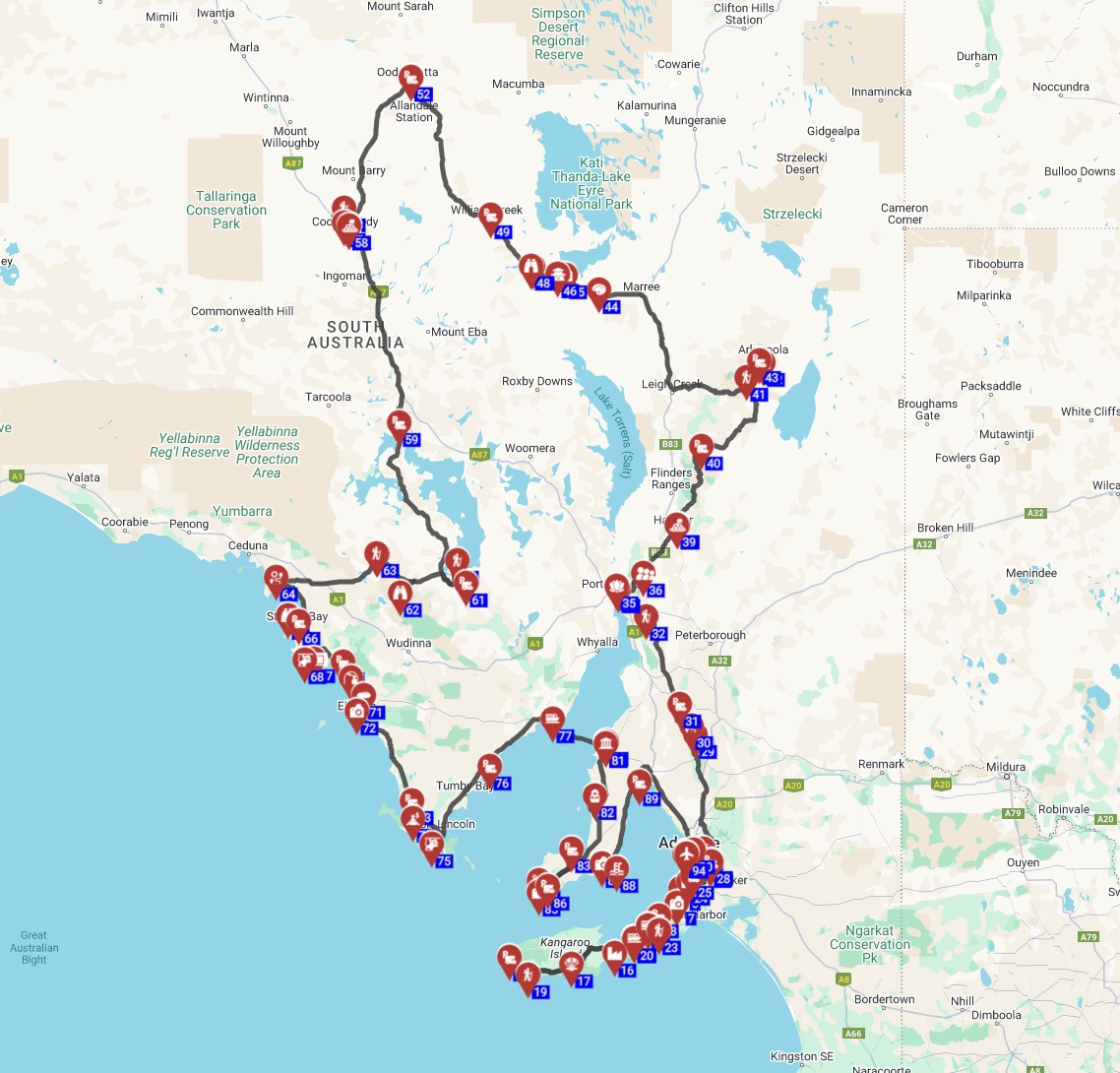
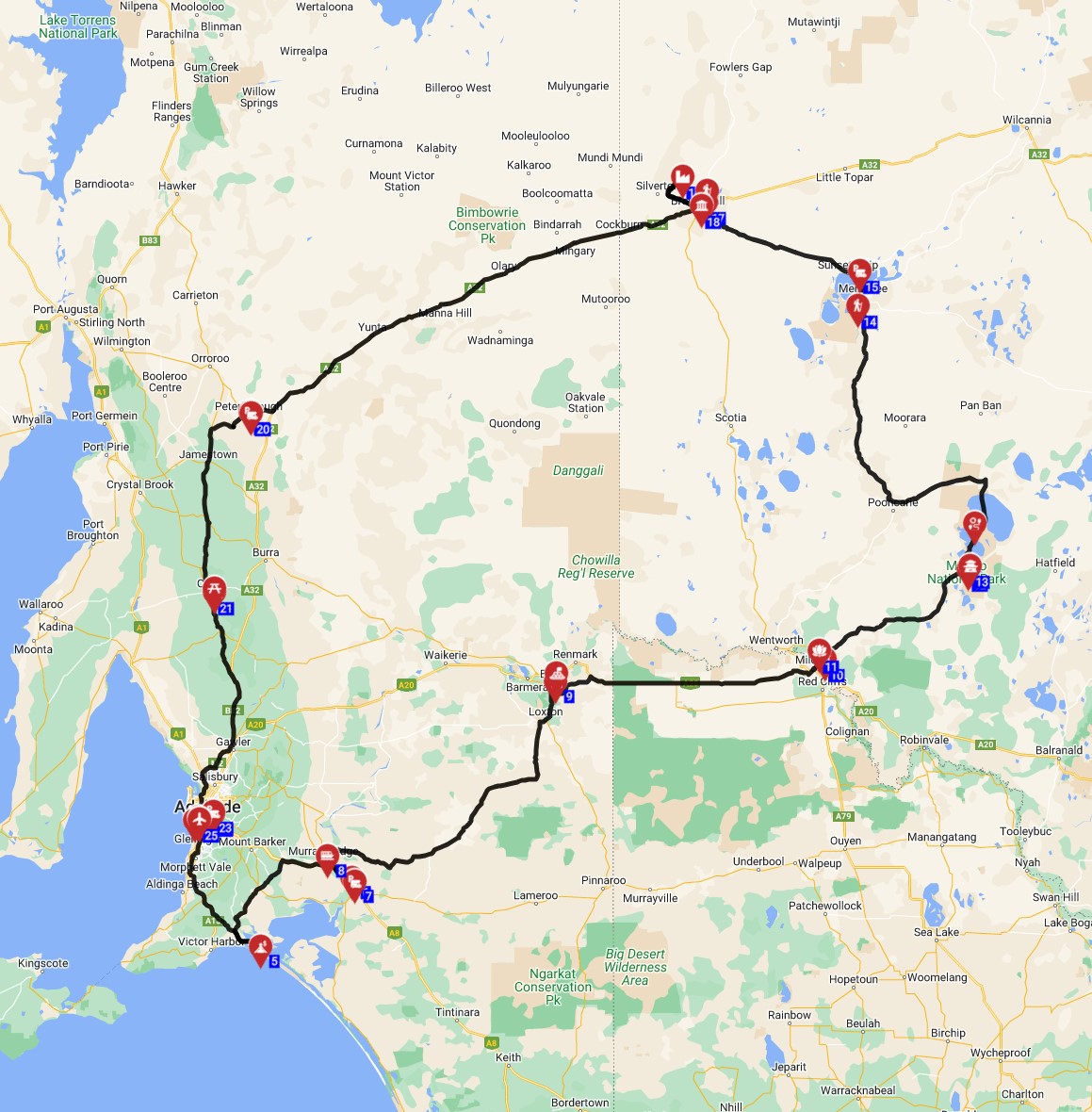
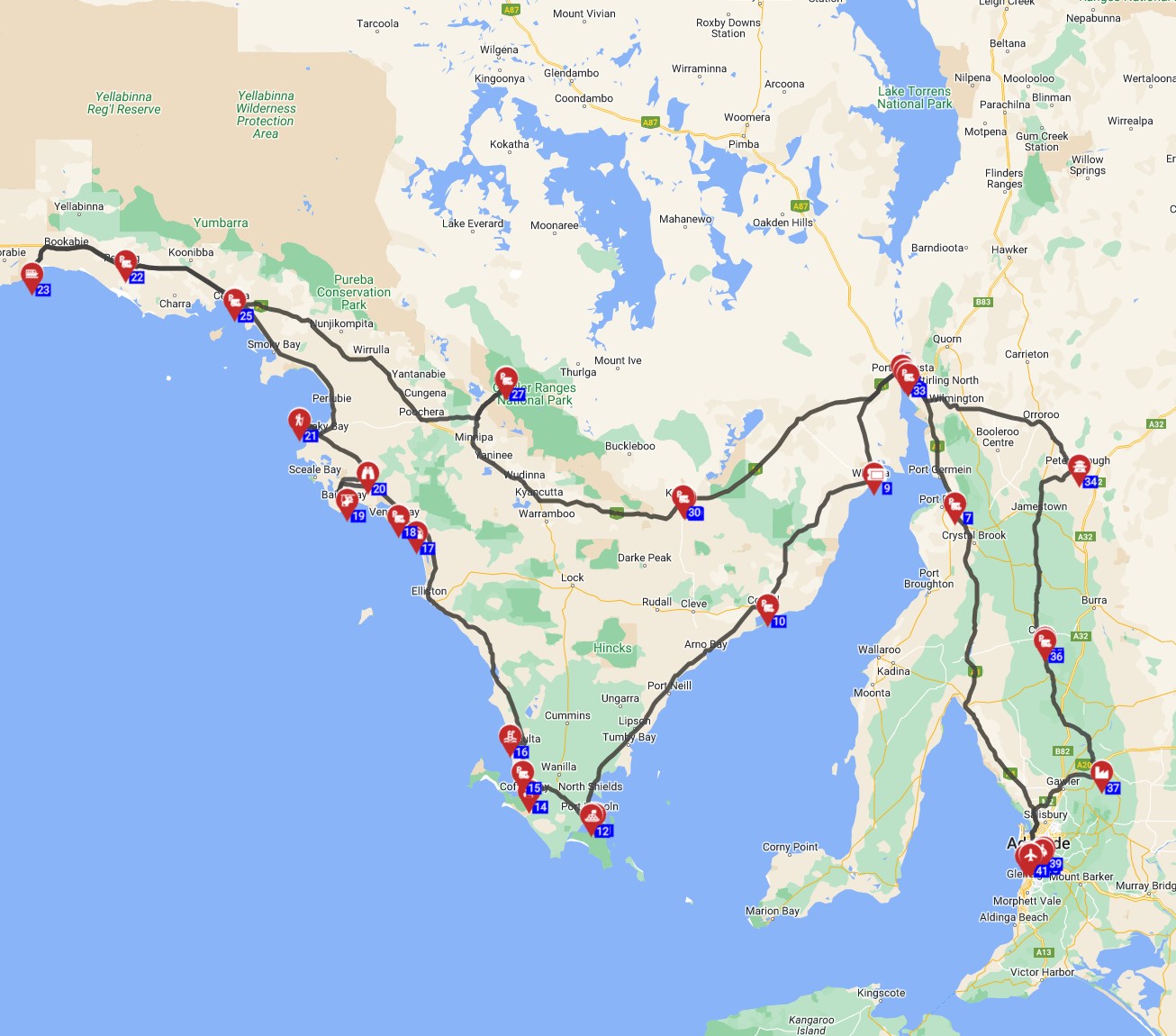
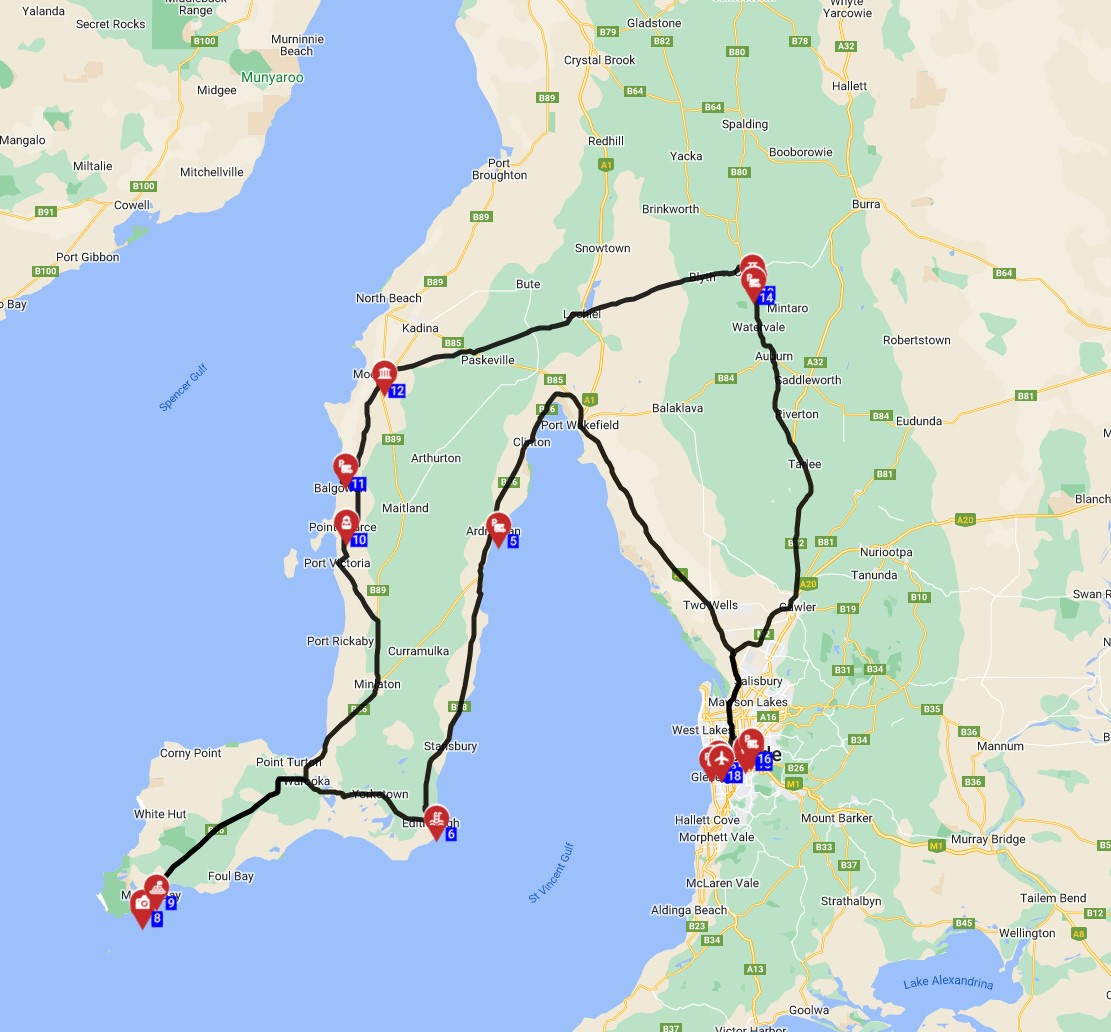
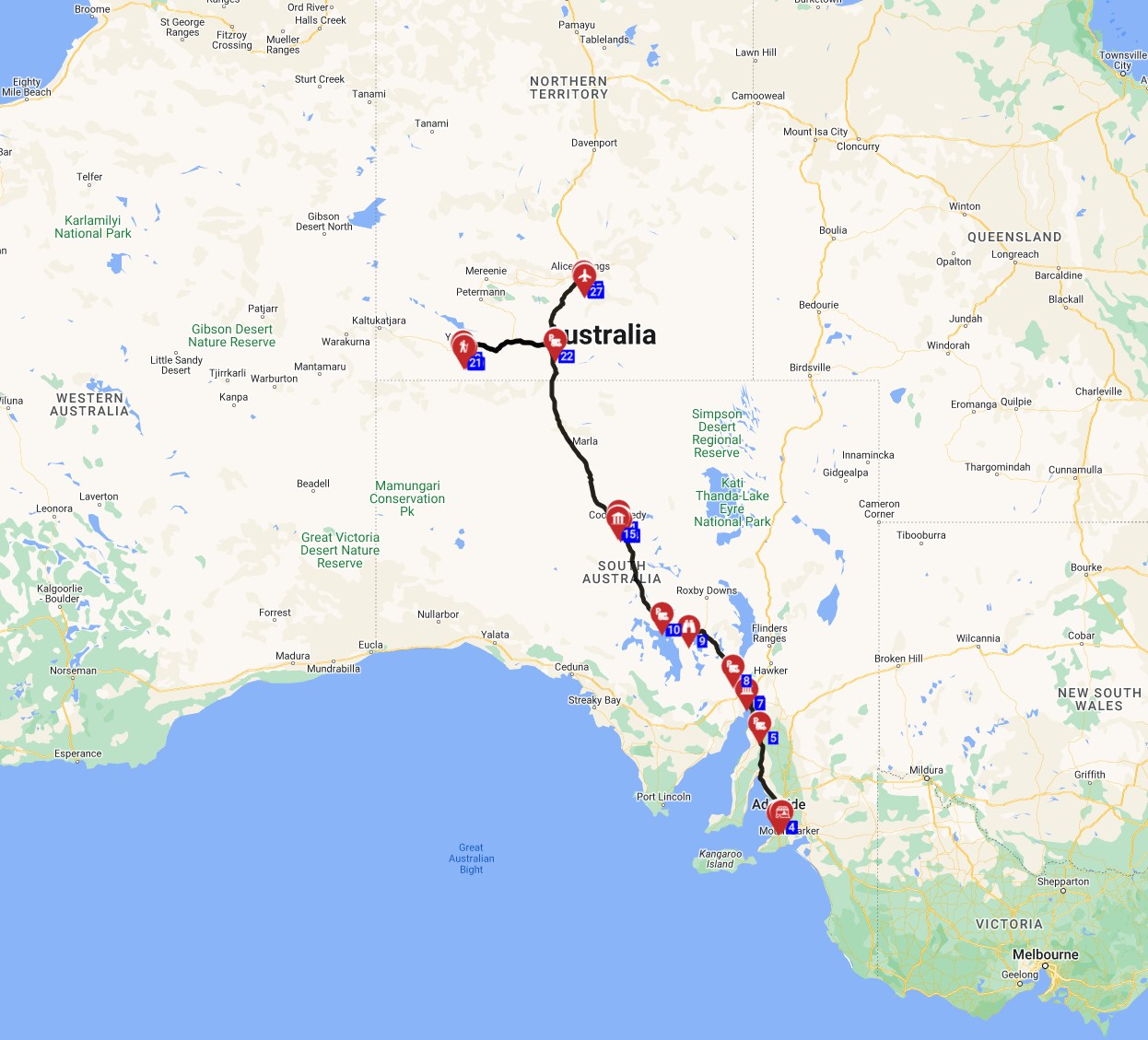
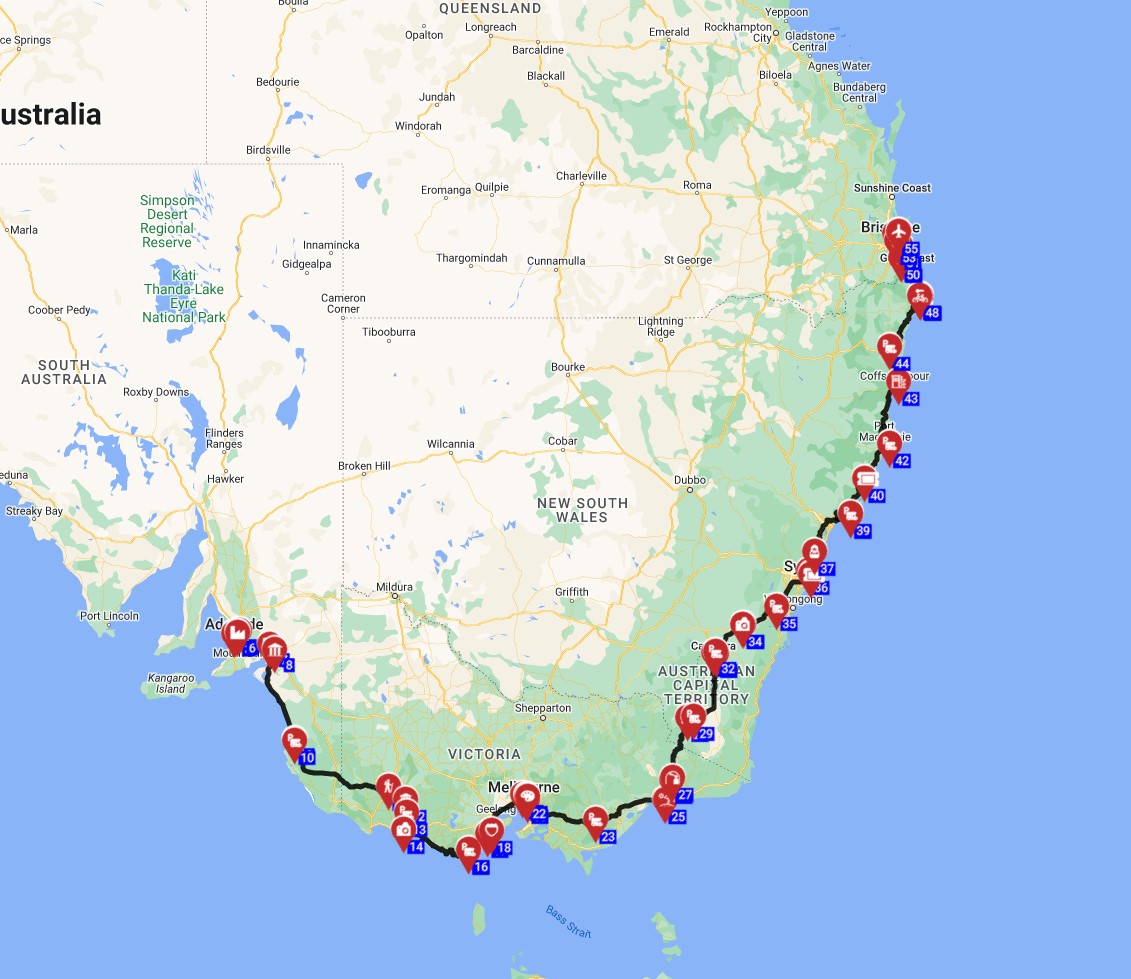
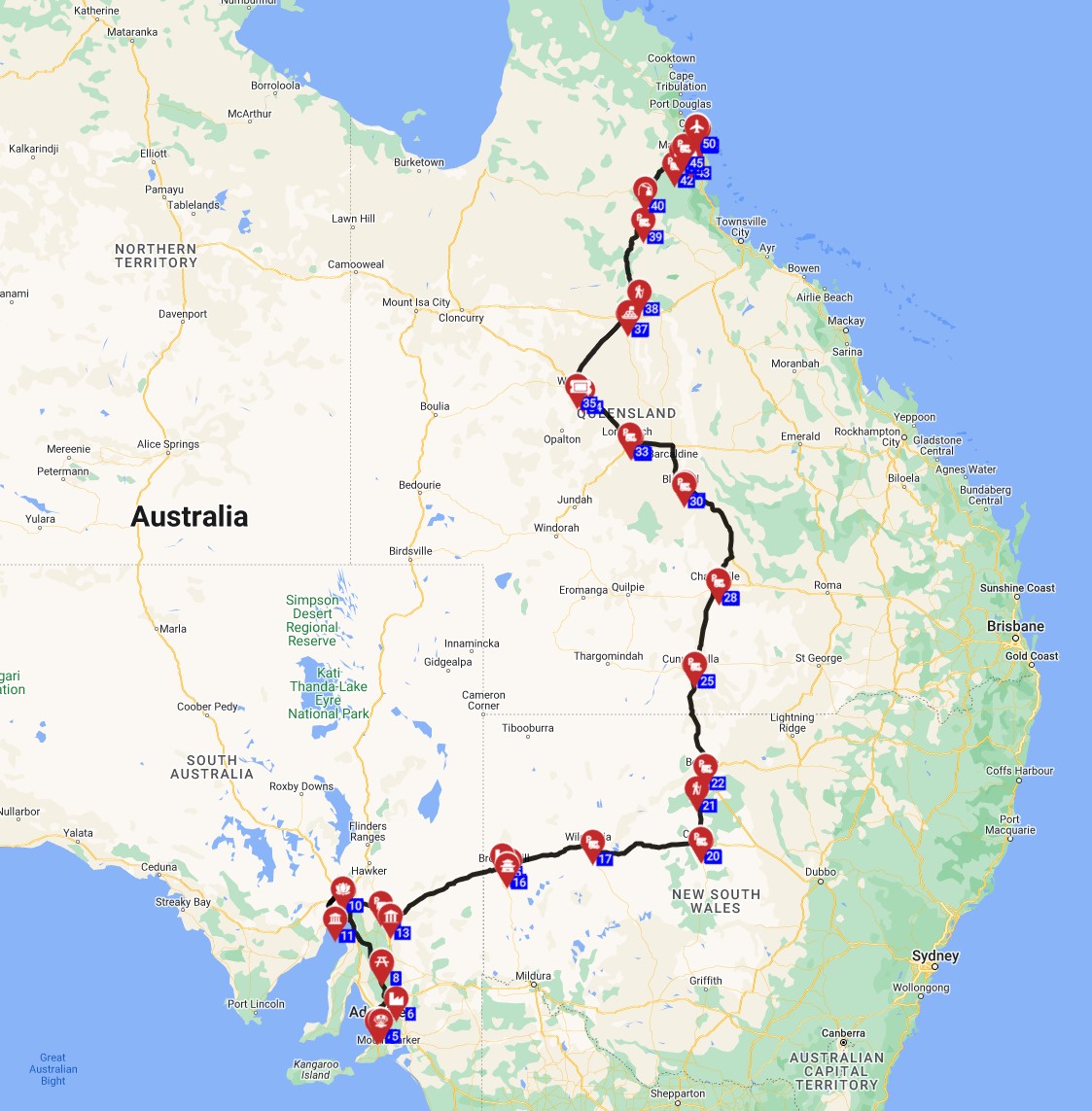
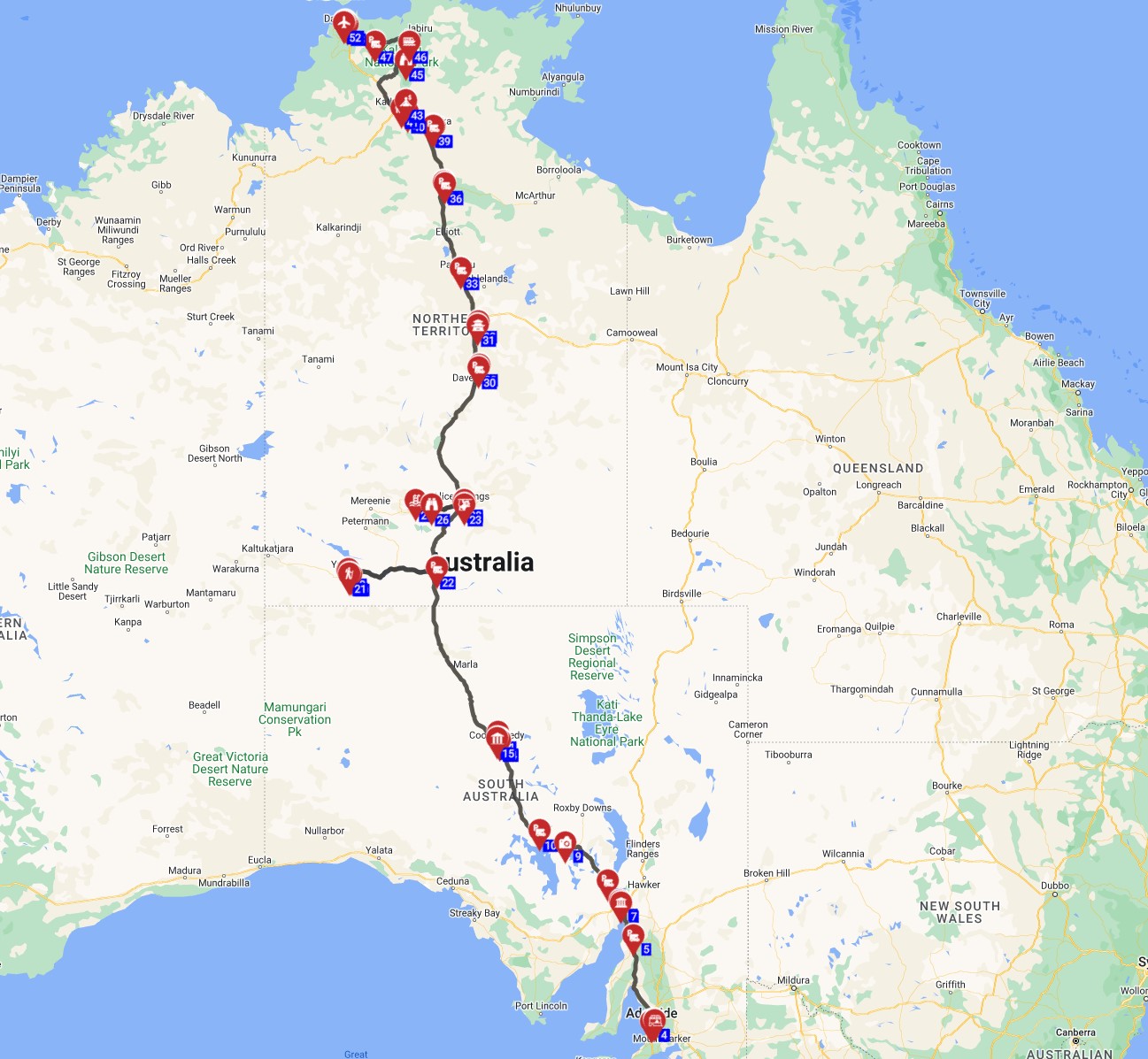
Consider these fantastic routes planned by professionals to inspire your next Australian RV journey:
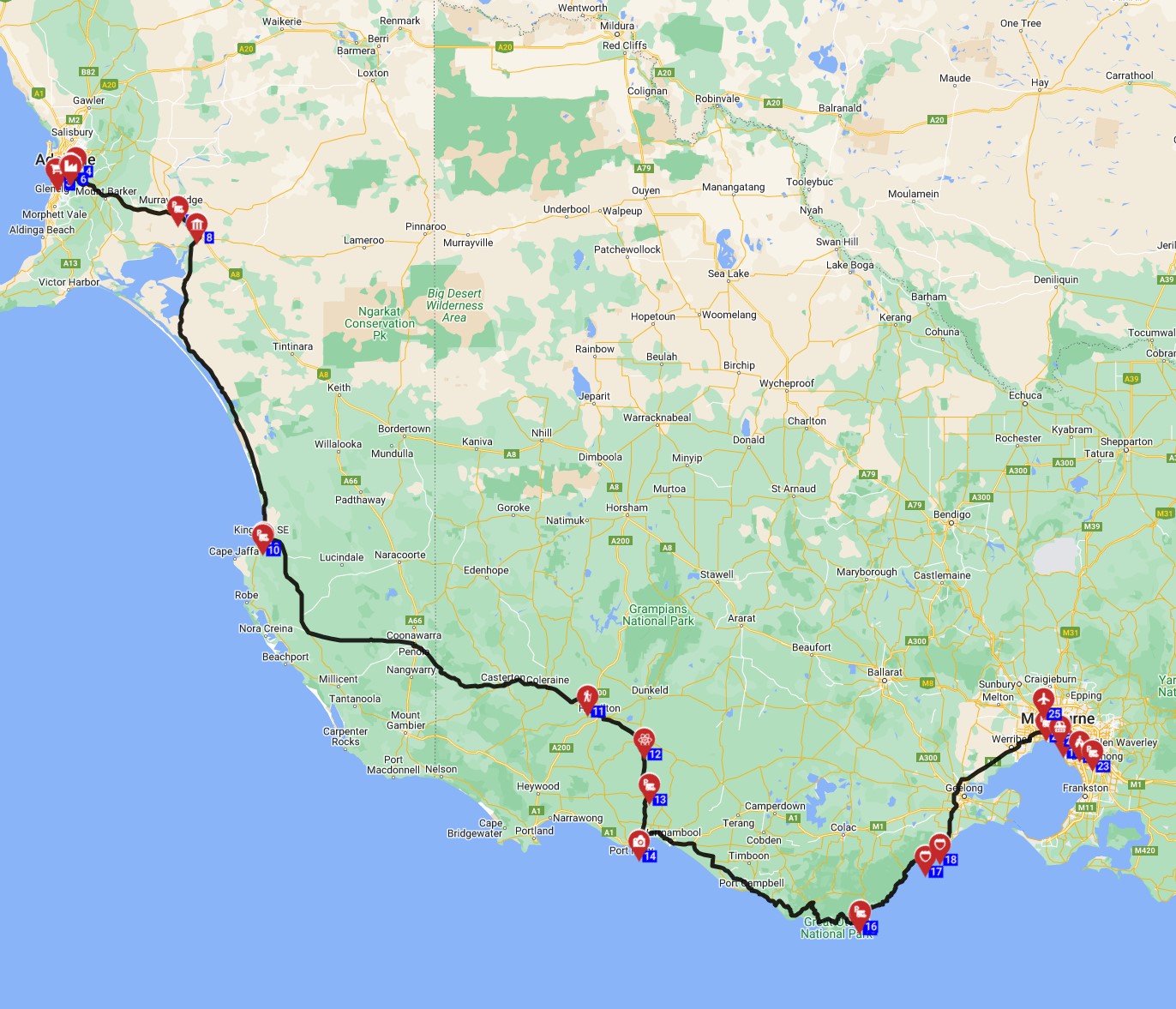
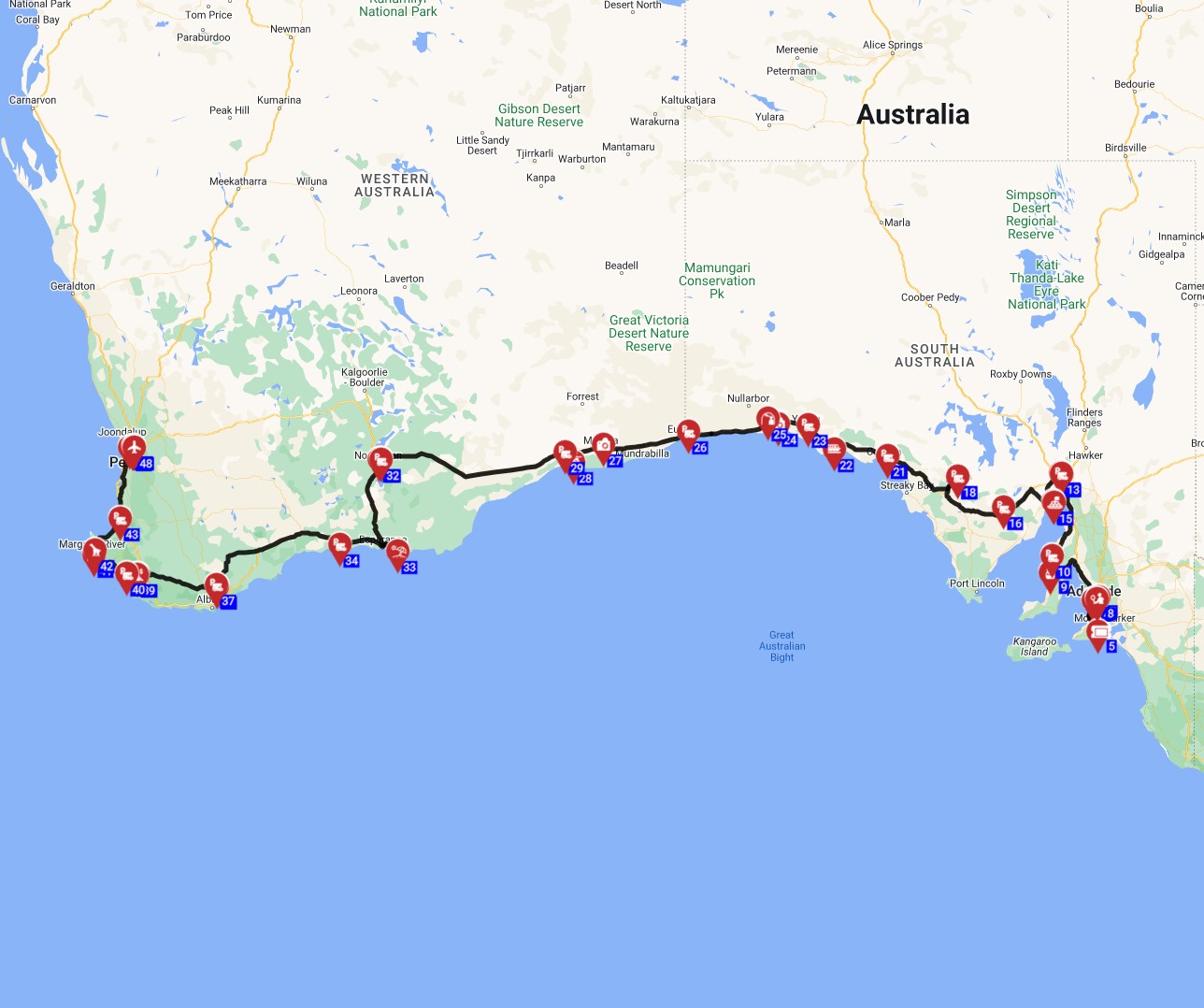
This 26-day journey covers 5622.8 km, featuring 2 wildlife shows, 5 hiking areas, and 3 museums. It's a comprehensive way to experience Australia's diverse heartland.
Embark on this 21-day, 5447.3 km adventure, including 1 botanical garden, 2 local industry visits, and 3 tourist attractions. For more route inspiration, explore our RV Travel Guide to Australia - Tips and Top Spots 2026.
This 17-day, 4003.6 km journey offers 3 hiking areas, 2 swimming spots, and a scenic route through Australia's heartland. These itineraries are crafted by professionals to help you make the most of your trip.
Final Thoughts
An RV rental adventure in Australia promises freedom, breathtaking scenery, and unforgettable memories. From the vibrant coastal cities to the serene outback, your motorhome or campervan is your ticket to explore at your own pace. Remember, planning is key, but so is embracing spontaneity-Australia has countless hidden gems waiting to be discovered. We handle the details, you live the journey.
Whether you're a couple seeking a romantic escape or a family embarking on an epic journey, there's a perfect rented RV waiting for you. Dive into the planning, compare prices, and get ready for the road trip of a lifetime across this incredible country. Discover top destinations, planning tips, all in one place!
Ready to hit the open road? Compare Motorhome Prices for Australia now and find your ideal mobile home for an extraordinary adventure.