In This Guide
- Where to Camp in Australia - Top Options
- Campground Types in Australia (National, Private, Wild)
- Featured RV Park or Campground in Australia
- Hookups & Amenities - What to Expect
- Booking Windows & Reservations in Australia
- Nearby Supermarkets & Resupply Points
- Best RV Class for Camping in Australia
- How to Save on Campgrounds in Australia
- Can you park an RV anywhere in Australia?
- What are RV parks called in Australia?
- Where can you park overnight for free in Australia?
- What is the average caravan park fee in Australia?
- How much do campsites cost in Australia?
- Are RVs allowed in Australia?
- How can I book campsites in Australia?
- Do you need to pre-book campsites in Australia?
- What is ghost camping in Australia?
Australia is a vast and breathtaking continent, offering an unparalleled canvas for an RV rental adventure. Imagine waking up to the sound of waves on a pristine beach, or the calls of exotic birds in the ancient outback - all from the comfort of your rented motorhome or campervan. With over 20 years of experience helping tens of thousands of travelers explore the world by RV, Bandana RV knows that transparent pricing, reliable support, and practical advice are key to an unforgettable journey. For live availability and current prices, start with our RV Rental Australia - Complete Guide 2026 guide, where we lay out everything you need to know for your Australian road trip.
Exploring Australia by rented RV allows you the freedom to discover its diverse landscapes at your own pace, from the sun-drenched coasts to the rugged red center. Traveling slowly, ideally averaging 100-150 km per day, allows you to truly immerse yourself in the local culture, savor the delicious food, and marvel at the ever-changing scenery. Whether you're a seasoned RVer or planning your first mobile home adventure, Australia promises an experience like no other. Let's dive into how you can make your Australian RV camping dreams a reality, efficiently and on a budget.
Where to Camp in Australia - Top Options
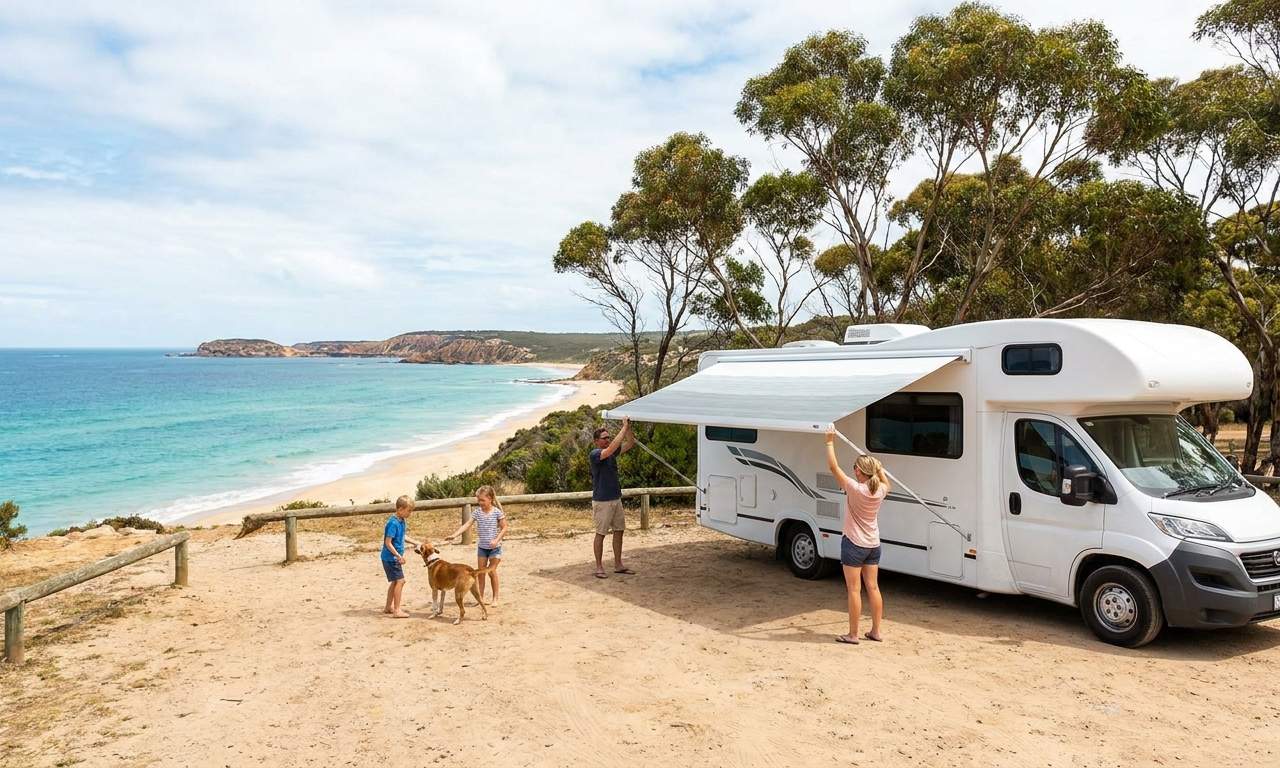
Australia offers diverse camping experiences, from coastal retreats to outback adventures and national park immersion, catering to every traveler's preference. Popular regions for RV camping include the iconic East Coast, spanning Queensland, New South Wales, and Victoria, which features over 500 well-equipped holiday parks near beaches and attractions.
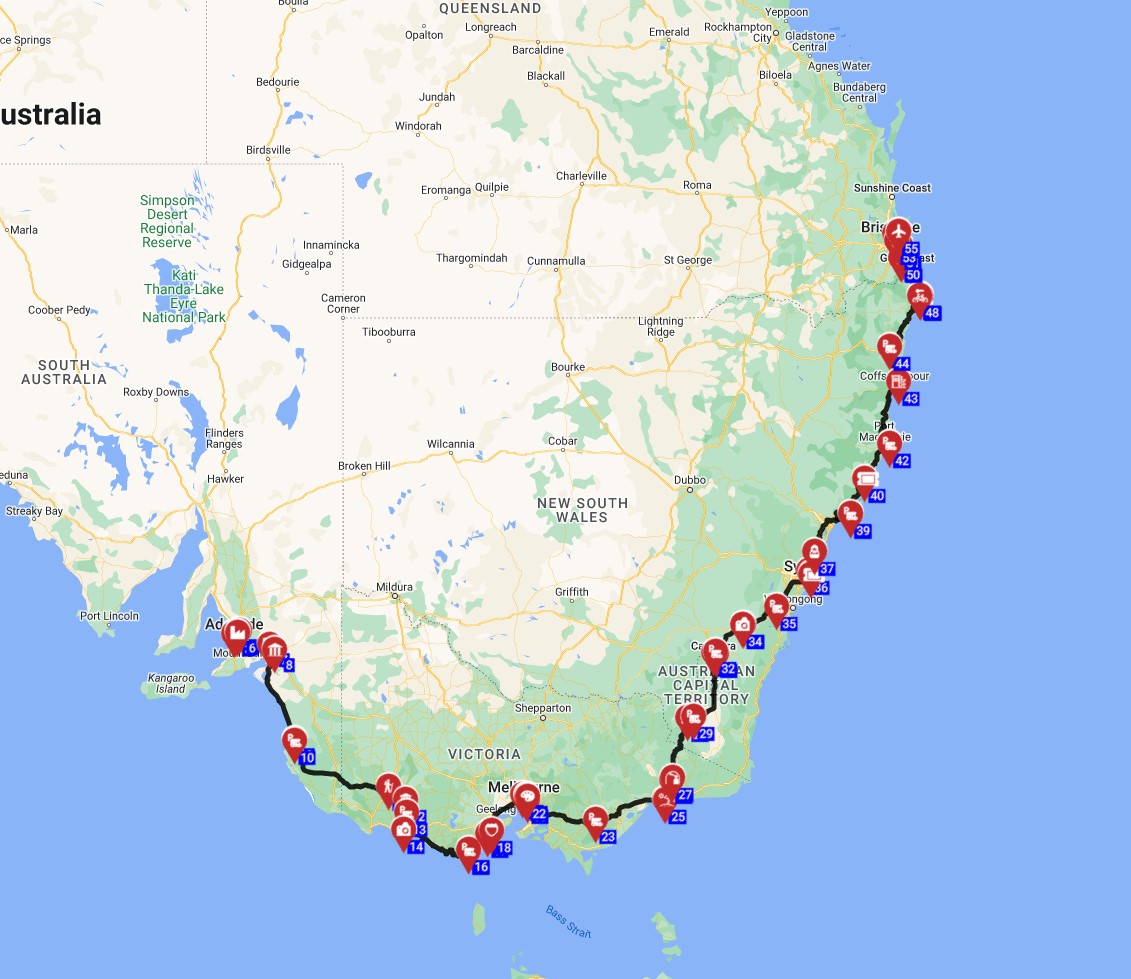
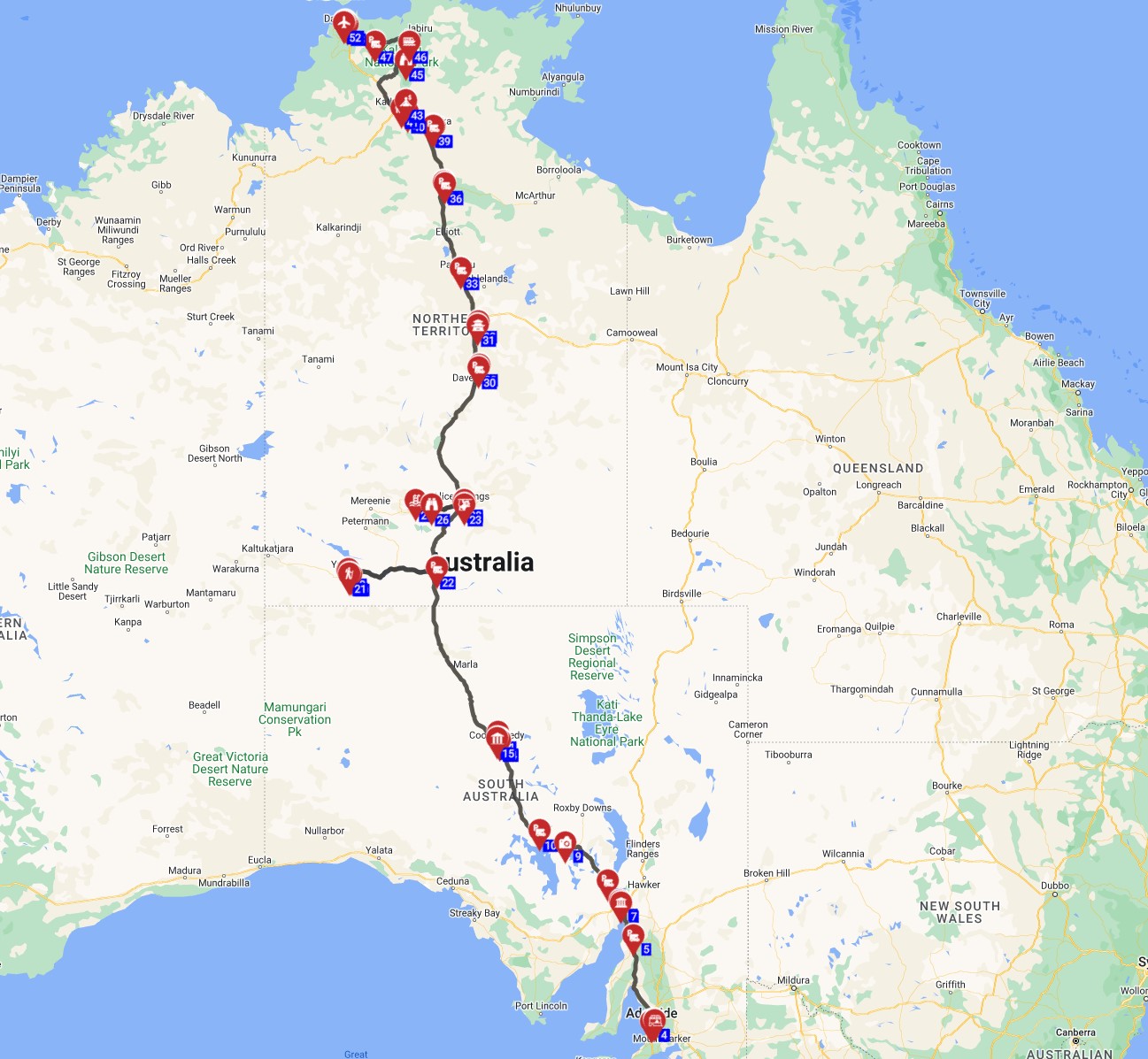
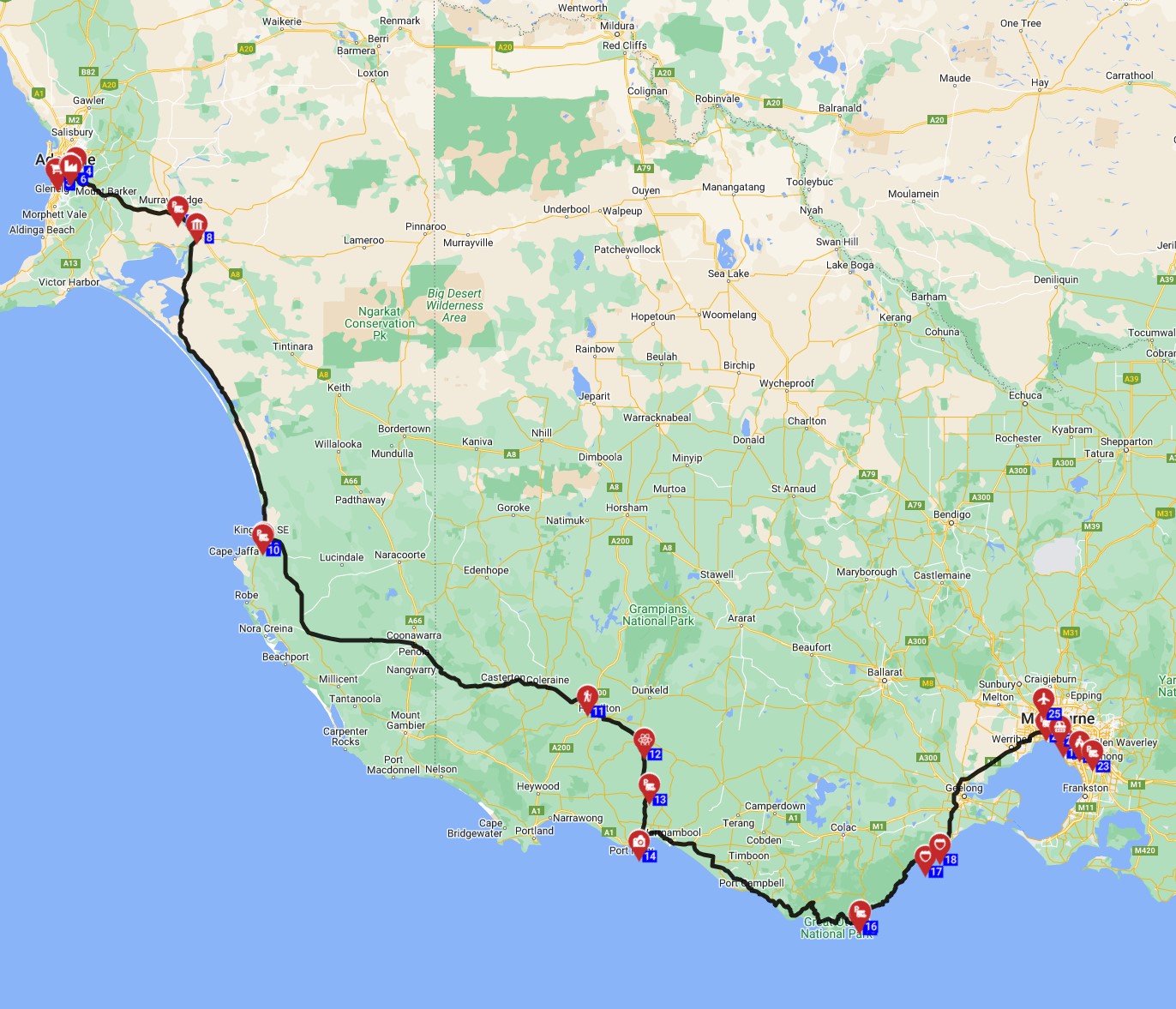
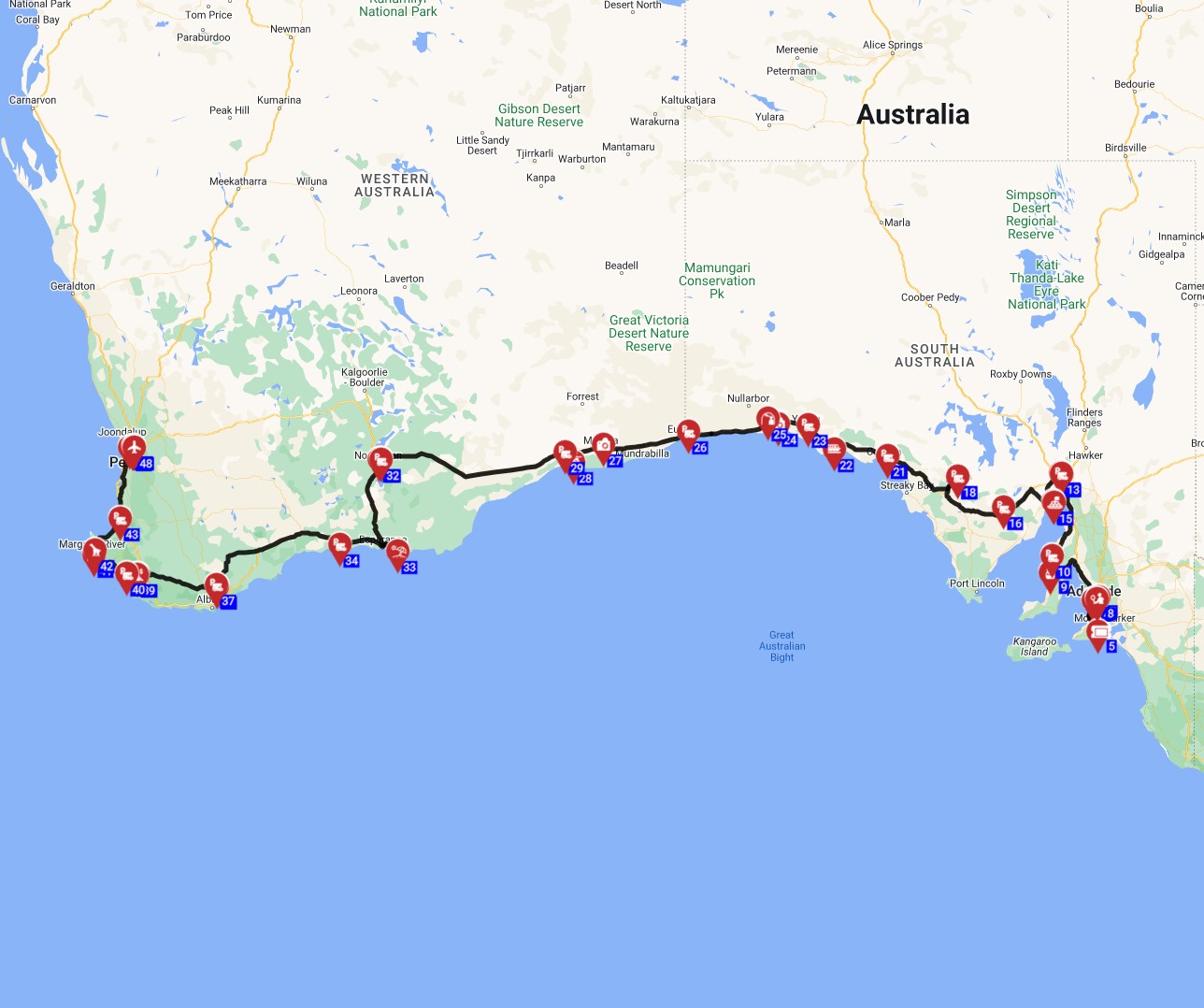
The rugged West Coast, particularly Western Australia, and the tropical north, like the Northern Territory, offer more remote and adventurous camping opportunities, often requiring thorough planning for self-sufficiency. National parks across the country provide more rustic, nature-focused sites, such as the 5 hiking areas and 4 natural features included in the "Melbourne to Darwin - Australia’s Heartline Road Trip" itinerary, which spans 26 days and 5622.8 km, offering travelers a chance to connect deeply with the natural environment.
Outback regions reward travelers with unique landscapes and spectacular stargazing opportunities, but access may be limited to specific vehicle types or require careful route planning. For detailed route plans and an overview of camping spots, consider checking out our "RV Travel Guide to Australia - Tips and Top Spots 2026".
Campground Types in Australia (National, Private, Wild)
Australia provides three primary campground types for rented motorhomes and campervans: National Park campgrounds, private caravan or holiday parks, and designated free/wild camping areas. National Park campgrounds, managed by state and territory parks services, offer natural settings with varying levels of amenities and often require permits or booking for environmental protection. For instance, some parks might offer basic pit toilets but no powered sites, typically costing AUD $10-$30 per night.
Private caravan parks, often referred to as holiday parks, are commercial establishments with extensive facilities like powered sites, fresh water hookups, dump points for wastewater, communal laundries, and sometimes even swimming pools or cafes. These parks are prevalent along popular tourist routes and coastal areas. Designated free camping, sometimes called 'freedom camping,' is permitted only in specific areas, often managed by local councils or found on public land; however, it is strictly regulated to prevent illegal roadside parking and requires travelers to be fully self-contained. For finding campsites and campgrounds during your trip, we recommend using RV PLANET (rvplan.net) - a great resource for locating available spots along your route, including details on amenities and types of sites available.
Featured RV Park or Campground in Australia
When selecting an RV park in Australia for your rented campervan or motorhome, it's essential to look for establishments that match your desired amenities and location, as facilities can vary significantly. Many top-tier holiday parks, such as those found along the Gold Coast or in popular coastal towns, offer resort-style amenities including swimming pools, communal kitchens, recreational facilities, and direct beach access.
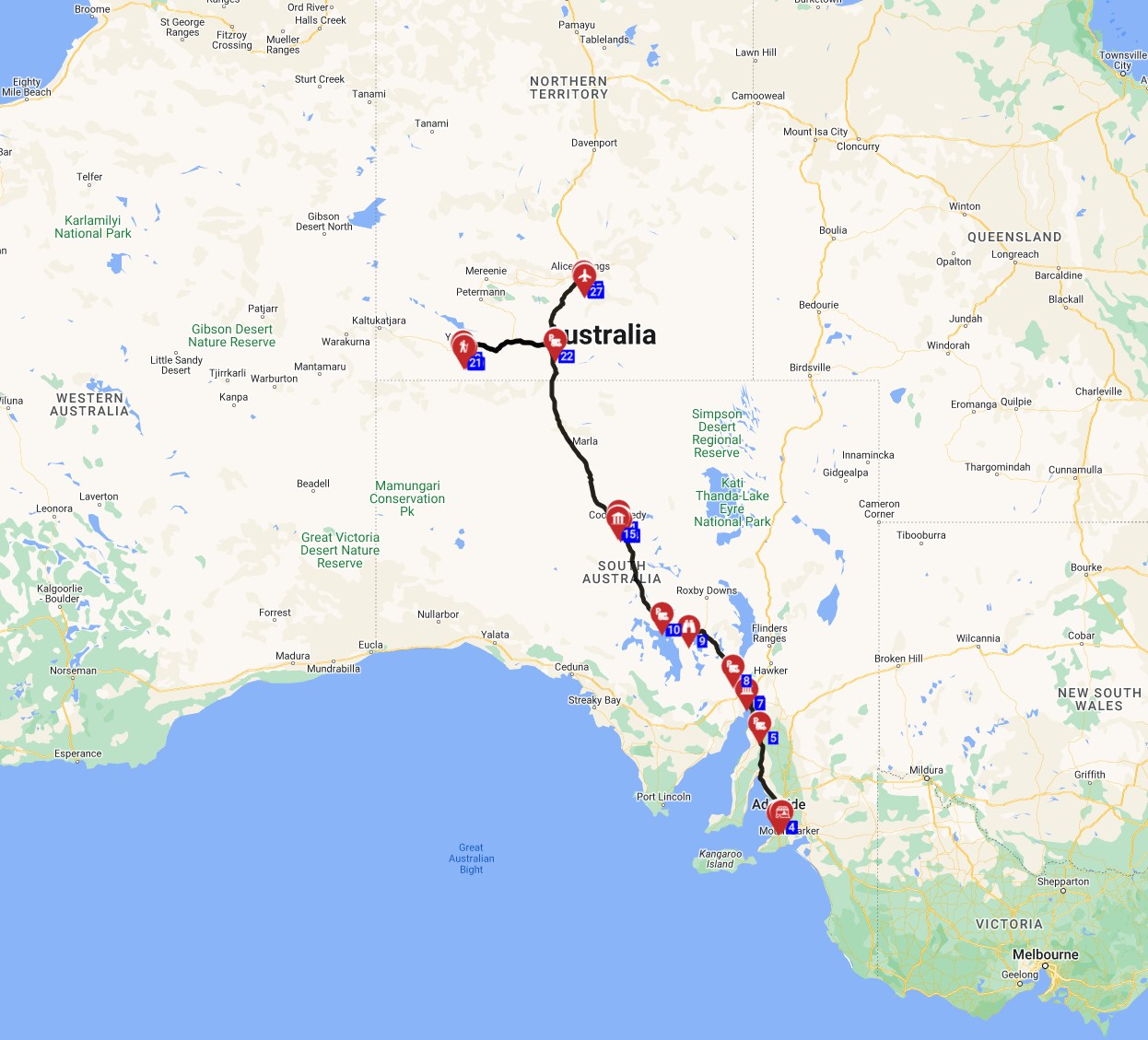
For a more nature-focused experience, consider well-maintained sites within National Parks, which prioritize scenic beauty and wildlife viewing over extensive facilities. Always check recent reviews and specific offerings-for example, if a park is dog-friendly or provides accessibility features-to ensure it meets your travel needs. When planning your route, exploring options like the "Perth to Alice Springs - The Dreamtime Highway: A Journey Through Australia's Heart" which covers 5447.3 km over 21 days, allows you to pre-identify campgrounds with the services you prefer, such as the 5 points of interest and 4 natural features included along this route, many of which are near camping facilities. You can also compare pricing across various suppliers by looking into "RV Rental in Australia - Prices and Best Deals 2026".
Hookups & Amenities - What to Expect
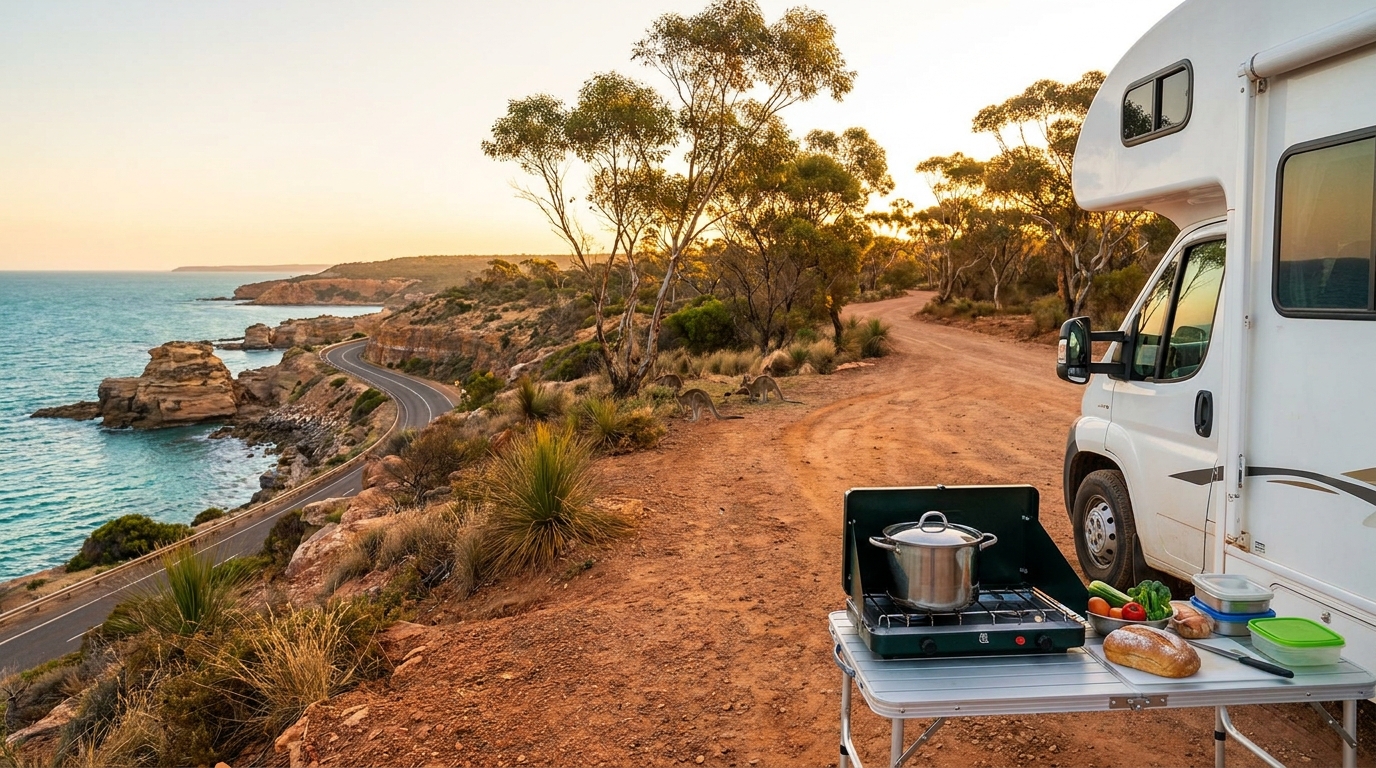
Most commercial caravan parks in Australia offer powered sites, providing 240V AC electricity (three-pin Australian plug type I) for your rented RV, along with water hookups and access to dump points for wastewater. Standard amenities at private parks typically include communal laundries, hot showers, flush toilets, BBQ areas, and often playgrounds or swimming pools. Imagine cooking up a storm on a communal BBQ, preparing your favorite RV-friendly recipes playlist while enjoying the sunset.
Wi-Fi connectivity varies greatly; while some parks offer free or paid Wi-Fi, it can be unreliable, especially in regional areas, making personal mobile hotspots a good backup for staying connected. National park campgrounds generally provide more basic amenities, such as non-powered sites and pit toilets, with water hookups and dump points being less common. It is always wise to confirm specific amenities when booking your site to ensure it meets your expectations for your motorhome rental adventure.
Booking Windows & Reservations in Australia
For travelers who prefer everything organized, booking RV campsites in Australia, especially popular caravan parks and national park sites, well in advance is highly recommended. This is particularly true during peak seasons, such as school holidays and long weekends, and for iconic destinations like those covered in a "Long-Term RV Rental in Australia - Monthly Rates 2026" itinerary. However, if you are a spontaneous traveler, don't stress about booking 6-12 months ahead.
Many national park campgrounds reserve only 25%-30% of their spots for advance reservations, leaving the remaining 70%-75% available on a first-come, first-served basis, providing plenty of options for last-minute or flexible travelers. You will almost certainly find a spot; if not at the first campground, then the next one. Always call ahead or check online availability before driving long distances, particularly with a larger rented motorhome. Shoulder seasons-spring (September-November) and autumn (March-May)-often offer more flexibility for spontaneous travel and better chances of securing a preferred spot without extensive pre-booking, allowing you to find "RV Rental Deals in Australia - Latest Offers 2026".
Nearby Supermarkets & Resupply Points
RV travelers in Australia can easily resupply at major supermarket chains like Woolworths, Coles, and Aldi, which are prevalent in most towns and cities across the country. For remote travel or smaller communities, IGA supermarkets and local general stores serve as crucial resupply points, though prices may be slightly higher and selection more limited than in urban centers.
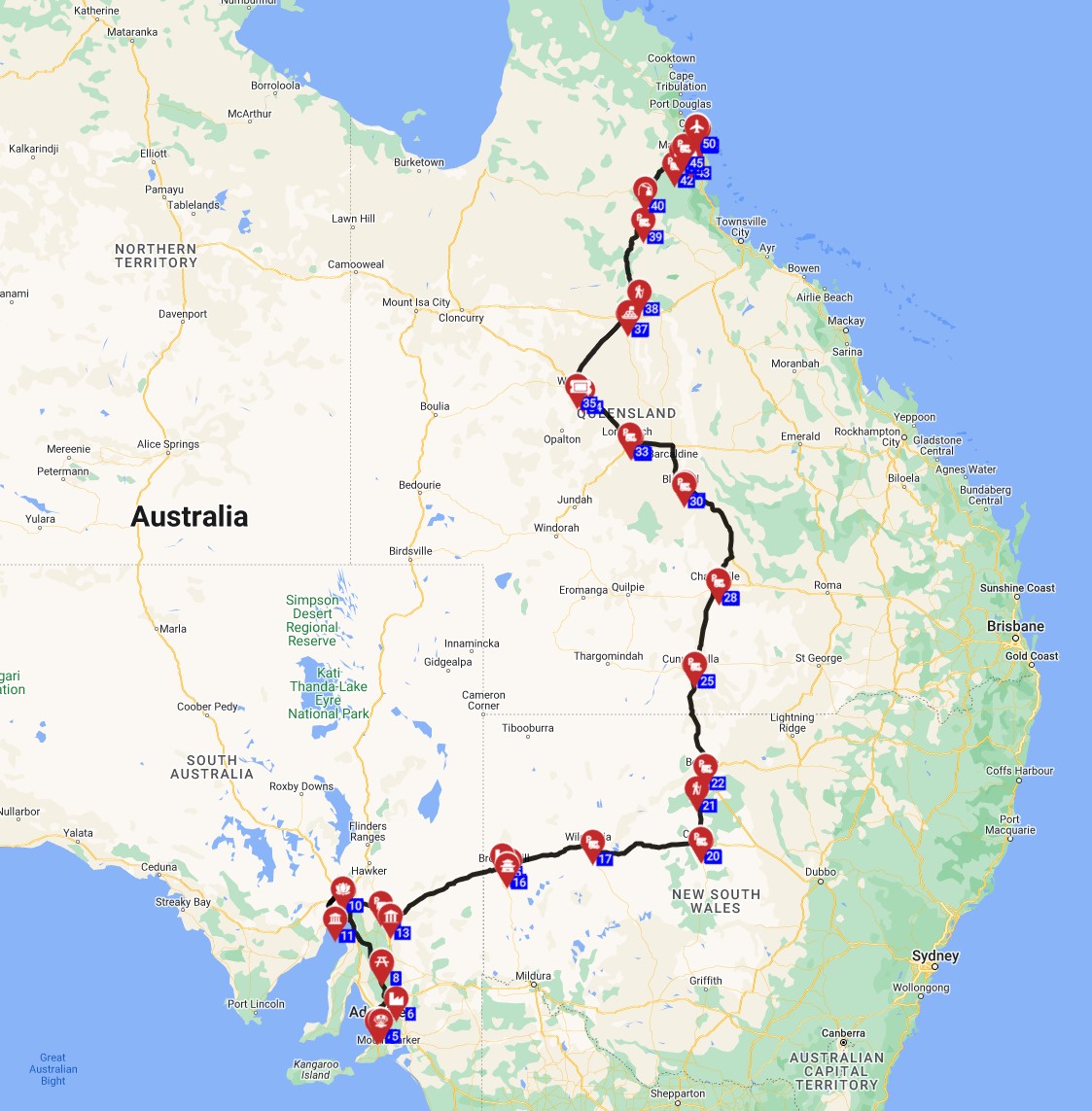
It is essential to plan for food, water, and fuel management when embarking on multi-day remote trips, especially in the vast outback, by carrying sufficient supplies and taking advantage of every major town for restocking. Fuel stations are widely available on main routes but can be sparse in very remote areas, making it wise to top up fuel whenever available, particularly when venturing off main highways. For instance, on the 17-day, 4003.6 km "Cairns to Alice Springs - Northern Horizons: A Journey Through Australia's Heartland" route, careful planning for provisions is crucial, and on RV PLANET routes, travelers can itemize and track every expense along the way for easy budgeting, including groceries and fuel. On the routes offered through RV PLANET routes, you can itemize and track every expense along the way for easy budgeting.
Best RV Class for Camping in Australia
For diverse camping experiences in Australia, Bandana's fleet offers flexible options like Class B Camper Vans and Class SI Semi-integrated motorhomes, providing comfort and maneuverability. Class B Camper Vans, typically averaging 5.8 meters in length, are ideal for 2-3 adults seeking ease of parking and suitability for both basic campgrounds and designated free camping spots. These smaller, more fuel-efficient models, often consuming around 10 Liters/100 km, offer a great balance for couples or small families.
Class SI Semi-integrated motorhomes, typically around 6.9 meters long and accommodating 3-4 adults, provide a good balance of comfort and flexibility, offering more living space and amenities like a larger refrigerator and internal shower/toilet for extended trips, while still being manageable on most Australian roads. A popular choice like the 'cruise america rv rental example Explorer' offers a 2.5 Liter Turbo diesel engine, 75 Liter fuel tank, and 82 Liter fresh water tank, averaging 11 Liters/100 Km. Remember, a standard car driver's license is sufficient for all motorhome classes in Australia, so you can confidently choose the perfect rented motorhome for your adventure.
How to Save on Campgrounds in Australia
Utilizing campground discount cards, such as those often offered through RV rental companies or national associations, is a significant way to reduce accommodation costs in Australia, sometimes saving up to 15-20% on nightly rates. Booking your rented RV adventure during the shoulder seasons-spring (September-November) and autumn (March-May)-instead of peak summer (December-February) or winter holidays can significantly lower campground fees and offer more availability. Remember that pricing is dynamic, much like flight tickets, changing daily based on availability, seasonality, and supplier marketing decisions.
Opting for municipal or regional campgrounds often provides more affordable rates, typically AUD $20-$35 per night, compared to private resort-style caravan parks that can range from AUD $30-$60, or even $70-$100+ for premium beachfront spots. Many parks offer weekly rates or discounts for stays of three or more nights, providing savings for longer stops. For more insights on costs, you can consult our "RV Rental in Australia - Prices and Best Deals 2026" guide.
Can you park an RV anywhere in Australia?
No, you cannot legally park an RV anywhere in Australia; specific regulations govern where motorhomes and campervans can be parked or camped overnight, varying significantly by state, territory, and local council. While roadside rest areas are generally permitted for short overnight stops, typically limited to 24 hours, extended stays or parking in undesignated areas can result in fines and legal issues. National parks and protected areas often require specific permits and advance bookings for designated campsites, and illegal camping is strictly prohibited to protect sensitive environments.
Understanding detailed legalities and regulations for each state-for example, Queensland's 'No Camping' signs or Western Australia's strict rules-is crucial to avoid penalties and ensure a responsible trip. Drive slowly and carefully, and you can drive almost anywhere without issues. No need to stress - just use common sense and pay attention. For reliable camping spots, always consult official signage and resources like Wikicamps Australia.
What are RV parks called in Australia?
In Australia, what are often called 'RV parks' in other countries are predominantly known as 'caravan parks' or 'holiday parks,' offering a range of facilities for caravans, campervans, and motorhomes. These parks provide various site types, including powered sites (with electricity and water hookups), unpowered sites, and often cabins or chalets, catering to diverse traveler needs. Holiday parks are typically commercial establishments that go beyond basic camping, offering amenities such as swimming pools, communal kitchens, laundry facilities, playgrounds, and sometimes even shops or cafes.
Many are affiliated with national chains like Big4 Holiday Parks, Discovery Parks, or Reflections Holiday Parks, offering consistent standards and booking networks. For instance, if you're comparing options for your trip, our "RV Rental Deals in Australia - Latest Offers 2026" might highlight specials from these suppliers. These established parks offer a convenient and comfortable base for your Australian adventure, whether you're staying for a week-long trip or a two-week adventure.
Where can you park overnight for free in Australia?
You can park overnight for free in Australia at designated free camping areas, roadside rest stops, and some community-run sites, but it requires careful research and adherence to local rules. Apps like Wikicamps Australia are invaluable resources for locating verified free camping spots, providing information on amenities, user reviews, and specific regulations for each site. While some roadside rest areas permit 24-hour overnight parking for weary travelers, it's essential to look for signage indicating allowed stay durations and to avoid setting up elaborate camps. Respecting the local environment and regulations ensures a positive experience for everyone.
Always check for mobile reception blackspots and consider carrying a satellite phone or Personal Locator Beacon (PLB) when free camping in remote areas, as connectivity and emergency preparedness are vital for safety. This is especially true in Australia's vast and often sparsely populated regions. When considering a route like "RV Rental Near Australia Airport - Pickup Pricing 2026", remember that free camping options might be more limited closer to major cities.
What is the average caravan park fee in Australia?
The average caravan park fee in Australia typically ranges from AUD $30 to $60 per night for a powered site, though prices can fluctuate significantly based on location, season, and park facilities. Coastal and popular tourist destinations, especially during peak school holidays or long weekends, can see prices soar to AUD $70-$100 or more per night for premium beachfront sites. In contrast, more basic regional or inland caravan parks, and unpowered sites, might cost as little as AUD $20-$35 per night.
Many parks offer discounts for extended stays, such as weekly rates, or for members of affiliated clubs like Big4, making it worthwhile to inquire about potential savings. The final price you pay is dynamic and set at the actual booking time, similar to flight tickets, changing daily based on availability and demand. For example, a week-long trip can often have a lower daily rate than a shorter rental. For more detailed pricing, explore "Weekly RV Rental in Australia - Pricing 2026".
How much do campsites cost in Australia?
Campsite costs in Australia vary widely, generally ranging from free at designated 'freedom camping' sites, to AUD $10-$30 for basic national park sites, up to AUD $60-$100+ for premium private caravan park sites. National park campgrounds often present a more budget-friendly option, with fees typically between AUD $10 to $30 per night for unpowered sites, often requiring online booking and payment through state park services. These sites provide a great way to experience Australia's natural beauty without breaking the bank.
Private caravan parks, also known as holiday parks, offer a higher level of amenities and therefore command higher prices, with powered sites typically falling within the AUD $30-$60 range, increasing for beachfront or prime locations. Understanding regional differences and optimal travel seasons is crucial, as prices can fluctuate with demand; for instance, tropical north prices might differ significantly from temperate south prices. Always compare final prices across suppliers with Bandana, because what you see is what you pay, with no surprise fees at pickup.
Are RVs allowed in Australia?
Yes, RVs are widely allowed and are a very popular mode of travel in Australia, with extensive infrastructure like caravan parks and designated camping areas catering to rented motorhomes and campervans. Australia's vast distances and stunning landscapes make it an ideal destination for road tripping in a mobile home. However, specific road conditions and vehicle suitability are critical considerations, especially when planning to venture beyond sealed roads.
While most sealed roads are suitable for standard RVs like Bandana's Class SI (Semi-integrated) or Class C vehicles, venturing onto unsealed or dirt roads often requires a 4WD camper or careful assessment of the road's condition, particularly after rain. It's essential to check your RV rental agreement for any restrictions on unsealed roads and to plan routes carefully, as some iconic tracks or remote areas may necessitate a more robust vehicle. Drive slowly and carefully, and you can drive almost anywhere without issues. No need to stress - just use common sense and pay attention.
How can I book campsites in Australia?
Campsites in Australia can be booked primarily through online reservation systems, directly via phone or email with individual parks, or sometimes through third-party booking platforms and apps. For national park campsites, bookings are typically made through the relevant state or territory's parks and wildlife service website, such as Parks Australia, National Parks NSW, or Parks Victoria. It's a straightforward process, but popular spots fill up fast.
Private caravan and holiday parks generally have their own dedicated websites for online reservations, or you can call them directly to secure a spot. Many of these commercial parks are part of larger chains that offer easy online booking portals. Using comprehensive camping apps like Wikicamps Australia can also facilitate bookings by providing direct links or contact details for various campsites, including both paid and designated free options, making planning your rented RV trip much simpler.
Do you need to pre-book campsites in Australia?
Pre-booking campsites in Australia is highly recommended, especially during peak seasons-such as major school holidays (mid-December to late January, April, July, and October) or for popular destinations and national park sites-to guarantee a spot. While spontaneous travel is absolutely possible, particularly in shoulder seasons or less frequented areas, attempting to find a site without a reservation in popular spots can lead to disappointment or long drives to the next available park.
For iconic locations or specific dates, some national park campgrounds and premium private parks can book out months in advance, underscoring the importance of early planning for a seamless rented motorhome adventure. Even when not strictly necessary, calling ahead before driving to a campsite, especially for unpowered sites or smaller parks, can save time and prevent arriving at a fully booked location. We find that many pre-planners enjoy the peace of mind of having everything organized, while spontaneous travelers appreciate the flexibility of finding spots day-to-day.
What is ghost camping in Australia?
Ghost camping in Australia refers to 'stealth camping' or setting up camp illegally in undesignated areas, often in urban fringes, private property, or protected lands where camping is explicitly prohibited. This practice is illegal and can lead to fines, eviction, and damage to environmental integrity, contrasting sharply with legal 'freedom camping' in approved free sites. Australian authorities are strict about protecting their natural landscapes and wildlife habitats, so unauthorized camping is taken seriously.
The legality and enforcement of 'no camping' rules are rigorous across Australia, with local councils actively monitoring and penalizing illegal overnight parking or camping, sometimes with fines of several hundred dollars. Instead of ghost camping, travelers with a rented RV should utilize designated free camping areas, roadside rest stops with clear overnight parking allowances, or paid campgrounds to ensure a legal and responsible RV experience. Always prioritize safety, environmental protection, and respect for local regulations during your motorhome rental adventure.
What You Shouldn't Miss
- **Great Ocean Road Drive, Victoria:** Embark on one of the world's most scenic coastal drives, stretching over 243 km, offering dramatic cliffs, iconic rock formations like the Twelve Apostles, and charming seaside towns.
- **Uluru-Kata Tjuta National Park, Northern Territory:** Experience the spiritual heart of Australia with the majestic Uluru monolith and the domes of Kata Tjuta. Enjoy sunrise and sunset viewings, walking trails, and learn about Aboriginal culture.
- **Daintree Rainforest, Queensland:** Explore the world's oldest continually surviving tropical rainforest, estimated to be 180 million years old, where you can spot unique wildlife and pristine beaches.
- **Sydney Harbour, New South Wales:** Park your rented motorhome near Sydney and explore the iconic Opera House, Harbour Bridge, and vibrant city life. Enjoy ferry rides and coastal walks.
- **Tasmania's Wilderness:** Take a ferry to Tasmania and discover its rugged national parks, pristine beaches, and unique wildlife. Ideal for a slow travel pace, allowing you to connect with nature deeply.
- **Ningaloo Reef, Western Australia:** Snorkel or dive in this stunning fringing coral reef, easily accessible from the shore, where you can swim with whale sharks and manta rays.
🎬 Video coming soon
Looking for expert insights from Avi Bandana? Top 5 Adventures - recommendations from Avi Bandana
Final Thoughts
Exploring Australia with a rented RV is an adventure of a lifetime, offering unparalleled freedom and flexibility to discover its stunning diversity. From vibrant cities to ancient rainforests and the majestic outback, your motorhome or campervan becomes your mobile home, letting you chase sunsets and wake up to new horizons every day. Remember that Bandana Caravan is dedicated to making your journey smooth and enjoyable, with full transparency and supportive service every step of the way.
We're proud to have been helping tens of thousands of travelers since 2001, providing expert advice and a seamless booking experience. So, pack your bags, choose your ideal rented RV, and embark on an unforgettable Australian road trip. The vast and beautiful landscapes of Australia are waiting to be explored, and we're here to help you get there.
Discover top destinations and planning tips all in one place with Bandana. Compare Motorhome Prices for Australia today and start planning your dream journey!