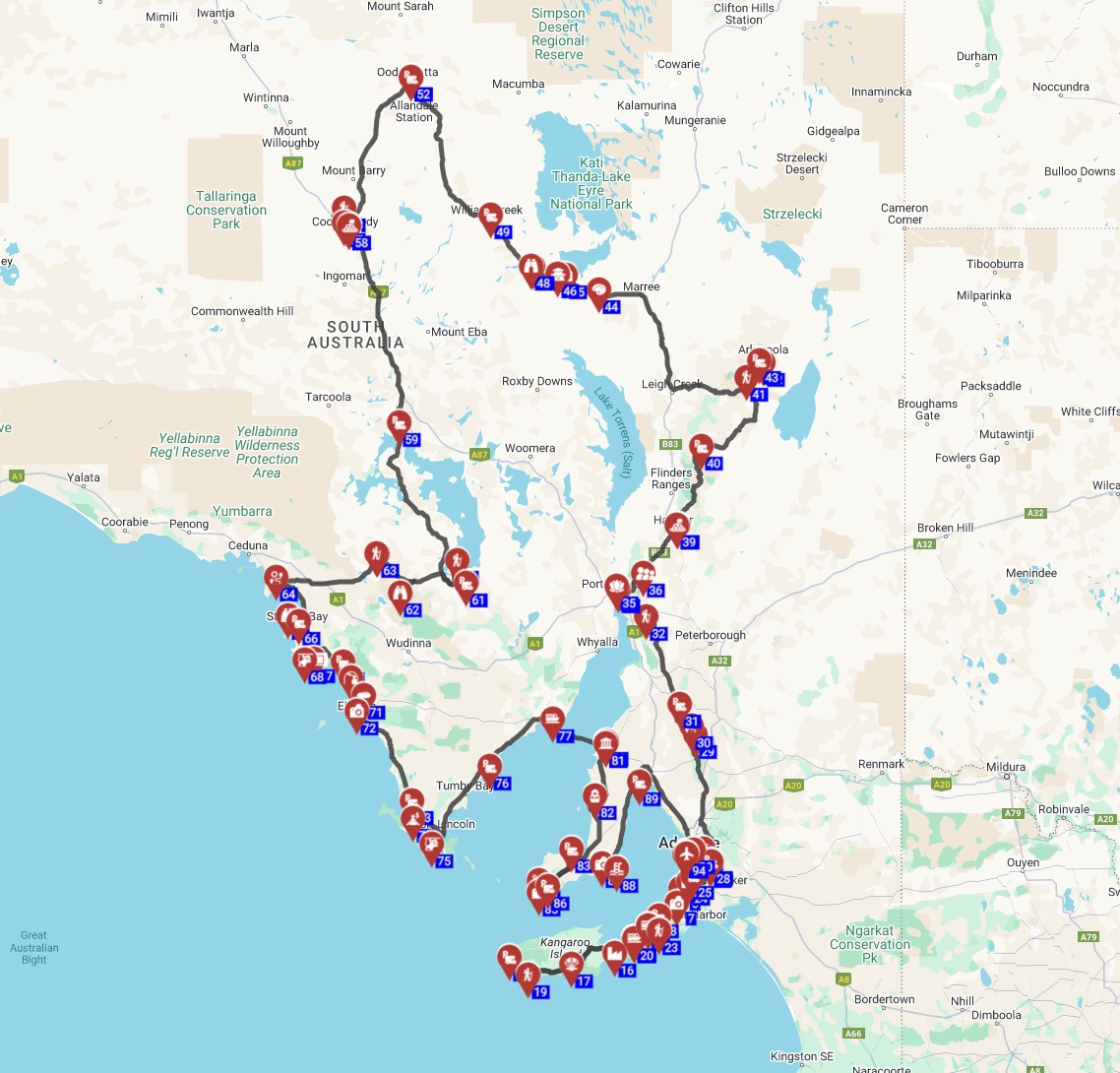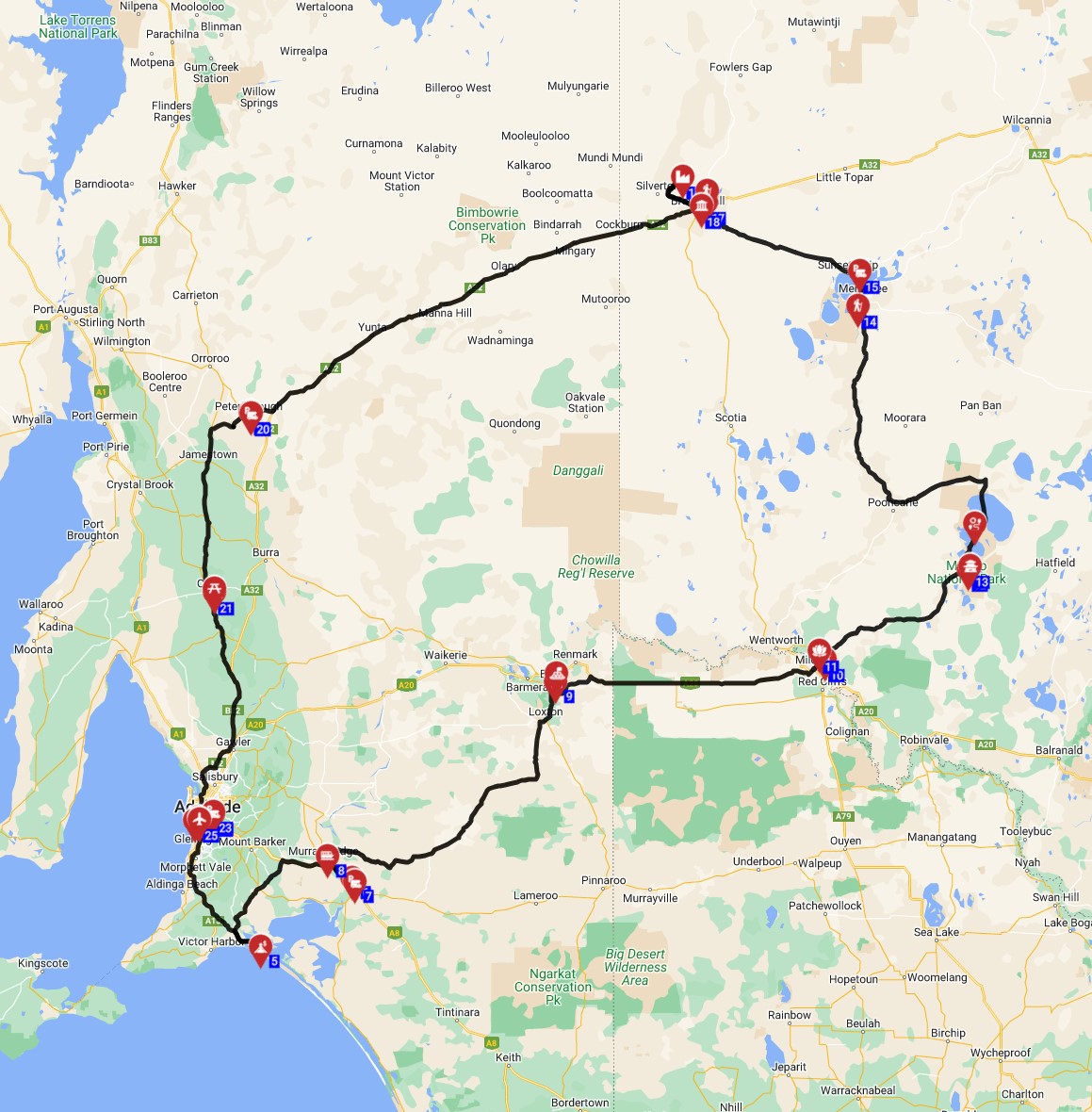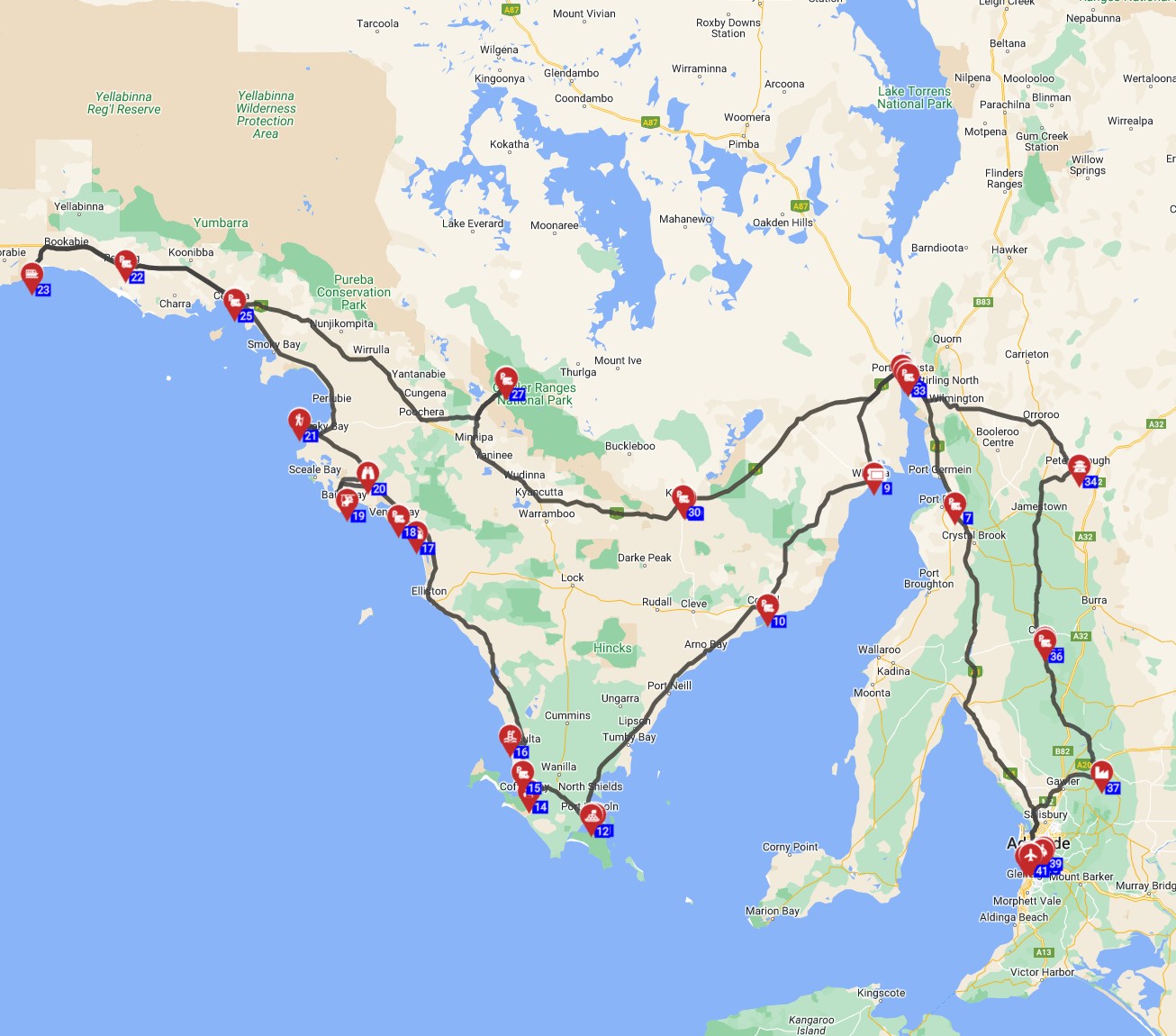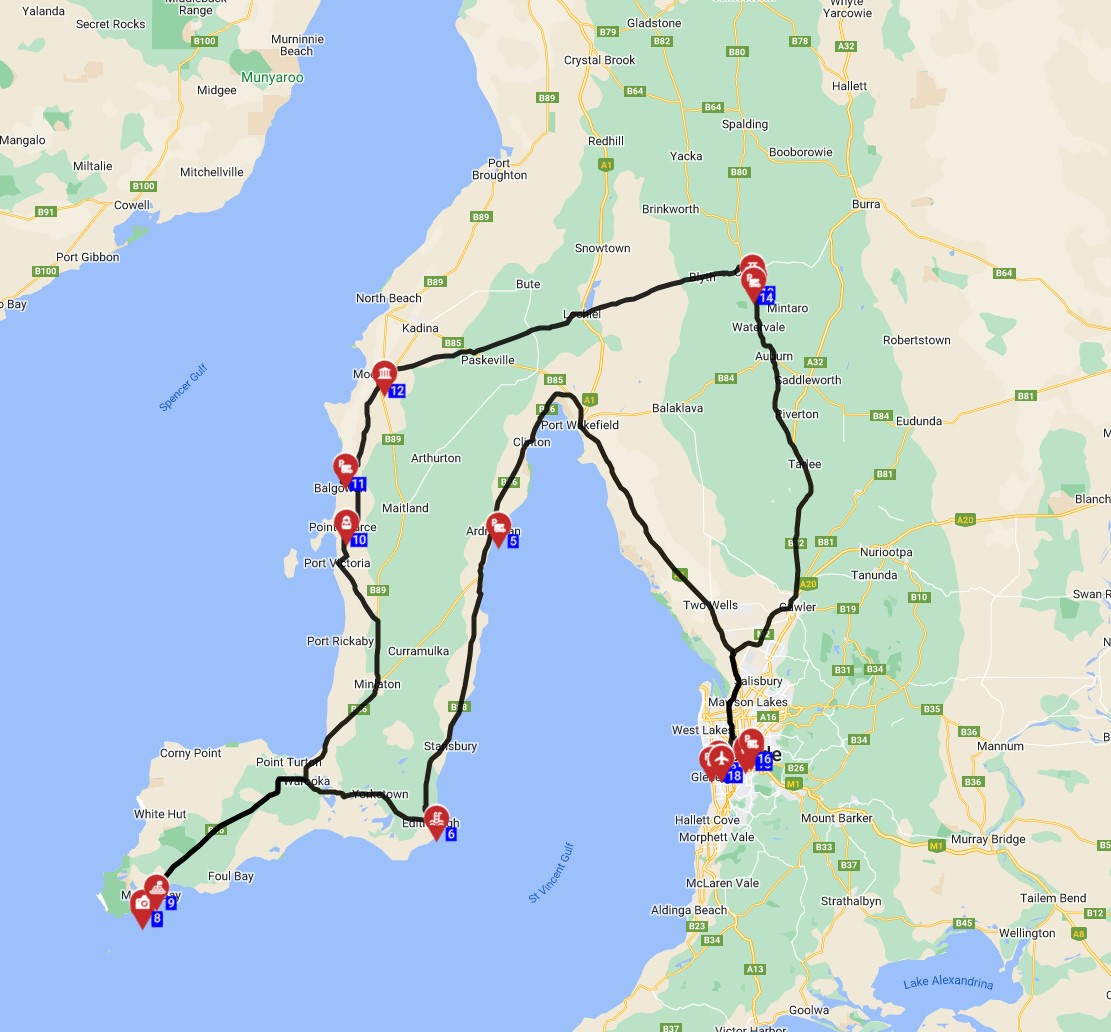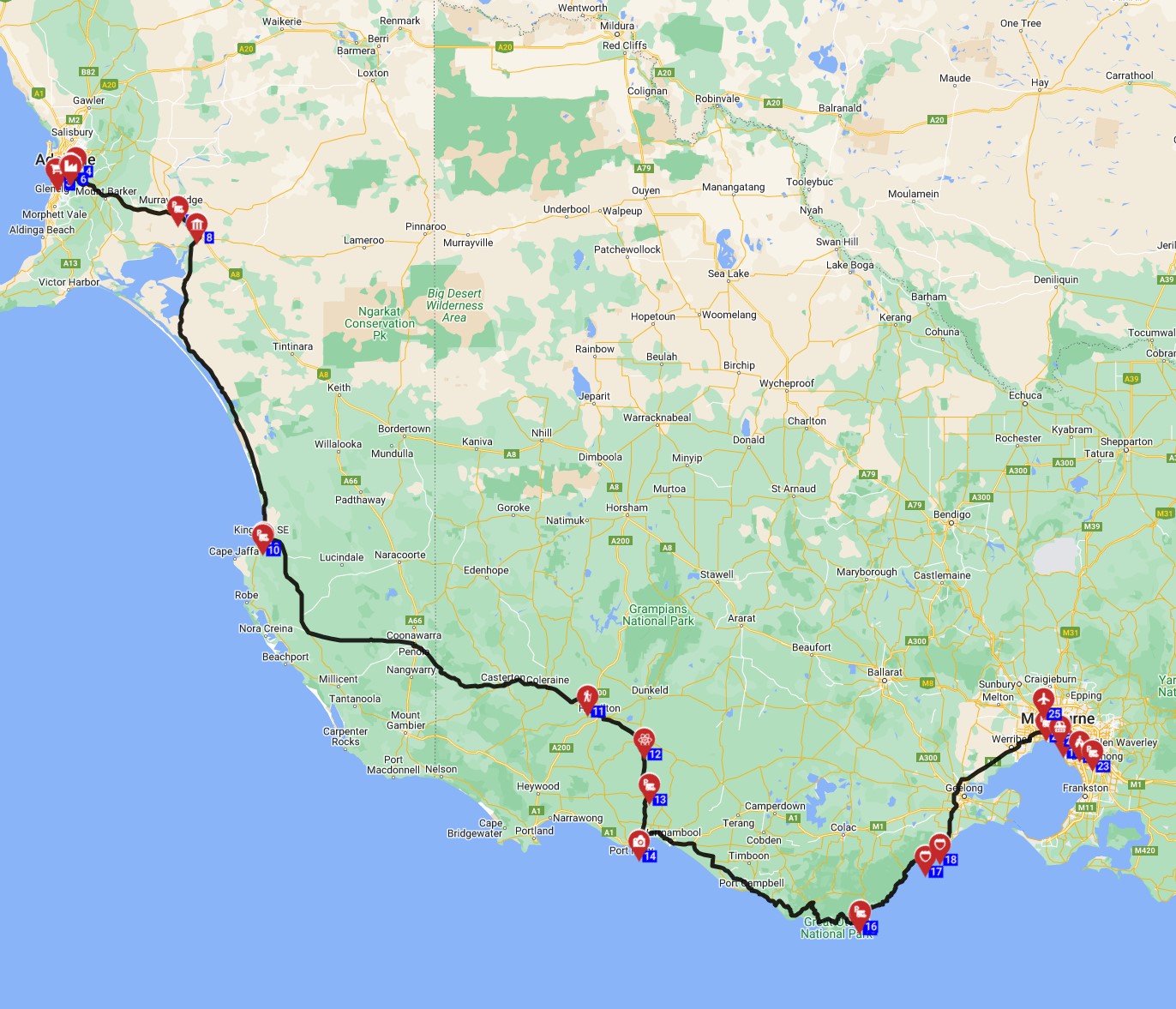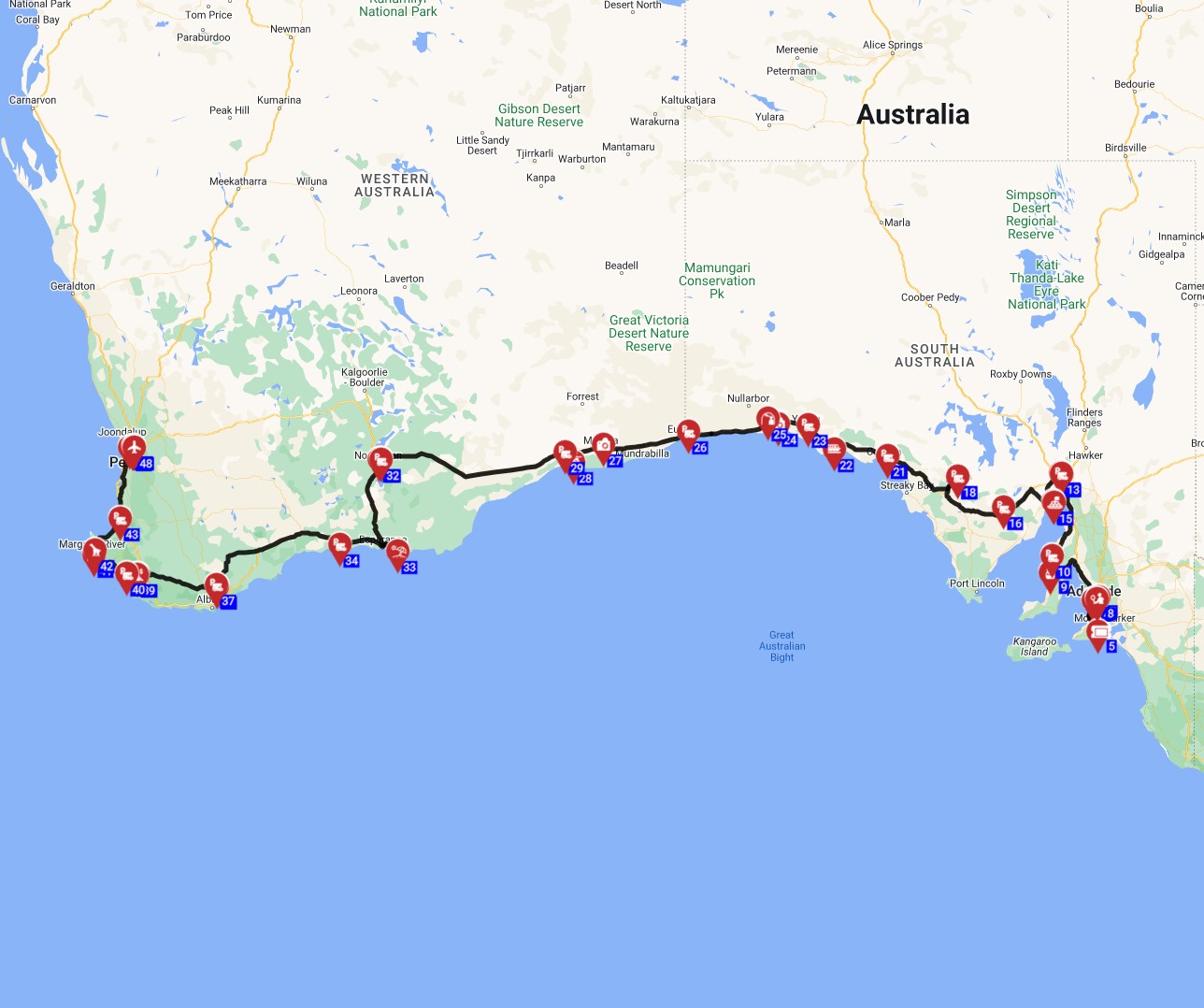
In This Guide
- Top 5 Tips for RV Rental in Australia
- Before You Book - Class, Dates, Insurance
- Pre-Trip Prep - Packing Checklist for Australia
- On the Road - Driving, Fueling, Navigation
- At the Campground - Setup, Hookups & Etiquette
- RV Rental-Specific Tips for Australia
- Common Mistakes to Avoid in Australia
- What is the 3-3-3 Rule for RV Travel in Australia?
- What are the Drawbacks of Renting an RV in Australia?
- How Much Does it Cost to Rent an RV in Australia for a Week or More?
- Can You Park an RV Anywhere in Australia?
- Is it Worth Having a Toilet in an RV in Australia?
- Can US Citizens Rent an RV in Australia?
- What Not to Do in Australia as an American Traveler?
- Is 3000 AUD Enough for a 2-Week RV Trip in Australia?
Embarking on a rented RV adventure across Australia offers unparalleled freedom and immersion in its diverse landscapes. Imagine yourself cruising the iconic coastal roads, exploring the rugged Outback, or finding a peaceful spot overlooking a pristine beach. With Bandana RV, your journey starts with full transparency and dedicated support, ensuring a seamless experience from the moment you begin planning.
Planning is key to a successful and budget-friendly trip, whether you're dreaming of a week-long escape or an extended road trip. For live availability and current prices, start with our RV Rental Australia - Complete Guide 2026 guide. We've been helping tens of thousands of travelers explore the world by RV since 2001, fostering direct partnerships with over 50 leading RV suppliers worldwide, including trusted names like Apollo and Britz.
Top 5 Tips for RV Rental in Australia
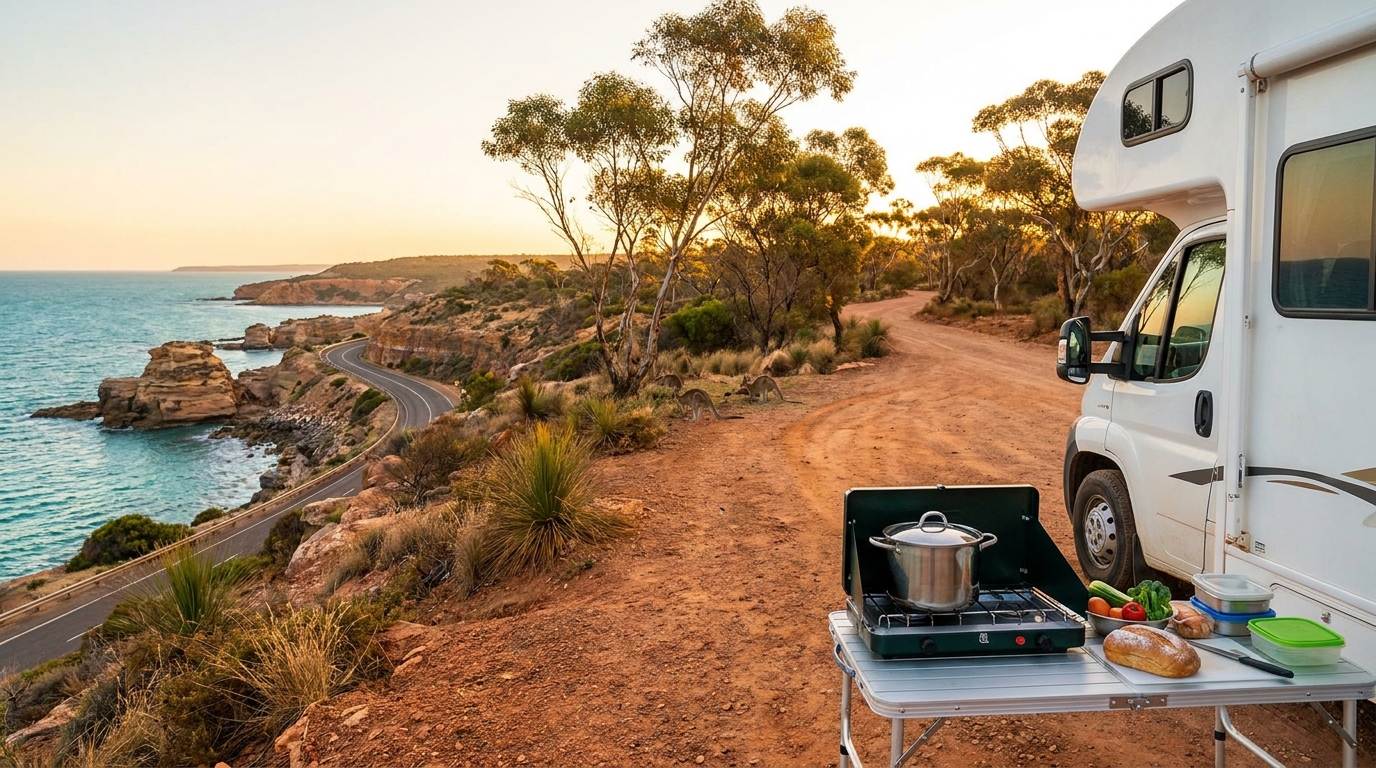
Securing your ideal motorhome rental in Australia requires thoughtful planning and attention to detail. Firstly, booking well in advance, especially for popular peak seasons like school holidays and the summer months (December-February), helps secure your preferred vehicle type and often more favorable rates, potentially saving you up to 15-20%.
Secondly, understanding Australian road rules is critical, particularly driving on the left-hand side of the road and exercising extreme caution for wildlife, especially during dawn and dusk. Thirdly, always factor in all potential costs beyond the initial rental fee, including fuel, comprehensive insurance, campground fees, and activities, to create a realistic budget. On the routes offered through RV PLANET routes, you can itemize and track every expense along the way for easy budgeting.
Fourthly, choosing a rented RV size and class that perfectly matches your group size, budget, and desired comfort level will significantly impact your trip satisfaction. For couples, a compact campervan like the "RV rental denver example Category Van" offers agility and efficiency, while families might prefer a spacious Class C motorhome such as the "Euro Deluxe" with ample sleeping areas and a full kitchen.
Finally, planning your general route while allowing for plenty of flexibility ensures you can explore unexpected gems without feeling rushed. Remember to travel slowly, aiming for a maximum of 100-150 km per day on average, to truly connect with the culture, food, and scenery of Australia.
Before You Book - Class, Dates, Insurance
Making informed decisions about your RV class, booking dates, and insurance coverage is paramount for a smooth Australian RV rental experience. Selecting an RV class suitable for your travel style and group size is the first crucial step, ranging from compact campervans for solo adventurers or couples to spacious Class C motorhomes for families.
For instance, a "Patagonia Camper 4x4 double cab" is ideal for adventurous couples seeking off-road capability, while a "rent rv example D1" offers three double beds, perfect for two couples or a larger family. Secure your booking dates early, particularly for popular holiday periods like school breaks and Christmas, to ensure vehicle availability and potentially better pricing; dynamic pricing, much like flight tickets, means rates change daily based on demand and seasonality.
Review comprehensive insurance options beyond the basic coverage to protect against various scenarios during your rental period in Australia. While basic insurance is always included, you can opt for a top-level deductible reimbursement upgrade for extra peace of mind, ensuring you're covered for a wide range of incidents. Bandana RV offers full price transparency, so there are no hidden fees or surprises when it comes to understanding your insurance choices.
Pre-Trip Prep - Packing Checklist for Australia
A well-prepared packing list tailored to Australian conditions is essential for a comfortable and safe RV adventure. Start with clothing essentials like lightweight, breathable items for daytime, but also pack warm layers for cooler evenings, especially when traveling inland or during shoulder seasons.
Sun protection is non-negotiable: include a wide-brimmed hat, UV-protective sunglasses, and high-SPF sunscreen, as the Australian sun can be intense. Insect repellent is also a must, particularly for trips near water or into more natural areas. Don't forget comfortable walking shoes for exploring and sandals for relaxing at campgrounds.
Kitchen & Food Essentials:
- Reusable water bottles and large water storage containers are crucial, especially if venturing into remote areas where potable water might be scarce.
- Basic cooking utensils, pots, pans, cutlery, and plates are usually included with your rental, but you might want to bring a few favorite items or food storage containers for leftovers.
- Consider packing a portable cooler/esky if your RV doesn't have a built-in one for drinks and snacks.
- Dishwashing liquid and sponges are always handy for keeping your mobile kitchen tidy. For inspiration on meals you can whip up on the road, check out our RV-friendly recipes playlist.
Safety & Navigation:
- A comprehensive first-aid kit is a must-have for any road trip.
- For remote travel, a satellite phone or personal locator beacon (PLB) is highly recommended, as mobile reception can be limited outside of major towns.
- Pack a torch/headlamp with spare batteries.
- Navigation apps with offline maps are invaluable, complemented by physical maps as a backup. A portable battery pack for charging devices is also very useful.
Documents:
- Always carry your valid car driver's license. An International Driving Permit (IDP) is recommended for visitors from non-English-speaking countries, although not always legally mandatory in Australia.
- Keep your RV rental confirmation and insurance documents easily accessible.
- For international travelers, your passport and visa are essential, along with travel insurance details.
- Make sure to have digital and physical copies of all important documents.
On the Road - Driving, Fueling, Navigation
Successfully navigating Australia's vast and varied roads in a rented RV demands a good understanding of local driving practices, strategic fueling, and reliable navigation. Remember, Australia drives on the left-hand side of the road, so international visitors need to quickly adjust. Drive slowly and carefully, and you can drive almost anywhere without issues. No need to stress - just use common sense and pay attention to road signs and speed limits, especially important for larger vehicles like a Class C motorhome such as the "rv rentals example Comfort Class."
Planning your fuel stops in advance is critical, particularly in remote regions like the Outback where distances between petrol stations can be hundreds of kilometers. Carrying an extra jerry can for fuel is a wise precaution if you plan on venturing off main routes. For budgeting your total trip expenses, including fuel, RV PLANET routes allow you to itemize and track every expense along the way.
Utilize reliable navigation tools, including GPS with up-to-date maps and offline map capabilities, as mobile reception can be patchy in many areas. Always carry a physical map as a backup. Be acutely aware of wildlife, especially at dusk and dawn, and drive cautiously on rural roads, watching for kangaroos, wallabies, emus, and other animals that may cross your path.
When encountering massive road trains, which can stretch over 50 meters (160 feet), slow down, move as far left as possible, and give them ample space to pass. These colossal vehicles create significant wind buffeting, so exercise extreme caution. For longer trips, our "Long-Term RV Rental in Australia - Monthly Rates 2026" guide can help you plan your budget more effectively.
At the Campground - Setup, Hookups & Etiquette
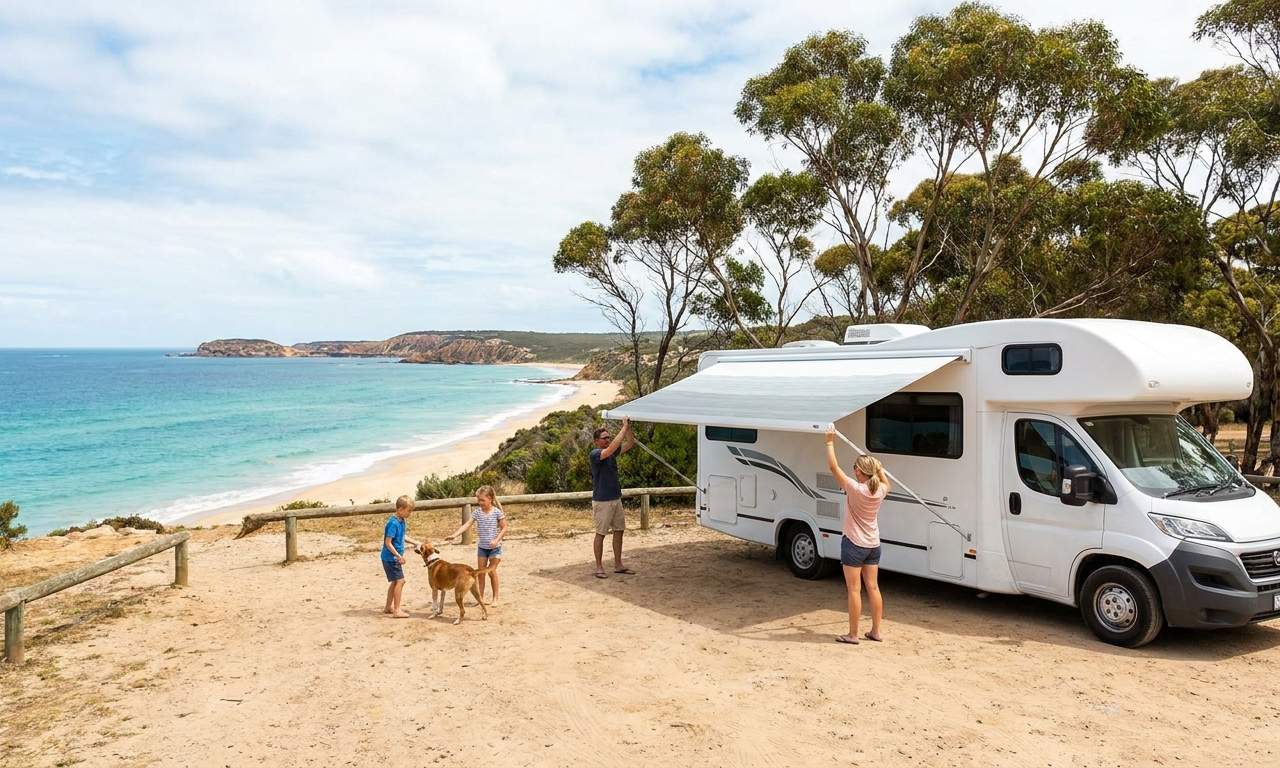
Mastering campground setup, proper hookup procedures, and respectful etiquette ensures a smooth and enjoyable stay in your rented RV. Upon arrival at a campground, select a level site and carefully position your motorhome or campervan before extending awnings or setting up outdoor furniture, ensuring you have adequate space from your neighbors.
Connecting your hookups correctly is straightforward: first, secure the electricity cable to the power pedestal; then, attach the freshwater hose to your RV and the tap; and finally, connect the waste hose (if applicable) to the dump station to avoid contamination and ensure proper flow. Many RVs, like the "2 Berth Rover," are designed for easy hookup and comfortable living.
Adhering to campground etiquette is important for everyone's enjoyment: respect quiet hours (typically 9 PM - 8 AM), keep your site tidy, and be mindful of shared facilities like kitchens and bathrooms. Always ensure all connections are secure and regularly monitor your water and power usage, especially if you're freedom camping or staying in areas with limited resources. For finding campsites and campgrounds during your trip, we recommend using RV PLANET (rvplan.net) - a great resource for locating available spots along your route.
RV Rental-Specific Tips for Australia
Tailoring your RV rental choices and travel style to your specific group's needs can greatly enhance your Australian road trip experience. For families, choose a motorhome with adequate sleeping arrangements and separate dining areas for comfort, like the "6 Berth Deluxe" which offers three double beds. Planning nap-friendly drives and having onboard entertainment can accommodate younger travelers.
For couples or solo travelers, a smaller, agile campervan such as the "2 Berth Hi Top" is often ideal, offering ease of driving and fuel efficiency. These smaller units are easy to park in cities, too; drive slowly and carefully, and you can drive almost anywhere without issues. No need to stress - just use common sense and pay attention.
Budget travelers should research free or low-cost overnight parking spots, often referred to as freedom camping or free camps, and consider cooking most meals in their RV to significantly save on food expenses. If you're flexible with your dates and vehicle type, you might find even better deals for your RV rental in Australia. Our "RV Rental Deals in Australia - Latest Offers 2026" guide can provide more insights.
For those seeking a touch of luxury, explore premium RV models with advanced features like satellite TV, higher-end finishes, and optional add-ons such as outdoor kitchens or enhanced entertainment systems. These more exclusive models, while a larger investment, offer unparalleled comfort. For a comprehensive overview of vehicle types and what might be right for your adventure, check out our "RV Travel Guide to Australia - Tips and Top Spots 2026".
Common Mistakes to Avoid in Australia
Avoiding common pitfalls can prevent disruptions and ensure a safer, more enjoyable RV adventure across Australia. Do not underestimate the vast driving distances and travel times between destinations; instead, plan realistic daily itineraries and factor in plenty of rest breaks to prevent fatigue and allow for spontaneous stops. Australia is a huge country, so slow travel is highly recommended, averaging no more than 100-150 km per day.
Avoid ignoring local advice on weather, road conditions, and wildlife; instead, always check official sources like national park websites and local tourist information for the latest updates, especially in remote areas. Australia's conditions can change rapidly. Do not overpack your RV, as excessive weight can impact fuel efficiency, maneuverability, and even safety; instead, pack light and utilize campground laundry facilities to refresh clothing.
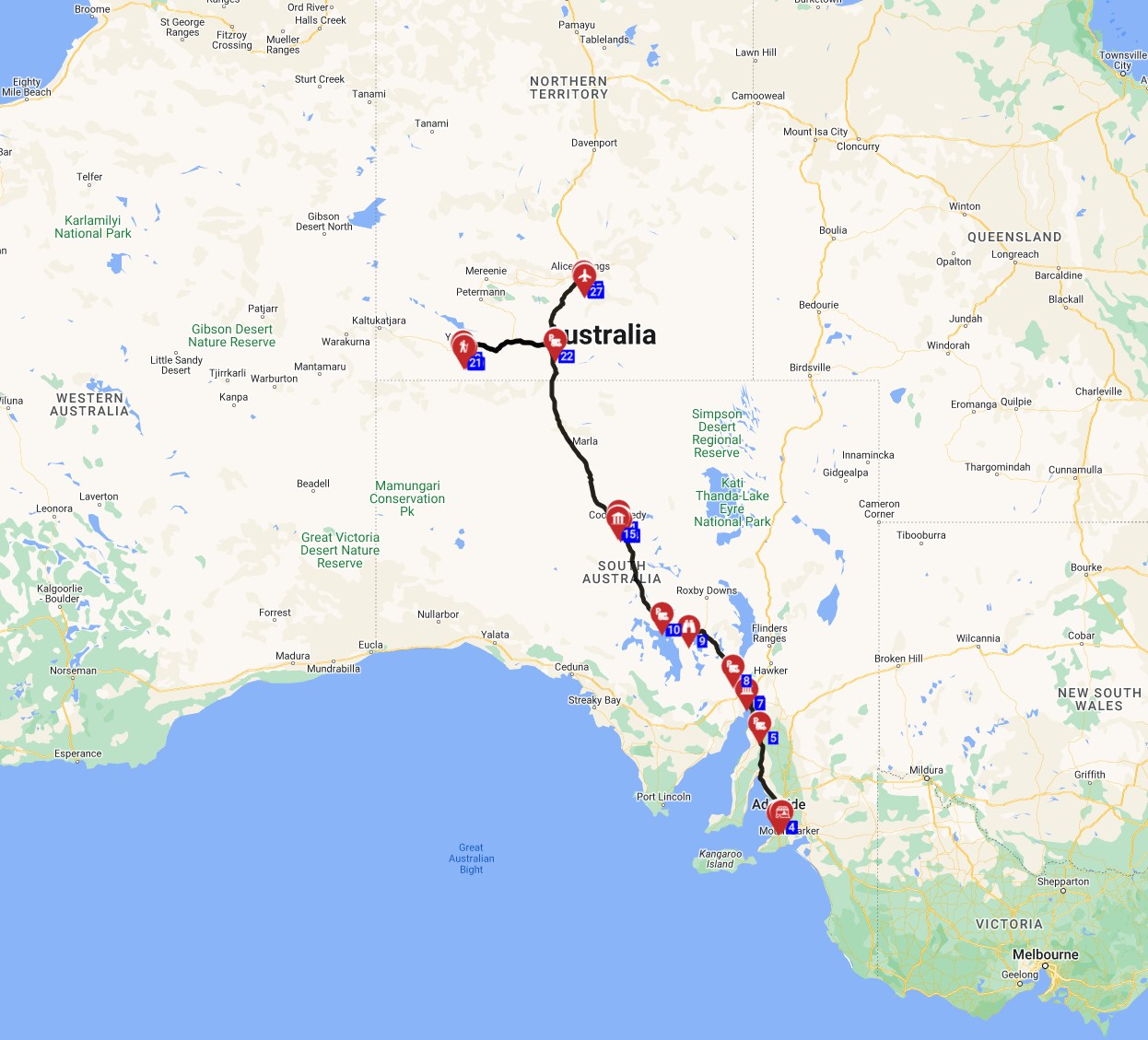
Avoid leaving food unsecured or rubbish exposed, which can attract native wildlife and create environmental issues; instead, store all food in sealed containers and dispose of waste properly in designated bins, particularly in national parks. Finally, do not neglect to pre-book popular campgrounds during peak season or for specific attractions, especially along routes like the 5447.3 km "Perth to Alice Springs - The Dreamtime Highway: A Journey Through Australia's Heart"; instead, reserve your spots well in advance to avoid disappointment, as many national and state parks only reserve 25-30% of spots, with the rest being first-come-first-serve. If you haven't booked, always call ahead before driving to a campground.
What is the 3-3-3 Rule for RV Travel in Australia?
The '3-3-3 rule' for RV travel, particularly beneficial in Australia's vast landscapes, suggests driving no more than 300 kilometers (or 186 miles) per day, arriving at your destination by 3 PM, and staying for a minimum of 3 nights, promoting a relaxed and safer travel pace. Adhering to this guideline helps prevent driver fatigue, a serious concern on Australia's long roads, and allows ample time for setting up camp and truly enjoying local attractions.
This rule is especially useful in Australia where long distances, varied road conditions, and the desire to experience natural beauty can lead to rushing, making safety and enjoyment paramount. By embracing slower travel, you'll have more opportunities to discover hidden gems and immerse yourself in the unique Australian environment. Many of the 1,300+ pre-planned routes from RV PLANET are designed with similar principles in mind.
What are the Drawbacks of Renting an RV in Australia?
Renting an RV in Australia can present several drawbacks, including higher fuel consumption compared to standard cars, especially for larger Class C motorhomes that might consume 20-25 L/100km. Additionally, the necessity for careful navigation of a larger vehicle on unfamiliar left-hand drive roads, and potentially restricted access to certain city areas or unsealed roads, requires extra attention from the driver.
Additional considerations include the total trip cost beyond the base rental fee, encompassing campground fees (which can range from AUD $30-70+ per night for powered sites), specific RV insurance add-ons, and a learning curve for operating onboard amenities like plumbing and electrical systems. Other potential downsides are limited flexibility for spontaneous overnight parking in urban centers and the periodic requirement to empty waste tanks, which might detract from the perceived freedom of an RV trip for some travelers.
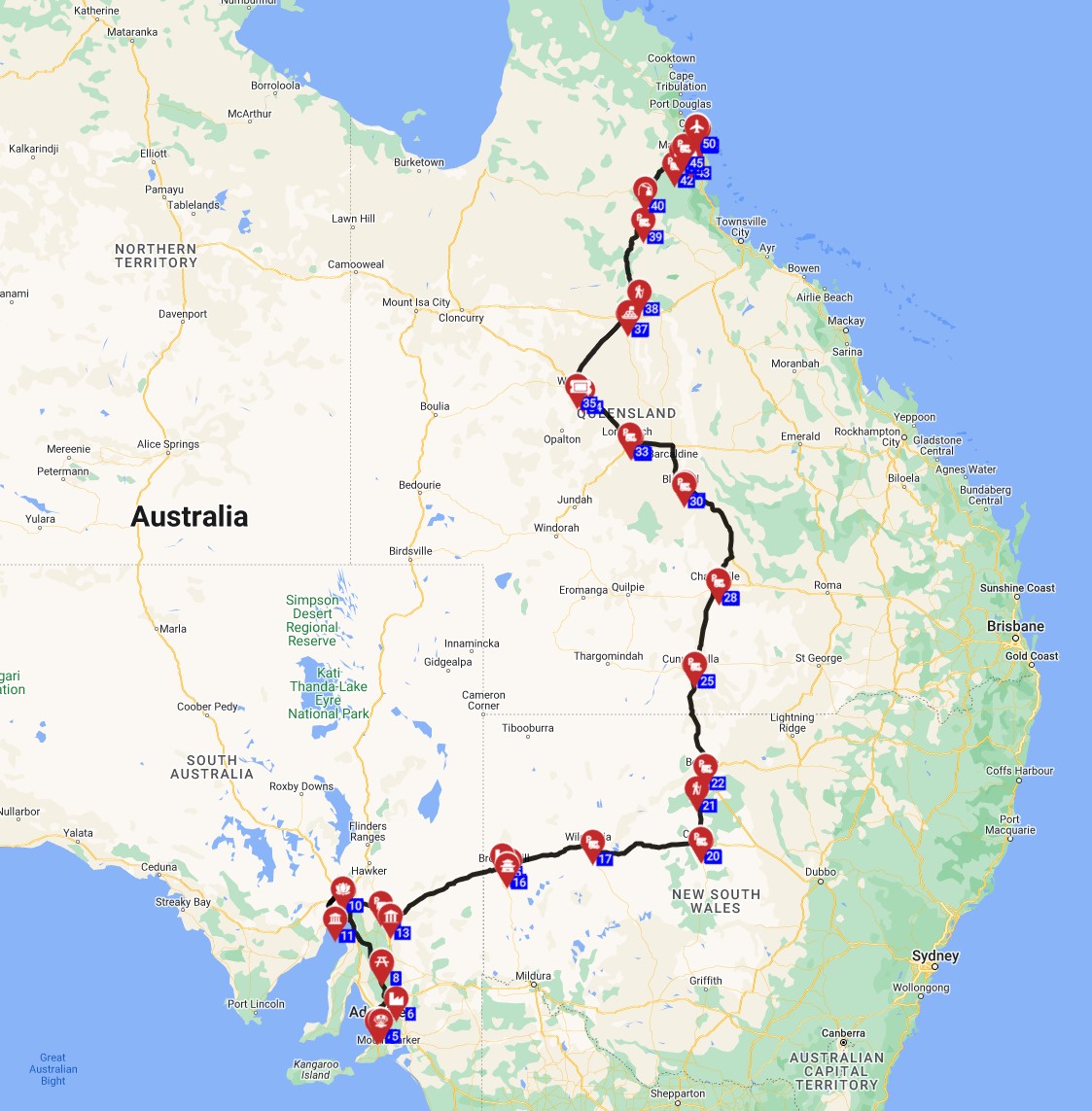
However, the sense of adventure and flexibility a rented motorhome provides often outweighs these challenges, particularly for those seeking an immersive Australian experience. For example, a trip following the "Cairns to Alice Springs - Northern Horizons: A Journey Through Australia's Heartland" route, spanning 17 days and 4003.6 km, offers many unique stops that are best accessed with your own mobile home.
How Much Does it Cost to Rent an RV in Australia for a Week or More?
The cost to rent an RV in Australia for a week or more typically ranges from AUD $1,000 to $3,500+, depending significantly on the RV class, rental duration, season, and chosen insurance, with longer rentals often offering more favorable daily rates. For instance, a compact campervan like the "hire campervan example Paradise S/T" might start from AUD $150 per day in the low season, while a larger family motorhome such as the "Euro Deluxe" could be upwards of AUD $300-$500+ per day during peak times (December-February).
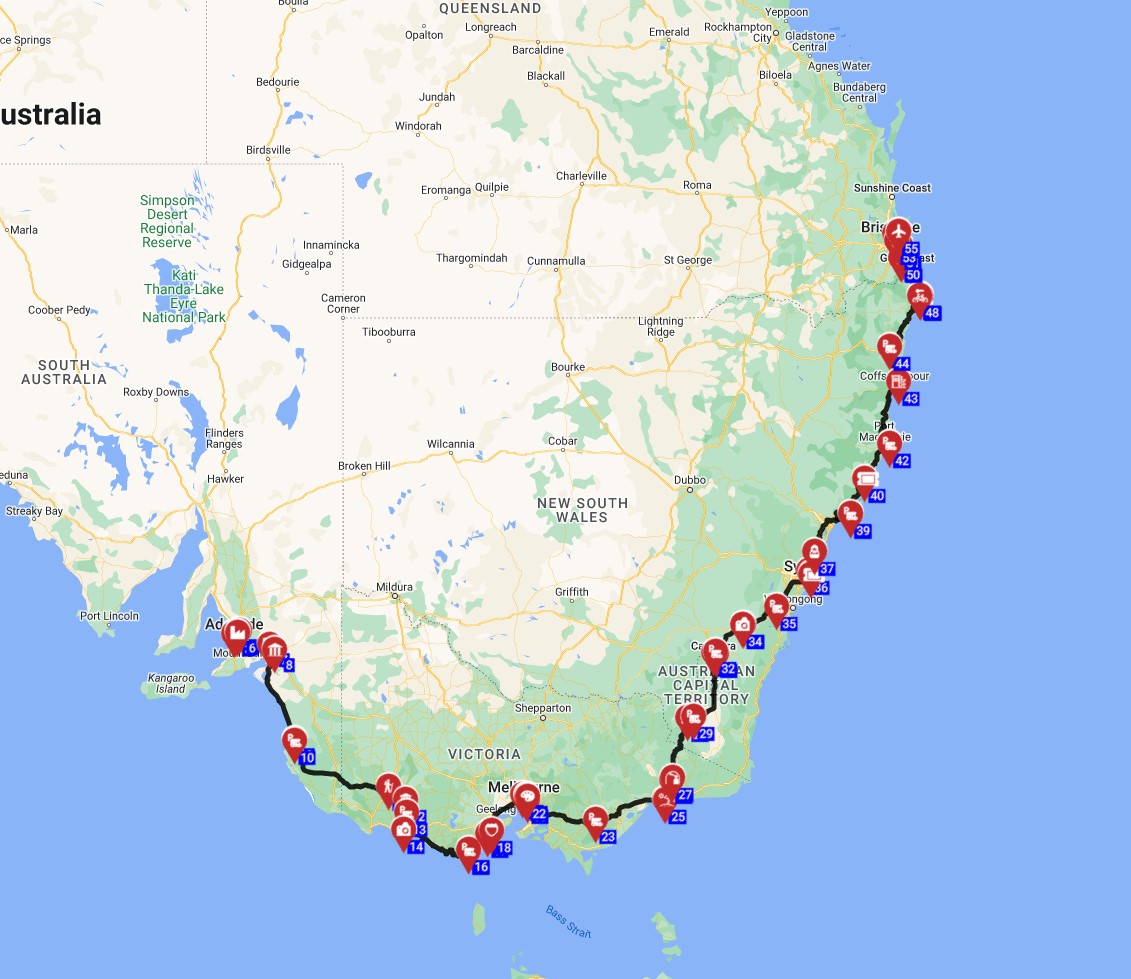
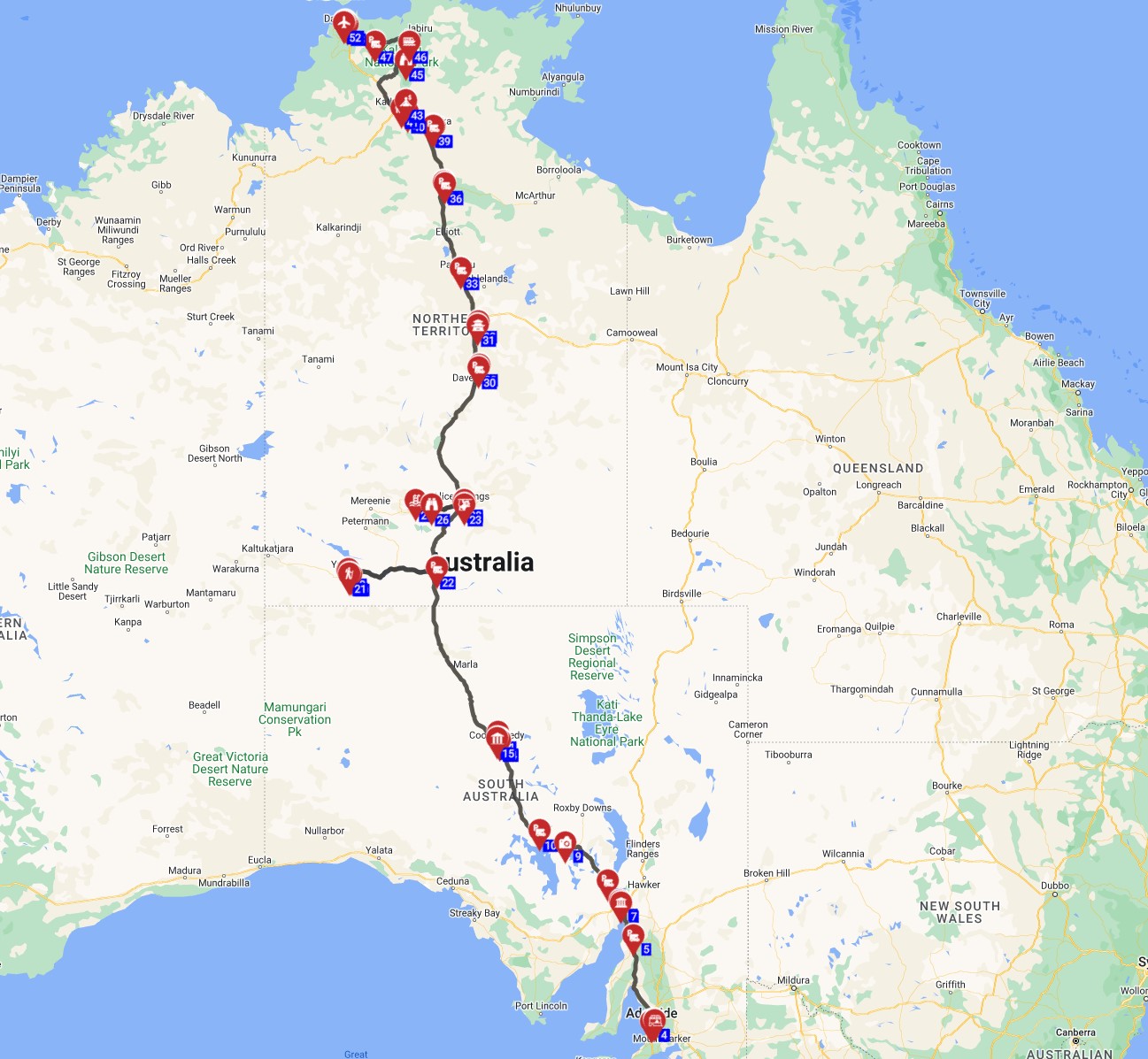
Beyond the base rental fee, travelers should budget for substantial additional expenses. Fuel can be considerable, as Australia's vast distances mean a trip from Melbourne to Darwin (over 5600 km) will require many fill-ups; campground fees generally range from AUD $30-70+ per night for powered sites, or less for unpowered sites. Food costs will vary based on whether you cook in your RV or dine out, and activities/excursions will add to the budget. For detailed pricing, consult our "RV Rental in Australia - Prices and Best Deals 2026" guide.
For a comprehensive financial plan, factor in specifics like unlimited mileage options (some rentals include limited kilometers), additional driver fees, specific insurance packages (like opting for a top-level deductible reimbursement), and optional extras such as outdoor furniture, GPS rental, or linen kits, which can collectively add hundreds to your overall trip cost. Our "Weekly RV Rental in Australia - Pricing 2026" provides more specific breakdowns for shorter durations.
Can You Park an RV Anywhere in Australia?
No, you cannot park an RV anywhere in Australia; parking regulations vary significantly by state, territory, and local council, with specific rules governing where you can freedom camp or park overnight. While designated rest areas and some rural towns may permit overnight parking for self-contained RVs, it is generally illegal to 'freedom camp' or park an RV overnight on most public lands, national parks, and urban areas without explicit permission.
Travelers should actively consult official resources such as Wikicamps, CamperMate, and local council websites to identify legal and appropriate parking or camping spots, always adhering to signage and respecting private property and environmental regulations. Even in permitted areas, practicing 'Leave No Trace' principles is crucial, especially in sensitive environments where campers are sometimes required to carry out all human waste. Always remember to call ahead before driving to a campsite if you haven't pre-booked, as many national and state parks reserve only 25-30% of spots for first-come-first-serve arrivals.
Is it Worth Having a Toilet in an RV in Australia?
Having an onboard toilet in a rented RV can significantly enhance convenience and flexibility for travelers in Australia, especially when exploring remote areas or engaging in freedom camping where public facilities are scarce. For instance, many campervans like the "rent rv example A1" are equipped with a compact toilet and shower, providing self-sufficiency.
While offering privacy and accessibility, an RV toilet necessitates regular emptying and maintenance of its waste tanks, which can be a practical consideration, impacting water consumption and tank capacity. In some national parks, strict 'Leave No Trace' policies even require carrying out human waste using specialized portable toilets, reinforcing the importance of proper waste management.
The value of an RV toilet often depends on your specific travel style; those planning extensive time in paid campgrounds with comprehensive facilities might find it less essential, whereas those seeking maximum independence and off-grid capabilities will likely find it very worthwhile. For families or longer trips, the convenience of a dedicated toilet in a larger motorhome like the "rent rv example A3" often justifies the choice.
Can US Citizens Rent an RV in Australia?
Yes, US citizens can rent an RV in Australia, provided they meet the minimum age requirements (typically 21 years old for all motorhome classes, though some suppliers might have higher age requirements or surcharges for specific vehicle types, but not at Bandana RV). They must also possess a valid full US driver's license for the entire rental period.
It is highly recommended for US citizens to also obtain an International Driving Permit (IDP) before arriving in Australia. While not always legally required for short-term visitors in all states, an IDP serves as a multi-language translation of your US license and is widely recognized by authorities and insurance providers, minimizing potential misunderstandings. Additionally, US travelers should familiarize themselves with driving on the left-hand side of the road and Australian road rules.
What Not to Do in Australia as an American Traveler?
As an American traveler in Australia, it's prudent to avoid certain behaviors to ensure a respectful and safe journey. Firstly, do not underestimate the vastness of the country and its diverse climates; instead, plan realistic travel times and pack for varied weather conditions, especially if traversing regions like the 5622.8 km "Melbourne to Darwin - Australia’s Heartline Road Trip".
It's advisable not to ignore wildlife safety warnings (e.g., about crocodiles in the north, venomous snakes, rip currents on beaches) or swim in unpatrolled beaches; instead, always heed local advice, utilize patrolled swimming areas, and maintain a safe distance from wildlife. Do not expect readily available Wi-Fi everywhere, especially in remote areas; instead, prepare for limited connectivity by downloading offline maps and considering purchasing a local SIM card for mobile data.
Avoid disrupting local ecosystems by feeding wild animals or leaving rubbish; instead, practice responsible tourism, adhere to 'Leave No Trace' principles, and respect Indigenous cultural sites. Finally, never assume right-of-way, particularly when encountering large road trains or in busy urban areas; drive defensively and be patient. Remember, driving a rented motorhome in cities is manageable - just drive slowly and carefully, use common sense, and pay attention.
Is 3000 AUD Enough for a 2-Week RV Trip in Australia?
A budget of 3000 AUD for a 2-week RV trip in Australia may be feasible for highly budget-conscious travelers, primarily if you opt for a smaller campervan, extensively utilize freedom camping (where permitted), prepare most of your meals, and limit paid activities. This budget would necessitate careful financial management, with potential allocations of approximately AUD $1000-1500 for a basic RV rental (off-peak), AUD $500-800 for fuel (depending on distance and vehicle, like a "cruise america rv rental example Explorer" which might offer better fuel efficiency), AUD $300-500 for groceries, and a limited amount for essential campground stays and minimal activities.
For a more comfortable and flexible trip with a mid-range RV, more frequent paid campground stays, and varied activities, a budget closer to AUD $4000-6000+ for two weeks would generally provide greater flexibility and reduce potential financial stress. Remember that prices are dynamic and change daily based on availability, seasonality, and supplier marketing decisions. Booking in the shoulder seasons (e.g., March-May or September-November) can often provide a balance between good weather and more favorable rates compared to the peak summer season.
To truly manage your budget effectively, consider using resources that help itemize and track every expense. Our RV PLANET routes are excellent for planning out costs, ensuring no hidden fees or surprises along your journey. Exploring options for "RV Rental Deals in Australia - Latest Offers 2026" can also uncover savings.
What You Shouldn't Miss
- **The Great Ocean Road (Victoria):** Drive a rented motorhome along this iconic 243 km coastal route, famous for the Twelve Apostles and stunning ocean vistas. Allow 3-5 days to truly savor its beauty.
- **Uluru-Kata Tjuta National Park (Northern Territory):** Experience the spiritual heart of Australia with a visit to Uluru. Take a sunset viewing, enjoy cultural tours, and hike around the base. Plan at least 2 full days for this sacred site.
- **Sydney Harbour (New South Wales):** Even with a larger RV, Sydney is accessible. Park your motorhome outside the city center and use public transport to explore the Opera House, Harbour Bridge, and vibrant districts.
- **Queensland's Tropical North (Cairns & Daintree):** Immerse yourself in the Daintree Rainforest, the world's oldest rainforest, and snorkel/dive the Great Barrier Reef. The region offers ample campgrounds and campervan-friendly activities.
- **Tasmanian Wilderness World Heritage Area (Tasmania):** Explore pristine national parks like Cradle Mountain-Lake St Clair. This island offers rugged beauty and countless hiking opportunities for your RV adventure.
- Looking for expert insights from Avi Bandana? Top 5 Adventures - recommendations from Avi Bandana
Final Thoughts
An RV rental in Australia promises an unforgettable adventure, allowing you to discover its vast landscapes and vibrant culture at your own pace. By understanding the dynamic pricing, planning your budget, and choosing the right vehicle from our wide selection of motorhomes and campervans, you're set for an incredible journey. Remember, the key is to embrace the freedom of the open road and the flexibility that RV travel offers.
We're here to support you before, during, and after your booking, providing transparent pricing and expert advice. Whether you're a meticulous pre-planner or a spontaneous explorer, Australia's open roads await your rented RV. Get inspired for your next trip, compare motorhome prices, and start planning your perfect Australian itinerary today!
🎬 Video coming soon