In This Guide
- The 5 RV Families Compared for Australia
- Class A (Integrated) — Best For
- Price Comparison by RV Class in Australia
- Class SI (Semi-Integrated) — Best For
- Class C (Alcove) — Best For
- Class B (Campervan) — Best For
- Class TC (Truck Camper) — Best For
- Side-by-Side Comparison Table
- Our Recommendation for RV Rental Travelers in Australia
- What is the best RV rental company?
- How much does it cost to rent an RV in Australia?
- What is the difference between Maui and Apollo?
- What is the best RV in Australia?
- What is the most reliable brand of motorhome in Australia?
- What is the 333 rule for campervan?
- What is the most affordable RV to buy?
- What is the best value for money caravan in Australia?
- What You Shouldn't Miss
- Why Book with Bandana Caravan
- Final Thoughts
- Frequently Asked Questions
Australia, a land of vast open spaces, stunning coastlines, and unique wildlife, is a dream destination for a motorhome adventure. Imagine waking up to the sound of kookaburras, enjoying breakfast with a view of the outback, or parking your campervan just steps from a pristine beach. With a rented RV, this dream can become a reality, offering unparalleled freedom and flexibility to explore at your own pace.
Bandana Caravan specializes in RV rentals, providing you with a seamless and transparent booking experience from start to finish. For live availability and current prices, start with our RV Rental Australia - Complete Guide 2026 guide. We are true RV specialists, not just a travel agency side department, meaning our entire focus is on ensuring you have the best RV rental journey possible. We handle the details, so you can focus on living the journey, knowing that we’re with you before, during, and after your booking to ensure everything runs smoothly.
🎬 Video coming soon
The 5 RV Families Compared for Australia
Choosing the right RV family is critical for an Australian adventure due to the country's diverse terrain, vast distances, varied climate, and the specific needs of your travel group. Your selection will impact everything from fuel efficiency and maneuverability on outback roads to comfort during long drives and accessibility to remote campsites. This section introduces the five main types of RVs available for rent through Bandana, detailing their average specifications and ideal use cases for your Australian trip. Regardless of your choice, remember that a standard car driver's license is sufficient for all motorhome classes, ensuring ease of rental for most travelers.
Class A (Integrated) — Best For
Class A integrated motorhomes, with an average length of 7.5 meters and sleeping 4.4 people, are best suited for large families or groups seeking maximum comfort and luxury during their RV rental in Australia. Bandana's fleet typically features Class A motorhomes averaging 7.5 meters in length, sleeping 4.4 people, and offering an average load capacity of 209.5 kg. These vehicles generally consume 11-12 Liters/100 km, making them more fuel-intensive but providing ample living space, often with slide-outs and full amenities. These vehicles excel for extended trips, offering a 'home-away-from-home' experience with spacious kitchens, bathrooms, and separate sleeping areas. A key trade-off for Class A motorhomes in Australia is their size, which can limit access to certain national parks, smaller towns, or unsealed roads, and their higher fuel consumption. Drive slowly and carefully, and you can drive almost anywhere without issues. No need to stress - just use common sense and pay attention.
Price Comparison by RV Class in Australia
RV rental pricing is dynamic and flex-rate, meaning prices can change daily based on factors like demand, availability, season, and how far in advance you book. For example, a "Weekly RV Rental in Australia - Pricing 2026" will vary significantly depending on whether you book during peak season (December-February) or the shoulder seasons. The table below provides real example prices from Bandana's live search for various RV classes and trip durations in Australia, but remember these are estimates.
Live April Price Comparison — RV Class × Trip Length
| Trip length | Class A | Class B | Class C | Class SI | Class TC |
|---|---|---|---|---|---|
| 1 week 15/04 → 22/04 | Check prices | 881.60 € EUR | 3,006.00 € EUR | 1,016.00 € EUR | Check prices |
| 2 weeks 15/04 → 29/04 | Check prices | 1,548.00 € EUR | 6,012.00 € EUR | 1,800.00 € EUR | Check prices |
| 1 month 01/04 → 30/04 | Check prices | 2,976.00 € EUR | 7,417.74 € EUR | 3,480.00 € EUR | Check prices |
Estimates only — flex-rate prices change daily based on availability and season.
Prices are flex-rate estimates and can change daily based on demand, availability, and booking lead time. For the most current figures, use the search box at the top of the page. You can often find "RV Rental Deals in Australia - Latest Offers 2026" by being flexible with your dates and comparing options thoroughly. Consider exploring options like "Long-Term RV Rental in Australia - Monthly Rates 2026" for extended adventures, which often offer better daily value.
Class SI (Semi-Integrated) — Best For
Class SI (Semi-integrated) motorhomes are ideal for couples or small families looking for a balanced blend of comfort, maneuverability, and fuel efficiency for their Australian RV adventure. These vehicles from Bandana's fleet typically average 6.9 meters in length, sleep 3.8 people, and have an average load capacity of 72.2 kg. Common fuel consumption is around 10-11 Liters/100 km, offering better economy than Class A vehicles while still providing essential amenities. Class SI motorhomes outperform larger Class A models in accessibility to smaller campsites and navigating tighter roads, while offering more spacious living areas and amenities than Class B campervans. They are a versatile choice for exploring coastal routes, national parks with sealed roads, and regional towns across Australia, providing a comfortable home base for a memorable journey.
Class C (Alcove) — Best For
Class C (Alcove) motorhomes are perfectly suited for families or groups of 4-6 travelers prioritizing extra sleeping capacity and cost-efficiency during their RV rental in Australia. Bandana's fleet typically features Class C motorhomes averaging 7.5 meters in length, accommodating 5.8 sleeping places, and offering an average load capacity of 42.4 kg. Their common fuel consumption is typically 10-12 Liters/100 km, providing a reasonable balance between space and running costs. The distinctive 'alcove' over the cab provides an additional bed, making them excellent for children or extra guests without compromising on living space. These RVs are well-equipped for longer journeys on Australia's major roads and offer sufficient amenities for comfortable family travel, balancing spaciousness with practical drivability compared to larger models.
Class B (Campervan) — Best For
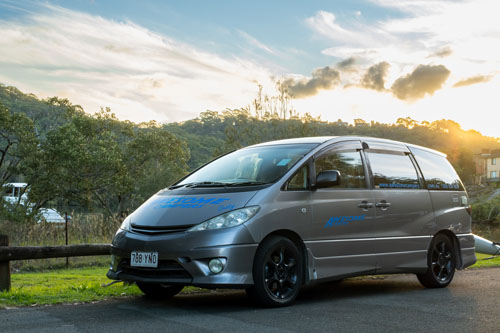
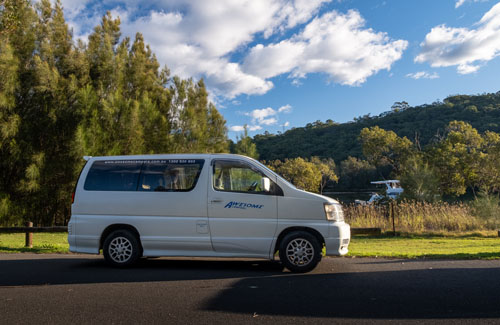
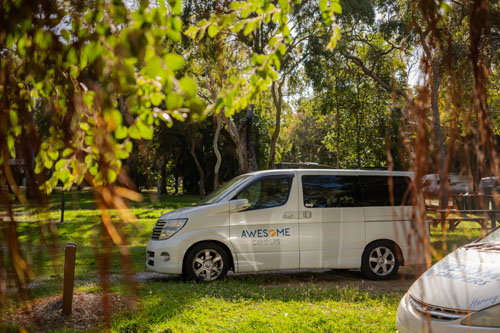
Class B (Campervan) vehicles are ideal for solo travelers, couples, or small groups who prioritize maneuverability, fuel economy, and access to a wider range of campsites and urban areas in Australia. Bandana's fleet typically shows Class B campervans averaging 5.8 meters in length, sleeping 3.2 people, and offering an average load capacity of 37 kg. With common fuel consumption around 8-10 Liters/100 km, they are the most fuel-efficient option, significantly reducing overall travel costs. Their compact size allows easy navigation through city streets, parking in standard spots, and accessing remote campsites where larger RVs might struggle. Campervans are favored for their ease of driving, stealth camping potential (where legal), and suitability for spontaneous road trips across Australia, offering essential amenities in a compact footprint. For those who enjoy preparing their own meals, a campervan kitchen is perfect for creating delicious RV-friendly recipes playlist on the go.
Class TC (Truck Camper) — Best For
Class TC (Truck Camper) vehicles are the ultimate choice for adventurous travelers seeking off-grid capabilities, robust off-road access, and flexible travel in Australia's diverse and often challenging terrain. Bandana's fleet typically features Class TC truck campers averaging 5.5 meters in length, sleeping 2.4 people, and offering average load capacity suitable for the typical gear of 2-3 people. Common fuel consumption is around 12-17 Liters/100 km, reflecting their robust build and often 4WD capabilities necessary for remote travel. Their unique detachable design, mounted on a ute or truck chassis, provides excellent ground clearance and often 4WD capability, making them ideal for accessing unsealed roads, national parks with rough tracks, and true outback destinations. Truck campers are best for experienced drivers looking for a rugged, self-sufficient adventure, capable of reaching destinations inaccessible to conventional motorhomes and offering unparalleled freedom for exploring Australia's wild landscapes. Remember to plan your routes carefully, especially when navigating remote areas during Australia’s 'Wet Season' (November-April) in the north, where many routes can become impassable for 2WD vehicles.
Side-by-Side Comparison Table
To help you quickly compare the different motorhome and campervan classes available for rental in Australia, here's a side-by-side breakdown of their key features and ideal uses. This table provides a quick reference to match your travel style and group size with the perfect rented vehicle.
| Family | Avg Length (m) | Sleeps | Fuel Use (L/100km) | Best Use Case in Australia |
|---|---|---|---|---|
| Class A (Integrated) | 7.5 | 4.4 | 11-12 | Luxury, large groups, extended stays on sealed roads |
| Class SI (Semi-integrated) | 6.9 | 3.8 | 10-11 | Couples/small families, balanced comfort and maneuverability |
| Class C (Alcove) | 7.5 | 5.8 | 10-12 | Families with children, extra sleeping capacity, cost-effective |
| Class B (Campervan) | 5.8 | 3.2 | 8-10 | Solo/couples, urban exploration, fuel economy, maneuverability |
| Class TC (Truck Camper) | 5.5 | 2.4 | 12-17 | Off-grid adventures, 4WD access, remote exploration |
This comparison highlights that each vehicle type offers distinct advantages, catering to different travel preferences and destinations across Australia.
Our Recommendation for RV Rental Travelers in Australia
For most RV rental travelers in Australia, our primary recommendation is a Class SI (Semi-integrated) motorhome. These vehicles, averaging 6.9 meters and sleeping nearly 4, offer an excellent balance of comfort, essential amenities, and reasonable fuel efficiency (10-11 Liters/100 km), making them highly versatile for exploring Australia's diverse landscapes from coastal drives to national park visits on sealed roads. They provide ample space without being overwhelmingly large, making navigation and parking manageable.
As a strong runner-up, especially for budget-conscious couples or solo adventurers, we recommend a Class B (Campervan). Its compact size (5.8 meters), superior fuel economy (8-10 Liters/100 km), and maneuverability make it ideal for navigating both cityscapes and tighter campsites, providing freedom and flexibility without excessive cost. Both options ensure you can travel slowly, averaging 100-150 km per day, and truly immerse yourself in the local culture, food, and stunning scenery Australia has to offer.
What is the best RV rental company?
Determining the 'best' RV rental company in Australia depends heavily on individual traveler priorities such as budget, vehicle type, customer service, and specific amenities. Major established operators like Apollo, Maui, Britz, and Jucy are popular choices, each with distinct offerings that cater to different travel styles. Apollo is known for a broad range of vehicles, from budget-friendly campervans to larger motorhomes, catering to diverse needs.
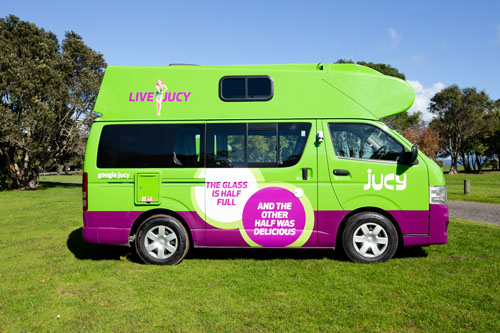
Maui specializes in premium, modern motorhomes, often newer models, offering a more luxurious experience for those with a higher budget. Britz, often affiliated with Apollo, focuses on adventure-ready 4WD campers and family-friendly motorhomes. Jucy targets younger travelers with its distinctive green and purple campervans, offering a fun and affordable option. Beyond these, Bandana aggregates listings from a vast network of both large rental companies and private owners, providing the widest selection and often competitive pricing by allowing direct comparison across multiple providers. Factors to consider when choosing include insurance options, roadside assistance coverage (crucial in Australia's vast distances), pick-up/drop-off locations, included kilometers, and one-way rental fees.
How much does it cost to rent an RV in Australia?
The cost to rent an RV in Australia varies significantly, typically ranging from AUD 50-150 per day for a basic campervan in the off-season to AUD 300-600+ per day for a large, luxury motorhome during peak season or for longer rental durations. Beyond the base rental rate, a comprehensive Australian RV rental budget must account for several other critical expenses. Fuel costs are substantial, with vehicles consuming 8-17 Liters/100 km and fuel prices fluctuating. For example, a two-week trip covering 3000km in a Class C RV (11L/100km) at AUD 2.00/L would cost around AUD 660. On the routes offered through RV PLANET routes, you can itemize and track every expense along the way for easy budgeting.
Campsite fees range from free (freedom camping, where permitted) to AUD 30-80 per night for powered sites in holiday parks, which often include amenities like showers, kitchens, and laundry. Insurance is essential, with basic coverage often included but higher excess waivers or comprehensive plans adding AUD 30-70 per day for greater peace of mind against breakdowns or accidents. Permits may be required for certain national parks, aboriginal lands, or remote areas, varying by state and park (e.g., specific 4WD track permits). Food and activity expenses are similar to any travel, but RVs allow for self-catering savings. Breakdown costs can include towing (if not covered by insurance/roadside assist), minor repairs, or accommodation during vehicle servicing, highlighting the importance of robust roadside assistance coverage tailored for Australia's vast distances. Booking well in advance, especially for peak seasons (e.g., Australian summer, school holidays), can often secure better rates, and comparing options through a platform like Bandana helps identify the most affordable deals. For easy budgeting and tracking all these ancillary costs, RV PLANET routes allow travelers to itemize every expense along the way.
What is the difference between Maui and Apollo?
Maui and Apollo are two prominent RV rental brands in Australia, often part of the same parent company, but they cater to distinct market segments primarily differentiated by vehicle age, luxury level, and target demographic. Maui positions itself as a premium brand, offering newer, more luxurious motorhomes that are typically less than 2-3 years old, appealing to travelers seeking comfort, style, and high-end amenities. Maui vehicles generally come with higher rental rates reflecting their modern fleet and enhanced features, suitable for couples or families desiring a 'glamping' experience.
Apollo, conversely, offers a broader range of vehicles, including campervans, 2WD and 4WD motorhomes, which may be slightly older (up to 5 years) but are well-maintained and provide excellent value. Apollo caters to a wider demographic, from budget-conscious backpackers with campervans to families and groups needing larger, more economical motorhomes, making it a more versatile option for various trip types. Both companies offer extensive networks for pick-up and drop-off across Australia, ensuring wide availability for those looking into "RV Rental Near Australia Airport - Pickup Pricing 2026".
What is the best RV in Australia?
The 'best' RV in Australia is subjective, depending entirely on a traveler's itinerary, group size, budget, and desired level of comfort and adventure, with Class B Campervans, Class SI Semi-integrated, and Class TC Truck Campers each offering distinct advantages. For couples or solo travelers prioritizing maneuverability, fuel efficiency (8-10 Liters/100 km), and a compact footprint for city and coastal drives, a Class B Campervan (avg. 5.8m) is often considered ideal. Families or small groups seeking a balance of comfort, space, and relative ease of driving on sealed roads often find Class SI (Semi-integrated) motorhomes (avg. 6.9m, sleeps 3.8) to be the best fit.
For larger families requiring ample sleeping space without breaking the bank, Class C (Alcove) motorhomes (avg. 7.5m, sleeps 5.8) are excellent, especially for touring major attractions and holiday parks. Adventure seekers planning to venture into remote areas or tackle unsealed tracks during the dry season will find Class TC (Truck Campers) (avg. 5.5m, 4WD capable) superior, offering the robustness and clearance necessary for off-road exploration and navigating challenges like dust and corrugations. Travelers must also consider suitability for different climates; larger, well-insulated RVs are better for extreme heat or cold, while 4WD options are essential for navigating the 'Wet Season' impacts in northern Australia where many routes become impassable for 2WD vehicles. Understanding permits for specific regions (e.g., Arnhem Land, certain Aboriginal lands) is also crucial, as some areas may require specific vehicle types or prior approval. For more in-depth planning, consult an "RV Travel Guide to Australia - Tips and Top Spots 2026".
What is the most reliable brand of motorhome in Australia?
While there isn't one single 'most reliable' brand, established Australian and international manufacturers like Jayco, Avida, Winnebago (often built on reliable chassis like Fiat Ducato or Mercedes-Benz Sprinter), and those used by major rental companies such as Apollo and Maui, are generally considered reliable in Australia. Reliability in a motorhome comes from a combination of the base vehicle's chassis and engine, the quality of the 'house' conversion, and diligent maintenance. Rental companies frequently update their fleets, meaning that even a well-known brand will have vehicles of varying ages and service histories.
For rental purposes, the brand becomes less critical than the rental company's maintenance program and roadside assistance coverage, particularly for long trips in remote Australian areas. Ensure your rental includes comprehensive 24/7 roadside assistance, which is vital given Australia's vast distances and unique services like the Royal Flying Doctor Service for medical emergencies in isolated regions. Checking recent renter reviews for consistent issues with specific vehicle models or rental providers can also offer insights into real-world reliability. At Bandana, we partner directly with over 50 leading RV suppliers worldwide, including Apollo and Britz, to ensure you have access to well-maintained and reliable options.
What is the 333 rule for campervan?
The '333 rule' for campervans, though not an official regulation, is a widely adopted guideline among RV travelers for safe and sustainable road tripping, particularly relevant for navigating Australia's vast distances and diverse environments. The '333 rule' advises: drive a maximum of 300 kilometers per day, stay in one location for at least 3 days, and pack 3 days' worth of supplies (food, water, fuel). Drive a maximum of 300 kilometers per day: This promotes slower travel, reduces driver fatigue, allows more time for sightseeing, and prevents excessive wear and tear on the vehicle, crucial for safe driving on long, often monotonous Australian roads. This aligns perfectly with our recommendation to travel slowly, averaging 100-150 km per day.
Stay in one location for at least 3 days: This encourages deeper exploration of destinations, allows for relaxation, and provides a buffer for unexpected delays or weather changes, which is particularly useful for avoiding extreme weather conditions like bushfires or floods. Pack 3 days' worth of supplies: This ensures self-sufficiency, especially vital when traveling through remote areas where fuel stations, supermarkets, and water sources can be sparse or far apart, and communication can be challenging (satellite phones or UHF radios are recommended for true outback travel). Adhering to this rule helps mitigate risks associated with wildlife encounters (especially kangaroos and emus at dawn/dusk), remote area driving (dust, corrugations), and helps with emergency preparedness by ensuring you have a buffer if a breakdown occurs. Planning your journey with this rule in mind can make for a more relaxed and enjoyable trip through Australia.
What is the most affordable RV to buy?
While the query asks about buying, for travelers considering an RV trip in Australia, renting often presents a significantly more affordable and hassle-free option compared to the substantial upfront investment and ongoing costs of purchasing. Buying an RV involves not just the purchase price (which can range from AUD 20,000 for a used campervan to AUD 200,000+ for a new motorhome) but also registration, insurance, depreciation, maintenance, and storage, making it impractical for short-term travel. For families exploring options like "RV Rental in Australia - Prices and Best Deals 2026", renting is a clear choice.
If considering rental affordability, Class B Campervans are typically the most budget-friendly rental option due to their lower daily rates and excellent fuel economy (8-10 Liters/100 km). These compact vehicles minimize overall trip costs by offering better fuel efficiency and often qualifying for cheaper campsite fees or allowing for more freedom camping where permitted. Choosing off-peak seasons (e.g., outside Australian school holidays and major events) and booking well in advance can further reduce rental prices for any RV class, making an RV adventure accessible without the commitment of ownership. Finding last-minute RV rental deals in Australia is possible, but for the best prices and availability, pre-planning is usually recommended.
What is the best value for money caravan in Australia?
While the 'best value for money caravan' specifically refers to towable recreational vehicles, for many travelers in Australia, an RV rental (motorhome or campervan) often offers superior convenience and comparable or better overall value, especially for those without a suitable tow vehicle. Caravans require a capable towing vehicle, adding to rental costs if one isn't owned, and can be more challenging to maneuver and park than integrated RVs for novice drivers. Bandana exclusively rents motorhomes and campervans, focusing on the ease and freedom these vehicles provide.
Within the RV rental category, the Class SI (Semi-integrated) motorhome and Class B (Campervan) often represent the best 'value for money' for their respective traveler types, providing an all-in-one accommodation and transport solution. Class SI vehicles offer a good balance of amenities, comfort, and drivability for small families or couples, providing more space than a campervan without the bulk or fuel consumption of a large Class A. Class B Campervans provide exceptional value for solo travelers or couples due to their low rental cost, outstanding fuel efficiency, and flexibility in travel, effectively serving a similar 'get-up-and-go' purpose that smaller caravans aim for but without the towing requirement.
What You Shouldn't Miss
Australia is a continent of endless possibilities for RV explorers. From iconic coastal drives to rugged outback adventures, there's always something incredible to discover. Here are a few must-do experiences that truly showcase the diversity and beauty of this magnificent country:
- Explore the Great Ocean Road (Victoria): Drive one of the world's most scenic coastal routes, stretching 243 kilometers, and marvel at the Twelve Apostles. Along the way, stop at charming seaside towns, spot koalas in eucalyptus forests, and enjoy fresh seafood.
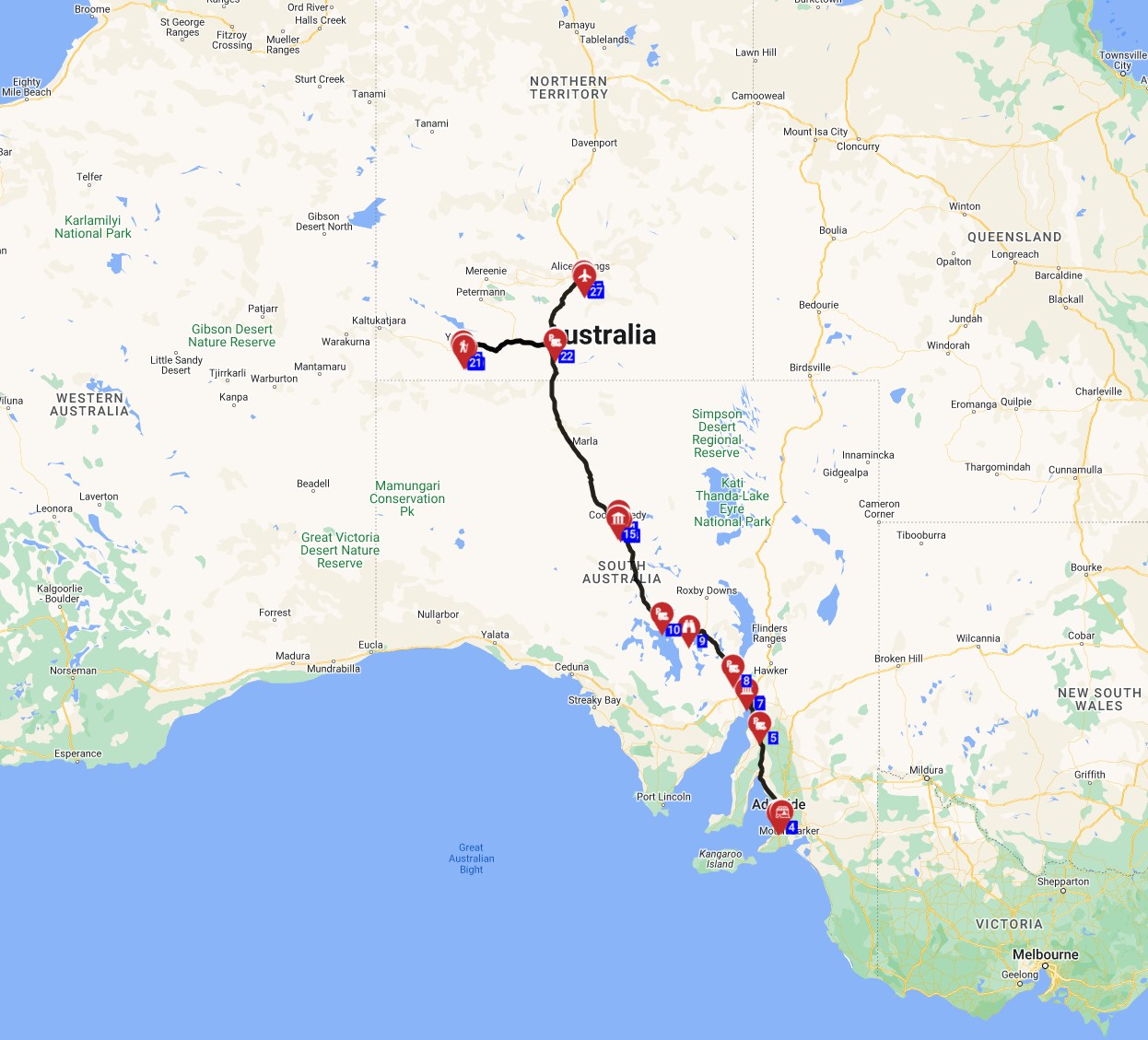
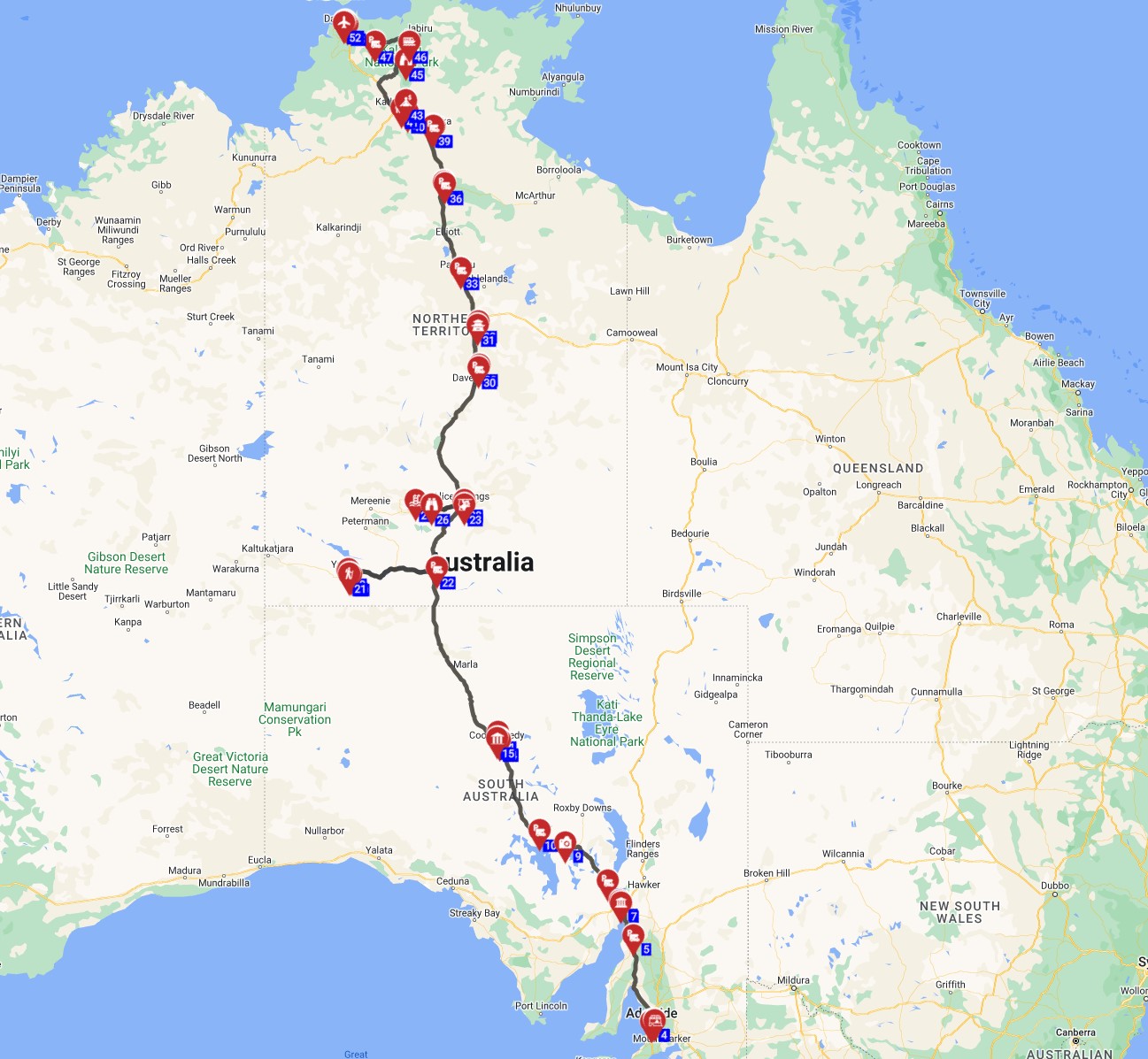
- Journey through the Red Centre (Northern Territory): Take a spiritual journey to Uluru-Kata Tjuta National Park. Experience stunning sunrises and sunsets over Uluru, explore Kata Tjuta's domes, and learn about Aboriginal culture. Consider the "Cairns to Alice Springs - Northern Horizons: A Journey Through Australia's Heartland" route plan which includes 3 hiking areas and 2 natural features, offering a deep dive into this iconic region over 17 days and 4003.6 km.
- Discover Tropical North Queensland: Visit Cairns, the gateway to the Great Barrier Reef and the Daintree Rainforest. Enjoy snorkeling, diving, or a scenic flight over the reef, and then explore the ancient rainforest with its unique flora and fauna.
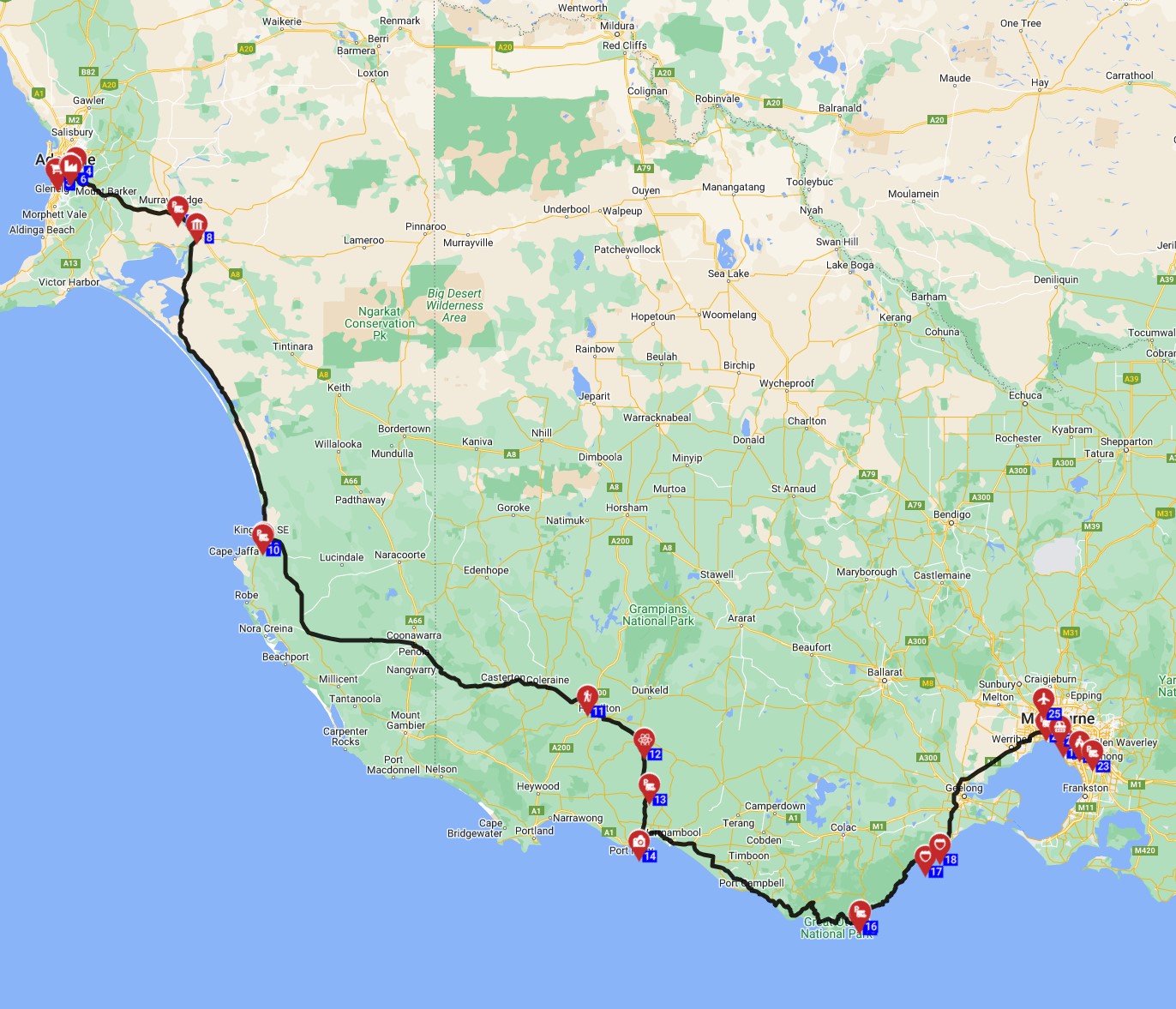
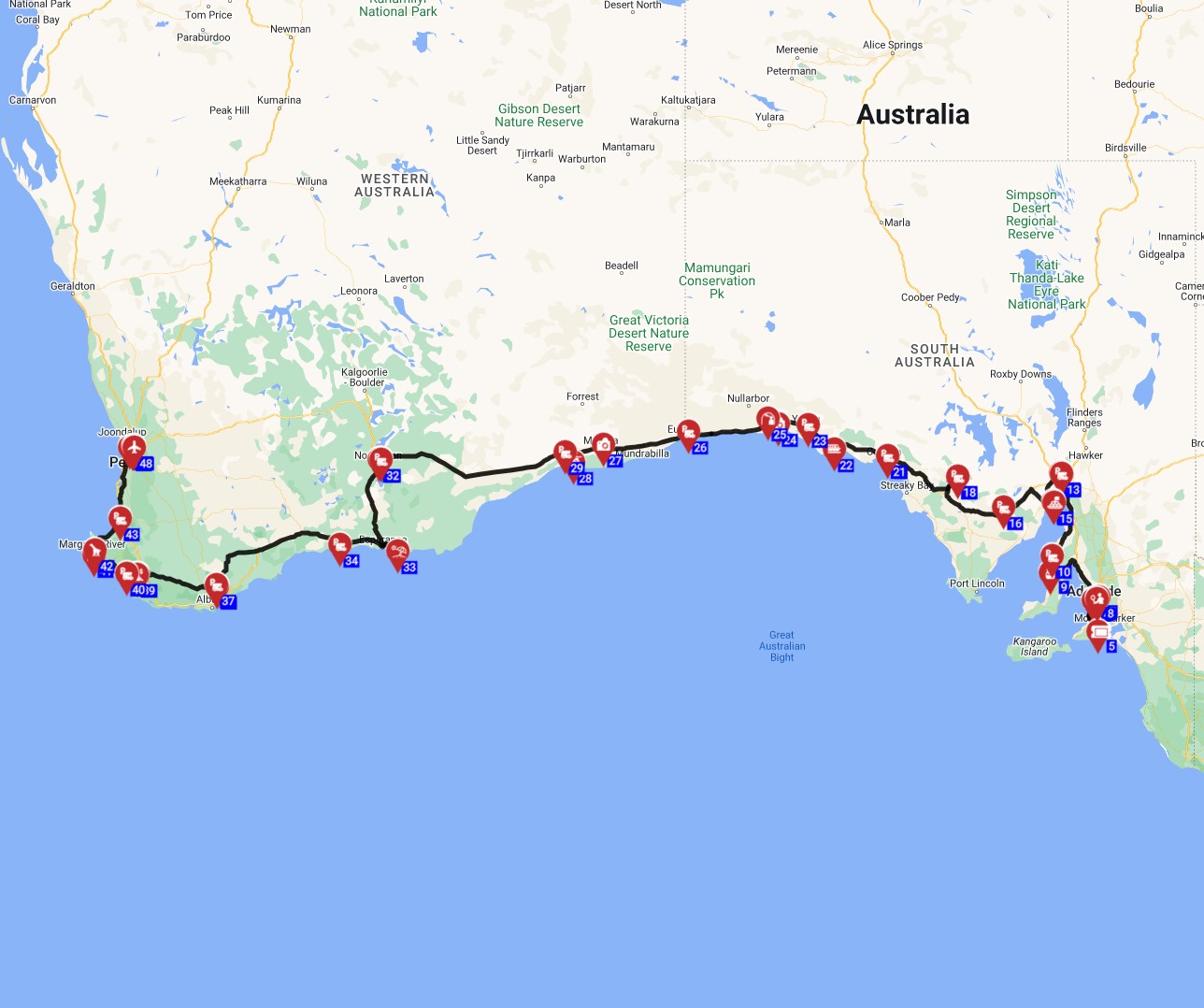
- Coastal Cruise from Perth to Exmouth (Western Australia): Drive north from Perth to witness the turquoise waters and incredible marine life of Ningaloo Reef, home to whale sharks, manta rays, and vibrant coral. This expansive route provides a stunning contrast of desert and ocean. You might enjoy the "Perth to Alice Springs - The Dreamtime Highway: A Journey Through Australia's Heart" which includes 2 wildlife watch opportunities and 4 natural features over 21 days and 5447.3 km.
- Explore Tasmania's Wilderness: Take your RV on a ferry to Tasmania and discover its pristine national parks, rugged mountains, and rich history. From Cradle Mountain-Lake St Clair National Park to the historic Port Arthur, Tasmania offers incredible natural beauty and unique experiences.
Looking for expert insights from Avi Bandana? Top 5 Adventures - recommendations from Avi Bandana
Avi Bandana, our founder and a seasoned RV traveler, has personally explored countless destinations. His recommendations are tailored to help you experience the very best of Australia, from hidden gems to iconic landmarks, ensuring your trip is nothing short of spectacular.
Final Thoughts
An RV rental in Australia promises an unparalleled journey of discovery, offering the freedom to explore diverse landscapes at your own pace. Whether you're seeking a luxurious Class A motorhome for a family adventure or a nimble Class B campervan for a solo coastal drive, Bandana Caravan provides full transparency and expert guidance every step of the way. With our vast selection from trusted suppliers like Apollo and Britz, and the convenience of pre-planned routes from RV PLANET, your Australian road trip will be as smooth and enjoyable as possible.
Remember to embrace slow travel, allowing yourself to truly connect with the stunning scenery, vibrant culture, and unique experiences that await. We're here to help you turn your Australian RV dreams into a reality, ensuring peace of mind before, during, and after your booking. So, pack your bags, choose your perfect mobile home, and get ready for the adventure of a lifetime! Discover top destinations, planning tips, all in one place!
Compare Motorhome Prices for Australia today!