In This Guide
- Top 5 Tips for RV Rental in Australia
- Before You Book - Class, Dates, Insurance
- Pre-Trip Prep - Packing Checklist for Australia
- On the Road - Driving, Fueling, Navigation
- At the Campground - Setup, Hookups and Etiquette
- RV Rental-Specific Tips for Australia
- Common Mistakes to Avoid in Australia
- What are the drawbacks of renting an RV?
- How much does it cost to rent an RV in Australia?
- How much is a 1-week RV rental?
- Is 3000 AUD enough for 2 weeks in Australia?
- Is it worth having a toilet in a campervan?
- What is the 3-3-3 rule for campervan?
- Can you park an RV anywhere in Australia?
- Can US citizens rent a car in Australia?
- What not to do in Australia as an American?
- What You Shouldn't Miss
- Why Book with Bandana Caravan
- Final Thoughts
- Frequently Asked Questions
Australia, a land of breathtaking contrasts from vast deserts to pristine coastlines, offers an unparalleled adventure for those who choose to explore it with a rented RV. Imagine waking up to the sound of kookaburras, enjoying breakfast overlooking a stunning beach, or watching the sunset over the red outback, all from the comfort of your mobile home. At Bandana RV, we specialize in helping you discover this incredible continent on your own terms. For live availability and current prices, start with our RV Rental Australia - Complete Guide 2026 guide. We believe that RV travel isn't just a vacation; it's a way to truly immerse yourself in the culture, the food, and the stunning scenery that Australia has to offer, giving you the freedom to explore at your own pace. With over 20 years of experience since our founding in 2001, we've helped tens of thousands of travelers embark on their dream RV adventures across 50+ countries.
Top 5 Tips for RV Rental in Australia
Planning your RV adventure in Australia ensures a smoother, more enjoyable experience on the open road. First, carefully plan your itinerary with driving distances in mind to avoid fatigue and allow for ample exploration; remember, slow travel (max 100-150 km per day on average) is key to truly feeling a place. Second, book your RV rental well in advance, especially for peak seasons like December-February and school holidays, to secure preferred vehicles and potentially better rates, though spontaneous bookings are also possible with many first-come-first-serve sites available. Third, carefully review and understand the specific insurance options available, choosing comprehensive coverage or upgrading to a top-level deductible for extra peace of mind. Fourth, familiarize yourself with Australian road rules, including driving on the left side of the road and being aware of specific wildlife warnings; our "RV Travel Guide to Australia - Tips and Top Spots 2026" offers more detailed insights. Finally, embrace flexibility in your schedule, as while planning is crucial, allowing for spontaneous detours often leads to memorable experiences and hidden gems. We provide 24/7 support during the pre-booking and booking process, ensuring you have real people behind you every step of the way.
Before You Book - Class, Dates, Insurance
Choosing the right rented RV class for your adventure in Australia hinges on your group size, desired comfort level, and budget. Class B campervans, like the compact "Active Original" model, are ideal for couples or small families, offering easy maneuverability and fuel efficiency, while larger Class C motorhomes, such as a "4 Berth Adventurer" with a 130/200cm bed over the cab and 140/210cm rear double bed, provide more space and amenities for larger families or groups of 4-6. Lock in your travel dates as early as possible, ideally 6-12 months out for peak season, to ensure availability and potentially lower prices, though many national and state parks offer 70-75% of campsites on a first-come, first-served basis for spontaneous travelers. Basic insurance is always included with your rental, but to see prices including the most comprehensive coverage, select that option during your search; this allows you to understand the insurance excess (deductible) and consider options to reduce it for greater peace of mind. For families, consulting our "Family RV Rental in Australia - Pricing Guide 2026" can help pinpoint the perfect motorhome, while those seeking extra luxury might find value in our "Luxury RV Rental in Australia - Premium Prices 2026" article. We ensure full transparency in all pricing, so there are no hidden fees or surprises when you book your perfect RV.
Pre-Trip Prep - Packing Checklist for Australia
A comprehensive packing checklist for a rented RV in Australia ensures you have essentials for varying climates, road conditions, and campsite stays. Be sure to organize your documents and money: a valid driver's license (an International Driving Permit (IDP) is recommended for non-English licenses but not mandatory), passport, visas (if applicable), RV rental booking confirmations, and travel insurance documents are vital. Always carry some local currency (AUD) alongside your credit/debit cards, and keep digital and physical copies of important documents stored separately. For clothing and personal items, pack lightweight, breathable clothing for warm weather, layers for cooler evenings or varied climates, a swimsuit and beach towel, a wide-brimmed hat, sunglasses, high-SPF sunscreen, and insect repellent. Comfortable walking shoes and sandals are essential, along with personal toiletries and any prescription medications.
In the kitchen and food department, bring reusable water bottles, coffee cups, and shopping bags. Basic cooking essentials like salt, pepper, and oil are useful, as are non-perishable snacks for remote areas. If your RV doesn't come with one, consider a cooler or esky for extra food storage. You can find inspiration for onboard meals with our RV-friendly recipes playlist. For safety and miscellaneous items, pack a comprehensive first-aid kit, a GPS device or reliable offline mapping apps (such as WikiCamps Australia), a portable power bank, car chargers, and a headlamp or flashlight with extra batteries. Always have emergency contact information and breakdown service details readily accessible. Don't forget your camera and binoculars to capture Australia's incredible landscapes and wildlife.
At the Campground - Setup, Hookups and Etiquette
Upon arrival at a campground in Australia, correctly setting up your rented RV involves parking on a level surface, extending any slide-outs (if your model like the "Denali Searcher 28 - Gold" has them), and securely deploying your awning if applicable. The standard order for connecting utilities is typically power first to the 240V hookup, then fresh water to your 100-167 liter tank, and finally managing grey and black water waste at designated dump points; ensure your waste water tank, typically around 80-132 liters, is properly managed. Observing campground etiquette, such as respecting quiet hours (usually 10 PM to 7 AM), managing noise levels, and keeping your site tidy, ensures a pleasant experience for everyone. Properly dispose of all waste at designated facilities and minimize your environmental impact by conserving water and electricity, especially when dry camping. For finding campsites and campgrounds during your trip, we recommend using RV PLANET (rvplan.net) - a great resource for locating available spots along your route.
RV Rental-Specific Tips for Australia
Selecting the right rented RV in Australia can greatly enhance your travel experience, tailored to your specific needs. For families, choosing an RV like a "4 Berth Henty" or "Euro Deluxe" Class C motorhome with sufficient sleeping capacity (e.g., three double beds or bunk beds), child seat anchor points, and designated dining/play areas can enhance comfort and safety. Seniors might prioritize motorhomes with automatic transmissions, easy step-in access, and well-designed ergonomic layouts for an accessible journey. Budget-conscious travelers can significantly save money by opting for smaller, more fuel-efficient campervans, such as a "2 Berth Hi Top" with a 70-liter fuel tank and 8-11 L/100km fuel consumption, and prioritizing free or low-cost overnight parking spots. Luxury-oriented renters should explore high-end motorhomes like the "El Monte Eclipse Camper," offering en-suite bathrooms, full kitchens, and advanced entertainment systems for a premium experience. Always consider the overall length (e.g., 5.99 meters for a compact van or 9.4 meters for a large Class C) and height of your chosen RV when planning routes and checking for clearance under bridges or in carparks. We understand that finding the right fit is crucial, and as true RV specialists, we're here to help you compare options across 50+ leading RV suppliers worldwide, including trusted names like Apollo and Britz.
Common Mistakes to Avoid in Australia
To ensure a smooth RV trip in Australia, avoid underestimating driving distances and times. Instead, plan realistic daily itineraries, factoring in breaks and potential delays, as a 500 km drive can easily take 6-8 hours with a larger vehicle. Ignoring wildlife warnings is another critical mistake; drive cautiously, especially at dawn and dusk, and be prepared for encounters with kangaroos, emus, and other animals. Not booking campsites in advance, particularly in popular areas or during peak seasons (December-February), can lead to disappointment; remember that many national and state parks reserve only 25-30% of spots for pre-booking, leaving the rest for first-come-first-serve, so calling ahead is always wise. Forgetting to check fuel levels regularly is dangerous; refuel often, especially before entering remote regions where stations are sparse, as some stretches can span hundreds of kilometers without services. Driving on unsealed roads without permission could void your rental insurance; always verify your rental agreement's terms regarding permitted road types. Finally, disregard making direct cultural comparisons between Australia and other countries that might inadvertently come across as dismissive; instead, embrace and appreciate local customs, slang, and unique Australian experiences. Our Rent&Plan service can provide professionally pre-planned routes that help you avoid these pitfalls, and you can get a 25% planning discount when you use rvplan.net.
What are the drawbacks of renting an RV?
Renting a motorhome in Australia can incur significant overall costs beyond the daily rate, including substantial fuel expenses due to vast distances (a Class C motorhome like the "Eclipse Camper" might consume 20-25 liters per 100 km), campsite fees (AUD $25-$70+ per night), and potentially high insurance excesses (deductibles). Driving a large vehicle may present challenges, especially for those unfamiliar with driving on the left, navigating narrow roads, or parking in urban areas, though with careful attention, any size RV can be driven almost anywhere. The need for resource management, such as monitoring fresh water levels (e.g., 100-167 liter tanks), battery charge, and waste tanks, can be a learning curve for first-time RVers. Flexibility can be limited by the necessity of booking popular campsites in advance during peak seasons, reducing spontaneity, although many parks offer first-come, first-serve spots. Unexpected mechanical issues or breakdowns, though rare, can disrupt travel plans and require reliance on roadside assistance. To budget for all ancillary trip costs beyond the RV rental, remember that RV PLANET routes allow you to itemize and track every expense along the way. On the routes offered through RV PLANET routes, you can itemize and track every expense along the way for easy budgeting.
How much does it cost to rent an RV in Australia?
The cost of renting an RV in Australia varies significantly, ranging from approximately AUD $50 per day for a basic campervan in the off-season to over AUD $300 per day for a luxury motorhome during peak travel times. Key factors influencing the dynamic rental price include the RV's size and amenities (e.g., a "2 Berth Sandpiper" vs. a "6 Berth Discovery"), the length of the rental period, the season (peak season is generally December-February, with shoulder seasons like May and October offering better rates), and the specific pick-up and drop-off locations. Additional expenses to budget for include fuel (which can be a major cost due to long driving distances across Australia's 7.69 million square kilometers), campsite fees (AUD $25-$70+ per night for powered sites), optional insurance excess reduction, and potential one-way rental fees (ranging from AUD $150-$500). Booking 6 to 12 months in advance, especially for popular periods like the Australian summer or school holidays, generally secures better rates and availability. Prices are dynamic like flight tickets, changing daily based on availability, seasonality, and supplier marketing decisions, with the final price set at actual booking time. For more pricing insights, check out our "RV Rental Near Australia Airport - Pickup Pricing 2026" guide.
How much is a 1-week RV rental?
A 1-week RV rental in Australia typically ranges from AUD $350 for a small, basic campervan during the off-season to AUD $2100 or more for a larger, well-equipped motorhome in peak season. For instance, a compact 2-berth campervan like the "Juliette 2-3" in shoulder months like May or October might cost between AUD $350 and AUD $700 for the week. A mid-sized 4-berth motorhome such as a "4 Berth Adventurer" during the popular summer months (December-February) could easily fall within the AUD $1000-$1500 range for seven days. These figures usually cover the base rental rate but do not include additional costs such as fuel, campsite fees, or any optional insurance upgrades. Factoring in fuel, groceries for cooking in your RV, and campsite fees, a 1-week RV trip could realistically cost between AUD $700 and AUD $2500+ depending on your choices and preferred level of comfort. Our comprehensive comparison platform helps you find the most affordable way to rent an RV by comparing final prices across 50+ suppliers so you don't have to.
Is 3000 AUD enough for 2 weeks in Australia?
AUD $3000 can be a viable, though somewhat tight, budget for a 2-week RV trip in Australia, particularly for budget-conscious travelers or those traveling during the off-peak season. To stay within this budget, it is advisable to rent a smaller, more fuel-efficient RV like a campervan (which can be as low as AUD $50/day in off-season), cook most of your meals in your RV's compact kitchen, and prioritize free or low-cost overnight parking spots. A sample breakdown might allocate AUD $700-$1400 for RV rental, AUD $500-$800 for fuel (depending on mileage, with Australia's vast distances), AUD $300-$500 for groceries, and AUD $300-$500 for a small allowance for activities or occasional paid campsites. Traveling in peak season, choosing a larger RV, or indulging in frequent dining out and paid attractions will likely exceed this AUD $3000 budget. Careful planning and adherence to a strict budget, focusing on free natural attractions like hiking areas and scenic routes, are key to managing a 2-week RV trip in Australia within AUD $3000. Our Rent&Plan feature at rvplan.net helps you pre-plan routes and itemize every expense for easy budgeting.
Is it worth having a toilet in a campervan?
Having a toilet in a campervan significantly enhances convenience and privacy, especially for travelers exploring remote areas, undertaking extended journeys, or preferring to avoid public facilities. For many, the added comfort and flexibility of an onboard toilet, typically a marine or enclosed chemical toilet with a 50-100 liter waste tank, often justify the trade-offs of increased vehicle size, weight, and the need for regular waste disposal at designated dump points. It provides substantial benefits for families with children, seniors, or individuals with specific medical needs, eliminating the necessity of late-night trips to campground amenities. Conversely, budget travelers or those planning to primarily stay at well-equipped caravan parks with ample facilities (over 500+ across Australia) might find a toilet less essential, as basic campervans like the "Budget Camper" may not include one. The decision ultimately hinges on your itinerary, personal comfort preferences, and whether you intend to engage in 'freedom camping' where amenities are scarce. Consider the duration of your trip and your comfort level with public facilities before deciding on this feature.
What is the 3-3-3 rule for campervan?
The '3-3-3 rule' for campervan and RV travel in Australia is a widely adopted guideline, though not a strict legal regulation, that advises driving no more than 300 kilometers, for a maximum of 3 hours, and staying in one spot for at least 3 days. This guideline is primarily aimed at promoting safe driving practices by mitigating driver fatigue on Australia's long and often monotonous roads, such as the 146.6-kilometer '90 Mile Straight' on the Eyre Highway. It also encourages travelers to immerse themselves more deeply in specific regions, supporting local businesses and fostering a more relaxed travel pace, aligning with the "slow travel" philosophy. Adhering to the 3-3-3 rule can significantly enhance the overall enjoyment of an RV holiday by reducing stress and allowing for more thorough exploration of attractions like the 100+ national parks. While not mandatory, this sensible approach is highly recommended for a safer and richer Australian road trip experience. Many of our "RV Driving Deals in Australia - Routes and Savings 2026" incorporate this philosophy for optimal enjoyment.
Can you park an RV anywhere in Australia?
No, you cannot park a rented RV anywhere in Australia; legal overnight parking and camping are governed by strict local council regulations, national park rules, and private land ownership. Designated caravan parks, managed campgrounds within national or state parks (e.g., the 47 powered campgrounds in Kakadu National Park), and specific private properties are the primary legal options for overnight RV stays. Freedom camping, also known as 'wild camping,' is only permitted in clearly signposted areas, often found in remote regions (like parts of the Nullarbor Plain), or on private land with explicit permission from the owner. Illegally parking or camping can result in substantial fines, making it crucial to consult reliable resources like the WikiCamps Australia app or local visitor information centers for legal spots. Always pay attention to 'No Camping' or 'No Overnight Parking' signs, and avoid private property unless you have permission to prevent legal issues and ensure a respectful journey.
Can US citizens rent a car in Australia?
Yes, US citizens can rent an RV or car in Australia provided they meet the standard rental requirements, which typically include being at least 21 years old and possessing a valid driver's license. An International Driving Permit (IDP) is highly recommended for US citizens and is often a mandatory requirement by rental companies if your US license is not printed entirely in English. Ensure your US driver's license is current and present it along with your passport and rental booking confirmation at the time of pick-up. Be prepared to adapt to driving on the left-hand side of the road and familiarize yourself with Australian road signs and traffic rules; road signs for wildlife like kangaroos are common. Most rental companies will provide a brief orientation on driving on the left, but prior research is always beneficial for a safer journey. Bandana RV offers full price transparency, ensuring no hidden fees or conversion commissions when US citizens book their Australian RV rental.
What not to do in Australia as an American?
When traveling by rented RV in Australia, do not underestimate the country's vast distances and travel times; avoid over-scheduling your itinerary and instead plan realistic daily drives of 100-150 km on average. Avoid disregarding warnings about wildlife; kangaroos, emus, and other animals pose significant road hazards, particularly at dawn and dusk, and collisions can be severe. Do not forget to apply high-SPF sunscreen, wear a wide-brimmed hat, and stay hydrated, as Australia's UV index is often very high, with summer temperatures reaching over 40°C in some regions. Refrain from approaching, feeding, or disturbing wild animals, as it can be dangerous for both you and the wildlife; observe from a safe distance. Do not assume widespread free Wi-Fi; connectivity can be limited outside major cities, especially in remote RV travel areas covering 80% of the continent, so plan for offline navigation. Finally, avoid making direct cultural comparisons between Australia and the US that might inadvertently come across as dismissive; instead, embrace and appreciate local customs, slang, and unique Australian experiences. Our pre-planned route plans, like "Melbourne to Darwin - Australia’s Heartline Road Trip," can help you navigate these cultural and logistical nuances seamlessly.
What You Shouldn't Miss
Australia offers a wealth of incredible experiences for RV travelers, from coastal drives to outback adventures. Here are some must-do recommendations:
- **The Great Ocean Road (Victoria):** Drive along one of the world's most scenic coastal routes, stretching over 243 kilometers from Torquay to Allansford, visiting iconic landmarks like the Twelve Apostles.
- **Kakadu National Park (Northern Territory):** Explore ancient Aboriginal rock art, diverse wildlife, and stunning waterfalls across nearly 20,000 square kilometers of World Heritage-listed wilderness.
- **Uluru-Kata Tjuta National Park (Northern Territory):** Witness the majestic Uluru (Ayers Rock) and Kata Tjuta (The Olgas) at sunrise and sunset, experiencing the spiritual heart of Australia.
- **Queensland's Tropical Coast:** Discover the Daintree Rainforest, the oldest rainforest in the world, and access parts of the Great Barrier Reef from coastal towns like Cairns and Port Douglas.
- **Tasmania's Wilderness:** Take your RV to explore Freycinet National Park's Wineglass Bay or Cradle Mountain-Lake St Clair National Park for pristine hiking trails and breathtaking scenery.
- **Melbourne's Vibrant Culture:** Experience the bustling city life of Melbourne, known for its hidden laneways, world-class dining, and vibrant arts scene before embarking on your road trip.
Looking for expert insights from Avi Bandana? Top 5 Adventures - recommendations from Avi Bandana
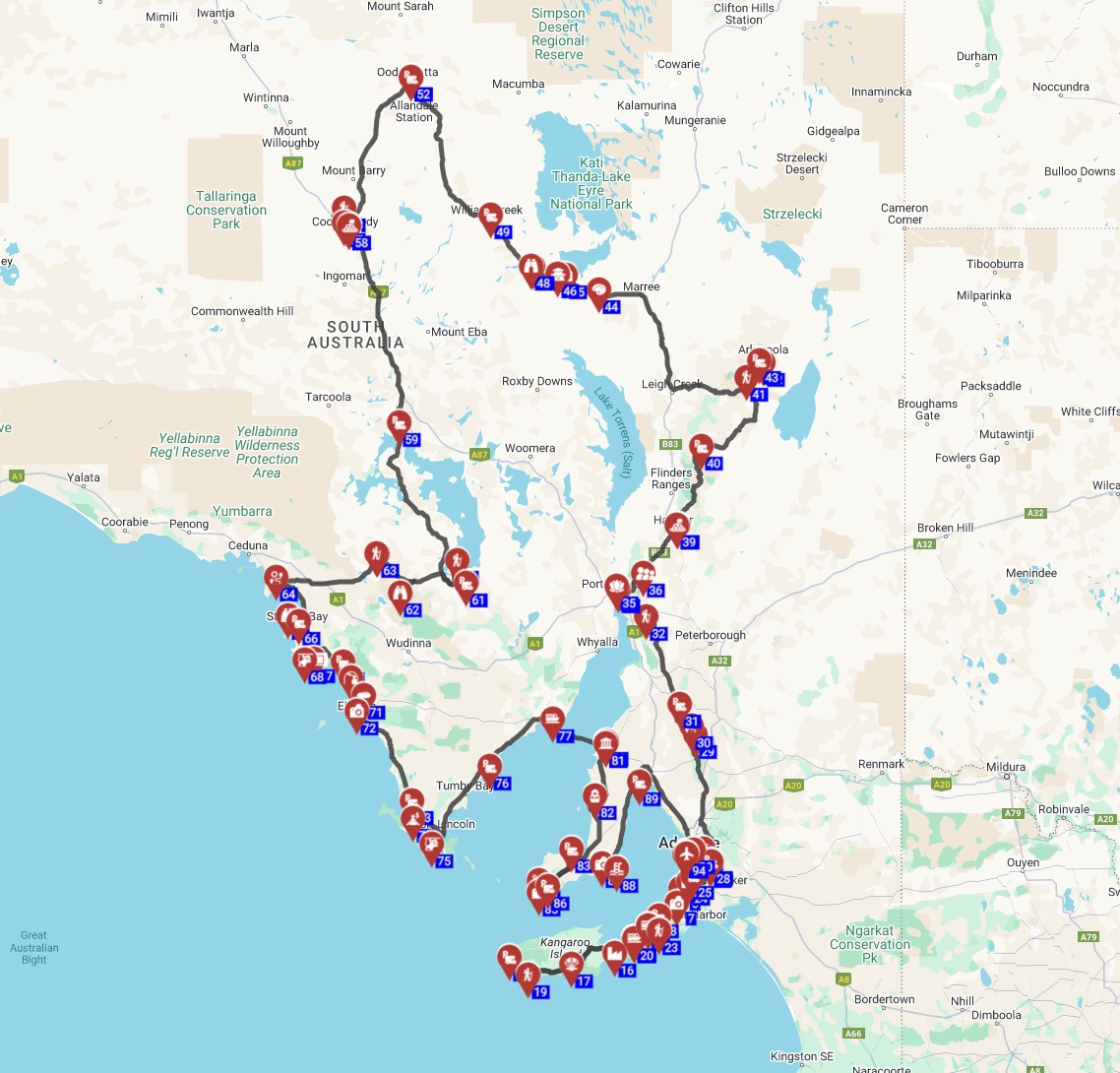
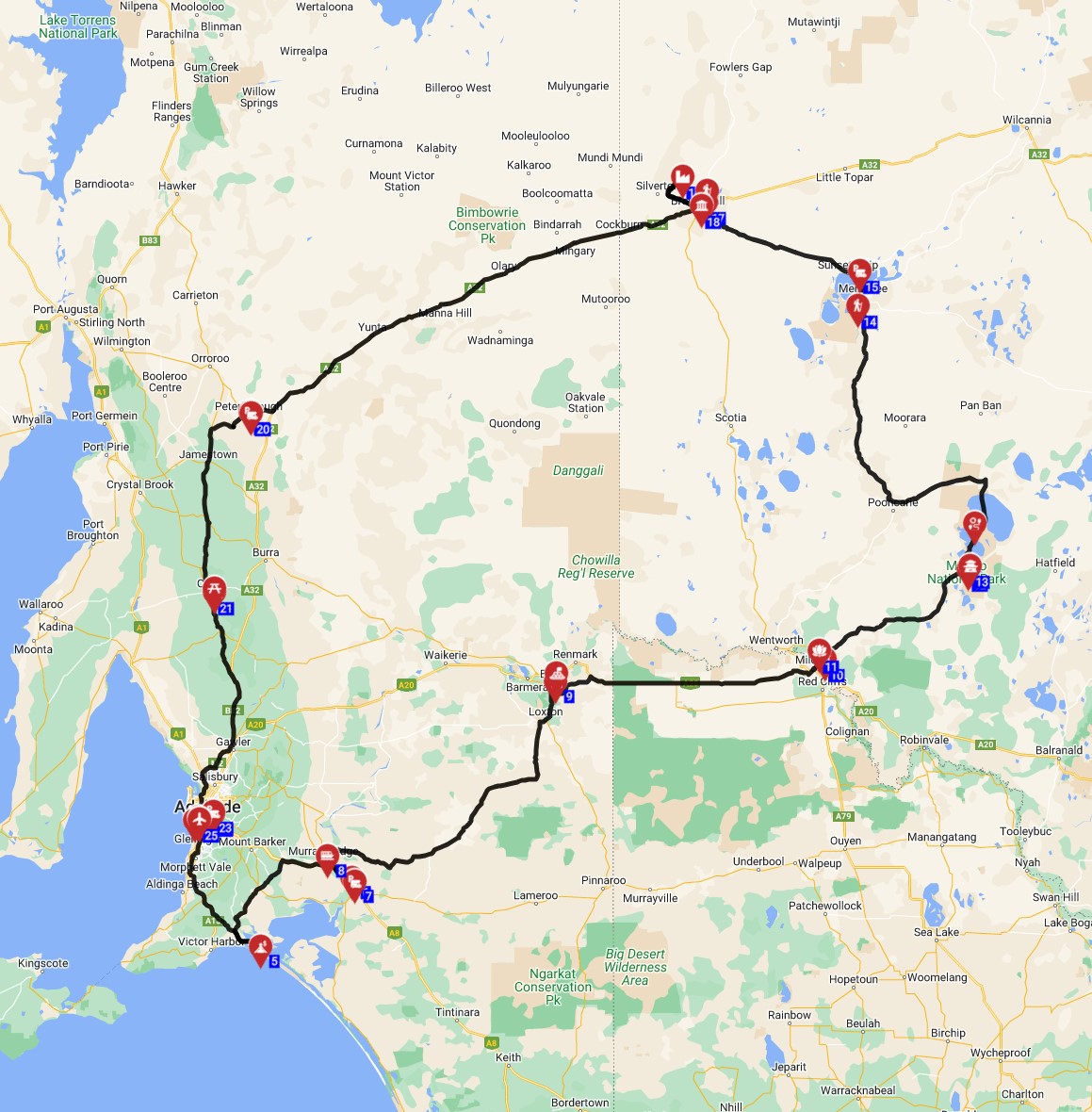
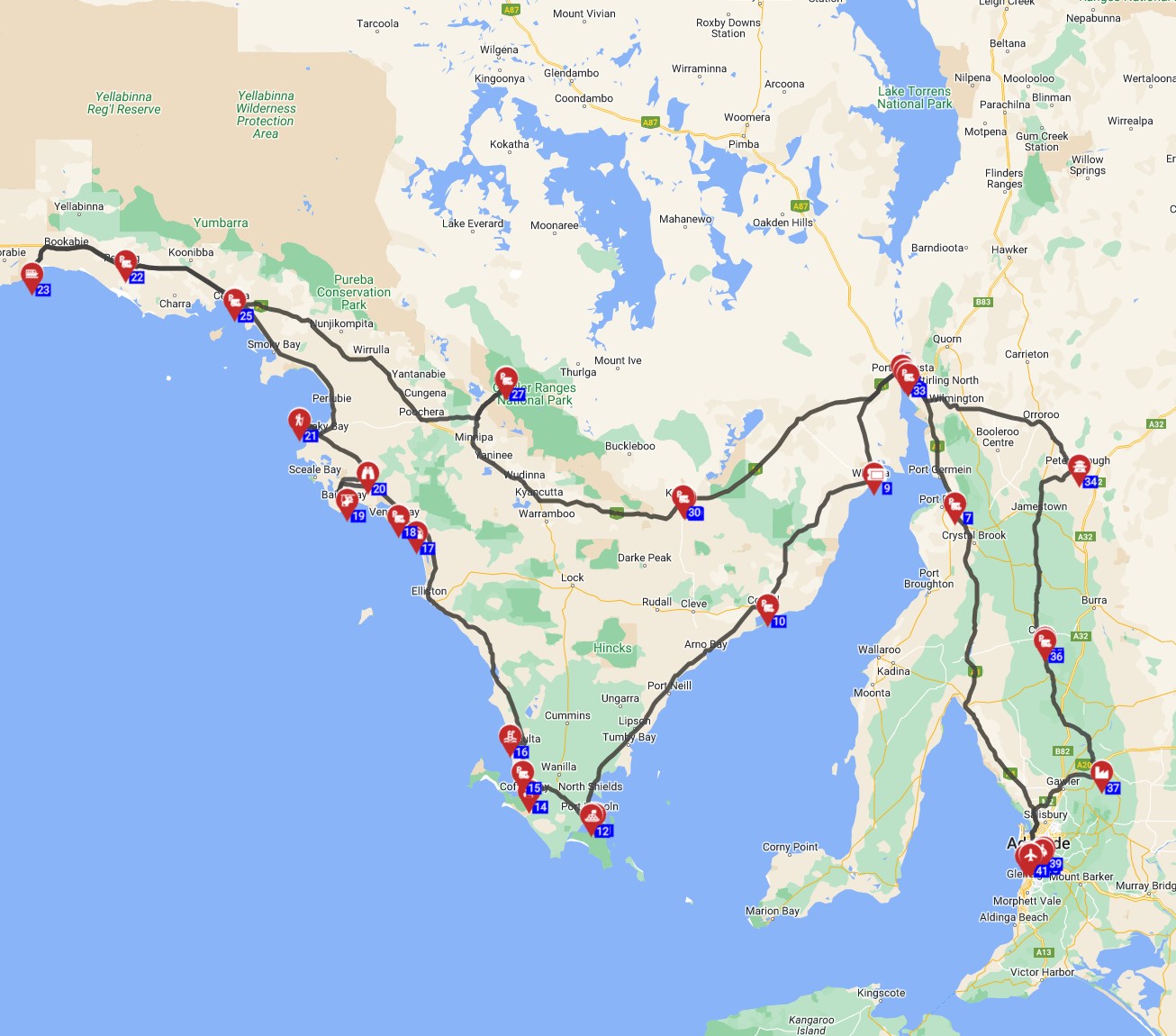
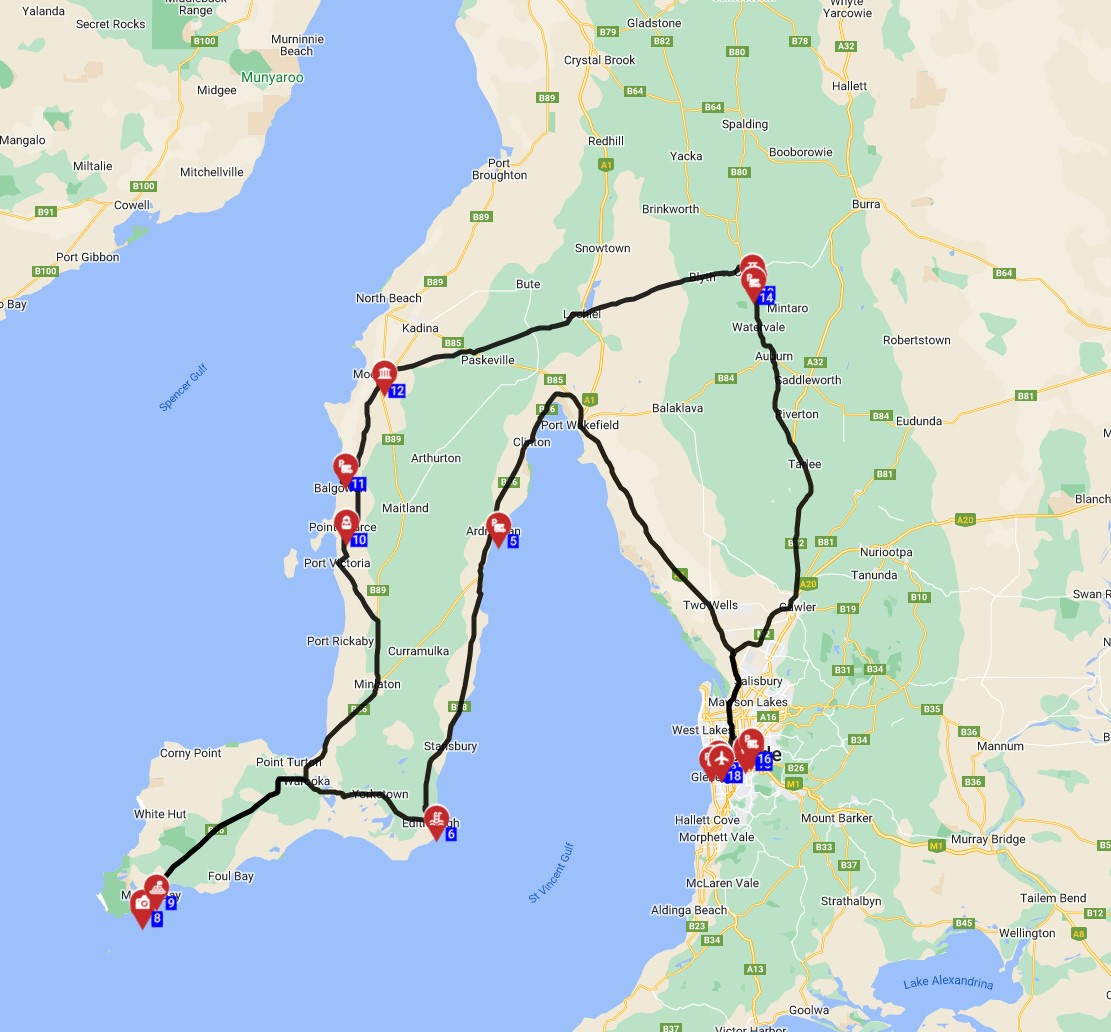
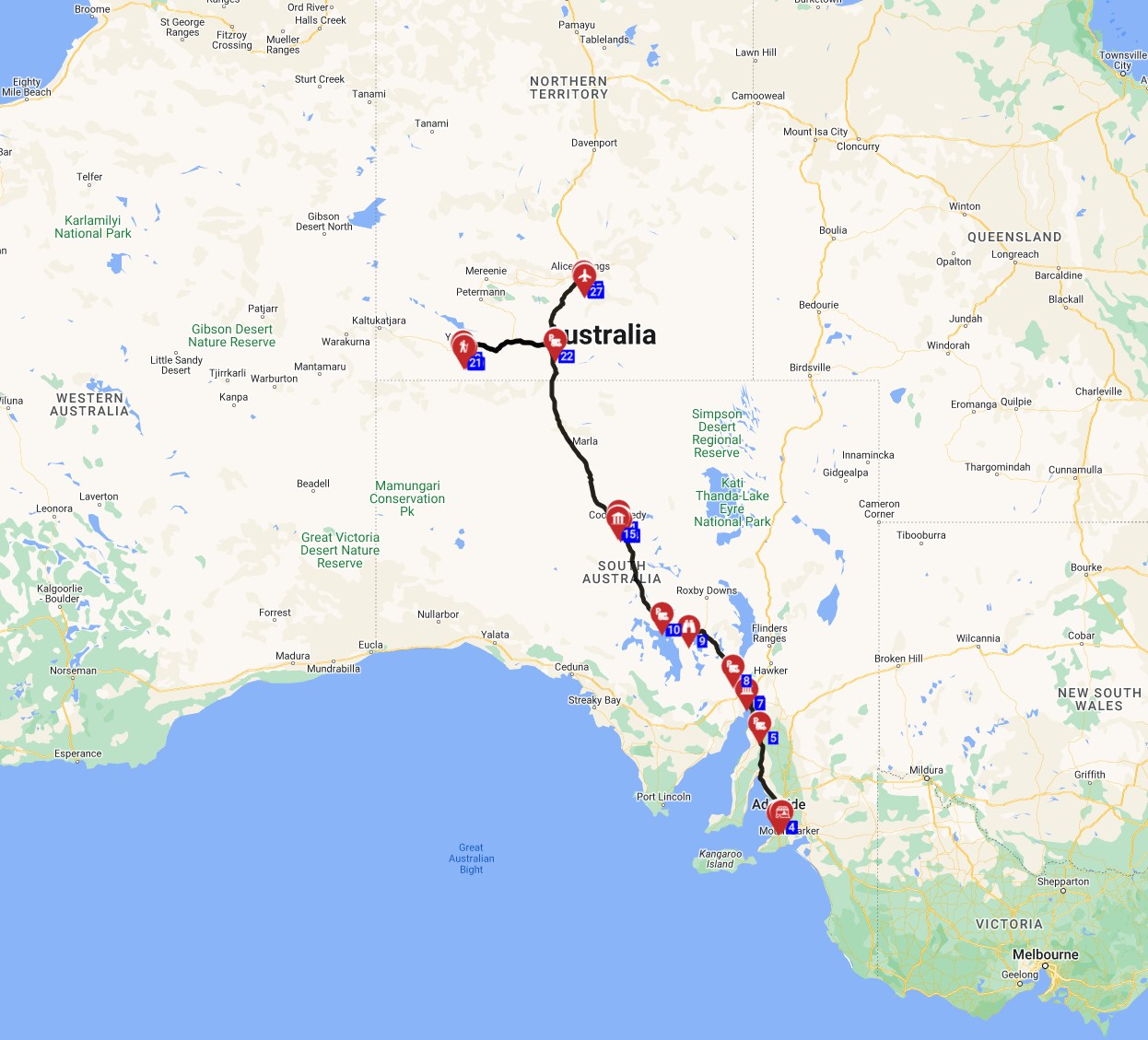
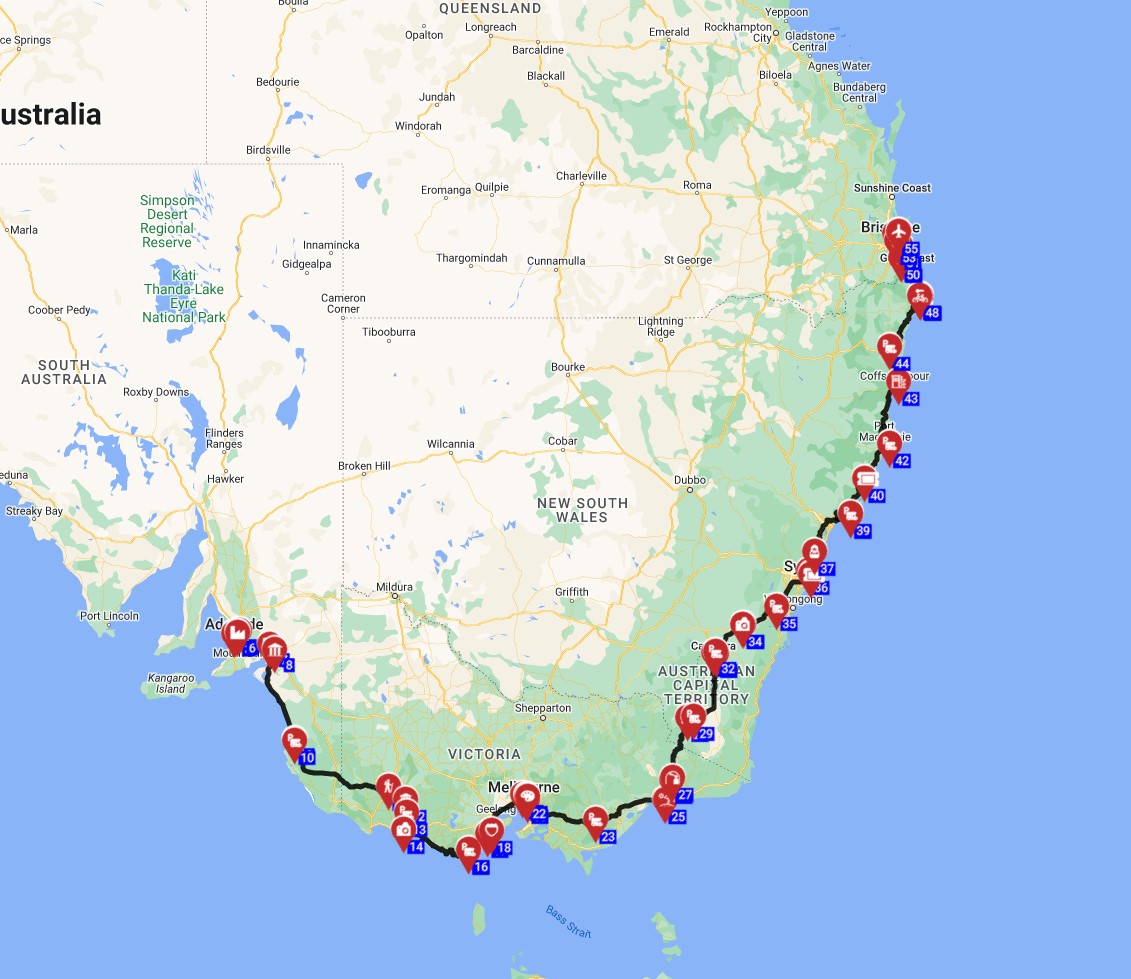
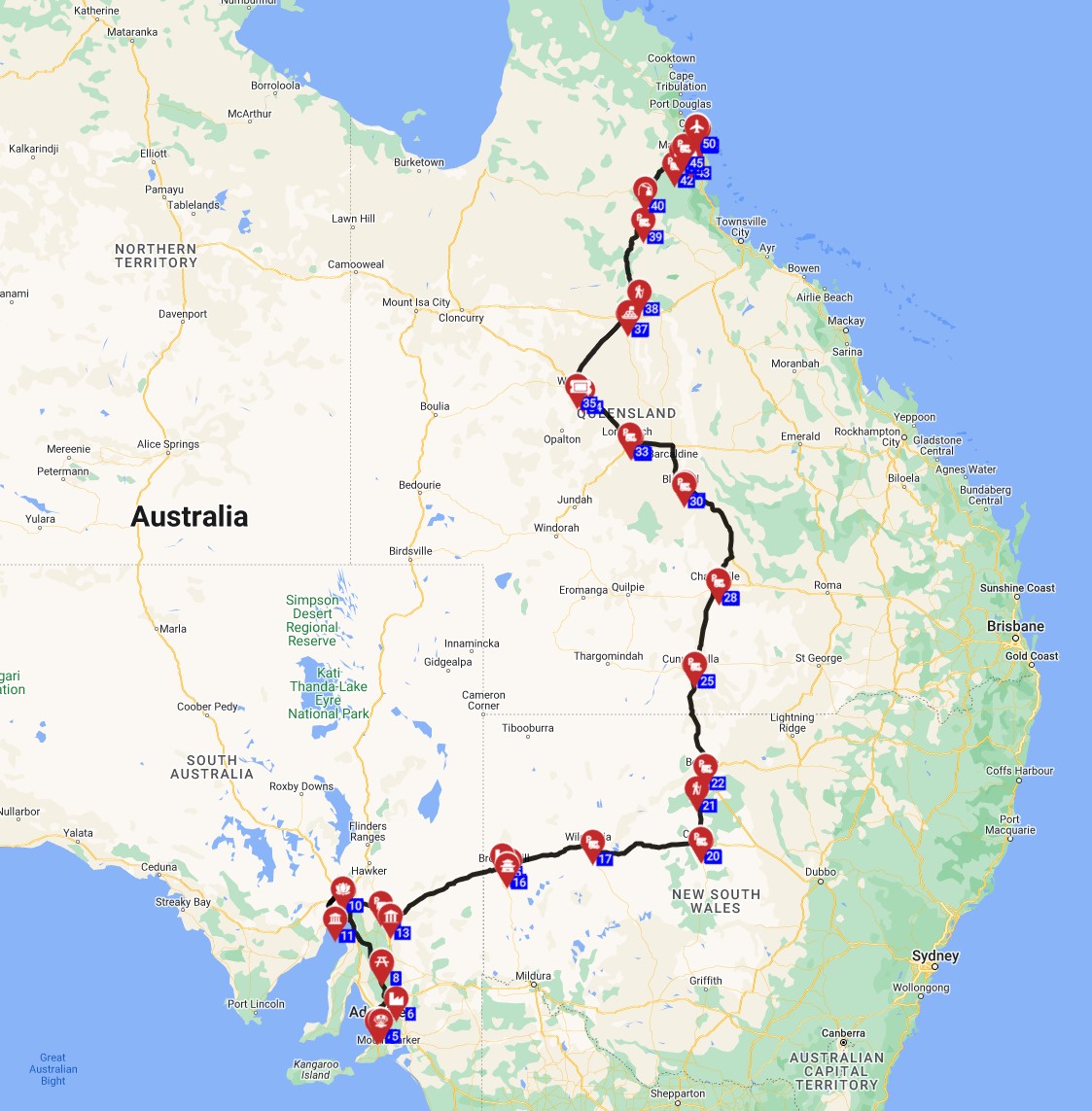
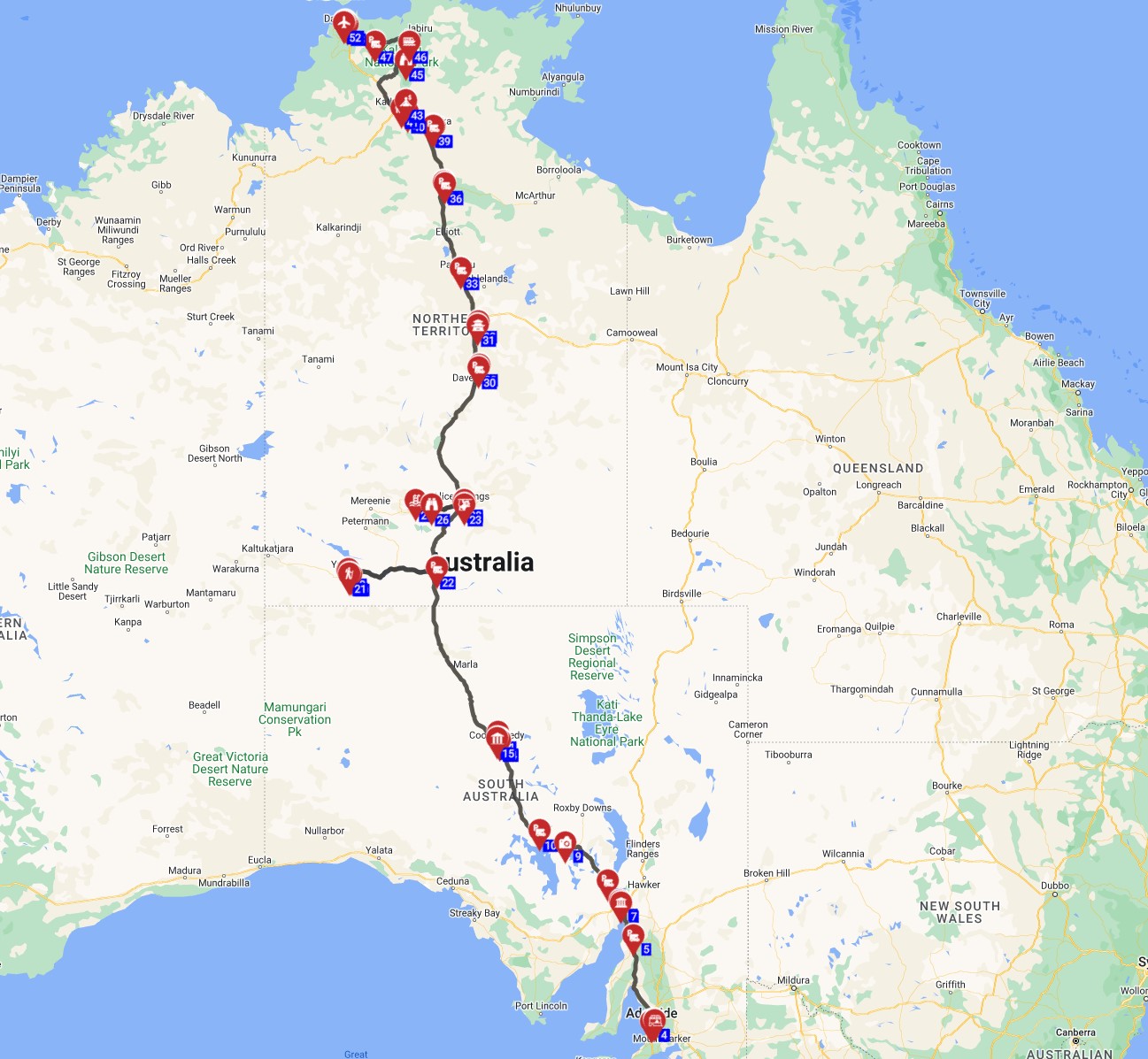
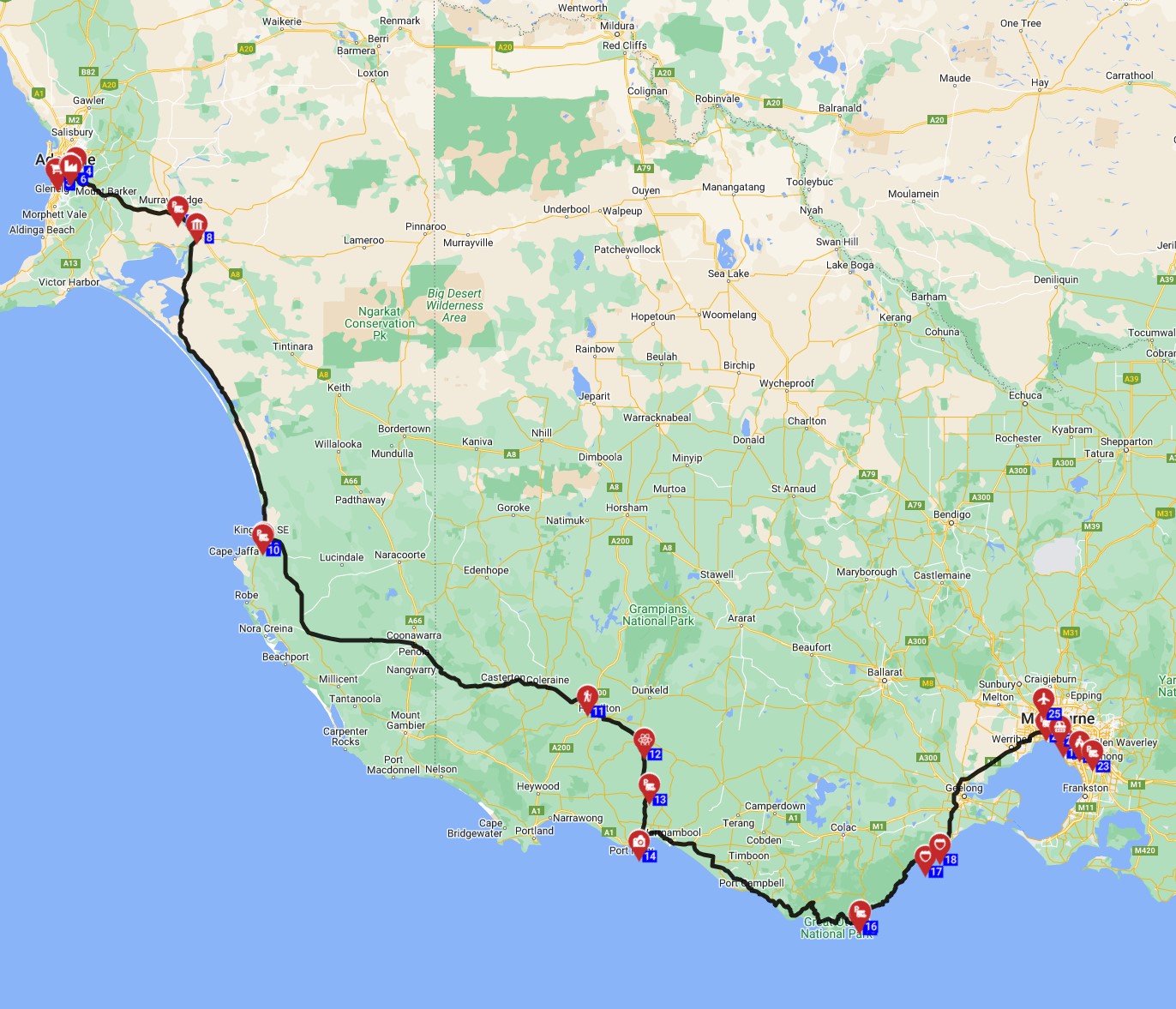
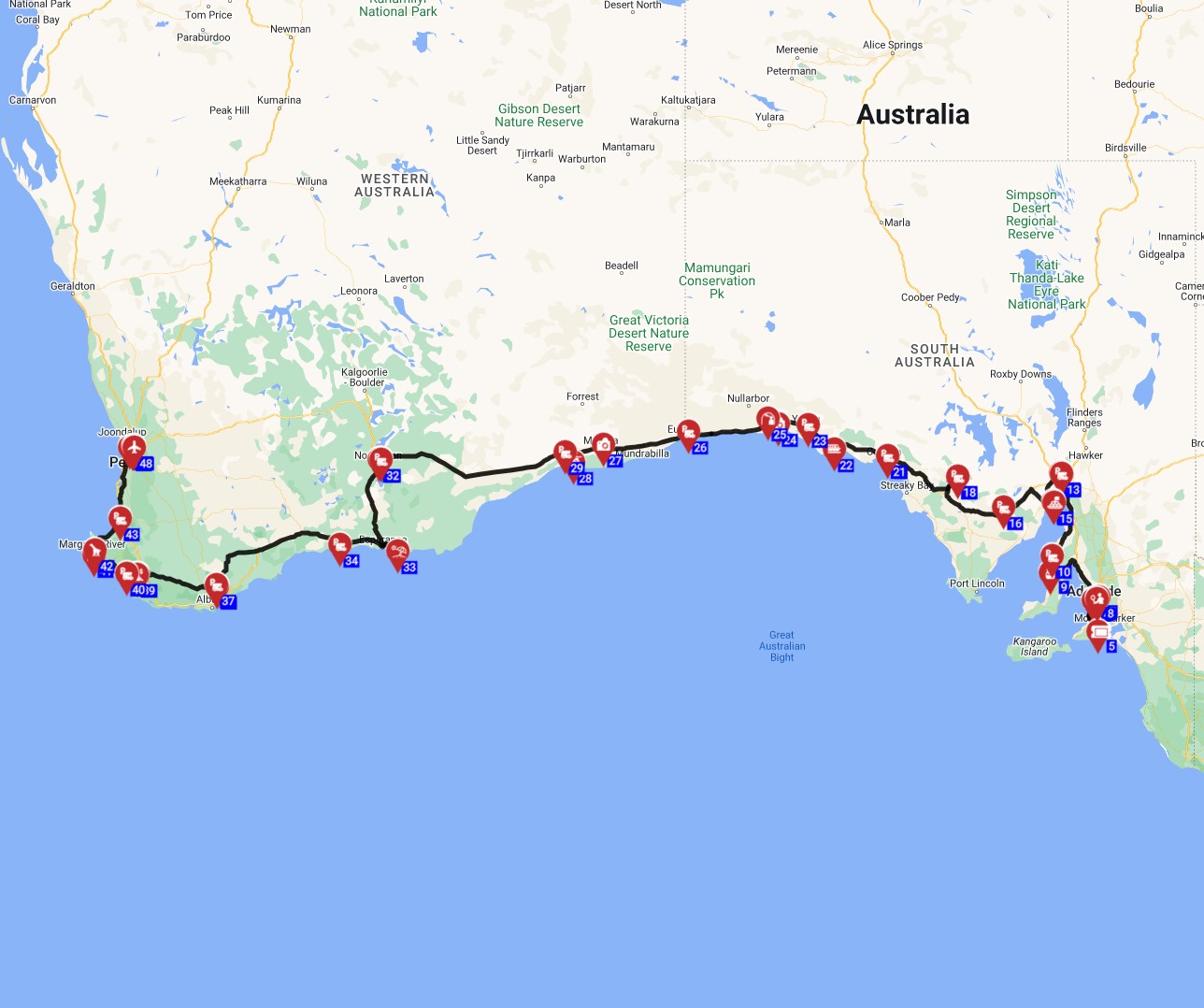
This epic 26-day journey covers over 5622 kilometers, including 5 hiking areas, 3 museums, and 2 wildlife shows. It is a fantastic way to experience both coastal charm and the rugged beauty of Australia's interior.
Embark on this 21-day, 5447-kilometer journey from Perth to Alice Springs, which takes you through 2 wildlife watch opportunities, 3 museums, and 4 natural features, providing an authentic taste of the vast Australian heartland.
This 17-day, 4003-kilometer route from Cairns to Alice Springs offers 3 hiking areas, 2 caves, and 2 tourist attractions, making it a fantastic way to experience the transition from tropical north to the red center.
Final Thoughts
Embarking on an RV adventure in Australia is more than just a trip; it's an opportunity to create lifelong memories, discover hidden gems, and experience the unparalleled freedom of the open road. From the moment you pick up your rented motorhome at the airport to the final drop-off, Bandana RV is dedicated to making your journey seamless and enjoyable. Our commitment to full transparency, expert guidance, and supportive service means you can focus on the breathtaking landscapes and vibrant culture of Australia.
Whether you're planning a week-long coastal cruise or a month-long exploration of the vast outback, a rented RV provides the ultimate flexibility and comfort. We are true RV specialists, passionate about helping you craft the perfect adventure. So, pack your bags, choose your route, and prepare to say "G'day" to an unforgettable Australian road trip!