In This Guide
- Top 5 Tips for winter RV Rental in Ireland
- Before You Book - Class, Dates, Insurance
- Pre-Trip Prep - Packing Checklist for Ireland
- On the Road - Driving, Fueling, Navigation
- At the Campground - Setup, Hookups and Etiquette
- Winter RV Rental-Specific Tips for Ireland
- Common Mistakes to Avoid in Ireland
- What is the best month to RV in Ireland?
- Can you rent an RV in Ireland in December?
- What should I avoid in Ireland in winter?
- What is the best way to travel around Ireland in winter?
- Are Irish roads suitable for RVs?
- How much does it cost to rent an RV in Ireland?
- What documents do I need to rent an RV in Ireland?
- Do I need an international driving permit for Ireland RV rental?
- Can I rent an RV in Ireland with a US driver's license?
- What are the rules for driving an RV in Ireland?
- What is the best navigation app for driving in Ireland?
- What do you need for RV hookups in Ireland?
- Can you wild camp in an RV in Ireland?
- Is it safe to RV in Ireland?
- Staying Connected - WiFi and Mobile Data
- Traveling with Pets in an RV in Ireland
- RV Accessibility in Ireland
- Exploring Off-the-Beaten-Path RV Experiences
- What You Shouldn't Miss
- Why Book with Bandana Caravan
- Final Thoughts
- Frequently Asked Questions
Embarking on a winter RV rental in Ireland promises a unique adventure filled with cozy pubs, dramatic landscapes, and fewer crowds. Ireland's charm shines even brighter during the colder months, offering a serene experience for those willing to embrace the crisp air and occasional showers. Imagine yourself nestled in your warm motorhome, gazing out at a rugged coastline or a misty, ancient castle, a hot cup of tea in hand.
Top 5 Tips for winter RV Rental in Ireland
For a successful winter RV rental in Ireland, prioritizing a motorhome with excellent insulation and a robust heating system is essential for maintaining comfort in colder weather. We offer a range of modern campervans and motorhomes, many of which are "Winter Ready" and equipped with features like efficient heating to ensure a warm interior, even when the temperature drops outside. Always book campsites in advance, especially those with hard standings and full hook-ups, as these provide better stability and access to services during wet conditions, with many popular parks having limited winter availability.
Preparing for shorter daylight hours, which can be as little as 8 hours in December, is crucial; adjust your itinerary to allow ample time for travel and setting up your rented campervan before dark. Pack smart by bringing layers, waterproof clothing, and essential winter gear like thermal socks and sturdy boots to stay warm and dry while exploring. Finally, familiarize yourself with potential road conditions and weather-related detours by checking local forecasts and road reports before each day's journey, especially if you plan to venture into more remote or elevated areas. For live availability and current prices, start with our RV Rental Ireland - Complete Guide 2026 guide.
Before You Book - Class, Dates, Insurance
Choosing an RV class appropriate for Ireland's roads is key, with smaller Class B campervans or compact Class C motorhomes, generally under 7 meters (23 feet) in length, often being recommended for easier navigation on narrower, winding routes. Lock in your rental dates well in advance, particularly if your winter trip coincides with popular holiday periods like Christmas or New Year's, as demand for well-equipped RVs can still be high. When you compare prices with Bandana Caravan, you'll find that basic insurance is always included, and you have the option to upgrade to a top-level deductible for extra peace of mind directly during your search or booking process.
Understanding the breakdown assistance procedures provided by the rental company is vital for any trip, especially in winter; ensure you have contact information readily accessible. Verify any minimum age restrictions, which are typically 21 years old for all motorhome classes, and rest assured that a standard car driver's license is sufficient for driving any of our rental motorhomes, with an International Driving Permit (IDP) recommended for non-English speaking license holders but not mandatory.
Pre-Trip Prep - Packing Checklist for Ireland
A smart packing strategy for a winter RV trip to Ireland includes waterproof and thermal clothing, along with comfortable layers that can adapt to varying temperatures, which might range from 0°C to 10°C (32°F to 50°F). Don't forget essential kitchen items like a portable coffee maker for cozy mornings, reusable water bottles, and a basic pantry of non-perishable foods for convenient meals in your rented motorhome. Whether you're making a hearty stew or simply enjoying a warm cup of tea with a scone from a local bakery, having your own kitchen in a rented motorhome adds immense value to your trip, allowing you to prepare meals tailored to your taste and schedule. Explore new culinary ideas with our RV-friendly recipes playlist for inspiration on the go.
Always carry safety equipment such as a comprehensive first-aid kit, high-visibility vest (a legal requirement in some European countries), and a spare tire kit or repair foam. Before you leave, double-check that all necessary documents, including passports, driving licenses, and your rental agreement, are easily accessible and stored securely within your campervan.
On the Road - Driving, Fueling, Navigation
In Ireland, drivers must adhere to left-hand traffic rules, so practice driving on the left and be prepared for narrow, winding routes and designated 'passing places' in rural areas where you might need to pull over for oncoming traffic. Monitor your fuel levels carefully, as stations can be less frequent in remote areas, and be mindful of your rented motorhome's specific fuel consumption, which can be higher than a regular car (e.g., a Class C motorhome might average 10-14 liters per 100 km). Our partners like El Monte and Cruise America provide detailed vehicle information to help you plan.
Utilize RV-friendly navigation apps that account for vehicle size and potential road restrictions, helping you avoid unsuitable routes. Be aware of local driving etiquette, which often involves signaling intentions and acknowledging other drivers with a friendly wave. Plan your routes to avoid high-elevation roads or exposed coastal areas during strong winds or potential ice in winter, as these conditions can make driving more challenging. Drive slowly and carefully, and you can drive almost anywhere without issues. No need to stress - just use common sense and pay attention. For more guidance, check out our Week-Long RV Driving Tour in Ireland 2026.
At the Campground - Setup, Hookups and Etiquette
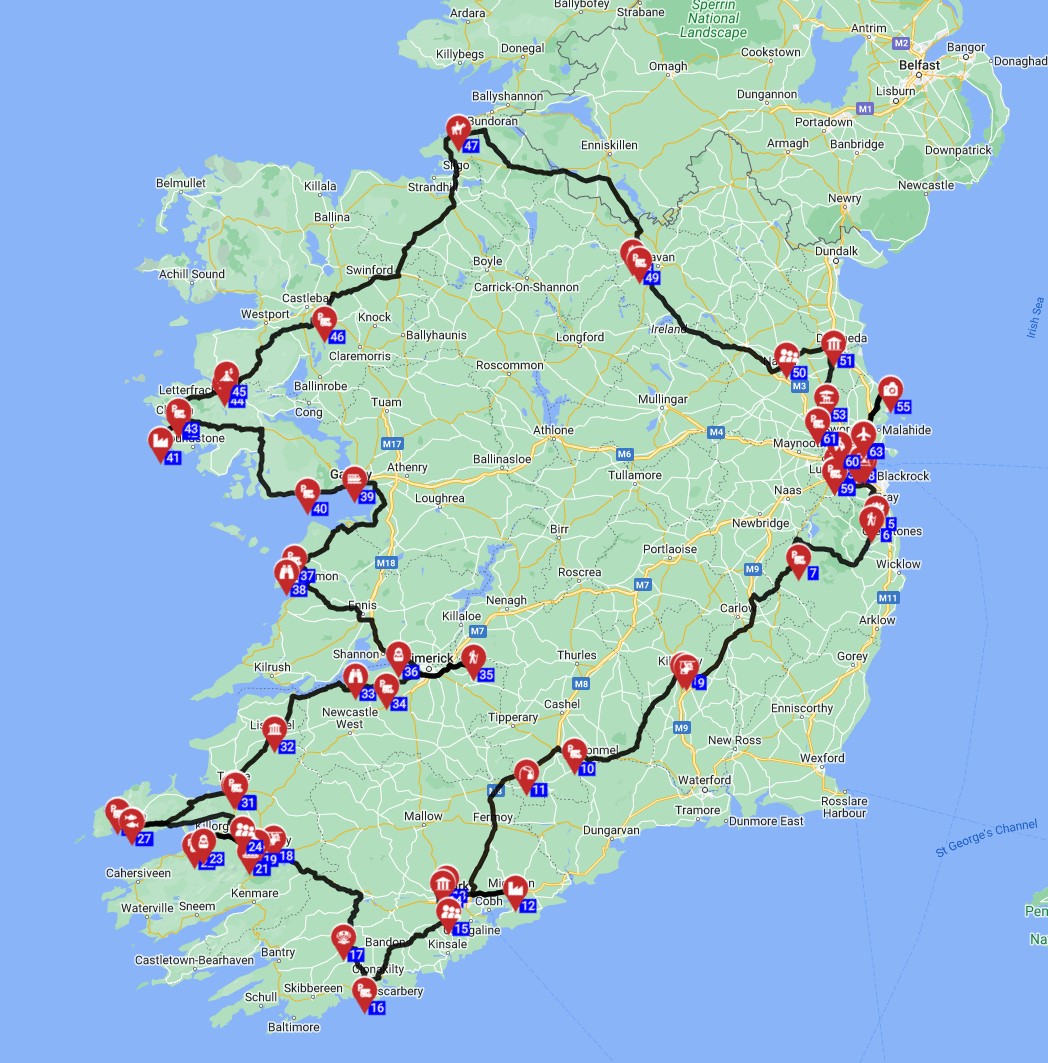
Upon arrival at a winter campsite in Ireland, always select a level pitch, ideally one with a hard standing for better stability and drainage in wet or soft ground. Connect electrical hook-ups first if available, using a CEEform 16A blue plug adapter, which is standard across Europe. Connect water hoses ensuring they are protected from frost in colder weather, and manage grey and black water disposal responsibly at designated dump stations found at most established campgrounds. On the routes offered through RV PLANET routes, you can itemize and track every expense along the way for easy budgeting.
Observe quiet hours, typically from 10 PM to 8 AM, and always respect fellow campers' privacy, which contributes to a peaceful atmosphere for everyone. Inquire about RV-specific amenities such as laundry facilities, shower availability, and options for propane refills, as these services can vary between campsites. Always leave your pitch clean and tidy, strictly adhering to 'leave no trace' principles to ensure Ireland's natural beauty is preserved for future travelers.
🎬 Video coming soon
Winter RV Rental-Specific Tips for Ireland
When planning a winter RV rental in Ireland, prioritize renting campervans or motorhomes equipped with robust heating systems and good insulation, such as those often found in "Winter Ready" models, to ensure maximum comfort in colder temperatures. Plan your daily routes to make the most of the shorter daylight hours; in mid-winter, daylight can be as brief as 8 hours, so allow ample time for travel and setting up your campsite before dusk. Focus your exploration on cities, towns, and indoor attractions that offer warmth and shelter from the elements, like museums, historic houses, and traditional Irish pubs.
While severe snow and ice are rare in much of Ireland's lowlands, ensure your rented RV is equipped with appropriate tires for winter conditions or, if venturing into mountainous regions like the Wicklow Mountains, inquire about the availability of snow chains. Keep a close eye on local weather forecasts for strong winds and heavy rain, which are common in Irish winters, and be flexible with your itinerary to adjust plans as needed for safety and enjoyment. Travel slowly, max 100-150 km per day on average. Take time to feel the place, connect to the culture, the food, and the scenery.
Common Mistakes to Avoid in Ireland
A common mistake for first-time RV renters in Ireland is underestimating the size of Irish roads; instead of attempting to navigate a large Class A motorhome on narrow country lanes, opt for a smaller Class B campervan or compact Class C model and practice driving on the left. Avoid relying solely on phone navigation, as mobile data coverage can be intermittent in rural Irish areas; download offline maps and carry a physical map as a reliable backup.
Rather than overpacking your motorhome with unnecessary items, focus on essential layered clothing and utilize the laundry facilities often available at larger campsites, which saves space and weight. Neglecting to pre-book campsites, especially during popular winter periods like mid-term breaks or near major attractions, can lead to disappointment; secure your spots well in advance, even though many national parks keep 25-30% of their sites as first-come-first-serve. You'll find a spot. If not at the first campground, then the next one. Call ahead before driving. Finally, never ignore local weather warnings, as Irish winter conditions can change rapidly, and always be prepared to adjust your itinerary for safety.
What is the best month to RV in Ireland?
For a winter RV experience in Ireland, December, January, and February offer a unique, quieter atmosphere with fewer tourists and often more affordable rental rates, typically starting from €70 per night for a smaller campervan. While daylight hours are shorter, averaging 8-9 hours, and the weather can be colder and wet, this period provides a chance to enjoy Ireland's cozy indoor attractions and dramatic landscapes without the summer crowds. Visiting outside of peak summer (July-August) generally provides better campsite availability and more serene travel.
Consider late autumn (November) or early spring (March) for a balance of decent weather, with average temperatures around 5-10°C (41-50°F), and fewer tourists than peak season. Regardless of the month, be prepared for specific weather challenges like strong winds and rain, which are common throughout the Irish winter, and pack accordingly. Booking campsites in advance is crucial, even in the off-season, especially if you require specific amenities or wish to stay at popular locations.
Can you rent an RV in Ireland in December?
Yes, you can absolutely rent an RV in Ireland in December, offering a magical way to experience the festive season and dramatic winter landscapes. While availability might be more limited as some rental companies operate reduced winter fleets, many still offer a good selection of "Winter Ready" campervans and motorhomes designed for colder temperatures. It is advisable to book well in advance, particularly if your travel dates coincide with the Christmas and New Year's holidays, where demand can increase.
Ensure your rental agreement specifies an RV equipped for colder conditions, featuring proper heating and insulation for a comfortable interior climate, as well as necessary anti-freeze measures for the water systems. Verify operational hours and accessibility of rental depots during the holiday period, as some may have reduced hours or closures. Bandana Caravan works with numerous suppliers, including global partners like Apollo, to provide options year-round, ensuring you find the right vehicle for your December adventure.
What should I avoid in Ireland in winter?
In winter, RV travelers in Ireland should avoid attempting extensive drives on extremely narrow or unpaved roads, especially in remote areas, as low visibility, wet conditions, and potential ice can make them hazardous. It's also best not to rely on spontaneous wild camping or 'boondocking,' as many public areas have restrictions on overnight RV parking, and facilities at informal spots will be non-existent; instead, seek out official campsites for safety and amenities. It is highly recommended to avoid overly ambitious itineraries that try to cram too many destinations into the short winter daylight hours, which can lead to rushed and stressful travel.
Steer clear of exposed coastal roads during severe weather warnings, particularly high winds or heavy rainfall, as these can pose a significant risk to larger vehicles like motorhomes. Furthermore, refrain from underestimating the impact of shorter daylight hours on both driving and sightseeing; plan your daily activities to finish before dark to maximize safety and enjoyment. For finding campsites and campgrounds during your trip, we recommend using RV PLANET (rvplan.net) - a great resource for locating available spots along your route.
What is the best way to travel around Ireland in winter?
Traveling by a rented RV in Ireland during winter offers unparalleled flexibility to explore at your own pace, focusing on cozy experiences and the unique charm of the off-season. An RV provides a mobile base that keeps you warm and comfortable, allowing you to chase clear weather windows for outdoor exploration. Prioritize flexible itineraries that can easily adapt to changing weather conditions, dedicating more time to fewer regions to truly immerse yourself in the local culture.
Focus on exploring Ireland's vibrant cities, charming towns, and attractions that provide indoor warmth and activities, such as museums, historical sites, and traditional pubs. Utilize well-maintained motorhome parks or campsites that offer essential services like electricity hook-ups and hard standings, which are more reliable in winter. Embrace scenic drives, but always prioritize safety by checking road conditions and adjusting your plans during adverse weather, ensuring a relaxed and enjoyable winter journey. Travel slowly, max 100-150 km per day on average. Take time to feel the place, connect to the culture, the food, and the scenery.
Are Irish roads suitable for RVs?
Irish roads are generally suitable for RVs, but many secondary roads, particularly in rural and scenic areas, can be quite narrow and winding, requiring careful driving. Smaller to medium-sized RVs, such as a campervan or a compact Class C motorhome (typically up to 7 meters or 23 feet in length like the "rent rv example A1" which is ideal for a couple), are usually recommended for easier navigation, especially on popular routes like sections of the Wild Atlantic Way or through historic villages. You'll encounter designated 'passing places' on single-lane roads where you may need to pull over to allow oncoming traffic to pass, a common and polite custom.
Larger RVs, such as the spacious "Euro Deluxe" Class C motorhome, might face restrictions or difficulties in historic town centers and on some national park routes due to limited space and tight turns, though driving slowly and carefully allows you to navigate almost anywhere. Drive slowly and carefully, and you can drive almost anywhere without issues. No need to stress - just use common sense and pay attention. Always practice defensive driving and allow ample time for journeys, particularly in winter conditions when visibility can be reduced. When you book with Bandana Caravan, our true RV specialists can provide advice on vehicle suitability for your planned route.
How much does it cost to rent an RV in Ireland?
The cost to rent an RV in Ireland varies significantly based on vehicle size, rental duration, season, and chosen inclusions like insurance, typically ranging from €70 to €250+ per night for a campervan or a Class C motorhome during the winter months. For example, a week-long rental for a couple in a compact campervan might start from €490, while a larger family motorhome for two weeks could be €1,500-€3,000+. Prices are dynamic and change daily based on availability, seasonality, and supplier marketing decisions, so the final price is set at the actual booking time.
Beyond the rental fees, budget for fuel consumption, which can be higher for RVs (e.g., 10-14 liters per 100 km for a medium motorhome), especially during extensive winter driving. Factor in campsite fees, which generally range from €25 to €45 per night for a serviced pitch with electrical hookups. Also, account for potential ancillary costs such as road tolls, particularly for larger vehicles on motorways, ferry costs if visiting islands, and propane refills for heating and cooking. To manage your budget effectively for these variable expenses, remember that RV PLANET routes allow you to itemize and track every cost along your way.
What documents do I need to rent an RV in Ireland?
To rent an RV in Ireland, you will typically need a valid full driving license that has been held for at least two years, showing your entitlement to drive the chosen vehicle class. A standard car driver's license is sufficient for all motorhome classes (Class A, Class B, and Class C) in Ireland. An International Driving Permit (IDP) is highly recommended or legally required for non-EU/EEA license holders if your license is not in English; it serves as an official translation and must always be presented alongside your original national license.
You will also need a valid passport or national ID card for identification purposes during the rental pickup. A major credit card in the primary driver's name is universally required for the security deposit, which can range from €1,000-€3,000, and for final payment. Some rental companies may also request proof of address or a second form of ID. It is always wise to confirm the specific documentation requirements with your chosen Bandana Caravan supplier well before your pick-up date.
Do I need an international driving permit for Ireland RV rental?
An International Driving Permit (IDP) is legally required for drivers whose national driving license is not issued in English or does not have an English translation. For example, if your license is in a language other than English, an IDP is a mandatory document to carry alongside your original license. Even if your license is in English, such as from the USA, Canada, or Australia, an IDP is highly recommended by many rental companies and Irish authorities as a recognized supplementary document that simplifies verification.
The IDP functions as an official translation of your driving license, providing clarity for local authorities and rental staff. You must obtain an IDP in your home country before traveling, as they cannot be issued in Ireland. Always check the precise requirements with your specific RV rental company, like Apollo or Britz, to ensure a smooth pickup process. Remember, the minimum rental age in Ireland is 21, and there are no young driver surcharges or vehicle class restrictions based on age.
Can I rent an RV in Ireland with a US driver's license?
Yes, you can generally rent an RV in Ireland with a valid US driver's license, provided it is a full, non-provisional license that has been held for at least two years. While an International Driving Permit (IDP) is not always legally mandatory for US license holders, it is strongly recommended by many rental companies and Irish authorities; it simplifies identification and translation, potentially avoiding any delays or misunderstandings at the rental desk. You should always ensure your US license meets the minimum holding period stipulated by most rental agreements.
Be aware of age restrictions; most rental companies require drivers to be at least 21 years old, and Bandana Caravan proudly offers rentals to drivers from this age without young driver surcharges or vehicle class restrictions. Before your trip, familiarize yourself with driving on the left-hand side of the road, as this is the primary difference for US drivers. Our RV Rental Europe - Complete Guide 2026 offers a broader perspective on driving regulations across the continent, including left-hand drive countries.
What are the rules for driving an RV in Ireland?
Drivers operating a rented RV in Ireland must strictly adhere to the country's left-hand traffic rule and navigate roundabouts in a clockwise direction, yielding to traffic already on the roundabout. Speed limits vary and are clearly signposted in kilometers per hour (km/h); crucially, for RVs over 3,500 kg, expect lower limits on certain roads, for example, typically 80 km/h on national roads where cars might be allowed 100 km/h. Be acutely mindful of alcohol limits for drivers, which are stricter than in many other countries (0.05% BAC for private vehicles), and always designate a sober driver.
Understanding 'passing places' on narrow rural roads is essential; these are small pull-offs where vehicles must yield, often by reversing, to allow others to pass safely. Show courtesy to local drivers with a quick wave of thanks when they yield, and be prepared for unexpected encounters with sheep and other livestock on unfenced rural roads. Drive slowly and carefully, and you can drive almost anywhere without issues. No need to stress - just use common sense and pay attention.
What is the best navigation app for driving in Ireland?
While Google Maps and Apple Maps are widely used and generally effective for navigating in Ireland, offering real-time traffic updates and points of interest, for RV-specific navigation, apps like Sygic GPS Navigation or CoPilot GPS often provide superior route planning. These specialized apps can create routes tailored to your rented motorhome's dimensions, such as length and height, helping you avoid unsuitable narrow roads, low bridges, or tight turns. Given that mobile data coverage can be intermittent in remote rural Irish areas, it is highly recommended to download offline maps within your chosen app before you set off on your journey.
MAPS.ME is another excellent option for offline navigation, particularly useful for exploring off-the-beaten-path areas without relying on a consistent mobile signal. Always cross-reference app directions with physical road signs, especially when encountering narrow lanes or unexpected detours, as local signage often provides the most accurate and up-to-date information. Our RV PLANET (rvplan.net) platform can also help you plan your route in advance, identifying suitable roads and campgrounds.
What do you need for RV hookups in Ireland?
For electrical hookups at campsites in Ireland, you will typically need a CEEform 16A blue plug adapter, often referred to as a 'continental' adapter, to connect your rented RV to the campsite's power pedestals. A potable water hose with appropriate connectors is essential for refilling your fresh water tank at designated water points, which is particularly important in winter to prevent freezing. You'll also need specific chemicals for your black water tank and a wastewater hose for hygienically emptying both your grey and black water tanks at designated dump stations found at nearly all official campgrounds.
Ensure your RV has adequate propane (LPG) for heating and cooking, as refills might be less frequent in winter or specific to certain types of bottles, so it's wise to plan ahead. Some campsites may also offer TV aerial connections, so an appropriate coaxial cable might be useful for entertainment during longer winter evenings. Always confirm what is included with your RV rental regarding hookup accessories to avoid surprises. We handle the details, you live the journey - personal service from day one until your booking is confirmed.
Can you wild camp in an RV in Ireland?
Wild camping, or 'boondocking,' in a rented RV in Ireland is generally discouraged and often technically illegal without explicit landowner permission. Ireland's laws around wild camping are less permissive than in some other countries, and while some isolated spots might be tolerated, it is crucial to research local regulations rigorously and, if possible, seek permission to avoid trespassing or potential fines. Many car parks, especially in scenic or popular areas, often have clear restrictions on overnight parking for RVs; look for specific signs indicating whether it's allowed or prohibited.
Instead, it is strongly recommended to utilize the numerous dedicated motorhome parks and campsites across Ireland, which offer necessary facilities, security, and a more welcoming environment. These sites often provide electrical hook-ups, fresh water, and waste disposal points, which are essential for a comfortable and responsible RV trip. If you do find an appropriate spot where wild camping is tolerated, always practice 'Leave No Trace' principles, ensuring absolutely no rubbish or waste is left behind. Remember, Bandana Caravan caters exclusively to RV rental travelers and focuses on facilitating enjoyable, responsible vacations.
Is it safe to RV in Ireland?
Ireland is generally considered a very safe country for RV travel, boasting a low crime rate that makes it a welcoming and relaxed destination for tourists. As with any travel, practicing basic safety measures such as securing your rented vehicle, not leaving valuables in plain sight, and locking doors, especially overnight or when parked, is always important. Emergency services, including Gardaí (police), ambulance, and fire, are readily available throughout the country; you can reach them by dialing 112 or 999 from any phone.
Familiarize yourself with your RV rental company's breakdown assistance and emergency procedures before you depart, ensuring you know who to contact in case of an unforeseen event. Personal safety can be maintained by staying aware of your surroundings, especially in unfamiliar urban areas, and avoiding isolated or poorly lit areas late at night. Overall, with common sense precautions, a winter RV trip through Ireland is a wonderfully safe and rewarding experience. You can upgrade to a top-level deductible for extra peace of mind, an optional upgrade many travelers choose.
Staying Connected - WiFi and Mobile Data
Mobile data coverage in Ireland is generally reliable in urban areas and along major routes, but it can become spotty or even non-existent in more remote rural regions, particularly in the mountainous west. For consistent and affordable connectivity during your RV adventure, consider purchasing a local Irish SIM card from major providers like Three, Vodafone, or Eir upon arrival; these typically offer various prepaid data plans to suit your needs. Many campsites, cafes, and pubs across Ireland offer free WiFi to customers, though speeds can vary significantly and may not always be sufficient for heavy usage or streaming.
For travelers who require consistent internet access, especially for work or navigation in areas with limited signal, a portable WiFi hotspot or a dedicated mobile broadband device can be a valuable investment. Before venturing into areas with known poor coverage, always download offline maps, essential documents, and any entertainment or media to ensure you remain connected to your itinerary and occupied during downtime. For finding campsites and campgrounds during your trip, we recommend using RV PLANET (rvplan.net) - a great resource for locating available spots along your route.
Traveling with Pets in an RV in Ireland
Bringing pets along for your RV adventure in Ireland requires adherence to specific regulations, including a pet passport, microchip identification, and up-to-date vaccinations, particularly for rabies. If you are traveling from the UK or continental Europe, verify ferry rules regarding pets, as policies vary, and often require pets to remain in your rented vehicle during transit. Research pet-friendly campsites in advance, as not all accommodations welcome animals, especially during the quieter winter months, and some may have breed or size restrictions.
Be aware of local regulations regarding dogs on beaches, in national parks, and in public establishments like restaurants or shops; many public areas may require dogs to be on a leash or prohibit them altogether. Ensure your rented RV, such as an "Active Bunk" or "Camper Van Plus - V600", has adequate space, ventilation, and comfort for your pet, particularly during colder winter journeys, and always carry enough food, water, and pet waste bags. Bandana Caravan offers several pet-friendly rental options, so be sure to use the filter when searching for your ideal motorhome.
RV Accessibility in Ireland
For travelers with mobility challenges, some RV rental companies in Ireland do offer accessible vehicles, equipped with features such as ramps, wider doors, and adapted interiors to enhance comfort and independence. When planning your route, it's advisable to prioritize accessible routes that avoid excessively steep, narrow, or uneven terrain, focusing on well-maintained roads and accessible attractions. Research campsites specifically offering accessible pitches and facilities, such as accessible restrooms and showers, which can greatly improve your travel experience.
Many popular attractions in Ireland, particularly national museums, larger heritage sites, and modern visitor centers, are increasingly wheelchair-friendly, but always check their accessibility information in advance of your visit. Consider the dimensions and maneuverability of accessible RVs when navigating Ireland's narrower roads and parking areas, and plan for slightly slower travel times to accommodate all needs. Bandana Caravan is dedicated to making RV travel accessible and joyful for everyone, and our team can help you find suitable options.
Exploring Off-the-Beaten-Path RV Experiences
Ireland truly offers numerous less-traveled routes and tranquil spots perfect for RVs, especially during the quieter winter season when popular areas see fewer visitors. Seek out local recommendations for hidden gems, such as lesser-known coastal drives that offer dramatic views without the crowds, secluded forest parks for peaceful walks, or charming small villages off the main tourist trails that often host unique local events. Utilize apps and local tourist information centers to find unique, permissible overnight parking spots that offer stunning views or peaceful solitude, often near local community facilities. Engage with locals at traditional pubs or shops for authentic insights into unique, RV-friendly establishments and experiences.
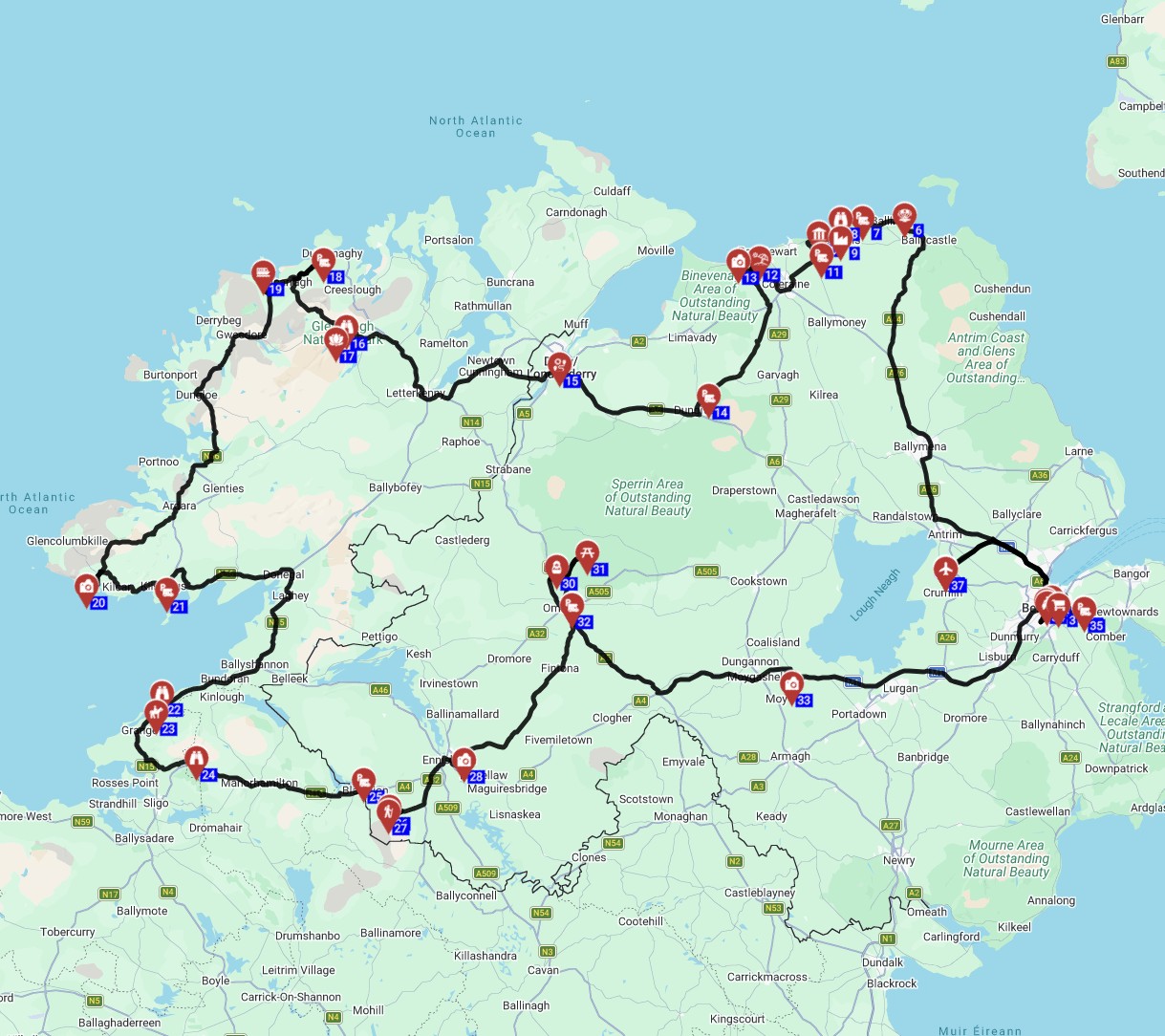
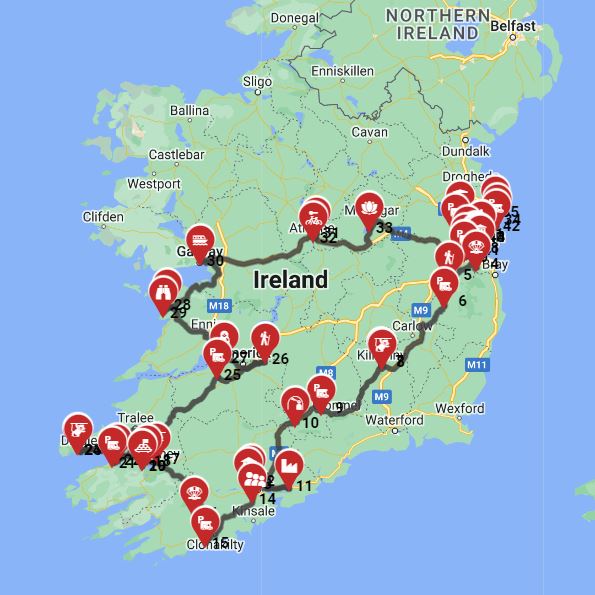
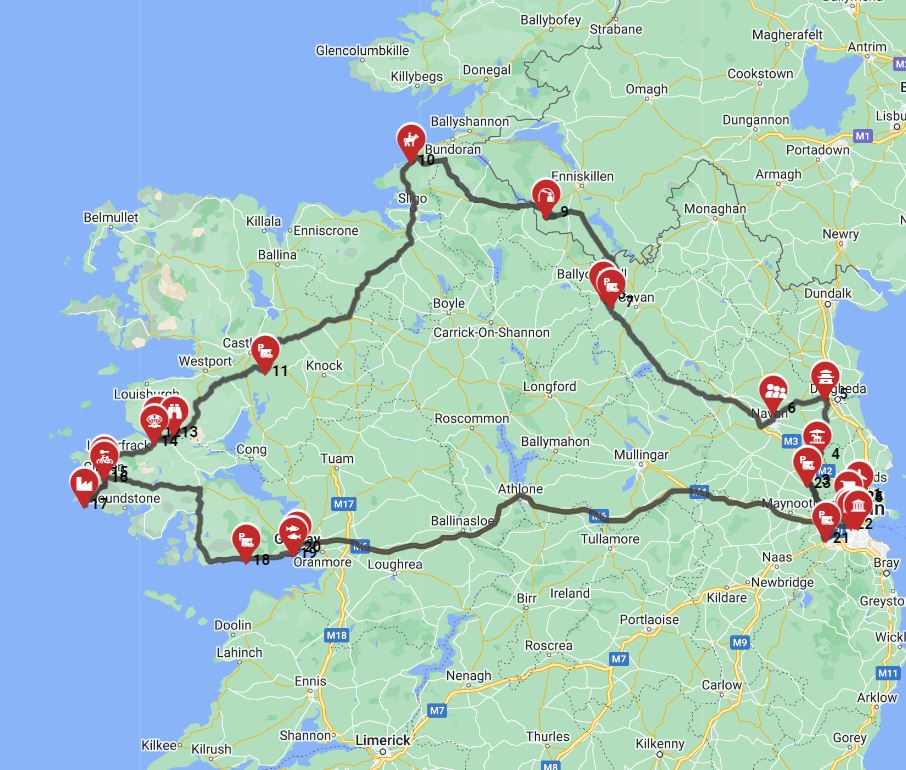
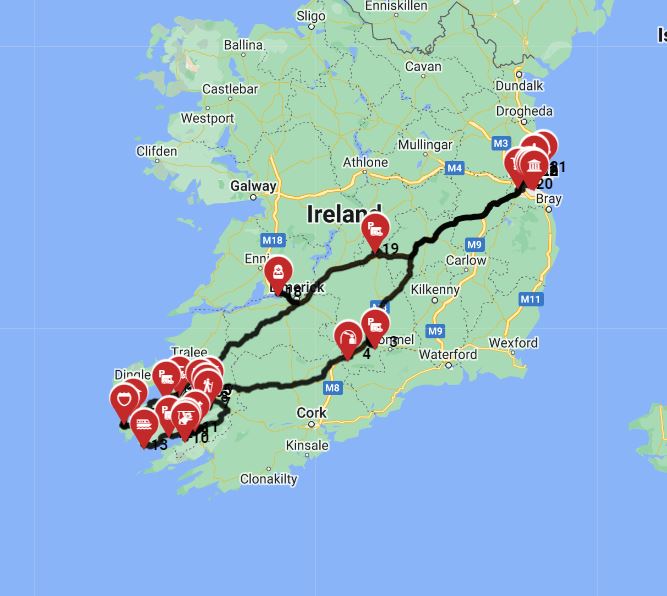
Embrace the flexibility of a rented RV to spontaneously discover serene landscapes and cultural experiences away from typical tourist crowds. This slow travel approach, averaging no more than 100-150 km per day, allows you to truly feel the place, connect to the culture, savor the local food, and absorb the breathtaking scenery. Imagine pulling up your campervan to a quiet bay in Donegal or a misty forest trail in County Kerry, and enjoying the tranquility only winter can bring. For planning unique route plans, RV PLANET (rvplan.net) offers 1,300+ pre-planned routes across 5 continents, including many for Ireland.
What You Shouldn't Miss
- Explore the Ring of Kerry: While iconic, experiencing its dramatic coastal scenery in winter offers a raw, majestic beauty with fewer tour buses. Drive slowly and stop at quaint towns like Kenmare.
- Wander Dublin's Historic Streets: Enjoy the cozy pubs, world-class museums, and vibrant atmosphere of cities like Dublin, Cork, or Belfast without the summer throngs. You can even find specific "RV Rental Belfast" or "RV Rental Cork" options for easy city access.
- Visit the Cliffs of Moher: Witness the awe-inspiring cliffs as winter winds whip the waves against them – a truly powerful and unforgettable experience.
- Discover Ancient History at Newgrange: Explore the UNESCO World Heritage Site of Newgrange, a prehistoric monument, which is particularly atmospheric in the quieter winter months.
- Indulge in Local Cuisine and Pub Culture: Warm up in traditional Irish pubs with live music, a pint of stout, and hearty food. Many towns actively encourage motorhome tourism with designated parking.
- Looking for expert insights from Avi Bandana? Top 5 Adventures - recommendations from Avi Bandana
Final Thoughts
A winter RV rental in Ireland offers an enchanting and authentic way to discover the Emerald Isle's breathtaking beauty and vibrant culture, free from the bustling crowds of peak season. By embracing the unique challenges of winter travel and following these comprehensive tips, you'll find yourself enjoying a truly memorable and personal journey. From the warmth of your cozy motorhome, you'll witness Ireland transform into a landscape of dramatic skies, misty castles, and welcoming local experiences.
Remember, planning is your best friend for a seamless winter trip. Utilize resources like RV PLANET (rvplan.net) for route planning and trust Bandana Caravan's transparent pricing and expert support to find the perfect campervan or motorhome for your adventure. So, pack your layers, prepare for stunning scenery, and get ready to experience Ireland in a uniquely intimate way. Discover top destinations, planning tips, all in one place!
Ready to experience the magic of a winter RV trip in Ireland? Compare Motorhome Prices for Ireland and start planning your unforgettable adventure today!