In This Guide
- Can You Drive an RV in Ireland? License & Age Rules
- Road Conditions & Terrain in Ireland
- RV Size Limits, Bridges & Restricted Zones in Ireland
- Fuel: Diesel vs. Petrol & Cost per 100 km in Ireland
- Tolls, Vignettes & Border Rules in Ireland
- Driving Tips for Weekly RV Rental Travelers in Ireland
- Recommended RV Class for Ireland Roads
- Should I Choose a Compact Van Instead of a Large RV in Ireland?
- Can I Park Anywhere? Free & Wild Camping Rules in Ireland
- Can I Drive an RV Into the City Center in Ireland? Heights, Tunnels & Local Signage
- How much does it cost to rent an RV in Ireland per week?
- What is the best time of year to RV in Ireland?
- Is it worth renting an RV in Ireland?
- Can you take an RV anywhere in Ireland?
- What are the rules for wild camping in Ireland?
- Is it difficult to drive an RV in Ireland?
- What is the cheapest way to travel Ireland by RV?
- How do I plan an RV trip in Ireland?
- What should I pack for an RV trip to Ireland?
- Is Ireland safe for RV travel?
- How to Experience Authentic Irish Culture by RV
- Responsible and Sustainable RVing Practices in Ireland
- Top Cities for RV Rental in Ireland
- What You Shouldn't Miss
- Why Book with Bandana Caravan
- Final Thoughts
- Frequently Asked Questions
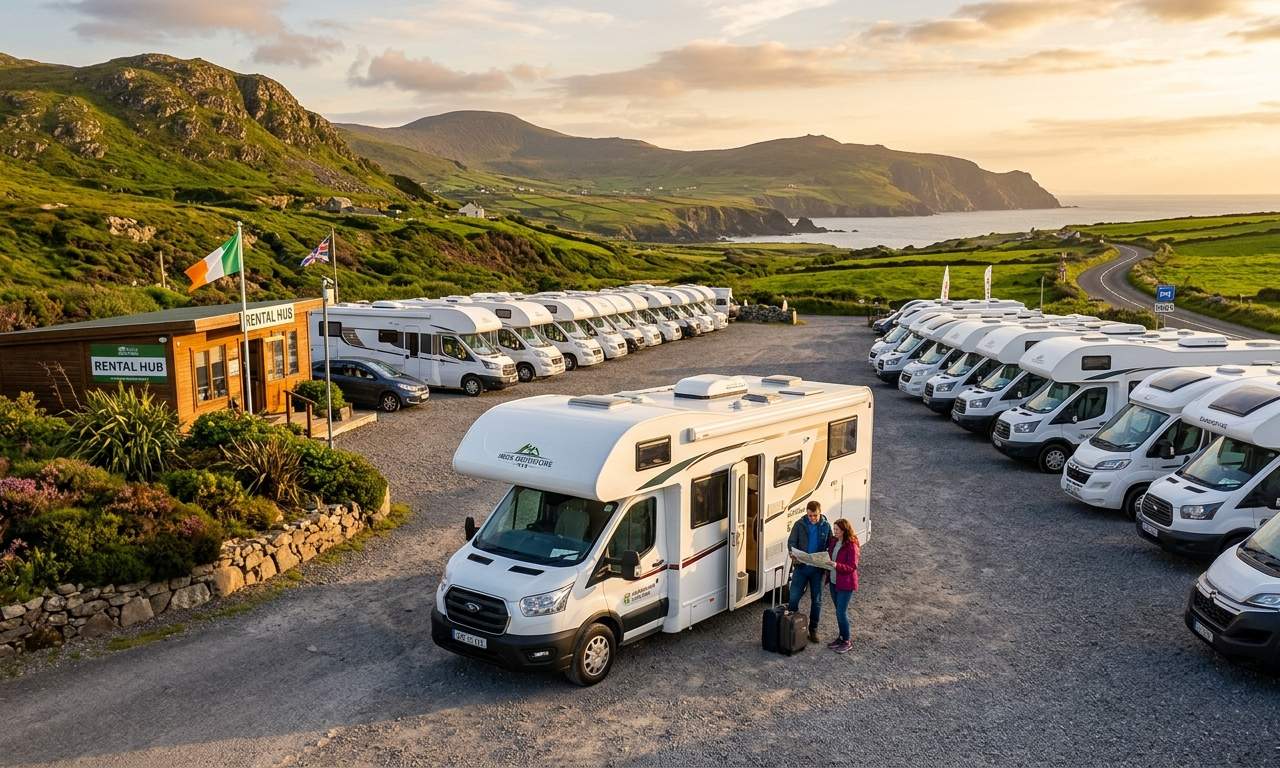
Embarking on a week-long RV driving tour in Ireland promises an unforgettable adventure, offering the freedom to explore the Emerald Isle's breathtaking landscapes, ancient history, and vibrant culture at your own pace. For live availability and current prices, start with our RV Rental Ireland - Complete Guide 2026 guide. Whether you're dreaming of winding through the Wild Atlantic Way or discovering hidden gems in charming villages, a rented motorhome provides a unique home-on-wheels experience. As true RV specialists, Bandana Caravan, founded in 2001, has over 23 years of experience helping tens of thousands of travelers explore the world by RV, and we are committed to making your Irish adventure seamless and stress-free.
Can You Drive an RV in Ireland? License & Age Rules
Yes, you can absolutely drive an RV in Ireland, and a standard Category B driving license typically permits you to drive an RV with a maximum authorised mass (MAM) of up to 3,500 kg. For most Class B Camper Vans and many smaller Class C motorhomes, your regular car license is all you'll need, making RV rental in Ireland straightforward for many international visitors. For RVs exceeding 3,500 kg MAM, such as larger Class A or some larger Class C models, a Category C1 license or higher is required, depending on the vehicle's specific weight. However, Bandana Caravan primarily offers vehicles accessible with a standard license to simplify your rental process. The minimum driver age for most RV rentals in Ireland generally ranges from 21 to 25 years old, with some premium models requiring drivers to be 25 or older, but Bandana Caravan proudly offers options for drivers from 21 years old, with no young driver surcharges and no vehicle class restrictions based on age. An International Driving Permit (IDP) is strongly recommended for non-EU license holders, especially if your national license is not in English, to ensure legal compliance and ease of identification during your week-long trip.
Road Conditions & Terrain in Ireland
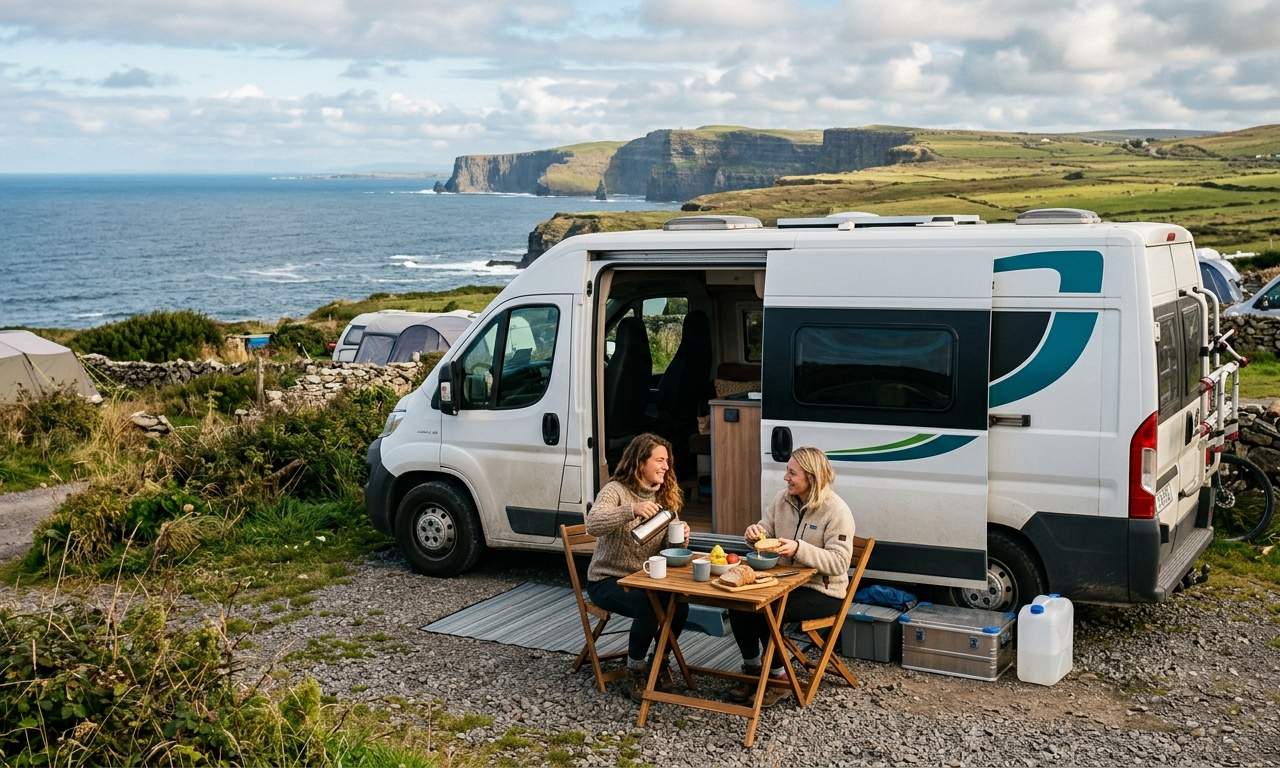
Irish road conditions vary considerably, ranging from modern, well-maintained motorways (M-roads) to narrow, winding regional roads (R-roads), often single-track in scenic rural and coastal areas, offering a diverse driving experience for your week-long RV adventure in Ireland. The terrain encompasses diverse landscapes, including relatively flat midlands, rolling hills in areas like Tipperary, and mountainous regions such as the Macgillycuddy's Reeks, all of which require careful and often slower driving in a rented RV. Weekly RV renters should embrace the slower pace on secondary roads; this approach allows for better appreciation of Ireland's stunning scenery and ensures safer navigation, especially when encountering picturesque but challenging routes. Be prepared for unexpected road features such as occasional potholes, livestock on roads in agricultural areas, and tall hedges that can limit visibility on smaller country lanes, requiring constant attention and common sense.
RV Size Limits, Bridges & Restricted Zones in Ireland
While Ireland does not have a blanket national RV size limit, drivers must remain vigilant for specific local restrictions, particularly regarding vehicle height, weight, and width in certain areas. Low bridges are a common feature in many older towns and rural areas, particularly in historic city centers; it is crucial to always check local signage and know your rented RV's exact height before attempting to pass underneath, as bridge heights can be as low as 3 meters. Environmental zones are not currently widespread for RVs in Ireland, but drivers should verify any specific urban access restrictions for larger vehicles when planning city visits, especially in cities like Dublin or Cork, where traffic can be dense. When considering ferry travel to offshore islands such as the Aran Islands, RV length and weight can significantly impact booking availability and cost, necessitating advance checks with ferry operators to avoid surprises on your weekly RV trip.
Fuel: Diesel vs. Petrol & Cost per 100 km in Ireland
The vast majority of RVs available for rent in Ireland, including Bandana Caravan's global fleet, are diesel-powered, with diesel fuel being readily available at service stations nationwide. This simplifies fuel stops as petrol (gasoline) options for RVs are less common. Bandana Caravan's global fleet averages for fuel consumption typically see Class B Camper Vans at 8-10 Liters/100 km, Class SI Semi-integrated models at 10-11 Liters/100 km, and Class C Alcove motorhomes at 10-12 Liters/100 km. Given these averages, expect fuel to be a significant ongoing cost for a weekly RV rental in Ireland, influenced by your chosen RV class, driving style, and total mileage. When planning your route, be sure to factor in fuel stops, especially in more remote areas where stations might be less frequent. Some RV rental providers may offer fuel discount cards or loyalty programs, which can provide a small but welcome saving on overall fuel expenditure. To keep track of these and other expenses, remember that RV PLANET routes allow travelers to itemize and track every expense along the way for easy budgeting. On the routes offered through RV PLANET routes, you can itemize and track every expense along the way for easy budgeting.
Tolls, Vignettes & Border Rules in Ireland
Ireland operates a system of motorway tolls, including both traditional barrier tolls and barrier-free eFlow tolls, ensuring smooth travel on major routes; there is no vignette system in place like in some other European countries. For eFlow tolls, which are common on the M50 around Dublin, payment must be made online at eFlow.ie or at a Payzone retail outlet before 8 PM the following day of passage to avoid accruing fines. It's essential to understand this system to avoid unexpected penalties on your weekly RV adventure. As an island nation, RV travel within the Republic of Ireland involves no land borders to cross, simplifying border-related rules and documentation significantly compared to continental Europe. Some Bandana Caravan RV rentals offer the option to pre-purchase toll passes or include an electronic tag, which can streamline toll payments and prevent potential penalties, giving you greater peace of mind.
Driving Tips for Weekly RV Rental Travelers in Ireland
Always remember to drive on the left side of the road in Ireland and adjust to right-hand drive vehicles if you're accustomed to the opposite, a crucial adaptation for a safe weekly RV rental journey. Exercise patience on narrow country roads; utilize designated passing places or pull over safely to allow faster traffic or oncoming vehicles to proceed, showing respect for local driving etiquette. For weekly family RV trips, plan frequent stops every 2-3 hours to prevent driver fatigue and ensure children and passengers remain comfortable, making the journey more enjoyable for everyone. Consider renting an RV with an automatic transmission, such as an "Acer" campervan, as it can significantly reduce driving stress on Ireland's often challenging and winding roads, particularly for those less familiar with manual gear changes. Familiarize yourself with common Irish road signs, especially those indicating weight, height, and width restrictions, before embarking on your journey to ensure compliant and safe travel.
Recommended RV Class for Ireland Roads
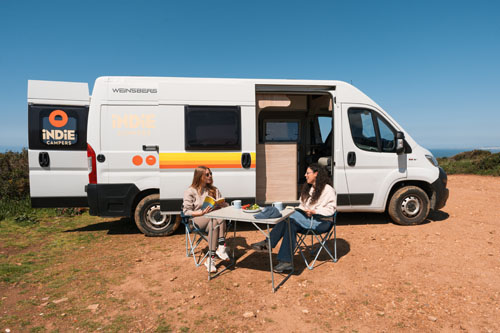
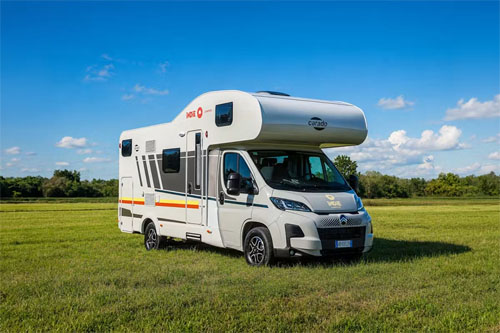
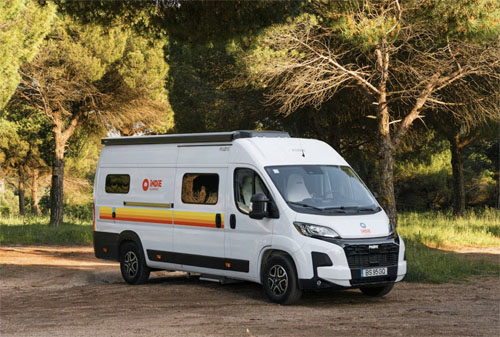
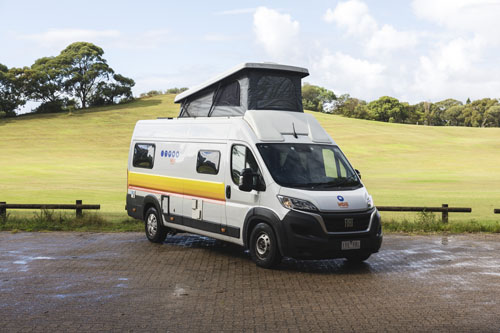
For navigating Ireland's diverse road network effectively, Class B Camper Vans and Class SI Semi-integrated RVs are generally the most recommended options for your week-long adventure. Class B Camper Vans, which average around 5.8m in length (based on Bandana Caravan's global fleet), such as the "Active Classic" or "Juliette 2-3" models, offer exceptional maneuverability for narrow country roads and easier parking in smaller towns. Class SI Semi-integrated motorhomes, with an average length of 6.9m, like the "Active Extra" or "Belle", strike an excellent balance between comfortable indoor living space and a manageable size for most Irish routes, providing amenities like a shower and toilet. Both these classes provide sufficient ground clearance for typical Irish road conditions while minimizing the challenges often encountered in smaller towns and scenic coastal drives, especially along popular routes such as the Wild Atlantic Way or around the Ring of Kerry. You can explore more options and pricing in our RV Rental in Ireland - Prices and Best Deals 2026 guide.
Should I Choose a Compact Van Instead of a Large RV in Ireland?
While a compact campervan undeniably offers superior maneuverability in exceptionally tight historic centers and very narrow mountain passes, most RVs can comfortably navigate Ireland's primary tourist routes and designated RV-friendly roads without issues. For a weekly rental, a larger RV provides significant advantages in terms of enhanced comfort, greater indoor living space, and superior amenities like more extensive kitchen facilities, a separate shower/toilet, and ample storage, which can be invaluable for families or longer trips. Opt for a compact van (such as a Class B Camper Van, averaging 5.8m in length) if your itinerary focuses heavily on deeply rural, single-track lanes or necessitates frequent parking in bustling city centers like Dublin. However, for a typical week-long trip exploring scenic routes and utilizing designated campsites, the added space and amenities of a Class SI or smaller Class C RV often represent a better trade-off than the marginal maneuverability gains of a purely compact van, allowing for a more relaxed and comfortable experience.
Can I Park Anywhere? Free & Wild Camping Rules in Ireland
Wild camping in an RV in Ireland is generally discouraged and often considered illegal on private land without the explicit permission of the landowner, a crucial point for any weekly RV traveler. While some remote and desolate areas might tolerate discreet overnight parking, it is imperative to always adhere strictly to 'Leave No Trace' principles to preserve Ireland's natural beauty and show respect for the environment. Utilizing designated campsites and motorhome parks is the safest and most legally sound option, providing essential amenities, enhanced security, and guaranteed overnight parking across Ireland, with over 100 registered sites available. Rules vary significantly by region and local council, so always check local regulations and follow local law diligently before parking overnight to avoid fines or local displeasure. For finding campsites and campgrounds during your trip, we recommend using RV PLANET, a great resource for locating available spots along your route.
Can I Drive an RV Into the City Center in Ireland? Heights, Tunnels & Local Signage
Yes, you can generally drive an RV into most Irish city centers; however, navigating requires careful attention to specific local signage and potential restrictions. Be extremely vigilant for height limits, particularly when approaching multi-story car parks, underground garages, and older underpasses within urban areas, which can sometimes be as low as 2 meters. Driving larger RVs in major cities like Dublin or Cork can be challenging due to narrow streets, complex one-way systems, and limited parking spaces suitable for oversized vehicles, but it's certainly manageable with patience. Drive slowly and carefully, and you can drive almost anywhere without issues. No need to stress - just use common sense and pay attention to your surroundings. Always pay close attention to local signs indicating residents-only streets, potential environmental zones (though not widespread for RVs currently), and weight restrictions to ensure compliant access and avoid fines.
How much does it cost to rent an RV in Ireland per week?
The cost to rent an RV in Ireland for a week typically ranges from €800 to €1,800, fluctuating based on the RV's class, the season, the duration of the rental, and the specific inclusions. Compact Class B Camper Vans, like the "2 Berth Hi Top" or "Hitop Camper", usually represent the more budget-friendly end of the spectrum, while larger Class C Alcove or luxurious Class A Integrated motorhomes will command higher prices, sometimes exceeding €2,500 per week during peak demand. Peak summer months (July-August) and significant holidays consistently experience the highest demand and consequently the highest rental rates, so booking early is key to securing a good deal. Initial rental prices often cover basic insurance, but renters should anticipate additional costs for factors such as extra mileage, optional premium insurance upgrades (like our top-level deductible reimbursement), bedding, kitchen packs, and potential one-way rental fees, which can add €150-€500 depending on the route. For an even more budget-friendly option, consider our Cheap RV Rental in Ireland - Budget Guide 2026 to explore options like the "Double Down" campervan.
What is the best time of year to RV in Ireland?
The best time of year to RV in Ireland largely hinges on individual preferences, with late spring (April-May) and early autumn (September-October) often providing an optimal balance of pleasant weather, fewer crowds, and more moderate prices. Summer (June-August) offers the warmest temperatures, with averages around 18-20°C, and longest daylight hours (up to 17 hours in June), making it ideal for outdoor activities, but it also corresponds with peak tourist season, resulting in higher costs and more crowded attractions and campsites. Spring delights with lush green landscapes and vibrant wildflowers, though the weather can be changeable, with average temperatures from 10-14°C, while autumn showcases spectacular foliage and generally comfortable temperatures (12-16°C) before the colder winter months. Winter RVing (November-March) is suited for more adventurous travelers, characterized by shorter days, colder weather (averaging 5-8°C), and potential campsite closures, but it offers a unique sense of solitude and the lowest rental prices for those prepared for the elements.
Is it worth renting an RV in Ireland?
Renting an RV in Ireland is profoundly worth it for travelers who prioritize unmatched flexibility, the freedom to explore remote and stunning landscapes, and the comfort of a mobile base to fully immerse themselves in the country's beauty. The ability to spontaneously alter your itinerary, wake up to a different breathtaking vista each morning, and combine accommodation and transportation offers significant experiential value unmatched by traditional touring. While potentially a higher upfront cost than some budget car and hostel combinations, the convenience, self-sufficiency, and unique, intimate experience of RV travel often justify the investment for many adventurers, especially for a week-long trip. An RV provides an exceptional way to traverse Ireland's iconic Wild Atlantic Way, discover ancient historical sites like the Rock of Cashel, and engage with vibrant local towns at your own unhurried pace. Our team, with over 23 years of experience in RV rentals, believes it offers one of the best ways to discover a country.
Can you take an RV anywhere in Ireland?
While a rented RV provides remarkable freedom to travel extensively across Ireland, some specific areas may impose restrictions or present significant navigational challenges, meaning you cannot literally take it 'anywhere.' Extremely narrow, single-track roads in particularly remote coastal regions or mountainous terrain, especially in areas like Connemara, can be highly difficult, if not impossible, for larger RVs to traverse safely, although smaller Class B campervans may manage. Access to certain sensitive historical sites, designated national parks (like Killarney National Park with some restricted roads), or the very heart of some tiny, ancient village centers might be restricted for oversized vehicles or feature severely limited suitable parking spaces. Always pay close attention to local signage indicating height, weight, and width restrictions, and plan your routes carefully using RV-specific navigation tools (like those found on rvplan.net) to avoid inaccessible areas or challenging maneuvers. Remember, slow travel, averaging 100-150 km per day, allows you to truly feel the place and navigate these challenges with ease.
What are the rules for wild camping in Ireland?
The rules for wild camping in an RV in Ireland are generally nuanced: it is typically illegal on private land without the explicit permission of the landowner and widely discouraged in most populated or easily accessible areas. Wild camping may be tolerated in certain remote, desolate areas, particularly within national parks or mountainous regions, provided it is undertaken responsibly, discreetly, and without causing disturbance, always following a 'Leave No Trace' ethos. Strict adherence to 'Leave No Trace' principles is paramount: pack out all your rubbish, utilize designated waste disposal points (often found at official campsites or public facilities), refrain from lighting open fires, and ensure no evidence of your stay remains. To ensure legality and foster positive relations with local communities, it is always advisable for weekly RV renters to seek permission from landowners, or utilize official campsites and designated motorhome parking areas, many of which can be found and booked via rvplan.net.
Is it difficult to drive an RV in Ireland?
Driving an RV in Ireland presents some distinctive challenges but is generally manageable and rewarding with adequate preparation, patience, and an awareness of local driving customs. The primary difficulties often stem from navigating Ireland's numerous narrow country roads, which are frequently bordered by high hedges, and encountering oncoming traffic on single-track lanes, particularly with larger Class C motorhomes. Adjusting to driving on the left side of the road and mastering complex Irish roundabouts can require extra concentration, especially for drivers accustomed to different rules of the road from continental Europe or North America. While larger RVs can initially feel daunting, most Class B and SI models offer a good balance of interior comfort and maneuverability, making the overall driving experience enjoyable for the adventurous traveler. Drive slowly and carefully, and you can drive almost anywhere without issues. No need to stress - just use common sense and pay attention. Planning your routes in advance with tools like RV PLANET can significantly ease navigation.
What is the cheapest way to travel Ireland by RV?
The cheapest way to travel Ireland by RV involves booking your rental well in advance during off-peak seasons, opting for the smallest suitable RV class, and diligently managing daily operational costs. Choosing a compact Class B Camper Van, like the "Hi5 Camper" or a similar model averaging 8-10 Liters/100 km fuel consumption, will typically result in lower rental costs and superior fuel efficiency. Significantly economize on accommodation by prioritizing free or low-cost overnight parking spots (where legally permitted) or budget-friendly campsites, rather than paying for full-service parks every night. Saving on food expenses by cooking the majority of your meals in your RV's kitchen, purchasing groceries from larger supermarkets, and limiting restaurant visits can dramatically reduce your overall travel budget. Need ideas for meals? Check out our RV-friendly recipes playlist. Additionally, being flexible with your travel dates and avoiding major holidays can unlock better deals. For more detailed budgeting and cost comparison, consider our Cheap RV Rental in Ireland - Budget Guide 2026 which offers various tips and tricks.
How do I plan an RV trip in Ireland?
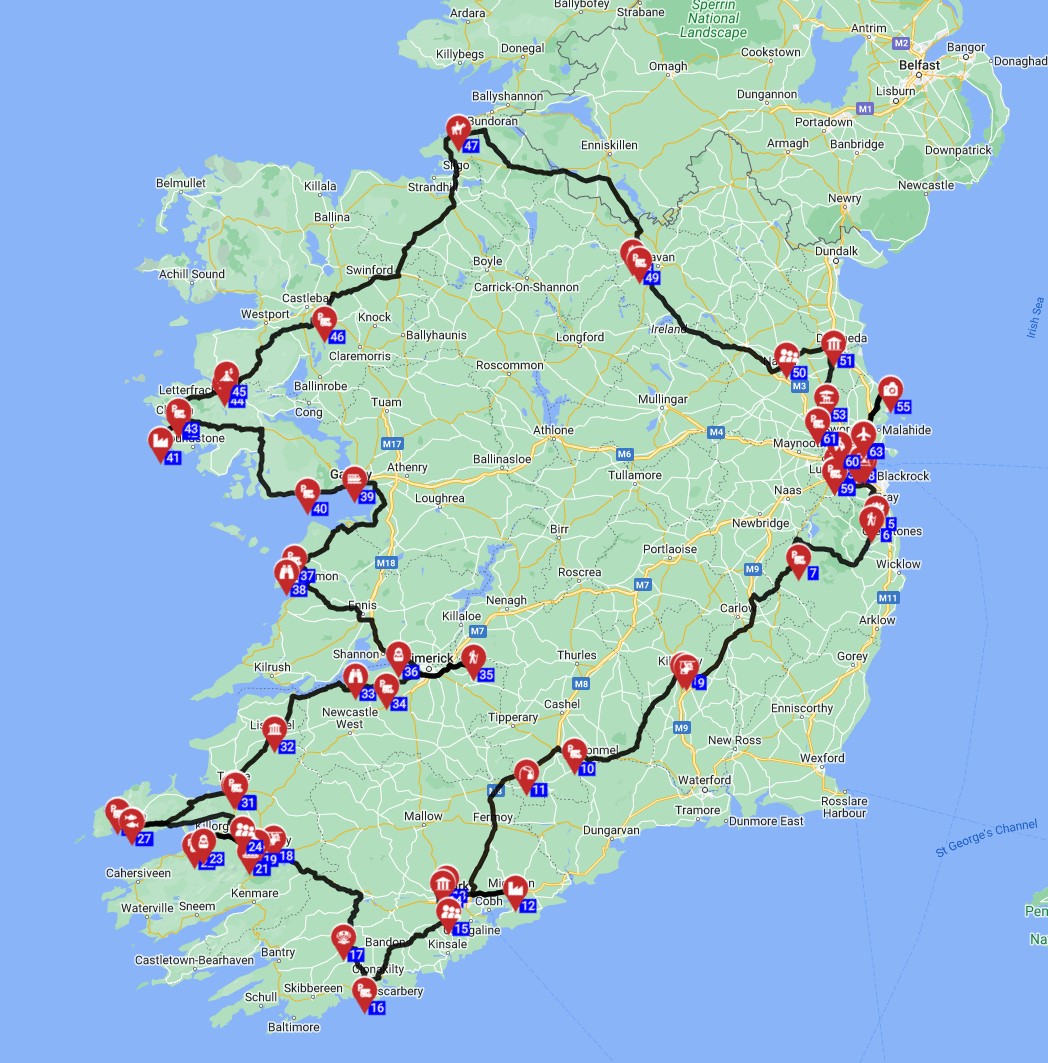
Planning an RV trip in Ireland begins by selecting your preferred rental vehicle and ideal travel season, then crafting an itinerary that thoughtfully balances visits to popular attractions with enjoyment of scenic drives. Thoroughly research key destinations like the Ring of Kerry or the Giant's Causeway, identify suitable campsites or legal overnight parking options along your proposed route, and pre-book accommodations, especially if traveling during peak season (June-August). Consider utilizing RV-specific navigation applications that can account for your vehicle's dimensions to help avoid unsuitable or restricted roads. Factor in realistic driving times, which can often be slower than anticipated on Ireland's narrow regional roads, and plan for regular fuel stops and ample opportunities for authentic local cultural immersion, perhaps by including local festivals. For professional pre-planned routes, explore Rent&Plan options on rvplan.net, which offers 1,300+ pre-planned routes across 5 continents, and remember you can get a 25% planning discount for using rvplan.net.
What should I pack for an RV trip to Ireland?
For an RV trip to Ireland, it's essential to pack layers of clothing, including reliable waterproof and windproof outerwear, regardless of the season, due to the country's famously unpredictable weather. Crucial items include universal travel adapters (Type G for Ireland) for charging devices, a robust GPS device or a mapping app with offline capabilities for navigating rural areas, sturdy walking shoes for exploring diverse terrains, and a comprehensive first-aid kit for minor emergencies. Do not forget smaller cooking appliances (if your RV setup allows), reusable shopping bags for groceries, a small flashlight or headlamp for evening excursions at campsites, and effective insect repellent, especially during warmer months. Consider bringing a portable power bank for electronics, a comfortable collapsible chair for enjoying scenic views outside your rented motorhome, and a good quality camera to capture Ireland's breathtaking landscapes and memorable moments. Our partners, such as Cruise America or Apollo, typically provide basic kitchenware, but always double-check your rental inclusions.
Is Ireland safe for RV travel?
Ireland is generally considered a very safe country for RV travel, characterized by low crime rates and a reputation for friendly, welcoming locals, making it an excellent destination for independent adventurers. Standard travel precautions apply: always ensure your rented RV is locked when unattended, avoid leaving valuable items visible, and remain aware of your surroundings, particularly in urban centers or crowded tourist spots. In the event of a breakdown in a remote area, ensure you have readily accessible breakdown assistance contact details, a fully charged mobile phone, and know the local emergency numbers (112 or 999). Be prepared for rapidly changing weather conditions, especially strong winds and heavy rain, by regularly checking forecasts and ensuring your RV is securely parked and sheltered where possible. With 24/7 support from Bandana Caravan for pre-booking, booking, and post-booking coordination, you'll feel confident knowing real people are behind you every step of the way, even though we don't provide roadside assistance during your trip.
How to Experience Authentic Irish Culture by RV
To genuinely connect with local Irish culture during your week-long RV journey, actively seek out smaller towns and villages, and frequent local pubs known for traditional music sessions (trad sessions) and convivial conversation. Make an effort to attend local events and festivals, which occur year-round, as these provide an immersive experience of community spirit, traditional crafts, and unique food offerings. Support local businesses by shopping at farmers' markets and independent delis to source fresh, regional produce for cooking in your RV, enhancing your culinary experience with local flavors. Engage respectfully with villagers and pub owners; a friendly 'Dia duit' (hello) and willingness to converse can often open doors to unique local insights and memorable interactions. Traveling slowly, a maximum of 100-150 km per day on average, allows you to truly feel the place, connect to the culture, the food, and the scenery, fostering deeper connections than a rushed itinerary. Consider exploring our Family RV Rental in Ireland - Pricing Guide 2026 to see how easily you can incorporate cultural stops into your family adventure.
Responsible and Sustainable RVing Practices in Ireland
To minimize your environmental footprint while RVing in Ireland, consistently adhere to 'Leave No Trace' principles: pack out everything you pack in, and dispose of all waste responsibly at designated disposal sites. Actively conserve water and electricity within your RV, and choose eco-friendly cleaning products to help protect Ireland's pristine natural environment and waterways, especially when using your vehicle's shower or kitchen facilities. Support local economies by prioritizing the purchase of goods and services from small, independent businesses, and dining at local establishments rather than large chains, contributing directly to the communities you visit. Always park your RV only in designated areas or with explicit permission, respect private property boundaries, and be mindful of noise levels, especially when utilizing areas where wild camping is tolerated. By embracing these practices, your week-long RV rental experience in Ireland will be both memorable and beneficial for the environment and its communities.
Top Cities for RV Rental in Ireland
Ireland offers several excellent pickup and drop-off locations for your weekly RV rental, allowing you flexibility in planning your route across the country or even further into Europe with our RV Rental Europe - Complete Guide 2026.
- Belfast: As the capital of Northern Ireland, Belfast is a vibrant city offering a gateway to the stunning Antrim Coast and Giant's Causeway. You can pick up your campervan directly at Belfast - Airport, or from convenient city locations like Belfast - City Airport, Belfast - Europa Bus Centre, Belfast - Harbour, or Belfast - Lanyon Place Train Station.
- Cork: Located in the southwest, Cork is known for its culinary scene and as a starting point for exploring the scenic beauty of West Cork and the Ring of Kerry. RV rentals are readily available, including at Cork - Airport.
- Dublin: While navigating a larger RV in Dublin city center might be busy, it serves as a primary hub for international arrivals and offers diverse rental options to kick off your Irish adventure, although city center pickup might involve extra planning.
- Galway: A charming, artistic city on the west coast, Galway is the ideal base for exploring Connemara, the Cliffs of Moher, and the Aran Islands, with RV-friendly campsites nearby.
- Derry City: Another excellent option in Northern Ireland, Derry City Airport offers convenient access to the historic Walled City and the Causeway Coastal Route.
- Killarney: Nestled in County Kerry, Killarney is a popular spot for RVers due to its proximity to Killarney National Park and the starting point of the famous Ring of Kerry scenic drive.
What You Shouldn't Miss
- Drive the Wild Atlantic Way: Traverse the 2,500 km (1,550 miles) coastal route from Donegal to Cork, experiencing dramatic cliffs, golden beaches, and charming fishing villages. Allocate at least 7-10 days for a significant portion of this iconic route.
- Explore Killarney National Park: Hike or bike through ancient woodlands, visit Muckross House, and take a boat trip on the lakes. There are several RV-friendly campgrounds in the vicinity, offering electrical hookups and facilities.
- Visit the Cliffs of Moher: Witness the awe-inspiring 214-meter (702-foot) high cliffs stretching for 8 kilometers (5 miles) along the Atlantic coast. Arrive early or late to avoid peak crowds, especially during summer.
- Discover the Ring of Kerry: Embark on the 179 km (111 miles) scenic loop around the Iveragh Peninsula. Drive clockwise to avoid large tour buses and allow ample time for photo stops and village explorations.
- Step back in time at Newgrange: Visit this 5,200-year-old passage tomb, older than Stonehenge and the Egyptian pyramids, located in County Meath. Book tours well in advance, especially for the winter solstice lottery.
- Experience Traditional Irish Music in Doolin: Park your RV at a local campsite and spend an evening in Doolin, County Clare, renowned as the traditional music capital of Ireland, with nightly 'trad sessions' in its welcoming pubs.
🎬 Video coming soon
Looking for expert insights from Avi Bandana? Top 5 Adventures - recommendations from Avi Bandana
- Hidden Beaches of Donegal: Avi recommends heading to Donegal to discover secluded beaches like Magheraroarty and Murder Hole Beach. These spots are perfect for a quiet picnic with your rented RV, offering stunning, often deserted, coastal views away from the main tourist throngs.
- Hiking in the Wicklow Mountains: Just south of Dublin, Avi suggests exploring the Wicklow Mountains National Park. Park your campervan at a local site and embark on trails leading to Glendalough's monastic settlement or the panoramic views from Sally Gap.
- Cycling the Waterford Greenway: This 46km (28.5 miles) converted railway line offers a flat, scenic route perfect for families. Avi advises renting bikes in Waterford city and enjoying the picturesque journey by the river, with your RV as a comfortable base nearby.
- Exploring the Burren on Foot: Avi highlights the unique karst landscape of The Burren in County Clare. Park your motorhome at a nearby campsite and spend a day walking its moon-like terrain, discovering rare wildflowers and ancient dolmens.
- Kayaking on Lough Corrib: In County Galway, Avi's top adventure is kayaking on Ireland's second-largest lake, Lough Corrib. Rent a kayak in Cong or Oughterard and paddle through a serene landscape dotted with islands and historical ruins.
Final Thoughts
A week-long RV driving tour in Ireland truly offers an unparalleled way to connect with the country's legendary beauty and rich culture. From the dramatic coastlines to the historic heartlands, every turn brings a new discovery, and having your comfortable motorhome with you means you can savor each moment without feeling rushed. It's about taking the scenic route, stopping for a spontaneous photo, or staying an extra night in a village that captures your heart.
At Bandana Caravan, we're passionate about making these dreams a reality. We're here to support you with full transparency, expert advice, and a selection of reliable RV rentals that fit your needs. Remember, life is now, and Ireland is calling! Let us help you embark on an unforgettable journey.
Don't wait to start planning your dream adventure. Compare Campervan Prices for Ireland now and set the wheels in motion for your incredible Irish road trip.