In This Guide
- Top 5 Tips for winter rv rental RV Rental in Central North US
- Before You Book - Class, Dates, Insurance
- Pre-Trip Prep - Packing Checklist for Central North US
- On the Road - Driving, Fueling, Navigation
- At the Campground - Setup, Hookups & Etiquette
- winter rv rental-Specific Tips for Central North US
- Common Mistakes to Avoid in Central North US
- What is the 3-3-3 rule for RV?
- What is the 444 rule for RV camping?
- How cold is too cold for an RV?
- What is the best time of year to rent an RV?
- What is the 3-3-3 rule for RV living?
- Is it cheaper to rent an RV or stay in a hotel?
- What is the cheapest way to rent an RV?
- Can you sleep in an RV in the winter?
- What is the 3-3-3 rule for RV travel?
- What is the 4-4-4 rule for RV travel?
Embarking on a winter RV rental adventure in Central North US offers a uniquely breathtaking experience, transforming vast landscapes into a serene, snow-covered wonderland. This comprehensive guide, from Bandana Caravan, your true RV specialists, is designed to equip you with all the essential tips and authoritative advice needed for a safe, comfortable, and unforgettable cold-weather journey. For live availability and current prices, start with our RV Rental Central North US - Complete Guide 2026 guide.
Top 5 Tips for winter rv rental RV Rental in Central North US
Successfully navigating a winter RV rental in Central North US relies on specific preparations to handle the challenging yet beautiful conditions. Firstly, opting for a winterized RV is non-negotiable; ensure your rental specifically states it comes with heated tanks and insulated pipes to withstand Central North US temperatures, which can frequently drop below 20°F (-6°C). Secondly, consistently monitor local weather forecasts and state Department of Transportation (DOT) road conditions, as Central North US winters are often unpredictable with sudden blizzards, ice storms, and extreme cold.
Thirdly, a robust packing strategy is crucial for extreme cold conditions, including thermal base layers, waterproof outer shells, insulated boots, hats, and gloves, to stay warm when temperatures plummet. Fourth, prioritize meticulous management of both propane and battery life; cold weather rapidly depletes these resources, so plan for frequent refills or charges and consider bringing extra propane tanks or a portable generator. Finally, plan your routes and campgrounds meticulously, as many facilities reduce services or close entirely in winter, necessitating pre-booked winterized sites and flexible backup plans for longer stretches between towns. Our 24/7 support means real people are behind you before, during, and after your booking, offering peace of mind. On the routes offered through RV PLANET routes, you can itemize and track every expense along the way for easy budgeting.
Before You Book - Class, Dates, Insurance
Making informed decisions before booking your winter RV rental in Central North US is vital for a smooth trip. Choosing an RV class for cold weather involves balancing insulation needs with maneuverability on potentially slick roads; while larger Class A and Class C motorhomes often provide superior insulation and larger fresh water tanks (e.g., a "cruise america rv rental example Explorer" has 82 liters, while a "rv rentals utah example Sunrise Escape" boasts 167 liters), smaller Class B campervans can be easier to handle but require more diligent winterization efforts from the rental provider. Locking in your rental dates well in advance for winter trips is smart, especially if you require a specific winterized model like the "2 Berth Hi Top" or a "24' Class C Motorhome," as availability can be limited and prices are dynamic, changing daily like flight tickets.
Regarding insurance, basic coverage is always included with Bandana Caravan rentals. For comprehensive protection, you can easily select a top-level deductible reimbursement option during your search, ensuring peace of mind against unforeseen winter-specific risks, such as tire damage from potholes on less-maintained rural roads or weather-related incidents. We believe in full transparency: what you see is what you pay, with no hidden fees or surprises at pickup. For detailed pricing differences and optimal timing, consider reading our RV Rental in Central North US - Prices and Best Deals 2026 guide.
Pre-Trip Prep - Packing Checklist for Central North US
A comprehensive packing checklist for a Central North US winter RV rental helps ensure you are prepared for varied conditions and potential isolation across vast, snowy expanses. Beyond standard travel items, focus on layered clothing and emergency supplies.
Clothing and Bedding:
- Thermal base layers: Essential for retaining body heat.
- Mid-weight fleece/wool layers: For warmth under outer shells.
- Waterproof and windproof outer jacket and pants: To protect against snow, sleet, and gusts.
- Insulated boots: Waterproof and suitable for snow.
- Warm hats, gloves (multiple pairs), and scarves: Critical for heat retention.
- Extra blankets or a heavy sleeping bag: For additional warmth on cold nights.
Food and Cooking:
- High-calorie, non-perishable food items: For sustained energy and backup in case of delays.
- Insulated water bottles or thermoses: To keep liquids from freezing and carry hot drinks.
- Coffee/tea supplies: For warm beverages.
- An RV kitchen is a fantastic asset for preparing meals; explore our RV-friendly recipes playlist for inspiration!
Safety and RV Maintenance:
- Emergency road kit: Flares, reflective triangles, high-visibility vest.
- Shovel and bag of sand/cat litter for traction: In case your wheels lose grip on ice or snow.
- Jumper cables or portable jump starter: Cold weather impacts battery performance.
- First-aid kit: Comprehensive and easily accessible.
- Headlamp or flashlight with extra batteries: Winter days are shorter, and nights are longer.
- Portable weather radio: For critical weather alerts outside of cell service areas.
- Water hose with heat tape or insulated hose: To prevent water lines from freezing when hooked up.
- RV antifreeze: For tanks and drains when not in use or for winterization.
- Tire chains (if permitted and necessary for your route): Always check local regulations.
Documents:
- Driver's license and International Driving Permit (IDP) if applicable (recommended, not mandatory).
- RV rental agreement and insurance documents.
- Paper maps of your route: For areas with no cell service.
- Campground reservation confirmations.
On the Road - Driving, Fueling, Navigation
Navigating the Central North US in a rented RV during winter requires heightened awareness of driving conditions, strategic fueling, and reliable navigation due to vast distances and the potential for severe weather. Always check state Department of Transportation websites (e.g., North Dakota DOT, Minnesota DOT) for current road conditions and closures before heading out, especially for ice, snow, or high winds. Remember, in Central North US, as in the rest of the USA, you drive on the right side of the road, and speed limits are clearly posted and strictly enforced; adhering to them, especially in winter, is crucial for safety.
Drive slower than usual on icy or snowy roads, increase following distance to 8-10 seconds, and brake gently to maintain control of your larger RV vehicle. You can drive almost anywhere without issues, no need to stress-just use common sense and pay attention. Plan your fuel stops carefully, as services can be sparse in rural Central North US areas, and colder temperatures naturally decrease fuel efficiency (e.g., a Class C motorhome like the "MH-A" with a 208-liter fuel tank can consume 25 liters per 100km). Utilize offline maps or a dedicated RV GPS, as cell service can be intermittent or nonexistent on many stretches of highway. Being flexible with your travel itinerary is key to winter RVing, allowing you to adapt to changing conditions and enjoy the journey without rushing.
🎬 Video coming soon
At the Campground - Setup, Hookups & Etiquette
Setting up your rented RV at a Central North US campground in winter involves specific steps to ensure comfort and prevent common cold-weather issues while respecting fellow campers. Upon arrival, prioritize leveling your RV on potentially uneven or snowy ground and immediately connecting to shore power to run internal heaters and prevent battery drain. When connecting to water, always use an insulated or heated water hose, and ensure any exposed pipes or connections are protected from freezing with heat tape or skirting, especially if temperatures are expected to drop below freezing.
It is crucial to use RV antifreeze in your black and gray tanks to prevent their contents from freezing, particularly during sustained sub-zero temperatures. Observe campground quiet hours, typically from 10 PM to 7 AM, by minimizing noise from generators, outdoor activities, and loud conversations. Be mindful of your outdoor setup, ensuring propane tanks (e.g., a 46kg propane tank on a Class C motorhome) are accessible for refills and pathways are clear of ice and snow around your site. For finding campsites and campgrounds during your trip, we recommend using RV PLANET - a great resource for locating available spots along your route.
winter rv rental-Specific Tips for Central North US
Optimizing a winter RV rental trip in the Central North US involves focusing on enhanced cold-weather preparedness and smart resource management. Investigate options for additional RV insulation, such as window coverings, vent insulators, and even RV skirting to trap heat underneath the vehicle, significantly improving interior warmth. For instance, a Class B Campervan like the "2 Berth Hi Top" often comes "Winter Ready" but additional measures can always enhance comfort.
Implement a rigorous propane management strategy by checking levels daily and locating propane refill stations along your route, as heating in sub-zero temperatures consumes fuel rapidly (some RVs, like a "MH-A", carry 63 liters of propane). Pay close attention to battery care in cold weather, ensuring they are fully charged and considering portable solar panels or a generator for supplemental charging if you plan on boondocking. Plan routes around winter-specific activities like ice fishing, snowshoeing, or visiting frozen waterfalls, leveraging the unique beauty of the Central North in winter. Confirm that chosen campgrounds are fully operational and offer winterized hookups, including heated water spigots and waste disposal facilities, as many reduce services off-season. RV PLANET routes offer the ability to itemize and track every expense, including these ancillary costs, along the way for easy budgeting and peace of mind.
Common Mistakes to Avoid in Central North US
Avoiding common mistakes during a winter RV rental in the Central North US can significantly enhance safety and enjoyment. Do not underestimate the severity of Central North US winter weather; instead, consistently check localized weather forecasts and state road conditions (e.g., South Dakota Road Conditions, Minnesota 511). Avoid relying solely on cell service for navigation or emergencies; instead, carry physical maps and download offline GPS maps due to long stretches without signal in many remote areas.
Do not neglect your RV's water system in freezing temperatures; instead, ensure pipes are insulated, use a heated hose, and add RV antifreeze to holding tanks as specified by your rental supplier. Avoid departing without sufficient propane and fuel; instead, always start with full tanks and identify gas stations and propane refill sites along your planned route, especially in remote areas. Do not attempt to drive through severe winter storms; instead, find a safe spot to hunker down and wait for conditions to improve. Drive slowly and carefully, and you can drive almost anywhere without issues. No need to stress - just use common sense and pay attention. Finally, avoid neglecting tire pressure and condition; regularly check tires for proper inflation and ensure they are suitable for winter driving conditions. Remember, Bandana Caravan offers 24/7 support for any questions you have before and during your booking, ensuring you feel confident and prepared.
What is the 3-3-3 rule for RV?
The 3-3-3 rule for RV travel is a widely adopted guideline suggesting travelers drive no more than 300 miles (approximately 480 km) a day, arrive at their destination by 3 PM, and stay for at least 3 nights. This rule is designed to promote a relaxed pace, reduce driving fatigue, and allow ample time for setup, exploration, and breakdown at each stop, which is especially beneficial in the winter conditions of Central North US. Adhering to this allows for safer travel on potentially slick roads and more daylight hours for camp tasks.
What is the 444 rule for RV camping?
The 444 rule for RV camping is a variant of popular travel guidelines, often interpreted as driving no more than 400 miles (approximately 640 km), aiming to arrive by 4 PM, and staying for at least 4 nights. This rule offers a slightly more flexible approach than the 3-3-3 rule, allowing for longer travel distances and slightly later arrivals while still promoting a sustainable travel pace. For Central North US winter camping, embracing the "stay 4 nights" part of this rule is highly practical, as it minimizes the effort involved in repeated cold-weather setup and takedown of water systems.
How cold is too cold for an RV?
An RV can be considered too cold when sustained ambient temperatures drop below approximately 20°F to 25°F (-6°C to -4°C) for non-winterized units, significantly increasing the risk of frozen pipes, tanks, and potential damage. For properly winterized RVs, such as the "MH-A" which is specifically described as "winter ready RV - Ideally for winter trips," temperatures can safely drop well below freezing, often into the single digits or even sub-zero, provided propane and battery levels are diligently managed. The Central North US frequently experiences temperatures well below this threshold in winter, making a thoroughly winterized rental RV and vigilant monitoring essential for a comfortable journey.
What is the best time of year to rent an RV?
The best time of year to rent an RV largely depends on your desired travel experience, destination, and budget, with each season offering distinct advantages. For general touring and mild weather, late spring (May-June) and early fall (September-October) are popular in many regions, including the Central North US, offering pleasant temperatures and fewer crowds than peak summer. Summer (July-August) is ideal for family vacations, national park visits, and maximizing daylight hours, though it typically sees higher rental prices and more crowded campgrounds across the USA.
Winter RV rentals, especially in the Central North US, cater to those seeking unique snowy landscapes, winter sports, or a quieter, more solitary travel experience, requiring a specialized winterized RV and careful planning. While this article focuses on winter, understanding these seasonal variations helps renters choose the optimal time for their specific Central North US adventure. Remember that prices are dynamic, so check for deals specific to your travel window, perhaps looking at RV Rental Deals in Central North US - Latest Offers 2026.
What is the 3-3-3 rule for RV living?
The 3-3-3 rule for RV travel, often discussed in the context of longer journeys, suggests a rhythm for extended RV trips: driving no more than 300 miles (480 km), arriving by 3 PM, and staying at least 3 nights in one location. This rule emphasizes a sustainable pace that balances travel with the necessities of vacation life, such as exploring local attractions or relaxing. Adopting this pace helps prevent burnout and allows for deeper engagement with local communities and winter landscapes, which is particularly beneficial in the demanding Central North US winter environment. For those on an extended RV rental through a Central North winter, the 'stay 3 nights' portion is crucial for maintaining a consistent internal temperature and managing resources like propane without frequent relocation stress.
Is it cheaper to rent an RV or stay in a hotel?
Whether renting an RV is cheaper than staying in a hotel depends on several variables, including trip duration, number of travelers, RV class, fuel costs, campground fees, and dining habits. For families of 4-6 people or larger groups, a rented motorhome like a Class C "MH23 Medium - Economy" (with 5 sleeping places) can often be more cost-effective than booking multiple hotel rooms, especially on longer week-long trips or two-week adventures where the onboard kitchen allows for significant savings on restaurant meals. Consider the unique cost factors for Central North US RV travel: fuel costs can be higher in rural areas, and while some winter campgrounds offer lower rates, others might have premium pricing for winterized sites.
Opportunities for boondocking (free overnight camping) exist in the Central North US, significantly reducing accommodation costs, but require a self-sufficient RV setup for heat and power. While hotels offer a fixed nightly rate, RV costs include rental fees, fuel, campground fees, propane, and potentially dumping fees, which need to be factored into a comprehensive budget. On RV PLANET routes, travelers can itemize and track every expense along the way for easy budgeting, giving you full transparency on your total trip cost. For detailed comparisons, look into our Cheap RV Rental in Central North US - Budget Guide 2026.
What is the cheapest way to rent an RV?
The cheapest way to rent an RV often involves strategic planning around seasonality, rental duration, vehicle type, and leveraging specific deals. Booking during the off-season, such as winter in the Central North US, typically yields lower daily rental rates compared to peak summer months. Opting for a smaller, older, or less luxurious RV model can significantly reduce rental costs, as can renting for longer periods (e.g., a week-long trip or more) which sometimes come with discounted weekly or monthly rates. A "Category Small AT" motorhome, for instance, might be more budget-friendly than a larger "Luxury AT" Class A model.
Explore Bandana Caravan's comparison platform for a wide range of partner suppliers like El Monte and Cruise America, which allows you to compare final prices with full transparency-what you see is what you pay. Consider incorporating boondocking or dry camping into your Central North US itinerary, as these free overnight stays eliminate campground fees, but require a self-sufficient RV setup for heating and power. Being flexible with your pick-up and drop-off dates can also help you snatch better deals, as prices are dynamic and change daily based on availability and supplier decisions.
Can you sleep in an RV in the winter?
Yes, sleeping in a rented RV in the winter is entirely possible and can be a comfortable experience, provided the RV is adequately prepared and winterized for cold temperatures. A winterized RV typically includes insulated walls, floors, and ceilings, a heated underbelly to protect water tanks and pipes, and often dual-pane windows to minimize heat loss. Key preparations for comfortable winter sleeping in the Central North US include ensuring your RV's heating system is fully functional, having ample propane, and insulating windows and vents.
Proper management of the water system, including using RV antifreeze and preventing hoses from freezing, is crucial to avoid burst pipes and maintain water access. Layering bedding, wearing warm sleepwear, and using supplemental electric heaters (if on shore power) can further enhance comfort during cold Central North US nights, which can dip well below freezing. Many modern motorhomes, like the "MH-A" model, are explicitly noted as "winter ready RV - Ideally for winter trips", designed to keep you cozy even when it's chilly outside.
What is the 3-3-3 rule for RV travel?
The 3-3-3 rule for RV travel advises drivers to limit their daily journey to 300 miles (about 480 km), arrive at their campsite by 3 PM, and stay for a minimum of 3 nights. This rule is specifically tailored to enhance the quality and safety of RV road trips by preventing driver fatigue and allowing ample time for campsite setup and local exploration. When traveling in the Central North US during winter, adhering to the 3-3-3 rule is particularly advantageous, as it accounts for slower driving conditions due to snow or ice and shorter daylight hours.
Arriving by 3 PM provides crucial daylight for safely navigating unfamiliar campgrounds, connecting utilities, and winterizing your site before temperatures plunge after dusk. The guideline also encourages a more immersive travel experience, rather than rushing through destinations, which can be especially rewarding when exploring snow-covered winter landscapes. We always recommend slow travel-max 100-150 km per day on average-to truly feel the place, connect to the culture, the food, and the scenery.
What is the 4-4-4 rule for RV travel?
The 4-4-4 rule for RV travel is a widely adopted guideline recommending travelers drive no more than 400 miles (about 640 km), arrive at their campsite by 4 PM, and stay for at least 4 nights. This rule is a variation of the more conservative 3-3-3 rule, designed for RVers who prefer a slightly quicker pace while still avoiding excessive driving and allowing for a substantial stay at each location. For Central North US winter travel, while the "400 miles" might be ambitious in severe conditions, the "arrive by 4 PM" component remains highly relevant for safety and ease of setup before dark.
The "stay 4 nights" aspect particularly benefits winter travelers by minimizing the frequency of cold-weather utility connections and disconnections, making the trip more relaxed and less prone to frozen pipe issues. This rhythm allows more time to enjoy winter activities or simply relax indoors without the constant pressure of moving on. Whether you prefer the 3-3-3 or 4-4-4 approach, planning your route and pace is a key component of an enjoyable winter RV rental experience in Central North US.
What You Shouldn't Miss
- Explore Minnesota's North Shore: Drive along Lake Superior, stopping at frozen waterfalls in state parks like Gooseberry Falls or Tettegouche State Park.
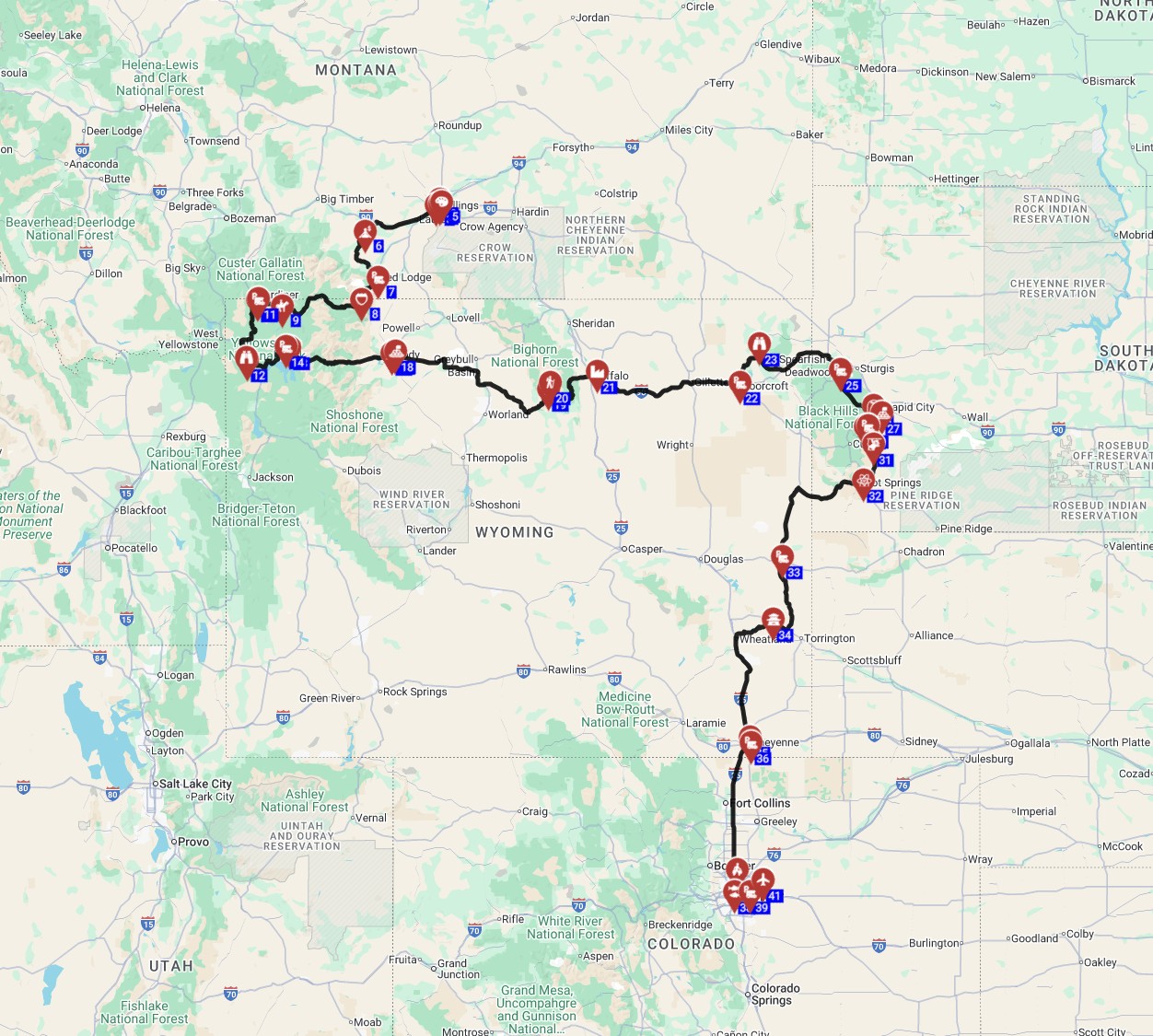
- Winter in the Black Hills, South Dakota: Visit Mount Rushmore and the Crazy Horse Memorial, which are often less crowded and incredibly serene under a blanket of snow. Custer State Park offers winter camping and wildlife viewing.
- Cross-Country Skiing in Wisconsin: Discover numerous trails, such as those in the Chequamegon-Nicolet National Forest, offering peaceful solitude amidst snow-laden pines.
- Ice Fishing on Lake of the Woods, Minnesota/Manitoba border: Experience a quintessential Central North winter activity, with many guided tours and heated ice houses available.
- Visiting the Badlands National Park in South Dakota: The unique geological formations offer a dramatic contrast against white snow, providing stunning photographic opportunities and quieter trails.
- Looking for expert insights from Avi Bandana? Top 5 Adventures - recommendations from Avi Bandana
Final Thoughts
A winter RV rental in Central North US is an invitation to witness a landscape transformed into a peaceful, majestic wonderland, offering quiet beauty and unique adventures. With careful planning and the right mindset, your journey in a rented motorhome can be an incredibly rewarding experience, far from the summer crowds. Remember, traveling slowly-max 100-150 km per day on average-allows you to truly soak in the unique winter culture, stunning scenery, and local flavors.
Bandana Caravan is here to support you every step of the way, from comparing top suppliers like Cruise America and El Monte to ensuring full price transparency. We understand the details make a big difference, especially in winter travel. So, pack your warm layers, prepare for breathtaking views, and get ready to discover the magic of Central North US in a rented RV.
Discover top destinations, planning tips, all in one place! Find winter RV rentals in Central North US now and begin your unforgettable cold-weather expedition.