In This Guide
- Top 5 Tips for winter RV rental in Canada
- Before You Book - Class, Dates, Insurance
- Pre-Trip Prep - Packing Checklist for Canada
- On the Road - Driving, Fueling, Navigation
- At the Campground - Setup, Hookups & Etiquette
- Winter RV rental-Specific Tips for Canada
- Common Mistakes to Avoid in Canada
- What are the best places for winter RVing in Canada?
- How much does it cost to rent an RV for winter in Canada?
- What are common challenges for winter RV travel in Canada?
- Can you boondock or free camp in Canada during winter?
- How to stay connected while RVing in remote Canadian winter areas?
- What specific considerations are there for sustainable winter RVing in Canada?
Embarking on a winter RV adventure in Canada offers a truly magical experience, transforming the landscape into a serene, snow-covered wonderland. This guide provides authoritative insights and practical advice to ensure your winter motorhome or campervan rental in Canada is not just possible, but genuinely unforgettable. For live availability and current prices, start with our RV Rental Canada - Complete Guide 2026 guide.
Top 5 Tips for winter RV rental in Canada
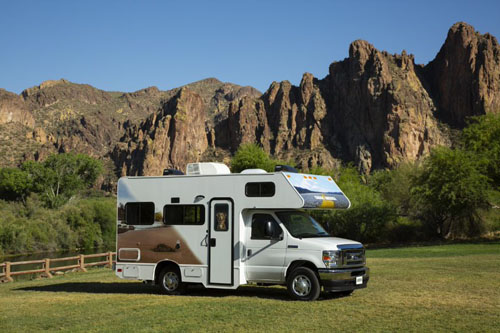
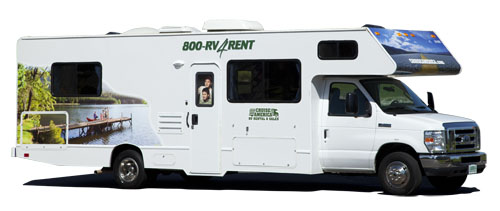
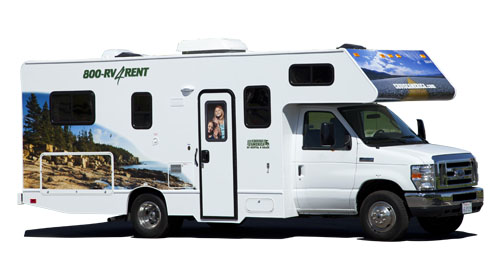
Successful winter RV rental in Canada hinges on five critical tips, ensuring both safety and comfort in sub-zero temperatures. First, choose a fully winterized RV, like a Class C motorhome such as the "MH-A" model with robust heating and enhanced insulation, specifically designed to protect its water systems from freezing.
Second, plan your route meticulously, focusing on campgrounds that remain open year-round and accessible services for fuel and propane refills. Third, pack extensively for extreme cold, prioritizing thermal base layers, wool socks, waterproof outerwear, warm bedding, and comprehensive emergency supplies. Fourth, account for significantly shorter daylight hours and always check for potential weather-related road closures in your itinerary before driving, especially in mountainous regions. On the routes offered through RV PLANET routes, you can itemize and track every expense along the way for easy budgeting.
Finally, familiarize yourself thoroughly with your rented RV's water systems, including how to drain pipes, operate the furnace, and add RV antifreeze to holding tanks to prevent freezing damage. These steps are crucial for a worry-free Canadian winter road trip, allowing you to fully enjoy the stunning snowy vistas.
Before You Book - Class, Dates, Insurance
Before confirming your winter RV rental in Canada, carefully consider the vehicle class, your travel dates, and adequate insurance coverage. For cold-weather RVing, a Class C motorhome or a campervan explicitly marketed as "winterized" or "four-season" is generally recommended due to its superior insulation, more powerful heating systems, and better protection for internal plumbing.
Booking your winter RV rental in Canada, particularly for popular periods like Christmas or ski season, is advisable several months in advance to ensure availability of these specialized winterized units. Flexible travelers might find better deals in early December or late March. Bandana Caravan offers full price transparency, showing you exactly what you pay with no hidden fees, making it easy to compare various options.
Basic insurance is always included with your rental; however, it's essential to view prices with comprehensive coverage for winter conditions by selecting this option during your search. This displays all relevant insurance choices, including optional roadside assistance, which is a highly recommended upgrade for peace of mind during Canadian winter travel. You can upgrade to a top-level deductible for extra peace of mind, protecting you from unexpected repair costs.
For those interested in longer trips, exploring options for "Long-Term RV Rental in Canada - Monthly Rates 2026" can yield significant savings, as Bandana works with over 50 leading RV suppliers worldwide.
Pre-Trip Prep - Packing Checklist for Canada
Preparing for a winter RV trip in Canada requires a specific packing strategy to ensure both comfort and safety in cold conditions. Beyond your standard travel items, a robust winter packing list is essential to combat Canada's often extreme temperatures.
Clothing:
- Thermal base layers (tops and bottoms) are crucial for insulation.
- Fleece or wool mid-layers provide warmth and breathability.
- A waterproof and insulated outer shell jacket is necessary for protection from snow and wind.
- Waterproof and insulated snow pants are essential for outdoor activities.
- Warm hats, gloves, and scarves prevent heat loss from extremities.
- Insulated waterproof boots with good grip are vital for navigating snowy and icy terrain.
- Extra warm socks (wool or synthetic) keep feet dry and warm.
- Comfortable indoor clothing for relaxing in your heated motorhome.
Kitchen:
- Non-perishable food items suitable for cold weather, like hearty soups and stews.
- Hot beverage supplies (coffee, tea, hot chocolate) are a must for warming up.
- Insulated mugs and food containers help keep food and drinks warm longer.
- Standard cooking utensils and dishware are typically included with most rented RVs; confirm with your supplier. Preparing meals in your RV's kitchen saves money and offers convenience, especially when campground restaurants might be closed. Check out our RV-friendly recipes playlist for inspiration!
Safety & Emergency:
- A first-aid kit with extra cold-weather specific items, such as hand warmers and space blankets, is vital.
- A roadside emergency kit (jumper cables, flares/reflectors, tow strap) is non-negotiable for winter travel.
- A shovel and sand/kitty litter are invaluable for tire traction on icy patches.
- Flashlights or headlamps with extra batteries are essential for shorter daylight hours.
- A portable power bank for electronics ensures communication access.
- Bear spray (check provincial regulations for carrying/use) is important in wilderness areas, even in winter.
- A satellite communication device is recommended for remote areas with no cell service.
- Physical maps and a compass serve as crucial backups to digital navigation.
Documents & Other:
- Always carry your driver's license, RV rental agreement, and insurance documents.
- Park passes or permits (e.g., Parks Canada Discovery Pass) should be acquired in advance.
- Entertainment options like books, games, and downloaded movies are essential for cozy evenings indoors.
- Binoculars enhance wildlife viewing opportunities.
On the Road - Driving, Fueling, Navigation
Navigating Canada's roads in winter with a rented RV demands heightened awareness and diligent preparation for safe travel. Canadian winter conditions can be unpredictable, making caution paramount. Drive slowly and carefully, and you can drive almost anywhere without issues. No need to stress - just use common sense and pay attention, especially when encountering snowy or icy patches.
Always maintain increased following distances, as braking distances on slippery roads are significantly longer. Frequently check provincial road reports (often accessible via 511 systems) for current conditions and closures before heading out. Remember that Canada uses the metric system, so speed limits are in km/h and fuel is measured in liters.
Keep your RV's fuel tank at least half full to prevent fuel lines from freezing and to ensure sufficient supply between potentially sparse winter service stations. Consider carrying a spare fuel can if venturing into very remote areas. Beyond GPS, always carry physical maps and pre-download offline routes, as cellular service can be unreliable in Canada's extensive remote winter regions. Planning with RV PLANET routes allows you to itemize and track every expense, including fuel, for easy budgeting.
When driving in cities like Vancouver or Toronto, the same careful driving principles apply. Even large Class A motorhomes can navigate city streets smoothly with patience and attention to surroundings. Don't let the size of your rented motorhome deter you from exploring urban centers.
At the Campground - Setup, Hookups & Etiquette
Setting up your rented RV at a Canadian winter campground involves specific procedures to ensure comfort and prevent common cold-weather issues. Choose a level site, which is safer for parking and helps with RV systems. Before settling, clear any significant snow from your chosen spot and ensure your RV's exhaust is completely clear of snow buildup to prevent carbon monoxide accumulation. Many national and provincial parks only reserve 25-30% of spots, leaving the majority for first-come, first-served; you'll find a spot, and if not at the first campground, then the next one – just call ahead before driving.
Upon arrival, connect to shore power first for consistent heat, as your furnace is a significant power consumer. If available, use an insulated and heated water hose to prevent water lines from freezing. When temperatures are expected to drop significantly below freezing, consider disconnecting and storing your water hose and using the fresh water tank and pump for short periods instead, or keep a trickle of water flowing to prevent freezing.
Adhere strictly to campground quiet hours, typically 10 PM to 7 AM, out of respect for fellow campers seeking peaceful winter solitude. Manage your waste responsibly by using designated dump stations, which may have limited winter hours, and ensure all trash is properly secured to avoid attracting wildlife. Always ensure pets are leashed and cleaned up after, maintaining the pristine condition of Canada's beautiful winter environment. Remember to travel slowly, max 100-150 km per day on average, to fully immerse yourself in the scenery and local culture.
Winter RV rental-Specific Tips for Canada
Winter RV rental in Canada presents unique opportunities for breathtaking landscapes and requires specific preparations for a safe and comfortable journey. The primary consideration is ensuring your rented motorhome is thoroughly winterized. This means it comes equipped with insulated pipes, a powerful furnace (like in a Class C motorhome with a 167-liter fresh water tank and 63-liter propane tank, such as the "MH-A" model), and ideally double-pane windows to maintain interior warmth.
Vigilantly monitor propane levels and plan for frequent refills, as heating an RV in winter significantly increases consumption. A 30lb propane tank, costing CAD $30-$60 to refill, might last only 3-5 days in continuous cold. Manage interior moisture by using vent fans during cooking or showering and slightly cracking a window to prevent condensation and potential mold buildup.
Be aware that cold weather reduces battery efficiency; ensure your house batteries are fully charged and consider extra power sources for extended dry camping periods. Always carry essential snow removal gear such as a broom or small shovel to clear snow from the RV's roof, slides, and entry points. For added peace of mind in case of furnace issues, consider bringing an emergency backup heat source, like a catalytic heater, used with strict ventilation.
Common Mistakes to Avoid in Canada
Avoiding common mistakes can significantly enhance your winter RV rental experience in Canada and ensure a safer, more enjoyable trip. A frequent error is not checking road conditions daily; instead, make checking provincial road reports (e.g., 511 systems or websites like DriveBC for British Columbia) a daily routine, especially before long drives or mountain passes.
Underestimating cold weather is another pitfall; instead, pack far more layers than you think you'll need, including thermal underwear, quality gloves, hats, and waterproof outerwear, even for short excursions outside the RV. Ignoring RV water system freeze prevention can lead to costly damages; instead, learn how to drain your water lines if temperatures plummet, use RV antifreeze for holding tanks, and never leave an unheated water hose connected when stationary.
Running out of propane is a common issue; instead, frequently monitor your propane levels and plan refills, as furnaces consume more propane in colder temperatures, and service stations might be scarce. Poor route planning for services also causes problems; instead, research your route to identify open campgrounds, fuel stations, and dump stations that operate year-round, as many facilities close for the winter. Finally, not carrying emergency supplies is dangerous; always have a well-stocked emergency kit, including extra blankets, food, water, a shovel, and satellite communication devices, in case of breakdowns or weather delays.
🎬 Video coming soon
What are the best places for winter RVing in Canada?
The best places for winter RVing in Canada offer a blend of stunning snowy landscapes and accessible, winter-friendly infrastructure, providing unique seasonal beauty and activities. British Columbia's Okanagan Valley, for instance, provides milder winters, convenient access to wineries, and ski resorts like Big White, with some RV parks remaining open in towns like Kelowna.
Areas surrounding Alberta's Rocky Mountains, such as Canmore, offer convenient access to world-class skiing, ice skating, and wildlife viewing, despite limited direct winter RV camping within national parks. Jasper National Park, also a Dark Sky Preserve, allows for incredible stargazing. Quebec's Eastern Townships feature picturesque snowy villages, cross-country skiing, and distinctive local food experiences, with some regional parks accommodating winter RV travel.
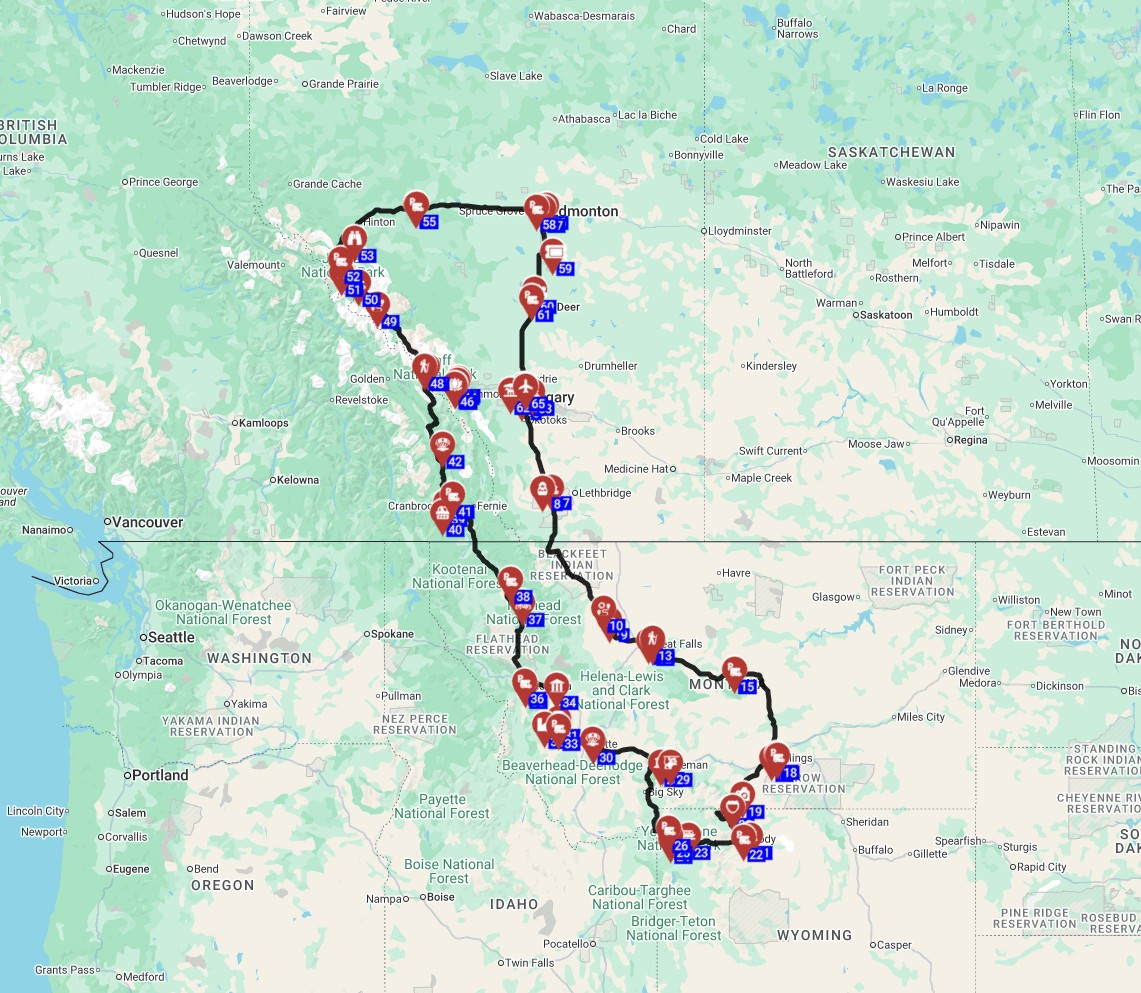
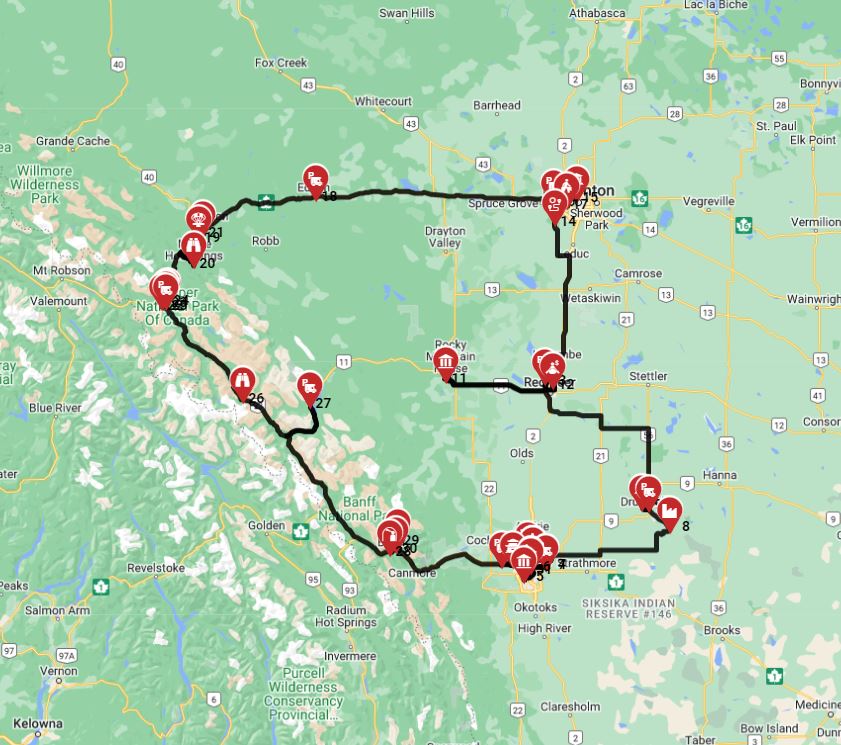
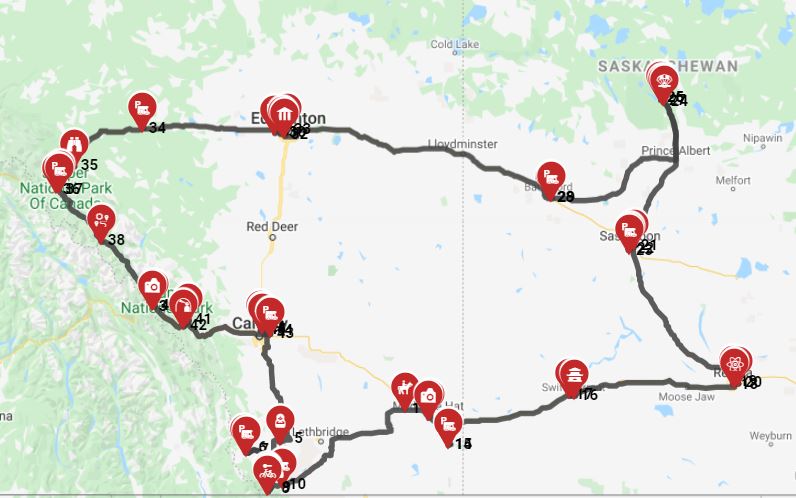
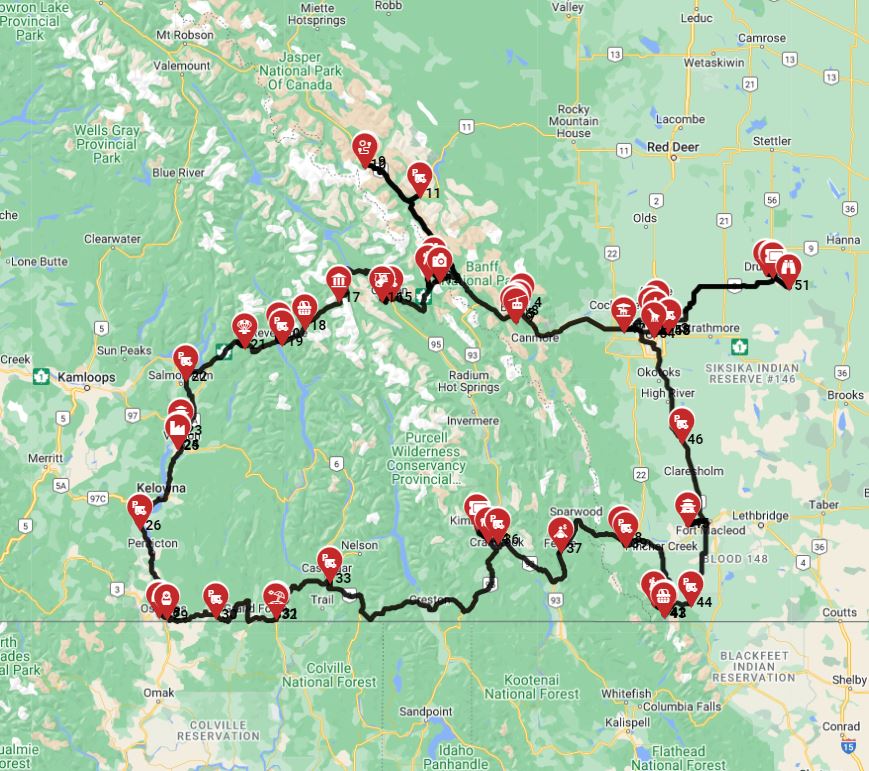
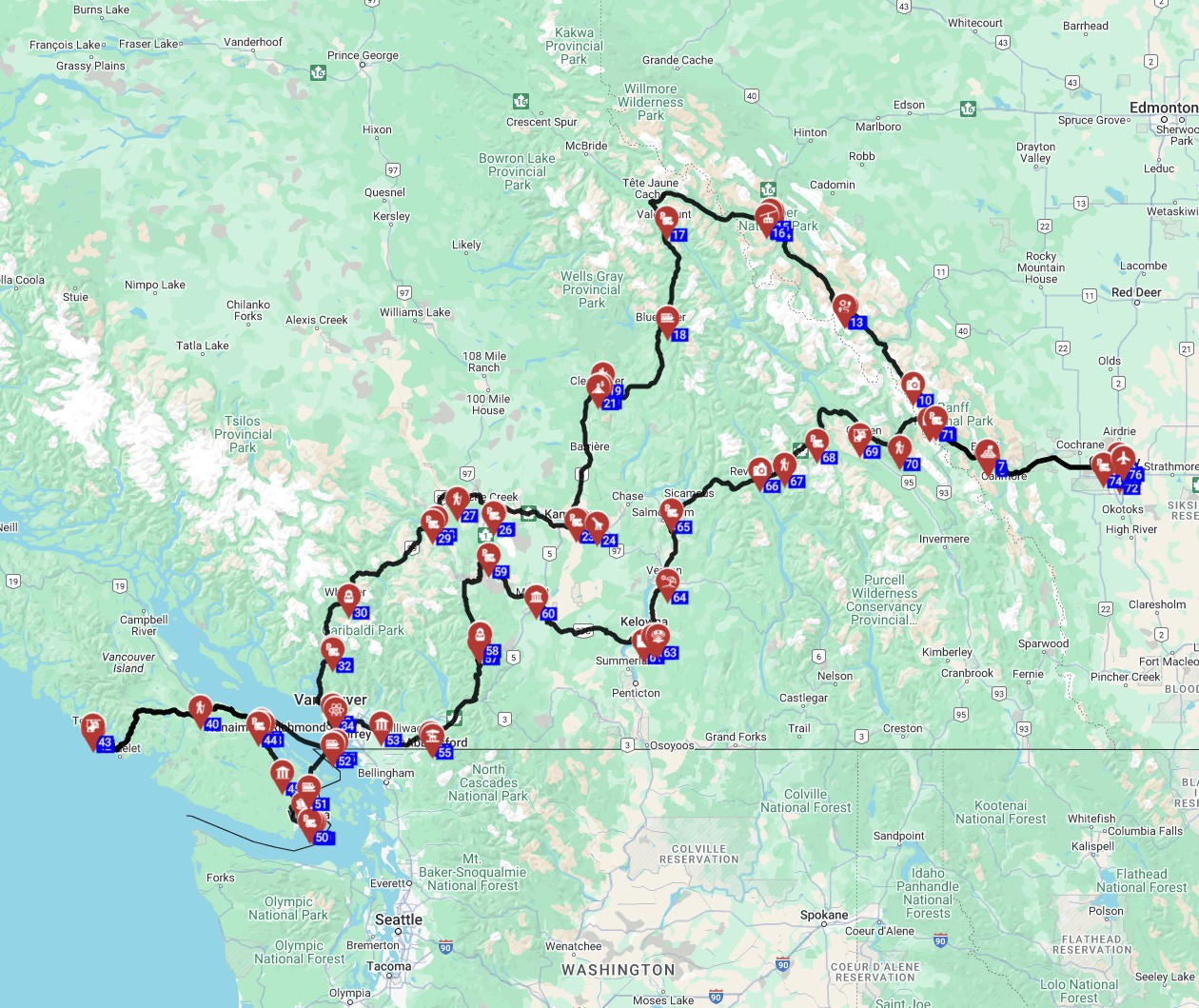
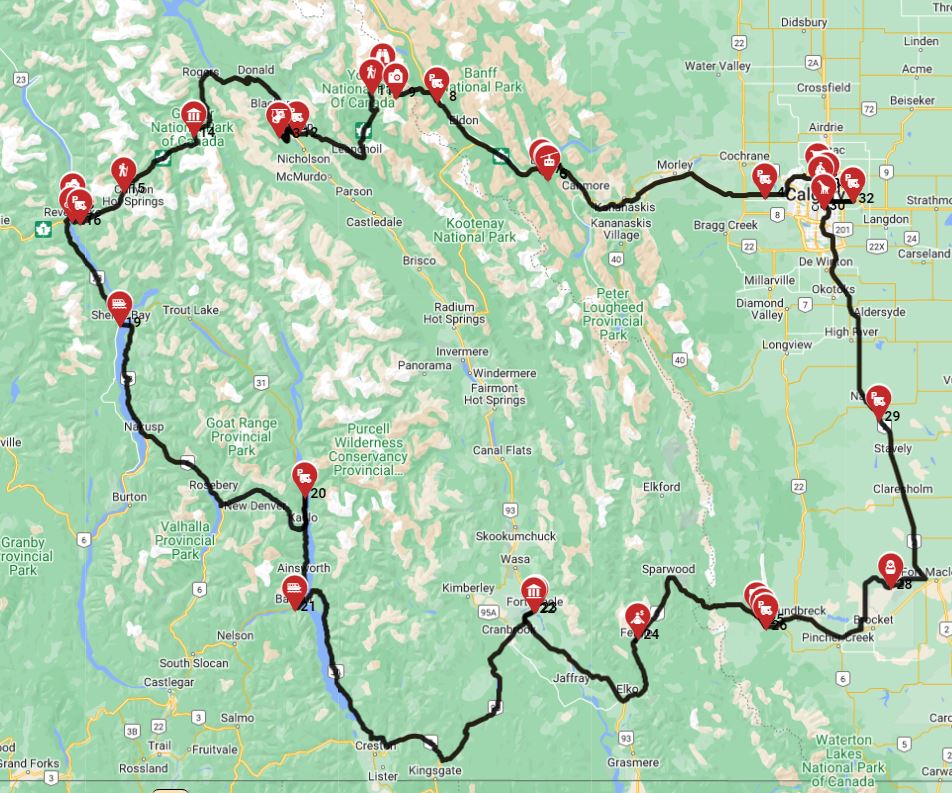
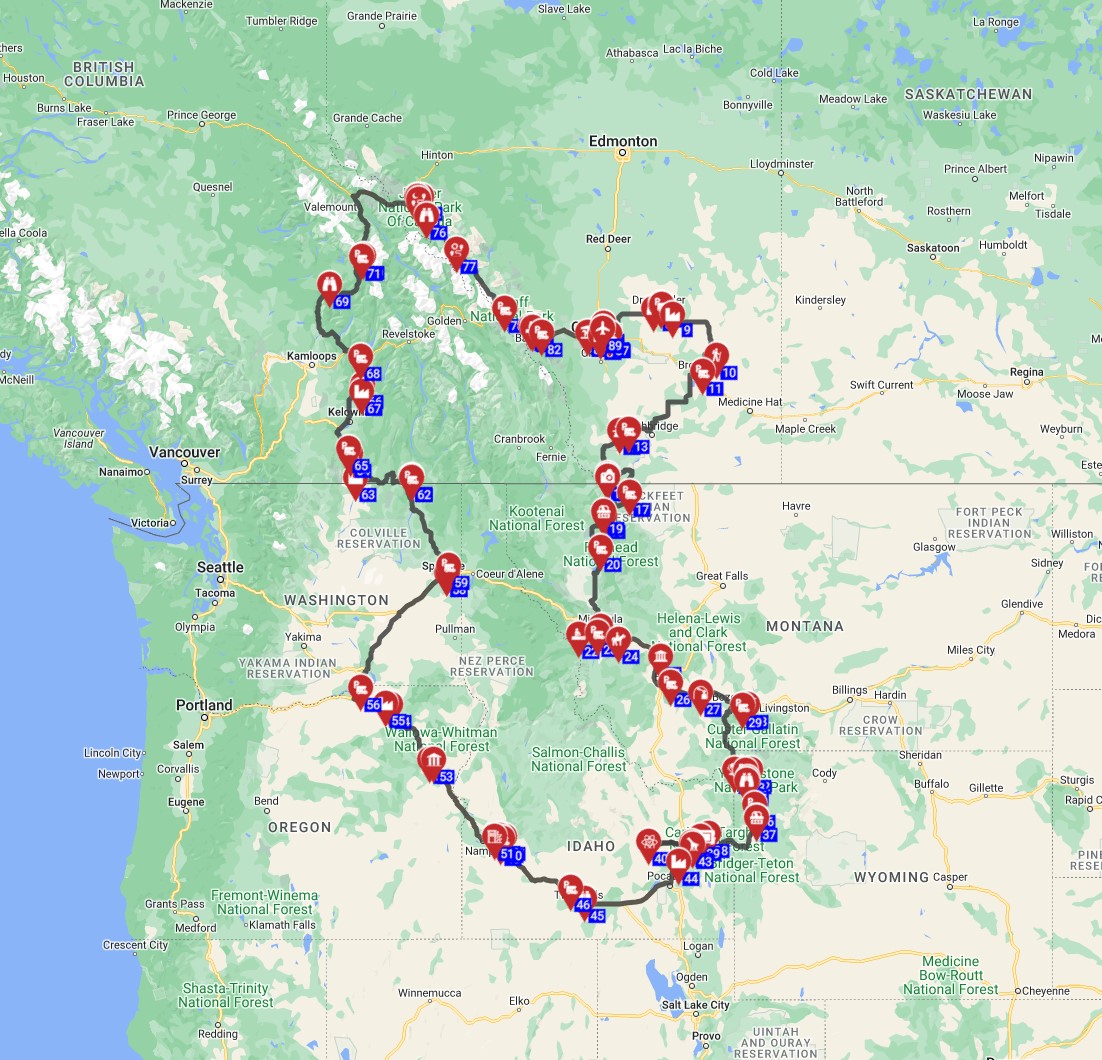
Explore regions like the perimeter of Ontario's Algonquin Provincial Park for tranquil winter wilderness, snowshoeing, and ice fishing, with services available in nearby towns. Many of these destinations are featured in detailed route plans available through RV PLANET, such as the "

For more route inspiration, consider our "RV Rental in Canada - Prices and Best Deals 2026" guide.
How much does it cost to rent an RV for winter in Canada?
The cost of a winter RV rental in Canada varies significantly, typically ranging from CAD $100-$300+ per night depending on the RV class, rental duration, location, and necessary winterization. While off-season (winter) rental rates are generally lower than summer, specialized winterized RVs, like a 6-berth Class C motorhome, might command a slightly higher premium due to their enhanced features.
Fuel is a substantial ancillary expense due to Canada's vast distances and increased consumption in cold weather; budget CAD $200-$500+ per week depending on mileage and current prices, with typical fuel economy for a motorhome like the "MH-A" being around 25 liters per 100 km. Propane consumption is notably higher in winter for heating, requiring frequent refills at an estimated cost of CAD $30-$60 per 30lb tank every 3-5 days.
Winter campground fees typically range from CAD $30-$70 per night for sites with hookups, though options for boondocking can reduce accommodation costs. Beyond basic insurance, comprehensive coverage for winter travel is highly recommended and can add an estimated CAD $30-$80 to the daily rental rate. A detailed budget for a month-long winter RV trip, including fuel, camping, food, and activities, can easily range from CAD $4,000-$8,000+, excluding flights and major splurges. Remember, prices are dynamic, changing daily based on availability, seasonality, and supplier decisions. For managing your total trip costs, RV PLANET routes allow travelers to itemize and track every expense along the way for easy budgeting.
For last-minute winter RV rental deals in Canada, availability exists, but prices are dynamic and depend on demand. Travelers with flexible dates can often find the cheapest winter RV rentals by searching off-peak weeks through our comparison platform, which partners with suppliers like El Monte and Cruise America.
What are common challenges for winter RV travel in Canada?
Winter RV travel in Canada presents unique challenges, primarily related to extreme cold, heavy snow, and reduced services, necessitating thorough preparation for safety and comfort. One of the foremost concerns is freezing water systems, where pipes, tanks, and hoses can freeze, requiring diligent use of RV antifreeze, internal heating, or disconnecting water lines.
Propane consumption is another challenge, as furnaces work harder in winter to maintain comfortable indoor temperatures, leading to rapid propane depletion and the risk of losing heat. Road conditions and driving are significantly impacted, with icy roads, heavy snowfall, and whiteout conditions creating hazardous driving situations, increasing risks of road closures and longer braking distances. Drive slowly and carefully, and you can drive almost anywhere without issues.
Limited services pose a logistical challenge, as many campgrounds, dump stations, and even some fuel stations reduce hours or close entirely in winter, making meticulous route planning and resource management essential. Cold temperatures also reduce battery efficiency, impacting the RV's house power for essential systems like lights and pumps. Traveling in remote winter areas often means unreliable or non-existent cell service, making navigation, emergency communication, and staying connected significant challenges. Lastly, condensation inside the RV can be a pervasive issue, leading to dampness and potential mold if not managed with proper ventilation.
Can you boondock or free camp in Canada during winter?
Boondocking or free camping in Canada during winter is feasible but demands extensive preparation, knowledge of local regulations, and enhanced self-sufficiency due to harsh conditions and limited amenities. While Crown Land in many provinces allows for free camping (typically up to 21 days), specific regulations vary by province and territory; National and Provincial Parks usually require paid, designated sites.
Tools like iOverlander or FreeCampsites.net can assist in finding potential boondocking locations, though winter-specific access information may be less prevalent. Forest Service Roads (FSRs) are potential options if accessible and maintained for winter use. Winter boondocking necessitates ample propane for heating, robust battery power, a substantial freshwater supply, and a strategic approach to waste management in freezing temperatures.
Safety considerations for remote winter boondocking include informing others of your itinerary, carrying a satellite communication device, and ensuring your rented vehicle is equipped for snowy, unmaintained roads. Expect little to no cellular service in most prime boondocking locations, requiring pre-downloaded maps and a non-reliance on mobile connectivity for emergencies. Adhere strictly to Leave No Trace principles, especially in pristine winter environments, by packing out all trash and properly disposing of human waste to minimize environmental impact.
How to stay connected while RVing in remote Canadian winter areas?
Staying connected while RVing in Canada's remote winter areas often requires a multi-faceted approach, as cellular coverage can be highly unreliable or non-existent in vast wilderness stretches. For off-grid connectivity, satellite communication devices such as a Garmin InReach or Zoleo are highly recommended, offering two-way messaging, SOS capabilities, and basic weather forecasts. These are invaluable for safety in areas without conventional cellular coverage.
A cellular booster can amplify weak signals in fringe service areas, potentially extending your range where some signal is present, but it cannot create a signal where none exists. To ensure access regardless of connectivity, download maps, entertainment (movies, music, podcasts), and important documents before venturing into remote zones. Utilize public Wi-Fi at campgrounds (if available and open in winter), libraries, or cafes in towns along your route for more robust internet access.
Starlink's Roam service offers a viable, albeit more expensive, portable satellite internet solution for those requiring consistent, high-speed internet in most remote Canadian locations. Always have an emergency plan that does not rely on cellular service, which includes carrying a comprehensive first-aid kit, extra supplies, and informing someone of your itinerary. This ensures you're prepared for any situation, no matter how remote your winter RV rental adventure takes you.
What specific considerations are there for sustainable winter RVing in Canada?
Sustainable winter RVing in Canada emphasizes minimizing environmental impact and respecting pristine natural environments, requiring conscious choices regarding energy use, waste management, and interaction with nature. Freezing temperatures complicate waste disposal; ensure black and grey tanks are insulated and only dump at designated, active winter dump stations, considering alternative solutions for solid waste if facilities are unavailable.
Reduce propane and electricity consumption by maximizing passive solar heating, dressing warmly indoors, and utilizing LED lighting, while minimizing generator use to reduce noise and emissions. Strictly adhere to the seven Leave No Trace principles, which are particularly crucial in winter as fragile ecosystems are more susceptible to disturbance, and human impacts remain visible longer on snow and ice.
During winter, observe Canadian wildlife from a respectful distance, never feed them, and avoid disturbing their habitats, especially as they conserve energy in colder months. Conserve fresh water by taking shorter showers and using biodegradable soaps to minimize impact, especially when greywater must be contained. Contribute to regional economies and reduce transportation emissions by supporting local businesses, outfitters, and communities along your travel route. This mindful approach ensures your winter RV rental leaves only tire tracks and takes only memories.
What You Shouldn't Miss
- Skiing and Snowboarding in the Rockies: Experience world-class slopes at Banff, Lake Louise, or Whistler.
- Ice Skating on Frozen Lakes: Glide across iconic natural rinks like Lake Louise in Alberta or the Rideau Canal Skateway in Ottawa.
- Wildlife Viewing in Winter: Spot elk, moose, and even wolves against a snowy backdrop in national parks (from a safe distance, of course!).
- Chasing the Northern Lights: Head to colder, darker regions like the Yukon or Northern Alberta for a chance to witness the spectacular aurora borealis.
- Cozy Hot Springs: Warm up in natural hot springs found in the Canadian Rockies, such as Banff Upper Hot Springs.
- Winter Festivals: Immerse yourself in local culture at events like Quebec City's Winter Carnival or the Festival du Voyageur in Winnipeg.
Looking for expert insights from Avi Bandana? Top 5 Adventures - recommendations from Avi Bandana.
Final Thoughts
Embracing a winter RV rental in Canada is an adventure unlike any other, offering crisp air, breathtaking snowy vistas, and the cozy comfort of your mobile home. With the right preparation, a reliable winterized motorhome, and a spirit of adventure, you're set to create incredible memories.
Remember, the key to a successful winter trip is meticulous planning and understanding the unique considerations of cold-weather travel. From managing propane levels to mastering snowy roads, each challenge is simply an opportunity to deepen your connection with Canada's spectacular winter landscapes.
So, get inspired for your next trip! Discover top destinations, planning tips, all in one place with Bandana Caravan. We're here to help you plan a trip itinerary in advance with minimal effort and maximum enjoyment. Now is the time to start planning your epic winter RV adventure. We promise you'll find a spot to park, and a warm welcome awaits.
Compare Winter RV Rentals in Canada Now!