In This Guide
- What winter rv rental RV Rental Costs in Central North US (2026)
- Seasonal Pricing - Peak vs. Shoulder vs. Off-Season in Central North US
- What's Included vs. What's an Add-On
- Hidden Costs to Budget For in Central North US
- How to Save on winter rv rental RV Rental in Central North US
- What is the average rental cost of an RV
- How much to rent an RV for a month in the USA
- Is it cheaper to rent an RV or stay in hotels
- How much does an RV cost for 2 weeks
- How much is it to rent a decent RV for a month
- What are the drawbacks of renting an RV
- Are RV prices dropping in 2026
- What is the 3-3-3 rule for RVs
- Are RVs cheaper to buy in the winter
- What type of RV is best for winter living
- What You Shouldn't Miss
Exploring the majestic landscapes of Central North US during winter with a rented RV is an adventure unlike any other, offering crisp air, serene snowy vistas, and fewer crowds. To embark on this unique journey, understanding the financial aspects of a winter RV rental is key for planning your budget and ensuring a smooth trip. For live availability and current prices, start with our RV Rental Central North US - Complete Guide 2026 guide.
At Bandana RV, we’ve been helping tens of thousands of travelers explore the world by rented RV since 2001, providing honest, transparent service every step of the way. We believe in empowering you with all the information you need, so there are no hidden fees or surprises.
What winter rv rental RV Rental Costs in Central North US (2026)
RV rental costs in Central North US for winter are dynamic, fluctuating daily based on factors like demand, the specific motorhome class, rental duration, and the time of booking. During the colder months of winter in Central North US, such as January or February, daily rates can be significantly lower than peak summer prices, making it an attractive option for budget-conscious adventurers. For instance, a Class C motorhome might average $150-$300 per night, while a smaller, fuel-efficient Class B campervan could start around $100-$200 per night. Prices for larger, more luxurious Class A motorhomes might range from $250-$450+ per night. April is often identified as a particularly cost-effective month for RV rentals in Central North US, with typically lower demand before the summer rush. It's always advisable to compare live prices for your specific travel dates and preferred vehicle type using our intuitive search tools. This approach helps you secure the best available rates from our direct partnerships with over 50 leading RV suppliers worldwide, including trusted names like El Monte and Cruise America.
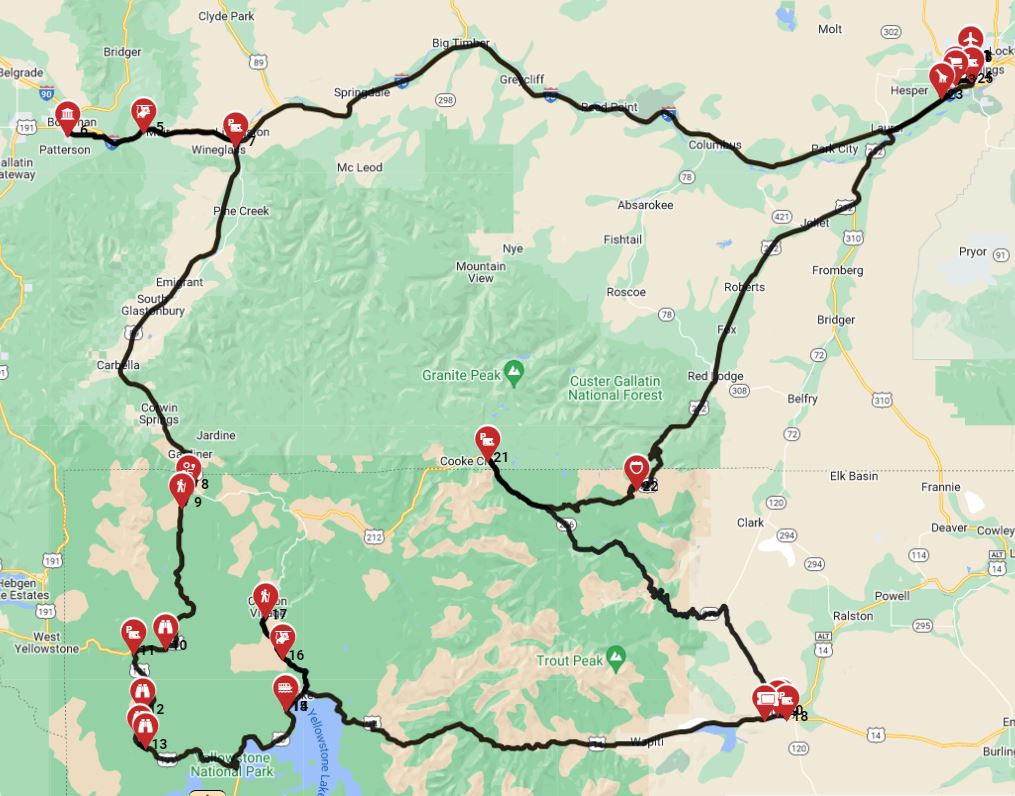
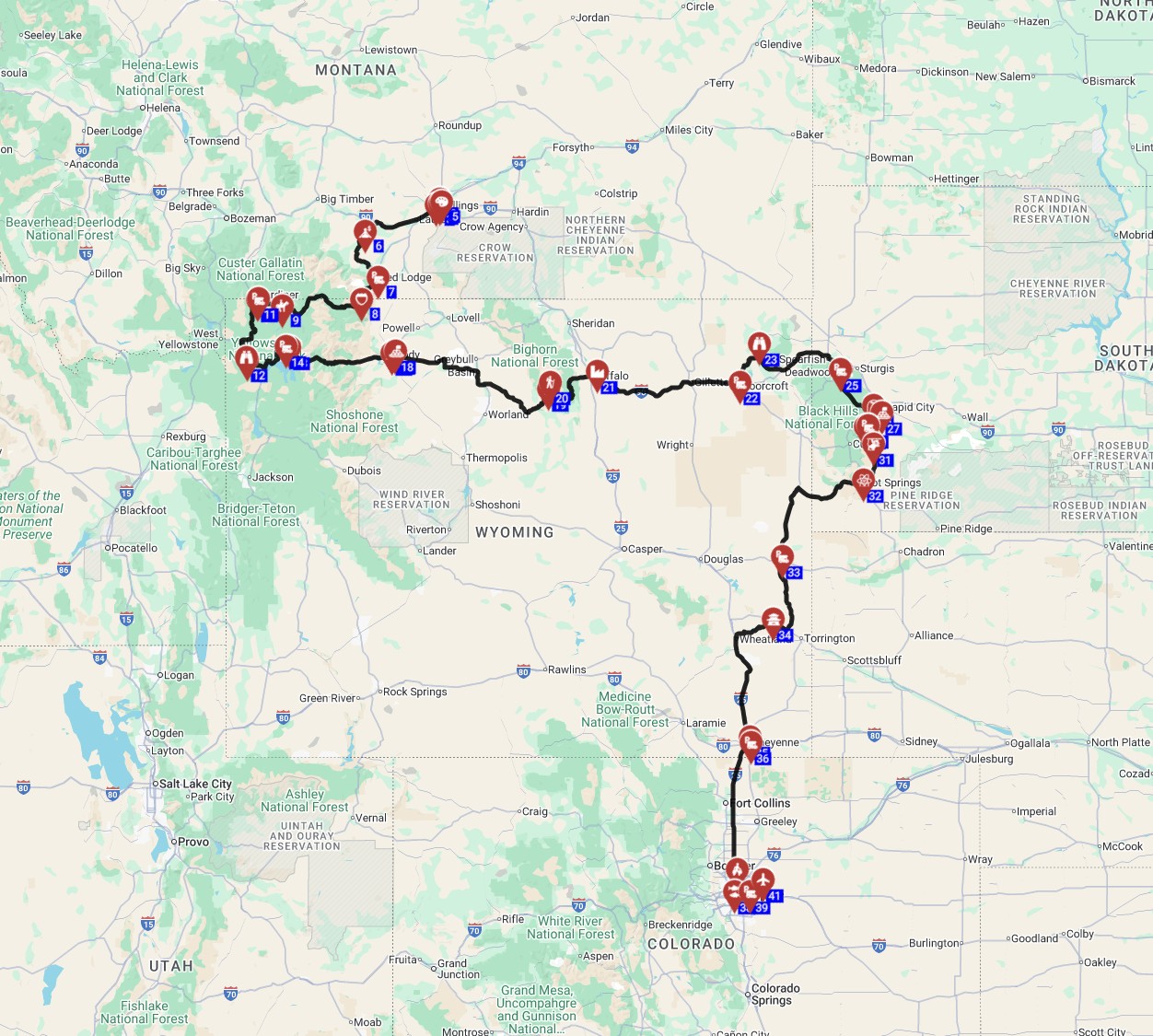
When considering the total cost of a rented RV trip in Central North US, remember that the base rental fee is just one component. Other essential expenses like fuel, campground fees, and provisions for your journey will also contribute to your overall budget. We focus on full transparency, ensuring you understand all potential costs upfront, so there are no hidden fees or surprises. Whether you're looking for a compact campervan for a romantic escape or a spacious Class C for a family adventure, our platform provides detailed comparisons to help you find the perfect match for your winter exploration of Central North US. On the routes offered through RV PLANET routes, you can itemize and track every expense along the way for easy budgeting.
Seasonal Pricing - Peak vs. Shoulder vs. Off-Season in Central North US
RV rental prices in Central North US are heavily influenced by the seasonal demand, with distinct patterns for peak, shoulder, and off-season travel. Peak season typically occurs during July and August, coinciding with summer vacations, driving rental rates to their highest. During these months, a premium of 30-50% on daily rates is common, and popular motorhome models can book out quickly, requiring travelers to reserve 6-12 months in advance for optimal choice. Shoulder seasons, generally spanning May-June and September-October, offer a more balanced experience with moderate temperatures and a noticeable drop in prices, making them an excellent choice for those seeking pleasant weather without the peak crowds and costs. A 20-30% saving compared to peak rates is often achievable during these periods.
The off-season, from November through April, generally features the cheapest daily rental rates for RVs in Central North US, with April often serving as the lowest-cost month before the spring bloom. During this winter period, you can often find deals with daily rates reduced by 30-40% or more compared to peak season. However, winter rentals require specific cold-weather preparedness; some suppliers might impose winterization fees, or RVs may have limited water systems to prevent freezing, so always check with the supplier for specific winter terms and conditions. Planning your trip during the off-season allows for greater flexibility and potentially significant savings, enabling you to explore snowy landscapes and enjoy unique winter activities without stretching your budget. It’s important to note that prices are dynamic, changing daily based on availability and supplier marketing decisions, so checking specific dates is always recommended for the most accurate pricing.
What's Included vs. What's an Add-On
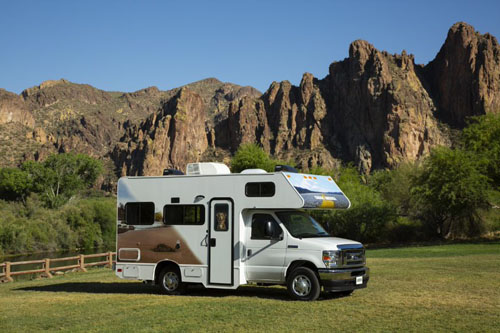
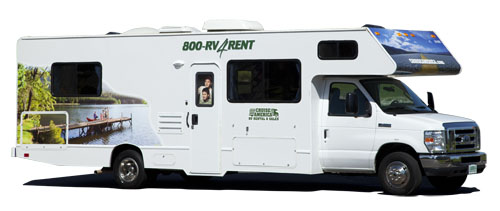
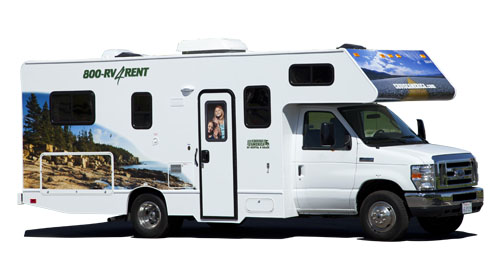
Understanding what comes with your RV rental and what's an extra cost is crucial for budgeting your winter adventure in Central North US. Generally, the base rental price includes essential vehicle components, basic insurance coverage, and fundamental safety equipment required for travel. This typically means you'll have a functional living space, an engine ready for the road, and the peace of mind of essential coverage. For example, a standard Class C motorhome like the "Cruise America Explorer" model or a campervan might come equipped with a basic refrigerator and stove, allowing you to prepare meals on board, which is a fantastic way to save on dining expenses during your trip. Check out our RV-friendly recipes playlist for inspiration!
However, many convenient items and services are typically offered as add-ons, incurring extra costs. These often include extensive mileage packages beyond a base allocation (though some rentals offer unlimited mileage, particularly for longer durations), generator usage, specialized kitchen kits with utensils and cookware, and bedding sets. For your winter journey in Central North US, you might also consider additional propane for heating or specific winterization kits if not already included in a four-season rated vehicle. It is critical to verify precisely what is included and what will be an add-on, as this varies significantly by RV model, supplier, and specific rental station. Our comparison tool allows you to easily toggle options like kitchen utensils, tableware, and bedding to see how they impact your rental cost, ensuring full transparency. While basic insurance is always included, you can upgrade to a top-level deductible for extra peace of mind, an optional enhancement available during the booking process. We make sure you know exactly what you're paying for, so there are no hidden fees or surprises.
Hidden Costs to Budget For in Central North US
Beyond the base RV rental fee, travelers must proactively budget for several additional costs when exploring Central North US by motorhome. Fuel expenses can be substantial, as RVs typically consume more fuel than standard cars; a Class C motorhome, for instance, might average around 20-25 liters per 100 km depending on engine size and driving conditions. Campground fees are another significant cost, ranging from $20-$70 per night for a powered site, though dispersed camping on public lands can reduce this expense. Propane for heating, cooking, and water heating is essential, especially during winter RVing in Central North US, and costs can vary based on usage and refill prices. Dump station charges, while sometimes included with campground fees, can incur a small fee ($5-$15) at private facilities. Additionally, tolls may apply on certain highways, particularly around urban centers or on scenic routes.
For winter RV rentals in Central North US, specifically, budgeting for increased propane or electric heating costs is crucial, as temperatures can drop significantly, especially in states like Minnesota, Wisconsin, or the Dakotas. Some remote areas might also require special winter campground hookups or anti-freeze measures for water systems, potentially adding to costs. While some rented RVs offer the convenience of pre-purchasing toll-road usage, helping avoid surprise charges and potential fines, it's always wise to research local toll systems for your route. Travelers can also look for campground discount cards or fuel discount cards, which can help manage these expenses; inquire about these perks at pickup. For comprehensive budgeting and route planning, RV PLANET routes allow you to itemize and track every expense along the way, making financial management easy and transparent for your winter RV adventure in Central North US.
How to Save on winter rv rental RV Rental in Central North US
Saving on your winter RV rental in Central North US is entirely achievable with smart planning and a bit of flexibility. The most significant savings often come from booking your rented RV during the shoulder or off-season, which generally runs from November through April. During these months, daily rates can be significantly lower than during the popular summer period, especially if you're prepared for cooler weather conditions. For example, you might find daily rates 30-40% less than July or August prices. Another effective strategy is to choose a smaller RV class if your group comfortably fits; Class B campervans or compact Class C motorhomes often have lower rental rates and better fuel efficiency, directly reducing both rental and fuel costs.
Opting for longer rental durations can also lead to savings, as the daily rate typically decreases for trips lasting two weeks or a month compared to shorter, week-long rentals. Many suppliers offer reduced rates for extended adventures, rewarding travelers who take their time. Being flexible with your travel dates, even by a few days, can also unlock cheaper options, as prices are dynamic and change daily based on availability. Utilize our comparison platform to monitor flex-rate drops and compare options from various suppliers simultaneously. Pre-purchasing tolls or inquiring about toll-pass options can prevent higher pay-as-you-go rates and potential fines. We also recommend researching any campground discount cards or fuel discount cards offered by your rental provider or available through membership programs. We're true RV specialists, dedicated to helping you find the best value and offering full transparency so you encounter no hidden fees or surprises.
What is the average rental cost of an RV
The average rental cost of an RV varies significantly based on several factors, including the RV class, rental duration, season, and pick-up location within Central North US, but typically ranges from $100 to $450 per night. For instance, a compact Class B campervan, perfect for a couple, might cost between $100-$200 per night, offering agility and relatively good fuel efficiency. Mid-sized Class C motorhomes, ideal for families of 2+2, typically fall into the $150-$300 per night range, providing a comfortable balance of space and drivability. Larger, luxury Class A motorhomes, often chosen for a big family or group of friends, can command $250-$450 or more per night, offering extensive amenities and spacious living areas. These are flex-rate estimates, and actual prices can fluctuate daily, especially during peak travel times.
In Central North US, winter (off-season) rentals can fall on the lower end of this spectrum, offering more affordable entry points for an adventurous trip. However, specific winterization fees may apply to ensure the motorhome's systems are protected from freezing temperatures. It's important to remember that these are base rental costs, and additional expenses like mileage packages, insurance upgrades, and add-ons (such as kitchen kits or bedding) will further influence the final price. Our platform provides full transparency, detailing all costs so you can plan your budget without any hidden fees. We work with direct partnerships with over 50 leading RV suppliers worldwide, offering a vast selection to meet diverse needs and budgets.
How much to rent an RV for a month in the USA
Renting an RV for a month in the USA, including an extended winter trip in Central North US, can range from $2,000 to over $6,000, depending heavily on the RV class, the specific season, and rental company policies. Long-term rentals, such as for a month, often come with a significantly reduced daily rate compared to shorter, weekly trips, making them a more cost-effective option for extended travel. This extended duration allows the fixed costs of pickup and drop-off to be spread over more days, thus lowering the average daily expenditure.
For winter RVing in Central North US, a month-long rental can be an excellent way to experience the region's unique charm, especially during the off-season. Imagine taking a month to slowly traverse the Great Lakes shoreline or explore the Badlands, connecting deeply with the local culture and stunning scenery. The exact monthly cost will include the base rental fee, plus any chosen add-ons for mileage, insurance upgrades, and specific winter amenities like extra propane or anti-freeze treatments for water systems. Our Rent&Plan service can also assist, offering pre-planned routes by professionals, and if you use rvplan.net for your planning, you can get a 25% planning discount. We are true RV specialists, founded in 2001, and our goal is to ensure you have a transparent booking process with no hidden fees, supporting you before, during, and after your booking is confirmed.
Is it cheaper to rent an RV or stay in hotels
Whether renting an RV is cheaper than staying in hotels for a trip in Central North US depends significantly on the duration of your trip, the distance traveled, the number of travelers in your group, and your specific choices for campgrounds and dining. For families (4-6 people) or groups, a rented motorhome can often prove to be more cost-effective. It combines both transportation and accommodation into a single expense, eliminating the need for multiple hotel rooms. Moreover, with a functional kitchen aboard (like in a "rent rv example A3" Class C motorhome), you can prepare your own meals, leading to significant savings compared to eating out for every breakfast, lunch, and dinner.
In Central North US, a rented RV offers unparalleled access to remote winter landscapes, state parks, and unique experiences not always accessible or affordable with traditional hotel stays. Imagine waking up to a snowy forest outside your window or parking near a frozen lake in a national forest. However, it's crucial to factor in all potential costs for an RV trip, including fuel, campground fees (which can vary widely from $0 for dispersed camping to $70+ for full-hookup sites), propane for heating, and potential winterization costs. For a very short trip (e.g., a few days) for a solo traveler, a hotel might sometimes be cheaper, especially if you find good deals. But for an extended road trip for a family or group, the flexibility, convenience, and self-sufficiency offered by a rented motorhome often make it the more economical and rewarding choice, especially when leveraging our full transparency approach to show you all costs upfront.
How much does an RV cost for 2 weeks
A two-week RV rental in Central North US generally costs between $1,200 and $3,500, with the price varying significantly by the chosen RV class, the rental company, and the specific time of year. This range typically applies to a variety of motorhomes, from a comfortable Class B campervan for two to a more spacious Class C motorhome for a family of four. This duration is particularly ideal for a comprehensive exploration of key Central North US winter destinations, allowing enough time to truly immerse yourself in areas like the stunning Great Lakes region, the rugged beauty of Badlands National Park, or the unique topography of the Driftless Area. A 14-day itinerary, following our recommendation to travel slowly at a maximum of 100-150 km per day, offers ample opportunity to feel the place, connect to the culture, the food, and the scenery without feeling rushed.
Two-week rentals typically provide a better daily rate than shorter week-long trips, as the fixed costs associated with preparation and cleaning are spread over a longer period. For example, a "24' Class C Motorhome" might offer a more attractive daily rate over 14 days than for just 7. When planning your two-week adventure, consider the seasonal pricing. Booking in the off-season (November to April) for Central North US will likely yield the lower end of this cost spectrum. Our platform offers full transparency, allowing you to compare prices and included features across various suppliers like El Monte and Cruise America. Remember that while the base rental is covered, you’ll also budget for ancillary costs such as fuel, campground fees, and groceries. For finding campsites and campgrounds during your trip, we recommend using RV PLANET (rvplan.net) - a great resource for locating available spots along your route.
How much is it to rent a decent RV for a month
To rent a decent RV for a month in Central North US, one can expect to pay anywhere from $2,500 to $5,000+, with "decent" typically implying a well-equipped Class C motorhome or a comfortable Class B campervan offering essential amenities. This price range for a "decent" RV accounts for sufficient space, a functional kitchen, and private bathroom facilities suitable for extended travel, ensuring comfort even during a winter journey. For example, a modern Class C motorhome like an "rv rentals utah example Sunrise Escape" model, often featuring a refrigerator and stove, provides the flexibility to prepare meals and manage daily living comfortably. These types of vehicles often include enough fresh water storage (e.g., 167 liters) and waste water capacity (e.g., 132 liters) for several days of travel between hookups.
For winter RVing in Central North US, a "decent" vehicle would ideally include four-season capabilities such as enhanced insulation and heated tanks to prevent freezing, which might influence the rental cost. Monthly rentals offer the most significant discount on the daily rate, making them a popular choice for long-term winter adventurers looking to explore regions like the Upper Peninsula of Michigan or the quiet charm of the Northwoods. When you book with Bandana, you benefit from our full transparency commitment: no hidden fees, no surprises, just the clear, upfront costs of your rental. Our dedicated team of true RV specialists is here to support you from day one until your booking is confirmed, ensuring all details are handled so you can live the journey.
What are the drawbacks of renting an RV
While renting an RV offers incredible freedom, there are a few drawbacks to consider for a trip in Central North US. One primary concern is higher fuel costs due to the larger size and weight of motorhomes compared to standard vehicles; a Class C motorhome might average 20-25 liters per 100 km, for example. There's also a slight learning curve for driving and maneuvering a larger vehicle, especially for first-timers, but with common sense and careful driving, you can drive almost anywhere without issues. Furthermore, managing onboard amenities like fresh water and waste tanks requires attention, including regular refilling of the 100-150 liter fresh water tanks and emptying of grey and black water tanks.
For winter RVing in Central North US, specific drawbacks include unique challenges with winterization to prevent frozen pipes and systems, increased heating costs due to colder temperatures (requiring more propane or electric hookups), and potentially fewer open campgrounds compared to summer. Driving conditions can also be more difficult due to snow, ice, and reduced visibility, especially in states known for heavy winters like Minnesota or North Dakota. First-timers might find navigating long stretches of snowy highways or sudden weather changes particularly challenging. However, with appropriate planning, a well-maintained "winter ready" motorhome (like a "2 Berth Hi Top" or "4x4 Camper B - TYR" which are often equipped for colder climates), and a flexible attitude, these challenges are entirely manageable. Remember, God is in the small details, and we take care of them, offering pre-booking support and detailed information to help you prepare.
Are RV prices dropping in 2026
While specific future pricing for 2026 remains speculative, RV rental prices are influenced by broader supply-demand dynamics, economic conditions, and manufacturer production trends, making precise predictions difficult. Historically, the RV market has seen fluctuations; post-pandemic, demand surged, but it has since normalized, which could lead to more stable or potentially lower prices compared to recent peaks. However, global economic factors, fuel price volatility, and consumer travel patterns will ultimately dictate the market. It is always advisable to monitor current flex-rate pricing on our comparison platform and book rentals well in advance to secure the best deals, especially if you have fixed dates or a preferred motorhome type for your Central North US adventure. We always provide full price transparency, showing you the exact costs at the time of booking without any hidden fees.
For future planning, staying flexible with your dates and comparing options from our direct partnerships with 50+ leading RV suppliers will always yield the best results. Our team of true RV specialists, with over 23 years of experience, constantly tracks market trends to ensure you have access to the most competitive and transparent pricing available. We handle the details, you live the journey, regardless of future market shifts. Instead of trying to predict the future, focus on smart planning and leveraging tools like RV PLANET (rvplan.net) which can help you outline your route and budget effectively.
What is the 3-3-3 rule for RVs
The '3-3-3 rule' for RVs is a popular guideline that encourages a relaxed and enjoyable travel pace: drive no more than 300 miles (approximately 480 km) a day, arrive at your destination by 3 PM, and stay for at least 3 nights. This rule helps prevent driver fatigue, particularly important when maneuvering a larger rented motorhome on potentially icy or snowy roads in Central North US during winter. Arriving by 3 PM allows ample time to set up camp, connect to hookups, and properly winterize your RV's systems before nightfall, which is crucial in cold weather. Staying for at least 3 nights encourages travelers to truly experience each destination, rather than constantly being on the move.
Adhering to this slower travel approach is particularly beneficial for winter RVing in Central North US, providing time to manage cold-weather preparations, explore attractions like the serene national forests or vibrant winter festivals, and simply connect with the unique winter culture and scenery. Instead of rushing, you can savor local foods, visit museums, or enjoy outdoor activities at a leisurely pace. At Bandana RV, we wholeheartedly recommend slow travel: aim for a maximum of 100-150 km per day on average. This philosophy allows you to truly feel the place, connect to the culture, the food, and the scenery, transforming your road trip into a deeply enriching experience. Our goal is to make RV travel accessible, transparent, and joyful for everyone, ensuring you have the support needed to embrace this style of exploration.
Are RVs cheaper to buy in the winter
Yes, RVs are generally cheaper to buy in the winter months due to lower consumer demand, as dealerships often aim to clear out their current inventory before new models arrive in the spring. This seasonal buying pattern means that private sellers and dealerships alike might offer more significant discounts from November through February. While this question primarily pertains to purchasing an RV, the underlying principle of seasonal demand also influences RV rental prices. The off-season (including winter) typically offers the lowest daily rental rates, making it an excellent time to rent if you're not ready to commit to ownership.
For individuals considering a long-term commitment to winter RVing in Central North US, purchasing in the off-season could yield significant savings on the initial investment. However, for shorter trips or those who enjoy the flexibility of trying different motorhome models, renting remains the more flexible and often more cost-effective option than buying. Renting a campervan or motorhome allows you to avoid depreciation, maintenance costs, storage fees, and insurance expenses associated with ownership. If you're unsure about buying, renting a "winter ready" vehicle during the off-season in Central North US can be a perfect way to test the waters and experience winter RV travel before making a larger investment. Bandana RV offers a comprehensive comparison platform, ensuring full transparency in pricing whether you're looking for a week-long RV driving tour in Central North US or a month-long winter escape, with no hidden fees or surprises.
What type of RV is best for winter living
For winter travel or extensive cold-weather trips in Central North US, RVs designed with 'four-season' packages are generally considered best, as they are equipped to handle freezing temperatures effectively. These specialized motorhomes feature robust insulation in walls, ceilings, and floors, dual-pane windows to minimize heat loss, and powerful furnaces or radiant heating systems. Key features to look for include an enclosed and heated underbelly, which protects water tanks (fresh water tank capacity usually 100+ liters) and plumbing lines from freezing. Insulated water lines and tank heaters are critical for maintaining functional water systems.
Class A motorhomes and larger Class C motorhomes often provide superior insulation and more spacious interiors, making them comfortable for extended winter stays. Many also come with larger propane tanks for heating and extended generator capabilities for off-grid power, which is important for staying warm when not hooked up at a campground. Smaller Class B campervans can also be winter-ready, like the "2 Berth Hi Top" or "4x4 Camper B - TYR" models, offering more maneuverability with good insulation for couples. Adequate propane capacity, a reliable heating system, and tires rated for snow and ice are also critical for navigating and staying comfortable in the unique winter conditions of Central North US, especially when exploring areas like the national forests in Michigan or Wisconsin. When planning your meals in a cozy, heated RV, don't forget to check out our RV-friendly recipes playlist for delicious and easy ideas.
What You Shouldn't Miss
Central North US offers a wealth of incredible experiences for winter RV travelers. You'll find stunning natural beauty, charming towns, and unique cultural attractions, all enhanced by a blanket of snow. Here are a few must-do experiences:
- Explore Voyageurs National Park, Minnesota: Discover the serene winter wilderness of this unique water-based national park. While the lakes are frozen, you can enjoy ice fishing, snowmobiling, and cross-country skiing from land-based access points. A rented motorhome provides a warm base for your daily adventures.
- Winter Festivals in Wisconsin: Immerse yourself in local culture by visiting one of Wisconsin's many charming winter festivals. From ice sculpting competitions to chili cook-offs, these events offer a warm community spirit and delicious local food.
- Badlands National Park in South Dakota: Witness the dramatic geological formations of the Badlands covered in snow, offering a stark and beautiful contrast. Dispersed camping on adjacent public lands like Buffalo Gap National Grassland provides breathtaking views right outside your door.
- Drive Michigan's Upper Peninsula: Take your rented RV on a journey through Michigan's Upper Peninsula, exploring frozen waterfalls, picturesque lighthouses, and quaint lakeside towns. Our "Driving an RV in Central North US - Complete Guide 2026" offers more tips for navigating these scenic routes.
- Cross the Mackinac Bridge: Experience driving your motorhome across the iconic "Mighty Mac," connecting Michigan's peninsulas. It’s an unforgettable engineering marvel, especially when surrounded by winter scenery. For more route planning ideas, check out our "RV Driving Deals in Central North US - Routes and Savings 2026" and "Luxury RV Driving in Central North US - Scenic Routes 2026" guides.
Looking for expert insights from Avi Bandana? Top 5 Adventures - recommendations from Avi Bandana
🎬 Video coming soon
Final Thoughts
A winter RV rental in Central North US is more than just a trip; it's an opportunity to experience a unique season with unparalleled freedom and comfort. With careful planning, attention to seasonal pricing, and smart budgeting for potential add-ons and ancillary costs, you can embark on an unforgettable adventure through snowy landscapes and charming towns. Remember, our philosophy at Bandana is to travel slowly, allowing you to truly connect with the places you visit.
Whether you're a seasoned RVer or a first-timer, the Central North US offers a winter wonderland waiting to be discovered from the warmth and convenience of your rented motorhome or campervan. We're here to support you every step of the way, handling the details so you can live the journey. Get inspired for your next trip and discover top destinations, planning tips, all in one place!
Ready to plan your unforgettable winter escape? Check Central North US RV Rental Prices Now to find the perfect motorhome for your adventure.