In This Guide
- The 5 RV Families Compared for Tokyo - Airport
- Class A (Integrated) - Best For
- Price Comparison by RV Class in Tokyo - Airport
- Sample Winter RV Rental Prices from Tokyo - Airport
- Class SI (Semi-Integrated) - Best For
- Class C (Alcove) - Best For
- Class B (Campervan) - Best For
- Side-by-Side Comparison Table
- Our Recommendation for Winter RV Rental Travelers in Tokyo - Airport
- How much does it cost to rent an RV in Japan
- Is RV travel good in Japan
- Is Japan RV friendly
- Do I need an international driving permit for an RV in Japan
- Can tourists rent a motorhome in Japan
- What are the road rules in Japan for RVs
- Can you drive a campervan in Tokyo
- What is the average gas mileage for an RV
- Where can I park an RV overnight in Japan
- Can you sleep in your car in Japan
- What You Shouldn't Miss
Venturing into the winter wonderland of Japan by rented RV from Tokyo - Airport offers an unparalleled sense of freedom and discovery. Imagine waking up to snow-capped peaks, soaking in a natural hot spring, or exploring ancient temples dusted with fresh powder, all from the comfort of your mobile home. Bandana RV specializes in connecting you with the perfect winter RV rental, ensuring full transparency with no hidden fees and dedicated support from real RV travel specialists.
For live availability and current prices, start with our RV Rental Tokyo - Airport - Complete Guide 2026 guide. We're here to help you navigate your options and embark on an unforgettable journey, whether you're a pre-planner who likes everything organized months in advance or a spontaneous traveler booking day-to-day.
The 5 RV Families Compared for Tokyo - Airport
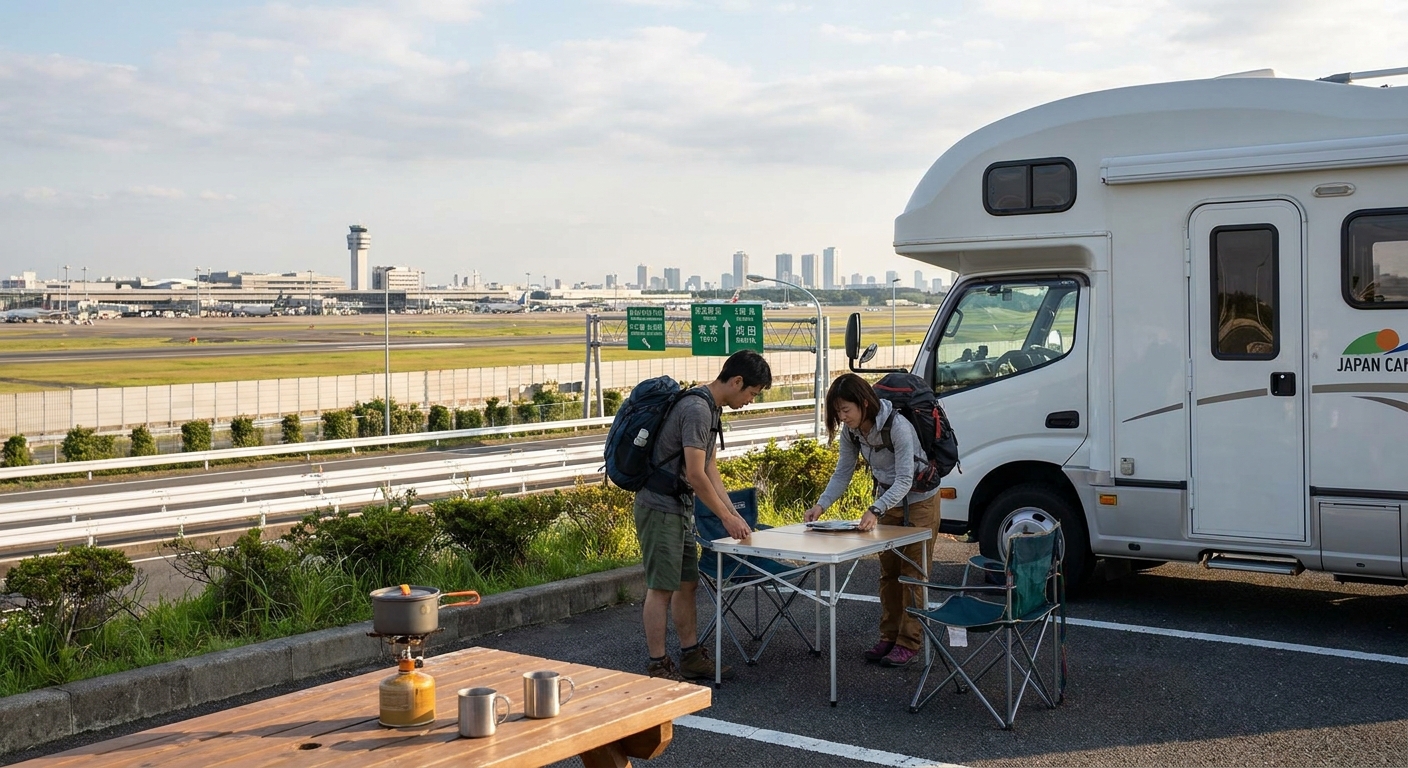
Choosing the right RV family impacts maneuverability in Tokyo, comfort in winter conditions, and suitability for different group sizes. When planning your winter RV adventure from Tokyo - Airport, consider the vehicle's length for navigating Japan's typically narrower roads and finding convenient parking, especially in more urban or less developed snowy areas. Adequate insulation and robust heating capabilities are crucial for a comfortable winter rental, along with sufficient interior space for all your winter gear and personal items.
Bandana offers a diverse fleet of motorhomes and campervans, each designed to cater to different travel styles and group sizes. We work with leading suppliers like Apollo, El Monte, Cruise America, and Britz to provide a wide selection of top-quality rental options. Understanding the nuances of each class will help you select the ideal mobile home for your winter journey through Japan. You can also dive deeper into specific vehicle types with guides like "Luxury RV Rental in Tokyo - Airport - Premium Prices 2026" for more detailed comparisons.
Class A (Integrated) - Best For
Class A RVs offer the most spacious and luxurious experience, ideal for families or groups desiring maximum comfort during a winter RV rental in Tokyo - Airport. Bandana's fleet typically features Class A integrated motorhomes with an average length of 7.5 meters, sleeping 4 to 6 people, and providing ample load capacity for extended trips. While offering generous living space and amenities for cold weather, their larger size (average length 7.5m) can present challenges for navigating Tokyo's narrower streets and finding parking, especially during winter travel to less developed areas or popular ski resorts. Fuel consumption for these larger vehicles typically ranges from 8-12 Liters/100 km, which is a consideration given Japan's fuel prices. Class A motorhomes are best suited for travelers prioritizing onboard comfort, extended stays, and those planning routes primarily on major highways outside of dense urban centers.
Price Comparison by RV Class in Tokyo - Airport
Understanding the cost of a winter RV rental from Tokyo - Airport involves more than just the daily rate; it fluctuates based on duration, RV class, booking season, and optional add-ons. Pricing for our rental vehicles is dynamic, much like flight tickets, changing daily based on availability, seasonality, and supplier marketing decisions. The final price is always set at the actual booking time, ensuring full transparency with no hidden fees or surprises.
To help you budget, the table below provides real example prices from Bandana's live search for specific dates, allowing you to compare costs across different RV classes and rental durations. Keep in mind that these are estimates for specific scenarios and are subject to change based on demand; always check live prices on our platform for the most accurate and current rates. For a detailed look at various budget options, explore guides like "Family RV Rental in Tokyo - Airport - Pricing Guide 2026" or "RV Rental in Tokyo - Airport for Couples - Pricing 2026".
Sample Winter RV Rental Prices from Tokyo - Airport
These estimated daily rates provide a snapshot of what you might expect for a winter RV rental in Tokyo - Airport during various booking windows for a week-long trip. Actual prices vary greatly.
| RV Class | Capacity (Sleepers) | 1 Week (Booked 6+ Months Ahead) | 1 Week (Booked 1 Month Ahead) | 1 Week (Last-Minute) |
|---|---|---|---|---|
| Class B (Campervan) | 2-3 | $120 - $180 / day | $150 - $220 / day | $180 - $280 / day |
| Class SI (Semi-Integrated) | 3-4 | $150 - $250 / day | $180 - $300 / day | $220 - $350 / day |
| Class C (Alcove) | 4-6 | $180 - $300 / day | $220 - $380 / day | $280 - $450 / day |
| Class A (Integrated) | 4-6+ | $250 - $400 / day | $300 - $500 / day | $380 - $600 / day |
Please note: These prices are estimates for winter season rentals from Tokyo - Airport and are subject to change based on real-time availability, specific rental dates, and supplier promotions. For the most accurate pricing, it's best to use Bandana's comparison platform. Flexible travelers can often find better "RV Rental Deals in Tokyo - Airport - Latest Offers 2026" by adjusting dates or pickup locations slightly.
Class SI (Semi-Integrated) - Best For
Class SI (Semi-integrated) motorhomes strike an excellent balance between comfort and maneuverability, making them a versatile choice for winter RV rentals from Tokyo - Airport. Bandana's fleet typically shows these RVs with an average length of 6.9 meters, accommodating 3-4 sleepers and 3 adults comfortably, with an average load capacity of 72.2 kg. They offer more living space and amenities than campervans, crucial for winter comfort, but are generally easier to handle on Japanese roads and in smaller parking areas than Class A or C RVs. Fuel efficiency is typically 10-11 Liters/100 km, positioning them as a cost-effective option for longer journeys. These models are ideal for couples or small families seeking a comfortable base for exploring both urban peripheries and winter destinations, without the bulk of a full-size motorhome.
Many Class SI models, such as the "Luxury Small" model, feature modern amenities including heating, a compact kitchen with refrigerator and gas stove, and an enclosed chemical toilet, perfect for a cozy winter retreat. Its 100 Liter fresh water tank and 100 Liter waste water tank provide good self-sufficiency for a few days between refills, making it an excellent option for exploring snowy landscapes or quaint towns around Tokyo - Airport.
Class C (Alcove) - Best For
Class C (Alcove) motorhomes are highly suitable for families or larger groups seeking dedicated sleeping spaces for a winter RV rental out of Tokyo - Airport. Bandana's fleet typically features Class C RVs with an average length of 7.5 meters, designed to sleep 5-7 people (with 4-5 adults) thanks to the characteristic alcove over the cab, offering an average load capacity of 42.4 kg. Their emphasis on sleeping capacity and a robust, familiar driving experience makes them a popular choice for extended trips, even with their larger size comparable to Class A motorhomes. Fuel consumption typically ranges from 10-12 Liters/100 km, which is reasonable for their capacity, but overall running costs should be factored in. These vehicles are best for those who prioritize maximizing sleeping arrangements and on-board facilities, willing to navigate slightly larger dimensions in exchange for family-friendly comfort in winter conditions.
Models like the "24 Class C Motorhome" offer spacious interiors with a double bed above the driver's cabin, a rear double bed, and a dinette that converts into another sleeping area, comfortably accommodating 5 people. With amenities such as a 166 Liter fresh water tank, 147 Liter waste water tank, a 283 Liter refrigerator, and a 3-burner gas stove, it's well-equipped for winter cooking and extended stays. You can find many options similar to this model for your family trip by exploring "Family RV Rental in Tokyo - Airport - Pricing Guide 2026".
Class B (Campervan) - Best For
Class B (Campervan) models are the most agile option, perfect for solo travelers or couples prioritizing maneuverability and fuel efficiency for a winter RV rental around Tokyo - Airport. Bandana's fleet typically shows campervans with an average length of 5.8 meters, sleeping 2-3 people (2 adults), and offering an average load capacity of 37 kg. Their compact size makes them ideal for navigating Tokyo's dense urban environments, fitting into standard parking spaces, and accessing smaller roads leading to winter attractions like ski resorts or onsen towns. Fuel consumption is notably efficient, often 8-10 Liters/100 km, helping reduce overall travel costs in Japan where fuel can be pricier. While offering less interior space and amenities compared to larger RVs, their discretion and ease of driving make them ideal for minimalist travelers, spontaneous trips, and those wanting to blend seamlessly with local traffic. Our "RV Rental in Tokyo - Airport for Couples - Pricing 2026" guide features many excellent campervan options.
A good example is the "V2L" campervan, which measures 5.99 meters in length, sleeps 2, and has a 100 Liter fresh water tank. With a 2-burner gas stove and 80 Liter refrigerator, it’s perfect for preparing warm meals on the go. For ideas on what to cook in your compact RV kitchen, check out our RV-friendly recipes playlist.
Side-by-Side Comparison Table
A direct comparison of RV classes helps highlight the primary differences in size, capacity, and intended use, crucial for choosing the right winter RV rental from Tokyo - Airport. This table summarizes key specifications and ideal scenarios for each motorhome and campervan type, aiding in your decision-making process. Consider how each factor, from length to fuel efficiency, aligns with your specific travel plans and comfort needs for a winter journey in Japan.
| RV Class | Average Length | Sleeping Capacity | Fuel Economy (L/100km) | Best For |
|---|---|---|---|---|
| Class A (Integrated) | 7.5 meters | 4-6 people | 8-12 | Luxury, large groups, long stays on major roads. |
| Class SI (Semi-Integrated) | 6.9 meters | 3-4 people | 10-11 | Couples/small families, balance of comfort & maneuverability. |
| Class C (Alcove) | 7.5 meters | 5-7 people | 10-12 | Families, groups needing dedicated beds, familiar driving. |
| Class B (Campervan) | 5.8 meters | 2-3 people | 8-10 | Solo/couples, urban navigation, maximum agility. |
Our Recommendation for Winter RV Rental Travelers in Tokyo - Airport
For most winter RV rental travelers departing from Tokyo - Airport, a Class SI (Semi-integrated) RV is our primary recommendation due to its optimal balance of comfort, amenities, and maneuverability on Japanese roads. Its average length of 6.9 meters is manageable for navigating both highways and smaller access roads to winter resorts, while still providing sufficient insulated living space for cold weather and onboard facilities like a kitchen and bathroom. This ensures a cozy and convenient base whether you're heading to the snowy peaks of Nagano or the tranquil onsen towns. The "2 Berth Tamar" is a great example of a Class SI with automatic transmission, front and roof air conditioning, a shower, and toilet, making it "Winter Ready".
The runner-up recommendation is a Class B (Campervan) for those prioritizing extreme maneuverability and fuel economy, especially if planning extensive urban exploration or traveling as a couple. Class B campervans, with an average length of 5.8 meters, are excellent for fitting into regular parking spots and offer efficient heating, though with less interior space than Class SI for extended winter stays. Many campervans like the "2 Berth Hi Top" come "Winter Ready" with automatic transmission, front air conditioning, and even a TV, making them a great option for a nimble winter adventure from Tokyo - Airport.
How much does it cost to rent an RV in Japan
Renting an RV in Japan, especially from Tokyo - Airport for a winter trip, involves not only the base rental fee but also significant additional costs like fuel, tolls, campsite fees, and insurance. Fuel costs can be notably higher than in many Western countries; Bandana's fleet typically consumes 8-17 Liters/100 km depending on the RV class, impacting overall trip expenses. For easy budgeting, consider that on RV PLANET routes, travelers can itemize and track every expense along the way. On the routes offered through RV PLANET routes, you can itemize and track every expense along the way for easy budgeting.
Tolls are prevalent on Japan's extensive expressway network, with the Electronic Toll Collection (ETC) system being highly recommended for convenience and potential discounts. Expect to budget for insurance specifics tailored for foreign renters, as well as potential winterization fees or specialized equipment for snow conditions. Daily campsite fees, if not utilizing free parking options like Michi-no-Eki, typically range from $20-$50 per night. A week-long winter RV trip from Tokyo - Airport could cost anywhere from $1200-$3000+ depending on your chosen RV class, mileage, and activities. Checking "RV Rental Deals in Tokyo - Airport - Latest Offers 2026" can also help you find value.
Is RV travel good in Japan
RV travel in Japan is a unique and rewarding experience, offering unparalleled freedom to explore the country's diverse landscapes, from snowy mountains to coastal towns, particularly for those seeking authentic cultural immersion. The extensive network of over 1,200 'Michi-no-Eki' (Roadside Stations) provides excellent support for RVers, offering clean facilities and often local produce, making overnight stays convenient and culturally engaging. These stations are a cornerstone of RV-friendly infrastructure, perfect for resting or finding local delicacies. Embracing local customs, such as utilizing public baths (onsen) and respectfully interacting with communities, significantly enhances the RV journey and allows for deep cultural integration and authentic local food experiences. Despite potential challenges with narrow roads and specific driving rules, the unique blend of natural beauty and cultural richness makes Japan an excellent destination for RV adventurers, especially for those looking to experience winter wonders.
Is Japan RV friendly
Japan is increasingly RV-friendly, particularly for self-contained motorhomes and campervans available for rent from Tokyo - Airport, supported by excellent infrastructure and a growing appreciation for RV tourism. The country boasts an extensive network of well-maintained expressways, though tolls are common, and the 'Michi-no-Eki' roadside stations are a cornerstone of RV-friendly infrastructure, providing rest stops, facilities, and sometimes even overnight parking. While urban areas like Tokyo can present challenges for larger RVs due to narrow streets and parking limitations, smaller Class B campervans and Class SI semi-integrated RVs offer good maneuverability. Foreign drivers should be aware of specific driving laws, parking regulations, and the ETC system for tolls, and embrace cultural etiquette to ensure a smooth and respectful travel experience. For broader context on RV travel in the country, refer to our "RV Rental Japan - Complete Guide 2026".
Do I need an international driving permit for an RV in Japan
Yes, an International Driving Permit (IDP) is legally required for foreign drivers to rent and operate an RV or any vehicle in Japan, even if you hold a valid driver's license from your home country. The IDP must be issued in your home country prior to your arrival in Japan, based on the 1949 Geneva Convention, and it must be presented alongside your original, valid national driving license. Some nationalities (e.g., Switzerland, Germany, France, Belgium, Taiwan) may have specific agreements for Japanese translations of their national licenses instead of an IDP; always check official sources for your country's precise requirements. Without the correct documentation, rental companies will refuse service, and driving without it can lead to severe legal penalties.
Can tourists rent a motorhome in Japan
Yes, tourists can rent a motorhome in Japan, including from major hubs like Tokyo - Airport, provided they meet specific requirements primarily related to driving documentation and age. Key requirements include possessing a valid International Driving Permit (IDP) or a recognized foreign license with an official Japanese translation, a valid passport, and being over the minimum rental age, which is typically 21 years old. It is advisable to book well in advance, especially for the winter high season to secure preferred models and rates, and to familiarize oneself with the rental terms, insurance options, and practical logistics for foreign drivers departing from Narita (NRT) or Haneda (HND) airports. Ensuring compliance with Japanese driving laws and understanding vehicle specifics for Japanese RVs will facilitate a smooth rental and travel experience.
What are the road rules in Japan for RVs
Road rules in Japan for RVs are generally the same as for passenger cars but require extra attention due to vehicle size, including specific parking regulations and navigation nuances. Driving is on the left side of the road, and priority is given to traffic on major roads; specific speed limits are strictly enforced, typically 100 km/h on expressways and lower in urban and rural areas. The Electronic Toll Collection (ETC) system is critical for seamless travel on expressways; foreign drivers should ensure their rental RV is equipped with an ETC card, as paying cash can be slower and potentially more expensive. Awareness of narrower roads, especially in older towns and rural areas, and careful planning for RV-friendly parking are essential, as parking spaces for larger vehicles can be limited in dense areas. Drive slowly and carefully, and you can drive almost anywhere without issues. No need to stress - just use common sense and pay attention. Understanding Japanese road signs, many of which use kanji, and being mindful of local driving etiquette contributes to a safer and more enjoyable journey. For more detailed information, check out "Driving an RV in Tokyo - Airport - Complete Guide 2026".
Can you drive a campervan in Tokyo
Yes, you can drive a campervan in Tokyo, particularly smaller Class B campervans or compact Class SI semi-integrated RVs which offer better maneuverability for city driving and parking. While navigating Tokyo's dense urban environment, it is crucial to be aware of narrow streets, heavy traffic, and limited parking spaces, making smaller RVs a distinct advantage. Finding RV-friendly parking in or around Tokyo requires planning, with many opting for larger paid parking lots near train stations or peripheral areas like those around Tokyo Disney Resort in Chiba, then using public transport to explore the city center. Initial departure from Narita (NRT) or Haneda (HND) airports with an RV requires immediate navigational planning, often involving expressways to bypass the most congested city areas before heading to your destination or a welcoming Michi-no-Eki outside the city. It is recommended to travel slowly, aiming for a maximum of 100-150 km per day on average, to fully feel the place and connect to the local culture.
What is the average gas mileage for an RV
The average gas mileage for an RV in Japan varies significantly by class, with smaller campervans generally offering better fuel economy compared to larger integrated or alcove motorhomes. Bandana's fleet typically shows Class B Campervans consuming 8-10 Liters/100 km, Class SI Semi-integrated RVs at 10-11 Liters/100 km, and Class C Alcove and Class A Integrated motorhomes ranging from 8-12 Liters/100 km. Fuel costs in Japan can be higher than in many other countries, making fuel efficiency a significant factor in the overall budget for your winter RV rental from Tokyo - Airport. Planning your route to include efficient stops for fuel and using an ETC card for tolls can help manage these ancillary costs.
Where can I park an RV overnight in Japan
The most common and recommended places to park an RV overnight in Japan are 'Michi-no-Eki' (Roadside Stations), which are designated rest areas providing facilities and often allowing overnight stays. Michi-no-Eki offer safe and well-maintained parking, clean restrooms, local shops selling regional specialties, and often restaurants, making them ideal for RV travelers seeking comfort and convenience. Some Michi-no-Eki even boast onsen (hot springs) for a relaxing soak after a day of winter exploration. Other options include dedicated RV parks (campgrounds) which provide amenities like electrical hookups and waste disposal, though these typically require a fee. While sleeping in your car in designated parking lots is generally tolerated if not explicitly forbidden, 'wild camping' or parking overnight in residential areas or public spaces not marked for RVs is often discouraged or illegal due to local customs and regulations, emphasizing respectful interaction with local communities. For finding campsites and campgrounds during your trip, we recommend using RV PLANET (rvplan.net) - a great resource for locating available spots along your route.
Can you sleep in your car in Japan
While it is generally permissible to sleep in your car or rented RV in designated rest areas like 'Michi-no-Eki' (Roadside Stations) in Japan, explicit 'wild camping' in random public places is often frowned upon or prohibited. Michi-no-Eki are specifically designed to accommodate travelers seeking rest, offering a safe and legitimate option for overnight stays with access to restrooms and other facilities. Sleeping in a vehicle outside of these designated areas, particularly in residential neighborhoods or private parking lots without permission, can lead to issues with local authorities or residents. Always prioritize respectful behavior and choose designated RV-friendly locations to ensure a hassle-free and culturally appropriate experience while RVing in Japan. Remember that many national and state parks reserve only 25-30% of spots for advance booking, with the rest available on a first-come, first-served basis - so you'll find a spot. If not at the first campground, then the next one; just call ahead before driving.
🎬 Video coming soon
What You Shouldn't Miss
- Skiing and Onsen in Gala Yuzawa or Hakuba Valley: Drive your rented RV from Tokyo - Airport to one of Japan's premier winter sports destinations. Gala Yuzawa is unique for its Shinkansen bullet train station directly connected to the ski resort, making it an easy RV trip for skiing and then relaxing in nearby onsen.
- Mount Fuji Views from Lake Kawaguchiko: Winter offers the clearest views of Mount Fuji. Park your motorhome near Lake Kawaguchiko and capture breathtaking photos of Fuji-san framed by snow and calm waters. Several Michi-no-Eki in the area provide convenient overnight parking.
- Explore Historic Nagano City: After experiencing the snow, drive your campervan to Nagano, home to Zenko-ji Temple and the famous Snow Monkey Park (Jigokudani Monkey Park), where you can observe wild monkeys bathing in hot springs amidst the winter landscape.
- Winter Illumination in Tokyo: While driving a larger RV in central Tokyo requires care, a compact campervan allows you to access peripheral areas to enjoy Tokyo's stunning winter illuminations. Imagine the glittering lights of Shinjuku or Marunouchi, easily accessible before retreating to a quieter parking spot.
- Savor Local Winter Cuisine: With your RV kitchen, you can enjoy local winter delicacies from regional markets at Michi-no-Eki. Don't miss trying Nabe (hot pot) ingredients, seasonal seafood, or local sake, all easily prepared in your rented motorhome.
Looking for expert insights from Avi Bandana? Top 5 Adventures - recommendations from Avi Bandana.
Final Thoughts
A winter RV rental in Tokyo - Airport offers a unique and intimate way to experience Japan's stunning cold-weather landscapes and vibrant culture. Whether you choose the agility of a campervan or the spacious comfort of a Class C motorhome, Bandana RV is committed to providing a seamless and transparent booking experience. Remember to travel slowly, allowing yourself to truly connect with the culture, food, and scenic beauty that Japan has to offer during winter.
From navigating the unique Michi-no-Eki system to exploring snowy onsen towns, your RV adventure from Tokyo - Airport promises memories that will last a lifetime. With our commitment to clear pricing, comprehensive support, and expert planning resources, you're all set for an incredible journey. Don't wait to start planning your dream winter escape.
Find Motorhome Rentals in Tokyo - Airport