In This Guide
- Can You Drive an RV in Tokyo - Airport? License & Age Rules
- Road Conditions & Terrain in Tokyo - Airport
- RV Size Limits, Bridges & Restricted Zones
- Fuel: Diesel vs. Petrol & Cost per 100 km
- Tolls, Vignettes & Border Rules
- Driving Tips for rv rental Travelers
- Recommended RV Class for Tokyo - Airport Roads
- Should I Choose a Compact Van Instead of a Large RV in Tokyo - Airport?
- Can I Park Anywhere? Free & Wild Camping Rules in Tokyo - Airport
- Can I Drive an RV Into the City Center? Heights, Tunnels & Local Signage
- How do I pick up an RV rental near Narita Airport?
- Where can I park an RV overnight near Haneda Airport?
- What are the rules for RV waste disposal in Japan?
- Can I stay overnight at a Michi-no-Eki in Japan with an RV?
- How much does it cost to rent an RV near Tokyo - Airport?
Embarking on a motorhome adventure around Tokyo - Airport offers an unparalleled blend of urban exploration and scenic escapes, allowing you to discover Japan's vibrant culture and breathtaking landscapes at your own pace. With a rented RV, you gain the flexibility to craft your unique itinerary, whether you're planning a week-long trip to explore the coastal areas or a two-week adventure through the countryside. For live availability and current prices, start with our RV Rental Tokyo - Airport - Complete Guide 2026 guide. Bandana RV, founded in 2001, has been helping tens of thousands of travelers explore the world by RV for over 23 years, ensuring you receive honest, transparent service with no hidden fees or surprises.
Can You Drive an RV in Tokyo - Airport? License & Age Rules
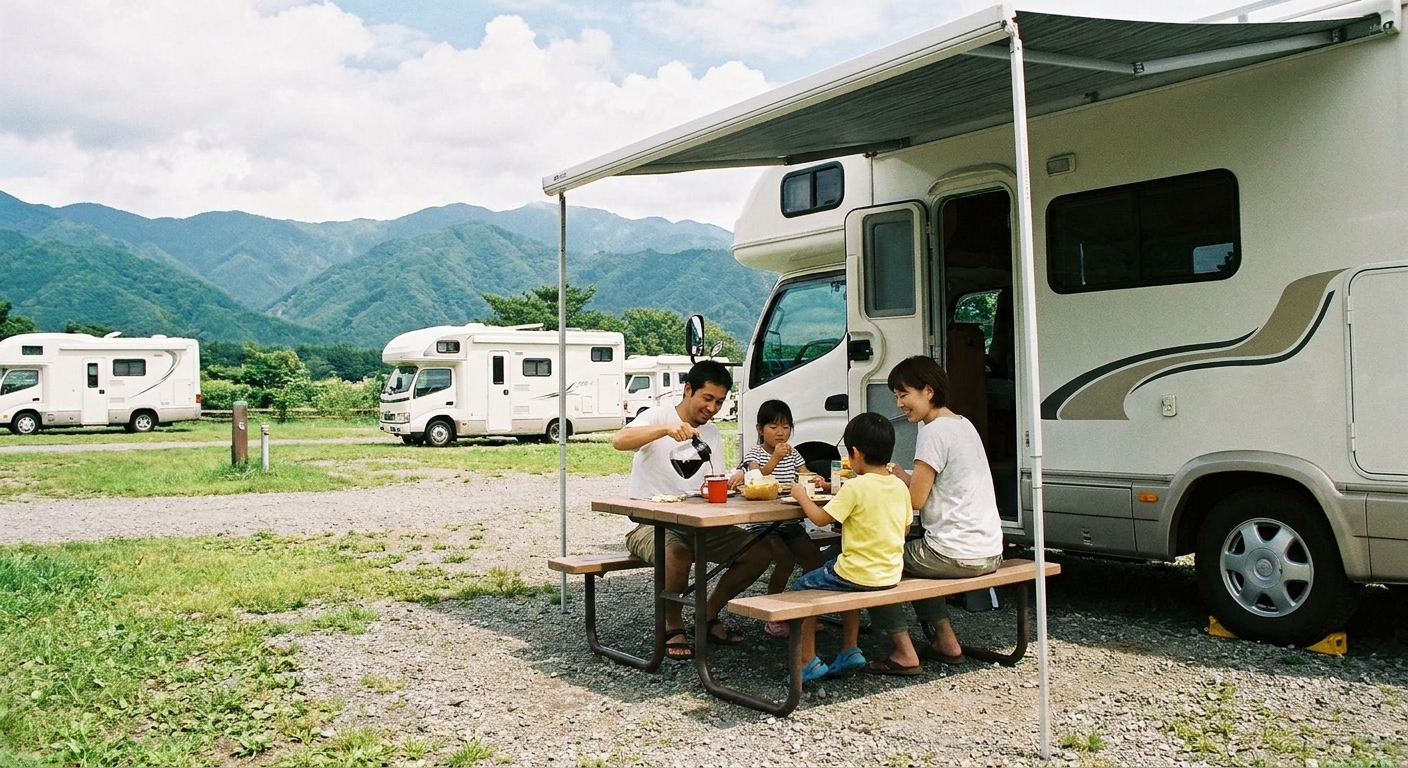
Foreigners can drive motorhomes in Japan using an International Driving Permit (IDP) issued under the 1949 Geneva Convention, which must always be presented alongside their domestic driver's license. The minimum driver age for most RV rentals in Tokyo - Airport is 21 years old, with some suppliers requiring drivers to be 25 or older for certain larger Class A motorhomes, though Bandana features no vehicle class restrictions based on age. Most standard Class B campervans and Class C motorhomes in Japan fall under the 'ordinary passenger vehicle' category, typically requiring a standard car license (e.g., Japanese 'Futsu Menkyo' or equivalent foreign license with IDP for vehicles under 3,500 kg).
Navigating the roads around Tokyo - Airport and beyond with a rented motorhome is straightforward, provided you understand the local driving conventions. An International Driving Permit is highly recommended for visitors from non-English speaking countries, ensuring smooth interactions with authorities and rental agencies, although it is not mandatory in all cases. Remember, driving an RV in Tokyo - Airport means driving slowly and carefully, which allows you to navigate almost anywhere without issues, using common sense and paying attention.
Road Conditions & Terrain in Tokyo - Airport
Tokyo and its surrounding airport vicinity feature excellent, well-maintained roads, though urban areas can experience congestion and present narrower streets compared to many Western countries, especially within older districts. Drivers should be prepared for left-hand traffic in Japan, a critical difference from right-hand driving countries; while major highways from Narita and Haneda airports are generally broad, scenic routes and rural roads can be winding and occasionally narrow, encouraging a slower, more deliberate driving pace of maximum 100-150 km per day on average. Despite Japan's mountainous terrain, main roads and expressways are generally suitable for motorhomes, but drivers should exercise caution on steep gradients and tight turns, particularly with larger Class C models like the 'Benimar Sport 323' which offers bunk beds and is ideal for families.
The road infrastructure in Japan is impressive, designed for efficiency and safety. When planning your route from Tokyo - Airport, consider integrating some of the more picturesque coastal roads or mountain passes found outside the immediate city, as these often provide some of the most rewarding views and camping experiences. Our Rent&Plan service can provide pre-planned routes by professionals, helping you navigate the best roads and terrains across Japan effortlessly, and by using rvplan.net for your planning, you are eligible for a 25% planning discount.
RV Size Limits, Bridges & Restricted Zones
While specific height restrictions vary, rented RVs typically navigate Japanese roads well, though drivers must always heed signage for low bridges, tunnels, and parking garages, particularly in urban centers like central Tokyo. Most standard motorhomes, such as Bandana's Class B Camper Vans at an average length of 5.8m, rarely encounter issues with general length or weight limits on major roads in the Tokyo - Airport area or wider Japan. Environmental zones are not widely enforced for RVs in Japan as they are in some European cities; however, drivers should be aware of specific local regulations that might restrict access to certain historical or pedestrian-heavy areas, such as temple grounds or narrow alleyways in traditional towns.
Planning your route effectively using a reliable GPS system that includes vehicle dimensions is always a smart move to avoid unexpected detours. For instance, a campervan hire new zealand example Aquila might be a good comparison for size if you're looking for something that offers good maneuverability. When exploring Japan with your rented RV, remember to always be aware of your vehicle's height and width, especially when entering tunnels or older urban areas. Our dedicated RV specialists understand these details and are here to provide support before and after your booking, ensuring full transparency with no hidden fees or surprises.
Fuel: Diesel vs. Petrol & Cost per 100 km
Most rented RVs in Japan, including many models in Bandana's global fleet, primarily run on petrol (gasoline), though some diesel vehicles are also available; always confirm your specific RV's fuel type at pickup to avoid costly mistakes. Bandana's Class B Camper Vans typically consume 8-10 Liters/100 km, while larger Class C Alcove models like the '29' Class C Motorhome' average 10-12 Liters/100 km, and Class SI Semi-integrated units consume around 10-11 Liters/100 km. Fuel prices in Japan are comparable to other developed nations, and while exact costs fluctuate, budgeting for approximately ¥160-¥180 per liter (as of 2026) for petrol is a reasonable estimate, equating to roughly ¥1,280 - ¥2,160 per 100 km depending on vehicle consumption and current prices. When planning your entire budget for your RV adventure, remember that RV PLANET routes allow you to itemize and track every expense along the way for easy budgeting. On the routes offered through RV PLANET routes, you can itemize and track every expense along the way for easy budgeting.
Japan has a widespread network of petrol stations, many of which are self-service, so familiarizing yourself with the pump symbols for petrol (レギュラー, ハイオク) and diesel (軽油) is beneficial. The cost of fuel can be a significant part of your overall trip expenses, so planning efficient routes and keeping an eye on fuel efficiency for your chosen motorhome, like a 'luxury rv rentals example Carthago Malibu 600' with its 120 Liter fuel tank, can help manage your budget effectively. For more details on budgeting, check out our Cheap RV Rental in Tokyo - Airport - Budget Guide 2026 or Family RV Rental in Tokyo - Airport - Pricing Guide 2026.
Tolls, Vignettes & Border Rules
Japan's expressways are almost exclusively toll roads, and while specific regional data was not provided, the Electronic Toll Collection (ETC) system is highly recommended for RV travel to avoid frequent cash payments and streamline journeys around Tokyo - Airport and across the country. Drivers should consider obtaining an ETC card, often available for rent with your RV, to navigate the toll system efficiently from the airports to various destinations, as it offers discounts and smoother passage. Estimated toll costs for routes from Tokyo - Airport can vary significantly based on distance and route, but an ETC card helps manage these expenses, with some RV rental services offering pre-purchased passes or easy card rental to prevent fines and simplify travel.
For example, a trip from Narita Airport into central Tokyo could incur several thousand yen in tolls. These tolls contribute to Japan's impeccably maintained road network, ensuring a smooth ride for your rented motorhome. Japan does not use vignettes; tolls are paid per-use, either via ETC or manually at toll booths. There are no international land borders from Japan, so you won't encounter border rules similar to those in Europe when planning your route. We handle the details of your rental, including clarifying these aspects, so you can focus on living the journey.
Driving Tips for rv rental Travelers
Driving a rented RV in Tokyo - Airport and throughout Japan is a rewarding experience, especially with a few key tips in mind. Firstly, always remember to drive on the left side of the road and navigate roundabouts clockwise, which is critical for safety and adherence to Japanese road rules. Secondly, be mindful of narrower streets, especially in rural areas or older towns; practice polite driving, allow others to pass, and use designated passing lanes when available. Thirdly, utilize an ETC card for Japan's extensive toll road network to save time and money, as cash payments can be inconvenient and slower, especially on longer routes from Tokyo - Airport to destinations further afield.
Planning your stops around Michi-no-Eki (Roadside Stations) for comfortable rest areas, local produce, and often overnight parking is a smart strategy, serving as excellent waypoints for family travel with your campervan. Always park in designated spaces; large RV parking can be scarce in city centers like Ginza or Shibuya, so research options in advance or use public transport from RV-friendly parking outside the core. For example, a reliable RV-specific GPS will prove invaluable for navigating the complex road networks around Tokyo - Airport. Remember, travel slowly, max 100-150 km per day on average, and take time to feel the place, connect to the culture, the food, and the scenery.
🎬 Video coming soon
Recommended RV Class for Tokyo - Airport Roads
For navigating Tokyo's environs and Japan's generally well-maintained but occasionally narrower roads, the Class B - Camper Van is highly recommended due to its average length of 5.8m, offering excellent maneuverability. These smaller, agile models, such as an 'Active Pop Top', make it significantly easier to park and navigate crowded city streets or tight mountain passes without stress. The Class SI - Semi-integrated motorhome, with an average length of 6.9m, provides a good balance of interior space and drivability, making it suitable for families or those desiring more comfort while still managing Japanese roads effectively.
While larger Class C motorhomes are available and certainly drivable, their increased length and width can present challenges in Japan's more compact urban areas. Consider the '2 Berth Hi Top' for couples seeking a compact yet comfortable ride, or a 'Combi Van' for families needing a bit more space. Ultimately, the best RV for your trip in Tokyo - Airport depends on your comfort preferences and how much urban driving you anticipate, but generally, smaller is often easier for a smooth Japanese adventure. Bandana's RV specialists can guide you through the options, ensuring full transparency in vehicle features and pricing, so you have no surprises.
Should I Choose a Compact Van Instead of a Large RV in Tokyo - Airport?
While generally all RV sizes can be driven in Tokyo - Airport and around its surroundings, opting for a compact van (Class B Camper Van) often provides a significant advantage in maneuverability, especially in tight urban areas, narrow mountain passes, and crowded parking lots. For travelers prioritizing ease of driving, finding parking in cities, and navigating smaller roads without stress, a compact van is an excellent choice, though it means sacrificing some indoor living space and amenities. Consider models like the "Juliette 2-3" or "Happy 1" which are well-suited for solo travelers or couples.
Conversely, if comfort, a spacious living area, and amenities like a larger kitchen or bathroom are higher priorities for your week-long trip, a larger motorhome (Class SI or C) is preferable; the trade-off is often minor maneuverability challenges that are manageable with careful driving on Japan's well-maintained road network. For example, a 'Glamys 40' might offer more space for families but requires more attention in confined areas. Remember, drive slowly and carefully, and you can drive almost anywhere without issues. No need to stress - just use common sense and pay attention. We compare final prices across 50+ suppliers, including those offering compact campervans and spacious motorhomes, so you don't have to.
Can I Park Anywhere? Free & Wild Camping Rules in Tokyo - Airport
Free and wild camping (parking overnight outside designated areas) is generally prohibited across Japan, including near Tokyo - Airport, emphasizing the critical need to use official facilities for overnight stays. RV travelers in Japan should plan to utilize dedicated campgrounds, RV parks, or the popular Michi-no-Eki (Roadside Stations) for overnight parking, which offer essential amenities and safe spots. Rules vary by region, so always check local regulations and follow local law before parking overnight, ensuring you respect private property and environmental guidelines to avoid fines.
Michi-no-Eki are a fantastic feature of Japanese RV travel, offering a convenient and culturally rich experience for travelers seeking rest, food, and local insights. Many national and state parks only reserve 25-30% of spots, with the rest being first-come-first-serve, meaning you'll often find a spot, even if it's not at the very first campground. Just call ahead before driving to confirm availability. For finding campsites and campgrounds during your trip, we recommend using RV PLANET (rvplan.net) - a great resource for locating available spots along your route.
Can I Drive an RV Into the City Center? Heights, Tunnels & Local Signage
Yes, you can generally drive a rented RV into Tokyo city centers; however, drivers must pay close attention to local signage regarding height limits, narrow roads, and restricted zones. Urban areas in Tokyo, like many major cities, can have numerous low tunnels, overpasses, and multi-story parking garages with strict height restrictions, making it crucial to know your RV's exact dimensions. For instance, a typical Class C motorhome like the 'cruise america rv rental example Explorer' could have a height of around 3.2 meters, which might be too tall for some urban parking structures.
Always be vigilant for residents-only streets, no-entry signs, and temporary environmental zones that might restrict vehicle access; planning routes with an RV-specific GPS can help avoid potential issues. Parking a larger RV directly in the busiest parts of Shibuya or Shinjuku might be challenging and expensive, so consider parking on the outskirts and using Japan's excellent public transportation. With careful planning, your rented motorhome can serve as a perfect base for exploring both the bustling city and serene countryside surrounding Tokyo - Airport.
How do I pick up an RV rental near Narita Airport?
RV rental depots near Narita Airport (NRT) are typically off-site, requiring a transfer service provided by the rental company; confirm pick-up logistics directly with your provider upon booking. Upon arrival at Narita Airport, follow specific instructions from your rental company for shuttle pick-up points, which will transport you to their depot for vehicle collection and orientation. Ensure you have all necessary documentation ready, including your International Driving Permit, passport, and booking confirmation, to expedite the pick-up process and receive comprehensive vehicle instruction on your rented camper or motorhome.
Many suppliers offer detailed guidance on this process, and our 24/7 support team is available to assist with any pre-booking questions about transfers. Since Narita Airport is located over 60 kilometers from central Tokyo, understanding these pickup logistics is key to a smooth start. Companies often operate within a specific timeframe, so coordinating your flight arrival with depot hours is advisable. For more information on rental details, you might find our One-Way RV Rental in Tokyo - Airport - Price Guide 2026 helpful if you plan to drop off your RV in a different city.
Where can I park an RV overnight near Haneda Airport?
Overnight RV parking near Haneda Airport (HND) is primarily restricted to official campgrounds, RV parks, or designated Michi-no-Eki (Roadside Stations) located a reasonable driving distance from the airport. While direct airport parking lots are generally unsuitable for overnight RV stays due to size restrictions and high costs, nearby Michi-no-Eki like 'Michi-no-Eki Kisarazu Umikaoru' (across Tokyo Bay, approximately 30-40 minutes drive) offer safe overnight options for a convenient first night. Researching specific RV-friendly parking facilities or a close-by campground well in advance of your arrival at Haneda will ensure a seamless and compliant first night after picking up your rented RV.
Several campgrounds such as Wakasu Kaihin Park Campground are within a manageable distance and offer hookups and facilities. Planning ahead for your first night is essential, as spontaneous roadside camping is not permitted. You'll find a spot; if not at the first campground, then the next one. Just remember to call ahead before driving to confirm availability. Explore top destinations and planning tips by checking out RV Travel Guide to Tokyo - Airport - Tips and Top Spots 2026.
What are the rules for RV waste disposal in Japan?
RV waste disposal in Japan must adhere to strict environmental regulations, primarily requiring the use of designated dump stations found at official campgrounds and some larger Michi-no-Eki. It is illegal and environmentally damaging to dispose of greywater or blackwater anywhere other than these designated facilities; carrying sufficient fresh water and having clear discharge plans is essential for responsible RV travel in Japan. Near Tokyo - Airport and on initial routes, plan your first few stops to include campgrounds or RV parks equipped with dump stations to properly manage waste before heading into more remote areas.
Many Michi-no-Eki provide dedicated facilities for RV waste, which are usually clearly marked and easy to access. Always ask your rental supplier about local waste disposal guidelines when you pick up your motorhome, such as a 'Category Family 5' which has a 100 Liter fresh water tank and 100 Liter waste water tank. Proper waste management is a sign of a seasoned RV traveler and ensures the beautiful Japanese landscapes remain pristine for everyone. If you're cooking delicious meals in your RV, make sure to properly dispose of food waste. For inspiration, check out our RV-friendly recipes playlist.
Can I stay overnight at a Michi-no-Eki in Japan with an RV?
Yes, you can generally stay overnight at a Michi-no-Eki (Roadside Station) in Japan with a rented RV, as they are specifically designed to accommodate travelers seeking rest, often acting as informal overnight parking spots. Michi-no-Eki provide a unique cultural nuance to RV travel, offering clean restrooms, local product shops, and restaurants, making them a popular and convenient alternative to traditional campgrounds for short stays. While Michi-no-Eki welcome overnight parking for rest, they are not campgrounds; extended stays, setting up outdoor furniture, or overly expansive camping activities are generally discouraged out of respect for other users and the facility's primary purpose.
With over 1,000 Michi-no-Eki spread across Japan, they offer a reliable network for motorhome travelers to pause and refresh. Many are conveniently located near highway exits, making them ideal for an initial stop after picking up your RV from Tokyo - Airport. Remember to be considerate of others, keep your area tidy, and support local businesses at these stations. This approach allows you to seamlessly integrate into Japanese travel culture while enjoying the freedom of your rented campervan.
How much does it cost to rent an RV near Tokyo - Airport?
The cost to rent an RV near Tokyo - Airport varies significantly based on RV class, rental duration, season, and specific amenities, typically ranging from ¥15,000 to ¥40,000 per day. Compact camper vans (Class B) are generally more affordable, while larger, more luxurious Class A motorhomes will command higher prices, especially during peak travel seasons like cherry blossom viewing (April-May) or autumn foliage (October-November). For example, a 'MH19 Small - Economy' model might start at ¥15,000, while a larger 'C-30' could reach ¥40,000 or more per day.
Factors such as insurance, optional extras (e.g., bedding, kitchen kits, ETC cards), and one-way fees can add to the base rental price, so it's advisable to get a detailed quote for a comprehensive cost estimate. Prices are dynamic, similar to flight tickets, changing daily based on availability, seasonality, and supplier marketing decisions. The final price is always set at the actual booking time, ensuring full transparency with Bandana RV. We compare final prices across 50+ suppliers, helping you find the easiest, safest, and most affordable way to rent an RV, and you can always upgrade to a top-level deductible for extra peace of mind.
What You Shouldn't Miss
- **Mount Fuji Scenic Routes:** Take your rented motorhome on a slow journey around the Fuji Five Lakes region, like Lake Kawaguchiko, for iconic views of Mount Fuji. Max 100-150 km per day ensures you savor every moment.
- **Hakone's Natural Beauty:** Explore the volcanic landscapes, hot springs (onsen), and the serene Lake Ashi in Hakone, easily accessible from Tokyo - Airport. Find RV-friendly parking near popular attractions or take a ferry across the lake.
- **Nikko National Park's Temples & Falls:** Drive north to Nikko, a UNESCO World Heritage site, to witness magnificent shrines, temples, and the stunning Kegon Falls. Numerous campgrounds and Michi-no-Eki are available for overnight stays.
- **Coastal Drives to Izu Peninsula:** Head south for picturesque coastal routes and charming seaside towns on the Izu Peninsula. Enjoy fresh seafood and relaxing hot springs.
- **Michi-no-Eki Immersion:** Dedicate time to truly experience the unique Michi-no-Eki roadside stations. Sample local delicacies, buy artisan crafts, and enjoy the community atmosphere that is a core part of RV travel in Japan.
- **Looking for expert insights from Avi Bandana?** Top 5 Adventures - recommendations from Avi Bandana.
Final Thoughts
Driving an RV in Tokyo - Airport and across Japan is an adventure waiting to happen, offering unparalleled freedom and a deep dive into Japanese culture and nature. From the meticulous road networks to the unique Michi-no-Eki rest stops, Japan is surprisingly RV-friendly, especially for those who embrace slow travel and mindful planning. Whether you choose a nimble Class B campervan for urban agility or a spacious Class C motorhome for family comfort, remember to prioritize safety, adhere to local regulations, and enjoy every moment of your journey.
At Bandana RV, we're here to support you in finding the perfect rental motorhome, ensuring full transparency, top-level deductible reimbursement options, and access to professional route plans through our Rent&Plan service. Discovering Japan by RV promises an unforgettable experience, blending serene landscapes with bustling city life. Get inspired for your next trip and embrace the open road with confidence!
Find Motorhome Rentals in Tokyo - Airport