In This Guide
- Best West Canada RV Itinerary for winter rv rental - Overview
- 7-Day Classic Route in West Canada
- 14-Day Extended Journey in West Canada
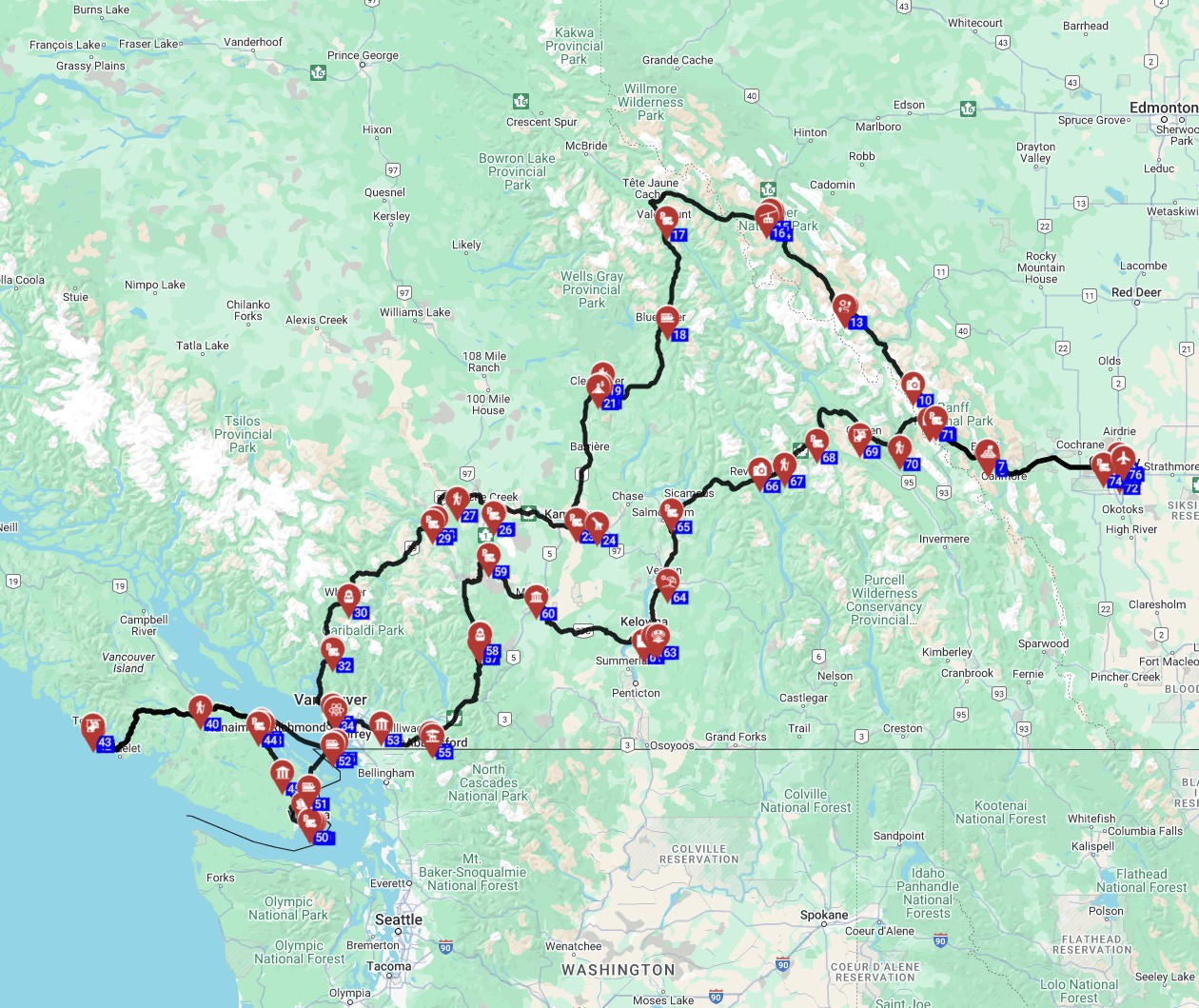
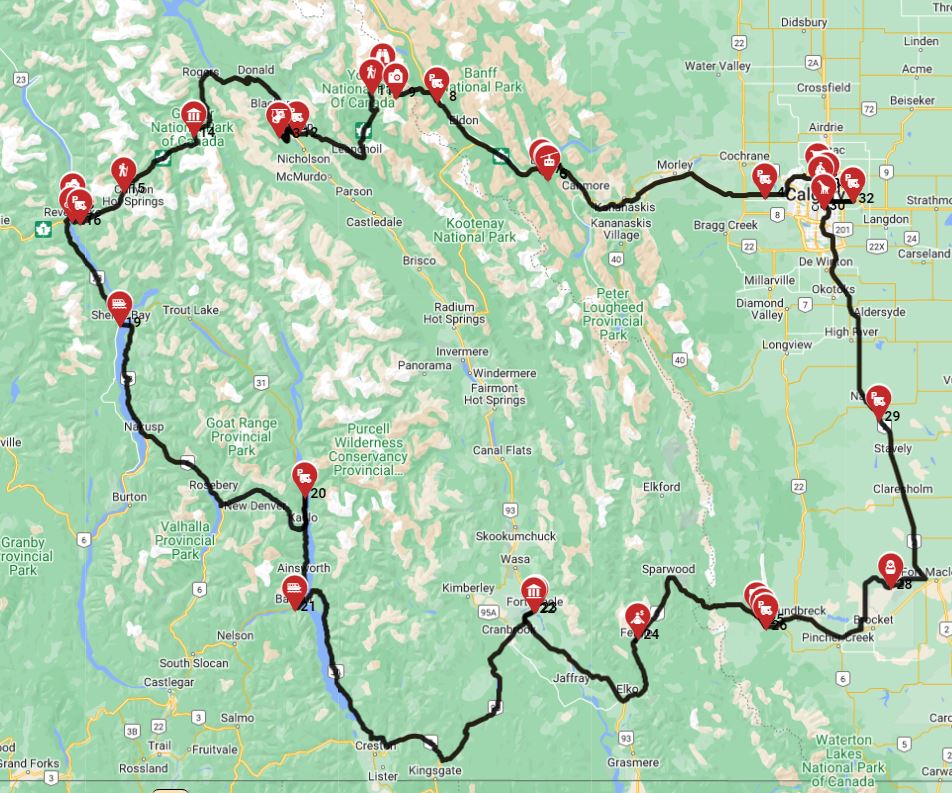
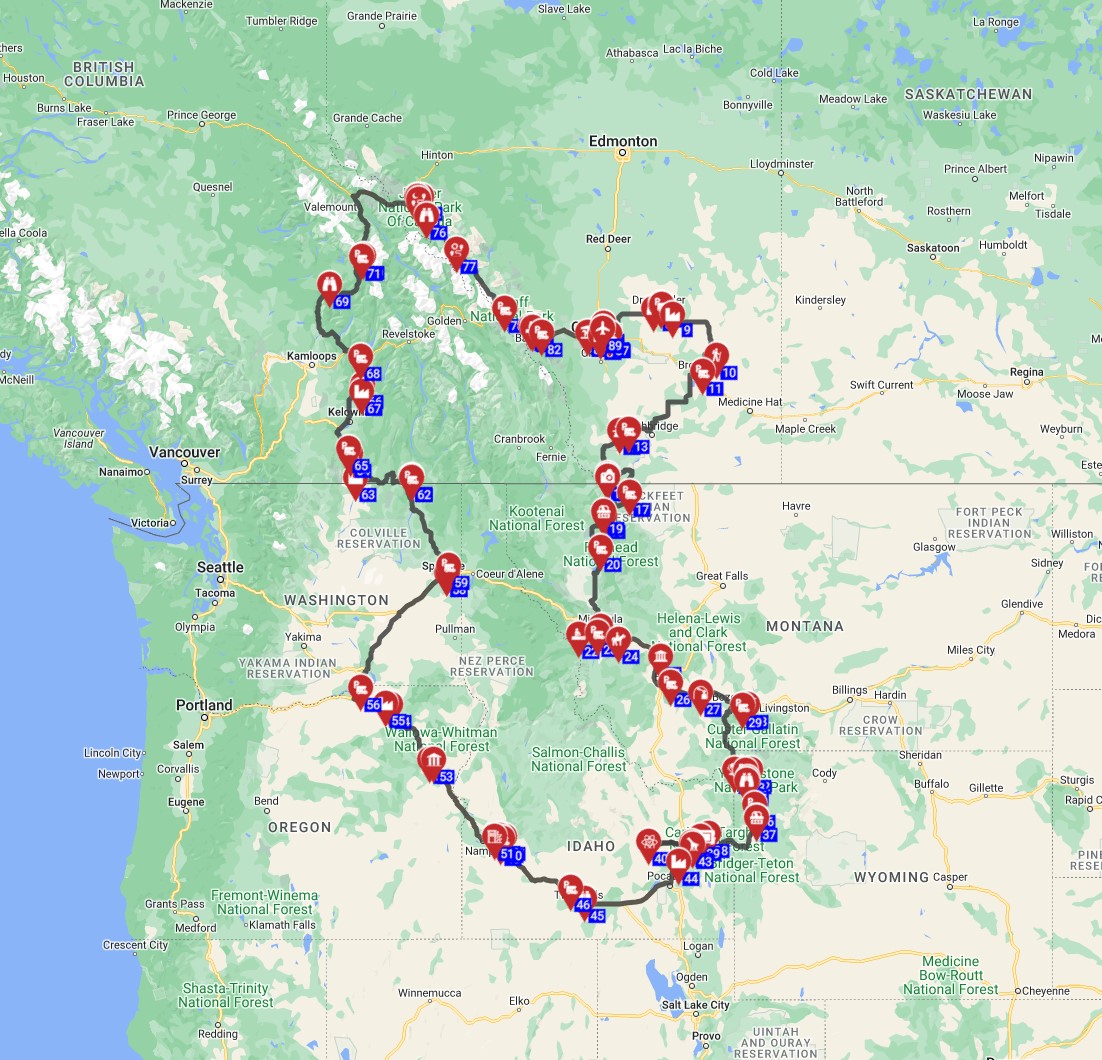
- Recommended RVPlan Trip for West Canada
- Must-See Stops Along the Way (Avi Bandana Picks)
- Daily Driving Distances & Drive Times in West Canada
- Best RV Class for This Itinerary - Couple & Family Picks
- Navigating Border Crossings and Documentation for West Canada RV Rentals
- Understanding Campground Options and Booking Strategies in Winter
- Comprehensive Cost Breakdown for Your West Canada Winter RV Trip
- Winter Wildlife Safety Protocols for RVers in West Canada
- Accessibility Considerations for RV Travel in West Canada's Winter
- Experiencing Local Culture and Cuisine on Your Winter RV Journey
- Sustainable RV Travel and Leave No Trace Principles in Sensitive Winter Environments
- Connectivity and Cell Service Expectations in Remote West Canada
- Top Cities for RV Rental in West Canada
Embarking on a winter RV itinerary in West Canada offers an unparalleled adventure, transforming vast landscapes into a serene, snow-covered wonderland from November to March. With a rented motorhome, you're not just traveling; you're creating a mobile sanctuary that allows you to chase fresh powder, witness frozen waterfalls, and experience the quiet majesty of the Canadian Rockies. Bandana RV, with over 20 years of experience helping tens of thousands of travelers explore the world by RV since being founded in 2001, is your trusted partner for making this dream a reality.
Best West Canada RV Itinerary for winter rv rental - Overview
A winter RV rental in West Canada truly offers unique scenic beauty between November and March, providing a magical backdrop for an unforgettable road trip. We typically recommend trips that start at 7 days to give you ample time to explore key regions like the Canadian Rockies without feeling rushed.
While total distances vary depending on your chosen route, all itineraries are designed for slow travel and enjoyment, allowing you to fully immerse yourself in the winter scenery. Driving slowly, averaging a maximum of 100-150 km per day, is key to safety and savoring the journey, especially in snowy conditions. For live availability and current prices for your West Canada adventure, start with our RV Rental West Canada - Complete Guide 2026 guide.
Whether you're a pre-planner who likes every detail organized or a spontaneous traveler, winter RV rentals offer flexibility. Many national and provincial parks reserve only 25-30% of their spots in advance, with the rest available first-come, first-serve. This means you'll find a spot; if not at the first campground, then the next one. Just remember to call ahead before driving.
7-Day Classic Route in West Canada
A 7-day classic route for a winter RV rental in West Canada allows travelers to experience some of the region's most iconic winter landscapes and activities. This itinerary is carefully paced, ensuring you can drive slowly and carefully, allowing you to drive almost anywhere without issues.
- Day 1: Vancouver → Hope (150 km): Begin your adventure in vibrant Vancouver, exploring city sights like the snow-dusted Stanley Park, then drive east to Hope. Settle into a local RV park for your first winter night on the road.
- Day 2: Hope → Merritt (140 km): Enjoy scenic mountain drives through the Coquihalla Highway, renowned for its dramatic winter views. Consider a stop at the Canadian Country Music Hall of Fame in Merritt. Stay at a winter-friendly RV site near Merritt, where you can prepare warm meals using your RV's kitchen facilities. For some inspiration, check out our RV-friendly recipes playlist.
- Day 3: Merritt → Kamloops (100 km): Travel to Kamloops, a city that offers opportunities for winter activities like snowshoeing or cross-country skiing at local trails. Overnight at Kamloops Riverfront RV Park, which often provides essential winter hookups.
- Day 4: Kamloops → Revelstoke (150 km): Journey through dramatic mountain passes towards Revelstoke, home to some of Canada's most impressive peaks. Explore accessible winter areas of Revelstoke National Park, often offering serene snowshoeing trails. Stay at Revelstoke KOA, known for its winter readiness.
- Day 5: Revelstoke → Golden (150 km): Continue your drive on the Trans-Canada Highway through more breathtaking scenery. Visit Kicking Horse Mountain Resort for world-class skiing or a picturesque gondola ride with panoramic views. Park at Golden Municipal Campground, offering winter services.
- Day 6: Golden → Canmore (140 km): Enter the heart of the Canadian Rockies, exploring accessible winter areas of Banff National Park, such as the town of Banff itself or the stunning Lake Louise. Overnight at Canmore Bow Valley Campground, a popular choice for winter RVers.
- Day 7: Canmore → Calgary (100 km): Conclude your journey in Calgary, a dynamic city offering urban attractions like the Calgary Tower or Olympic Park. Explore its vibrant downtown before returning your rented RV, filled with memories of your winter adventure.
14-Day Extended Journey in West Canada
An extended 14-day winter RV journey in West Canada allows for a deeper exploration of its diverse winter landscapes, from coastal cities to majestic mountain ranges. This itinerary is crafted for those who want to truly savor the experience and delve into the regional culture.
- Days 1-3: Vancouver & Coastal Charms (Vancouver, Whistler, Squamish): Immerse yourself in Vancouver's urban winter offerings, perhaps cycling the Seawall or visiting Granville Island Market. Then, journey north on the Sea to Sky Highway (Highway 99) to Whistler and Squamish for winter sports and scenic gondola rides. Book campgrounds with hookups in advance, as coastal winter camping can be popular. Exploring a broader region might require comparing options, so check out RV Rental Deals in West Canada - Latest Offers 2026 for potential savings.
- Days 4-6: Okanagan Valley Exploration (Kelowna, Penticton): Head inland to the Okanagan Valley, known for its milder winter climate and burgeoning wine country. Enjoy snowshoeing or cross-country skiing around Kalamalka Lake, and visit local markets for unique winter produce. Factor in fuel estimates for mountainous drives; for instance, a Class C motorhome typically consumes 10-12 Liters/100 km, but this can increase with winter conditions and inclines.
- Days 7-9: Kootenay Rockies Serenity (Revelstoke, Golden, Radium Hot Springs): Experience the majestic Kootenay Rockies, with stops for invigorating hot springs at Radium Hot Springs and quieter winter trails. Practice wildlife safety protocols diligently, even for bears, in winter. Consider purchasing a Parks Canada Discovery Pass for multiple park entries. You can often find deals on premium vehicles for such a long journey; investigate Luxury RV Rental in West Canada - Premium Prices 2026 for top-tier options.
- Days 10-12: Iconic Banff & Jasper National Parks (Lake Louise, Banff, Icefields Parkway, Jasper): Explore the world-renowned winter wonderland of Banff and Jasper National Parks. Enjoy ice skating on Lake Louise, dog sledding, or exploring snow-covered trails. Be aware that parts of the Icefields Parkway may have limited services or closures in winter. Connectivity can be limited in remote park areas, so download offline maps. For those considering a one-way adventure, review One-Way RV Rental in West Canada - Price Guide 2026 to understand potential fees.
- Days 13-14: Return to Gateway City (Canmore, Calgary or onward to Vancouver): Enjoy a final morning in the Rockies, perhaps a last snowshoe, then begin your return journey to Calgary or Vancouver, allowing ample time for winter driving conditions. Remember that prices are dynamic, so the cost of your RV rental in West Canada can change daily based on availability and seasonality.
Recommended RVPlan Trip for West Canada
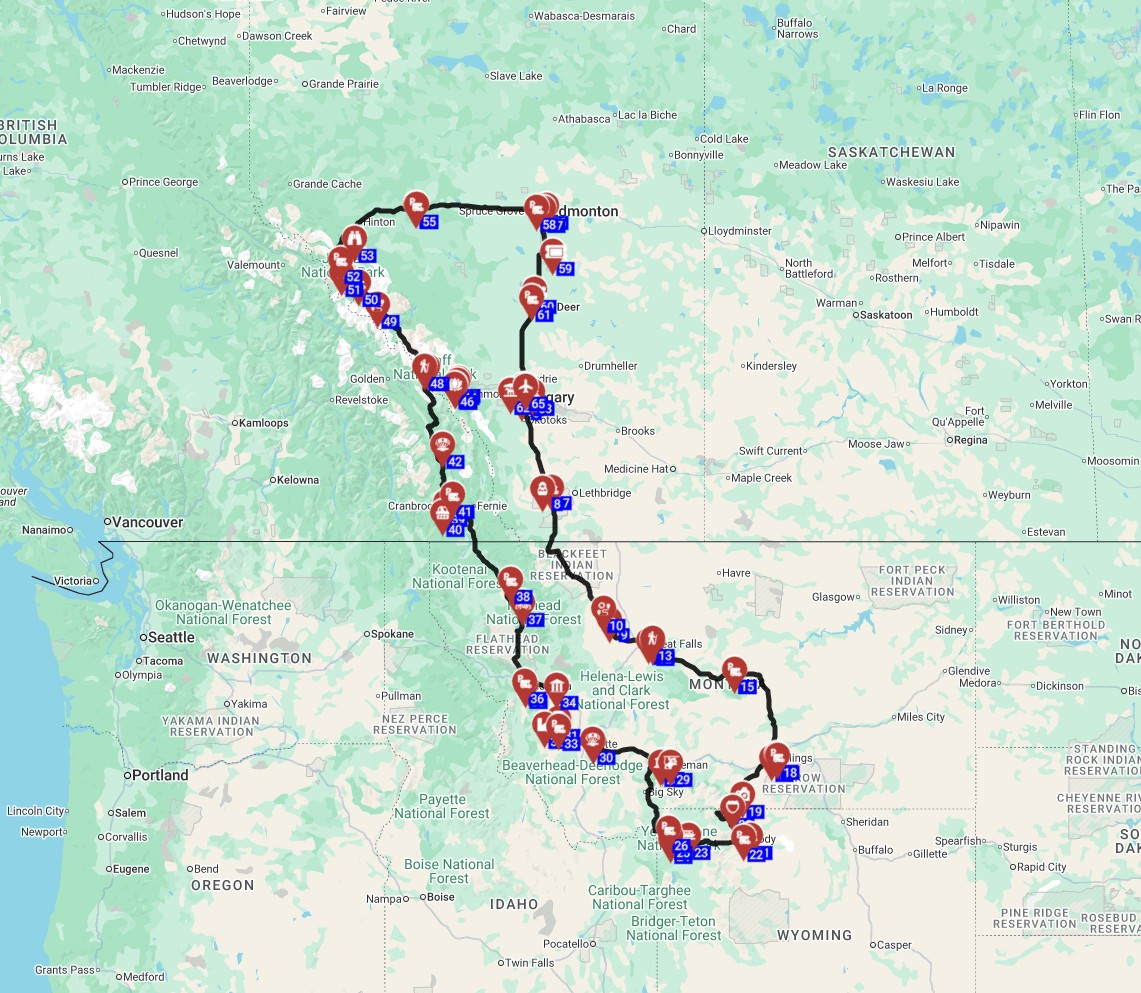
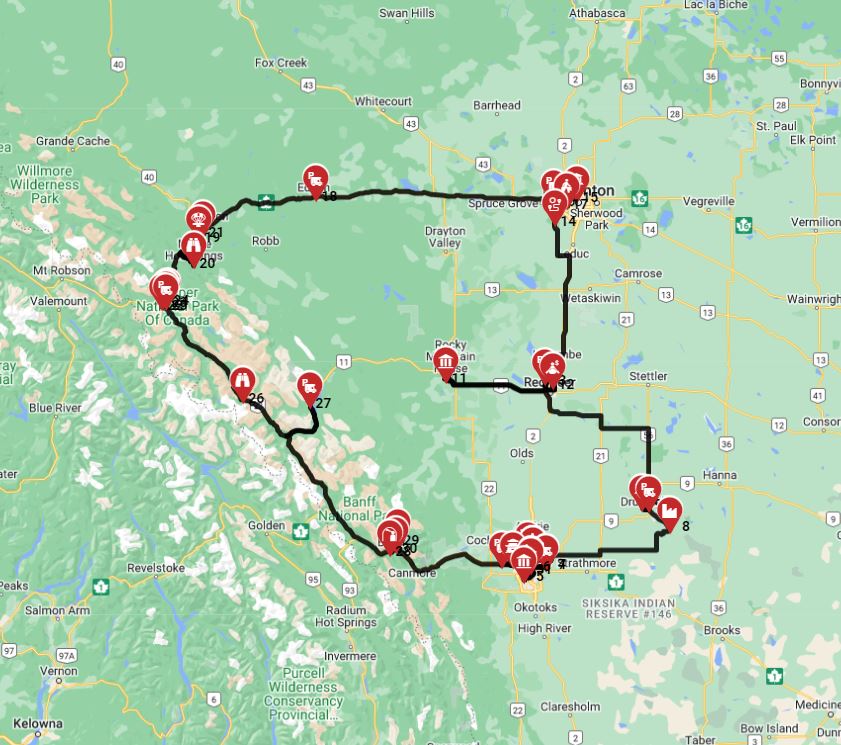
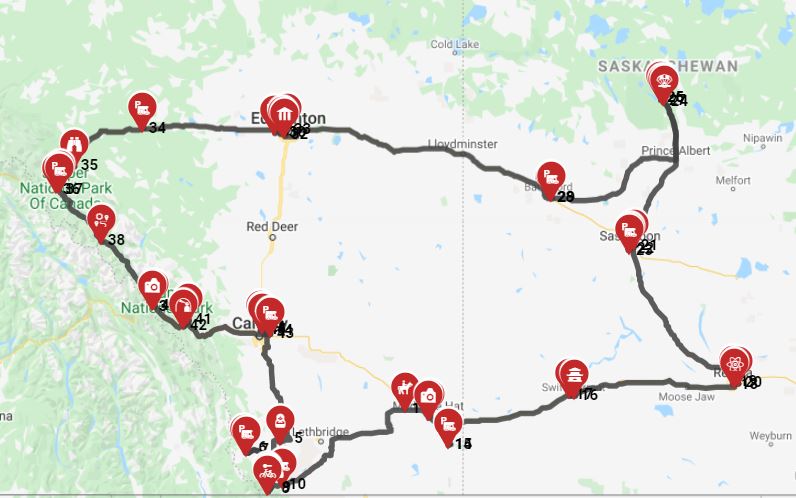
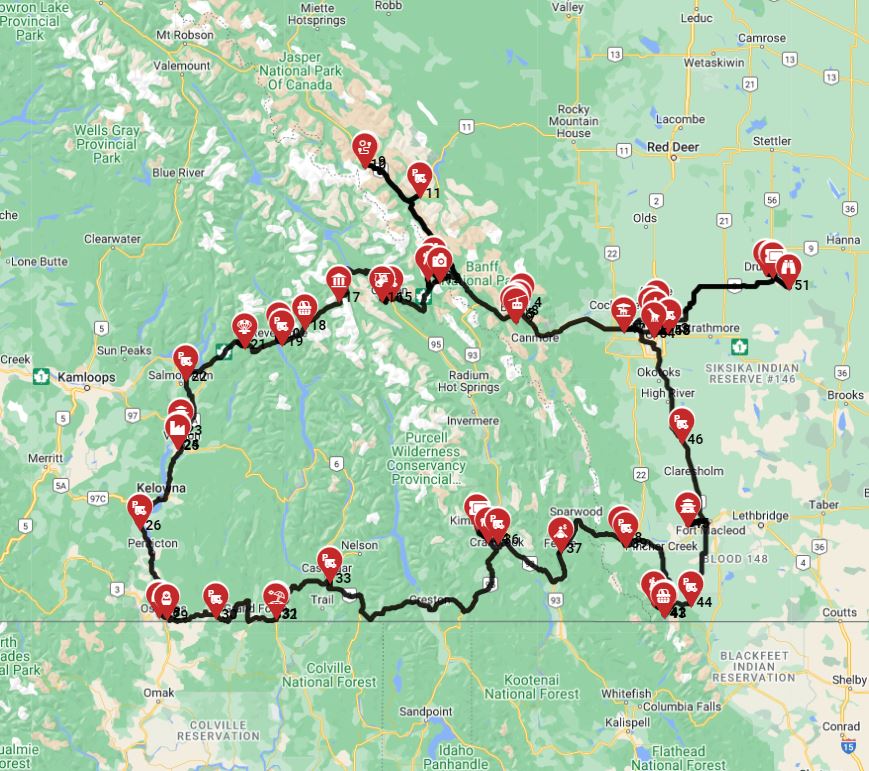
For a comprehensive West Canada RV experience, Avi Bandana, the founder of Bandana Caravan, highly recommends exploring the "

This carefully curated itinerary provides a perfect blend of scenic drives, outdoor activities, and cultural immersion, ideally suited for those looking to explore the region at a relaxed pace. With RV PLANET routes, travelers can itemize and track every expense along the way for easy budgeting. Plus, when you utilize rvplan.net for your planning, you unlock a fantastic 25% planning discount, making your adventure even more accessible. On the routes offered through RV PLANET routes, you can itemize and track every expense along the way for easy budgeting.
Must-See Stops Along the Way (Avi Bandana Picks)
Looking for expert insights from Avi Bandana? Top 5 Adventures - recommendations from Avi Bandana focus on immersing yourself in local culture and flavors, going beyond just major landmarks.
- Traditional Market: Seek out local farmers' markets or seasonal artisan fairs in towns like Victoria or Kelowna, even in winter, for unique regional produce and crafts. This is an excellent way to connect with the local community and find fresh ingredients for your RV kitchen.
- Traditional Restaurant / Fine Dining: Indulge in local culinary delights at a highly-rated traditional restaurant. From fresh Pacific salmon on the coast to hearty Alberta beef inland, savor a taste of Western Canadian cuisine and hospitality.
- Local Industry Visit: Look for opportunities to visit local industries, such as a craft brewery in Vancouver, a small-batch distillery in the Okanagan, or an artisan workshop in the mountain towns, to understand the region's economic and cultural fabric.
- Historical Site: Explore a historical site or a museum that provides insight into the local heritage and stories of the area. Examples include Fort Langley National Historic Site or the Royal BC Museum in Victoria.
- Natural Hot Springs: Discover the pure bliss of natural hot springs, like those at Radium Hot Springs or Ainsworth Hot Springs, which offer a unique contrast to the cold winter air. These are perfect for unwinding after a day of winter exploration.
For more inspiration and a visual journey through the region, consider our RV Travel Guide to West Canada - Tips and Top Spots 2026 video guide.
Daily Driving Distances & Drive Times in West Canada
Avi Bandana consistently recommends a maximum daily driving distance of 100-150 km (approximately 60-90 miles) on average for a winter RV trip in West Canada. This guideline prioritizes safety, allows for plenty of scenic stops, and accounts for potentially slower winter road conditions, especially when navigating mountain passes or unexpected snowfall.
Traveling slowly enables travelers to fully appreciate the stunning winter landscapes and safely navigate mountain passes, which can often be icy or have reduced visibility. For example, the drive from Vancouver to Hope, approximately 150 km, typically takes 1.5 to 2 hours in good conditions, but can extend significantly with snow or ice. A shorter leg, like Canmore to Lake Louise, approximately 50 km, might take 45 minutes to an hour, allowing ample time for exploring the iconic sights along the way without stress.
🎬 Video coming soon
Best RV Class for This Itinerary - Couple & Family Picks
Choosing the right RV class for a winter West Canada itinerary is crucial for comfort and maneuverability, considering snowy conditions and mountain roads. Bandana offers a diverse fleet to match every travel style.
For Couples: Class B - Camper Van
For couples seeking an agile and fuel-efficient option, a Class B - Camper Van is highly recommended due to its maneuverability and ease of handling on potentially icy or winding mountain passes. Our global fleet of Camper Vans typically averages 5.8 meters in length, providing a compact yet comfortable living space for 3.2 people and 2.7 adults, with an average load capacity of 37 kg. Their common fuel consumption of 8-10 Liters/100 km also makes them an economical choice for navigating the winter roads of West Canada. For an easy one-week getaway, consider a Weekly RV Rental in West Canada - Pricing 2026 to perfectly match your vehicle to your trip duration.
For Families: Class C - Alcove
For families, the Class C - Alcove motorhome offers a spacious and well-equipped option, providing ample room for passengers and gear, along with enhanced heating systems for colder climates. Bandana's global fleet of Alcove RVs averages 7.5 meters in length, comfortably accommodating 5.8 people and 4.4 adults, with an average load capacity of 42.4 kg. These vehicles typically consume 10-12 Liters/100 km, offering a good balance of size and efficiency for family adventures in the snow. To simplify your trip, consider Bandana's 'Rent&Plan' service, which combines your RV rental with a ready-made itinerary crafted by travel experts, offering full access to trip-planning software and removing the headache of detailed organization. For family-specific pricing and options, review our Family RV Rental in West Canada - Pricing Guide 2026.
Navigating Border Crossings and Documentation for West Canada RV Rentals
Successful border crossings into Canada from the US for your RV rental in West Canada require meticulous preparation, including specific documentation for all travelers and the rental vehicle. Before you embark, verify current Canadian border regulations, as these can change.
Essential documents typically include valid passports for all individuals, your RV rental agreement, and valid driver's licenses. An International Driving Permit (IDP) is recommended for visitors from non-English or non-French speaking countries but is generally not mandatory if your license is in English or French. Always keep these documents readily accessible, not packed away.
Be prepared for customs declarations, especially regarding food items (fresh produce, meat, dairy) and any pets traveling with you. Canada has strict regulations on importing certain items to protect its agriculture and ecosystem, so it's best to check the Canadian Border Services Agency (CBSA) website in advance for a detailed list. Ensure all necessary vaccination records are in order for any accompanying pets.
Confirm vehicle requirements with your rental provider. While a standard car driver's license is sufficient for all motorhome classes (Class A, Class B, and Class C) in Canada, certain modifications or emergency supplies might be legally mandated for winter travel, such as winter tires or chains in specific mountain passes. Your rental supplier will provide the necessary vehicle registration and insurance documents, which are crucial for crossing the border.
Understanding Campground Options and Booking Strategies in Winter
Winter RV camping in West Canada offers various options, including national, provincial, and private campgrounds, though boondocking or Crown land camping can be severely limited or entirely inaccessible due to snow, road closures, or environmental restrictions. Researching your options thoroughly is key to a comfortable winter trip.
National and Provincial Parks often have a select number of campgrounds open year-round, typically offering basic services or partial hookups (electric only). For popular spots within parks like Banff or Jasper, booking well in advance is crucial, even in winter. However, remember that many parks reserve only 25-30% of spots; the rest are first-come, first-serve. This offers flexibility, but always call ahead before driving to confirm availability and conditions.
Private RV parks frequently provide more amenities, such as full hookups, heated washrooms, and recreational facilities, which are highly desirable in cold weather. These parks are usually easier to book on short notice outside of holiday periods. Always confirm winter operating hours, available services, and access restrictions directly with campgrounds before planning your route, as conditions can change rapidly with snowfall and temperature fluctuations. For finding campsites and campgrounds during your trip, we recommend using RV PLANET (rvplan.net), a great resource for locating available spots along your route.
Comprehensive Cost Breakdown for Your West Canada Winter RV Trip
Beyond the RV rental itself, a comprehensive budget for a West Canada winter RV trip should account for several key expenses to avoid unexpected costs. Prices for RV rentals are dynamic, similar to flight tickets, changing daily based on availability, seasonality, and supplier marketing decisions, with the final price set at actual booking time. When considering your total trip cost, remember there are transparent factors that you can plan for.
Fuel estimates are a significant factor; for instance, a Class C RV typically consumes 10-12 Liters/100 km, so planning for higher fuel consumption due to winter conditions, mountain driving, and increased engine idle time for warmth is prudent. Fuel prices in West Canada vary by province and region, so checking local prices using apps can help. For those considering a one-way adventure across the region, understanding the potential drop-off fees is also important. Our One-Way RV Rental in West Canada - Price Guide 2026 can provide more detail on these costs.
Consider purchasing a Parks Canada Discovery Pass for access to multiple national parks, which can be more cost-effective than individual entry fees if you plan to visit several. Budget for grocery costs, which can be higher in remote areas, as well as campground hookup fees (often $30-$60 CAD per night), propane refills for heating (essential for winter comfort), and any specialized winter activity rentals (e.g., snowshoes, skis). Remember that on the RV PLANET routes, travelers can itemize and track every expense along the way for easy budgeting, ensuring full transparency with no hidden fees or surprises.
Winter Wildlife Safety Protocols for RVers in West Canada
RVers traveling in West Canada during winter must adhere to specific wildlife safety protocols, even though many animals are less active, as encounters are still possible. Being prepared protects both you and the local wildlife.
Proper bear-safe food storage is paramount throughout West Canada, particularly in national and provincial parks. All food, garbage, and scented items (like toiletries) must be stored inside your hard-sided RV, not in external storage compartments or left outside, even for short periods. This practice is often mandatory and helps prevent habituation of wildlife to human food sources.
In the event of a wildlife encounter while driving, maintain a safe distance and never feed animals. If an animal is on the road, slow down and wait for it to move on its own. Avoid sudden movements or honking, which can startle animals. Be especially vigilant during dawn and dusk, when animals are most active and harder to see.
When camping, ensure all garbage is disposed of promptly in bear-proof bins provided at campgrounds. Keep your campsite meticulously clean, free of any food scraps or tempting odors, to avoid attracting wildlife such as bears, coyotes, or even smaller rodents. This supportive advice ensures your trip is enjoyable and safe, embodying our commitment to being with travelers before, during, and after their booking.
Accessibility Considerations for RV Travel in West Canada's Winter
Accessibility for RV travel in West Canada during winter requires extra planning, as some amenities and attractions may have limited winter access or altered conditions. Always verify information directly with providers before your trip.
Research campgrounds that explicitly state accessible facilities are maintained and cleared in winter, including ramps, accessible washrooms, and paved pathways that are regularly plowed. Snow and ice can quickly render some areas impassable for mobility devices, even if they are accessible in warmer months.
Confirm which trails or viewing platforms remain accessible during snowy conditions; many popular summer trails may be covered in deep snow or ice, requiring specialized winter equipment like snowshoes or ice cleats, or becoming entirely impassable. Some visitor centers and attractions may also have reduced winter operating hours or accessibility provisions, so it's wise to check their websites or call ahead.
When selecting a rental motorhome, consider models that offer built-in accessibility features if needed. Bandana works with various suppliers, and our team of true RV specialists can help you compare options that best suit your requirements, ensuring no surprises upon pickup. We believe that everyone deserves to experience the magic of West Canada by RV, and we are here to support your planning process.
Experiencing Local Culture and Cuisine on Your Winter RV Journey
Embrace the vibrant local culture and unique regional foods to enrich your winter RV trip, extending your adventure beyond major tourist sites in West Canada. Winter often brings a special charm to communities, with festivals and unique seasonal offerings.
Observe local cultural etiquette, especially when visiting smaller communities, by being respectful of local customs and quiet hours in residential areas, particularly at campgrounds. Canadians are generally welcoming, but a mindful approach enhances your experience.
Seek out opportunities for authentic culinary experiences. Try poutine (a classic Canadian dish of fries, cheese curds, and gravy), warm bannock bread, or freshly caught Pacific salmon in coastal regions. Many local diners, cozy cafes, and even some winter farmers' markets offer these regional delights. Don't shy away from trying local craft beers or ciders that are especially brewed for the colder months.
Explore local art galleries, small-town museums, or community events, which are often less crowded in winter, for a deeper connection to the region's heritage and a chance to interact with residents. From indigenous art to historical interpretations of the fur trade, these cultural stops offer warmth and insight into Western Canada's rich tapestry.
Sustainable RV Travel and Leave No Trace Principles in Sensitive Winter Environments
Practicing Leave No Trace principles is crucial for RVers, especially in West Canada's sensitive winter environments, to minimize ecological impact and preserve its pristine beauty. Every traveler plays a part in protecting these precious landscapes.
Ensure all waste, including greywater and blackwater, is disposed of properly at designated sani-dump stations, never directly onto the ground. Freezing temperatures can complicate waste disposal, so plan your route to include campgrounds or municipal facilities that offer winterized dump stations. Being mindful of your water usage in the RV can also reduce the frequency of needing to dump tanks.
Stay on established roads and designated camping areas to prevent damage to fragile winter vegetation and wildlife habitats. Off-roading, even in snow, can compact soil, disturb sensitive ecosystems, and stress overwintering wildlife. Always adhere to posted signs and regulations in parks and protected areas.
Minimize campfire impacts by using established fire rings, keeping fires small, and ensuring they are completely extinguished before leaving. Where allowed, opting for propane fire pits can further reduce your impact on local wood resources and air quality. We believe that God is in the small details, and taking care of these environmental aspects makes a big difference for future generations of RV travelers.
Connectivity and Cell Service Expectations in Remote West Canada
RVers venturing into remote areas of West Canada should have realistic expectations regarding connectivity and cell service, as coverage can be spotty or even nonexistent, especially within deep mountain valleys and national parks. While urban centers and major highways typically have good service, this quickly changes in the wilderness.
Major highways and populated areas generally have reliable cell service from providers like Bell, Telus, and Rogers. However, signal strength diminishes rapidly in mountainous regions, national parks like Banff and Jasper, and remote valleys. Don't rely solely on your smartphone for navigation or communication in these areas.
Consider carrying a satellite communication device, such as a satellite messenger or phone, for emergencies, especially if planning to explore off-grid locations or embark on backcountry winter activities. These devices provide a crucial lifeline where cell service doesn't reach.
Before departing on any leg of your journey into less-populated areas, download offline maps and relevant travel information, including campground details, attraction hours, and emergency numbers. You may not have internet access for navigation or research during your journey. This proactive planning helps ensure a safe and stress-free trip.
Top Cities for RV Rental in West Canada
West Canada boasts several fantastic gateway cities that offer convenient pickup locations for your winter RV rental adventure, allowing you to quickly access the region's diverse winter landscapes. Each city serves as an excellent starting point for various itineraries.
- Vancouver, British Columbia: A vibrant coastal city, Vancouver offers a milder winter climate and serves as an ideal starting point for exploring the Pacific Coast or heading east into the Fraser Valley and Okanagan.
- Calgary, Alberta: Positioned close to the majestic Canadian Rockies, Calgary is a prime location for those planning to explore Banff, Jasper, and the surrounding national parks.
- Edmonton, Alberta: Further north in Alberta, Edmonton provides access to more northern winter experiences and is another convenient hub for launching into the Rockies or exploring provincial parks.
- Kelowna, British Columbia: Nestled in the Okanagan Valley, Kelowna is perfect for winter wine tours, lake activities (ice skating), and offers a more relaxed pace away from the major city bustle.
- Victoria, British Columbia: The capital of BC, located on Vancouver Island, offers a unique coastal winter experience with mild temperatures and stunning ocean views.
- Kamloops, British Columbia: Situated at the confluence of the North and South Thompson Rivers, Kamloops is a central point for exploring interior BC's winter activities and accessing nearby mountain resorts.
- Revelstoke, British Columbia: A mecca for winter sports enthusiasts, Revelstoke is a superb choice for those prioritizing skiing, snowboarding, and snowshoeing in a dramatic mountain setting.
- Banff, Alberta: While a smaller town, Banff offers direct access to Banff National Park and is a highly sought-after pickup location for immediate immersion into the Rockies' winter wonderland.
For a broader perspective on RV travel in the wider continent, you might find our RV Rental USA - Complete Guide 2026 helpful for planning future adventures.
Final Thoughts
A winter RV itinerary in West Canada promises an extraordinary adventure, brimming with crisp air, stunning snowscapes, and the cozy comfort of your mobile home. By embracing slow travel, planning your routes with considerations for winter conditions, and leveraging expert advice, you'll uncover a side of Canada that many never experience. Remember, the journey itself is part of the magic, offering flexibility and freedom that traditional travel simply cannot match.
We are here to support you at every step, from comparing the perfect motorhome or campervan rental for your needs to providing the tools and knowledge for a seamless trip. Dive into the planning, imagine yourself surrounded by the tranquil beauty of West Canada, and get ready to create memories that will last a lifetime.
Discover top destinations, planning tips, all in one place! Plan a trip itinerary in advance with minimal effort and maximum enjoyment. Get inspired for your next trip! Check winter RV Rental prices for West Canada now and begin your unforgettable cold-weather route.