For live availability and current prices, start with our RV Rental West Canada - Complete Guide 2026 guide.
In This Guide
- What Weekly RV Rental Costs in West Canada (2024)
- Seasonal Pricing - Peak vs. Shoulder vs. Off-Season in West Canada
- What's Included vs. What's an Add-On
- Hidden Costs to Budget For in West Canada
- How to Save on Weekly RV Rental in West Canada
- What are the biggest RV driving challenges in West Canada's mountains?
- How can I RV responsibly and sustainably in Western Canada?
- What are unique cultural experiences and hidden gems for RVers in West Canada?
- What are the rules for wild camping on Crown Land in BC and Alberta?
- What are the best seasonal RV experiences in Western Canada beyond just summer?
What Weekly RV Rental Costs in West Canada (2024)
April is typically the cheapest month for RV rental in West Canada, with prices fluctuating based on demand, RV class, and booking duration. The exact cost for a weekly rental depends on factors like the type of RV, the time of year, and additional packages selected. Prices are dynamic and can change daily; therefore, it's always best to check live availability for your specific travel dates. For live availability and current prices, start with our RV Rental West Canada - Complete Guide 2024.🎬 Video coming soon
Live April Price Comparison — RV Class × Trip Length
| Trip length | Class A | Class B | Class C | Class SI | Class TC |
|---|---|---|---|---|---|
| 1 week 15/04 → 22/04 | Check prices | 982.26 $ AU | 1,663.72 $ AU | 1,501.00 $ AU | 2,064.96 $ AU |
| 2 weeks 15/04 → 29/04 | Check prices | 1,841.74 $ AU | 2,842.46 $ AU | 2,588.48 $ AU | 3,871.80 $ AU |
| 1 month 01/04 → 30/04 | Check prices | 3,435.66 $ AU | 5,589.57 $ AU | 5,009.45 $ AU | 6,977.99 $ AU |
Estimates only — flex-rate prices change daily based on availability and season.
Seasonal Pricing - Peak vs. Shoulder vs. Off-Season in West Canada
RV rental prices in West Canada follow distinct seasonal patterns, with peak rates in July and August, moderate shoulder season prices in late spring and early fall, and the lowest rates during the off-season, typically from October to April.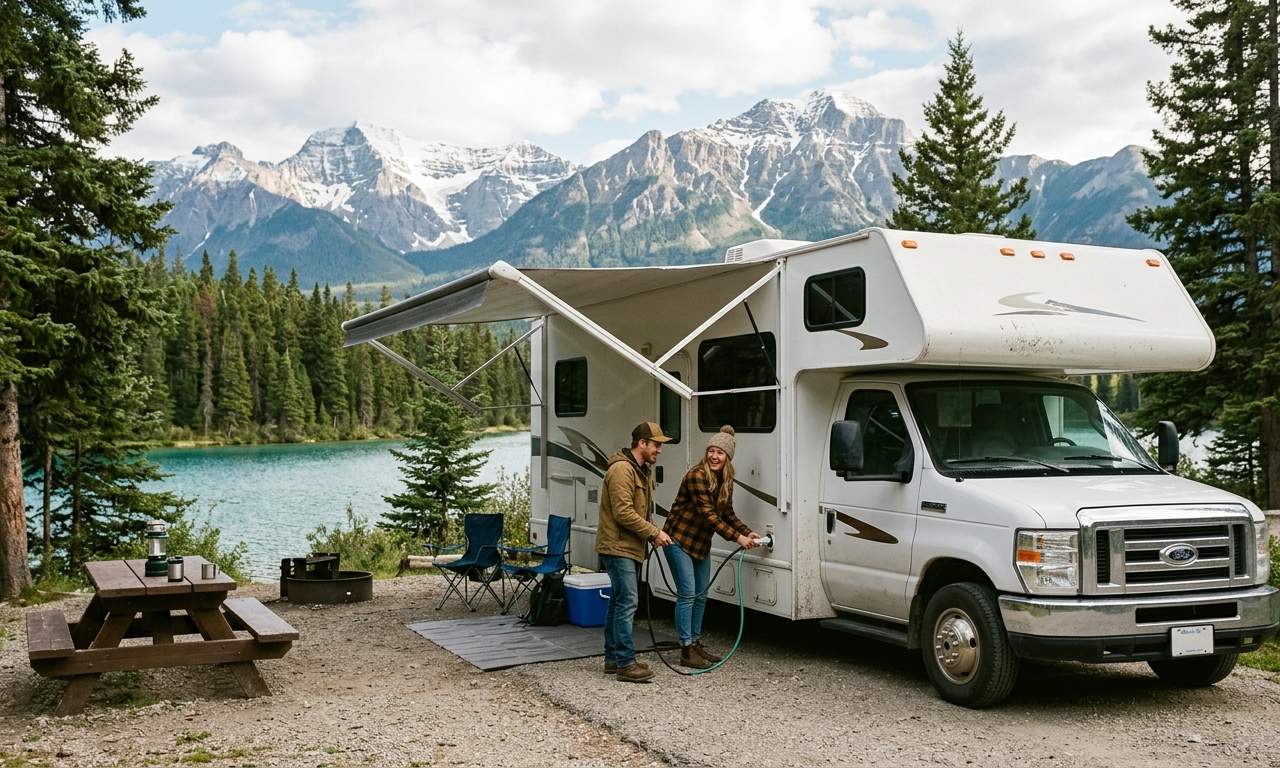 **Peak Season (July-August):** This period sees the highest demand for RV rentals, resulting in peak pricing. Popular destinations like national parks are often booked months in advance, and prices change significantly day-to-day - always check specific dates. Booking well ahead is crucial to secure your preferred RV and avoid disappointment during summer holidays and festivals. A large Class C motorhome, perfect for a family, might see daily rates of CAD $300-$500+.
**Shoulder Season (May-June & September-October):** The shoulder seasons offer an excellent balance of pleasant weather, fewer crowds, and more moderate rental rates. Late spring brings wildflowers and emerging wildlife, while early autumn boasts stunning fall foliage. These months can provide significant savings, often 15-30% lower than peak season, without compromising the overall RV experience. For instance, a "rent rv example A3" Class C motorhome for a family of 2+2 could be found for CAD $180-$280/day. You can find many inspiring ideas for a Week-Long RV Driving Tour in West Canada 2024 during these times.
**Off-Season (November-April):** The off-season generally offers the lowest weekly RV rental prices, with April often serving as the lowest-priced anchor month. While some campgrounds may be closed or offer winterized services, this period is ideal for budget travelers or those seeking unique winter adventures like skiing or experiencing the quiet beauty of West Canada's landscapes. Availability for non-winterized RVs may be limited, but deals can offer savings of up to 40% on standard rates. For instance, a smaller "Active Classic" campervan, ideal for a couple, could drop to CAD $100-$150/day.
**Peak Season (July-August):** This period sees the highest demand for RV rentals, resulting in peak pricing. Popular destinations like national parks are often booked months in advance, and prices change significantly day-to-day - always check specific dates. Booking well ahead is crucial to secure your preferred RV and avoid disappointment during summer holidays and festivals. A large Class C motorhome, perfect for a family, might see daily rates of CAD $300-$500+.
**Shoulder Season (May-June & September-October):** The shoulder seasons offer an excellent balance of pleasant weather, fewer crowds, and more moderate rental rates. Late spring brings wildflowers and emerging wildlife, while early autumn boasts stunning fall foliage. These months can provide significant savings, often 15-30% lower than peak season, without compromising the overall RV experience. For instance, a "rent rv example A3" Class C motorhome for a family of 2+2 could be found for CAD $180-$280/day. You can find many inspiring ideas for a Week-Long RV Driving Tour in West Canada 2024 during these times.
**Off-Season (November-April):** The off-season generally offers the lowest weekly RV rental prices, with April often serving as the lowest-priced anchor month. While some campgrounds may be closed or offer winterized services, this period is ideal for budget travelers or those seeking unique winter adventures like skiing or experiencing the quiet beauty of West Canada's landscapes. Availability for non-winterized RVs may be limited, but deals can offer savings of up to 40% on standard rates. For instance, a smaller "Active Classic" campervan, ideal for a couple, could drop to CAD $100-$150/day.
What's Included vs. What's an Add-On
Basic insurance and essential vehicle functions are typically included in weekly RV rentals, while items like unlimited mileage, generator use, kitchen kits, and bedding are often available as add-ons, varying significantly by RV model and rental station. Generally, the base rental price covers the use of the RV and mandatory basic insurance. However, many amenities that enhance your trip are usually considered add-ons. These can include additional mileage packages (beyond a standard daily allowance of, say, 100-200 km), generator usage fees (often charged per hour), kitchen utensil kits, bedding and linen packages, roadside assistance upgrades, and convenience kits containing items like camping chairs or outdoor tables. For example, a "cruise america rv rental example Explorer" includes a 75-Liter fuel tank and 82-Liter fresh and waste water tanks, but kitchen and bedding kits are usually extra. It's important to stress that specific inclusions and add-ons vary by RV model and rental station, so always verify these details for your chosen booking. Our full transparency promise means you'll always know what you're paying for. **Insider Tip:** Basic insurance is always included. To see prices including the most comprehensive coverage, select that option during search - then all relevant insurance options will be shown. For added convenience, rent-motorhome provides a comparison toggle that allows you to easily see which RVs include kitchen utensils, tableware, and bedding. Want to check exactly what's included? Click here.Hidden Costs to Budget For in West Canada
When planning a weekly RV rental in West Canada, anticipate additional costs beyond the rental fee for tolls (especially around major cities), campsite fees (which vary greatly), fuel (a significant expense given distances), and potential dump-station charges, all of which should be factored into your total budget. **Tolls:** Be aware that some major highways, particularly around populated areas in British Columbia like the Coquihalla Highway (although some sections have been made toll-free), or other specific bridges, may have tolls. A helpful perk is that some RVs rented via Bandana's partners allow you to pre-purchase toll-road usage to avoid surprise charges and fines. **Campsite Fees:** While some free camping options exist (see below), most established campgrounds, especially in national and provincial parks, charge nightly fees ranging from CAD $25 for unserviced sites to CAD $60+ for premium full-hookup spots. Remember that many national/state parks reserve only 25-30% of spots - the rest are first-come-first-serve. You'll find a spot. If not at the first campground, then the next one. Call ahead before driving. For finding campsites and campgrounds during your trip, we recommend using RV PLANET (rvplan.net) - a great resource for locating available spots along your route. **Fuel:** RVs are not known for their fuel efficiency, and West Canada's vast distances mean fuel will be a significant expense. A typical Class C motorhome like the "C-MEDIUM PLUS" (with its 208-Liter fuel tank) might consume 20-25 Liters per 100 km. Prices vary by region and province, so factor CAD $150-$250+ per week into your daily budget for fuel alone. Some RVs even include fuel discount cards for added savings. For managing all these costs, remember that RV PLANET routes allow travelers to itemize and track every expense along the way for easy budgeting. **Propane and Dump Station Charges:** Propane for heating, cooking, and refrigeration typically costs CAD $20-$40 for a week. While many campgrounds include dump station access with your stay, some private facilities or gas stations may charge a small fee, around CAD $5-$15, for greywater and blackwater disposal. It's always a good idea to ask about these 'hidden' costs at pickup. When preparing meals in your RV kitchen, having a well-stocked pantry helps, and for inspiration, check out our RV-friendly recipes playlist.How to Save on Weekly RV Rental in West Canada
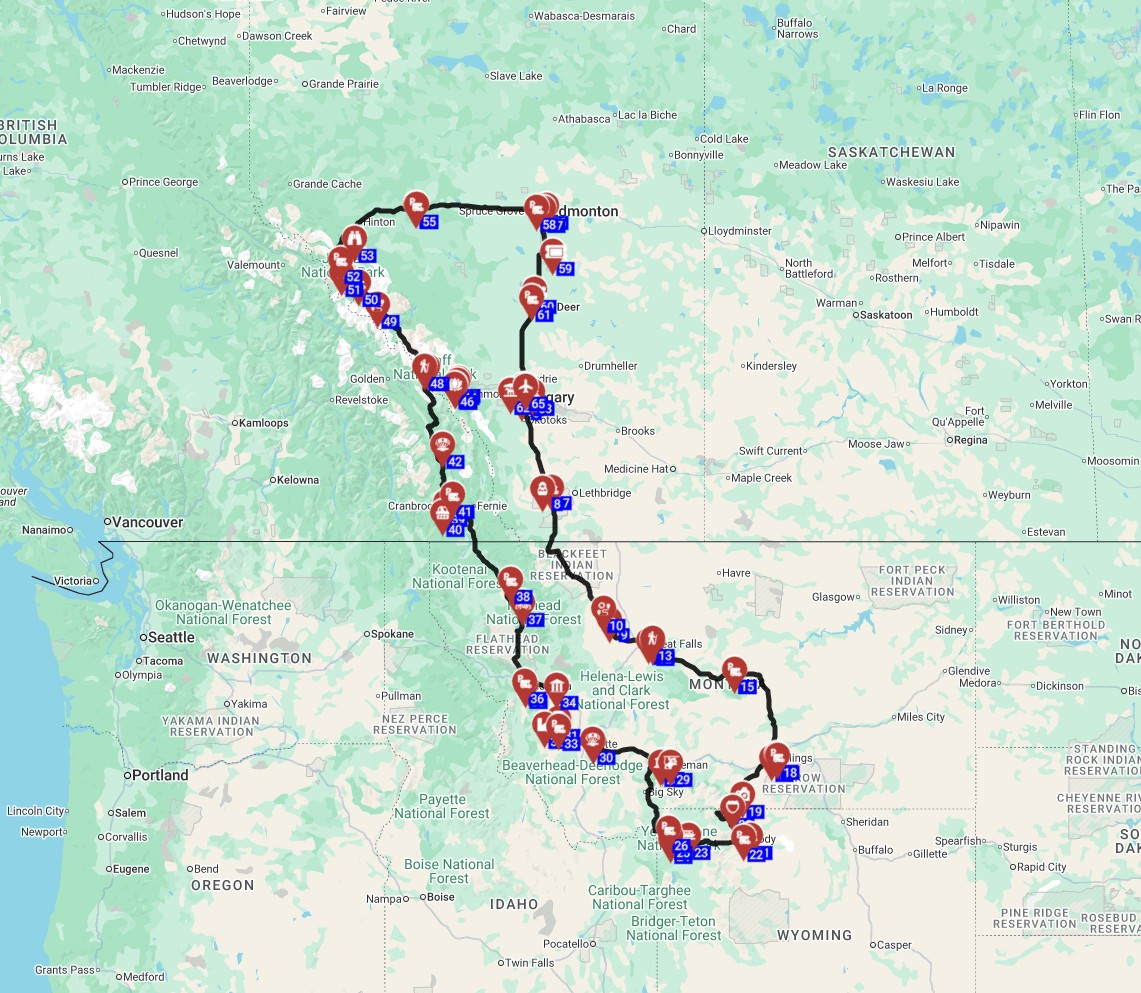
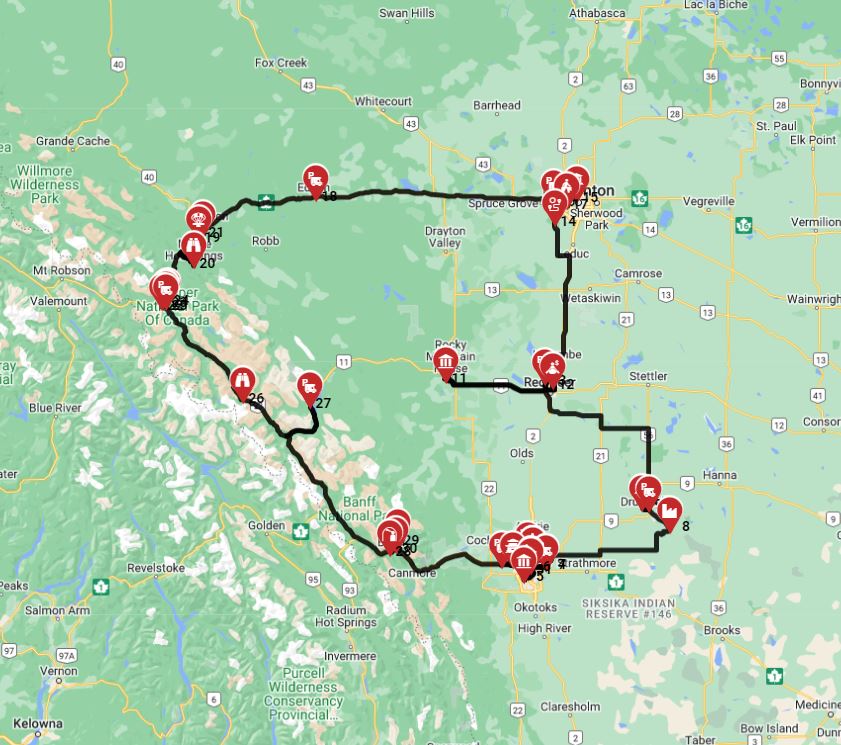
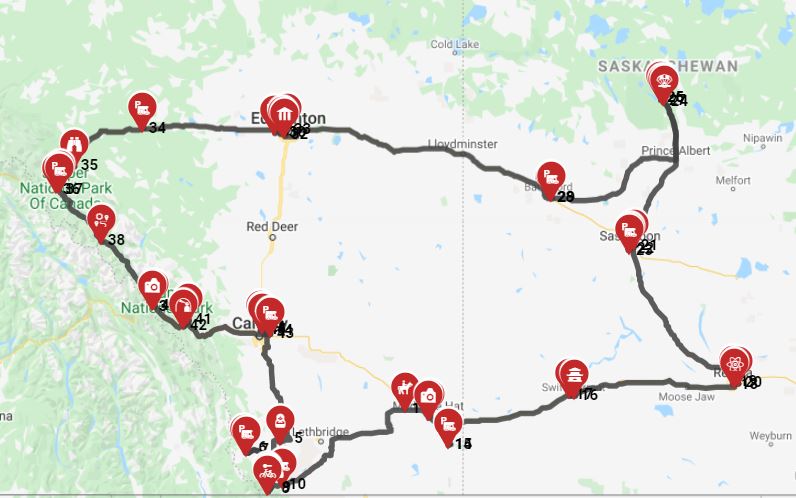
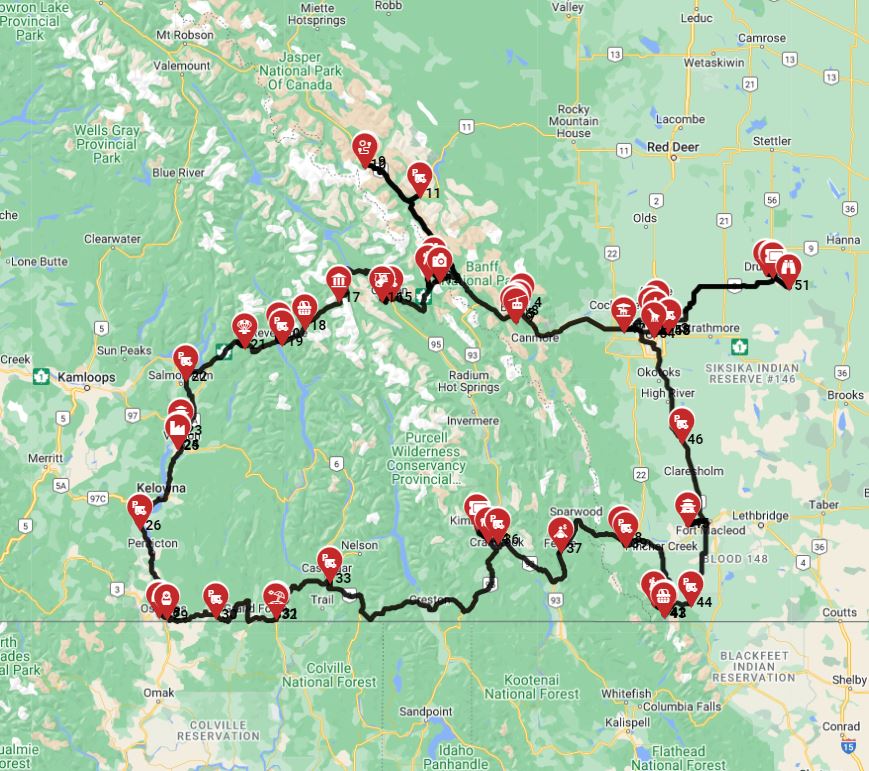
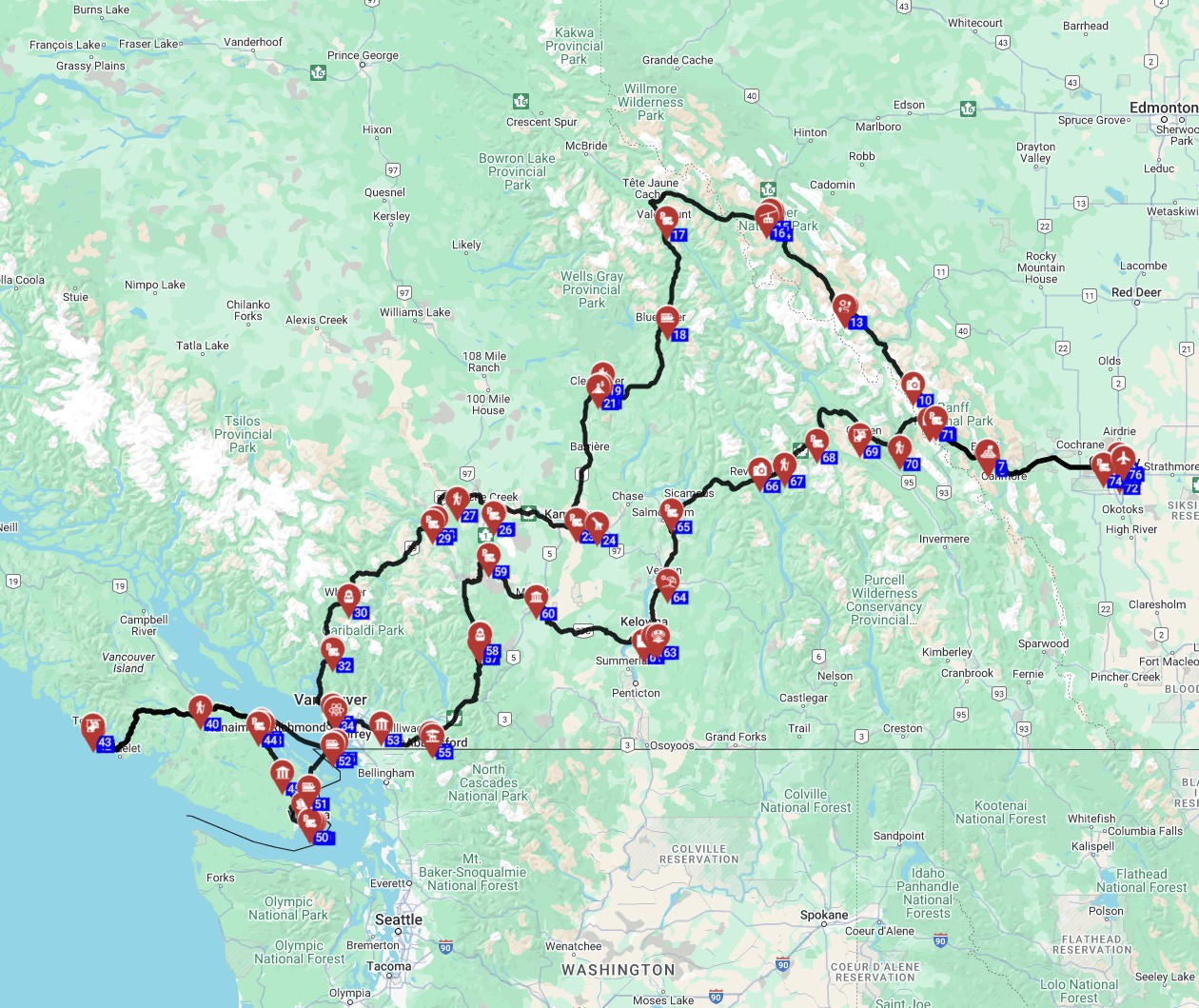
To save on a weekly RV rental in West Canada, consider booking during the shoulder season, prepaying for tolls where available, utilizing campground and fuel discount cards, selecting a smaller RV class if suitable for your group, and monitoring flex-rate price drops. **Book in Shoulder Season:** As mentioned, securing your weekly rental during May, June, September, or October can significantly reduce your costs compared to peak summer rates, often by 15-30%, while still offering fantastic weather and fewer crowds. This aligns perfectly with slow travel, recommending a maximum of 100-150 km per day on average, allowing you to truly feel the place. **Pre-Pay for Tolls:** If your route includes toll roads, check if your rental provider (or Bandana) offers options to pre-purchase toll usage. This can be cheaper than paying on the fly and avoids potential fines. Our Rent&Plan service, offering pre-planned routes by professionals, can also help you identify and manage these expenses upfront. For instance, exploring a route like the "
Vancouver Round Trip - West Canada Cycling Adventure
What are the biggest RV driving challenges in West Canada's mountains?
Steep mountain passes and limited pull-outs are significant RV driving challenges in West Canada's mountains, requiring careful planning, reduced speeds, and adherence to specific route advisories. Driving an RV in West Canada - Complete Guide 2024 offers detailed advice on navigating these areas. The Canadian Rockies, while breathtaking, present unique conditions for RVers. You'll encounter long, winding ascents and descents, particularly on routes like the Trans-Canada Highway through Rogers Pass or the Icefields Parkway between Banff and Jasper. While no special license is needed for any motorhome class (a standard car driver's license is sufficient), larger Class A or C motorhomes will require more attention to braking, engine temperature, and maintaining safe speeds, especially on downhill grades. Drive slowly and carefully, and you can drive almost anywhere without issues. No need to stress - just use common sense and pay attention. Furthermore, many remote campgrounds or scenic viewpoints may be accessed via unpaved roads, demanding caution to prevent vehicle damage and ensure a comfortable ride. Always check road conditions before heading out, as weather can change rapidly. Limited cell service in vast wilderness areas also means relying on offline maps and a solid communication plan, enhancing the sense of remote adventure. It's a journey, not a race, so take your time and savor the views! For those interested in premium routes, read "Luxury RV Driving in West Canada - Scenic Routes 2024."How can I RV responsibly and sustainably in Western Canada?
RVing responsibly and sustainably in Western Canada involves rigorously following Leave No Trace principles, properly disposing of waste and greywater, adhering to wildfire prevention rules, and minimizing impact on local wildlife habitats. With a rented RV, you have a unique opportunity to immerse yourself in West Canada's pristine natural beauty, and it's vital to protect it. This means carrying out everything you pack in, including all trash and food scraps, and utilizing designated dump stations for greywater and blackwater. Never dump these liquids directly onto the ground. Wildfire prevention is paramount, especially during dry seasons; only use campfires in designated pits and ensure they are completely extinguished. Store all food and scented items in bear-resistant containers or your locked RV, far from your sleeping area, to minimize wildlife encounters. British Columbia, in particular, has a large grizzly bear population, so bear awareness is crucial. Respect local communities, follow posted regulations in parks and campgrounds, and contribute to the local economy by supporting small businesses. RV PLANET (rvplan.net) offers routes with designated eco-friendly stops and tips for sustainable travel.What are unique cultural experiences and hidden gems for RVers in West Canada?
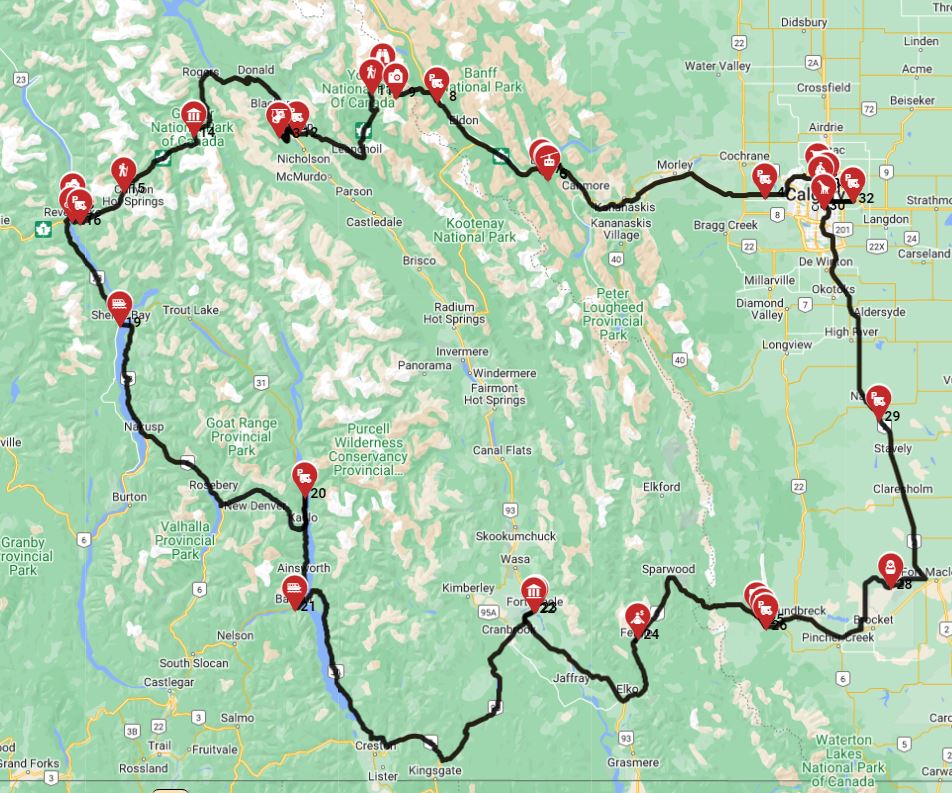
Beyond popular tourist spots, RVers in West Canada can discover unique cultural experiences by visiting charming local towns, engaging with Indigenous cultural centers, exploring farmers' markets for local produce, and seeking out lesser-known natural attractions in provincial parks. West Canada offers a rich tapestry of experiences far beyond its iconic mountains. Imagine pulling your Class B campervan into a small town in the Okanagan Valley, sampling locally crafted wines, or exploring the surprising semi-arid landscapes. Venture to places like Nelson, BC, known for its vibrant arts scene and heritage architecture, or the small fishing villages along Vancouver Island's coast, where you can savor fresh seafood. Engaging with Indigenous cultural centers, such as those near Kamloops or Haida Gwaii, provides profound insights into the region's original inhabitants and their enduring traditions. Farmers' markets across the region, from Vancouver to Calgary, offer a chance to connect with local growers and enjoy fresh, regional ingredients for your RV kitchen. Don't overlook the myriad provincial parks, often less crowded than national parks, which hold stunning waterfalls, hidden lakes, and incredible hiking trails. For example, the "
Vancouver Round Trip - West Canada Cycling Adventure
What are the rules for wild camping on Crown Land in BC and Alberta?
Wild camping on Crown Land in British Columbia and Alberta is generally permitted for up to 14 days per location within a 30-day period, provided you adhere to specific guidelines, avoid restricted areas, and practice strict Leave No Trace principles. Both British Columbia and Alberta offer extensive Crown Land (public land) where responsible RVers can enjoy free, dispersed camping. However, it's critical to understand the regulations to avoid fines or damaging the environment. You must stay at least 1 km away from provincial parks, private property, and active forestry or mining operations. Always look for signage indicating restrictions. Self-sufficiency is key: pack out all trash, properly manage your greywater and blackwater (using a portable toilet system or holding tanks for later disposal at a dump station), and be prepared with your own water and supplies. Utilize online mapping tools and local resources to identify legal access points and suitable spots. For example, a 4x4 campervan like the "Adventure Truck Select" might allow access to more remote areas. Always carry bear spray and store food securely, especially in areas with significant wildlife. Our "RV Driving Deals in West Canada - Routes and Savings 2024" can help you identify routes where wild camping opportunities might be more prevalent.What are the best seasonal RV experiences in Western Canada beyond just summer?
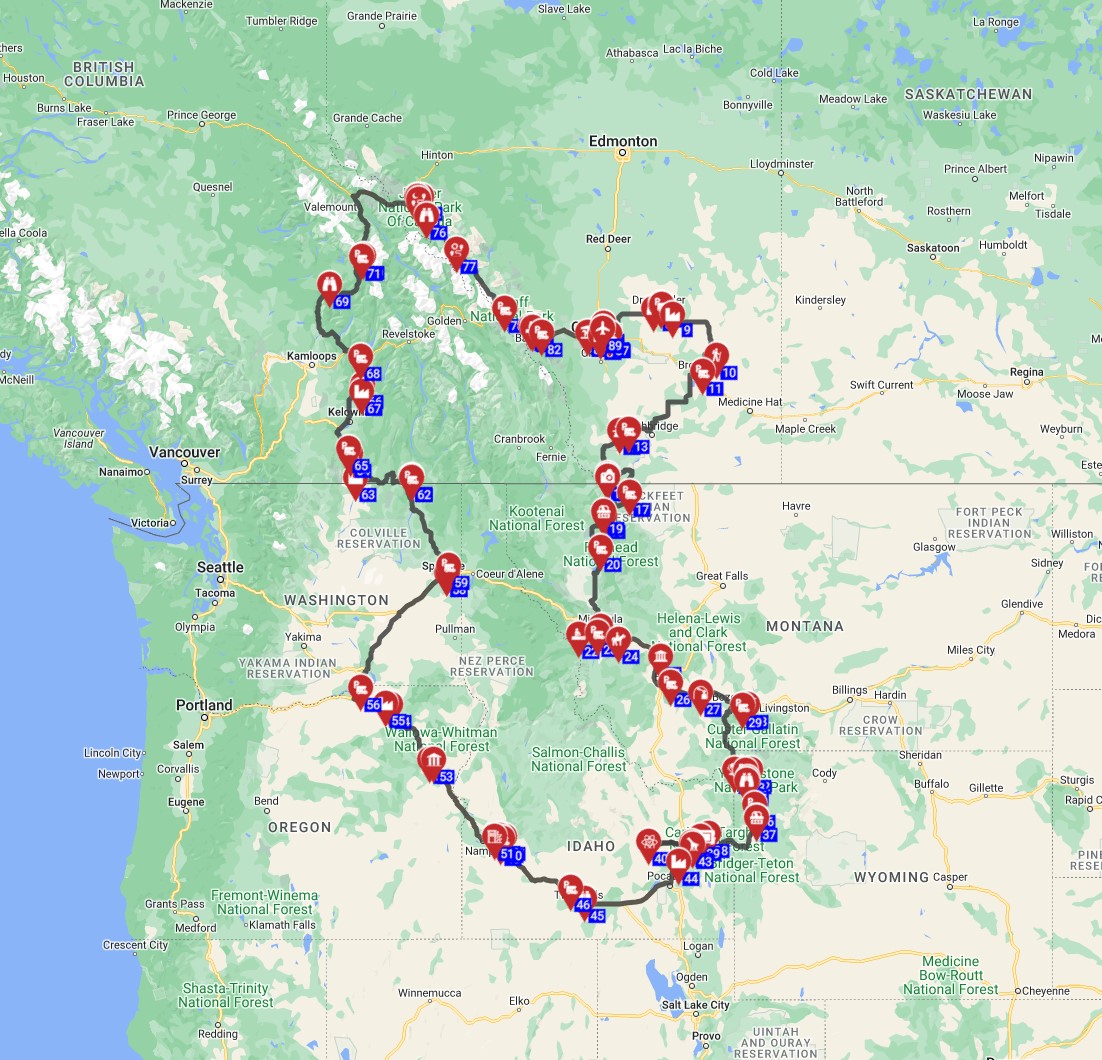
Beyond just summer, West Canada offers unique seasonal RV experiences, including spring wildlife migrations and wildflowers, stunning autumn foliage and harvest festivals, and tranquil winter landscapes ideal for snow sports with a winterized motorhome. While summer is popular, West Canada truly shines in its shoulder seasons. In spring (April-June), the valleys burst with wildflowers, waterfalls gush with snowmelt, and wildlife is abundant as animals emerge from hibernation. It's an ideal time for birdwatching and enjoying fewer crowds at national parks. A two-week adventure through a provincial park could offer exceptional value. Autumn (September-October) transforms the landscapes into a vibrant palette of reds, oranges, and golds, particularly in the Okanagan Valley and the Rockies. This is also prime time for harvest festivals and salmon spawning, offering rich cultural and natural experiences. For example, a route plan like the "
Vancouver Round Trip - West Canada Cycling Adventure
What You Shouldn't Miss
- **Drive the Icefields Parkway:** This 232 km stretch between Banff and Jasper National Parks offers continuous panoramic views, glaciers, turquoise lakes, and abundant wildlife.
- **Explore Banff and Jasper National Parks:** Iconic destinations with incredible hiking, wildlife viewing, and majestic mountain scenery. Rent a Motorhome in West Canada - Complete Guide 2024 is the best starting point to exploring this region.
- **Visit Vancouver Island:** Drive your rented RV onto a ferry and explore the rugged west coast, charming towns like Victoria, and the ancient rainforests of Pacific Rim National Park.
- **Discover the Okanagan Valley:** Experience Canada's only true desert region, with world-class wineries, fruit orchards, and beautiful lakes perfect for a slower paced trip (max 100-150 km per day).
- **Walk the Rocky Mountain Legacy Trail:** Park your RV and enjoy a car-free exploration of Banff, Canmore, and Lake Louise via this paved multi-use pathway.
- **Experience Indigenous Culture:** Seek out opportunities to learn about and engage with the rich history and vibrant cultures of West Canada's Indigenous peoples.
Final Thoughts
Embarking on a weekly RV rental in West Canada is more than just a vacation; it's an opportunity to embrace the open road, discover breathtaking landscapes, and create lasting memories. Whether you're chasing the vibrant colors of autumn, the fresh blooms of spring, or the iconic summer adventures, understanding the dynamics of pricing and preparation is key to a smooth journey. At Bandana Caravan, we are true RV specialists, dedicated to making your planning and booking experience as easy and transparent as the majestic Canadian skies. Remember our core philosophy: travel slowly, max 100-150 km per day on average. Take time to feel the place, connect to the culture, the food, and the scenery. With our full transparency, 24/7 pre-trip support, and expert route plans, your West Canada RV adventure awaits. Get inspired for your next trip and discover top destinations, planning tips, all in one place.In This Guide
- What Weekly RV Rental Costs in West Canada (2024)
- Seasonal Pricing - Peak vs. Shoulder vs. Off-Season in West Canada
- What's Included vs. What's an Add-On
- Hidden Costs to Budget For in West Canada
- How to Save on Weekly RV Rental in West Canada
- What are the biggest RV driving challenges in West Canada's mountains?
- How can I RV responsibly and sustainably in Western Canada?
- What are unique cultural experiences and hidden gems for RVers in West Canada?
- What are the rules for wild camping on Crown Land in BC and Alberta?
- What are the best seasonal RV experiences in Western Canada beyond just summer?
What Weekly RV Rental Costs in West Canada (2024)
April is typically the cheapest month for RV rental in West Canada, with prices fluctuating based on demand, RV class, and booking duration. The exact cost for a weekly rental depends on factors like the type of RV, the time of year, and additional packages selected. Prices are dynamic and can change daily; therefore, it's always best to check live availability for your specific travel dates. For live availability and current prices, start with our RV Rental West Canada - Complete Guide 2024.🎬 Video coming soon
Seasonal Pricing - Peak vs. Shoulder vs. Off-Season in West Canada
RV rental prices in West Canada follow distinct seasonal patterns, with peak rates in July and August, moderate shoulder season prices in late spring and early fall, and the lowest rates during the off-season, typically from October to April.
**Peak Season (July-August):** This period sees the highest demand for RV rentals, resulting in peak pricing. Popular destinations like national parks are often booked months in advance, and prices change significantly day-to-day - always check specific dates. Booking well ahead is crucial to secure your preferred RV and avoid disappointment during summer holidays and festivals. A large Class C motorhome, perfect for a family, might see daily rates of CAD $300-$500+.
**Shoulder Season (May-June & September-October):** The shoulder seasons offer an excellent balance of pleasant weather, fewer crowds, and more moderate rental rates. Late spring brings wildflowers and emerging wildlife, while early autumn boasts stunning fall foliage. These months can provide significant savings, often 15-30% lower than peak season, without compromising the overall RV experience. For instance, a "rent rv example A3" Class C motorhome for a family of 2+2 could be found for CAD $180-$280/day. You can find many inspiring ideas for a Week-Long RV Driving Tour in West Canada 2024 during these times.
**Off-Season (November-April):** The off-season generally offers the lowest weekly RV rental prices, with April often serving as the lowest-priced anchor month. While some campgrounds may be closed or offer winterized services, this period is ideal for budget travelers or those seeking unique winter adventures like skiing or experiencing the quiet beauty of West Canada's landscapes. Availability for non-winterized RVs may be limited.
What's Included vs. What's an Add-On
Basic insurance and essential vehicle functions are typically included in weekly RV rentals, while items like unlimited mileage, generator use, kitchen kits, and bedding are often available as add-ons, varying significantly by RV model and rental station. Generally, the base rental price covers the use of the RV and mandatory basic insurance. However, many amenities that enhance your trip are usually considered add-ons. These can include additional mileage packages (beyond a standard daily allowance of, say, 100-200 km), generator usage fees (often charged per hour), kitchen utensil kits, bedding and linen packages, roadside assistance upgrades, and convenience kits containing items like camping chairs or outdoor tables. For example, a "cruise america rv rental example Explorer" includes a 75-Liter fuel tank and 82-Liter fresh and waste water tanks, but kitchen and bedding kits are usually extra. It's important to stress that specific inclusions and add-ons vary by RV model and rental station, so always verify these details for your chosen booking. Our full transparency promise means you'll always know what you're paying for. **Insider Tip:** Basic insurance is always included. To see prices including the most comprehensive coverage, select that option during search - then all relevant insurance options will be shown. For added convenience, rent-motorhome provides a comparison toggle that allows you to easily see which RVs include kitchen utensils, tableware, and bedding. Want to check exactly what's included? Click here.Hidden Costs to Budget For in West Canada
When planning a weekly RV rental in West Canada, anticipate additional costs beyond the rental fee for tolls (especially around major cities), campsite fees (which vary greatly), fuel (a significant expense given distances), and potential dump-station charges, all of which should be factored into your total budget. **Tolls:** Be aware that some major highways, particularly around populated areas in British Columbia like the Coquihalla Highway (although some sections have been made toll-free), or other specific bridges, may have tolls. A helpful perk is that some RVs rented via Bandana's partners allow you to pre-purchase toll-road usage to avoid surprise charges and fines. **Campsite Fees:** While some free camping options exist (see below), most established campgrounds, especially in national and provincial parks, charge nightly fees ranging from CAD $25 for unserviced sites to CAD $60+ for premium full-hookup spots. Remember that many national/state parks reserve only 25-30% of spots - the rest are first-come-first-serve. You'll find a spot. If not at the first campground, then the next one. Call ahead before driving. For finding campsites and campgrounds during your trip, we recommend using RV PLANET (rvplan.net) - a great resource for locating available spots along your route. **Fuel:** RVs are not known for their fuel efficiency, and West Canada's vast distances mean fuel will be a significant expense. A typical Class C motorhome like the "C-MEDIUM PLUS" (with its 208-Liter fuel tank) might consume 20-25 Liters per 100 km. Prices vary by region and province, so factor CAD $150-$250+ per week into your daily budget for fuel alone. Some RVs even include fuel discount cards for added savings. For managing all these costs, remember that RV PLANET routes allow travelers to itemize and track every expense along the way for easy budgeting. **Propane and Dump Station Charges:** Propane for heating, cooking, and refrigeration typically costs CAD $20-$40 for a week. While many campgrounds include dump station access with your stay, some private facilities or gas stations may charge a small fee, around CAD $5-$15, for greywater and blackwater disposal. It's always a good idea to ask about these 'hidden' costs at pickup. When preparing meals in your RV kitchen, having a well-stocked pantry helps, and for inspiration, check out our RV-friendly recipes playlist.How to Save on Weekly RV Rental in West Canada
To save on a weekly RV rental in West Canada, consider booking during the shoulder season, prepaying for tolls where available, utilizing campground and fuel discount cards, selecting a smaller RV class if suitable for your group, and monitoring flex-rate price drops. **Book in Shoulder Season:** As mentioned, securing your weekly rental during May, June, September, or October can significantly reduce your costs compared to peak summer rates, often by 15-30%, while still offering fantastic weather and fewer crowds. This aligns perfectly with slow travel, recommending a maximum of 100-150 km per day on average, allowing you to truly feel the place. **Pre-Pay for Tolls:** If your route includes toll roads, check if your rental provider (or Bandana) offers options to pre-purchase toll usage. This can be cheaper than paying on the fly and avoids potential fines. Our Rent&Plan service, offering pre-planned routes by professionals, can also help you identify and manage these expenses upfront. For instance, exploring a route like the "
Vancouver Round Trip - West Canada Cycling Adventure
What are the biggest RV driving challenges in West Canada's mountains?
Steep mountain passes and limited pull-outs are significant RV driving challenges in West Canada's mountains, requiring careful planning, reduced speeds, and adherence to specific route advisories. Driving an RV in West Canada - Complete Guide 2024 offers detailed advice on navigating these areas. The Canadian Rockies, while breathtaking, present unique conditions for RVers. You'll encounter long, winding ascents and descents, particularly on routes like the Trans-Canada Highway through Rogers Pass or the Icefields Parkway between Banff and Jasper. While no special license is needed for any motorhome class (a standard car driver's license is sufficient), larger Class A or C motorhomes will require more attention to braking, engine temperature, and maintaining safe speeds, especially on downhill grades. Drive slowly and carefully, and you can drive almost anywhere without issues. No need to stress - just use common sense and pay attention. Furthermore, many remote campgrounds or scenic viewpoints may be accessed via unpaved roads, demanding caution to prevent vehicle damage and ensure a comfortable ride. Always check road conditions before heading out, as weather can change rapidly. Limited cell service in vast wilderness areas also means relying on offline maps and a solid communication plan, enhancing the sense of remote adventure. It's a journey, not a race, so take your time and savor the views! For those interested in premium routes, read "Luxury RV Driving in West Canada - Scenic Routes 2024."How can I RV responsibly and sustainably in Western Canada?
RVing responsibly and sustainably in Western Canada involves rigorously following Leave No Trace principles, properly disposing of waste and greywater, adhering to wildfire prevention rules, and minimizing impact on local wildlife habitats. With a rented RV, you have a unique opportunity to immerse yourself in West Canada's pristine natural beauty, and it's vital to protect it. This means carrying out everything you pack in, including all trash and food scraps, and utilizing designated dump stations for greywater and blackwater. Never dump these liquids directly onto the ground. Wildfire prevention is paramount, especially during dry seasons; only use campfires in designated pits and ensure they are completely extinguished. Store all food and scented items in bear-resistant containers or your locked RV, far from your sleeping area, to minimize wildlife encounters. British Columbia, in particular, has a large grizzly bear population, so bear awareness is crucial. Respect local communities, follow posted regulations in parks and campgrounds, and contribute to the local economy by supporting small businesses. RV PLANET (rvplan.net) offers routes with designated eco-friendly stops and tips for sustainable travel.What are unique cultural experiences and hidden gems for RVers in West Canada?
Beyond popular tourist spots, RVers in West Canada can discover unique cultural experiences by visiting charming local towns, engaging with Indigenous cultural centers, exploring farmers' markets for local produce, and seeking out lesser-known natural attractions in provincial parks. West Canada offers a rich tapestry of experiences far beyond its iconic mountains. Imagine pulling your Class B campervan into a small town in the Okanagan Valley, sampling locally crafted wines, or exploring the surprising semi-arid landscapes. Venture to places like Nelson, BC, known for its vibrant arts scene and heritage architecture, or the small fishing villages along Vancouver Island's coast, where you can savor fresh seafood. Engaging with Indigenous cultural centers, such as those near Kamloops or Haida Gwaii, provides profound insights into the region's original inhabitants and their enduring traditions. Farmers' markets across the region, from Vancouver to Calgary, offer a chance to connect with local growers and enjoy fresh, regional ingredients for your RV kitchen. Don't overlook the myriad provincial parks, often less crowded than national parks, which hold stunning waterfalls, hidden lakes, and incredible hiking trails. For example, the "
Vancouver Round Trip - West Canada Cycling Adventure
What are the rules for wild camping on Crown Land in BC and Alberta?
Wild camping on Crown Land in British Columbia and Alberta is generally permitted for up to 14 days per location within a 30-day period, provided you adhere to specific guidelines, avoid restricted areas, and practice strict Leave No Trace principles. Both British Columbia and Alberta offer extensive Crown Land (public land) where responsible RVers can enjoy free, dispersed camping. However, it's critical to understand the regulations to avoid fines or damaging the environment. You must stay at least 1 km away from provincial parks, private property, and active forestry or mining operations. Always look for signage indicating restrictions. Self-sufficiency is key: pack out all trash, properly manage your greywater and blackwater (using a portable toilet system or holding tanks for later disposal at a dump station), and be prepared with your own water and supplies. Utilize online mapping tools and local resources to identify legal access points and suitable spots. For example, a 4x4 campervan like the "Adventure Truck Select" might allow access to more remote areas. Always carry bear spray and store food securely, especially in areas with significant wildlife. Our "RV Driving Deals in West Canada - Routes and Savings 2024" can help you identify routes where wild camping opportunities might be more prevalent.What are the best seasonal RV experiences in Western Canada beyond just summer?
Beyond just summer, West Canada offers unique seasonal RV experiences, including spring wildlife migrations and wildflowers, stunning autumn foliage and harvest festivals, and tranquil winter landscapes ideal for snow sports with a winterized motorhome. While summer is popular, West Canada truly shines in its shoulder seasons. In spring (April-June), the valleys burst with wildflowers, waterfalls gush with snowmelt, and wildlife is abundant as animals emerge from hibernation. It's an ideal time for birdwatching and enjoying fewer crowds at national parks. A two-week adventure through a provincial park could offer exceptional value. Autumn (September-October) transforms the landscapes into a vibrant palette of reds, oranges, and golds, particularly in the Okanagan Valley and the Rockies. This is also prime time for harvest festivals and salmon spawning, offering rich cultural and natural experiences. For example, a route plan like the "
Vancouver Round Trip - West Canada Cycling Adventure
What You Shouldn't Miss
- **Drive the Icefields Parkway:** This 232 km stretch between Banff and Jasper National Parks offers continuous panoramic views, glaciers, turquoise lakes, and abundant wildlife.
- **Explore Banff and Jasper National Parks:** Iconic destinations with incredible hiking, wildlife viewing, and majestic mountain scenery. Rent a Motorhome in West Canada - Complete Guide 2024 is the best starting point to exploring this region.
- **Visit Vancouver Island:** Drive your rented RV onto a ferry and explore the rugged west coast, charming towns like Victoria, and the ancient rainforests of Pacific Rim National Park.
- **Discover the Okanagan Valley:** Experience Canada's only true desert region, with world-class wineries, fruit orchards, and beautiful lakes perfect for a slower paced trip (max 100-150 km per day).
- **Walk the Rocky Mountain Legacy Trail:** Park your RV and enjoy a car-free exploration of Banff, Canmore, and Lake Louise via this paved multi-use pathway.
- **Experience Indigenous Culture:** Seek out opportunities to learn about and engage with the rich history and vibrant cultures of West Canada's Indigenous peoples.
Final Thoughts
Embarking on a weekly RV rental in West Canada is more than just a vacation; it's an opportunity to embrace the open road, discover breathtaking landscapes, and create lasting memories. Whether you're chasing the vibrant colors of autumn, the fresh blooms of spring, or the iconic summer adventures, understanding the dynamics of pricing and preparation is key to a smooth journey. At Bandana Caravan, we are true RV specialists, dedicated to making your planning and booking experience as easy and transparent as the majestic Canadian skies. Remember our core philosophy: travel slowly, max 100-150 km per day on average. Take time to feel the place, connect to the culture, the food, and the scenery. With our full transparency, 24/7 pre-trip support, and expert route plans, your West Canada RV adventure awaits. Get inspired for your next trip and discover top destinations, planning tips, all in one place!On the routes offered through RV PLANET routes, you can itemize and track every expense along the way for easy budgeting.