In This Guide
- What luxury rv rental RV Rental Costs in West Canada (2026)
- Seasonal Pricing — Peak vs. Shoulder vs. Off-Season in West Canada
- What's Included vs. What's an Add-On
- Hidden Costs to Budget For in West Canada
- How to Save on Luxury rv rental RV Rental in West Canada
- Can you wild camp in Alberta
- Can you wild camp in British Columbia
- What permits do I need to RV in Alberta
- What permits do I need to RV in BC
- How much is the Kananaskis Conservation Pass
- Where are the dump stations in Banff
- Is it hard to drive an RV through the Rockies
- Is it safe to RV in the Rockies
What luxury rv rental RV Rental Costs in West Canada (2026)
Luxury RV rental costs in West Canada are dynamic, influenced by factors like the RV class (e.g., Class A, B, C, Super Indulgence, Truck Camper), rental duration, time of year, and overall availability. April typically presents the most budget-friendly option, offering significant savings compared to peak season rates. For instance, a Class C motorhome rental might range from $100 to $250 USD per day, with larger, more luxurious models like Class A commanding higher prices. Extended rentals often come with a reduced daily rate, making longer adventures more economical. For the most accurate and up-to-date pricing tailored to your specific travel dates and desired RV, it's always best to check live prices using the search tool. Remember that these figures are estimates, and actual prices fluctuate daily based on supply and demand.
Seasonal Pricing — Peak vs. Shoulder vs. Off-Season in West Canada
Understanding seasonal pricing is key to maximizing your luxury RV rental budget in West Canada. The Peak Season, generally spanning July and August, experiences the highest demand due to ideal weather and school holidays. During this period, expect premium pricing and limited availability, making advance booking crucial. The Shoulder Seasons, typically May-June and September-October, offer a compelling balance. You'll find pleasant weather, fewer crowds, and more moderate prices, often ideal for experiencing the region's beauty without the summer rush. Finally, the Off-Season (November-April, excluding major holidays) presents the lowest rental rates, with April often being the most affordable month. While winter RVing offers unique experiences, be prepared for potential road closures, limited campground amenities, and the necessity of winter-ready RVs. Prices can change significantly day-to-day, even within peak season, so always check specific dates to secure the best available rates for your luxury RV adventure.
What's Included vs. What's an Add-On
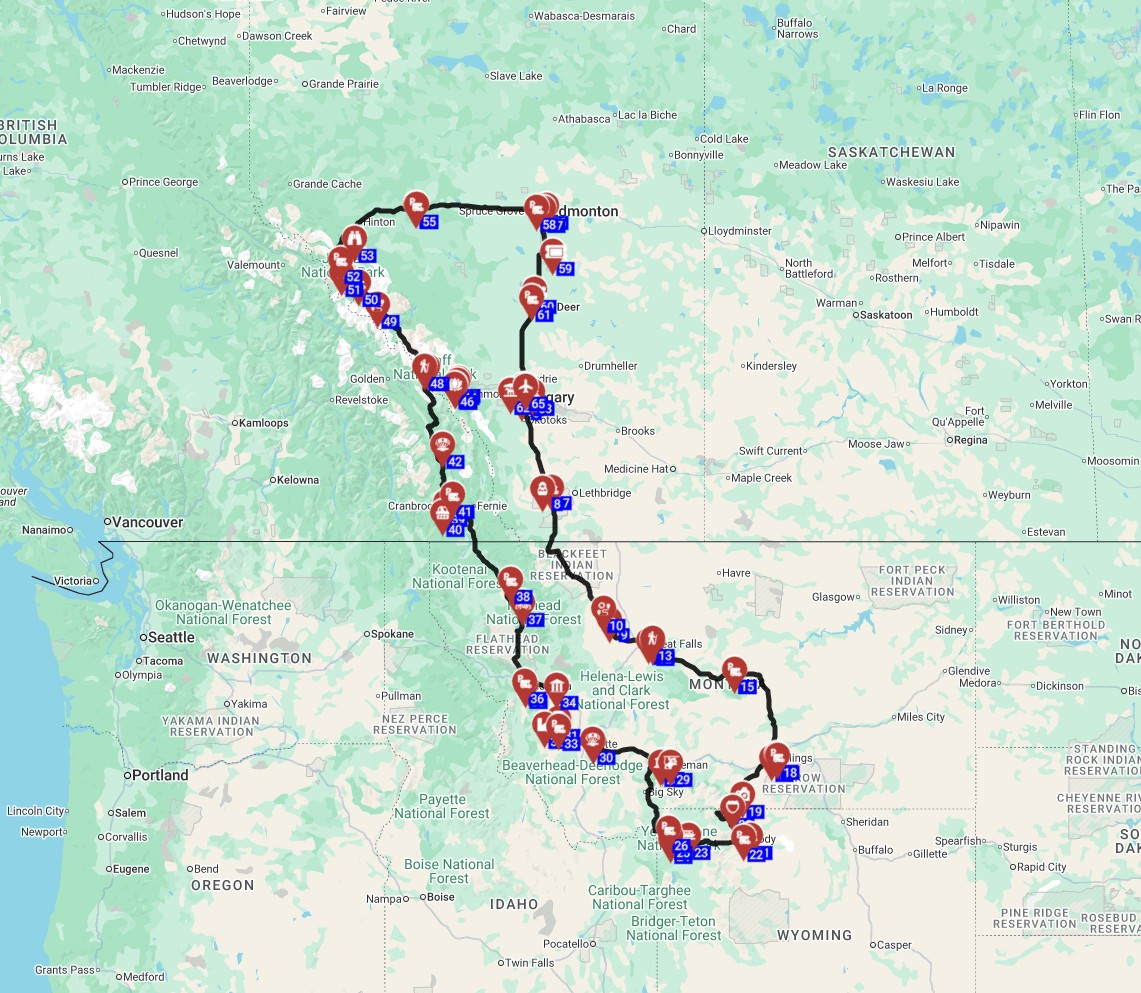
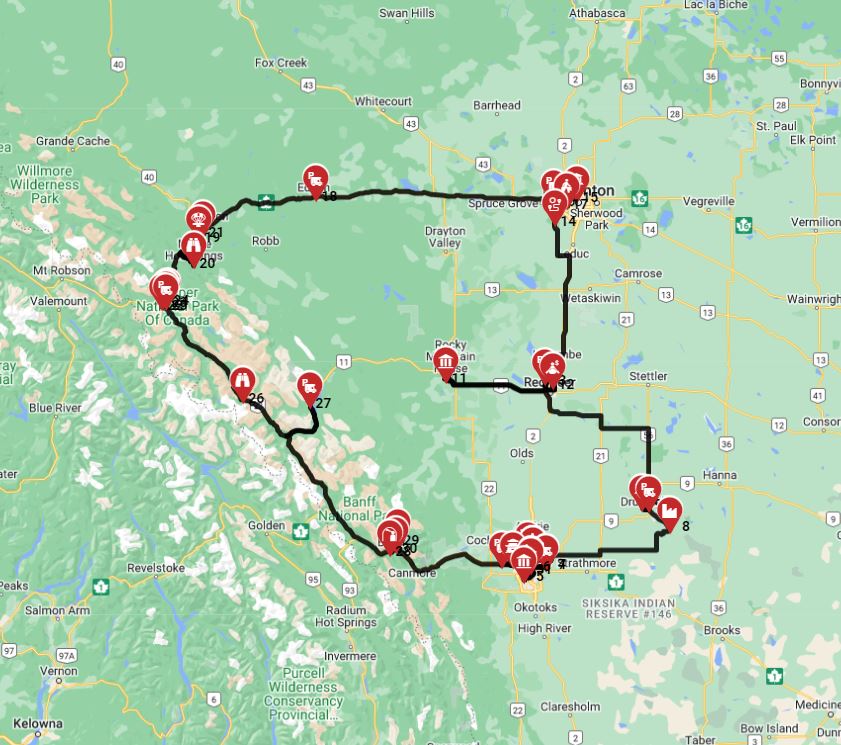
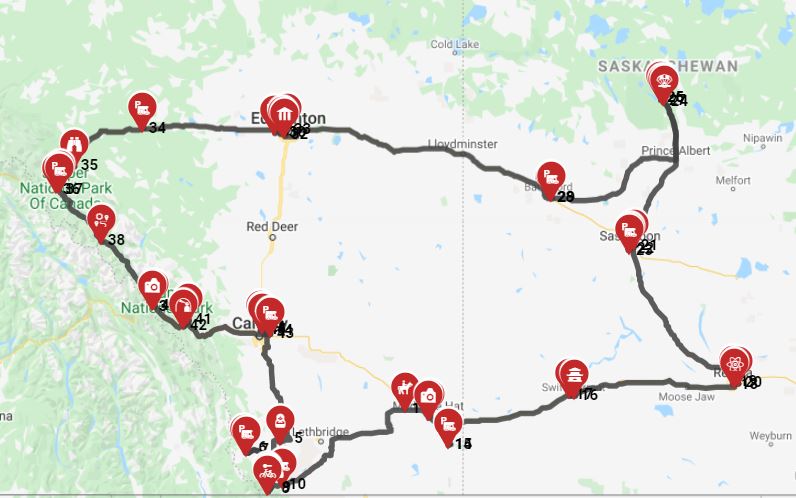
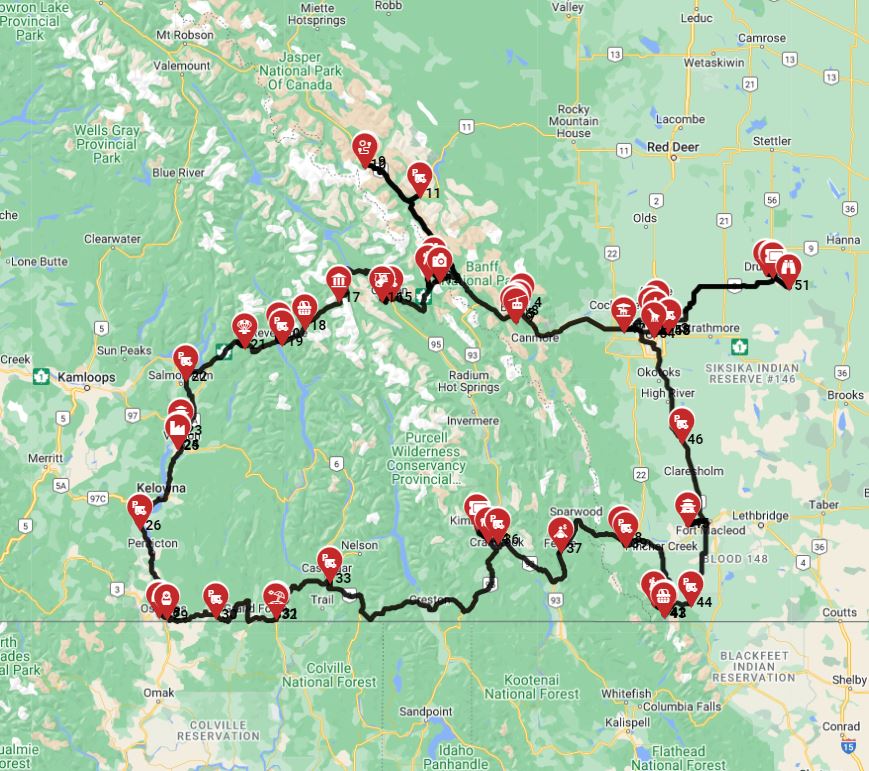
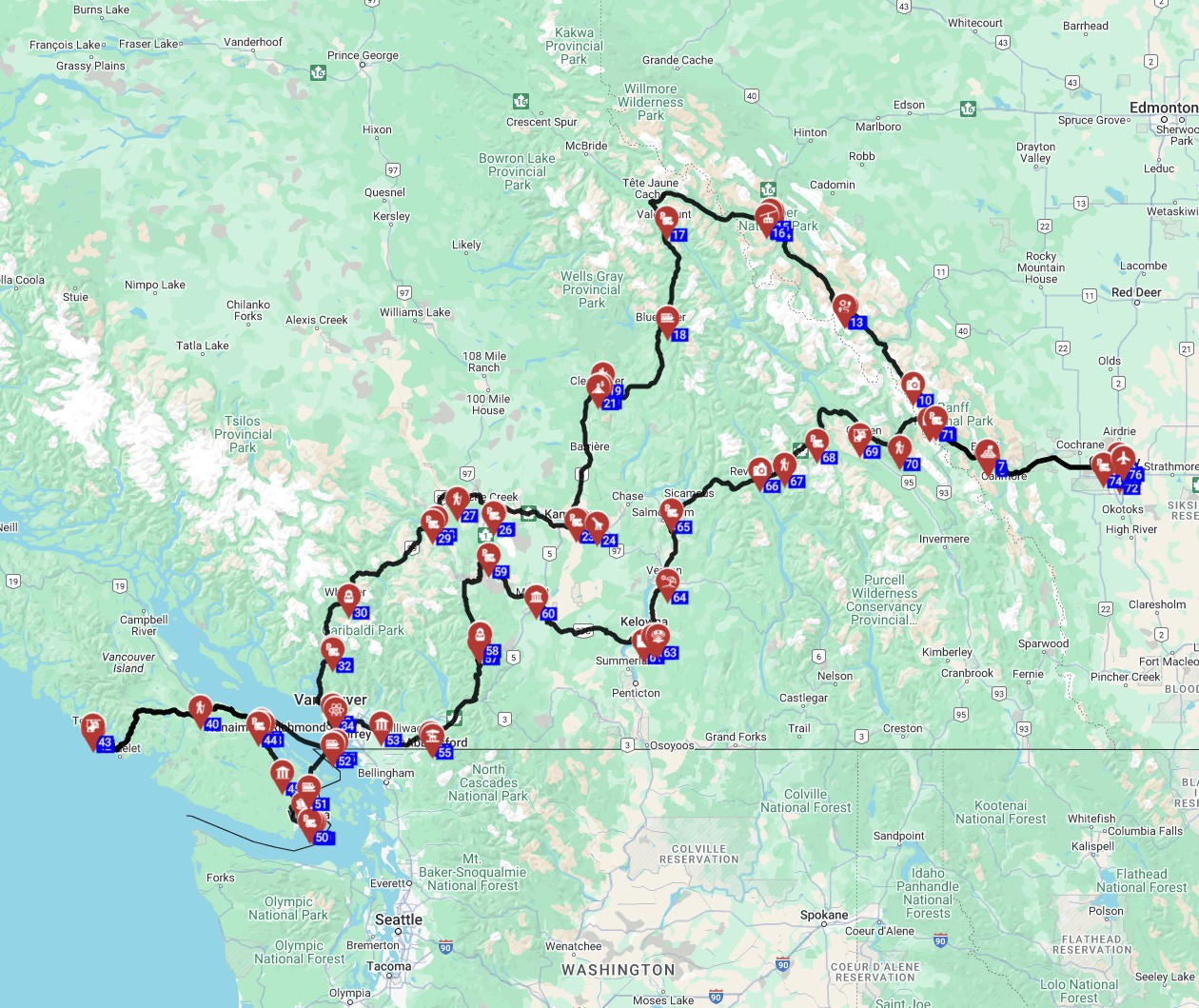
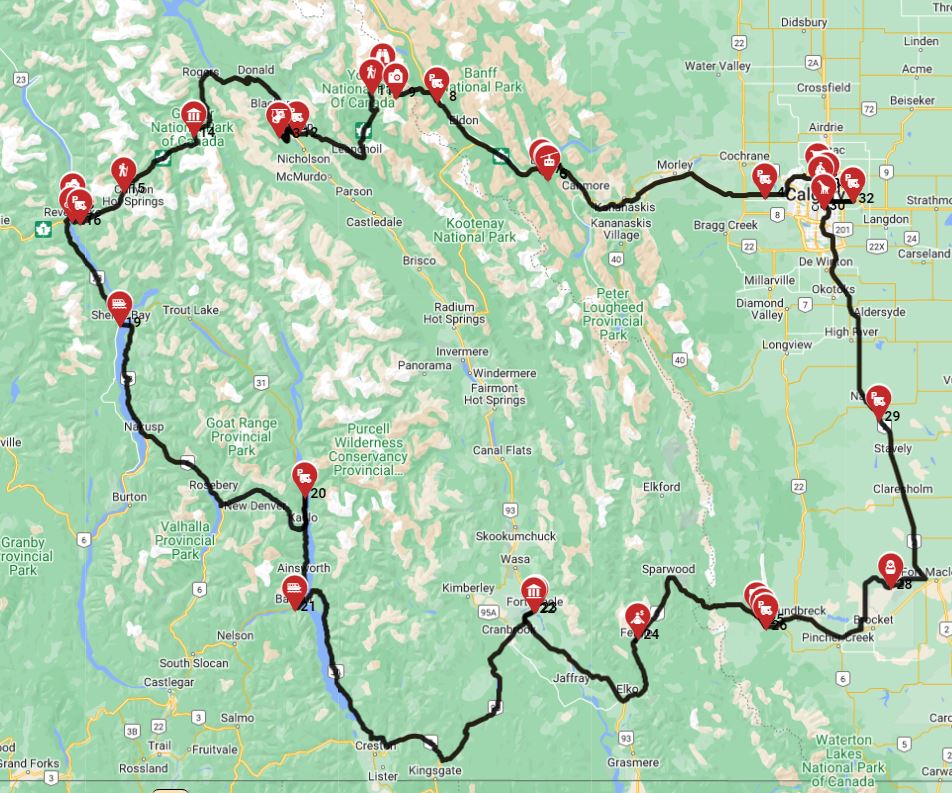
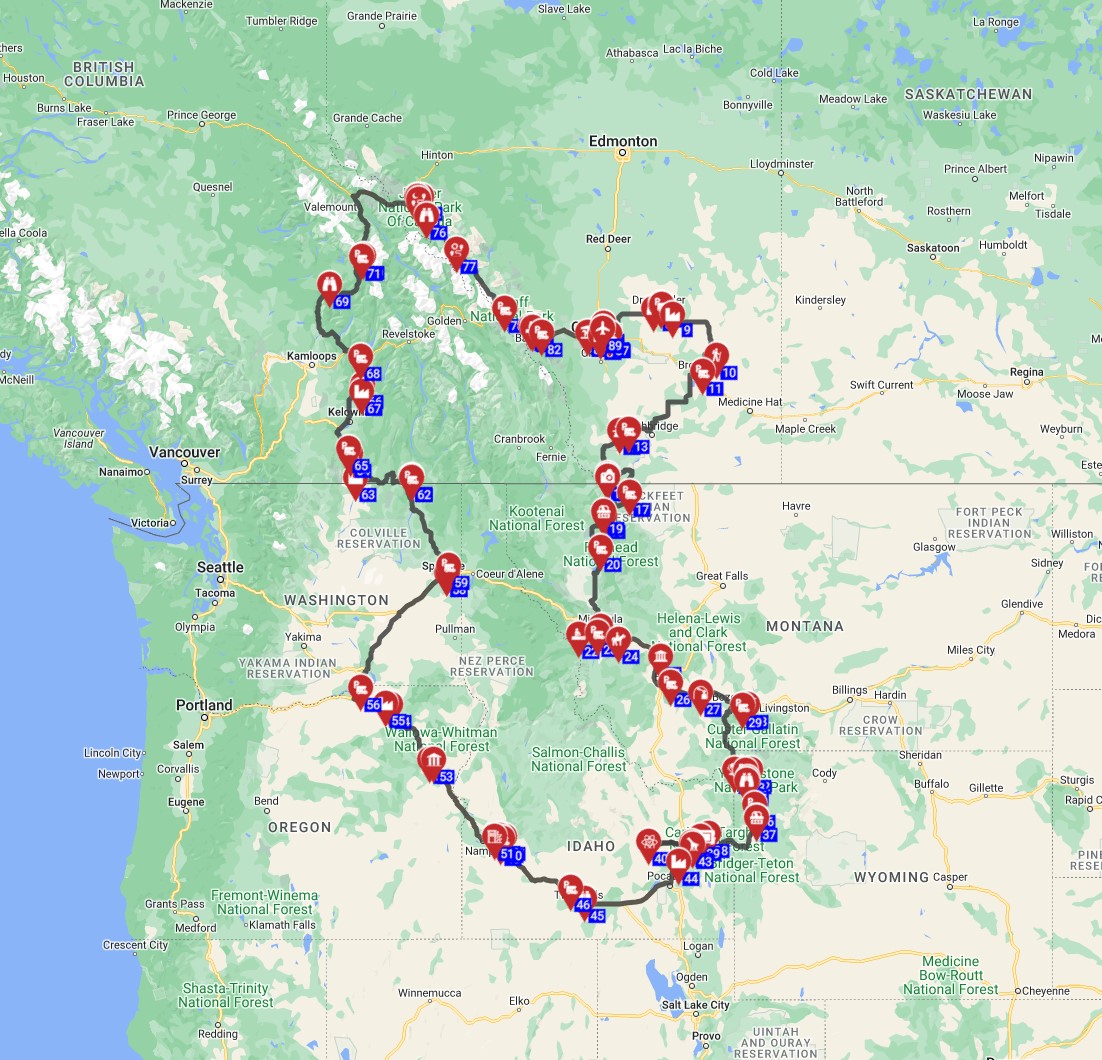
When renting a luxury RV in West Canada, it's important to clarify what’s included and what constitutes an add-on to avoid unexpected costs. Basic insurance is a standard inclusion with every RV rental, providing fundamental vehicle operation and safety coverage, although specific tiers and deductibles will vary by supplier. Generally, standard inclusions cover the essential vehicle features, but amenities like kitchen kits, bedding, and generator usage are frequently extra. Common add-ons for luxury RV rentals include comprehensive insurance tiers that significantly reduce deductibles, additional mileage packages, generator hours, premium kitchen equipment, and deluxe bedding/linen packages. To get a clear picture of prices, including the most comprehensive coverage, select those options during your search; all relevant insurance choices will then be displayed. Many rental platforms offer comparison toggles that allow users to easily identify which luxury RVs include amenities like kitchen utensils, tableware, and bedding, simplifying packing and budgeting. For ideas you can prep on the road, watch our RV-friendly recipes playlist on YouTube. On the routes offered through RV PLANET routes, you can itemize and track every expense along the way for easy budgeting.
Hidden Costs to Budget For in West Canada
Beyond the base rental rate, several ancillary costs require careful budgeting for an RV trip in West Canada. Fuel is a significant variable, especially for larger luxury RVs traversing the region's expansive distances and mountainous terrain, so always anticipate higher consumption. Campsite fees can range widely, from basic provincial park sites to upscale private RV resorts with full hookups and extensive amenities; luxury renters often opt for premium sites, impacting the overall budget. Dump station charges, while sometimes included with a campground stay, can be an additional expense, particularly in British Columbia, often ranging from $5 to $25 per use. Tolls may apply on certain highway sections; some rental providers offer perks, like pre-purchasing toll road usage to avoid surprise charges and fines. Crucially, specific permits and passes, such as Alberta's Kananaskis Conservation Pass or Parks Canada Passes, are mandatory for accessing many popular recreation areas and are separate from rental costs. Utilizing resources that help track these expenses along your RV PLANET routes can greatly assist in managing your overall trip budget.
How to Save on luxury rv rental RV Rental in West Canada
Securing a great deal on your luxury RV rental in West Canada is achievable with strategic planning. Booking in the shoulder seasons (May-June or September-October) is a prime strategy, offering pleasant weather and fewer crowds at lower rates compared to peak summer. If your chosen route involves toll roads, pre-paying them, if available through your rental provider, can save money and prevent unexpected fines. Take advantage of any offered campground discount cards or fuel discount cards from your luxury RV rental company to mitigate ongoing expenses. When choosing your RV, optimize by considering if a slightly smaller Class B or C RV would suit your group; these often have lower rental rates and better fuel efficiency than larger Class A models. Opting for longer durations can also result in a lower daily rental rate, making multi-week or month-long adventures more cost-effective. Finally, monitor dynamic pricing for potential flex-rate drops or last-minute deals on luxury RVs, which can present significant savings.
Can you wild camp in Alberta
Wild camping, or boondocking, in Alberta is generally permitted on designated Crown land, provided you adhere to specific regulations and responsible practices. To find legal Crown land areas, utilize resources like the Alberta Public Land Use Zone (PLUZ) maps or apps such as iOverlander, ensuring you are not on private property or within restricted zones near parks. It is paramount to always practice Leave No Trace principles by packing out all waste, minimizing noise, and ensuring no lasting impact on the environment. Be aware of and respect local fire bans, especially during dry seasons, and only have campfires in designated, safe areas if permitted. Prioritize safety in remote areas by being prepared for wildlife encounters—carrying bear spray and practicing proper food storage—informing others of your itinerary, and carrying emergency supplies.
Can you wild camp in British Columbia
Wild camping in British Columbia is legally allowed on Crown land, particularly within Forest Service Roads (FSRs) and other specified areas, provided provincial regulations are understood and followed. It’s advisable to consult BC's 'Frontcountry' and 'Backcountry' camping policies; many FSRs offer free, undesignated camping spots, but some popular areas might require a permit or fall under specific rules. You must strictly adhere to Leave No Trace principles, ensuring all waste—including greywater and blackwater—is properly managed and packed out or disposed of at appropriate dump stations. Being informed about current fire bans and restrictions is crucial, especially in forested areas, as these are common and strictly enforced during dry summer months. Ensure your personal safety by understanding wildlife protocols, carrying reliable communication devices (as cell service is often limited), and planning for remote access with minimal services.
What permits do I need to RV in Alberta
RVing in Alberta typically requires a Parks Canada Pass for entry into National Parks such as Banff, Jasper, Waterton Lakes, and Elk Island; these can be purchased online or at park gates. Additionally, a Kananaskis Conservation Pass is mandatory for all vehicles stopping in Kananaskis Country and the Bow Valley Provincial Park, required for both day-use and overnight stays. Provincial Park day-use or camping fees will apply for overnight stays or specific activities within Alberta Provincial Parks, which are separate from national park passes. You may also need additional permits for specific activities like fishing or backcountry excursions within protected areas. Always check the official Parks Canada and Alberta Parks websites for the most current permit requirements and purchasing options before embarking on your trip.
What permits do I need to RV in BC
When RVing in British Columbia, visitors will generally need a Parks Canada Pass for access to National Parks like Yoho, Kootenay, and Pacific Rim National Park Reserve. For BC Provincial Parks, day-use or camping fees apply, and for popular parks such as Joffre Lakes or Garibaldi, a reservation system (Discover Camping) is often required, sometimes including specific timed entry passes during peak season. While there isn't a single comprehensive provincial pass comparable to Alberta's Kananaskis Pass, specific provincial park entrance fees or parking permits might be implemented for certain high-demand sites. Always verify permit requirements through the official BC Parks website or individual park resources to avoid fines and ensure access.
How much is the Kananaskis Conservation Pass
The Kananaskis Conservation Pass costs $15 per vehicle for a single day or $90 for an annual pass, and it is mandatory for all vehicles stopping in Kananaskis Country and the Bow Valley Provincial Park. This pass directly supports conservation efforts, the maintenance of recreational facilities, and public safety initiatives within these designated areas. The pass can be conveniently purchased online through the Alberta Parks website or at designated visitor information centres in the region. Failure to display a valid pass can result in fines, so ensure it is visible in your RV when visiting Kananaskis Country to avoid penalties.
Where are the dump stations in Banff
In Banff National Park, dedicated RV dump stations and fresh water fill-up facilities are primarily available at major campgrounds and specific service areas, ensuring convenient waste disposal and water replenishment for RVers. Key locations include the Tunnel Mountain Village II Campground and the Lake Louise Campground, which offer these services to registered campers and often for a small fee to non-campers. Private RV parks in the Banff and Canmore areas, such as the Lake Louise Tent & Trailer Campground, also typically provide dump and fill services, often with enhanced amenities suitable for luxury RVs. To find up-to-date locations and availability of dump stations and fresh water sources throughout the Rockies, including user-reported fees and amenities, utilize apps like iOverlander or RV LIFE Trip Wizard. Be mindful of operating hours and potential seasonal closures for these facilities, especially outside of peak summer months, as services can be limited in spring or fall.
Is it hard to drive an RV through the Rockies
Driving an RV through the Canadian Rockies can be challenging due to winding roads, steep inclines, and variable weather, but it is manageable with careful planning, appropriate RV selection, and cautious driving practices. Larger luxury Class A RVs can be more cumbersome on narrow, winding mountain roads and in smaller, older campgrounds, whereas Class B or C models generally offer greater maneuverability and easier parking. Routes like the scenic Icefields Parkway are breathtaking but demand attention to speed limits, sharp curves, and potential wildlife on the road, requiring a driver comfortable with mountain driving. It's essential to practice using engine braking (downshifting) to control speed on descents and prevent brake overheating—a critical skill for mountain passes. Consider ferry routes in British Columbia for island travel; larger RVs may require advance reservations and incur higher fees. Always check road conditions and weather forecasts before departing, especially during shoulder seasons when snow and ice can still be present at higher elevations.
Is it safe to RV in the Rockies
RVing in the Canadian Rockies is generally safe, but it requires preparedness for wildlife encounters, unpredictable mountain weather, and remote areas with limited cell service. Practice robust wildlife safety: store all food in bear-proof containers, carry bear spray, make noise on trails, and never approach or feed animals, particularly bears and moose. Be prepared for rapidly changing weather conditions by packing layers, having emergency supplies (food, water, blankets), and checking forecasts frequently, as mountain weather is highly localized. Understanding mountain driving techniques, including proper gear usage for ascents and descents, and being aware of potential road closures or advisories during severe weather is also crucial. Cell service can be unreliable in many remote areas, so consider carrying a satellite communication device or downloading offline maps and emergency contacts for planning and emergencies. Informing a trusted contact of your itinerary, especially when venturing into less populated regions, is always recommended for added personal and RV safety.
What You Shouldn't Miss
- Drive the iconic Icefields Parkway, a route connecting Banff and Jasper National Parks, renowned for its stunning glaciers and turquoise lakes.
- Explore the charming mountain towns of Banff and Canmore, offering vibrant culture, dining, and access to numerous hiking trails.
- Visit Moraine Lake and Lake Louise in Banff National Park, iconic Canadian Rockies landmarks with breathtaking turquoise waters and surrounding peaks.
- Experience the unique desert landscape of the Okanagan Valley in British Columbia, known for its wineries and abundant sunshine.
- Witness the vastness of the night sky in Jasper National Park, one of the world's largest Dark Sky Preserves, perfect for RV stargazing.
Final Thoughts
Embarking on an RV adventure in West Canada is an incredible way to connect with nature and experience the vast, diverse landscapes this country has to offer. From the majestic peaks of the Rockies to the scenic coastlines of British Columbia, a rented RV provides the ultimate freedom and comfort for your exploration. Remember that planning is key, especially regarding seasonal pricing and securing permits, but the rewards of waking up to unparalleled views and the flexibility of the open road are immeasurable.
We encourage you to take advantage of the resources available, like RV PLANET routes, to craft an itinerary that suits your interests and budget. Don’t hesitate to compare different RV classes and suppliers to find the perfect fit for your group. With a little preparation, your luxury RV rental in West Canada promises to be a truly unforgettable journey.