In This Guide
- Best North West US RV Itinerary for winter rv rental - Overview
- 7-Day Classic Route in North West US
- 14-Day Extended Journey in North West US
- Recommended RVPlan Trip for North West US
- Must-See Stops Along the Way (Avi Bandana Picks)
- Daily Driving Distances & Drive Times in North West US
- Best RV Class for This Itinerary - Couple & Family Picks
- What is the 3-3-3 rule for RVing?
- Where is the best place to RV in the winter?
- What is the 444 rule for RV camping?
- What is the 3-3-3 rule for RVs?
- What is the 4 4 4 rule for RV?
- What is the 2 2 2 rule for RV travel?
- Where to travel with an RV in winter?
- Where is the best place to spend winter in an RV?
- What is the 4-4-4 rule for RV travel?
- What are some unique Northwest experiences?
- What You Shouldn't Miss
- Why Book with Bandana Caravan
- Final Thoughts
- Frequently Asked Questions
Imagine crisp winter air, towering evergreen trees dusted with snow, and the vast expanse of the Pacific Ocean crashing against a rugged coastline. A winter RV itinerary in North West US - Cold-Weather Routes 2026 offers an unparalleled opportunity to experience the stunning natural beauty of the region in a unique, cozy way. The North West US, encompassing states like Washington, Oregon, and parts of Idaho, transforms into a wonderland during the colder months, promising adventures from snowshoeing in the Cascades to storm watching along the coast. For live availability and current prices, start with our RV Rental North West US - Complete Guide 2026 guide.
Best North West US RV Itinerary for winter rv rental - Overview
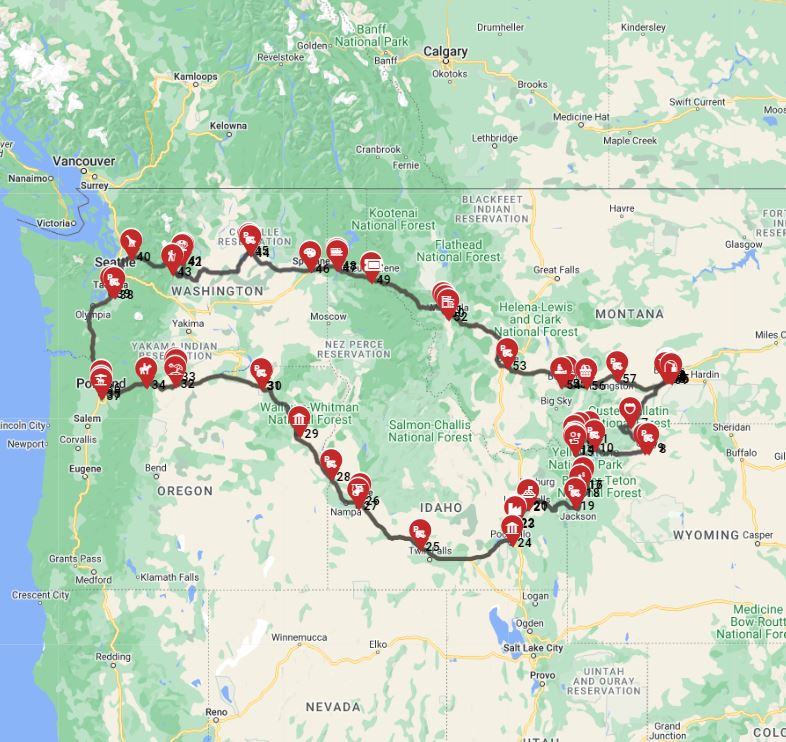
A winter RV rental in North West US allows you to explore a diverse winter landscape across the Pacific Northwest, spanning snow-capped mountains, rugged coastlines, and high desert regions. A recommended 7-day minimum duration covering approximately 700-1000 km (435-620 miles) offers a comprehensive experience, blending iconic sights with serene winter escapes. The best season for this itinerary is late fall through early spring (November-April) for unique winter experiences, with essential preparation for varying microclimates you’ll encounter. For a truly immersive journey, consider an extended 14-day trip for a deeper dive into distinct regions like the Oregon Coast, Central Oregon's high desert, and Washington's Olympic Peninsula or Cascades, offering more time to savor each location. Our "RV Travel Guide to North West US - Tips and Top Spots 2026" provides more inspiration for your adventure.
7-Day Classic Route in North West US
This 7-day itinerary offers a taste of diverse winter landscapes in the Pacific Northwest, focusing on manageable daily drives of no more than 150 km (100 miles) to ensure a relaxed and safe trip. Starting in Seattle, Washington, you could venture south towards the dramatic Oregon Coast, pausing at charming towns like Cannon Beach or Astoria. From there, head inland towards Portland for its vibrant culinary scene and cozy breweries, then east into the Columbia River Gorge to witness frozen waterfalls. The beauty of a rented motorhome is the flexibility to adjust your schedule. Winter RVing in the PNW requires preparedness for varied conditions, including potential snow on mountain passes, consistent rain along the coast, and chilly desert nights, so always check weather reports and road conditions before you depart. For finding campsites and campgrounds during your trip, we recommend using RV PLANET (rvplan.net) - a great resource for locating available spots along your route.
14-Day Extended Journey in North West US
This 14-day itinerary expands upon the classic route, offering more in-depth exploration of the Pacific Northwest's winter wonders, ensuring ample time to savor each destination with daily drives capped at 150 km (100 miles). Beginning in Portland, you could travel down the Oregon Coast, perhaps stopping at the dramatic Cape Perpetua Scenic Area, then cut inland to Central Oregon's high desert near Bend for sunnier, colder weather and snow activities. From Bend, venture north towards Washington's Olympic Peninsula to explore temperate rainforests and dramatic coastlines, before concluding your journey in Seattle. It includes opportunities to experience unique microclimates from the temperate rainforests to the high desert, requiring adaptable gear and itinerary adjustments based on real-time weather and road conditions. This extended trip allows for a truly slow travel experience, where you can fully immerse yourself in the natural beauty and local culture without feeling rushed, unlike a shorter "Cheap RV Rental in North West US - Budget Guide 2026" focused on speed.
Recommended RVPlan Trip for North West US
While a specific RVPlan trip for this exact itinerary is not currently available, Bandana highly recommends exploring our 'Rent & Plan' service for custom-crafted adventures. Our travel experts can design a personalized winter RV itinerary for the North West US, integrating your preferences and leveraging our trip-planning software for a seamless experience. This service takes the headache out of planning, providing a ready-made itinerary complete with stops, activities, and campground suggestions tailored to winter conditions in the PNW. As a bonus, using rvplan.net to create your dream RV itinerary can secure you a 25% planning discount, a fantastic reward for organizing your trip in advance.
Must-See Stops Along the Way (Avi Bandana Picks)
Avi Bandana's picks for a winter RV adventure in the North West US focus on experiences that embrace the season's unique charm, from cozy indoor retreats to exhilarating outdoor pursuits. Seek out charming small towns for local markets and artisan shops, offering unique crafts and warm beverages; Leavenworth, Washington, with its Bavarian Christmas charm, is a prime example. Discover inviting traditional restaurants serving hearty, locally-sourced meals perfect for cold evenings. If you love to cook in your rented mobile home, you can find inspiration in our RV-friendly recipes playlist. Visit local breweries and wineries, many of which offer warm tasting rooms and seasonal selections, such as those along the Hood River Fruit Loop in Oregon. Explore visitor centers at national parks or state parks for interpretive exhibits, ranger-led programs (where available), and up-to-date information on winter trail conditions and closures. Don't miss scenic viewpoints for breathtaking winter landscapes, often less crowded during the colder months, but always check road accessibility and weather warnings. The "RV Rental USA - Complete Guide 2026" offers a broader view of RV destinations across the country.
Daily Driving Distances & Drive Times in North West US
Avi Bandana recommends a maximum of 100 miles or 150 km per day on average when RVing, especially during winter months in the North West US, to allow for slower travel, potential adverse road conditions, and ample time to enjoy destinations. Traveling slowly ensures safety on potentially icy or snow-covered roads and permits flexible adjustments for weather, road closures (especially on mountain passes which may have RV size/weight limitations or require chains), or unexpected discoveries. For instance, driving from Portland, OR, to the Oregon Coast (e.g., Tillamook, OR) is approximately 130 km (80 miles) and takes about 1.5 to 2 hours, excluding stops. Traveling from Seattle, WA, to Leavenworth, WA, over Stevens Pass (US-2) is roughly 200 km (125 miles) and can take 2.5 to 3.5 hours, heavily dependent on pass conditions and requiring extra caution for larger rented RVs. A drive from Bend, OR, to Crater Lake National Park (south entrance) is about 150 km (93 miles) and typically takes 2 to 2.5 hours, but winter access to the park can be limited and requires checking current road status. You can track all these journey expenses with RV PLANET routes to easily manage your overall trip budget, including fuel, campground fees, and other ancillary costs. On the routes offered through RV PLANET routes, you can itemize and track every expense along the way for easy budgeting.
Best RV Class for This Itinerary - Couple & Family Picks
Choosing the right RV class for a winter trip in the North West US is crucial for comfort and maneuverability, considering diverse weather conditions and varied terrains. For couples, a Class B - Camper Van is an ideal choice due to its compact size and agility. Bandana's Class B Camper Vans average 5.8 meters in length, making them easy to navigate on potentially snowy or narrow roads and to park in smaller winter campsites. With an average of 3.2 sleeping places and 2.7 adults accommodated, it provides comfortable space for two while offering good fuel consumption, typically around 10 Liters/100 km, which is beneficial for longer winter trips. For families, the Class C - Alcove motorhome offers a balance of space and features suitable for multiple travelers. Bandana's Class C Alcove models average 7.5 meters in length, providing more interior space and an average of 5.8 sleeping places, comfortably accommodating 4.4 adults, making it perfect for families. The additional storage for winter gear and a larger living area are significant advantages, with fuel consumption typically ranging from 10-12 Liters/100 km. Consider Bandana's 'Rent & Plan' service which combines your chosen RV rental with a ready-made itinerary by travel experts, giving you full access to trip-planning software and removing the planning headache for your North West US winter adventure. For a deeper dive into vehicle comparisons, check our "RV Rental in North West US for Couples - Pricing 2026" or "Luxury RV Rental in North West US - Premium Prices 2026" itineraries.
What is the 3-3-3 rule for RVing?
The 3-3-3 rule for RVing is a popular guideline recommending that RVers drive no more than 300 miles (approximately 480 km) per day, arrive at their destination by 3 PM, and stay for a minimum of 3 nights. This rule is designed to promote a relaxed travel pace, minimize driver fatigue, ensure campsite setup in daylight, and provide sufficient time to explore each location, which is particularly beneficial for winter RVing in the Pacific Northwest where daylight hours are shorter and road conditions can be more challenging. Adhering to this rule helps prevent rushed travel, allows for unexpected detours or delays due to weather, and encourages a deeper immersion in the local experiences, rather than just passing through.
Where is the best place to RV in the winter?
In the North West US, the best places to RV in winter offer a mix of milder coastal climates, high desert sun, or accessible snow recreation areas, providing diverse experiences for winter RVers. The Oregon and Washington Coasts, including areas like the Olympic Peninsula, Astoria, Cannon Beach, and Florence, offer milder, rainy winters with dramatic stormy seascapes, excellent for beach walks and cozy nights, though you'll need to prepare for consistent rain. Central Oregon's high desert regions, such as Bend and Sisters, provide colder, drier air with more sunshine and access to snow sports like skiing and snowshoeing, often with clear, crisp nights perfect for stargazing. Certain National Forests, like Gifford Pinchot and Deschutes, have accessible campgrounds or dispersed camping options, but require thorough research on winter closures, snow levels, and specific permits. Always research specific campground winter operating schedules and road conditions for mountain passes, as they can close or require tire chains for safe passage in higher elevations, and be aware of microclimates that drastically change conditions over short distances. Remember, dynamic pricing means "RV Rental in North West US - Prices and Best Deals 2026" will vary by season.
What is the 444 rule for RV camping?
The '444 rule for RV camping' is a less common but similar variant to the 3-3-3 rule, suggesting RVers aim to travel no more than 400 miles (approximately 640 km) in a day, arrive at camp by 4 PM, and stay for at least 4 nights. Like its counterpart, this guideline encourages a more leisurely travel pace, provides ample time for campsite setup before dark, and allows for deeper exploration of each destination. This is particularly relevant when navigating varying road and weather conditions across the Pacific Northwest in winter, where unexpected delays can occur. Adhering to such rules can significantly enhance the enjoyment of a winter RV trip by reducing stress and maximizing opportunities for relaxation and local engagement, supporting the slow travel philosophy Bandana advocates.
What is the 3-3-3 rule for RVs?
The '3-3-3 rule for RVs' is the same guideline as the '3-3-3 rule for RVing,' recommending that travelers drive no more than 300 miles (approximately 480 km) daily, aim to arrive at their destination by 3 PM, and stay for a minimum of 3 nights. This rule is elaborated in detail under the 'What is the 3-3-3 rule for RVing?' section above, emphasizing a relaxed pace and sufficient time for enjoyment, which is crucial for safe and enjoyable winter RV travel in the North West US, ensuring you have plenty of time for both journey and destination. It helps to avoid the pitfalls of rushed trips, allowing you to truly connect with the culture, food, and scenery.
What is the 4 4 4 rule for RV?
The '4 4 4 rule for RV' is another phrasing for the '444 rule for RV camping,' which advises driving no more than 400 miles (approximately 640 km) per day, arriving at camp by 4 PM, and staying for at least 4 nights. A full explanation of this guideline and its benefits for RV travel can be found in the 'What is the 444 rule for RV camping?' section earlier in this guide. This approach is especially valuable for a "One-Way RV Driving in North West US - Route Planner 2026" trip, where longer distances might tempt you to rush, but taking your time is key to enjoying the journey safely.
What is the 2 2 2 rule for RV travel?
The 2-2-2 rule for RV travel is a conservative guideline recommending that RVers drive no more than 200 miles (approximately 320 km) per day, stop driving by 2 PM, and stay in each location for at least 2 nights. This rule is particularly well-suited for winter RVing in the North West US, offering a slower pace that accounts for shorter daylight hours, unpredictable weather, and potentially slower driving conditions on icy or snowy roads, allowing ample time for winter RV preparedness tasks like setting up heating and checking tire chains. It minimizes driving stress, maximizes daylight for setup, and provides more time to experience destinations, ensuring a safer and more enjoyable winter trip while also leaving time for practical logistics like finding dump stations, propane refills, and grocery stops. Drive slowly and carefully, and you can drive almost anywhere without issues. No need to stress - just use common sense and pay attention.
Where to travel with an RV in winter?
When planning a winter RV trip in the North West US, suitable destinations range from coastal areas with milder climates to high desert regions offering crisp, clear days, and select mountain areas accessible for snow recreation, always requiring specific preparedness. Consider the Columbia River Gorge, which, while cold, offers stunning frozen waterfalls and accessible hiking trails (always check conditions), with RV parks available in towns like Hood River and Stevenson. The eastern slopes of the Cascades in Washington and Oregon, such as Leavenworth and Bend, provide access to cross-country skiing, snowshoeing, and cozy town amenities, but require vigilant monitoring of mountain pass conditions and tire chain requirements. For those seeking a warmer escape within the region, look to the Columbia Basin in southeastern Washington or parts of Idaho's Snake River Plain, which often receive less snow and have more sunny days. Always prioritize detailed research on road closures, campground availability, winterization requirements for your rented RV (e.g., anti-freeze, insulated water hoses), and local cell service coverage before heading out to these diverse winter environments.
Where is the best place to spend winter in an RV?
For an extended winter stay in a rented RV within the North West US, locations that balance milder conditions with accessible amenities and recreational opportunities are ideal, particularly those offering long-term RV park rates. The southern Oregon Coast and northern California Coast (which borders the NW US region) often have the mildest winter temperatures, though they are prone to consistent rain, offering a less intense winter experience with opportunities for beachcombing and storm watching. The high desert communities around Bend, Oregon, or Boise, Idaho, offer colder but often sunnier conditions, appealing to those who enjoy snow activities without extreme mountain conditions, and typically have good infrastructure for practical logistics like propane and dump stations. Full-service RV resorts in these milder areas often cater to long-term stays, providing hookups, community facilities, and sometimes even winter programming, which helps manage heating costs and access to water/dump facilities when temperatures drop. Ensuring your RV is fully winterized (including anti-freeze in plumbing, skirting, and adequate heating) and checking local regulations for long-term parking are essential for a comfortable and sustainable winter stay.
What is the 4-4-4 rule for RV travel?
The '4-4-4 rule for RV travel' is identical to the '444 rule for RV camping,' advocating for daily drives no longer than 400 miles (approximately 640 km), arriving at the campsite by 4 PM, and staying for at least 4 nights. Refer to the 'What is the 444 rule for RV camping?' section for a comprehensive breakdown of this RV travel guideline and its application in planning a leisurely and enjoyable trip. This rule emphasizes maximizing your time at each destination, allowing for deeper exploration and relaxation, a key component of a fulfilling rented campervan adventure.
What are some unique Northwest experiences?
The North West US offers a wealth of unique experiences, even during winter, ranging from natural wonders to cultural gems that can be explored via rented RV, often with fewer crowds. Witnessing stormy seas along the rugged Oregon and Washington coasts provides a dramatic, raw encounter with nature, often followed by opportunities for beachcombing for unique treasures. Soaking in natural hot springs, such as Umpqua Hot Springs in Oregon or Sol Duc Hot Springs in Washington, after a cold day offers a rejuvenating and distinctly Pacific Northwest experience. Exploring temperate rainforests like those in Olympic National Park (Washington) in winter offers an ethereal, misty atmosphere, where the vibrant green mosses and towering trees create a magical, often quiet, hiking environment, with specific pet-friendly trails available. Visiting local cideries and distilleries, especially in regions like Hood River, OR, or Leavenworth, WA, provides a warm, cozy retreat, sampling unique regional flavors and often offering tours. Engaging with the indigenous cultures of the region through museums or cultural centers offers a deep historical and contemporary perspective on the land and its people, often with winter exhibits or events. Experience winter festivals in charming towns like Leavenworth, WA (Bavarian-themed), or Astoria, OR (film festivals), which often have specific dates and require advance planning for RV parking and reservations.
What You Shouldn't Miss
- Olympic National Park in Winter: Discover the ethereal Hoh Rain Forest with its moss-draped trees and visit the dramatic Ruby Beach, often showcasing impressive driftwood and stormy Pacific views.
- Crater Lake National Park: Experience the stunning blue of Crater Lake surrounded by snow, accessible via the south entrance, often requiring snow chains but offering unparalleled vistas.
- Leavenworth, Washington: Immerse yourself in the Bavarian charm of this mountain village, especially magical with its holiday lights and snow-covered streets.
- Oregon Coast Scenic Byway: Drive portions of this iconic route for breathtaking coastal scenery, cozy beach towns like Cannon Beach, and opportunities for storm watching.
- Bend, Oregon: Explore the high desert's outdoor activities, including cross-country skiing or snowshoeing, then relax at local breweries or a cozy cafe.
- Columbia River Gorge: Chase frozen waterfalls like Multnomah Falls (check access) and enjoy the scenic drives through this majestic river canyon.
Looking for expert insights from Avi Bandana? Top 5 Adventures - recommendations from Avi Bandana
🎬 Video coming soon
Final Thoughts
A winter RV rental in North West US offers an extraordinary way to connect with nature's tranquil beauty and discover charming towns away from peak season crowds. Whether you're seeking snowy adventures in the mountains or dramatic coastal views, the flexibility of a rented motorhome or campervan provides a warm, comfortable home base. Remember to embrace slow travel, plan your routes carefully, and prepare for the unique conditions of winter in this diverse region.
At Bandana, we're here to support you every step of the way, from comparing final prices across suppliers to offering support before and after your booking. We're true RV specialists, committed to making your adventure seamless and enjoyable. So, get inspired, pack your bags, and prepare for an unforgettable winter journey through the stunning North West US!
Check North West US RV Rental Prices Now to start planning your memorable winter getaway.