In This Guide
- Can You Drive an RV in France? License & Age Rules
- Road Conditions & Terrain in France
- RV Size Limits, Bridges & Restricted Zones
- Fuel: Diesel vs. Petrol & Cost per 100 km
- Tolls, Vignettes & Border Rules
- Driving Tips for Winter RV Rental Travelers in France
- Recommended RV Class for France Roads
- Should I Choose a Compact Van Instead of a Large RV in France?
- Can I Park Anywhere? Free & Wild Camping Rules in France
- Can I Drive an RV Into the City Center? Heights, Tunnels & Local Signage
- What are the best winter destinations for RV travel in France?
- How much does a winter RV rental trip in France cost?
- What special equipment is required for winter RVing in France?
- Can I bring my pet on a winter RV trip to France?
- What are the local culinary experiences and markets to visit in winter France by RV?
- How can I travel sustainably with an RV in France's winter environment?
France in winter by rented motorhome is an enchanting adventure, offering a blend of snowy landscapes, charming Christmas markets, and a quieter, more intimate exploration of its rich culture. As true RV specialists, we at Bandana RV want to ensure your winter RV driving in France is safe, enjoyable, and filled with incredible memories. We're here to provide authoritative insights and support every step of the way, making sure you embark on your journey with full transparency and no surprises.
For live availability and current prices, start with our RV Rental France - Complete Guide 2026 guide. This comprehensive resource will help you compare different vehicle options and find the best deals for your winter getaway.
Can You Drive an RV in France? License & Age Rules
Most drivers can operate an RV in France with a standard B license, as this license is valid for vehicles up to 3.5 tons, which covers the majority of our motorhome and campervan rentals. For larger models between 3.5 tons and 7.5 tons, a C1 license is required, though these are less common for rental fleets. Non-EU drivers should obtain an International Driving Permit (IDP) in conjunction with their national license, as it provides a standardized translation which is highly recommended for clarity with local authorities. Rental companies typically enforce a minimum driver age of 21, and there are no young driver surcharges or vehicle class restrictions based on age, making winter RV travel in France accessible for young adults ready for an adventure. Bandana RV offers full transparency regarding licensing requirements, ensuring you have all the necessary information before you book.Road Conditions & Terrain in France
France boasts well-maintained motorways (autoroutes) and scenic secondary roads, offering excellent driving conditions across its diverse terrain, which is particularly beautiful during winter. The country features everything from flat plains and rolling hills in regions like Normandy and the Loire Valley to the challenging mountainous regions of the Alps and Pyrenees. During winter, drivers should anticipate potential snow and ice, especially in higher altitudes and eastern regions such as Alsace and the Jura mountains, necessitating slower speeds and appropriate winter equipment. It’s essential to check local weather forecasts and road conditions before driving, particularly in mountainous areas. Our commitment to 24/7 support means real people are behind you, ready to help with pre-trip planning and essential information like road conditions.
RV Size Limits, Bridges & Restricted Zones
When driving a rented RV in France, drivers must be vigilant for explicit signage indicating vehicle height and weight limits, especially when encountering low bridges common in older French towns and rural areas. Underground parking garages are typically inaccessible to RVs due to height restrictions, so it's always best to seek outdoor parking options. Many French cities, including popular destinations like Paris, Lyon, and Grenoble, implement Zones à Faibles Émissions (ZFEs) or low-emission zones, requiring a Crit'Air sticker for entry to avoid fines. You can order this sticker online in advance. While driving slowly and carefully, you can navigate almost anywhere without issues, including city centers. No need to stress - just use common sense and pay attention to signage.
Fuel: Diesel vs. Petrol & Cost per 100 km
Diesel (Gazole) is the predominant fuel for rented RVs in France and is widely available at service stations, with petrol (Essence) also accessible for smaller campervans. You'll find diesel pumps clearly marked "Gazole" or "Diesel." Bandana's global fleet averages indicate a Class SI - Semi-integrated RV typically consumes 10-11 Liters/100 km, while a Class B - Camper Van averages 8-10 Liters/100 km. For example, a "cruise america rv rental example Explorer" has a 75-liter fuel tank and consumes about 11 Liters/100 km. Actual fuel costs per 100 km will fluctuate based on current market prices and your specific RV's consumption. While some rentals may include fuel discount cards, it's essential to budget for dynamic fuel prices. For budgeting all ancillary costs, you can plan your trip with RV PLANET routes, where you can itemize and track every expense along the way. On the routes offered through RV PLANET routes, you can itemize and track every expense along the way for easy budgeting.
Tolls, Vignettes & Border Rules
France operates a toll road system (péage) on its motorways, where payment is typically made based on distance traveled, rather than using a vignette sticker. Many rental providers offer the option to pre-purchase electronic toll passes (e.g., Liber-t badge), which allows for automatic payment and can save time at toll booths and help avoid potential fines, making your journey smoother. There are no specific vignettes required for France itself, but if you are traveling to neighboring countries as part of your extended road trip, research their specific road tax systems in advance. Remember, prices are dynamic and can change daily, so factor potential toll costs into your overall budget, just as you would for your Winter RV Rental in France - Pricing Guide 2026.
Driving Tips for Winter RV Rental Travelers in France
For a safe and enjoyable winter RV trip in France, ensuring your rented motorhome is equipped with appropriate winter tires or snow chains is crucial, as they are legally mandatory in certain mountainous regions from November 1st to March 31st. Always consult local weather forecasts and road conditions before starting your journey, especially when traveling through diverse French terrain like the snowy Alps or the often-wet Atlantic coast. Drive at reduced speeds and maintain greater stopping distances on potentially icy or wet winter roads. Plan frequent stops every two hours for rest, warmth, and a hot beverage, especially beneficial for family travel. Utilize a GPS with RV-specific settings to avoid unsuitable routes, and familiarize yourself with basic French road etiquette, such as giving way to traffic from the right on unmarked intersections and roundabouts (though roundabouts generally prioritize circulating traffic). Slow travel, averaging max 100-150 km per day, is recommended to truly experience the culture, food, and scenery.
Recommended RV Class for France Roads
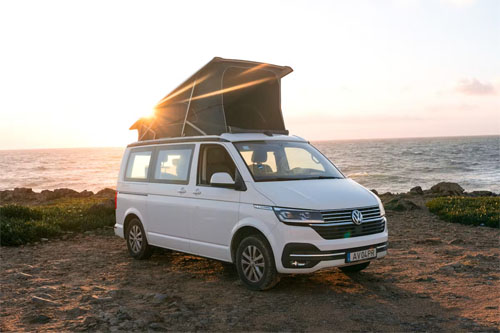
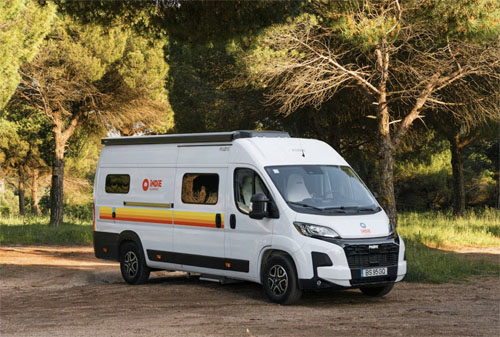
For winter RV travel in France, the Class SI - Semi-integrated and Class B - Camper Van are highly recommended due to their balanced attributes of comfort and maneuverability. Bandana's global fleet Class SI - Semi-integrated RVs, with an average length of 6.9 meters, like the "Luxury Small" model, offer a good compromise of living space and maneuverability suitable for varied French roads and essential winter comfort. These vehicles typically include features like heating, shower, and toilet, making them ideal for colder months. Class B - Camper Vans, averaging 5.8 meters in length, provide exceptional agility for navigating narrower roads, historic village centers, and challenging winter conditions. If you're comparing options, our "RV Rental in France - Prices and Best Deals 2026" can help you find the perfect fit for your winter adventure.Should I Choose a Compact Van Instead of a Large RV in France?
While a compact van, such as Bandana's Class B - Camper Van (averaging 5.8 meters in length), offers superior agility for navigating tight historic centers and narrow mountain passes in France, larger RVs often provide significantly more indoor comfort and amenities, which can be particularly advantageous during a winter trip. A larger Class C motorhome, for instance, might offer a bigger living area and more storage for winter gear and supplies. The choice between a compact van and a larger RV in France ultimately depends on your priorities: agility for urban exploration versus enhanced living space, better insulation, and more storage for winter gear. Despite common concerns, most French roads are accommodating to larger RVs, making comfort and internal space often more significant factors than maneuverability alone, especially in colder months. Drive slowly and carefully, and you can drive almost anywhere without issues. No need to stress - just use common sense and pay attention.
Can I Park Anywhere? Free & Wild Camping Rules in France
Free camping and wild camping are generally restricted in France, with most municipalities and natural parks prohibiting overnight parking outside of designated areas. The primary legal options for overnight parking with your rented motorhome include official campsites, which offer full facilities like electricity, water, and waste disposal, and 'aires de services' (motorhome service points). France boasts an extensive network of these Aires, many of which permit overnight stays, sometimes for a small fee, and are specifically designed for RVs. While some rural areas might tolerate discreet overnight parking, it is essential to always seek explicit permission from landowners and consult local municipal regulations, as rules vary by region. Always check local regulations and follow local law before parking overnight. For finding campsites and campgrounds during your trip, we recommend using RV PLANET, a great resource for locating available spots along your route. You'll find a spot; if not at the first campground, then the next one. Call ahead before driving to confirm availability.
Can I Drive an RV Into the City Center? Heights, Tunnels & Local Signage
Yes, it is generally possible to drive a rented RV into French city centers, but drivers must remain highly vigilant for specific local signage. Pay close attention to height restrictions (e.g., low bridges, underground parking entrances), weight limits, and environmental zone (ZFE) signs, which indicate areas requiring a Crit'Air sticker. While major cities like Paris and those in Île-de-France feature broad avenues, historic town centers can have narrow streets, necessitating careful navigation and attention to all posted warnings. Drive slowly and carefully, and you can drive almost anywhere without issues. No need to stress - just use common sense and pay attention. For planning your city stops, remember that Bandana RV is built on full transparency, ensuring you know all potential costs and regulations upfront.
What are the best winter destinations for RV travel in France?
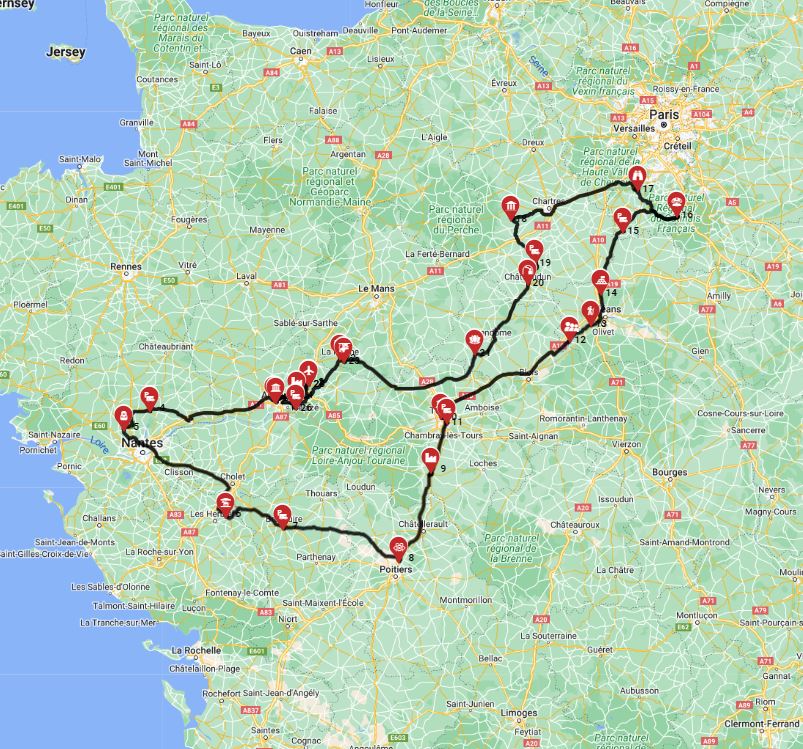
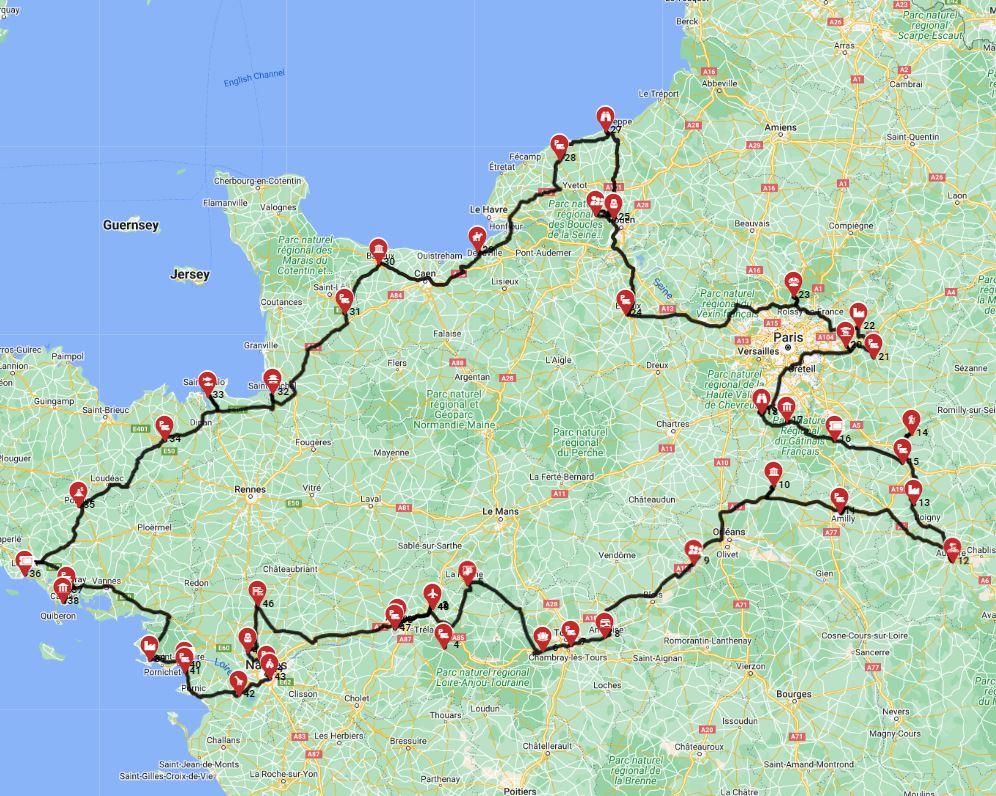
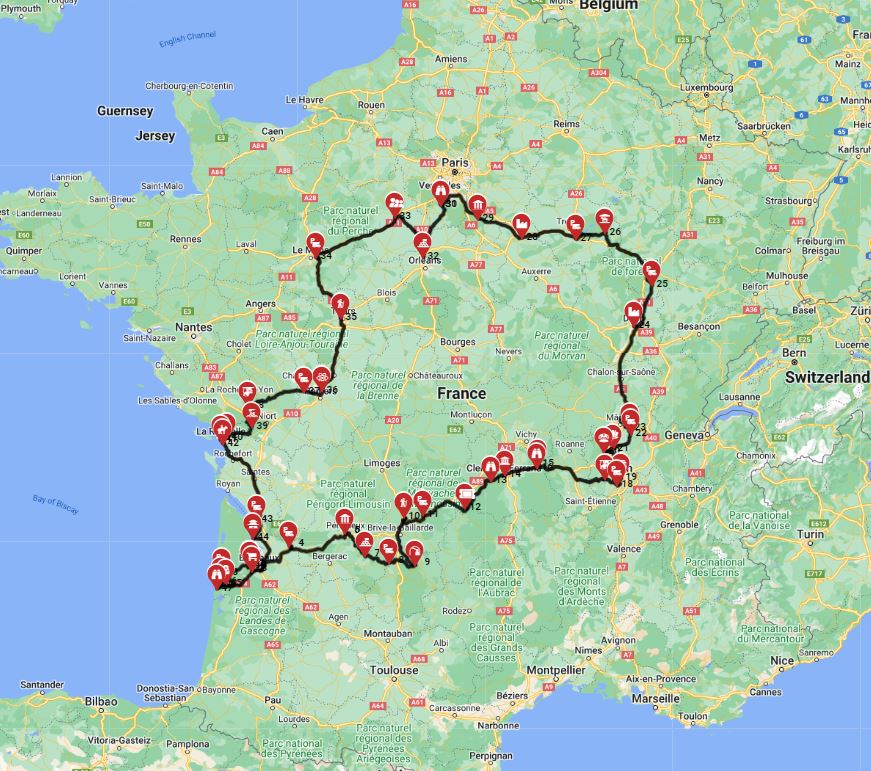
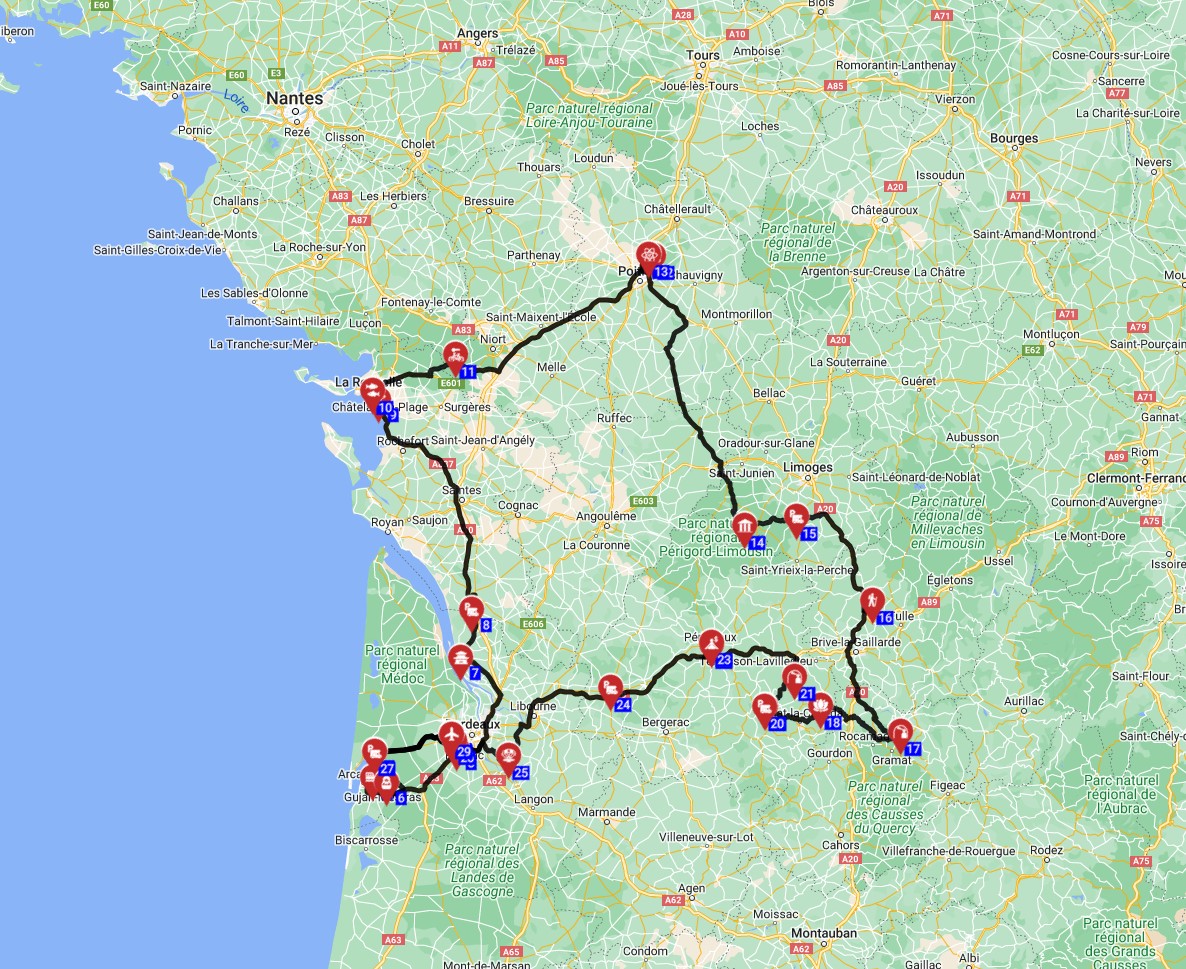
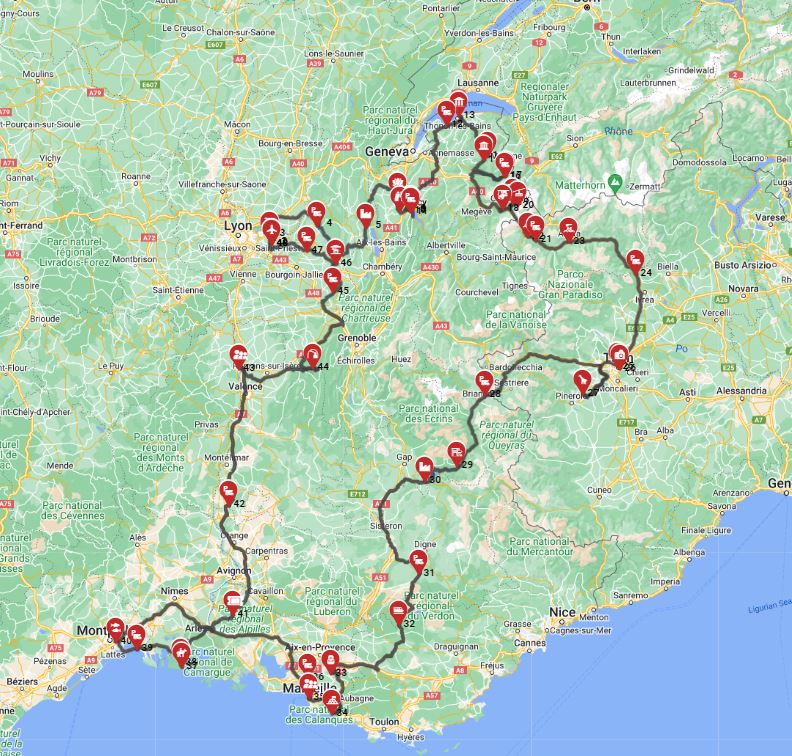
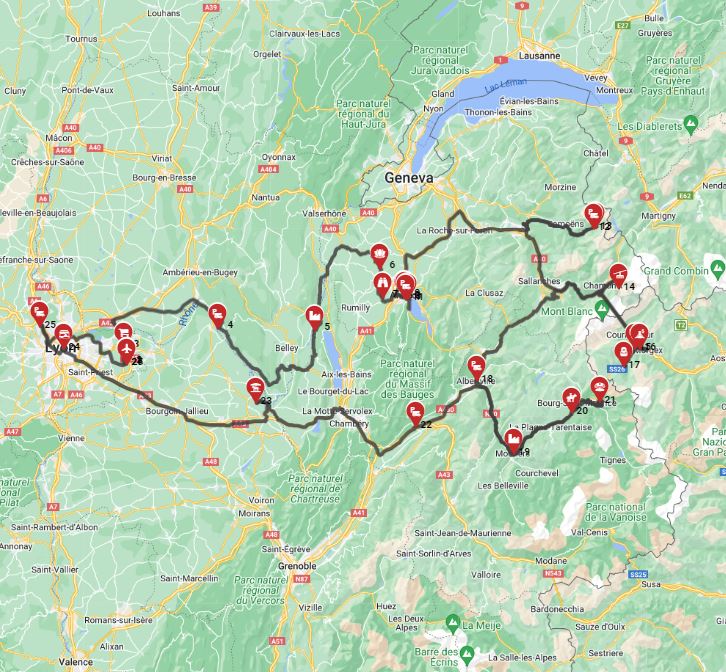
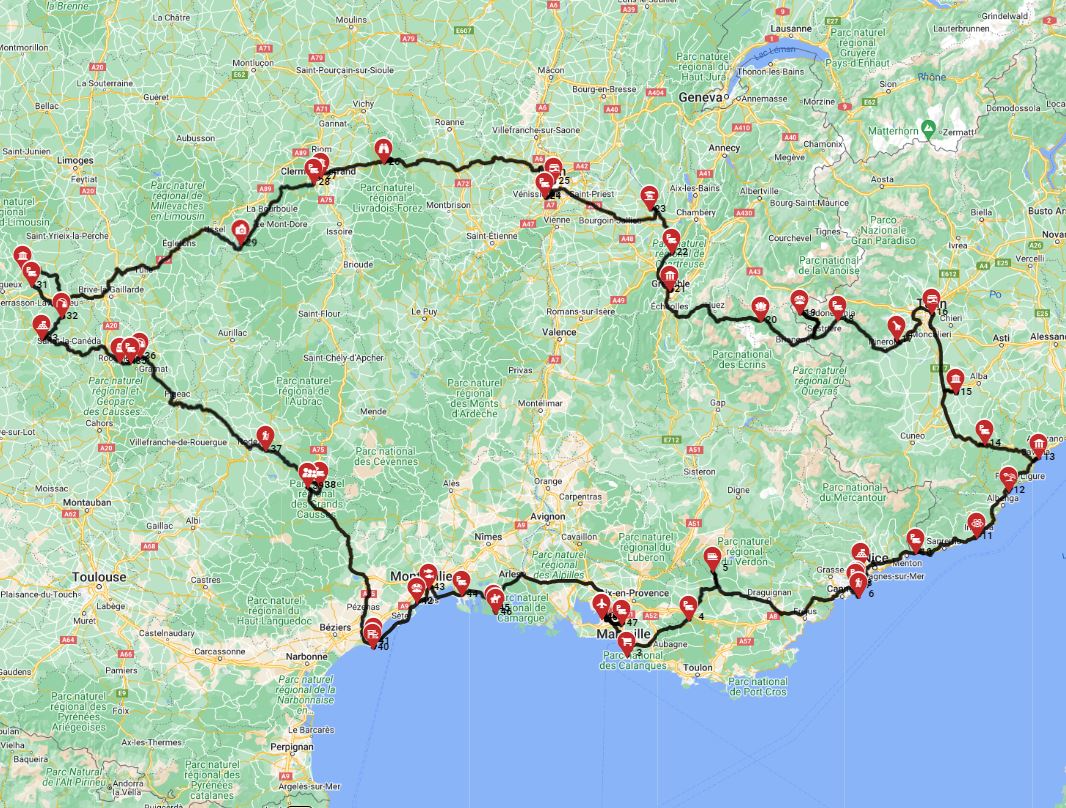
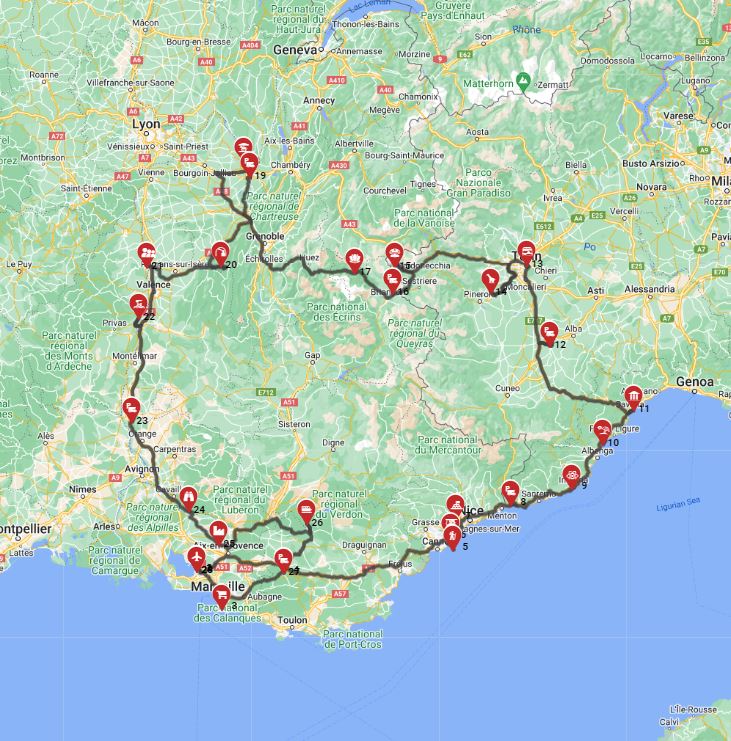
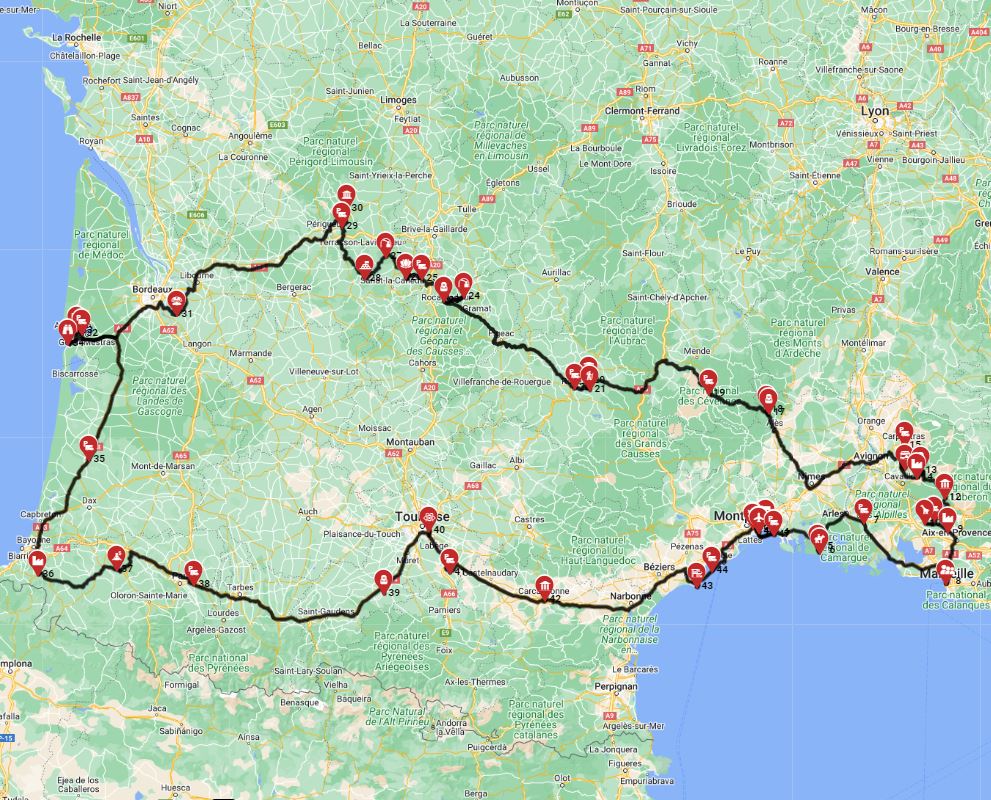
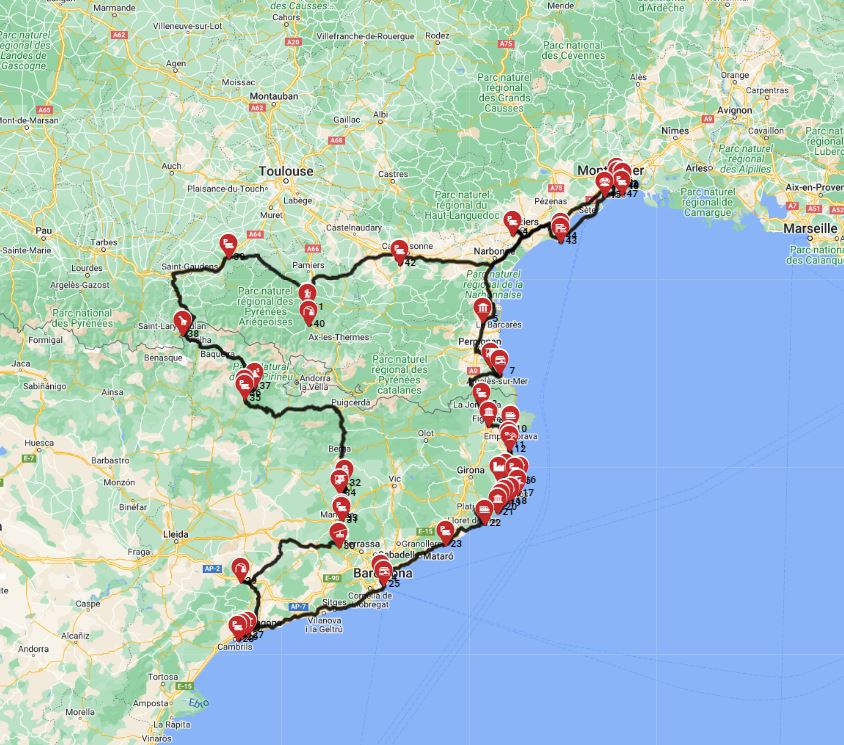
France offers diverse winter RV destinations, from the snow-capped Alps for skiing to the charming Christmas markets in Alsace (e.g., Strasbourg, Colmar), providing unique cultural immersion. Imagine yourself nestled in your cozy rented campervan, waking up to fresh mountain air in the French Alps, or exploring the festive stalls of a centuries-old market. The milder coastal regions like the French Riviera (Nice, Cannes) offer winter sunshine and fewer crowds, ideal for a quieter off-season experience with average temperatures around 10-15°C. Lesser-known routes include exploring the Dordogne's prehistoric caves in serene winter quietude or the Loire Valley châteaux, often beautifully adorned for the festive season and less crowded than in summer. Our RV PLANET routes provide pre-planned itineraries developed by professionals, helping you discover these hidden gems with ease.
How much does a winter RV rental trip in France cost?
The total cost of a winter RV rental trip in France typically ranges from €1000 to €3000+ per week, but remember that prices are dynamic and change daily based on availability, seasonality, and supplier marketing decisions. A granular budget should factor in rental fees (often lower in the winter shoulder season), fuel costs (e.g., Bandana's Class SI - Semi-integrated RVs typically consume 10-11 Liters/100 km), motorway tolls, and campsite fees. For example, a 1-week trip for a couple in a Class B campervan might start around €700-€1000 for the rental, plus €200-€400 for fuel (depending on distance, e.g., 1000-2000 km), and €100-€200 for campsites. Additional expenses include groceries for preparing regional culinary experiences, dining out, activity costs, and potential investments in specific winter equipment like snow chains. Bandana RV ensures full transparency: what you see is what you pay, with no surprise fees at pickup. For detailed cost breakdowns and tracking, explore RV PLANET routes, which allow you to itemize every expense.
For those looking for deals, checking our "RV Rental Deals in France - Latest Offers 2026" and "Cheap RV Rental in France - Budget Guide 2026" can be very beneficial. Booking a week-long trip for a couple might range from €700 to €1500 for a Class B campervan like the "hire campervan example Paradise S/T", while a larger 4-person Class C motorhome for a two-week adventure could be €1800 to €3500. Families considering a month-long winter rv trip should budget from €3500 to €7000+ for a spacious 6-berth motorhome, including a comfortable Class C like the "rent rv example D2". For a comprehensive understanding of various price points, our "Winter RV Rental in France - Pricing Guide 2026" offers detailed insights.
What special equipment is required for winter RVing in France?
For winter RVing in France, certified winter tires (with the 3PMSF symbol) or snow chains are legally mandatory in many mountainous areas, including the Alps, Pyrenees, Massif Central, Jura, and Vosges regions, between November 1st and March 31st. An anti-freeze additive is essential for all water tanks and systems to prevent freezing and damage in cold temperatures, especially if overnight temperatures drop below freezing. Additionally, consider packing extra warm bedding, a reliable external thermometer, and a shovel with traction mats for potential snow. Many modern rented motorhomes and campervans, such as the "2 Berth Hi Top" or "2 Berth Rover", come equipped as 'Winter Ready' with enhanced insulation and robust heating systems. Bandana offers top-level deductible reimbursement options, providing extra peace of mind for any unexpected winter road conditions.
Can I bring my pet on a winter RV trip to France?
Traveling with pets in a rented RV in France during winter is generally permissible, provided all necessary documentation, including an EU pet passport with up-to-date vaccinations (especially rabies) and microchipping, is in order. Bandana RV offers numerous pet-friendly rental options, making it easier to include your furry companions in your adventure. Specific advice includes researching pet-friendly campsites or aires in advance, ensuring your RV has adequate heating and ventilation for your pet's comfort, and being aware of local leash laws, especially in towns and nature reserves. It's also important to check restrictions for pets in national parks, public transport, and certain dining establishments, as these can vary seasonally. For more details on traveling with animals, our "Pet-Friendly RV Rental in France - Pricing 2026" guide provides further information and options.
What are the local culinary experiences and markets to visit in winter France by RV?
Exploring France's local culinary experiences and markets by rented RV during winter offers unique cultural immersion, with seasonal specialties varying significantly by region. Imagine cooking hearty French meals in your RV kitchen after a day of exploring. In Alsace, visit traditional Christmas markets for mulled wine, gingerbread (pain d'épices), and hearty stews like Baeckeoffe or choucroute garnie, available from late November to late December. In Burgundy, savor rich regional dishes such as Boeuf Bourguignon and world-renowned wines, best enjoyed when the vineyards are serene. Shopping at local farmers' markets provides access to seasonal produce like truffles, root vegetables, and artisan cheeses, allowing for authentic, budget-friendly dining experiences right in your RV. This is where a fully-equipped RV kitchen, often featuring a 3-burner gas stove and a refrigerator with freezer like in the "MIA" model, truly shines. For culinary inspiration, check out our RV-friendly recipes playlist.
How can I travel sustainably with an RV in France's winter environment?
Sustainable RV travel in France's winter environment involves minimizing waste by utilizing reusable bags, diligently sorting recycling, and consciously conserving resources. Prioritize water and energy conservation, especially when heating your rented motorhome, and always use designated disposal points for grey and black water to protect sensitive French environments. Many campsites and aires de services provide these facilities. Support local businesses and artisans by purchasing locally sourced food and crafts, thereby reducing your carbon footprint and contributing directly to the local economy. Respect natural habitats and wildlife, particularly in national parks or nature reserves, and adhere strictly to all local regulations regarding parking, campfires, and waste management. By practicing slow travel, averaging max 100-150 km per day, you enhance your connection to the local culture and environment, making your RV adventure in France more meaningful.
What You Shouldn't Miss
- **Alsatian Christmas Markets:** Experience the magical atmosphere of Strasbourg's Christkindelsmärik, one of Europe's oldest Christmas markets, or the enchanting markets of Colmar, usually active from late November through December 24th.
- **Skiing in the French Alps:** Take your rented motorhome to renowned ski resorts like Chamonix or Val d'Isère for world-class winter sports. Many resorts offer dedicated RV parking with facilities.
- **The Côte d'Azur in Winter:** Enjoy the mild climate and fewer crowds along the French Riviera. Explore Nice's Promenade des Anglais, Monaco's grandeur, or the charming towns of Cannes and Antibes with daytime temperatures often above 10°C.
- **Dordogne's Prehistoric Caves:** Visit sites like Lascaux IV (a replica of the original Lascaux Cave) or Grotte de Rouffignac. These ancient wonders are often less busy in the winter, allowing for a more intimate exploration.
- **Loire Valley Châteaux:** Explore iconic castles such as Château de Chambord or Chenonceau without the summer throngs. Many offer special winter decorations and events.
- **Burgundy Wine Route:** While the vineyards are dormant, the region's culinary delights and historic towns remain vibrant. Visit local cellars for tastings and indulge in hearty Burgundian cuisine.
Looking for expert insights from Avi Bandana? Top 5 Adventures - recommendations from Avi Bandana
Final Thoughts
A winter RV rental adventure in France truly offers a unique perspective on this beautiful country, allowing you to discover its serene landscapes, festive traditions, and rich culinary heritage at your own pace. With the right preparation and a reliable rented motorhome or campervan, you can experience the magic of France, from snowy mountains to sun-kissed coasts, in a way that traditional travel simply can't match.
Remember to embrace the philosophy of slow travel: aim for an average of 100-150 km per day to truly immerse yourself in the culture, savor the local food, and connect with the stunning scenery. We're here to help you handle all the details, so you can focus on living the journey and creating unforgettable memories.
Get inspired for your next trip! Discover top destinations, planning tips, all in one place, and explore options for your winter rv rental in France.
🎬 Video coming soon