For live availability and current prices, start with our RV Rental Christchurch - Complete Guide 2026 guide.
In This Guide
- Can You Drive an RV in Christchurch? License & Age Rules
- Road Conditions & Terrain in Christchurch
- RV Size Limits, Bridges & Restricted Zones
- Fuel: Diesel vs. Petrol & Cost per 100 km
- Tolls, Vignettes & Border Rules
- Driving Tips for Winter RV Rental Travelers
- Recommended RV Class for Christchurch Roads
- Should I Choose a Compact Van Instead of a Large RV in Christchurch?
- Can I Park Anywhere? Free & Wild Camping Rules in Christchurch
- Can I Drive an RV Into the City Center? Heights, Tunnels & Local Signage
Can You Drive an RV in Christchurch? License & Age Rules
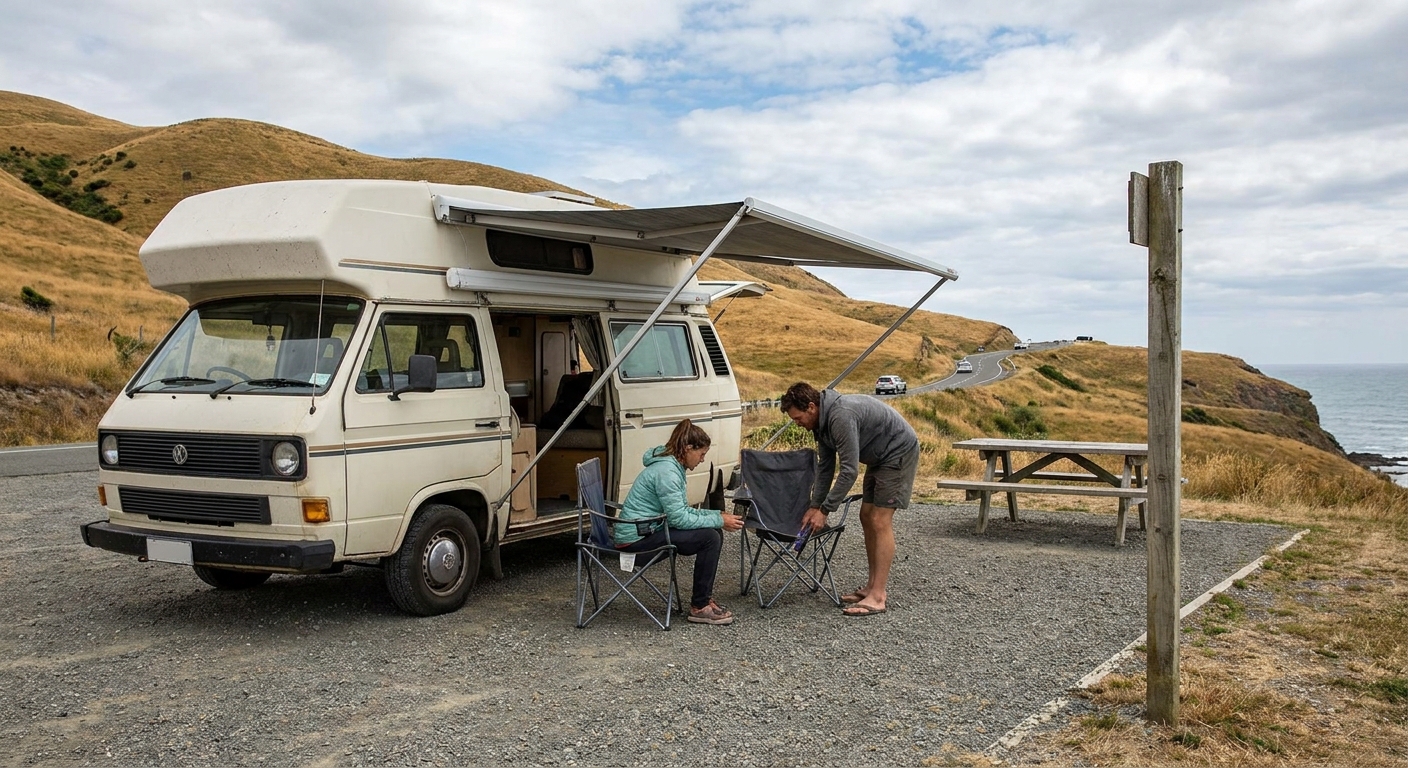
Driving a rented RV in Christchurch is straightforward, provided you meet the licensing and age requirements. Most rental RVs in New Zealand, typically those under 6,000 kg Gross Vehicle Mass (GVM), can be driven with a standard car driver's license, such as an NZ Class 1 or a valid foreign equivalent. This means your regular driver's license is usually sufficient. If your license is not in English, you'll need to carry an International Driving Permit (IDP) or an official translation alongside your original license. The minimum rental age for an RV is generally 21 years old, though some rental companies may have a higher age limit of 25, particularly for larger vehicle classes, so it’s always best to check with your chosen provider.
Road Conditions & Terrain in Christchurch
The road quality in and around Christchurch is generally excellent, with well-maintained sealed roads forming the backbone of the local network. The terrain immediately surrounding Christchurch is flat, being part of the vast Canterbury Plains, which makes for easy driving. However, the majestic Southern Alps are accessible on day trips, offering more challenging, mountainous terrain. During winter, these roads can become icy or snow-covered, particularly at higher altitudes or during early mornings and evenings, so extra caution is advised. While most main roads are paved, some attractions might require navigating unsealed (gravel) roads; RVs can handle these if driven slowly and carefully. Always remember to practice slow, scenic driving, especially on winding mountain roads and in any adverse winter conditions to ensure a safe and enjoyable journey.
RV Size Limits, Bridges & Restricted Zones
New Zealand's road infrastructure is quite accommodating for most common RV sizes. Rental vehicles, such as Class C motorhomes which average around 7.3 meters in length, typically fit comfortably on most roads. Christchurch city itself generally does not have widespread RV-specific height, weight, or environmental restricted zones that would pose significant issues for standard rental motorhomes. However, it’s always prudent for drivers to be aware of local signage, especially when entering car parks or navigating older urban areas, which might have specific low bridge or height restrictions. If you plan to travel between New Zealand's islands via ferry services like Interislander or Bluebridge, remember that these services have their own length and height limits for RVs, and these must be booked well in advance.
Fuel: Diesel vs. Petrol & Cost per 100 km
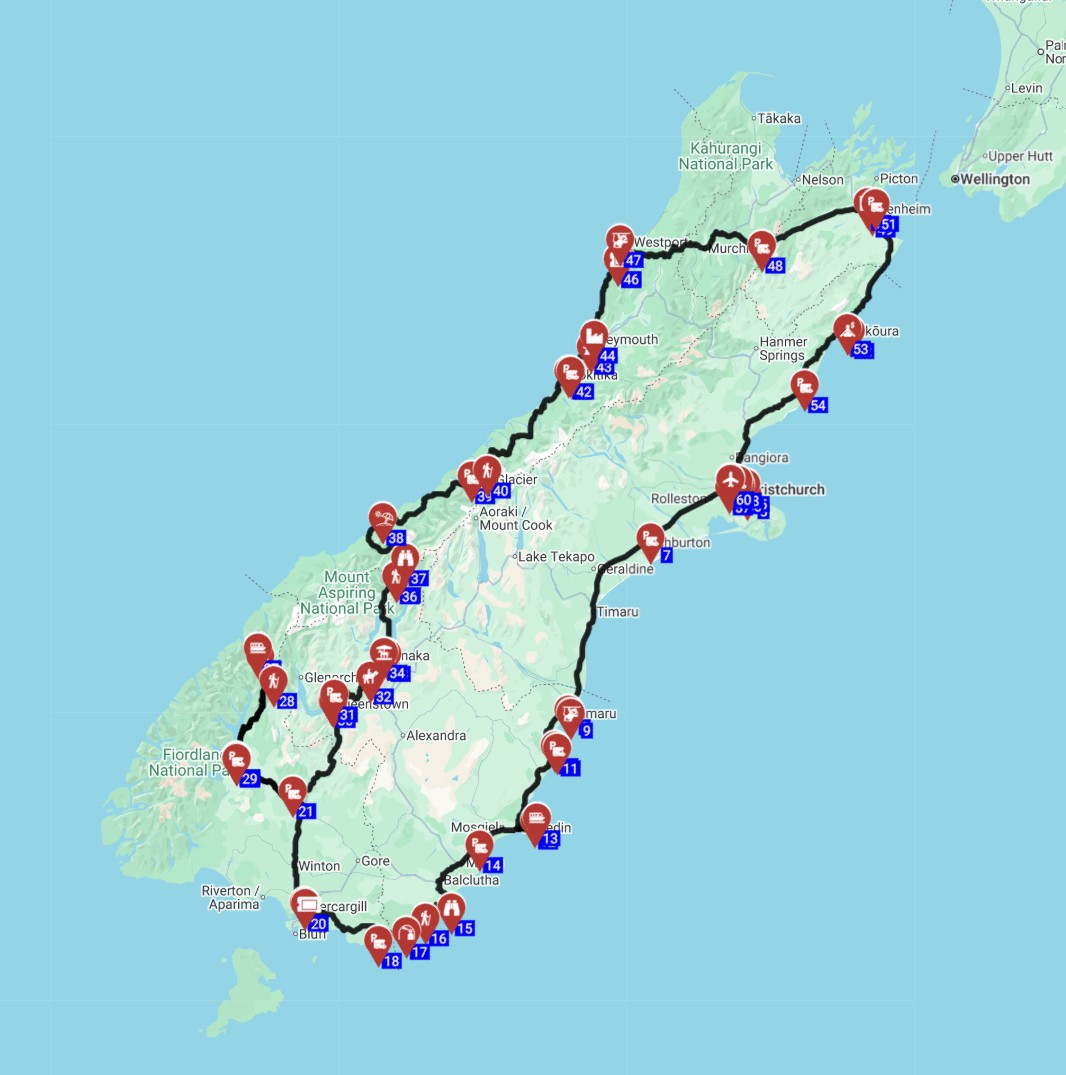
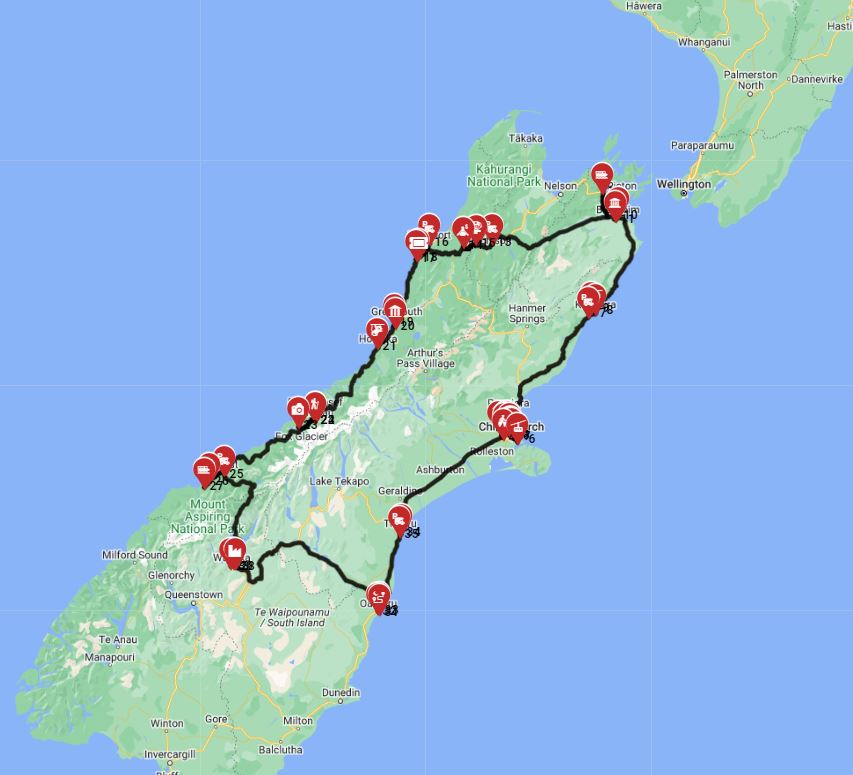
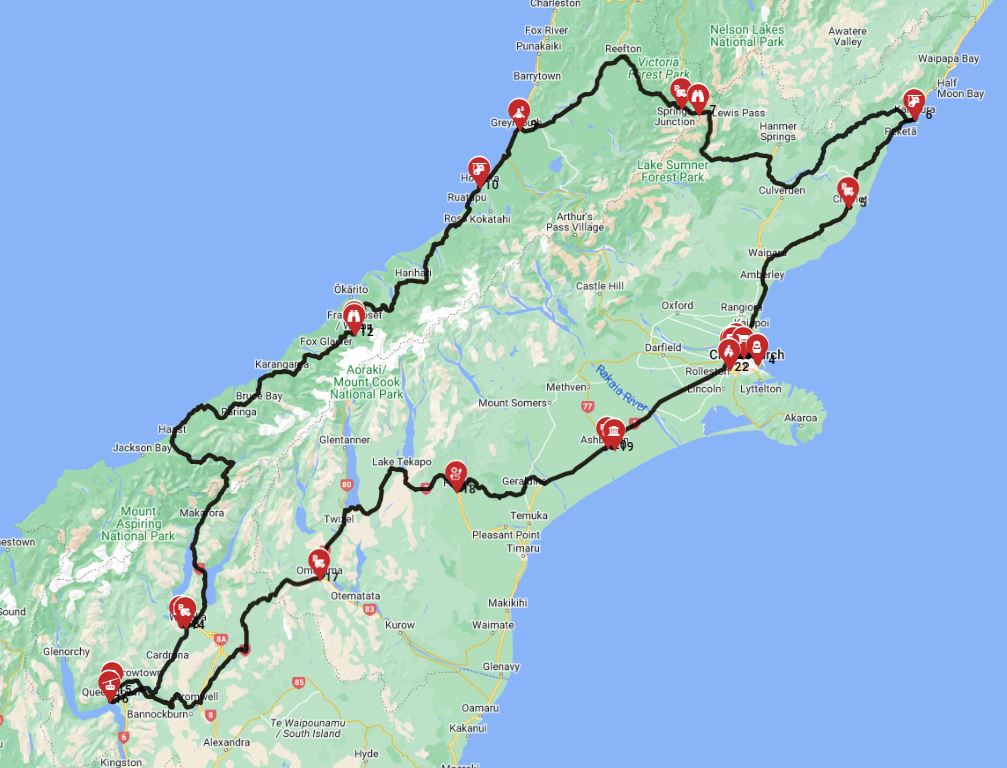
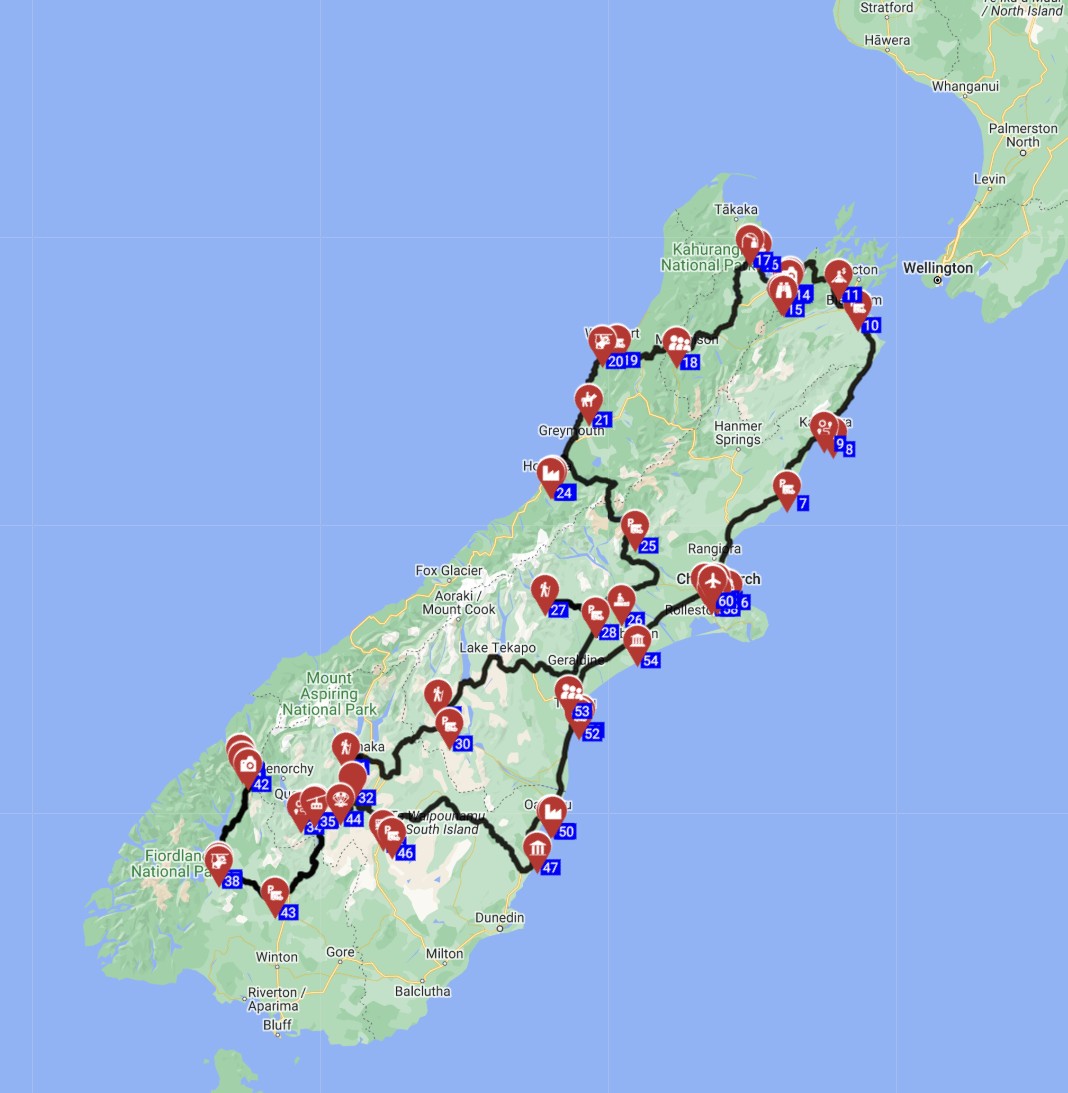
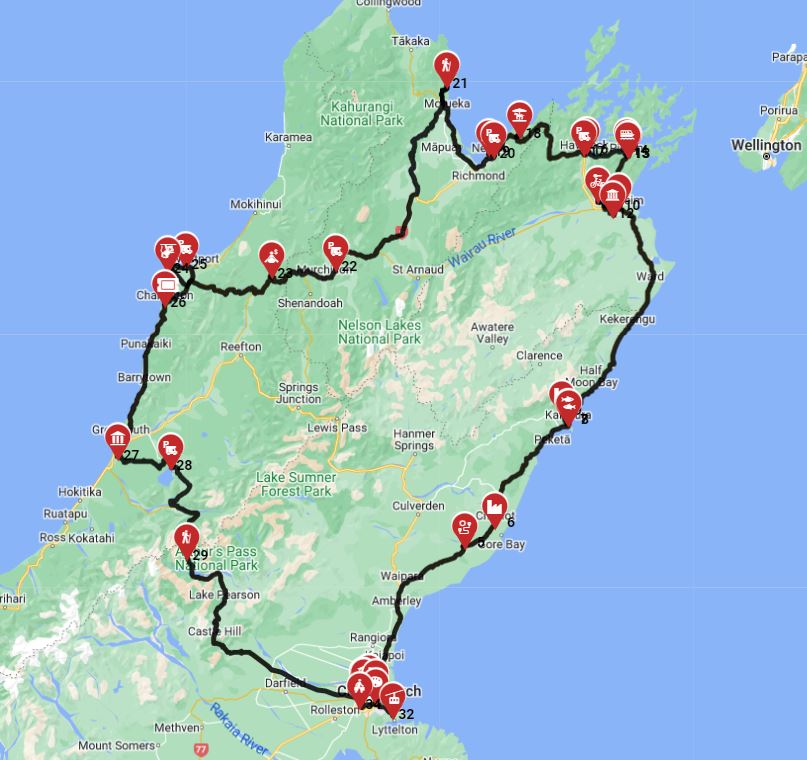
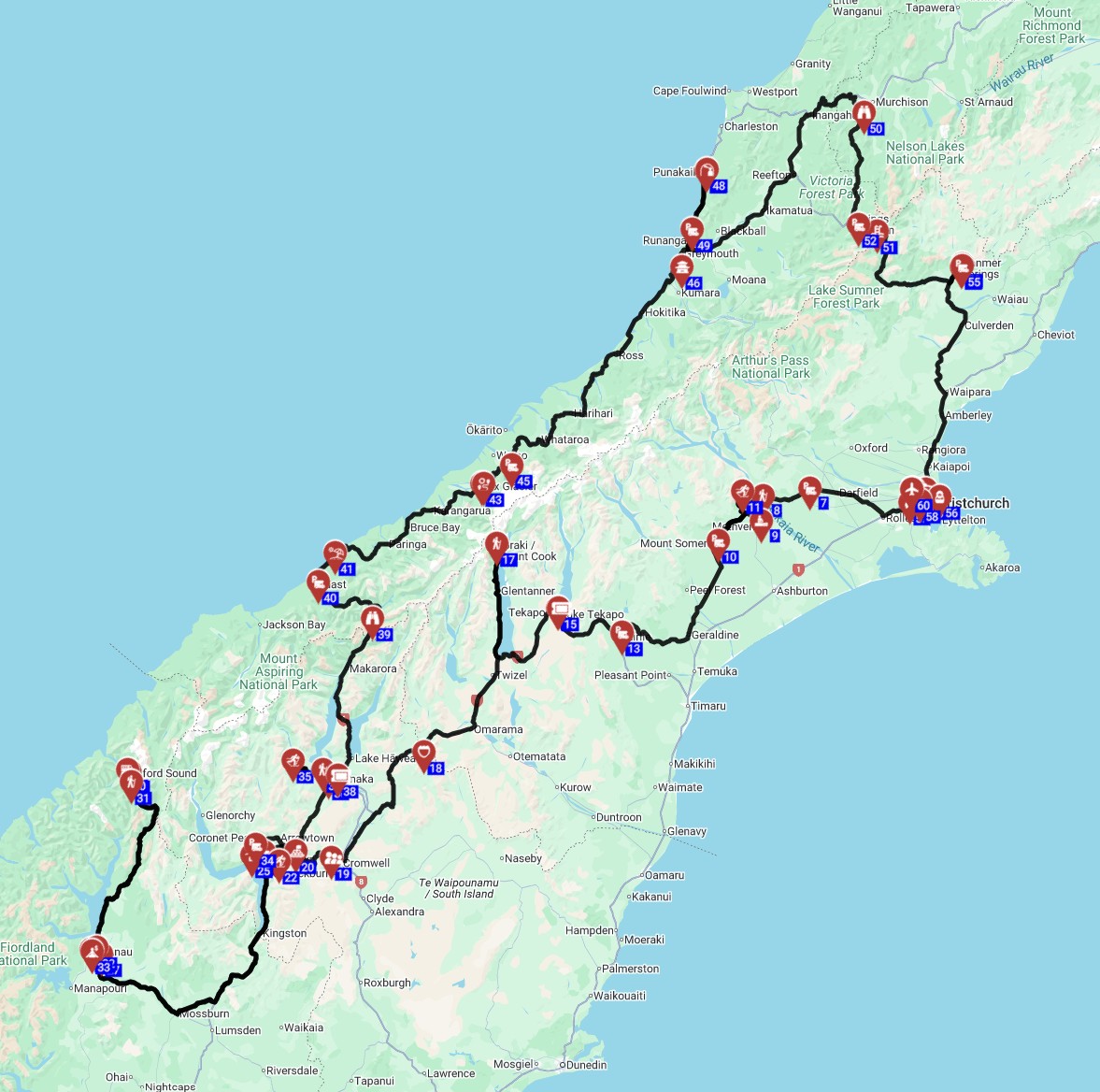
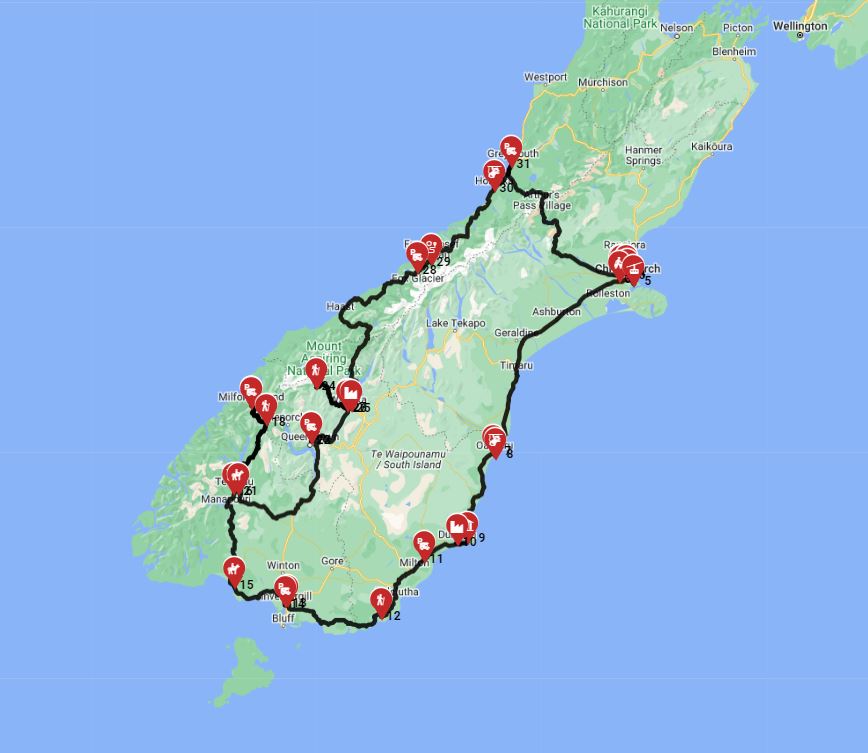
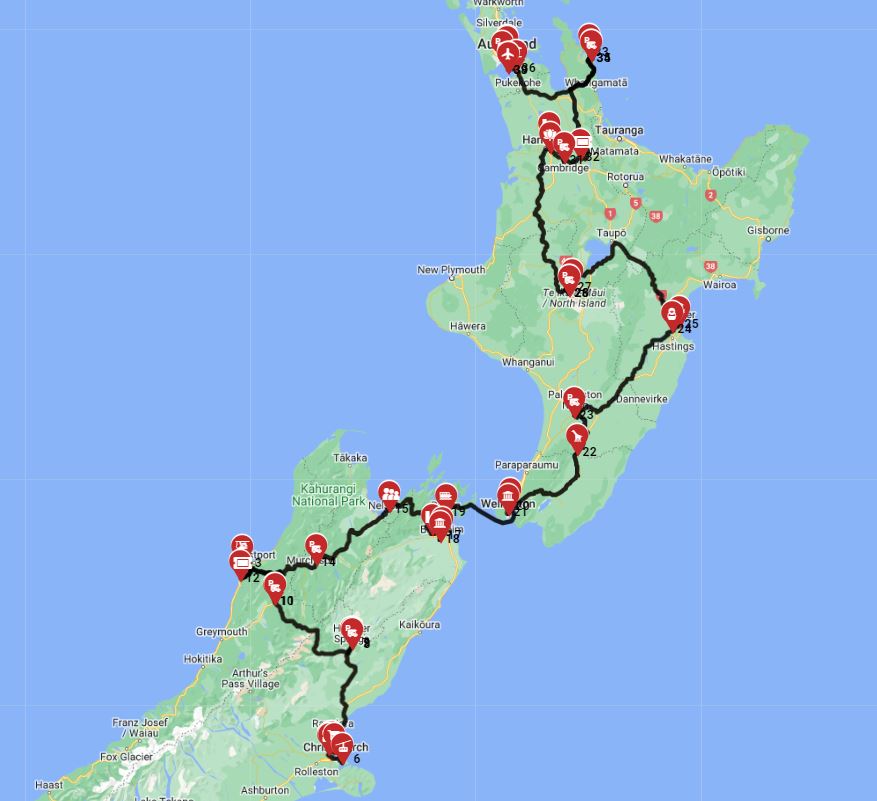
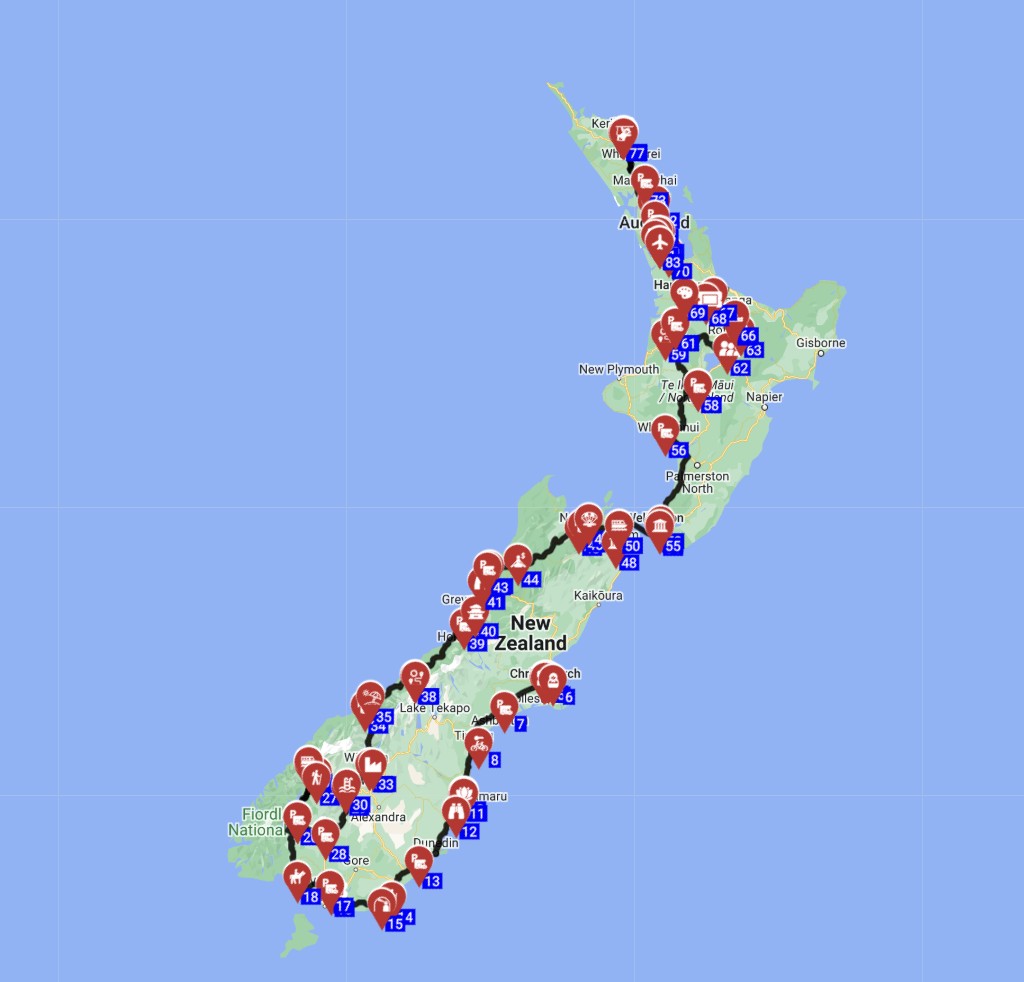
Most rental RVs available in Bandana's Christchurch fleet are diesel-powered, a fuel type that is widely available across New Zealand. It's important to note that diesel vehicles in New Zealand are subject to Road User Charges (RUC) in addition to the standard pump price. Based on typical fleet data, you can expect average fuel consumption to range between 8-13 Liters per 100 km, depending on the RV's class and your driving style. For instance, Class B camper vans often achieve better fuel efficiency, while larger Class A or C motorhomes might consume slightly more. Actual fuel costs will fluctuate with market rates, but it's wise to budget conservatively, factoring in both the pump price and the RUC for diesel. On the routes offered through RV PLANET routes, you can itemize and track every expense along the way for easy budgeting.
Tolls, Vignettes & Border Rules
New Zealand has very few toll roads, and crucially, none directly impact travel within Christchurch or on the major routes originating from the city. This means you won't typically encounter tolls when exploring the immediate Canterbury region or heading towards popular South Island destinations from Christchurch. There are no vignettes required for driving in New Zealand, nor are there any border rules or crossings to worry about when traveling within the country's North and South Islands. For the limited toll roads that do exist (primarily found in the North Island, such as the Northern Gateway Toll Road north of Auckland), some rental providers may offer toll passes or have systems in place to manage tolls automatically, helping you avoid potential fines.
Driving Tips for Winter RV Rental Travelers
When embarking on your winter RV adventure in Christchurch, preparation is key. Always check the latest weather forecasts and road conditions via the official NZTA (Waka Kotahi) website before setting off, especially if you plan to travel through mountain passes. Remember that braking distances increase significantly on wet, icy, or snowy roads, so maintaining a safe following distance is paramount. It's essential to carry snow chains and know how to fit them, as they can be legally required in alpine regions like Arthurs Pass or Lindis Pass. Drive slower than the posted speed limit, particularly in adverse conditions, and avoid sudden braking or acceleration. Ensure your rented RV has adequate heating, proper tire tread, and winter-grade washer fluid for optimal visibility.
Recommended RV Class for Christchurch Roads
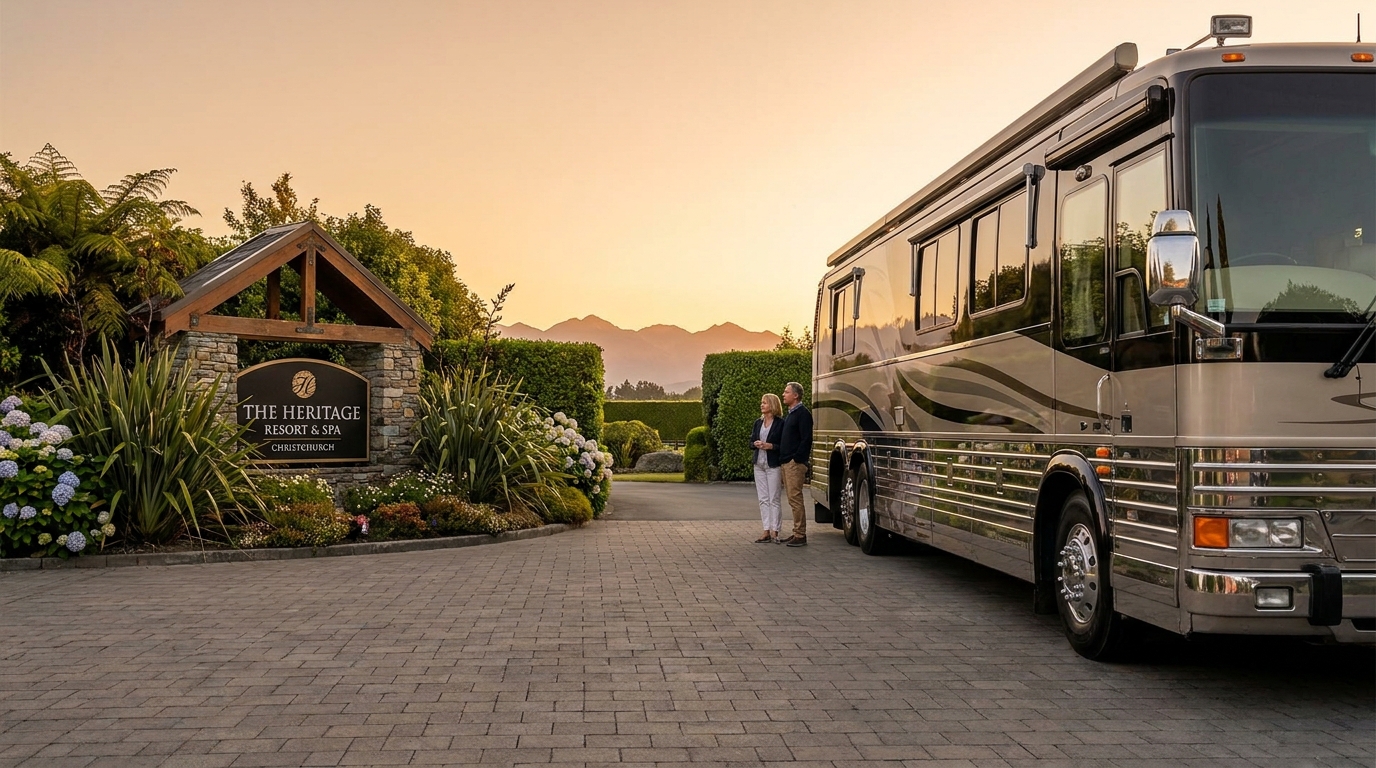
For navigating Christchurch and the diverse roads of New Zealand, both Class B Camper Vans and Class SI Semi-integrated RVs are highly recommended. These classes offer an excellent balance of maneuverability and comfort, which is crucial for varied terrain and extended travel. Class B Camper Vans, typically around 5.8 meters in length, are superb for navigating tighter city streets and offer easier parking, making them a great choice for couples or solo travelers prioritizing agility. Class SI Semi-integrated RVs, averaging about 7 meters, provide more spacious and often better-insulated living quarters with efficient heating systems – essential for winter travel – while still remaining manageable on New Zealand's roads. These classes strike a good balance, offering ample amenities for a comfortable winter experience without the bulk that could complicate driving or parking.
Should I Choose a Compact Van Instead of a Large RV in Christchurch?
Generally, there's no inherent difficulty driving any size RV in Christchurch or throughout most of New Zealand, meaning your comfort and indoor living space often take precedence over marginal maneuverability gains. A compact van (Class B Camper Van) can certainly be beneficial in specific scenarios, such as navigating very tight historic centers or finding parking in busy urban areas due to its smaller footprint. However, for a winter RV rental, a larger RV, like a Class SI or C motorhome, typically provides superior insulation, more robust heating systems, greater indoor living space, and larger water tanks. These features significantly enhance comfort during colder months and for longer journeys. The choice ultimately depends on whether you prioritize slightly easier maneuvering in niche situations or the enhanced warmth, space, and amenities a larger RV offers for a more comfortable winter experience.
Can I Park Anywhere? Free & Wild Camping Rules in Christchurch
Freedom camping in New Zealand is governed by the Freedom Camping Act 2026, with specific bylaws varying at the local council level. In Christchurch, most urban areas strictly prohibit overnight parking outside of designated holiday parks, RV parks, or approved freedom camping sites. To legally freedom camp where it is permitted—typically in more remote areas outside urban zones—your RV must display a Self-Contained certification (NZS 5465:2001). This certification indicates the vehicle can safely store its own wastewater and rubbish for at least three days. It's crucial to always check local regulations and adhere to them before parking overnight, as rules are enforced strictly and vary significantly by region.
Can I Drive an RV Into the City Center? Heights, Tunnels & Local Signage
Yes, you can almost always drive an RV into Christchurch's city center, as the central city area is generally quite RV-friendly. However, drivers must remain attentive to local signage, particularly for height limits when considering multi-story car parks (though most standard RVs won't fit anyway) and specific loading zone rules. Christchurch does not feature major height-restricted tunnels or low bridges that commonly impede access for standard rental RVs to its central areas. Always be aware of any temporary road closures or special event restrictions, and pay close attention to local traffic signs for parking regulations, as finding suitable parking for larger vehicles can sometimes be challenging.
What You Shouldn't Miss
- Explore the Christchurch Botanic Gardens: A serene oasis in the heart of the city, perfect for a leisurely stroll and appreciating diverse plant collections.
- Visit the Canterbury Museum: Discover the natural and human history of Canterbury and its connection to Antarctic exploration.
- Drive the Port Hills: Offering panoramic views of the city, Lyttelton Harbour, and the Canterbury Plains, accessible via the Summit Road.
- Journey through Arthur's Pass: Experience the stunning alpine scenery of the Southern Alps on this iconic route, keeping an eye out for Kea parrots.
- Discover the Banks Peninsula: Explore charming bays like Akaroa, known for its French history and whale watching opportunities.
Final Thoughts
Renting an RV in Christchurch for your winter adventure opens up a world of stunning landscapes and unique experiences. By understanding the local driving conditions, adhering to the rules, and preparing your vehicle appropriately, you can enjoy a safe and memorable journey.
Whether you opt for the agility of a campervan or the comfort of a larger motorhome, Bandana Caravan is here to help you find the perfect fit for your winter exploration of the South Island. Remember to check out the fantastic pre-planned routes on RV PLANET (rvplan.net) to make your planning even easier!
Find Motorhome Rentals in Christchurch