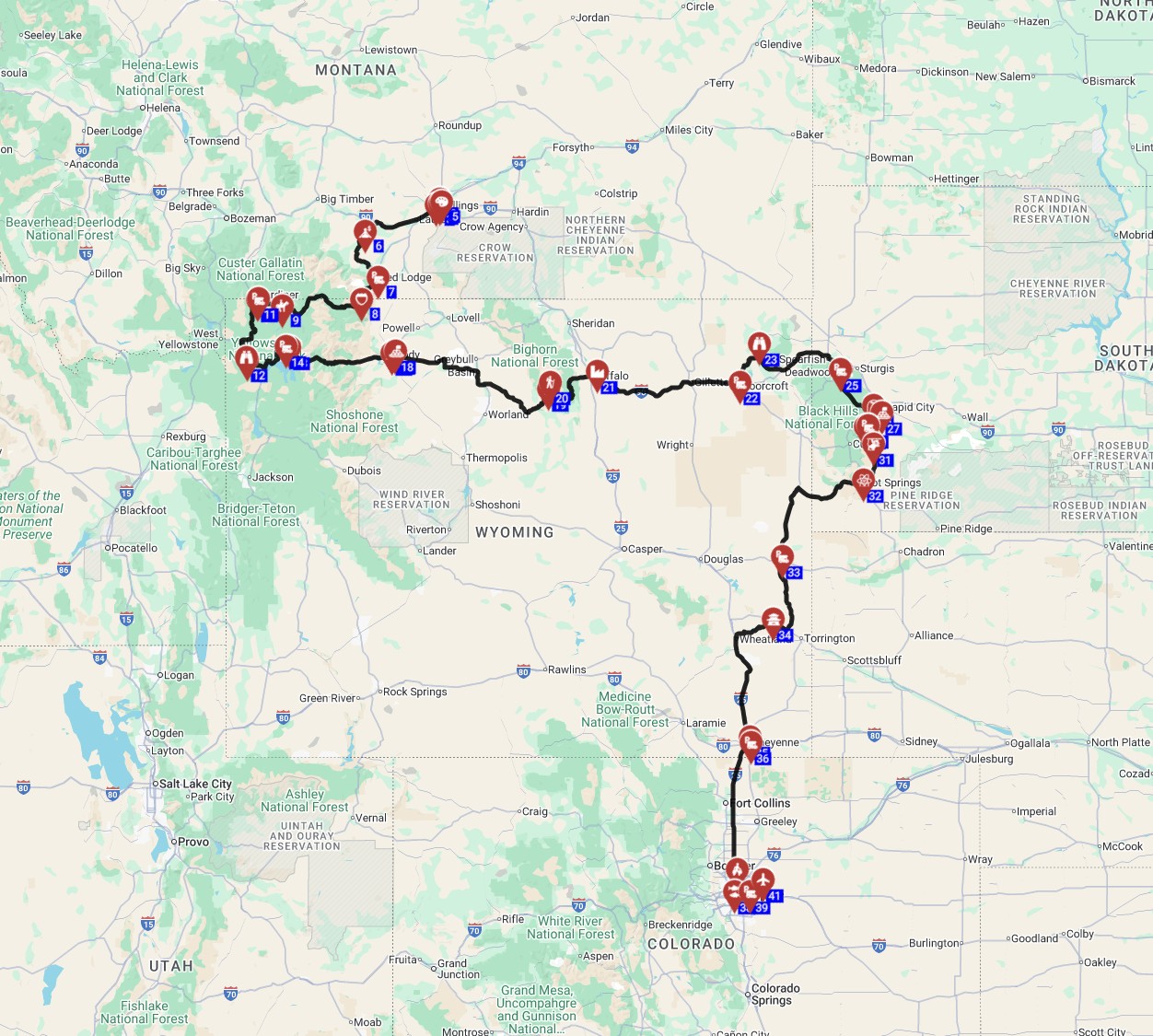
For live availability and current prices, start with our RV Rental Central North US - Complete Guide 2026 guide.
In This Guide
- Can You Drive an RV in Central North US? License & Age Rules
- Road Conditions & Terrain in Central North US
- RV Size Limits, Bridges & Restricted Zones
- Fuel: Diesel vs. Petrol & Cost per 100 km
- Tolls, Vignettes & Border Rules
- Driving Tips for Winter RV Rental Travelers
- Recommended RV Class for Central North US Roads
- Should I Choose a Compact Van Instead of a Large RV in Central North US?
- Can I Park Anywhere? Free & Wild Camping Rules in Central North US
- Can I Drive an RV Into the City Center? Heights, Tunnels & Local Signage
- What is the 3 3 3 rule for RV driving?
- What is the largest RV you can drive without a special license?
- Can a class C RV operate in the winter?
Can You Drive an RV in Central North US? License & Age Rules
Most RVs under 26,00B pounds Gross Vehicle Weight Rating (GVWR), which is approximately 11,793 kg, can be driven with a standard Class D driver's license in the Central North US. This weight limit covers the vast majority of rental RVs, including most Class A, B, C, and Semi-integrated models. A commercial driver's license (CDL) is generally not required for typical rental RVs. The minimum driver age for RV rental is usually 21, though some rental companies may require drivers to be 25. Foreign drivers can typically use their valid license along with an International Driving Permit (IDP) for up to a year, though it's always wise to check specific rental company policies.
Road Conditions & Terrain in Central North US
Winter road conditions in the Central North US can vary significantly. While major interstates are typically cleared quickly after snowfall, secondary roads and rural routes may remain snow-packed or icy. The region presents diverse terrain, from flat plains to rolling hills and dense forested areas, all of which can be more challenging to navigate in winter. It's crucial to frequently check weather forecasts and state road condition websites before and during your travel. Always practice slow, defensive driving, maintain a greater following distance, and be prepared for potentially hazardous conditions due to ice and snow.
RV Size Limits, Bridges & Restricted Zones
Standard maximum RV lengths in Central North US states typically range from 40 to 45 feet (12 to 13.7 meters). RVs are generally 10-14 feet tall, so drivers must remain vigilant for low bridge clearances and heed all posted signage. Weight restrictions are uncommon for standard rental RVs but can apply to older or historic bridges. Environmental zones that restrict older vehicles, like those found in some European cities, are not prevalent for RVs in this region, simplifying navigation for many travelers.
Fuel: Diesel vs. Petrol & Cost per 100 km
Rental RVs in the Central North US utilize either petrol (gasoline) or diesel fuel, with diesel being common for Class C and SI models. Bandana's fleet averages indicate that Class SI RVs consume approximately 10-11 Liters/100 km, Class C Alcove models use 10-12 Liters/100 km, and Class B Camper Vans typically consume 8-10 Liters/100 km. At an estimated $1.00 USD per liter, a Class C RV consuming 12 liters/100 km would cost around $12.00 USD per 100 km in fuel. Diesel fuel is widely available at truck stops, and some Bandana rentals may offer fuel discount cards to help manage expenses. For finding detailed cost breakdowns on your chosen route, we recommend using RV PLANET routes. On the routes offered through RV PLANET routes, you can itemize and track every expense along the way for easy budgeting.
Tolls, Vignettes & Border Rules
The Central North US primarily employs traditional toll roads, such as those found in Illinois and Indiana, rather than a vignette system. Many of these toll roads are cashless, requiring electronic transponders like E-ZPass or payment online after travel to avoid fines. Bandana offers pre-purchased toll passes on select RVs to simplify your journey and prevent unexpected charges. If your travels extend north of the border, crossing into Canada requires standard international border documentation, including passports and vehicle registration for both the driver and the RV.
Driving Tips for Winter RV Rental Travelers
For a safe and enjoyable winter RV rental experience in the Central North US, ensure your rental RV is properly winterized to prevent freezing of water systems. Continuously monitor weather forecasts and utilize state road condition websites for real-time updates. On potentially icy or snowy roads, remember to double or even triple your usual following distance. Drive at reduced speeds and avoid sudden maneuvers like sharp acceleration, braking, or steering. Crucially, carry a comprehensive emergency kit, including extra blankets, a shovel, traction aids, and a well-stocked first-aid kit. Additionally, review your insurance coverage to ensure it adequately addresses winter conditions.
Recommended RV Class for Central North US Roads
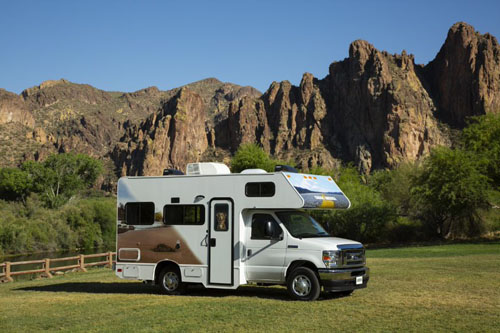
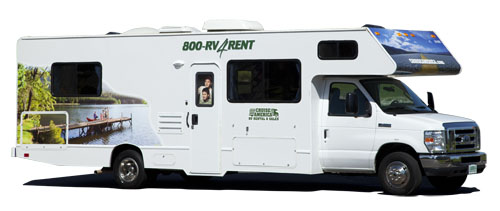
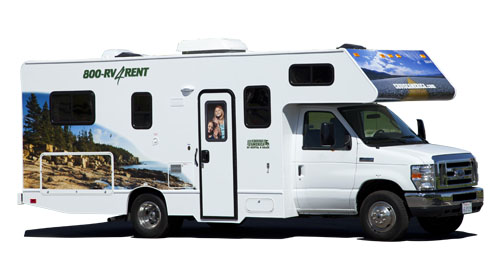
Class C - Alcove and Class SI - Semi-integrated RVs are particularly well-suited for winter travel in the Central North US. Class C RVs, typically around 7.5 meters in length, offer ample living space, effective heating systems, and good ground clearance, making them comfortable for colder climates. Class SI RVs, generally around 6.9 meters, provide streamlined handling and better fuel efficiency, averaging 10-11 Liters/100 km, while still offering comfortable winter living amenities. Both classes are generally built on robust commercial chassis, enabling them to navigate varied road conditions effectively. While Class B vans offer excellent maneuverability, they often sacrifice interior space and the robust winterization features found in larger models.
Should I Choose a Compact Van Instead of a Large RV in Central North US?
For most winter travel in the Central North US, a larger RV is generally manageable and offers superior comfort and essential amenities, which are particularly valuable when spending more time inside due to cold weather. Compact vans (Class B) are indeed more maneuverable in urban environments but often sacrifice the crucial interior space and robust winterization features that make a larger RV a more practical choice for the season. The enhanced living space and built-in winterization features of a larger rented RV generally outweigh a compact van's maneuverability benefits for a truly comfortable winter road trip experience.
Can I Park Anywhere? Free & Wild Camping Rules in Central North US
Regulations regarding free or wild camping vary significantly by state, county, and land management agency across the Central North US. While less extensive than in western regions, national forests and Bureau of Land Management (BLM) lands may offer dispersed camping opportunities where accessible during winter. However, state and local parks often prohibit overnight parking outside of designated campgrounds. Truck stops and some big-box store parking lots, like Walmart, may permit single-night overnight parking with permission; always look for 'No Overnight Parking' signs and respect local regulations. As rules vary widely by region, it is essential to check local ordinances and campground policies before planning your overnight stays.
Can I Drive an RV Into the City Center? Heights, Tunnels & Local Signage
Yes, RVs can generally be driven into city centers across the Central North US. The key is to pay close attention to local signage, especially regarding height limits, before entering tunnels, garages, or underpasses, as RVs are typically 10-14 feet tall. Be mindful of narrow side streets, residents-only parking zones, and potential (though rare) environmental restrictions. Researching city-specific RV parking regulations and utilizing RV-friendly navigation apps can greatly assist in smoother city exploration.
What is the 3 3 3 rule for RV driving?
The '3-3-3 rule' suggests driving no more than 300 miles a day, arriving by 3 PM, and staying for at least 3 days at each location. Driving no more than 300 miles per day helps prevent driver fatigue, which is especially vital during the shorter winter daylight hours and potentially challenging road conditions common in the Central North US. Arriving by 3 PM allows ample time to set up your campsite before temperatures drop and darkness falls. Staying for at least 3 days encourages a more relaxed pace, reduces driving stress, and allows for deeper exploration of local attractions, enhancing your overall winter RV experience.
What is the largest RV you can drive without a special license?
In the Central North US, you can generally drive an RV with a Gross Vehicle Weight Rating (GVWR) up to 26,000 pounds (approximately 11,793 kg) using just a standard Class D driver's license. This weight limit comfortably accommodates the vast majority of rental RVs, including most Class A, B, C, and Semi-integrated models available through Bandana Caravan. Special licensing is typically reserved for vehicles exceeding this threshold or for operating certain heavy towed combinations, making most rental motorhomes accessible with a standard car license.
Can a class C RV operate in the winter?
Yes, a Class C RV can operate effectively in winter conditions, provided it is properly winterized and ideally equipped with a four-season package. Travelers should also employ specific cold-weather camping strategies for optimal performance and comfort. Thorough winterization, including draining water systems and adding antifreeze, is critical to prevent damage from freezing. Many Class C models offer 'four-season' packages that include enhanced insulation, heated tanks, and dual-pane windows for better cold-weather resilience. Utilizing the RV's propane furnace, supplementing with electric heaters when on shore power, and considering RV skirting can further enhance performance in freezing temperatures.
What You Shouldn't Miss
- Drive scenic byways like Wisconsin's Great River Road for stunning winter landscapes.
- Explore charming small towns that offer cozy cafes and local winter festivals.
- Visit national or state parks that remain accessible and offer winter hiking or snowshoeing opportunities.
- Experience the unique phenomenon of frozen waterfalls or ice caves, if conditions permit (check safety advisories).
- Enjoy the tranquility of snow-covered forests and lakes from the warmth of your RV.
- Take advantage of shorter daylight hours for cozy evenings spent inside your rental RV, perhaps trying some RV-friendly recipes.
Final Thoughts
Winter RV adventures in the Central North US offer a unique and rewarding travel experience, blending stunning snowy landscapes with cozy indoor comforts. By understanding the specific considerations for cold-weather driving and preparation, you can ensure a safe and memorable journey.
Remember that flexibility with your dates and destinations can often lead to better availability and pricing, especially during peak winter activity periods. With Bandana Caravan, you gain access to a wide selection of RVs and the tools to plan your perfect trip.
Ready to embrace the winter wonderland? Compare RV rental prices for the Central North US today and start planning your unforgettable cold-weather adventure!
🎬 Video coming soon
For ideas you can prep on the road, watch our RV-friendly recipes playlist on YouTube.