For live availability and current prices, start with our RV Rental Australia - Complete Guide 2026 guide.
In This Guide
- Can You Drive an RV in Australia? License & Age Rules
- Road Conditions & Terrain in Australia
- RV Size Limits, Bridges & Restricted Zones
- Fuel: Diesel vs. Petrol & Cost per 100 km
- Tolls, Vignettes & Border Rules
- Driving Tips for RV Rental Travelers
- Recommended RV Class for Australia Roads
- Should I Choose a Compact Van Instead of a Large RV in Australia?
- Can I Park Anywhere? Free & Wild Camping Rules in Australia
- Can I Drive an RV Into the City Center? Heights, Tunnels & Local Signage
- Can you legally drive in Australia with a US license?
- Are RVs allowed in Australia?
- Can you sleep in a motorhome while driving in Australia?
- How much does it cost to travel around Australia in a motorhome?
- What is the average cost of insuring a motorhome in Australia?
- What You Shouldn't Miss
- Why Book with Bandana Caravan
- Final Thoughts
- Frequently Asked Questions
Australia, with its vast landscapes, stunning coastlines, and unique outback, offers an unparalleled adventure for those exploring with a rented RV. Imagine the freedom of waking up to a different breathtaking view every day, with your mobile home providing all the comforts you need. Whether you're planning an extended road trip across diverse terrains or a leisurely week-long coastal cruise, mastering the nuances of RV driving in Australia is key to a smooth and enjoyable journey. For live availability and current prices, start with our RV Rental Australia - Complete Guide 2024 guide.
Can You Drive an RV in Australia? License & Age Rules
Yes, most rented RVs in Australia with a Gross Vehicle Mass (GVM) under 4.5 tonnes can be driven with a standard car license, equivalent to a Class C license in many countries. This covers the vast majority of motorhomes and campervans available for rental, making RV travel accessible to a wide range of drivers. For international visitors, it is essential to carry your valid foreign driver's license, and if it is not in English, an International Driving Permit (IDP) or an official English translation is required. While an IDP is recommended for clarity, it is not always mandatory, but specific state or territory regulations should always be checked beforehand.
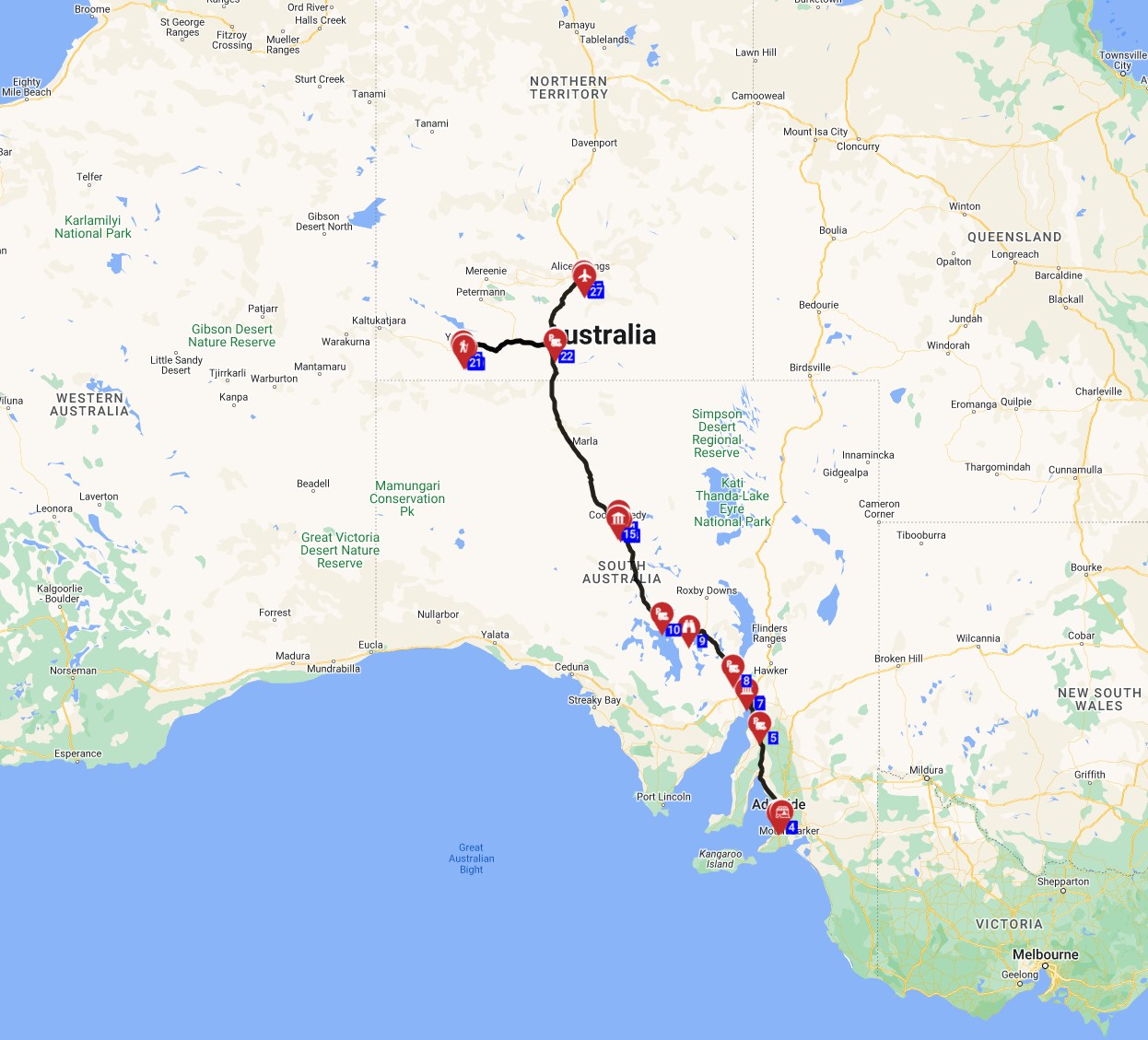
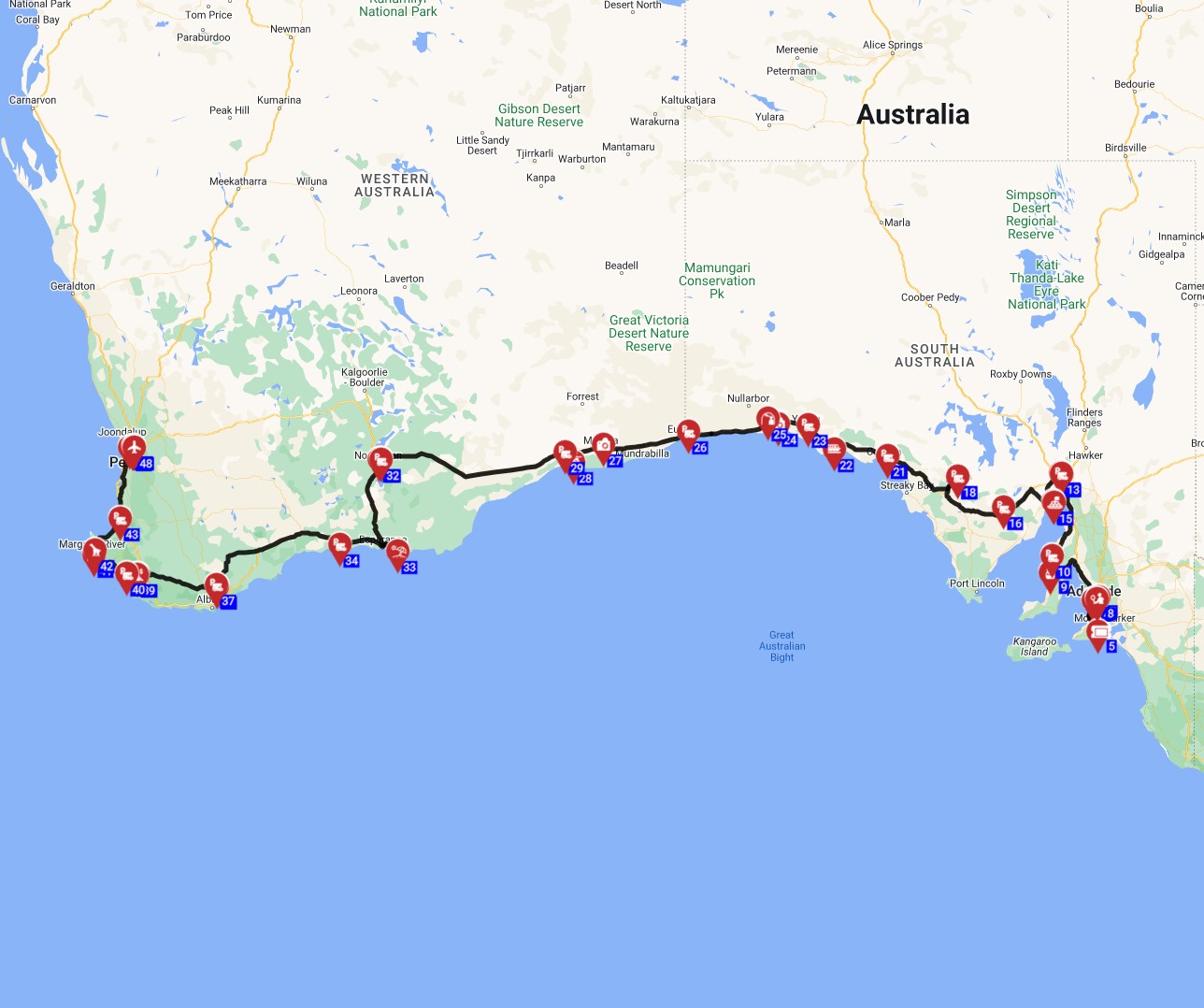
The minimum driver age for most RV rentals in Australia is 21 years old. Unlike some regions, Bandana RV partner suppliers generally do not impose young driver surcharges or vehicle class restrictions based on age, ensuring fair access for younger adventurers. However, it's always wise to confirm specific terms with your chosen supplier during the booking process. Getting your documentation in order is a straightforward step towards your Australian road trip. For a smooth trip, consider exploring a detailed route like "Perth to Alice Springs - The Dreamtime Highway: A Journey Through Australia's Heart" which covers over 5,400 km and includes a variety of attractions.
Road Conditions & Terrain in Australia
Australia features an extensive network of well-maintained sealed roads that connect major cities and popular tourist destinations, making it ideal for most 2WD rental RVs. However, beyond these main arterial routes, roads can quickly transition to gravel, unsealed tracks, or corrugated surfaces, particularly in remote and outback regions. These conditions often necessitate a 4x4 campervan for safe and comfortable navigation. Drivers should always anticipate long distances between towns and services, especially when venturing off the main highways, and be prepared for varied terrain ranging from coastal roads to expansive desert environments.
Careful and slow driving is essential, particularly on unsealed roads or after rain, as conditions can change rapidly. Always check local road reports before departing for remote areas. While motorhome driving in Australia is generally straightforward on major routes, the country's vastness demands respectful driving. Consider a leisurely pace, perhaps 100-150 km per day on average, to truly absorb the incredible scenery and culture. Planning your route is essential; resources like RV PLANET offer comprehensive RV PLANET routes that even allow you to itemize and track every expense, including potential wear and tear for budgeting for varied road conditions. On the routes offered through RV PLANET routes, you can itemize and track every expense along the way for easy budgeting.
RV Size Limits, Bridges & Restricted Zones
Australia generally accommodates large vehicles, but drivers of rented RVs must be vigilant regarding height and weight restrictions, especially in urban areas and on older infrastructure. Many city car parks, for instance, have height limits typically around 2.2 to 2.3 meters, which can be restrictive for most motorhomes. Additionally, weight limits apply to bridges and roads, particularly in rural or wilderness areas; however, most standard rental RVs, typically up to 4.5 tonnes Gross Vehicle Mass (GVM), fall within general vehicle limits and will not face issues on sealed roads.
Certain national parks and remote areas may impose restricted access for larger 2WD RVs, often requiring specific permits and robust 4x4 vehicles due to challenging terrain or environmental protection efforts. Always research your chosen route and check with local park authorities for any specific vehicle restrictions before you travel. This preparation ensures a hassle-free journey and avoids unexpected detours or fines. A Class SI motorhome, like the "2 Berth Sandpiper" (6.2m length), offers a good balance of space and maneuverability for varied Australian conditions.
Fuel: Diesel vs. Petrol & Cost per 100 km
Most larger rented RVs in Bandana’s global fleet, such as Class SI (Semi-integrated) and Class C (Alcove) motorhomes, typically run on diesel, while smaller campervans may use petrol. For instance, a Class SI motorhome averages 10-11 Liters/100 km, while a Class C motorhome consumes around 10-12 Liters/100 km. Smaller Class B Camper Vans are more fuel-efficient, typically using 8-10 Liters/100 Km.
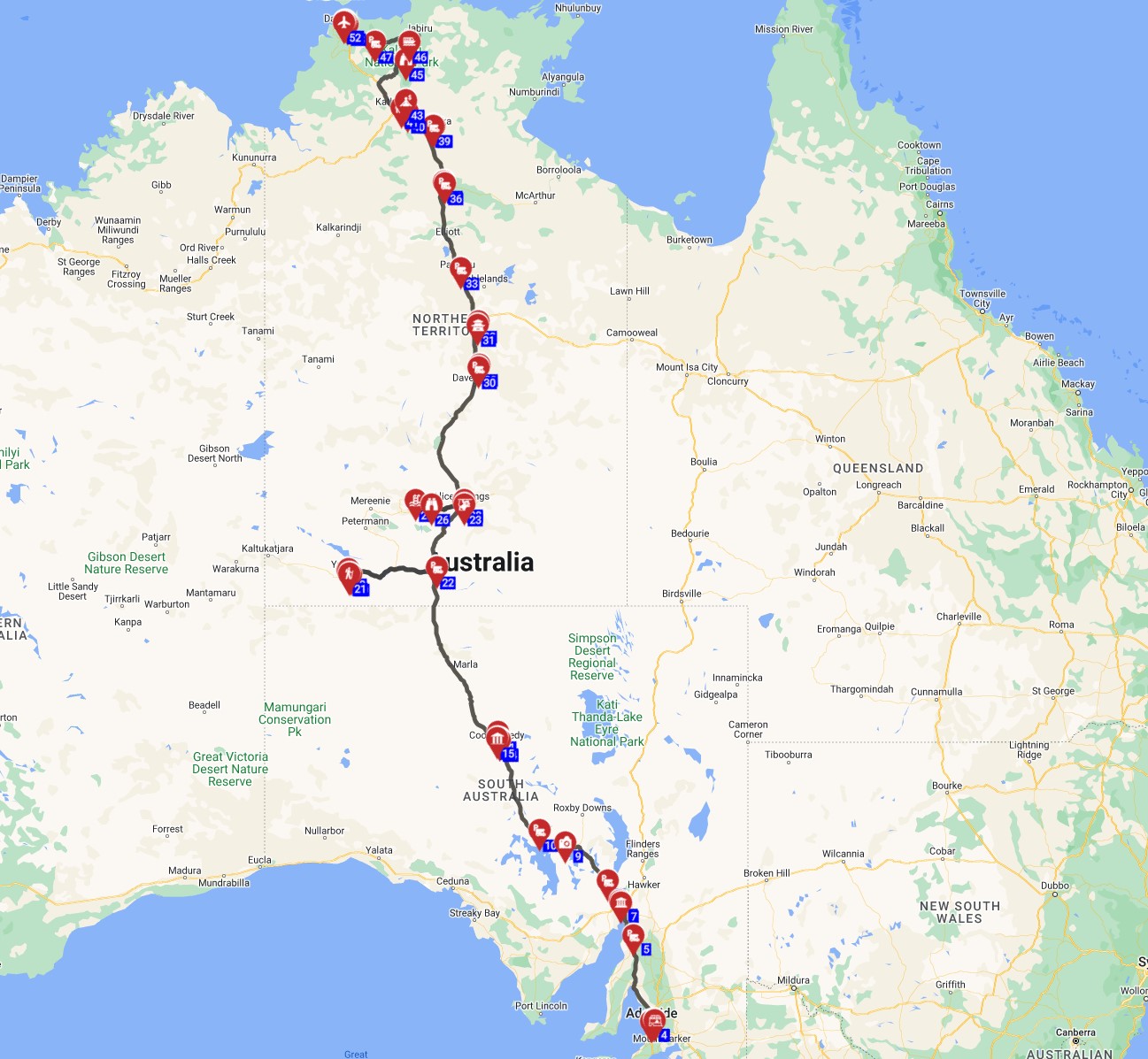
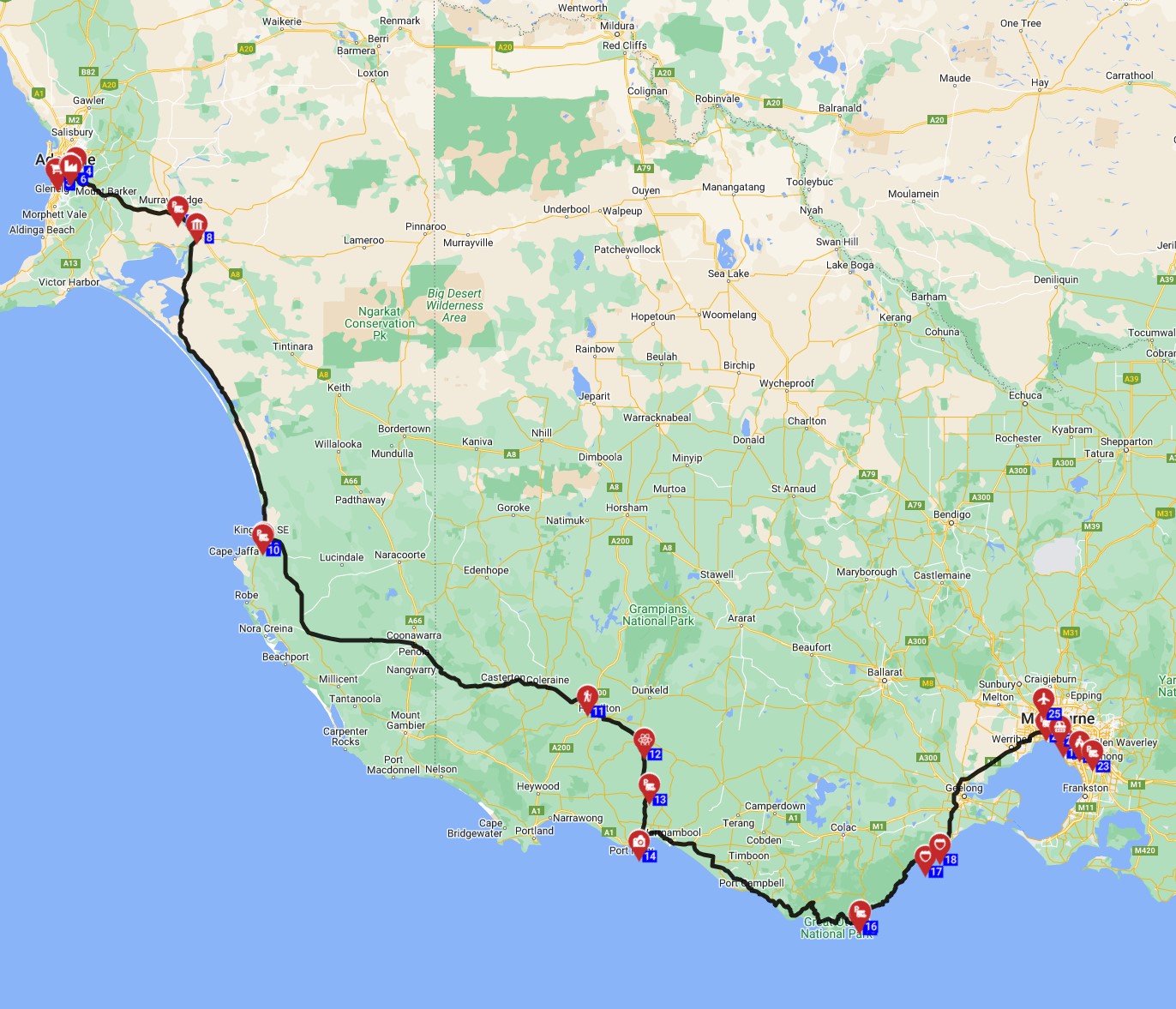
Factoring in an approximate average fuel price of A$2.00 per liter, which is highly variable across regions and changes daily, you can expect to pay roughly A$16-A$24 per 100 km for fuel for a standard rental RV. When planning your budget, remember that fuel is a significant ancillary cost for any RV trip. Be sure to fill up whenever you see a petrol station, especially when heading into more remote areas, as distances between services can be extensive. For example, on the 5,622 km "Melbourne to Darwin - Australia’s Heartline Road Trip," fuel stops would be a frequent consideration.
Tolls, Vignettes & Border Rules
Australia operates cashless toll roads primarily concentrated around its major cities, including Sydney, Melbourne, and Brisbane, without a national system of vignettes or border crossing fees between Australian states. Rental RV companies typically offer options to pre-purchase a toll pass or e-tag, which automatically records your journeys and bills your account, helping you avoid potential fines for unpaid tolls. This is a transparent way to manage costs without surprises at pickup.
If you prefer to avoid tolls entirely, planning your route in advance using navigation apps that offer "avoid tolls" options is usually possible. While this might add some extra travel time, it can be a scenic and budget-friendly alternative, allowing you to explore more local areas with your rented campervan. Rest assured, traveling between states in a rented motorhome is straightforward, with no special border documentation or fees required.
Driving Tips for RV Rental Travelers
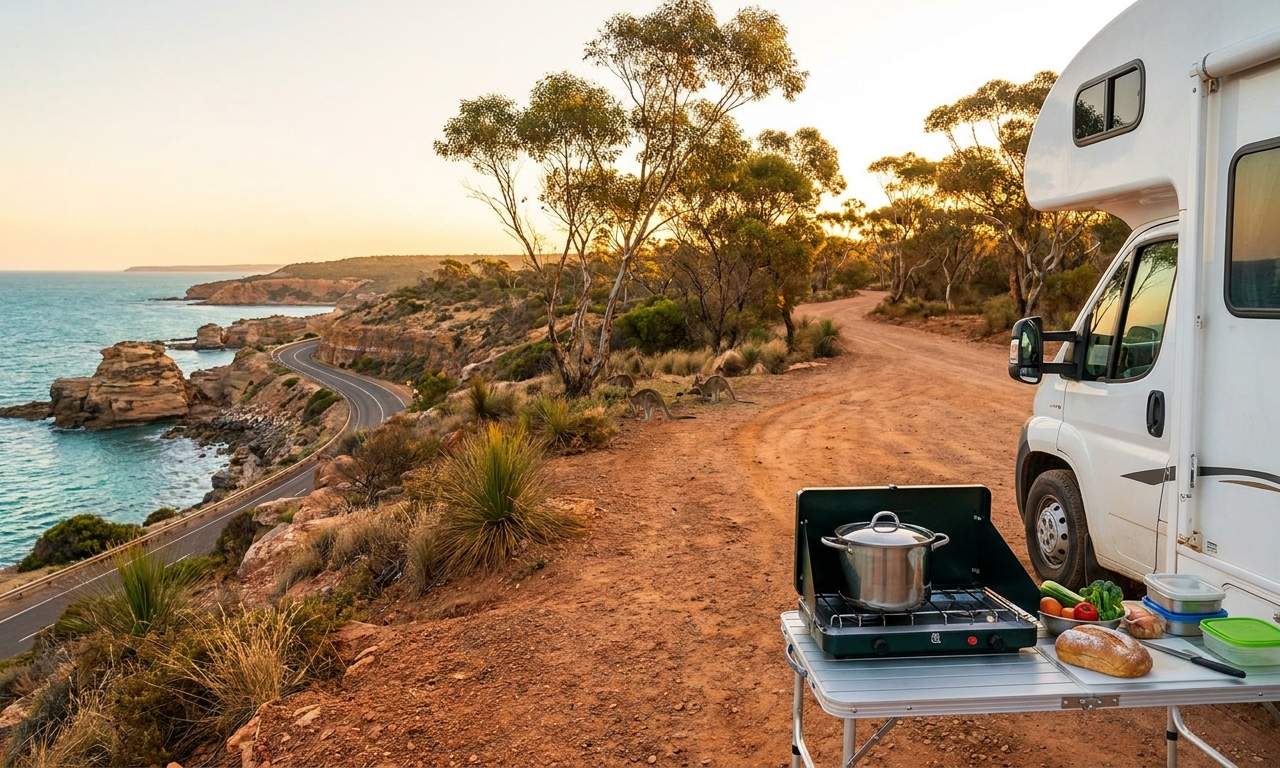
Driving a rented RV in Australia is an incredible experience, but it comes with a few unique considerations. Always drive on the left side of the road, and be prepared for very long driving distances between towns, especially in regional and remote Australia. Planning your stops strategically, particularly at dawn and dusk, is crucial to avoid wildlife like kangaroos and emus, which are highly active during these times and can pose a significant road hazard. It's a genuine safety measure, not a luxury.
Ensure your vehicle is regularly refueled, and always carry extra water and essential supplies, especially when venturing into remote areas where services are sparse. Fatigue is a major factor in Australian road accidents on long, monotonous stretches, so take frequent breaks, ideally every two hours. Familiarize yourself with local road rules, including speed limits, which are strictly enforced, and be mindful of larger vehicles like "road trains" in the outback – give them ample space and only overtake when safe and clear. When cooking inside your RV, which many models like the "Discovery - 5 berth motorhome" are equipped for, remember to secure all items before driving. For some RV-friendly recipes playlist, check out our YouTube channel!
Recommended RV Class for Australia Roads
For a comfortable and maneuverable experience on Australia's diverse roads, a Class SI (Semi-integrated) motorhome is highly recommended. These models, like the "2 Berth Rover," typically average around 6.9 meters in length and offer up to 3-4 sleeping places, providing a good balance between spacious living and ease of driving on highways and in smaller towns. For families or groups seeking more expansive living and sleeping arrangements, a Class C (Alcove) RV, such as the "Euro Deluxe," averaging 7.5 meters in length and offering around 5-6 sleeping places, is an excellent choice, performing admirably on sealed highways across the country.
Couples or smaller groups who prioritize greater flexibility, easier parking, and fuel efficiency, especially for navigating tighter spots or short excursions, will find a Class B (Camper Van) to be a superb option. These nimble vehicles, with an average length of 5.8 meters, offer a cozy yet functional setup. For more adventurous itineraries that involve extensive travel on unsealed roads, particularly in national parks or the deeper outback, a 4x4 campervan is often essential. Always consider your route and group size when selecting your ideal rental motorhome.
Should I Choose a Compact Van Instead of a Large RV in Australia?
While a compact campervan offers superior maneuverability and often better fuel efficiency, larger RVs generally navigate Australia's main roads and popular destinations without issue. The choice between a compact van and a larger motorhome often comes down to your personal preferences for comfort, amenities, and the duration of your trip. A compact van, like a "2 Berth Hi Top," can certainly be advantageous for fitting into crowded city parking spaces or accessing some narrower, less-maintained tracks where a larger 2WD motorhome might feel cumbersome.
However, for extended touring of Australia's vast and varied landscapes, the added indoor space, dedicated bathroom facilities, a more robust kitchen, and overall comfort of a larger RV (such as a Class C or Class SI motorhome) often provide a significantly enhanced travel experience. This is especially true for families or those planning week-long or longer trips where a greater sense of 'home on the road' is desired. Remember, regardless of size, drive slowly and carefully, and you can drive almost anywhere without issues. No need to stress - just use common sense and pay attention.
Can I Park Anywhere? Free & Wild Camping Rules in Australia
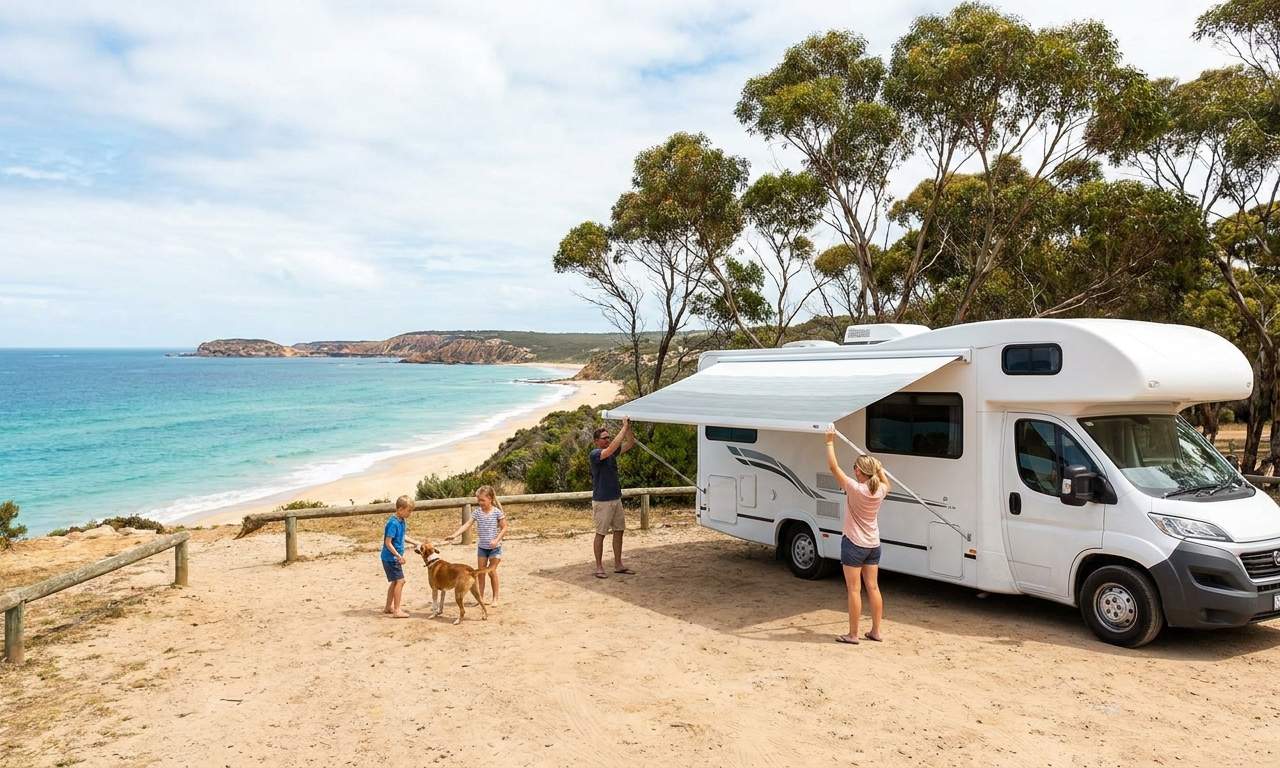
Freedom camping, also known as wild camping, is generally restricted in Australia and is typically not permitted on public roadsides, urban areas, or private land without explicit permission from the landowner. To avoid fines and ensure respectful travel, it is crucial to always check local regulations for the specific region you are in. Many designated free camping sites do exist, often found in national parks, state forests, or specified rest areas, but these usually require permits or adhere to strict time limits and rules. Utilizing reliable apps like WikiCamps Australia is highly recommended for locating legal and approved overnight parking spots along your route.
For finding campsites and campgrounds during your trip, we recommend using RV PLANET (rvplan.net), a great resource for locating available spots along your route. Many national and state parks only reserve 25-30% of their spots, leaving the rest for first-come-first-serve arrivals, which is excellent news for spontaneous travelers. You'll generally find a spot; if not at the first campground, then the next one. Always call ahead before driving a long distance, especially during peak seasons like summer. Remember the Australian RVers' etiquette: 'Leave No Trace' is paramount to preserving the country's unique natural beauty.
Can I Drive an RV Into the City Center? Heights, Tunnels & Local Signage
Yes, you can generally drive a rented RV into Australian city centers, but exercising vigilance regarding local signage for height restrictions, tunnels, and low bridges is absolutely critical. Multi-story car parks are often inaccessible for most RVs due to typical height restrictions of 2.2-2.3 meters. For example, a Class C motorhome like the "MHC24" (approx. 7.3m length) will likely not fit into most covered parking structures.
It's best to plan your parking in advance when visiting central business districts, looking for designated RV parking areas or larger outdoor lots. Be aware of any environmental zones, resident-only parking restrictions, or specific loading/unloading rules that might apply to larger vehicles. Driving slowly and carefully, paying close attention to overhead clearance signs, and using common sense will allow you to navigate Australian cities in your motorhome without issues. Don't stress, just be mindful!
Can you legally drive in Australia with a US license?
Yes, a US citizen can legally drive a rented RV in Australia with a valid US driver's license, provided it is current and you adhere to any conditions specified on it. For clarity and ease of communication with local authorities, it is strongly recommended that you also carry an International Driving Permit (IDP) alongside your US license, especially if your state-issued license does not feature a photograph or is not entirely in English. The IDP acts as an official translation of your license.
While an IDP is recommended, it is not mandatory in all Australian states for a US license holder. However, the specific rules can vary slightly by state or territory, so always check the local road authority’s requirements for the particular regions you plan to visit with your motorhome. Being prepared with both documents helps ensure a smooth and legal driving experience throughout your Australian adventure.
Are RVs allowed in Australia?
Yes, RVs are not only allowed but are a highly popular and widely embraced mode of travel throughout Australia, with extensive infrastructure supporting motorhome tourism. The country offers a vast network of caravan parks, campgrounds, and designated rest areas specifically designed to accommodate rented RVs of all sizes, from compact campervans to spacious Class C motorhomes. This makes RVing a fantastic way to explore the continent's diverse natural beauty and vibrant cities.
While RVs are certainly welcome, specific rules do apply regarding where you can park, camp overnight, and what license requirements are necessary, depending on the vehicle's size and weight. These regulations are in place to ensure safety and preserve Australia's unique environment. By researching and adhering to these local guidelines, you'll find that Australia is an incredibly welcoming destination for your rental RV adventure, offering countless opportunities to connect with the culture, food, and scenery.
Can you sleep in a motorhome while driving in Australia?
No, it is strictly illegal and highly unsafe for anyone to sleep in a motorhome while it is actively being driven in Australia. All passengers in a moving RV must be appropriately seated with their seatbelts securely fastened, just as they would be in any other vehicle. Road safety is paramount in Australia, and laws are in place to prevent dangerous situations.
Sleeping in a rented motorhome is, however, perfectly permissible when the vehicle is legally parked overnight. This can be at a designated campground, a caravan park, or an approved rest area where overnight stays are permitted. For both your safety and legal compliance, always ensure your vehicle is stationary and parked in a permitted location before anyone attempts to sleep or rest inside the RV.
How much does it cost to travel around Australia in a motorhome?
The cost of traveling around Australia in a rented motorhome can vary significantly, typically ranging from approximately A$150 to A$400+ per day, depending on factors such as the RV class, rental duration, and seasonality. The RV rental fee itself usually falls between A$70-A$250+ per day, with smaller campervans like a "Chaser" often being at the lower end and larger Class C motorhomes like a "6 Berth Discovery" at the higher end. Fuel is another major expense; expect to pay A$16-A$34 per 100km, depending on your vehicle type and current fuel prices.
Beyond the rental and fuel, daily campground fees can range from A$30-A$70 per night for powered sites at well-equipped parks. Food costs will depend on whether you cook in your RV kitchen or dine out. Additional expenses to factor into your total trip cost include insurance (optional upgrades to reduce deductible can be A$30-A$70 per day), national park entry fees, tolls in major cities, and any planned activities or tours. For detailed route plans that include itemized expense tracking, explore RV PLANET routes to help you budget effectively for your week-long or extended Australian adventure.
What is the average cost of insuring a motorhome in Australia?
For private motorhome ownership in Australia, the average annual insurance cost typically ranges from A$500 to A$1,500+, depending on the vehicle's value, driver history, and chosen coverage. However, for rented RVs, the insurance structure is usually different. Basic third-party liability insurance is generally included with your rental, covering damage to other vehicles or property. For enhanced peace of mind and to significantly reduce your financial excess liability in case of an accident, upgrading to a top-level deductible reimbursement option or purchasing comprehensive coverage add-ons is highly recommended.
These optional upgrades typically cost an additional A$30-A$70 per day. The final cost of this rental insurance component will depend on the specific RV model you choose, the rental supplier, the duration of your trip, and your age. Bandana Caravan always advocates for full transparency in pricing, ensuring you know exactly what you're paying for with no hidden fees or surprises related to your insurance coverage at pickup. Understanding these options upfront helps you travel with confidence.
What You Shouldn't Miss
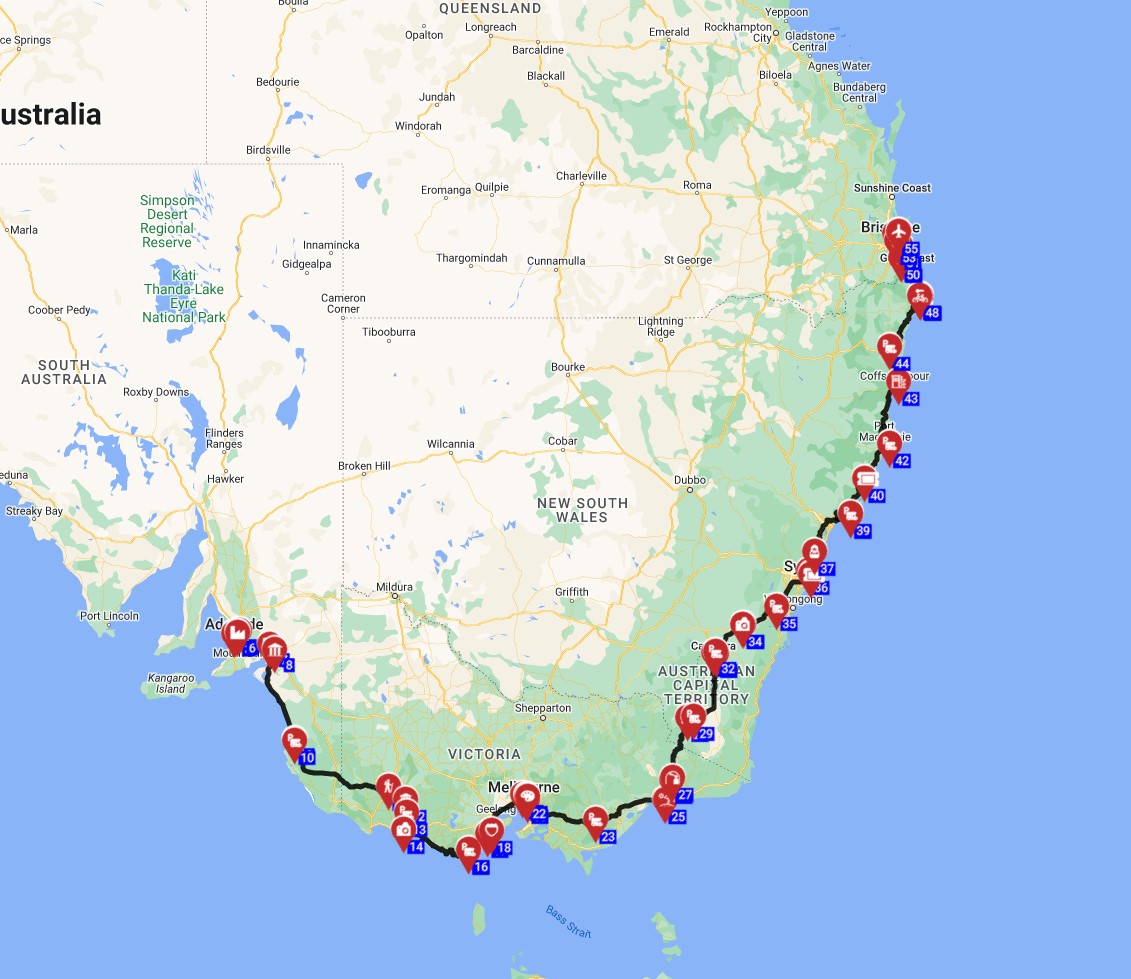
- **The Great Ocean Road:** Drive this iconic 243 km scenic route in Victoria, offering stunning coastal views, the Twelve Apostles, and charming seaside towns. It's perfect for slow travel, allowing 3-5 days to explore fully.
- **Uluru-Kata Tjuta National Park:** Experience the spiritual heart of Australia in the Northern Territory. Witness the incredible sunrise and sunset colors of Uluru, explore Kata Tjuta (The Olgas), and learn about Indigenous culture. Remember to book national park permits in advance.
- **Fraser Island (K'gari):** The world's largest sand island in Queensland, accessible by 4x4 vehicles only. Explore pristine freshwater lakes, ancient rainforests, and expansive beaches. Consider a 4x4 campervan like the "5 Person 4WD Camper" for this adventure.
- **Sydney Harbour:** Park your rented motorhome at a nearby campsite and spend a few days exploring Sydney's iconic attractions like the Opera House, Harbour Bridge, and Bondi Beach. Public transport is readily available from outer suburbs into the city.
- **Melbourne's Laneways & Coffee Culture:** Discover Melbourne's hidden gems, vibrant street art, and world-renowned coffee scene. Park your campervan outside the central business district and use trams or walk to explore the city's unique charm.
Looking for expert insights from Avi Bandana? Top 5 Adventures - recommendations from Avi Bandana
This epic "Melbourne to Darwin - Australia’s Heartline Road Trip" covers over 5,600 km across 26 days, immersing you in diverse experiences from wildlife watching to exploring museums and hiking areas, including 5 distinct points of interest.
The "Perth to Alice Springs - The Dreamtime Highway: A Journey Through Australia's Heart" is a 21-day, 5,447 km journey that includes 2 wildlife watch opportunities, 3 museums, and 5 points of interest, offering a deep dive into Australia's unique heritage.
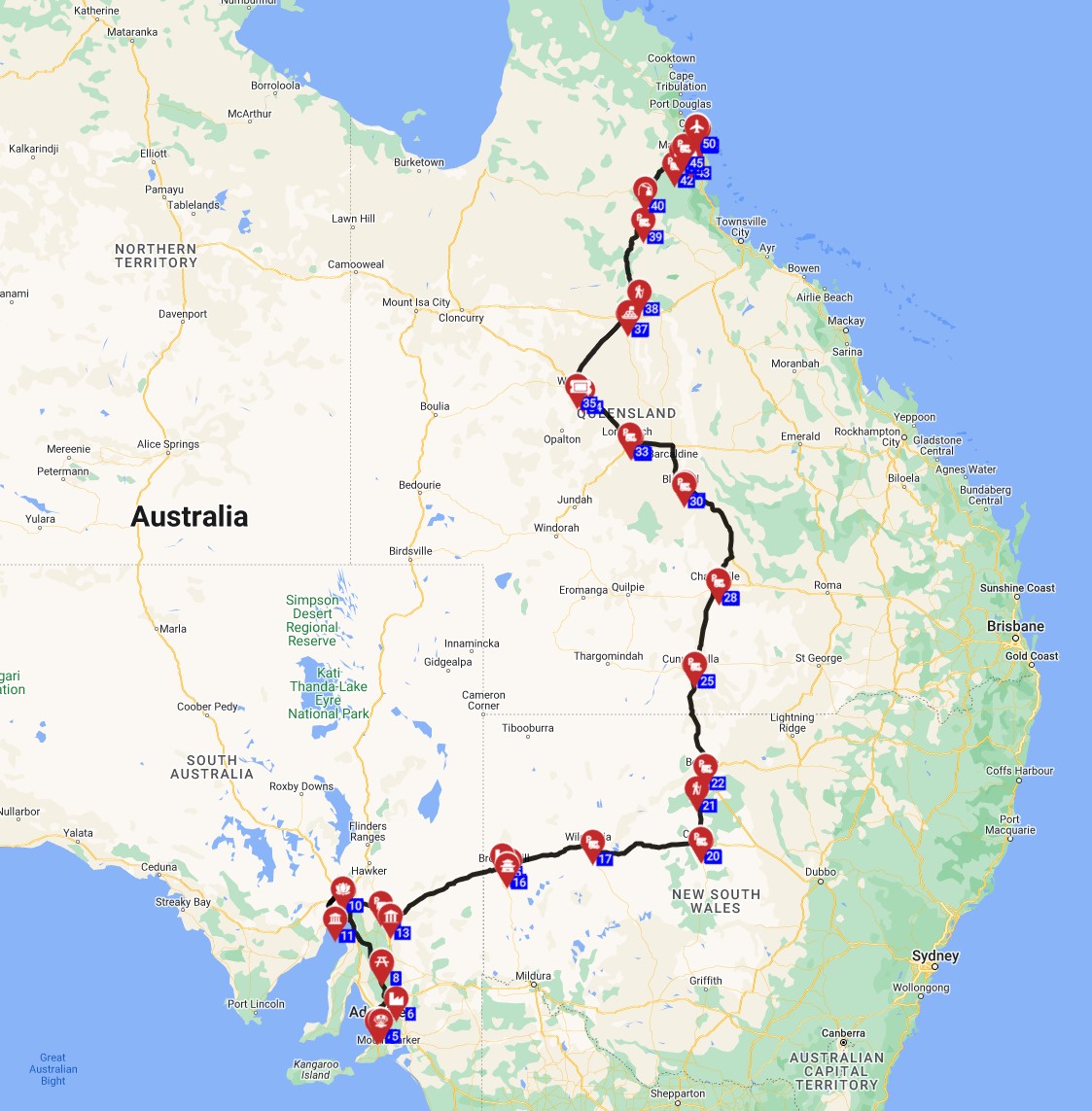
Embark on the 17-day, 4,003 km "Cairns to Alice Springs - Northern Horizons: A Journey Through Australia's Heartland," featuring 3 hiking areas, 2 caves, and 2 tourist attractions, connecting you to Australia's vast interior.
Final Thoughts
Embarking on an RV adventure in Australia is more than just a trip; it's an immersive experience that puts you in control of your journey, allowing you to discover hidden gems and iconic landscapes at your own pace. With a rented motorhome, you gain the flexibility to chase the sun, explore the outback, or simply relax by a stunning coastline. We encourage you to travel slowly, averaging no more than 100-150 km per day, giving yourself the time to truly feel the place, connect to the local culture, savor the food, and soak in the breathtaking scenery.
Whether you're a seasoned RV traveler or planning your first adventure, Australia offers something for everyone. With Bandana Caravan, you're supported by true RV specialists who understand the ins and outs of international RV travel, ensuring transparency, excellent support, and peace of mind from start to finish. So, gather your crew, pack your bags, and get ready for an unforgettable Australian road trip!
Discover top destinations and planning tips, all in one place, or compare Motorhome Prices for Australia to start your journey now!
🎬 Video coming soon