In This Guide
- Can You Drive an RV in Atlanta? License & Age Rules
- Road Conditions & Terrain in Atlanta
- RV Size Limits, Bridges & Restricted Zones
- Fuel: Diesel vs. Petrol & Cost per 100 km
- Tolls, Vignettes & Border Rules
- Driving Tips for Winter RV Rental Travelers
- Recommended RV Class for Atlanta Roads
- Should I Choose a Compact Van Instead of a Large RV in Atlanta?
- Can I Park Anywhere? Free & Wild Camping Rules in Atlanta
- Can I Drive an RV Into the City Center? Heights, Tunnels & Local Signage
- Can you drive an RV in the winter?
- What is the 3-3-3 rule for RVs?
- How cold is too cold for an RV?
- Do I need to winterize my RV in Georgia?
- What is the 4-4-4 rule for RVing?
- Do you need a special license to drive an RV in GA?
- How much does RV insurance cost a year?
- Does RV insurance cover snow damage?
- Can you get temporary RV insurance?
- What You Shouldn't Miss
- Why Book with Bandana Caravan
- Final Thoughts
- Frequently Asked Questions
Imagine yourself embarking on a cozy winter RV adventure through Atlanta, Georgia, where the city lights twinkle a little brighter and the southern charm warms the crisp air. Winter RV driving in Atlanta offers a unique blend of urban exploration and tranquil natural escapes, perfect for families, couples, or groups of friends seeking a memorable getaway. At Bandana RV, we specialize in helping you find the perfect motorhome for your journey, offering full transparency and 24/7 support throughout your booking process. For live availability and current prices, start with our RV Rental Atlanta - Complete Guide 2026 guide.
Can You Drive an RV in Atlanta? License & Age Rules
Yes, you can confidently drive a rented RV in Atlanta and throughout Georgia, as most motorhomes fall within standard licensing requirements. A standard Class C driver's license is sufficient for driving nearly all rental RVs, provided their Gross Vehicle Weight Rating (GVWR) is under 26,001 pounds. The majority of Class A, Class B, and Class C motorhomes offered for rental will be well within this limit, so there's no need for a special commercial driver's license (CDL).
The minimum age to rent and drive an RV in Atlanta is typically 21 years old across our partner suppliers like El Monte and Cruise America. You won't encounter young driver surcharges or vehicle class restrictions based on age when booking through Bandana RV, making RV travel accessible to a broader range of adventurers. For visitors from non-English-speaking countries, an International Driving Permit (IDP) is recommended to supplement your valid home country license, ensuring smoother interactions with local authorities, though it is not always mandatory in Georgia.
Road Conditions & Terrain in Atlanta
Road conditions in Atlanta are generally well-maintained, but winter travel can introduce specific considerations due to potential freezing rain, ice, or occasional snow. The city features a varied terrain, from the relatively flat urban expanses of downtown Atlanta to the rolling hills in northern suburbs and the nearby Appalachian foothills, especially if your route takes you towards destinations like Jasper or Ellijay. You'll primarily navigate wide, multi-lane interstates such as I-75, I-85, and I-20, which are typically well-suited for a rented RV.
During winter months (December to February), it's crucial to monitor local weather forecasts, as bridges and overpasses, like those along the Downtown Connector, are prone to freezing before main road surfaces. Always allow ample braking distance on potentially slick roads and drive slowly and carefully. When venturing beyond the city, into more rural or mountainous areas of Georgia, you might encounter winding roads that require extra vigilance and reduced speeds, particularly in a larger Class C motorhome. A comprehensive RV Travel Guide to Atlanta - Tips and Top Spots 2026 can help you plan for these diverse conditions.
RV Size Limits, Bridges & Restricted Zones
While there are no general overarching size limits restricting RV travel on major Atlanta highways, drivers must remain aware of specific overhead clearances and local signage. Atlanta's urban core, particularly around Midtown and Downtown, contains numerous bridges and underpasses, most of which are clearly marked with height restrictions. Always know your rented motorhome's exact height and width to prevent any incidents, as typical Class C RVs can range from 7 to 9 meters (23-30 feet) in length and around 3.5 meters (11-12 feet) in height.
Specific restricted zones for RVs are uncommon on Atlanta's main thoroughfares. However, some historic districts or narrower residential streets might have limited access or parking for larger vehicles. The standard maximum legal length for a single vehicle, like a motorhome, in Georgia is 45 feet (approximately 13.7 meters), which comfortably accommodates most rental RVs. For a smooth trip, it's always wise to scout your parking plans in advance, especially near popular attractions, and use common sense and pay attention to signage. You can drive almost anywhere without issues.
Fuel: Diesel vs. Petrol & Cost per 100 km
Both diesel and petrol (gasoline) are widely available at numerous fuel stations across Atlanta and throughout Georgia, ensuring you'll always find what you need for your rented RV. Many Class C motorhomes and campervans typically operate on petrol, while larger Class A models often require diesel fuel. It's always best to confirm your rental vehicle's fuel type before hitting the road.
Based on typical Bandana Class C - Alcove RVs, which average approximately 23 Liters per 100 km, and assuming an average petrol price of $0.95 per liter (approximately $3.60 per gallon) in Atlanta during 2026, the estimated fuel cost for your journey would be around $21.85 per 100 km. Keep in mind that fuel prices can fluctuate, so using mobile apps to check current local prices before fueling up is a smart strategy. For better budgeting and to itemize and track every expense along the way, we recommend exploring RV PLANET routes, which provide detailed planning and cost tracking features for your adventure. On the routes offered through RV PLANET routes, you can itemize and track every expense along the way for easy budgeting.
Tolls, Vignettes & Border Rules
Tolls are present on certain express lanes and corridors within and around Atlanta, specifically on sections of I-75 and I-85 Express Lanes, which utilize electronic tolling systems. Unlike some European countries, Georgia does not require any vignettes for driving an RV on its roads, simplifying your travel through the state.
For smooth passage on Atlanta's toll roads, it's highly recommended to use a Peach Pass transponder or other compatible electronic toll collection systems, such as E-ZPass if you have one from another state. Many Bandana RV partners, like Cruise America, may offer options for pre-purchased passes or transponders with their rental motorhomes. If you don't have a transponder, tolls are often collected via "toll-by-plate" systems, where a bill is mailed to the vehicle's registered owner (or rental company), potentially incurring additional administrative fees from your supplier. RV travel within the United States from Atlanta to neighboring states like Florida or Tennessee does not involve any international border rules or customs checks, ensuring seamless interstate travel.
Driving Tips for Winter RV Rental Travelers
Winter RV travel in Atlanta, while generally mild, requires thoughtful preparation to ensure a comfortable and safe journey. Firstly, always monitor local weather forecasts for Atlanta and your planned route, as unexpected ice, freezing rain, or even light snow can occur. An unexpected cold snap can significantly impact driving conditions, especially on shaded roads or elevated structures like the I-285 perimeter.
When driving a rented motorhome, always reduce your speed and significantly increase your following distance, especially on wet or potentially icy roads. Remember, RVs are heavier and require more time and space to brake effectively. Plan your route carefully, perhaps using RV-specific GPS apps to identify potential low bridges or construction detours. For any longer journeys, particularly if you're heading north towards the North Georgia mountains, consider taking frequent breaks every 2-3 hours to combat fatigue, stretch your legs, and inspect your RV's exterior for any ice buildup on lights or mirrors. We always recommend slow travel, aiming for a maximum of 100-150 km (60-90 miles) per day on average, allowing you to truly immerse yourself in the culture, food, and scenery of the Peach State.
Recommended RV Class for Atlanta Roads
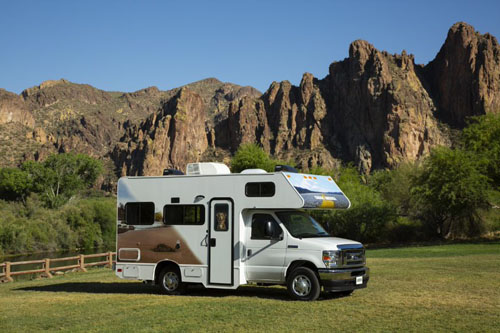
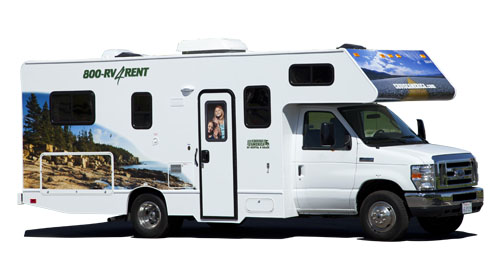
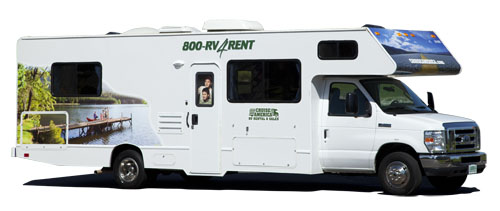
For winter RV rentals in Atlanta, a Class C - Alcove or a Class B - Camper Van is generally recommended, offering an ideal balance of comfort, amenities, and maneuverability. Class C - Alcove RVs, often averaging around 7.9 meters (approximately 26 feet) in length within Bandana's diverse fleet, provide ample living space, a full kitchen (perfect for preparing RV-friendly recipes playlist), and sleeping capacity for families, typically accommodating up to 6.1 people. These motorhomes are manageable on Atlanta's wider roads and interstates like I-85, yet offer the cozy interior space appreciated during colder weather.
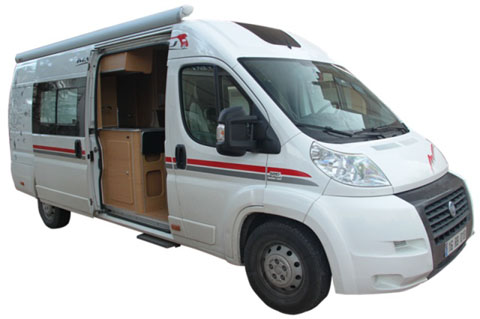
Alternatively, a Class B - Camper Van, averaging 6.1 meters (approximately 20 feet) in length, excels in urban maneuverability and easier parking, making it perfect for couples or smaller groups prioritizing agility. While Class A - Integrated RVs (averaging 8.9 meters or 29 feet, like a "Class A - Thor ACE 30") offer luxurious space, their larger footprint can be more challenging to navigate and park in denser Atlanta areas, especially during potential winter conditions. Both Class B and Class C options provide sufficient ground clearance for standard paved roads throughout Georgia. Consider an "rv rental atlanta example US Tourer" (6.1 meters long) for couples or a "rv rental atlanta example Eclipse Camper" (9.4 meters long) for larger families, balancing size with your group's needs.
Should I Choose a Compact Van Instead of a Large RV in Atlanta?
For winter RV rentals in Atlanta, there is no inherent issue driving any standard motorhome size on the city's main roads and highways; therefore, choosing between a compact van and a larger RV often comes down to personal preference for indoor space and comfort. While a compact van (Class B - Camper Van) offers superior maneuverability and ease of parking in standard spots, the primary advantage of a larger RV (such as a Class C) for a winter trip is the increased indoor living space, dedicated amenities like a more expansive kitchen and bathroom, and better insulation against the cold. A Class C like the "24' Class C Motorhome" with 5 sleeping places offers significantly more room than a "Class 0" campervan for two.
Atlanta's interstates and major arterial roads are well-equipped to handle even larger Class C motorhomes without issue. Drive slowly and carefully, and you can drive almost anywhere without issues. No need to stress - just use common sense and pay attention. Unless your specific itinerary demands frequent street parking in extremely dense urban areas, the enhanced comfort and warmth provided by a larger RV during Atlanta's winter season often outweighs the marginal gains in maneuverability a compact van offers.
Can I Park Anywhere? Free & Wild Camping Rules in Atlanta
Free or "wild" camping is generally not permitted within the city limits of Atlanta or in developed areas across Georgia; overnight parking in a rented RV is restricted to designated campgrounds, RV parks, or private land with explicit permission. Many of Atlanta's immediate suburbs, such as Marietta or Sandy Springs, also enforce similar restrictions.
Designated RV parks and campgrounds, many of which operate year-round near Atlanta, such as Stone Mountain Park Campground or Sweetwater Creek State Park Campground, are the most reliable and legal options for overnight stays. These facilities often provide essential amenities like electrical hookups, fresh water, and dump stations. While some Walmart stores and truck stops might permit overnight RV parking, policies vary by location, so it's always essential to ask permission from store management before settling in for the night. For true "wild camping," you would need to venture into more remote national forests or state parks, which often require permits or designated primitive campsites, and accessibility can be limited during winter months.
Can I Drive an RV Into the City Center? Heights, Tunnels & Local Signage
Yes, you can generally drive a rented RV into Atlanta's city center, as its major roads, boulevards like Peachtree Street, and interstates are designed to accommodate large vehicles. However, careful attention to local signage, especially concerning height limits and parking, is crucial for a smooth experience. Drivers must always be aware of their motorhome's exact height and pay close attention to posted limits for tunnels and underpasses, particularly when navigating into parking garages which are almost always too low for RVs. For example, the Downtown Connector (I-75/I-85) has many overpasses, but the main lanes generally clear standard RV heights.
While Atlanta does not have extensive environmental zones or outright bans on RVs in its core, navigating downtown can be challenging due to dense traffic, one-way streets, and very limited parking for oversized vehicles. Planning your route in advance and utilizing RV-friendly parking options, often located just outside the immediate city core or at accessible MARTA stations, is highly advisable. Always be vigilant for local road signs indicating low bridges, weight limits, or turns that might be difficult for longer vehicles.
Can you drive an RV in the winter?
Yes, you can absolutely drive a rented RV in the winter, especially in a region like Atlanta where extreme cold is less frequent but freezing temperatures and occasional ice are possible. Modern motorhomes are often equipped with effective insulation, powerful heating systems, and sometimes even heated tanks, making them perfectly suitable for cold-weather travel.
Key considerations for winter RV driving in Atlanta include regularly checking your tire pressure, ensuring your RV's antifreeze levels are adequate in the engine and plumbing systems, and being particularly mindful of slick road conditions. Winter RVing here requires planning for potential icy patches, especially on bridges and overpasses along I-20 or I-85, and adjusting your driving habits for reduced traction. Many campgrounds around Atlanta, like Red Top Mountain State Park, remain open year-round, offering essential electrical and water hookups for comfortable winter camping.
What is the 3-3-3 rule for RVs?
The "3-3-3 rule" for RVs is a widely adopted guideline for safe and enjoyable travel, advising drivers to limit their daily travel to 300 miles (approximately 480 km), arrive at their destination campground by 3 PM, and stay for at least 3 nights. This rule is designed to prevent driver fatigue, reduce travel stress, and allow ample time for setting up and breaking down camp at each stop.
In the context of winter RV rental in Atlanta, adhering to the 3-3-3 rule is particularly beneficial. Arriving by 3 PM provides crucial daylight hours to safely set up your rented motorhome, connect electrical and water hookups, and ensure your RV is properly insulated and heated before evening temperatures drop. Limiting your daily miles is also vital in winter, as driving conditions can be more demanding due to shorter daylight hours and potential icy roads, often slowing travel times significantly. Staying for three nights at locations like Forsyth County Campground allows for a more relaxed pace, ideal for exploring local Atlanta attractions without feeling rushed during the slower winter season.
How cold is too cold for an RV?
Generally, temperatures consistently below freezing (32°F or 0°C) without proper precautions can be considered "too cold" for an un-winterized rental RV, risking damage to water systems. Most modern RVs, especially those available for winter rental, are designed to comfortably handle temperatures down to the low 20s or teens Fahrenheit (-7°C to -12°C) if they are properly insulated and equipped with functional heating systems, including the furnace, tank heaters, and insulated water lines.
The critical concern for rented RVs in cold weather, such as Atlanta's occasional freezing spells, is the potential for water pipes and tanks to freeze and burst, leading to costly repairs. RV models with a "Winter Ready" feature, like some "2 Berth Hi Top" campervans, offer enhanced protection against freezing. Even in Georgia, where sustained deep freezes are less common than in northern states, it's vital to discuss the RV's cold-weather capabilities with your rental supplier and take preventative measures like draining water lines or adding RV antifreeze if temperatures are expected to drop significantly below freezing for an extended period.
Do I need to winterize my RV in Georgia?
Yes, it is highly recommended to winterize your rented RV in Georgia if you plan to store it or leave it unused during periods when temperatures are expected to drop consistently below freezing (32°F or 0°C). Even though Georgia is a southern state, Atlanta and surrounding areas frequently experience overnight freezes and occasional prolonged cold snaps in winter, which can cause water lines, pumps, and tanks to freeze and burst in an RV.
If you are actively using your rented motorhome and maintaining consistent heat inside, especially with tank heaters engaged and water flowing, full winterization might not be necessary for short cold spells. However, for any period of non-use, or if your RV is not specifically equipped with robust 'four-season' capabilities and temperatures are forecast to dip into the 20s°F (-7°C) or lower, performing a proper winterization (draining water systems and adding RV antifreeze) is the safest approach to protect the vehicle from damage. Your rental supplier will provide guidance on the specific cold-weather readiness of your chosen RV and any recommended procedures.
What is the 4-4-4 rule for RVing?
The "4-4-4 rule" for RVing is another useful guideline focused on safe driving practices, specifically advising drivers to stop driving every 4 hours, pull over for at least 4 minutes, and hydrate with 4 ounces of water. This rule is primarily designed to combat driver fatigue, which is an especially important consideration when operating a large vehicle like a motorhome over long distances.
Adhering to the 4-4-4 rule is particularly beneficial during winter RV trips in Georgia, where fluctuating weather conditions can increase driving stress and demand greater concentration. Regular short breaks help maintain focus, improve reaction times, and allow drivers to stretch and stay alert. While not a legal requirement, integrating the 4-4-4 rule into your travel plan can significantly enhance safety and enjoyment on the roads, especially when navigating Atlanta's traffic or traveling through the diverse landscapes of Georgia.
Do you need a special license to drive an RV in GA?
No, for most recreational vehicles (RVs) rented for winter travel in Atlanta, you do not need a special license; a standard Class C Georgia driver's license is typically sufficient. This applies to the vast majority of Class B (Camper Vans), Class C (Alcove), and even many smaller Class A (Integrated) motorhomes available through Bandana RV and its partners in Atlanta. Our partners include leading RV suppliers worldwide such as El Monte, Cruise America, Apollo, and Britz.
A special (non-commercial Class A or B) license is only required in Georgia if the Gross Vehicle Weight Rating (GVWR) of the RV you are driving exceeds 26,000 pounds, or if you are towing a trailer with a GVWR of over 10,000 pounds. Always confirm the specific GVWR of your rental RV and check with your rental company if you have any doubts about licensing requirements. For foreign drivers, a valid license from your home country, often accompanied by an International Driving Permit (IDP), is usually accepted.
How much does RV insurance cost a year?
The annual cost of RV insurance for personally owned RVs varies widely, typically ranging from $500 to $3,000 per year, influenced by factors such as the RV's value, type, usage, driver's record, and chosen coverage. For rented RVs in Atlanta, comprehensive insurance is usually included in the rental agreement, providing basic protection during your trip. However, renters often have options for purchasing additional collision damage waivers or liability coverage directly from the supplier to reduce their financial exposure.
Bandana RV makes it easy to compare these options transparently. You can also upgrade to a top-level deductible reimbursement for extra peace of mind, a differentiator we proudly offer. This means you travel with confidence, knowing you're well-protected against unexpected incidents. We believe in full transparency: no hidden fees, no surprises, just clear options to ensure you get the right coverage for your winter RV rental in Atlanta.
Does RV insurance cover snow damage?
Yes, comprehensive RV insurance typically covers damage caused by natural events, which generally includes incidents related to snow, ice, and hail damage, making it relevant for winter RV rental in Atlanta. This comprehensive coverage is designed to protect against perils other than collisions, such as falling tree branches due to snow accumulation, damage from ice storms, or heavy snowfall that could occur during an unexpected winter weather event in Georgia.
However, it is crucial to note that damage resulting from a lack of proper winterization, such as frozen and burst pipes, is usually considered neglect and may not be covered by standard policies; always check your specific policy's exclusions. If you are renting a motorhome, ensure the rental agreement's included insurance or any additional waivers you purchase cover comprehensive perils, including potential snow or ice damage, to protect yourself fully during your winter RV adventure from Atlanta. We believe in full transparency and are here to help you understand your options.
Can you get temporary RV insurance?
Yes, temporary RV insurance is indeed available, often structured as short-term policies or daily coverage, which can be particularly useful for brief trips or for RV rentals in Atlanta. When you rent a motorhome through a platform like Bandana RV, basic insurance is typically provided by the rental company as part of the agreement, which usually includes basic liability and sometimes a collision damage waiver. However, renters frequently have the option to purchase additional temporary coverage to enhance their protection and reduce personal financial risk.
It's also worth checking with your existing personal auto insurance provider, as some policies may extend coverage to a rented RV for a specified duration. It is crucial to confirm the specifics with your insurer, especially regarding the RV size, its value, and the length of your rental period. Always verify the terms, coverage limits, and deductibles of any temporary RV insurance to ensure it comprehensively meets your needs for your winter RV rental in Atlanta, providing you with travel peace of mind.
What You Shouldn't Miss
Atlanta in winter, despite the cooler temperatures, sparkles with unique charm and opportunities for RV adventurers. Embrace the festive spirit and explore beyond the usual. Here are some of our top recommendations:
- Explore Stone Mountain Park: Just east of Atlanta, Stone Mountain offers year-round RV camping at its base. Hike up the mountain for incredible city views, explore the historic village, or enjoy the seasonal events. It's truly a unique spot to park your RV.
- Wander through Piedmont Park: Even in winter, Piedmont Park, Atlanta's urban oasis, offers serene walks, a dog park, and often host winter markets or events. It's a fantastic spot for a leisurely stroll and to experience the "City in a Forest" vibe.
- Visit the Martin Luther King Jr. National Historical Park: A powerful and moving experience, this park includes his birth home, Ebenezer Baptist Church, and his final resting place. It's a must-visit for anyone in Atlanta, offering deep cultural and historical insight.
- Discover the Atlanta BeltLine's Eastside Trail: Rent bicycles and explore sections of the BeltLine. This urban trail connects parks, neighborhoods, and local businesses, often featuring street art and unique eateries. It's a vibrant way to see the city from a different perspective.
- Journey to North Georgia Wine Country: Head an hour or two north of Atlanta into the Appalachian foothills to explore Georgia's burgeoning wine country. Towns like Dahlonega offer charming wineries that are open for tastings even in the winter, often with cozy indoor spaces.
Looking for expert insights from Avi Bandana? Top 5 Adventures - recommendations from Avi Bandana.
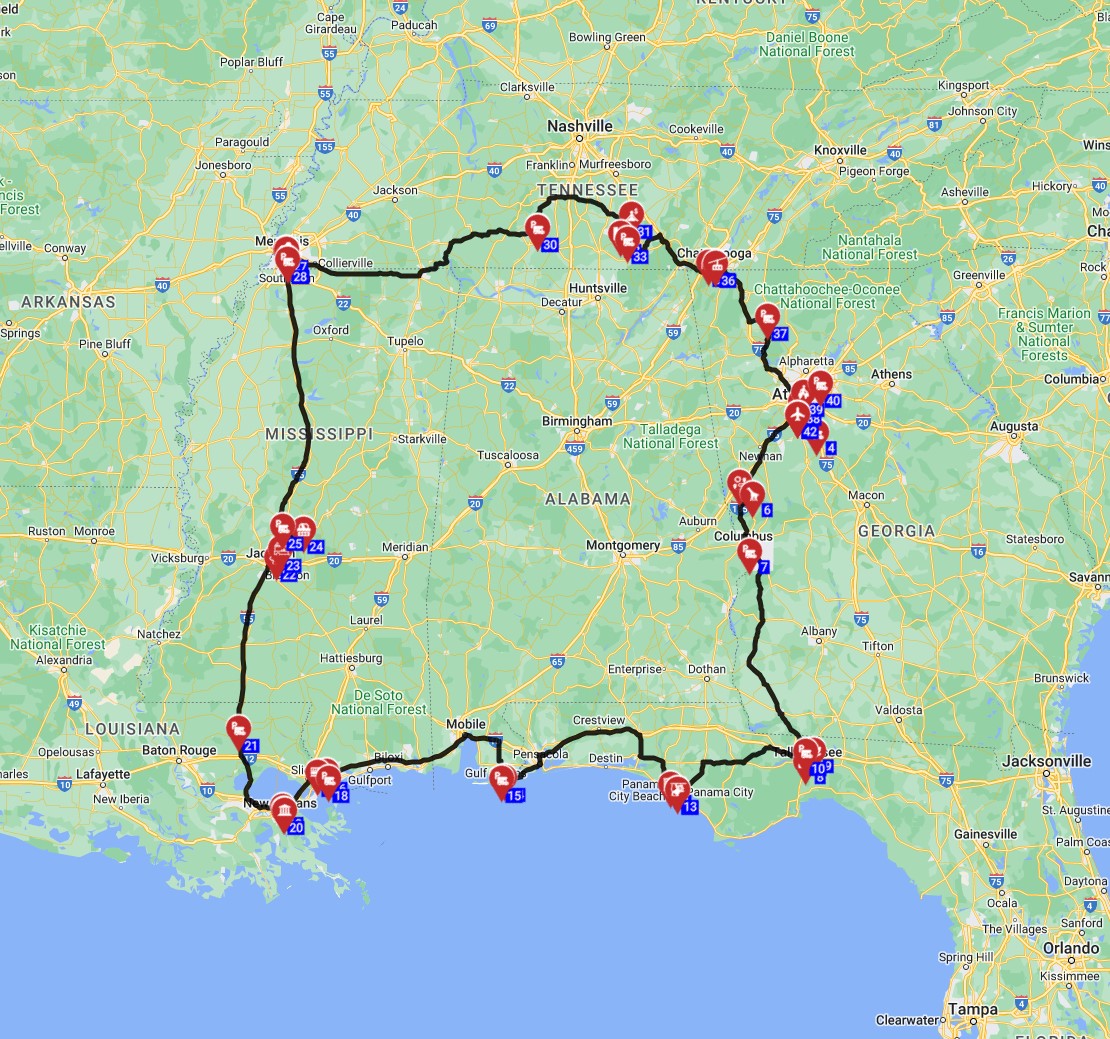
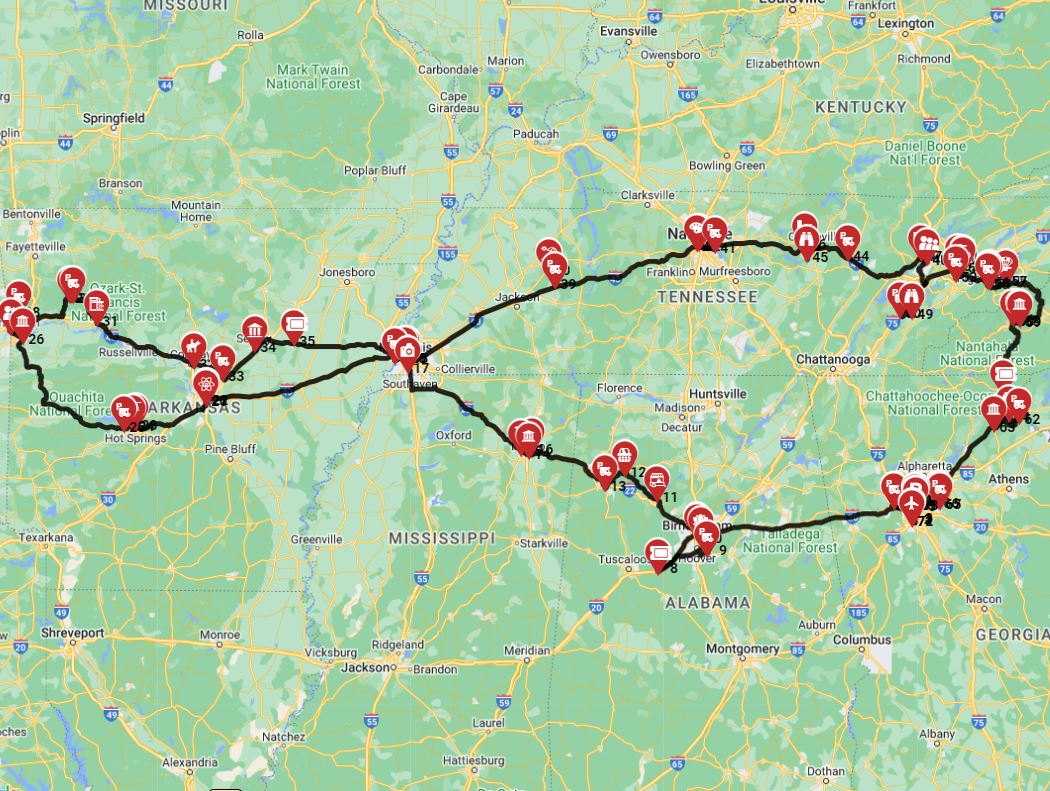
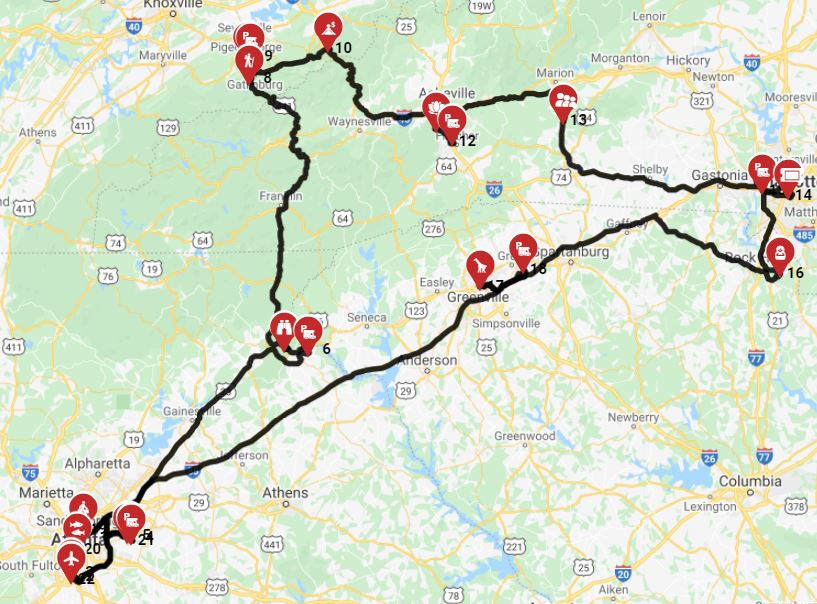
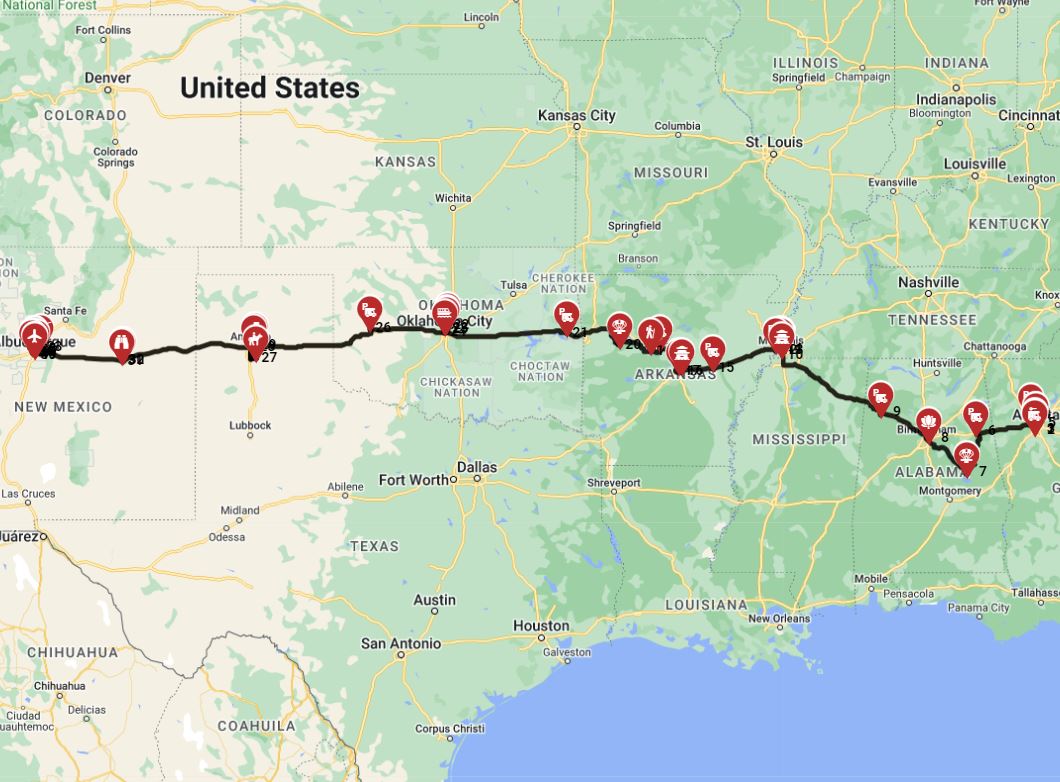
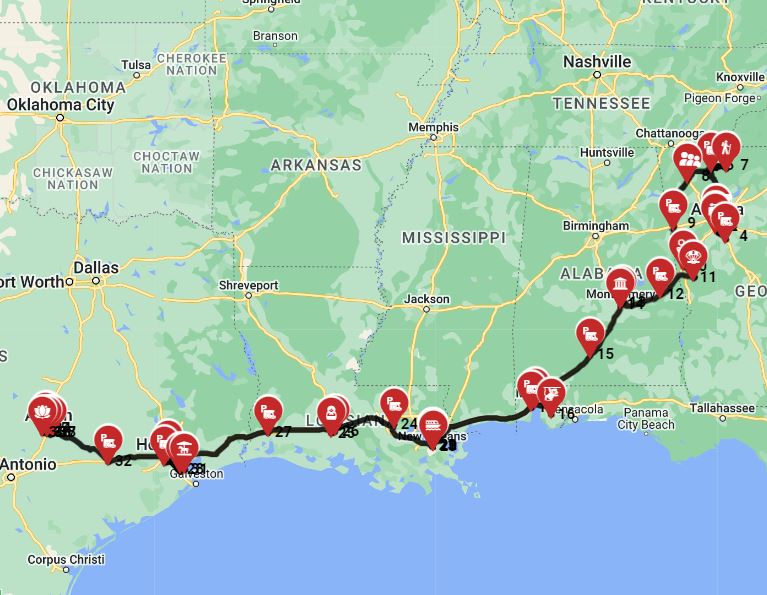
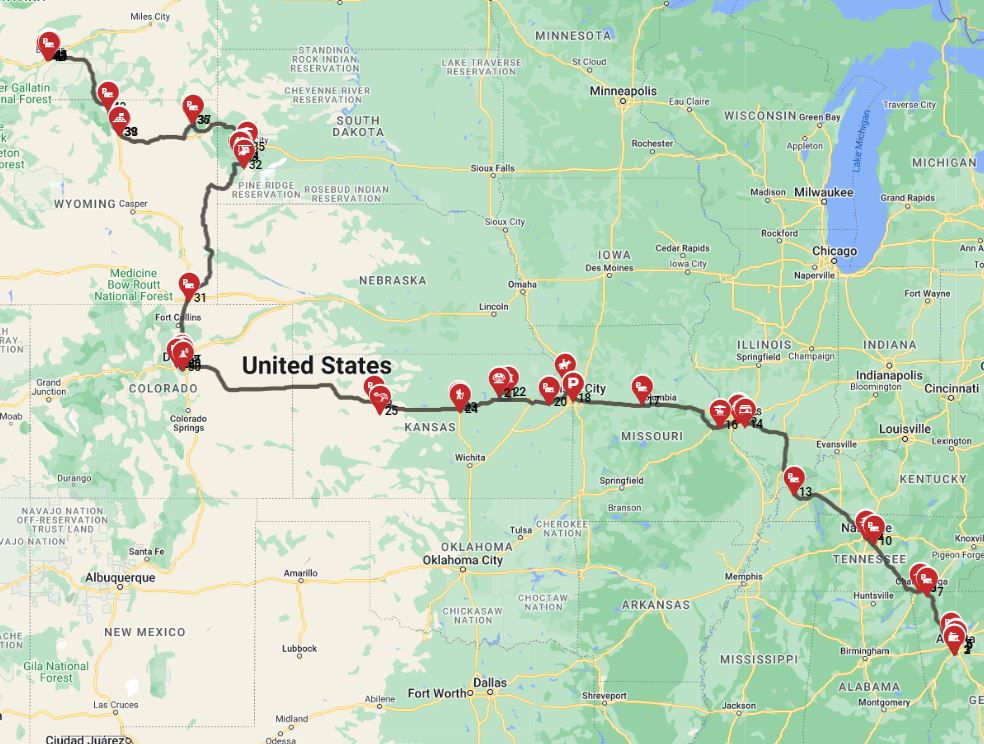
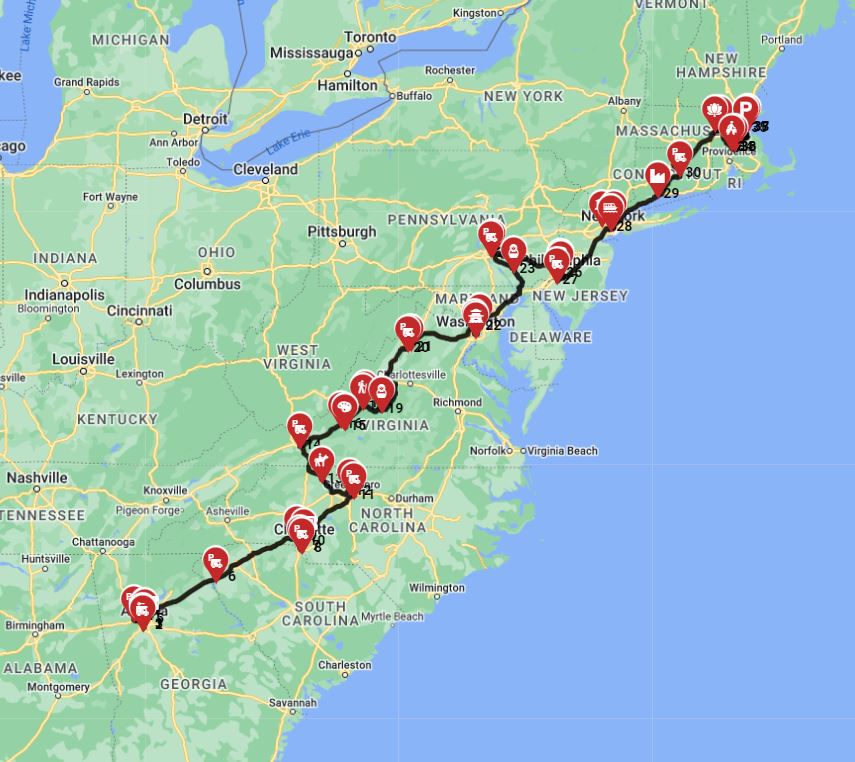
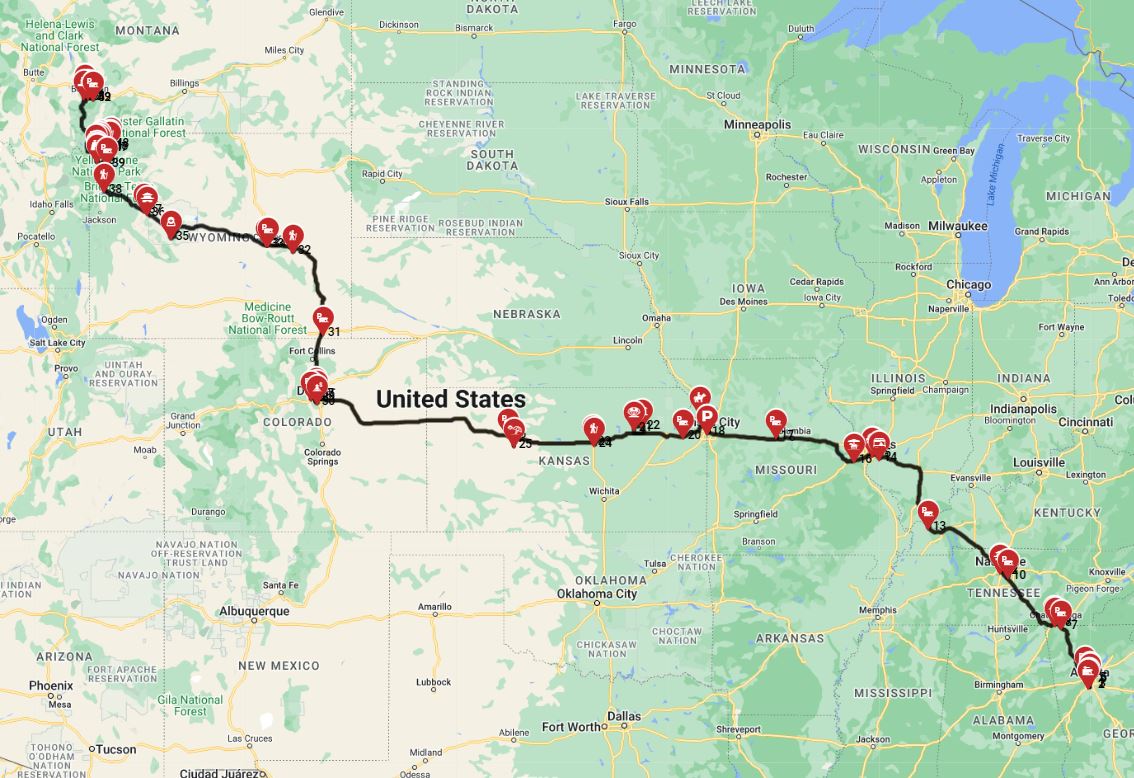
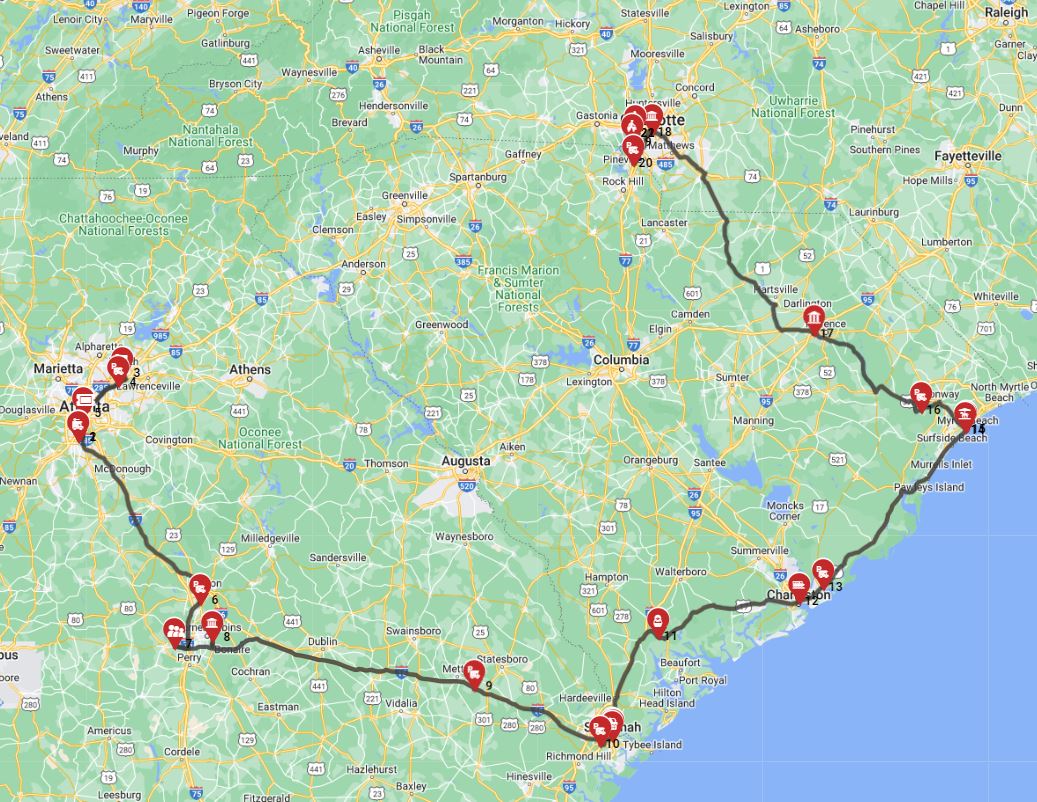
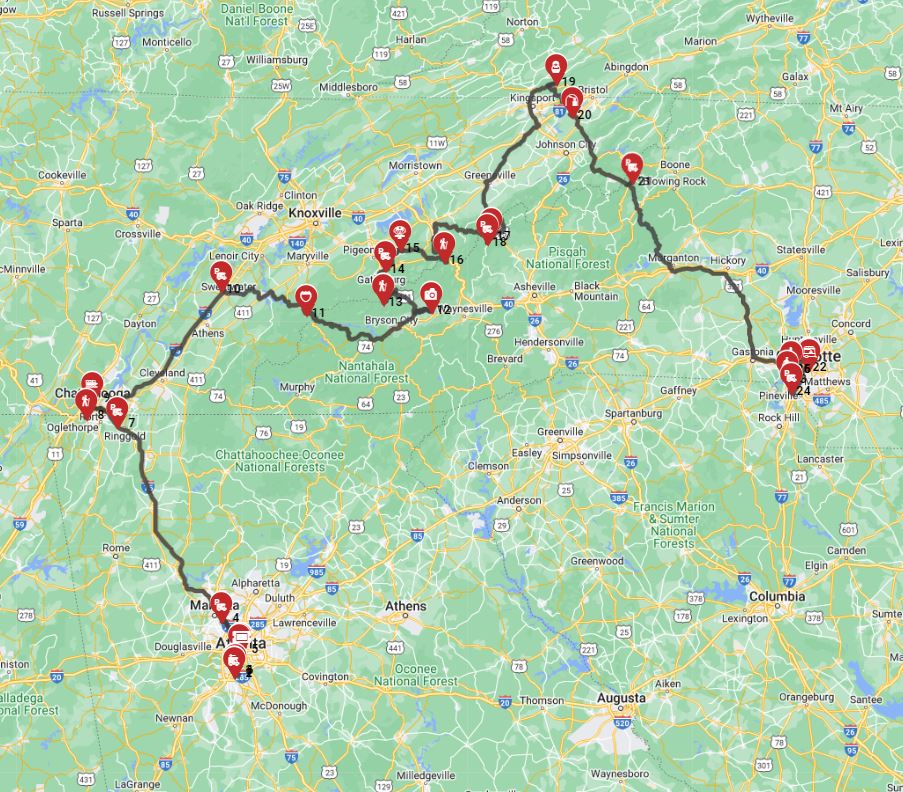
To help you plan an unforgettable winter RV trip, here are a few professionally curated routes from RV PLANET that either start or end in Atlanta:
These curated itineraries, featuring destinations like Orlando and the Smoky Mountains, demonstrate the incredible flexibility of an RV adventure from Atlanta. Our Rent&Plan service allows you to access these pre-planned routes by professionals, and by using rvplan.net, you can enjoy a 25% planning discount. For finding campsites and campgrounds during your trip, we recommend using RV PLANET (rvplan.net) - a great resource for locating available spots along your route.
Final Thoughts
A winter RV adventure in Atlanta, Georgia, offers a unique opportunity to explore this vibrant city and its charming surroundings without the peak season crowds. With a rented motorhome, you gain the flexibility and comfort to discover hidden gems, from the cozy urban parks to the crisp air of the nearby Appalachian foothills. Remember to plan your route, monitor weather conditions, and embrace slow travel to truly savor every moment.
At Bandana RV, we're with you every step of the way-from comparing options like "Weekly RV Rental in Atlanta - Pricing 2026" to ensuring you have all the support you need before and after your booking. Our commitment to full transparency and top-level deductible reimbursement means you can set off on your journey with absolute peace of mind. Get inspired for your next trip! Whether you're looking for RV Rental Deals in Atlanta - Latest Offers 2026 or a Luxury RV Rental in Atlanta - Premium Prices 2026, your unforgettable winter escape awaits.
Find Motorhome Rentals in Atlanta