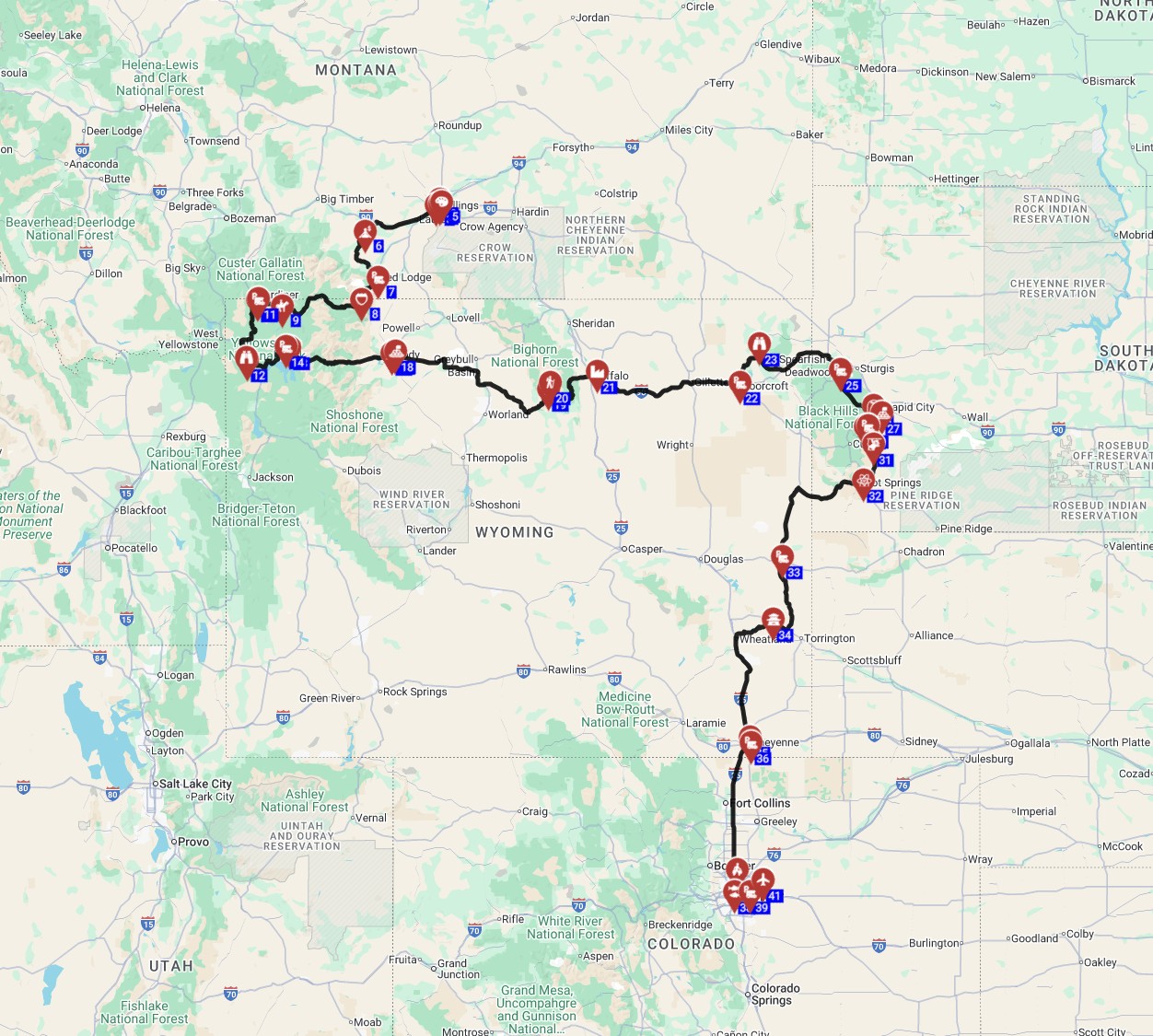
For live availability and current prices, start with our RV Rental Central North US - Complete Guide 2026 guide.
In This Guide
- Top 5 Tips for weekly rv rental RV Rental in Central North US
- Before You Book - Class, Dates, Insurance
- Pre-Trip Prep - Packing Checklist for Central North US
- On the Road - Driving, Fueling, Navigation
- At the Campground - Setup, Hookups and Etiquette
- weekly rv rental-Specific Tips for Central North US
- Common Mistakes to Avoid in Central North US
- What is the 3-3-3 rule for RV?
- What is the 4-4-4 rule for RV?
- What's the average cost to rent an RV for a week?
- What is the 2-2-2 rule for RV riding?
- Which RVs to stay away from?
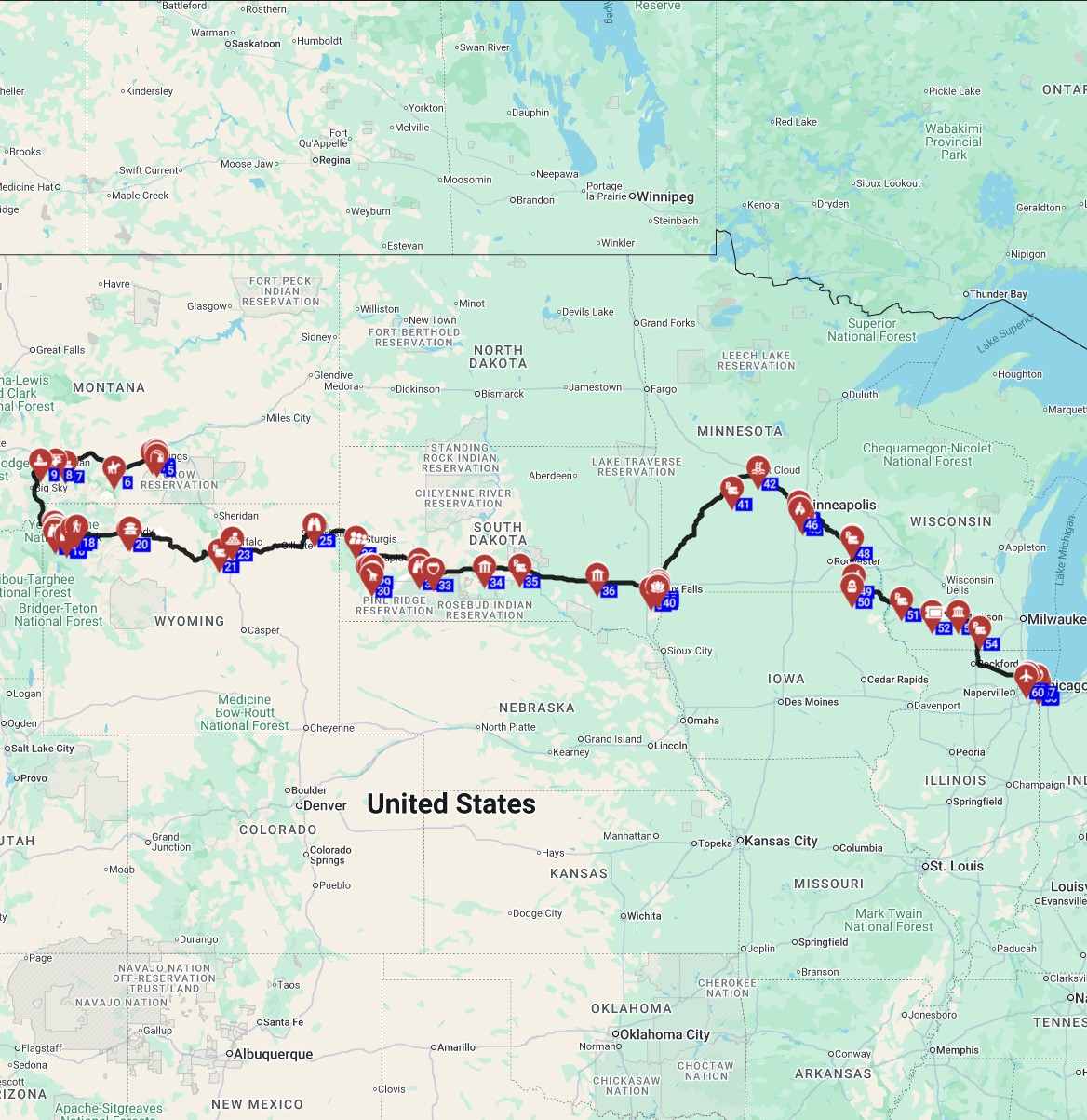
Embarking on a weekly RV rental adventure through the Central North US promises an incredible blend of wide-open landscapes, vibrant cities, and hidden gems. Whether you're chasing the serene lakes of Minnesota, the dramatic badlands of North Dakota, or the historic trails of Nebraska, a rented motorhome offers the ultimate freedom to explore at your own pace. For live availability and current prices, start with our RV Rental Central North US - Complete Guide 2024 guide, your go-to resource for planning an unforgettable journey. We're here to help you handle the details, so you can truly live the journey.
Top 5 Tips for weekly rv rental RV Rental in Central North US
Successful weekly RV rental in Central North US begins with informed planning to ensure a smooth and enjoyable trip. First, researching Central North US weather variability is crucial for packing layers and rain gear; temperatures can swing widely, even within a single day, across states like North Dakota and Michigan. Second, book popular campgrounds, especially state and national parks, well in advance, ideally 3-6 months out for peak summer travel (June-August) or fall foliage season (late September-October); popular spots like those along Minnesota's North Shore fill up quickly, though many parks reserve 25-30% of spots for first-come, first-served arrivals, offering options for spontaneous travelers.
Third, plan routes meticulously, considering potential cell service gaps in remote areas of states like the Dakotas or northern Minnesota. It’s always wise to download offline maps and critical information before you lose signal. Fourth, factor in regional fuel prices and plan to fill up in larger towns, as distances between stations can be significant in the vast landscapes of the Central North US, impacting your RV PLANET routes budget. Finally, choose an RV type suited for the terrain; a Class C motorhome like the "cruise america rv rental example Explorer" with a 75-liter fuel tank or a more compact Class B campervan might be more maneuverable on scenic byways or some gravel roads compared to a larger Class A motorhome like the "Family Sleeper (MA)" measuring up to 9.4 meters long.
Before You Book - Class, Dates, Insurance
Selecting the right motorhome class for your adventure in Central North US is the first critical step before booking. Your choice depends on your travel party size, desired amenities, and comfort driving through the region's diverse landscapes. For instance, a Class B campervan like the "rv rental denver example Category Van" is ideal for couples seeking maneuverability and ease of parking, while a Class C motorhome such as the "rv rentals example Comfort Class" with its three double beds offers a balanced mix of comfort and space for families of 2+2. For those desiring expansive luxury and ample living space, a Class A motorhome, like the "campervan hire new zealand example Euro Deluxe", which features 3 double beds, is an excellent choice for a big family or group of friends.
Locking in your rental dates 3-6 months ahead is highly recommended, especially for peak summer travel (June-August) or the vibrant fall foliage season (late September-October) in popular Central North US destinations like Wisconsin's Door County or Michigan's Upper Peninsula. Understanding your insurance options is also vital; basic liability coverage is always included with your rental, but for true peace of mind, you can upgrade to a top-level deductible for extra protection. When comparing options on Bandana RV, simply select the comprehensive coverage filter to see prices that include more extensive plans, ensuring full transparency with no hidden fees or surprises.
Pre-Trip Prep - Packing Checklist for Central North US
A well-prepared packing list is essential for any weekly RV rental trip in the Central North US, ensuring you're ready for anything the region might throw your way. Start with clothing layers (for temperature swings) and reliable rain gear, as weather can be unpredictable, particularly in spring and fall. Sturdy hiking shoes or boots are a must for exploring national and state parks, alongside sunscreen and insect repellent to protect against the elements. A first-aid kit is critical for minor scrapes, while roadside assistance information from your rental provider like El Monte or Cruise America should always be accessible. Don't forget a flashlight or headlamp for those starry nights and, if venturing into remote areas like the Boundary Waters, consider bear spray as a safety precaution.
For your RV's interior, bring basic cooking utensils and non-perishable food items to enjoy meals on the go. Many rented motorhomes, even a compact "rv rent example A1", typically come equipped with a stove and refrigerator, perfect for preparing an RV-friendly recipes playlist meal. Add reusable water bottles and a cooler for extra drinks and perishables. Administratively, always have your RV rental agreement, insurance documents (remember, you can upgrade to a top-level deductible), and driver's license readily available. A standard car driver's license is sufficient for all motorhome classes. For navigation, download physical maps and offline digital maps for areas with limited cell service, such as Theodore Roosevelt National Park. A portable WiFi hotspot or signal booster can also greatly enhance connectivity in remote areas, keeping you connected to friends and family.
On the Road - Driving, Fueling, Navigation
Before hitting the main roads of Central North US, it's wise to practice driving your rented RV in a low-traffic area to become comfortable with its size and handling. Drive slowly and carefully, and you can drive almost anywhere without issues. No need to stress - just use common sense and pay attention. Motorhomes, whether a compact campervan or a large Class A, handle differently than a car, so familiarize yourself with its turning radius and braking distances. Keep an eye on regional fuel prices and plan to refuel in larger towns, as gas stations can be sparse in many rural parts of the Central North US; this is especially important given that a larger RV like the "rv rentals utah example Sunrise Escape" has a 208-liter fuel tank but consumes around 20-25 liters per 100 km.
Utilize RV-specific GPS or navigation apps to avoid low clearances, weight restrictions, and unpaved roads unsuitable for your motorhome. These apps can be invaluable for finding appropriate routes. Always be alert for wildlife, especially deer and elk, particularly at dawn and dusk, as they are common across the Central North US region. Finally, for those seeking more adventurous stays, research boondocking or dispersed camping opportunities in National Forests or BLM lands, verifying local regulations and access for your particular RV type. Many areas offer free or low-cost options for a night or two.
At the Campground - Setup, Hookups and Etiquette
Upon arriving at your chosen campsite in Central North US, whether it's a state park or a private RV resort, the first step is to select a level site or use leveling blocks to ensure your rented RV is stable and comfortable. Next, follow the proper hookup order: connect sewer hoses first (black tank then grey tank), then water lines, and finally electrical hookups. Many campgrounds across the region, from Wisconsin to South Dakota, offer full hookups for a seamless experience. Always observe campground quiet hours, typically 10 PM to 7 AM, to ensure a peaceful environment for fellow campers.
Practicing 'Leave No Trace' principles is paramount; properly dispose of all waste and always leave your campsite cleaner than you found it. This includes ensuring your waste water tanks are properly emptied at designated dump stations. Familiarize yourself with specific campground rules regarding campfires, pet policies (many campgrounds are dog-friendly, but leash rules apply), and waste disposal, as these can vary significantly from one location to another across the Central North US. For finding campsites and campgrounds during your trip, we recommend using RV PLANET (rvplan.net) - a great resource for locating available spots along your route and tracking related costs. On the routes offered through RV PLANET routes, you can itemize and track every expense along the way for easy budgeting.
weekly rv rental-Specific Tips for Central North US
Tailoring your weekly RV rental experience to your travel style in Central North US can make all the difference. For families, planning shorter driving days (under 4 hours) with frequent stops at state parks or roadside attractions is highly recommended. This allows ample time for kid-friendly activities, naps, and exploring attractions like the Wisconsin Dells. A Class C motorhome like the "MHC28" with multiple sleeping areas and a kitchen with a 3-burner gas stove is often ideal for family comfort. For seniors, consider renting an easy-to-drive Class B campervan or a smaller Class C RV, prioritizing campgrounds with accessible amenities, and planning a more relaxed pace to truly enjoy Central North US scenic beauty, such as the tranquil Great Lakes shores.
Budget travelers will find value in exploring free dispersed camping (boondocking) options in National Forests, cooking most meals in their rented RV, and seeking out free activities like hiking or scenic drives to minimize costs, as discussed in "Cheap RV Rental in Central North US - Budget Guide 2024". A compact campervan, for instance, a "Chubby Camper", can be a fuel-efficient option. For luxury travelers, opting for a Class A motorhome like the "MHLUX" with premium amenities, multiple slide-outs, upgraded kitchens, and entertainment systems is key. Book full-service RV resorts in scenic locations like Wisconsin's Door County or the Black Hills of South Dakota to fully indulge in premium comfort. Regardless of your style, always allow for slow travel, averaging max 100-150 km per day, to truly connect with the culture, food, and scenery of the Central North US.
Common Mistakes to Avoid in Central North US
One of the most common mistakes first-time weekly RV renters make in Central North US is over-scheduling their itinerary. Instead, build in buffer days for spontaneous exploration, unexpected weather, or simply relaxing at a scenic Central North US spot like a lakeside campground in Minnesota. Another frequent misstep is ignoring local weather forecasts; instead, pack versatile layers and be prepared for rapid temperature changes, especially during spring and fall in the Great Lakes region, where conditions can shift dramatically within hours.
Underestimating driving distances and times is also common, particularly in the vast expanses of states like Nebraska and North Dakota. Utilize RV-specific navigation tools and always add extra time for fuel stops, rest breaks, and potential detours on Central North US roads. A 7-day motorhome rental is perfect for slow travel. Additionally, never assume universal cell service; download offline maps and attraction information, as connectivity can be spotty in remote areas like northern Michigan or the Dakotas. Lastly, forgetting to book popular campgrounds well in advance, as mentioned in "RV Rental in Central North US - Prices and Best Deals 2024", can lead to disappointment; reserve highly sought-after spots in state and national parks months in advance, especially for summer travel, though many parks offer first-come, first-served options. Remember, with full transparency, Bandana makes sure there are no hidden fees, no surprises in your RV rental experience.
What is the 3-3-3 rule for RV?
The 3-3-3 rule for RV travel is a widely adopted guideline suggesting you drive no more than 300 miles (approximately 480 km) in a day, arrive at your destination by 3 PM, and stay for at least 3 days. This rule is designed to promote a relaxed travel pace, allowing for deeper exploration and enjoyment of each location rather than rushing between destinations. It's particularly useful for an extended road trip in the Central North US.
In the Central North US, applying the 3-3-3 rule enables travelers to truly experience natural wonders like the Badlands of South Dakota, the countless lakes of Minnesota, or the geological formations of the Upper Peninsula of Michigan without feeling rushed. The 3 PM arrival time provides ample daylight for setting up camp, exploring the immediate area, and relaxing before dusk, while the 3-day stay allows for hikes, local town visits, and fully utilizing campground amenities. This slow travel approach enhances the enjoyment of your rented motorhome adventure.
What is the 4-4-4 rule for RV?
The 4-4-4 rule for RV travel is a practical guideline recommending you should not drive more than 400 miles (approximately 640 km) in a day, arrive at your next stop by 4 PM, and always ensure you have at least a ¼ tank of fuel remaining. This rule emphasizes preparedness and safety, particularly beneficial in regions like the Central North US where long stretches of highway can separate towns and services. This rule is particularly relevant when considering "One-Way RV Rental in Central North US - Price Guide 2024" itineraries.
Maintaining a ¼ tank of fuel is crucial in areas like rural North Dakota or remote parts of Montana, where gas stations may be few and far between, or have limited operating hours. For example, a "cruise america rv rental example Explorer" with a 75-liter fuel tank would need careful monitoring. The 4 PM arrival time allows ample light for navigating unfamiliar roads, parking your rented campervan, and setting up camp, while still providing a comfortable daily driving distance for covering more ground than the 3-3-3 rule. It strikes a balance for those who want to see a bit more each day without feeling overly fatigued.
What's the average cost to rent an RV for a week?
The average cost to rent an RV for a week in the Central North US typically ranges from $800 to $2,500, varying based on the RV class, rental duration, season, and specific amenities desired. Prices are dynamic, similar to flight tickets, changing daily based on availability and supplier marketing decisions, so the final price is set at the actual booking time. For example, a compact Class B campervan like the "hire campervan example Paradise S/T" might start around $800-$1,500 per week, while a spacious Class C motorhome such as the "rv rentals utah example Sunrise Escape" often falls between $1,200-$2,000 per week. Larger, luxurious Class A motorhomes, like the "MHLUX" sleeping up to 7 people, can exceed $2,000-$2,500+ per week.
Seasonality significantly impacts pricing; peak summer (June-August) and popular fall foliage periods (late September-October) in destinations like Minnesota's North Shore generally incur higher rental rates. Beyond the base rental, remember to budget for ancillary costs such as fuel (which can be substantial given RV fuel consumption rates like 20-25 liters per 100 km for some models), campground fees (expect $20-$60 per night for state/national parks, or $30-$80+ for private RV parks), and activity/park entrance fees. Insurance, mileage packages, and convenience kits (kitchen supplies, linen sets) are common add-ons that will increase the total weekly cost. Remember, on RV PLANET routes, travelers can itemize and track every expense along the way for easy budgeting, ensuring full transparency in your trip's financial planning.
What is the 2-2-2 rule for RV riding?
The 2-2-2 rule for RV travel is a relaxed guideline suggesting you drive no more than 200 miles (approximately 320 km) a day, stop by 2 PM, and stay for at least 2 nights at each location. This rule is perfect for travelers seeking a very leisurely pace, prioritizing relaxation and in-depth exploration over covering vast distances, making it ideal for a weekly RV rental in the Central North US. This pacing helps prevent driver fatigue and ensures a truly immersive experience.
Following the 2-2-2 rule in the Central North US would allow ample time to immerse yourself in local culture, enjoy extended stays at scenic lakeshores in Wisconsin or Minnesota, or fully explore a single national park unit like Theodore Roosevelt National Park in North Dakota. It minimizes driving fatigue, provides generous daylight hours for setup and activities, and allows for thorough enjoyment of individual destinations without feeling rushed. This approach is highly recommended for those looking to truly savor their adventure, as advised in "RV Travel Guide to Central North US - Tips and Top Spots 2024".
Which RVs to stay away from?
When choosing a weekly RV rental, it's generally advisable to be cautious about older, poorly maintained units from private rentals that lack recent inspection records or rental companies with a history of negative reliability reviews. While Bandana partners only with reputable suppliers like El Monte and Cruise America, ensuring vehicle quality, exercising due diligence is always smart. Be sure to check the age of the motorhome; many reputable companies, including our partners, offer vehicles up to 3 or 4 years on the road, with some, like the "Paradise Family 5", being model year 2008-2013, still well-maintained and reliable.
Avoid rented RVs that are drastically oversized or undersized for your group and itinerary. For example, a massive Class A motorhome with a length of 9.72 meters might prove challenging on winding Central North US backroads or in tight campground spots, while a tiny Class B campervan could feel cramped for a family of four on a week-long trip. Be wary of units showing clear signs of water damage (musty odors, ceiling or wall stains) or those with frequently reported recurring mechanical issues (easily discoverable via online reviews). For Central North US travel, consider the RV's ground clearance and drive type; if you plan to venture onto unpaved state forest roads or rustic campgrounds, certain low-clearance or non-4x4 models, like some standard campervans, might be less suitable than a vehicle like the "4x4 Camper B - THOR".
What You Shouldn't Miss
- **Explore Badlands National Park (South Dakota):** Drive the scenic Loop Road through unique geological formations and keep an eye out for bison, bighorn sheep, and prairie dogs.
- **Cruise Minnesota's North Shore Scenic Drive (Highway 61):** Discover stunning Lake Superior views, numerous waterfalls in state parks like Gooseberry Falls and Split Rock Lighthouse State Park, and charming lakeside towns.
- **Visit Theodore Roosevelt National Park (North Dakota):** Witness the rugged beauty of the badlands, spot wild horses, bison, and elk, and immerse yourself in the landscape that shaped a president.
- **Discover the Apostle Islands National Lakeshore (Wisconsin):** Kayak through impressive sea caves, hike pristine island trails, and camp in a serene Great Lakes setting near Bayfield.
- **Experience the Black Hills of South Dakota:** Beyond Mount Rushmore, explore Custer State Park's wildlife loop, hike in Spearfish Canyon, and delve into the rich history of Deadwood.
- **Enjoy Lake Michigan's Shoreline (Michigan & Wisconsin):** Find beautiful beaches, charming towns, and lighthouses, perfect for leisurely drives and waterfront camping.
Looking for expert insights from Avi Bandana? Top 5 Adventures - recommendations from Avi Bandana
🎬 Video coming soon
Final Thoughts
A weekly RV rental in Central North US is more than just a vacation; it's an opportunity to create lasting memories, discover incredible landscapes, and truly immerse yourself in the heartland of America. By following these tips and embracing the flexibility a rented motorhome offers, you’re set for an unforgettable adventure. We handle the details, you live the journey – that's our promise to you.
Imagine waking up to the sounds of nature in a national park, enjoying a freshly prepared breakfast in your mobile home, and setting off for a day of exploration with the open road ahead. That's the freedom a Bandana RV rental provides. God is in the small details, and we take care of them. That's what makes the big difference. So, what are you waiting for? Get inspired for your next trip!
Discover top destinations, planning tips, and all you need in one place. Plan a trip itinerary in advance with minimal effort and maximum enjoyment. Your Central North US weekly RV adventure awaits!