In This Guide
- Top 5 Tips for Weekly RV Rental in Canada
- Before You Book - Class, Dates, Insurance
- Pre-Trip Prep - Packing Checklist for Canada
- On the Road - Driving, Fueling, Navigation
- At the Campground - Setup, Hookups & Etiquette
- Weekly RV Rental-Specific Tips for Canada
- Common Mistakes to Avoid in Canada
- How much does it cost to rent an RV for a week in Canada
- Do you need a special license to drive an RV in Canada
- Is it hard to drive an RV in Canada
- Can you sleep anywhere in an RV in Canada
- What is the best month to RV in Canada
- Where is the best place to rent an RV in Canada
- Can you take a rental RV off-road in Canada
Embarking on a weekly RV rental adventure in Canada offers unparalleled freedom to explore its vast landscapes, from the rugged coastlines to the majestic Rocky Mountains and the vibrant urban centers. Whether you're a seasoned RVer or planning your first week-long trip, Canada provides diverse experiences for every traveler. For live availability and current prices, start with our RV Rental Canada - Complete Guide 2026 guide. We at Bandana RV are your true RV specialists, dedicated to making your Canadian motorhome journey unforgettable with full transparency and dedicated support.
Top 5 Tips for Weekly RV Rental in Canada
Securing your preferred motorhome type and dates requires booking well in advance, especially when traveling during peak seasons like July and August. Researching your route and potential campsites thoroughly, considering daily driving distances of max 100-150 km and campground amenities, ensures a smoother journey. Remember to factor in all costs, including rental fees, optional insurance upgrades, fuel, campground fees, and food, for an accurate budget to avoid surprises. Familiarize yourself with Canadian driving regulations and road conditions, especially in remote or mountainous areas, as preparedness is key. Finally, pack layers of clothing and rain gear to prepare for varying weather conditions across Canada's diverse regions and seasons. On the routes offered through RV PLANET routes, you can itemize and track every expense along the way for easy budgeting.
Planning is simplified when you utilize resources like RV PLANET (rvplan.net) to map out your stops and budget accurately. We provide full transparency in our booking process, ensuring no hidden fees or unexpected charges, setting us apart as a trustworthy partner in your weekly RV rental in Canada. As true RV specialists, we empower you with the knowledge needed for a fantastic trip, starting with detailed pre-trip information and support.
Before You Book - Class, Dates, Insurance
Choosing the right RV class for a weekly rental in Canada involves considering your group size, comfort needs, and driving experience. For couples, a compact Class B campervan like the "rv rental denver example Category Van" or a smaller Class C motorhome (e.g., a "rent rv example A1" with a 90L fresh water tank) offers maneuverability and essential amenities. Families of 2+2 might prefer a Class C motorhome like the "cruise america rv rental example Explorer" (7.1m length, 82L fresh water tank) or a larger "rv rentals example Comfort Class" (large size with 3 double beds) that provides ample sleeping and living space. For bigger groups, a Class C motorhome such as the "camper for rent example Big Six" with its three double beds is an excellent choice. Our dedicated support team is always here to help you compare final prices across 50+ suppliers, ensuring you find the best vehicle for your needs.
Locking in your rental dates for a week-long trip is most advantageous when done several months in advance, especially for popular summer or fall foliage routes, to secure better rates and availability. RV rental insurance options typically include basic coverage in the rental price, with additional comprehensive packages recommended to protect against various incidents. You can upgrade to a top-level deductible for extra peace of mind, an optional enhancement that provides additional financial security during your travels. Bandana RV offers 24/7 support for pre-booking inquiries and coordination, ensuring you're confident with your choices before hitting the road. We sell the way we'd like to buy - with honesty, no tricks or gimmicks, just full transparency.
Pre-Trip Prep - Packing Checklist for Canada
A comprehensive packing checklist for a weekly RV rental in Canada should cover clothing adaptable to variable weather, essential kitchen items, critical safety gear, and all necessary documents. Given Canada's diverse climates, from coastal humidity to mountain coolness, consider packing layers of clothing, rain gear, sturdy footwear, and a hat. For the kitchen, essentials like a sharp knife, reusable containers, basic spices, and a coffee maker can greatly enhance your culinary experience on the road. Don't forget your RV-friendly recipes playlist for easy meal ideas! Safety items such as a first-aid kit, bear spray (and knowledge of its use for areas like the Rockies), a flashlight, and physical maps are crucial, especially for remote areas where cell service may be unreliable. Ensure you have your standard driver's license (an International Driving Permit is recommended for visitors from non-English-speaking countries), passport (if applicable), your RV rental agreement, and any campground reservations readily accessible.
Remember that organization is key for a comfortable journey. Our goal is to make your planning seamless, offering resources and advice before, during, and after your booking. This level of support from true RV specialists, not a general travel agency, means you're always well-prepared. Consider starting your route planning with RV PLANET (rvplan.net) to organize your stops, and benefit from a 25% planning discount when you use it to craft your adventure. This way, you can easily itemize and track every expense along the way for easy budgeting through RV PLANET routes, ensuring full transparency in your trip costs.
On the Road - Driving, Fueling, Navigation
Navigating Canada by RV for a week requires practical road tips, including understanding fuel availability, driving larger vehicles, and reliable navigation strategies. Fuel stops can be sparse in remote Canadian regions; planning your fuel consumption and filling up when possible is a crucial practice to avoid running low, especially in areas like the Yukon or Northern Ontario. Driving a rented motorhome or campervan in Canada means being mindful of varying speed limits by province (e.g., 100 km/h in most provinces, 110 km/h in parts of Ontario), watching for wildlife (especially at dawn and dusk), and being prepared for potentially challenging mountain passes or unpaved sections, particularly in the Canadian Rockies. Drive slowly and carefully, and you can drive almost anywhere without issues. No need to stress - just use common sense and pay attention, even if you are in a large Class A motorhome like the "MHLUX" (10.7m length, 320L fuel tank).
Utilize a combination of GPS and physical maps, as cellular service can be unreliable in many wilderness areas, and consider offline map downloads before heading out. For finding campsites and campgrounds during your trip, we recommend using RV PLANET (rvplan.net) - a great resource for locating available spots along your route. This is particularly useful for spontaneous travelers who prefer to book day-to-day, knowing they can call ahead before driving. Even national and state parks often reserve 25-30% of spots for first-come-first-serve arrivals, so you'll find a spot. If not at the first campground, then the next one.
🎬 Video coming soon
At the Campground - Setup, Hookups & Etiquette
Setting up your RV at a Canadian campground for a weekly stay involves a methodical process for leveling, connecting hookups, and adhering to campground etiquette. Upon arrival, typically position your rented RV, level it using blocks, and then connect to electrical power, water, and sewer services in that order. Remember that in many Canadian campgrounds, especially in national and provincial parks, full hookups may not always be available; plan for periods of dry camping where you rely on your onboard fresh water (e.g., a "C-MEDIUM PLUS" motorhome with 158L tank) and waste tanks. Familiarize yourself with campground-specific rules, including quiet hours, pet policies, and waste disposal guidelines, to ensure a pleasant experience for everyone. Always be considerate of your neighbors, keeping noise levels down, especially during quiet hours (often 10 PM to 7 AM), and maintaining a tidy campsite. This helps preserve the beautiful natural surroundings for all visitors.
Canada's camping culture is deeply intertwined with respect for nature and fellow campers. Being prepared for diverse conditions, from the crisp air of Banff National Park to the warmer climes of Prince Edward Island, ensures comfort. We strive to make RV travel accessible, transparent, and joyful for everyone, from your initial booking comparison to your final campground setup.
Weekly RV Rental-Specific Tips for Canada
For weekly RV renters in Canada, optimizing your itinerary to minimize travel days and maximize exploration time at each destination is key to a truly fulfilling experience. Travel slowly, aiming for a maximum of 100-150 km per day on average, to take time to feel the place, connect to the culture, the food, and the scenery. This approach allows you to engage with local culture, perhaps by visiting regional markets or participating in indigenous tourism experiences, enriching your trip far beyond scenic views. Budget-conscious renters can look for free overnight parking options on Crown land (where permitted) or designated retail lots, complementing paid campground stays, though many Canadian Walmarts often prohibit overnight RV parking due to local bylaws. For further insights on finding affordable options, refer to our "Cheap RV Rental in Canada - Budget Guide 2026".
Families renting for a week should plan activities that cater to all ages and consider motorhomes with ample sleeping and living space, such as a "MHC24" (sleeping up to 6) or a "Category Family 5" (sleeping up to 6). Luxury weekly renters might explore premium campground resorts offering enhanced amenities or consider add-ons like Wi-Fi hot spots for better connectivity in remote areas. We pride ourselves on being true RV specialists, offering transparent information and support to help you plan your ideal week-long Canadian adventure without any hidden fees or surprises.
Common Mistakes to Avoid in Canada
Avoiding common mistakes can significantly enhance your weekly RV rental experience in Canada, ensuring a smoother and more enjoyable journey. Instead of underestimating travel times, always factor in extra time for scenic stops, construction, and potential wildlife delays, especially when navigating national parks like Jasper or Glacier. Roads can be winding and mountainous, demanding a slower pace. Rather than neglecting comprehensive insurance, consider upgrading basic coverage to protect against unforeseen incidents like tire damage or windshield cracks, which are more common on rural roads in the vast Canadian wilderness. Remember, you can upgrade to a top-level deductible for extra peace of mind. For more detailed insights on costs and what to expect, check out "RV Rental in Canada - Prices and Best Deals 2026".
Instead of relying solely on cell service, download offline maps and consider alternative communication devices like a satellite messenger for truly remote areas where connectivity is scarce. Canada's Wild Side RVing: A Guide to Wildlife Safety & Wilderness Preparedness is a crucial read before you go. Rather than overpacking, aim for essential items to maximize living space and improve fuel efficiency (e.g., a "DVC" campervan with a 94L fuel tank averages 11-15L/100km fuel consumption); most necessities can be purchased locally in larger towns. As your true RV specialists, we ensure you have transparent information and are well-supported before, during, and after your booking, so you're never caught off guard.
How much does it cost to rent an RV for a week in Canada
The cost to rent an RV for a week in Canada typically ranges from CAD $1,000 to $3,500, excluding additional expenses like fuel, insurance, and campground fees. This price range can vary significantly based on the RV class-smaller campervans like a "Category Van" will be cheaper than large motorhomes like a "MHC30" (which seats up to 9), the rental season (peak summer is highest), and the duration of your booking. For example, a "2 Berth Sandpiper" motorhome for a couple might fall on the lower end, while a "6 Berth Discovery" for a family would be higher. Prices are dynamic, similar to flight tickets, changing daily based on availability, seasonality, and supplier marketing decisions.
To find the cheapest weekly RV rental in Canada, consider traveling during shoulder seasons (late May-early June and September-early October), booking smaller, older models, or looking for deals on longer rentals. Budgeting for a full week should include fuel costs (which vary by region and RV size, with gasoline prices often ranging from CAD $1.60-$2.00/liter), campground fees (CAD $30-$80/night for powered sites), potential one-way fees (from CAD $150-$500, as detailed in "One-Way RV Rental in Canada - Price Guide 2026"), and provisions, along with currency exchange considerations. We provide full transparency in pricing, so you'll never encounter hidden fees, and you can itemize and track every expense on RV PLANET routes for easy budgeting.
Do you need a special license to drive an RV in Canada
No, generally you do not need a special license to drive most RV rentals in Canada, as a standard valid driver's license from your home country or province is usually sufficient for vehicles up to 11,000 kg (24,250 lbs) gross vehicle weight. This is a common misconception, but rest assured, your regular car license will typically suffice for motorhomes and campervans. Most common Class B (campervan), Class C (cab-over), and even smaller Class A (bus-style) motorhomes fall within this weight limit, making them accessible to standard license holders. For example, a 7.6m long Class C motorhome like the "24 Class C Motorhome" with a 7L engine is easily driven with a standard license.
Drivers should always carry their valid license, and if from outside Canada, an International Driving Permit (IDP) is recommended, though not strictly required in all provinces for short-term visitors. The minimum rental age is 21, and there are no young driver surcharges or vehicle class restrictions based on age. We are true RV specialists, and this clarity on licensing is part of our commitment to full transparency and supporting you before, during, and after your booking, ensuring no surprises.
Is it hard to drive an RV in Canada
Driving an RV in Canada can present some challenges due to vehicle size, diverse terrain, and varying road conditions, but it is generally manageable with preparation and caution. While a large Class C motorhome like the "Denali Searcher 30 - Gold" (9.15m length) may feel substantial, driving slowly and carefully allows you to navigate almost anywhere without issues. Navigating winding roads, mountainous passes in the Canadian Rockies, and potentially unpaved or gravel sections requires drivers to adjust speed and be mindful of braking distances, especially with a larger rig. Encountering wildlife, such as deer or moose, is common in many Canadian regions, necessitating attentive driving, particularly at dawn and dusk, and knowing what to do in an emergency situation.
Planning routes to avoid low bridges, narrow city streets, or ferry restrictions (like those for BC Ferries or Newfoundland) can prevent difficulties and ensure a smoother journey. Our expert advice is to just use common sense and pay attention. There's no need to stress; Canada's roads are generally well-maintained. As true RV specialists, we're here to offer support before your booking, helping you choose the right sized rental RV (e.g., a "Juliette 2-3" campervan for easy maneuverability, or a larger "Adventurer" motorhome for more space) and feel confident about driving. If you're planning an extensive trip, consider our "
Can you sleep anywhere in an RV in Canada
No, you generally cannot sleep anywhere in an RV in Canada; legal overnight parking and boondocking (free camping) are subject to specific provincial, municipal, and private property regulations. Designated campgrounds, both private and public (like those in national and provincial parks), are the primary legal options for overnight RV stays, offering varying levels of amenities from basic to full hookups. For example, some national park campgrounds provide electric hookups, while others might be dry camping only.
Boondocking is often permitted on vast tracts of Crown land in some provinces, but specific rules, required permits, and safety considerations (such as wildlife preparedness and isolated breakdowns) vary significantly by region. Certain retail parking lots (e.g., Walmart), truck stops, or rest areas may allow overnight parking, but it's essential to check local signage or inquire with management directly to avoid fines or towing, as many Canadian Walmarts explicitly prohibit it. Understanding "Unearthing Canada's Free & Off-Grid RV Havens: A Provincial Playbook" is vital for those seeking dispersed camping. We are true RV specialists, committed to providing honest and transparent information, helping you understand all regulations for your week-long RV trip.
What is the best month to RV in Canada
The best month to RV in Canada largely depends on your desired region and preferred activities, with general recommendations pointing to the summer months of June through September for most areas. For experiencing the mild weather and vibrant city life of the Prairies or the stunning scenery of the Canadian Rockies (e.g., Banff National Park, Jasper National Park), July and August are prime, though also the busiest and most expensive, with daily rental costs potentially reaching CAD $500. Shoulder seasons, such as late May-early June and September-early October, can offer fewer crowds, lower prices, and pleasant weather, ideal for exploring the Maritimes' fall foliage or the Rockies without the peak summer rush. Navigating the Great White North: A Regional & Seasonal RV Handbook offers more specific insights for each area.
Northern Canada's brief but spectacular RV season is generally limited to July and August due to road accessibility and weather, while Southern Canada's warmer regions can be enjoyable into late fall, particularly for shorter week-long trips. Choosing your timing wisely can significantly impact your experience and budget. For instance, booking during off-peak times might allow you to rent a larger motorhome like the "Nexus Triumph 29T" (sleeping 9) for a more favorable rate. Our role as true RV specialists is to help you compare prices and availability for different seasons, ensuring you get the best deal for your desired travel period, without any hidden fees.
Where is the best place to rent an RV in Canada
The best place to rent an RV in Canada depends primarily on your intended travel route and where you plan to start your journey, with major cities and gateway destinations offering the widest selection. Vancouver, Calgary, Toronto, and Montreal are popular hubs for RV rentals, providing extensive options for vehicle types and access to diverse regions like the Rockies, Eastern Canada, or the Pacific Coast. For example, if you plan to explore British Columbia, beginning your trip with a rented campervan in Vancouver would be ideal. Consider renting from locations that are convenient to major airports if flying in, or close to your initial exploration points to minimize travel time.
Evaluating rental companies based on customer reviews, included amenities, insurance options, and one-way rental availability can help determine the best fit for your weekly trip. Bandana RV offers a comprehensive comparison platform with direct partnerships with over 50 leading RV suppliers worldwide, including trusted names like El Monte, Cruise America, Apollo, and Britz, ensuring you see the full range of options. As true RV specialists, we simplify the booking process by comparing final prices in 30+ currencies with full price transparency. Whether you need a compact "Combi Van" for two or a spacious "MHA30" for a family, we're with you before, during, and after your booking to coordinate all details.
Can you take a rental RV off-road in Canada
Generally, you cannot take a rental RV off-road in Canada, as most rental agreements explicitly prohibit driving on unpaved roads, logging roads, or any terrain not regularly maintained for public vehicle traffic. This is a critical point to understand to avoid costly penalties and voided insurance coverage. Driving off-road significantly increases the risk of vehicle damage, including punctures, suspension issues, and body damage, which would not be covered by standard insurance and could result in substantial repair costs that are your responsibility. Rental companies typically track vehicle usage through GPS and can impose penalties or void insurance coverage if terms regarding off-road driving are violated.
It is always best to adhere to established paved or well-maintained gravel roads to protect the vehicle, ensure your safety, and comply with your rental contract terms. While some specialized 4x4 campervans exist, such as a "4x4 Camper B - TYR," these are typically designed for robust gravel roads, not true off-roading. Our expertise as true RV specialists means we provide full transparency on rental terms and conditions, ensuring no surprises during your adventure. Always refer to your specific rental agreement and consult with your supplier if you have questions about road conditions and allowed usage.
What You Shouldn't Miss
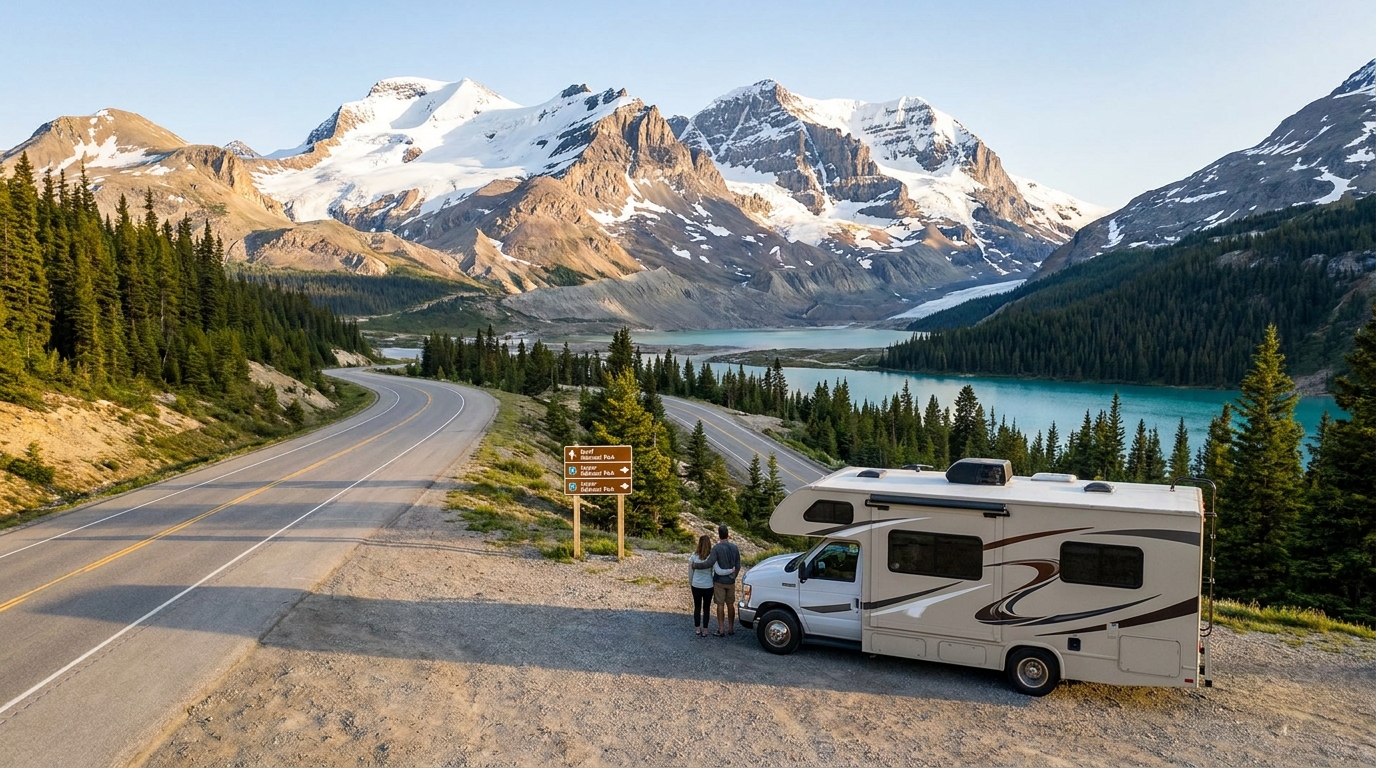
- **Explore the Canadian Rockies:** Drive the Icefields Parkway between Banff and Jasper National Parks. This 232 km scenic route is considered one of the most beautiful drives in the world, featuring glaciers, turquoise lakes, and abundant wildlife.
- **Experience the Atlantic Maritimes:** Take a week-long journey through Nova Scotia and Prince Edward Island, enjoying fresh seafood and charming coastal towns. Consider starting from Halifax.
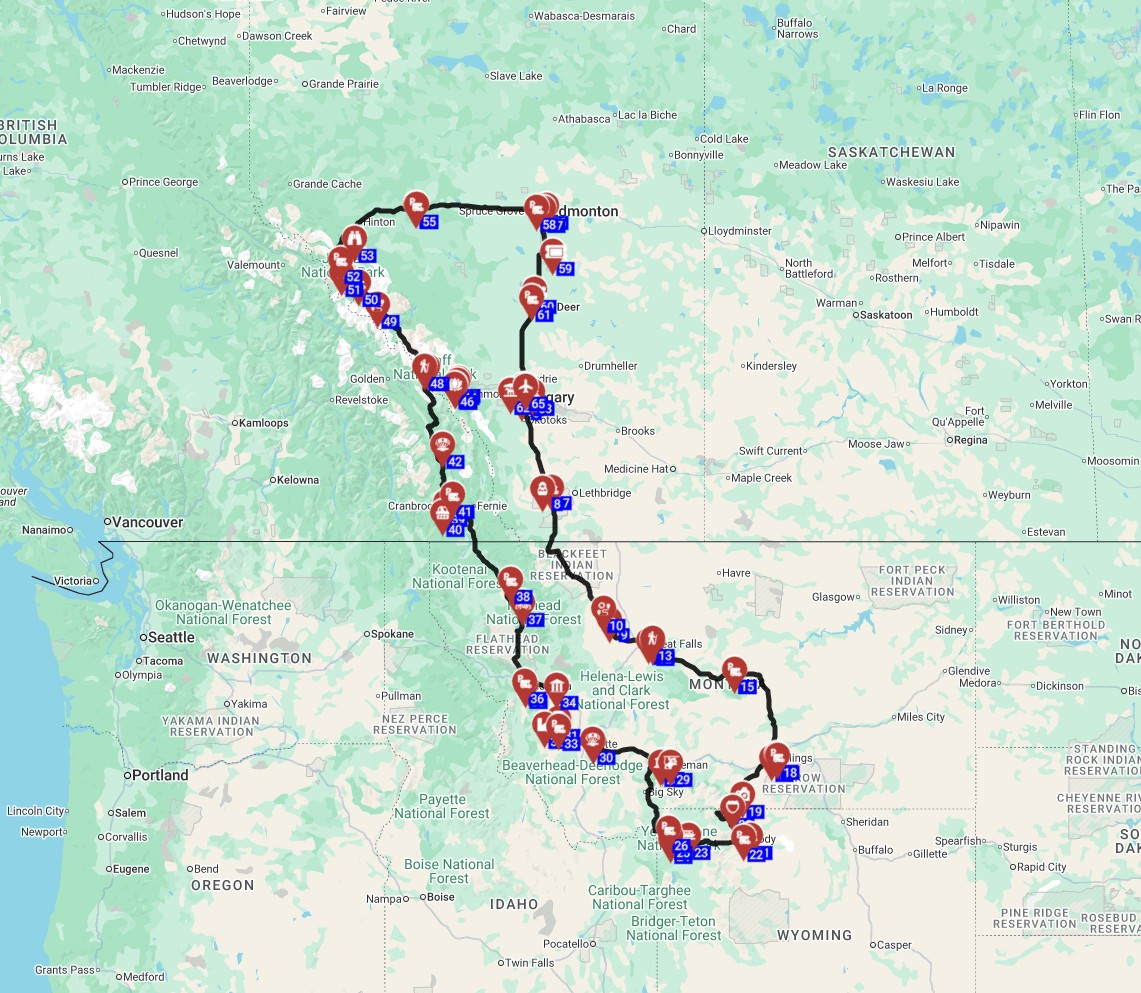
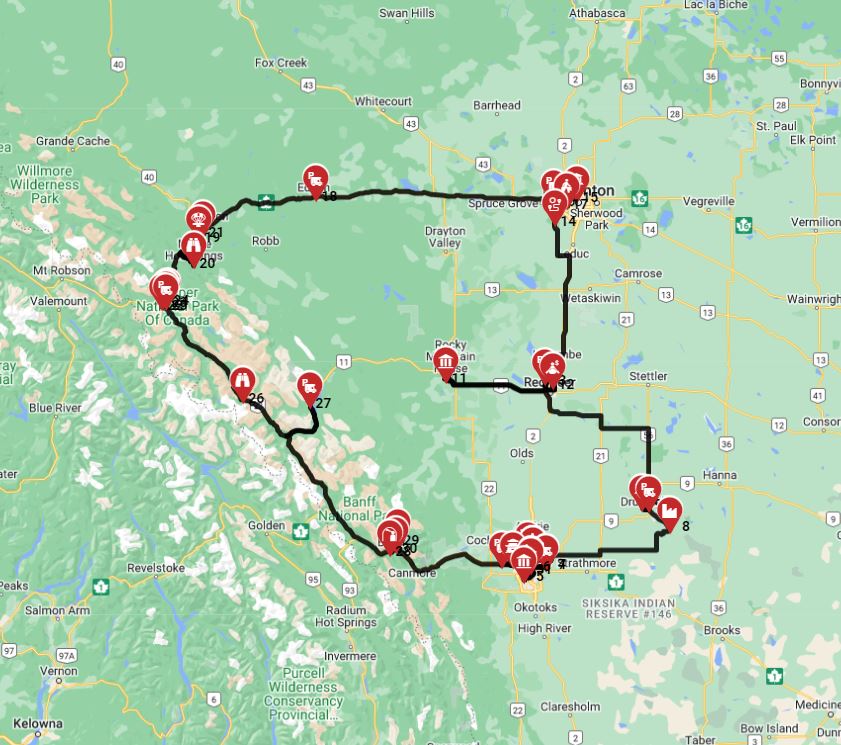
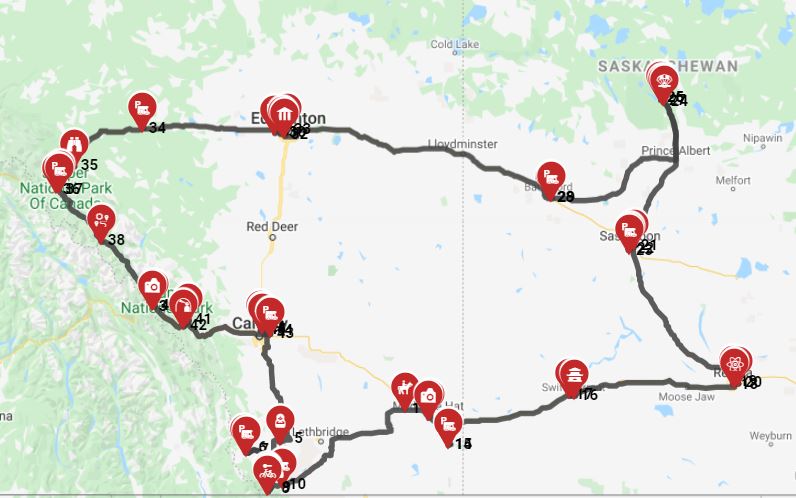
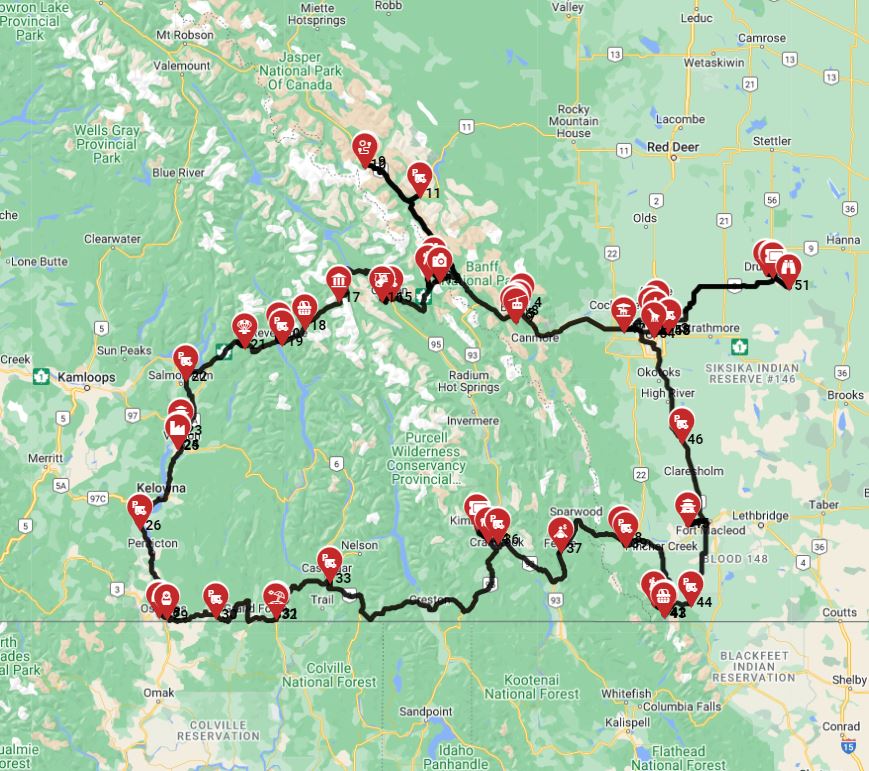
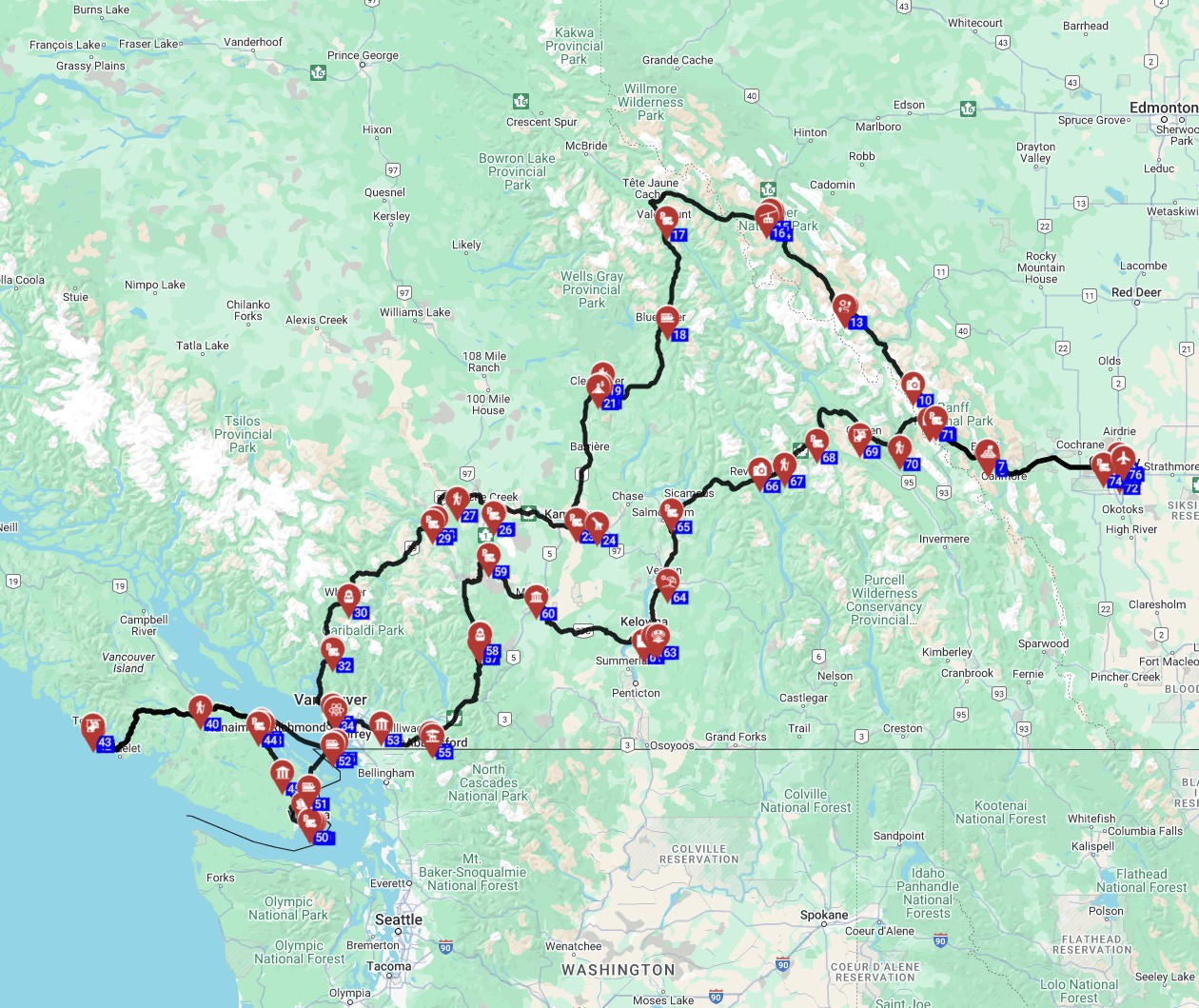
- **Discover Vancouver Island:** Spend several days exploring Victoria, Tofino's surf beaches, and the ancient forests of Cathedral Grove. Our "
" (19 days, 2659.4 km) offers numerous hiking areas and natural features.
 Vancouver Round Trip - West Canada Cycling Adventure
 - **Visit Niagara Falls, Ontario:** Witness the breathtaking power of one of the world's most famous waterfalls. Combine it with a trip through Ontario's wine regions in a rented motorhome.
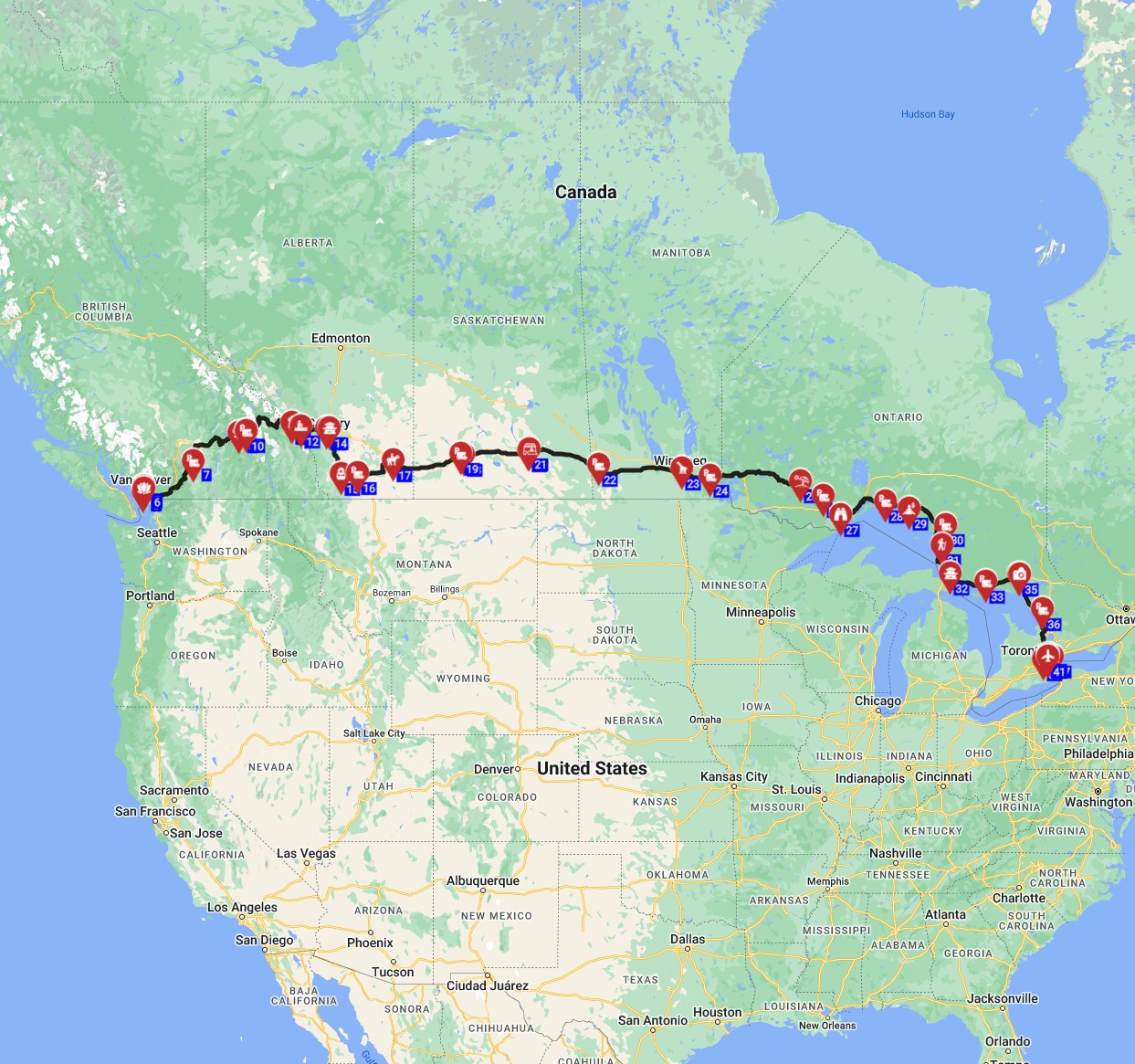
- **Journey through Canada's Heartland:** Imagine yourself traversing vast plains and dense forests. The "Halifax to Whitehorse - Exploring Canada’s Heartland in a Motorhome" (37 days, 9199.1 km) is an ambitious route, but a week-long segment offers a taste of this epic journey, including diverse museums and natural features.
Looking for expert insights from Avi Bandana? Top 5 Adventures - recommendations from Avi Bandana
As an RV enthusiast who has personally explored every corner of Canada, I can tell you that the true magic lies in the unexpected detours. Don't rush. Slow travel is the secret to discovering Canada's soul. Stop at a local bakery in a small town, hike that unmarked trail you stumbled upon, or spend an extra day by a lake. That's where the real adventure begins!
Final Thoughts
A week-long RV adventure in Canada promises a blend of awe-inspiring natural beauty, rich cultural experiences, and the sheer joy of the open road. With careful planning and the right rental motorhome or campervan, you're set for an unforgettable journey. Remember to embrace the philosophy of slow travel, allowing yourself to truly immerse in each moment and destination.
At Bandana RV, we're passionate about helping you discover the magic of RV travel. We’ve been helping tens of thousands of travelers since 2001, providing not just bookings, but also reliable support and transparent information every step of the way. Compare Motorhome Prices for Canada and start envisioning your dream road trip today. Life is now – let's make it an adventure!
Discover top destinations, planning tips, all in one place, or Plan a trip itinerary in advance with minimal effort and maximum enjoyment. Your Canadian RV journey awaits!