In This Guide
- Best Tokyo - Airport RV Itinerary for weekly rv rental - Overview
- 7-Day Classic Route in Tokyo - Airport
- 14-Day Extended Journey in Tokyo - Airport
- Recommended RVPlan Trip for Tokyo - Airport
- Must-See Stops Along the Way (Avi Bandana Picks)
- Daily Driving Distances & Drive Times in Tokyo - Airport
- Best RV Class for This Itinerary - Couple & Family Picks
- What do I need for an International Driver's Permit for Japan RV travel?
- What size RV is best for navigating Japan's roads and parking?
- What is the total cost breakdown for a weekly RV rental in Tokyo - Airport?
- How can I navigate Tokyo City effectively with an RV rental?
- How do Japan's Michi-no-Eki (Roadside Stations) work for RV camping?
- What cultural etiquette should RV travelers in Japan be aware of?
- How should RV travelers prepare for natural disasters in Japan?
Embarking on a weekly RV itinerary in Tokyo - Airport offers an unforgettable way to explore Japan beyond its bustling capital, allowing you the flexibility and comfort of a mobile home. Imagine waking up to the majestic views of Mount Fuji or discovering hidden coastal towns, all from the convenience of your rented motorhome. At Bandana RV, we understand the magic of RV travel, and we're here to ensure your journey in Japan is seamless and full of incredible memories. For live availability and current prices, start with our RV Rental Tokyo - Airport - Complete Guide 2026 guide.
Best Tokyo - Airport RV Itinerary for weekly rv rental - Overview
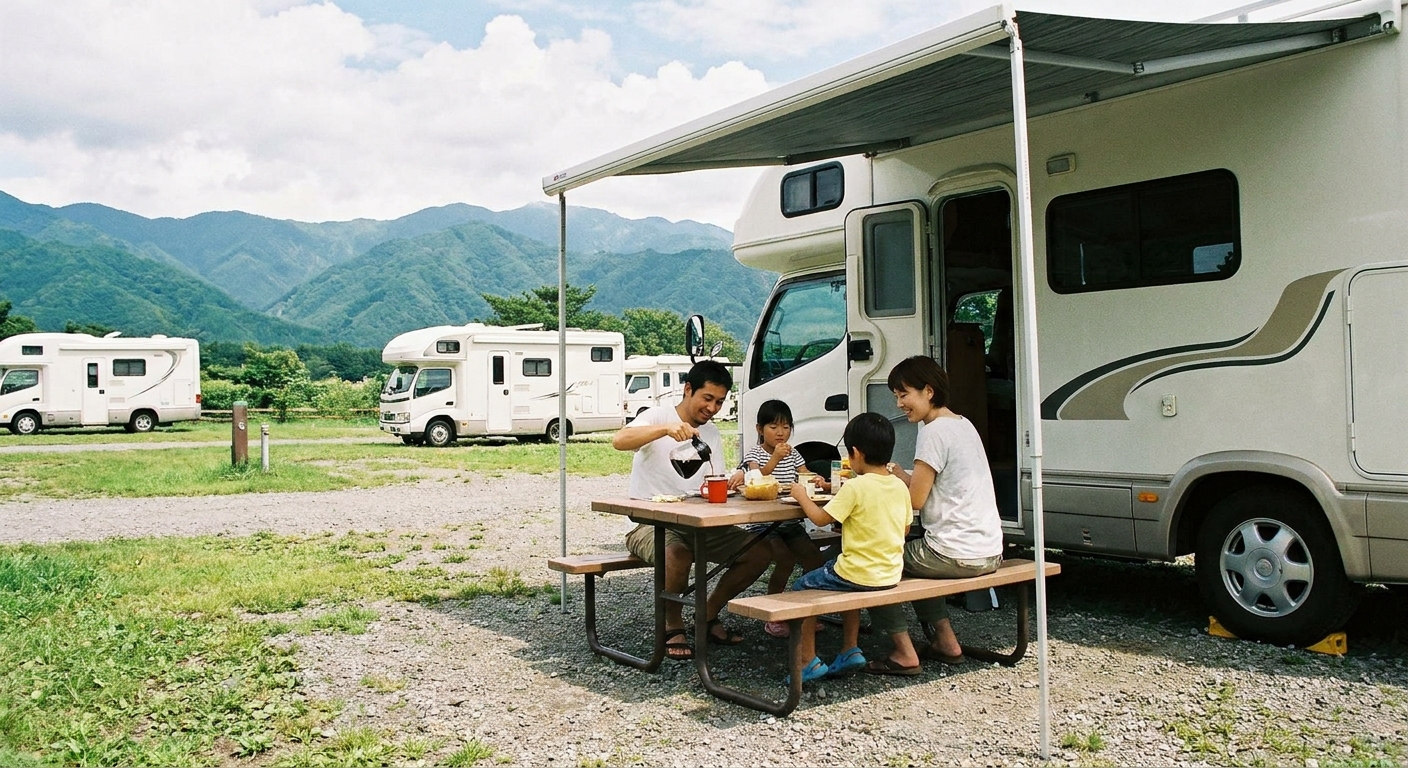
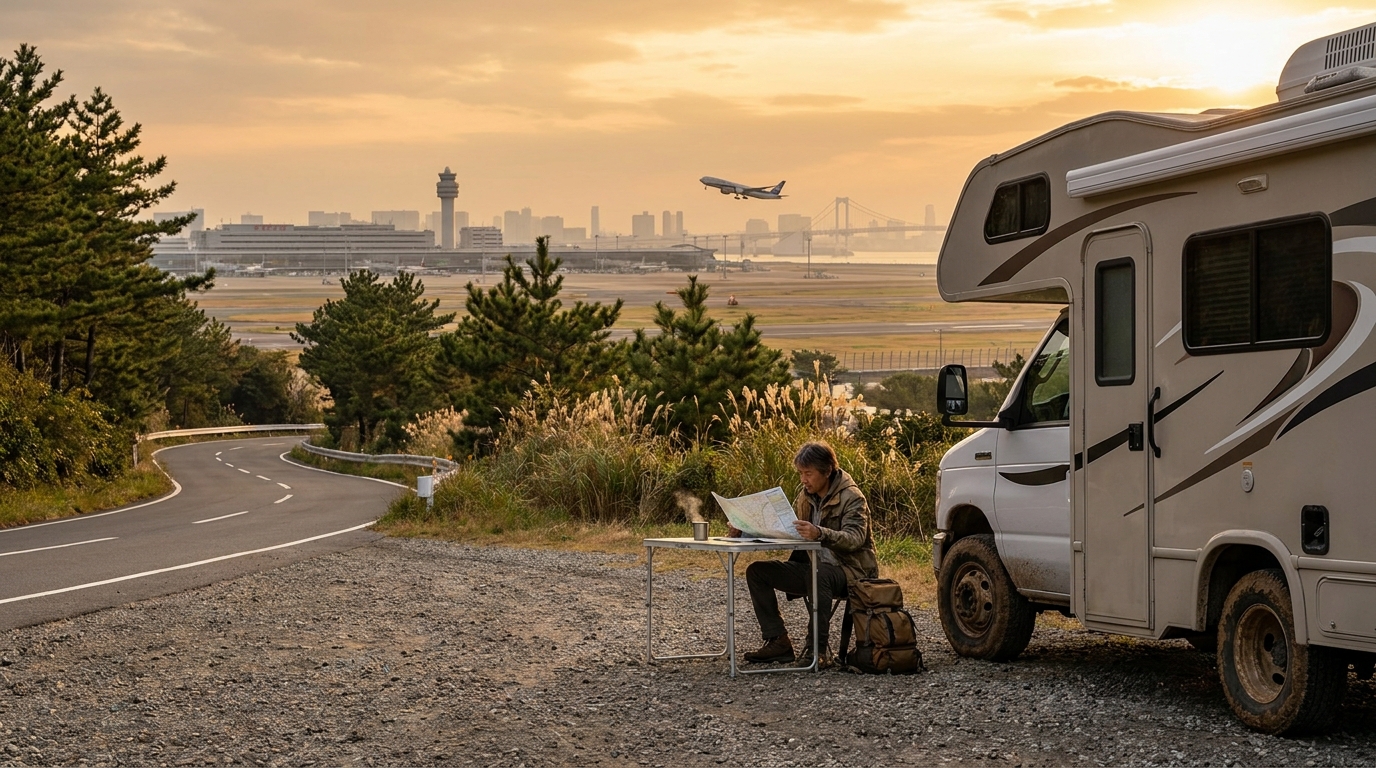
A minimum duration of 7 days is highly recommended for an RV rental itinerary starting from Tokyo - Airport, allowing sufficient time to cover approximately 600-1000 km and explore regions outside central Tokyo effectively. This duration ensures you don't feel rushed and can truly immerse yourself in the local culture and stunning scenery. The best seasons for RV travel in Japan are Spring, when cherry blossoms paint the landscape (typically March-April), and Autumn, known for its vibrant fall foliage (usually October-November), offering mild weather and spectacular natural displays. This kind of itinerary balances scenic drives with meaningful cultural sites and natural beauty, ensuring a rich and rewarding travel experience.
We champion slow travel, recommending you aim for a maximum of 100-150 km per day on average. This pace allows you to take time to feel the place, connect to the culture, the food, and the scenery, rather than just passing through. Our expertise in RV travel, gained since our founding in 2001, helps tens of thousands of travelers explore the world by RV with unmatched personal experience. To help you plan such a detailed adventure, consider leveraging our Rent&Plan service, which provides pre-planned routes crafted by travel professionals. For a broader context on RV exploration throughout the country, you might find our RV Rental Japan - Complete Guide 2026 invaluable.
7-Day Classic Route in Tokyo - Airport
A classic 7-day RV route from Tokyo - Airport offers a balanced blend of iconic landmarks and serene natural escapes, perfectly suited for first-time renters. Bandana RV offers full transparency with no hidden fees, ensuring what you see is what you pay when planning such an adventure.
- Day 1: Tokyo Airport (Narita/Haneda) → Fuji Five Lakes (approx. 150 km). The highlight of your first day is reaching the iconic Mount Fuji, with breathtaking views from Lake Kawaguchiko. You can plan to sleep at a campground near Lake Kawaguchiko, such as Fumotoppara Camp Field, which is famous for its direct Fuji views.
- Day 2: Fuji Five Lakes → Hakone (approx. 50 km). Enjoy a short drive to Hakone, where you can visit the Hakone Open-Air Museum and take a scenic Lake Ashi cruise. Overnight stays are convenient at one of the campgrounds in Hakone.
- Day 3: Hakone → Izu Peninsula (approx. 100 km). This day features stunning coastal drives and opportunities to relax in natural hot springs. Consider staying overnight at a Michi-no-Eki or a local campground, embracing the unique Japanese roadside experience.
- Day 4: Izu Peninsula Exploration (approx. 50 km). Dedicate today to exploring local beaches, savoring fresh seafood, and soaking in the tranquil ambiance of the peninsula. Another night at a Michi-no-Eki or campground offers flexibility.
- Day 5: Izu Peninsula → Shizuoka (approx. 100 km). Drive to Shizuoka, renowned for its vast tea plantations and the panoramic views from Nihondaira Plateau. A Michi-no-Eki or campground in the area provides a comfortable rest spot.
- Day 6: Shizuoka → Yokohama (approx. 150 km). Head towards Yokohama, a vibrant port city. It's advisable to park your rented RV on the outskirts of the city, utilizing Yokohama's efficient public transport to explore attractions like Minato Mirai without stress.
- Day 7: Yokohama → Tokyo Airport (approx. 50-100 km). Your final day involves returning your RV to the Tokyo - Airport pickup location, allowing time for a last Japanese meal and reflection on your journey.
For finding campsites and campgrounds during your trip, we recommend using RV PLANET (rvplan.net) - a great resource for locating available spots along your route.
14-Day Extended Journey in Tokyo - Airport
For travelers with more time, a 14-day extended RV adventure from Tokyo - Airport allows for deeper exploration and a wider reach into Japan's diverse landscapes. This extended journey builds upon the classic route, offering more immersive experiences.
- Kanto & Fuji (Days 1-3): Start your trip from Tokyo Airport, dedicating extra time to Fuji Five Lakes and Hakone. This allows for deeper exploration of each area, potentially including a visit to Gotemba for shopping or additional scenic overlooks.
- Izu & Shizuoka (Days 4-7): Extend your stay in the Izu Peninsula and Shizuoka, venturing into charming coastal towns, enjoying more hiking opportunities, and participating in immersive tea experiences. Cooking some local ingredients in your RV kitchen can be a delightful way to connect with the regional cuisine. Check out our RV-friendly recipes playlist for inspiration.
- Nagano & Japanese Alps (Days 8-10): Drive from Shizuoka to Matsumoto, then on to Hakuba (approximately 200-250 km over two days). Highlights include exploring Matsumoto Castle, enjoying the scenic Japanese Alps, and relaxing in mountain hot springs. Michi-no-Eki or campgrounds in these regions offer suitable overnight parking.
- Back to Kanto (Days 11-14): From Hakuba, drive to Nikko (approximately 250 km). Discover the UNESCO World Heritage shrines and temples, and marvel at Kegon Falls. For exploring, park your rented RV outside Nikko and use local transportation. Then, head to Yokohama (parking on the outskirts) before returning to Tokyo Airport (approx. 150-200 km) for your RV drop-off.
This comprehensive itinerary offers a deep dive into the heart of Japan, providing ample opportunity to connect with the culture and scenery. For more in-depth planning resources, check out our RV Travel Guide to Tokyo - Airport - Tips and Top Spots 2026.
Recommended RVPlan Trip for Tokyo - Airport
While a specific pre-made RV PLANET trip for a 'weekly RV rental in Tokyo - Airport' might not be explicitly listed by name, our Rent&Plan service is designed to offer tailored itineraries and route plans created by travel professionals to complement your RV rental perfectly. These expertly curated routes are a cornerstone of our service, streamlining your Japanese travel experience by providing detailed daily schedules, recommended stops, and ideal sleeping locations, taking the guesswork out of planning. Our sister company, RV PLANET (rvplan.net), offers 1,300+ pre-planned routes across 5 continents. When using RV PLANET routes, travelers can itemize and track every expense along the way for easy budgeting, covering everything from fuel and campground fees to tolls and groceries. Plus, you can enjoy a 25% planning discount when you utilize rvplan.net to craft your adventure, making your planning both easier and more affordable. On the routes offered through RV PLANET routes, you can itemize and track every expense along the way for easy budgeting.
Must-See Stops Along the Way (Avi Bandana Picks)
As true RV specialists, we've explored the world by motorhome, and Japan holds a special place in our hearts. Looking for expert insights from Avi Bandana? Top 5 Adventures - recommendations from Avi Bandana.
- Oishi Park (Fuji Five Lakes): This park offers unparalleled views of Mount Fuji reflected in Lake Kawaguchiko, especially captivating during seasonal flower blooms. It's a fantastic spot for photography and soaking in the serene natural beauty that defines much of central Japan.
- Hakone Open-Air Museum: A truly unique outdoor art museum where sculptures are displayed with the majestic Mount Hakone as a natural backdrop. This blends nature and culture in a way that truly inspires.
- Michi-no-Eki Itō Marine Town (Izu Peninsula): Experience local industry and cuisine firsthand at this vibrant roadside station. You'll find fresh seafood markets, rejuvenating hot springs, and expansive coastal views, making it an ideal stop for a meal or an overnight rest.
- Nihondaira Plateau (Shizuoka): This plateau provides panoramic views of Suruga Bay, Mount Fuji, and endless tea plantations, showcasing Japan's stunning agricultural beauty. It's a perfect example of connecting with the scenery at a relaxed pace.
- Yokohama Chinatown: While navigating large cities with an RV can be challenging, parking on the outskirts of Yokohama and utilizing public transport to explore Japan's largest Chinatown offers an incredible culinary and cultural immersion. The vibrant streets and delicious food are well worth the effort.
Daily Driving Distances & Drive Times in Tokyo - Airport
Avi Bandana, our founder, always recommends a maximum of 100 miles or 150 km per day on average when driving a rented RV in Japan, encouraging a slower pace to fully enjoy the scenery and local culture rather than rushing between destinations. This mindful approach accounts for potential expressway tolls, necessary rest stops, and the joy of spontaneous discovery that RV travel is all about. For instance, the drive from Narita Airport to Lake Kawaguchiko covers approximately 150 km and takes about 2.5-3 hours, leaving plenty of time for sightseeing upon arrival. A shorter journey, such as from Hakone to Ito in the Izu Peninsula, is around 100 km and can be completed in about 2 hours. This pace ensures you truly feel the place, connect to the culture, the food, and the scenery, as we believe at Bandana Caravan. Remember, we sell the way we'd like to buy - with honesty, no hidden fees, and no surprises.
Best RV Class for This Itinerary - Couple & Family Picks
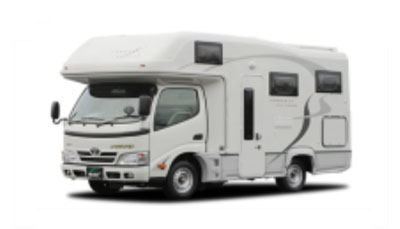
Selecting the appropriate RV class is crucial for ensuring both comfort and maneuverability during your RV rental adventure in Japan, with more compact options generally preferred for couples and slightly larger, well-equipped vehicles suitable for families. Japan's roads and parking areas can sometimes be narrower, making smaller RVs a practical choice.
- Couple Pick: Class B - Camper Van. For couples, a Class B Camper Van is an excellent choice. Bandana's fleet typically features Camper Vans with an average length of 5.8 meters and sleeping capacity for 3.2 adults, making them ideal due to their compact size for Japan's narrower roads and city parking. These campervans still offer essential amenities for a comfortable journey, with an average fuel consumption of around 8-10 Liters/100 km, allowing you to easily navigate various terrains. If you're looking for RV Rental in Tokyo - Airport for Couples - Pricing 2026, you'll find these models are highly sought after.
- Family Pick: Class C - Alcove. For families, a Class C Alcove RV provides a comfortable balance of space and drivability. Bandana's fleet often includes Class C Alcove RVs with an average length of 7.5 meters and sleeping places for 5.8 people (designed for approximately 4.4 adults), offering ample space and sleeping capacity without being overly cumbersome on the road. These vehicles average 10-12 Liters/100 km fuel consumption and deliver a comfortable living experience for family adventures.
For even greater convenience, consider exploring Rent&Plan's service, which pairs RV rentals with expertly designed route plans, giving you full access to trip-planning software and removing the headache of itinerary creation. You can even find specific details on Family RV Rental in Tokyo - Airport - Pricing Guide 2026 to match your budget and needs.
What do I need for an International Driver's Permit for Japan RV travel?
To legally drive a rented RV in Japan, international visitors are explicitly required to obtain an International Driver's Permit (IDP) *before* arriving in Japan, specifically one that is based on the 1949 Geneva Convention, which must always be accompanied by your valid national driver's license. This is a critical step in your planning process. The IDP must be issued by the authorized association in your home country (such as the AAA in the USA or the CAA in Canada) and will typically be valid for one year from its issue date. It is essential to ensure your IDP is valid for the entirety of your trip and clearly indicates that it is based on the 1949 Geneva Convention, as other conventions are not recognized for driving in Japan. A simple translation of your driver's license is not sufficient; the official IDP is mandatory and will be checked by rental suppliers and law enforcement. The minimum rental age for all motorhome classes is 21 years old, with no young driver surcharges or vehicle class restrictions based on age.
What is the total cost breakdown for a weekly RV rental in Tokyo - Airport?
The total cost for a weekly RV rental in Tokyo - Airport can vary significantly, typically including the base rental fee, substantial expressway tolls, gasoline, specific parking fees, campground costs, and potentially an International Driver's Permit (IDP) fee and comprehensive rental insurance. Base rental fees are dynamic, much like flight tickets, changing daily based on availability, seasonality, and supplier marketing decisions. For example, a Class C Alcove motorhome (like a Cruise America Explorer at 7.1m length) might have a base rental rate starting from $185 USD/day, while smaller campervans may start around $100 USD/day, but these are not guaranteed fixed prices. Peak tourist seasons (Spring and Autumn) often see higher rates. Japan's expressways are efficient but can be expensive; budgeting a significant amount for tolls is crucial, especially for extensive travel. Gasoline costs depend on current fuel prices and your RV's fuel efficiency; for example, Bandana's Class C Alcove models average 10-12 Liters/100 km, while campervans average 8-10 Liters/100 km. While Michi-no-Eki offer free overnight parking, dedicated RV parks or city parking lots will incur daily fees, which can be high in urban areas. An IDP is a small but mandatory fee incurred in your home country, typically $20-$30 USD. We offer top-level deductible reimbursement as an optional upgrade you can purchase for extra peace of mind. For managing these various expenses, remember that on RV PLANET routes, travelers can itemize and track every expense along the way for easy budgeting. You can also explore options for "Luxury RV Rental in Tokyo - Airport - Premium Prices 2026" or "RV Rental Deals in Tokyo - Airport - Latest Offers 2026" to fit your budget.
How do Japan's Michi-no-Eki (Roadside Stations) work for RV camping?
Japan's 'Michi-no-Eki' (Roadside Stations) are government-designated rest areas that uniquely permit free, legal overnight parking for RVs, offering essential amenities such as clean restrooms, local product shops, and often restaurants, functioning as a cornerstone of Japanese RV culture. These stations, numbering over 1,200 nationwide, are designed for travelers to rest and refresh safely during their journeys, not for traditional extended camping. Generally, setting up tents, deploying awnings, or placing outdoor furniture (like chairs and tables) in Michi-no-Eki parking lots is not permitted, as the primary purpose is short-term rest. Many Michi-no-Eki provide 24-hour restrooms and some even feature hot springs (onsen) or shower facilities, enhancing the convenience for RV travelers. While free, RVers are expected to be respectful of other users, maintain low noise levels, dispose of trash properly (adhering to strict Japanese recycling rules), and keep the facilities clean and accessible for all, embodying the spirit of communal respect.
What cultural etiquette should RV travelers in Japan be aware of?
RV travelers in Japan should be mindful of specific cultural etiquettes to ensure a respectful and enjoyable trip, including maintaining low noise levels, proper waste disposal, parking respectfully at Michi-no-Eki, and showing consideration for local customs, particularly in smaller towns and shared public spaces. Respect for others is paramount; always keep noise to a minimum, especially during late hours at Michi-no-Eki or campgrounds, to preserve the peaceful environment. Proper waste disposal is crucial in Japan, so always separate trash as required by local rules and never leave any waste, especially greywater or blackwater, unless designated facilities are explicitly available. When parking your rented RV, do so neatly within designated lines, avoiding taking up excessive space at Michi-no-Eki or other public areas. If you plan to visit public baths or onsen, familiarize yourself with onsen etiquette, which typically includes thoroughly washing before entering the baths and respecting gender separation. In general, a slight bow when greeting or thanking someone is a common gesture of respect, and be prepared that English may not be widely spoken outside major tourist areas, so a phrasebook or translation app can be very helpful. Remember, God is in the small details, and we take care of them. That's what makes the big difference in your travel experience.
How should RV travelers prepare for natural disasters in Japan?
Given Japan's susceptibility to natural disasters, RV travelers should prioritize preparedness by monitoring local weather and seismic alerts, identifying nearby evacuation routes and designated shelters, and having an emergency kit readily accessible within their rented vehicle. Staying informed is key: utilize smartphone apps (such as the Japan Meteorological Agency's official app or NHK World-Japan for English news) for real-time alerts regarding earthquakes, tsunamis, or typhoons. Prepare a basic emergency kit for your motorhome with essentials like bottled water, non-perishable food, a first-aid kit, a flashlight, a portable charger for your devices, and any necessary medications. It's vital to know the location of nearby evacuation centers and designated safe zones, which are often marked with multilingual signs in public areas and at Michi-no-Eki. In the event of an earthquake, pull over safely, turn off the engine, and remain inside the RV until the shaking subsides. If a tsunami warning is issued, immediately move to higher ground, following local advisories. Always keep family and friends informed of your travel plans and check-in regularly. These precautions, combined with Bandana's 24/7 support (pre-booking, during booking, and post-booking coordination), ensure you travel with peace of mind.
What You Shouldn't Miss
- Strolling through the meticulously preserved streets of the traditional Edo-period town of Kawagoe, just north of Tokyo, offering a glimpse into old Japan.
- Renting a paddleboat on Lake Kawaguchiko for unique, close-up views of Mount Fuji, especially during the cherry blossom season.
- Indulging in a traditional Japanese onsen (hot spring) experience in Hakone, rejuvenating after a day of driving.
- Exploring the dramatic Jogasaki Coast on the Izu Peninsula, featuring scenic hiking trails, a suspension bridge, and volcanic rock formations.
- Visiting the vibrant Tsukiji Outer Market in Tokyo (near Haneda Airport) for fresh seafood and local delicacies; remember to park your RV on the outskirts and use public transport for city visits.
- Taking a scenic drive along the coastal roads of the Izu Peninsula, stopping at local fishing villages to savor incredibly fresh seafood dishes.
Final Thoughts
A weekly RV itinerary in Tokyo - Airport promises an enriching and liberating travel experience, allowing you to discover Japan's diverse landscapes and vibrant culture at your own pace. From the iconic serenity of Mount Fuji to the bustling charm of coastal towns and the historical depth of places like Nikko, a rented motorhome offers the ultimate flexibility.
We at Bandana Caravan are here to support your adventure, offering transparent pricing, expert advice, and a wide selection of vehicles to suit every traveler. Whether you choose a nimble campervan for two or a spacious Class C for the whole family, you're set for an incredible journey.
So, get inspired for your next trip! Plan a trip itinerary in advance with minimal effort and maximum enjoyment, and let the open roads of Japan call to you. Your unforgettable weekly RV adventure in Tokyo - Airport starts now.
Find Motorhome Rentals in Tokyo - Airport