In This Guide
- Best Norway RV Itinerary for weekly rv rental — Overview
- 7-Day Classic Route in Norway
- 14-Day Extended Journey in Norway
- Recommended RVPlan Trip for Norway
- Daily Driving Distances & Drive Times in Norway
- Best RV Class for This Itinerary — Couple & Family Picks
- What is Allemannsretten and how does Everyman's Right apply to RVers in Norway?
- Are there RV-specific routes in Norway considering vehicle size and ferry logistics?
- What are the practical challenges of RV travel in Norway and how can I overcome them?
- What RV size and type is best for navigating Norway's narrow roads and ferries?
- Should I rent an RV or bring my own for a trip to Norway?
- How can I practice sustainable and ethical RV travel in Norway?
Best Norway RV Itinerary for weekly rv rental — Overview
A typical weekly RV rental in Norway offers an immersive journey through stunning fjords, charming villages, and dramatic landscapes, providing an unforgettable adventure. A 7-day trip generally covers around 700-900 km (430-560 miles), allowing ample time for exploration without feeling rushed. For a comprehensive experience, a minimum of 7 days is recommended, though longer trips allow for deeper dives into Norway's diverse regions. The best season for an RV trip to Norway is generally from late spring (May) to early autumn (September), ensuring pleasant weather and accessible road conditions.
When planning your Scandinavian adventure, consider how a route like the "Stockholm Round trip - Sweden, Denmark and Norway Family Adventure" (22 days, 3673.5999999999985 km) could offer a broader perspective, integrating Norway's wonders into a larger European exploration.
7-Day Classic Route in Norway
This classic 7-day RV itinerary focuses on Norway's iconic Western Fjordland, starting and ending in major cities for convenient RV pickup and drop-off. This route is designed to showcase the breathtaking natural beauty and cultural highlights of the region, making it a perfect introduction to RV travel in Norway.
Day 1: Bergen → Voss (approx. 100 km): Begin in Bergen, exploring the historic Bryggen Hanseatic Wharf and taking the Fløibanen funicular for panoramic city views. Afterward, drive to Voss, known for its outdoor activities. Overnight at Voss Camping.
Day 2: Voss → Flåm → Gudvangen (approx. 70 km): Experience the world-renowned Flåm Railway and a scenic cruise on the UNESCO-listed Nærøyfjord, one of Europe's narrowest and most stunning fjord arms. Stay overnight at Gudvangen Camping.
Day 3: Gudvangen → Lærdal → Sogndal (approx. 80 km): Visit the beautifully preserved Borgund Stave Church, a prime example of medieval wooden architecture, and traverse parts of the scenic Aurlandsfjellet route (seasonal) before reaching Sogndal. Overnight at Sogndal Campground.
Day 4: Sogndal → Førde (approx. 100 km): Continue your fjord exploration with an optional side trip towards Jostedalsbreen Glacier, Norway’s largest mainland glacier. Sleep at Førde RV park.
Day 5: Førde → Olden/Loen (approx. 120 km): Head towards the picturesque Nordfjord region. Here, you can take the Loen Skylift for incredible views or visit the iconic Briksdal Glacier. Overnight at Loen Camping.
Day 6: Olden/Loen → Geiranger (approx. 100 km, includes ferry): Drive along stunning routes to the famous Geirangerfjord, a UNESCO World Heritage site. A ferry journey is essential to fully appreciate its beauty and the 'Seven Sisters' waterfall. Camp at Geiranger Camping.
Day 7: Geiranger → Ålesund (approx. 110 km): Conclude your fjord adventure by driving to Ålesund, a city renowned for its distinctive Art Nouveau architecture and panoramic viewpoints. Find an RV park in Ålesund before your rental drop-off.
14-Day Extended Journey in Norway
An extended 14-day RV journey allows for a more in-depth exploration of Norway, seamlessly linking iconic fjords with scenic mountain passes and rich cultural highlights, often forming a loop that starts and ends in a major hub like Oslo.
Days 1-2: Oslo & Telemark: Start in Oslo, then drive to Rjukan (180 km) to see Gaustatoppen, followed by a drive to Eidfjord (170 km) for the Hardangervidda plateau and Vøringsfossen waterfall. Overnight in Rjukan and Eidfjord.
Days 3-4: Bergen & Hardangerfjord: Drive from Eidfjord to Bergen (150 km) to explore Bryggen and the vibrant Fish Market. Dedicate a full day to exploring Bergen's charm. Overnight in Bergen Camping.
Days 5-7: Sognefjord & Glacier Country: From Bergen, drive to Gudvangen (100 km) for the Nærøyfjord, then take a ferry to Balestrand (70 km) along the Sognefjord, before continuing to Førde (80 km) for more fjord vistas. Overnight in Gudvangen, Balestrand, and Førde.
Days 8-10: Nordfjord & Geiranger: Travel from Førde to Loen (120 km) to experience the Loen Skylift, then to Geiranger (100 km, including ferry) to witness the majestic Geirangerfjord. Continue to Lom (100 km) via the Dalsnibba viewpoint. Overnight in Loen, Geiranger, and Lom.
Days 11-14: Jotunheimen & Return to Oslo: From Lom, drive along the Valdresflya Scenic Route (seasonal) to Fagernes (160 km), then to Hemsedal (80 km) for mountain activities. Head to Drammen (150 km) before the final short drive to Oslo (50 km) for RV return and final city exploration. Overnight in Fagernes, Hemsedal, and Drammen.
For travelers looking to extend their Scandinavian adventure even further, the "Tromsø Round Trip - Arctic Wonders: Northern Norway Family Road Trip" (15 days, 2402.5 km) offers an incredible journey through the Arctic Circle, showcasing Norway's northern beauty.
Recommended RVPlan Trip for Norway
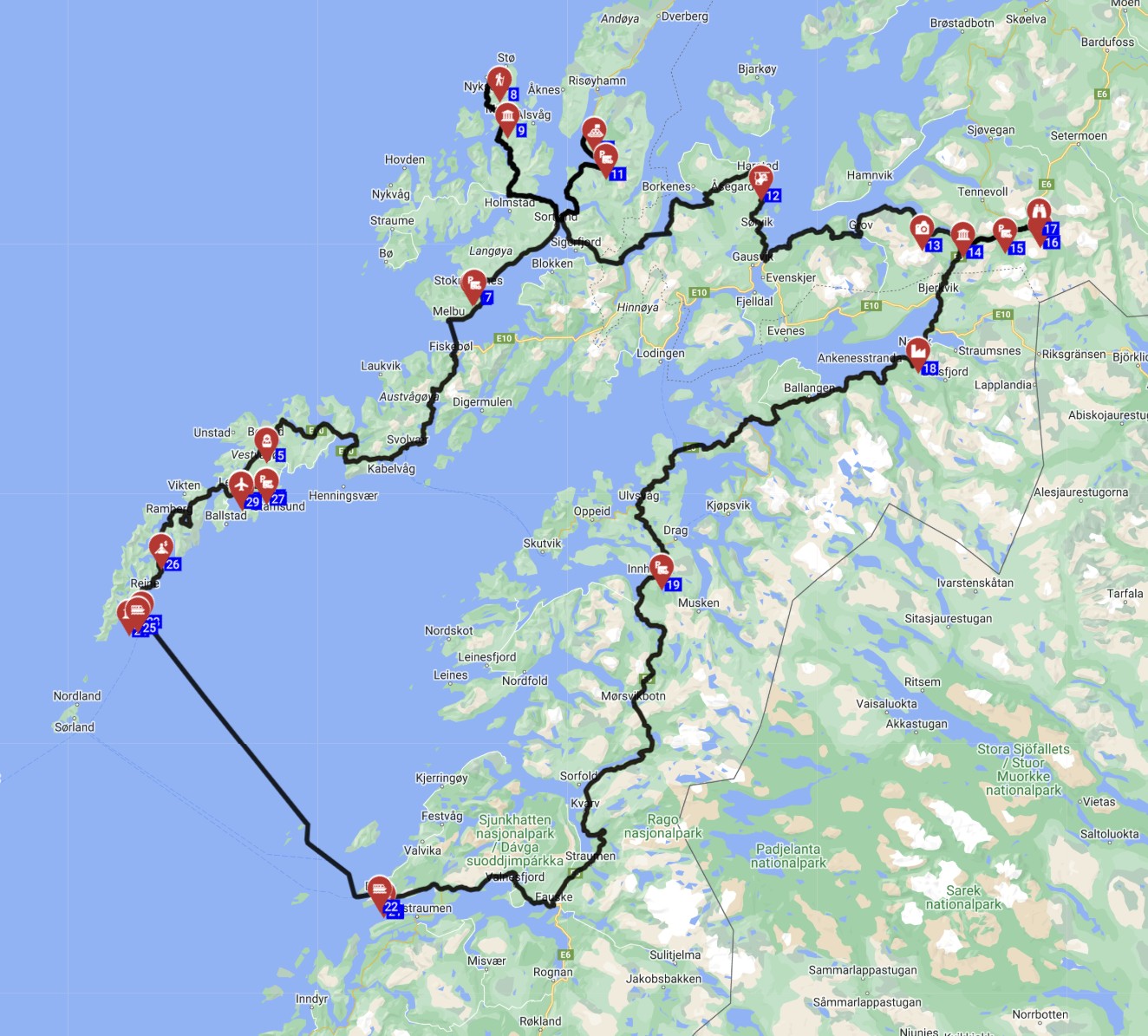
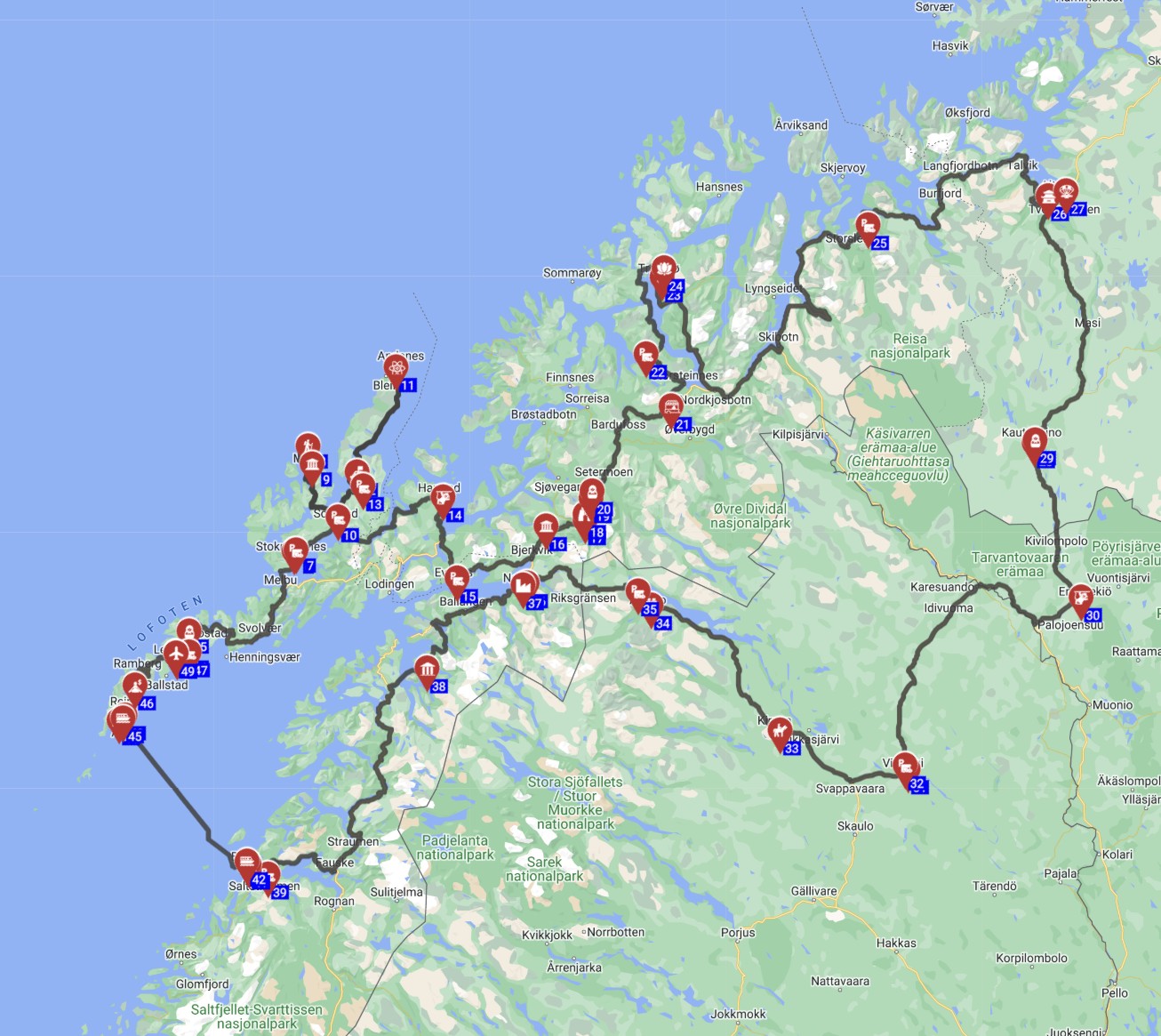
For those seeking a more extensive Scandinavian adventure that includes Norway, the RVPlan trip named "Hamburg Roundtrip - To Denmark & Norway" offers a comprehensive 25-day itinerary covering 3426.9 km. This grand loop, starting and ending in Hamburg, Germany, provides an unparalleled journey through Northern Europe's historic routes, spectacular fjords, and vibrant capitals.
You can explore this detailed itinerary, complete with daily stops and highlights, at the official RVPlan link: Plan a Europe motorhome road trip with an RV from Hamburg through Germany Denmark and Norway.
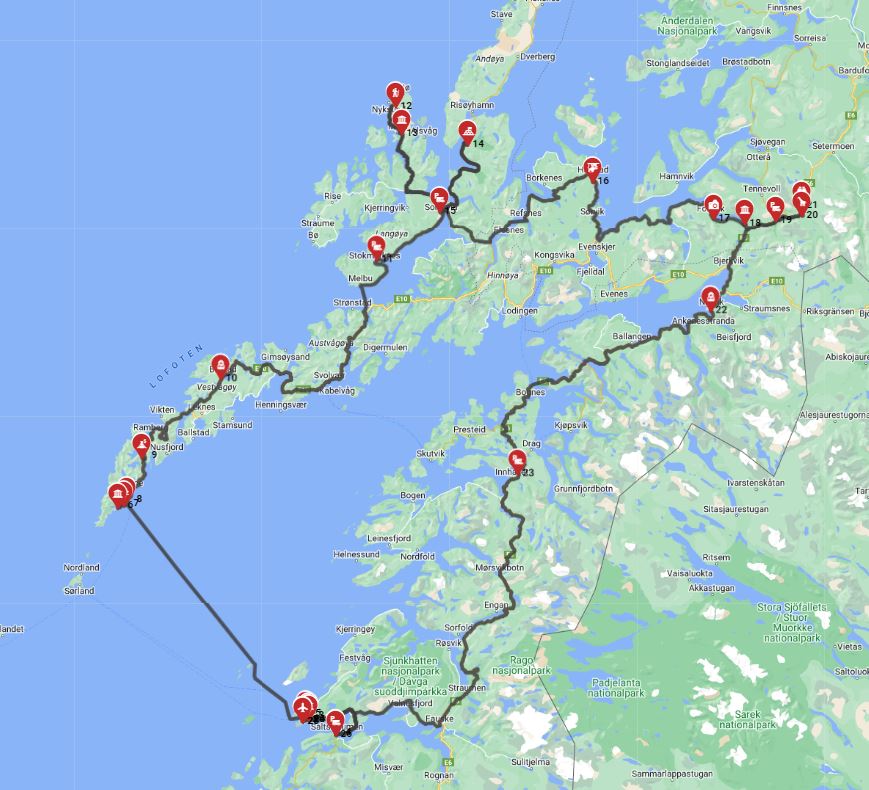
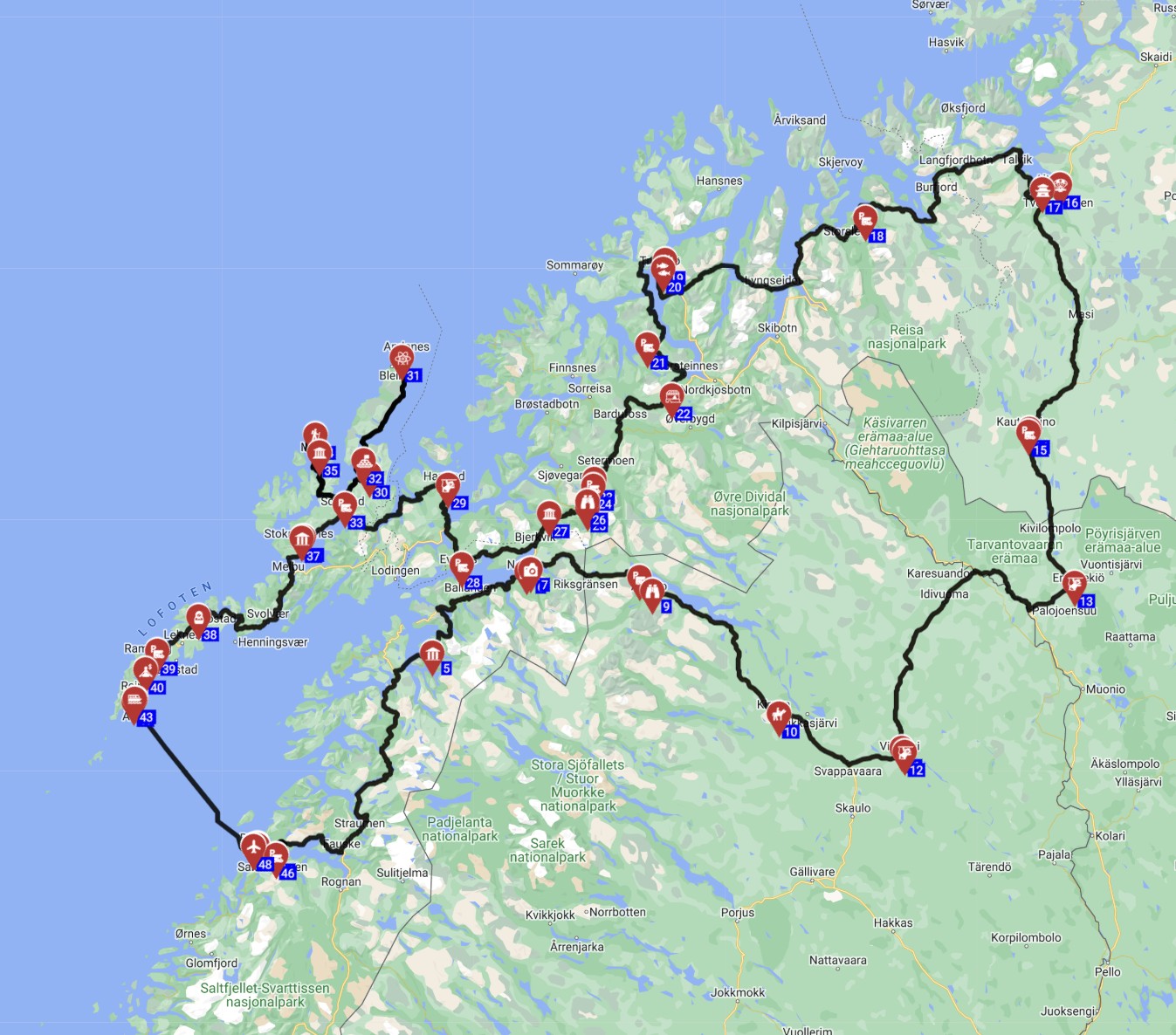
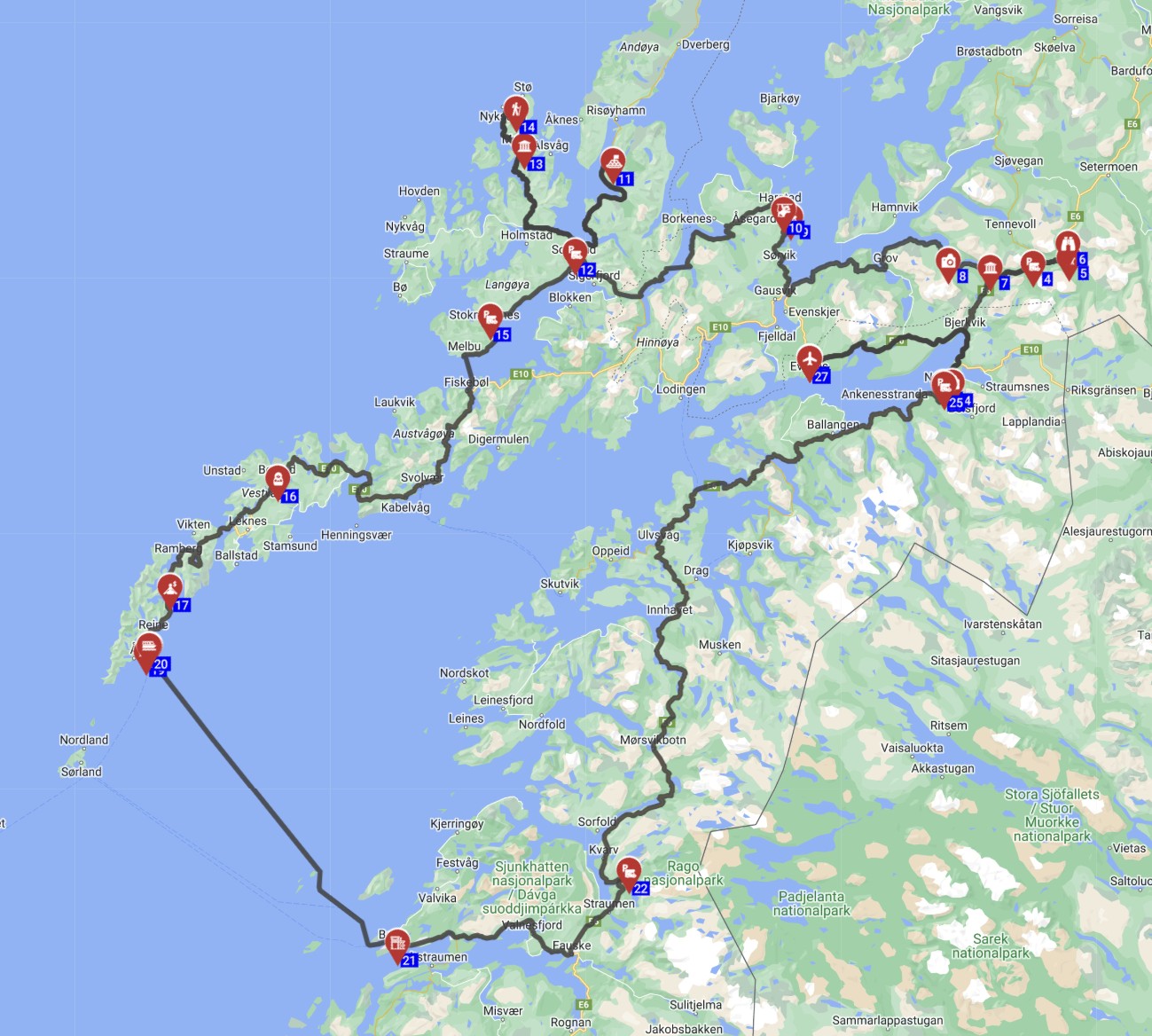
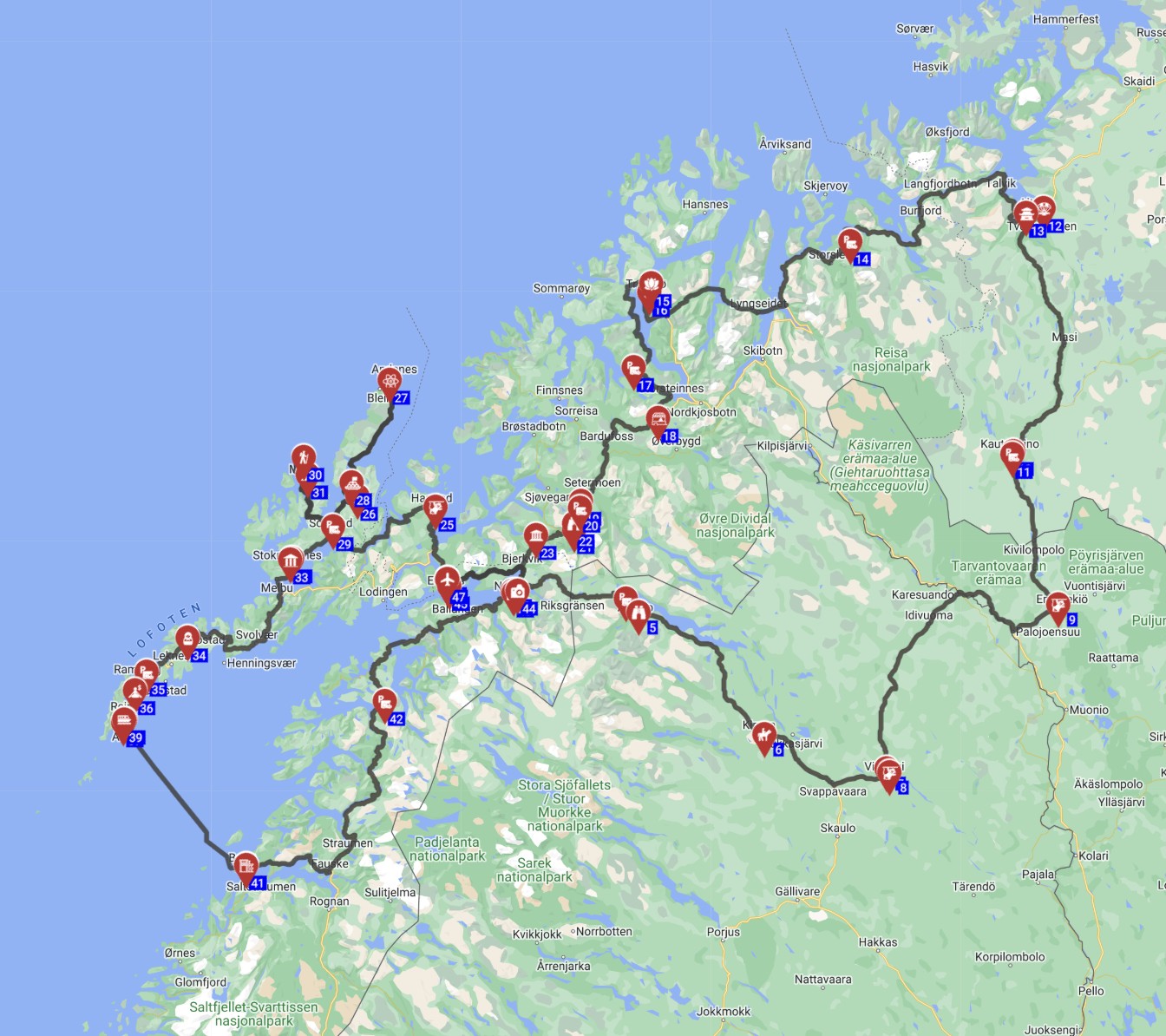
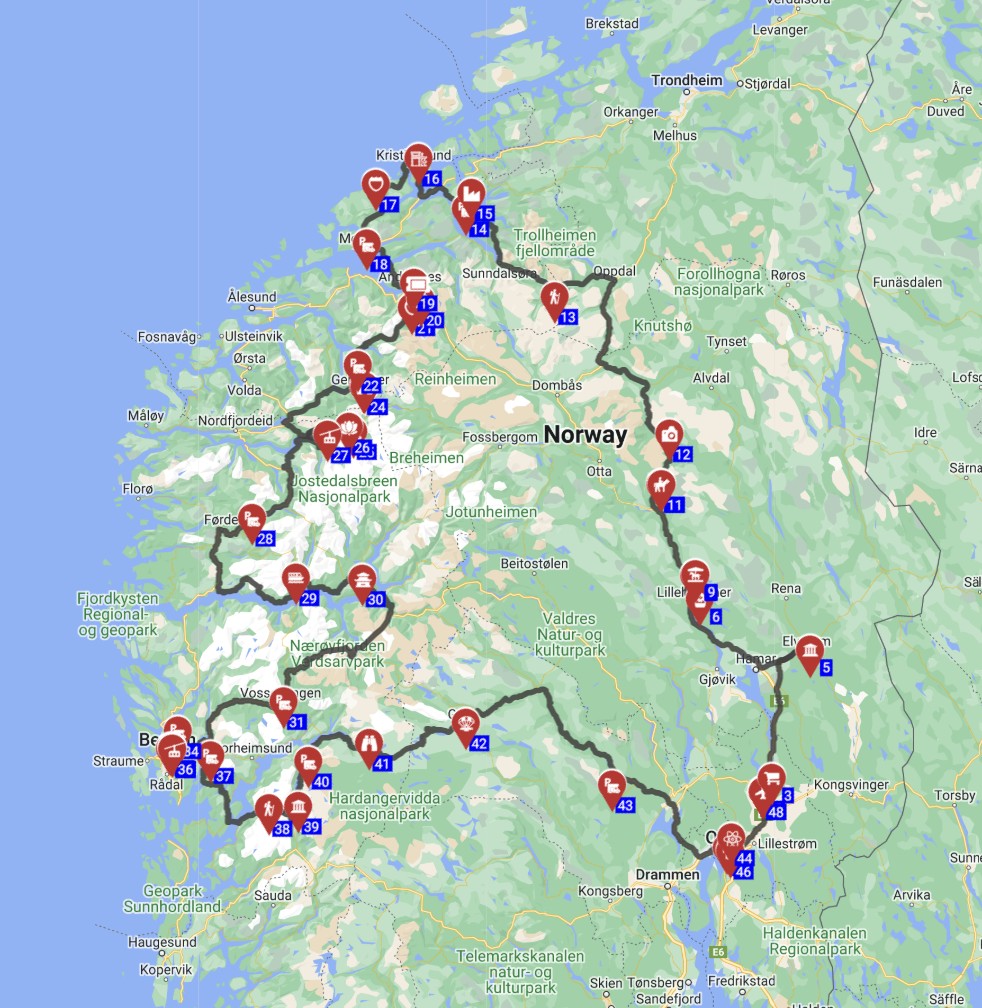
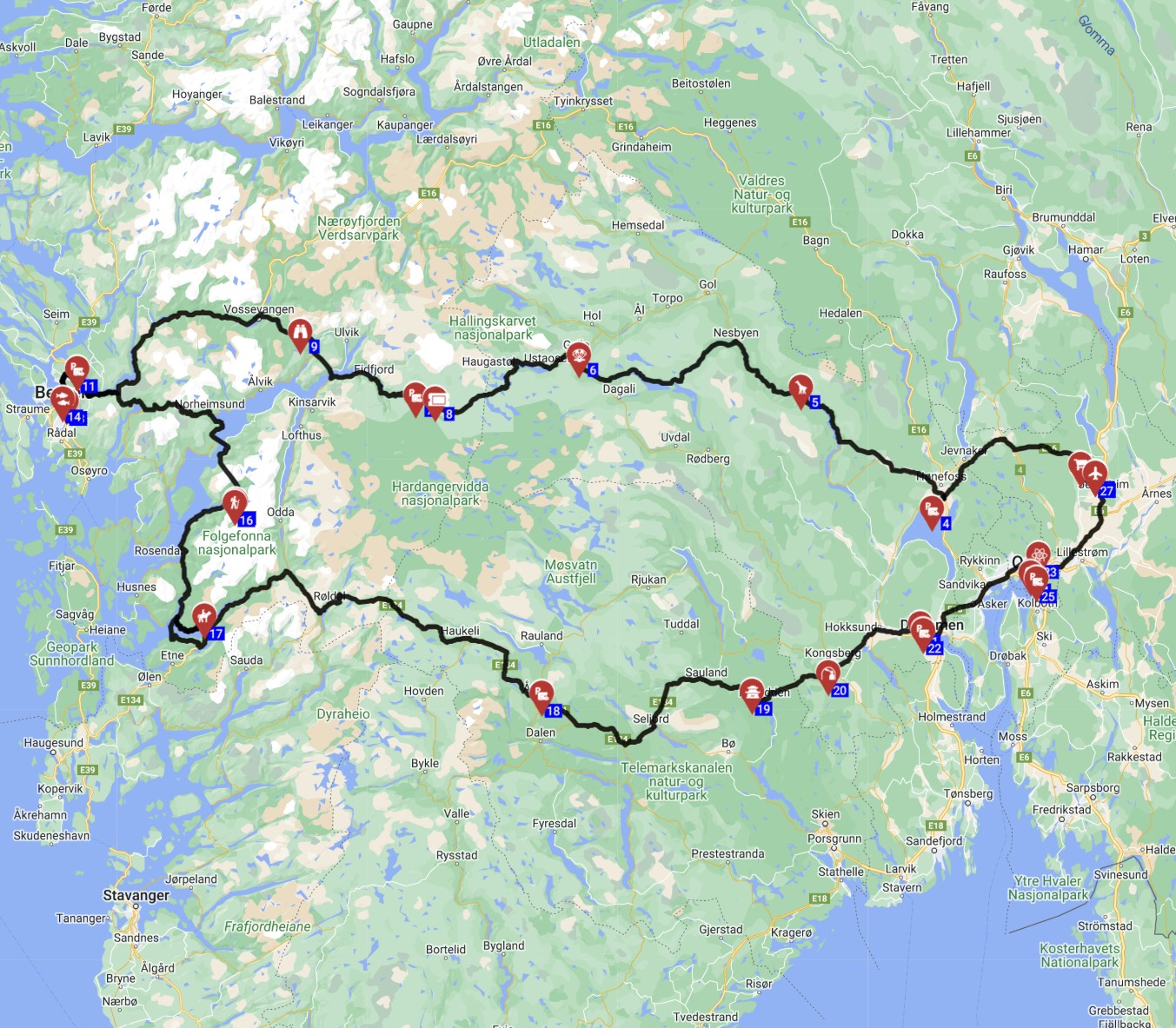
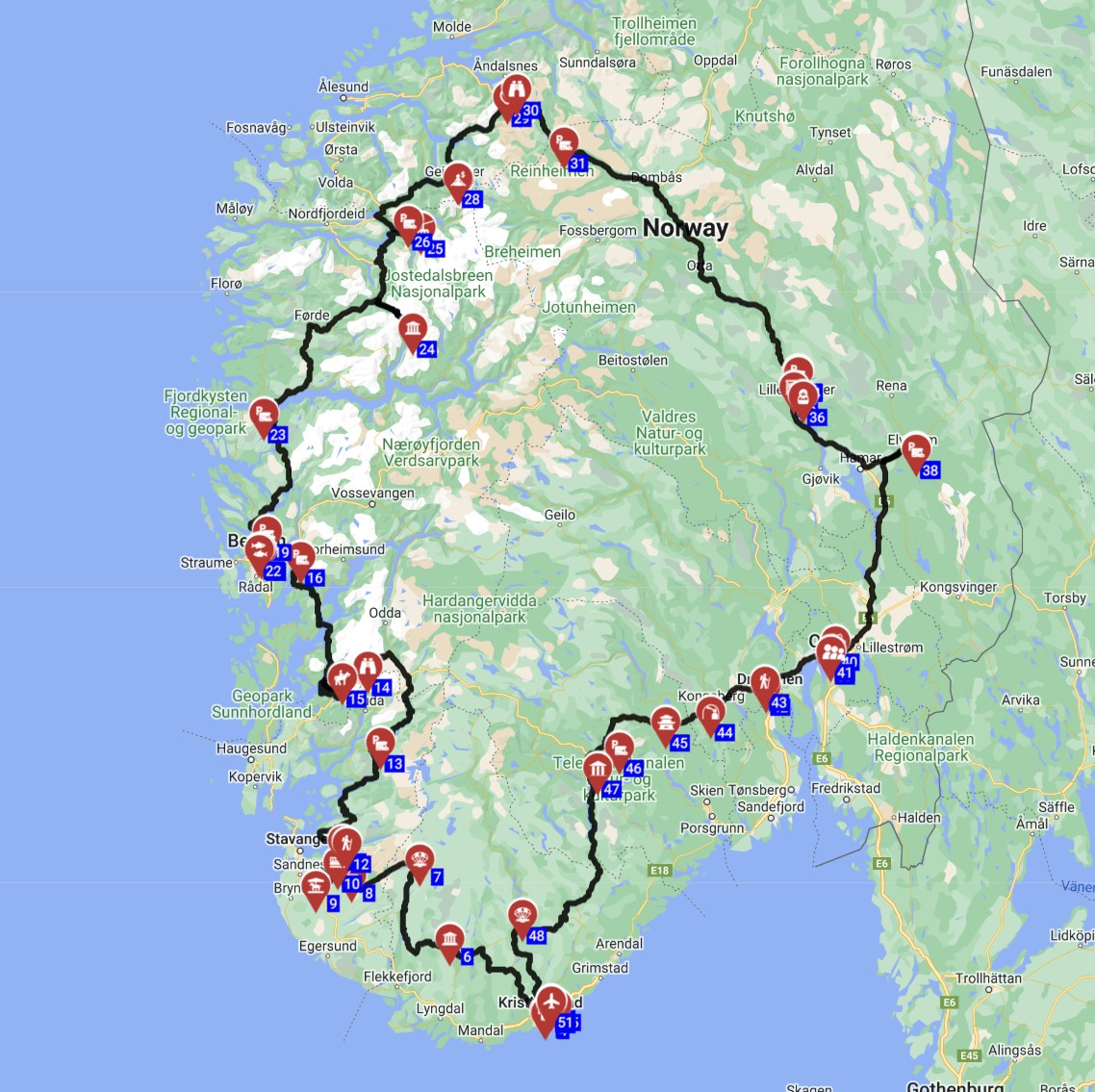
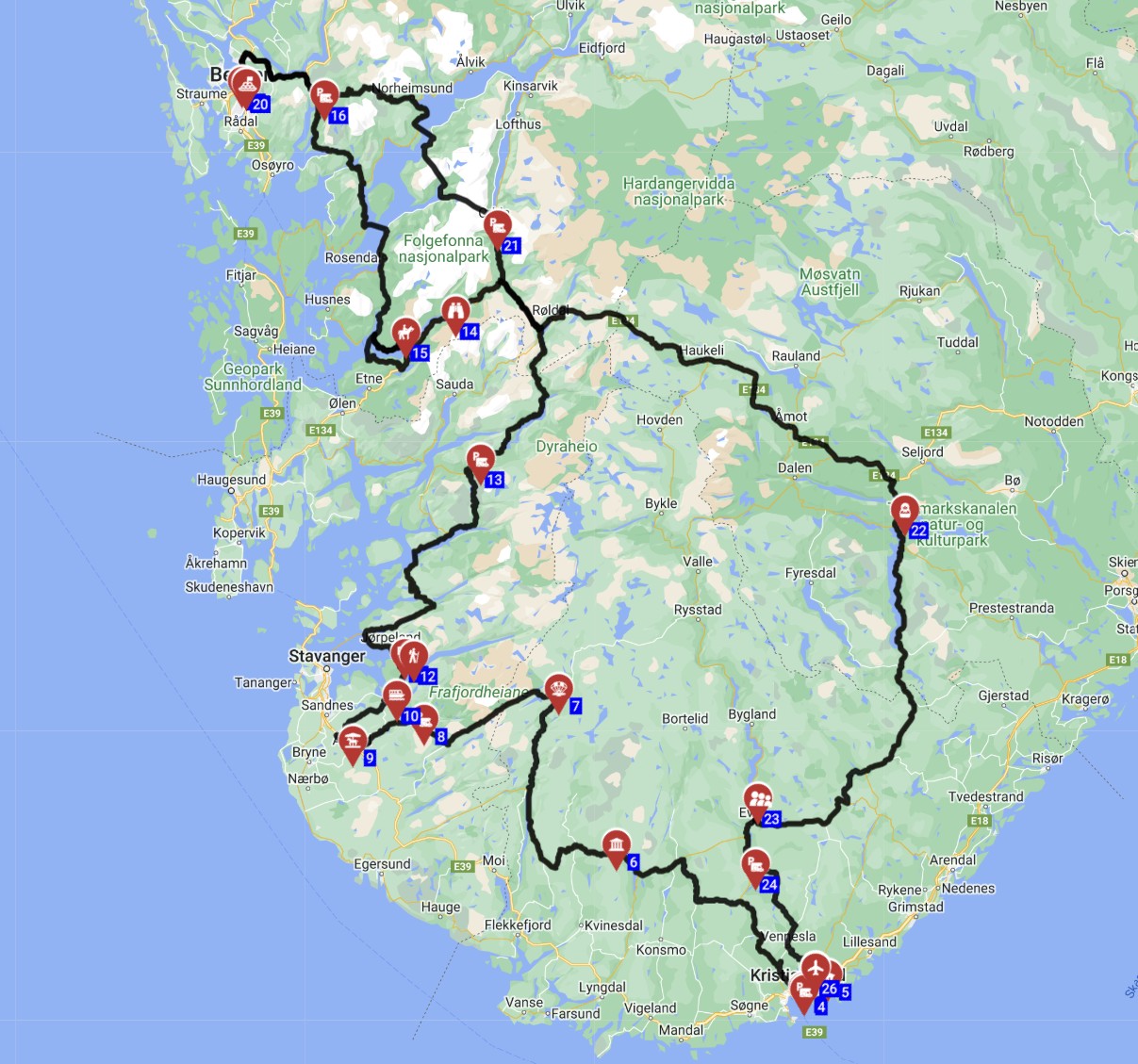
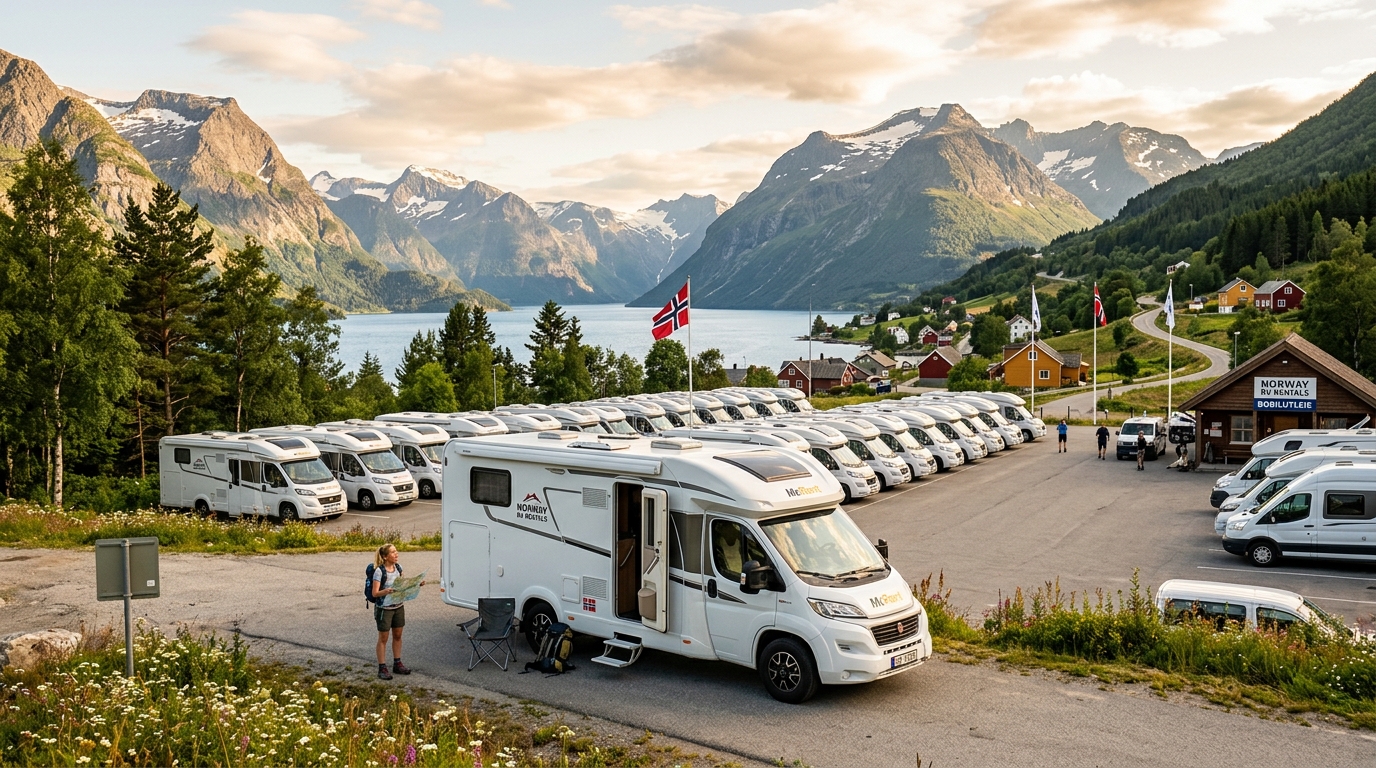
The trip imagery, here, showcases the diverse landscapes you'll encounter on this journey.
Daily Driving Distances & Drive Times in Norway
When RVing in Norway, it's wise to adopt a slower pace; a maximum of 100-150 km (about 60-90 miles) per day on average is recommended by Avi Bandana. This ensures you have ample time for sightseeing, enjoying the journey, and soaking in the stunning Norwegian scenery without feeling rushed.
Norway's roads, often winding and narrow, combined with frequent ferry crossings and numerous scenic viewpoints, mean that seemingly short distances can take considerably longer to cover than expected. For instance, the approximately 170 km (105 miles) drive from Bergen to Flåm can easily take 3-4 hours, often including a ferry, due to road conditions and posted speed limits.
Similarly, the 100 km (60 miles) route from Ålesund to Geiranger typically involves a scenic drive and a ferry crossing, taking around 2.5-3 hours of dedicated driving time. Prioritizing slow travel allows you to fully appreciate the breathtaking Norwegian landscape, pull over at designated viewpoints, and truly immerse yourself in the experience.
Best RV Class for This Itinerary — Couple & Family Picks
Choosing the right RV class can significantly enhance your Norway experience, with specific types better suited for couples versus families, balancing maneuverability with comfort. The key is to select a vehicle that aligns with your travel style and the terrain you'll encounter.
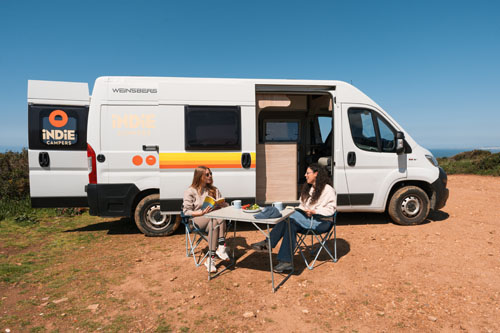
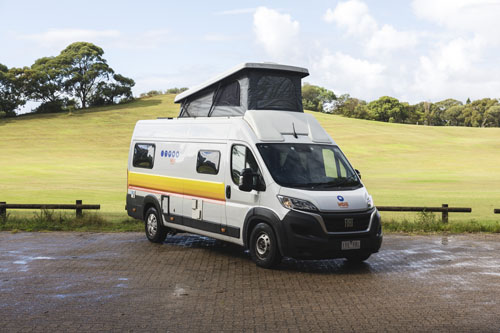
For Couples: Class B - Camper Van is an excellent choice. These vehicles, averaging around 5.8 meters in length, are ideal for navigating Norway's narrow and winding roads due to their compact size. Bandana's fleet often features Camper Vans that comfortably sleep two adults, offering sufficient living space while maintaining agility and generally consuming between 8-10 Liters/100 km.
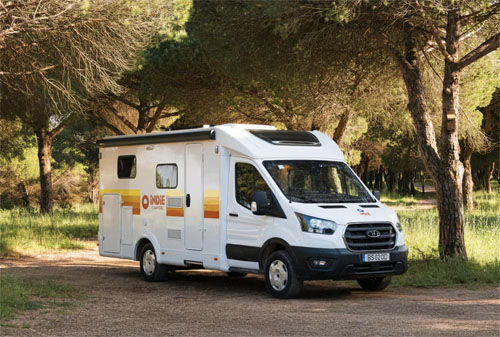
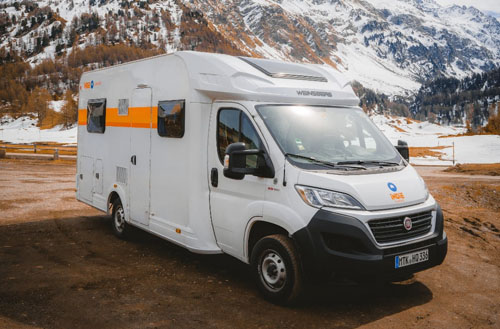
For Families: Class C - Alcove motorhomes provide the ideal balance of space and sleeping capacity, typically averaging 7.5 meters in length, suitable for families of 4-6. These vehicles offer multiple dedicated sleeping areas and more generous living space, though they are larger and consume around 10-12 Liters/100 km. Consider models like the "24' Class C Motorhome" for a medium-sized family option.
To streamline your adventure, Bandana's "Rent & Plan" service can combine your RV rental with a pre-planned itinerary crafted by travel experts, providing full access to trip-planning software and removing the planning headache.
What is Allemannsretten and how does Everyman's Right apply to RVers in Norway?
Allemannsretten, or Everyman's Right, is a traditional Norwegian right that allows access to uncultivated land for activities like walking and camping. However, for RVers, its application is nuanced and generally restricts wild camping with motorized vehicles.
While you can generally walk, hike, and pitch a tent for up to two nights in uncultivated areas (marka), this right largely excludes motorized vehicles like RVs for overnight stays. RVs are typically not permitted to park overnight in undeveloped areas unless it's a designated RV parking spot or a specific lay-by where overnight parking is explicitly allowed, which is rare outside of official campsites.
Specific Rules for RVs: It's crucial for RVers to understand that the spirit of Allemannsretten centers on respecting nature and private property. If you do find a legal spot to park your RV, the "two-night rule" for tents means you should generally move on after two nights; for RVs, using designated sites is the safest and most responsible approach. Always maintain a distance of at least 150 meters (about 500 feet) from inhabited houses or cabins, regardless of vehicle type.
Responsible Practices: This includes proper waste disposal of all trash, greywater, and blackwater at designated service points, and never sourcing drinking water directly from natural bodies. Always leave no trace, respect private property boundaries, and be mindful of local regulations and environmental protection areas.
Are there RV-specific routes in Norway considering vehicle size and ferry logistics?
Norway boasts numerous stunning scenic routes, and many are generally RV-friendly, but careful planning for vehicle size, maneuverability, and ferry logistics is crucial for an optimal experience. Major tourist routes and National Tourist Routes are typically navigable by most RVs.
However, some older mountain passes and less-traveled county roads (Fv) can be extremely narrow, steep, and winding, presenting challenges for larger vehicles. Always check for specific road restrictions regarding width, length, or height, especially for iconic roads like Trollstigen (which is seasonal and sometimes limits vehicle length) or certain mountain passes.
Ferry Logistics: Ferries are an integral part of Norwegian travel. Many operate on a "first-come, first-served" basis, but popular routes (e.g., across major fjords like Geiranger) might benefit from checking schedules or pre-booking during peak season, as larger RVs take up more space and can fill capacity quicker. It's also essential to factor in the availability of service points for fresh water, greywater disposal, and blackwater emptying; apps like Park4Night or Naf Camp are invaluable for locating these amenities.
Exploring less-traveled scenic roads can offer unique insights but may lack amenities or be more challenging for larger RVs. Always consult up-to-date road information before venturing off main roads to ensure a smooth and enjoyable journey.
What are the practical challenges of RV travel in Norway and how can I overcome them?
RV travel in Norway presents unique practical challenges, including connectivity, power management, navigation, and wildlife encounters, all of which can be effectively managed with proper preparation and the right digital tools.
Internet/Data: Staying connected in remote areas can be difficult. Consider purchasing a local SIM card from providers like Telenor or Telia upon arrival, or an eSIM for reliable data, supplementing with campsite Wi-Fi when available.
Staying Charged (Off-Grid Solutions): Relying solely on your RV's battery for extended off-grid periods can be insufficient. Ensure your RV has robust leisure batteries, consider a solar panel setup, and plan regular stops at campsites for electrical hook-ups.
Essential Apps: Utilize apps for tolls and ferries, such as the AutoPASS app for managing road tolls, and specific ferry operator apps (e.g., Fjord1, Color Line) for schedules and bookings. Park4Night or Naf Camp are invaluable for locating designated RV parking and campsites. On the routes offered through RV PLANET routes, you can itemize and track every expense along the way for easy budgeting.
Emergency Procedures: Familiarize yourself with Norway's emergency number (112 for all emergencies), carry a well-stocked first-aid kit, and know how to contact roadside assistance provided by your rental company or travel insurance. Basic Norwegian phrases like 'hello' (hei), 'thank you' (takk), and 'excuse me' (unnskyld) can greatly enhance interactions.
Dealing with Wildlife: Wildlife, including reindeer and moose, are common, especially in rural and forested areas. Drive cautiously, particularly at dawn and dusk, and maintain a respectful distance if you encounter animals.
What RV size and type is best for navigating Norway's narrow roads and ferries?
The ideal RV size and type for navigating Norway's unique terrain, including its narrow roads and numerous ferries, is typically a shorter and more agile vehicle, such as a Camper Van (Class B) or a smaller Semi-integrated motorhome.
Pros/Cons of Different RV Sizes: Smaller RVs, like Camper Vans averaging 5.8 meters in length, offer superior maneuverability on winding fjord roads, easier parking at attractions, and often lower ferry costs. Larger RVs, such as Class C Alcove motorhomes (averaging 7.5 meters) or Class A Integrated motorhomes (also around 7.5 meters), provide more living space and comfort but can be challenging on very narrow roads, with some mountain passes potentially having length restrictions, and they incur higher ferry costs.
Navigating Narrow Roads & Ferries: A compact RV reduces stress when encountering oncoming traffic on single-lane sections or reversing in tight spots, and it allows for easier access to smaller, more authentic villages and viewpoints that might otherwise be inaccessible. Regardless of size, essential gear includes leveling blocks for uneven terrain at campsites, a reliable heating system, and checking specific tire requirements (winter tires and chains are legally mandated in winter months and advisable in shoulder seasons).
Consider your water and waste capacity based on your travel style; larger tanks allow for more days off-grid, but planning for frequent service point access is crucial due to the emphasis on responsible waste disposal in Norway.
Should I rent an RV or bring my own for a trip to Norway?
The decision to rent an RV in Norway versus bringing your own involves weighing significant financial and logistical factors, including transportation costs, insurance implications, and vehicle suitability for local conditions.
Renting an RV in Norway: This option offers convenience as the vehicle will already be equipped with local specifications, such as appropriate tires for the season, and typically includes insurance suitable for Norwegian conditions. Renting also avoids the lengthy and costly process of transporting your own vehicle across international borders, including potentially high international ferry costs from mainland Europe.
Bringing Your Own RV: While offering the comfort of a familiar vehicle, this entails substantial costs for international ferries (e.g., from Germany to Norway), which can be very expensive and time-consuming. You must also ensure your personal RV insurance is valid for Norway (a Green Card is often required for non-EU/EEA vehicles) and that your vehicle meets local regulations, especially regarding winter tires if traveling outside the summer months.
Financially, compare the total cost of flights plus a local rental against the combined cost of fuel to drive to Norway, international ferry fees, and any necessary modifications or insurance top-ups for your own vehicle. Logistically, renting simplifies the process considerably, reducing concerns about foreign vehicle registration and unexpected mechanical issues far from home.
How can I practice sustainable and ethical RV travel in Norway?
Practicing sustainable and ethical RV travel in Norway is key to minimizing your environmental impact, adhering to "leave no trace" principles, and supporting local communities, thereby helping to preserve its pristine natural beauty and cultural integrity.
Minimize Environmental Impact: Strictly follow "leave no trace" principles by ensuring all trash, including food scraps, is packed out and disposed of properly in designated bins. Use eco-friendly cleaning products to avoid polluting natural water sources and be mindful of noise levels, especially near residential areas or at campsites.
"Leave No Trace" for RVers: This specifically includes emptying greywater and blackwater only at official dump stations found at campsites or designated service points—never in nature. Conserve water and electricity within your RV, and be conscious of your energy consumption.
Respect Nature and Wildlife: Maintain a respectful distance from wildlife, avoid disturbing animals or their habitats, and drive cautiously, especially in areas known for reindeer or moose. Never feed wild animals, as this can disrupt their natural behavior and health.
Responsible Parking: Adhere to local regulations regarding parking and overnight stays, utilizing official campsites or designated RV spots rather than attempting wild camping, which is generally not permitted for motorized vehicles. Always look for signage that indicates parking restrictions.
Supporting Local Communities Ethically: Boost the local economy by purchasing groceries and souvenirs from small local shops, dining at independent restaurants, and using local services (e.g., tour operators, guides). This contributes directly to the well-being of the communities you visit.
Cultural Sensitivity: Be mindful of local customs, maintain quiet hours at campsites, and always seek permission before entering private property or engaging in activities that might disrupt local life or traditions.
What You Shouldn't Miss
- Drive the Atlantic Road: This iconic scenic route (Atlanterhavsveien) offers spectacular views as it winds over bridges and islands, showcasing Norway's dramatic coastal beauty.
- Explore the Fjords of Geirangerfjord and Nærøyfjord: Cruise through these UNESCO-listed fjords, marveling at cascading waterfalls and sheer cliff faces.
- Experience the Flåm Railway: Take this breathtaking train journey through steep valleys and past powerful waterfalls, offering stunning vistas of the Norwegian landscape.
- Visit a Stave Church: Step back in time at historic wooden churches like Borgund Stave Church, marveling at their unique medieval architecture and craftsmanship.
- Hike to a Glacier: Get up close to Norway's impressive glaciers, such as Briksdal Glacier in Nordfjord, for an unforgettable natural encounter.
- Discover Ålesund's Art Nouveau Architecture: Wander through the charming streets of Ålesund, admiring its beautifully preserved Art Nouveau buildings after a historic town fire.
Final Thoughts
Embarking on an RV adventure in Norway is a journey filled with breathtaking landscapes and unparalleled freedom. From the majestic fjords to the charming coastal towns, every mile offers a new discovery.
By planning thoughtfully, choosing the right vehicle, and embracing the spirit of slow travel, you'll create memories that last a lifetime. Norway's natural beauty and unique culture await your exploration, promising an experience that's both exhilarating and profoundly connecting.
Get inspired for your next trip and discover top destinations, planning tips, all in one place! Plan a trip itinerary in advance with minimal effort and maximum enjoyment.