For live availability and current prices, start with our RV Rental Australia - Complete Guide 2026 guide.
In This Guide
- Best Australia RV Itinerary for rv rental - Overview
- 7-Day Classic Route in Australia
- 14-Day Extended Journey in Australia
- Recommended RVPlan Trip for Australia
- Must-See Stops Along the Way (Avi Bandana Picks)
- Daily Driving Distances & Drive Times in Australia
- Best RV Class for This Itinerary - Couple & Family Picks
- What is the most beautiful road trip in Australia?
- Can you park an RV anywhere in Australia?
- What is the best RV in Australia?
- How long does it take to travel around Australia in a campervan?
- What is the 333 rule for campervan?
- What not to do in Australia as an American?
- How long does it take to campervan around Australia?
- What are the top 3 tourist attractions in Australia?
- How many days are enough for an Australia trip?
- What is the best month to go to Australia?
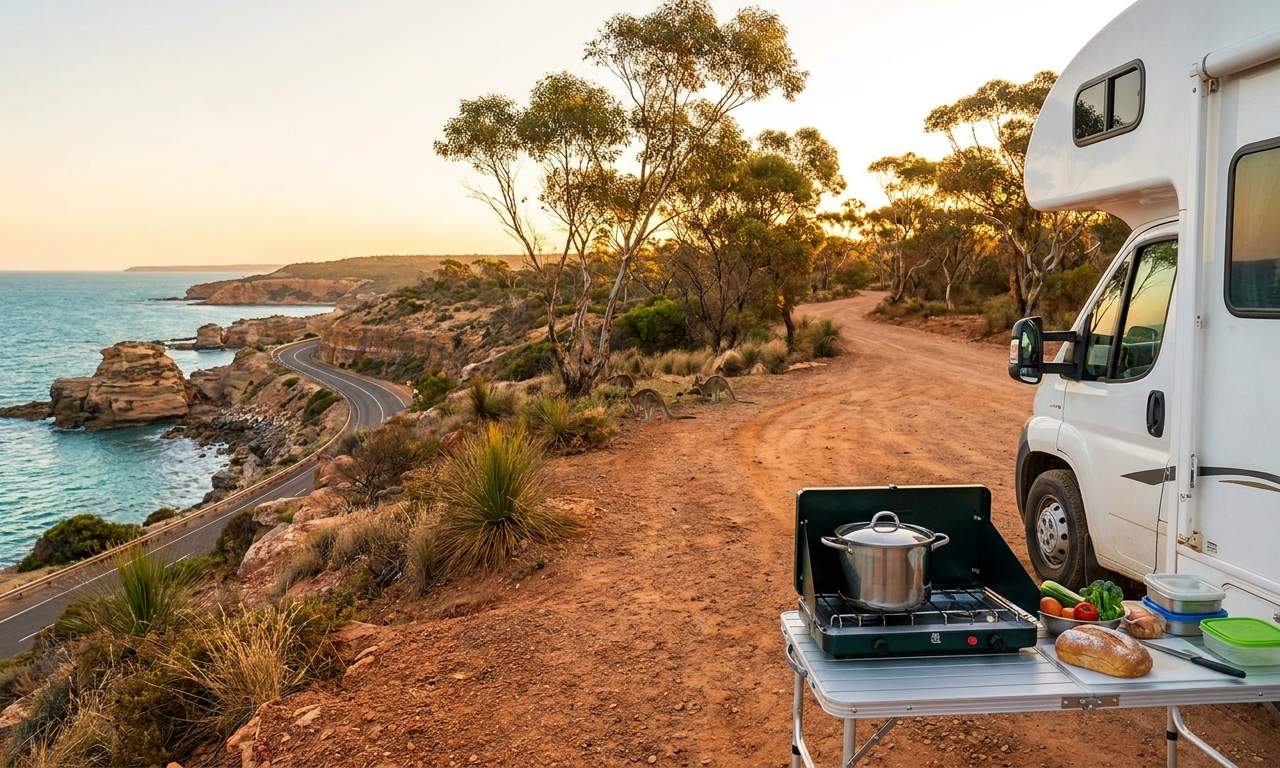
Australia, a land of breathtaking contrasts, is an extraordinary destination for a motorhome adventure. From vibrant cities to ancient deserts, pristine beaches to lush rainforests, exploring this vast continent in a rented RV offers unparalleled freedom and flexibility. Imagine waking up to the sound of crashing waves on a secluded beach, or sipping your morning coffee with kangaroos grazing nearby – that's the magic of an Australian RV trip. For live availability and current prices, start with our RV Rental Australia - Complete Guide 2024 guide.
At Bandana Caravan, we've spent over 20 years helping tens of thousands of travelers discover the joy of RV travel across 50+ countries. We understand what it takes to plan an unforgettable journey, and we're here to provide you with honest, transparent, and authoritative advice, ensuring no hidden fees or surprises along the way. Our commitment is to be with you before, during, and after your booking, offering 24/7 support from real people who are true RV specialists.
Best Australia RV Itinerary for rv rental - Overview
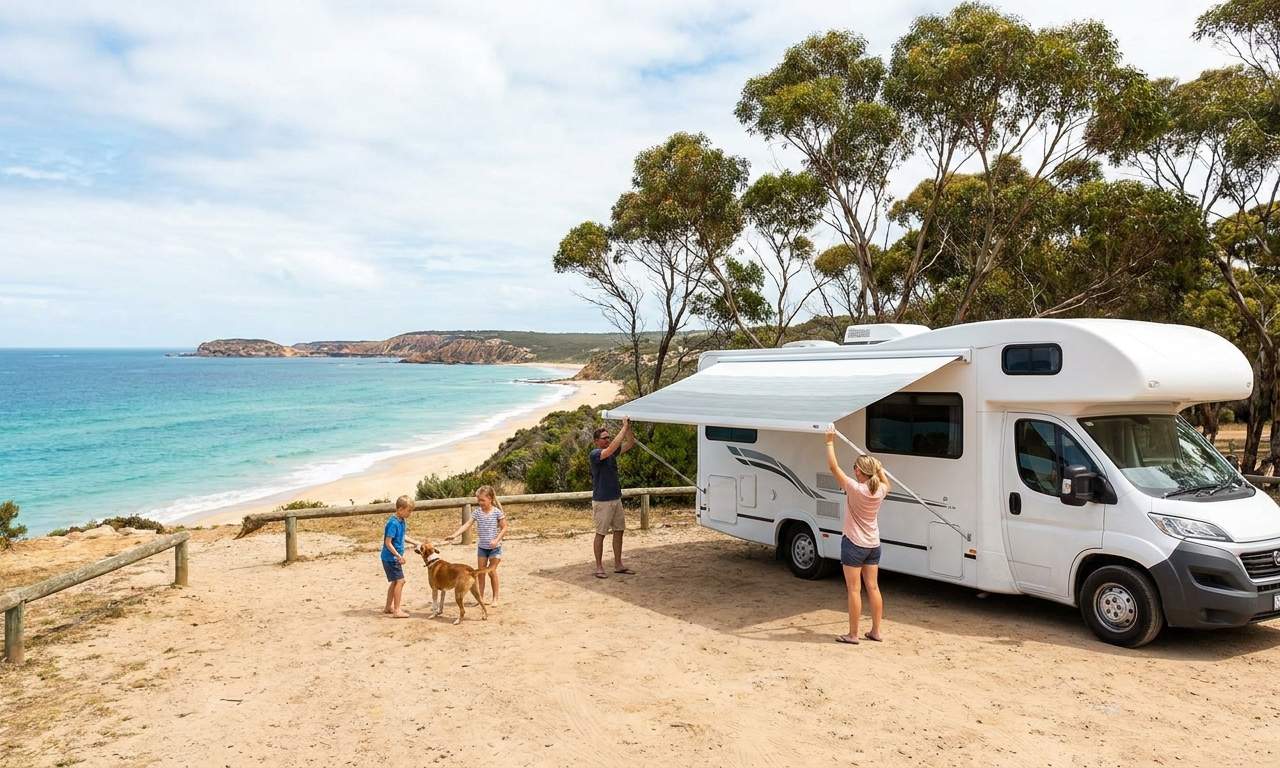
A classic Australian RV adventure often spans 7 to 14 days, perfectly balancing travel with immersive experiences. A typical 7-day trip might cover approximately 700-1050 km, while a 14-day journey could extend to 1400-2100 km, allowing you to truly savor each destination. For those looking for excellent savings, exploring the "RV Rental Deals in Australia - Latest Offers 2026" can provide fantastic opportunities.
The ideal season for an Australian RV trip varies significantly by region, with spring (September-November) and autumn (March-May) generally offering pleasant weather across many areas, especially the southern states like Victoria and New South Wales. This article provides detailed itineraries, guidance on choosing the right vehicle, and essential tips for planning your unforgettable Australian RV experience, ensuring you're well-prepared for diverse conditions, from sun exposure in the Outback to varied wildlife encounters on coastal roads.
We believe in slow travel, recommending a maximum of 100-150 km per day on average. This pace allows you to genuinely feel the place, connect to the local culture, savor the food, and appreciate the stunning scenery, without feeling rushed. You can cook delicious meals on board with fresh ingredients from local markets, and if you're looking for inspiration, our RV-friendly recipes playlist offers great ideas.
7-Day Classic Route in Australia
The iconic Great Ocean Road in Victoria is a spectacular choice for a week-long RV journey, offering dramatic coastal cliffs and charming seaside towns. Here is a possible 7-day itinerary starting and ending in Melbourne:
- Day 1: Melbourne to Apollo Bay (approx. 185 km / 115 mi) – Begin your adventure on the iconic Great Ocean Road, stopping at the famous Bells Beach. Sleep at Apollo Bay Holiday Park, a popular RV-friendly campground with ocean views.
- Day 2: Apollo Bay to Port Campbell (approx. 95 km / 60 mi) – Explore the ancient rainforests of Otway National Park before reaching the majestic 12 Apostles. Sleep at Port Campbell Recreation Reserve, perfectly located near the rock formations.
- Day 3: Port Campbell to Halls Gap (approx. 180 km / 112 mi) – Head inland to the rugged beauty of the Grampians National Park for stunning hikes and Aboriginal art sites. Halls Gap Lakeside Tourist Park offers excellent facilities.
- Day 4: Halls Gap to Ballarat (approx. 100 km / 62 mi) – Immerse yourself in Australia's gold rush history at Sovereign Hill, a living museum. BIG4 Ballarat Goldfields Holiday Park provides a comfortable overnight stop.
- Day 5: Ballarat to Mornington Peninsula (approx. 150 km / 93 mi) – Enjoy scenic coastal drives, explore world-class wineries, and relax at natural hot springs. Find a welcoming Mornington Peninsula caravan park for the night.
- Day 6: Mornington Peninsula to Phillip Island (approx. 65 km / 40 mi) – Witness the enchanting Penguin Parade as little penguins return to shore at sunset. Phillip Island Caravan Park is an ideal place to stay.
- Day 7: Phillip Island to Melbourne (approx. 140 km / 87 mi) – Return to Melbourne to drop off your rented motorhome, allowing time to enjoy city sights or prepare for your next adventure.
Remember, this is a flexible plan; feel free to linger longer in places that capture your imagination. Drive slowly and carefully, and you can drive almost anywhere without issues. No need to stress - just use common sense and pay attention.
14-Day Extended Journey in Australia
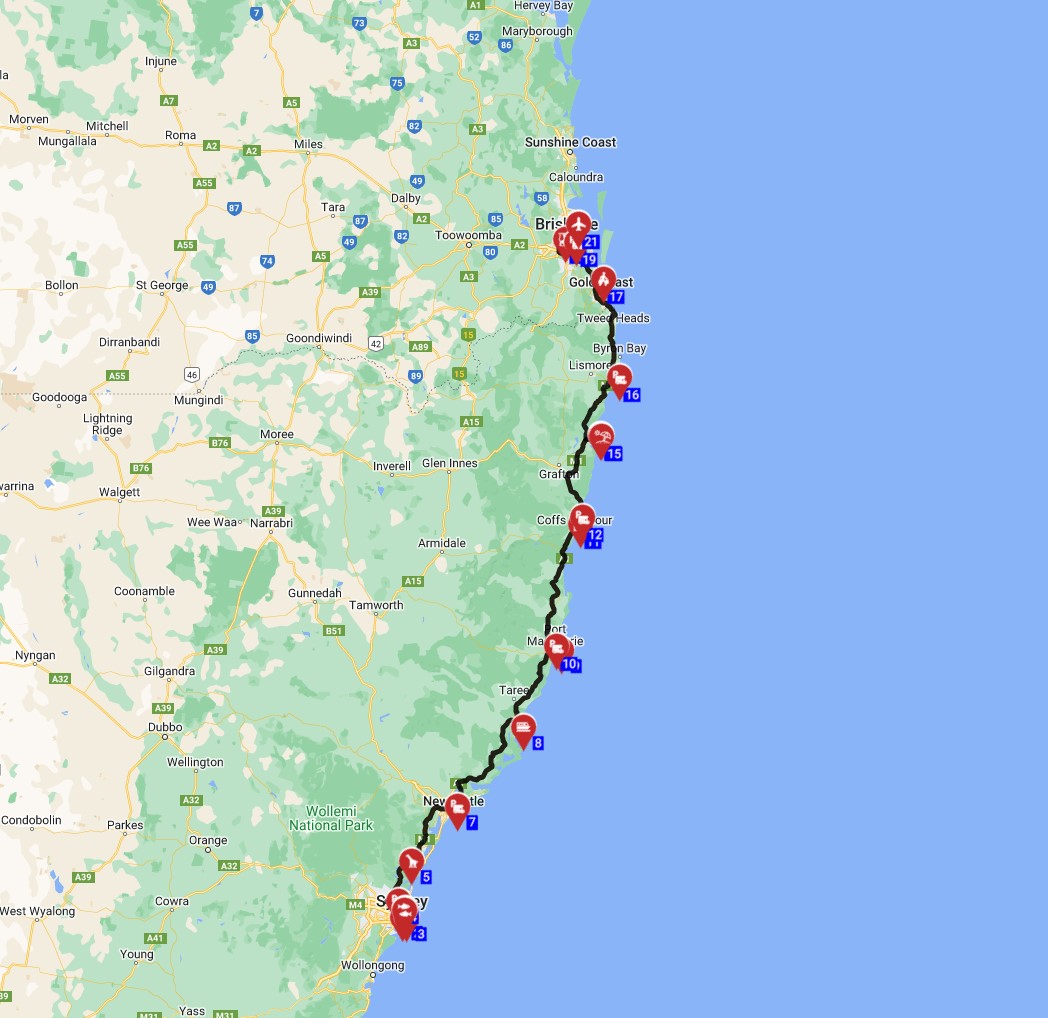
For those with more time, a two-week RV journey along Australia's East Coast offers a deeper dive into diverse landscapes and vibrant communities. This itinerary is just one example of the incredible journeys you can plan for your RV rental in Australia.
- Days 1-3: Sydney to Port Stephens (approx. 160 km / 100 mi) – Start your adventure in Sydney, perhaps with a day trip to the stunning Blue Mountains, then head north to Port Stephens. Enjoy dolphin watching cruises and explore the vast sand dunes. National Park campgrounds or local caravan parks offer great overnight options.
- Days 4-6: Port Stephens to Coffs Harbour (approx. 250 km / 155 mi over two days) – Take a leisurely scenic drive along the coast, stopping at charming towns like Forster-Tuncurry. Enjoy the beautiful beaches and visit the iconic Big Banana at Coffs Harbour. Coastal holiday parks are plentiful for overnight stays.
- Days 7-9: Coffs Harbour to Byron Bay & Gold Coast (approx. 300 km / 186 mi over three days) – Continue north to the vibrant surf town of Byron Bay, exploring its famous lighthouse and relaxed atmosphere. Cross into Queensland to experience the Gold Coast's theme parks and pristine beaches. You'll find many caravan parks along this popular route.
- Days 10-12: Gold Coast to Sunshine Coast & Fraser Coast (approx. 300 km / 186 mi over three days) – Journey further north to the serene Sunshine Coast, known for its stunning beaches and national parks. Then, head to the Fraser Coast, the gateway to Fraser Island. While Fraser Island typically requires a 4WD vehicle or guided tour, you can still enjoy the surrounding area from campgrounds in Noosa or Hervey Bay.
- Days 13-14: Fraser Coast to Brisbane (approx. 280 km / 174 mi) – Enjoy a final scenic drive south to Brisbane, explore the city's South Bank cultural precinct, and prepare for your rented RV return. Brisbane caravan parks on the outskirts offer convenient locations.
This itinerary gives you a taste of the East Coast, but remember that Australia is immense, and even a month-long trip would barely scratch the surface. Longer journeys can be planned; for instance, exploring options like "Long-Term RV Rental in Australia - Monthly Rates 2026" might be suitable for an extended stay.
Recommended RVPlan Trip for Australia
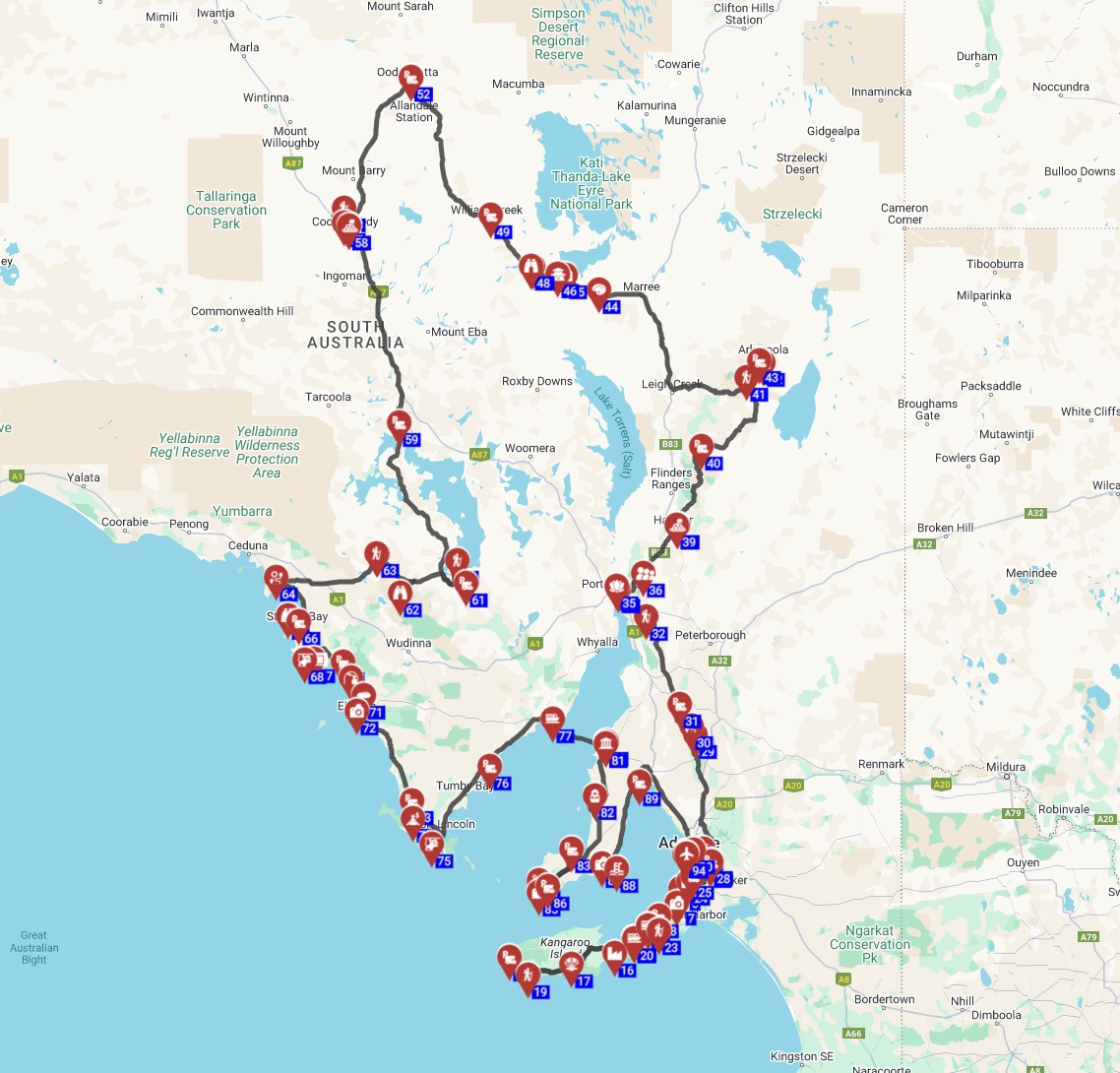
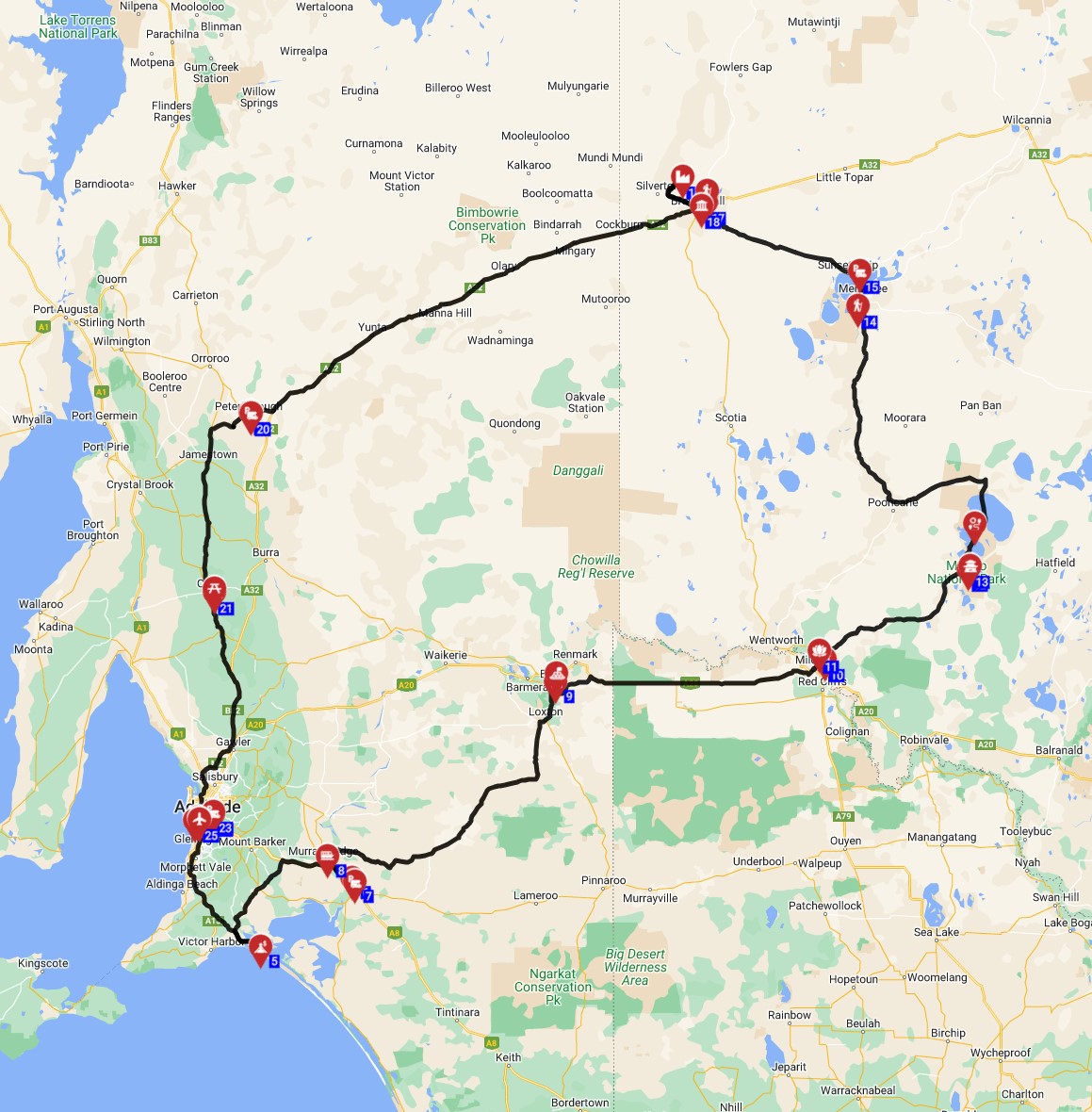
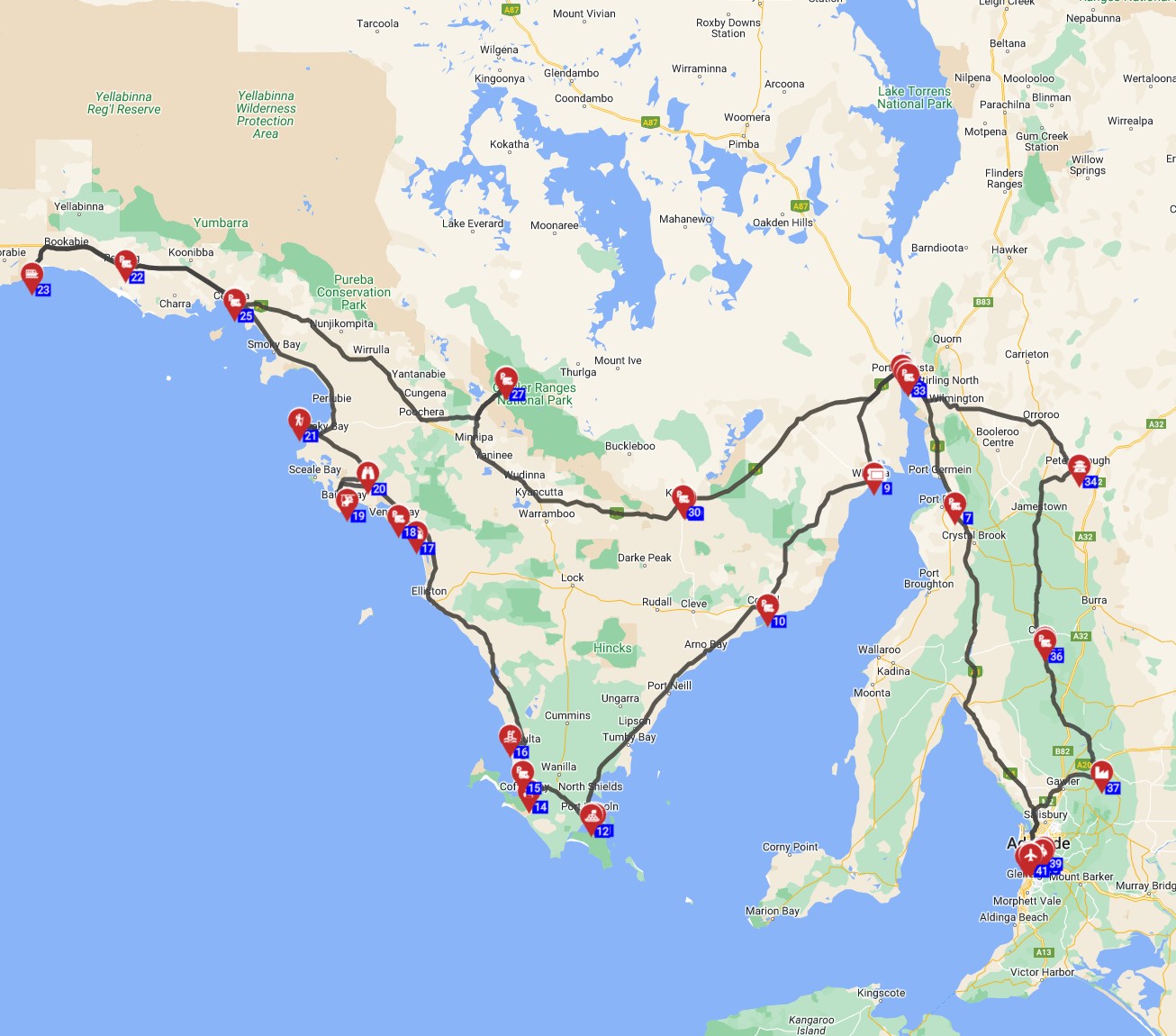
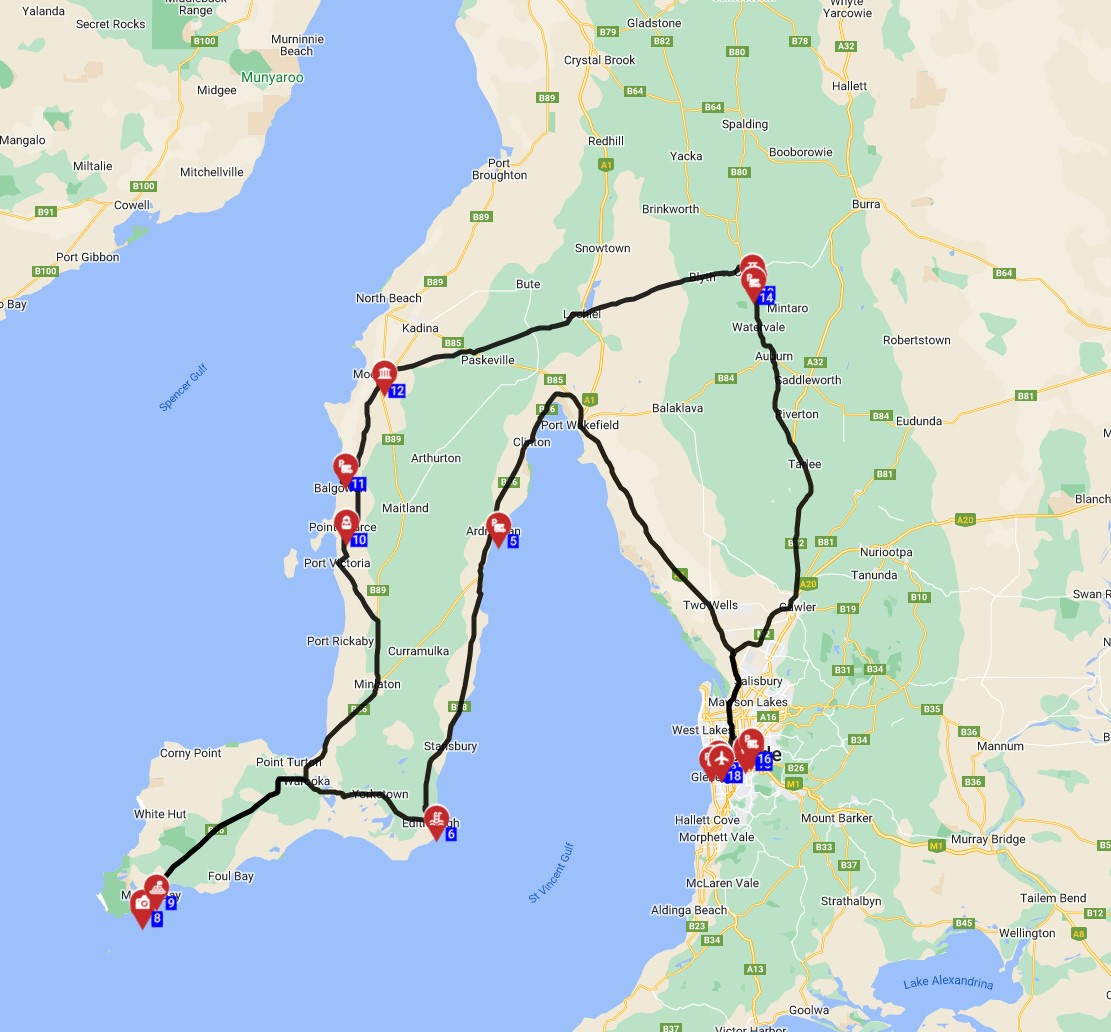
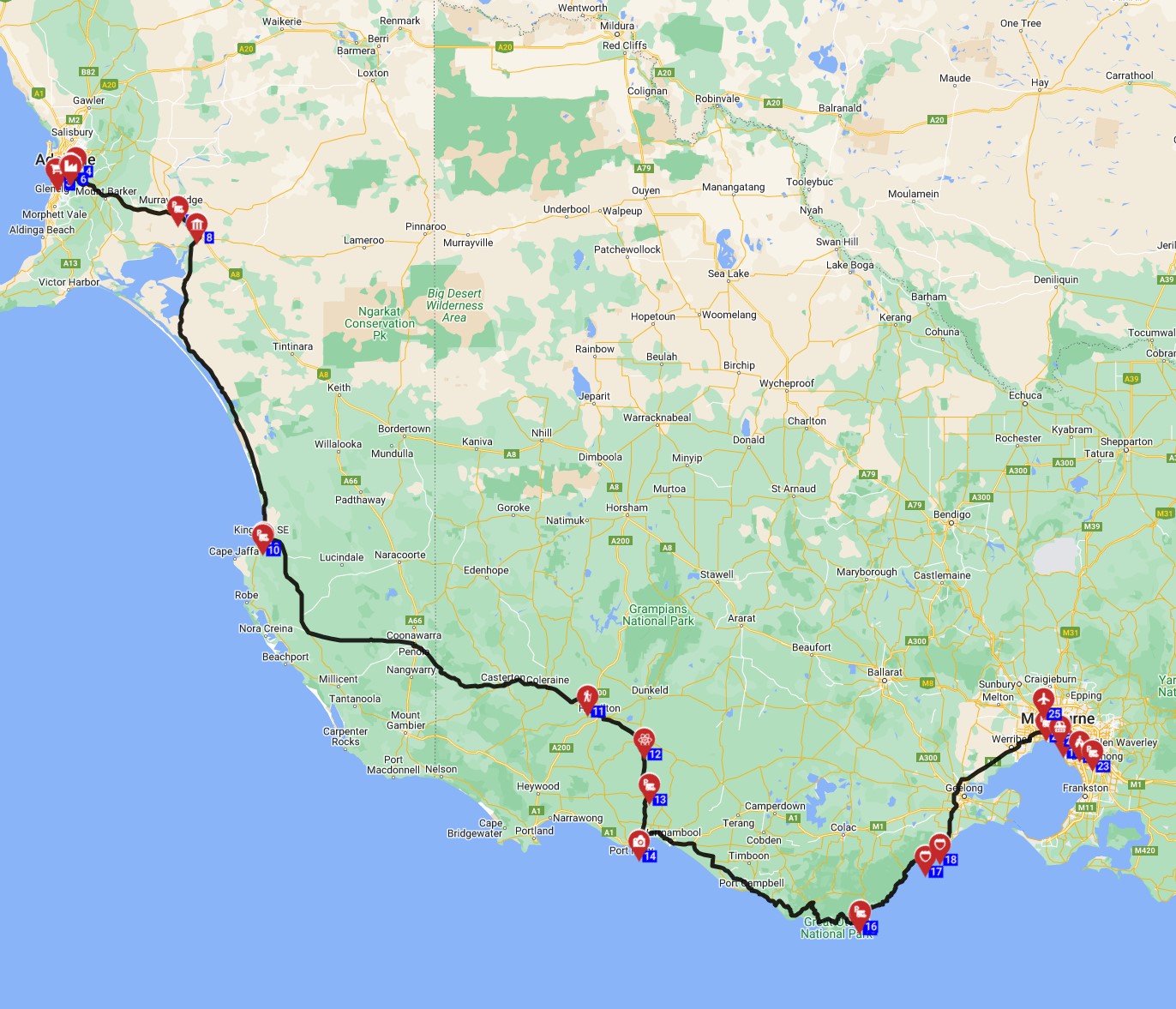
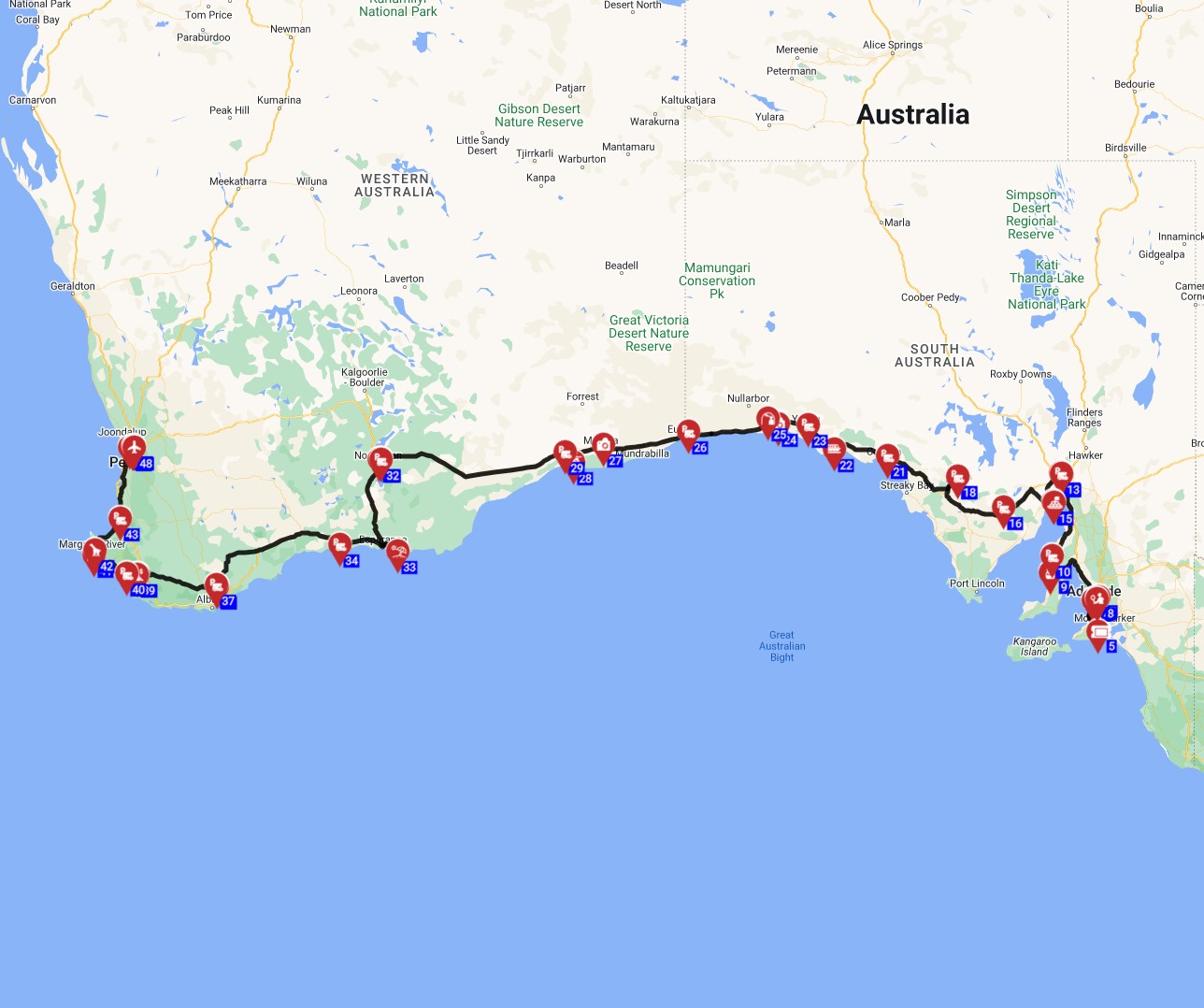
For those seeking an epic, comprehensive Australian adventure, the RVPlan trip '

This meticulously planned itinerary is ideal for travelers who want to experience Australia's diverse landscapes, from ancient Aboriginal sites to bustling cityscapes, with the convenience of a pre-arranged itinerary. On RV PLANET routes, travelers can itemize and track every expense along the way for easy budgeting, covering everything from fuel and campground fees to tolls and groceries. Our 'Rent&Plan' service simplifies your trip by combining your RV rental with a ready-made itinerary crafted by travel experts, offering full access to trip-planning software to remove any planning headaches. On the routes offered through RV PLANET routes, you can itemize and track every expense along the way for easy budgeting.
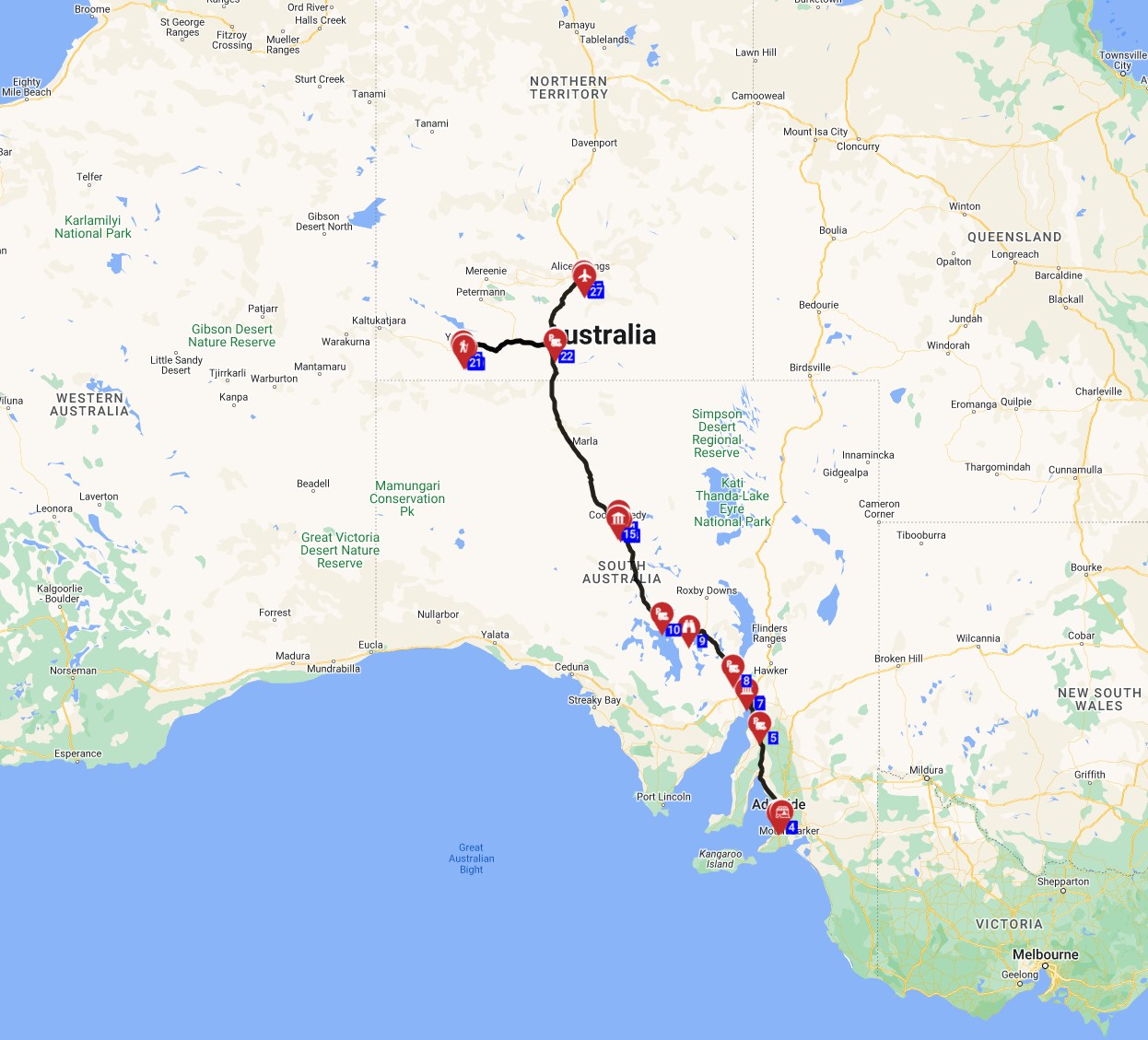
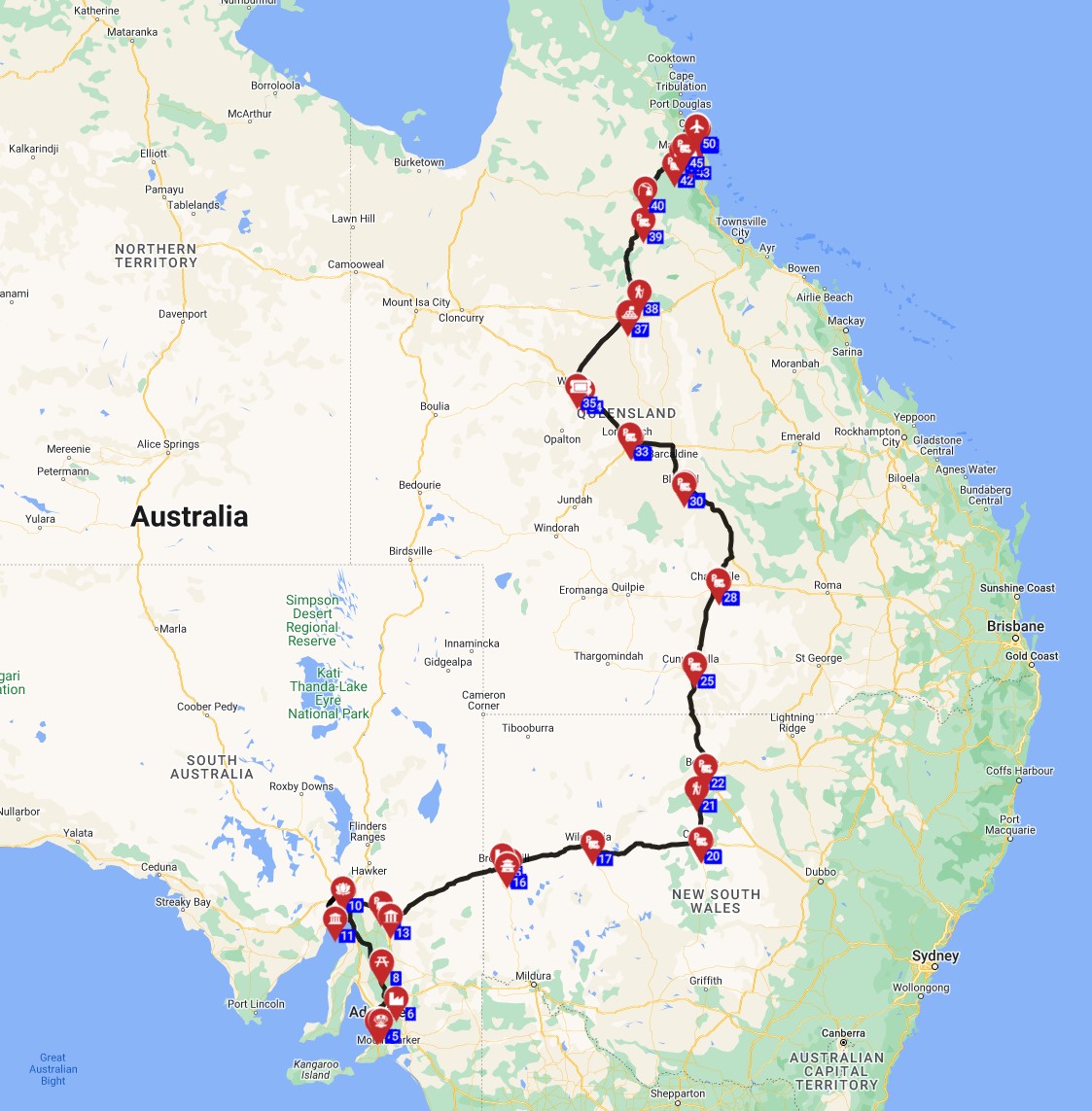
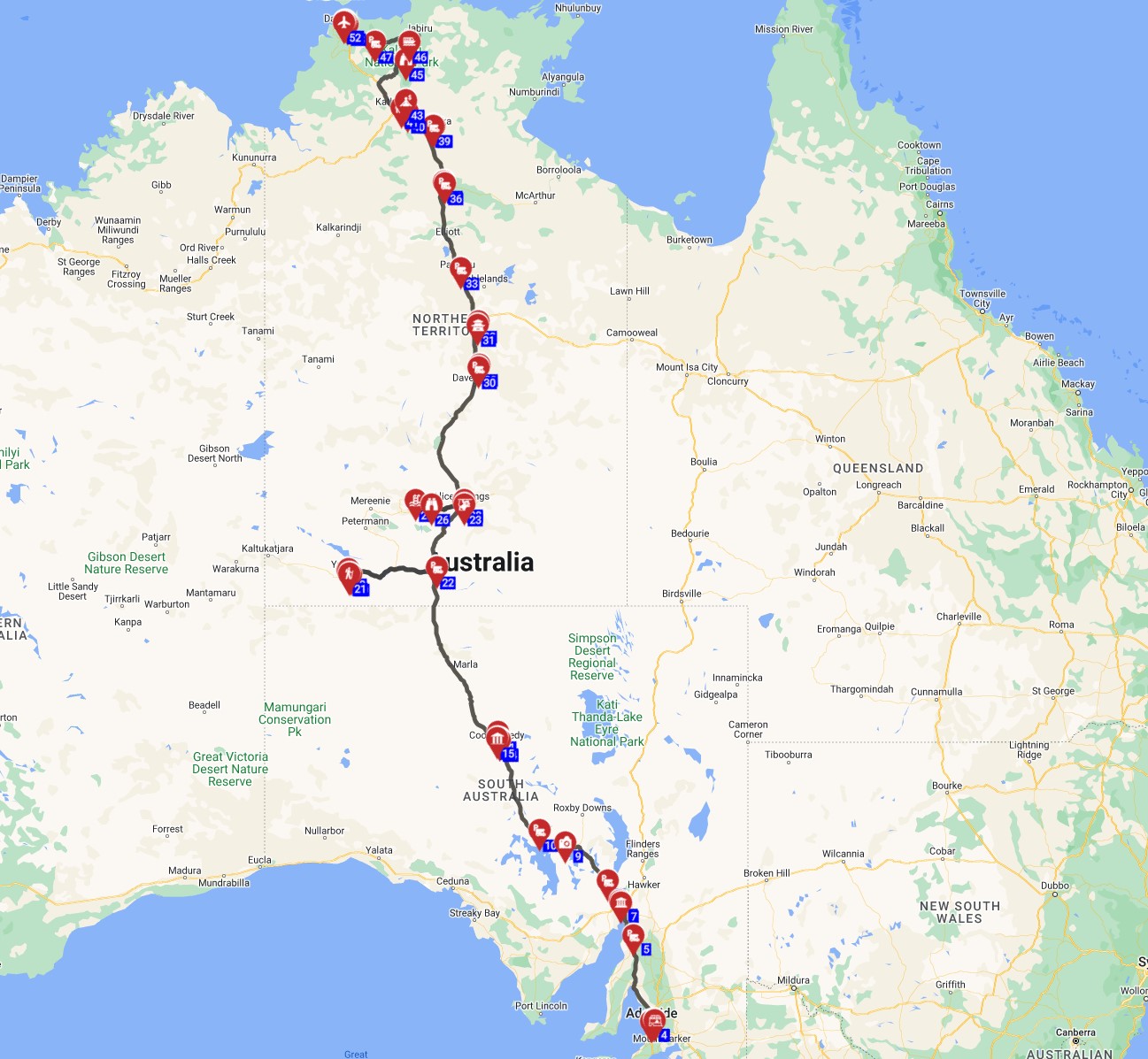
Other fantastic RV PLANET itineraries to consider for extended exploration include the 'Melbourne to Darwin - Australia’s Heartline Road Trip' (26 days, 5622.8 km), which delves into the country's interior, and the 'Perth to Alice Springs - The Dreamtime Highway: A Journey Through Australia's Heart' (21 days, 5447.3 km), showcasing Western Australia and the Red Centre. For those exploring the tropical north, the 'Cairns to Alice Springs - Northern Horizons: A Journey Through Australia's Heartland' (17 days, 4003.6 km) offers a captivating route.
Must-See Stops Along the Way (Avi Bandana Picks)
Australia is full of incredible places, and as a true RV specialist, I've had the pleasure of experiencing many of them. Looking for expert insights from Avi Bandana? Top 5 Adventures - recommendations from Avi Bandana.
- For traditional visits, immerse yourself in Indigenous heritage at sites like the Warradjan Aboriginal Cultural Centre in Kakadu National Park, offering deep insights into ancient cultures.
- In the vast Outback, explore local history at the Australian Stockman’s Hall of Fame & Outback Heritage Centre in Longreach, Queensland, celebrating the pioneers of the bush.
- Savor authentic Australian flavors at traditional restaurants; always look for local establishments that offer fresh seafood along the coasts or bush tucker-inspired dishes inland. These culinary experiences are part of truly connecting with the place.
- Seek out a traditional market to experience local life, pick up fresh produce, and discover artisanal crafts. You'll often find vibrant markets in larger towns like those along the East Coast, including Sydney, Brisbane, and Melbourne.
- Explore unique local industries such as the Macadamia Castle near Byron Bay, offering both insights into regional produce and family-friendly activities, or dive into Australia’s prehistoric past at the Riversleigh Fossil Centre in Queensland, a UNESCO World Heritage site.
These picks offer a blend of natural beauty, cultural immersion, and unique Australian experiences that truly make an RV journey memorable. For more detailed insights, you might enjoy reading our "RV Travel Guide to Australia - Tips and Top Spots 2026" as well.
Daily Driving Distances & Drive Times in Australia
Avi Bandana recommends a maximum of 100 miles or 150 km per day on average when driving a rented RV in Australia, to truly enjoy the vast Australian landscape and avoid driver fatigue. Adhering to this relaxed pace allows ample time for sightseeing, spontaneous stops, and relaxation, rather than rushing through vast distances.
For example, driving from Melbourne to Apollo Bay on the Great Ocean Road is approximately 185 km, taking around 3 hours, which is a comfortable first day's drive. A leg from Cairns to Port Douglas is roughly 70 km, about an hour's drive, leaving significant time to explore the Daintree Rainforest. Always factor in extra time for fuel stops, rest breaks, photo opportunities, and potential wildlife encounters, especially on rural roads. Drive slowly and carefully, and you can drive almost anywhere without issues. No need to stress - just use common sense and pay attention.
It's important to remember that Australia drives on the left side of the road, and seatbelts are mandatory for all passengers. Speed limits are typically 50 km/h in urban areas, 100-110 km/h on major highways, and can vary on unsealed roads. Always observe road signs. Be especially aware of road trains in the Outback, which can be up to 53.5 meters (175 feet) long. When encountering one, pull over completely if safe to do so, or give them plenty of space when passing. Wildlife, especially kangaroos and emus, are more active at dawn and dusk, so planning your driving to avoid these times in rural areas enhances safety.
Best RV Class for This Itinerary - Couple & Family Picks
Selecting the right RV class significantly enhances your Australian road trip, with Bandana's fleet offering diverse options from leading suppliers like Apollo and Britz. For a couple, the Class B - Camper Van is an excellent choice, offering an average length of 5.8 meters and comfortably sleeping 2-3 individuals, with features such as front air conditioning, a shower, and a toilet. These compact campervans are agile for city driving and accessing more remote campsites, typically consuming around 8-10 Liters/100 km, making them quite fuel-efficient for extended adventures.
For families, the Class C - Alcove RV provides ample space and comfort, with an average length of 7.5 meters, offering sleeping space for 4-6 individuals and accommodating around 4-5 adults. This class, like the '24' Class C Motorhome' (approximately 7.46m length, sleeping 5) from our partners, is ideal for longer journeys with children, providing separate sleeping areas, often a private bathroom, and better storage. Fuel consumption for these larger motorhomes typically ranges around 10-12 Liters/100 km. You can also upgrade to a top-level deductible for extra peace of mind, ensuring your family adventure is worry-free.
For remote or off-road adventures, such as venturing into the Red Centre, a 4WD camper or truck camper like our '4x4 Camper B - TYR' (average 5.5m length) may be necessary. These specialized vehicles offer enhanced robustness and often come equipped with specific amenities suitable for unsealed roads and more challenging conditions, but are typically smaller, ideal for couples or small families of 2-4.
What is the most beautiful road trip in Australia?
While beauty is subjective, the Great Ocean Road in Victoria is consistently ranked among Australia's most stunning road trips, famous for its dramatic coastal cliffs, lush rainforests, and iconic rock formations like the Twelve Apostles. This route offers a perfect blend of natural wonders and charming towns, making it ideal for a week-long rented motorhome adventure.
Other top contenders for the most beautiful RV itineraries in Australia include the Red Centre Way in the Northern Territory, offering breathtaking Outback landscapes and profound views of Uluru and Kata Tjuta. The Savannah Way, stretching from Cairns to Broome, showcases diverse terrain from tropical rainforests to rugged outback, embodying an adventurous spirit for an extended journey. Australia's diverse topography means there are beautiful routes for every taste, from the rugged Kimberley region to the lush coastal drives of Queensland and New South Wales, each offering unique experiences for your rented campervan.
Can you park an RV anywhere in Australia?
No, you cannot park a rented RV just anywhere in Australia; regulations vary significantly by state, territory, and local council, with designated campgrounds and caravan parks being the most reliable options. Always check local council rules regarding overnight parking, especially for free camping, as some areas strictly prohibit it to manage environmental impact and ensure safety. National parks, like those along the Great Ocean Road or in the Grampians, typically require permits and often have designated campsites that must be booked in advance, particularly during peak seasons; strict rules apply to protect natural habitats.
When traveling in remote areas, such as the Outback, understand that designated rest stops may allow overnight parking, but always prioritize safety, inform others of your route, and be equipped for emergency preparedness, including sufficient water, fuel, and supplies to handle sun exposure and potential wildlife encounters. Mobile phone coverage is limited in many remote parts of Australia, making satellite phones or UHF radios crucial for communication during emergencies, a key consideration often overlooked by travelers. For finding campsites and campgrounds during your trip, we recommend using RV PLANET (rvplan.net) - a great resource for locating available spots along your route.
Always respect cultural etiquette, especially when near Indigenous lands. Accessing or even transiting through these areas often requires special permits, sometimes needing weeks to process. This crucial planning step highlights the importance of respecting local communities and their heritage. Regarding pets, rules vary by national park and campground, so always check in advance for pet-friendly options.
What is the best RV in Australia?
The 'best' RV in Australia depends entirely on your specific travel needs, group size, itinerary, and desired comfort level, with Bandana Caravan offering options ranging from compact campervans to spacious motorhomes. For couples or solo travelers prioritizing maneuverability and fuel efficiency on sealed roads, a Class B - Camper Van (averaging 5.8m length, like the `rv rental denver example Category Van`) is often ideal, easily navigating both city streets and scenic routes.
Families or groups needing more space and amenities for longer trips may find Class C - Alcove motorhomes (averaging 7.5m length, accommodating around 4-6 adults, such as the `24' Class C Motorhome`) or Class SI - Semi-integrated RVs (averaging 6.9m length, sleeping 3-4 adults) more suitable. These vehicles offer more living space, larger kitchens, and private bathrooms. For remote or off-road adventures, a 4WD camper or truck camper (like Bandana's Class TC - Truck Camper, avg. 5.5m length) may be necessary, especially for destinations like the Kimberley or certain national park tracks, requiring specific amenities for robust conditions and varied terrains.
Consider factors like kitchen facilities, bathroom size, storage capacity (e.g., the `cruise america rv rental example Explorer` has an 82 Liter fresh and waste water tank, and a 75 Liter fuel tank), and whether you need self-contained capabilities for free camping when evaluating what constitutes the 'best' rental motorhome for your unique trip.
How long does it take to travel around Australia in a campervan?
To travel around the perimeter of mainland Australia in a campervan, often called 'doing the big lap,' typically requires a minimum of three to six months to truly experience the diverse regions without rushing. A common circumnavigation covers approximately 15,000 to 20,000 kilometers, and attempting it in less than three months often results in spending most days driving, missing out on deeper exploration of national parks, coastal towns, and unique Outback experiences.
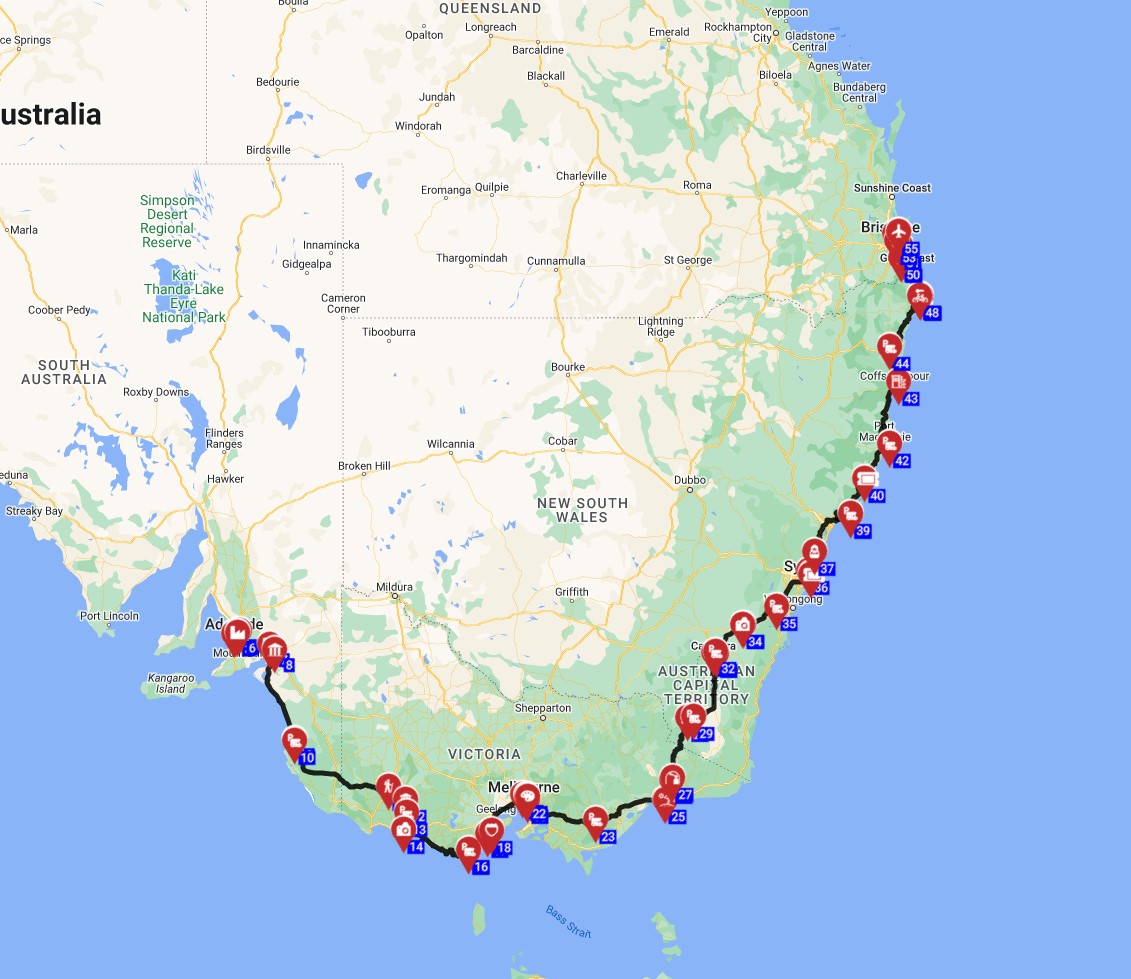
Many travelers allocate an entire year to 'do the big lap' to fully immerse themselves in each region, accounting for seasonal weather changes and allowing for extended stays in favorite locations. For shorter trips focused on a specific region, such as the East Coast or a journey through the Red Centre, a 2-4 week itinerary is more feasible, covering distances like the 7393 km 'Broome to Sydney' RVPlan trip over 31 days. This allows for a more relaxed pace, averaging 100-150 km of driving per day, as recommended by Bandana for a truly enjoyable rental RV experience.
What is the 333 rule for campervan?
The '333 rule' for campervan travel is a popular guideline encouraging safe and enjoyable road trips, advocating for driving no more than 300 kilometers per day, stopping every 3 hours, and staying at least 3 nights in each location. This rule is particularly relevant in Australia due to its vast distances and diverse environments.
- Drive no more than 300 km (or 186 miles) per day: This promotes a relaxed pace, reduces driver fatigue, and allows for more spontaneous stops and exploration along the route, closely aligning with Avi Bandana's recommendation of 100 miles/150 km per day average.
- Stop every 3 hours: Regular breaks are crucial for driver alertness and passenger comfort, preventing fatigue, which is especially important on Australia's long, straight roads, where monotony can set in.
- Stay at least 3 nights in each location: This encourages deeper immersion in an area, allowing travelers to explore local attractions, relax, and truly experience the destination rather than just passing through. This approach helps in connecting with the culture, the food, and the scenery, as Bandana always advocates.
What not to do in Australia as an American?
When visiting Australia in a rented RV, Americans and other international travelers should avoid common pitfalls such as underestimating the vastness of the country, disrespecting local wildlife, or ignoring critical safety advice. Firstly, do not assume drive times are similar to the US; Australia's distances are immense, and road conditions can change rapidly, particularly in remote areas with unsealed roads, road trains, and diverse wildlife hazards. Driving on the left side of the road will also be a new experience for many, so take it slow and be extra cautious.
Secondly, disregard wildlife safety at your peril: never feed wild animals (especially kangaroos, dingos, or crocodiles) and always observe them from a safe distance. Be particularly cautious of crocodiles in northern waters and snakes in all regions, and always follow local warnings. Thirdly, do not underestimate the Australian sun; always 'slip, slop, slap' (slip on a shirt, slop on sunscreen, slap on a hat) to prevent severe sunburn and heatstroke, which are serious risks.
Furthermore, avoid venturing into remote areas without proper preparation, including sufficient water, fuel, emergency supplies, and a robust communication strategy, such as a satellite phone, as mobile coverage is limited. Inform someone of your itinerary and expected return time. Finally, be mindful of Indigenous culture and customs; obtain permits for Indigenous land access where required, and respect sacred sites. Always follow local advice on swimming safety at beaches and in undesignated areas (especially in the north where stingers and crocodiles are present).
How long does it take to campervan around Australia?
To campervan around Australia, completing 'the big lap,' typically requires a significant time commitment, with most travelers recommending at least three to six months to adequately experience the continent's diverse regions. This extensive journey, covering approximately 15,000 to 20,000 kilometers, simply cannot be rushed if you truly want to immerse yourself in the culture and scenery. Many RVers plan for up to a year to allow for in-depth exploration and to account for seasonal variations across different parts of the country.
For time-constrained travelers, shorter regional trips are much more feasible. For instance, exploring the East Coast from Sydney to Cairns or Western Australia's South West region can be comfortably done within two to four weeks, adhering to our recommended daily driving limits of 100-150 km. It is crucial to factor in seasonal and regional breakdowns, as weather patterns, potential road closures (especially in the 'Wet Season' in Northern Australia from November to April), and unique regional challenges can significantly impact travel times and accessibility for your rented RV.
What are the top 3 tourist attractions in Australia?
Australia boasts numerous world-renowned attractions, but the top three most iconic and frequently visited include the Sydney Opera House, Uluru-Kata Tjuta National Park, and the Great Barrier Reef. These landmarks consistently draw millions of visitors each year, showcasing Australia's diverse appeal.
- Sydney Opera House: This architectural masterpiece and UNESCO World Heritage site is a global icon, instantly recognizable. Visitors can take guided tours, attend world-class performances, or simply admire its stunning design against the backdrop of Sydney Harbour.
- Uluru-Kata Tjuta National Park: Located in Australia's Red Centre, this sacred Aboriginal site features the massive sandstone monolith of Uluru (Ayers Rock) and the domed rock formations of Kata Tjuta (The Olgas). It offers profound cultural and natural experiences, with spectacular sunrise and sunset viewing opportunities.
- Great Barrier Reef: The world's largest coral reef system, stretching over 2,300 km off the coast of Queensland, is a vibrant underwater wonderland. It is perfect for snorkeling, diving, and boat tours, allowing visitors to discover an incredible array of marine life.
Beyond these, other major attractions include the beautiful beaches of Bondi and Whitehaven, the ancient Daintree Rainforest in Far North Queensland, and the unique wildlife of Kangaroo Island in South Australia.
How many days are enough for an Australia trip?
The ideal duration for an Australia trip highly depends on the scope of your travel, with a minimum of 7-10 days needed to explore a single major region effectively, and 2-4 weeks recommended for a more comprehensive regional experience. For example, a week is sufficient for a focused Great Ocean Road RV trip or exploring Sydney and its surrounds, allowing for a relaxed pace of 100-150 km per day. Our detailed itineraries, such as the 7-day Classic Route, demonstrate how much you can enjoy within a week in one specific area.
A 14-day itinerary, like our Extended Journey from
What is the best month to go to Australia?
The best month to visit Australia depends entirely on which region you plan to explore, as the continent experiences diverse climates across its vast landscape. There isn't a single 'best' month for the entire country due to its sheer size.
- Spring (September to November) and Autumn (March to May) are generally considered the best all-around seasons, offering pleasant temperatures and fewer crowds in popular southern regions like Victoria, New South Wales, and South Australia. These seasons are ideal for touring cities like Sydney and Melbourne, as well as coastal drives.
- Northern Australia (e.g., Queensland, Northern Territory): The dry season from May to October is ideal, avoiding the intense heat, humidity, and monsoonal rains of the 'Wet Season' (November to April) which can lead to road closures and make travel difficult, especially in areas like the Daintree Rainforest or Kakadu National Park.
- Southern Australia (e.g., Victoria, Tasmania): Summer (December to February) is popular for coastal activities and beach holidays, though it can be very hot; winter (June to August) is milder but can be rainy in some areas, suitable for snow sports in the Australian Alps or exploring the temperate rainforests of Tasmania.
Always consult granular seasonal and regional breakdowns for specific areas you plan to visit, as local events like school holidays can also impact availability and pricing for your RV rental in Australia. This detailed planning ensures you experience the best of each region's weather and attractions.
What You Shouldn't Miss
- **Drive the Great Ocean Road:** This iconic drive in Victoria is a must-do, featuring the stunning Twelve Apostles, lush rainforests, and charming coastal towns like Apollo Bay. It's perfect for a 3-5 day exploration in a rented campervan.
- **Experience the Red Centre:** Journey to Uluru-Kata Tjuta National Park in the Northern Territory for breathtaking sunrises and sunsets over Uluru, profound Indigenous cultural experiences, and hikes around Kata Tjuta.
- **Snorkel or Dive the Great Barrier Reef:** Access this natural wonder from coastal towns like Cairns or Port Douglas in Queensland. It's the world's largest coral reef system, teeming with marine life, and an unforgettable experience.
- **Explore Sydney's Icons:** Visit the Sydney Opera House and Sydney Harbour Bridge. Drive your RV to nearby national parks like Ku-ring-gai Chase for stunning views and hiking trails.
- **Witness the Penguin Parade:** Head to Phillip Island, Victoria, to watch hundreds of little penguins waddle ashore at dusk. It's a truly unique wildlife encounter.
- **Discover Australia's 'Big Things':** Embark on a fun quest to find Australia's quirky giant roadside attractions like the Big Banana or Big Prawn, adding a playful element to your road trip photos.
Final Thoughts
Embarking on a rented RV adventure in Australia promises a journey filled with awe-inspiring landscapes, unique wildlife, and unforgettable cultural encounters. Whether you opt for a week-long coastal escape or an extended exploration through the rugged heart of the continent, the freedom of a motorhome allows you to craft your perfect adventure at your own pace. With Bandana Caravan, you’re supported every step of the way, from transparent booking to expert planning resources, ensuring your focus remains on the open road and the incredible experiences Australia has to offer.
Don't just dream of Australia's vast beauty; make it a reality. Prepare for diverse conditions, embrace the slower pace of travel, and discover the magic of this incredible country from the comfort of your rented RV. Get inspired for your next trip and discover top destinations, planning tips, all in one place!
Ready to plan your incredible journey? Your Australian RV adventure is calling.