In This Guide
- What are the top 5 tips for RV rental in New Zealand?
- Before You Book - Class, Dates, Insurance for your New Zealand RV Trip
- What essential items should I include in my packing checklist for New Zealand?
- How do I navigate driving, fueling, and navigation in New Zealand with an RV?
- How do I set up and maintain etiquette at a New Zealand campground?
- What RV rental-specific tips apply to New Zealand travel?
- What common mistakes should I avoid when renting an RV in New Zealand?
- How much does it cost to rent an RV in New Zealand?
- What is the '3-3-3 rule' for campervans in New Zealand?
- What is the best camper rental in New Zealand?
- Is it worth it to rent a campervan in New Zealand?
- Is it easy to drive a motorhome in New Zealand?
- What are the key dos and don'ts for RV travel in New Zealand?
- How much money would I need for a 2-week RV trip in New Zealand?
- Is it easy to campervan around New Zealand?
- What are the drawbacks of renting an RV in New Zealand?
- Top Cities for RV Rental in New Zealand
- Staying Connected and Managing Utilities in New Zealand
- What You Shouldn't Miss
- Why Book with Bandana Caravan
- Final Thoughts
- Frequently Asked Questions
New Zealand is a breathtaking land of diverse landscapes, from soaring mountains and pristine coastlines to lush forests and geothermal wonders. Experiencing this magnificent country with a rented RV offers unparalleled freedom and flexibility, allowing you to immerse yourself in its natural beauty at your own pace. At Bandana Caravan, we genuinely know and love RV travel, and we're here to help you discover the magic of New Zealand on wheels. For live availability and current prices, start with our RV Rental New Zealand - Complete Guide 2026 guide.
What are the top 5 tips for RV rental in New Zealand?
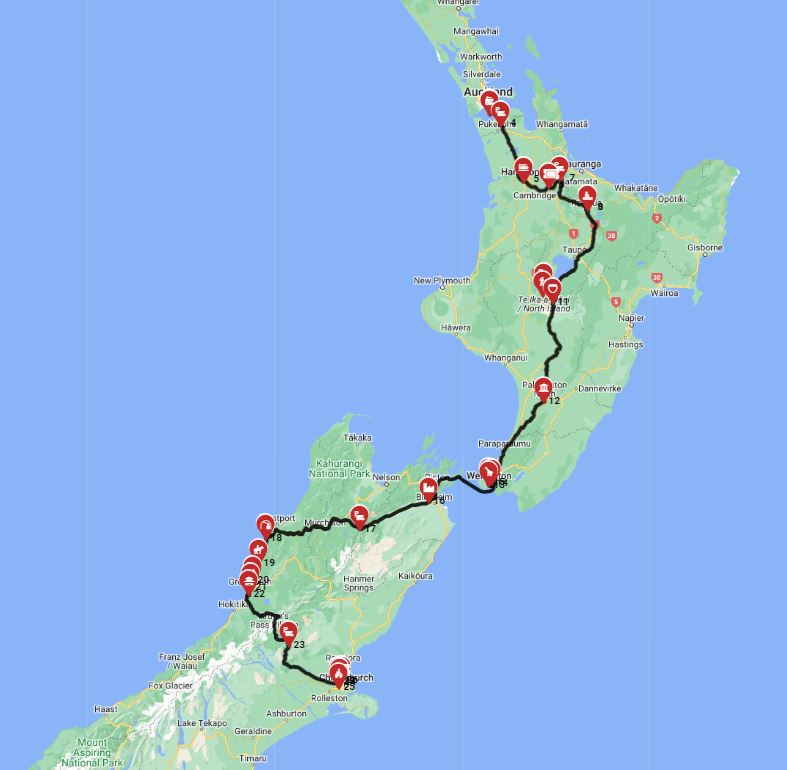
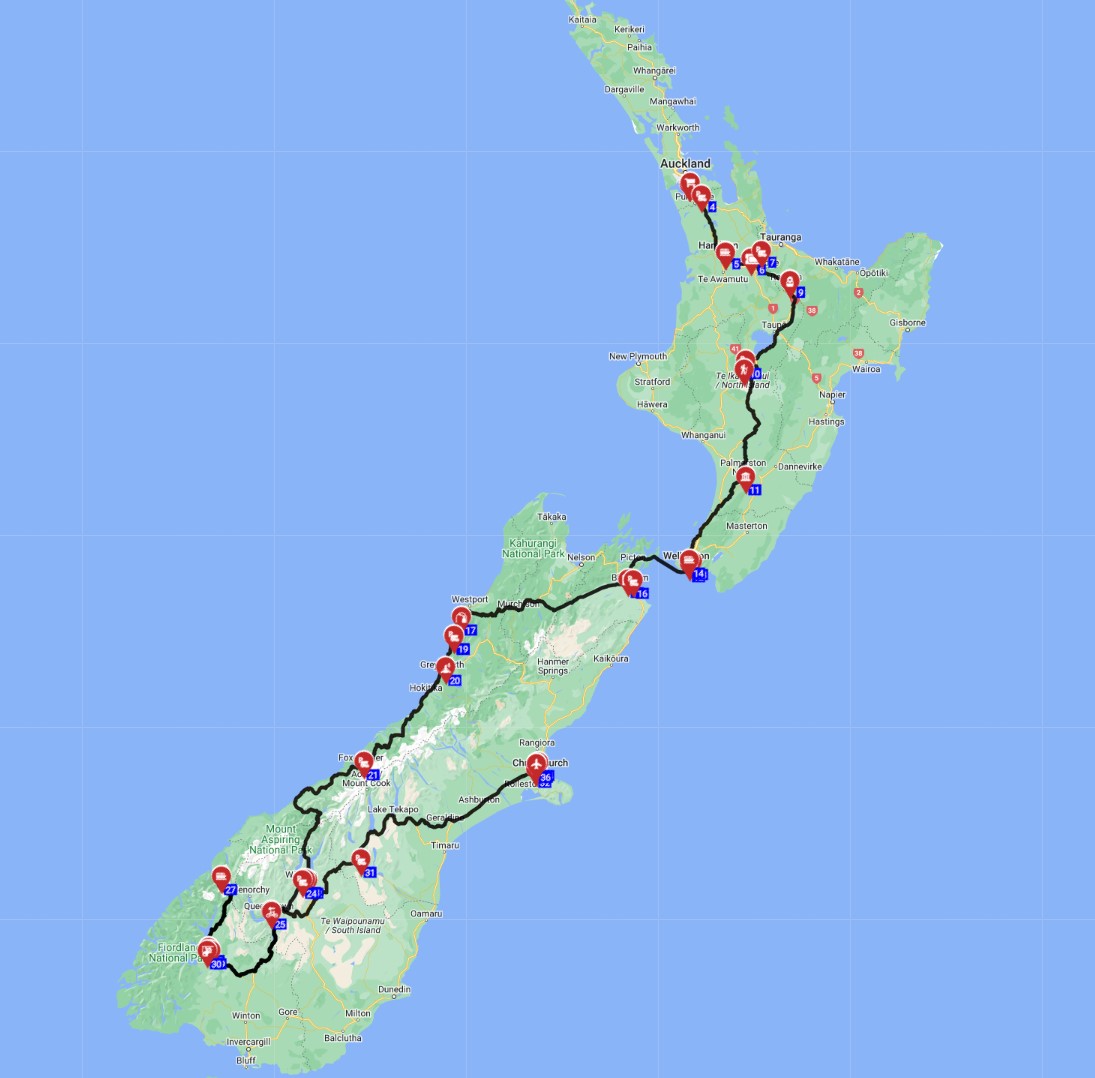
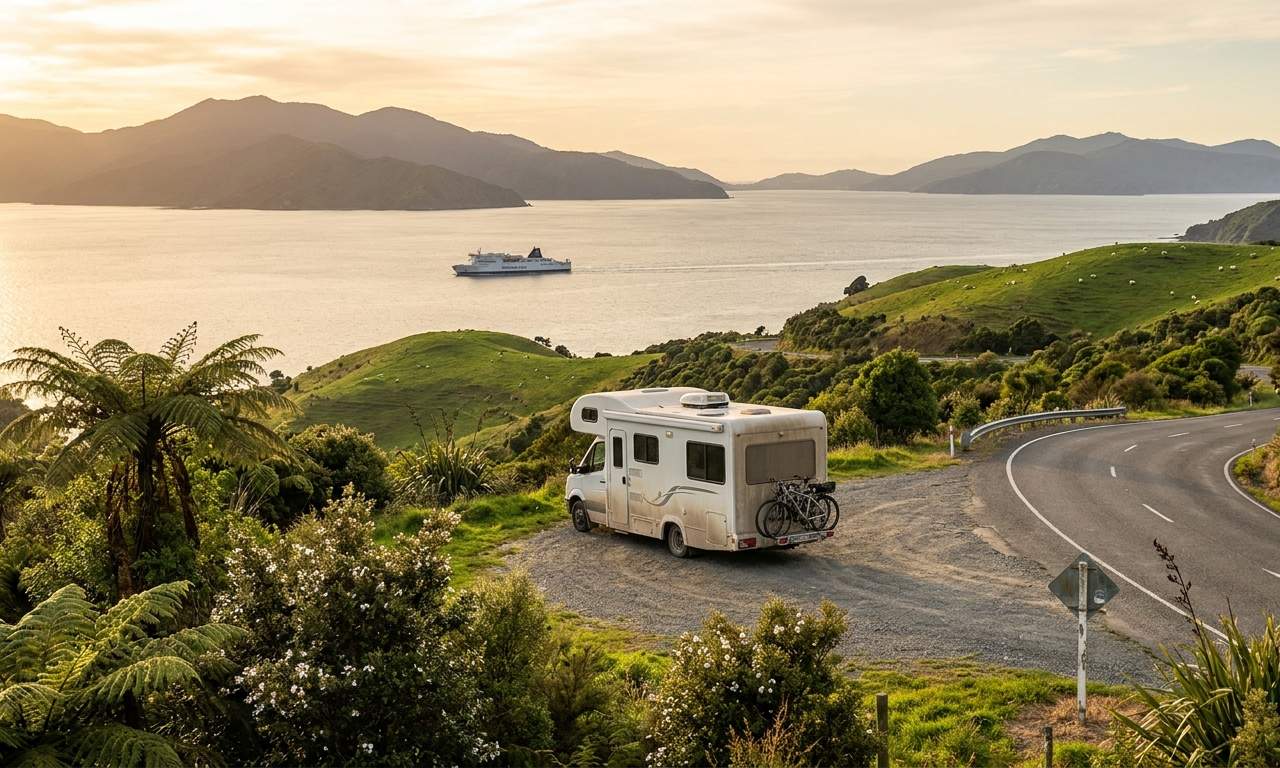
Booking your RV rental well in advance, especially for the peak summer season (December-February), is critical to secure your preferred vehicle type and daily rates, which can fluctuate significantly based on availability. To ensure peace of mind, it’s also important to understand New Zealand's self-containment requirements if you plan on 'freedom camping' outside of commercial campgrounds, as non-compliance can lead to fines up to NZD $200. Planning your driving distances and factoring in fuel costs is essential, as New Zealand roads can be winding and mountainous, making journeys longer than they appear on a map; expect average speeds of 70-80 km/h on open roads. Choosing the right size of campervan or motorhome for your group and itinerary is paramount for comfort and ease of driving, ensuring you have enough space without feeling overwhelmed on smaller roads. Finally, familiarize yourself thoroughly with New Zealand road rules, including driving on the left-hand side, being aware of one-lane bridges, and adhering to posted speed limits. On the routes offered through RV PLANET routes, you can itemize and track every expense along the way for easy budgeting.
We believe in full transparency, so when you book with Bandana Caravan, what you see is what you pay, with no hidden fees or unwelcome surprises at pickup. Our comprehensive platform allows you to compare final prices across numerous suppliers like Apollo and Britz, ensuring you get the best deal for your New Zealand adventure. For specific one-way options and their associated costs, refer to our One-Way RV Rental in New Zealand - Price Guide 2026.
Before You Book - Class, Dates, Insurance for your New Zealand RV Trip
Selecting an RV class that perfectly matches your group size, budget, and desired comfort level is a crucial first step for your New Zealand adventure. From compact campervans perfect for solo travelers or couples, like the "rv rental denver example Category Van" with its front air conditioning and recent model status, to spacious Class C motorhomes ideal for families or groups, such as the "rv rentals example Comfort Class" offering 3 double beds and space for a big family, options abound. We recommend aiming to lock in your rental dates 6-12 months ahead for peak summer travel (December-February) to access the best prices and secure your chosen model, while 3-6 months is generally sufficient for other seasons to get competitive rates.
Basic insurance is always included with your RV rental. To explore prices that incorporate the most comprehensive coverage, simply select that option during your search on our platform; all relevant insurance packages and their associated costs will then be clearly displayed. We encourage you to carefully review the insurance options to fully understand deductible amounts, what specific damages are covered (e.g., tires, windshield, roadside assistance), and any exclusions, ensuring complete peace of mind throughout your journey. This full transparency means no surprises, just clear choices for your trip.
What essential items should I include in my packing checklist for New Zealand?
Packing layers of clothing is essential for New Zealand's famously changeable weather, as you can experience four seasons in one day, requiring waterproof and windproof outerwear regardless of the season. Comfortable walking shoes are a must for exploring the country's incredible hiking trails, alongside swimwear for its stunning beaches and hot pools. For your RV kitchen, practical items such as reusable bags, coffee/tea, basic spices, compact cooking tools, and quick-drying towels will make preparing meals simple and enjoyable on board. Having a well-stocked kitchen allows you to make delicious meals like those found in our RV-friendly recipes playlist.
Safety and navigation essentials for your New Zealand RV trip include a comprehensive first-aid kit, a headlamp or torch for evening walks, a high-visibility vest for roadside emergencies, a car charger for your devices, and a universal power adapter. Don't forget your vital documents: a valid driver's license (an International Driving Permit is recommended for non-English speaking visitors, but not mandatory), your passport, any necessary visas, booking confirmations for your RV and accommodations, and comprehensive travel insurance details. Finally, miscellaneous items like insect repellent (especially for sandflies on the West Coast), sunscreen, a camera to capture the stunning scenery, binoculars for wildlife spotting, and a day pack for excursions will significantly enhance your adventure. Many Class B campervans, such as the "rv rentals example MiniVan," often provide basic kitchenware, but always check with your supplier.
How do I navigate driving, fueling, and navigation in New Zealand with an RV?
Driving in New Zealand requires remembering to keep to the left side of the road, which can take some adjustment for drivers from right-hand-drive countries, so take extra care, especially at intersections and roundabouts. New Zealand's stunning scenic roads are often narrower, more winding, and can be quite mountainous, so always allow plenty of time for journeys, perhaps even driving only 100-150 km per day on average to truly savor the experience. Drive slowly and carefully, and you can drive almost anywhere without issues. No need to stress - just use common sense and pay attention. Planning your fuel stops is particularly important in rural areas where gas stations can be sparse and have limited operating hours; many Class C motorhomes like the "cruise america rv rental example Explorer" have a 75-liter fuel tank, so mindful planning is key. Utilize reliable GPS devices or navigation apps like Google Maps and CamperMate, and always download offline maps for areas with limited mobile connectivity. Adhere strictly to all posted speed limits and heed 'suggested speed' signs on curves, especially when navigating a larger rented motorhome or campervan.
How do I set up and maintain etiquette at a New Zealand campground?
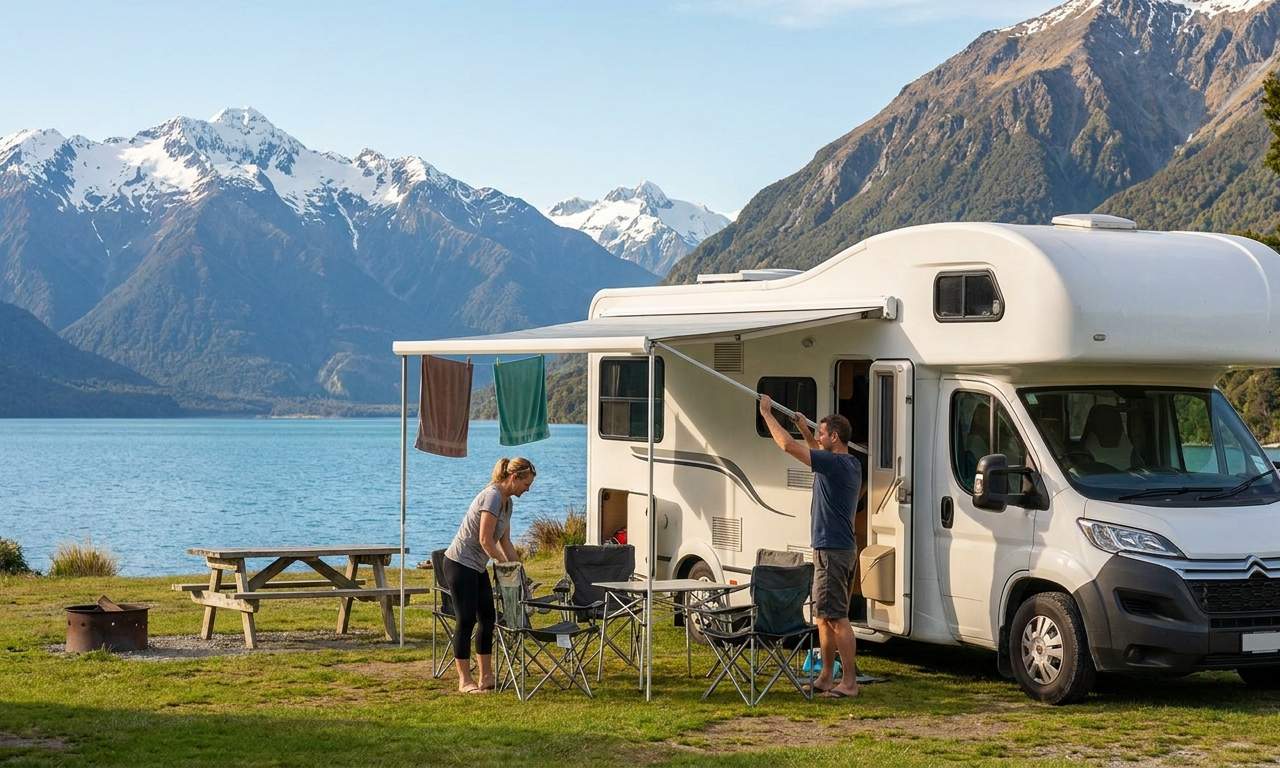
Upon arrival at a New Zealand campground, properly leveling your rented RV using ramps is important for comfort, ensuring your fridge operates efficiently and water drains correctly. Connect your electrical hookups first if you have a powered site, then your fresh water hose, and finally, your waste hose if you anticipate an extended stay and have a full hookup site. Being mindful of quiet hours, typically from 10 PM to 7 AM, is essential to respect fellow campers and the peaceful natural surroundings. Always dispose of grey and black water only at designated dump stations, which are widely available across New Zealand's camping network, and never discharge waste water into the environment. Following 'Leave No Trace' principles by taking all rubbish with you and leaving your campsite cleaner than you found it is crucial to preserve New Zealand's pristine environment for everyone to enjoy. For finding campsites and campgrounds during your trip, we recommend using RV PLANET (rvplan.net) - a great resource for locating available spots along your route.
What RV rental-specific tips apply to New Zealand travel?
For families embarking on an RV adventure in New Zealand, choosing a motorhome with separate sleeping areas, such as a 6-berth "Euro Deluxe" model with three double beds, is advisable to ensure everyone has their own space and privacy. Consider child safety seat compatibility in your chosen vehicle, and plan for frequent stops at scenic viewpoints and playgrounds to keep young travelers engaged. Seniors often find automatic transmission vehicles more comfortable to drive on New Zealand's winding roads, and models with easy-access beds and facilities, like a "2 Berth Rover" semi-integrated motorhome, can significantly enhance comfort and convenience. Budget travelers can maximize savings by opting for self-contained campervans, which allow for more freedom camping and the flexibility to cook most meals onboard, cutting down on accommodation and dining costs. Conversely, luxury seekers can explore premium motorhomes with high-end kitchens, spacious living areas, and additional amenities like TVs, such as the "campervan hire new zealand example Aquila" which offers an exclusive experience. Regardless of your travel profile, booking popular activities like Milford Sound cruises and inter-island ferry crossings (if traveling between North and South Islands) well in advance is highly recommended, especially during peak seasons. You might also find helpful itineraries in our RV Travel Guide to New Zealand - Tips and Top Spots 2026 video guide.
What common mistakes should I avoid when renting an RV in New Zealand?
Underestimating driving times is a common mistake for first-time RV renters in New Zealand, as Google Maps often provides optimistic estimates; always add a buffer of 20-30% to account for winding roads, scenic stops, and one-lane bridges. Ignoring self-containment rules is another frequent pitfall; only freedom camp in certified self-contained vehicles within designated areas to avoid significant fines and uphold environmental regulations. Over-packing can quickly lead to cramped living spaces in an RV; instead, pack versatile layers and utilize campground laundromats, which are widely available, to keep luggage light and free up valuable storage space. Not booking campsites in advance, particularly for popular powered sites and Department of Conservation (DOC) campsites during peak season (December-February), can leave you scrambling for a spot late in the day. Lastly, disregarding road signage, especially warnings for sharp curves, single-lane bridges, and passing lanes, can lead to dangerous situations on unfamiliar roads. Our RV Rental Deals in New Zealand - Latest Offers 2026 provides timely tips on booking smartly.
How much does it cost to rent an RV in New Zealand?
RV rental rates in New Zealand typically range from NZD $80 per day for smaller campervans in the winter low season to over $400 per day for large, modern motorhomes during the peak summer period (December-February). These prices are dynamic, changing daily based on availability, seasonality, and supplier promotions, much like flight tickets. Beyond the daily rental cost, which can be researched using our "RV Rental in New Zealand - Prices and Best Deals 2026" guide, travelers should budget for ancillary expenses such as fuel, which averages around NZD $2.50-$3.00 per liter. Campground fees vary from NZD $0 for certified freedom camping to upwards of $60+ per night for powered sites at private holiday parks with full amenities. For a comprehensive budget breakdown and expense tracking, remember that RV PLANET routes allow you to itemize and track every expense. Food costs, tolls, and activities also contribute to the overall trip expense, pushing a comfortable RV trip budget to NZD $150-$250 per person per day.
What is the '3-3-3 rule' for campervans in New Zealand?
The '3-3-3 rule' for campervanning in New Zealand is a widely adopted guideline, not a legal regulation, designed to promote safe driving and a more immersive travel experience by preventing driver fatigue. It recommends three key practices: stopping every 3 hours to take a break, staying in one location for at least 3 nights to genuinely explore the area, and driving no more than 300 kilometers (approximately 186 miles) per day. The 'stop every 3 hours' aspect is particularly valuable on New Zealand's varied and sometimes challenging roads, where concentration is crucial. Staying for '3 nights' encourages travelers to dive deeper into local areas, supporting small businesses and experiencing more than just a quick photo opportunity. The 'drive no more than 300km' suggestion acknowledges the often-lower average speeds on New Zealand's winding roads, ensuring a relaxed pace that allows you to absorb the stunning scenery without feeling rushed.
What is the best camper rental in New Zealand?
The "best" camper rental in New Zealand is entirely subjective, depending on your individual budget, the size of your travel group, desired amenities, and preferred travel style. For instance, budget-conscious travelers might find value in companies offering smaller, older but functional campervans, which can be perfect for couples or solo adventurers. Mid-range options, often from our direct partners like Britz and Apollo, provide a great balance of comfort, modern amenities (like a toilet and shower in a "Paradise Camper 4x4 double cab" Class TC), and competitive pricing, suitable for small families or those seeking a bit more space. Premium providers cater to those looking for newer, larger, and more luxurious motorhomes, such as a Class A "rent rv example E3" with exclusive features and TV. When comparing options, consider factors like the age of the fleet (e.g., "recent model" vs. "more than 4 years on the road"), specific included amenities (e.g., shower, toilet, heating, air conditioning), comprehensive insurance options, 24/7 roadside assistance (which we facilitate pre-trip), and overall customer service reviews. Remember, Bandana Caravan is a true RV specialist, not a travel agency side department, offering expertise to help you find your ideal rental.
Is it worth it to rent a campervan in New Zealand?
Renting a campervan or motorhome in New Zealand is widely considered a highly worthwhile experience, offering unparalleled flexibility and direct access to the country's stunning natural beauty. This mode of travel provides the freedom to spontaneously alter your itinerary, explore remote, off-the-beaten-path locations, and wake up to breathtaking views right outside your window, without the rigid constraints of traditional hotel bookings. For extended trips or groups of travelers, a rented campervan can often prove more cost-effective than combining separate car rental and accommodation expenses, especially when utilizing self-catering options like cooking meals in your onboard kitchen. The immersive experience of living on the road allows for a deeper, more personal connection with New Zealand's diverse landscapes and vibrant culture. While driving larger vehicles on winding roads and managing utilities requires attention, the benefits of independence, adventure, and the ability to truly explore at your own pace often outweigh these minor challenges for many visitors, making it an unforgettable way to travel. Our team of true RV specialists can help you weigh these factors and choose the perfect motorhome or campervan for your adventure.
Is it easy to drive a motorhome in New Zealand?
Driving a motorhome in New Zealand is generally manageable for most drivers, but it certainly requires increased awareness and caution, particularly due to the left-hand traffic flow and the country's diverse road conditions. Many of New Zealand's roads, especially those leading to popular scenic attractions or in mountainous regions like the Southern Alps, can be narrower, more winding, and steeper than what some international drivers might be accustomed to. Motorhomes, being larger and heavier than regular cars, require significantly longer braking distances and wider turns, so it's crucial to always allow ample space and time for maneuvers. Familiarize yourself with local road signs, paying particular attention to those indicating sharp curves, one-lane bridges with "Give Way" rules, and speed limits, which are strictly enforced. Practicing driving and reversing your rented RV in a quiet area before heading onto main roads is a smart idea, and remember to pull over at designated scenic stops to allow faster traffic to pass safely. Drive slowly and carefully, and you can drive almost anywhere without issues. No need to stress - just use common sense and pay attention.
What are the key dos and don'ts for RV travel in New Zealand?
When RV traveling in New Zealand, DO embrace responsible tourism by adhering to the 'Tiaki Promise' principles, which encourage protecting nature, preserving culture, and traveling safely. DO dispose of all waste, including grey water, black water, and general rubbish, only at designated dump stations and recycling points to protect New Zealand's pristine environment. Always DO drive on the left side of the road, strictly adhere to all posted speed limits, and take regular breaks every few hours to avoid fatigue, particularly on long, winding journeys. DO respect Māori culture and customs; ask for permission before photographing individuals and be mindful when visiting sacred sites. On the DON'T side: DON'T freedom camp in non-certified self-contained vehicles or outside of designated areas, as this is illegal and can result in significant fines (up to NZD $200) and environmental damage. And most importantly, DON'T litter or leave any trace of your visit behind; always keep New Zealand beautiful for everyone to enjoy. Understanding these local tips is part of the 24/7 support philosophy we provide, ensuring you're prepared from pre-booking to post-trip coordination.
How much money would I need for a 2-week RV trip in New Zealand?
For a 2-week RV trip in New Zealand, a realistic budget for two people could range from NZD $3,000 to $7,000+, depending heavily on your chosen RV type, travel season, and activity preferences. The RV rental itself for 14 days typically costs between NZD $1,120 for a basic campervan in the low season and over $5,600+ for a luxury motorhome in peak summer; these are dynamic prices. Fuel expenses for a common 2,000-3,000 km journey across both islands might be around NZD $500-$900, given current fuel prices of approximately NZD $2.50-$3.00 per liter. A food budget for self-catering for 2 weeks, making good use of your RV's kitchen for delicious RV-friendly recipes playlist, could be NZD $400-$800, with additional costs if you plan on dining out frequently. Campsite fees can range from NZD $0 for freedom camping in a self-contained vehicle to over NZD $840 for 14 nights at powered holiday park sites (approximately $60/night). Finally, allocate an additional NZD $500-$1,500+ for activities, which could include anything from Milford Sound cruises and bungy jumping in Queenstown to Māori cultural experiences or Great Walks permits. Remember, with RV PLANET routes, you can itemize and track every expense for easy budgeting.
Is it easy to campervan around New Zealand?
Campervanning around New Zealand is generally considered very easy and enjoyable, thanks to the country's robust tourism infrastructure and well-maintained road network. The Department of Conservation (DOC) and numerous private holiday parks provide a vast range of camping facilities, from basic, low-cost sites to full-service powered sites with amenities like showers, toilets, and laundromats. Navigation is straightforward with widely available GPS systems and user-friendly mobile apps like CamperMate, which also conveniently help locate dump stations, fresh water refills, and points of interest along your route. While most main roads are sealed and in excellent condition, some highly scenic routes and access roads to attractions may be gravel, requiring careful and slower driving. Managing onboard utilities such as fresh water, grey water, black water, and battery power is an integral part of the experience, but convenient facilities for these services are readily available across both the North and South Islands. Travel slowly, max 100-150 km per day on average. Take time to feel the place, connect to the culture, the food, and the scenery. Our Rent&Plan service offers pre-planned routes by professionals to make your journey even smoother.
What are the drawbacks of renting an RV in New Zealand?
One significant consideration when renting an RV in New Zealand is the potential challenge of driving a larger, heavier vehicle on the country's often narrow, winding, and mountainous roads. While certainly manageable, it demands heightened attention and a slower pace. Finding suitable parking for larger RVs can also be difficult in popular towns, bustling cities, and at some crowded tourist attractions, often requiring you to park on the outskirts and use alternative transport. Interior living space, particularly in smaller campervans like a "2 Berth Hi Top" camper, can be limited, which might impact comfort, privacy, and luggage storage, especially during extended trips or periods of inclement weather. An RV rental also requires consistent management of utilities, including regularly refilling fresh water tanks, emptying grey and black water tanks, and ensuring batteries are charged for onboard power. While New Zealand has excellent infrastructure, unexpected mechanical issues can occur, potentially causing delays. Additionally, some remote areas may have limited mobile phone signal or internet connectivity, necessitating careful pre-planning and reliance on offline maps. We offer a 25% planning discount when you use rvplan.net for your detailed route plans to help mitigate these planning challenges.
Top Cities for RV Rental in New Zealand
New Zealand offers several excellent cities from which to begin or end your RV adventure, providing convenient access to diverse landscapes and amenities. Auckland, located in the North Island, is the largest city and a primary international gateway, offering the widest selection of rental motorhomes and campervans. From here, you can explore the geothermal wonders of Rotorua or the beautiful beaches of the Coromandel Peninsula. Christchurch, the largest city in the South Island, serves as another major RV hub, ideal for exploring the dramatic Southern Alps, the West Coast glaciers, or the stunning Marlborough wine region. Queenstown, the adventure capital of the world, is a popular pick-up and drop-off location in the South Island, perfect for those eager to jump straight into adrenaline-pumping activities or scenic drives around Fiordland National Park. Wellington, New Zealand's capital, offers a vibrant cultural experience and acts as a convenient mid-country pick-up point, especially for those utilizing the Interislander ferry. Other notable cities for RV rentals include Dunedin, known for its Scottish heritage and wildlife, and Nelson, a sunny gateway to the Abel Tasman National Park. Each city provides unique starting points for unforgettable itineraries and you can even plan a one-way RV rental in New Zealand, which our platform fully supports.
Staying Connected and Managing Utilities in New Zealand
Staying connected while RVing in New Zealand is generally straightforward in populated areas, with major mobile providers like Spark, Vodafone, and 2degrees offering good 4G/5G coverage in towns and along main highways. However, in remote regions, national parks, and mountainous areas, coverage can be patchy or non-existent, so downloading offline maps and planning ahead for communication is essential. Purchasing a local SIM card upon arrival is recommended for cost-effective data and calls. For managing RV utilities, most modern motorhomes, such as those available from our direct suppliers, come equipped with onboard fresh water tanks (e.g., 82 Liters in a "cruise america rv rental example Explorer"), grey water tanks, and black water tanks. Regular stops at designated dump stations, often found at holiday parks, DOC campsites, and service areas, are necessary for emptying waste and refilling fresh water. Battery power for internal lights and appliances typically recharges while driving or when hooked up to a powered site; some vehicles may also have solar panels for extended off-grid stays. Propane tanks for cooking and heating require refilling at specific gas stations or hardware stores. It's all part of the great RV adventure, and knowing how to manage these aspects will ensure a smooth journey. Remember, for planning your stops and managing your itinerary, RV PLANET (rvplan.net) is an invaluable resource.
🎬 Video coming soon
What You Shouldn't Miss
New Zealand is brimming with unforgettable experiences for RV travelers. A journey along the South Island's West Coast offers dramatic scenery, including the Franz Josef and Fox Glaciers, where you can take scenic helicopter flights or guided walks. The Milford Sound, often hailed as the "Eighth Wonder of the World," is a non-negotiable stop, best experienced via a scenic cruise through its towering fiords and waterfalls. For hikers, the Great Walks offer unparalleled beauty, with many trailheads accessible by RV (booking well in advance is essential for huts and campsites). Indulge in the vibrant culture of Rotorua's geothermal parks and Māori cultural performances, then relax in the natural hot springs nearby. In the North Island, exploring the Hobbiton Movie Set is a must for Lord of the Rings fans, while the Bay of Islands provides historical sites, stunning beaches, and opportunities for sailing or dolphin watching. Don't forget to savor the local cuisine, from fresh seafood in Kaikoura to world-class wines in Marlborough, all made easier with your own mobile kitchen. Imagine stopping at a farmers market to pick up fresh produce, then cooking up a delightful meal right in your campervan. Travel slowly, max 100-150 km per day on average. Take time to feel the place, connect to the culture, the food, and the scenery.
Looking for expert insights from Avi Bandana? Top 5 Adventures - recommendations from Avi Bandana.
Final Thoughts
Exploring New Zealand by rented RV is more than just a vacation; it's an invitation to experience the world in a profoundly personal and liberating way. Imagine waking up to a new, breathtaking vista each morning, with your breakfast just steps away, ready to fuel another day of discovery. This is the freedom that RV travel offers – the ability to chase horizons, linger in places that capture your heart, and truly connect with the spectacular landscapes and warm culture of Aotearoa.
At Bandana Caravan, we're with you every step of the way, providing personal service from day one until your booking is confirmed. We handle the details so you can focus on living the journey, confident that you've got real people behind you, committed to transparency and peace of mind. Your dream New Zealand RV adventure awaits, ready to be filled with memories that will last a lifetime.
Get inspired for your next trip! Discover top destinations, planning tips, all in one place!