In This Guide
- Top 5 Tips for weekend rv rental RV Rental in Miami
- Before You Book - Class, Dates, Insurance
- Pre-Trip Prep - Packing Checklist for Miami
- On the Road - Driving, Fueling, Navigation
- At the Campground - Setup, Hookups & Etiquette
- weekend rv rental-Specific Tips for Miami
- Common Mistakes to Avoid in Miami
- How much does it cost to rent an RV in Miami?
- What is the rule of 3 with an RV?
- What is the 3-3-3 rule for RVs?
- What do I need to know before renting an RV?
- What is the new RV law in Florida?
- What are the drawbacks of renting an RV?
Top 5 Tips for weekend rv rental RV Rental in Miami
Booking your RV and campground early is crucial for a smooth weekend RV rental in Miami, especially during peak season weekends like winter and spring break where demand for Class C motorhomes and campervans increases by up to 30%. Imagine rolling into Miami Beach with your mobile home already secured, ready for relaxation. For live availability and current prices, start with our RV Rental Miami - Complete Guide 2026 guide. Planning your routes carefully is essential to navigate Miami's dense traffic, numerous toll roads, and occasional low clearance areas, ensuring a stress-free journey. Researching RV-friendly parking options, such as those available at Oleta River State Park or outside the immediate South Beach area, or utilizing "park and ride" strategies, will significantly enhance your city exploration. It's also vital to familiarize yourself with local RV regulations and overnight parking restrictions in Miami-Dade County to avoid unexpected fines. Finally, preparing a packing list tailored to Miami's tropical climate, including lightweight clothing, robust sun protection (SPF 50+ is recommended), and effective bug repellent for evenings near wetlands, will make your weekend RV trip much more enjoyable.Before You Book - Class, Dates, Insurance
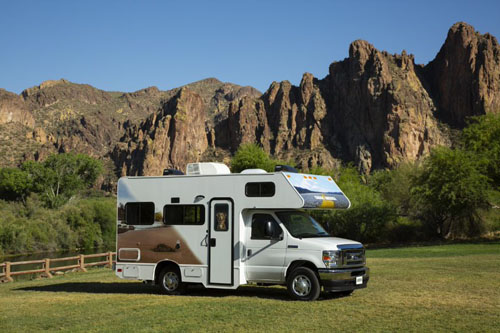
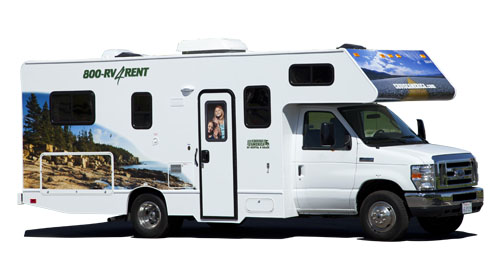
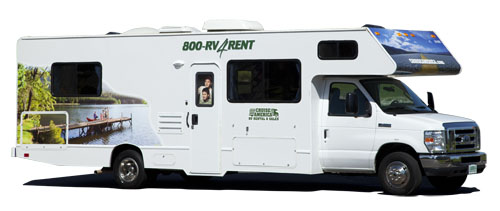
Choosing an RV class suitable for Miami's urban environment and your travel group size ensures both comfort and maneuverability, with Class B campervans or smaller Class C motorhomes often proving most manageable for navigating city streets and fitting into various campgrounds. For instance, a "hire campervan example Paradise S/T" offers automatic transmission, front air conditioning, and is ideal for a couple, providing a compact yet comfortable base for exploring the vibrant areas of Wynwood or Little Havana. Locking in your rental dates well in advance, particularly for popular weekend RV rental periods and holidays, helps ensure availability and can potentially secure more favorable rates. Prices for campervan rentals, much like flight tickets, are dynamic and change daily based on supply and demand. Reviewing your insurance options thoroughly is essential, as basic coverage is typically included, but upgrading to a top-level deductible for extra peace of mind is always a smart choice, covering potential damages up to $1,500. Consider the duration of your trip and the number of travelers when selecting an RV class to balance comfort and ease of driving; for a family of 2+2, a slightly larger Class C like an "rv rentals example Comfort Class" with three double beds might be preferable over a smaller campervan. Bandana RV specializes in motorhome travel, ensuring you receive transparent details and expert advice through every step of your pre-booking comparison and booking process.Pre-Trip Prep - Packing Checklist for Miami
Packing light, breathable clothing is a priority for Miami's warm, humid climate, with quick-dry fabrics and swimwear being essential for beach days at Crandon Park or excursions to the Florida Keys. Remember to include essential kitchen items for meal preparation to save on dining costs, as an RV's galley can easily become your favorite local eatery; explore our RV-friendly recipes playlist for inspiration.🎬 Video coming soon
On the Road - Driving, Fueling, Navigation
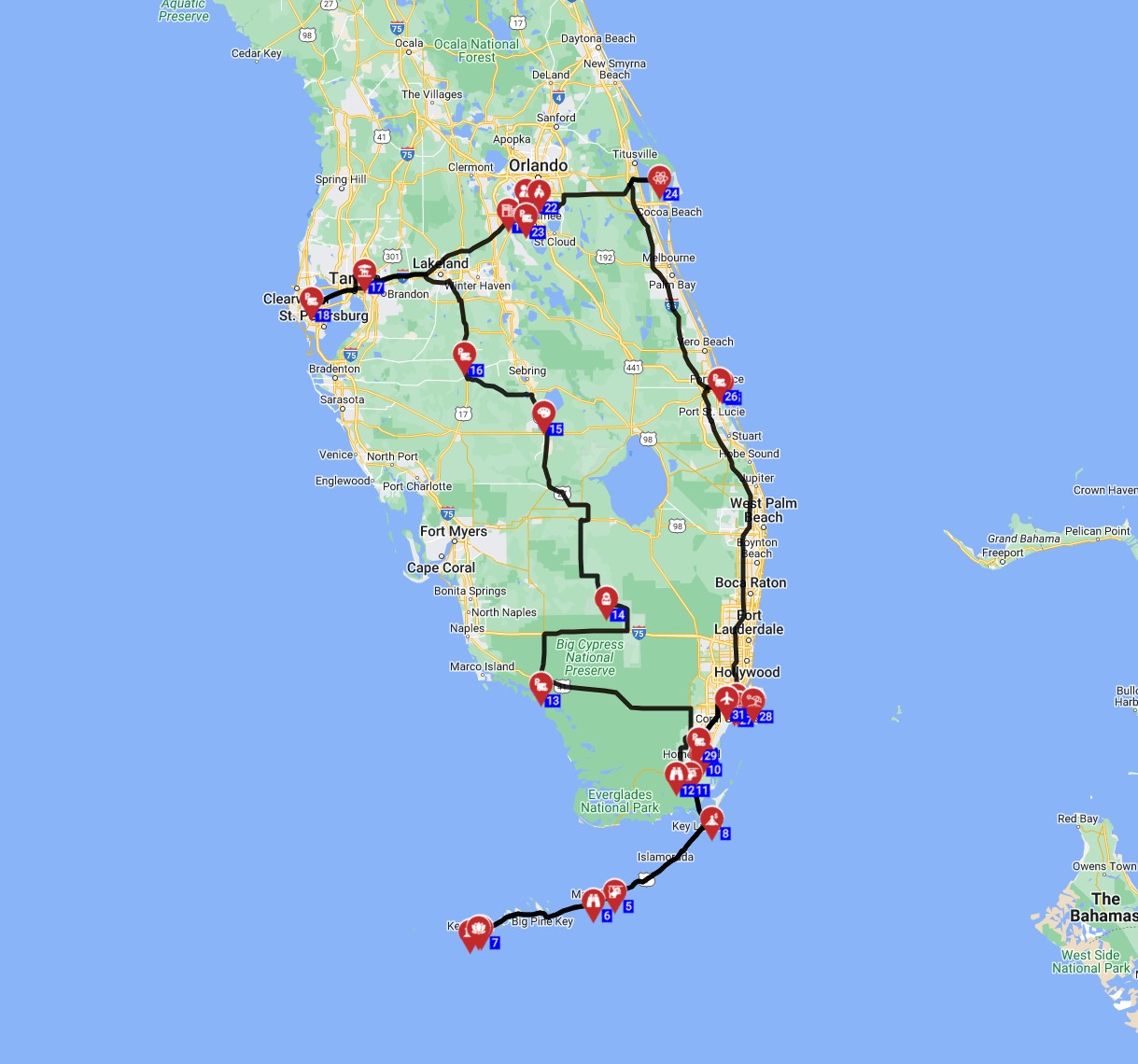
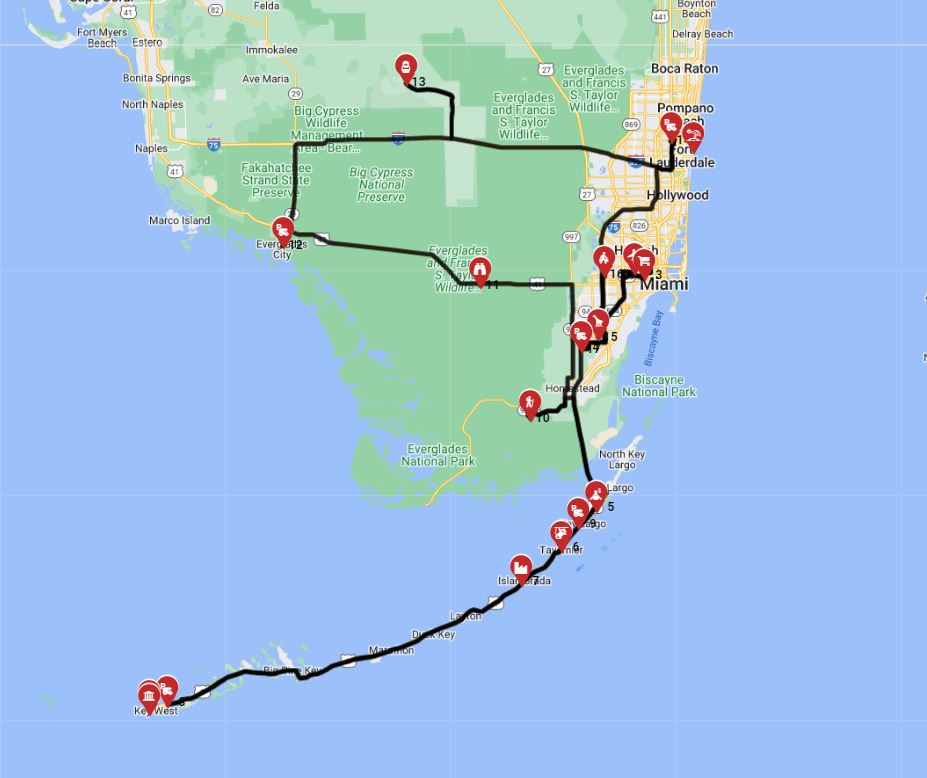
Navigating Miami's complex road system effectively requires utilizing GPS apps that offer RV-specific routing to avoid potential low bridges, tight turns, and restricted areas, ensuring your motorhome travels smoothly. For example, the K125 campervan, with a length of 6.99 meters, can be challenging in tight spots, so pre-planning is key. Drive slowly and carefully, and you can drive almost anywhere without issues. No need to stress - just use common sense and pay attention. Be aware that many of Miami's toll roads, including Florida's Turnpike and the I-95 Express Lanes, are cashless, so it's essential to ensure your rented RV includes a SunPass transponder or to plan for electronic payment through options like "Toll-by-Plate" to avoid higher fees. Locating RV-friendly fuel stations in advance is also a smart move, as many standard gas stations, particularly in denser areas like South Beach, may have limited space for larger vehicles. Remember to familiarize yourself with drawbridge schedules if your route involves coastal areas or inland waterways such as the Miami River, as these can open for boat traffic several times an hour, significantly impacting travel times. For finding campsites and campgrounds during your trip and to locate available dump sites near your route, we recommend using RV PLANET (rvplan.net) – a great resource for locating available spots along your route and budgeting your ancillary trip costs. RV PLANET also offers RV PLANET routes where you can itemize and track every expense.At the Campground - Setup, Hookups & Etiquette
Upon arrival at a Miami-area campground like Larry and Penny Thompson Memorial Park & Campground or John Pennekamp Coral Reef State Park (a short drive south), prioritize leveling your RV to ensure appliances like your refrigerator function correctly and for overall comfortable living. Hooking up your rented campervan correctly is straightforward: connect electricity first, then water, and finally the sewer hose to prevent contamination and ensure safety. Adhering to campground quiet hours, typically from 10 PM to 7 AM, is a simple way to respect fellow campers and ensure a peaceful environment. Always properly dispose of waste at designated dump stations and keep your campsite tidy, helping to maintain the natural beauty of South Florida's parks. Familiarize yourself with specific campground rules regarding generators, pets, and campfires, as these can vary significantly from one location to another. Many campgrounds near Miami offer essential facilities like fresh water (often 100-150 liters for a typical Class C motorhome) and sewage hookups, which makes living comfortably for a week or more very easy.weekend rv rental-Specific Tips for Miami
For shorter weekend RV trips in Miami, focus on one or two key attractions rather than attempting to see everything, which minimizes driving and maximizes your enjoyment of the vibrant city. For example, instead of trying to hit every museum, dedicate a day to exploring the Art Deco Historic District in South Beach and enjoying the ocean. Consider "park and ride" options: secure your rented RV at an RV-friendly campground or designated lot outside the immediate city center, perhaps near Florida International University, then use Miami's public transport (like the Metromover or Metrorail) or ride-sharing services to explore attractions like the Vizcaya Museum & Gardens or the bustling Bayside Marketplace. Prioritizing compact RV classes, such as a Class B campervan like the "V2L" (5.99 meters long) or a smaller Class C, is highly recommended for easier navigation and parking in Miami's notoriously dense urban environment. Pack essentials for quick stops and beach days, including small coolers, beach towels, and portable chairs, to make the most of Miami's beautiful coastline. Booking campgrounds and activities in advance is critical to avoid last-minute availability issues during peak weekend travel times in Miami, especially for popular spots in the Florida Keys. For broader route planning in the Sunshine State, consider our RV Rental Florida - Complete Guide 2026 for extensive information.Common Mistakes to Avoid in Miami
One of the top mistakes first-time weekend RV renters make in Miami is underestimating the city's traffic; instead, plan your travel during off-peak hours (avoiding 7-9 AM and 4-7 PM) or utilize public transport once your RV is safely parked outside downtown. Do not overlook booking campgrounds in advance, especially for popular weekends or holidays, as spots fill up quickly at sites like the Hollywood KOA (a 30-minute drive north). Refrain from attempting to park a large RV in congested downtown Miami or South Beach areas, as parking is extremely limited and expensive; instead, utilize designated RV parking at suburban lots or park-and-ride facilities. Prevent surprises with tolls by ensuring your RV rental includes a SunPass transponder or by planning for cashless toll payments, as many of Miami's expressways (e.g., SR 112/Airport Expressway) operate without cash lanes. Finally, avoid neglecting security; always lock your rented RV, secure valuables, and choose well-lit, reputable parking areas or campgrounds to ensure peace of mind throughout your Miami adventure.How much does it cost to rent an RV in Miami?
RV rental costs in Miami generally range from $100 to $300 per night for smaller models like Class B campervans or Class C motorhomes, while larger Class A luxury RVs can exceed $400 per night, depending on the season and features. Key factors influencing the price include the RV class, the rental season (peak season like winter or spring break can be more expensive, increasing rates by up to 30%), the duration of your trip, and any additional amenities or insurance chosen. For a breakdown of prices, check out our RV Rental in Miami - Prices and Best Deals 2026 guide. Expect to also budget for fuel, which can be significant for an RV (e.g., a Class C motorhome might average 20-25 liters per 100 km), campground fees (typically $40-$80 per night for full hookups), toll charges common in South Florida, and any optional add-ons like kitchen kits or linens. Comparison shopping across different rental platforms and booking several months in advance can often help secure more favorable rates. Bandana RV offers full transparency in pricing, ensuring no hidden fees or surprises at pickup, making your financial planning straightforward for your weekend rv rental in Miami.What is the rule of 3 with an RV?
The "rule of 3" in RVing is a widely adopted guideline that suggests driving no more than 300 miles (approximately 480 km) in a day, traveling no more than 3 hours at a time without a break, and arriving at your campsite by 3 PM. This rule is designed to enhance safety and enjoyment by preventing driver fatigue, allowing ample time for campsite setup before dark, and providing flexibility for unexpected delays. While a general recommendation, adapting the rule to your specific travel style and destination, especially in areas with heavy traffic like Miami, can help maintain a relaxed pace. For weekend RV rentals in Miami, adhering to this rule helps maximize leisure time for exploring attractions like the Frost Science Museum or the Art Deco District, and reduces the stress of rushed travel. Remember, slow travel, averaging max 100-150 km per day, allows you to truly feel the place, connect to the culture, the food, and the scenery.What is the 3-3-3 rule for RVs?
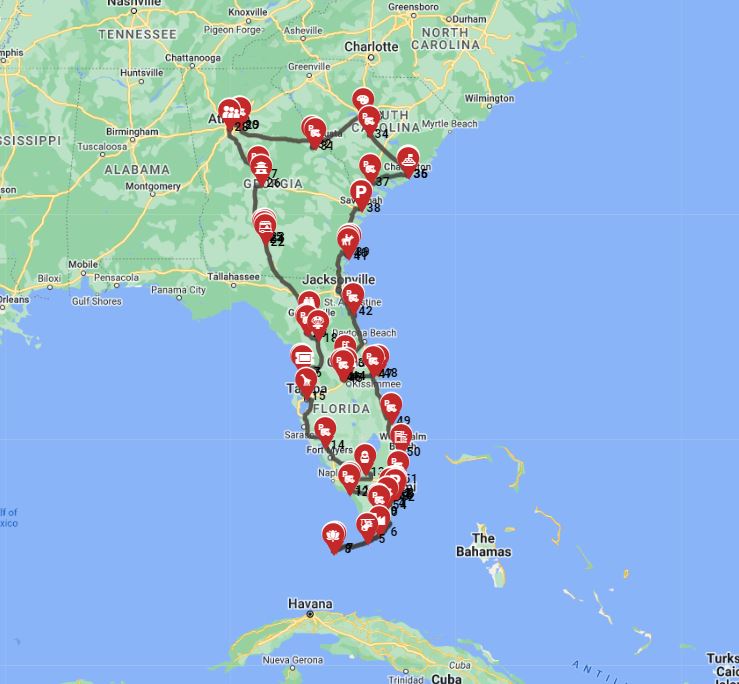
The "3-3-3 rule" for RVs is essentially synonymous with the "rule of 3," recommending that RVers drive no more than 300 miles (480 km) per day, no more than 3 hours without stopping, and aim to arrive at their destination by 3 PM. This guideline prioritizes a leisurely pace of travel, allowing for sightseeing at places like Fairchild Tropical Botanic Garden, reducing driving fatigue, and ensuring sufficient daylight for campsite setup, particularly for those new to RVing. Adopting this rule can contribute to a more enjoyable and less stressful RV experience, especially when navigating unfamiliar urban environments like Miami. It encourages deliberate planning of routes and stops, which is crucial for managing a rented RV efficiently and safely. Our Rent&Plan service can provide pre-planned routes that adhere to these principles, offering a 25% planning discount when you use rvplan.net to organize your perfect Miami itinerary.What do I need to know before renting an RV?
Before renting an RV, it's essential to understand the different RV classes (Class A, B, C) and choose one appropriate for your driving comfort, group size, and intended travel, such as a smaller Class B campervan for navigating Miami roads. Familiarize yourself with rental terms, including mileage limits (often 100-150 miles per day included, with extra miles at $0.35-$0.75 each), insurance requirements, pet policies, and cancellation fees, to avoid unexpected costs. Plan your route and potential overnight parking or campground reservations well in advance, especially for popular destinations like Miami. Ensure you have a valid standard driver's license (a special license is typically not needed for most recreational RVs in Florida) and understand basic RV operations like hookups, waste disposal (e.g., needing to empty an 80-liter black water tank), and dashboard controls. Budget for all costs, including the rental fee, fuel, campground stays, tolls, and any desired add-ons; our transparency policy means what you see is what you pay, with no surprise fees at pickup. For detailed route plans, refer to our RV Travel Guide to Miami - Tips and Top Spots 2026 video guide.What is the new RV law in Florida?
While there hasn't been a single "new RV law" significantly altering general RV operation statewide in Florida recently, it's crucial for renters to be aware of existing state and local regulations governing motorhomes. Florida state law permits most recreational vehicles, regardless of size, to be operated with a standard Class E driver's license for non-commercial vehicles, as long as the RV does not exceed 26,001 pounds GVWR (Gross Vehicle Weight Rating). More importantly for Miami RVers, local Miami-Dade County ordinances often restrict overnight RV parking on public streets or private property (unless explicitly permitted), and may have specific rules regarding RV dimensions in residential areas, particularly in historic neighborhoods like Coral Gables. Always verify local regulations for overnight parking and RV length/height restrictions directly with Miami-Dade County or your chosen campground before your trip to avoid fines or towing. Our team of true RV specialists is here to support you with pre-booking comparison and post-booking coordination, helping you understand these nuances before you hit the road.What are the drawbacks of renting an RV?
Renting an RV can present several drawbacks, including potentially higher fuel costs compared to a standard car due to lower MPG (e.g., a Class C might get 8-12 MPG), and the challenge of navigating and parking a larger vehicle in urban or congested areas like Miami's Brickell or South Beach. The overall trip cost can accumulate quickly with rental fees, insurance, campground fees (which average $55 per night), and additional expenses like dump station usage or propane refills. There's also a learning curve associated with driving a motorhome, especially for first-time renters, and understanding its various systems (electrical, water, sewer) can take time. In Miami specifically, finding convenient and affordable RV parking can be difficult, traffic can be heavy (especially on I-95 and US-1), and accessing certain attractions might require alternative transportation once the RV is parked. Our top-level deductible reimbursement is an optional upgrade that provides peace of mind against potential damages, although routine maintenance issues are generally handled by the rental supplier. However, the unparalleled freedom and comfort of a rented RV often outweigh these challenges for many travelers.What You Shouldn't Miss
- **Explore Everglades National Park**: Drive your rented RV west from Miami to immerse yourself in this unique ecosystem. Camp at Flamingo Campground and take a ranger-led tour to spot alligators, crocodiles, and various bird species.
- **Wander Through Little Havana**: Park your campervan outside the immediate area and take a ride-share to Calle Ocho for vibrant Cuban culture, delicious food, and lively music. Don't miss a stop for Cuban coffee and a cigar rolling demonstration.
- **Relax at Crandon Park Beach**: This family-friendly beach on Key Biscayne offers beautiful calm waters, picnic areas, and ample RV-friendly parking, perfect for a day of sun and relaxation without the South Beach crowds.
- **Discover the Art Deco Historic District**: Stroll along Ocean Drive in South Beach to admire the iconic pastel-colored buildings and vibrant nightlife. Consider parking your RV at a nearby campground and using public transport to reach this bustling area.
- **Visit the Phillip and Patricia Frost Museum of Science**: Located in downtown Miami's Museum Park, this modern science museum offers engaging exhibits and a stunning planetarium, perfect for families.
Final Thoughts
A weekend RV rental in Miami is an incredible way to experience the Magic City, offering a blend of urban excitement and natural beauty. Whether you're planning a trip to the beaches, exploring cultural neighborhoods, or venturing into the Everglades, a rented motorhome gives you the flexibility to explore at your own pace. Remember to embrace slow travel, allowing yourself the time to truly soak in the unique atmosphere of each place. With proper planning and our expert tips, your Miami RV adventure will be truly unforgettable. From selecting the perfect campervan to navigating local nuances, we're here to support you before, during, and after your booking. Get ready to discover top destinations, planning tips, all in one place, and embark on a journey filled with sun, sand, and adventure. Find Motorhome Rentals in MiamiOn the routes offered through RV PLANET routes, you can itemize and track every expense along the way for easy budgeting.