In This Guide
- Top 5 Tips for weekend rv rental RV Rental in Ireland
- Before You Book - Class, Dates, Insurance
- Pre-Trip Prep - Packing Checklist for Ireland
- On the Road - Driving, Fueling, Navigation
- At the Campground - Setup, Hookups & Etiquette
- weekend rv rental-Specific Tips for Ireland
- Common Mistakes to Avoid in Ireland
- In-depth guide to ethical and legal wild camping/freedom camping in Ireland
- Strategies for navigating narrow roads and urban parking in Ireland
- Sustainable and responsible RV travel practices in Ireland
- Hidden gem itineraries that go beyond the popular Wild Atlantic Way in Ireland
- Specific challenges and opportunities for different RV types in Ireland
- Seasonal specific advice beyond just weather for RV travel in Ireland
- Detailed guide on local cultural immersion through RV travel in Ireland
- Comprehensive information on connectivity in remote areas of Ireland
- Pet-friendly RV travel in Ireland: regulations, resources, and best spots
Embarking on a weekend RV adventure in Ireland is an inspiring way to immerse yourself in the Emerald Isle's breathtaking landscapes and vibrant culture. Whether you're dreaming of dramatic coastal drives or exploring charming villages, a rented motorhome offers unparalleled freedom and flexibility. We understand that planning your journey, even a short one, can seem daunting, but with the right information and support, it becomes an effortless path to unforgettable memories. For live availability and current prices for your next Irish motorhome or campervan trip, start with our RV Rental Ireland - Complete Guide 2026 guide.
Top 5 Tips for weekend rv rental RV Rental in Ireland
Successful weekend RV rental in Ireland relies on strategic planning and awareness of local conditions to maximize enjoyment. Booking your desired motorhome or campervan early is crucial, especially during peak travel seasons, as it secures a wider selection of models like the compact "Active Classic" campervan or a spacious "Explorer" Class C motorhome, and often more favorable rates for your short trip. Opting for a smaller, more maneuverable rented RV or campervan, such as a "Van - Economy" or "Combi Van", significantly eases navigation on Ireland's famously narrow scenic routes and country roads, making driving more enjoyable. Pre-planning your itinerary with designated overnight stops is essential for managing your RV's waste, fresh water, and electrical needs efficiently, ensuring you always have a comfortable base. Familiarizing yourself with driving on the left-hand side of the road and understanding unique Irish road signage before you start your journey will boost your confidence behind the wheel. Lastly, packing versatile layers and waterproof outerwear is critical, as Ireland's climate can be unpredictable, requiring adaptability to rapidly changing weather conditions, even over just a few days.
Before You Book - Class, Dates, Insurance
Choosing the right RV class for an Ireland adventure involves balancing living comfort with driving ease, particularly for shorter trips focused on exploration. Smaller Class B campervans, often equipped with a shower and toilet, or compact Class C motorhomes are frequently ideal for navigating Ireland's narrow roads and finding parking in charming villages. To secure your preferred dates and RV model, especially during popular seasons like summer (June-August) or around public holidays, it is highly advisable to book several months in advance, potentially saving you up to 20% on rates. Basic insurance is always included with your rental; for the most comprehensive coverage, you can select additional options during your search, ensuring you choose the level of protection that suits your journey and gives you peace of mind. Consider the number of passengers traveling with you and your planned route when selecting a rental RV: a larger vehicle might offer more amenities and sleeping space for up to 6 or 7 people in a "Glamys 40" or "MH6 - FRIGG" Class C motorhome, but a smaller unit, like a "Paradise S/T" campervan, provides greater flexibility for exploring remote areas and easier maneuvering.
Pre-Trip Prep - Packing Checklist for Ireland
A comprehensive packing checklist for any RV trip in Ireland should prioritize adaptability to the country's famously variable weather and practical essentials, ensuring a comfortable and prepared journey. Packing layers, waterproof outerwear, and comfortable walking or hiking boots is crucial given Ireland's often unpredictable climate, even during warmer months. Beyond clothing, consider bringing items that enhance your comfort and self-sufficiency on the road. For cooking delightful meals in your rented motorhome's kitchen, remember that Bandana has an excellent RV-friendly recipes playlist to inspire you.
- Waterproof jacket and trousers
- Warm layers (fleeces, sweaters)
- Comfortable walking shoes/hiking boots
- Quick-drying clothing
- Hat and gloves (even in summer)
- Basic cooking utensils and non-perishable food
- Reusable water bottles
- Tea towels and dish soap
- First-aid kit
- High-visibility vest (required by law in some situations)
- Flashlight or headlamp
- Multi-tool
- Driver's license (standard car license is sufficient)
- International Driving Permit (if required for non-English licenses)
- Passport/ID
- RV rental documents
- Printed maps or offline GPS downloads
For tips tailored to your specific trip, talk to rent-motorhome.
On the Road - Driving, Fueling, Navigation
Navigating Ireland's roads in a rented RV requires specific awareness and a bit of a shift in mindset to fully enjoy the journey. Crucially, Ireland drives on the left-hand side of the road, so ensure you are comfortable with this before setting off. Driving speeds are generally lower than in many other countries, with national roads typically 80-100 km/h and rural roads often 60 km/h, encouraging a relaxed pace; remember, drive slowly and carefully, and you can drive almost anywhere without issues. No need to stress - just use common sense and pay attention. Ireland primarily uses diesel fuel for motorhomes and campervans, and fuel stations are generally plentiful in towns and along main routes, though it's wise to refuel regularly in more remote areas like County Kerry or County Donegal. Utilize a reliable GPS system, preferably one that allows for RV dimensions to avoid unsuitable narrow lanes or 'boreens', but always carry a physical map as a backup, especially when exploring secluded regions where mobile signal may be intermittent. Road signage is generally clear, but be prepared for unexpected turns and prioritize routes marked for national or regional traffic when possible, particularly if you're in a larger Class C motorhome like the "MHC24" (length_m: 7.3, width_m: 2.51) as opposed to a compact "Hi5 Camper".
🎬 Video coming soon
At the Campground - Setup, Hookups & Etiquette
Efficient setup at an Irish campground involves strategic parking, connecting utilities in a specific order, and adhering to site etiquette to ensure a smooth and respectful stay. Upon arrival, first position your rented RV on a level spot, using leveling blocks if necessary, then securely engage the parking brake and chocks before connecting any utilities. For hookups, connect the electricity cable (typically 16-amp or 10-amp connections are common, bring adapters if needed) first, then the freshwater hose, and finally the waste hose to a designated dump point, ensuring all connections are secure and leak-free for a comfortable camping experience. Respect campground quiet hours, typically between 10 PM and 8 AM, by minimizing noise, keeping pets leashed and quiet, and maintaining cleanliness in your immediate area and shared facilities. Always dispose of waste properly in designated bins and utilize gray and black water dump stations responsibly before departing to leave the site pristine for the next visitors. For finding campsites and campgrounds during your trip, we recommend using RV PLANET (rvplan.net) - a great resource for locating available spots along your route, and their routes often allow you to itemize and track every expense along the way for easy budgeting. On the routes offered through RV PLANET routes, you can itemize and track every expense along the way for easy budgeting.
weekend rv rental-Specific Tips for Ireland
Optimizing a weekend RV rental in Ireland, or any shorter trip, involves focused planning to maximize short travel times and immerse yourself in local experiences efficiently. Plan a concentrated itinerary focusing on just one or two regions to minimize driving and maximize time spent exploring, such as a segment of the Wild Atlantic Way or the historic Boyne Valley, rather than trying to see the entire country in a few days. Pre-booking campsites, especially during peak season (June-August), is highly recommended as popular sites fill up quickly, and securing your spot ensures a hassle-free overnight stay. Utilize local markets and delis to provision your rented RV, experiencing authentic Irish produce and supporting local economies, which also makes for easy meal prep on a short trip. Consider a motorhome or campervan rental with integrated GPS, or download offline maps, as cell service can be spotty in remote areas, ensuring you stay on track and don't lose valuable exploration time. Remember to travel slowly, max 100-150 km per day on average; take time to feel the place, connect to the culture, the food, and the scenery.
Common Mistakes to Avoid in Ireland
Avoiding common pitfalls when renting an RV in Ireland involves careful planning and awareness, transforming potential issues into a more enjoyable and seamless adventure. Instead of attempting to cover too much geographical ground in a short time, focus on exploring one or two regions deeply, allowing for a more relaxed and immersive experience. Relying solely on GPS can be a mistake, as it sometimes leads larger vehicles, even a medium-sized "Adak Argonaut 21 - Bronze" motorhome, down unsuitable narrow roads; cross-reference with a physical map and pay close attention to local road signage. Instead of wild camping without prior research, plan stays at designated campsites or recognized overnight parking spots to ensure legality and access to necessary facilities. Underestimating Ireland's variable weather is another common error; pack layers and waterproof gear year-round, as conditions can change rapidly regardless of the season, from sunny mornings to sudden showers. It's also easy to misjudge driving times due to winding roads and smaller speed limits, so always factor in extra travel time for your itinerary, especially when passing through busy towns like Cork or Derry City Airport.
In-depth guide to ethical and legal wild camping/freedom camping in Ireland
Ethical and legal wild camping, or freedom camping, with a rented RV in Ireland, while possible in specific areas, requires adherence to strict 'Leave No Trace' principles and a thorough understanding of local regulations. Legally, wild camping with a motorhome or campervan is generally restricted on private land without explicit permission and is largely discouraged in most public areas to protect natural environments and local communities. There is no blanket 'right to roam' for motorized vehicles in Ireland, making diligent research and discretion key for RVers. Designated overnight parking spots, often found in remote areas or managed by local authorities, are safer and more permissible alternatives to true wild camping, offering basic facilities or simply a safe place to stop. Etiquette dictates minimizing your impact by parking on hard-standing surfaces, leaving no rubbish behind, and being respectful of local communities and wildlife; never set up camp directly in view of private homes or where signs explicitly prohibit it. While specific 'recommended spots' for RV wild camping are rare and often unmarked due to legal ambiguities, some National Parks and forestry areas might permit it for very small, self-contained campervans, like an "rv rental denver example Category Van" with a 95L fresh water tank, with strict rules against fires and waste, but always check with local authorities first.
Strategies for navigating narrow roads and urban parking in Ireland
Navigating Ireland's often narrow roads and finding urban parking for rented RVs requires strategic planning and an understanding of alternative transport methods to ensure a smooth journey. For narrow country roads and 'boreens', prioritize routes designated for national or regional traffic (N or R roads), using a GPS system with RV-specific settings to avoid smaller, more challenging local lanes. Drive slowly and carefully, paying attention to oncoming traffic, which often includes farm vehicles, and be prepared to pull over safely to allow others to pass. When approaching urban centers like Dublin, consider parking your RV at designated out-of-city park-and-ride facilities or larger peripheral campsites, such as those near Belfast or Cork, that offer good public transport links into the city. On-street parking for larger motorhomes, like a "6 Berth Deluxe" (7.4m length), is extremely limited and often prohibited in city centers. Once your rented RV is safely parked, leveraging Ireland's robust public transport network-including buses (Bus Éireann, Dublin Bus) and trains (Irish Rail), or utilizing taxis and ride-sharing services-offers excellent, stress-free alternatives for exploring city centers and nearby attractions. Always research parking options and public transport routes in advance for your specific destinations, especially for pickup locations such as Belfast - Airport or Cork - Airport, to ensure a seamless experience.
Sustainable and responsible RV travel practices in Ireland
Sustainable and responsible RV travel in Ireland is essential for preserving its unparalleled natural beauty and supporting local communities, emphasizing practices like 'Leave No Trace', effective waste management, local economic support, and water conservation. Adhering to the 'Leave No Trace' principles is paramount: plan ahead and prepare, travel and camp on durable surfaces, dispose of waste properly, leave what you find, minimize campfire impacts, respect wildlife, and be considerate of other visitors, ensuring that the next generation can enjoy Ireland as much as you do. Effective waste management involves carrying out all rubbish, utilizing designated waste and recycling facilities at campsites (many of Ireland's 200+ campsites offer these), and properly disposing of gray and black water at authorized dump stations to prevent environmental contamination. Supporting local economies can be achieved by frequenting local shops, pubs, and restaurants, purchasing artisan goods directly from producers, and choosing local tour operators, especially in charming towns like Braughan or Coleraine. Water conservation practices in your rented motorhome include taking shorter showers, using biodegradable soaps, and diligently monitoring fresh water tank levels (e.g., a "cruise america rv rental example Explorer" has an 82-liter fresh water tank) to minimize unnecessary consumption, particularly in areas where water resources might be stressed.
Hidden gem itineraries that go beyond the popular Wild Atlantic Way in Ireland
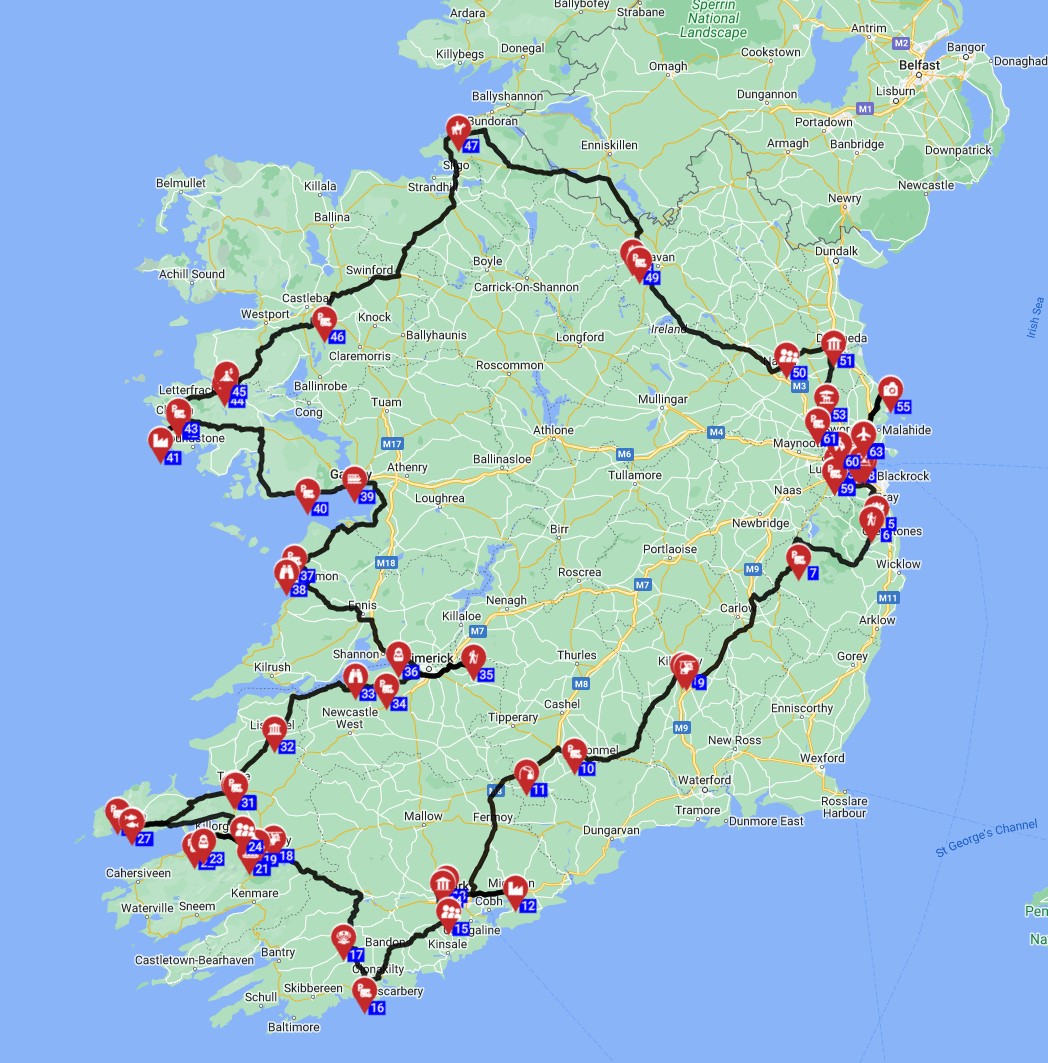
Exploring hidden gem itineraries in Ireland with your rented RV beyond the popular Wild Atlantic Way offers a deeper immersion into local culture, quieter landscapes, and effectively avoids peak tourist crowds. Consider the Ireland's Ancient East route, which delves into the country's rich history through lesser-known sites in counties like Kilkenny, Wexford, and Tipperary, focusing on monastic settlements and Norman castles without the heavy traffic of the west coast. The Lakelands and Ireland's Hidden Heartlands regions, spanning the tranquil Shannon River basin, provide opportunities for serene waterside camping, fishing, and exploring charming rural towns like Athlone or Carrick-on-Shannon, ideal for a "Week-Long RV Driving Tour in Ireland 2026". For rugged coastal beauty without the crowds, explore the Beara Peninsula in County Cork and Kerry; often overshadowed by the Ring of Kerry, it offers equally stunning coastal drives with fewer visitors and a more authentic feel. Discover the vibrant culture of the Boyne Valley in County Meath and Louth, home to ancient monuments like Newgrange and the Hill of Tara, alongside vibrant local artisan communities and culinary experiences. Such routes allow you to truly travel slowly, maximizing your connection to the culture, food, and scenery of Ireland, moving at your own pace and stopping frequently to savor the moments.
Specific challenges and opportunities for different RV types in Ireland
Various rented RV types encounter distinct challenges and opportunities when traveling through Ireland, from sourcing utilities like water and dump stations to managing electric hook-ups for larger units or relying on solar charging in often cloudy weather. Smaller campervans (Class B), such as a "V2L" (length_m: 5.99m) are highly maneuverable on Ireland's narrow roads and easier to park in towns, but their smaller fresh water (e.g., 100 Liter) and waste tanks mean more frequent stops for resupply and dumping, typically every 1-2 days. Larger motorhomes (Class C or Class A, like the "C-LARGE" with a 250-liter fuel tank) provide greater comfort and amenities, yet their size can make navigating small towns and finding suitable parking more challenging; securing electric hook-ups at campsites is crucial for their higher power demands, including refrigerators and heating systems. Finding water and dump stations is generally manageable at most designated campsites across Ireland, which typically charge €20-€40 per night for a powered pitch; free public access points are less common, making campsite stays almost essential for all RV types to maintain self-sufficiency. Solar charging in Ireland, particularly during extended cloudy periods, may only provide supplemental power, suitable for small electronics in a "Patagonia Camper 4x4 double cab" (small RV size); for consistent electricity, especially for larger units, reliable electric hook-ups at campsites are often necessary, or using a generator (if included in the rental, check your specific model like "dethleffs example 23-28") for off-grid options.
Seasonal specific advice beyond just weather for RV travel in Ireland
RV travel in Ireland is significantly impacted by seasonal events beyond just weather, including vibrant festivals, local gatherings, unique foraging opportunities, and rare natural phenomena, influencing the best time for your adventure. Summer months (June-August) are bustling with music festivals (e.g., Electric Picnic), agricultural shows, and cultural events such as the Galway International Arts Festival, which can lead to increased campsite demand and road traffic; booking a month or two in advance is crucial for securing a good spot. Autumn (September-November) offers picturesque drives through vibrant foliage and opportunities for foraging wild mushrooms and berries in designated areas, often coinciding with harvest festivals and local food markets, providing unique culinary experiences. Winter (December-February) is the quietest season, ideal for solitude and potentially witnessing the aurora borealis in northern counties like Donegal under clear, dark skies, though many campsites may be closed and attractions have reduced hours. Spring (March-May) brings blooming wildflowers, lambing season, and traditional St. Patrick's Day celebrations across the country; while campsites reopen, road conditions can still be variable, and it's a great time to find "Cheap RV Rental in Ireland - Budget Guide 2026". Planning around these seasonal opportunities can enhance your overall experience in a rented motorhome, providing a deeper connection to Ireland's rich yearly cycle.
Detailed guide on local cultural immersion through RV travel in Ireland
Renting an RV in Ireland offers exceptional opportunities for deep local cultural immersion, extending beyond typical tourist attractions to include farm stays, artisan workshops, authentic pub experiences, and meaningful connections with local communities. Seek out campsites that are part of working farms or those that offer farm-to-table dining experiences, providing a genuine glimpse into rural Irish life and agricultural practices; these can often be found by researching independent campsites or smaller, family-run parks. Participate in artisan workshops, such as pottery, weaving, or traditional music lessons, often found in smaller towns off the main tourist routes like those you'd discover on RV PLANET routes, connecting you with local craftspeople and their rich heritage. Experience the heart of Irish social life by visiting traditional pubs outside major cities, where you can enjoy live music sessions (known as 'trad sessions'), engage in conversations with friendly locals, and sample regional fare and local brews. Connecting with local communities can be achieved by attending local sporting events (Gaelic football, hurling) in smaller towns, visiting community markets for fresh produce, or simply striking up conversations with shopkeepers and residents, fostering genuine interactions and creating truly memorable experiences in your mobile home.
Comprehensive information on connectivity in remote areas of Ireland
Maintaining connectivity during an RV trip in Ireland, particularly in remote areas, requires understanding cell service coverage, Wi-Fi availability, and implementing best practices for staying connected on the road. Major mobile network operators like Vodafone, Three, and Eir generally provide good 4G/5G coverage in urban areas and along main routes, but signal can become intermittent or non-existent in very remote or mountainous regions, particularly along parts of the Wild Atlantic Way or in the heart of Donegal. Many campsites across Ireland offer Wi-Fi, often at a nominal fee or as a complimentary service, though speed and reliability can vary greatly depending on location and the number of simultaneous users. For more reliable connectivity in remote areas, consider purchasing a local prepaid SIM card with a generous data plan upon arrival at major airports like Belfast - City Airport or Cork - Airport, or utilizing a portable Wi-Fi hotspot (mifi device) with an Irish data SIM. Best practices for staying connected include downloading offline maps and essential information, such as campground details or important phone numbers, before venturing into rural areas; communicating connection needs with campsite hosts upon arrival; and utilizing mobile data sparingly where signal is weak, for example, by pre-downloading entertainment for evenings. This allows you to stay connected when necessary, without relying on it constantly and missing the beauty of being disconnected in nature.
Pet-friendly RV travel in Ireland: regulations, resources, and best spots
Pet-friendly RV travel in Ireland is entirely possible with proper planning, understanding regulations, utilizing available resources, and identifying suitable spots for your furry companions. Pets entering Ireland from outside the Republic of Ireland must comply with specific entry requirements, including microchipping, rabies vaccination, and obtaining an animal health certificate or pet passport from a certified veterinarian; check the official government guidelines well in advance of your trip for the most up-to-date information. Most campsites across Ireland welcome well-behaved dogs, often requiring them to be on a leash, and some may have designated pet-friendly pitches or areas; always confirm their pet policy when booking to avoid surprises. Numerous national parks, forestry trails, and beaches are dog-friendly, though leash rules and seasonal restrictions may apply, particularly in areas with sensitive wildlife or during bird nesting seasons; always check local signage upon arrival. Resources like 'Dogs Trust Ireland' and local veterinary clinics can provide invaluable guidance on pet care, emergency services, and pet-friendly attractions during your rented RV journey, ensuring a safe and enjoyable trip for your companion. Always carry enough pet food and water, waste bags, and a comfortable bed for your pet in your motorhome, making sure they are secure during travel, especially on longer journeys or if you are considering one-way RV rentals in Ireland.
What You Shouldn't Miss
- Drive the Ring of Kerry: This iconic 179 km scenic drive offers dramatic coastal views, charming towns, and ancient sites. Don't rush; take 2-3 days in your rented RV to explore fully.
- Explore the Cliffs of Moher: Witness the awe-inspiring 214-meter-high cliffs stretching for 8 km along the Wild Atlantic Way, home to thousands of seabirds. Park your campervan at the visitor center and take a walk.
- Visit Giant's Causeway, County Antrim: A UNESCO World Heritage site, this natural wonder features over 40,000 interlocking basalt columns, a result of ancient volcanic activity. It's an essential stop on any RV journey through Northern Ireland, linking up with our cities like Belfast.
- Discover Dublin's Historic Heart: Park your motorhome on the outskirts and use public transport to explore Dublin Castle, Trinity College (Book of Kells), and the Temple Bar district. Remember the city RV driving advice: Drive slowly and carefully, and you can drive almost anywhere without issues. No need to stress - just use common sense and pay attention.
- Experience the Burren National Park: This unique limestone landscape in County Clare offers fascinating flora, ancient dolmens, and a serene, almost lunar, atmosphere perfect for peaceful hikes.
- Taste local food in Galway: This vibrant city is a culinary hub. Enjoy fresh seafood, traditional Irish stews, and a lively atmosphere in its many pubs and restaurants. Our "Family RV Rental in Ireland - Pricing Guide 2026" can help budget for such experiences.
Looking for expert insights from Avi Bandana? Top 5 Adventures - recommendations from Avi Bandana.
Final Thoughts
Renting a motorhome in Ireland for even a few days, or an extended adventure, opens up a world of discovery. The tips and insights shared here are designed to equip you with the knowledge and confidence needed to navigate the Emerald Isle's unique charm, from its winding boreens to its welcoming pubs. Remember, the journey itself is as important as the destination. Embrace slow travel, allow yourself to get wonderfully lost, and connect deeply with the rich culture and stunning scenery around every bend. We're here to support you every step of the way, making the planning process simple and ensuring your RV rental in Ireland is an unforgettable experience.
Imagine yourself driving past ancient castles, stopping for a spontaneous hike along a dramatic coastline, and enjoying a hearty meal cooked right in your campervan. With Bandana Caravan, this dream is easily within reach. We provide the tools and expertise to compare your options, understand all costs upfront, and embark on your Irish adventure with complete peace of mind.
Ready to turn your Irish RV dream into reality? Discover top destinations, planning tips, all in one place! Find weekend rv Rentals in Ireland now and start comparing motorhome prices for Ireland to kickstart your unforgettable journey.