In This Guide
- Top 5 Tips for a memorable RV trip in Canada
- Before You Book - RV Class, Dates, Insurance for Canada
- Pre-Trip Prep - Packing Checklist for Canada
- On the Road - Driving, Fueling, Navigation in Canada
- At the Campground - Setup, Hookups & Etiquette in Canada
- Maximizing Your Short RV Trip in Canada
- Common Mistakes to Avoid on Your Canada RV Trip
- What do I need to rent an RV in Canada?
- Is it safe to RV in Canada?
- What are the rules for camping in an RV in Canada?
- What is the best time to rent an RV in Canada for a trip?
- What RV class is best for families in Canada?
- Where can I take a rented RV for a short trip in Canada?
- How much does it cost to rent an RV in Canada for a short trip?
- What is included when you rent an RV in Canada?
- How far in advance should I book an RV rental in Canada?
- Are there one-way RV rentals in Canada?
- What are the best RV rental companies in Canada?
- Top Cities for RV Rental in Canada
Canada, with its vast landscapes, stunning national parks, and vibrant cities like Vancouver and Halifax, is an exceptional destination for a motorhome adventure. Whether you're planning a week-long journey through the Rockies or a quick escape to a provincial park, preparing properly makes all the difference. For live availability and current prices, start with our RV Rental Canada - Complete Guide 2026.
At Bandana RV, we specialize in helping you find the perfect rented RV for your Canadian exploration, ensuring you have all the information and support you need before, during, and after your booking. We're true RV specialists, not just a travel agency side department, which means we genuinely understand the nuances of motorhome travel and love helping people discover its joys. With full transparency, you'll never face hidden fees or surprises.
Top 5 Tips for a memorable RV trip in Canada
1. Book your motorhome rental early for Canada, especially for summer trips or popular long weekends, to secure your preferred RV model and dates, potentially saving up to 25% on rates. This proactive approach ensures a wider selection of Class C motorhomes, which are a popular choice for families due to their balance of comfort and size.
2. Choose an RV class that comfortably accommodates your group size and lifestyle preferences, as selecting the right fit significantly impacts your overall travel enjoyment. For example, a "24' Class C Motorhome" with a capacity for 5 sleeping places is ideal for families looking for both living space and maneuverability.
3. Plan your route with realistic daily driving distances in mind, aiming for an average of 100-150 km per day to allow ample time for scenic stops, cultural immersion, and unexpected discoveries. Canada's diverse landscapes, from the coastal beauty of Nova Scotia to the mountainous grandeur of British Columbia, are best experienced at a relaxed pace.
4. Budget thoroughly for all ancillary costs beyond the initial rental price, including fuel, campground fees (typically CAD $30-$70 per night for serviced sites), national or provincial park passes, and activity permits. For easy budgeting and expense tracking throughout your adventure, consider exploring RV PLANET routes, which allow you to itemize every expense along the way. On the routes offered through RV PLANET routes, you can itemize and track every expense along the way for easy budgeting.
5. Familiarize yourself with Canada's specific road rules, provincial park regulations, and wilderness safety protocols, especially concerning wildlife encounters and responsible waste disposal. This includes understanding speed limits posted in kilometers per hour (km/h) and proper food storage in bear country.
Before You Book - RV Class, Dates, Insurance for Canada
Selecting the right RV class for your Canadian adventure is crucial for both comfort and ease of driving, directly impacting your overall experience. Bandana RV offers a range of motorhomes and campervans, from compact Class B campervans perfect for couples like the "rv rental denver example Category Van" with shower and toilet, to spacious Class C motorhomes such as the "rv rentals example Comfort Class" that can accommodate large families or groups of friends with 3 double beds. Consider your group size, luggage, and whether you prefer a compact unit for easier navigation or more living space.
For securing your preferred RV rental dates in Canada, especially if traveling during the peak summer months of June to September or around major holidays, booking at least 3-6 months in advance is highly recommended. This strategy often results in wider availability of vehicle types and can lead to more favorable rental rates. However, spontaneous travelers can still find last-minute options, as many national and provincial parks reserve 25-30% of their spots for first-come-first-serve arrivals.
Basic insurance is always included with RV rentals in Canada, providing essential coverage for peace of mind during your trip. For enhanced protection, you can opt to upgrade to a top-level deductible for extra peace of mind, covering potential damages more comprehensively. When searching on Bandana RV, you can easily compare prices including various insurance options by selecting your desired coverage during the initial search. This full transparency ensures no hidden fees or surprises at pick-up.
Pre-Trip Prep - Packing Checklist for Canada
A well-organized packing checklist is essential for a comfortable and safe RV rental trip in Canada, considering the country's diverse climates and varied outdoor activities. Being prepared means you can relax and fully immerse yourself in the journey without worrying about forgotten essentials.
Clothing Essentials:
- ☐ Layers for varying temperatures (even in summer, Canadian evenings can be cool)
- ☐ Rain gear (waterproof jacket and pants are highly recommended)
- ☐ Comfortable walking and hiking shoes
- ☐ Swimsuit (if planning water activities in lakes or hot springs)
- ☐ Warm hat and gloves (for cooler evenings, higher elevations, or shoulder season travel)
Kitchen & Food Supplies:
Planning to cook some delicious meals in your rented motorhome? Check out our RV-friendly recipes playlist for inspiration!
- ☐ Basic cooking utensils and dishes (confirm what's included with your rental)
- ☐ Reusable water bottles and coffee mugs to minimize waste
- ☐ Food storage containers to keep perishables fresh and deter wildlife
- ☐ Biodegradable soap and dishcloths for eco-friendly cleaning
Safety & Navigation:
- ☐ First-aid kit with personal medications
- ☐ Bear spray (know how to use it safely and check local regulations, particularly in national parks)
- ☐ Effective bug repellent, especially for summer travel in wooded areas
- ☐ Headlamps or flashlights for evening activities and campground navigation
- ☐ Maps and navigation tools (offline options recommended, as cell service can be intermittent)
- ☐ Fire starter and kindling (if campfires are permitted at your chosen campsites)
Documents & Electronics:
- ☐ Valid driver's license and passport/ID (an International Driving Permit is recommended for non-English/French licenses but not always mandatory)
- ☐ RV rental agreement and insurance documents
- ☐ Campground reservations (especially for popular national parks)
- ☐ Credit cards and some Canadian cash for smaller purchases or remote locations
- ☐ Phone charger and a portable power bank for essential electronics
On the Road - Driving, Fueling, Navigation in Canada
Navigating Canada by a rented RV requires extra awareness for its size and weight, but with common sense and attention, you can drive almost anywhere without issues. Drive slowly and carefully, and you'll find the experience stress-free. Canadian roads are generally well-maintained, and the country offers stunning scenic drives, such as parts of the Trans-Canada Highway.
Fuel consumption for motorhomes is typically higher than for standard passenger vehicles, so budgeting accordingly and planning your stops is crucial, especially in remote Canadian regions where gas stations can be sparse. Fuel is sold in liters, and prices can vary significantly between provinces and territories, with current prices usually displayed per liter.
Utilize a GPS for primary navigation, but always carry physical maps or download offline maps on your devices, as cell service can be intermittent or nonexistent in many scenic and wilderness areas. This redundancy ensures you always know your way, even when off-grid. Provincial regulations often include specific rules for RVs, such as speed limits, which are posted in kilometers per hour (km/h) across the country.
When driving your rented motorhome in cities like Montreal or Toronto, remember to drive slowly and carefully, paying attention to signage and traffic. There's no need to stress about city driving, just use common sense and you can navigate urban environments without issues.
At the Campground - Setup, Hookups & Etiquette in Canada
Proper campground setup and adherence to local etiquette are essential for a pleasant RV rental experience in Canada, ensuring respect for fellow campers and the environment. Most campgrounds, especially in national and provincial parks, offer various site types from unserviced (no hookups) to full-service (electricity, water, sewer) options.
Upon arriving at your reserved campsite, position your RV carefully, allowing enough room for slide-outs and creating a comfortable outdoor living space. Once positioned, use leveling blocks to stabilize your motorhome, ensuring a comfortable interior and proper appliance function. The process of connecting hookups should follow a specific order: first, attach the electrical power cord, then connect the fresh water hose (after flushing it), and finally, securely attach the sewer hose, ensuring all seals are watertight.
Respecting quiet hours, typically observed from 10 PM to 7 AM across Canadian campgrounds, is a key part of RV etiquette. This means minimizing noise, dimming exterior lights, and ensuring any pets are kept quiet to allow everyone to enjoy the peaceful surroundings. Maintaining a clean campsite, properly disposing of garbage and recycling in designated bins, and adhering to fire regulations (especially during fire bans) are also critical for preserving Canada's natural beauty.
Maximizing Your Short RV Trip in Canada
Tailoring your rented RV trip to Canada, even for a week-long journey, can significantly enhance your experience, whether you're traveling as a family, on a budget, or seeking a touch of luxury. Focusing on a compact itinerary allows you to fully immerse yourself in fewer destinations, rather than rushing through many, maximizing your limited time.
For families, selecting a motorhome with sufficient sleeping capacity, such as a Class C model that typically offers beds over the cab and convertible dinettes (like the "MH-B" motorhome with 6 sleeping places), is ideal. Look for amenities like an outdoor awning for expanded living space and plan routes with shorter driving segments to keep younger travelers content. Consider an itinerary like the "Halifax to Whitehorse - Exploring Canada’s Heartland in a Motorhome" which, though long, highlights many family-friendly stops.
Budget-conscious travelers can save money by cooking most meals in their RV's kitchen, making use of amenities like the 150-liter refrigerator in a "C-30" motorhome. Opt for shoulder season rentals (May-June or September-October) when rates are generally lower, and consider unserviced campsites where permitted, which often have reduced fees. Exploring our "Cheap RV Rental in Canada - Budget Guide 2026" can provide further insights.
Luxury seekers might prefer premium Class A motorhomes or larger Class C models with additional features, choosing pre-booked private campground sites that offer full hookups and extensive amenities. Regardless of your style, the key is to travel slowly, averaging no more than 100-150 km per day, allowing you to truly feel the place and connect with Canada's diverse culture, delicious food, and breathtaking scenery.
Common Mistakes to Avoid on Your Canada RV Trip
Awareness of common pitfalls can transform a good RV rental trip in Canada into a truly exceptional one, ensuring smoother travel and a more enjoyable experience. Many first-time renters often make easily avoidable mistakes that can lead to unnecessary stress or expenses.
Instead of underestimating driving times, always allow extra time for potential road construction, unexpected scenic stops, and varying road conditions across Canada's vast and diverse landscapes. Planning an itinerary with flexible daily distances, ideally around 100-150 km, provides a buffer for these variables, reducing the pressure to rush.
Rather than forgetting essential park passes, purchase national or provincial park passes in advance, especially if you plan to visit multiple parks like Banff, Jasper, or Algonquin. A Parks Canada Discovery Pass costs CAD $75.25 for a family for 2026 and saves both time and money compared to individual entry fees.
Instead of neglecting wildlife safety, rigorously store all food securely within your rented motorhome or in bear-proof containers, and never feed wild animals. Carrying bear spray and understanding how to use it safely is a critical precaution in many wilderness areas. This is not a luxury, but common sense for safety.
Rather than relying solely on cellular service for navigation and information, download offline maps and crucial trip details. Connectivity can be unreliable in remote Canadian areas, meaning pre-downloaded maps and campground information can be invaluable. Additionally, while some RVs come with internal TVs, like the "Euro Deluxe" model, having physical entertainment or downloaded media is smart for areas without satellite reception.
Instead of overpacking, choose versatile layers and essential items to avoid overloading your RV, which can reduce fuel efficiency and make living space feel cramped. Many rental motorhomes offer ample storage, but optimizing your packing means a more comfortable and organized journey.
What do I need to rent an RV in Canada?
To rent an RV in Canada, you generally need three primary items: a valid driver's license from your home country, a second form of identification like a passport, and a major credit card for the rental deposit. Most rental companies, including Bandana's partners like El Monte, Cruise America, Apollo, and Britz, require drivers to be at least 21 years old, with no young driver surcharges or vehicle class restrictions based on age.
For operating any Class A, Class B, or Class C motorhome in Canada, a standard provincial or state driver's license is entirely sufficient; there's no need for a special commercial license or additional permits. While not mandatory in most cases, an International Driving Permit (IDP) is highly recommended for visitors from non-English or non-French speaking countries, as it serves as an official translation of your existing license, making interactions with local authorities much smoother.
Always review the specific rental requirements of your chosen supplier through Bandana RV, as some might have minor variations in documentation or deposit policies. We strive for full transparency, ensuring all necessary details are clear before you book, so you face no hidden fees or surprises.
Is it safe to RV in Canada?
RVing in Canada is generally very safe, provided travelers exercise common sense and adhere to local safety guidelines, especially when exploring wilderness areas. The country boasts robust infrastructure and well-maintained roads, making navigation relatively straightforward.
Key safety measures for Canadian RV trips include secure food storage within your rented motorhome to deter wildlife, particularly bears, and learning how to use bear spray safely if traveling in bear country (always check provincial regulations). In very remote areas, carrying emergency communication devices like a satellite messenger can be a prudent addition to your safety gear.
Road conditions are typically excellent, but it's important to be aware of seasonal changes, such as potential winter driving conditions in colder months or unpaved routes that may require slower speeds. Adhering to campground rules, respecting private property, and practicing Leave No Trace principles further enhances safety for both yourself and the pristine Canadian environment. We’re with you before, during, and after your booking, offering support and peace of mind.
What are the rules for camping in an RV in Canada?
Rules for RV camping in Canada vary significantly by province, territory, and the type of land you choose to camp on, requiring travelers to be aware of local regulations. The most common and regulated option is camping in designated campgrounds, whether private, provincial parks, or national parks, which typically require advance reservations, especially during peak season.
Boondocking, or dispersed camping, on Crown land (public land) is often permitted for free in many provinces, such as British Columbia and Alberta, but requires a thorough understanding of specific regional regulations and strict adherence to Leave No Trace principles. It's crucial to research the specific rules for the area you plan to visit, as regulations can differ greatly from one province to another.
In national parks like Banff or Jasper, camping is strictly restricted to designated campsites, and backcountry permits are required for any wilderness camping outside of established RV areas. Always check local bylaws for overnight parking restrictions in urban centers; some municipalities or businesses, such as Walmart, may allow overnight RV parking with prior permission, but it's always best to call ahead before driving.
What is the best time to rent an RV in Canada for a trip?
The best time to rent a motorhome in Canada largely depends on your desired activities and your tolerance for crowds, with the shoulder seasons (May-June and September-October) generally offering an excellent balance of pleasant weather and fewer tourists. These periods allow for more flexible travel and often come with more competitive rental rates.
Summer, spanning July and August, provides the warmest weather and full access to virtually all attractions and national parks, making it the most popular time for RV travel in Canada. However, this peak season also brings higher rental prices, increased demand for vehicles like the "MHC24" (a 6-sleeper motorhome), and often crowded campgrounds, necessitating early booking.
Spring (May-June) delights with blossoming landscapes, abundant wildlife viewing opportunities, and generally lower rental rates, though some higher elevation roads or northern parks might still be opening for the season. Fall (September-October) is particularly enchanting for its vibrant autumn foliage, cooler hiking weather, and significantly reduced crowds, but travelers should anticipate shorter daylight hours and some seasonal attraction closures. Winter RVing is an option for experienced cold-weather campers in specially equipped units, offering unique experiences like skiing or snowshoeing, but demands specific gear and preparation for sub-zero temperatures.
What RV class is best for families in Canada?
For families renting an RV in Canada, a Class C motorhome is generally considered the optimal choice due to its excellent balance of comfortable sleeping capacity, relative ease of driving, and practical onboard amenities. These versatile units, often like the "cruise america rv rental example Explorer" which sleeps 4, offer a home-like experience on the road.
Class C RVs typically accommodate 4-6 people, featuring a bed over the cab, a dinette that converts into an additional sleeping area, and often a private rear bedroom, providing distinct spaces suitable for family members. They usually come equipped with a full kitchen (complete with stove, refrigerator, and microwave), a bathroom with a shower, and ample storage for luggage and supplies, making longer trips with children significantly more manageable and comfortable.
While larger Class A motorhomes, like the "Class A - Thor ACE 30", offer expansive space and luxurious features, their size can be daunting for first-time RVers or when navigating smaller provincial park roads and campgrounds. Conversely, smaller Class B campervans, such as the "Active Classic", are excellent for couples or small families with very young children, but might feel cramped for older kids or extended family trips requiring more privacy and storage.
Where can I take a rented RV for a short trip in Canada?
For a rewarding week-long RV rental trip in Canada, ideal destinations are typically within a few hours' drive from major rental hubs like Vancouver, Calgary, Toronto, or Halifax, offering a balance of scenic beauty and accessible amenities. This approach maximizes your limited time and minimizes extensive driving.
Popular options include easily accessible provincial parks such as Algonquin Provincial Park in Ontario (offering over 1,500 lakes and 12 campgrounds) or the stunning Okanagan Valley in British Columbia, known for its lakes, wineries, and over 100 private and public campgrounds. Fundy National Park in New Brunswick, famous for its dramatic tides, provides unique coastal camping and hiking experiences, including 20+ hiking trails and 4 developed campgrounds.
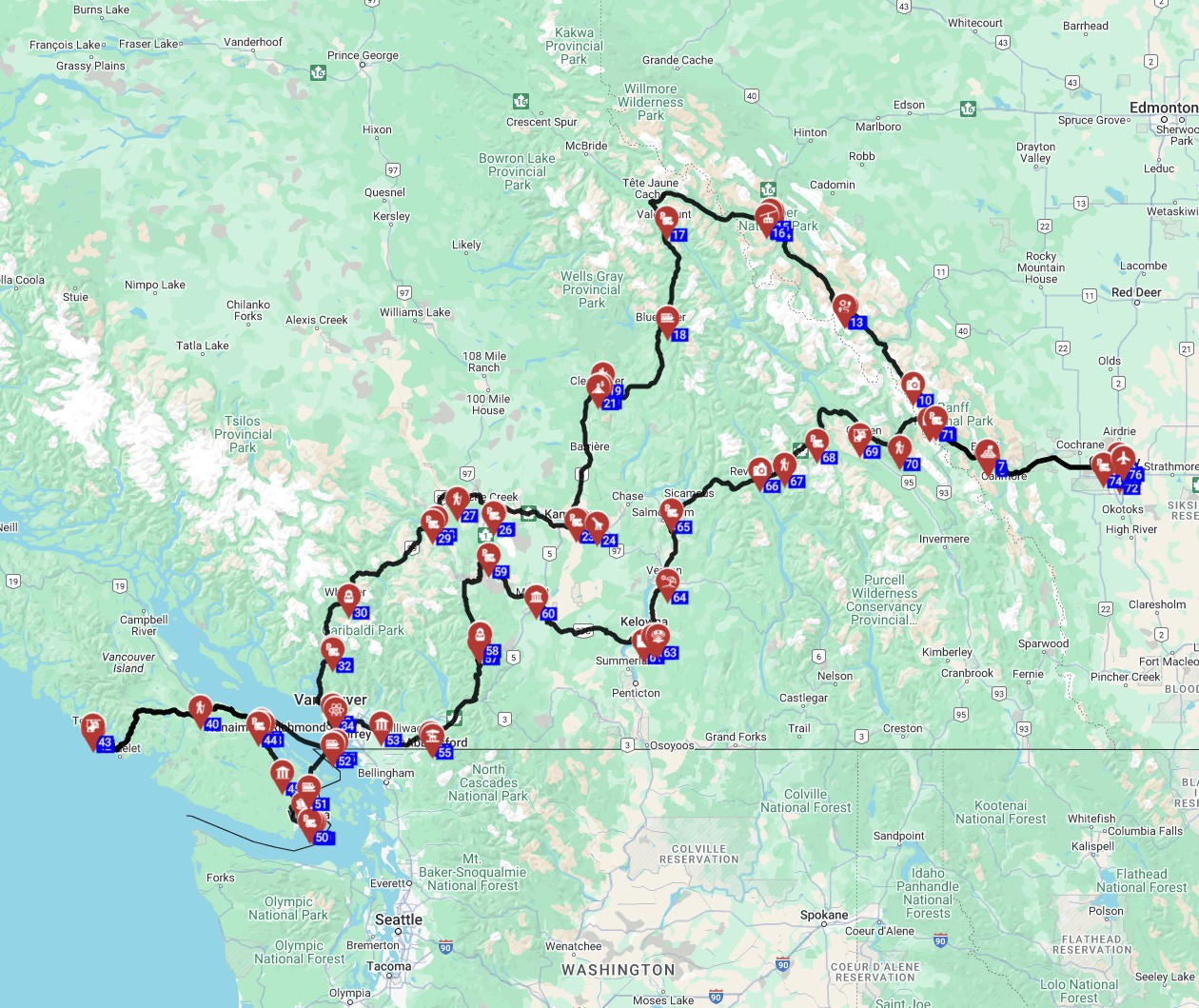
Coastal drives, such as exploring parts of Nova Scotia's Cabot Trail or Vancouver Island's scenic routes, offer breathtaking ocean views and charming seaside towns perfect for short explorations. For example, the "

Lesser-traveled gems might include exploring parts of the Eastern Townships in Quebec, known for its rolling hills and picturesque villages, or the unique Badlands of Alberta. For finding available campsites along your route, we recommend using RV PLANET (rvplan.net) - a great resource for locating available spots and building customized route plans. Remember to call ahead before driving to confirm availability, especially during busy periods.
How much does it cost to rent an RV in Canada for a short trip?
The cost to rent an RV in Canada for a week-long trip typically ranges from CAD $1400 to $2800+, heavily depending on the RV class, specific rental duration, season, and included amenities. A smaller Class B campervan, like the "Combi Van", might start around CAD $150-$250 per night, while a Class C motorhome, such as the "MHC24" with its 150-liter fresh water tank, could be CAD $200-$400+ per night. Larger, more luxurious Class A units would be considerably more.
Beyond the base rental fee, travelers should anticipate several additional costs to budget for. Fuel is a significant expense for RVs, with consumption rates typically ranging from 15-25 liters per 100 km for a Class C motorhome. Camping fees for serviced sites commonly range from CAD $30-$70+ per night. Furthermore, you'll need to account for provincial or national park passes (e.g., a Parks Canada Discovery Pass for CAD $75.25 for a family for 2026), potential ferry costs for island destinations, and propane for heating and cooking.
Always budget for groceries and supplies, as well as any activity fees or optional add-ons like kitchen kits, linen packages, or comprehensive insurance to avoid surprises. Prices are dynamic, similar to flight tickets, changing daily based on availability and seasonality. The final price is always set at the actual booking time. For live pricing and deals, check out our "RV Rental in Canada - Prices and Best Deals 2026" guide.
What is included when you rent an RV in Canada?
When you rent a motorhome or campervan in Canada through Bandana RV, basic inclusions typically cover the vehicle itself, essential safety equipment, and standard liability insurance as part of your rental agreement. This ensures you're ready to hit the road with fundamental protections in place.
Most rentals from our partner suppliers, such as El Monte, Cruise America, Apollo, and Britz, come with a certain amount of free mileage, with additional mileage often available for purchase in flexible packages tailored to your estimated trip length. For instance, a typical Class C motorhome like the "MH-A" will have a specified mileage allowance, with excess kilometers incurring a per-kilometer charge.
Many rental companies offer convenient kitchen and linen kits, which typically include dishes, cookware, bedding, and towels, often as optional add-ons or as part of premium packages for an extra fee. Some rentals might also provide a complimentary welcome kit with basic cleaning supplies or a starter set of toiletries to get your trip started. It is crucial to thoroughly review the specific rental agreement from your chosen company to understand exactly what is included and what optional extras might enhance your trip, such as GPS devices or outdoor camping furniture. We champion full transparency so there are no hidden fees, no surprises.
How far in advance should I book an RV rental in Canada?
For a rewarding RV rental trip in Canada, especially if you plan to travel during the highly sought-after peak season (June to September) or on long weekends, booking your motorhome 3 to 6 months in advance is highly recommended. This proactive approach significantly increases your chances of securing your preferred RV model and dates, such as a "Glamys 40" Class C, and can lead to average savings of 15-25% on rental rates.
Booking further in advance ensures a wider selection of RV models, from compact campervans like the "Active Pop Top" to larger Class C units, and better availability for popular pick-up locations such as Vancouver or Toronto. If your travel dates offer flexibility, you might discover last-minute deals during the shoulder seasons (spring and fall) or outside of major holidays, though your vehicle selection will likely be more limited.
For specific, in-demand RV types, luxury models, or popular national park itineraries (which require advance campsite reservations), booking 9-12 months ahead is not uncommon to guarantee your desired choice. Remember, if popular campgrounds are fully booked, many national and provincial parks still reserve 25-30% of their spots for first-come-first-serve visitors. You'll find a spot; if not at the first campground, then the next one. Always call ahead before driving.
Are there one-way RV rentals in Canada?
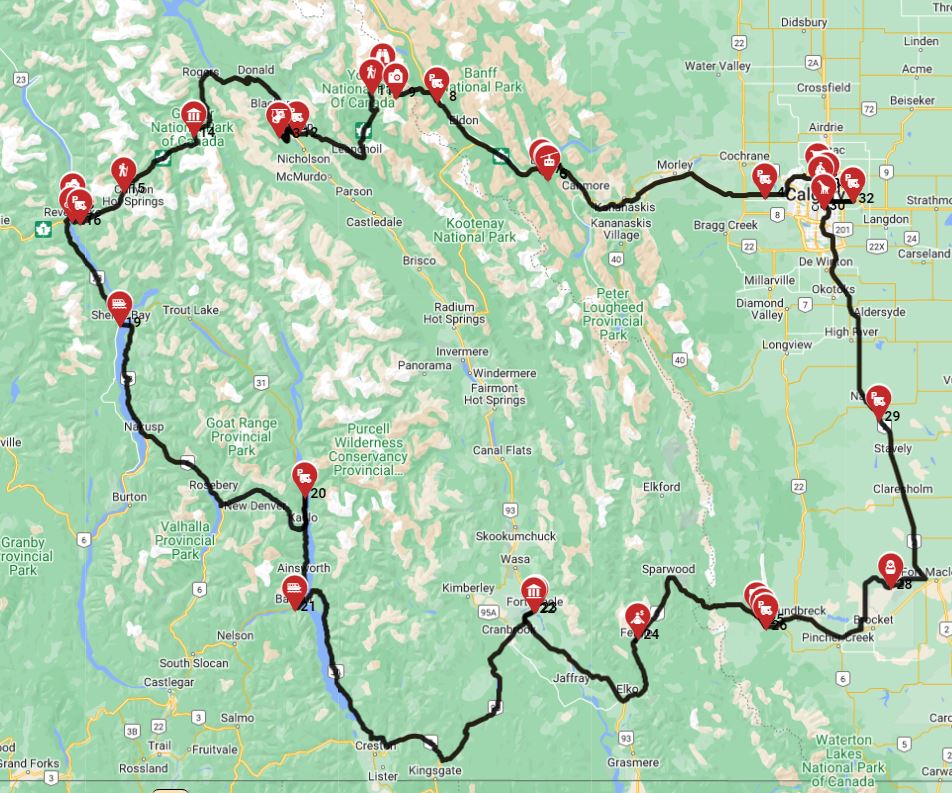
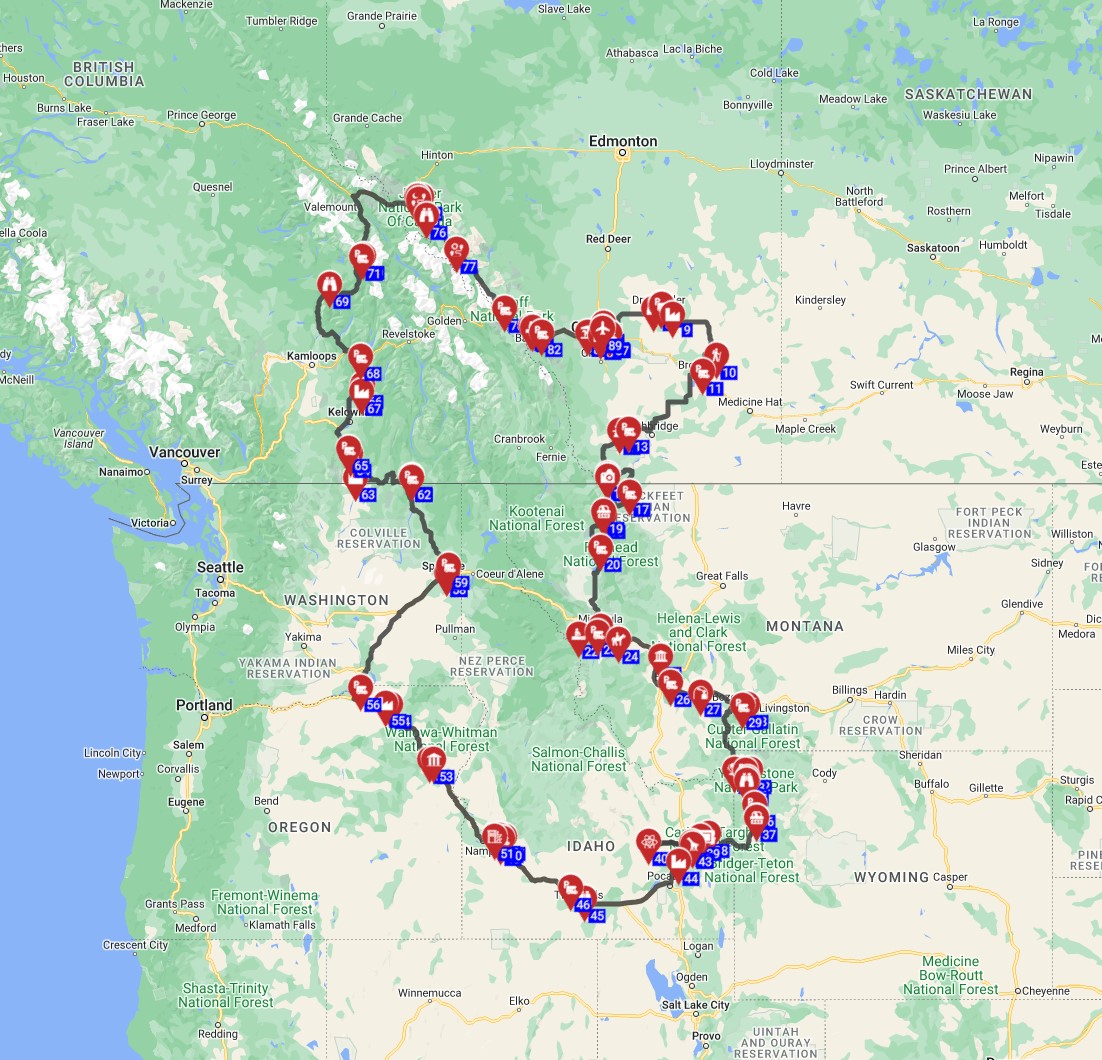
Yes, one-way RV rentals are readily available in Canada, offering travelers the flexibility to pick up a motorhome in one city, such as Vancouver, and return it to a different city like Toronto, which is ideal for extended, linear road trips. This option is particularly popular for cross-country journeys like the "
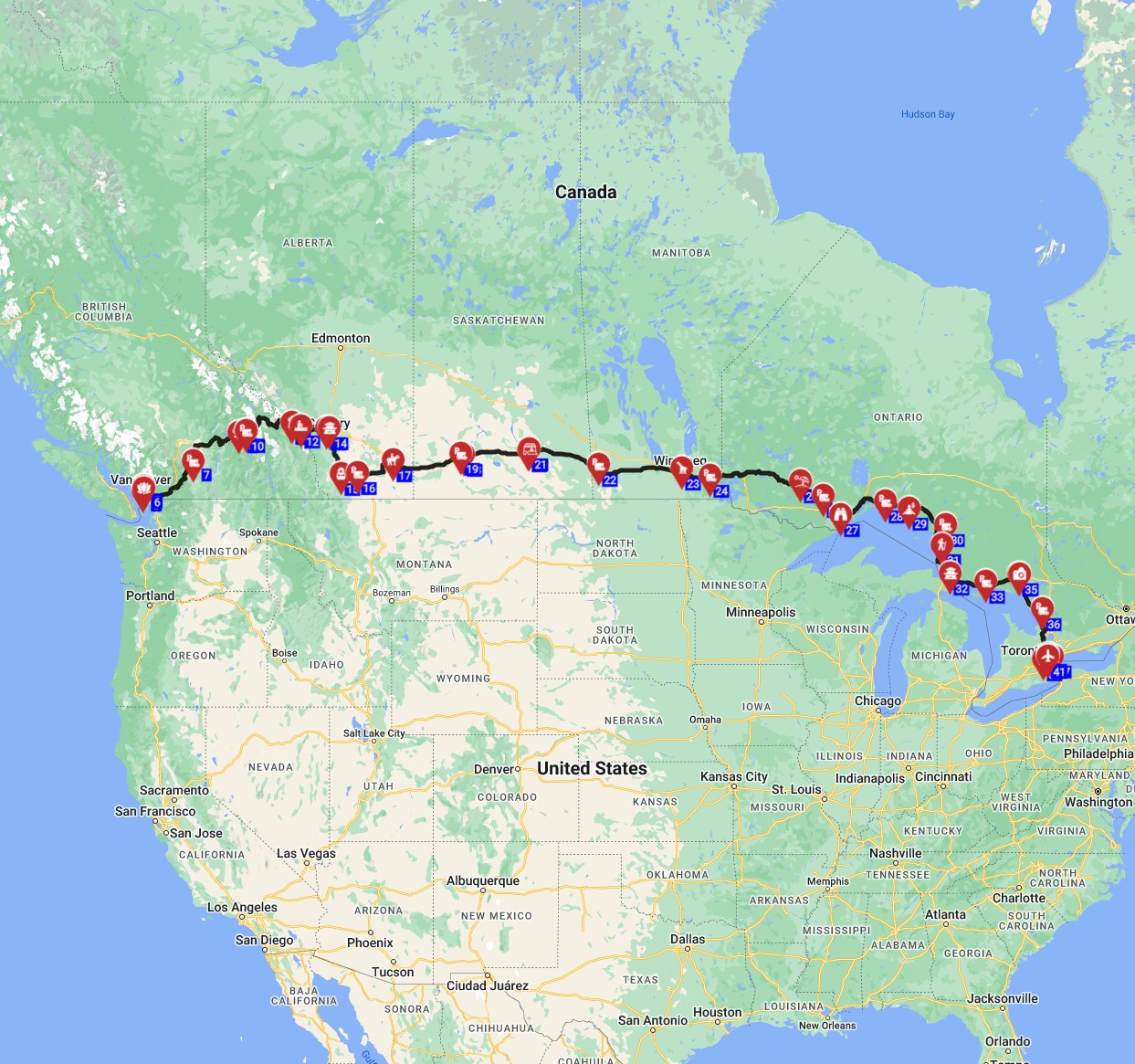
One-way rentals typically incur an additional "one-way fee" or "drop-off charge," which can vary significantly by rental company, the specific route (e.g., Calgary to Vancouver vs. Montreal to Halifax), and the season. These fees usually range from CAD $150 to $500, so it's essential to factor this into your overall budget. For a detailed breakdown of potential costs, our "One-Way RV Rental in Canada - Price Guide 2026" can be a valuable resource.
Availability for one-way motorhome rentals can be limited, especially for popular routes during peak travel times, making early booking highly advisable. These rentals are particularly beneficial for travelers looking to explore vast regions without the logistical challenge of returning the vehicle to its original pick-up location, allowing for a truly expansive Canadian adventure.
What are the best RV rental companies in Canada?
Several reputable RV rental companies operate in Canada, each offering a range of vehicles and services, with the "best" often depending on individual traveler needs regarding budget, preferred RV class, and pick-up/drop-off locations. Bandana RV partners directly with over 50 leading global and local suppliers, including prominent names like El Monte, Cruise America, Apollo, and Britz, to provide you with a comprehensive comparison.
Major national providers, such as Cruise America and Apollo, are popular choices known for their extensive fleets of Class C motorhomes and campervans, multiple convenient locations across Canada, and reliable support services. These suppliers typically offer a consistent experience and a wide selection of vehicle sizes, from compact units like the "camper for rent example Jackpot" to larger family-sized motorhomes.
Regional or independent rental companies may offer more specialized or budget-friendly options, particularly in specific provinces or for unique RV types. When choosing a supplier, always consider factors such as included mileage packages, comprehensive insurance options, available amenities (like kitchen kits or bedding), customer service reviews, and clear cancellation policies to find the best fit for your unique Canadian road trip. We compare final prices across all these suppliers, ensuring full price transparency and no hidden fees.
Top Cities for RV Rental in Canada
Canada offers numerous excellent cities as starting points for your RV rental adventure, each providing access to diverse landscapes and attractions. Whether you're heading west for mountain scenery or east for coastal charm, you'll find convenient pick-up locations.
- Vancouver, British Columbia: A vibrant coastal city with immediate access to the Pacific Ocean, the Canadian Rockies, and destinations like Vancouver Island. It's a popular hub for exploring western Canada and even venturing south to our "RV Rental USA - Complete Guide 2026".
- Calgary, Alberta: Often considered the gateway to the Rocky Mountains, Calgary is an ideal starting point for exploring Banff National Park, Jasper National Park, and other breathtaking natural wonders.
- Toronto, Ontario: As Canada's largest city, Toronto offers extensive RV rental options and serves as a great base for exploring the Great Lakes region, Niagara Falls, and eastern Canada's rich history.
- Montreal, Quebec: This charming city provides access to Quebec's unique culture, the scenic Laurentian Mountains, and routes heading further east to the Maritimes.
- Halifax, Nova Scotia: A perfect starting point for a coastal adventure along the scenic Cabot Trail or exploring the picturesque fishing villages and historic sites of the Maritime provinces. Our detailed itineraries, such as "Halifax to Whitehorse - Exploring Canada’s Heartland in a Motorhome," provide a great way to plan.
- Abbotsford, British Columbia: Situated in the Fraser Valley, it offers a convenient pick-up location with easy access to both Vancouver's attractions and the interior's natural beauty.
- Bolton, Ontario: Located just north of Toronto, Bolton can be a great option for renters looking to avoid downtown traffic while still being close to major highways.
- Burlington, Ontario: Another advantageous location near Toronto, providing easy access to southern Ontario's parks and cities.
- Coquitlam, British Columbia: Part of Metro Vancouver, Coquitlam offers a relaxed start to your RV journey, away from the immediate city bustle but still well-connected.
- Dartmouth, Nova Scotia: Located across the harbor from Halifax, Dartmouth offers an alternative pick-up point for exploring the Maritimes.
- Delta, British Columbia: South of Vancouver, Delta provides strategic access to both the US border and routes heading towards the interior of BC.
- Gibsons, British Columbia: A charming coastal town accessible by ferry from Vancouver, ideal for starting a relaxed Sunshine Coast RV trip.
When selecting your pick-up city, consider the duration of your trip (Bandana RV focuses on rentals of 1 week or more) and your desired itinerary. For customized route plans, including specific cities and attractions, check out RV PLANET (rvplan.net) - a sister company of Bandana RV offering 1,300+ pre-planned routes.
🎬 Video coming soon
What You Shouldn't Miss
Canada is full of incredible experiences, and with a rented RV, you have the freedom to explore them all. Here are a few must-do highlights:
- Drive the Icefields Parkway: This 232-kilometer scenic highway in Alberta connects Banff and Jasper National Parks, offering unparalleled views of ancient glaciers, turquoise lakes, and abundant wildlife. Budget at least two days to truly appreciate its 100+ viewpoints and hiking opportunities.
- Explore Gros Morne National Park, Newfoundland: A UNESCO World Heritage Site, this park on the west coast of Newfoundland is a geological wonder, with fjords, mountains, and unique ecosystems. Don't miss the Tablelands, a landscape of exposed mantle that looks like another planet, and its 19 designated campsites.
- Visit Peggy's Cove, Nova Scotia: Just an hour's drive from Halifax, this iconic fishing village boasts one of Canada's most photographed lighthouses perched on a granite outcrop. Enjoy fresh seafood and the tranquil maritime atmosphere, with several nearby campgrounds.
- Experience Quebec City's Old Town: Step back in time in North America's only walled city, a UNESCO World Heritage site. Park your RV at a nearby campground and take public transport or a shuttle into the city to explore its charming cobblestone streets, historic architecture, and vibrant culinary scene.
- Hike in Yoho National Park, British Columbia: Often overshadowed by its neighbors Banff and Jasper, Yoho National Park offers equally stunning scenery with fewer crowds. Marvel at Takakkaw Falls (Canada's second-highest waterfall), Emerald Lake, and its several well-maintained campgrounds.
- Witness the Northern Lights: If traveling in the late fall or early spring to northern regions like Whitehorse or parts of Alberta, keep an eye on the night sky. The aurora borealis is an unforgettable natural spectacle best viewed from remote, light-pollution-free RV campsites.
Looking for expert insights from Avi Bandana? Top 5 Adventures - recommendations from Avi Bandana.
Final Thoughts
Embarking on a rented RV adventure through Canada offers an unparalleled sense of freedom, allowing you to discover majestic mountains, pristine coastlines, and vibrant cultures at your own pace. While a week-long trip may seem short to scratch the surface of this vast country, careful planning and these tips ensure you make the most of every moment.
Remember, the journey itself is as important as the destination. Embrace slow travel, taking time to feel the unique charm of each place, connect with local communities, savor the diverse food, and soak in the breathtaking scenery. With the right preparation and the transparent support of Bandana Caravan, your Canadian motorhome trip is set to be an unforgettable chapter in your travel story.
Don't wait to start dreaming and planning! Get inspired for your next trip and discover top destinations and planning tips, all in one place with Bandana RV.